

在林酒店,被肉熊老公狠狠灌精了五次,從晚上一路艸到早上...
床邊有超大的玻璃,同時窗戶又都是超大落地窗,直接把肉熊老公的獸慾解放,居然主動拿手機拍我被他艸的模樣...還把我壓在落地窗旁邊的沙發一直後入,逼我錄下被他幹的模樣,真的超色的;週三還被他抓去澳門,看來又要被他連艸四天了...


9
197

老板不一定是專家,但他在的探空業務能做到這樣成功,在一定程度上也是專家。並且很好洞悉力和整合力。我星期五也購入3股SpaceX了。本來計劃要10支,結果太熱門了配額非常有限。我認為如果他全神貫注於SpaceX他還會更成功。風險就是他會不會被政治帶走?!
1
1
54

『(英國)麥法登飛到鹿特丹,只為了解決一個其實他自己部門早已解釋過的問題。
帕特.麥法登前往荷蘭參訪。他造訪了一間名為 Jongerenpunt 的青年服務中心,回國後印象深刻。荷蘭18至24歲年輕人的 NEET(未就學、未就業、未接受職業訓練)比率為4.9%,而英國則高達15.1%。
麥法登提出的解方是:未來兩年設立180個青年服務中心(Youth Hubs),到2029年增加至360個,提供整合式服務、履歷撰寫協助、住房支援以及學徒培訓管道,並投入25億英鎊、為期三年的預算。
但其實他根本不需要飛到鹿特丹。
因為英國與荷蘭之間差距的原因,就擺在他自己部門掌握的數據裡。
自2020年以來,英國每聘用1名年輕英國本地勞工,就聘用了27名年輕的非歐盟移民勞工。非歐盟年輕族群的就業人數增加了355%,而英國本地年輕勞動力只增加了0.3%。
同一期間,NEET人數增加近25萬人,目前已超過100萬人。
社會正義中心(Centre for Social Justice)在同一天公布了這些數據,資料來源正是政府自己的英國稅務海關總署(HMRC)薪資資料。而同一天,艾倫.米爾本(Alan Milburn)針對青年失業問題的報告卻得出結論稱:
「沒有證據顯示移民與此有任何關聯。」
然而,政府自己的數據卻說明了相反的事實。
麥法登的部門掌握著這些證據。
但他們選擇去研究鹿特丹。
⸻
25億英鎊這個數字值得仔細檢視。
若分攤到三年,以及政府所稱的「近100萬名年輕人」身上,平均每人每年大約只有800英鎊。
另一方面,政府也已確認,花在支付失業青年福利上的支出,是協助他們找到工作的25倍。
放在這樣的背景下來看,25億英鎊並不是一次制度性的改革。
它更像是一篇附帶預算數字的新聞稿。
⸻
這份文件中還有一項值得深思的承認。
文件指出,荷蘭年輕人的憂鬱症狀比例高居全球第二,僅次於英國,而荷蘭的焦慮症比例也只比英國略低。
但文件最後得出的結論卻是:
「差異不在於健康狀況,而在於國家如何回應這些問題。」
這實際上悄悄推翻了英國政府多年來的說法——即將英國的 NEET 危機很大程度歸因於年輕人的心理健康危機。
如果一個心理健康指標相近的國家,卻能把 NEET 比率維持在英國的三分之一,那麼心理健康從來就不是主要原因。
政府如今已經白紙黑字地承認這一點,卻仍持續委託以此為主要論點的研究報告。
⸻
荷蘭真正做到的事情,也是這份文件刻意避免深入探討的部分:
荷蘭有35%的年輕人接受職業教育訓練,而英國只有22%。
超過一半的荷蘭年輕人在19歲前就已累積職場經驗。
而這一切的前提,是勞動市場中必須存在足夠的基層工作職缺,讓本國年輕人能夠進入。
然而,英國去年10月的預算案卻朝著完全相反的方向前進。
雇主國民保險(National Insurance)調漲,加上青年最低工資大幅提高近20%,使得雇用基層年輕員工的成本增加。
而這一切正發生在:
每聘用1名英國年輕人,就有27名移民被聘用
的背景之下。
同一個政府推出的兩項政策,卻朝著相同方向運作——共同把英國年輕人擠出就業市場,而荷蘭則持續為本國年輕人保留這些機會。
⸻
麥法登的青年服務中心或許能幫助部分年輕人在一套失靈的制度中找到方向。
但它們無法解決制度為何失靈。
整整一代英國年輕人,被排除在那些曾讓他們父母踏入職場的工作機會之外。
這些職位被以27比1的比例,由外來勞工取代。
而負責此事的部長,卻飛往鹿特丹研究一個從未製造出英國這種問題的國家。
答案從來不在荷蘭。
答案一直都在英國稅務海關總署(HMRC)的數據裡。
就在他自己的辦公桌上。
一直都在那裡。
⸻
「25億英鎊這個數字值得仔細檢視。若分攤到三年,以及『近100萬名年輕人』身上,平均每人每年大約只有800英鎊。」』
Jun 13

McFadden Flew to Rotterdam to Solve a Problem His Own Department Already Explained.
Pat McFadden has been to the Netherlands. He visited a Jongerenpunt, a Dutch youth hub, and came back impressed. The Netherlands has a NEET (Not in Education, Employment, or Training) rate of 4.9 percent among 18 to 24 year olds. Britain's is 15.1 percent. McFadden's solution is to open 180 Youth Hubs over the next two years, rising to 360 by 2029, offering wraparound services, CV advice, housing support and apprenticeship pathways, backed by £2.5 billion over three years.
But he did not need to fly to Rotterdam. The explanation for the gap between Britain and the Netherlands is sitting in his own department's data.
Since 2020, 27 young non-EU migrants have been hired in Britain for every one young British worker. Non-EU youth employment has risen 355 percent. The young British workforce has grown by 0.3 percent. Over the same period, NEET numbers have risen by almost 250,000, now exceeding one million. The Centre for Social Justice published these figures, drawn from the government's own HMRC payroll data, on the same day Alan Milburn's review into youth worklessness concluded there was "no evidence" that immigration played any role. The government's own numbers say otherwise. McFadden's department has the evidence. It chose Rotterdam instead.
The £2.5 billion figure deserves scrutiny. Spread across three years and "almost one million young people," it amounts to roughly £800 per person per year. The government has separately confirmed it spends twenty-five times more paying unemployed young people benefits than it spends helping them find work. £2.5 billion against that backdrop is not a system reset. It is a press release with a budget line attached.
The document contains an admission worth dwelling on. It notes that Dutch youth report the second highest rate of depressive symptoms in the world, behind only Britain's, and that Dutch anxiety rates are only slightly lower than Britain's. It then concludes that "the difference is not health but how the country responds to it." This quietly demolishes years of government framing that attributed Britain's NEET crisis substantially to a mental health epidemic among young people. If a country with comparable mental health outcomes can achieve a NEET rate three times lower, mental health was never the primary explanation. The government has now admitted this in writing while continuing to commission reviews that lead with it.
What the Netherlands actually does, and what this document carefully avoids drawing any connection to, is maintain a labour market where 35 percent of young people pursue vocational training against 22 percent in Britain, and where over half of Dutch young people have workplace experience by age 19. That requires entry-level jobs to exist in sufficient numbers for young nationals to fill them. Britain's October budget did the opposite. The employer National Insurance rise and a near twenty percent jump in the youth minimum wage made entry-level hiring more expensive at the exact moment 27 migrants were being hired for every one British young person. Two policies, the same government, working in the same direction, both squeezing British youth out of the market the Netherlands keeps open for its own.
McFadden's Youth Hubs may help some young people navigate a broken system. They will not address why the system is broken. A generation of British youngsters has been priced out of the jobs that once gave their parents a start, replaced by imported labour at a rate of 27 to 1, while the minister responsible flew to Rotterdam to study a country that simply never created the problem Britain manufactured at home. The answer was never in the Netherlands. It was in the HMRC data, on his own desk, the whole time.
"The £2.5 billion figure deserves scrutiny. Spread across three years and 'almost one million young people,' it amounts to roughly £800 per person per year."


1
1
470

個股推薦:費半大跌,但它們相對抗跌,當Rubin即將出貨,股價創高的卻不是NVDA,華爾街在半導體「晶片股」和「設備股」上到看到了什麼訊號?
—---------
上週美股拉回,費半也順勢拉回。這一波AI行情,表面上看的是半導體板塊個股的回檔,帶背後重要的訊號,是資金開始提前佈局到另一條不容易被散戶注意到的投資邏輯。
當市對於部分的AI晶片估值是不是太高、雲端巨頭的資本支出能不能回收時,但機構的資金並沒有離開AI,而是在尋找下一個更有安全邊際、也更明確具有重估的空間板塊與個股。
這次關鍵的變化,不是Rubin即將出貨的效應,而是它背後代表的驗證邏輯。AI投資正在從「誰賣晶片」進入「誰掌握製造晶片的能力」,從熱門敘事,走向更深的關鍵製程。
未來AI競爭,不只是比誰的晶片最強,而是比誰能提前鎖住最稀缺的製造資源。這也是為什麼在大盤震盪、費半修正時,有些看似低調的個股反而露出相對強勢的訊號。
本篇文章不只是討論AI概念股,也不是單純追逐反彈,而是從華爾街機構資金的輪動、AI資本支出與供應鏈傳導的角度,分析下一階段可以提前佈局,與被市場重新定價的投資主軸。
真正的重點,不在於現在大家都知道的AI龍頭,而在於當下一輪產能週期啟動時,哪些位置會先感受到訂單、毛利率與EPS的變化。
完整文章:
mimivsjames2.substack.com/p/…
vocus.cc/article/6a2e5d15fd8…
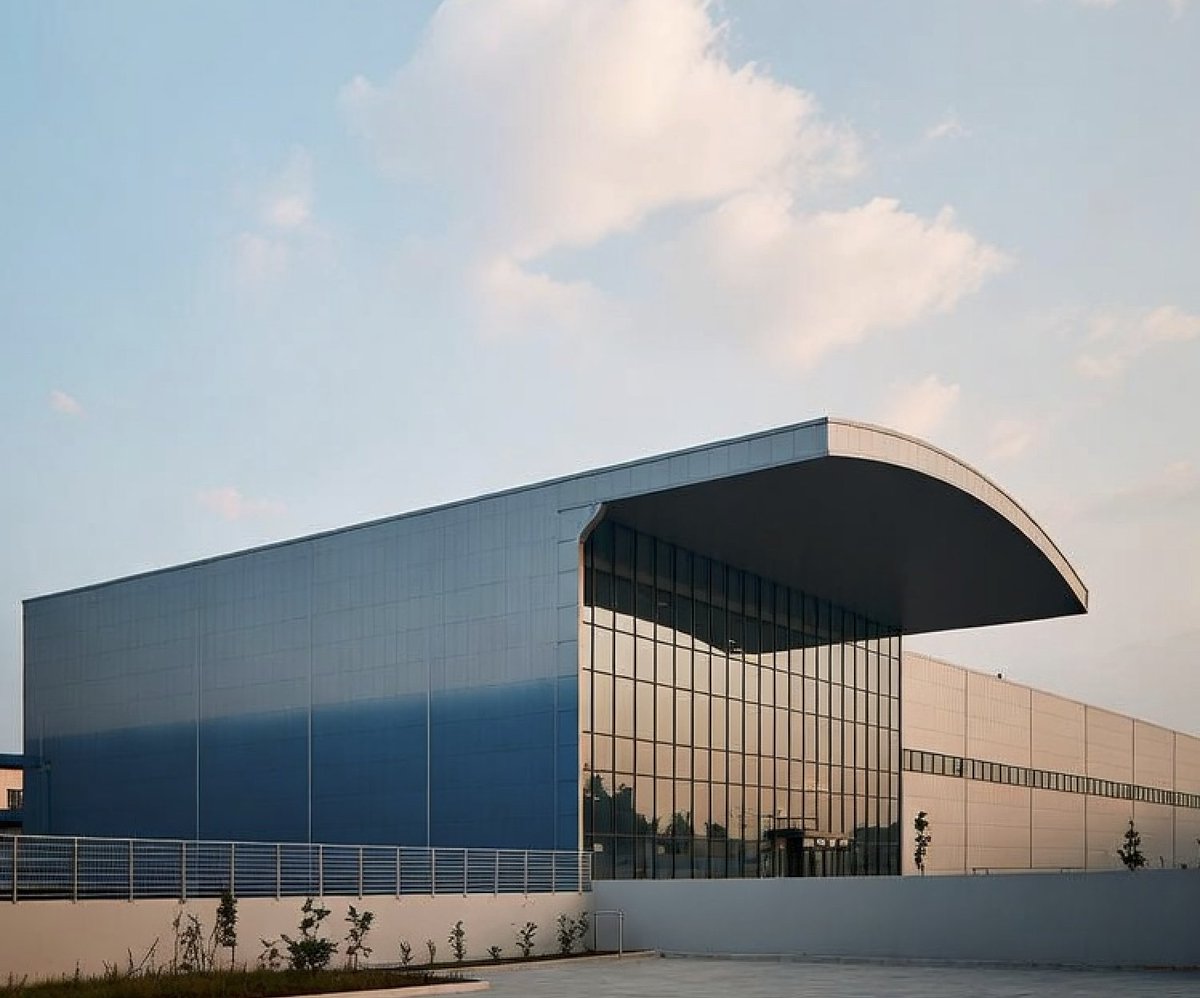
7
1,135

14h
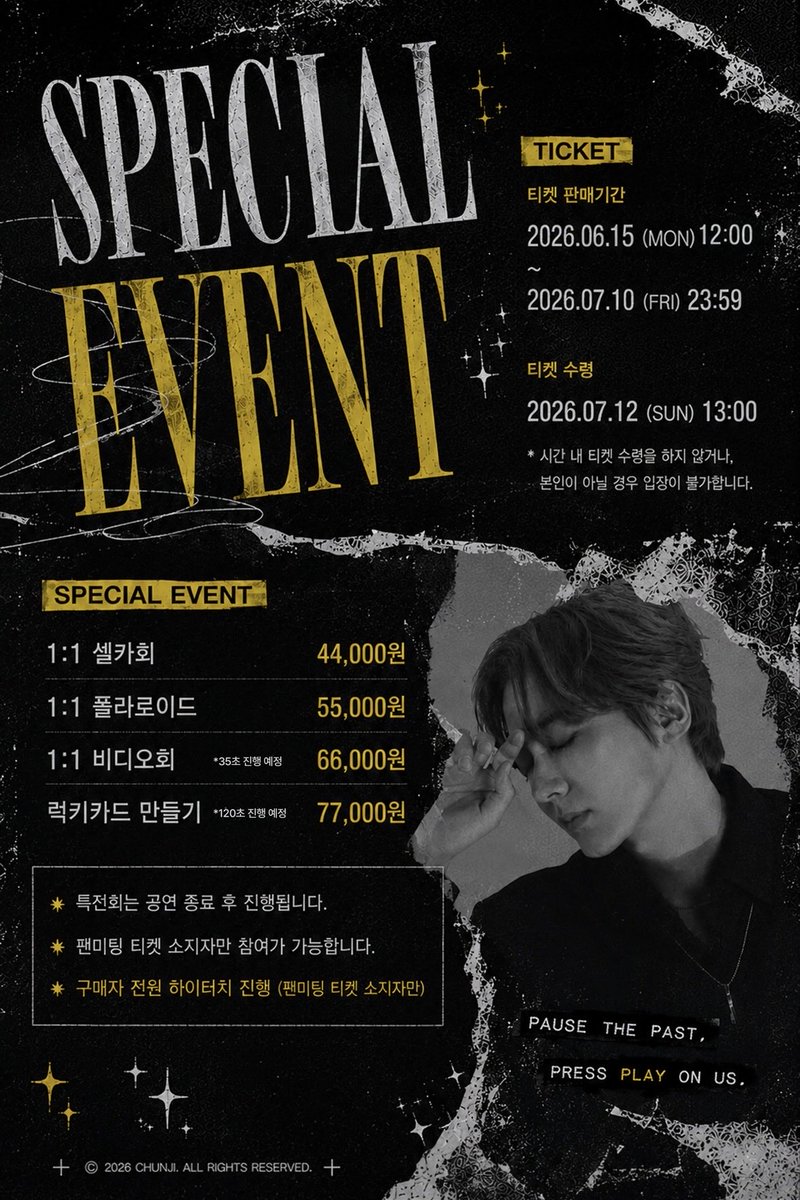
售票頁面已開啟💜
2026 CHUNJI SOLO FAN MEETING IN SEOUL [RE:PLAY]
〖 演出日期 〗
➫ 2026.07.12 (SUN) 14:00 : H-STAGE
〖 售票網站 〗
➫ : DEEPI SHOP
(deepishop.com/store/6_4jkxdd…)
-
〖 售票期間 〗
➫ 2026.06.15 (MON) 12:00 ~ 2026.07.10 (FRI) 23:59
〖 見面會票價 〗
➫ ₩ 99000
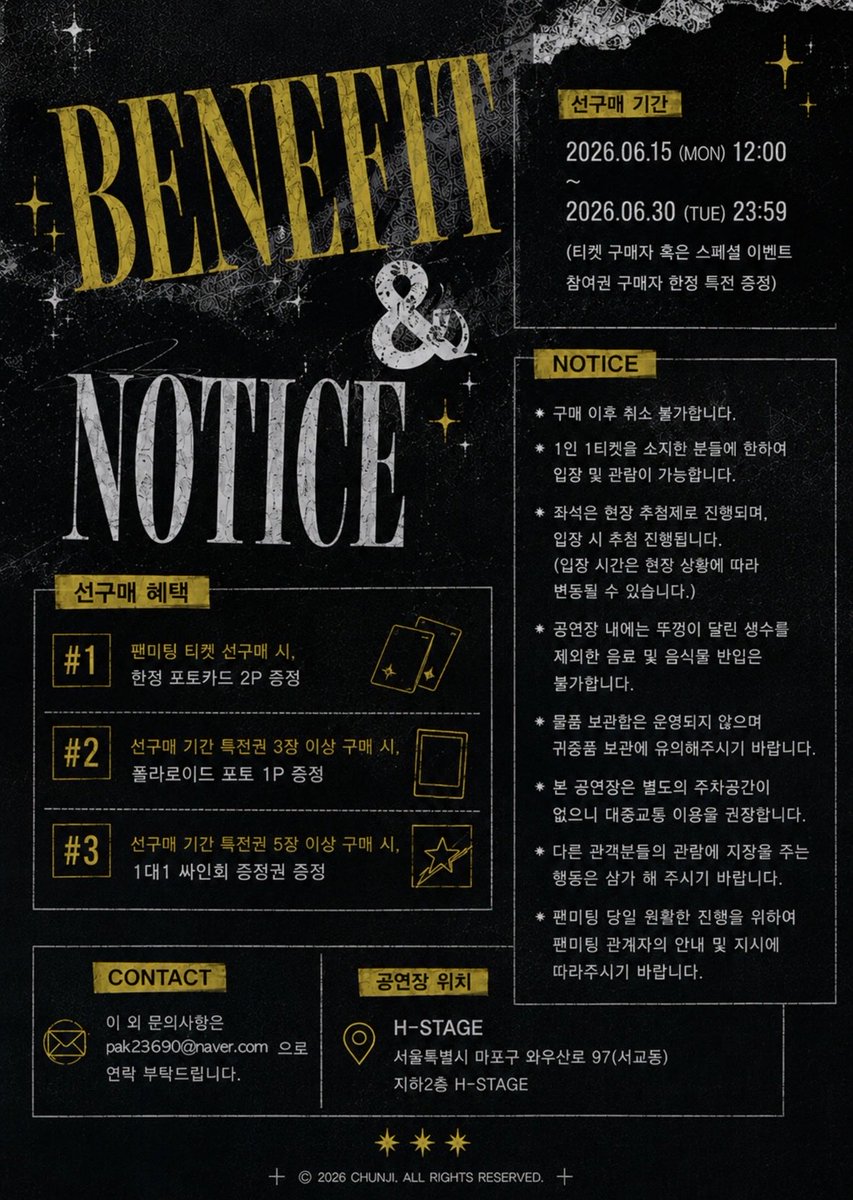
〖 優先購買期間 〗
➫ 2026.06.15 (MON) 12:00 ~ 2026.06.30 (TUE) 23:59
於優先購買期間購買見面會門票或特典會參加卷者,即可獲得限定特典
① 購買見面會門票即贈送限定小卡2張
②購買特典會票卷3張以上者即贈送拍立得照1張
③購買特典會票卷5張以上者即贈送1:1簽名會參加卷
〖 取票時間 〗
➫ 2026.07.12 (SUN) 13:00
💜 購買見面會門票者全員可參加擊掌會
〖 特典會資訊 〗
➫ 1:1自拍會🤳🏻 ₩ 44000
1:1拍立得📷 ₩ 55000
1:1視訊會📱₩ 66000
Lucky Card 製作🍀 ₩ 77000
💫特典會將於見面會結束後進行
💫特典會僅開放購買見面會門票者參與
⚠️購票後恕無法取消或退款
⚠️座位將於入場時現場抽選
#틴탑 #천지 #이찬희 #TEENTOP #CHUNJI #LeeChanHee #聽踏 #天地 #李燦熺
2
4
269

| XinU Billboard Live TAIPEI |
(STAFF 📣)
非常感謝台灣的樂迷朋友們一直以來對 XinU 的大力支持!✨
距離 XinU Billboard Live TAIPEI 專場公演 只剩最後 3 天!!⏳
台灣的大家,門票都準備好了嗎? 🎫 購票連結:billboardlivetaipei.tw/ja
📢【現場限定簽名會資訊】 演出當天,只要在現場購買 XinU 周邊商品,即可參加 2nd Stage(第二場)結束後的會後簽名會!
※ 觀看 1st Stage(第一場)並購買周邊的朋友,也同樣可以參加 2nd Stage 結束後的簽名會喔。
在此搶先公開部分即將在現場販售的 XinU 精美周邊!物販區的所有商品數量皆有限,建議大家提早入場選購,以免向隅。
真的非常期待在台北與台灣的大家相見!一同享受音樂吧! ✈️
#XinU #BillboardLiveTAIPEI #台灣公演




4
20
378


$SPCX
霸榮: 被動資金的「強制購買」,指數納入規則的重大變革
2026 年 6 月 12 日,全球資本市場將迎來一個範式轉移的時刻。這不僅是史上規模最大的 IPO,更是 Elon Musk 將其火箭技術、衛星通訊與 AI 版圖深度融合後的首次公開亮相。
$SPCX 的上市並非單純的「新股認購」,而是一場全球資金的自動重置。
由於其驚人的權重,無論你是否主動買入,只要你持有追蹤大型指數的退休帳戶或 ETF,你都將被迫參與這場「馬斯克盛宴」。這家估值 1.8 兆美元的巨獸將產生強大的引力場,迫使資金從傳統產業流向「軌道經濟」,重新定義全球科技股的估值標竿。
在量化研究的視角下,$SPCX 上市初期最具確定性的買盤並非來自散戶熱情,而是來自指數基金的「無條件執行」。為了捕捉這場歷史性上市的交易量,指數提供商正不惜打破傳統的「穩定性觀察期」。
主流指數納入時程與規則變動
FTSE Russell(富時羅素): 採最激進策略,交易 5 個交易日 後即納入。
Nasdaq-100(那斯達克 100): 將原定 3 個月的觀察期大幅縮減至 15 個交易日。
S&P 500(標普 500): 維持傳統,需 至少一年 觀察期且滿足獲利門檻。
本次 IPO 發行規模約 750 億美元,根據彭博計算,來自 Russell 1000 與 Nasdaq-100 的被動需求將佔發行量的 7%(約 52.5 億美元)。
指數提供商如此急於「快送入榜」,甚至引發 NYSE Nasdaq 「量身定做規則」的公開抨擊。
從量化角度看,$SPCX 初期流通股數(Free Float)極低,當龐大的強制買盤(不計代價的被動資金)撞上稀缺的供應,首日極易出現價格失真。這種「指數引發的波動陷阱」可能讓追蹤指數的普通投資者在定價穩定前就已被迫在高位「接盤」。
youtu.be/o1wFAAuw6mM
6
1,764




15h
為什麼華爾街願意在 SpaceX 還沒上市前,就先把它定價在 1.75 兆美元?
翻開 SpaceX 的招股書,入眼第一個數字就很衝突:這家被定價 1.75 兆美元的公司,2025 年帳面上是虧錢的,淨虧損大約 49 億美元。
1.75 兆是什麼概念?
比整家 Tesla 還大,立即排進全美前七大公司,
為史上最大的 IPO,是當年沙烏地阿美上市規模的兩倍多。
更關鍵的是,這個價格不是上市以後股民一路炒上去的。
每股 135 美元,是承銷的 21 家投資銀行在它公開交易之前就定好的發行價,依據的是機構法人願意認購的價位。
這裡有個很多人會看混的地方,這次 IPO 真正拿出來賣的,大約是 5.566 億股、募到 750 億美元,這金額本身已經是史上最大的一筆。但 750 億不是這家公司的身價,這只是它這次「賣掉的那一小塊」。
1.75 兆是它是把公司「全部股份」乘上每股 135 美元算出來的整體市值,而這次 IPO 只賣掉其中大約 4%。換句話說,華爾街只用一小部分的成交,替整家公司貼上了 1.75 兆的價格標籤。
一家去年還在虧錢的公司,憑什麼?
這些看遍財報的銀行,到底在替什麼東西定價?
我花了點時間把這份招股書仔細看了一下。結論是:他們買的不是火箭,是一個還沒兌現的「如果」。
首先,Starlink 本身是賺錢的,真正把帳面弄赤字的,是設備折舊、發給員工的股票,還有一個正在大量燒錢、替未來鋪路的部門。把這些非現金、加上為明天下注的開銷先擱一邊,它的本業其實會生現金(2025 年所謂的 adjusted EBITDA 是正的,大約 66 億美元)。這些紅字,比較像它替想像中的明天先付的訂金。
很多人對 SpaceX 的印象停在「送太空人上太空、回收火箭很酷」。但你打開財報會發現,它的錢有六成不是來自發射火箭。2025 年總營收約 187 億美元,其中 114 億來自 Starlink,也就是那個讓郵輪、收不到訊號的偏鄉、甚至烏克蘭前線都能上網的衛星寬頻。發射火箭本身這塊業務,反而是虧錢的。
換句話說,今天的 SpaceX,骨子裡更像一家全球最大的衛星網路公司,只是它剛好也造火箭。
搞懂這件事,才有辦法看懂 1.75 兆貴在哪?
碰到這種「貴到算不出本益比」的成長股,我習慣把它的市值拆成三層來看。這個拆法你之後看任何一檔貴到讓你頭痛的股票都能用,所以我先把框架擺出來:
第一層,現金流層:今天真的在賺錢的業務值多少。
第二層,飛輪層:市場相信會被持續放大的結構性優勢值多少。
第三層,選擇權層:純粹對未來的想像,那種「萬一中了就翻天」的樂透值多少。
任何一檔股票的價格,都是這三層加起來的。差別只在比例。便宜的價值股幾乎全在第一層;貴到嚇人的故事股,重量全壓在第三層。
我們就拿這把尺,量一量 SpaceX 的 1.75 兆。
第一層,今天真的在賺錢的,只有 Starlink。
這個事業群其實很強。2025 年營收 114 億美元,年增大約五成,營業利潤 44 億美元,全球用戶突破一千萬、覆蓋一百六十多個國家。它不只賣給一般家庭,還賣給航空公司、郵輪、貨運船隊、軍方。這是一門已經在賺錢、而且還在快速長大的生意。
問題在於,你拿這唯一穩定獲利的 44 億,去撐 1.75 兆的市值,等於市值是 Starlink 整年營業利潤的將近 400 倍。如果改用營收來看,這個市值是它全公司全年營收的 90 幾倍(分析師 Ed Elson 的算法甚至到 107 倍),是史上最貴的股票之一。
所以第一層的結論很清楚:Starlink 再好,靠今天的獲利,遠遠撐不起 1.75 兆。差了一大截。
那剩下的,市場在付什麼?
第二層,是它在發射這件事上的結構性領先。
2025 年,全美的軌道發射裡大約 85% 是 SpaceX 打上去的,全球商業衛星發射也占了大約六成。它的 Falcon 9 火箭能回收重複使用,同一支火箭已經飛了超過兩百六十次,把每噸貨物送上太空的成本壓到對手的五分之一到十分之一。對外報價一發大約 6,200 萬美元,但因為火箭能回收,它自己真正花的邊際成本遠低於這個數字。
這個領先短期內沒人追得上。不管是歐洲、中國的國家隊,還是貝佐斯創辦的火箭公司 Blue Origin,都還在努力把「可回收」做到能穩定商用,而 SpaceX 已經一週飛好幾次了。
但這裡有個違反直覺的地方:發射這塊業務,它其實是虧錢的。
那它為什麼還要拚命壓低發射成本、瘋狂發射?因為發射對 SpaceX 來說,不是用來賺錢的,是用來當 Starlink 的「自家物流」。
它的飛輪是這樣:自己造火箭,用便宜到不可思議的成本把自己的 Starlink 衛星一批批打上天,Starlink 收訂閱費賺錢,賺到的錢再投回去造更多火箭、發更多衛星。整條鏈的每一個環節都是自己的。對手要做衛星寬頻,得跟別人買火箭、付市場價;SpaceX 等於用成本價在幫自己鋪貨。這個自己餵自己的循環,才是別人短期內搬不走的優勢。
第二層讓 1.75 兆的合理性往上抬了一截。但老實說,把第一層加第二層算到頂,距離 1.75 兆還是有一段空白。
那段空白,就是第三層。而 SpaceX 大部分的貴,正是貴在這一層。
第三層,是純粹對未來的押注。而 SpaceX 在 IPO 前幾天,剛好親手把這一層的故事講到最滿。
先講一個 AI 產業現在最頭痛的問題:大家都在搶算力,但真正卡住算力的,其實是電。AI 資料中心是吃電怪獸,地面上蓋電廠、拉電網的速度遠遠跟不上,美國有些地方光是申請接電就要排隊好幾年,附近居民還反對。電力跟散熱,正在變成 AI 成長的天花板。
SpaceX 的宣傳很大膽:把資料中心整個搬到太空。它在 6 月 8 號、IPO 定價前三天,發表了第一代「軌道資料中心」衛星 AI1,用太陽能在太空近乎不間斷地供電,再用巨大的散熱板把廢熱直接輻射進真空,繞過地面缺電、又難散熱的瓶頸。它甚至已經傳出要把這些算力租給 Anthropic 和 Google。
那 Starship 的角色是什麼?它就是讓這整件事「看起來合理」的關鍵。只有當每公斤送上太空的成本壓到夠低,把幾百噸重的伺服器和太陽能板一批批丟上軌道才不會是天方夜譚。SpaceX 自己畫的大餅是:等 Starship 全面量產,一年可以往天上加 100 GW 的算力,差不多等於一百座核子反應爐滿載的發電量。
所以第三層其實是一條鏈組成:Starship 把發射做到夠便宜,便宜到能在太空蓋 AI 工廠,順手再想火星、想點對點運輸。這套故事聽起來很迷人。問題是,它也最不確定。
聽到這,看看冷靜的人怎麼算。
知名研究機構 Morningstar 用現金流模型去估 SpaceX,把今天真實的發射加 Starlink 業務算出來大約值 6,110 億美元,再加上 1,700 億美元的「機率加權」後的 AI 太空想像,得出公平價值大約 7,800 億美元,連 IPO 定價的一半都不到。紐約大學被稱為「估值院長」的教授 Damodaran 算出來是 1.3 兆,也低於 1.75 兆。
Morningstar 的估算裡,有一個數字最值得看:「Starship 快速可重複使用」加上「軌道資料中心真的能商業化」這兩件事同時成真的機率,他們只估了 7%。
而前面提到那個替未來鋪路的 AI 算力部門,現在就是個大錢坑:2025 年光它一個部門就虧了 60 多億美元,是整家公司最大的紅字來源。更別說 AI1 到現在還只是發表會上的一張設計圖,第一批原型要 2027 年初才升空,能不能真的在太空把 AI 算力做得比地面便宜,連 SpaceX 自己都還沒驗證過。這張在 IPO 前三天端出來的大餅,市場卻已經先按它「會成功」在付錢了。
把這幾個數字擺在一起,1.75 兆的結構就清楚了。Morningstar 用現金流能算出來的第一層加第二層,也就是會賺錢的 Starlink,加上發射的領先,大約六千一百億美元。
第三層的數字對比是這樣:連最願意認真幫太空想像估價的 Morningstar,都只肯為它付 1,700 億;但市場實際付了多少?1.75 兆扣掉那六千一百億,等於有接近 1.14 兆美元,全壓在第三層那個「如果」上。市場為這一層付的價,是專業機構的六倍多。
你可以說市場太樂觀,也可以說市場在搶一個不能錯過的入場券。但你至少該知道,這接近 1.14 兆,幾乎全押在最不確定的第三層。
接下來繞不開的,是 Elon Musk 這個人。
他確實是這個溢價的一部分,而且是合理的一部分。火箭回收當年也被整個業界笑過,結果他做成了,還做到便宜得讓對手到現在都追不上。一個有「把不可能做成壟斷」的人,市場願意多付一點,這不算盲目。
但反過來,把這麼大一塊估值押在一個人身上,本身就是風險。他的注意力分散在好幾家公司、投票權高度集中、加上政治上的高曝險,這些都是真實存在的變數。一旦這個人出事,第三層那一兆的想像會第一個被重算。
所以我的判斷是:這不是一家空殼公司。Starlink 真的在賺錢,發射領先也真的甩開了對手,本事是實打實的。但 1.75 兆這個價格,是在同時賭三件事都成立:
1. Starlink 繼續高速成長、不會太快撞到天花板
2. 發射的領先不被追上
3. 第三層那些樂透,至少中一個。
三個賭注,缺任何一個,這個估值都要大幅往下重算。
回到開頭那個矛盾:一家帳面淨虧 49 億的公司,被定價 1.75 兆。
那 21 家銀行當然知道它在虧錢。他們押的是腦中那個十年後的 SpaceX,那張「下一個兆元等級巨頭」的入場券。這種票平常散戶根本買不到,上市前的籌碼一向掌握在少數機構手裡。光是「稀缺、買不到、可能是下一個世代的巨頭」這幾個字,本身就讓人願意多付一筆。但這筆錢不在我們剛剛拆的三層帳上,它是純粹「搶不到」的心理價,該不該付,見仁見智。
這套三層拆解,你拿去看別的股票一樣好用。你手上的輝達、特斯拉,或任何一檔貴到讓你看不懂的 AI 股,都可以這樣量一遍:你現在付的這個價,有多少落在第一層、今天真的在賺的錢;又有多少其實是付給第三層、一個還沒兌現的「如果」?
看懂自己買的是哪一層,比猜它接下來會漲到哪,重要太多了。
那 SpaceX 這張票,你打算買的,是哪一層?
——
資料來源:SpaceX S-1 招股書(2026/5/20)、
CNBC、Morningstar、Fortune、Yahoo Finance、
The Information、Data Center Dynamics、Tom's Hardware、SpaceNews。
文中財務數字為 2025 完整會計年度(淨虧損約 49 億美元、營業虧損約 26 億、adjusted EBITDA 約正 66 億),估值為 IPO 定價(2026/6/11)每股 135 美元所隱含之市值。
AI1 軌道資料中心相關規格為 SpaceX 2026/6/8 發表內容。分析師公平價值與機率估算為各機構觀點,非投資建議。

2
1,362
You&I retweeted

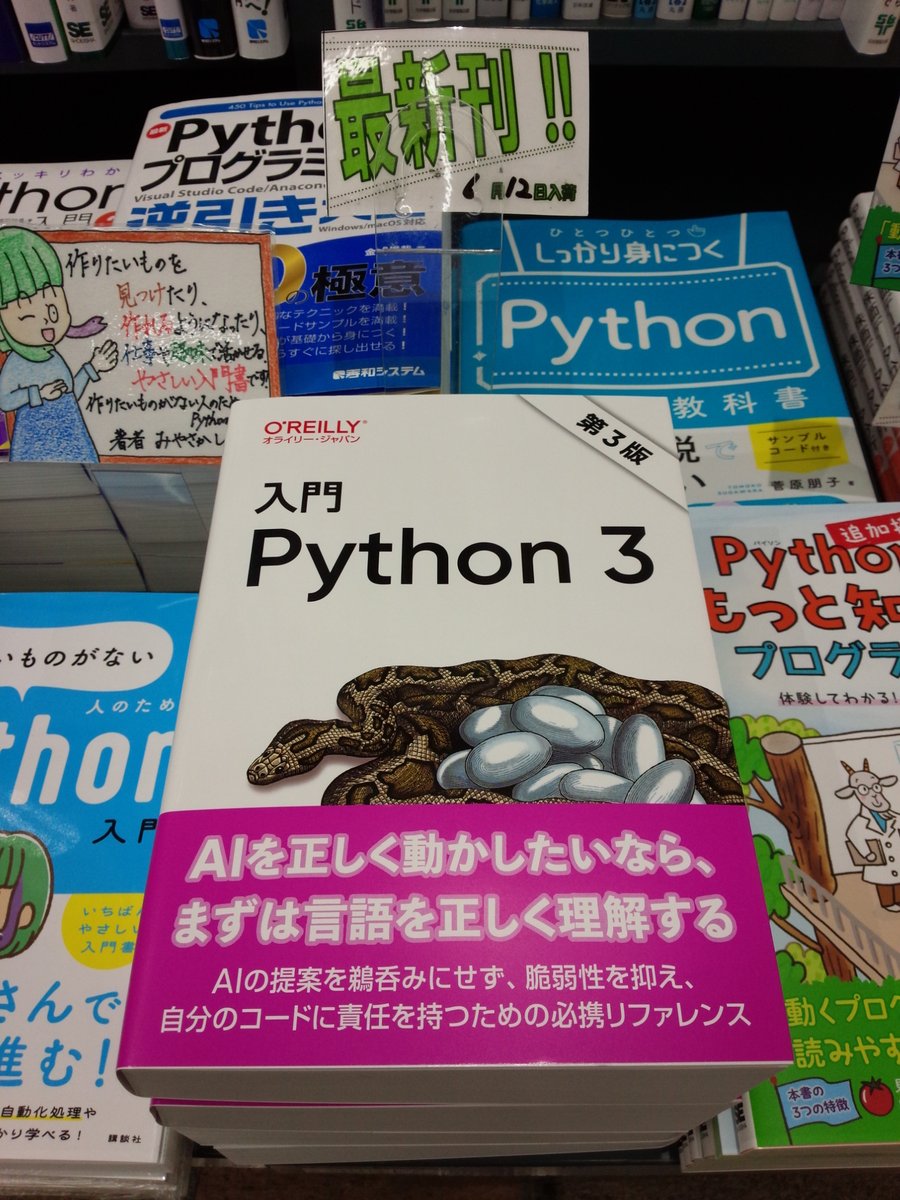
6/12新刊『#入門Python3 第3版』#オライリー・ジャパン (9784814401642)Bill Lubanovic 著 #鈴木駿 監訳 #長尾高弘 訳 ◆「#オライリー」「#Python」棚にて展開中!Pythonプログラミングの基礎からWeb,データベース,ネットワーク,並行処理といった応用まで,実務を見据えた内容を明快かつ丁寧に解説!

4
22
2,182

Intel 據報正準備驚喜回歸 DDR4 系統,推出「Raptor Lake Next」—— LGA 1700 平台預計於 2027 年上半年登場,效法 AMD 延長預算平台壽命
Intel據報將在 2027 年上半年 推出「Raptor Lake Next」處理器,這是 Raptor Lake 系列的第三次改版,將繼續使用 LGA 1700 插槽 與 DDR4 記憶體,藉此延長預算平台的壽命,效法 AMD 做法。
此消息來自 Computex 期間多個可靠來源,至少兩家主機板廠商已證實正增加 DDR4 主機板產量,以因應需求上升。Raptor Lake Next 預計與明年 CES 發表的 Nova Lake 系列並行上市,作為中低階市場的補充選擇。目前尚未公布正式名稱與詳細規格。
此舉呼應Intel先前「Raptor Lake 將大量供應市場」的說法,也與 4 月流出的謠言吻合。近期Intel已為嵌入式市場推出 Bartlett Lake(純 P 核心、LGA 1700 相容),證明 Intel 7 製程仍在持續生產 Raptor Cove 架構晶片,顯示該平台仍有延續空間。
AMD 因記憶體短缺而重推 Ryzen 7 5800X3D 回歸 DDR4 平台,Intel跟進相當合理。目前 Raptor Lake Refresh 仍是高性價比遊戲 CPU 之一,新款 Core Ultra 7 270K Plus 在遊戲表現僅微幅落後 i9-14900K。
Raptor Lake Next 的目標是維持 LGA 1700 / DDR4 生態系的長壽,降低升級門檻,同時為主流與入門市場提供更多選擇。若未來幾個月記憶體價格大幅下跌,計畫仍有可能調整,Intel目前尚未正式回應。
Jun 13

Intel reportedly preparing surprise return to DDR4 systems with 'Raptor Lake Next' tomshardware.com/pc-componen…
1
5
76
12,408


[2026 VERNON THE 8 [V8] LIVE - HONG KONG] TICKET ANNOUNCEMENT 售票公告
⏰演出日期Date: 2026.07.17 (FRI) 7PM / 2026.07.18 (SAT) 7PM / 2026.07.19 (SUN) 6PM
(實際演出時間以現場狀況為準 Actual performance time based on on-site situation)
📍演出地點 Venue: ASIAWORLD-EXPO, HALL 10
▶CARAT MEMBERSHIP PRESALE: 2026.06.17 (TUE) 12:00 - 19:00 Local time
-Available at FANTOPIA only
▶GENERAL ON-SALE: 2026.06.18 (WED) 12:00 Local time~
-Available at FANTOPIA, DAMAI, HK TICKETING
*Official Ticketing Website:
- FANTOPIA(fantopia.io/events-tickets?e…)
- DAMAI APP (detail.damai.cn/item.htm?id=…)
- HKT (premier.hkticketing.com/)
※TICKET PRICE (ALL STANDING):
- VIP STANDING | HKD$2,499
- STANDING | HKD$1,899
*站區票面有序號,請依票面序號排整隊入場。人身安全起見,孕婦及身高未滿140公分或未滿12歲孩童,請勿購買站區票券,主辦方將有權謝絕入場。VIP STANDING / STANDING entry is with queue number. For safety reasons, pregnant women and children under 140 cm or 12 years old are not allowed to enter STANDING area.
*CARAT MEMBERSHIP會員預購每筆ID每場次限購2張票券,公開售票每人每交易限購2張票券。每個優先購票代碼僅可用於每場進行(1筆)交易。一旦参舆任何交易,您的會員資格將無法再次進行驗證或用於其他交易。Purchase limit is 2 tickets for CARAT MEMBERSHIP PRESALE and 2 tickets per show per account for General On-sale.
*請記得預先登記成為各票務網站會員才可購票。Must complete ticketing website member registration before proceeding any ticket purchase.
*請於售票前預先確認各售票平台支援之付款方式及配送票券規則。Please Pre-Check each ticketing system’s payment method and tickets delivery restrictions before proceeding your purchase.
*演出門票如有遺失、損毀,塗污或被竊,主辦及售票機構概不補發或更換門票,亦不會承擔任何責任,敬請小心保管。If ticket is lost, damaged, defaced or stolen, the Organizer and ticketing agency will not reissue or replace the ticket, and will not bear any responsibility. Please keep it carefully.
*持票人必須遵守亞洲國際博覽館之條例及規則,否則可能會被拒進場並不獲退款。Ticket holders must abide by the rules and regulations of AsiaWorld-Expo. Otherwise, may be denied entry to the venue without refund.
#V8 #THE8 #VERNON #V8_LIVE #V8_LIVE_HONGKONG #iMeHK #iMeAsia #HONGKONG

4
22
54
15,663

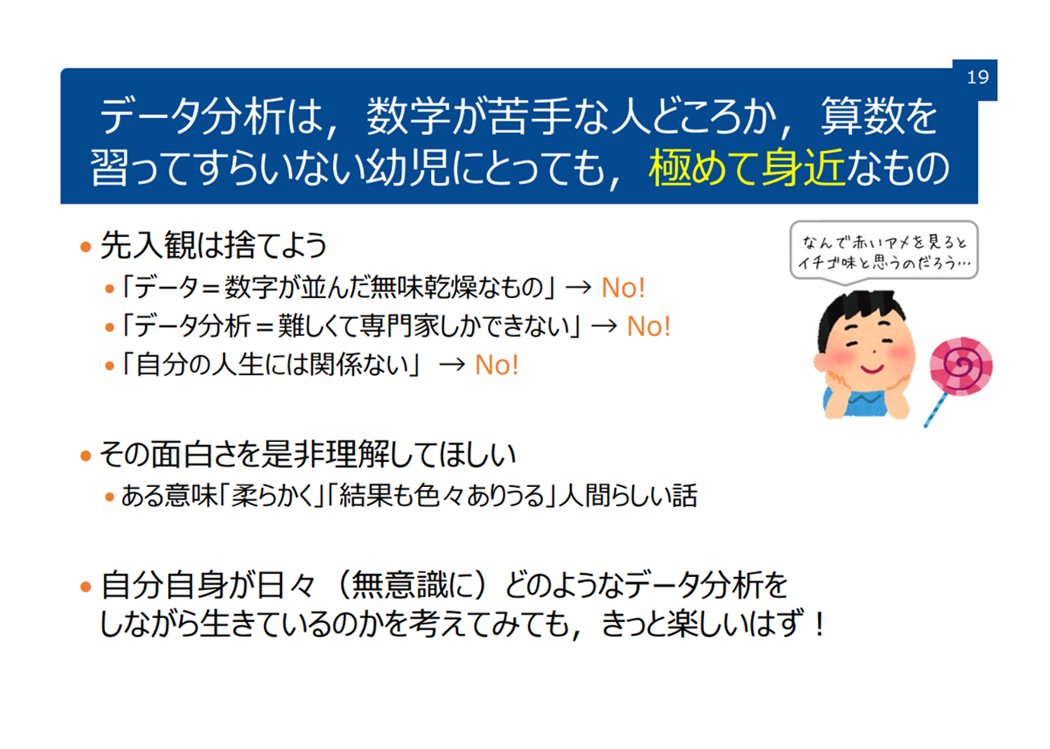
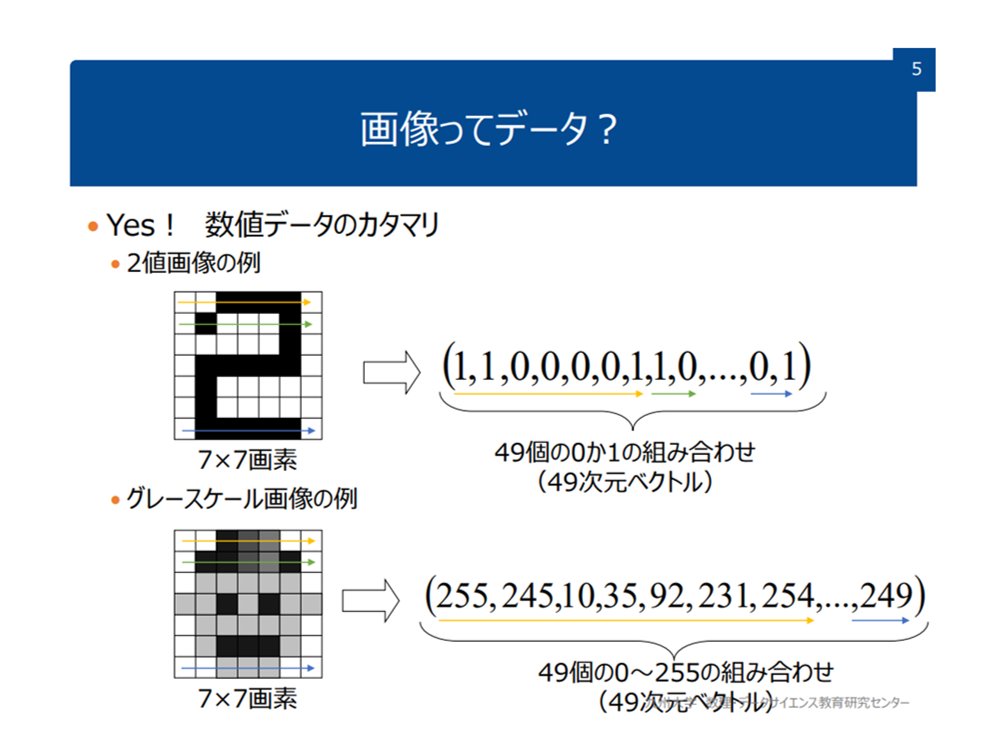
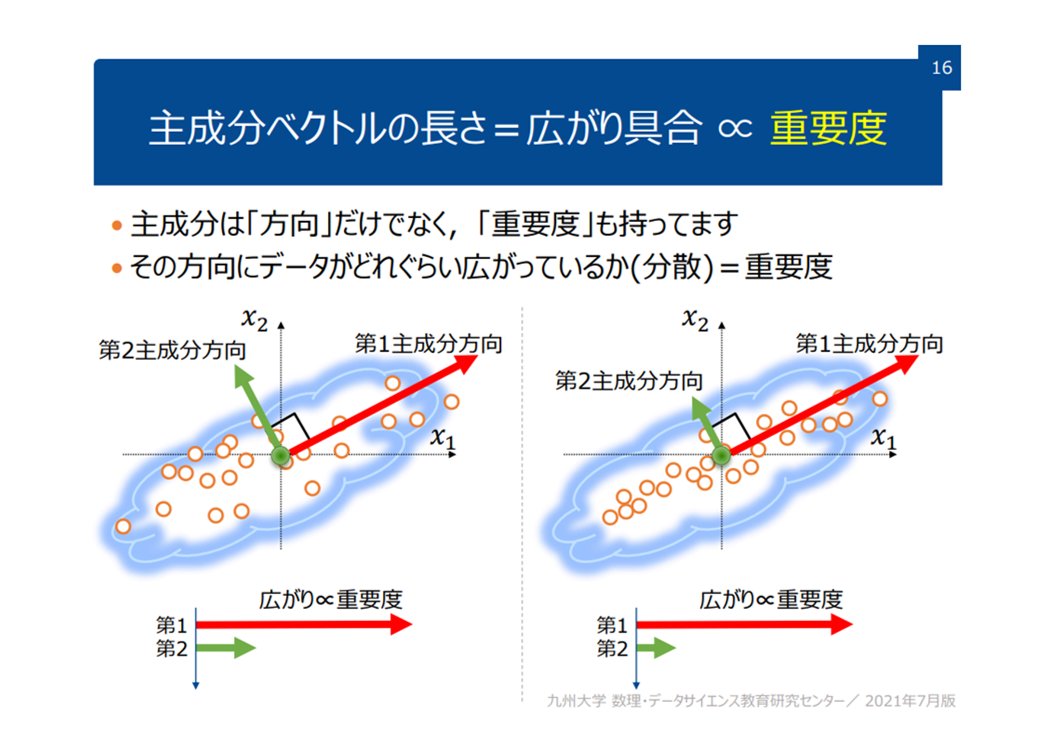
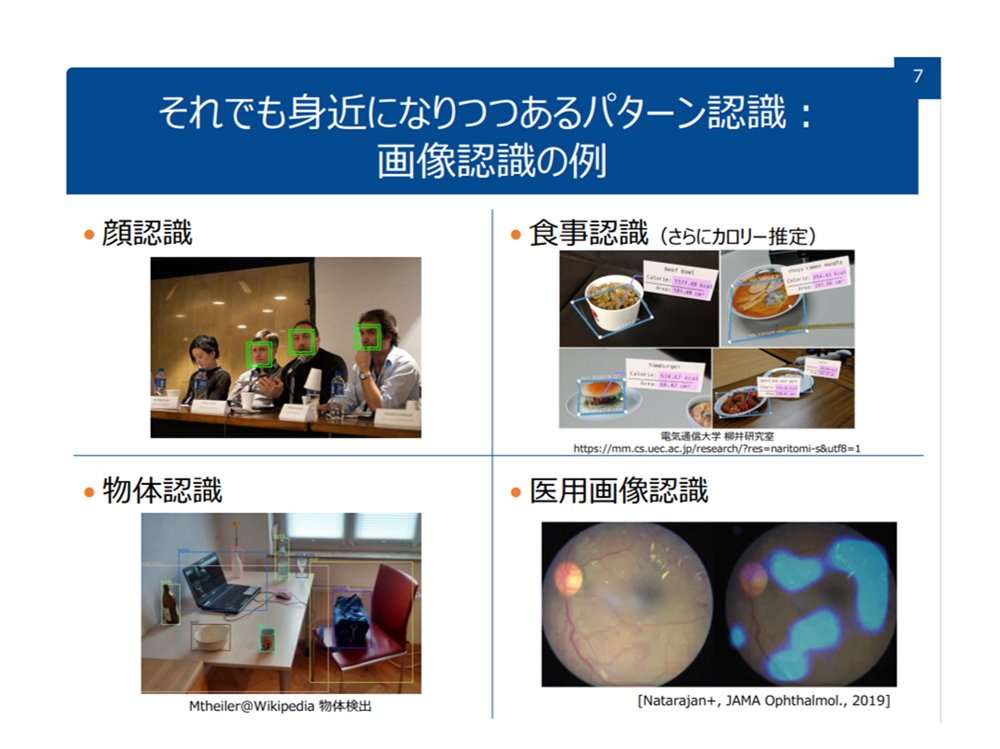
九州大学のデータサイエンスの講義資料がとても分かりやすい!🤗数学が苦手な人も分かるように優しく解説されているので是非活用頂きたい資料🤗✨
■データサイエンス概論 I&II
データとデータ分析
データのベクトル表現と集合
平均・分散・相関
データ間の距離と類似度
クラスタリングと異常検出
線形代数に基づくデータ解析の基礎
主成分分析
予測と回帰分析
可視化
確率と確率分布
信頼区間と統計的検定
非構造化データ解析
パターン認識と分類
データ収集とバイアス
人工知能入門
■データサイエンス実践 I~IV
データサイエンスことはじめ
Python基礎その1
Python基礎その2
距離とクラスタリング
統計分析
相関分析と回帰分析
主成分分析
画像処理基礎
画像処理応用
パターン認識と深層学習
■情報科学 【AI・データサイエンス 】
第1回 様々なデータとデータ分析
第2回 AIと機械学習
第3回 非構造データとパターン認識
第4回 データの収集
第5回 ベクトル・距離・類似度
第6回 データの可視化
第7回 画像解析
第7回 回帰分析と時系列分析
第7回 相関と検定
第7回 アンケート解析
教材へのリンクはリプランにて🤗✨
2
16
113
6,039

【paizaラーニング】Python3入門編「リストの要素を取り出してみよう」の演習課題に見事正解!現在のジョブは「一流剣士」です!
演習課題「リストの要素数を取得しよう」
星ゲットだぜ
paiza.jp/works #paiza
5

《魄篇:人死不到一秒就升天了,那子孫祭拜的是誰?》
述一: 什麼是魄?為什麼這麼重要?
〔說1〕: 魂氣歸於天,形魄歸於地
《禮記.郊特牲》說:「魂氣歸於天,形魄歸於地。」這是古代對「魂魄」最根本的說法之一。
依這個原則,在本論的體系中:
1. 人的「身魂、心魂、精魂」三魂,在往生之後,都是歸於天的,不會停留在凡間。
2. 真正留在凡間、還能與子孫產生感應的,是「形魄」,也就是後面所說的「亡魄」。
〔說2〕: 原來魂和魄去的地方不一樣
因此,「魂歸於天」和「魄歸於地」,必須分成兩個系統來說明,才能真正理解人死後各自的去向。如果不分開來看,生死的道理就會混在一起,也很難解釋。
過去道教科儀從來沒有違背「魂歸於天,魄歸於地」的原則;但對於「魄歸於地」這一部分,長期以來缺乏完整論述,各宮廟之間難免出現不一樣的說詞,因此讓信眾難以理解。
〔說3〕: 不知道魄,解釋會有大問題?
宗教一定要講生死,人往生後會生出喪禮及慎終追遠,及祖德流芳等種種問題,如果一個宗教不能圓滿答覆這些問題,就常會被問到無法回答:
「往生者都升到天國了,拜的是誰?拜了有效嗎?不拜有關係嗎?」
〔說4〕: 從《禮記》到生命數據,祖先祭祀的現代解釋
解1: 先秦古制,道儒共有文化
《禮記》所載的喪禮、祭禮及魂魄觀念,多源自先秦古制,早於儒道分家之前。道家引用它,不是「借用儒家」,而是回歸華夏共有的文化源頭。
解2: 魂氣為神,形魄為鬼
《禮記.祭義》: 「氣也者,神之盛也;魄也者,鬼之盛也。」意思是:「魂氣的旺盛,展現為「神(陽性靈體/神靈)」的作用;形魄的旺盛,展現為「鬼(陰性靈體/人死後為鬼)」的作用。
解3: 祖先即魄
這就很清楚的說明,1.人有成為神仙的「魂」,2.也有成為鬼(祖先)的「魄」。因此我們能很清楚知道人往生後,「魂」升天成神仙去了,我們拜的祖先是「魄」。
解4: 魄的綜合定義
孔穎達:「附形之靈為魄,附氣之神為魂也。」《說文解字》:「魄,陰神也。」這些都證明我們對魂魄的解釋是有根據的。
我定義「魄」是「能量態的生命數據」,絕不是創新,而是綜合先秦古禮、道教、文字學以及中醫認為「魄」主司非意識性的生理運作,所得出的整體結論。
述二: 「魄」是能量態生命數據
〔說1〕: 祖先都還在嗎?
「亡魄」或「祖先」,不是消失的人,而是仍在運作的生命數據;祭祖不是儀式,而是維護自身生命連續的連線。「維護連線」為祭祀的終極本質,而「慎終追遠」則是人間具體的情感表現。
魂主識,魄主形;魂司升變,魄司存錄。生則魂魄並行,死則魂歸天途,魄歸地官。祭者,非奉鬼神,乃續生命之源流也。
以下是「亡魄」和「祖先」的完整論述,文句有點工整而不易懂,這是為了避免用語被扭曲而被攻擊,稍有涉獵的人,只要多讀幾遍,就能對信眾做出道家生死學的完美解釋,很簡單的,祝大家學有所成:
〔說2〕: 亡魄與祖先的現代詮釋模型
1. 能量(本體定義):「魄」即形魄,為形體(肉體)之操作能量,是讓身體能動的能量系統,主司身體之運作與反應,所以魄儲存有人一生的生命數據。
2. 亡魄(轉化定義):人往生後,三魂立刻被精性裹攝升天,成者羽化成仙,敗者斷滅不存。而形魄同時轉化為亡魄留地,不會被銷毀。「亡魄」是攜帶完整生命歷程與記憶之能量態生命數據,亡魄如同完整保存的人生資料。
3. 失體(魄仍存留):人往生時或受大劫,形體瞬間無存,魄仍不會受損,仍會留於世間,並可於召魂祭祀之中產生感應。魄對形體之依附為習性之傾向,非存在之必要條件;即使形體不存,魄亦可獨立存在。
4. 依形(殘留傾向):「亡魄」依生前習性,傾向依附肉身,但肉身毀損,且已脫離,無法操控肉身。
5. 重現(重現生前):「亡魄」之行為,為生前模式之延續反應,無自主創新能力,亡魄像記錄重播,不是新的思考。
6. 記憶(知識邊界):「亡魄」之知識止於生前記憶,需透過祭祀訊息方可更新, 亡魄沒有自主學習能力。
7. 反應(運作方式):子孫承祖先形體而生,體內自具同源生命印記,故祭祀時最易與祖魄共振。亡魄雖無主觀意志,然具條件式回應機制;遇血脈、祭祀、誠念、法度等條件時,會依既存生命模式產生對應反應。
8. 避光(能態特性):「亡魄」屬陰性能量,畏強光,不宜長時間處於高光及高擾動環境。
9. 避人(交互邊界):「亡魄」為陰,人為陽,所以亡魄會避開人,不會無故主動接近人,除了清明氣節合宜,其它時間亡魄會避開人。
10. 歸地(初期流程):人往生之瞬間,「三魂」被「精性」裹攝離體升天,而「形魄」轉為亡魄,留於凡間約四十九日。所以說能快速升天者為「魂」,必留於凡間四十九日者為「魄」。
11. 入墓(喪禮之後):亡魄留於凡間四十九日之內,一但完成喪禮,則入於墓中,避日光、月光、星光、燈光與人,不能外出,且魄性非召請不能移動。古傳有鎖墓童子鎖住墓門,實因魄性畏光畏人。
12. 依止(依止限制)魄於凡間四十九日,非謂四處遊行,形體存則依止於形體,形體不存則依止於死亡之處,喪禮後依止處為墓所或骨灰安置處。
13. 關聯(過渡狀態):四十九日內,亡魄未離凡間,可接受祭祀與安葬,此為亡魄關鍵過渡期。
14. 魄影(顯現形式):亡魄在四十九日內,未歸地官天之前,因能量場尚未完全收納至地官天,於因緣感應之下,會在特定空間產生「殘留影像」,或現人形之影象;然此象為靈體,通常不為肉眼所見,乃感應中之映現。
15. 儲存(最終歸處):四十九日後,亡魄被攝魄流,攝至三十六重天之第35重天地官天,以數據形態永久儲存,地官天為亡魄生命數據存儲之地。
16. 無逃(必被收攝):亡魂約半小時內,必被攝魂流攝入天界,進行升天程序。而亡魄必因喪禮完成而入墓,之後被攝魄流攝回地官天,且魄是生命能量數據,無自主動力,故絕無大域無法掌握之逃魄。
17. 祖先(存在定義):居於地官天之亡魄,即為祖先,其以生命數據形態存在,並保留其生前之善行功德,得以流布於子孫。生命數據保存,也代表祖先雖然往生或升天,但仍以另一形態延續其存在,而和子孫有所連結。
18. 有據(應答原則):亡魄可以被召請而產生感應,但它的回應不是隨便做出的,而是依照生前的性情與所保留的記憶來反應;它的行為有依據,不是任意決定的。魄的感應為被觸發之反應,非自主發起之行為。
19. 有節(召請規範):召請亡魄或祖先不宜過頻,過則干擾祖先之存態,致其感應不穩,功德流動失其常序;故過召則失其序,節之則正。
20. 互益(流動機制):子孫與祖先可透過祭祀形成功德之雙向流動。子孫之善可回向於祖先,祖先之功德可流布於子孫;其流動非物質轉移之消耗,乃因共振而互相增強其可用之善行功德能量。
21. 對接(作用方式):亡魄平時避人,唯於祭祀之正氣與感應之中,可與子孫相應而不避。祭祀之本質,在於與祖先生命數據建立連線,使其記憶得以對接、功德得以流通,而非在供應物質之用。
22. 守本(存在意義):祖先為自身生命之所來,祭祖所以維護生命系統之完整;非為拜他人,乃為守其本源,並且感恩本源。
23. 蔽惡(流動限制):魄離身之時,其數據雖完整保存,然於流通之際,僅善行部分得以啟動,惡行則不參與感應。故其生命數據所能流通者,皆為其生前原有之善行功德;其負向部分則為大域自動屏蔽,屏蔽為禁止與凡間流通,不是刪除。故祭祖之行,乃承善而得益,皆為正向之效,故曰「死者為大」。
24. 聯姻(連線轉換):婚嫁或入贅後,常以配偶家族為主要祭祀對接對象,此為維持新入家族之結構與信任之常見安排;然個體仍可依其實際生命連結與情感承接,保有對原生家族之祭祀連線。此非唯一形式,而是大域中常見之連線重組方式之一。
25. 掃墓(維護頻率):至少每年一祭,以維持基本連線,此為最低之維護頻率;其祭以掃墓為先。就家族集體祭祀而言,掃墓多為參與者最廣,故其整體連線效應常最顯著。
26. 新造(特殊機制):古傳亡魂斷滅不存者,因亡魄仍存,極少數有藉亡魄再造機制,唯須太上三清核准,三官同意,以亡魄數據複本,由人祖女媧伏羲合以五色靈石,重塑再修行之小金身。小金身未登仙籍,不得居崑崙懸圃,故送往反向倒懸圃修行百年,令其志心歸命太上;成則羽化成仙,入居仙境,不成則小金身與複本自散。
27. 善流(篩選機制):子孫祭祀連線時,依其誠心與祖先生命數據產生共振;連線雖及於祖先整體生命數據,然善則相應而流入,惡則不應而自止。故子孫所接者,皆為正向之部分,此乃大域隱惡揚善,保護凡人之法則,所以祭祖時子孫所受皆善。
28. 知根(認知作用):祭祀之法,不拘媒介與形式,唯在於連線。連線者,非徒為慎終追遠之禮,乃使子孫知從何而來、明白自己是誰、看清將往何處。長期失連者,生命承接與家族功德支持傾向減弱,較易陷於孤立迷失;非絕對禍福之判定。
29. 承接(能力影響):平日不與祖先連線者,其功德流動較弱,生命承接之力不足;故於往生之際,其升天之「亡魂」難以得到祖先功德之相應助力。
30. 斷流(失連後果):若長期不祭祖,則生命之歷史連結漸鬆,根基趨於孤立,終至失其根而斷其流;此乃自失其承,非祖先之責。故凡遇災劫,不得歸咎於祖先。
31. 配祭(古禮配天):乃古禮中以有德之先祖,配享天祭之制。郊祀以天為主,而使先祖同受祭享,以彰報本追遠之義。孝經所謂「郊祀后稷以配天」,正見尊祖與敬天相通。故配祭不僅表達對祖先功德之追念,亦象徵家族德業納入天道秩序之中,而不失道失德,為祭祖禮義中極具尊榮之形式。
32. 永存(終極法則):人間可斷亡魄之連,然地官天不失其檔案。無論有子孫或無子孫,其生命數據仍會被保存於地官天的儲存系統中,不會消失,這是大域的生命資訊永不壞滅之法則。
述三: 原來「魄」這麼重要
〔說1〕: 形魄主操作形體
魄古亦有「七魄」之說,多見於醫家與術數之用;本論統以「形魄」為稱,指其主司形體運作之能量系統。
〔說2〕: 魄具有對接記憶
形魄自幼操作人體,隨行為長期累積,形成一種非意識的「對接記憶」,與個人生命緊密相連,幾可視為其生命之另一面。
〔說3〕: 魄記錄一生行為
由於形魄與行為同步運作,久而久之,透過記憶對接,其內部即完整記錄一生之行為軌跡,成為生命歷程之承載者。
〔說4〕: 魂魄為兩種存在形態
人往生後,魂歸於天,各隨其道而行;魄則留於地,成為子孫祭祀所感應之對象。
故「魂」與「魄」雖不同,然同為往生者之不同存在形態。
〔說5〕: 唯魄能承接祭祀
人之行為與記憶,皆由形魄所承載;故能與子孫產生感應、承接祭祀與功德者,必在魄而不在魂。魂既歸於天,各行其道,不主凡間之應;唯魄在地,故能為祭祀之所對接。亡魄祖先祭祀之成立,專在「魄」之對接,不以「魂」之在否為條件。
〔說6〕: 喪禮中之魂魄並祭
喪禮中常稱「魂魄」,即兼指魂與魄。因喪禮期間未必可知魂之去向,故魂魄並祭,以求不失。
且魂魄本為一體之兩面,合稱亦合情理,不必苛分。
〔說7〕: 魄使功德得以流通
形魄之存在,使祖德流芳與孝道追思得以成立。
依《禮記》「魂氣歸於天,形魄歸於地」之原則,方能使祭祀與功德流通有所依據,成為道教體系之重要優勢。
〔說8〕: 魄使子孫祭祀不絕得以圓滿
宗教必須面對生死問題。若無「魄」之論,則常會出現疑問:
「既然人已升天,所拜者為誰?祭祀是否有效?」
道教自古祭祀祖先,有「形魄歸於地」的教導,所以能夠圓滿解決這些問題,並且讓家族在祭祀中團結壯大,這就是道教的殊勝之處。
——金山道師 整理
2026年《魄篇》
facebook.com/share/p/1BQaw6p…
(插圖為AI製作,與內文未必相同,請斟酌參考)

ALT 魄
6
1,762
【paizaラーニング】Python3入門編「リストの要素を取り出してみよう」の演習課題に見事正解!現在のジョブは「一流剣士」です!
演習課題「リストから特定要素を取り出してみよう」
動画の通りにやれば通るね
paiza.jp/works #paiza
6
【paizaラーニング】Python3入門編 で学習レベルアップ!現在のジョブは「一流剣士」です!
演習課題「リストのゼロ番の要素を取り出してみよう」
リスト何に使うか想定できない
paiza.jp/works #paiza
7