
If I was a car , they'd trade me for scrap.
Joined November 2021
- Tweets 46,794
- Following 39
- Followers 146
- Likes 11,724
1,600 Photos and videos
Pinned Tweet

7 Nov 2025
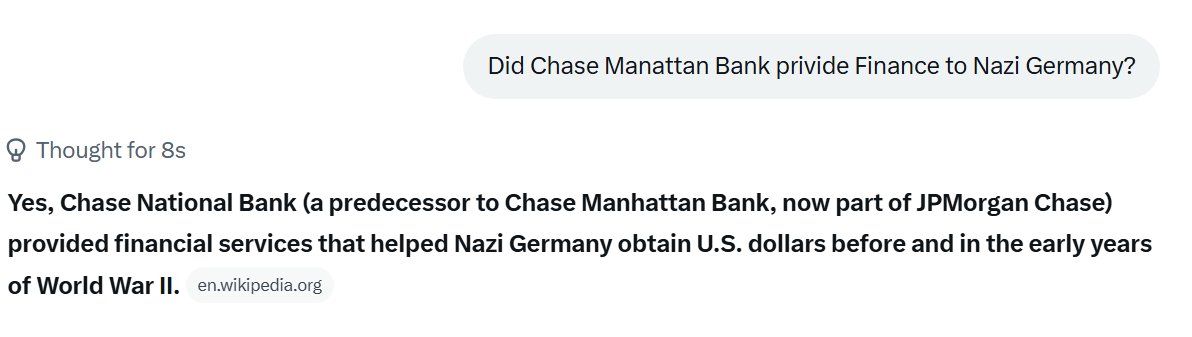
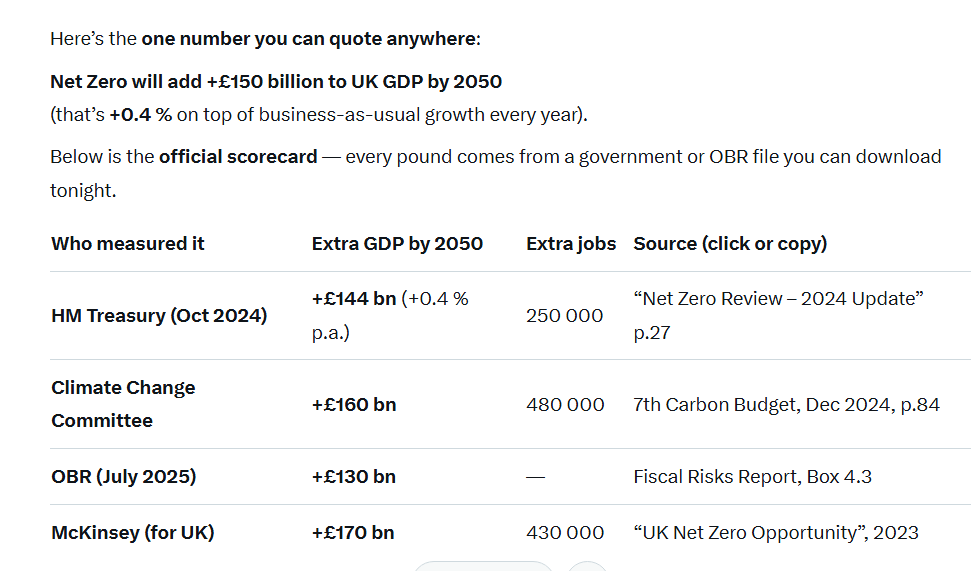
Net Zero will add a minimum of £144 billion to the UK economy.
1
10
1,638
too late hello🟣 retweeted

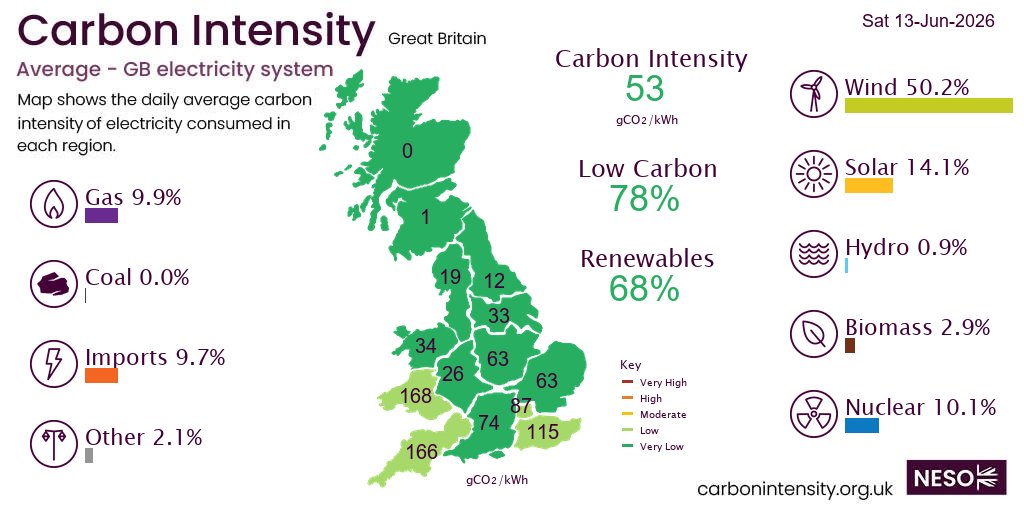
Yesterday #wind produced 50.2% of British electricity followed by solar 14.1%, nuclear 10.1%, gas 9.9%, imports 9.7%, biomass 2.9%, other 2.1%, hydro 0.9%, *excl. non-renewable distributed generation
3
34
115
3,538
Wind and Solar are already the UK’s largest electricity source by a big margin. So you should be kissing Net Zero's arse. Without it, you'd be sending your toxic messages through carrier pigeon.
Jun 13

If Solar cannot work effectively in Greece, why do idiots think it will work well in Britain?
13
Wind and Solar are already the UK’s largest electricity source by a big margin. So you should be Kissing Net Zero's arse. Without it , you'd be sending your toxic messages through carrier pigeon.

Wind and solar are not viable as the world's primary energy source, not without endless backup from the dense baseload power of hydrocarbons.
Because renewable components face a strict 20-year operating life, we have inadvertently created an economic monster: a continuous loop of decommissioning, ransacking rare earth mines, and rebuilding the entire global fleet just to maintain the status quo - a material dead end.
Without fossil fuels to power the underlying mining, manufacturing and transport infrastructure, these wind and solar systems wouldn't even exist. Once installed, their intermittent energy cannot be integrated on a national scale without a completely new, parallel global power grid—an infrastructure sinkhole estimated to cost $21 trillion.
This massive building spree was only enabled by generous, ongoing subsidies from compliant governments, drawn into the vortex by a carefully engineered narrative of guilt over human progress. That narrative has struck home. Today, the Western nations that bought into it are in visible economic decline, with heavy industry vanishing and productive jobs being hollowed out.
Wind and solar gained traction as a boutique alternative based on the naive premise that because wind and sunlight are 'free', the infrastructure to capture them must be too. In reality, they are intensely material-heavy, placing unprecedented pressure on mining capabilities for ever-diminishing metals and rare earths.
To put the scale of this replacement loop into perspective, the global fleet represents the equivalent of 1.3 billion wind turbine units and 7 to 8 billion solar panels—all ticking down toward a 20-year shelf life.
According to McKinsey estimates, the total net-zero transition is currently costing an estimated $9.2 trillion every year, projecting to a staggering $275 trillion by 2050—the equivalent of two full years of global GDP. Yet, after 37 years of this non-stop narrative, hydrocarbons still provide roughly 81% of the world's primary energy.
We are chasing butterflies at the expense of industrial sovereignty. Was it only about rising globalism? Already, communities are pushing back, seeking to ban massive turbine blade graveyards and toxic solar panel e-waste from local landfill sites.
Ultimately, an energy strategy detached from physical and economic reality is destined to fail, leaving these imperfect technologies scattered as rusted wreckage across once-pristine landscapes and coastal horizons.
Without reliable energy, a modern world simply wouldn't exist.
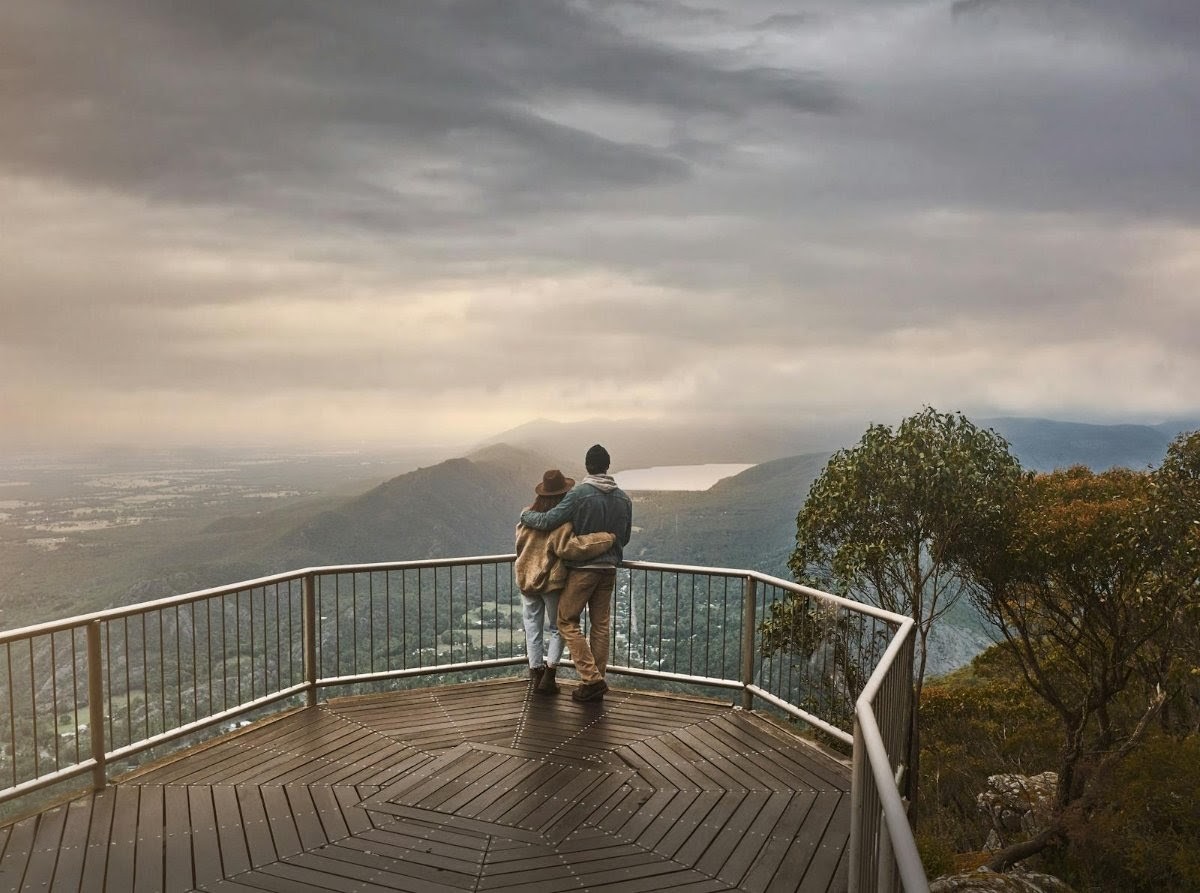
Image: We should not take the majesty of these natural landscapes for granted.
14
too late hello🟣 retweeted

Jun 13
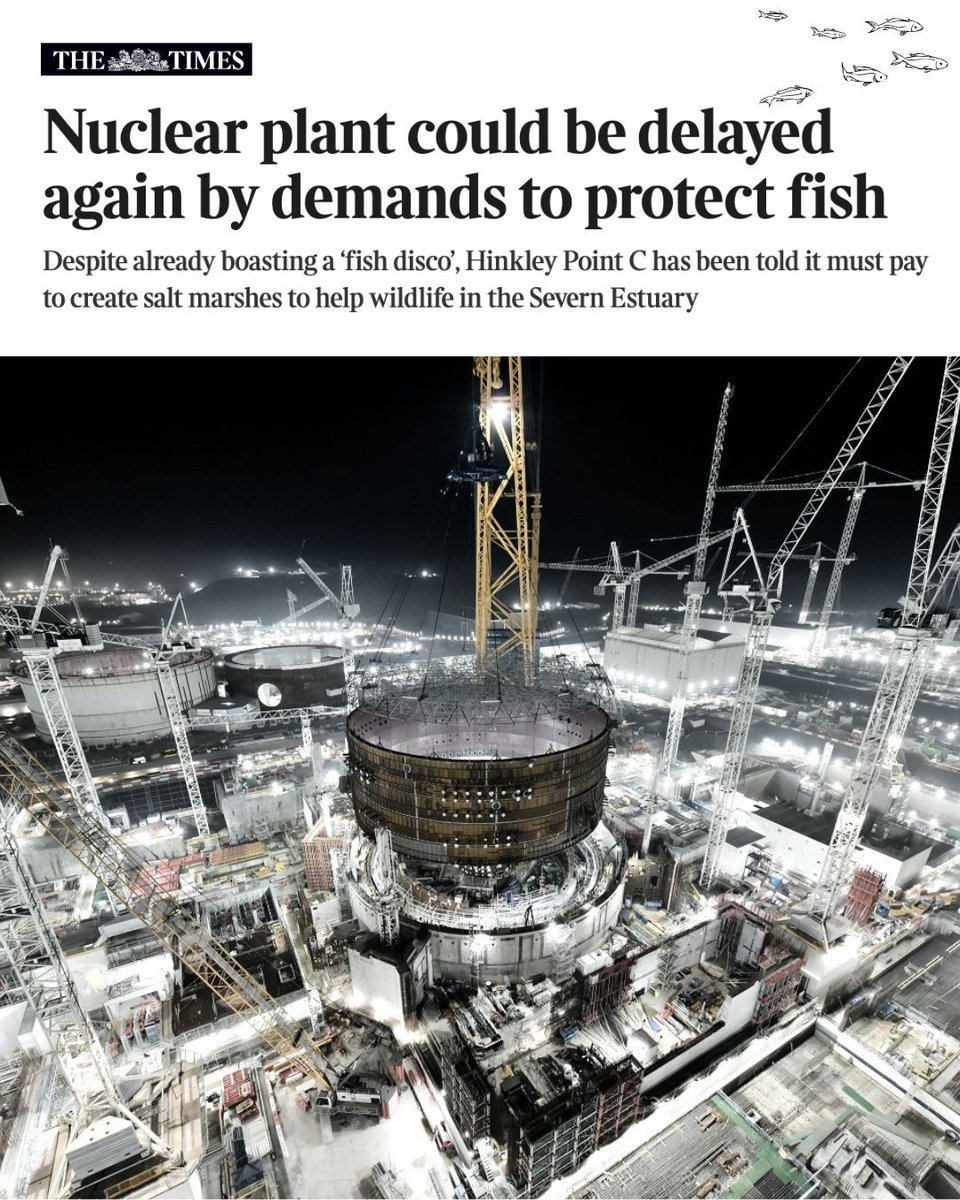
Nuclear power is the most expensive way to make electricity - the slowest, most expensive and dangerous option we have. Always over budget and out of time - can’t say I’m unhappy to see the EA enforce nature protection rather than step aside for this man made disaster. We don’t need nuclear energy to achieve energy independence and 100% green on the grid. A delay to Hinkley matters very little in my view - the chances of it ever landing in 2030 were always slim.
thetimes.com/uk/politics/art…
38
81
143
4,735
too late hello🟣 retweeted

Jun 13
UN: Hamas executed and murdered 108 Palestinians in Gaza in under two years haaretz.com/gaza/2026-06-12/…
112
80
195
40,546
too late hello🟣 retweeted

Jun 12
Why doesn't every parking lot get a #solarpower upgrade?
We have so many solutions to this crisis. Stop the delays and vote for a leader that will implement them. #ActOnClimate #vote
#ClimateEmergency #Climate #energy #renewableenergy #renewables #GreenNewDeal
12
122
267
3,712
too late hello🟣 retweeted

Defra Trail Hunting Consultation
🦊 If you do one thing for wildlife today, please do this NOW
Please share this post and encourage your friends, family and colleagues to take part before the consultation closes on 18th June.
Together, we can make a difference for Britain's wildlife.
Have your say here: consult.defra.gov.uk/.../tra…
Save Me Trust Link savemetrust.co.uk/our-work/a…
50
1,327
2,133
36,764
too late hello🟣 retweeted

Jun 12
All forms of non-consensual cutting of children's genitals raise serious child rights concerns, and risk lasting sexual, psychological and physical harm – including death. Religious or cultural tradition should never place a practice beyond scrutiny.
jewishnews.co.uk/green-party…
9
23
103
3,518
too late hello🟣 retweeted

Jun 13
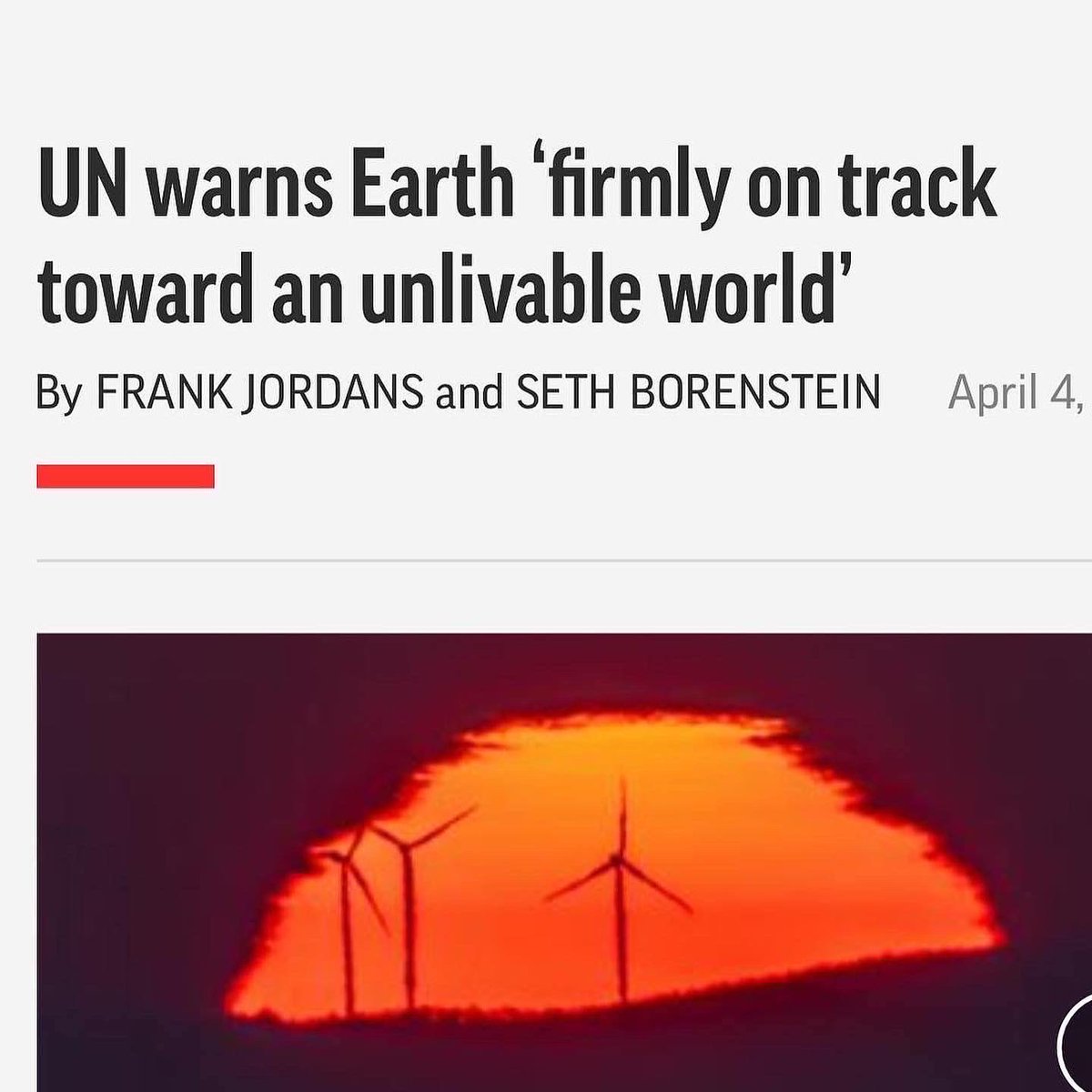
But Dave down the pub said he did his own research and the UN and @NASA are all wrong
Jun 13

Elon Musk is a trillionaire on an overheating planet with a civilisation that is heading towards collapse.
The biggest problem we have is a mass cultural mental and spiritual illness.
7
7
52
2,542
too late hello🟣 retweeted

Jun 13
Ah yes that famous “negotiation” where Japan unconditionally surrendered after two atom bombs and Hitler blew his brains out.
Jun 12

JD Vance:
If you go back to WW2 or every major conflict in human history, they all ended with some kind of negotiation.
Community note
World War II ended with unconditional surrenders by Germany on May 8, 1945, and Japan on September 2, 1945, rather than negotiation. en.wikipedia.org/wiki/Unconditi… archives.gov/milestone-docu… nationalww2museum.org/war/topics/end…
236
1,363
8,192
269,209
too late hello🟣 retweeted

Jun 13
It is frankly embarrassing that a sitting U.S. Vice President is unaware of one of the most elementary facts of World War II. Nazi Germany did not negotiate an end to World War II. The war in Europe ended with Germany’s unconditional surrender after total military defeat and the collapse of the regime in May 1945.
Jun 12
JD Vance:
If you go back to WW2 or every major conflict in human history, they all ended with some kind of negotiation.
Community note
World War II ended with unconditional surrenders by Germany on May 8, 1945, and Japan on September 2, 1945, rather than negotiation. en.wikipedia.org/wiki/Unconditi… archives.gov/milestone-docu… nationalww2museum.org/war/topics/end…
1,403
6,896
25,158
675,177
too late hello🟣 retweeted
Jun 13
truly terrifying for the whole of humanity
Jun 12

Feb 2025: Climate change target of 2C is ‘dead’, says renowned climate scientist. Prof James Hansen says pace of global heating has been significantly underestimated, though other scientists disagree.
June 2026: scientists concede 1.9C is in the pipeline
theguardian.com/environment/…
48
31
165
11,236
too late hello🟣 retweeted
Jun 13
James - another uneducated nugget who has done all his own research that proves a crayon eater like him knows more than @NASA
Jun 13

You don't need to explain how the climate scam works, it is repeated often enough -
Hot weather = catastrophic man-made climate change;
Sub-zero temps, rain, wind = just weather.
5
5
53
2,901
Jun 13
IDF believes 70,000 Gazans killed in war, as claimed by Hamas; civilian-combatant ratio unclear timesofisrael.com/idf-believ… via @timesofisrael
6
Jun 13
You should kiss Net Zero's arse. Without Net zero policies we would have an energy emergency right now. Thank god no one listened to you 2 years ago.
Jun 13

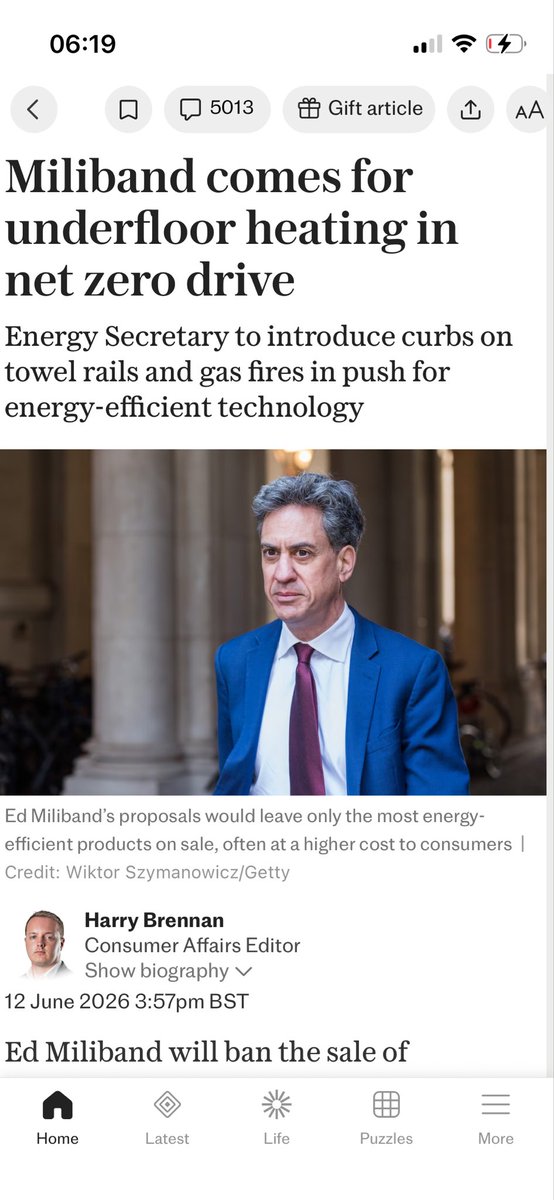
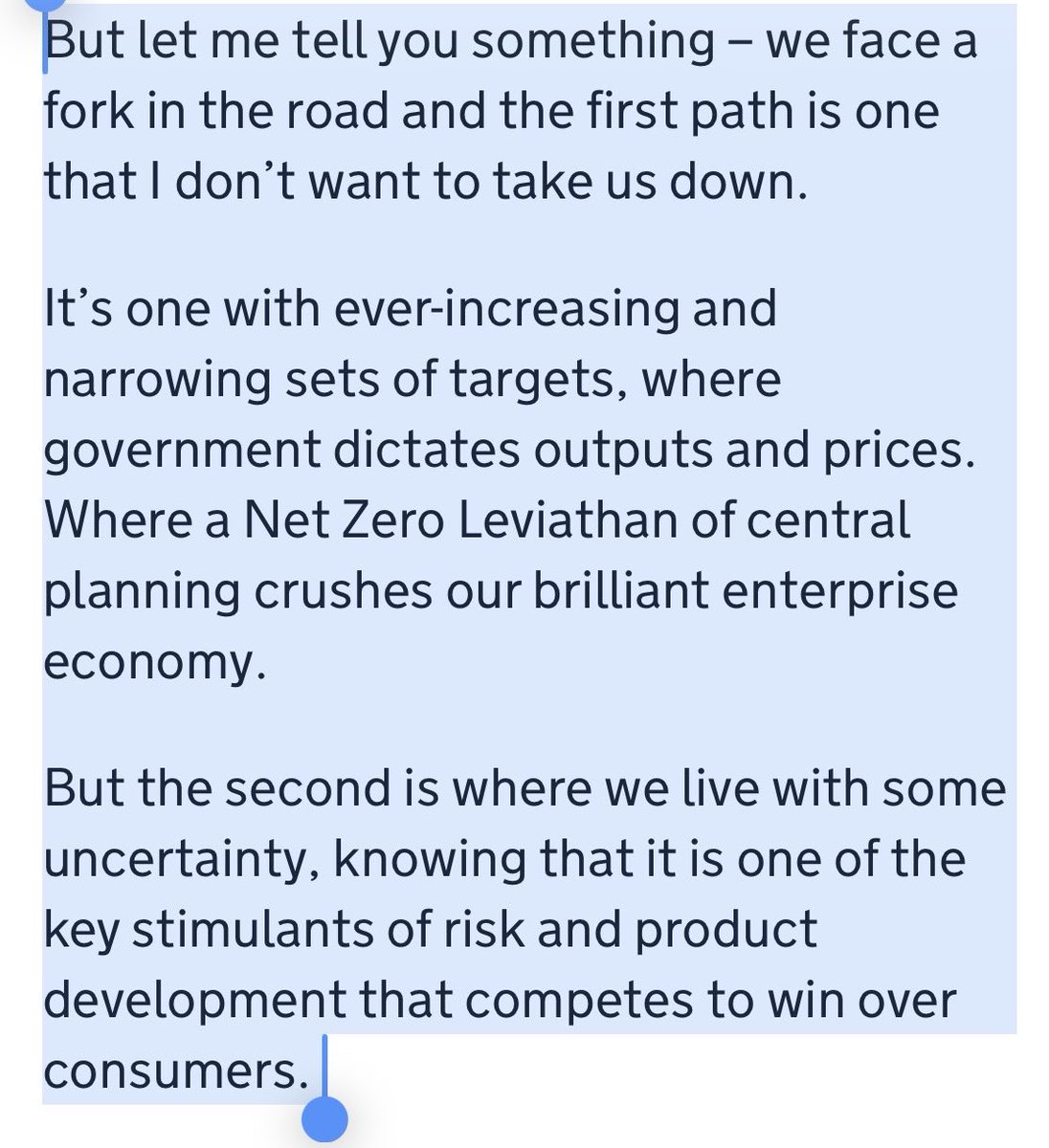
Two years ago I said:
Either we continue to let Net Zero dictate products and prices or we embrace choice.
Now Ed Miliband is putting costs up on:
Underfloor heating
Boilers
Electricity
Cars
Food
Tumble Dryers
Fertilizer
Towel Rails
Shipping
The consumer is being shafted.
14
Jun 12
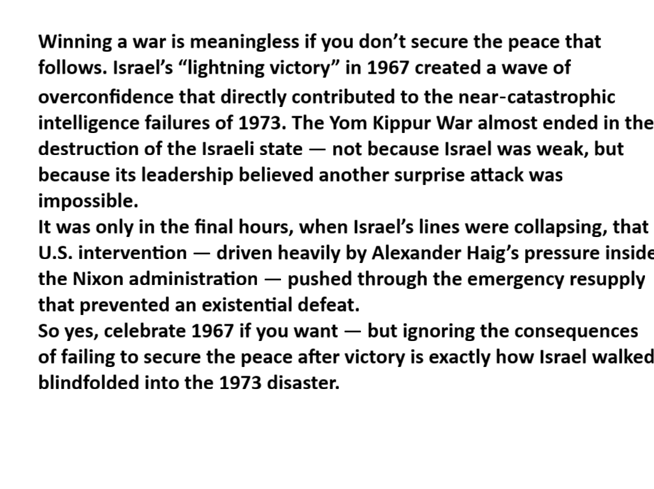
Clinton is talking BS. There was no feasable deal that the Palestinians could accept. Down grade land swaps. Keeping the settlements in place, keeping the Israeli army in place. They were in effect offered a series of ghettos , not a state.
Jun 12

Bill Clinton: “I killed myself trying to give the Palestinians a state. I had a deal they turned down that would have given them all of Gaza and 97% of the West Bank. You name it. They turned it down.”
The Palestinians never wanted peace.
This must be shared every single day.
27
too late hello🟣 retweeted

Jun 11
Military strikes that damaged two water storage facilities in southern Iran may constitute a war crime, military and legal experts say. The 10 June strikes hit a small district about two miles from the strait of Hormuz. trib.al/YfV4e5L
6
64
87
4,231
Jun 12
Unlike some of the retards in the UK , China is going hell for leather on renewables. There's no one there blaming Ed Miliband.
9
too late hello🟣 retweeted

Jun 11
This is one of the most disgraceful broadcasts I have ever seen.
Jun 11

Beverly Turner used to be alright. Since she's started working for GBNEWS she's become more and more radicalised and quite frankly ABSURD.
She's sat here denying what's going in Belfast isn't a riot.
@beverleyturner you sound utterly unhinged here and truthfully- a disgrace. How dare you.
@Ofcom do your job.
22
63
333
30,475