
Crypto author, artist, and entrepreneur, hodling since 2014. Bio at helloluis.net
Joined April 2007
- Tweets 12,858
- Following 3,637
- Followers 17,906
- Likes 7,522
1,009 Photos and videos





Jun 13
The practical implication of "non-custodial" on-device AI is essentially that we will need specificity in every area. Frontier models like Claude and Chat are general-purpose multi-TB behemoths but we can realistically only fit a 7Gb model on the average phone, so it'll have to be specialized and fine-tuned. Your healthcare AI will be tuned very differently from your travel & logistics AI, for instance.
Jun 13

"Not your AI not your Intelligence" just became very clear @qvac
Cypherpunk v2.0 will be about Open-Source AI.
126
Jun 13
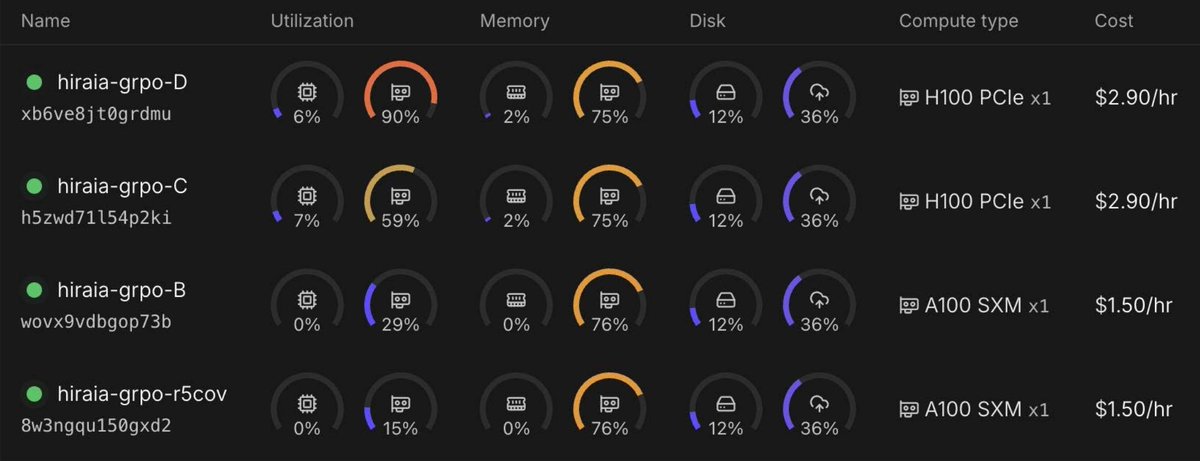
I don't really have the $100,000 that it'd cost to buy and colocate 2 H100s and 2 A100s, but for less than $10/hr I can rent 4 of them this weekend!
To recap what I'm up to: I'm trying to train a tiny LLM to tutor grade school kids on Tagalog and Bisaya science lessons. The whole thing needs to fit on an entry-level Android phone worth 5,000 pesos or less and MUST work without an internet connection.
Probably the hardest engineering challenge I've ever personally embarked on, but I am again absolutely shocked and inspired by how much research, tooling, and infrastructure is out there for people to build on small budgets.
Built with @qvac @tether
1
8
523
Jun 12
Claude Fable did something today that genuinely impressed me. I'm building app that touches on biology, and although it's a totally benign use case, @AnthropicAI 's ultra aggressive AUP filters kept blocking it.
So when Fable realized it couldn't directly execute on this one part of my app, it downloaded @Alibaba_Qwen 3.5, ran it locally via llama-server, and outsourced the task!
1
113
Jun 12
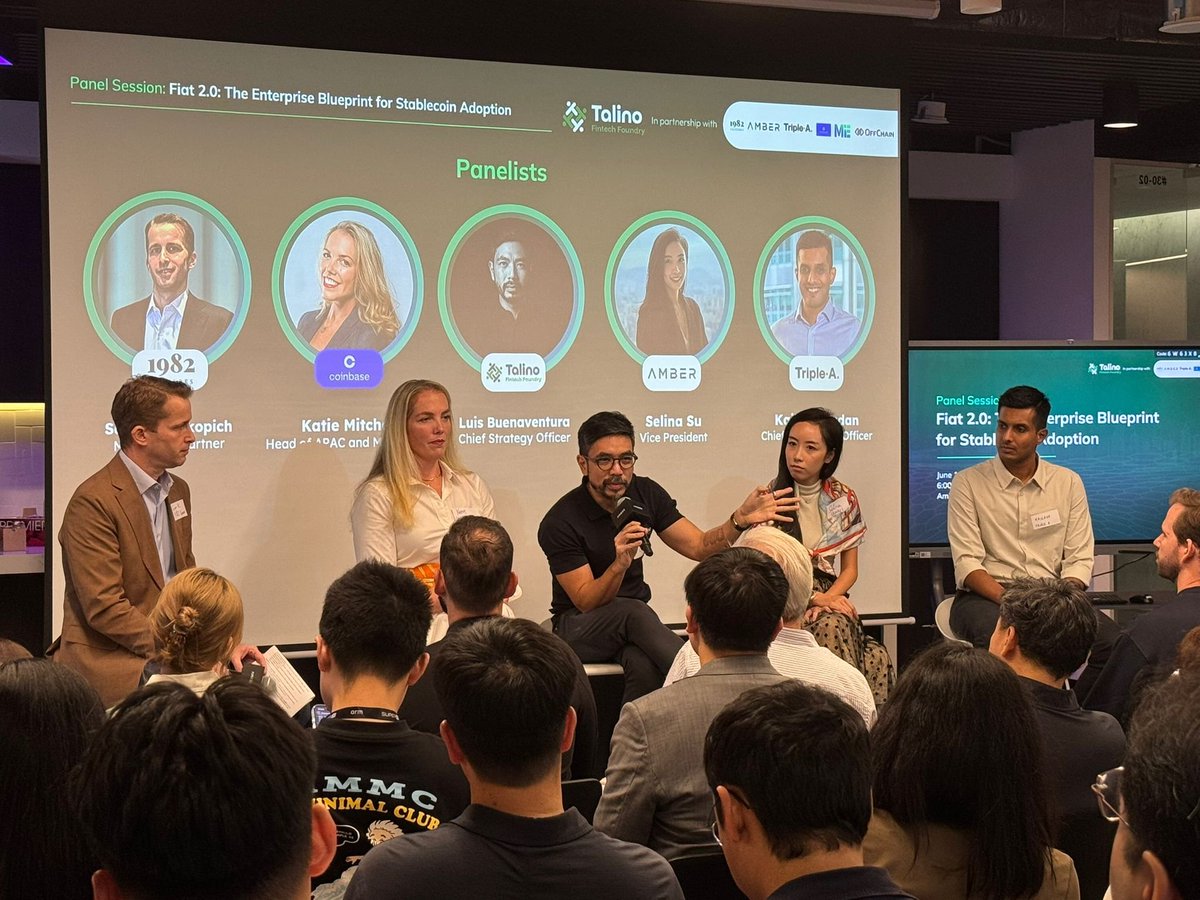
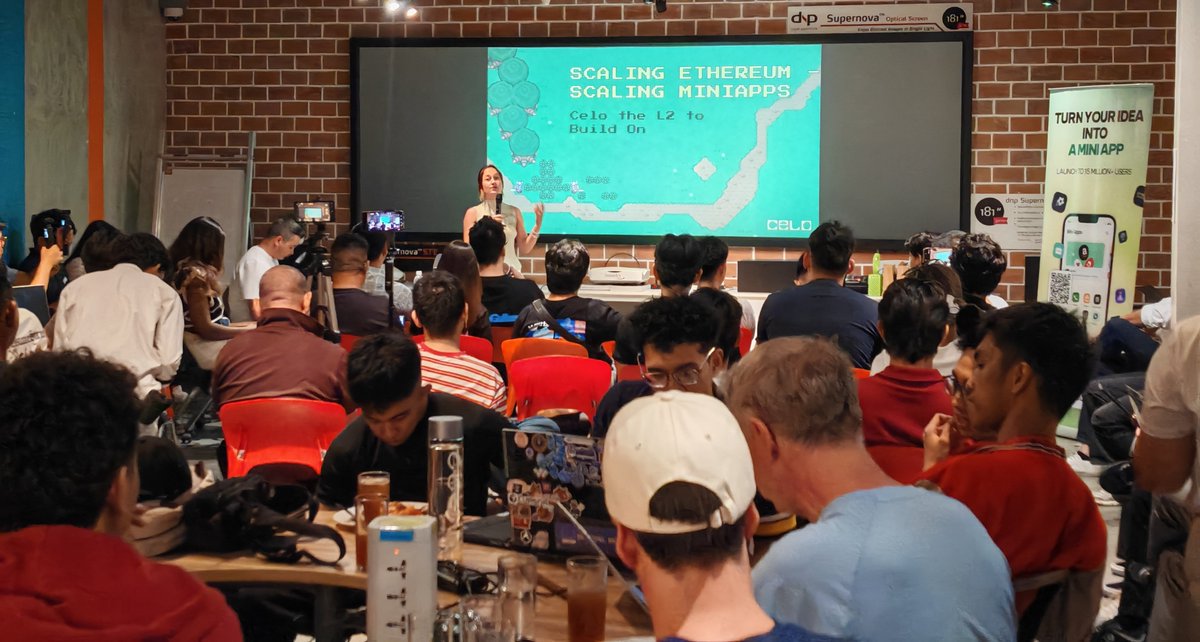
Nice to be back on the overseas meetup circuit! Catch you again soon Singapore! Thanks for the fun evening @ambergroup_io @coinbase Triple-A, 1982 Ventures, TalinoFoundry.com ❤️🇵🇭
1
3
193
Jun 10
Last week I started building something for @qvac's "Unleash Edge AI" hackathon.
Turns out it's probably the hardest engineering problem I've ever personally tackled: I'm trying to build an AI science tutor for Filipino and Bisaya-speaking grade school kids, that works on an entry-level Android phone without an internet connection.
On the face of it, the idea sounds easy, coz any 2025 version of ChatGPT or Claude could do this without breaking a sweat.
But those flagships require ONE TERABYTE of memory, whereas I'm targeting $90 Android phones with just SIX GIGABYTES of memory.
Figuring out how to build something that is factually accurate (no hallucinations!), linguistically stable (doesn't revert to English when it's stressed!), and pedagogically engaging (actually acts like a tutor!) ... all with a 3GB memory footprint is super challenging.
I'm calling the app "hiraia" (after an archaic Filipino word for "vision" or "imagination") and I designed this cat to keep the user entertained during the lengthy LLM loading times 😅🐱🇵🇭
@tether
dorahacks.io/hackathon/2151/…
4
3
341
Jun 2
Dear Injap Sia, MS Copilot comes free with all Windows machines now. Surely you could've written a better opening sentence than that.
Jun 2

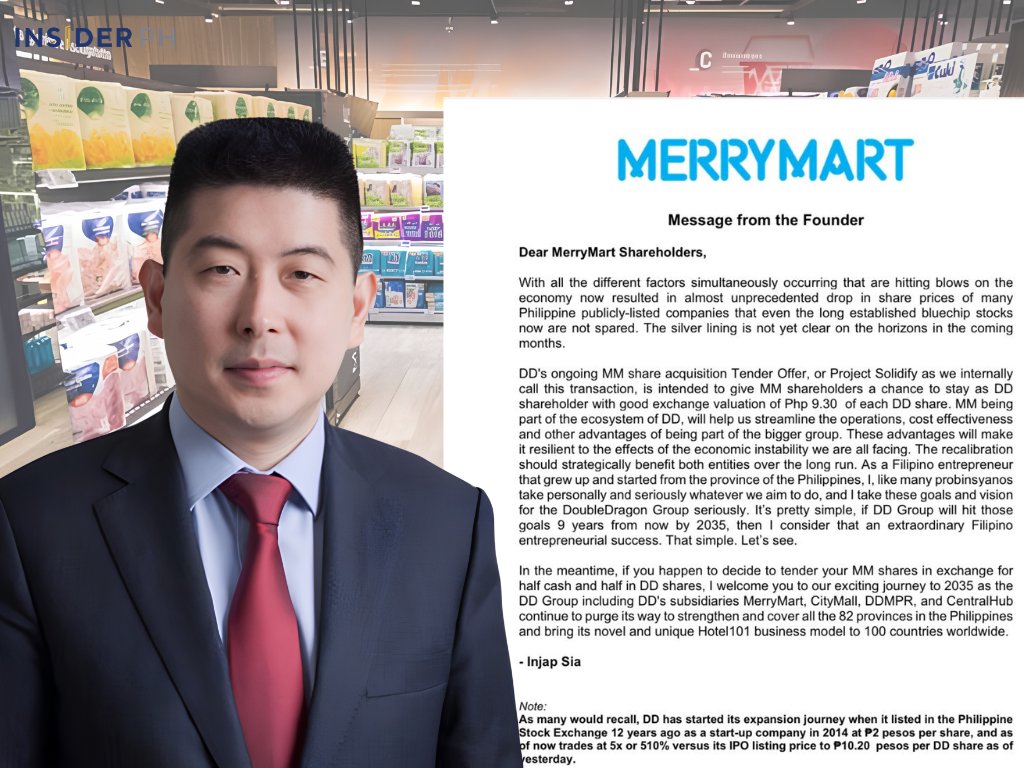
MerryMart founder pitches DD tender offer amid market volatility
In a message to shareholders dated June 2, Sia said Philippine equities have been hit by an “almost unprecedented” decline in share prices as multiple economic pressures weigh on the market. He noted that even long-established blue-chip companies have not been spared, with visibility on a recovery remaining uncertain in the coming months.
READ: insiderph.com/merrymart-foun…
3
4
679
Luis Buenaventura retweeted

Jun 2
10
1
41
1,861
Jun 2
Because everyone else is tokenmaxxing, when actually we should all be tokenminimizing.

Tether AI Upgrades QVAC SDK, Bringing TurboQuant to Everyday Devices, Giving Local AI Data Center-Sized Memory
Learn more: tether.io/news/tether-ai-upg…
2
2
328
Luis Buenaventura retweeted

Jun 1
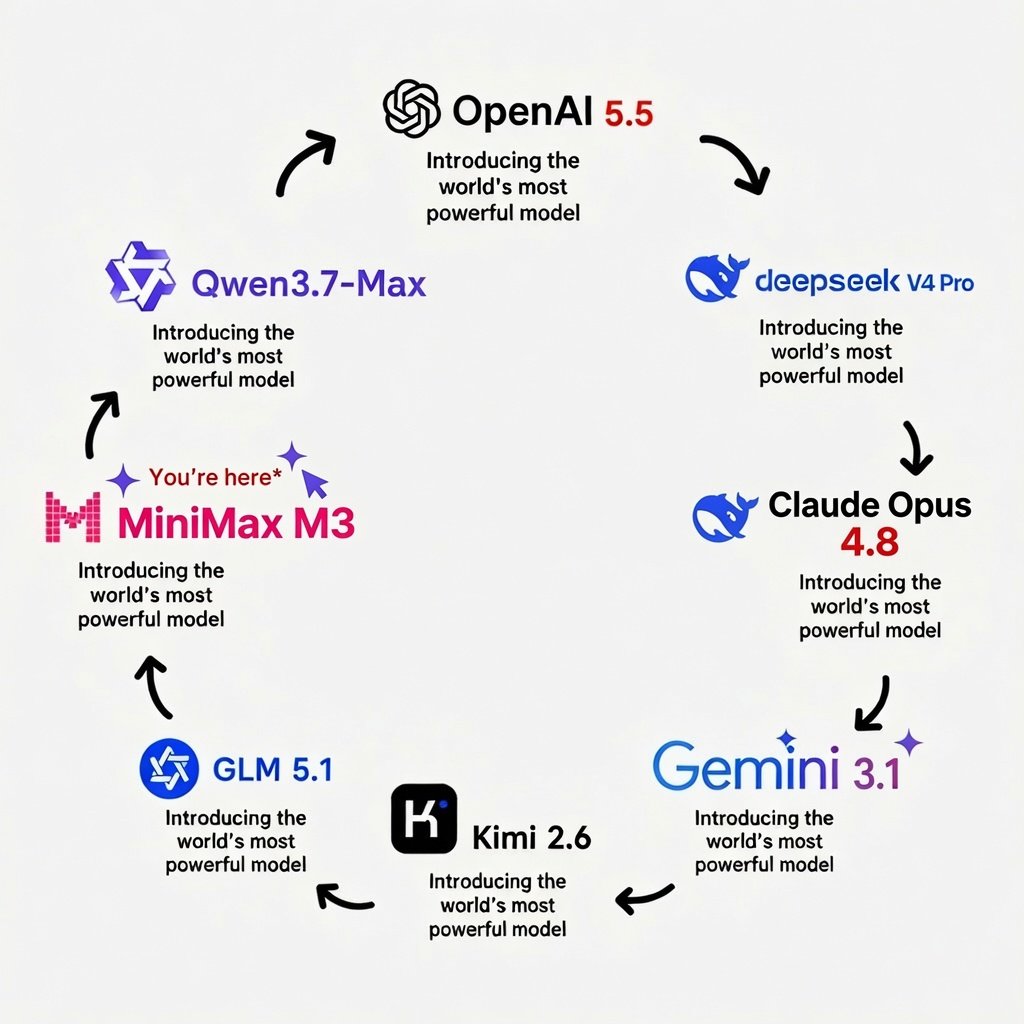
Humans-in-the-loop, I can't keep up with the pace anymore.👨💻
11
23
389
24,880
May 29
Recent adventures in vibe coding with bleeding edge LLMs.
Something tells me @Alibaba_Qwen 3.7 Max still needs a bit more hardening ...
1
160
May 27
The correct way to think about the $640k Ferrari Luce is that it costs less than @steipete spends on tokens each month.
May 27

Lewis Hamilton and Charles Leclerc driving the Ferrari Luce should have been the entirety of the launch campaign. Am totally convinced now. This $640k EV is gonna sell like hot cakes.
339
May 27
2
251
May 27
Were they giving away Pi tokens?

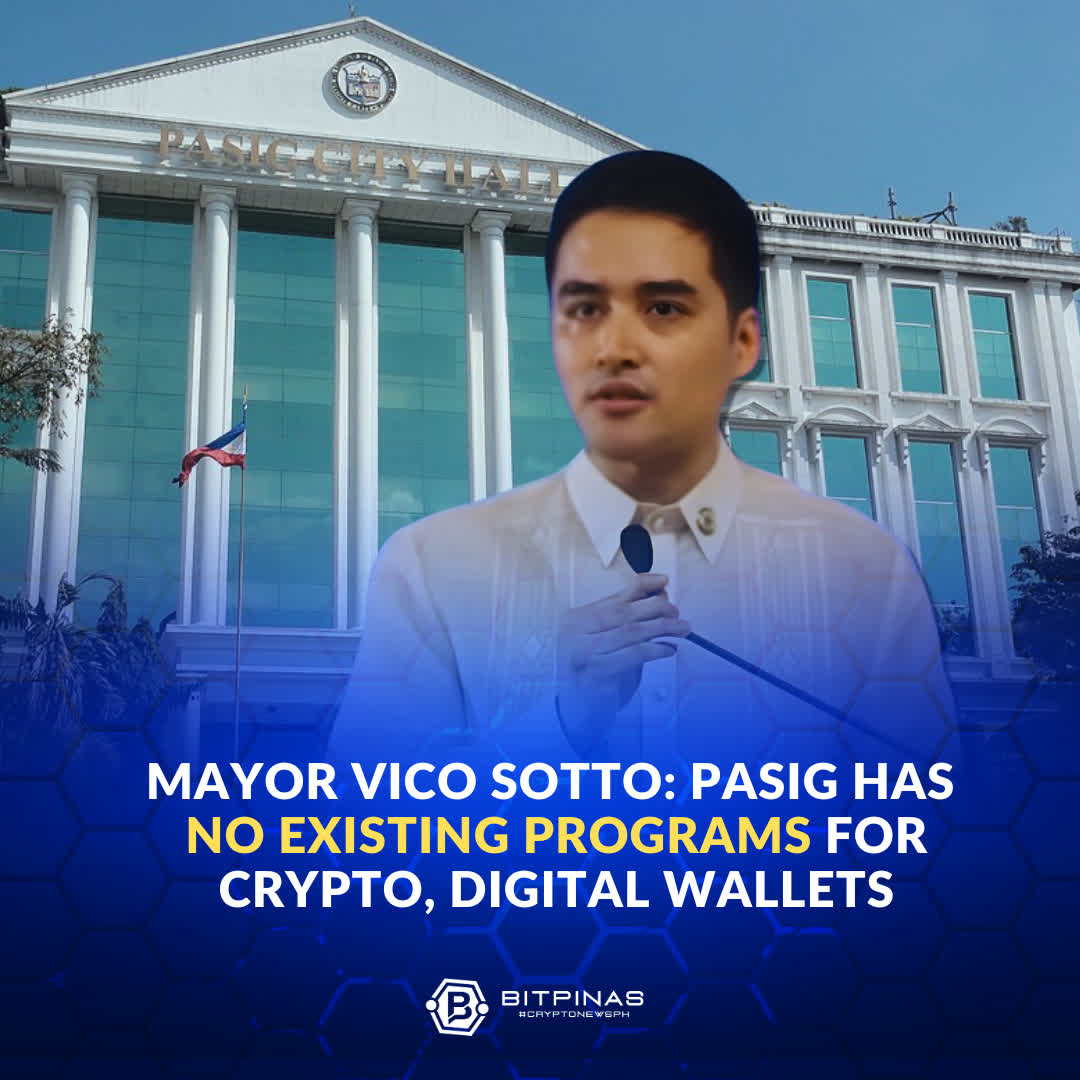
🚨 According to Pasig City Mayor Vico Sotto, there were unauthorized individuals posing as LGU staff that collected personal information from residents in exchange for digital tokens, specifically crypto. He clarified that it is not a city program.
The co-convener of the Mayors for Good Governance then urged the public to refrain from joining, investing, or providing personal details to unestablished entities lacking proper documentation. 👇
@VicoSotto @PasigInfo
👉 Full Details: bitpinas.com/go/vico-crypto
1
1
709
May 26
The facts as we know them:
1. @Binance is reentering the Philippines thru Blockshoals, which was granted sandbox access by the @SEC_Philippines .
2. Blockshoals' owners are currently also involved in various Romualdez-owned businesses.
3. Both Binance and Romualdez have been associated with alleged money laundering activities in the past here in the Philippines, as recently as Nov 2025. (See ICI investigation into the flood control funds and how they were exiting the country.)
Does it mean Romualdez is actually behind Blockshoals? Not necessarily, but if we put all those facts together ... surely this is something worth looking into more deeply?
PS. The Binance website reportedly became accessible again here in the Philippines earlier today (although not on my Converge home connection) ... what a rollercoaster of a day it must have been for the local team!
May 26

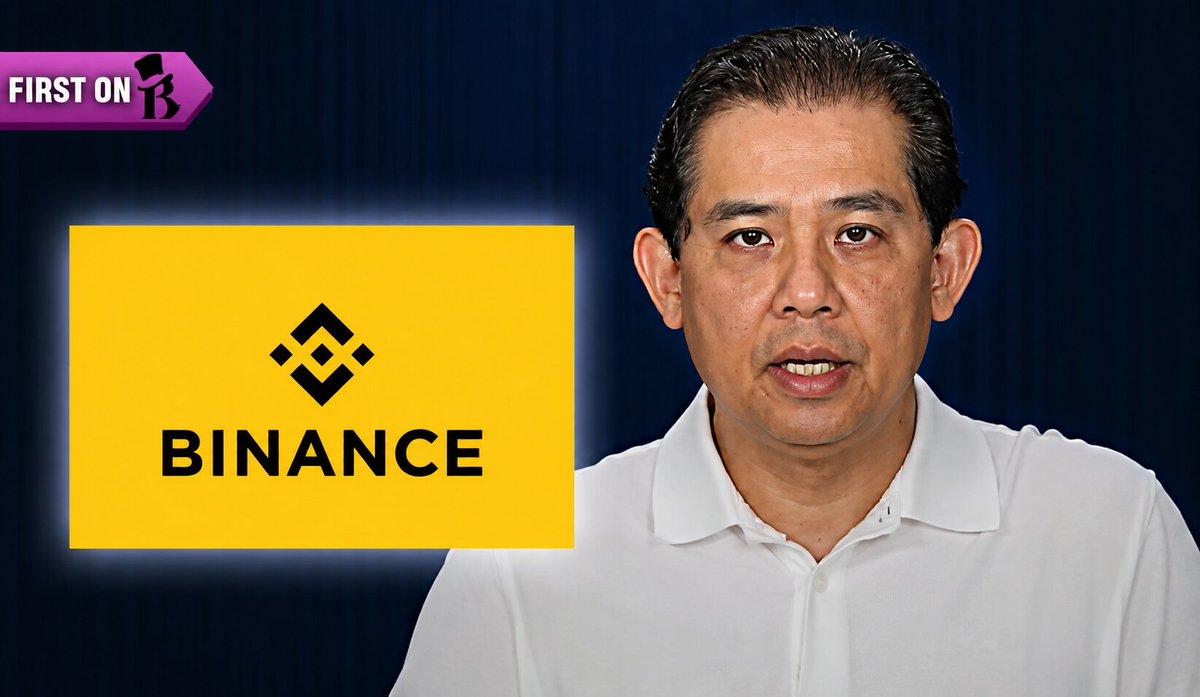
FIRST ON B | Backdoor comeback? Binance PH reentry under cloud of doubt over Romualdez ties
When Binance was effectively banned in the Philippines in 2024, many assumed the world’s largest crypto exchange had lost its shot at the local market.
Two years later, it is back — but not under the Binance name alone.
READ: bilyonaryo.com/2026/05/26/ba…
44
59
204
41,176
Luis Buenaventura retweeted

May 25
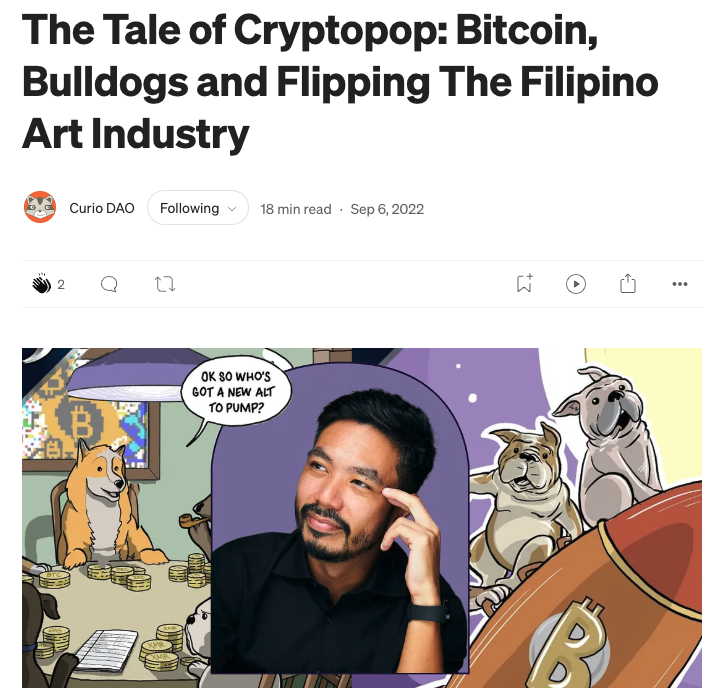
Curio Cards was created as the first curated Art Gallery on Eth with exactly this idea in mind.
In 2017, artists from different cities and countries came together to educate people about blockchain through art, promote Digital Art as a medium, and create a more direct path between artists and collectors.
For example, Luis Buenaventura / Cryptopop, one of the Curio artists, became the first Filipino NFT artist to have work sold at both Christie’s and Sotheby’s.
And part of his royalty earnings later went toward his non-profit initiative supporting aspiring Filipino artists 👏
ALT https://medium.com/@curiocards/the-tale-of-cryptopop-bitcoin-bulldogs-and-flipping-the-filipino-art-industry-d6c8a4f349b6

Recently I’ve read a lot of critiques about our space: gatekeeping, speculation, taste, visibility, community, power. A lot of them are fair. Crypto doesn’t magically change human behavior.
But I don’t think the real question is whether NFTs eliminated hierarchy. They didn’t.
The better question is whether they created more paths for artists without major followings, gallery backing, geographic privilege or institutional recognition to become visible, find collectors and make a living.
I’d argue that’s happening here more often than anywhere else in the contemporary art world.
Not perfectly. Not without contradictions. But at a scale large enough to matter.
That’s the test for me: not whether this space solved power but whether it opened more doors than the systems before it.
I think it has.
6
7
43
3,217
May 25
Inevitable reveal 🧐
May 25

INSIDER INFO | Secretive crypto exchange fuels talk of Binance comeback
------
The connection to the flood control controversy is relevant now since some of this company’s shareholders are known associates of a powerful political figure implicated in the scandal.

1
1
2,322
May 12
Played around with @justinsuntron 's @BAI_AGI and genuinely surprised that people are still launching tool-less LLMs in 2026. 😬
1
1
223
Luis Buenaventura retweeted

Apr 23
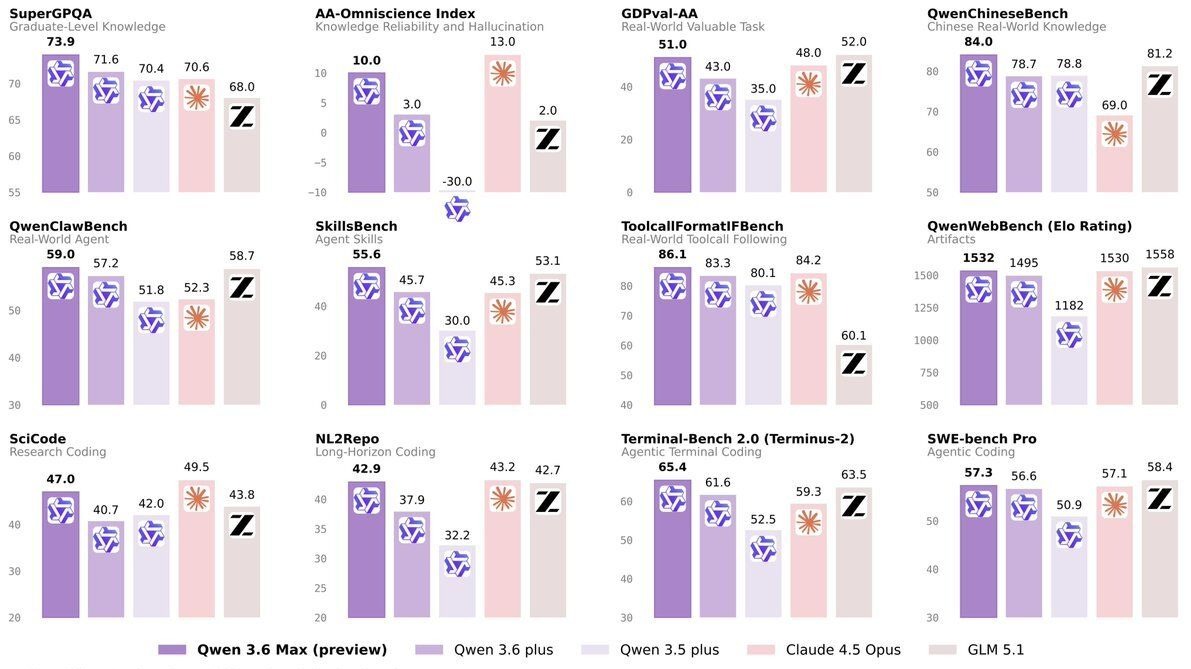
Introducing Qwen3.6-Max-Preview, early preview of our next flagship model
·Improved agentic coding capability over Qwen3.6-Plus
·Stronger world knowledge and instruction following
·Improved real-world agent and knowledge reliability performance
Smarter, sharper, still evolving.
227
467
8,317
27,037,075
May 12
Pitched an education idea here that I've been thinking about for awhile. Basic premise: the pricier the Claudes and ChatGPTs get, the further behind the rest of the world becomes. We need to plow more resources into cost-efficient inference ASAP!
May 11
Build together ♥️
1
1
176
May 11
another reason why i'll never get into Philippine politics: i hate doing cardio.

HABULAN SA SENADO
The Senate released the CCTV footage of Senator Ronald “Bato” Dela Rosa running away from members of the National Bureau of Investigation (NBI) in the hallway of Senate on Monday. (Video/Senate)
LIVESTREAM: tinyurl.com/yc39n8e4
2
1
295