Earthling. DoB: 334.95 ppm. private account and public opinions.
Joined April 2007
- Tweets 3,687
- Following 431
- Followers 582
- Likes 3,595
241 Photos and videos









John North retweeted

May 23
We trust pilots to fly us.
We trust taxi drivers to drive us.
We trust influencers selling detox recipes.
But when scientists speak about vaccines, chemistry or pesticides, suddenly people reject expertise and think their internet search is equivalent to 20 years of research.
444
550
2,407
36,369

May 20
Thanks for resharing. Completely forgot about it...

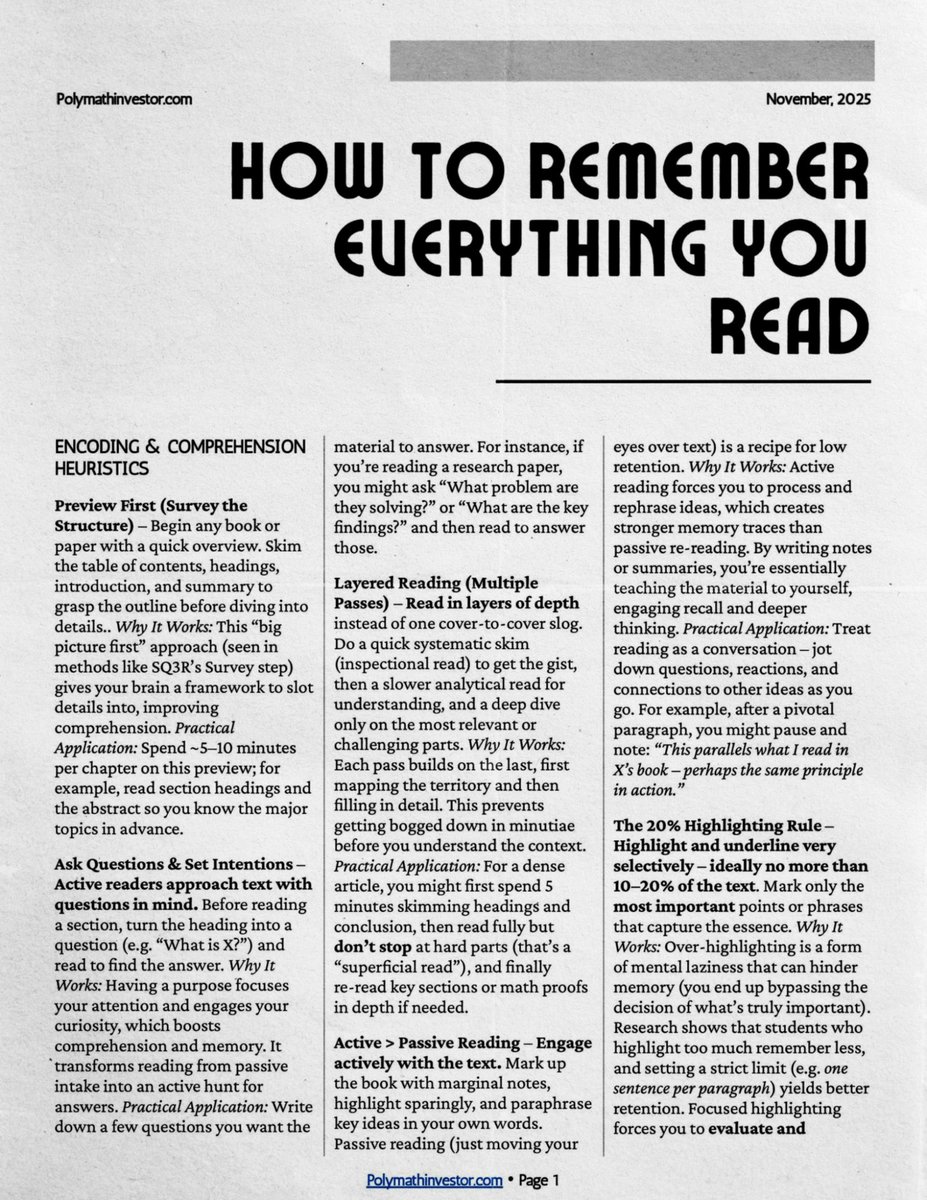
A few months back, I published this guide on how to remember everything you read.
Re-sharing it here for anyone who finds these protocols useful.
(1/11)
29
John North retweeted

May 7
the ‘do your own research’ crowd discovered hantavirus 14 minutes ago and already cured it with ivermectin 😭
264
2,125
25,419
312,997
John North retweeted

Of course Robert Malone has already arrived to explain that the outbreak, the WHO, the cruise ship quarantine, the Dutch containment transfer teams, and decades of hantavirus literature are all “theater.” One suspects that if Yellowstone erupted tomorrow, he’d explain magma was a Pfizer marketing strategy.
The awkward problem with this performance is that the Andes strain of hantavirus was documented to have limited human-to-human transmission long before COVID, long before mRNA vaccines, and long before Substack became a retirement village for men who confuse contrarianism with expertise.
Scientists are not alarmed, because now nine people are infected. They are paying attention because a virus with a 15–40% mortality rate is demonstrating behavior we already knew was possible, but hoped would remain limited. That is called epidemiology, not theater.
And unlike internet personalities, viruses do not care about branding. They mutate whether or not someone can monetize distrust from a beachside newsletter branded “Curativa Bay.”
The truly exhausting part of modern medicine is not the viruses. It is the cottage industry of men who mistake reflexive cynicism for intellect. Every outbreak becomes a screenplay in which they alone possess “the real truth,” while thousands of virologists, intensivists, epidemiologists, and public health workers are apparently extras in the conspiracy.

The Hantavirus Theater Continues: Fear Over Facts, and Why We Already Have Solutions
A Measured Look at What the Press Got Wrong (And What They Got Right, More or Less) By Robert W. Malone, MD, MS · Chief Medical Officer, Curativa Bay
curativabay.substack.com/p/t…
8
24
135
7,969
John North retweeted

May 6
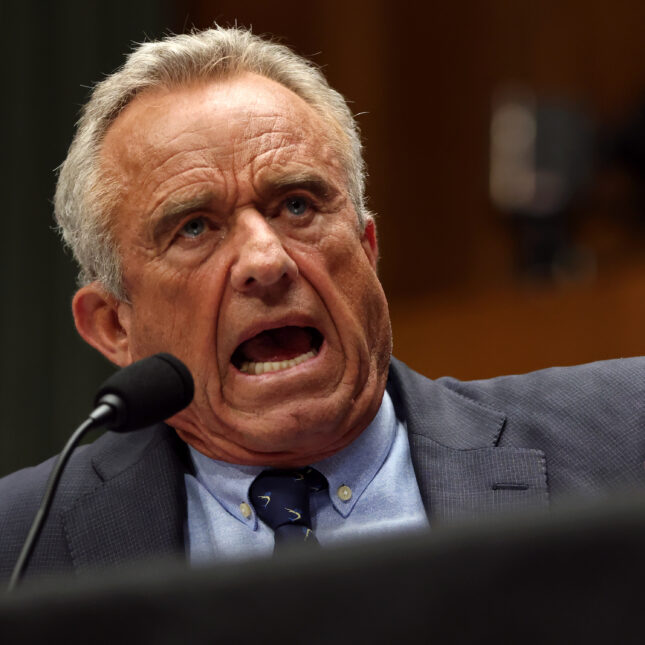
The rate of newborn deaths is surging as American babies bleed to death from vitamin K deficiency, which is preventable with a single shot at birth.
Widespread medical disinformation has caused more parents to refuse vitamin K shots for their children.

568
5,444
22,380
1,343,620
John North retweeted
The collapse of trust in science is going to go down in history as one of the most sad, bizarre, and destructive social contagions of modern times.
We fed billions, cured diseases and powered nations - yet people ran toward conspiracies instead.
6,063
5,421
25,012
1,914,850
May 6
Very little respect left for @garyplayer after seeing this.... Endorsing Trump, especially in this setting, is not a good look.

Retired South African professional golfer Gary Player joined President Trump in the Oval Office for the signing of a proclamation restoring the Presidential Fitness Test.
1
27
May 6
...and then adding that he has the "utmost respect" for RFK Jr. I guess doing lots of push-ups doesn't help with one's ability to discern grifters from statesmen afterall.
10
May 4
RT @JeromeAdamsMD: Ultimate irony?: The parents now skipping vaccines for their kids are almost all fully vaccinated themselves. They’re t…
1,134
John North retweeted

Convincing the rank and file to worry about the 1% of trans people that barely ever touch their lives instead of the 1% of the wealthy making most of the decisions that impact them every single day in dozens of ways is the evil genius of conservativism
2
14
699
41,812
John North retweeted

May 1
Un hombre cegado por una bandera que le tapa los ojos. No ve que avanza hacia el vacío.
Banksy ha captado la esencia de la ultraderecha en el mundo. Es un maldito genio.
2,632
20,485
73,775
2,553,651
John North retweeted

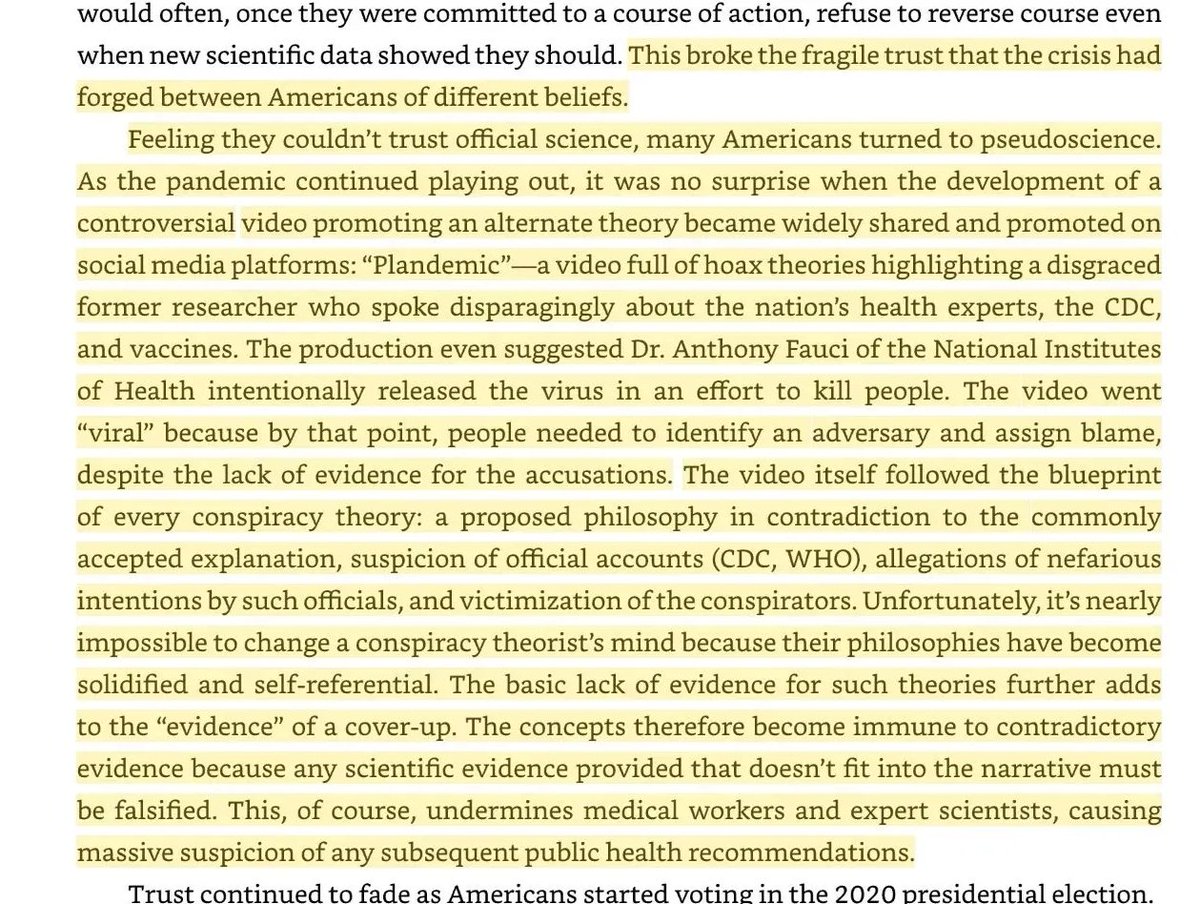
I read Trump's surgeon general nominee @NBSaphierMD's book. She had some choice words about the viral 2020 anti-vaxx film Plandemic—"a video full of hoax theories"—and its star, Judy Mikovits, "a disgraced former researcher."
Hmm who made that one was it, oh yes
6
79
263
26,754
John North retweeted

Apr 27
“We pledge to you that we will root out the communists, Marxists, fascists, and the radical left thugs that live like vermin within the confines of our country, that lie and steal and cheat on elections… The threat from outside forces is far less sinister, dangerous, and grave, than the threat from within. Our threat is from within.”
- Donald Trump
But sure, it’s the left pushing hateful, divisive rhetoric. Yep. 100%.
39
201
798
24,288
John North retweeted

Climate scam' is what you call it when you can't understand basic atmospheric physics. The real scam is pretending 97% of climate scientists are all in on some conspiracy while you're just a free thinker who happens to parrot oil company talking points from the 1990s.
Apr 27

A fantastic win for Americans who aren't monetizing the climate scam.
163
324
1,882
31,467
John North retweeted

Apr 24
🚨WHAT A SCAM "but hes not taking his presidential salary"
206
4,766
14,432
327,797
John North retweeted

Apr 23
Math illiteracy in the White House! These guys couldn't get a job as elementary school teachers.
Any student knows that when something has fallen 100 percent it has fallen to nothing.
Apr 23

RFK Jr: "A Democratic senator claimed it's mathematically impossible to have a drug drop by 600%. I said, 'Well, if the drug was $100 and it raises to $600, that would be a 600% rise. If it drops from $600 to $100, that's a 600% savings.'"
Trump: "Right"
Community note
RFK Jr.'s example misstates percentage changes. From $100 to $600 is a 500% increase ((600-100)/100 × 100). From $600 to $100 is an 83.3% decrease ((100-600)/600 × 100). A 600% decrease from $600 would reach a negative price.
newsweek.com/rfk-jr-trump-d…
cnn.com/2025/09/23/pol…
calculatorsoup.com/calculators/al…
93
358
1,446
81,967
John North retweeted

Apr 15
The South African journalist and public should ask a few more critical questions about @geordinhl, the newly elected DA leader, and his allegiances.
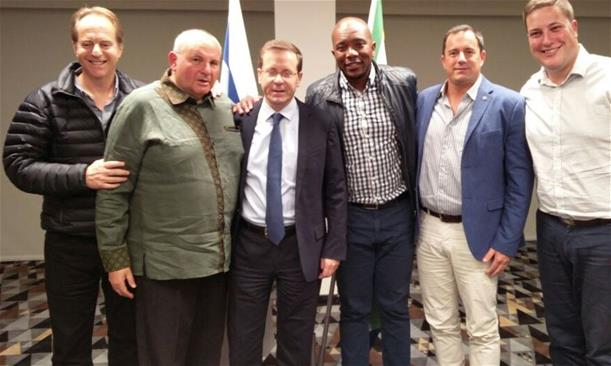
In 2017 the @Our_DA delegation travelled to Israel and met with @netanyahu and @Isaac_Herzog — both now responsible for the genocide in Gaza.
They stood shoulder-to-shoulder, arms around each other, smiling.
Could this be why @geordinhl is reluctant to call out the Israel for the treatment of the Palestinians?
In the photo:
-Alan Fischer – Representative/accompanying member of South African Jewish organisations
- Michael Bagraim – DA MP and former National President of the South African Jewish Board of Deputies
- Isaac Herzog – Israeli opposition leader at the time (now President of Israel)
- Mmusi Maimane – then DA Leader
- John Steenhuisen – recent DA leader, and current minister of agriculture
- Geordin Hill-Lewis – then DA spokesperson on trade & industry, now the DA leader @geordinhl
48
437
589
33,741
Apr 15
RT @geoffreyyork: Almost all "refugees" arriving in the US these days are white people from South Africa. None from war zones, famine zones…
95
John North retweeted

Apr 13
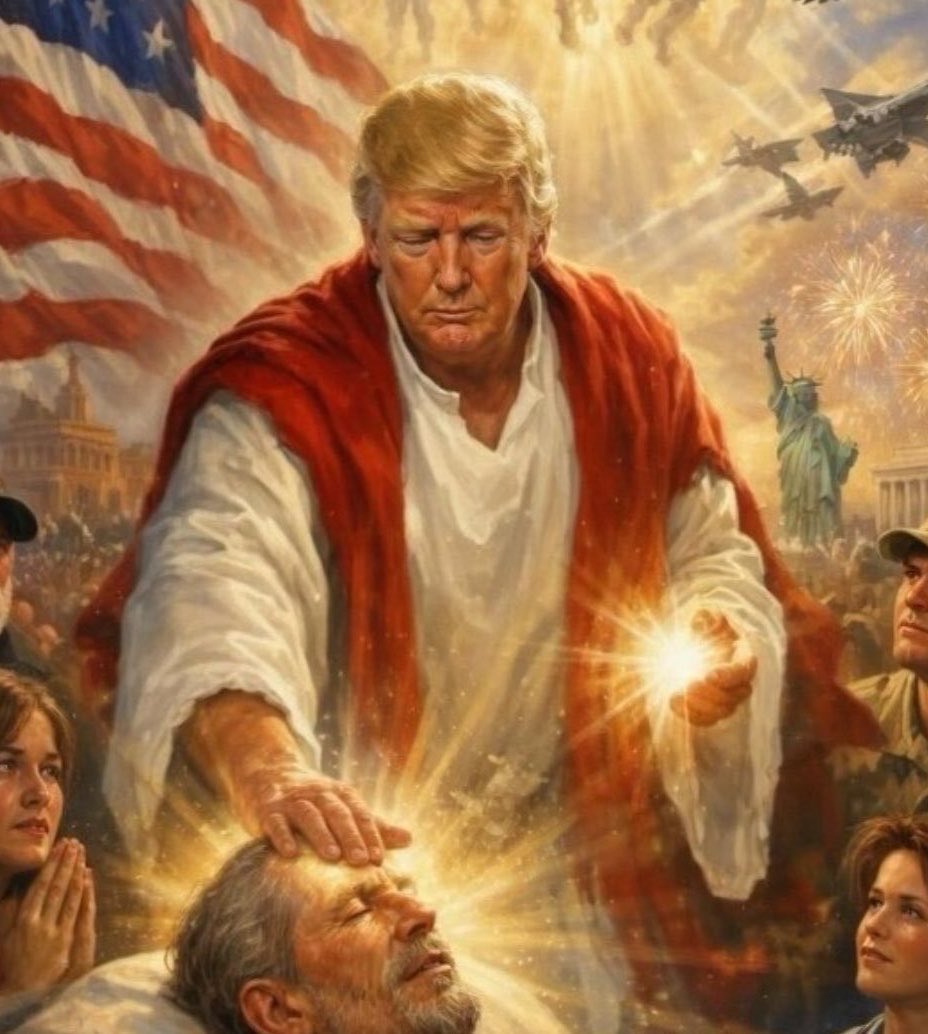
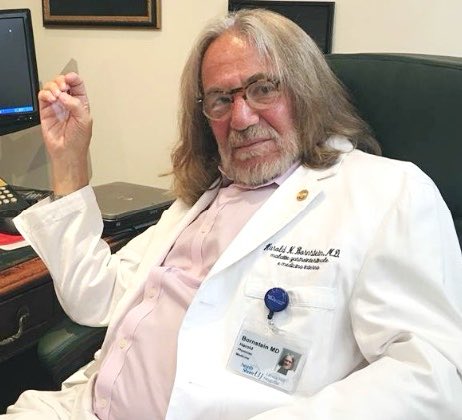
Trump: “I thought it was me as a doctor”
Trump’s doctor:
42
206
1,347
29,636
John North retweeted

Apr 12
Thoughts and prayers for Kallie and Ernst.
Apr 12

BREAKING: Hungarian Prime Minister Viktor Orbán concedes defeat to Peter Magyar after "painful" election result, ending 16 years in power. apnews.com/article/hungary-e…
38
119
678
47,110