
Joined July 2014
- Tweets 1,173
- Following 1,177
- Followers 381
- Likes 108,224
Photos and videos
Pinned Tweet

10 Jun 2025
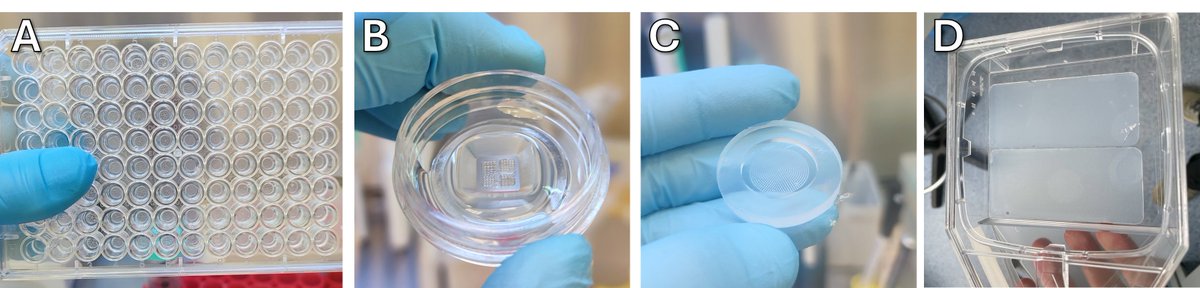
So, I'm on holiday, so it's the perfect time to post a thread that's been sitting around for a while.
How difficult is it to make your own spheroid production system comparable to the expensive MicroTissue or AggreWell systems?
Easy, actually.
#DIY
1/n
2
6
21
1,870
Artem Minin retweeted
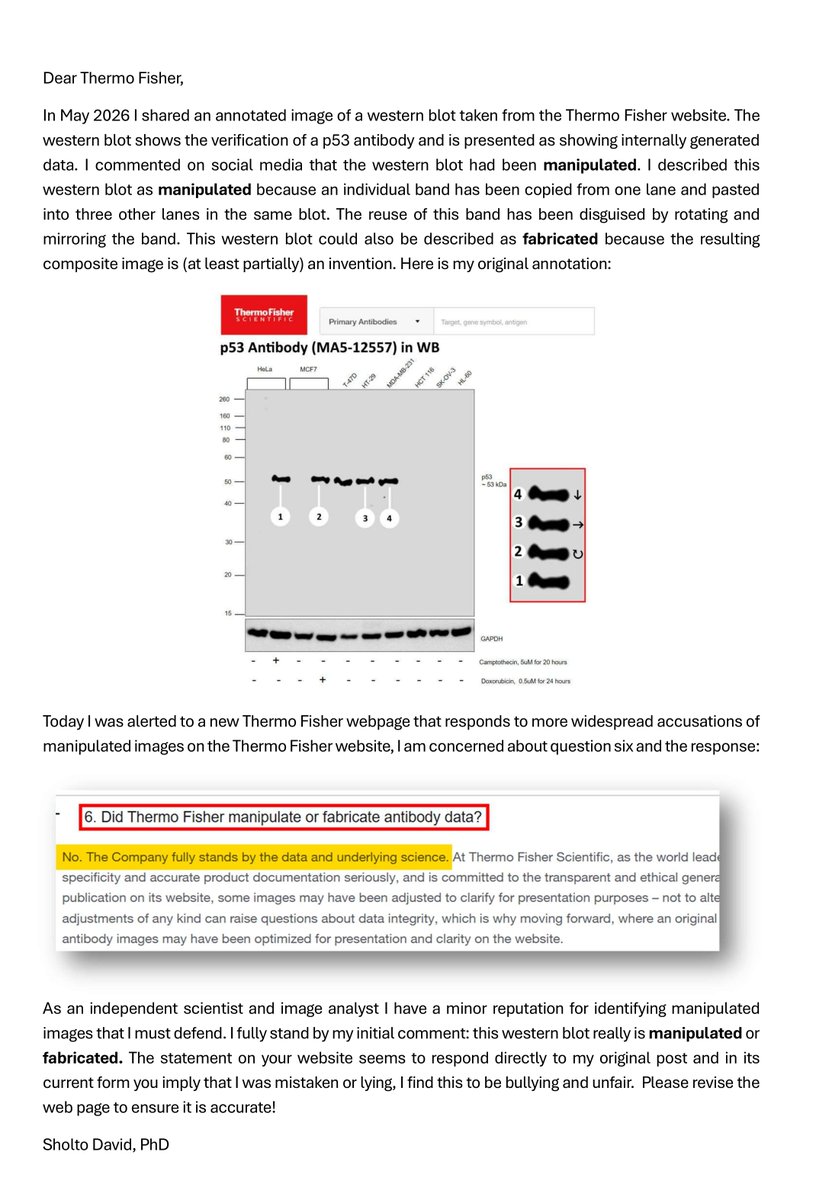
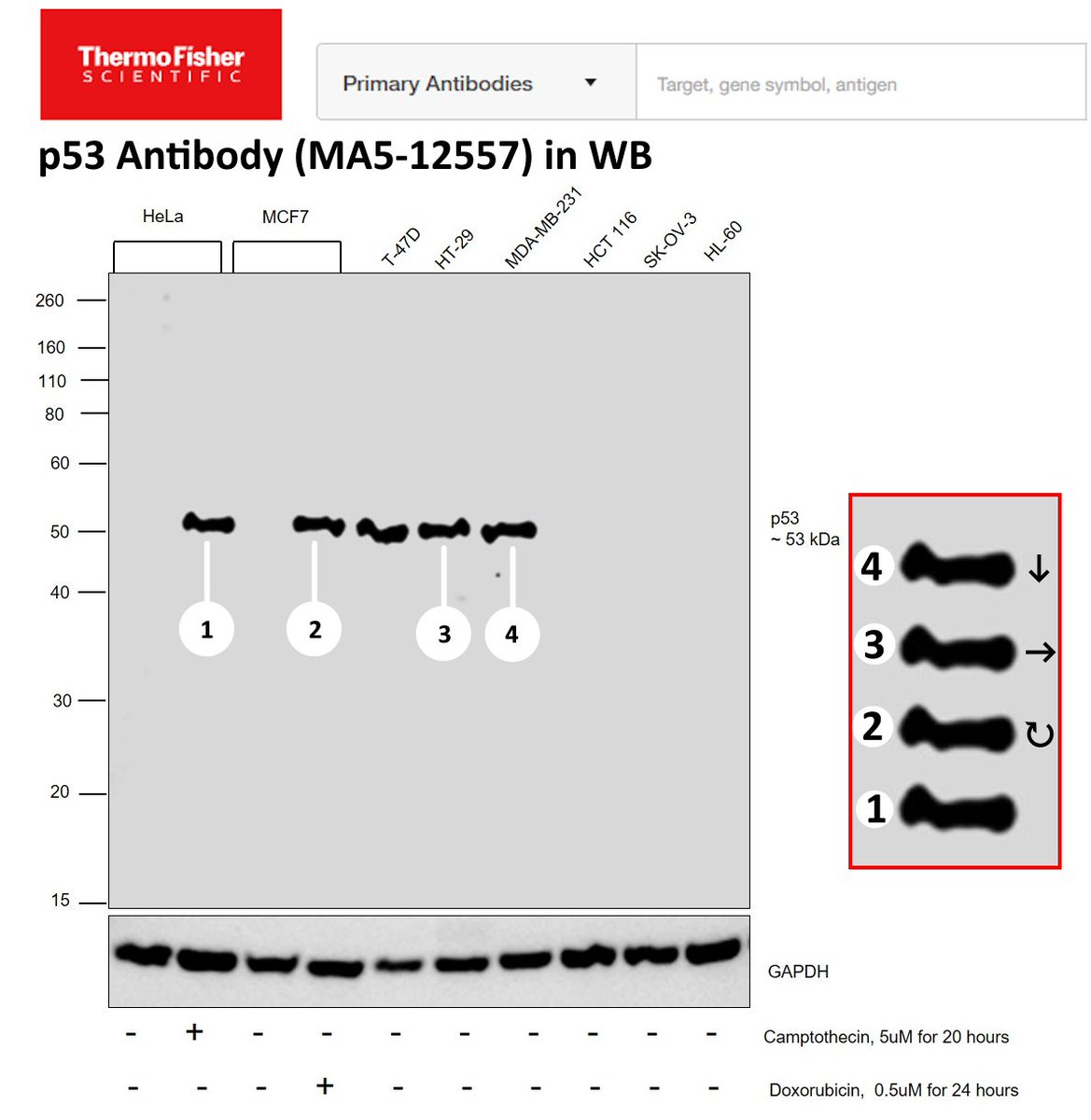
I am sending an open letter to Thermo Fisher. Their response to my response to their manipulated western blot is bullying and petty. Yes, this western blot really is manipulated, it is unfair on me to say otherwise. I don't make those accusations lightly. #ThermoFishy
22
73
514
51,515
Artem Minin retweeted

Jun 1
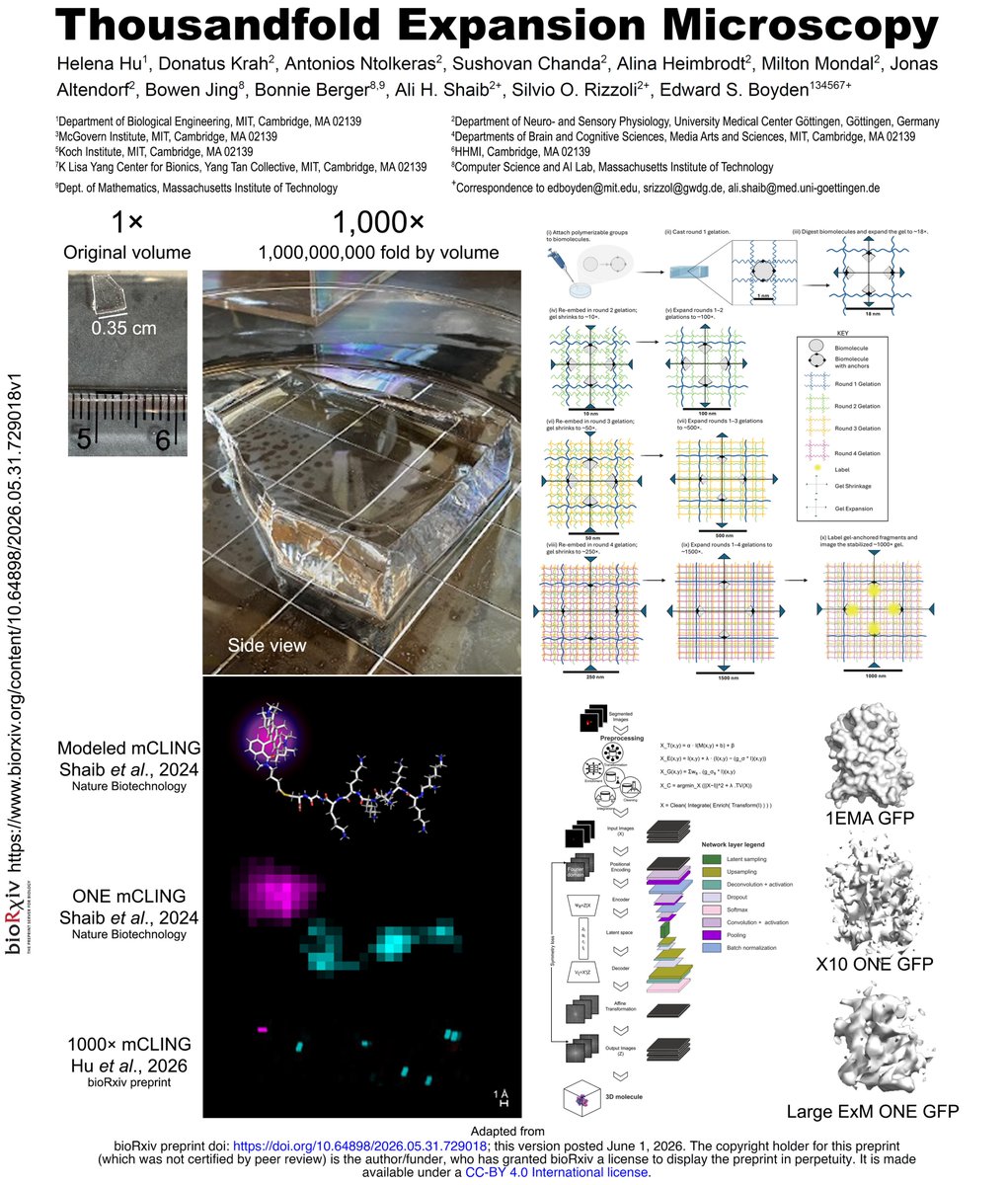
Hello world, meet 1,000× Expansion Microscopy.
1,000,000,000× expansion by volume! A gel that starts at a few centimeters will then expand to the volume of an Olympic swimming pool. biorxiv.org/content/10.64898…
In our new bioRxiv preprint, work carried out between MIT and UMG, led by Helena Hu in collaboration with scientists from the labs of @eboyden3 Ed Boyden, Silvio Rizzoli, and myself, we present Thousandfold Expansion Microscopy.
By enlarging biological specimens across multiple rounds of expansion, molecular-scale features, as small as the distances between adjacent amino acids, can be visualized with conventional optical microscopes.
Democratizing super-resolution microscopy.
12
139
599
96,429
Artem Minin retweeted

May 21
@addictedtoigno1
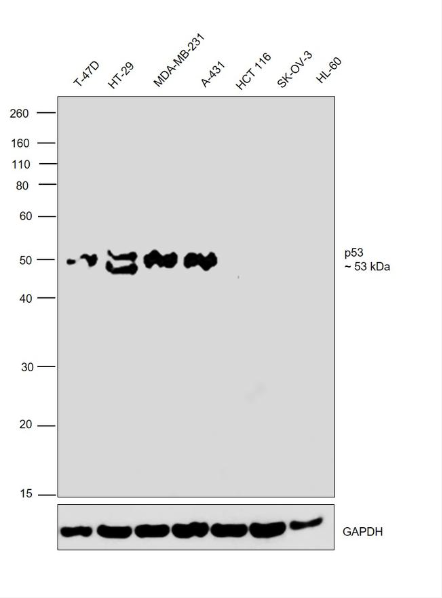
Have you seen this WB from ThermoFisher?
Still anti-p53 antibody, but another clone (MA-12648 instead MA5-12557)
It also looks like that the band in lane 3 was rotated and reused in lane 4
Moreover, it seems that same band was used for the 2 different clones
2
2
13
1,574
Artem Minin retweeted

May 17
Surprised to discover that Thermo Fisher appears to show a fake western blot for the validation of one of their p53 antibodies. I've added a diagram to show the very similar bands. This does not appear to be one of the "published figures", but their own internal data.
42
238
1,068
259,514
Artem Minin retweeted

May 6
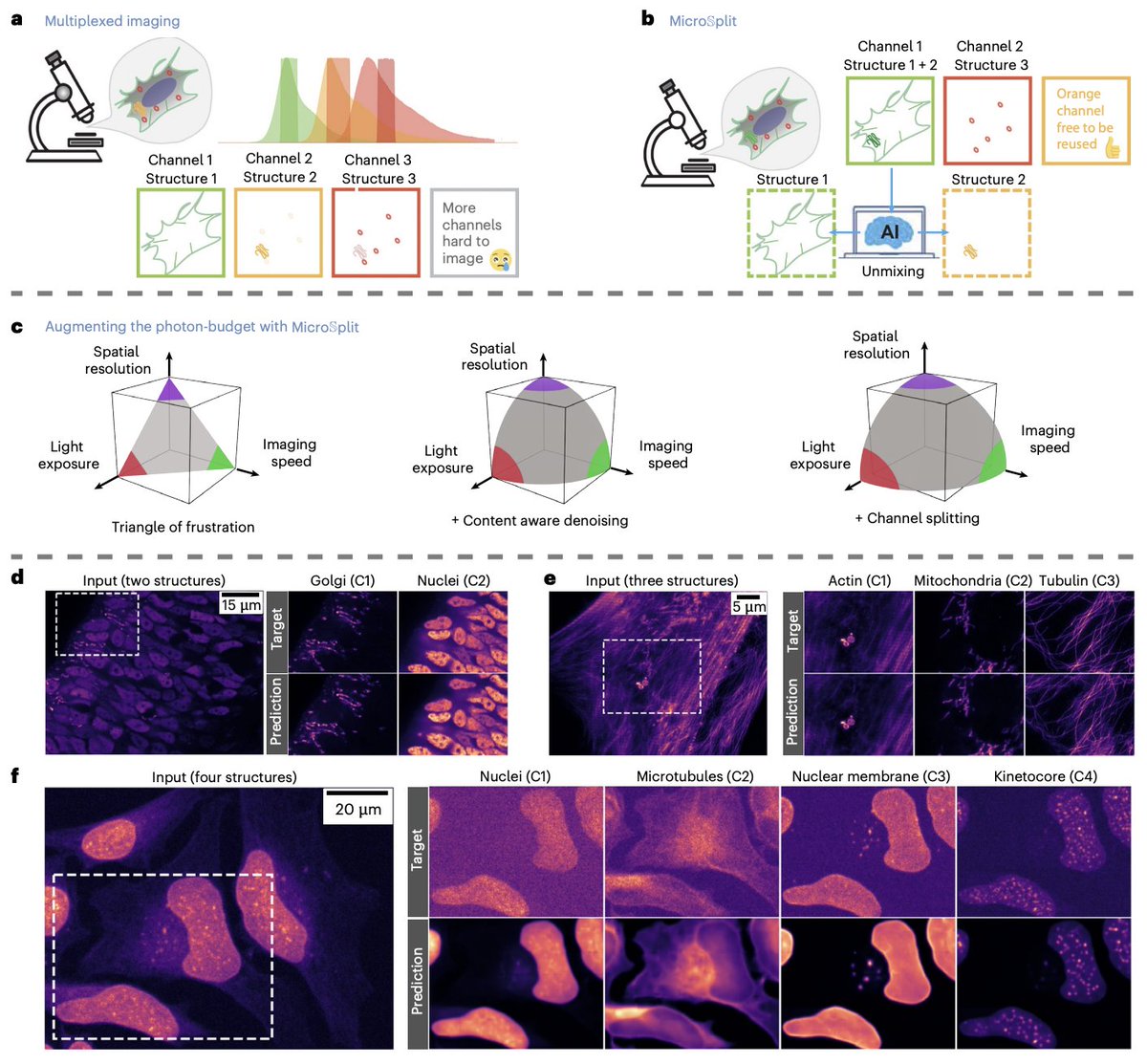
Imaging more cellular structures than your microscope allows with variational encoder-decoders
Fluorescence microscopy is bound by a stubborn trade-off triangle. You want spatial resolution, imaging speed, and low light exposure, but you can only really push two at a time. The number of fluorophores you can use simultaneously is also capped by spectral overlap between dyes, and every extra channel eats into a finite photon budget. For live-cell imaging, where phototoxicity matters, this is a hard ceiling on what you can see.
Ashesh Ashesh and coauthors flip the problem: instead of separating structures optically, label and image multiple structures into a single fluorescent channel, then unmix them computationally.
Their method, MicroSplit, is built on Variational Splitting Encoder-Decoder networks, a hierarchical variational architecture that learns a posterior over plausible unmixed solutions rather than a single point prediction. It jointly performs supervised channel splitting and unsupervised denoising using a learned noise model, so the network can be trained on noisy targets and still output denoised predictions for each structure.
Across 30 tasks spanning ten datasets, MicroSplit cleanly separates up to four superimposed structures (nuclei, microtubules, nuclear membrane, kinetochores) from a single channel. Average PSNR sits at 32.5 and microMS-SSIM at 0.89, comfortably in the range used for downstream segmentation. Segmentation quality on unmixed images stays within inter-observer variability of three bioimage analysts working on conventionally multiplexed data.
A nice feature is that the variational network gives calibrated uncertainty estimates. By sampling 50 posterior solutions per input and computing inter-sample variance, the method produces a pixel-wise error map that correlates linearly with true error, addressing a persistent pain point in AI for bioimaging: knowing where to trust the model.
The authors also show MicroSplit can remove structured imaging artifacts (spurious puncta) by treating them as just another structure to unmix, and that the freed photon budget allows roughly a tenfold reduction in light exposure at comparable quality.
For drug discovery and biotechnology, this changes the cost structure of high-content screening and live-cell phenotyping. Imaging more targets per well with lower phototoxicity means longer time-lapse experiments and richer readouts without buying new optics. The calibrated uncertainty maps are especially relevant for regulated pipelines, where flagging unreliable regions matters more than squeezing out the last decimal of accuracy.
Paper: Ashesh et al., Nature Methods (2026) — CC BY 4.0 | doi.org/10.1038/s41592-026-0…
13
56
5,086
Artem Minin retweeted

May 1
For decades, two revolutions in neuroscience ran in parallel:
- 🧠 In vivo imaging — watch neurons fire in living animals
- 🧬 Spatial transcriptomics — read cell's molecular identity
Meet TRU-FACT - a graph-based method that matches cells between these datasets at scale 🧵
6
59
261
19,837
Artem Minin retweeted

Apr 23
Please RT🙏
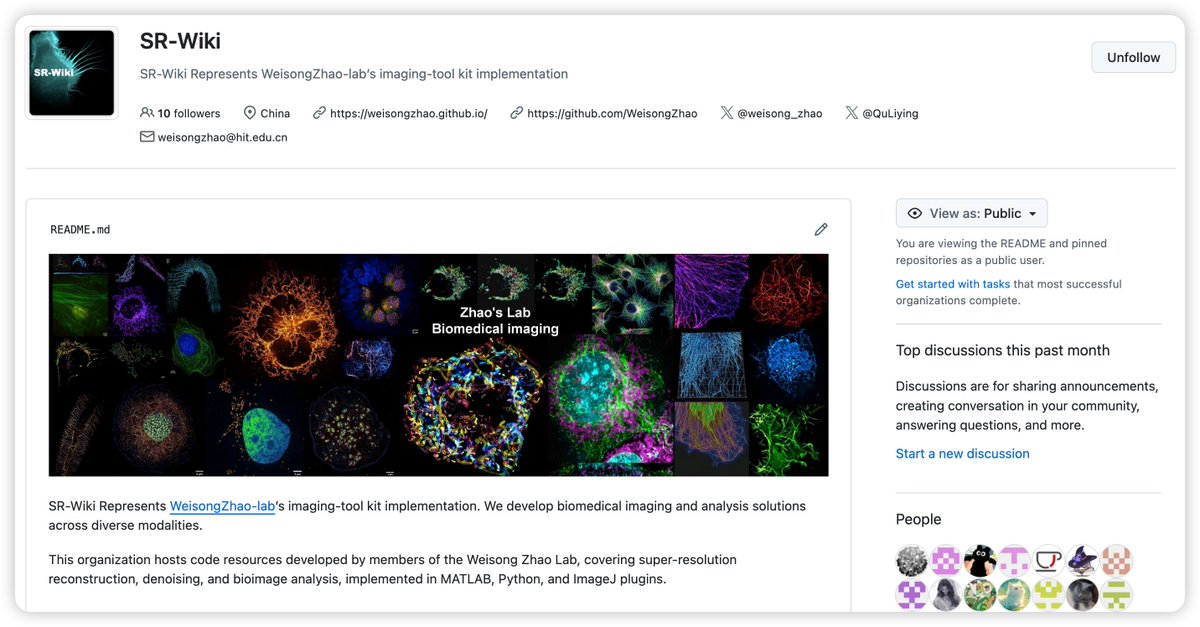
github.com/SR-Wiki
Managed to establish a GitHub organization that consolidates resources for biomedical imaging and analysis. A range of tools is available—please use as needed.
9
17
941
Artem Minin retweeted

Apr 23
Mesmerizing light sheet imaging of neutrophils swarming at a yeast target!
The neutrophils were labeled with SPY650-DNA (yellow) and a calcium dye (blue).
This movie is part of the recent manuscript by
Evelyn Strickland that we highly recommend reading! biorxiv.org/content/10.64898…
44
200
15,855
Artem Minin retweeted

Apr 18
New preprint alert! Here, Yu Shen introduces SMILE, a conditional diffusion model trained to recognize insulin, glucagon, and CD3 simultaneously from H&E stained pancreas tissue. We use SMILE to 3D reconstruct normal and diabetic pancreatic islets
3
10
44
17,392
Artem Minin retweeted

Apr 14
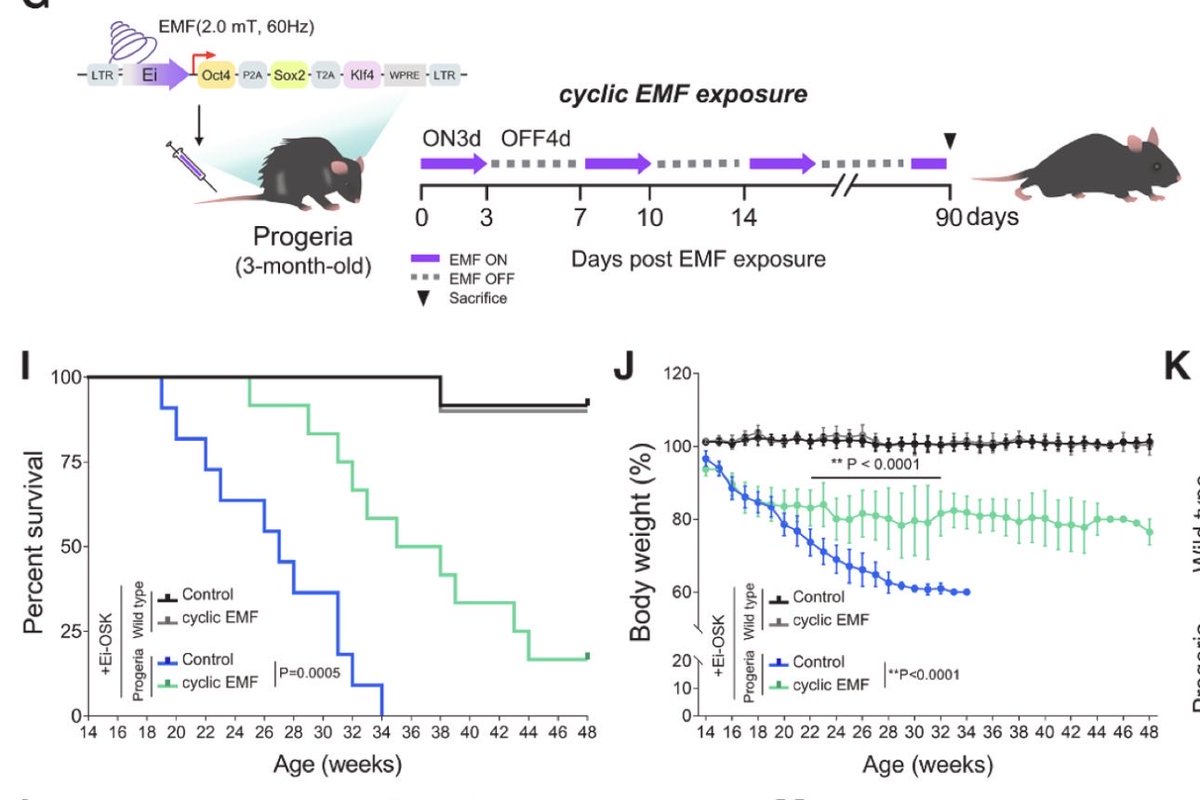
Now online! Electromagnetic field-inducible in vivo gene switch for remote spatiotemporal control of gene expression dlvr.it/TS2b55
2
78
242
45,990
Artem Minin retweeted

Apr 15
REMOTE CONTROL MICE! A group from Seoul has just published in Cell that they’ve discovered a crazy-weird protein (Cyb5b) that can be used to turn on any gene when exposed to EMFs!
They used it to turn on OSK and extend the lifespan of a progeroid mouse. More to come on this…
57
309
2,064
620,575
Artem Minin retweeted

Apr 14
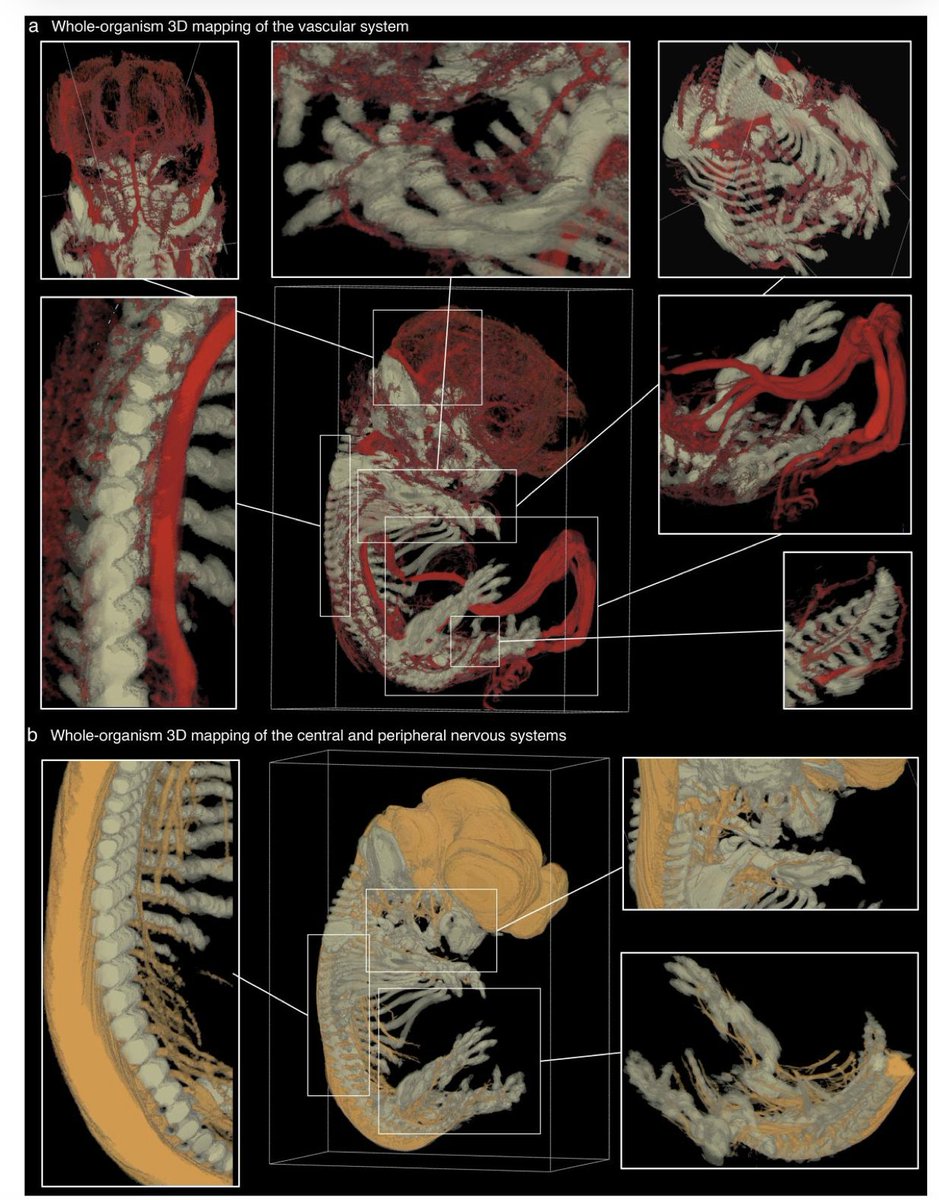
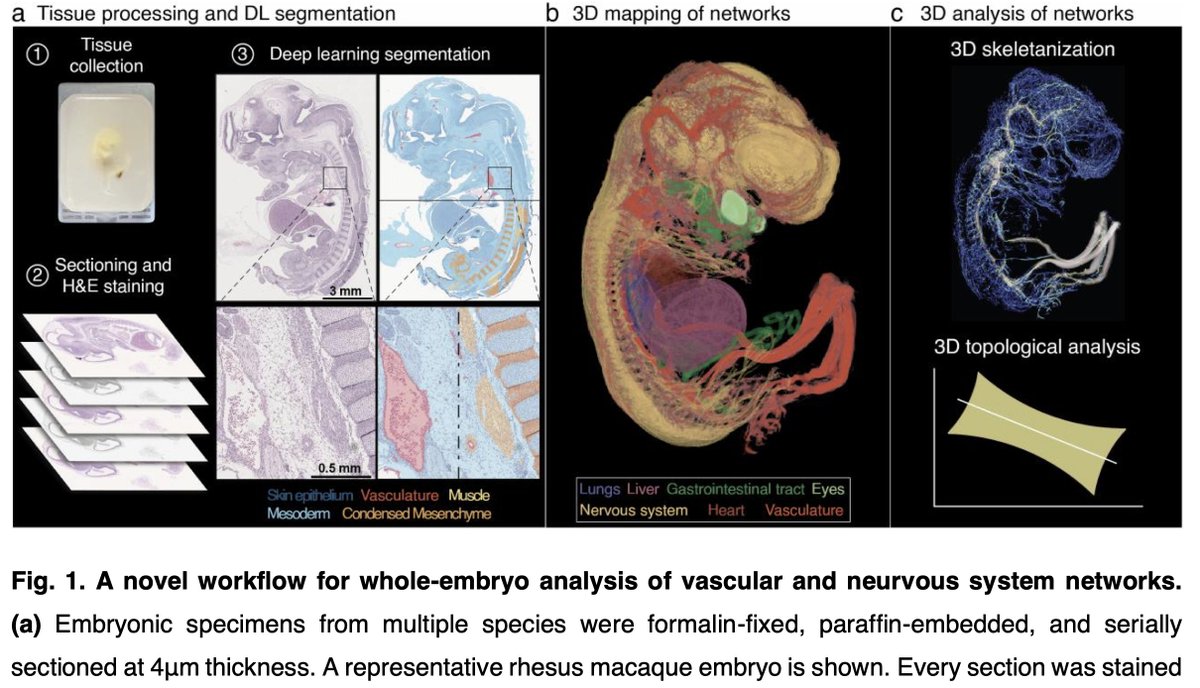
Mapping of vasculature and nervous systems networks in whole organisms (rhesus macaque, mouse, turtle).
They display the same self-similar fractal geometry across species and development stage.
Fractal dimension of 3 for vasculature
Fractal dimension of 2 for nerve networks
Apr 14

Whole organism 3D mapping reveals universal branching topology and biophysical optimization governs vascular and nervous system development
Read about our work here: biorxiv.org/content/10.64898…
1
19
81
6,252
Artem Minin retweeted

Apr 10
Meet ActiveDISCO:
Using a new DISCO-based tissue clearing approach with improved optical matching and tissue preservation, this study enables high-resolution, large-volume 3D imaging of centimeter-scale human tissues, revealing system-level organization beyond 2D sections. A nice step forward for unbiased human tissue biology at scale.
Work by the Uli Dodt lab and colleagues. nature.com/articles/s42003-0…
hashtag#DISCO hashtag#Clearing hashtag#3D hashtag#Histology hashtag#Pathology
1
24
88
7,317
Artem Minin retweeted

the most insane scientific figure ive ever seen
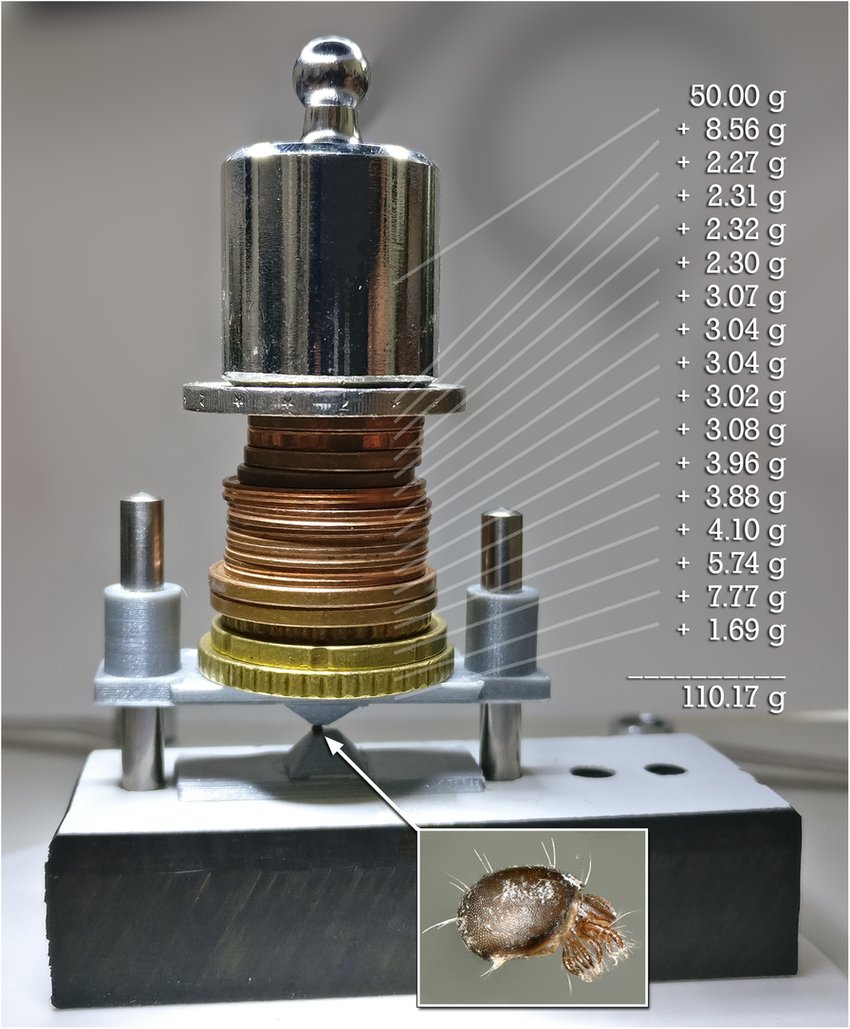
ALT https://www.researchgate.net/publication/334243095_Under_pressure_force_resistance_measurements_in_box_mites_Actinotrichida_Oribatida
44
169
4,942
228,093
Artem Minin retweeted

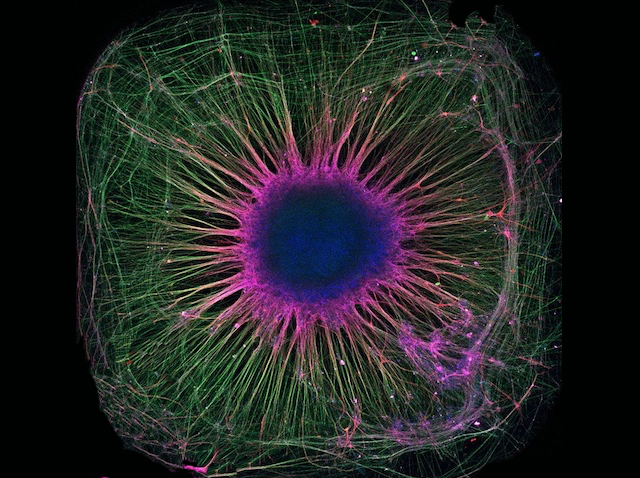
New high-throughput approach for cultivating neurons in 384-well plates
📷 Mark van der Kroeg et al, Dept of Psychiatry Erasmus MC in @eLife
➡️ bpod.org.uk/archive/2026/3/3…
1
2
242
Artem Minin retweeted

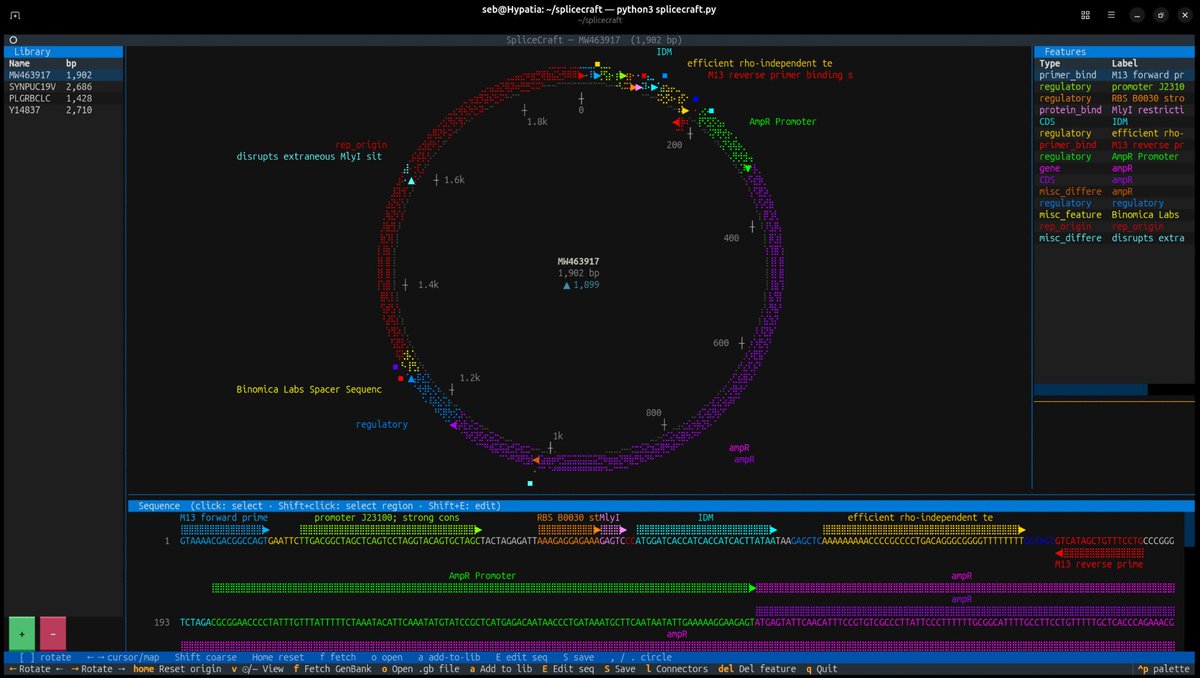
My in-terminal plasmid editor is ***actually*** coming together! Next big feature is a proper synbio module editor. Check back often; actively developing this!
github.com/Binomica-Labs/Spl…
2
11
69
2,925

Nature research paper: Magnetic resonance control of spin-correlated radical pair dynamics in vivo
go.nature.com/4bjP8Ib
2
29
115
16,310
Artem Minin retweeted

Mar 12
Our live tissue clearing paper is out in @naturemethods! We achieved optical clearing of mammalian brain tissues without compromising normal neuronal function. Big congrats to @Shigenori774 and our wonderful collaborators! 🎉
nature.com/articles/s41592-0… (1/10)
19
184
717
168,785
Artem Minin retweeted

Mar 10
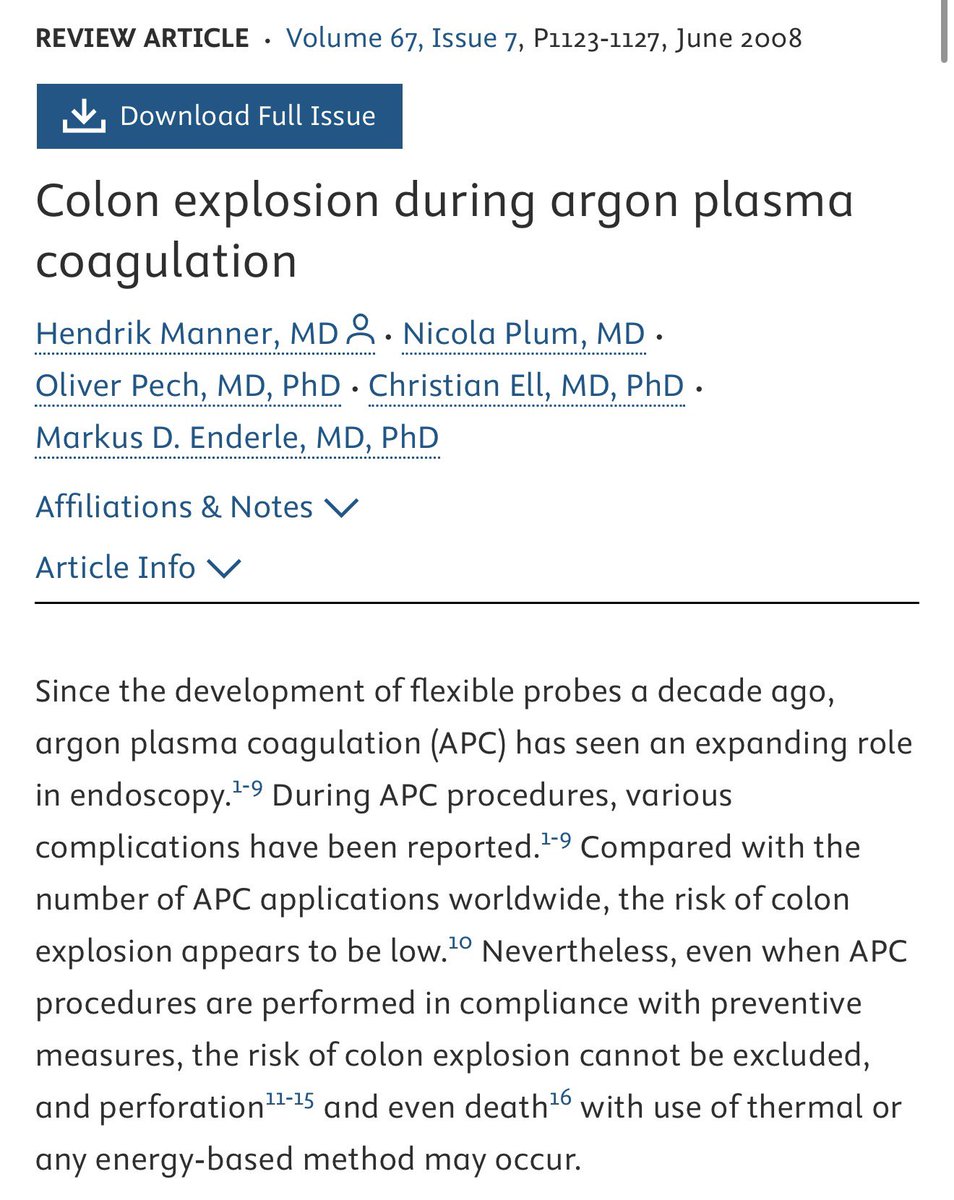
💣💥
Mar 10

Argon explosions during colonoscopy is wild!
9
27
113
22,670
Artem Minin retweeted

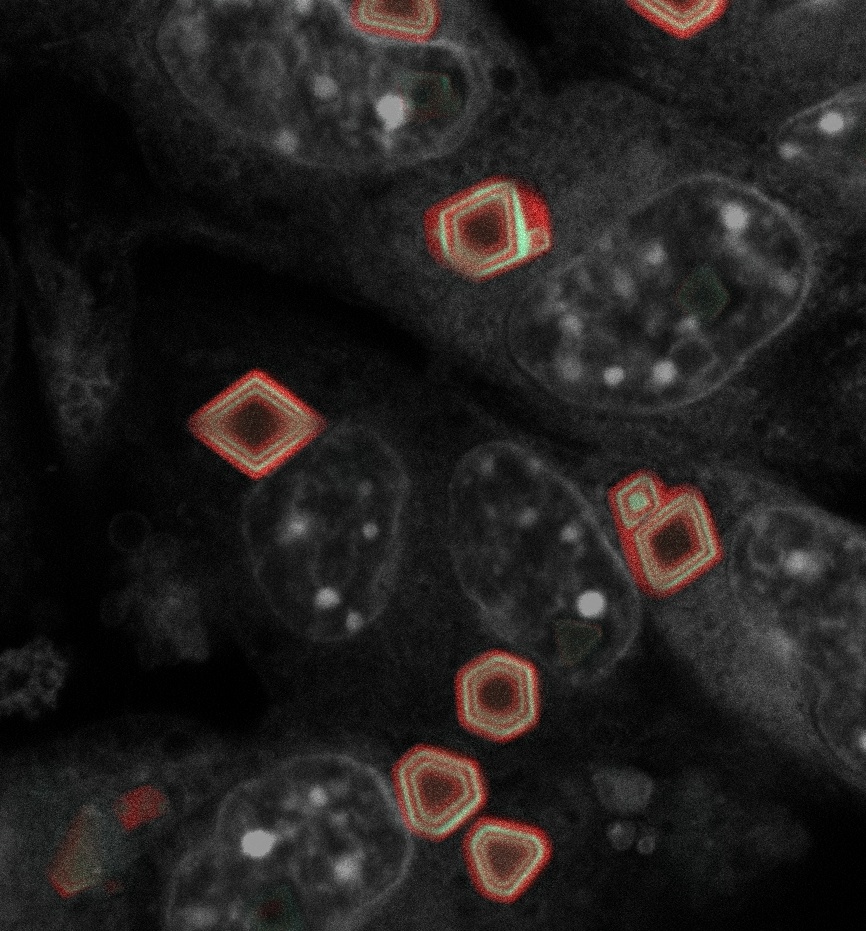
🚨 Today in @Nature, we report GEMINI—a genetically encoded intracellular memory device that writes cellular dynamics into tree-ring-like fluorescent patterns within cytoplasmic protein assemblies.[1/n]
nature.com/articles/s41586-0…
37
298
1,169
155,320