Solo GP @RockYardVC // @MIT @LSEnews // Believer in second chances
Joined May 2009
- Tweets 363
- Following 1,583
- Followers 2,255
- Likes 18,325
21 Photos and videos



Daniel Dart retweeted

May 23
Marcus Aurelius wrote this over 1800 years ago:
“Do not disturb yourself by imagining your whole life at once.”
157
9,957
61,528
1,228,957

May 12
The truest thing here is how he explains that so much is dictated my LPs who have dogmatic approaches to how funds should construct, even if historic data says otherwise. The market is dynamic, so must we be.

This deserves a longer form blog post but for now a thread about an idea mentioned in our Q1 LP report.
We have a saying at Altos. Organize our funds around companies — not the other way around.
It sounds simple. In venture, it’s almost heretical.
1
65
Daniel Dart retweeted

I just sat down with one of the great investing legends of our time and he said something amazing:
“I think you should be intensely selfish about two things:
1. The people you spend your time with.
2. What you spend your time on.”
Something wonderfully purifying about this.
19
16
210
13,381
May 7
Long Austin, Texas 🤘🏼
May 7

Part me of is jelly seeing all the cool stuff happening in Texas in Prototown etc.
But the other part of me is happy that Texas exists in America
I wish CA could build more easily and learnt from Texas....but at the very least, our companies can move there to build if need be
5
188
Daniel Dart retweeted

Apr 27
Bay Area VCs will say they want to invest in American Dynamism, yet somehow refuse to invest in 48/50 States
10
5
173
58,553
Daniel Dart retweeted

Apr 16
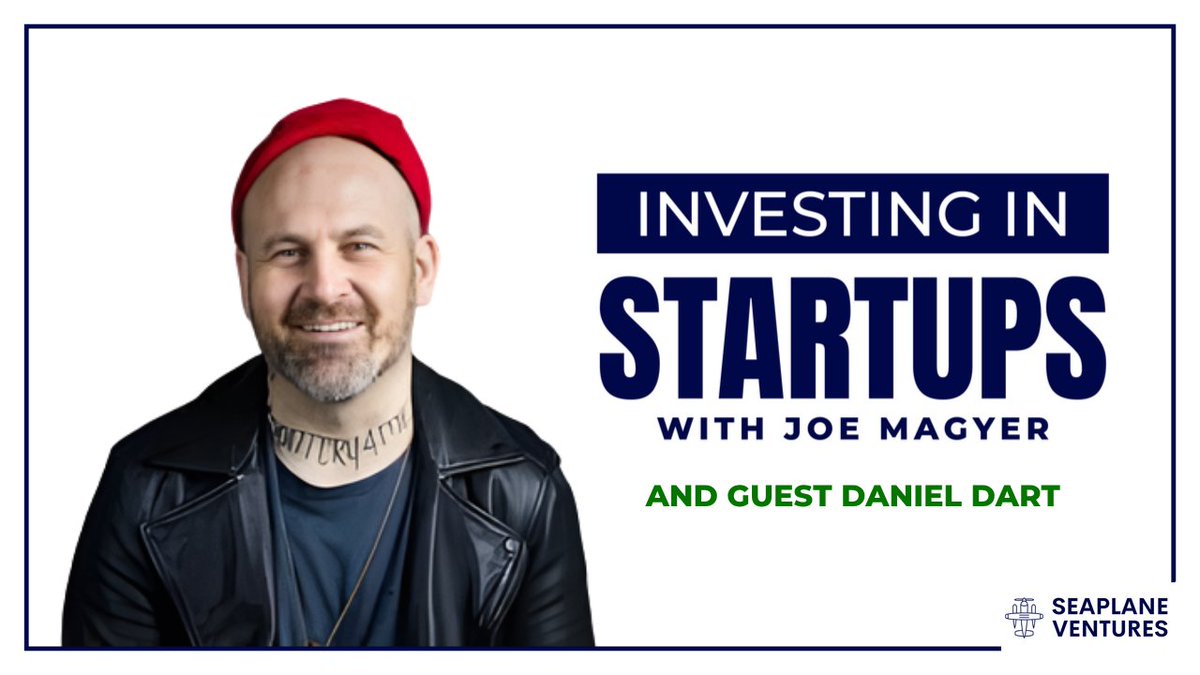
Excited to share my conversation with @itsdanieldart on Future Titans, authenticity, and systems thinking. Here are the key takeaways and from the conversation:
Authenticity is a real competitive advantage, not just a personality trait. Daniel’s view is that in venture, authenticity builds trust, trust compounds over time, and that becomes a durable edge with founders, LPs, and peers. He draws a hard line between honest feedback and performative bluntness, arguing that the best investors pair candor with empathy.
The best networks are discovered, not manufactured. One of the strongest ideas in the episode is Daniel’s belief that you should spend time finding believers rather than trying to convince skeptics. His “no name tags, no pitch tags” approach at Future Titans reflects a broader philosophy: the highest-quality relationships usually come from shared values and trust, not forced transactionality.
Good investing starts with good systems. Daniel comes back repeatedly to being input-focused rather than outcome-obsessed. Whether he’s talking about building a conference, supporting founders, or constructing a fund, his core idea is that strong systems, repeated over time, create the conditions for strong outcomes.
Founder support is not “value-add theater”; it is trust-building. His post-investment cadence with founders reflects a bigger belief that company-building is lonely and that investors earn the right to matter by being consistently useful, reliable, and emotionally steady. The insight is that being hands-on is less about control and more about becoming a trusted source of truth.
Tier 1 ambition is really about relevance, not branding. Daniel is very open about wanting to build @RockYardVC into a top-tier firm, but he frames that ambition operationally: can he become someone who is consistently in the conversation for the best deals in his areas of focus? The takeaway is that elite status should be earned through repeated market relevance, not borrowed prestige.
Venture works best when you invest for upside, not survival. A memorable throughline is Daniel’s rejection of playing defense just to preserve optics. He argues that venture is an upside-capture business, and that emerging managers can get trapped by trying too hard to avoid failure instead of underwriting for asymmetric returns.
In frontier markets, proximity beats false certainty. On AI and quantum, Daniel’s stance is not “I can predict the future perfectly,” but rather “I want to get close to the smartest builders and learn from them.” The deeper point is that an investor’s edge often comes less from pretending to know and more from developing informed conviction through proximity to exceptional people.
Long-term thinking expands what’s possible. Daniel repeatedly frames decisions on a 5-, 10-, and 15-year basis, arguing that a longer horizon raises your tolerance for short-term imperfection and makes room for ambitious bets, deeper relationships, and better firm-building decisions.
Tactical questions often reveal more than abstract advice. His favorite question to ask experienced investors — what they would want him to do in the first 90 days if they were backing Rock Yard — captures the episode’s broader mindset: learning should translate into concrete actions, not vague inspiration.
Please enjoy!
1
3
7
1,190
Apr 10
🚨 New episode alert!🚨
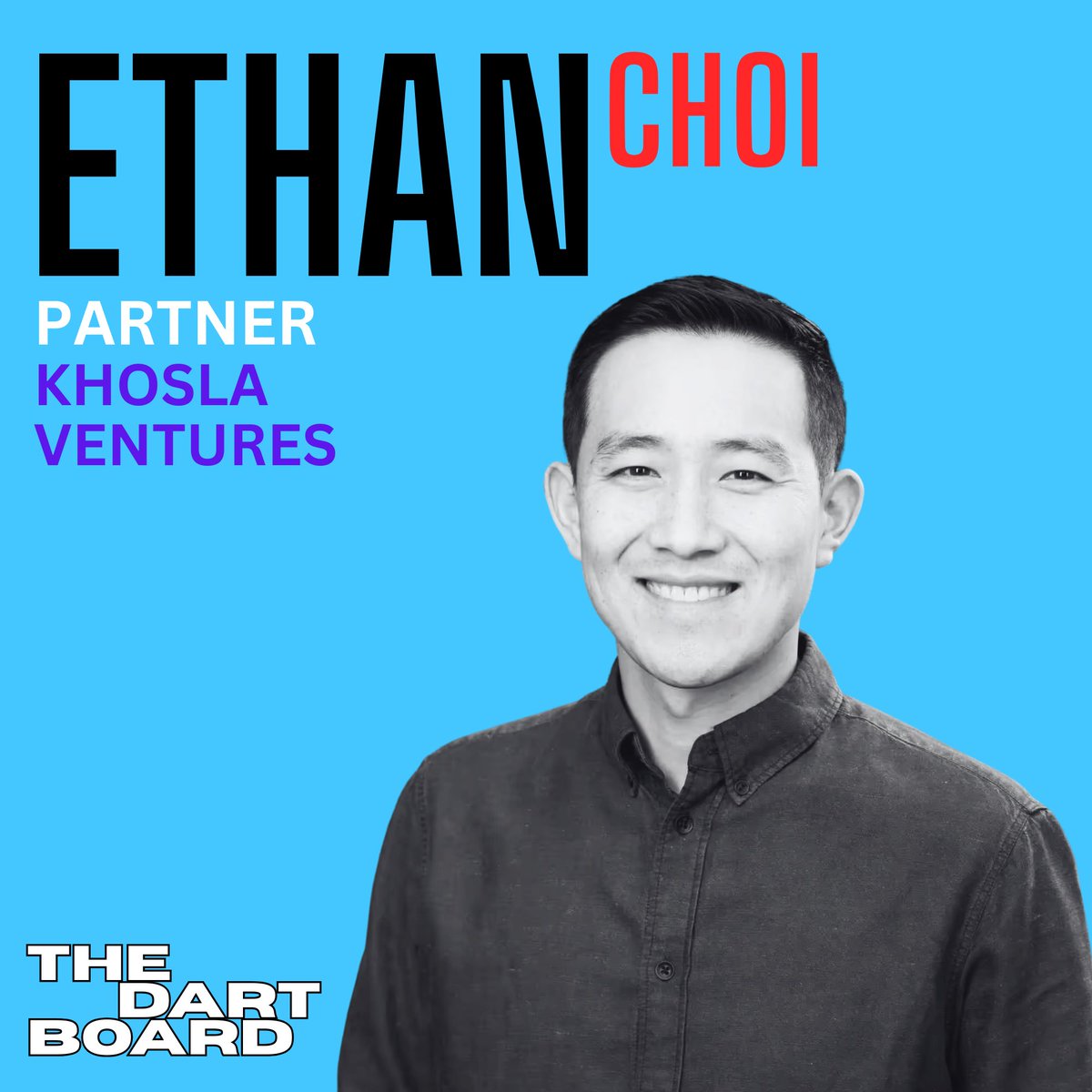
@EthanChoi7, Partner at @khoslaventures, has one of the most unlikely paths to Sand Hill Road you'll ever hear.
His father was abandoned at a train station in post-war Korea at six. He eventually made it to Sydney, where Ethan grew up, served a church mission, and bought a one-way ticket to the US with no network. He rose to Partner at Accel, and now Khosla.
We get into:
- Why robotics is having its GPT-3 moment right now
- The flip from 80% metrics to 90% founder
- How faith shaped the way he invests
- The real answer to building tier-one relationships
Links to listen below. Enjoy!
1
1
6
1,083
Mar 31
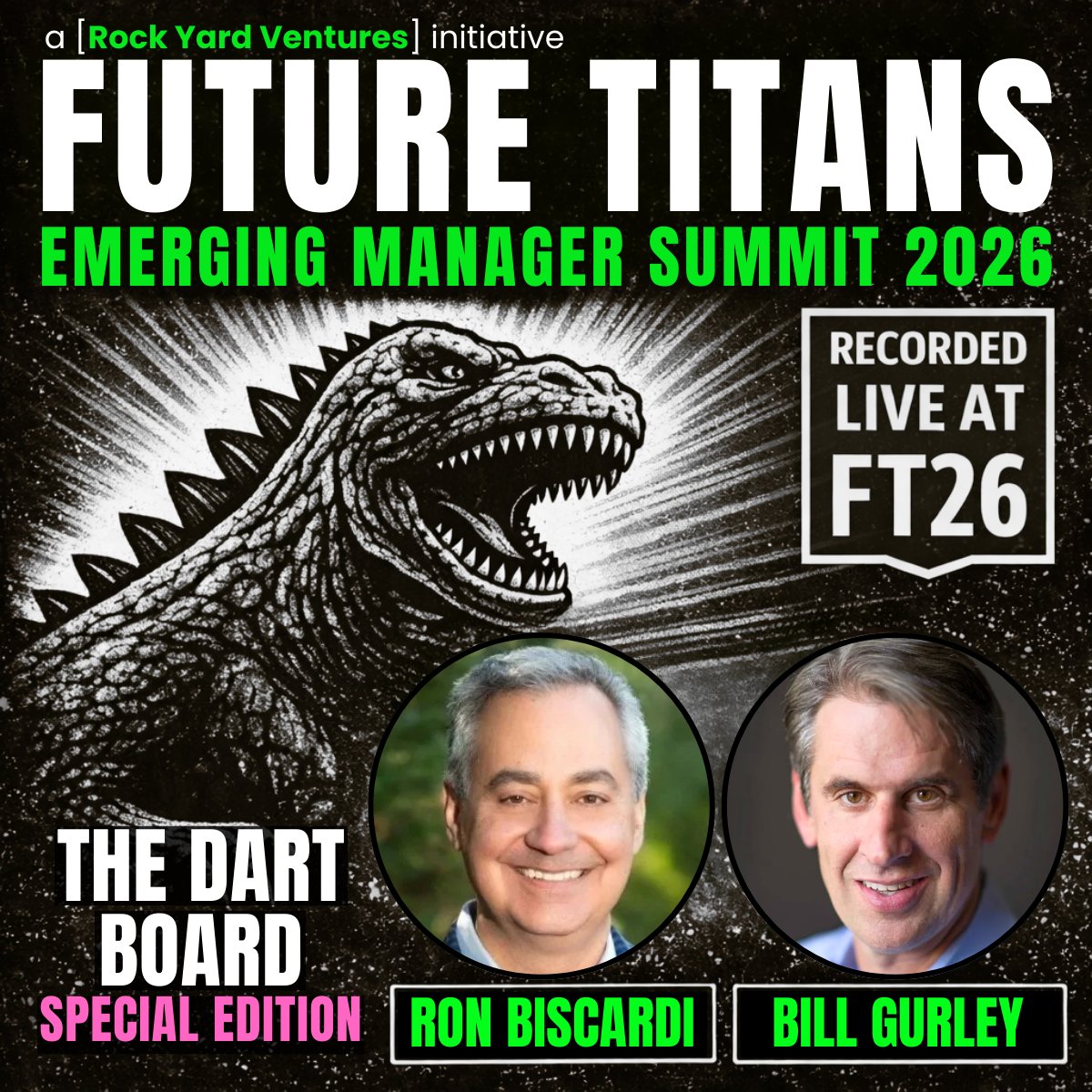
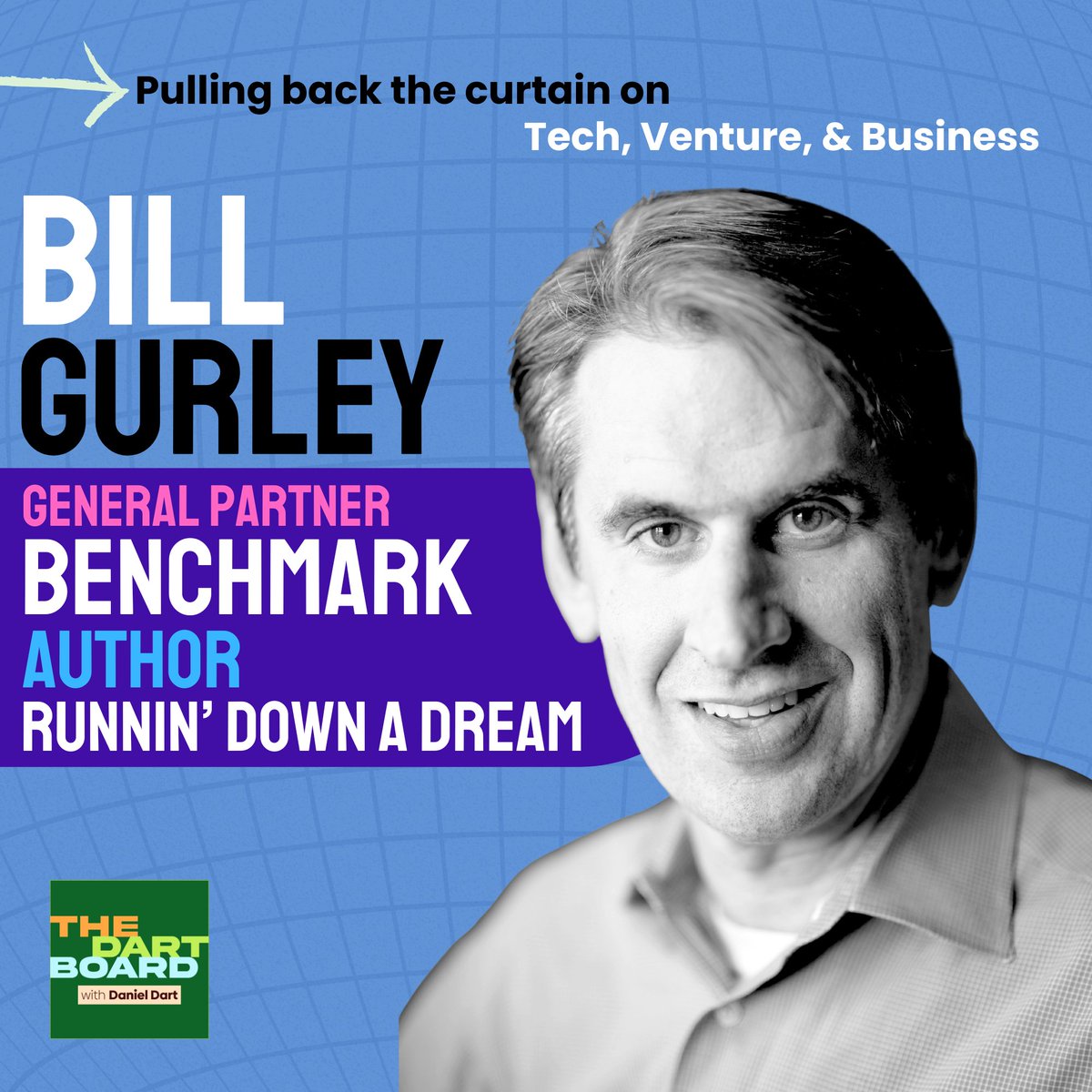
Recorded live at FUTURE TITANS 2026 - @rbiscardi of @iconnections_io sits down with @bgurley, general partner at @benchmark and one of the greatest venture investors of all time. When Bill committed to speaking at FT, it meant everything to me - it felt like real validation that what I was building with both my firm, Rock Yard Ventures, and FUTURE TITANS, was real. It was an honor and a privilege, and his conversation did not disappoint.
Links to listen in comments!
1
181
Daniel Dart retweeted

Mar 11
I see many founders and people in the industry get scheduling meetings wrong. Here is the simplest, most respectful way to do it.
But first, how not to do it.
If you say -- let me know when works for you -- thats not optimal because then you are asking me to do work.
If you say -- here is my calendar -- this may also not be ideal, or perceived as agressive.
So whats the solve?
You say:
Please send me your calendar link or let me know what times work for you. Alternatively, if works better for you, I am available at these specific times:
Give two small time blocks in AM and two in PM on two separate days.
You can do this manually or via Vimcal or your favorite calendar.
This is fast. comprehensive, respectful and always works.
12
5
83
9,900
Daniel Dart retweeted

Mar 4
Pod drop! Enjoyed doing this one live on stage with Joe at #FutureTitans in Austin. Major props @itsdanieldart for putting on a fantastic event! 💪🏽
Mar 4

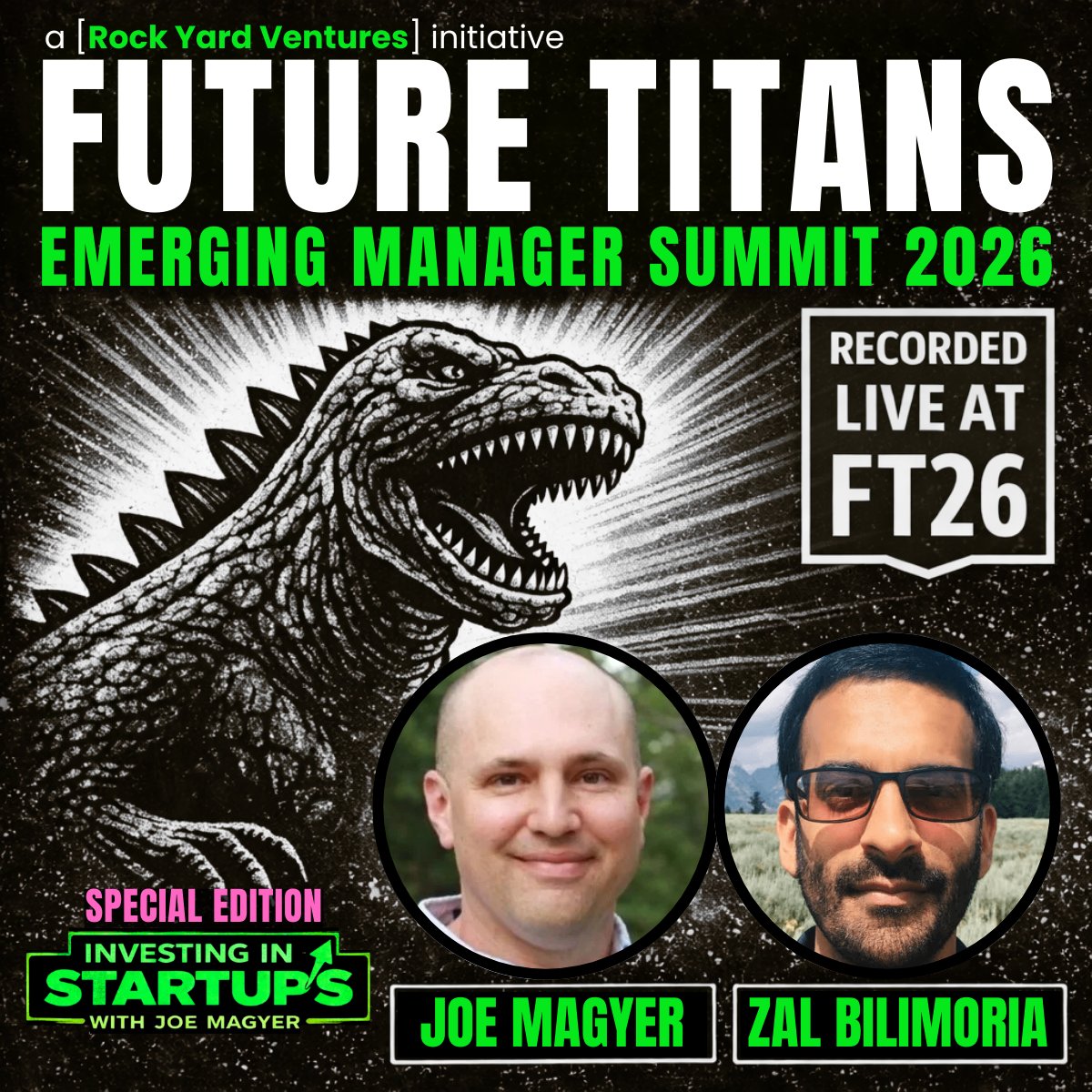
Excited to share my fireside chat with @zalzally from the inaugural Future Titans summit. It's our 1st-ever live episode and already a 1st-day-record for downloads at @InvestNStartups!
We talked about why Zal is solo, hard tech, what he learned at a16z, why he invests with conviction, and how he managed to lead a Series D round despite his firm being a Seed expert.
Here's the longer breakdown of my conversation with Zal, who is the Founding Partner at @refactor:
Why Zal chose the solo GP path (on purpose): after seeing large-firm partnership dynamics at Andreessen Horowitz, he optimized for speed, autonomy, and founder time—especially important at seed where decision velocity matters. Refactor started as a two-GP fund with David Lee (ex–SV Angel), then David retired, forcing Zal to rebuild the LP base and prove the strategy could work with a single decision-maker.
A “right-sized” fund strategy as an operating system: Zal explains why he’s stayed around ~$50M per fund, targets ~20 companies per fund, and focuses on ~8–10% ownership at entry to keep the model manageable and return-capable. He actively tracks how many portfolio companies “graduate” (to Series A and beyond) each year so his board/support load stays sustainable without adding headcount.
Robustness for LPs (the “hit-by-a-bus” plan): Zal shares a concrete solo-GP risk mitigation tactic—he carries a life insurance policy payable to the management company so LPs have resources to recruit a successor or wind down assets without crushing fund performance.
Hard tech example that feels sci-fi (with real traction): Solugen. Zal recounts leading Solugen’s seed ~9 years ago and watching it scale into a large revenue business—then pivoting into a high-demand defense chemistry product with major government pull.
How a seed lead ends up leading a Series D: during the 2022 market reset, Zal had an SPV ready (~$20M) to secure pro rata; when no one wanted to “stick their neck out” as lead, he wrote the first term sheet—unlocking the round and attracting co-leads/followers.
Reserve strategy shift: he describes moving from ~50% reserves to ~20% reserves—preferring more “shots on goal” at pre-seed/seed, and noting how hard it is to consistently pick Series A winners even when top firms lead the round.
I enjoyed this one so much. Grateful to @itsdanieldart and @RockYardVC for hosting the amazing first annual Future Titans summit!
1
1
4
424
Daniel Dart retweeted

Feb 24
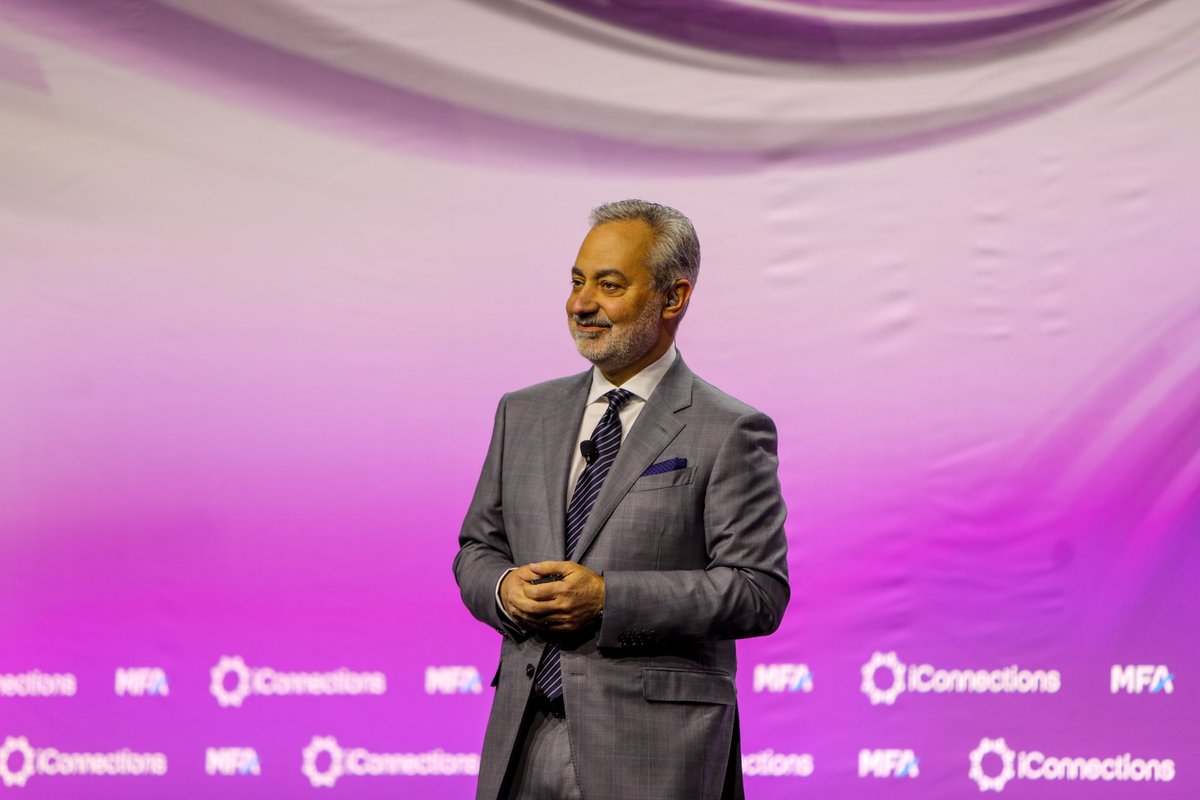
Welcome to Miami! Davos of finance has just begun. #GlobalAltsMiami
The @iconnections_io team has done a beautiful job to make this the biggest year yet.
3
8
1,392
Feb 11
Who's ready to run it back?
FT27 is locked.
Wrote a recap of FT26 - riders on the storm, the lessons learned, and what comes next (full piece in comments).
1
1
138