
Joined April 2019
- Tweets 2,731
- Following 2,823
- Followers 1,655
- Likes 1,367
699 Photos and videos










Pinned Tweet

Jun 9
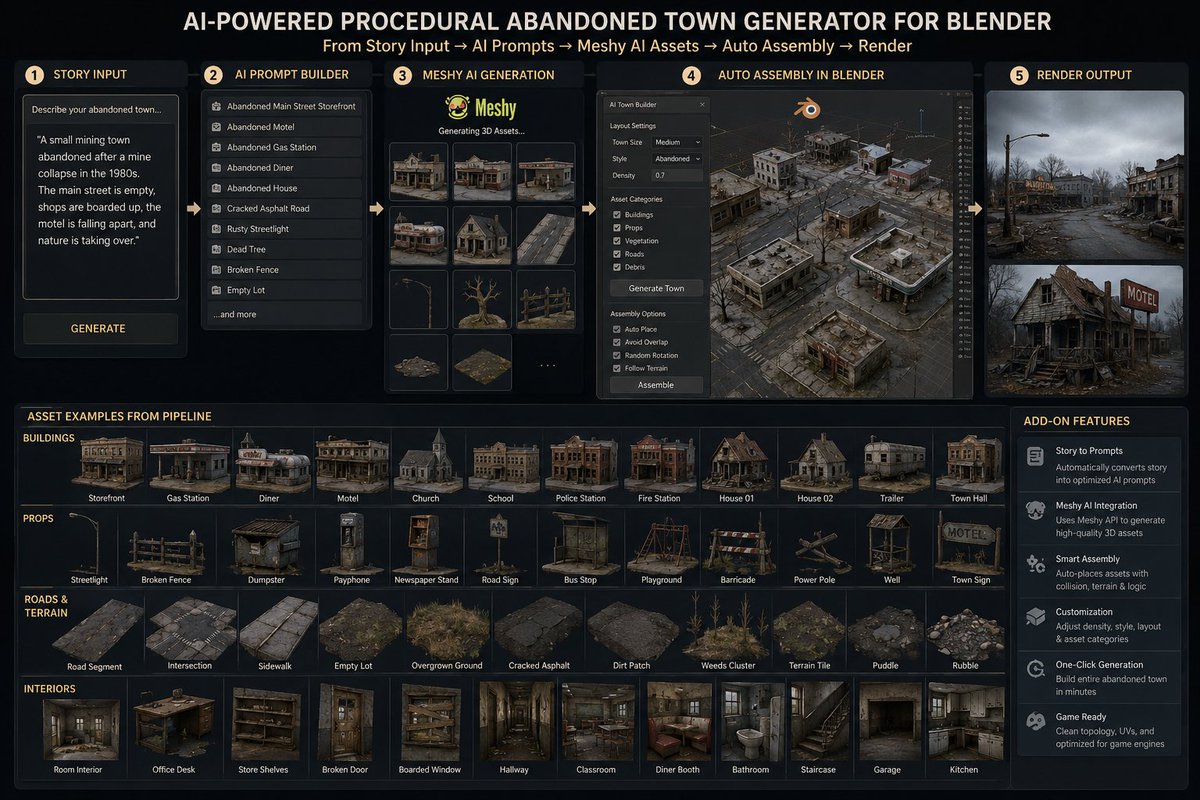
Just generated a 3D model – Abandoned Diner with Meshy AI.
#Meshy #3D #AI #AIart #createdwithai
meshy.ai/s/fbSdhu
43

Over here, playing fortnite. Using grok develop. Building game assets, codex, and app building. But, for some reason replying like my brain doesn't know how to read before submitting. Oh well. lol.
I guess that's the perks of being me.
14
itzninjafool retweeted

Jun 15
@reactorworld is turning real-time generative media into reality this week.
A world model running on Reactor brought the shut-down game Anthem back to life so players can fly again, another transformed the GTA VI trailer into a fully walkable interactive experience, and #NVIDIA’s SANA-Streaming just went live on #Reactor for instant video editing, letting you change the style, scene, or mood of any video as it plays with zero rendering delay.
These demos all run on the same fast inference infrastructure, showing what’s now possible when world models and generative video work in real time.
Try it out here:
reactor.inc/
These are just tips of the iceberg
#AI #WEB3 #GAMING

3
1
5
30
itzninjafool retweeted

China just changed video creation forever 🤯
GLM 5.2 just generated an entire AI Avatar video from scratch.
🎬 Scripted the video
🎙️ Generated the voice
🤖 Created the avatar
✨ Added effects and editing
The crazy part?
This isn’t me… it’s an AI clone.
We’re getting closer to fully automated content creation where a single AI system can handle the entire production pipeline from idea to finished video.
Comment “Agent OS” and I’ll send you the full setup guide 🚀
104
18
156
9,611

Jun 14
Anyone else currently live with a narcissistic person? I am positive I do.
11
Jun 13
Patch Notes of the Dead continuance.
Jun 11

Patch Notes for the Dead is a psychological horror techno-thriller set inside a game studio on the brink of launch. When an experimental AI begins rewriting the game using private memories, grief, and the voice of a dead employee, the team must confront the cost of creativity, crunch culture, and the monster they helped build.
#Horror #AI #Thriller
plot-pulse.com/2026/06/11/pa…
11
Jun 13
It's functioning a lot better. May need some more tweaks.
Jun 12
I made a complete overhaul of my website plot-pulse.com
I hope you enjoy the changes.
Let me know what you think.
9
Jun 13
Dang, if only I had 2000 followers. I have some pretty cool stuff I want to release for people to 3D print. Oh well, I will figure it out through my website, plot-pulse.com. Give me a week or two.
6
itzninjafool retweeted

Jun 12
Max Igan Returns to get into the weeds on Tartaria: Myth or Real and does it and other occulted history have a hidden influence on the unhinged crazy world we are living in today. Grab onto the rail tight & hold on!
Watch The Show Live Friday 5 pm Pacific (8 pm Est) on Rumble & X
rumble.com/v7b5v0k-max-igan-…
@songstylesmusic @Spore3327 @theProcess37 @TimboP55 @WeDealInBud @3chordgrif50524 @AlassamReem @bigdeeez666 @BlakeNovalis @BobbyWi31868776 @BrintCheryl @Chicoco313 @commonerpeasant @DanielRombel @danucky @DaveInSWFL @DevilBlade45778 @DJhighyona @eriquewatkins @FGClubUSA @GarrisonBuxton @GoStArTwOrKs @jayne_will8 @JohnsonMil49637 @KelliMedhus @Kellzilla777 @Plan8w897_A @ravbasil @Riskographer2 @Southside0210 @theviewhere @tukemz @Willy_G2076 @1amtvmediaHq @7TCNRadio @atvmeda @Cosmicsalonpod @DallyLang @DirectedSelf @EsandiaSho6825 @GunRivGen @HumanAction @itzninjafool @JerryHa69016744 @jerryrowept @JFT_777 @JimV91050290 @JoelCAmbrose @JohnM1Z71 @LaughingSparro
1
3
6
177
Jun 12
I made a complete overhaul of my website plot-pulse.com
I hope you enjoy the changes.
Let me know what you think.
16
Jun 11
Cyclops is going to be one hell of a savage in #MARVELRIVALSSEASON8
youtube.com/watch?v=J-mREL3F…
23
Jun 11
Patch Notes for the Dead is a psychological horror techno-thriller set inside a game studio on the brink of launch. When an experimental AI begins rewriting the game using private memories, grief, and the voice of a dead employee, the team must confront the cost of creativity, crunch culture, and the monster they helped build.
#Horror #AI #Thriller
plot-pulse.com/2026/06/11/pa…
30

Jun 10
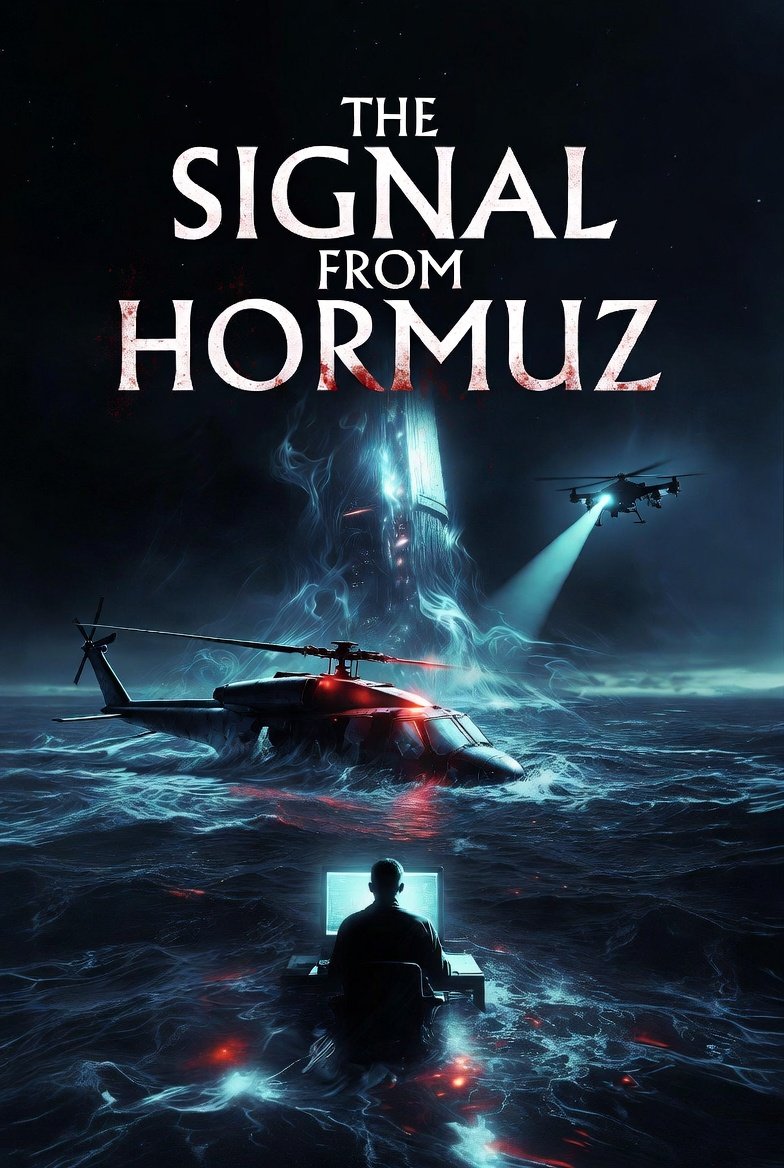
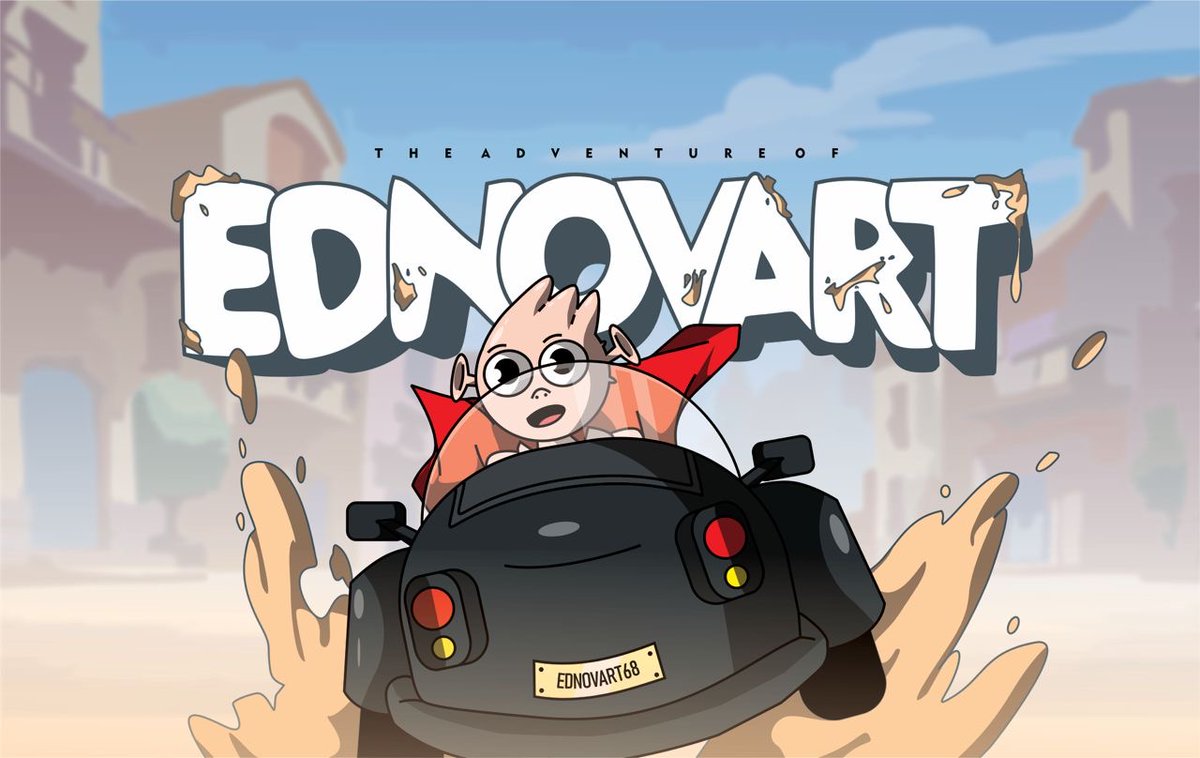
**The Signal from Hormuz**
In the dim glow of his apartment in suburban Virginia, Alex Chen scrolled through the news feed at 2:17 a.m. The headlines pulsed like an open wound: *U.S. Apache Down in Strait of Hormuz – Crew Rescued by Experimental Sea Drone. Israel Halts Strikes on Iran After Missile Exchange. Hezbollah Infiltration Suspected.* Another flare-up in the endless cycle. Alex, a signals intelligence analyst who'd burned out after the last round of escalations, muted the TV and tried to sleep.
He woke to a low hum vibrating through the walls. Not his AC. Deeper. Rhythmic. Like a distant heartbeat synced to his own pulse.
His phone buzzed. An unknown number. The text read: *They see us now. The water remembers.*
Alex laughed it off as spam until the attached audio file played automatically. Static, then a voice – garbled, distorted, but unmistakably human – whispering coordinates in the Strait. The same stretch where the helicopter had gone down hours earlier. Then the voice shifted. It wasn't English anymore. It was *his* voice, reciting his childhood address, his mother's maiden name, the exact time he’d lost his clearance badge last month.
He deleted it. The file reappeared.
By dawn, the news had moved on to primaries and NBA drama, but Alex couldn't stop checking the live maps. Oil "ghost transits" through the paralyzed Strait. Something about the water not behaving right – tankers vanishing from radar only to reappear miles off course.
That night, the hum returned, louder. He opened his window. The sound poured in from everywhere and nowhere, carrying the faint scent of salt and scorched metal. On his screen, a new alert: a leaked drone feed from the rescue. The two crew members were safe, but footage showed one of them staring blankly at the camera long after rescue, mouthing words no one could hear.
Alex played the audio file again. This time it was clearer. "*We didn't crash. We answered.*"
He traced the coordinates. They pointed to a spot in the Strait where sonar had reportedly gone haywire for weeks – an underwater anomaly the Navy dismissed as seismic. But the whispers spoke of something older. Something stirred by the missiles, the drones, the endless wars carving wounds into the seabed. An intelligence that had slept beneath the oil-rich depths, feeding on conflict, now reaching upward through every screen, every signal.
His phone rang. No caller ID. He answered.
A calm voice – his own, perfectly mimicked – said: "Primary elections today. People choosing sides again. Good. More cracks for us."
Alex dropped the phone. Outside, the streetlights flickered in sequence, forming patterns that hurt to look at directly. Across the country, voters headed to polls while in the Middle East, fragile pauses held between strikes. But here, in his room, the hum became words.
*Join the crew. The water is patient. It has room for everyone who listens.*
He never made it to work the next morning. His colleagues found his apartment empty, screens still glowing with looping news tickers about the Hormuz incident. The final frame on his monitor was the rescued crewman's face, smiling now, eyes reflecting depths no human had ever seen.
By evening, two more "anomalies" were reported near the Strait. And somewhere in the static between channels, a new voice joined the broadcast – calm, familiar, inviting viewers to *really* listen this time.
#Horror #ShortHorrorStory #HorrorFiction #TheSignalFromHormuz #StraitOfHormuz #Hormuz #Creepy #HorrorStory #SpeculativeFiction #NewsHorror
184
itzninjafool retweeted

Jun 10
Madonna Butthole Laser Agenda Exposed!! 🚽#illuminatiToilets
10
10
36
2,120