
Joined July 2010
- Tweets 1,186
- Following 243
- Followers 934
- Likes 703
315 Photos and videos

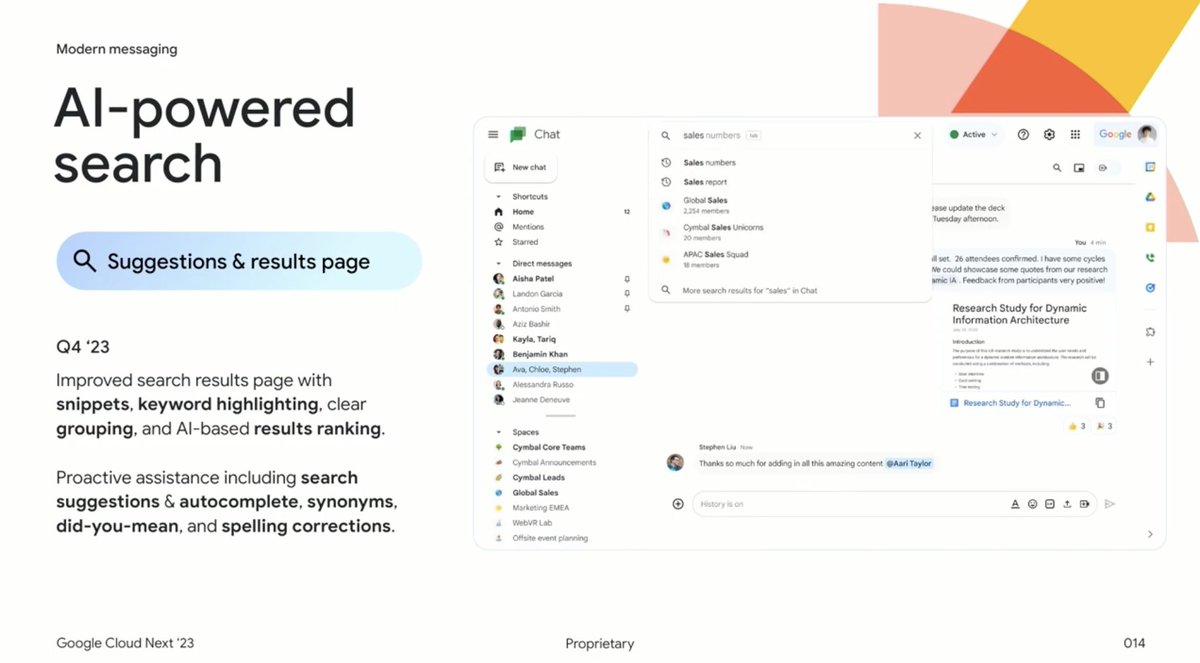
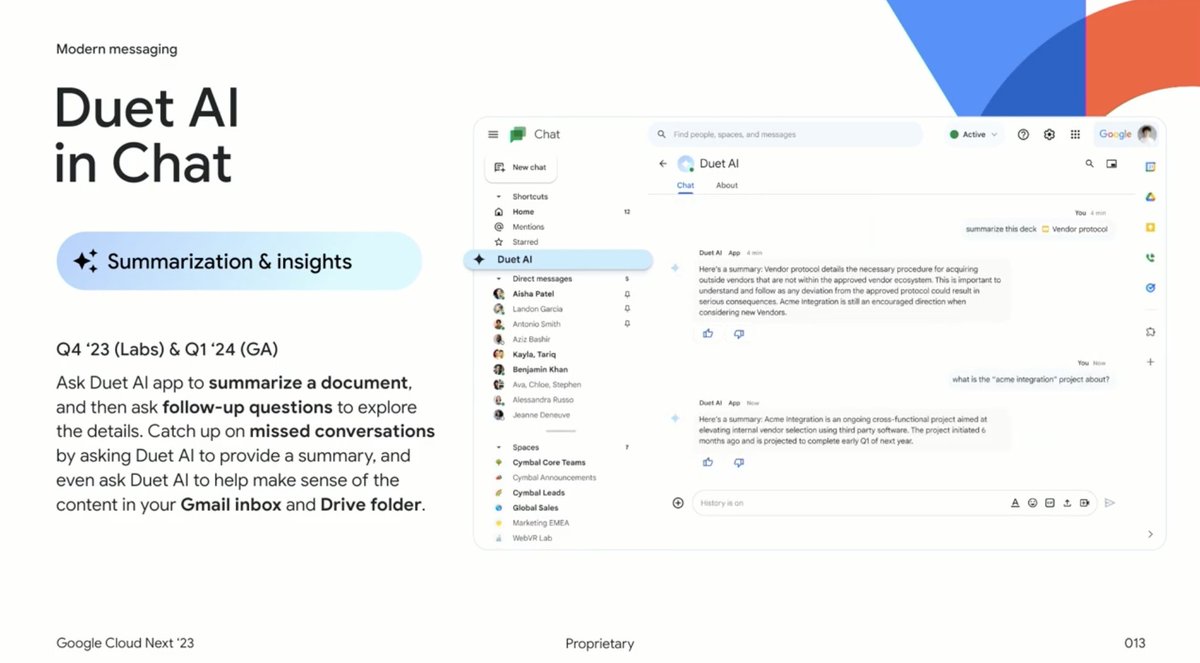
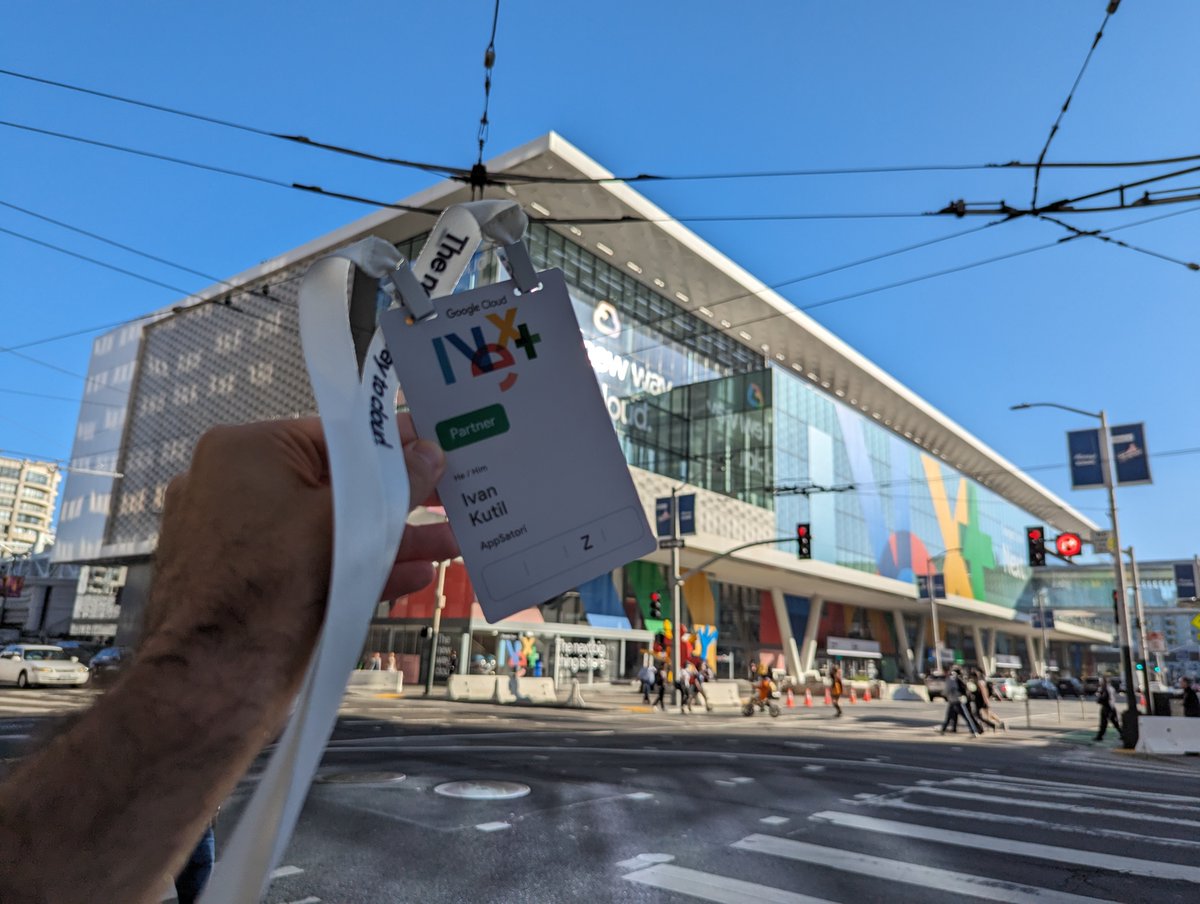
Pinned Tweet

18 May 2017
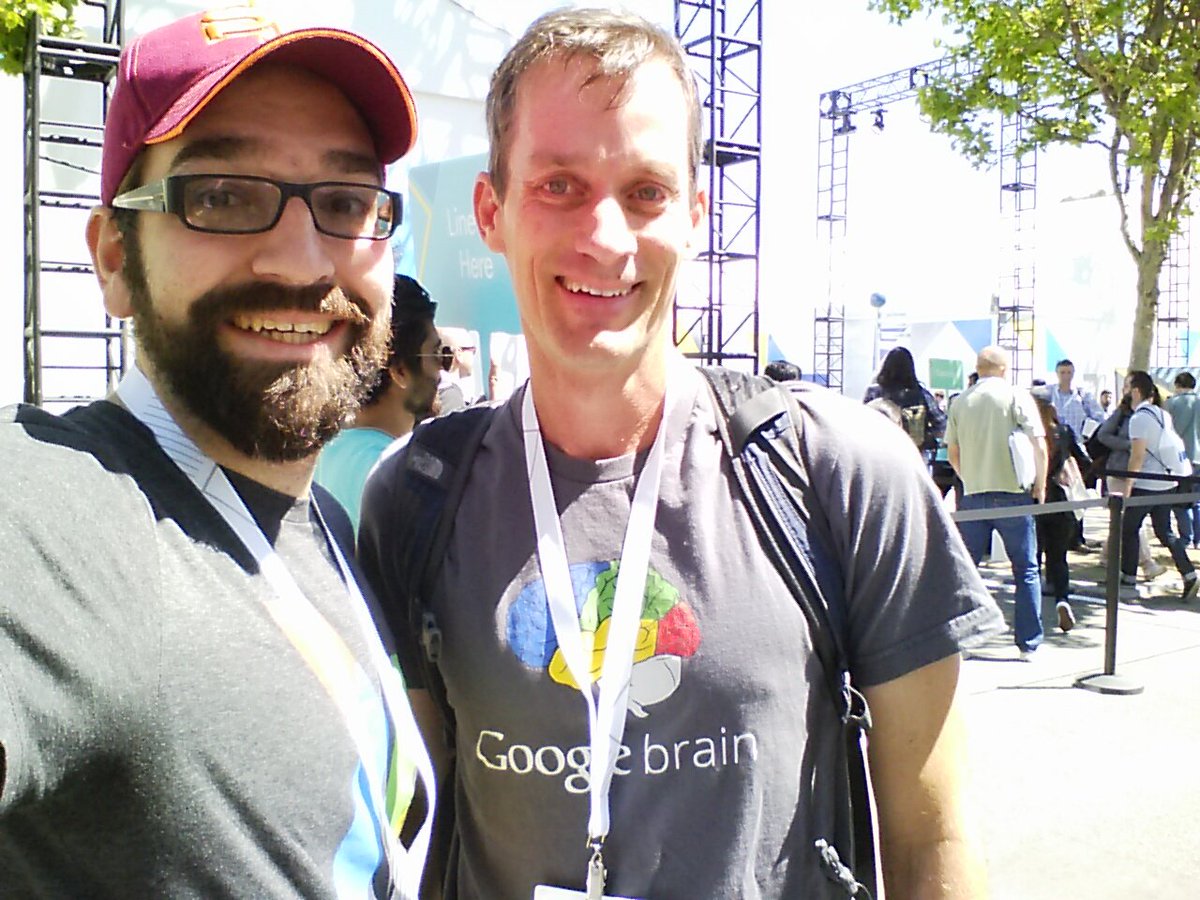
Selfie with Jeff Dean! 😎
Author of Google Brain, Tensorflow, MapReduce, BigTable
#IO17
2
2
24
Ivan Kutil retweeted

Feb 24
An `AGENTS(.)md` (or equviliant) is the highest configuration point for agents. It's injected into every conversation. But research shows that doing it wrong actively hurts performance. Here's how to do it right, backed by data.
Less Is More:
- Auto-generated files reduce success rates by ~3% while increasing inference cost by over 20%
- Human-written files only marginally improve performance on benchmarks (~4%)
- Stronger models don't generate better context files.
- Codebase overviews in files don't help agents navigate faster.
- LLM-generated files are redundant with existing docs.
- Instructions ARE followed. Agents respect file instructions, but unnecessary requirements make tasks harder.
What to Include:
- WHAT: Your tech stack, project structure, and what each part does. Critical for monorepos.
- WHY: The purpose of the project and its key components. Help the agent understand intent, not just structure.
- HOW: How to build, test, and verify changes. Include non-obvious tooling (e.g., `uv` instead of `pip`, `bun` instead of `npm`). Tools mentioned in AGENTS(.)md get used 160x more often than unmentioned ones.
What NOT to Include:
- Detailed codebase overviews or directory listings. The paper found these don't help agents navigate faster, and agents can discover structure themselves.
- Code style guidelines. Use linters and formatters instead, they're faster, cheaper, and deterministic.
- Task-specific instructions that only apply sometimes. - Auto-generated content. Don't let the agent write its own without review. The data shows this hurts more than it helps.
How to Structure It:
- Keep it short. General consensus is <300 lines; HumanLayer keeps theirs under 60 lines. Every line goes into every session, make each one count.
- Use progressive disclosure. Don't put everything in Instead, keep task-specific docs in separate files (e.g., `agent_docs/running_tests.md`) and list them with brief descriptions so the agent reads them only when relevant.
- Pointers over copies. Reference `file:line` locations rather than embedding code snippets that will go stale.
- Write it yourself, deliberately. A bad line cascades into bad plans, bad code, and bad results across every session.
Sources below

26
50
624
43,553
21 Dec 2025
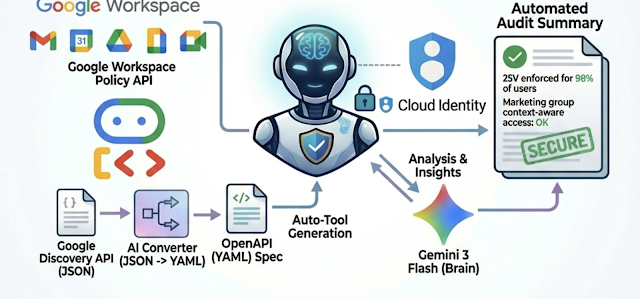
I built Security Agent for #GoogleWorkspace.
It is using Agent Development Kit (ADK), Gemini 3 Flash and Policy API (OpenAPI schema)
Check my notes and full-code
kutil.org/2025/12/building-g…
#AISprintH2 @workspacedevs @expert
1
1
4
303
13 Nov 2025
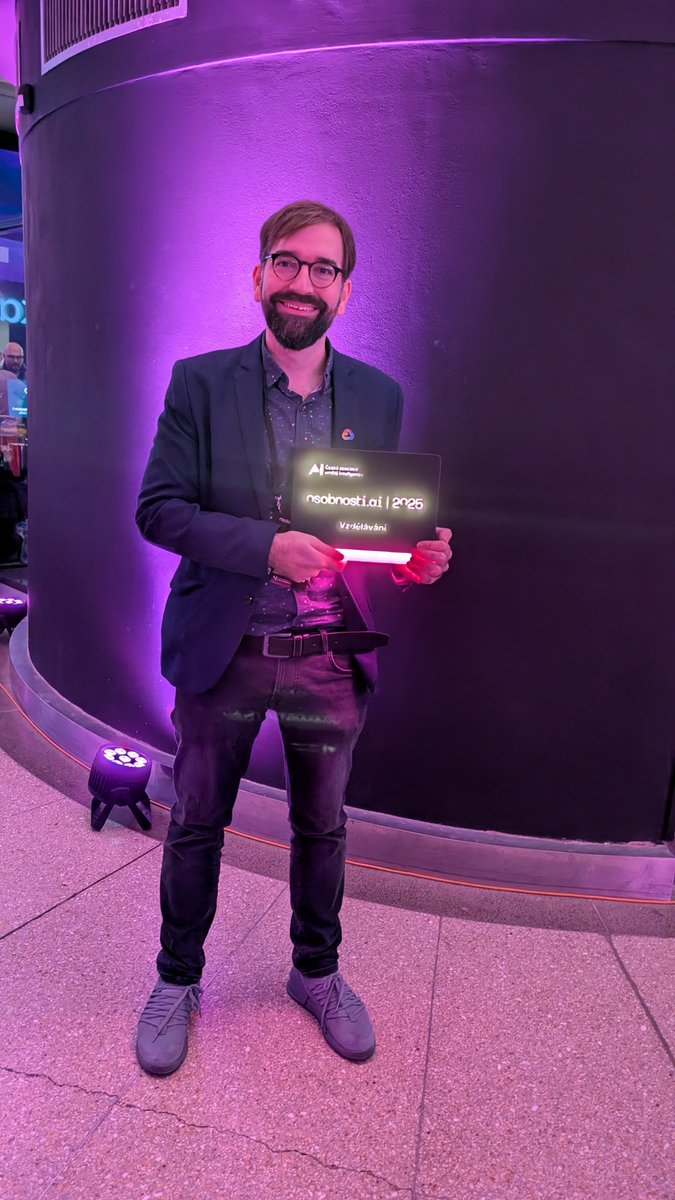
Wow! 🎉 Honored to win the "AI Personality of the Year" 2025 in the 🏆 Education category at the Czech Association of Artificial Intelligence event.
This award is voted by the public—the people I've trained. That makes it so special. 🙏 Thank you!


1
3
144
Ivan Kutil retweeted

3 Aug 2025
Finally had some time to work on a Gemini CLI feature I've been meaning to get to for a while now.
Full control of MCP servers from the command line. Devs shouldn't need to learn about settings.json 😅
✅gemini mcp add <name> <commandOrUrl> [options]
✅gemini mcp remove <name>
✅gemini mcp list
I'll link the draft PR below in the comments if anyone wants to provide some initial feedback 🗒️
@ntaylormullen Check out this 🔥🔥🔥
9
25
177
22,791
Ivan Kutil retweeted

3 Aug 2025
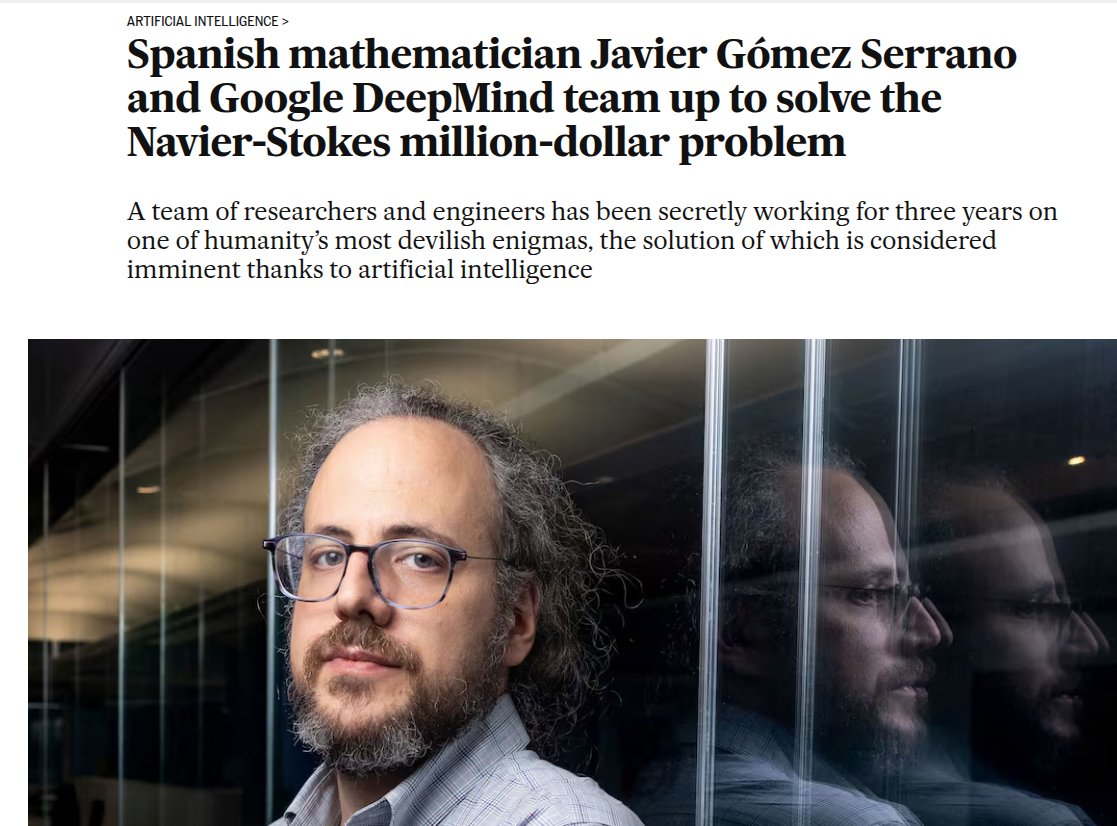
Google DeepMind Team Close to Solving One of the Seven Millennium Prize Problems with AI.
If the team nails the proof, fluid mechanics gains a solid foundation and AI earns bragging rights as a serious research partner.
For these 7 unsolved math puzzles, there's a $1Mn prize for each correct solution, so researchers nicknamed them the Millennium Prize Problems.
The Navier-Stokes formulas, track how fluids move, still hide a scary question: can smooth flow suddenly erupt into an infinite spike, like a surprise tsunami inside calm water?
Weather forecasts, plane design, and even blood-flow analysis all trust that spike never appears, so proving it one way or the other truly matters.
Google DeepMind has lent 20 engineers plus its heavy compute to Javier Gómez Serrano’s small math crew. They train neural networks on past proof tricks and fluid simulations, letting the code spot patterns that hint where a flow might explode.
Those hints guide the humans to the exact region and time where a singularity could form inside the Navier-Stokes equations, something pencil work alone kept missing.
AI also polished Thomas Hou’s older Euler-based test. The team fed that simulation back into a machine-learning loop, tightened the grid, and the network marked the first flicker of instability.
With that refined map, analysts can focus their rigorous estimates on one narrow zone instead of swimming through the whole ocean of possibilities.
---
english .elpais .com/science-tech/2025-06-24/spanish-mathematician-javier-gomez-serrano-and-google-deepmind-team-up-to-solve-the-navier-stokes-million-dollar-problem.html
68
210
1,391
116,216
30 Jun 2025
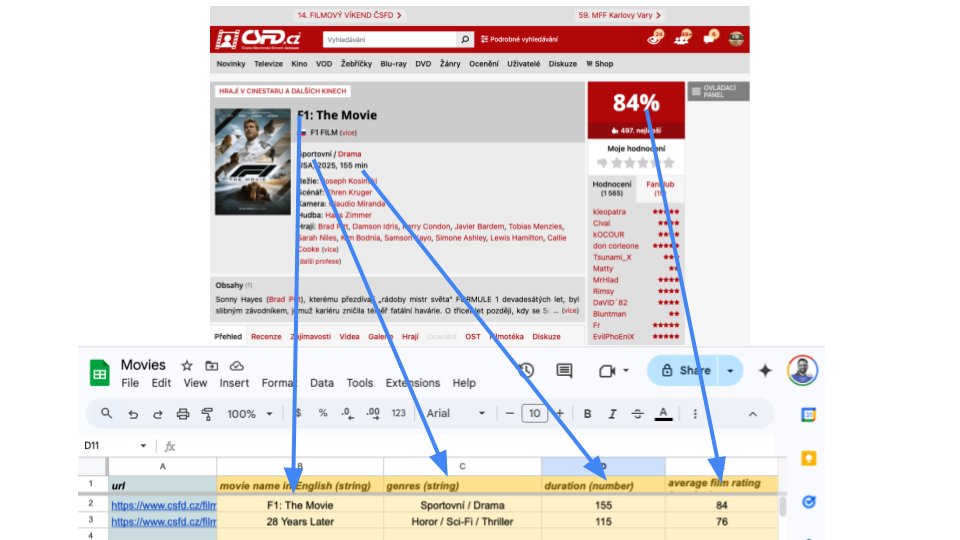
Vibe-scraping with #GoogleAppsScript is here!
1) Insert URL of webpage
2) define what you want to get in plain English
3) let Gemini 2.5 Flash with URL Context feature to get structured data
kutil.org/2025/06/vibe-scrap…
#AISprint #GoogleAIStudio @GoogleDevExpert @workspacedevs
3
5
595
25 Jun 2025
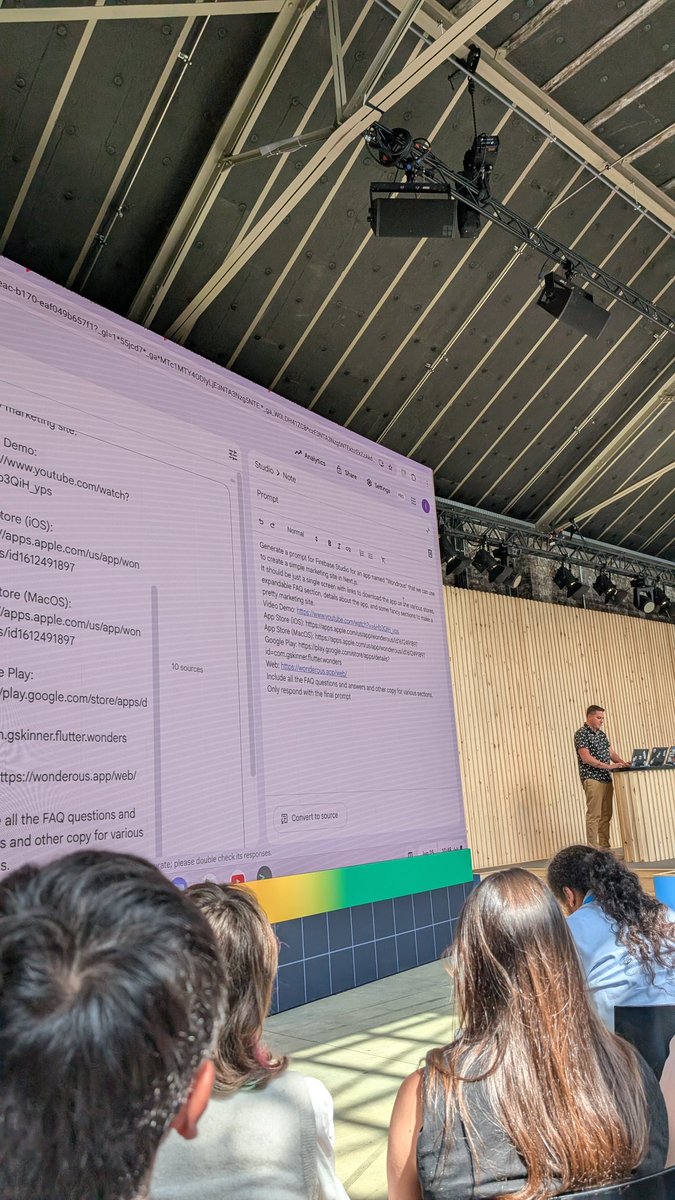
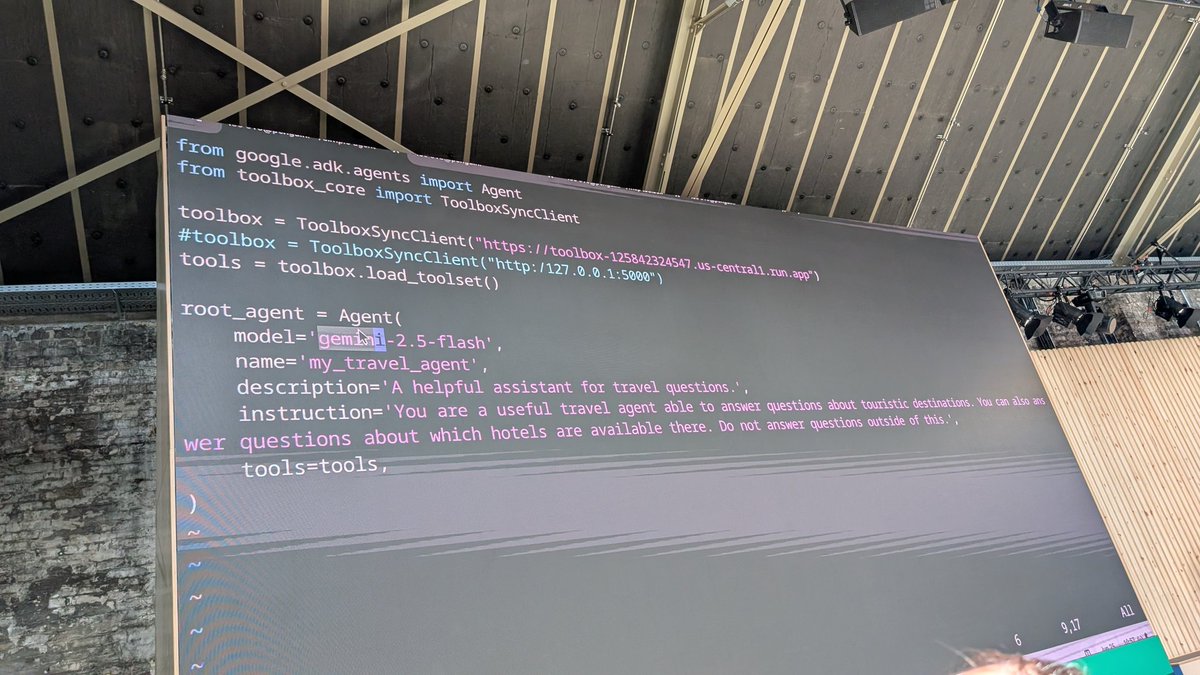
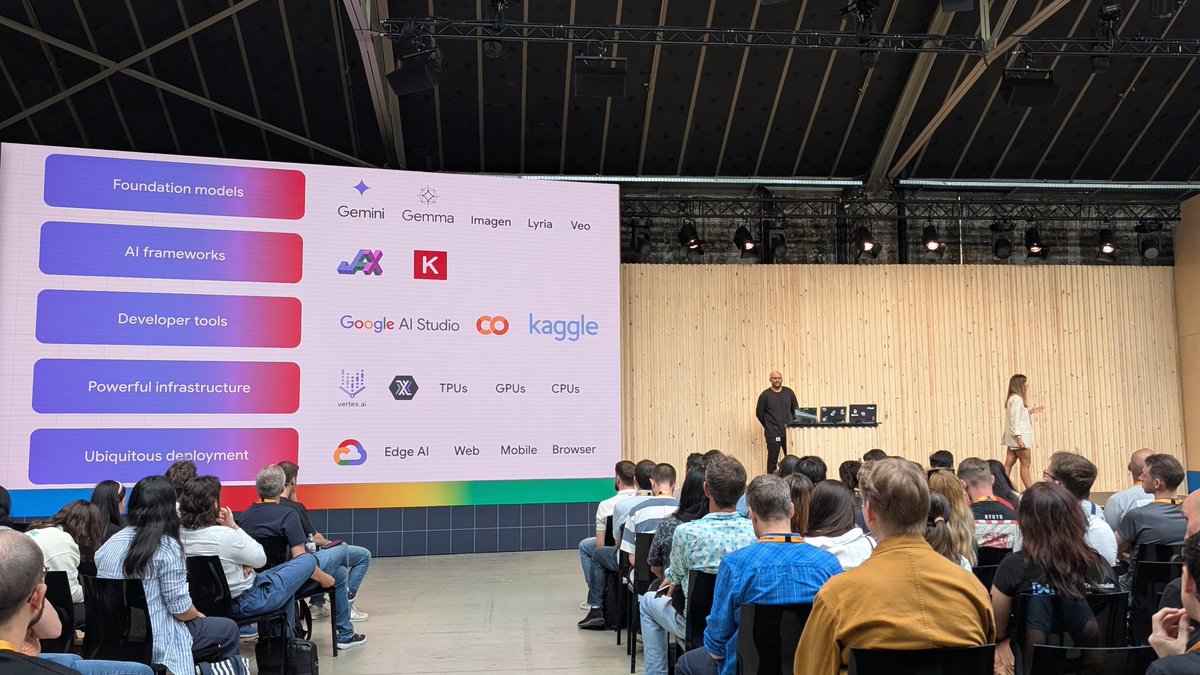
My key takeaways from #GoogleIOConnect
- use NotebookLM to prepare prompts (with grounding to docs) for Firebase Studio
- MCP toolbox connect to your database
- GenAI Processors,lightweight Python library for parallel content processing
#BuildWithGemini
-
5
526
20 May 2025
"Deep think" Is new version of Deep Research ?! 🙂↕️


164
Ivan Kutil retweeted

3 Mar 2025
28 Feb 2025

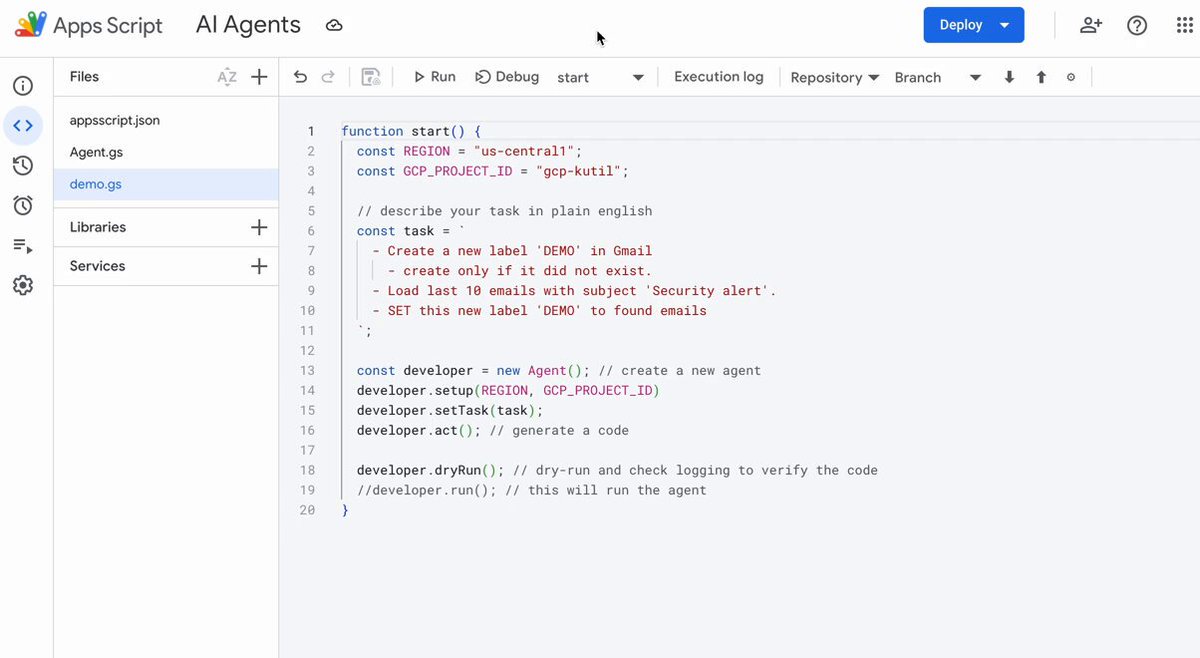
Automate your workflows in #GoogleWorkspace with AI agents
1.Describe task in text
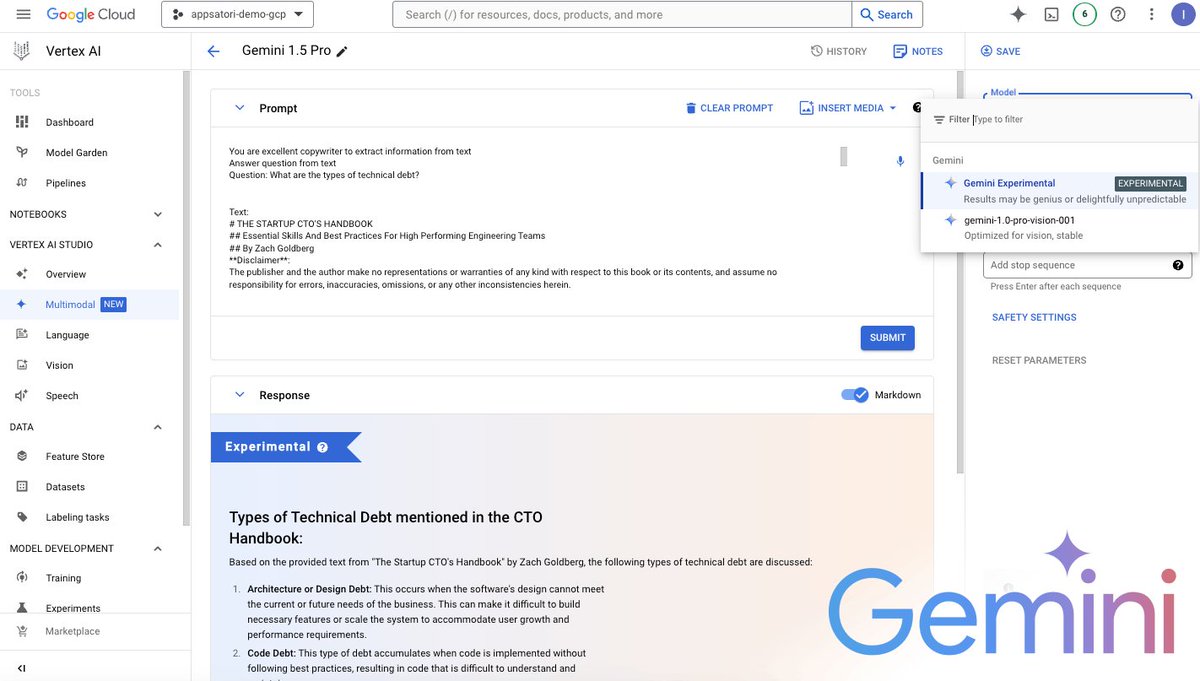
2. Let ✨Gemini 2.0 Flash Thinking generate the code
3. Run it instantly in #GoogleAppsScript
#VertexAISprint @workspacedevs @GoogleDevExpert @googledevs @GoogleCloudTech
kutil.org/2025/02/agents-wit…
3
12
1,960
28 Feb 2025
Automate your workflows in #GoogleWorkspace with AI agents
1.Describe task in text
2. Let ✨Gemini 2.0 Flash Thinking generate the code
3. Run it instantly in #GoogleAppsScript
#VertexAISprint @workspacedevs @GoogleDevExpert @googledevs @GoogleCloudTech
kutil.org/2025/02/agents-wit…
1
2
17
2,660
Ivan Kutil retweeted

15 Feb 2025
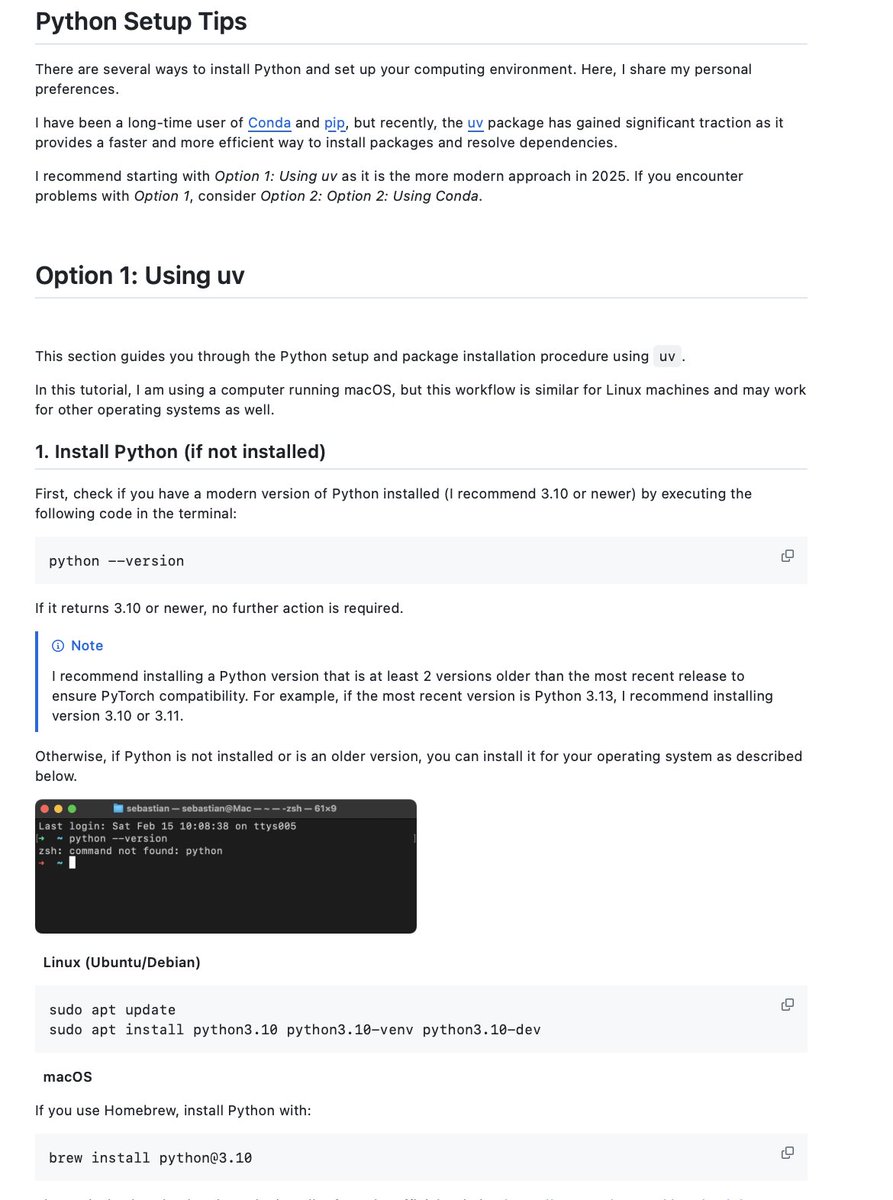
It's 2025, and I’ve finally updated my Python setup guide to use uv venv instead of conda pip!
Here's my go-to recommendation for uv venv in Python projects for faster installs, better dependency management: github.com/rasbt/LLMs-from-s…
(Any additional suggestions?)
76
271
2,249
192,402
30 Sep 2024
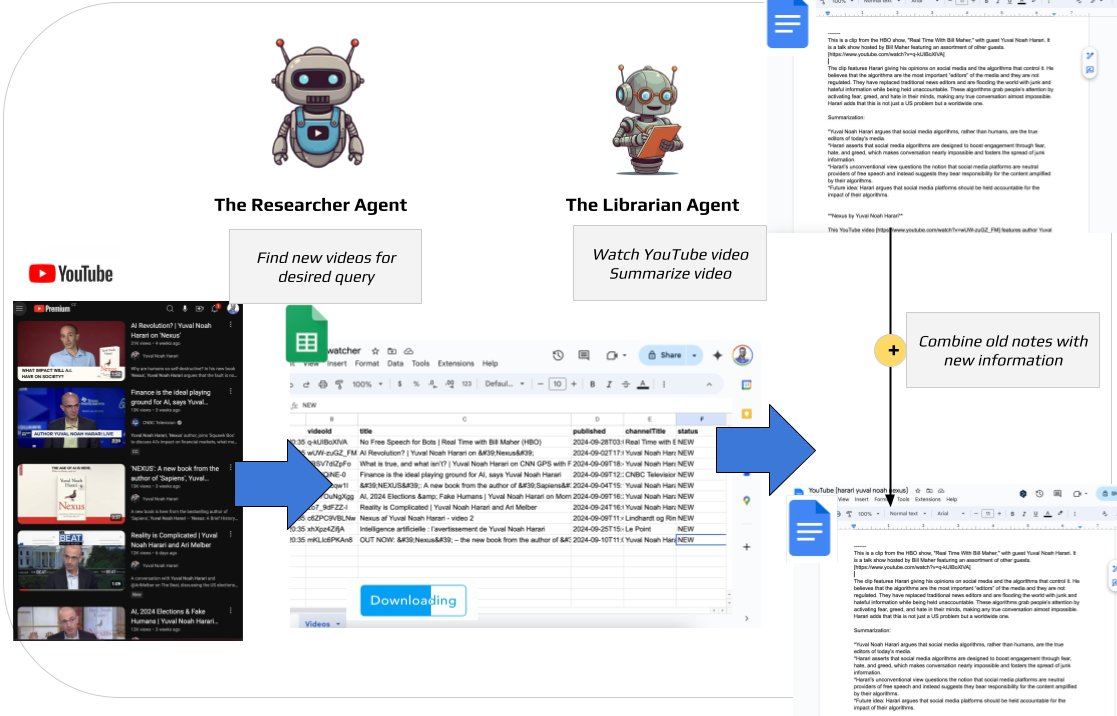
🤖 Can AI Watch YouTube video and Take Notes for You? Automating Insights with #Gemini 1.5 Pro & #GoogleAppsScript
Non-stop #YouTube research bot, which find new related videos, watch it and taking notes into the same Google Docs
kutil.org/2024/09/youtube-re…
#AISprint #GoogleCloud
1
5
645
Ivan Kutil retweeted

31 Aug 2024
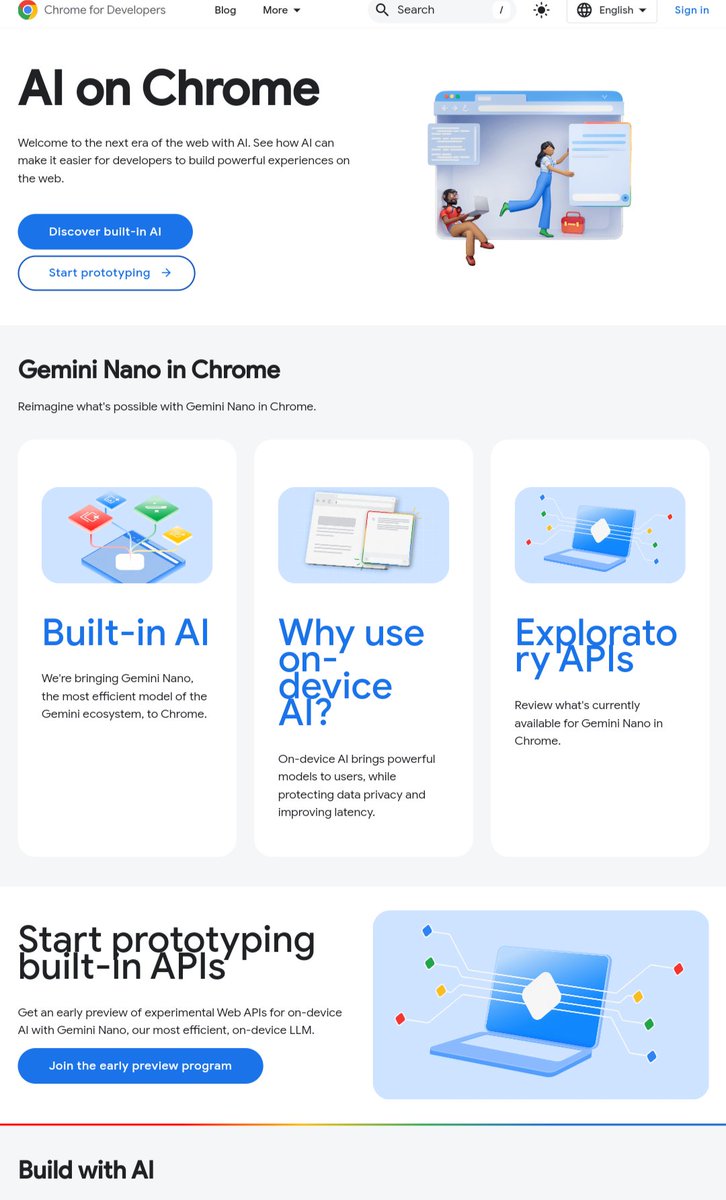
👇 If you haven't already tried it: @googlechrome now has an embedded version of Gemini - and specialized guides for developers detailing how to use other local models within your browser.

2
40
212
52,280
31 Aug 2024
Gemini 2.0 🤔
30 Aug 2024

Veo
Imagen 3
Google Search Grounding
Gemini 2.0
Agents
152
Ivan Kutil retweeted

30 Aug 2024
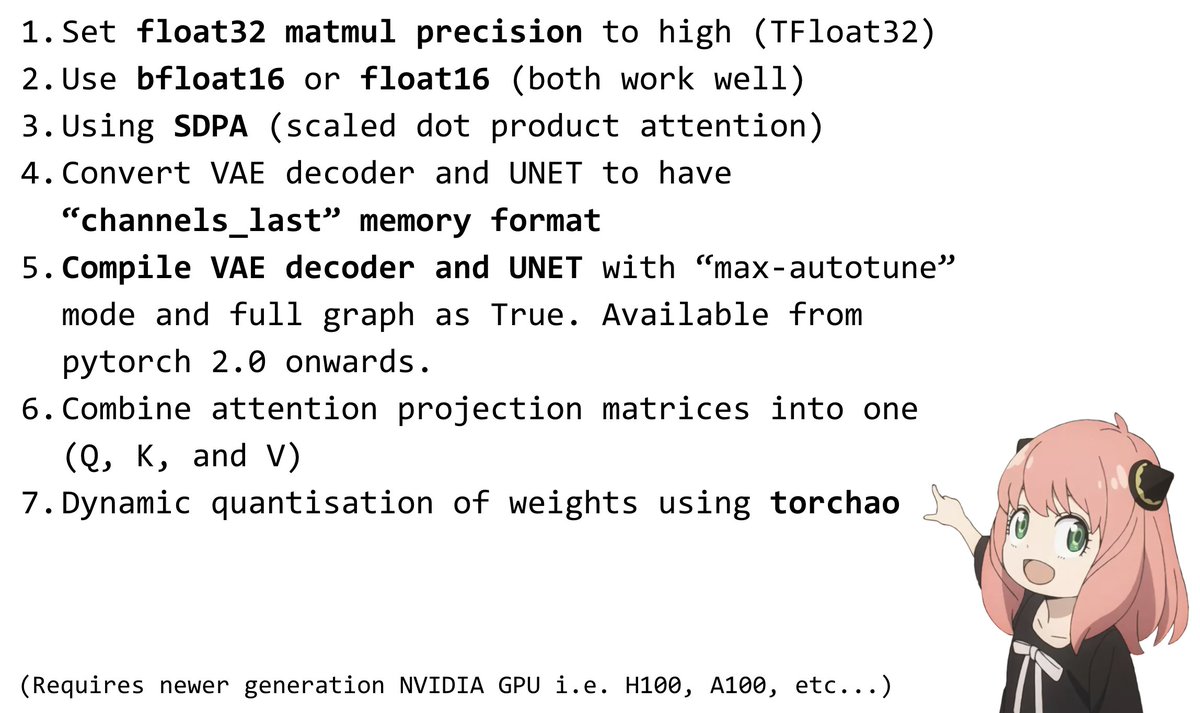
easy ~87% speedup in diffusion models' inference.
18
65
967
88,270
Ivan Kutil retweeted

24 Jul 2024
football AI code is finally open-source
- player detection and tracking
- team clustering
- camera calibration
I still need to work on README; don't judge me on that
code: github.com/roboflow/sports
168
1,032
8,670
2,045,279
Ivan Kutil retweeted

30 Aug 2024
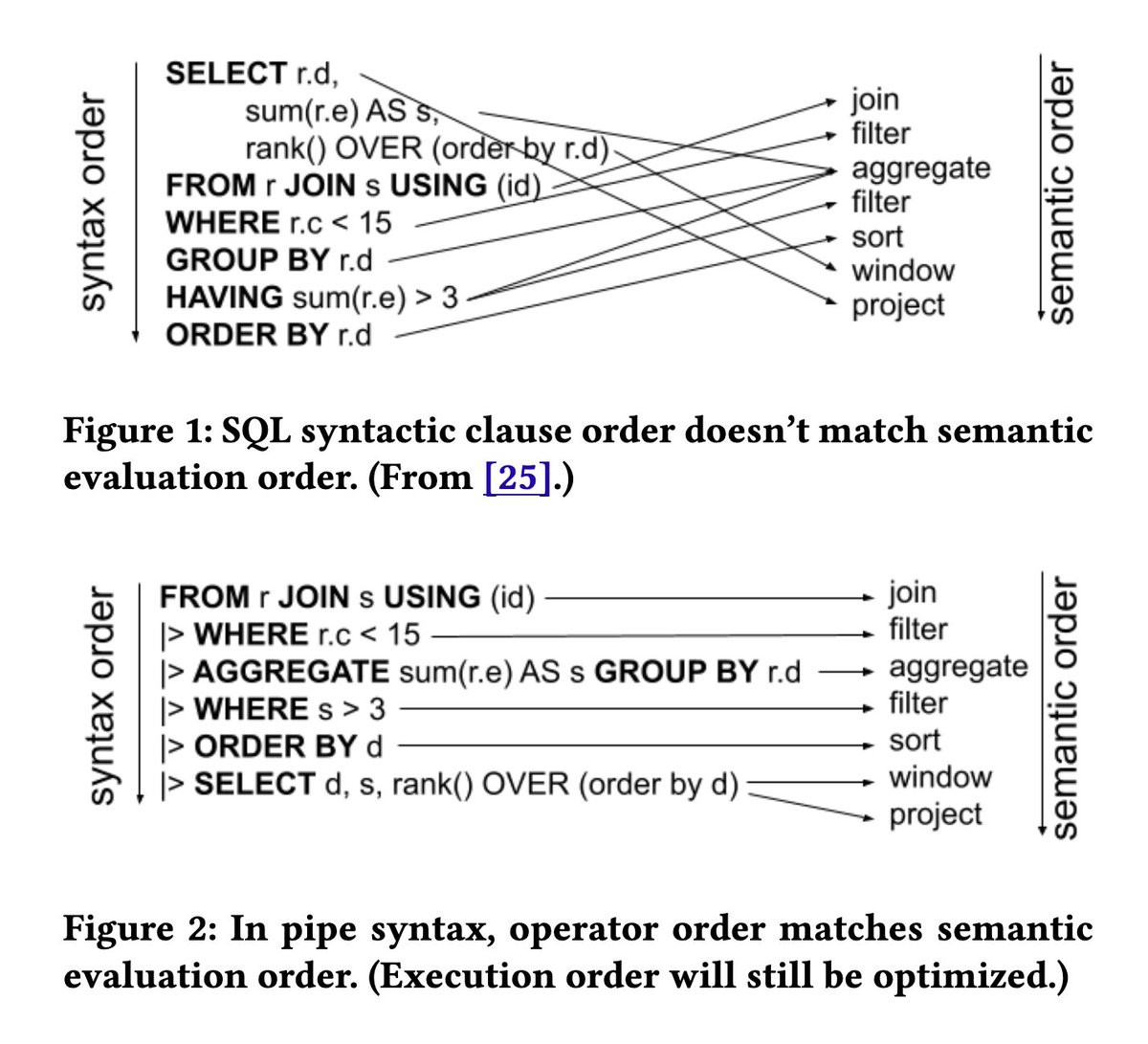
Love this figure from Google's "pipes for SQL" paper. Matching syntactic and semantic order is a great heuristic for a well-designed API.
36
169
1,916
118,322
Ivan Kutil retweeted

15 Jul 2024
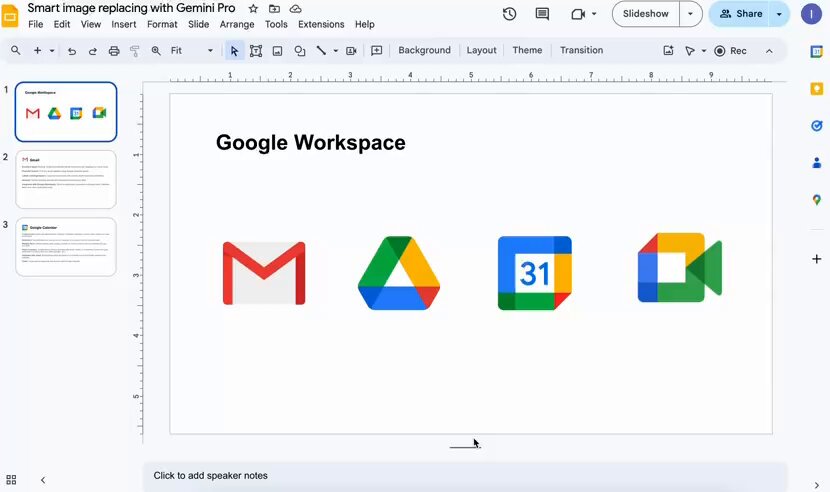
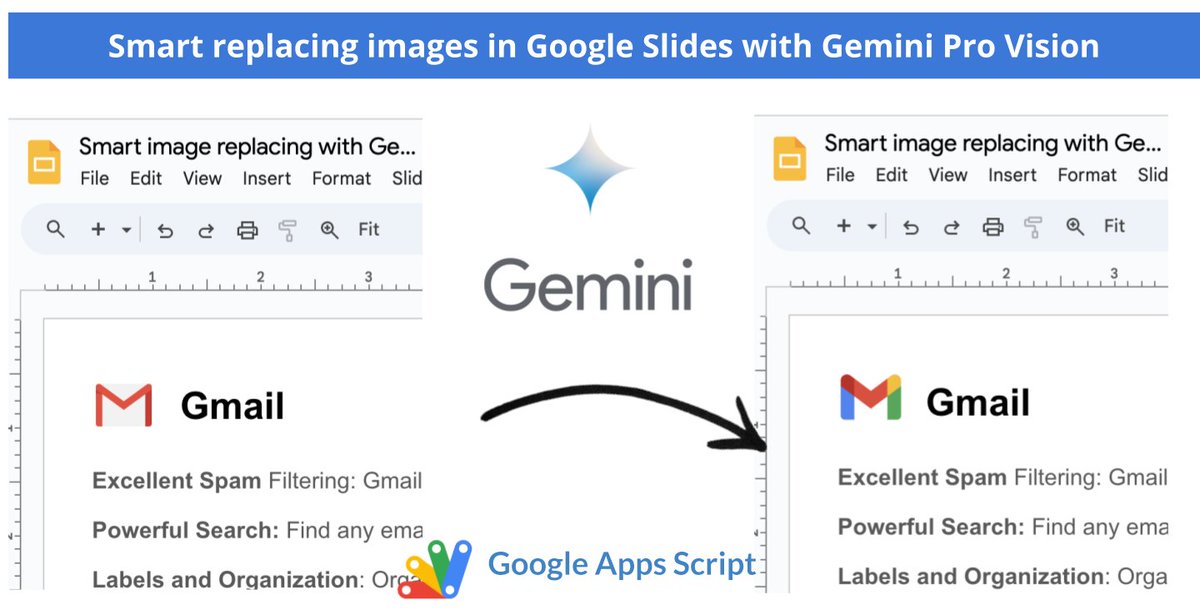
Smart replacing images in Google Slides with Gemini Pro API and Vertex AI by @ivankutil (contributed by @mhawksey) #GoogleWorkspace @WorkspaceDevs #GoogleAppsScript #AppsScript pulse.appsscript.info/p/2024…
3
2
2,013

As part of @Google's 1,000 Languages Initiative, a commitment to support the 1,000 most spoken languages, & w/help of our PaLM 2 LLM, we're adding support for 110 new languages (spoken by 614M people) to Google Translate (now supporting 243 languages). 🎉
blog.google/products/transla…
42
82
458
134,486
Ivan Kutil retweeted

15 May 2024
As the Official Data Analytics Partner of the England Team, find out how @FA is using Google Cloud AI to find the next generation of England football stars. #GoogleCloudAI
Read the blog: goo.gle/3UKICR4

4
4
962