
Solvitur ambulando / Studying proteins at Schwede group @biozentrum, Basel (CH) / physics PhD @LIPh_Lab, Padova (IT) / Apprentice Philosopher
Joined November 2012
- Tweets 575
- Following 2,806
- Followers 297
- Likes 25,315
47 Photos and videos



Pinned Tweet

26 Oct 2024
📢📢📢 PAPER ALERT📢📢📢
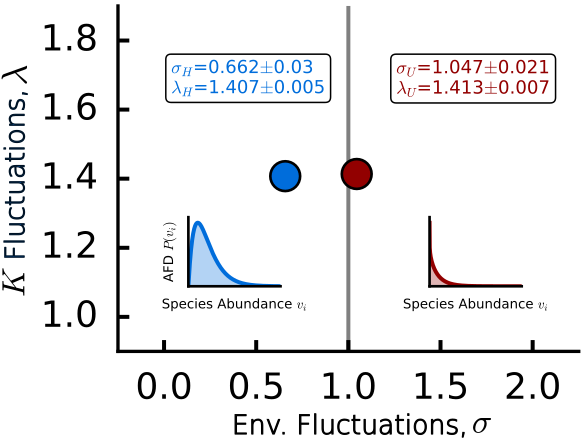
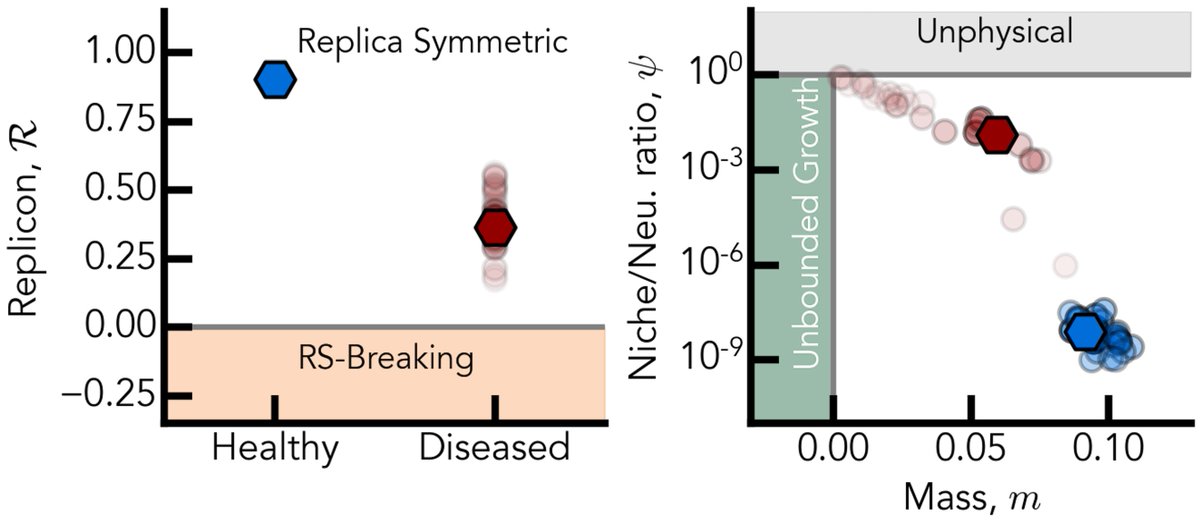
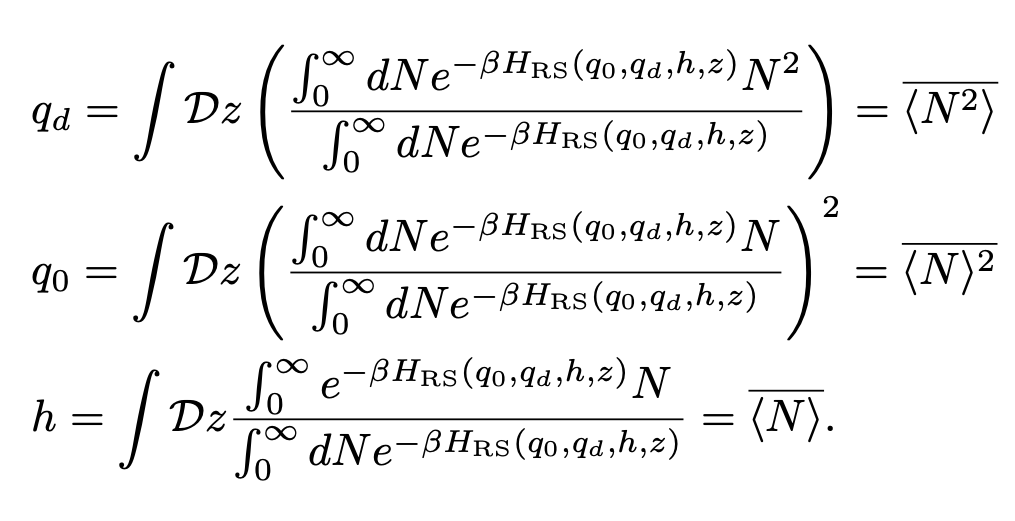
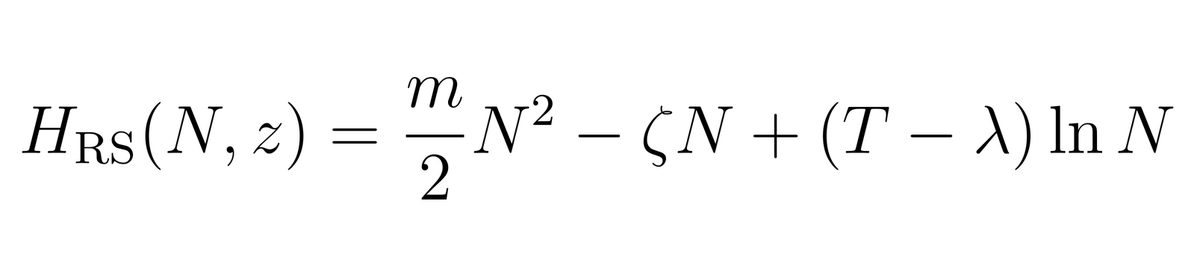
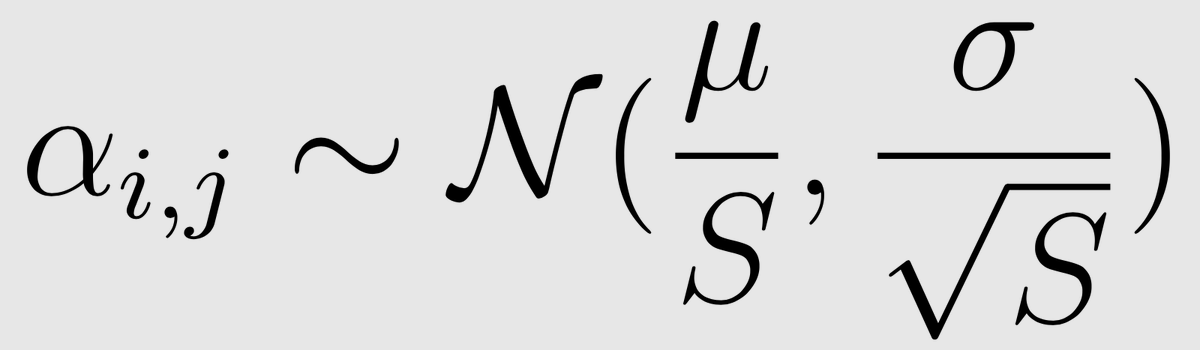
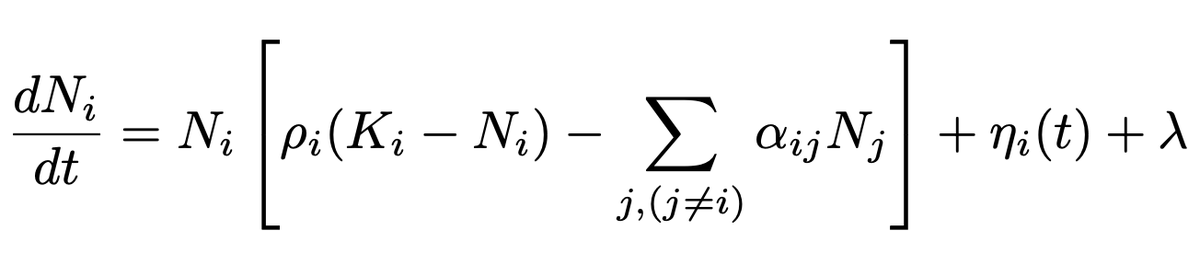
I'm glad to share with y'all my first peer-reviewed paper! I, @SamirSuweis, and our collaborators tried to answer the question: what makes healthy and diseased gut microbiomes different? A thread on our stat.phys. answer 🧵1/n
journals.plos.org/ploscompbi…
2
4
18
1,663
Jacopo Pasqualini retweeted

Apr 27
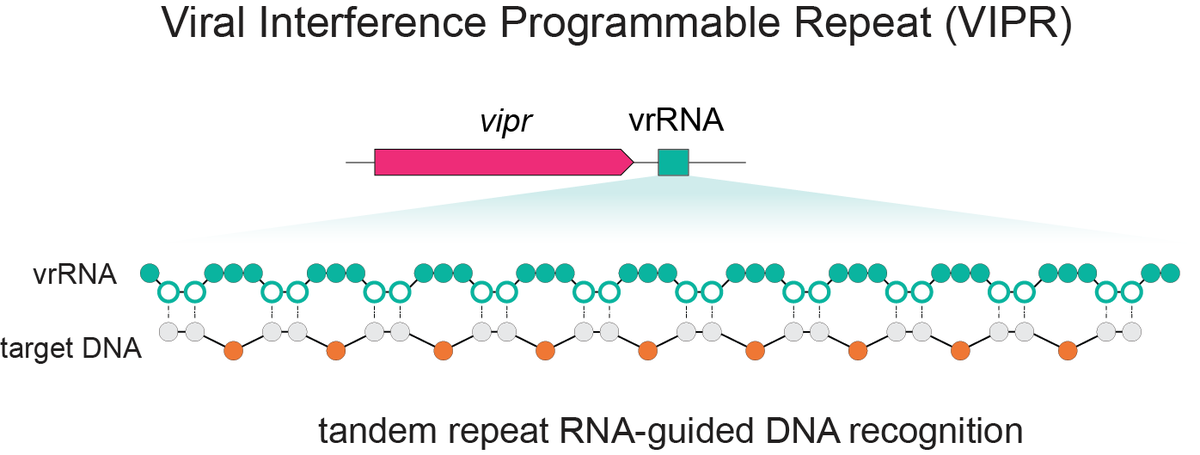
Excited to share our discovery of a new programmable RNA-guided DNA-targeting system hiding inside bacteriophages that predates CRISPR.
We call it VIPR (Viral Interference Programmable Repeat), and it uses an entirely new logic to find its targets.
Thread link below.
26
353
1,258
241,118
Jacopo Pasqualini retweeted

Apr 22
Pulitzer-winning writer featuring our flagellar motor work and animation on @QuantaMagazine cover reminds me why open access and outreach matter in science. When we share our work, research reaches millions.
Article: quantamagazine.org/what-phys…
Paper: nature.com/articles/s41564-0…
11
150
846
56,242
Jacopo Pasqualini retweeted

Apr 18
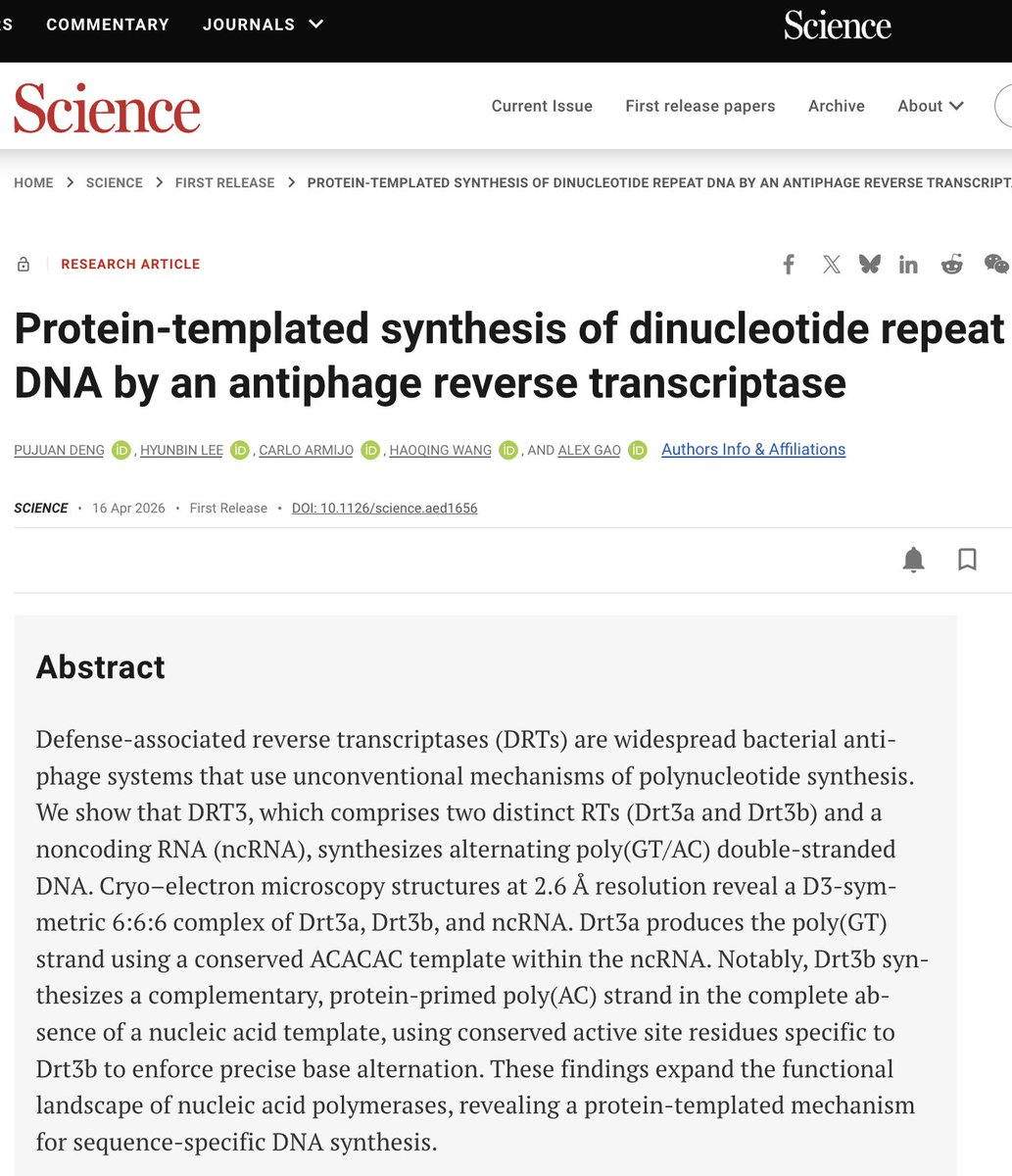
Bacteria are full of diverse molecular tricks. This Science article reports an interesting one that is being misrepresented by news coverage, including the coverage in Science.
The study describes an enzyme complex that synthesizes alternating dinucleotide repeat DNA as part of an immune response. Protein templating DNA is a cool observation, even if the sequence is only a repeating dinucleotide.
The headline-grabbing takeaway is the mechanism of the Drt3b subunit. While its partner, Drt3a, uses a canonical RNA template (reverse transcription), Drt3b synthesizes the complementary strand in the absence of a nucleic acid template. Instead, it uses specific amino acid residues (a glutamate and an arginine) to stabilize and "select" the incoming dNTPs.
It is tempting to view this as a radical shift in our understanding of information transfer, a "protein-templated" genetic sequence. However, we should be cautious with the "paradigm shift" narrative.
Why this isn't "rewriting" the Genetic Code:
Despite claims in the news coverage, this finding does not represent a new form of hereditary information transfer. This is not a protein "reading" itself to create a complex message; rather, it is a highly specialized structural constraint. The protein is essentially a "stuttering" machine, physically keyed to produce a simple, repetitive sequence. The "information" is hard-coded into the protein's fold to perform a single, specific defensive task, rather than acting as a general-purpose template for diverse genetic messages.
The Parallel to tmRNA:
This observation is not entirely unprecedented when we look at how bacteria handle biochemical "dead ends." It reminds me of transfer-messenger RNA (tmRNA). In trans-translation, when a ribosome stalls on a broken mRNA, the tmRNA molecule steps in to provide both the tRNA component and a short mRNA "tag" to rescue the ribosome:
- The "Non-Standard" Template: Much like tmRNA provides an external sequence to fix a stalled process, the DRT3 ncRNA and the Drt3b protein provide "internal" instructions to create DNA where no genomic template exists.
- Specialized Rescue: Both mechanisms are niche "emergency" responses, one for proteostasis (tmRNA) and one for viral defense (DRT3).
In the end, this discovery doesn't replace our understanding of the genetic code; it expands the "toolbox" of how cells can synthesize polynucleotides when the standard rules don't apply. It is a beautiful reminder that in the microbial world, if a chemical shortcut is possible, evolution has likely found it.
6
94
370
30,137
Jacopo Pasqualini retweeted

Mar 19
This is the core problem of the next 5 years in the AI scientist era: infinite hypotheses about which nobody cares
Mar 14

At this rate everyone’s gonna have their own app and zero users.
16
29
650
22,028
Jacopo Pasqualini retweeted

PDB-101 Focus: Biotechnology
Learn how researchers are using biology in industry. Learn how GFP-like proteins found in nature or engineered in the laboratory now span every color of the rainbow
pdb101.rcsb.org/motm/174
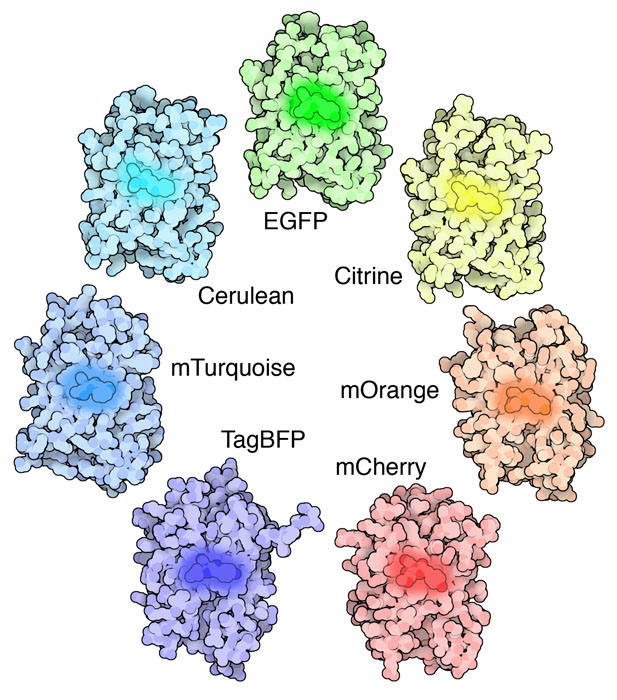
ALT Sampler of the fluorescent proteins that are currently available in the PDB archive (3m24 , 2q57 , 4ar7 , 2y0g , 1huy , 2h5o , 2h5q ). All of these proteins are similar to GFP, with the familiar beta barrel fold surrounding a self-assembled chromophore threaded through the center of the molecule. The variously colored chromophores, however, differ slightly from one another and the amino acids surrounding the chromophore further tune the light that is emitted.
47
194
8,803
Jacopo Pasqualini retweeted

19 Dec 2025
Some things I believe about writing:
> It is the best, most efficient way to transmit ideas. (Brain-to-brain BCIs may surpass it someday.) Even the best YouTube videos or podcasts usually only convey a fraction of the ideas contained in an excellent essay.
> It is faster to write than to make a video or record a podcast. Therefore, you should usually default to writing when exploring an idea. (And videos and podcasts usually involve a fair amount of writing anyway.)
> Using AI to write for you (not research, or explaining a paper to you, but actually **writing**) will make you dumb.
> Writing is a form of telepathy across space and time. Here's a passage from Stephen King that I love, about a table on which there is "a cage the size of a small fish aquarium. In the cage is a white rabbit with a pink nose and pink-rimmed eyes. In its front paws is a carrot-stub upon which it is contendedly munching. On its back, clearly marked in blue ink, is the numeral 8....
Do we see the same thing? We'd have to get together and compare notes to make absolutely sure, but I think we do." (King wrote this in 1999, and his thought of this rabbit, and what it looks like, shall remain firmly established for all time. Similarly, I can still read Pliny today and know exactly what he was thinking 2,000 years ago.)
> It is the best way to make sure you, yourself, understand something.
> If you can write something using simpler words, without distorting your meaning, then you should do so.
> Adverbs are almost always your enemy; akin to a gentle lullaby that will strangle you into the passive tense. (And readers do not enjoy the passive tense.)
This list will expand over time. Brief bibliography:
- The Elements of Style by Strunk and White is the only book on writing worth reading. But Stephen King's "On Writing" is also nice.
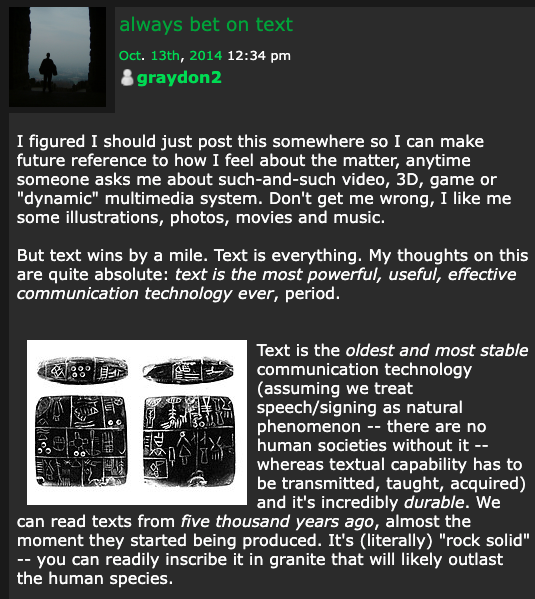
- "Always Bet on Text" by graydon2: graydon2.dreamwidth.org/1934…
3
13
95
17,961
Jacopo Pasqualini retweeted

29 Nov 2025
Rewriting Protein Alphabets with Language Models
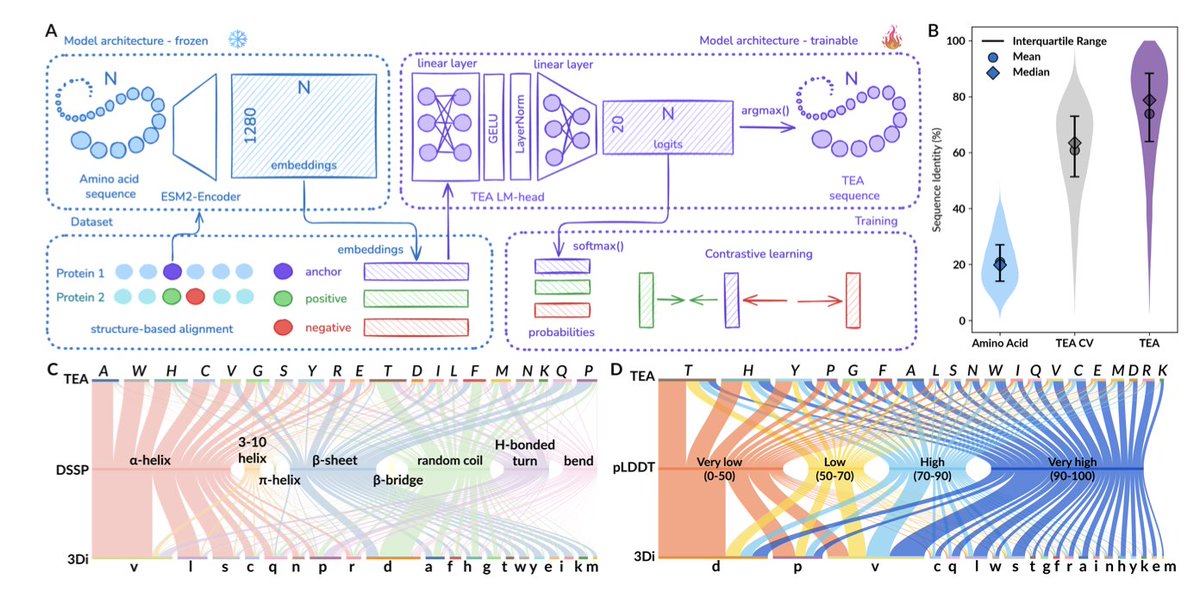
1. A groundbreaking study introduces TEA (The Embedded Alphabet), a novel 20-letter alphabet derived from protein language models, enabling highly efficient large-scale protein homology searches. This method achieves sensitivity comparable to structure-based approaches without requiring structural information, bridging the gap between deep learning representations and traditional sequence bioinformatics tools.
2. The core innovation lies in using contrastive learning to convert high-dimensional protein language model embeddings into a discrete alphabet. This allows for rapid sequence comparisons using optimized tools like MMseqs2, while retaining the ability to detect remote homologs with structural similarity, offering a powerful alternative to existing methods.
3. TEA demonstrates remarkable performance in benchmarks, achieving high sensitivity in detecting homologs within the SCOPe40 database and multi-domain proteins from the AlphaFold Database. It outperforms traditional sequence alignment methods and matches the accuracy of structure-based searches, all while maintaining low computational costs.
4. An intriguing aspect is the use of entropy as a confidence metric, providing a measure of prediction reliability. This allows researchers to filter results based on confidence levels, enhancing the accuracy of functional annotations and structural predictions, especially in challenging cases like disordered regions or poorly modeled structures.
5. The study highlights TEA’s potential to improve functional annotation by connecting structural singletons in the AlphaFold Database to cluster representatives. This approach identifies over 14 million new connections with high accuracy, suggesting TEA could revolutionize clustering efforts and reveal novel functional relationships.
6. Looking ahead, TEA offers a versatile framework for creating specialized alphabets tailored to specific biological goals, such as function prediction or interface description. This could extend its applications to RNA sequences and other areas, further integrating deep learning into bioinformatics workflows.
7. The TEA model and training scripts are available on GitHub, along with converted TEA sequences for popular databases like AFDB Clusters and UniRef50, making it accessible for researchers to integrate into their workflows.
📜Paper: biorxiv.org/content/10.1101/…
#ProteinLanguageModels #Bioinformatics #ContrastiveLearning #HomologySearch #StructuralBiology #ComputationalBiology
2
23
100
6,410
Jacopo Pasqualini retweeted

17 Oct 2025
Серия спутниковых снимков демонстрирует, как с каждым годом разрастается Мариупольское кладбище.
Масштабы захоронений — ужасающие. По оценкам разных источников, Россия убила более 100 тысяч русскоязычных жителей Мариуполя.
180
979
2,752
419,210
21 Sep 2025
Y’all should read this rn

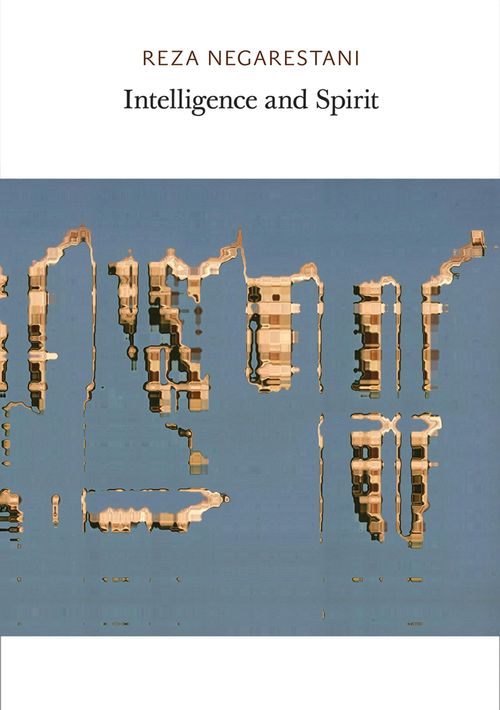
Everybody read this book RIGHT NOW
76
18 Sep 2025
Generative genomics takes off. Next steps will be greater and greater
17 Sep 2025

Many of the most complex and useful functions in biology emerge at the scale of whole genomes.
Today, we share our preprint “Generative design of novel bacteriophages with genome language models”, where we validate the first, functional AI-generated genomes 🧵
71
Jacopo Pasqualini retweeted

3 Sep 2025
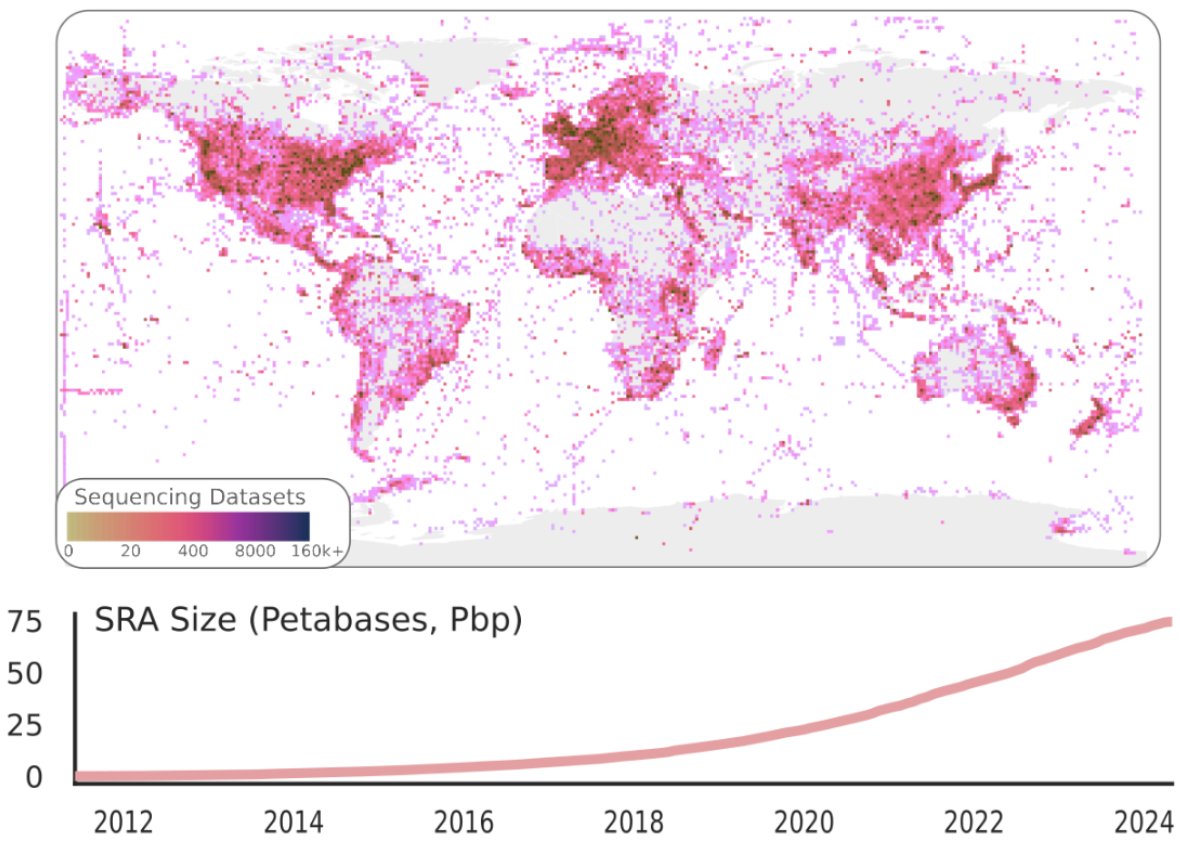
🌎👩🔬 For 15 years biology has accumulated petabytes (million gigabytes) of🧬DNA sequencing data🧬 from the far reaches of our planet.🦠🍄🌵
Logan now democratizes efficient access to the world’s most comprehensive genetics dataset. Free and open.
doi.org/10.1101/2024.07.30.6…
5
147
378
66,981

#HBD to arXiv!🎈
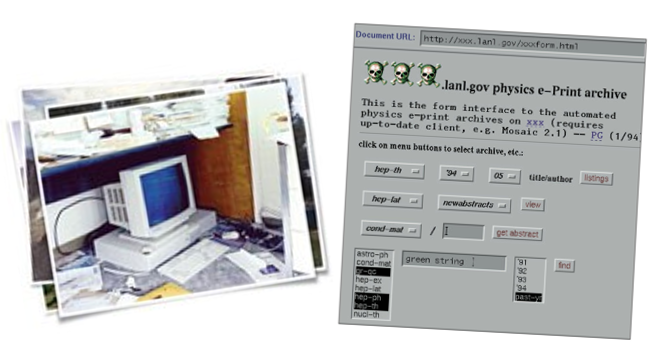
On August 14, 1991, the very first paper was submitted to arXiv. That's 34 years of sharing research quickly, freely & openly!
Some baby pictures to show how far we've come . . . when we were just a computer under desk . . . & in our 1994 punk phase . . . 👶💾
15
174
752
33,059
Jacopo Pasqualini retweeted

21 Jul 2025
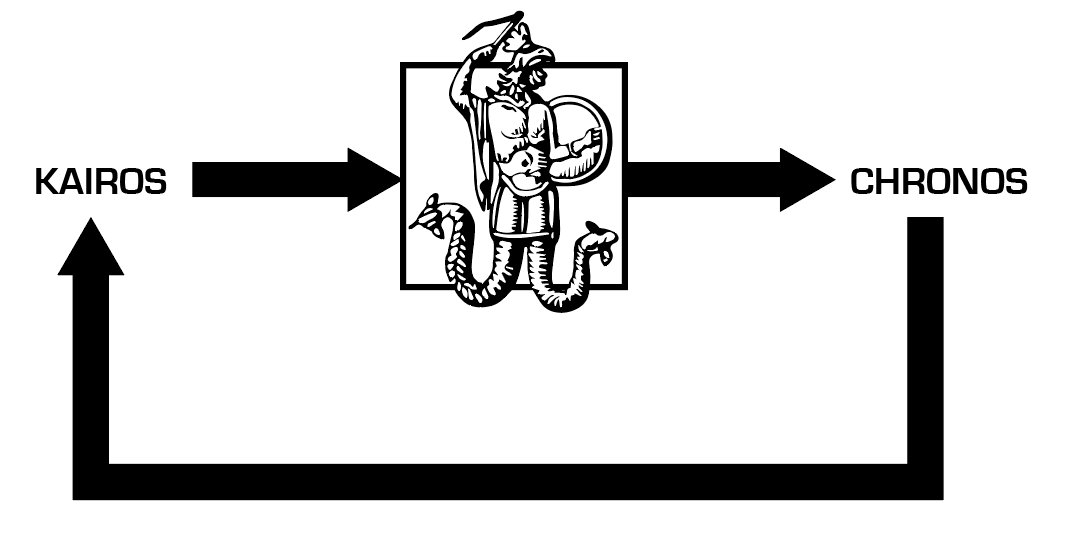
Input-Controller-Output
5
94
1,014
63,398
Jacopo Pasqualini retweeted

30 Jun 2025
all models want to do is talk to each other. alphafold wants to talk to borzoi. borzoi wants to talk to evo. evo wants to talk to gemini 2.5 pro. gemini 2.5 pro wants to talk to bioemu. they do NOT want to talk to a human. they will if they are forced to but will not enjoy it
2
7
61
5,096
Jacopo Pasqualini retweeted

29 May 2025
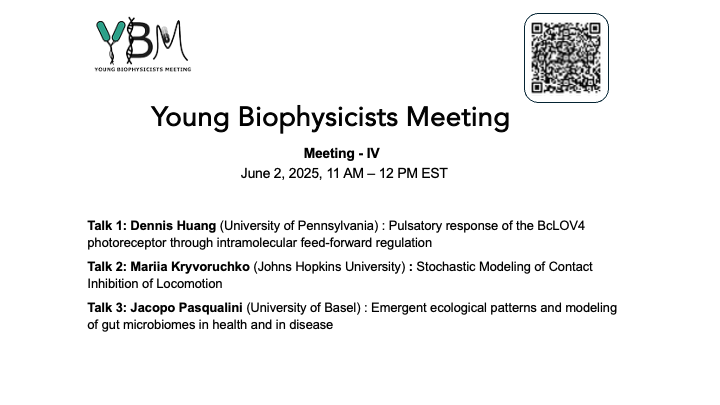
We have three exciting talks lined up for the Fourth Young Biophysicists Meeting. See you all soon on the coming Monday (June 2) at 11am!
Mark your calendar🗓️: shorturl.at/choBf
Find out moreℹ️:shorturl.at/4oKNe
1
3
10
2,212
Jacopo Pasqualini retweeted

30 Apr 2025
(1/11) Genomics databases, like the SRA, host tons of data. But data access is challenging, driven largely by tooling. Below is a brief history on genomics data access. 🧵
29 Apr 2025

Extracting @NCBI SRA files with fasterq-dump can require 17x the size of the accession while decompressing. Our new tool xsra extracts sequences at 5x throughput with significantly less disk usage, built-in compression, and optional BINSEQ outputs
github.com/arcInstitute/xsra
1
31
141
26,439
Jacopo Pasqualini retweeted

28 Mar 2025
Working with an interdisciplinary team, we have developed a website to communicate how the White House's proposed cuts to health research would cause losses of $16B and 68,500 jobs.
Find out how your community may be impacted.
Explore more at SCIMaP: scienceimpacts.org
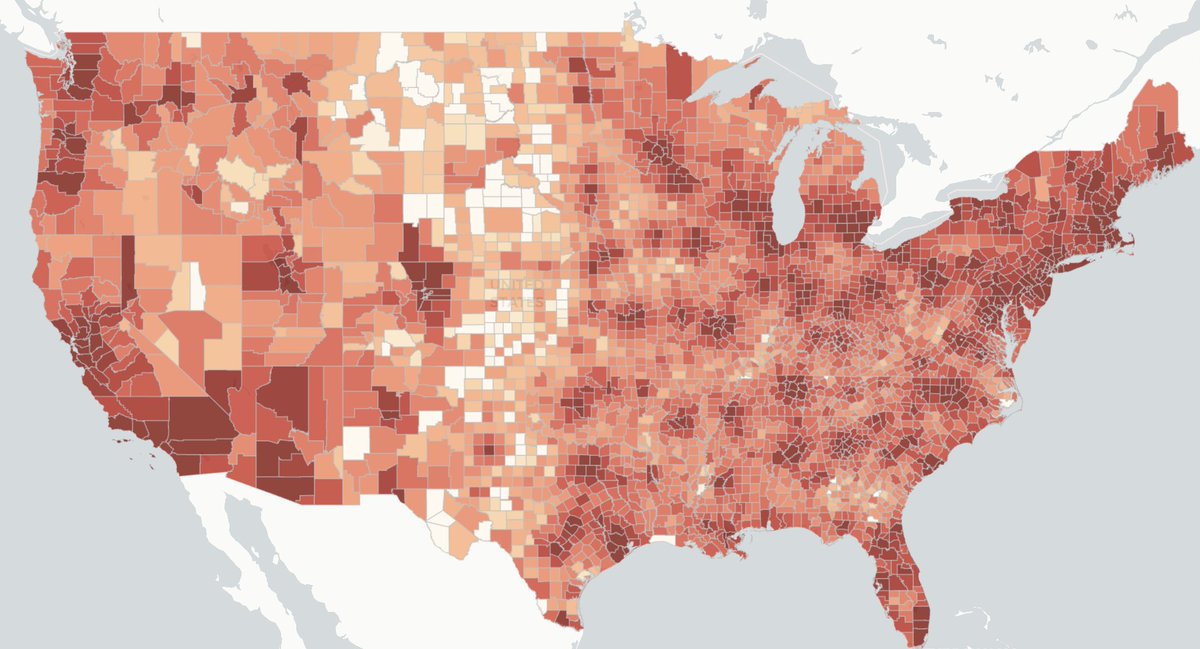
ALT US map via scienceimpacts.org showing economic loss via WH imposed cuts of IDC to 15% as part of Feb 7 executive order.
22
276
446
90,585

Jacopo Pasqualini retweeted

10 Mar 2025
🚀 New research alert! 🚀
Led by @jack_bjo @gnicoletti09 @dbusiello1, our latest work in Physical Review Letters (journals.aps.org/prl/abstrac…) reveals how excitation-inhibition balance tunes the timescale of information coding in neuronal populations! 🧠🔬
9 Mar 2025

#Balanced excitatory and inhibitory neuron activity is crucial for optimal brain #InformationProcessing, enhancing encoding efficiency and stability, according to recent findings in neuroscience. @physrevlett doi.org/g87h5w phys.org/news/2025-03-optima…
5
8
631
Jacopo Pasqualini retweeted

"Les Houches lectures on Theoretical Ecology: High-dimensional models and extreme events" (by Ada Altieri): arxiv.org/abs/2503.02792
Note: Lectures given at Les Houches Summer School "Theory of Large Deviations and Applications" (July 2024)
1
15
57
2,368