
Christian, Husband, Father - Go Jags
Joined May 2011
- Tweets 2,084
- Following 954
- Followers 332
- Likes 35,951
24 Photos and videos






RT @liz_churchill10: Your husband literally used a cigar as a sex toy on an intern in the Oval Office. Just shut up.
8,771
David Buckley retweeted

Jun 10
Headed back to the private sector at the end of this term, as the Founders intended.
When I ran in 2020 I said I'd only serve 3 terms and my time is up. It's truly been an immense honor and I wouldn't trade it for anything else.
Jun 10

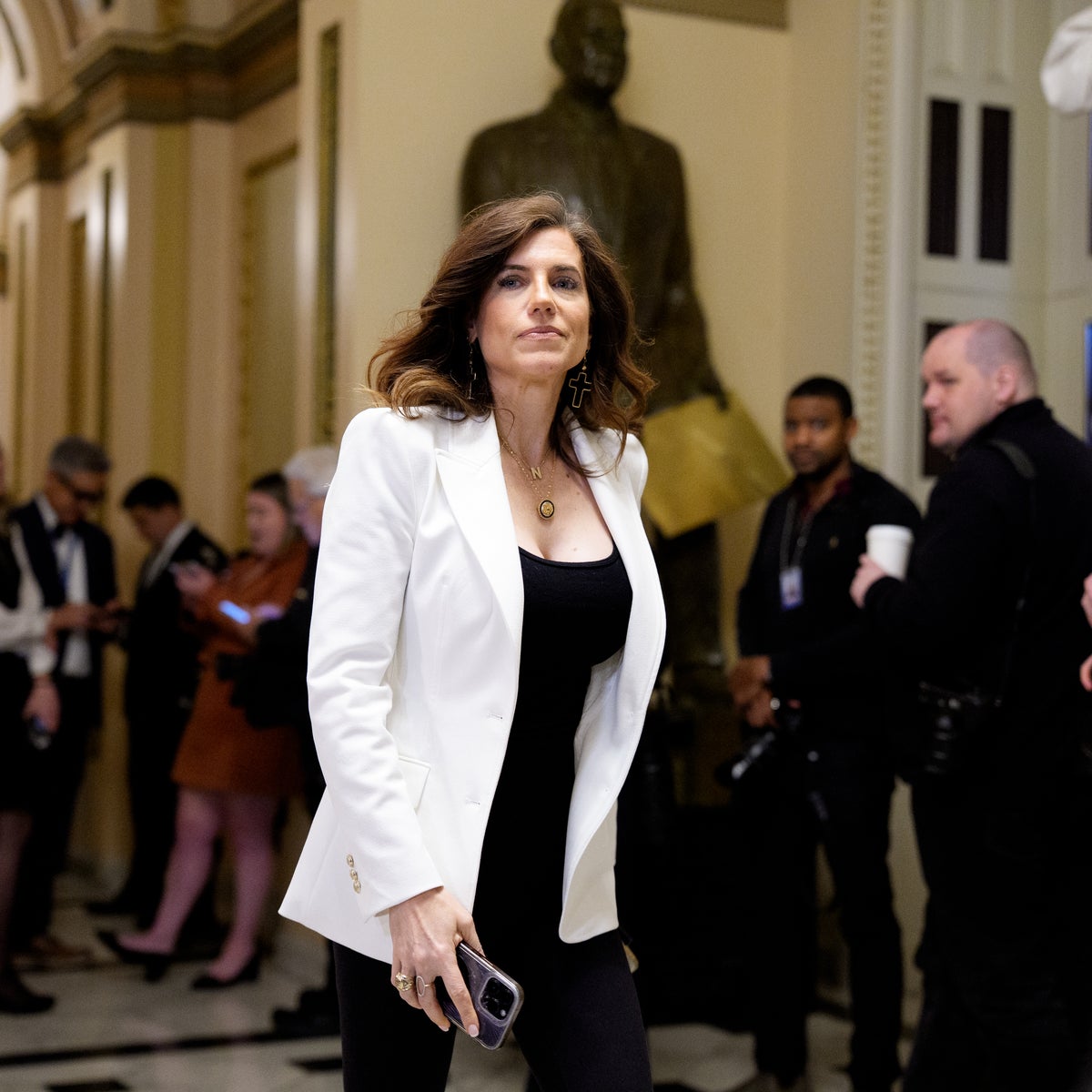
Serving South Carolina has been the greatest honor of my life. Every vote I cast, every hearing I called, every fight I picked — it was always for you.
I’ve seen what happens when good people stay quiet. And I’ve seen what happens when they don’t. I would choose the latter every single time.
I’ve taken on the rich and powerful in both parties because I stand with the people of South Carolina!
I am literally willing to get on a plane to evacuate you from a war zone - I’ve done that too.
I voted to release the Epstein files and lost some support for that.
As a survivor, I chose to stand on principle and stand against the Epstein cover-up. I chose to expose the names hidden in the sexual harassment slush fund. I chose to expose DEI judges. I chose to expose the abusers of children.
And apparently, I chose wrong if the goal was winning an election.
I'm at peace with that. Because when a candidate is OK with corruption and cover-ups - something is broken. That's not a political opinion. That's a moral emergency.
I will always be grateful for the people of South Carolina who trusted me, fought with me, and refused to look the other way. This isn't the end of the fight. It's just the end of this chapter.
I will be forever grateful for the opportunity to serve my fellow country man and serve the greatest state in the nation, South Carolina.
2,767
721
11,758
2,048,637
David Buckley retweeted

🚨 I’m a Black man, a proud conservative, and a follower of Jesus Christ.
When I see protesters outside the Collin County Courthouse chanting “FUCK WHITE LIVES!” after Karmelo Anthony’s sentencing for murdering Austin Metcalf, my soul grieves.
This isn’t justice. This isn’t “community.” This is demonic hatred — plain and simple. All lives are made in the image of God. Every single one. Black, White, Brown — doesn’t matter.
Celebrating the loss of any innocent life, or cheering on evil because of skin color, is straight from the pit of hell.
And here’s the truth they don’t want you to say out loud: When Black conservatives, Christians, or truth-tellers like me call this out, we get labeled “traitors,” “Uncle Toms,” or “betrayers of the community.”
Let them talk.
I’d rather be disliked by some in my own community than stand before a Holy God and be found guilty of excusing evil, hating my neighbor, or twisting justice for racial points.
My allegiance is to Christ first — not color, not tribe, not political pressure.
“Woe to those who call evil good and good evil…” (Isaiah 5:20)
I choose truth over tribe. Light over darkness. God over man.
Who else is tired of the hate? Drop a 🙏 if you stand for real justice — not skin color.
#AllLivesMatterToGod #FaithOverFear #TruthOverTribe
4,781
16,075
85,904
1,587,973

The level of fraud here is mind-blowing
Jun 8

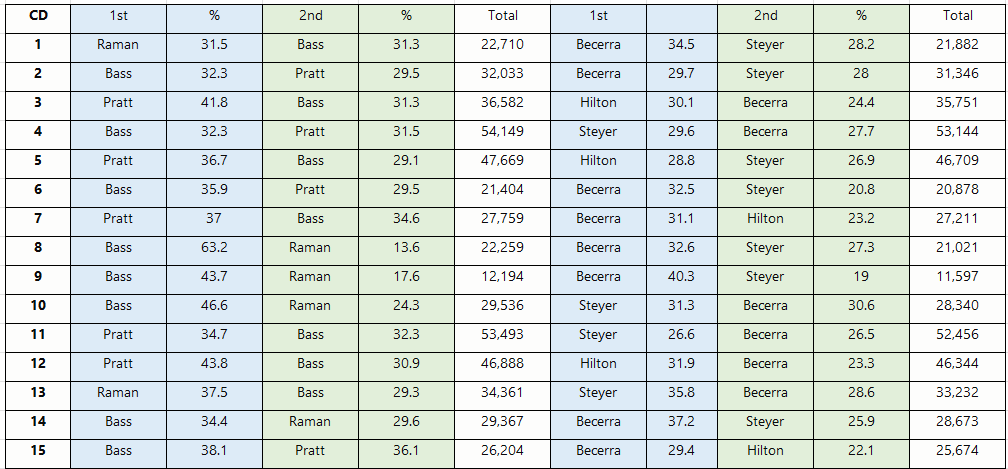
Nithya Raman even LOST her own district (CD-4) to Spencer Pratt and Karan Bass, but you expect us to believe she beat them BOTH by winning 40% of the vote in the rest of the city by mail-in ballots? 🧐
8,866
56,858
241,527
12,014,330

The reason ID is banned in California (and New York) elections is to enable large-scale fraud.
When you combine no ID and mail-in voting, fraud is de facto legalized.
Jun 7

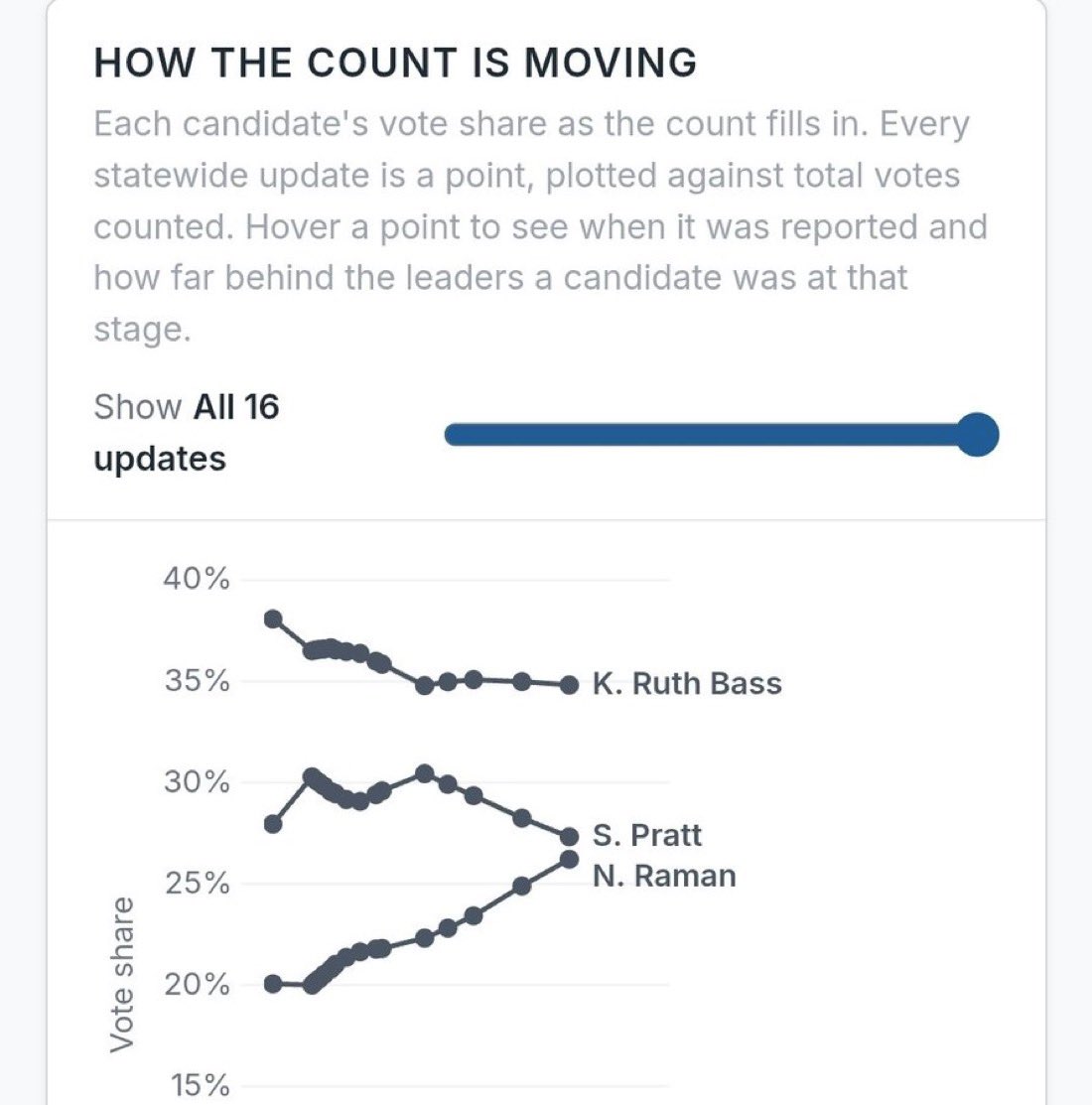
Spencer Pratt is likely going to be overtaken by far left Nithya Raman today. This graph shows the count on Election Day through last night.
Nithya did this by suddenly winning 1st in every new ballot drop.
North Korean "elections" have more self respect. Even they’d find it absurd for 3rd to suddenly jump to 1st place in every ballot drop DAYS after an election. It’s just ludicrous.
11,904
51,846
226,592
8,054,716
David Buckley retweeted

Jun 5
Forget it, Governor. In California this stuff about percentages is a dog and pony show. The media are a part of the charade, of course. It is a 100% certainty that a Democrat will win every major office. Every single time. There is no contest. It is just pure cheating every time.
Jun 5

What a joke! They don’t even know how many ballots are outstanding.
1,240
12,617
49,618
500,854
David Buckley retweeted

Jun 2
SOME THOUGHTS: THE IRAN PATTERN
The ceasefire began on April 8. The understanding appeared straightforward: the U.S. stops striking Iran, and Iran keeps the Strait of Hormuz open.
That never happened.
Instead, the IRGC turned the strait into leverage. Merchant vessels are harassed, shipping is disrupted, and Iran began charging vessels a $2 million "environmental fee" to pass through.
The U.S. response was a naval blockade.
The blockade appears to be hurting Iran. But it is not the same as some of the other options on the table, including directly targeting the regime's infrastructure and economic lifeline.
Now the focus seems to be shifting.
Iran is openly saying that any broader agreement requires protection for Hezbollah, a U.S. designated terrorist org that keeps firing rockets at populated civilian neighborhoods.
At the same time, U.S. appears willing to pressure Israel in that direction in pursuit of a broader regional arrangement.
Looking back, there is a pattern that is difficult not to notice.
When Hamas was under maximum pressure, a deal emerged. A major achievement that brought hostages home, but Hamas remained.
When the IRGC suffered the most severe military setback in its history, a ceasefire followed.
Now Hezbollah is under intense pressure, and suddenly its future is becoming part of the diplomatic conversation.
Maybe that's coincidence.
Maybe it isn't.
What happens next is not hard to imagine.
60 day ceasefire.
The U.S. blockade on Iran is gradually eased.
Hormuz reopens.
IRGC and regime get breathing room.
Hezbollah gets breathing room.
Nuclear talks restart.
Months pass.
Then we find ourselves in a familiar place.
Iran still has its nuclear program.
Iran still has its missiles.
Iran still has its proxy network.
And the regime is still in power.
Meanwhile, the original reason all of this started risks fading into the background (“Help is on the way”)
Potential outcome?
A 60 day ceasefire becomes 6 months.
6 months becomes another round of negotiations.
Another round of negotiations becomes another year.
And eventually we find ourselves right back where we started, except Iran is stronger, Hezbollah has recovered, and the nuclear program has moved even further ahead.
Maybe that's not what happens.
But Tehran has spent 40 years mastering the art of buying time.
Jay
171
343
1,867
126,826
David Buckley retweeted

May 29
We have the strongest military in the world. Yet somehow, we are negotiating with Iranian terrorists instead of using our military might.
It’s sad.
5,605
3,325
19,144
876,222
David Buckley retweeted

May 27
If you only knew how much this Governor has been a perpetual let down for conservatives in South Carolina.
We must find better Republicans.

President Trump needs a Republican Congress to continue pursuing conservative policies that make our nation stronger. I am confident that one day South Carolina’s congressional delegation will be completely Republican. I am disappointed that day has not yet come. With the Senate’s vote today, it is clear that South Carolina will not have a new congressional map for the 2026 election. It is time for South Carolinians to go vote confidently in a safe and secure election for the June 9 primary. And it is time for the General Assembly to return in its extra session to pass a budget for the coming fiscal year. As in all elections, I encourage our citizens to exercise their precious right to vote, especially during this 250th anniversary of the Declaration of Independence.
41
211
946
16,263
David Buckley retweeted

May 25
It was an honor to visit your husband’s grave today on your behalf, and to pay my respects. It was wonderful to see the beautiful flowers representing many others who did the same. Our nation owes a debt of gratitude to those who made the ultimate sacrifice, and to the loved ones they left behind. Thank you for your service and sacrifice @SharrellAnne2 🙏🏽

1,958
11,056
109,702
1,653,628
David Buckley retweeted
May 23
Pete Hegseth:
"The single dumbest phrase in military history was peddled in our Army only a few short years ago: 'Our diversity is our strength.'"
"Diversity is not our strength. Unity is our strength."
81
147
1,148
131,969
David Buckley retweeted
May 23
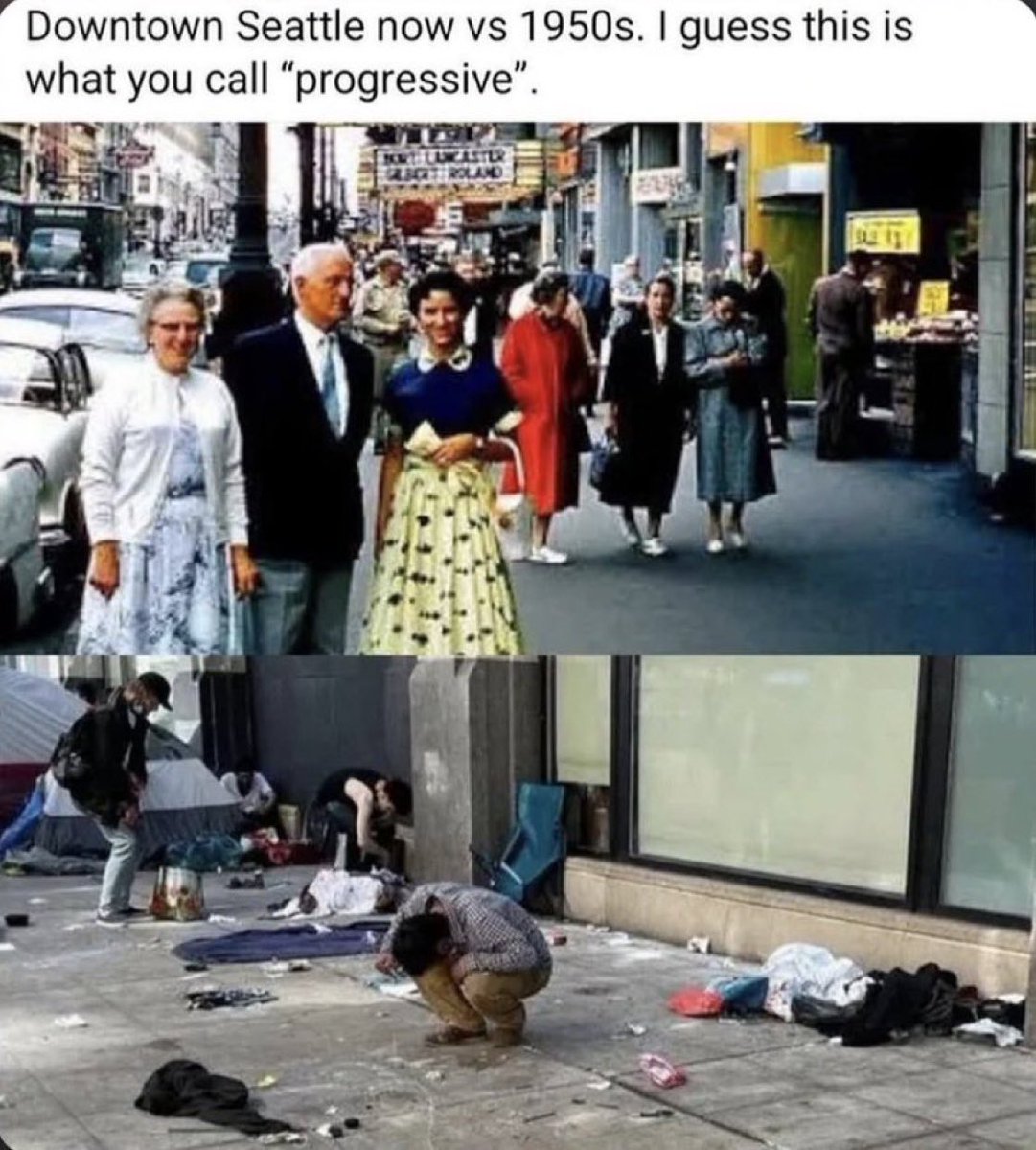
The two disparate views of Seattle pictured below might as well be of every Democrat city in America. It’s probably safe to say that everything wrong with America emanates from the moment Democrats are in power. Their sweeping corruption is the cause of a catastrophic national deficit. Their hatred of capitalism and the nuclear family is the cause of rampant crime. Their communist hatred of single family neighborhoods is the cause of desolate, dystopian shells of once prosperous urban centers. Their open border policies to gain illegal votes have rotted our once civilized culture to tatters.
The glory that was America is flickering into eternal darkness. The Democrat way of life is an open wound in the gut of this once proud nation - it is a cancer and it is a curse.
We are standing on the edge of an abyss, and the winds are howling from the darkness below.
1,164
9,219
22,076
209,434
David Buckley retweeted

May 23
🚨 NOW: Incredible moment as SecWar Pete Hegseth walks out at WEST POINT and drops this amazing line to the graduates
"Then I heard the voice of the Lord saying, Whom shall I send? And who will go for us? And I said, Here I am. Send me!" 🙏🏻
America is a Christian nation! 🇺🇸
1,265
9,634
50,328
2,505,062
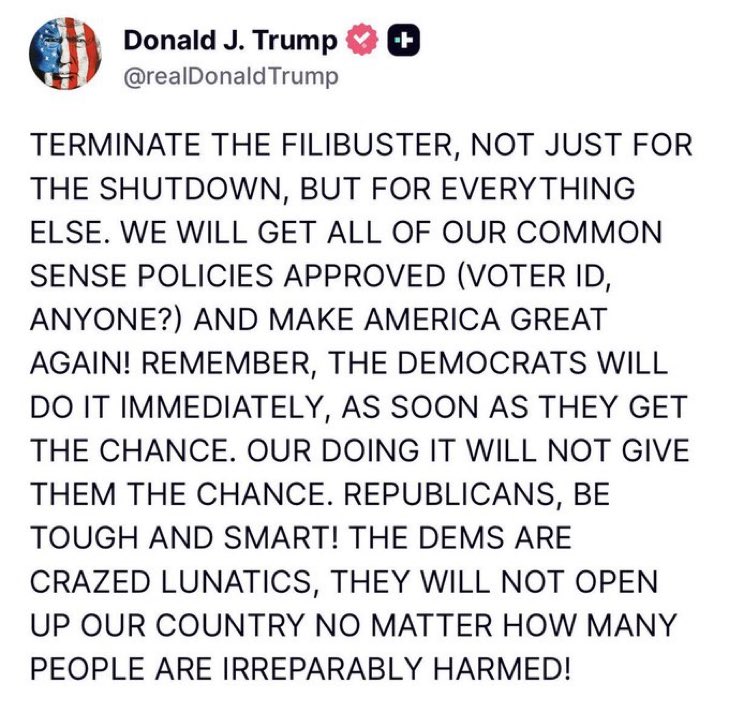
Passing voter ID has to be done to save America.
If not done, the radical left will immediately end the filibuster when they regain power and pass no voter ID nationally, LIKE THEY ALREADY TRIED TO DO.
If not for Manchin and Sinema, they would have succeeded.

🚨 HEY @LeaderJohnThune, TERMINATE THE FILIBUSTER AND DO YOUR JOB!
7,252
48,903
187,863
7,264,421
David Buckley retweeted
May 23
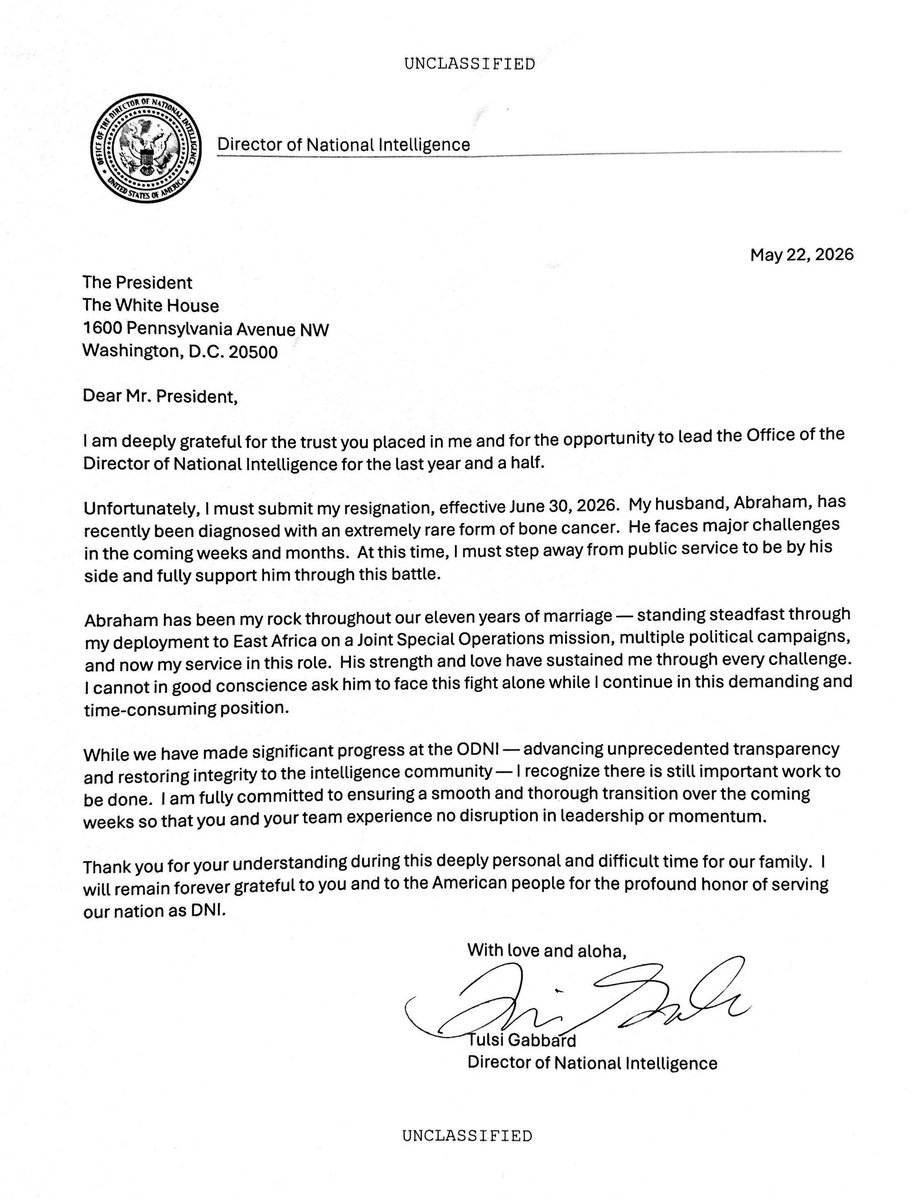
This is truly upsetting news. No surprise that Director Gabbard would put her loved one first in her priorities. She is not only an exceptional American, but an extraordinary woman and wife. It is a great loss for us as Americans, but we support her and pray for them both.
May 22

I am deeply grateful for the trust President Trump placed in me and for the opportunity to lead @ODNIgov for the last year and a half.
Unfortunately, I must submit my resignation, effective June 30, 2026. My husband, Abraham, has recently been diagnosed with an extremely rare form of bone cancer. He faces major challenges in the coming weeks and months. At this time, I must step away from public service to be by his side and fully support him through this battle.
2,013
7,581
58,788
1,209,577
David Buckley retweeted
May 22
It’s worse—
Reddy’s campaign consultant is ALSO consultant for the senators killing redistricting!
No wonder he is silent on the issue.
x.com/lawyerreformed/status/…
May 22

Shane Massey (Donehue)
Chip Campsen (Donehue)
Sean Bennett (Donehue)
David Pascoe (Donehue)
Rom Reddy (Donehue)
Seeing a clear pattern: Wesley Donehue’s inner circle keeps lining up against the Trump agenda in South Carolina.
• Defying Trump on mid-decade redistricting to protect Jim Clyburn’s seat
• Long-time consultant work shielding establishment senators
• Running a former Biden-endorsing Democrat for AG
• DOGE SC turning into grift over real reform
South Carolina MAGA is waking up. Time to drain the swamp. 🇺🇸
11
50
116
11,119
David Buckley retweeted
May 20
You are the most treacherous and truly worthless Republican leader in the history of the party. You even make Paul Ryan look like a plausible Republican, and there could be no lower bar.
Stop talking. You’re embarrassing yourself.

500 days ago, Republicans had a long to-do list.
We’ve checked a lot of things off, but we still have more to do.
And we’re not about to take our foot off the gas.
4,942
27,035
95,938
3,512,225
Fair expectations
May 19

Does it make you “far right” to want:
- vetted immigration
- no digital ID
- lower taxes
- no two-tier policing
- free speech
- pedophiles out of office
- lower cost of living
MSM and politicians will call these ladies far right. Does this sound far right to you or just right?
5,132
42,163
279,891
25,874,694
David Buckley retweeted

May 19
Zohran Mamdani is exactly who Ronald Reagan was warning you about.
129
829
10,063
64,632