
Founder @gethypernuclear. Previously led engineering @webflow @clickup. Building abundantly useful tools so fun and beautiful they feel criminal.
Joined June 2008
- Tweets 10,252
- Following 1,537
- Followers 12,006
- Likes 19,996
132 Photos and videos









Leonard Souza retweeted

23 Nov 2025
🌍 @webflow is hiring across 🇦🇷 Argentina, 🇨🇦 Canada, 🇩🇪 Germany, 🇮🇪 Ireland, 🇬🇧 United Kingdom & 🇺🇸 United States.
50 open roles! 🙌 We’re looking for talent in Software Engineering, Infrastructure, Product Design, Data Science and more. 🚀 Join us: webflow.com/careers
2
6
41
3,859
Leonard Souza retweeted

2 Sep 2025
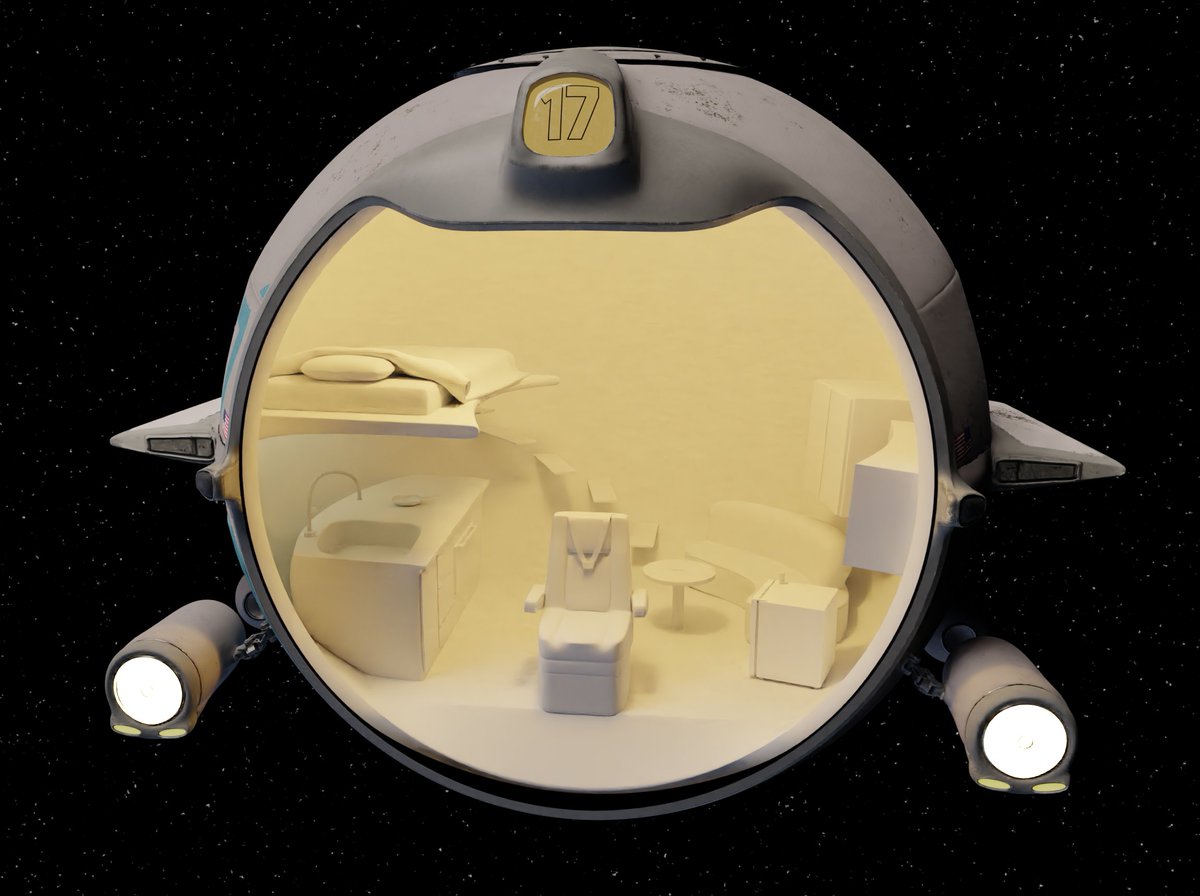
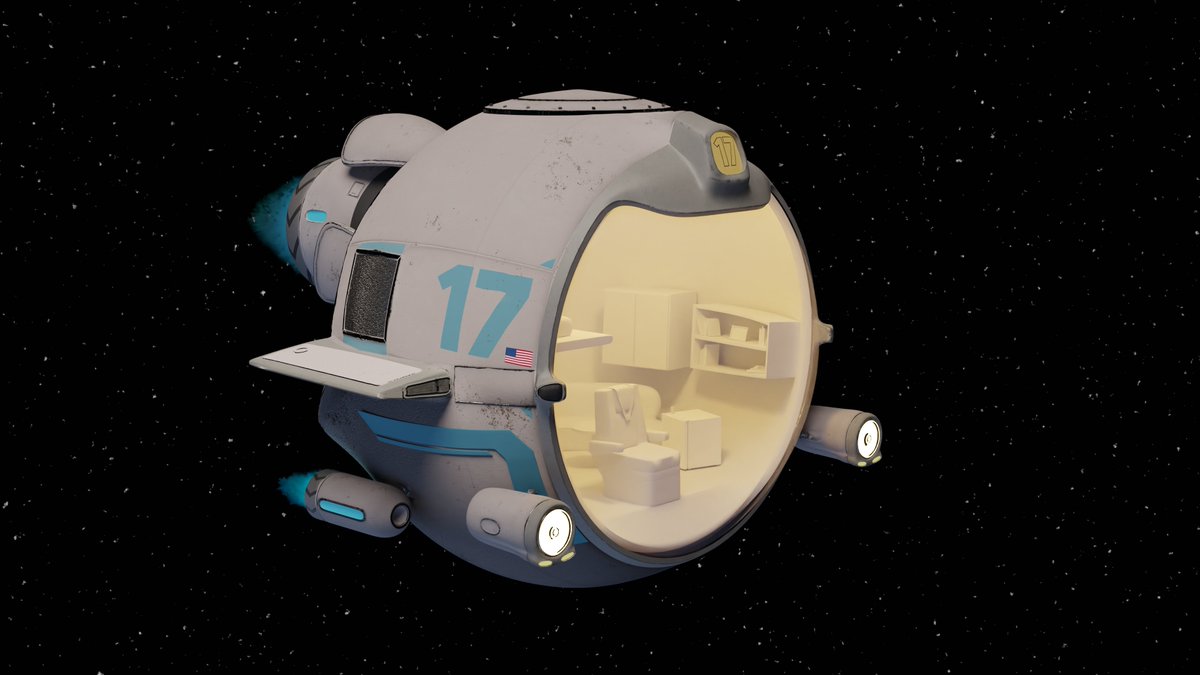
orbital study
14
114
967
24,563
Leonard Souza retweeted

12 Jan 2025
As somebody who has gone back and forth with this, you really only need like two weeks replacing screen time with reading to get your attention span back
You’re not permanently fucked and resetting is easier than you think. Put down your phone and pick up a book.
229
11,476
121,646
2,448,444

16 Nov 2023
ClickUp 3.0: Dawn of a New Productivity Era, the Everything App clickup.com/blog/v3-now-avai… via @clickup
1
6
1,087
Leonard Souza retweeted

29 Oct 2023
As an ex-Viv (w/ Siri team) eng, let me help ease everyone's future trauma as well with the Fundamentals of Assisted Intelligence.
Make no mistake, OpenAI is building a new kind of computer, beyond just an LLM for a middleware / frontend. Key parts they'll need to pull it off:
Persistent User Preferences:
- The biggest unlock of assistants has always been to deeply understand what someone wants in the most specific way.
- This is the "wow" moment where computers stop being scary and start feeling truly helpful.
- We did this in 2016 on Viv (youtu.be/Rblb3sptgpQ) when our AI knew what you liked for each and every service you used via Viv and mixed that in with context like what kind of flowers you told us your mom liked.
- This will need to include access to your personal information to infer preference as well.
External, Real-time Data:
- 50% of the utility of an LLM comes from the base training and RLHF fine-tuning; but much more comes from extending its available data with external sources.
- Zapier, Airbyte and others will help, but expect deep integration with 3rd party apps / data pipelines.
- "Chat w/ PDF" is a tiny, tiny part of this. If you're only building that, think much bigger.
Actual Computing on a Virtual Machines:
- Context windows are limiting, so AI providers will continue benefiting from running tasks directly on a Python or Node/Deno virtual env so it can consume huge amounts of data just like a computer today can.
- Today these are short-lived envs used by Data Analyst / Julius, but over time they'll become a new type of Dropbox where your data is persisted long term for additional processing or cross-file inference / insights.
Agent Task / Flow Planning:
- Planning can't function without intent. Understanding intent has always been a holy grail, and LLMs finally helped us unlock what we spent years approximating at Viv with NLP tricks.
- Once intent is accurate, planning can start. Creating an agent planner is incredibly nuanced and will take significant integration with user preferences, 3rd party data sets, knowledge of compute capabilities, etc.
- The bulk of the real magic of Viv was the dynamic planner / mixer that would pull all these data and APIs together and generate both a workflow AND dynamic UI on top of them for a normal consumer to execute.
An App Store of Experts:
- Apple initially made the mistake of building a closed app store; then realized they could monetize a cornucopia of creativity if they opened it.
- Regardless of OpenAI saying they're focused on ChatGPT and only ChatGPT, it's inevitable they'll rescope it and enable a long tail of specialized assistants.
- Builders will be able to compose multiple tools together into workflows that can specialize
- And AIs over time will be able to auto-compose these tools together as well, learning from the builders that came before them.
Persistent, Contextual Memory:
- Embeddings are helpful, but they are missing fundamental parts like context switching, conversational centroids, summarization, enrichment, etc.
- Most of the cost of LLMs today comes from prompts, but as history and persistence is embedded and the inference cached, this will unlock the ability to have long term memory with pointers to critical subjects, topics, feelings, tone, etc.
- Core memory is just the beginning. We still need all the rich information our minds conjure when we think about a past sunset, a breakup, a scientific understanding, or sensitive context for people we interact with.
Long Polling Tasks:
- "Agent" is a loaded word, but part of the intent is to have tasks that can be scheduled and self-completing regardless of the time horizon required.
- E.g. "Let me know when flights from Montréal to Hawaii are less than $500"
- This will require coordination of compute across API providers, as well as virtual envs in the cloud.
Dynamic UI:
- Chat is not the final, end-all interface. There's a reason apps have affordances like buttons, date pickers, images. It simplifies, clarifies.
- AI will be a copilot, but to be a copilot it'll need to adjust to what works best for a given user. The future is personalized as optimizations require it, so UI will be dynamic.
API & Tool Composition:
- Expect AIs to generate custom "apps" in the future where we can build our own workflows and compose together APIs, without waiting for a big startup to do so.
- Fewer apps and startups will be needed to generate frontends, and AI will be better at composing an array of tools and APIs together coupled with a gas fee / tax.
Assistant-to-Assistant Interaction:
- There will be countless assistants in the future, with each assisting humans and other assistants towards some greater intent.
- Alongside this, assistants will need to learn to interface across text, APIs, file systems, and other modalities used both by agents / startups and humans as integration flows deeper into our world.
Plugin / Tool Stores:
- Specialized assistants can only be made possible by composing tools, APIs, prompts, data, preferences, and much more.
- The current plugin store is super early days, so expect much more work to come, and expect many of those plugins to be rolled in-house as they become more mission critical.
And this is just a 10 minute brain dump; much, much more is needed behind the scenes including internet search and scraping, community (for intent, building, RLHF, etc), dynamic API generators and connectors, gas fees, tool builders, ingestion via glasses / earbuds / etc. If you think it's too late to be in AI, just know the above is about 25% of what it'll actually take, with much more to come as we iterate and get even more creative.
We're in the early days of building parts of this at @FastlaneAI but with a different understanding: OpenAI will never be the best at everything. So we want to let you use the best AIs in the world, regardless of who builds them (that could be you!). Come join the fun!

I don’t know why there is any surprise.
Here’s OpenAI’s product strategy for the next 2 years:
- you will be able to upload anything to ChatGPT
- you will be able to link any external service like Gmail, Slack
- ChatGPT will have persistent memory, no more multiple chats unless you want it
- ChatGPT will have a consistent, user customizable personality including political bias
- ChatGPT will be able to respond by text, voice, images (diagrams and video still ?? In this timeframe)
- ChatGPT will become much much faster until you feel it’s a real person (>50ms response time)
- Hallucinations and non factual errors will decline rapidly
- as self moderation improves, question rejection will decline
40
170
764
392,766
Leonard Souza retweeted

26 Oct 2023
To everyone in the Webflow community: please help promote this amazing new Webflow Masterclass by @ransegall and the @FluxAcademyHQ team.
I've had SO many people tell me that taking this course has changed their life, helped them to make a living, and formed lasting friendships!
24 Oct 2023

Ready to take your #Webflow skills to the next level? Our new and improved Webflow Masterclass 4.0 is live!
Enroll now and save 30%: bit.ly/3QtxMOF
Explore 16 hours of all-new content, 3 client-ready project websites, 1:1 mentoring guidance, and lifetime access to the course.

4
16
126
17,822

Introducing the ChatGPT app for iOS! We’re live in the US and will expand to additional countries in the coming weeks. Android is next! openai.com/blog/introducing-…
1,021
2,762
13,533
4,646,456
Leonard Souza retweeted

2 Apr 2023
Probably the best thing you'll see today.
In 2017, a group of developers hilariously competed for who could create worst volume control interface in the world.
The results 🧵
1/22
1,387
40,894
165,921
22,861,835
Leonard Souza retweeted

5 Mar 2023
Build From Your Strengths and Weaknesses
When your sole focus is on money, you will burn out.
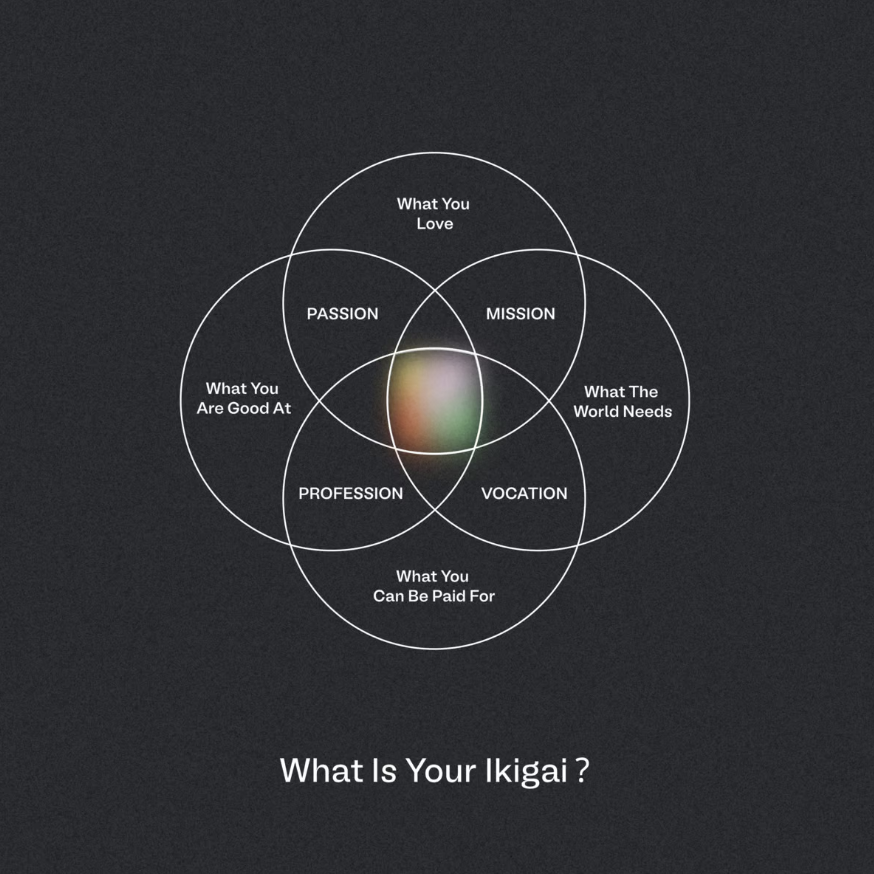
Focus on your strengths and passions by finding your Ikigai.
Ikigai = your reason for being
The thing that gets you up in the morning.
Steal the one below and fill it out:
5
51
535
99,086
Leonard Souza retweeted

17 Feb 2023
#geometrynodes simulation nodes.
I put the file in my Gumroad
blenderesse.gumroad.com/
Remember to use the simulation nodes branch of 3.5. I put the link in the description.
Also put some simple setting to play around.
Have a nice weekend. #b3d
22
194
1,789
159,424
Leonard Souza retweeted

11 Feb 2023
ChatGPT is all the rave.
But what does GPT actually mean?
Here’s a quick breakdown so you don’t get left behind:
89
653
2,803
855,446
18 Jan 2023
This is 🔥
If you haven't tried it, try it! Takes like 10 secs to create an entire website from your linktree 🚀
1
8
916
Leonard Souza retweeted

5 Jan 2023
Today is my 32nd birthday.
Over the last month, I asked several 90-year-olds what advice they would give to their 32-year-old selves.
Here's the life advice everyone needs to hear:
1,880
23,628
108,795
20,975,361
Leonard Souza retweeted

28 Dec 2022
In 2022 I learned hundreds of useful concepts that improved my understanding of the world.
Here are the 10 best:
133
2,322
10,200
2,095,184
Leonard Souza retweeted

20 Nov 2022
Problem: In React, it's often tricky to hunt down the component that's rendering a piece of UI.
Solution: LocatorJS (A Chrome plugin)
I've been using it for the last week. It's 🔥.
59
469
3,530
Leonard Souza retweeted

8 Nov 2022
In the last 8 weeks Iran’s regime has killed over 300 protestors, imprisoned nearly 15,000, and threatened to execute hundreds more, yet Iran’s women persist. Today female university students removed their forced hejab and chant, “I am a free woman.” x.com/1500tasvir/status/1589…
297
4,366
11,845

3 Nov 2022
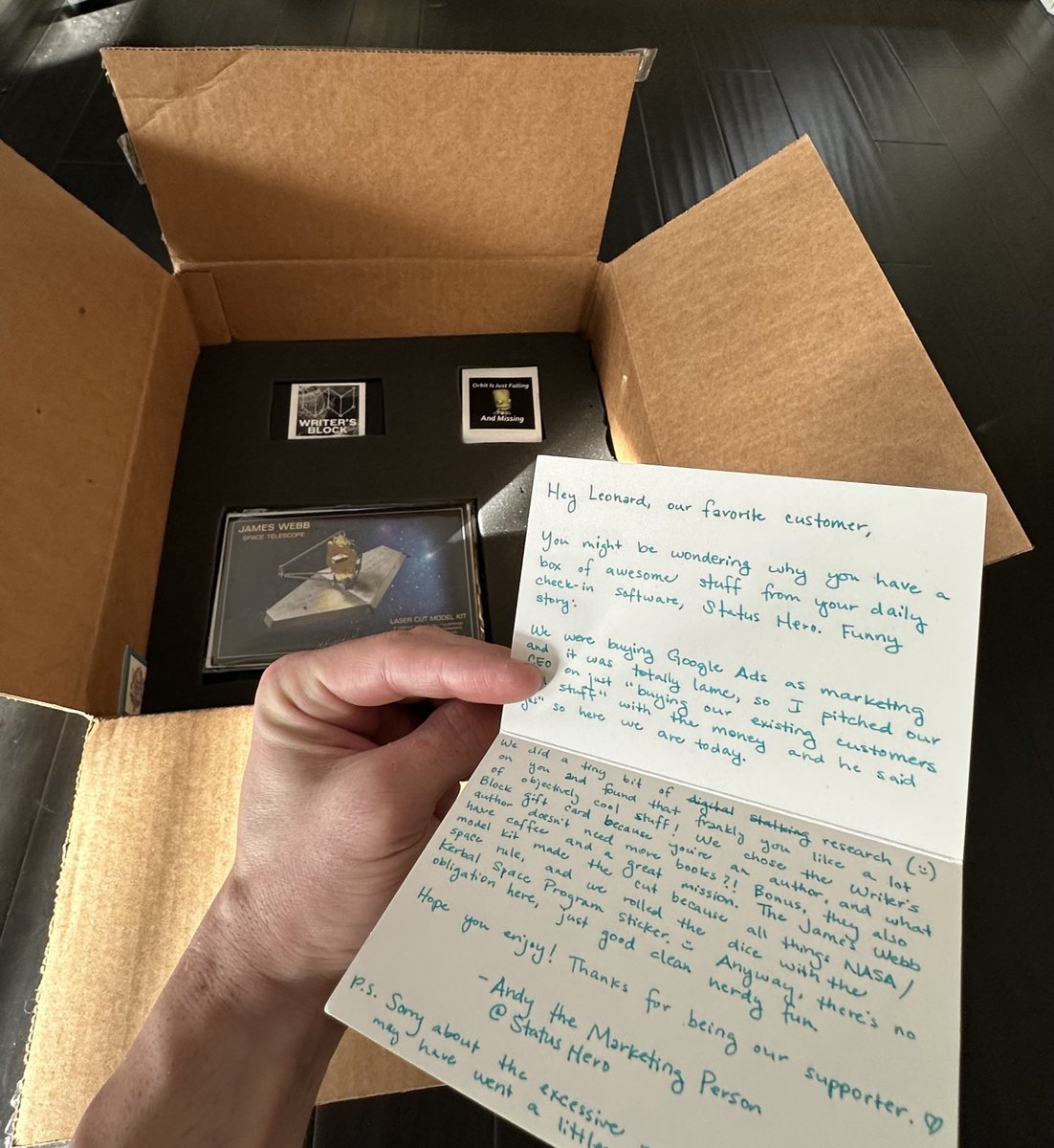
I received an email from @statushero about a month ago asking if they could send me a gift and promised me "not a bogus t-shirt or yet another branded Yeti mug." I, of course, said yes and provided Andy with my address. Then this package arrived today.
2
8
Leonard Souza retweeted

27 Sep 2022
The U.S. government made an anti-fascism film in 1943 — and it’s still disturbingly relevant today
227
4,580
9,105