2 time Winter Deaflympics. Love Innovation, MakerSpace and Social Entrepreneurship. All my tweets don't represent anyone.
Joined December 2009
- Tweets 13,564
- Following 1,548
- Followers 780
- Likes 91,926
1,769 Photos and videos







keith doane retweeted
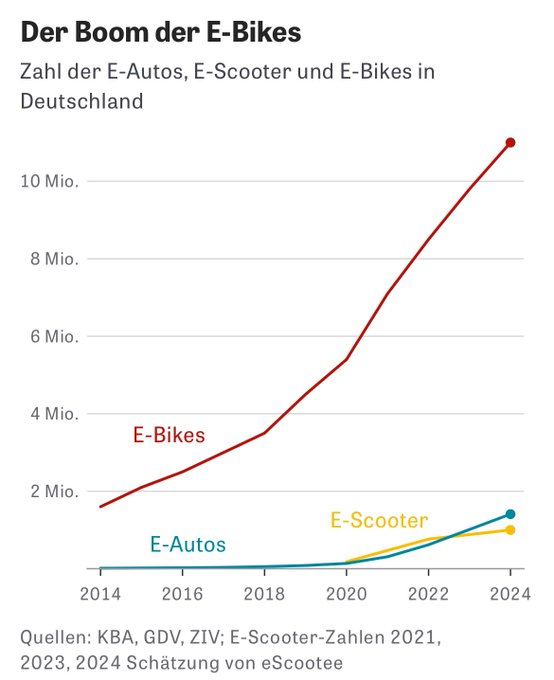
E-bikes continue to see explosive growth. It's hard to overestimate the positive impact they'll have on human flourishing.
14
58
863
keith doane retweeted

Jun 11
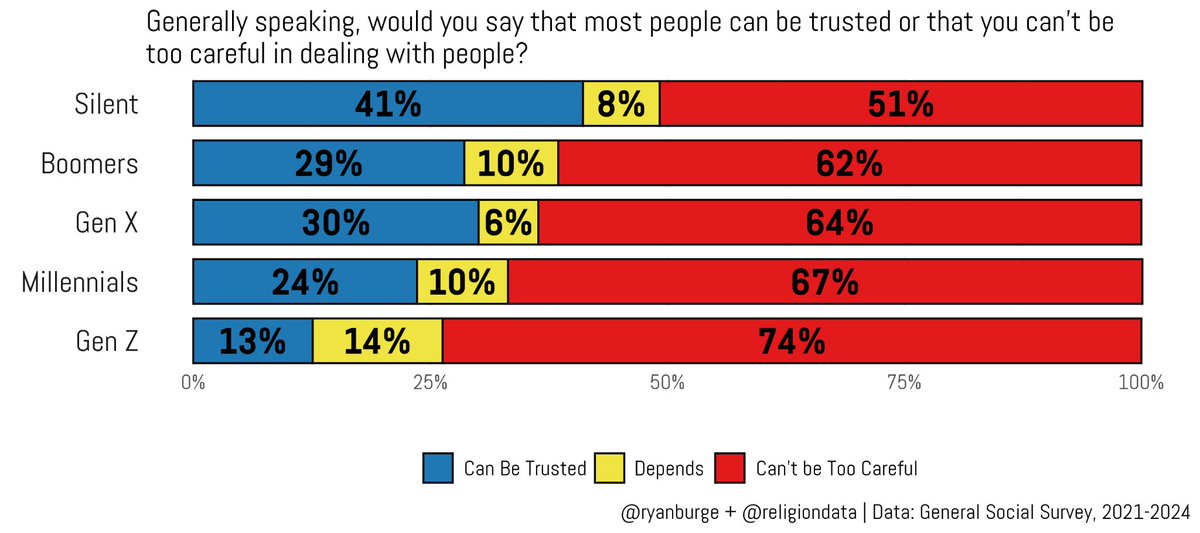
This is a really important story. A primary cause of this distrust is our Scarcity Economy, in which the bottom 75% of our economy are left scraps to fight over, leading people to view their neighbors and peers as competitors, instead of potential collaborators for good.
Jun 11

Generation Z has the lowest levels of interpersonal trust of any generation we've ever polled.
And although the data is time limited, the velocity of their decline in trust already far exceeds any previous generation.
184
114
377
38,297
keith doane retweeted

Jun 10
Donald Trump's policies are accelerating Social Security’s insolvency.
Here’s a common-sense solution:
My bill would fund Social Security for the next 75 YEARS by making the wealthy pay their fair share — and EXPAND benefits at the same time.
It’s time to act.

Social Security is on track to become insolvent by the end of 2032, putting benefits at risk of a 22% cut. cbsn.ws/4umfAHh
3,105
2,413
6,472
229,498
keith doane retweeted

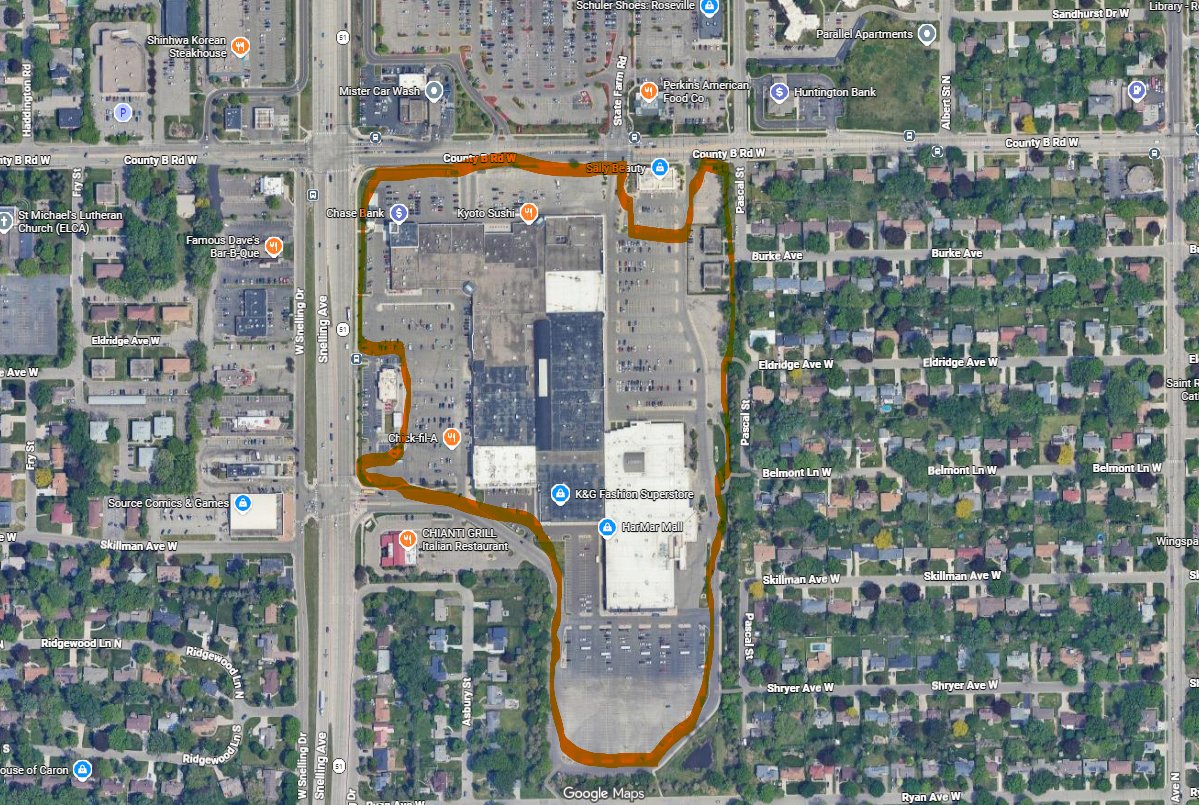
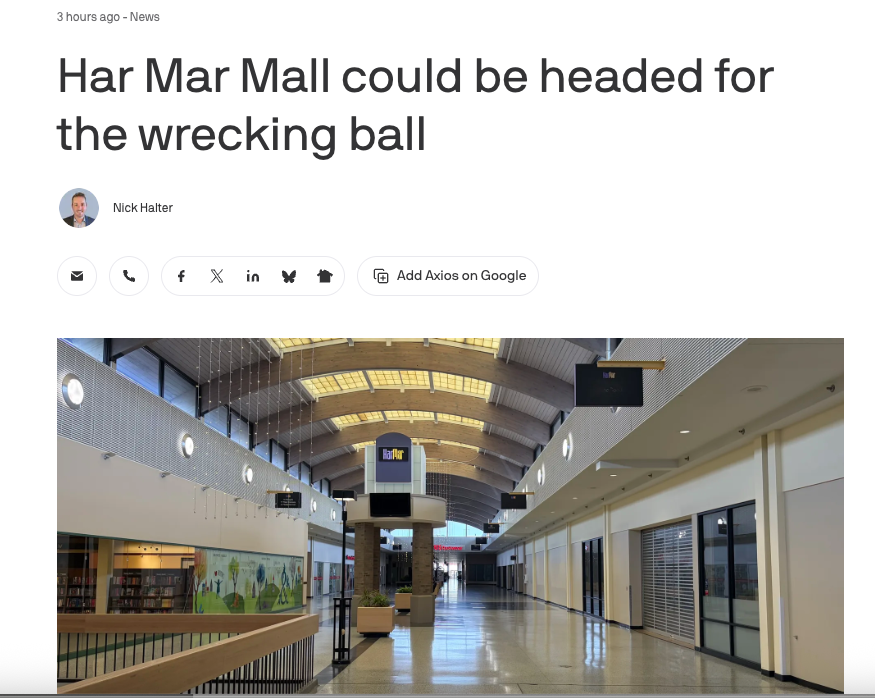
30 acre site next to 3 bus lines, Target #1, and the new consolidated Minnesota State Patrol HQ.
How quickly can we get 300 housing units and a couple hundred jobs on a mixed used residential site?

4
2
39
3,571

Jun 9
Imagine how much we can build up the spaces over the open fields and open air parking spaces along the University Ave and downtowns of @CityMinneapolis @SaintPaulPED
Come on!!!

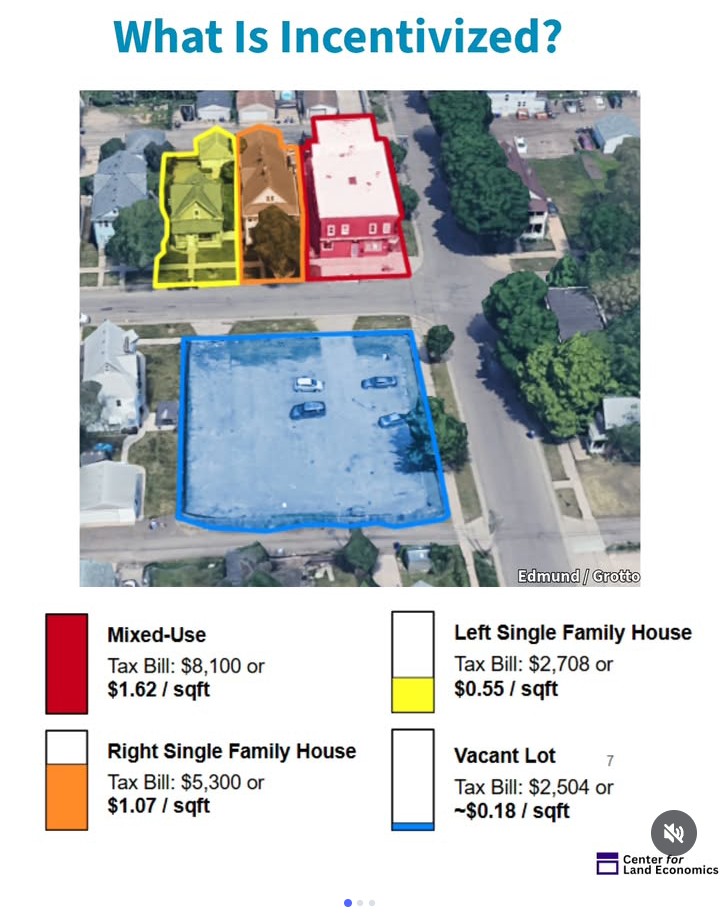
Why are there so many vacant lots in your city?
Because they're cheaper to hold than developed property.
40
keith doane retweeted

Jun 9
E-bikes are delivering culture change. You love to see it! 😎
Jun 9

I ride to my daughter's 20 miles each way and work 10 miles each way with anywhere from 5-15 mph winds. I wouldn't be able to do that on a non eBike
1
9
88
2,572
keith doane retweeted

Jun 9
Things the recovery industry will not tell you:
1. The drug worked. That is why people use it. Not weakness. Not moral failure.
A neurological event so complete and persuasive that any honest account of addiction has to start there.
The problem is not that the drug fails. The problem is that what it does is unrepeatable, and you will burn your entire life to the ground trying to get back to a place that no longer exists.
2. Shame is not guilt. Guilt says I did something bad. Shame says I am something bad. Guilt is appropriate. Shame is a cell with no windows. Most people use the words interchangeably. That mistake is lethal.
3. You cannot shame someone who has already named the thing you are holding over them. Say it first. Say it in plain light. The weapon drops.
4. Guilt can coexist with self-respect. Shame cannot. You can hold the damage and the dignity at the same time. I know because I live there.
5. Radical honesty does not give you back who you were. It hands you the clean slate of who you always wanted to be. The mask comes off. The cartoon other people drew of you stays on the page.
6. Nobody gets clean on a winning streak.
7. You have to be almost self-delusional in your forgiveness of yourself. (Go watch Chase Hughes)
8. The greatest sin was not the chaos. It was the absence. Being unavailable to the people who needed you.
9. Sustainable recovery starts with one thing: honesty with yourself. If you love an addict and want to help, that is the only door in.
10. I am only an expert on my recovery. Nobody is an expert on anyone else’s.
1,398
4,596
37,062
2,393,992
Jun 9
Great question! A lot of comments under this post do not realize how much services/programs local govt has been providing to the community. A lot of people are taking it for granted.
Cut taxes to save the waste spending- sure!Then don’t complain on cutting services or projects.
Jun 8

Question:
Could a property tax cut actually increase your tax bill?
It sounds counterintuitive, but cities and counties across Florida are already discussing how they would replace lost revenue if this amendment passes.
One option: non-ad valorem assessments.
These are charges that appear on your tax bill but generally are not reduced by homestead exemptions.
Fire protection.
Stormwater.
Road maintenance.
Special districts.
The services don’t disappear because the property tax revenue does.
The bills still have to be paid.
That’s why local governments may shift more costs to assessments and fees that aren’t affected by the exemption.
So here’s the question:
If your property taxes go down by $1,500, but your assessments and fees increase by $1,800, did you get a tax cut?
1
27

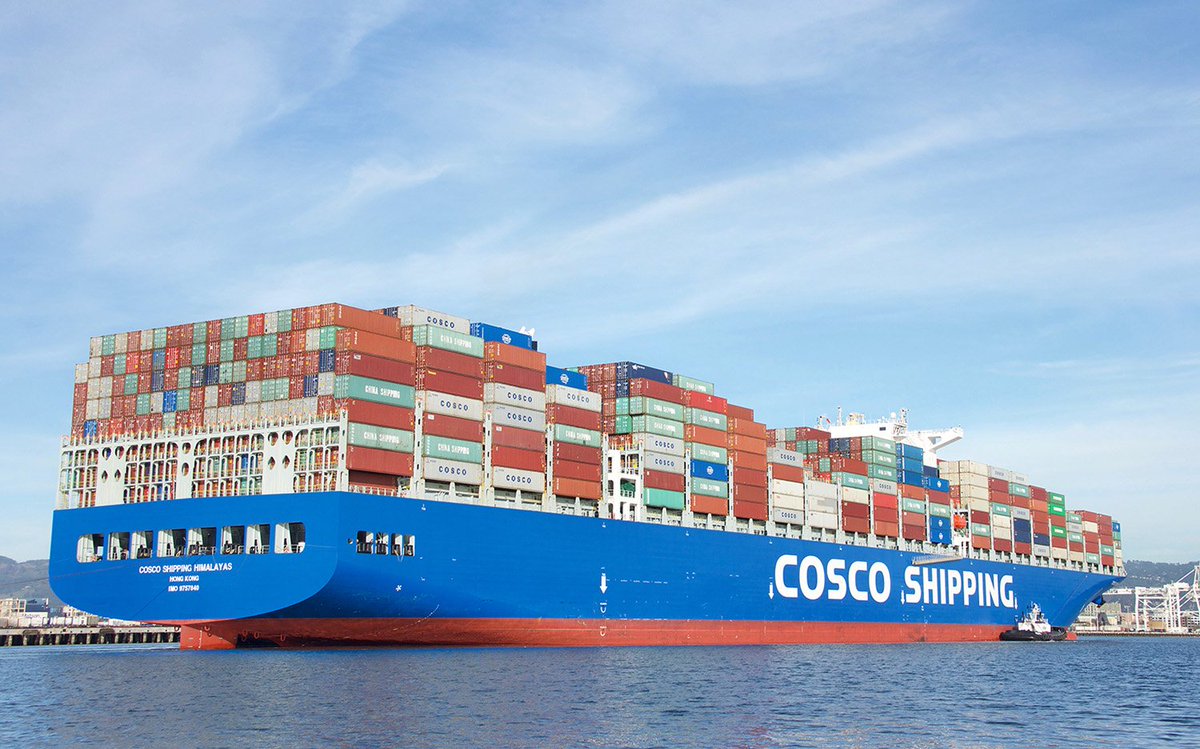
The Jones Act of 1920 turned American shipping into a protected welfare case, and the results speak for themselves: a once-dominant maritime industry now controls less than 1% of global shipping. US citizens get to pay the price every time they buy anything that moves by water.
This century-old protectionist monument requires that all cargo moved between U.S. ports travel on ships that are American-built, American-owned, American-crewed, and American-flagged. Sounds patriotic until you realize American shipyards charge three to five times what Korean or Japanese yards charge for identical vessels. The law forces shippers to use the maritime equivalent of a gold-plated taxi for a cross-town trip.
Consider Hawaii, where this regulatory straitjacket inflates the cost of everything from gasoline to groceries by an estimated 15-20%. Puerto Rico faces similar punishment. A South Korean container ship can deliver goods from Los Angeles to Tokyo cheaper than an American ship can move the same cargo from Los Angeles to Honolulu. The economics are so perverse that it costs less to ship goods from the West Coast to Asia and back than to move them to Alaska.
The predictable happened. American shipping companies either fled to foreign flags or died. In 1950, U.S.-flagged ships carried 27% of American trade. Today that figure hovers around 2%. Meanwhile, the "protected" domestic fleet shrunk from over 2,000 vessels in the 1960s to roughly 175 today. Government protection consistently produces the opposite of its stated aim.
Free market economists have watched this slow-motion industrial suicide for decades while politicians claim they're "protecting American workers." The Jones Act protects about 95,000 maritime jobs while imposing billions in additional costs on 330 million Americans. That math works splendidly if you're a maritime union boss or a politician buying votes with other people's money.
12
99
266
13,717
Jun 9
Cannot emphasize this enough!
Jun 9

This national study investigates the feasibility of narrowing vehicle lanes as the easiest and most cost-effective way to accommodate better sidewalk and bike lane facilities within the existing roadway infrastructure. The study asks whether, and to what extent, we can narrow existing vehicle lanes (for different road classifications) without adversely impacting traffic safety.
narrowlanes.americanhealth.j…
26
keith doane retweeted

“Americans prefer the suburbs since that’s where the majority choose to live.”
Is analogous to:
“Americans prefer car dealerships since that’s where the majority buy new cars.”
Revealed preference arguments break down when consumer choices are constrained or distorted.
62
32
374
23,936
keith doane retweeted
Jun 8
If for just one day, every person had to strictly follow the exact same road rules, it wouldn't even last the full day. Streets would be dramatically safer, but it wouldn't last because Car Brain* takes over:
"It's dangerous to slow down when the light turns yellow."
"Speed limits are arbitrary."
"It's safer to drive faster because other people are driving faster."
"Stopping for people in crosswalks is dangerous because you might get rear-ended."
etc.
*Car Brain is what leads people to commit and/or justify antisocial behavior involving a car -- even behavior they would otherwise condemn.

Agreed and also if cyclists don’t stop at reds, there should be a $300 fine as well.
5
6
99
5,687
keith doane retweeted

A few facts about bikes and DC:
🚲 60 new miles of bike lanes since 2015
🚲123 total miles of bike lanes, 35% are protected
🚲2nd graders learn how to ride a bike in DCPS
🚲Nearly doubled the # of Capital Bikeshare stations over the past decade
Happy World Bicycle Day, DC!
18
13
139
16,302
keith doane retweeted
Jun 2
The people driving benefit greatly from bike infrastructure. Imagine how clogged the street would be if all those people on bikes were in cars instead.
21
60
369
12,066
keith doane retweeted

May 31
⏱️ Rooftop View for 5 minutes Today at Portland & Wellington Diverter:
~🚶♀️100 pedestrians
~ 🚲 35 people on bikes
~ 🚗 30 cars
Only 3-days after installation of the new Bikeway 82% of trips are now much safer! #toPoli #bikeTO #visionZeroTO
25
43
387
24,077
keith doane retweeted
May 31
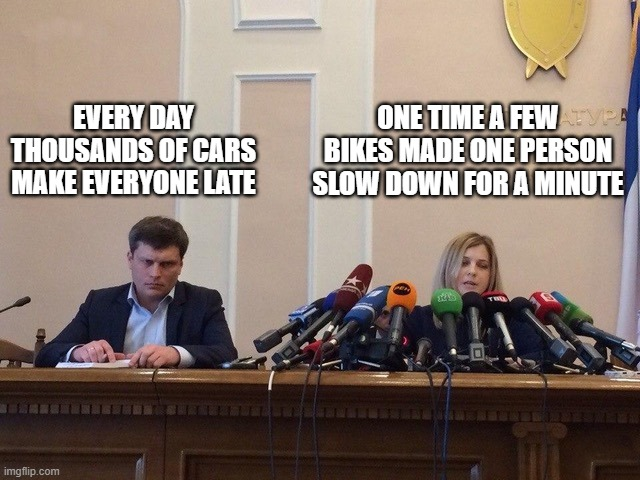
The transportation stuff that gets media attention 🤦♂️
4
51
588
4,876
keith doane retweeted

Trump says “quiet piggy” to a woman and everyone on the right laughs.
Bald Steven miller gets called ugly and it’s an outrage?
812
4,668
43,211
439,098
keith doane retweeted

May 28
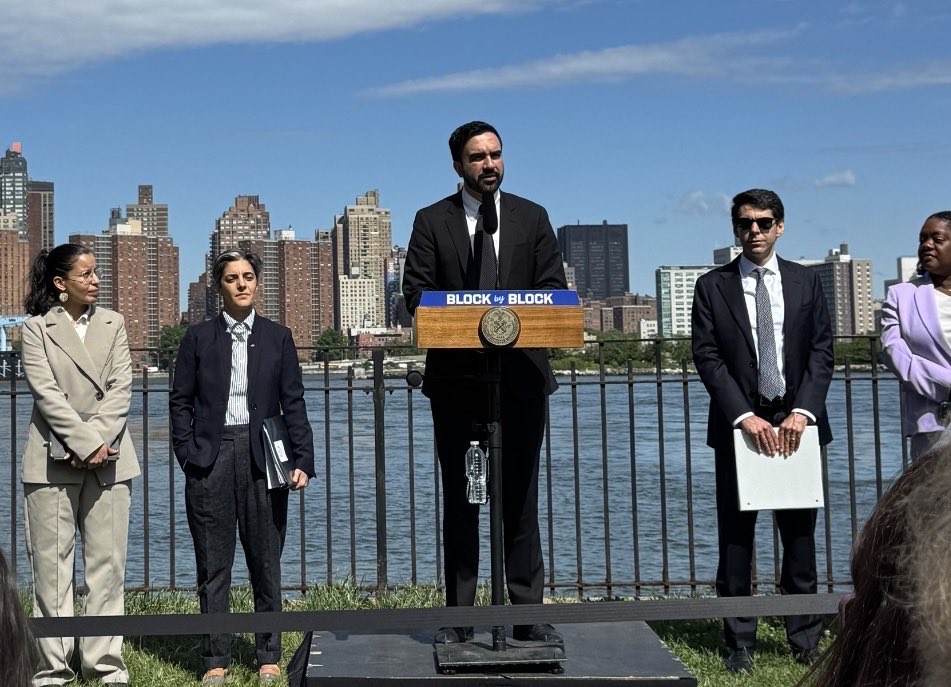
Zohran just cited Minneapolis, Austin, and Auckland as cities that lowered housing costs via upzoning
certified ball knowledge, Auckland is a deep YIMBY cut
76
429
7,961
982,445
keith doane retweeted

May 25
Lovely summer day in America’s greatest city (Minneapolis)
86
31
609
19,151
May 22
chatgpt.com/share/6a1075e2-f…
@SaintPaulPED I think we should find a way to innovate and invest in our St Paul Midway industrial park…
28