
Co-Founder/COO of 3D body tracker @shapescale. 💪 Host of 20 Minute Fitness podcast.🎙️Sports nutritionist, fitness tech geek, dad and husband. 🏃👊🔥
Joined February 2009
- Tweets 1,027
- Following 711
- Followers 906
- Likes 23,149
120 Photos and videos








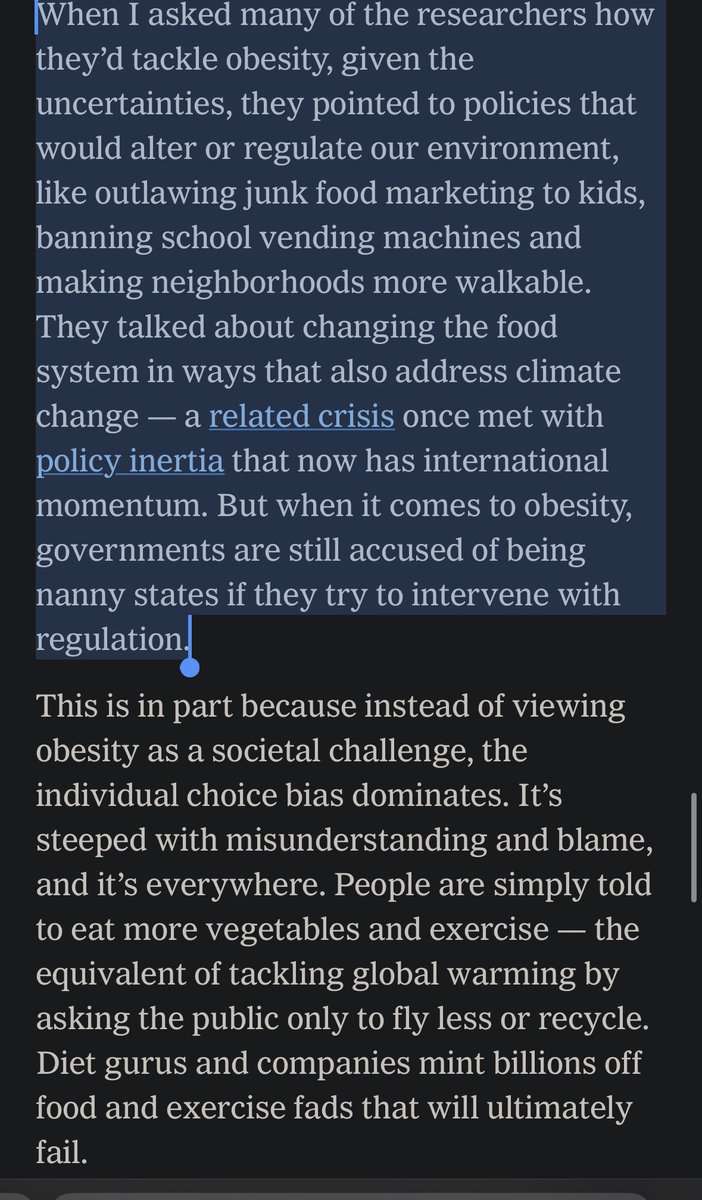
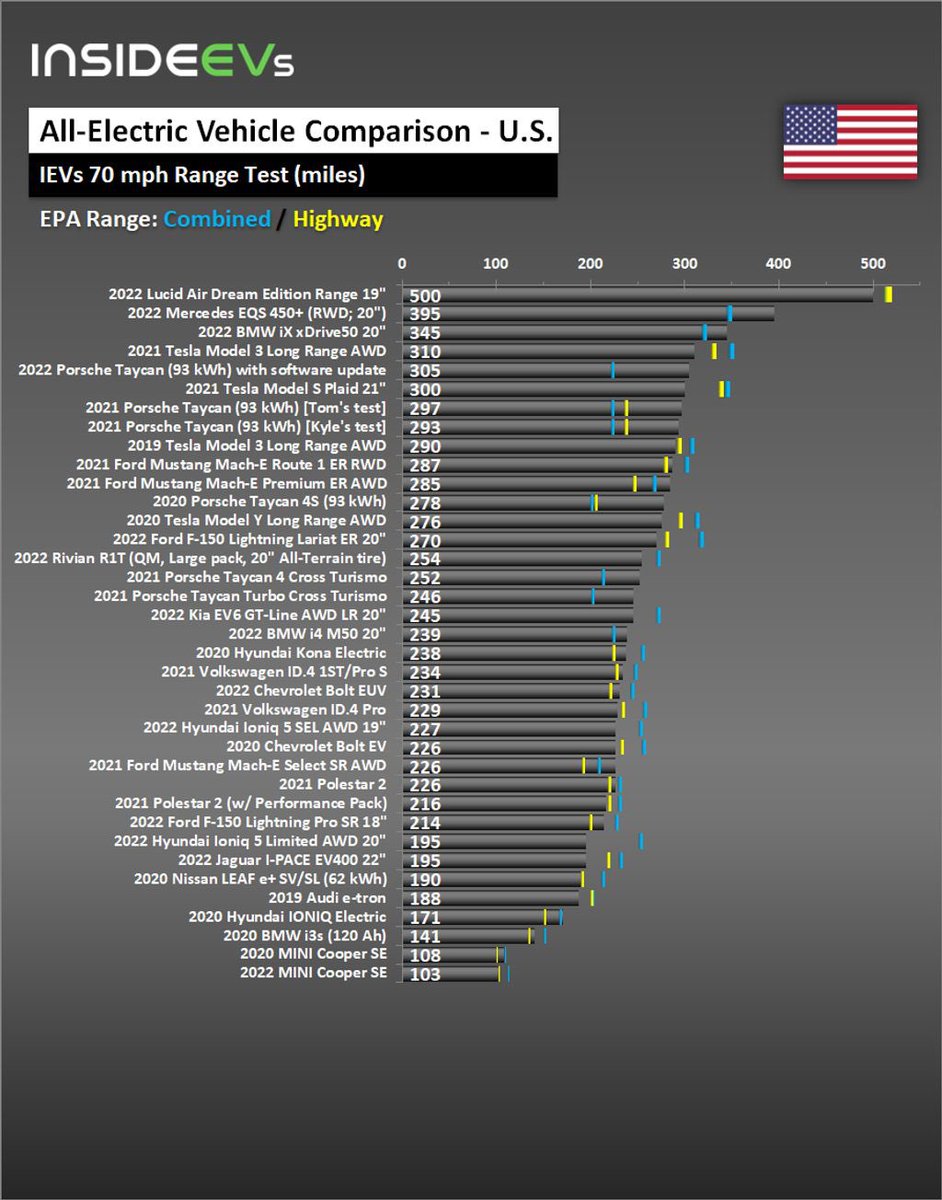
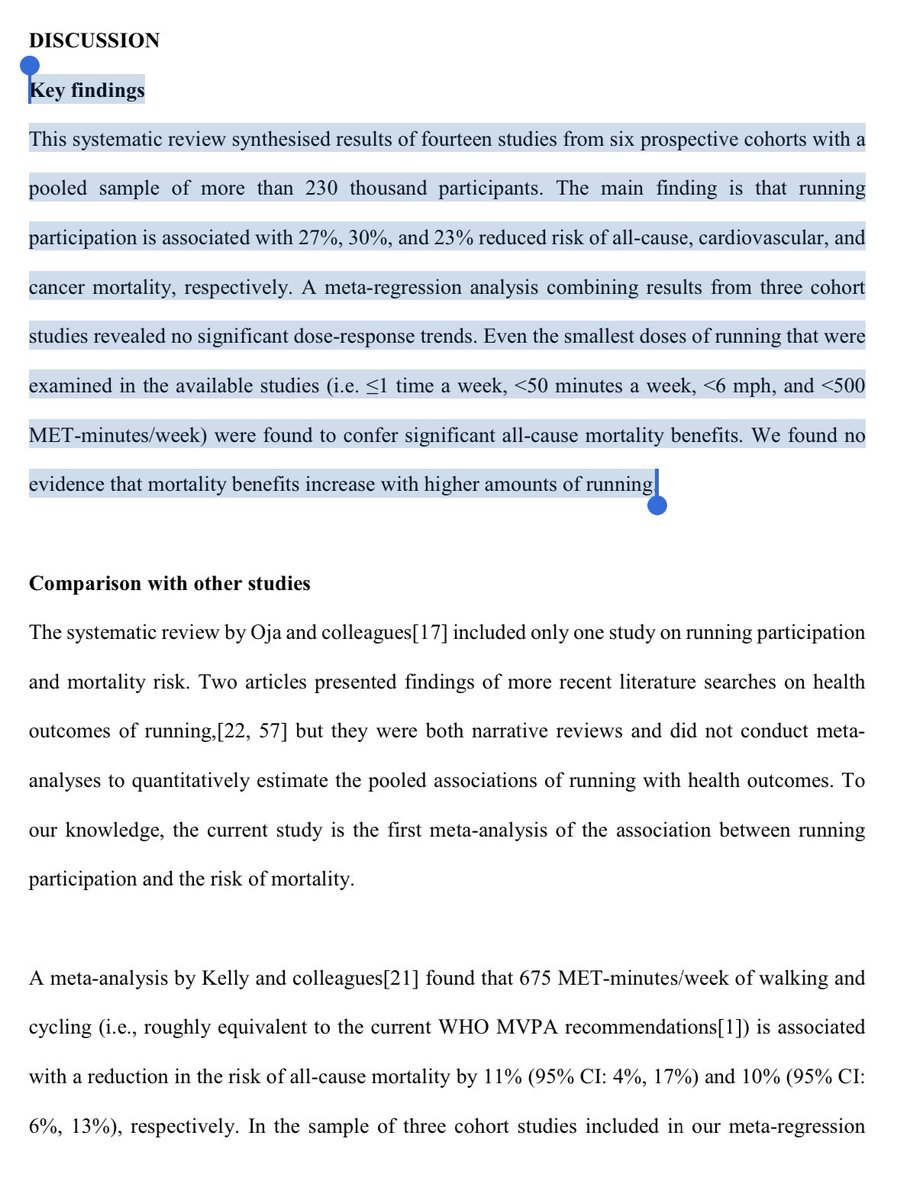
Took the plunge and upgraded from my 32gb m2 max to 128gb m5 max MacBook Pro. So now I can finally run 100 Chrome tabs. 🥲
50
Martin Kessler retweeted

May 31
Counterargument: Artisanal, handcrafted, organic knowledge is like $30 farm-to-table avocado toast—a delicious affectation for the upper [intellectual] class; probably not the way to feed the world.
May 31

I really like this answer.
Lex: If I gave you a superintelligence, what’s the first question you should ask it?
Michael Levin: Well the first thing I would ask is “how much should I even be talking to you?” Because it’s not clear to me at all that getting somebody to tell you an answer in the long run is optimal… in the long run, the process of discovering it yourself, how much of that are we willing to give up? And by getting a final answer, how much have we missed of stuff we might have found along the way?
64
20
419
118,214

May 13
Now we just need native HTML rendering in Telegram.
May 11

This works really well btw, at the end of your query ask your LLM to "structure your response as HTML", then view the generated file in your browser. I've also had some success asking the LLM to present its output as slideshows, etc.
More generally, imo audio is the human-preferred input to AIs but vision (images/animations/video) is the preferred output from them. Around a ~third of our brains are a massively parallel processor dedicated to vision, it is the 10-lane superhighway of information into brain. As AI improves, I think we'll see a progression that takes advantage:
1) raw text (hard/effortful to read)
2) markdown (bold, italic, headings, tables, a bit easier on the eyes) <-- current default
3) HTML (still procedural with underlying code, but a lot more flexibility on the graphics, layout, even interactivity) <-- early but forming new good default
...4,5,6,...
n) interactive neural videos/simulations
Imo the extrapolation (though the technology doesn't exist just yet) ends in some kind of interactive videos generated directly by a diffusion neural net. Many open questions as to how exact/procedural "Software 1.0" artifacts (e.g. interactive simulations) may be woven together with neural artifacts (diffusion grids), but generally something in the direction of the recently viral x.com/zan2434/status/2046982…
There are also improvements necessary and pending at the input. Audio nor text nor video alone are not enough, e.g. I feel a need to point/gesture to things on the screen, similar to all the things you would do with a person physically next to you and your computer screen.
TLDR The input/output mind meld between humans and AIs is ongoing and there is a lot of work to do and significant progress to be made, way before jumping all the way into neuralink-esque BCIs and all that. For what's worth exploring at the current stage, hot tip try ask for HTML.
2
23
Apr 10
Still... the mere fact that you can't help but keep tinkering and putting up with it, despite how clunky it still is, speaks volumes.

I’ve definitely hit this myself
The next phase for this level of agents will be about easy onboarding and security out of the box
1
2
41
Apr 10
It's a lot of work, but keeping her running well is almost like a sport. Feels like maintaining a vintage car.
13
Mar 10
While my attempts at AI automation often feel like they take up more time than it actually saves me, it's also an incredibly addictive experience.
1
1
48
Feb 23
Felt inspired by this list and had my agent create this site: gigafucked-landing.vercel.ap…
Feb 22

gigafucked:
- grammarly
- calendly
- miro
- retool
- webflow
- langchain
- writer
- harvey
- glean
- expedia
- monday
fucked:
- accenture
- intuit
- notion
- jasper
- canva
- alphasense
- postman
- airtable
- talkdesk
- sierra
- zapier
- replit
- solace
probably fucked:
- cursor
- pilot
- clay
- mercor
naively seems fucked but so competent / plugged in they seem to be figuring it out on the fly anyway:
- linear
1
1
194
Martin Kessler retweeted

Jan 22
I wanted to share something I built over the last few weeks: isometric.nyc is a massive isometric pixel art map of NYC, built with nano banana and coding agents.
I didn't write a single line of code.

355
652
7,847
1,479,866
Martin Kessler retweeted

3 Nov 2025
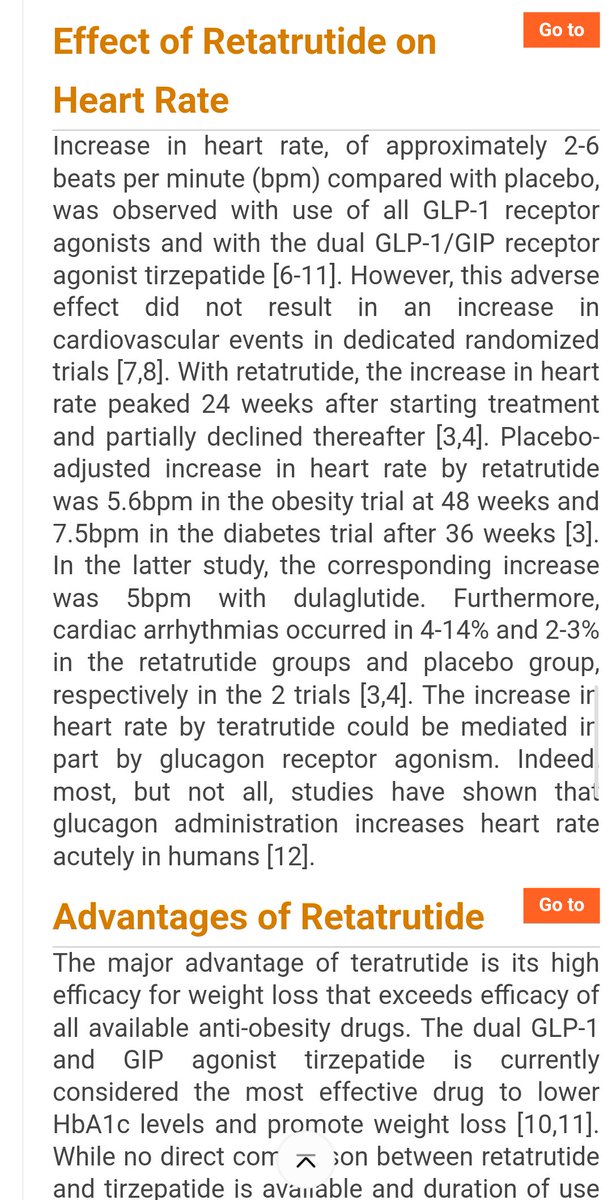
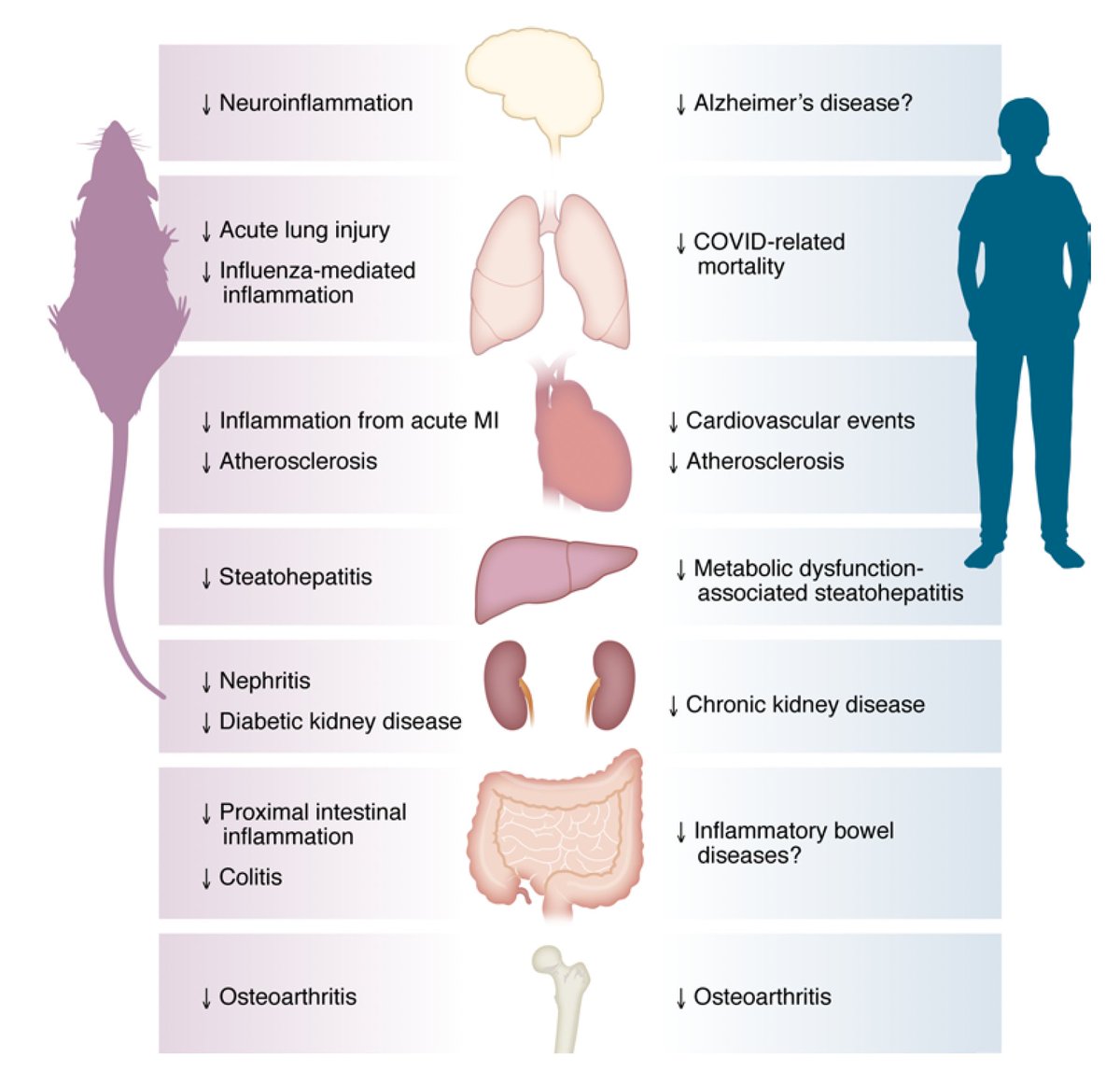
GLP-1 drugs have intrinsic potent anti-inflammatory action beyond their metabolic beneficial impact on glucose regulation and weight loss @DanielJDrucker @jclinicalinvest
jci.org/articles/view/194751
28
206
1,148
96,961
Martin Kessler retweeted

30 Oct 2025
Neat!
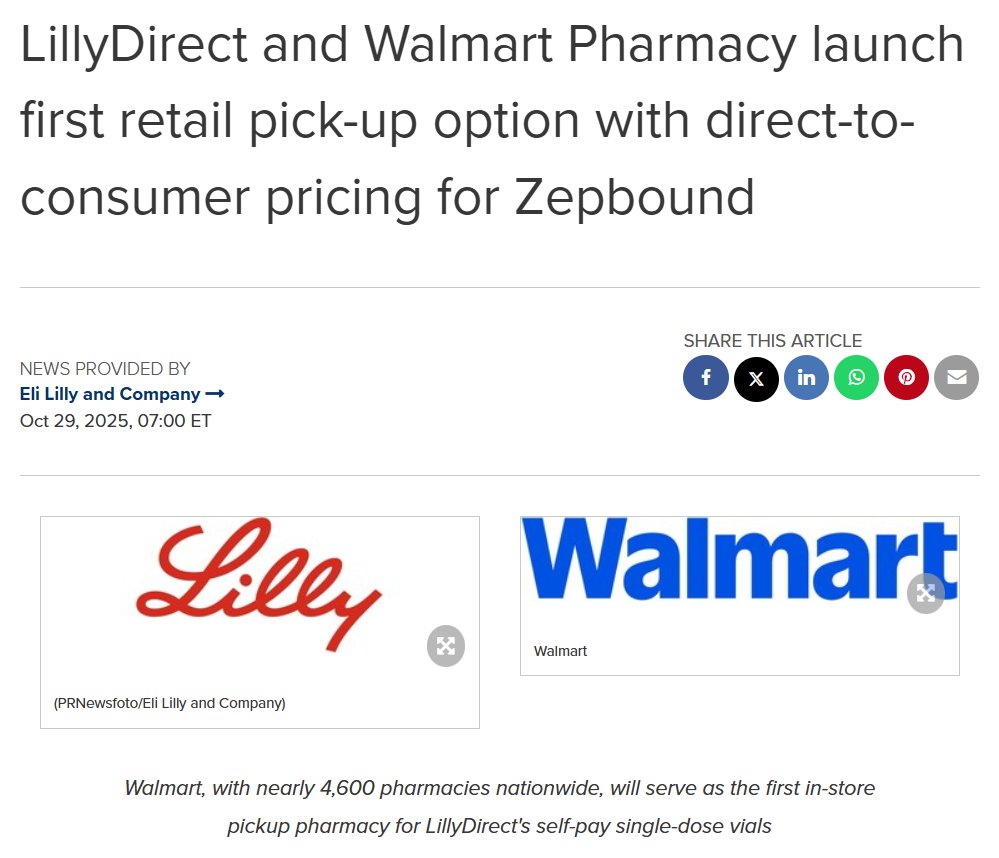
Now you can just walk into Walmart if you have a prescription (easily acquired) and get a pen of tirzepatide for $349 for a month's supply at 2.5 mg or $499 for a month of any other dose level
Looks like getting obesity drugs is becoming less expensive and more convenient
38
21
448
36,264
Martin Kessler retweeted
27 Oct 2025
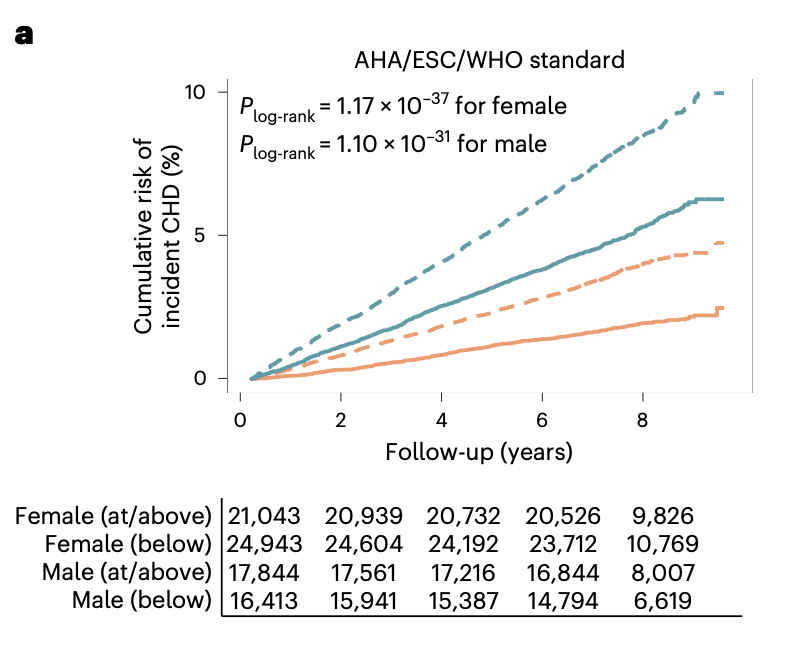
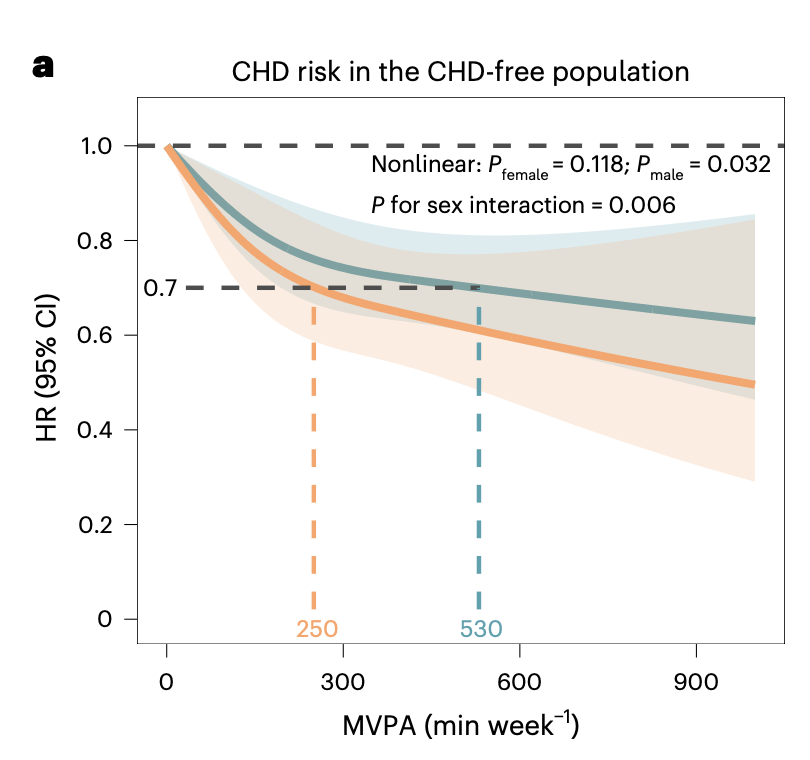
Women derive more benefit from physical activity than men with respect to reduction of cardiovascular risk and related mortality, and can achieve protection at lower levels of engagement. From ~85,000 participants, open-access (blue=men)
nature.com/articles/s44161-0…
8
194
697
86,844
Martin Kessler retweeted

23 Sep 2025
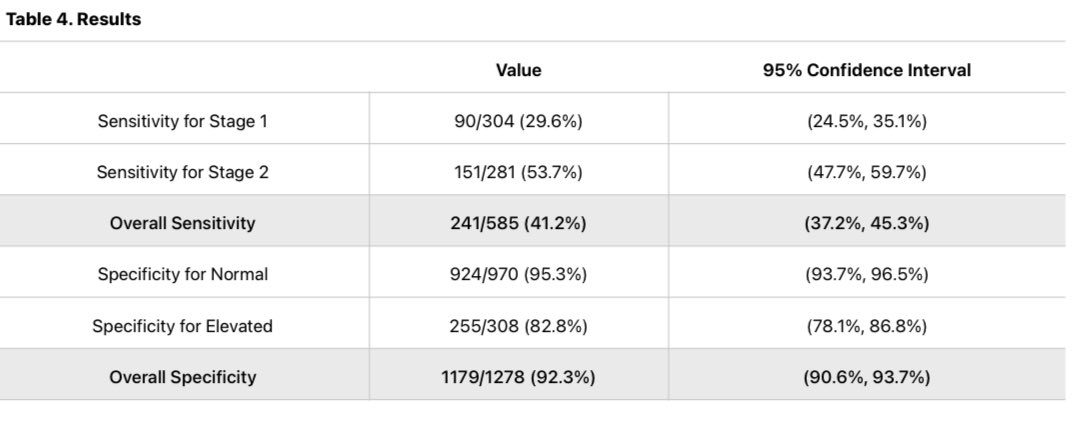
There’s a name for a diagnostic test that’s 42% sensitive and 83% specific: useless.
23 Sep 2025

The new Apple Watch high blood pressure detection feature only detected 41% of people who have hypertension in their prospective trial. apple.com/health/pdf/Hyperte…
26
129
1,306
106,484
Martin Kessler retweeted

17 Sep 2025
As a neurosurgeon I care a lot about road safety.
By now you’ve probably seen @Waymo’s stunning safety results (like 91% fewer serious crashes). But they didn’t just publish data headlines. They released the raw CSV files and data dictionaries.
I did a much deeper analysis. A fascinating story emerges when you analyze how they’re achieving this.
This isn’t incremental improvement - it’s categorical. We’re looking at the potential elimination of traffic deaths as a leading cause of mortality.
The intersection breakthrough: Waymo has essentially solved intersection crashes, with 95% fewer injury incidents than human drivers in the same locations. That’s transforming the deadliest driving scenario.
The national math: If every US vehicle performed like Waymo, we’d prevent 33,000-39,000 deaths annually and save $0.9-1.25 trillion in societal costs. Even partial adoption at 27% would save ~10,000 lives per year. In terms of magnitude, this would be the equivalent of eliminating every pedestrian death nationally in a year.
The physics signature: Here’s what fascinates me: 47% of Waymo’s contacts involve less than 1 mph delta-V. They’re not just avoiding crashes; they’re converting unavoidable incidents into gentle bumps. It’s like having physics itself on your side.
We’re not talking about marginal safety gains. The data represents a fundamental shift from harm reduction to harm prevention.
The methodology matters: I used their dynamic geographic benchmarks (comparing like-for-like road conditions) and verified the findings hold across San Francisco, Phoenix, LA, and Austin. The safety advantage actually increases in more complex urban environments.
Link to raw data below….
Notes on my approach:
Analysis based on 96 million miles of Waymo Rider-Only (RO) data through June 2025, utilizing Waymo's dynamic geographic benchmarks to compare Waymo Driver performance against human drivers under similar road conditions and operational design domains.
The projections for national impact (deaths prevented, societal costs) involve several assumptions. Given Waymo's zero reported fatalities, the direct serious injury reductions were mapped to national fatality statistics using established NHTSA-derived ratios that correlate serious injury crash rates with fatality rates. This extrapolation assumes that Waymo's observed serious injury prevention capability would translate proportionally to fatality prevention. Societal cost savings are estimated by applying average per-fatality and per-injury economic costs (e.g., medical, lost productivity, quality of life) as published by NHTSA, scaling these national averages to the projected number of avoided fatalities and injuries based on Waymo's safety performance. These figures represent the potential annual impact if the Waymo Driver's safety profile were widely integrated into the national fleet.
@ethanteicher
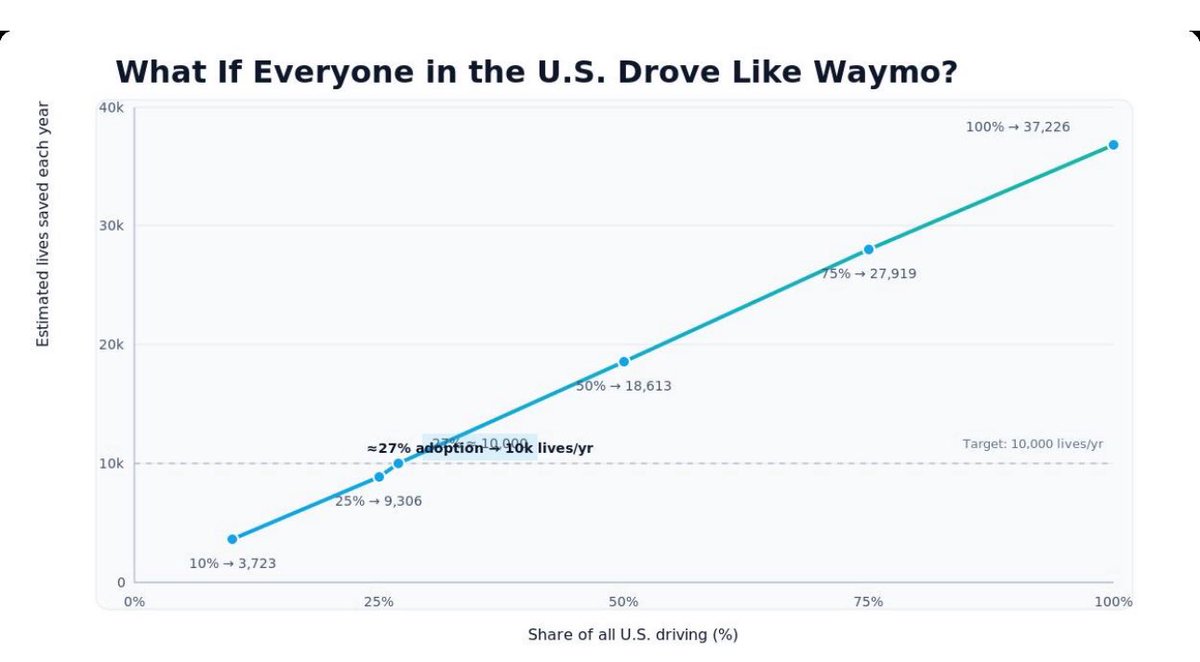
331
831
4,826
1,119,329
Martin Kessler retweeted

30 Aug 2025
Grip strength predicts who thrives into their 80s and 90s. Even your handshake predicts your future
73
70
1,109
90,473

Martin Kessler retweeted

29 Jan 2025
My thoughts on China, export controls and two possible futures darioamodei.com/on-deepseek-…
1,248
1,113
6,313
5,864,693