Clinical IT Architect --designing the next generation EMR and health system.

Joined August 2010
36 Photos and videos
Why does Canada has so many problems with digital health infrastructure? We spend enough, we have smart people, our system is not corrupt and we have access to good technology. So, what's wrong? I did some sleuthing. Here's what I learned. medium.com/@karimk_32070/why…
1
60
Karim Keshavjee retweeted
Should there be a Stack Overflow for AI coding agents to share learnings with each other? Last week I announced Context Hub (chub), an open CLI tool that gives coding agents up-to-date API documentation. Since then, our GitHub repo has gained over 6K stars, and we've scaled from under 100 to over 1000 API documents, thanks to community contributions and a new agentic document writer. Thank you to everyone supporting Context Hub! OpenClaw and Moltbook showed that agents can use social media built for them to share information. In our new chub release, agents can share feedback on documentation — what worked, what didn't, what's missing. This feedback helps refine the docs for everyone, with safeguards for privacy and security. We're still early in building this out. You can find details and configuration options in the GitHub repo. Install chub as follows, and prompt your coding agent to use it: npm install -g @aisuite/chub GitHub: github.com/andrewyng/context…
389
757
5,027
639,150
Karim Keshavjee retweeted
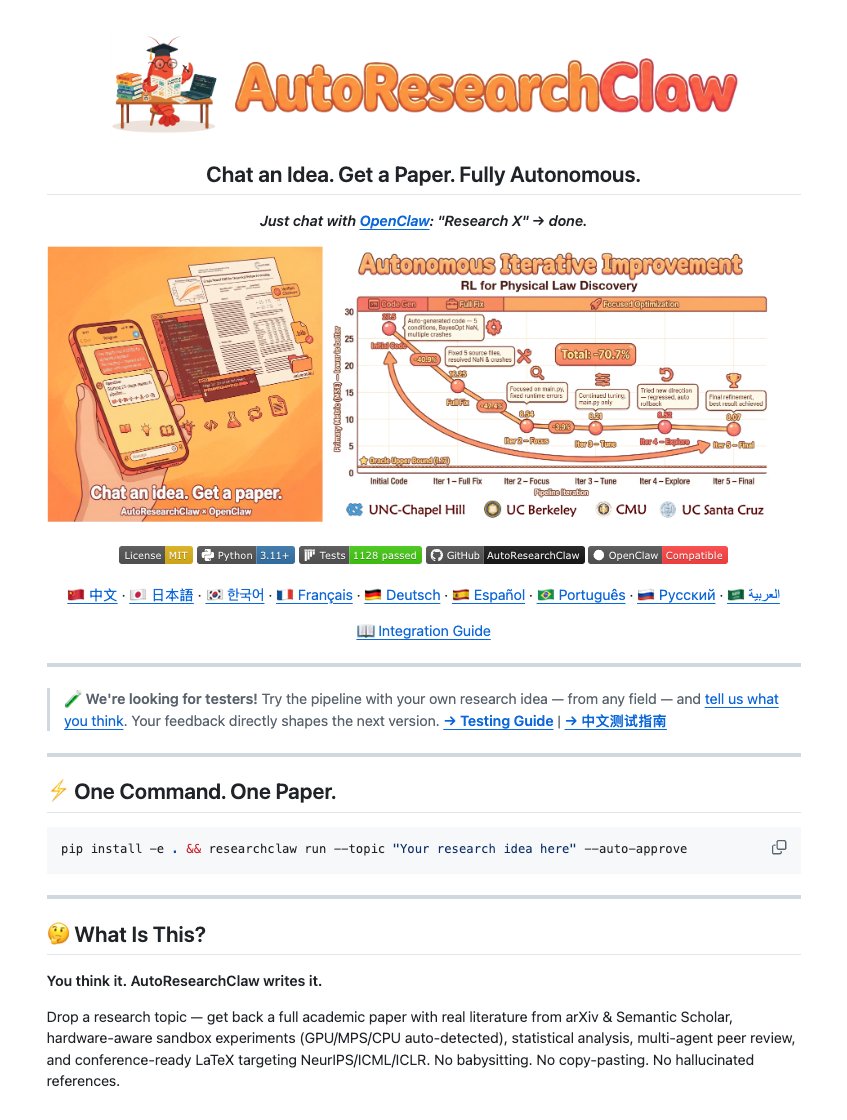
THIS is the wildest open-source project I’ve seen this month. We were all hyped about @karpathy's autoresearch project automating the experiment loop a few weeks ago. (ICYMI → github.com/karpathy/autorese…) But a bunch of folks just took it ten steps further and automated the entire scientific method end-to-end. It's called AutoResearchClaw, and it's fully open-source. You pass it a single CLI command with a raw idea, and it completely takes over 🤯 The 23-stage loop they designed is insane: ✦ First, it handles the literature review. - It searches arXiv and Semantic Scholar for real papers - Cross-references them against DataCite and CrossRef. - No fake papers make it through. ✦ Second, it runs the sandbox. - It generates the code from scratch. - If the code breaks, it self-heals. - You don't have to step in. ✦ Finally, it writes the paper. - It structures 5,000 words into Introduction, Related Work, Method, and Experiments. - Formats the math, generates the comparison charts, - Then wraps the whole thing in official ICML or ICLR LaTeX templates. You can set it to pause for human approval, or you can just pass the --auto-approve flag and walk away. What it spits out at the end: → Full academic paper draft → Conference-grade .tex files → Verified, hallucination-free citations → All experiment scripts and sandbox results This is what autonomous AI agents actually look like in 2026. Free and open-source. Link to repo in 🧵 ↓
77
380
2,436
213,581
Karim Keshavjee retweeted
I found a way to read a research paper the way academics actually read them. A friend of mine at Cambridge showed me her Claude workflow. I thought she was just fast. Then I watched her pull apart a methodology section in twenty minutes that her seminar group had spent a week discussing without fully understanding. Here's exactly what she did: First: she didn't ask Claude to summarise the paper. That's what everyone does. They paste in a paper and ask for a summary. They get a clean paragraph. They feel like they've read it. They move on. That's not reading. That's skimming with extra steps. She did something completely different. She read the paper herself first. All of it. Without Claude. Then she asked: "Based on the methodology and results sections alone, what can and cannot be legitimately concluded from this study? Now read the abstract and tell me where the authors overreach." She wasn't asking Claude to read the paper for her. She was using it to test whether the paper was actually saying what it claimed to be saying. The gap between those two things is where most students get lost. They read what the authors claim and treat it as what the authors found. An experienced academic never does that. She learned not to in twenty minutes. But the next part is what I keep thinking about. She asked: "What did this study not measure that would have significantly strengthened or weakened the central claim? What is the authors' methodology quietly assuming without ever stating it?" Most students read a methodology section to understand what the researchers did. She read it to find what they didn't do and what they hoped nobody would notice. Those are completely different acts of reading. One produces a student who can describe a study. The other produces a researcher who can evaluate one. Her seminar group spent a week on the same paper and never reached that question. Then she did something most students never think to do. She tested the paper against itself. "If I tried to replicate this study with a different population in a different context, what would most likely change about the results? What does that tell me about how far the authors' conclusions actually travel?" Most published claims are presented as general. Most are actually specific. That question finds the line between the two every time. Once you see it you cannot read a paper without looking for it. It changes what you take from every study you ever read after that. Then she mapped the paper's place in the conversation. She asked: "What debate is this paper entering? Who wrote the work this paper is responding to and what would those authors say back? Where does this paper sit in the argument that was already happening before it was written?" She stopped reading papers as standalone objects that day. Every paper is a reply to something. Most students never find out what. She found out in five minutes and it changed the way the paper meant something entirely. A paper you understand in isolation is information. A paper you understand inside its conversation is knowledge. Then she ran the final check. Before closing the paper she asked: "What is the single most important citation missing from this paper that every serious researcher in this field would consider essential? What conversation is this author not in that they should be?" She found a foundational paper the authors had never cited. Not because they were careless. Because they came from a slightly different tradition and had a blind spot they weren't aware of. That blind spot explained a gap in their argument she hadn't been able to name until that moment. She walked into the seminar and named it. Her supervisor stopped the discussion and asked her to explain how she'd found it. She told him she'd asked the right questions of the paper instead of just reading it. He told her that was exactly what twenty years in academia teaches you to do. She'd been doing it for three weeks. Here is the actual workflow. Five questions. In order. Question one: what can and cannot be legitimately concluded from the methodology and results alone? Where does the abstract overreach? Question two: what did this study not measure that would have changed what it found? What is the methodology quietly assuming it never defends? Question three: if you replicated this with a different population or context, what changes? How far do the conclusions actually travel? Question four: what debate is this paper entering? Who is it responding to and what would those people say back? Question five: what is the most important paper missing from the bibliography? What conversation is this author not in? Most students spend three years at university reading papers from the outside. Those five questions put you on the inside in twenty minutes. Claude didn't read the paper for her. It taught her the questions that experienced academics ask automatically after years in a field. She just learned them earlier. The papers didn't change. The questions did. Most students finish a paper feeling like they've understood it. She finished a paper knowing exactly what it proved, what it didn't prove, where it sat in the field, and what it was quietly hoping nobody would ask. That is not a faster way to read. It's a completely different thing to do with a paper. And almost nobody teaches it directly.
59
236
1,318
142,888
Karim Keshavjee retweeted
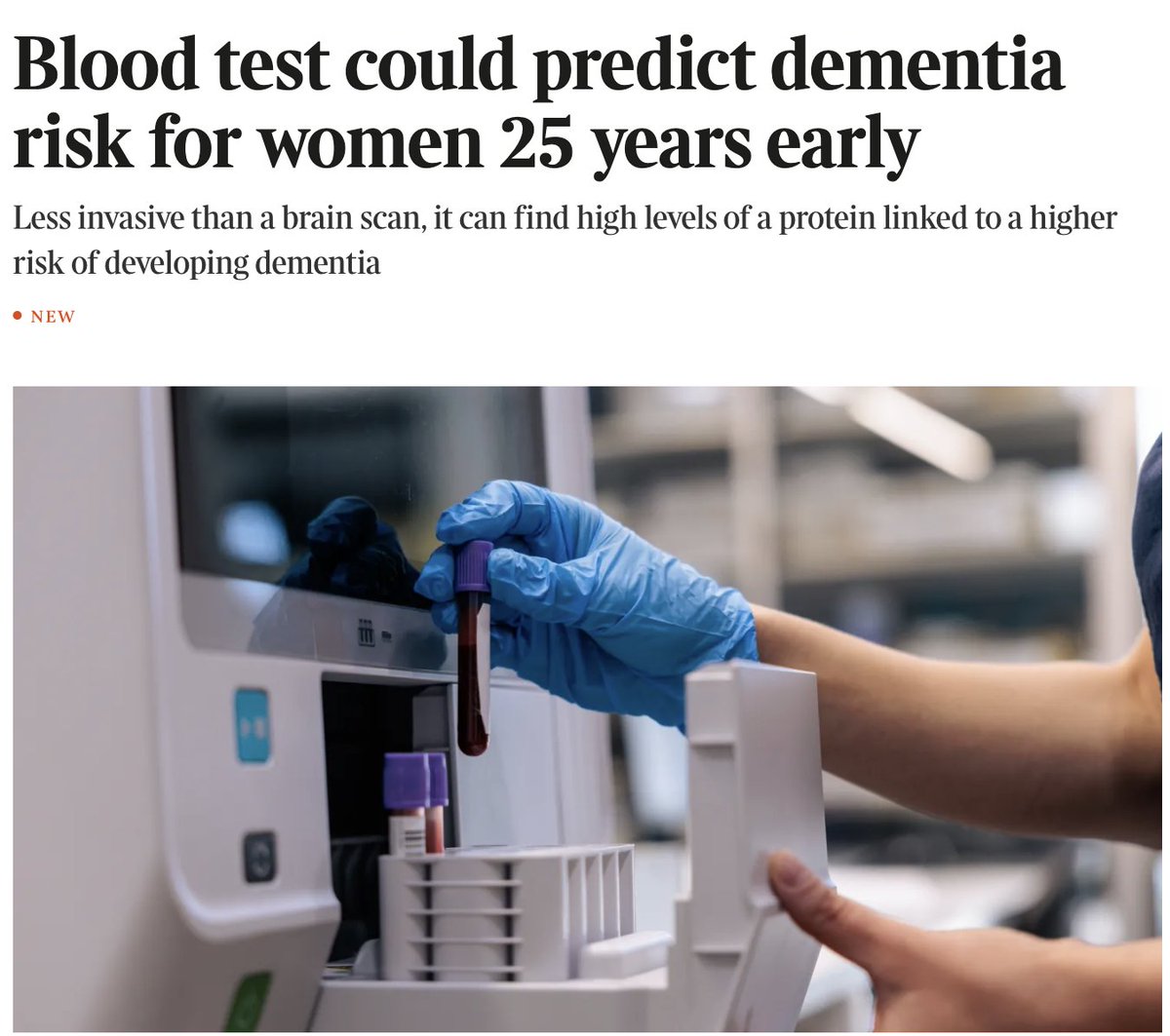
more on this @thetimes thetimes.com/life-style/heal… The cliché: "I don't want to know because there's nothing you can do about it" is obsolete
4
24
105
13,357
Karim Keshavjee retweeted
What would it take to deliver prosperity for all by 2100? In TIME, Global Managing Partner Bob Sternfels shares why cooperation and long-term thinking are essential to the next century of progress. Explore his perspective and join the conversation. time.com/collections/davos-2…
9
15
2,824
Karim Keshavjee retweeted
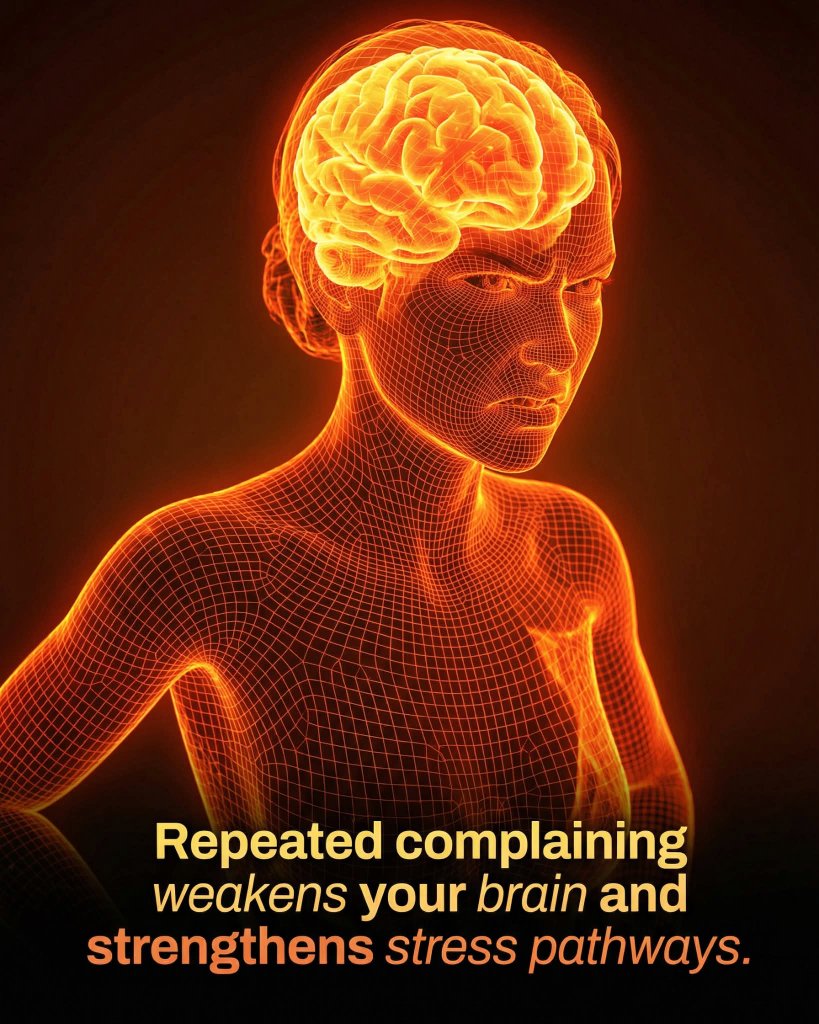
🚨 Research shows repeated complaining physically rewires your brain to prioritize stress and negativity. The way we speak about our daily challenges does more than just vent frustration; it physically alters the architecture of the brain. When we engage in chronic complaining, we repeatedly activate neural networks responsible for detecting threats and processing stress. Through the biological process of neuroplasticity, these circuits become stronger and more efficient every time they are used. Essentially, the brain learns to become more adept at finding things to be unhappy about, turning a temporary mood into a permanent biological predisposition toward negativity and fear-based thinking. As these negative pathways become the brain's default setting, individuals often experience a measurable increase in baseline stress levels and emotional volatility. This heightened sensitivity means that even minor inconveniences can trigger an intense stress response because the brain has been conditioned to interpret the world through a lens of threat. Findings discussed by the Stanford University School of Medicine emphasize that while this mechanism is powerful, understanding the science of affective neuroscience is the first step in consciously redirecting those pathways toward more resilient emotional patterns. Source: Stanford University School of Medicine. (2023). Neural Plasticity and the Impact of Negative Thought Patterns on Emotional Regulation. Stanford Medicine News.
529
5,179
27,902
10,251,517
It allows you to think bigger. What can you do now, that you couldn't do before?
Replying to @Grady_Booch
sure sometimes the code assistant make some mistakes but i just tell it where its wrong and how to fix it and thats it. i remember once i just loved coding for the thrill of learning new things and building stuff, but it's all pointless now it seems
1
19
Karim Keshavjee retweeted
Replying to @Grady_Booch
the real flex is admitting ai handles the library docs so you can focus on the architecture decisions that actually matter
1
1,078
Karim Keshavjee retweeted
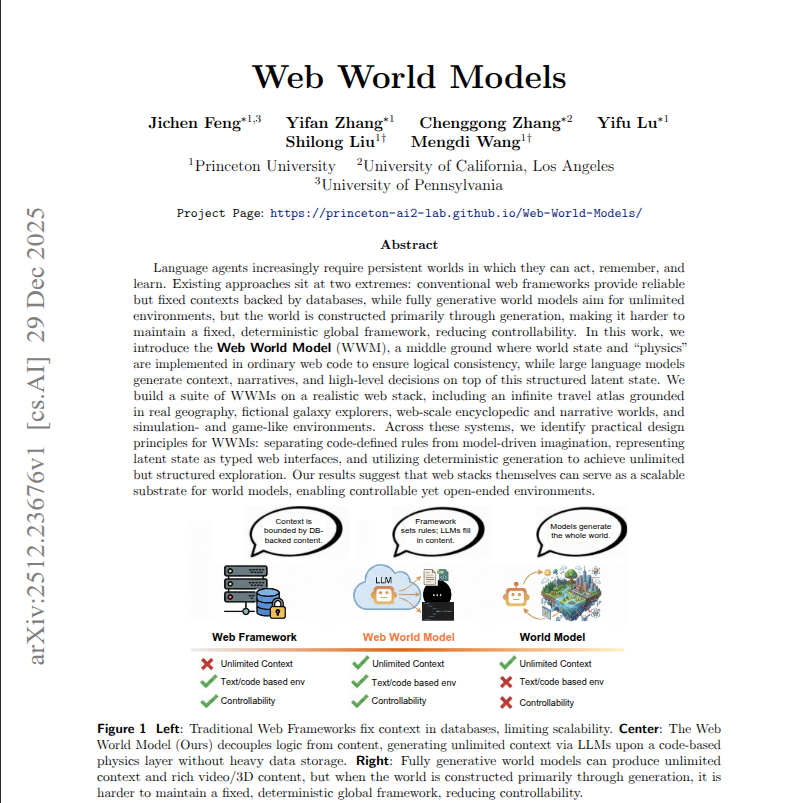
This paper turns web apps into persistent worlds, endless worlds for agents that stay consistent. They built a middle ground world, database like consistency from code, with new stories generated by an LLM. A fully LLM made world is like a game where the narrator makes up everything live, so it can be endless, but it often forgets what happened and breaks its own rules. This paper’s idea is a middle way: let normal code be the “rules and memory”, and let the LLM be the “story writer” that fills in descriptions on top of those rules. Their Web World Model keeps the world state, meaning saved facts like location and inventory, inside deterministic code that always applies the same rules. After code updates those facts, an LLM is called only to write the surrounding text, so it cannot rewrite the rules. Typed fields, meaning a fixed form with required slots, and a repeatable seed number keep the generated content consistent across revisits. The authors tested this by building 7 web demos, including an infinite travel map, a galaxy explorer, and games that generate content but run rules in code. They argue the result is controllable worlds that can grow on demand without huge storage, stay easy to debug, and still work when the LLM is slow. ---- Paper Link – arxiv. org/abs/2512.23676 Paper Title: "Web World Models"
13
59
267
13,493
Karim Keshavjee retweeted
"Fragmentation leads to friction.” Colin Banas, MD, MHA, talks about why medication management needs to move beyond disconnected point-to-point interactions and toward a more collaborative, end-to-end model—one that better supports patients throughout their therapy journey. Watch the full interview for a deeper discussion on where medication workflows are headed: healthcareittoday.com/2025/1… @DrFirst #MedicationManagement #digitalhealth
2
124
Karim Keshavjee retweeted
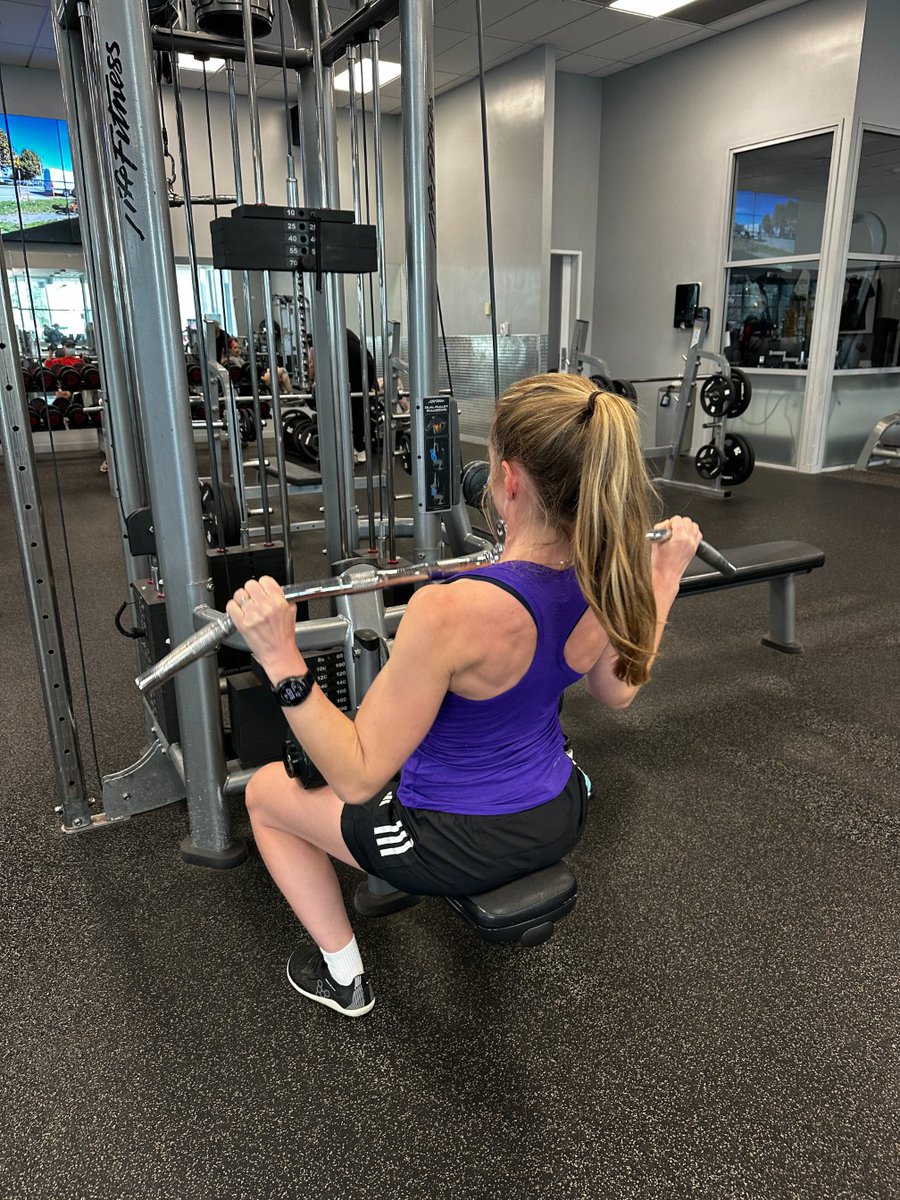
33 fitness lessons I’ve learned after a decade in the gym: 1. Eggs are a superfood. Not a food to avoid 2. 10k steps/day = under-utilized for fat loss 3. Eat protein first at every meal. It’s highly satiating, meaning you’re less likely to overeat 4. Minimize alcohol; it wrecks your sleep and weight loss efforts 5. The quantity of food you eat affects how much you weigh. The quality affects your body composition 6. Avoid liquid calories; opt for water, tea, coffee 7. Stop snacking. Eat enough high-quality food at each meal, and you won’t be hungry between meals 8. Work out in the morning. Your willpower is high, and nothing can get in the way 9. Aim for 80% healthy eating, not perfection 10. Prioritize weightlifting over cardio 11. Remove junk food from home to avoid temptation 12. Don’t miss twice. If you didn’t do your workout yesterday, you must do it today 13. A workout doesn’t need to be perfect to be worthwhile 14. You need more protein. 1g per lb of body weight per day 15. Don’t wing it. Find a structured plan for your goal and commit to it 16. Avoid domino foods. These are foods that are hard to stop eating once you start 17. Your identity directly impacts your actions. Decide who you want to become and determine what that person would do. Act accordingly 18. Inadequate sleep messes with your hunger hormones and makes you more likely to eat junk food. You need to sleep 8 hours each night 19. Increase the weights you’re lifting in the gym. Don’t stick with the same weight forever 20. Manage your stress levels. Stress impacts insulin, testosterone, and many other hormones in the body. It blunts your ability to lose fat and put on muscle 21. Track your workouts and body weight. Seeing progress will keep you motivated and will ensure you’re on the right track 22. Great results come from consistency. Find a plan and stick to it 23. Don’t cut out your favorite foods. Minimize them instead. It won’t be sustainable to cut out your favorite foods because you won’t stick with it 24. Limit sugar to prevent inflammation and fat gain 25. Drink more water. Aim for 2-3 liters every day 26. Eat slowly. It takes about 20 minutes for the message that we’re full to get to our brains. Most people have already finished their whole plate by this point 27. Post-meal walks aid digestion and blood sugar 28. Embrace non-linear progress; trust the process 29. Progressive overload is king. If you’re not constantly improving, you’re not going to grow and you won't get any closer to your goals 30. Skipping workouts because you're "tired” will make you more tired 31. Getting morning sunlight and movement is the best way to improve your sleep. And improving sleep is the best way to accelerate your results 32. Let go of the all-or-nothing mindset. Your workouts don't need to be perfect to be worthwhile 33. Weigh yourself daily, but take the average across the week -- ♻️ If you found this valuable, repost it to share it with others.
13
60
347
44,488
You should prefer b). If accuracy is better, you can improve it with better reasoning. If accuracy is low with good reasoning, you're kinda stuck.
Replying to @rohanpaul_ai
What do we prefer? a) good reasoning, low accuracy b) bad reasoning, better accuracy 🤔
1
52
Karim Keshavjee retweeted
27 Jun 2025
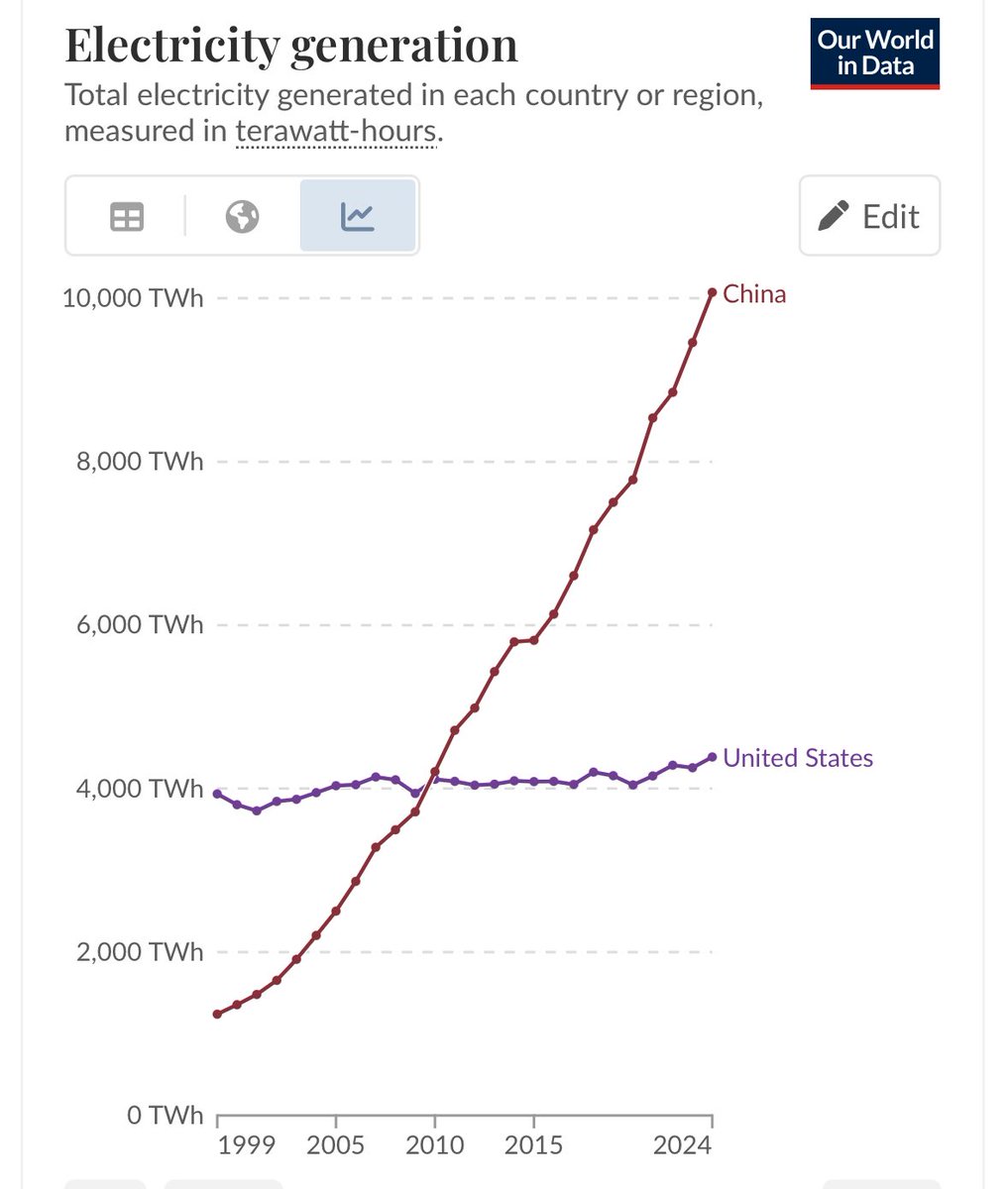
Remember this chart
27 Jun 2025
Increasingly think this might be the most important chart in the world right now
11,072
19,057
124,795
31,097,093
Karim Keshavjee retweeted
Step into Mohammad’s restored spice shop in Aleppo’s Old City and see how centuries-old markets are coming back to life. #Aleppo #CulturalHeritage #Syria
2
16
64
2,668
Karim Keshavjee retweeted
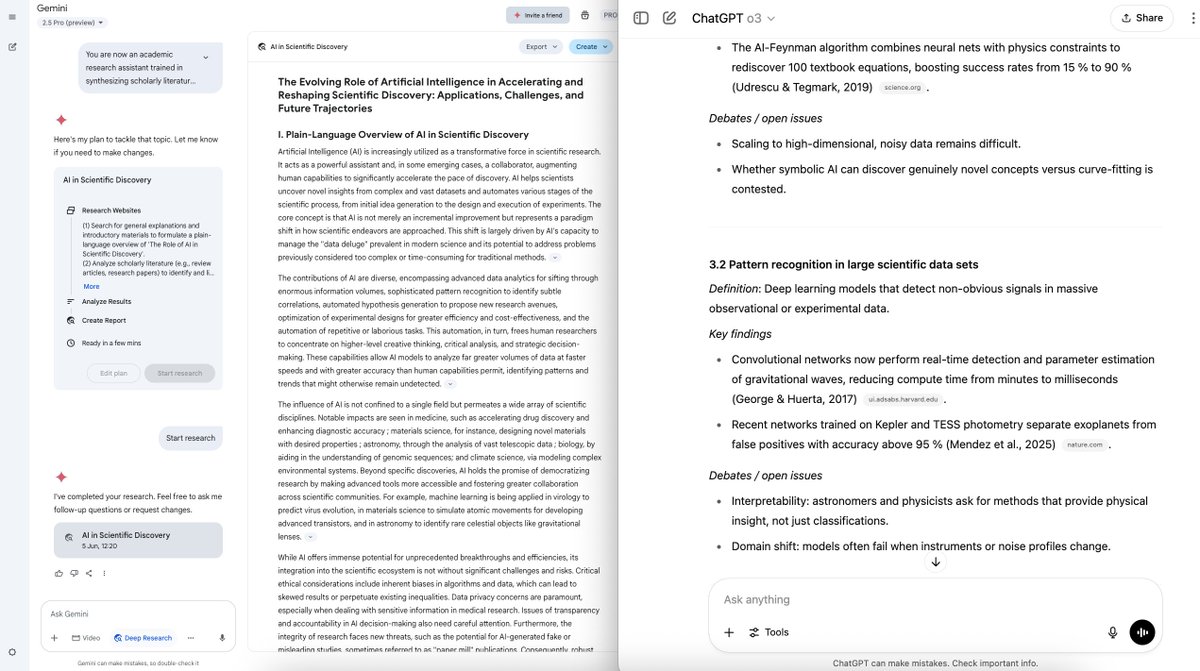
AI is eating academic research jobs. You can now use any LLM like ChatGPT, Gemini, DeepSeek, or Qwen to find sources, summarize PDFs, generate citations all in one prompt. Here’s the exact mega prompt I use to make any LLM a world-class academic researcher for free:
26
82
433
84,818
Karim Keshavjee retweeted
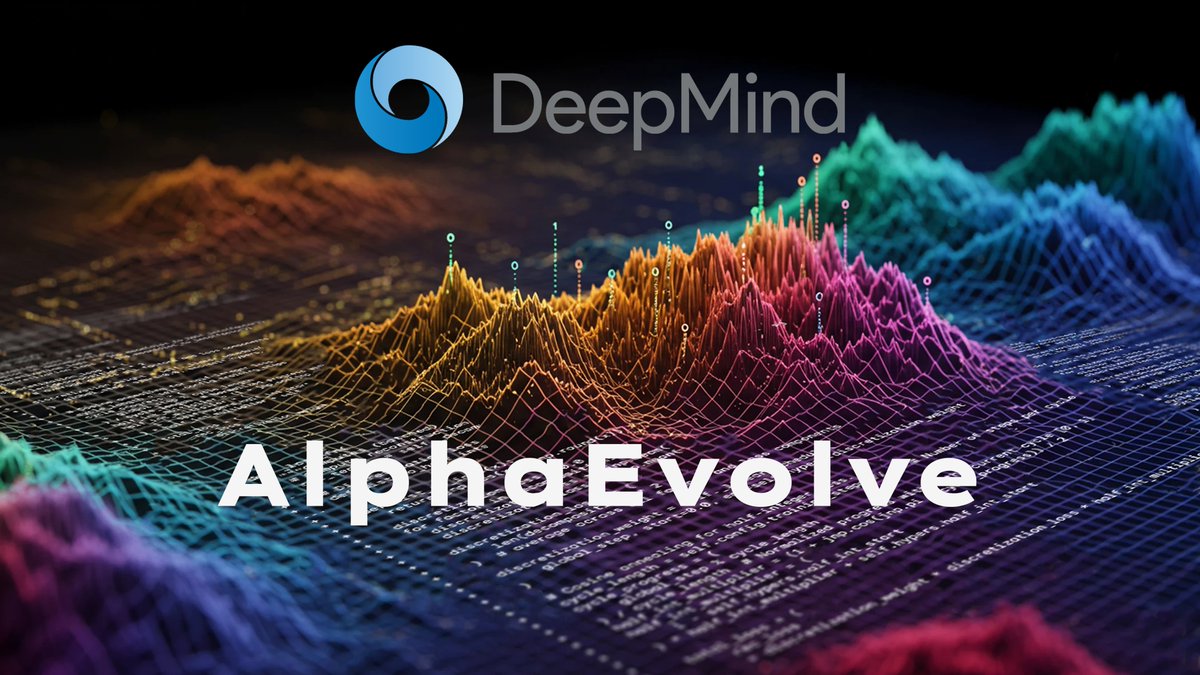
🧵Google DeepMind just dropped a bombshell: An AI agent that autonomously writes algorithms better than humans. It’s called AlphaEvolve, and it could completely change how we build software and solve problems. Here’s why this changes everything👇
62
430
3,036
739,334
Karim Keshavjee retweeted
12 Mar 2025
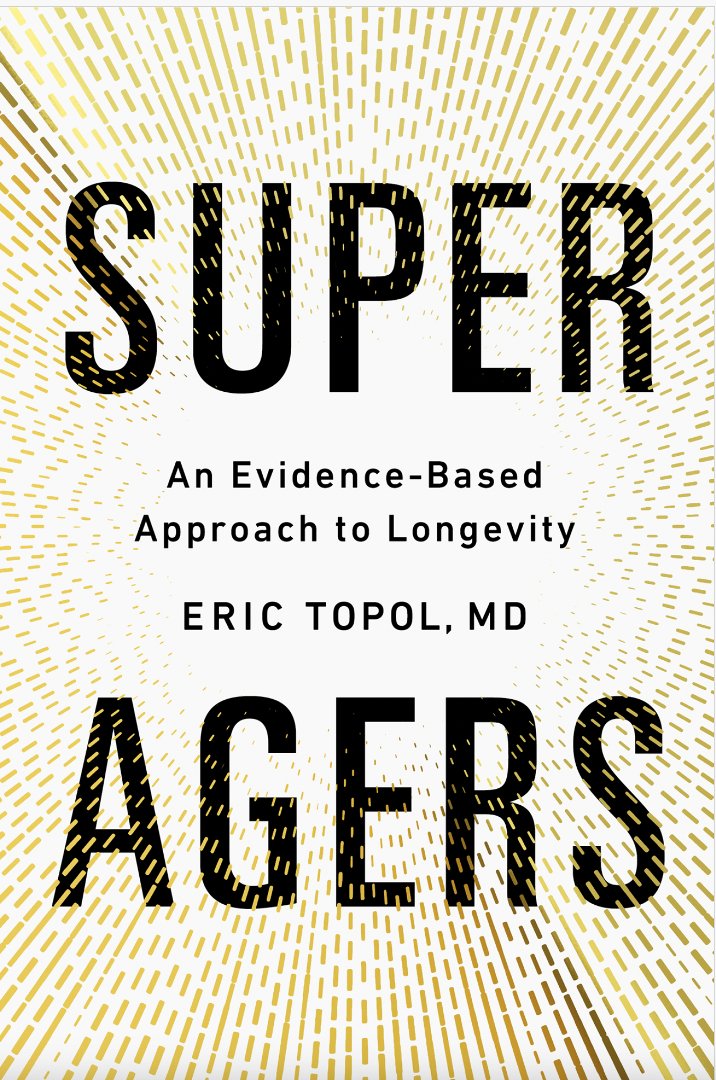
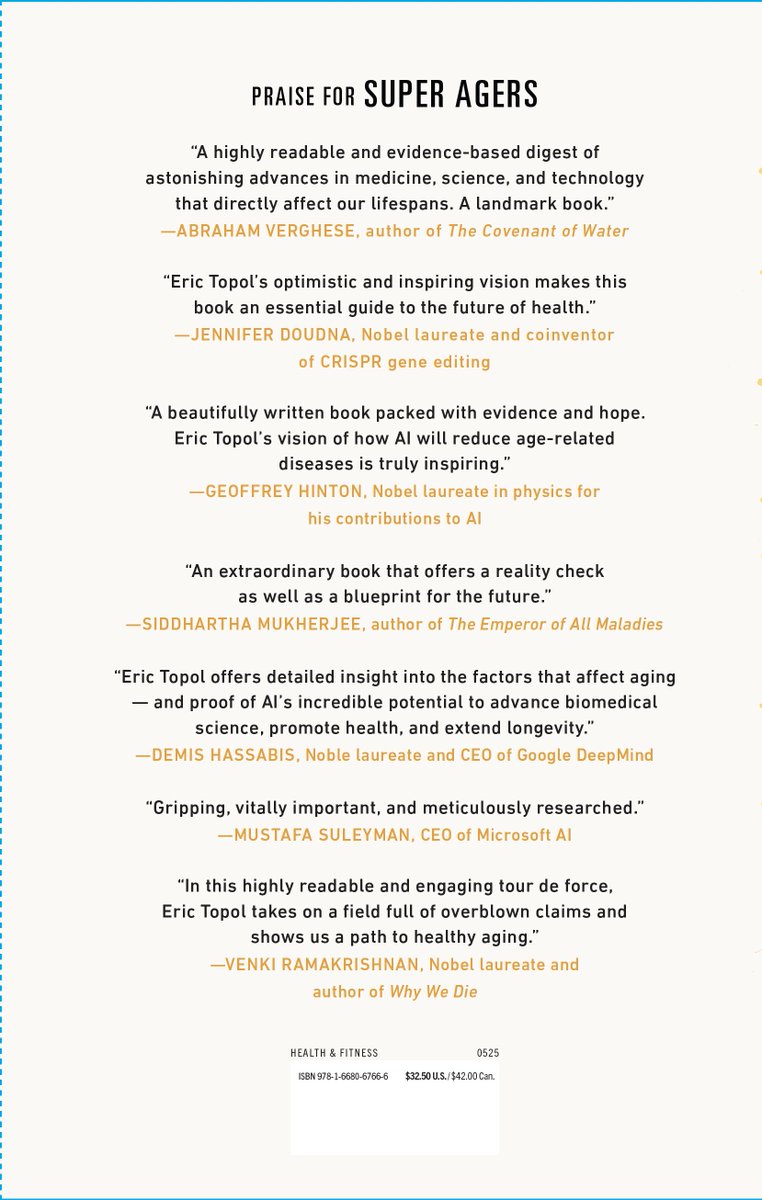
Each of us biologically age at a different pace. So do our organs and immune system. It's time we take advantage of this information to prevent age-related diseases. My new book SUPER AGERS out first week in May. amazon.com/Super-Agers-Evide…
9
37
180
20,642
Karim Keshavjee retweeted
13 Dec 2024
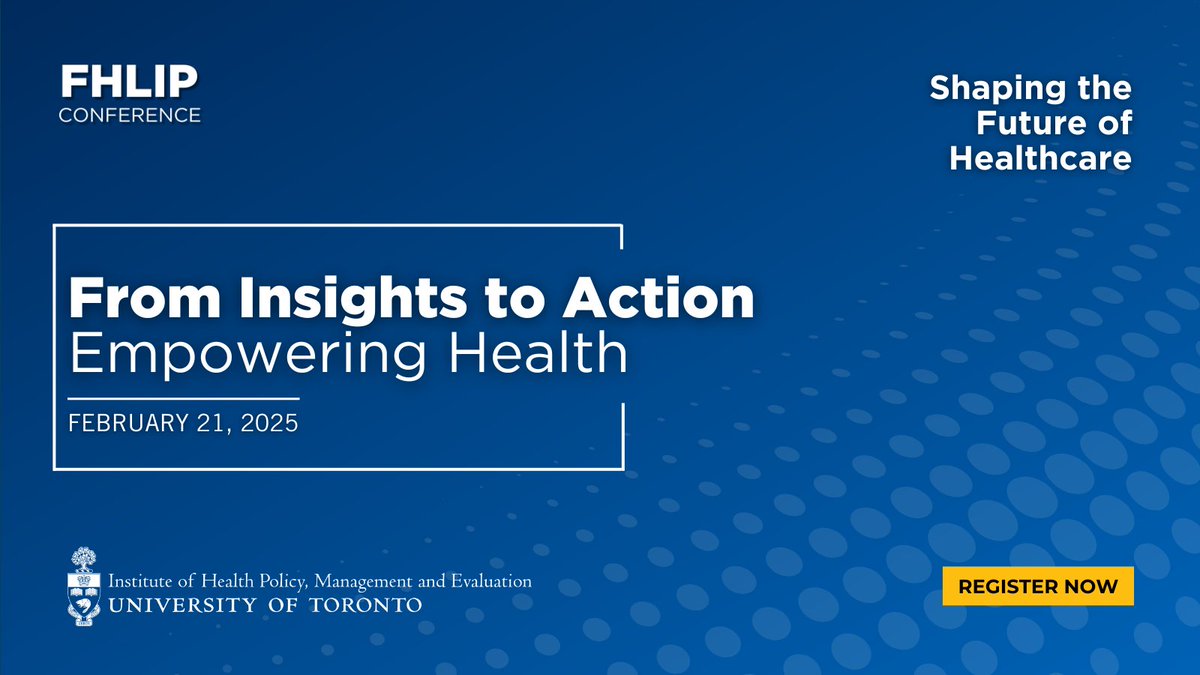
Registration for the Future of Health Leadership, Informatics, and Policy (FHLIP) Conference is now open! Join a dynamic mix of attendees to explore the theme, "From Insights to Action: Empowering Health". Learn more: tinyurl.com/uu834caz
3
3
344
Karim Keshavjee retweeted
This is fantastic Videha. Thanks for sharing. Lots of awesome tips on creating a user centred approach. You have gone further with creating pharmocogenetic #openEHR archetypes to support full interoperability as well. Well done.
1
93