
Enabling {VCs/PEs/Family Offices} manage deal flow, portfolio, fund and LP's through Taghash (taghash.io) software. Founder/Cook @taghashhq
Joined February 2008
- Tweets 118,698
- Following 2,066
- Followers 6,158
- Likes 34,233
8,554 Photos and videos





Pinned Tweet

May 27
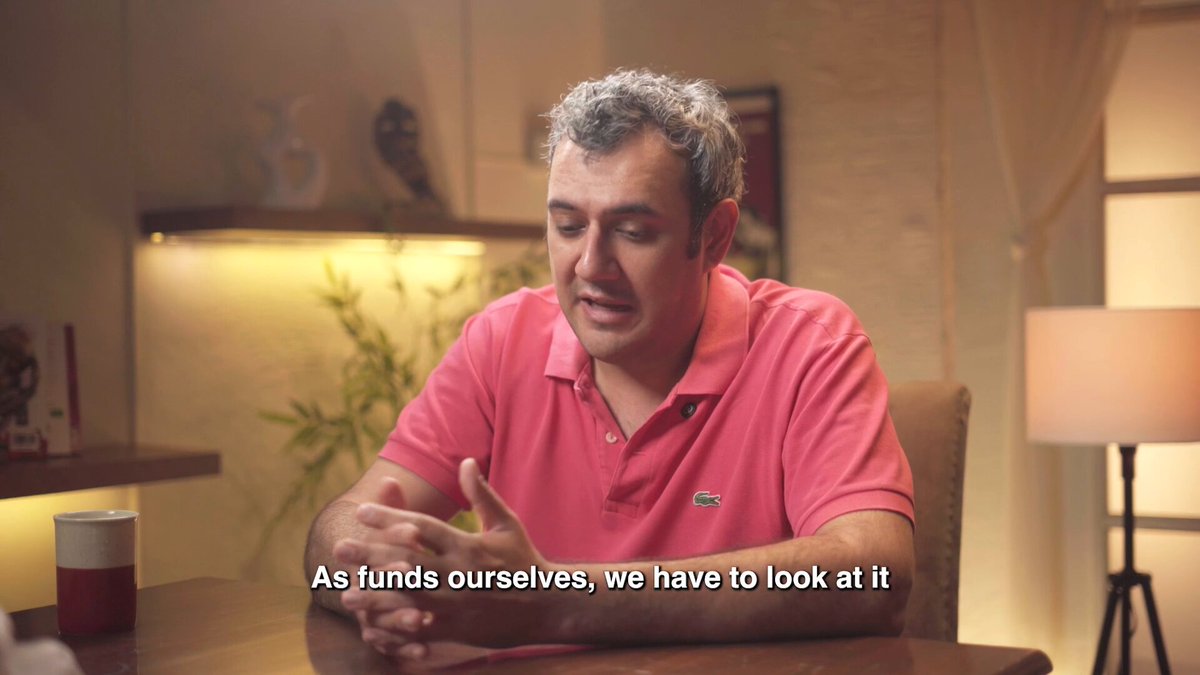
I met Debraj Banerjee while pitching @taghashhq for a big account. We didn’t land the contract, but I did leave that room with a lifelong well-wisher.
So when we decided to launch our podcast at Taghash, Debraj Banerjee was the obvious first guest. It also helped that he stayed close to the studio :p
The launch of this podcast comes at a special time. Announced officially - Debraj will be leading F2A @F2A_VC (Fundamentum Frontier Advisors), a ₹3,000 crore fund focused on deep tech and AI, as GP along with @ashishkumar
Let me say this. Debraj Banerjee is one of the most soft-spoken investors I’ve met, but once the conversation starts, you quickly understand the depth he brings to the table. As they say calm waters run deep.
We were lucky to get a first-hand view into how he thinks.
Link to full episode - youtube.com/watch?v=HyBdTbmO…
5
5
21
5,165
Atul Jha retweeted

A unified digital platform that brings government services, benefits, certificates, and real-time updates together for every citizen of Bihar.
#BiharONE #DigitalBihar #eGovernance #CitizenServices #DigitalTransformation #GovTech #BiharGovernment #smartgovernance
(BiharONE, Digital Bihar, Government Services, Citizen Services, Digital Identity, eGovernance, GovTech, Digital Transformation, Online Services, Smart Governance, Bihar Government, Digital Platform)

2
2
16
Atul Jha retweeted

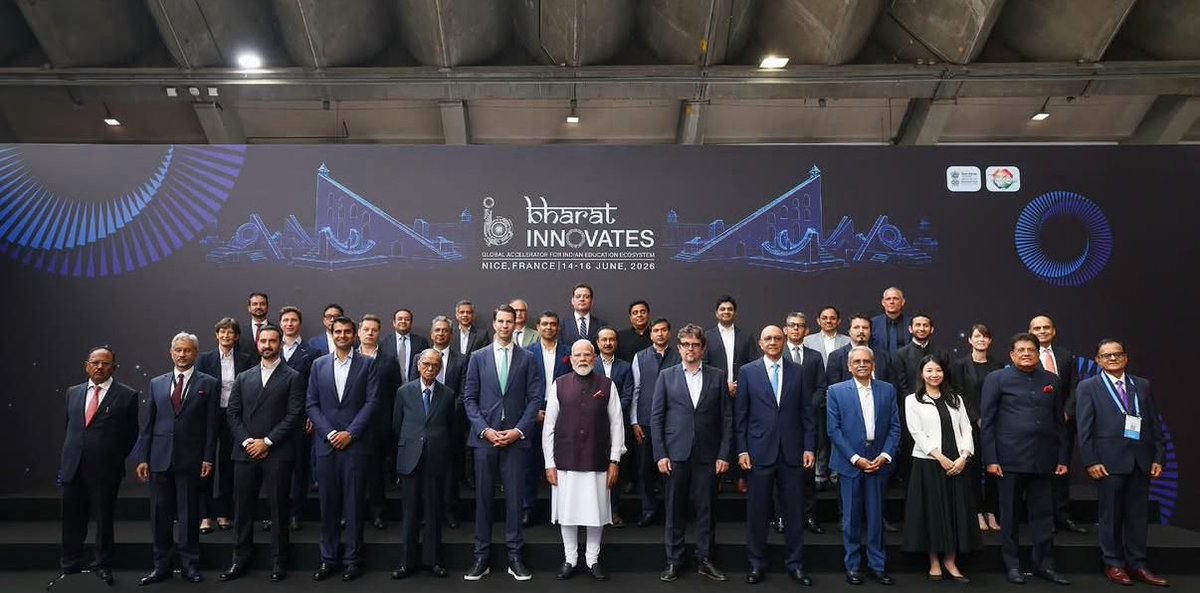
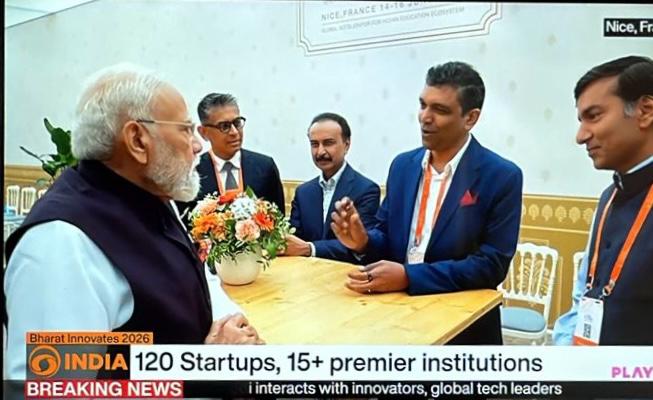
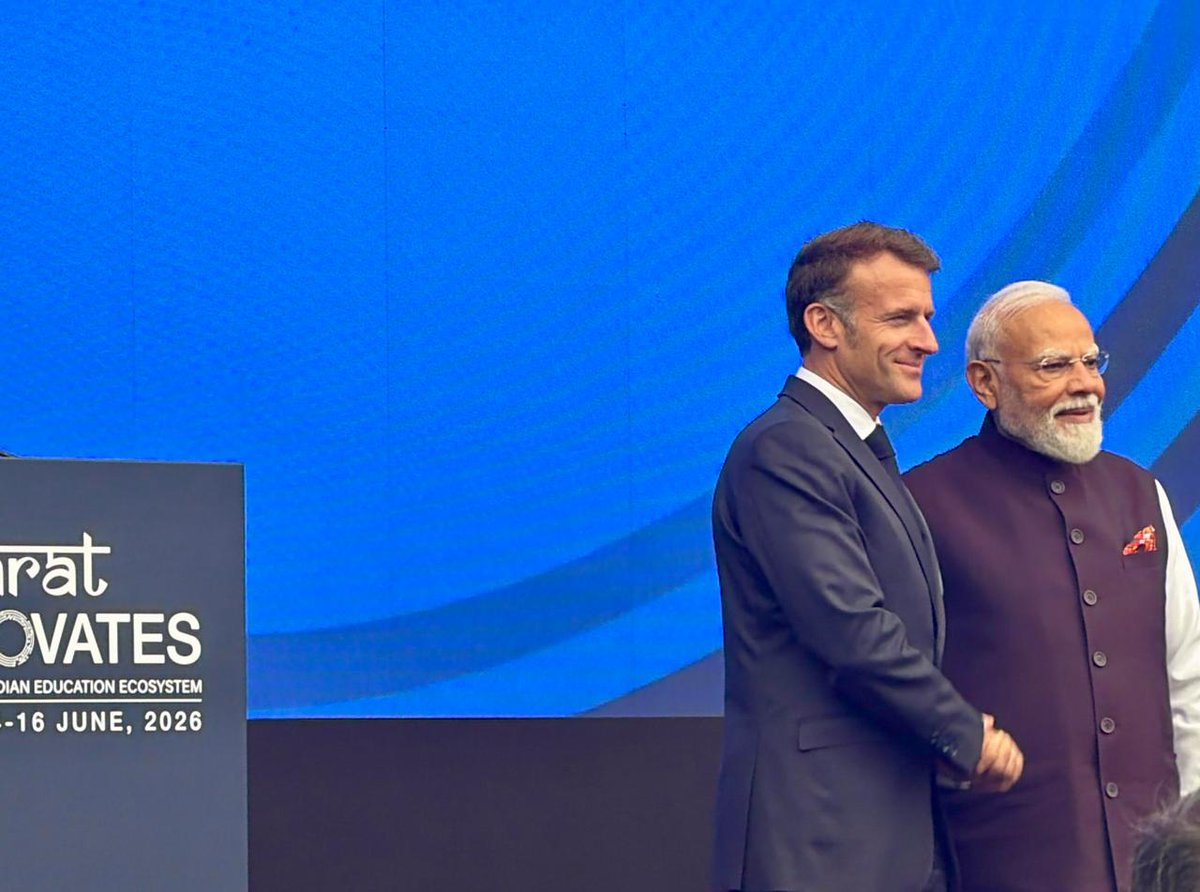
A proud moment for @BlumeVentures at @BharatInnov2026 in Nice.
Our co-founder @BKartRed met Prime Minister @narendramodi alongside 6 of our portfolio companies representing India's deep tech on the world stage:
@etherealmachine @NiqoRobotics @OpElectrotech @tricoghealth
Part of Blume Founder's Fund: @DhruvaSpace @TM2Space
Each of them is building technology that is genuinely 1 of 1 from India, for the world.
@arpiit @sanjaynath @sajithpai @AshishFafadia
2
4
13
661
38m
BROWN MUNDE - AP DHILLON | GURINDER GILL | SHINDA KAHLON (Official Music Video)
youtube.com/watch?v=VNs_cCtd…
19
Atul Jha retweeted

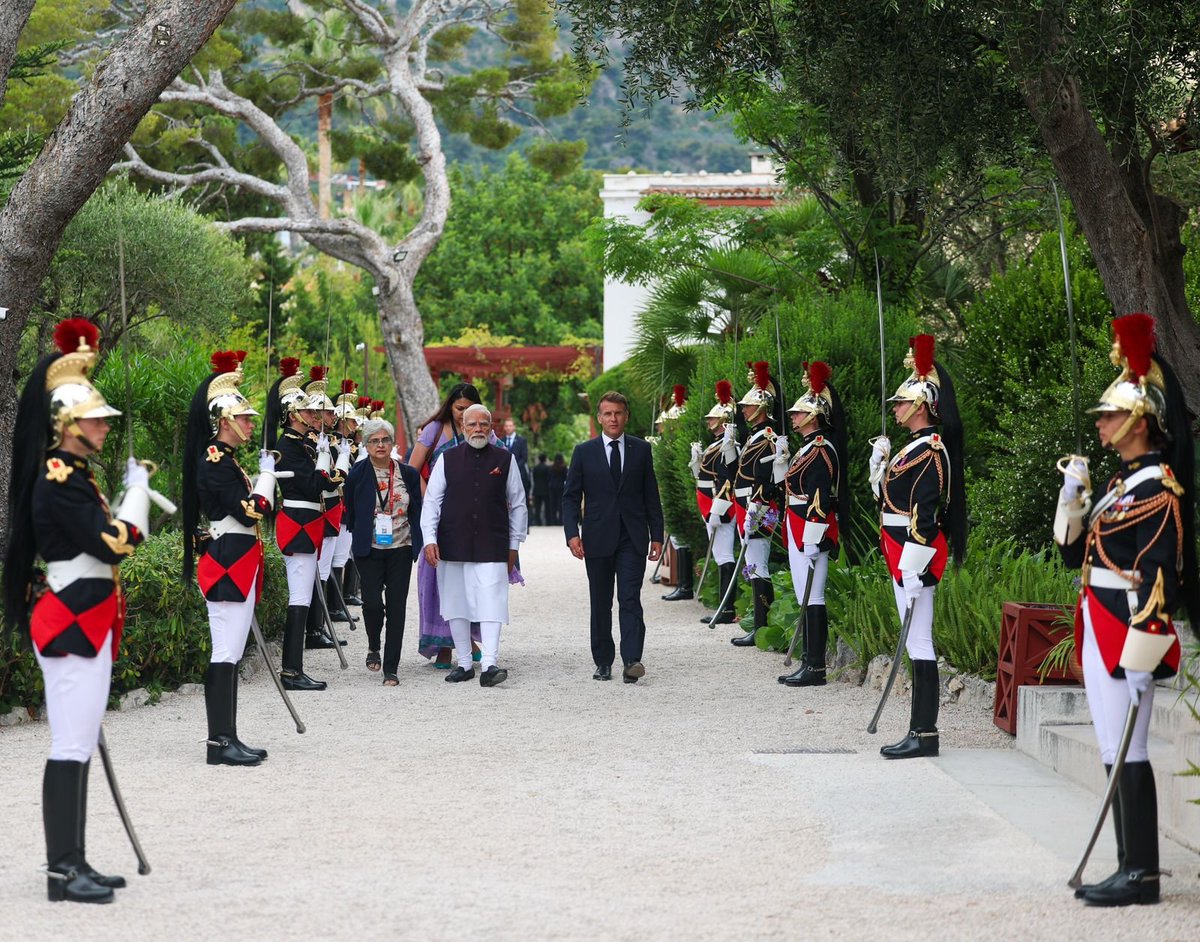
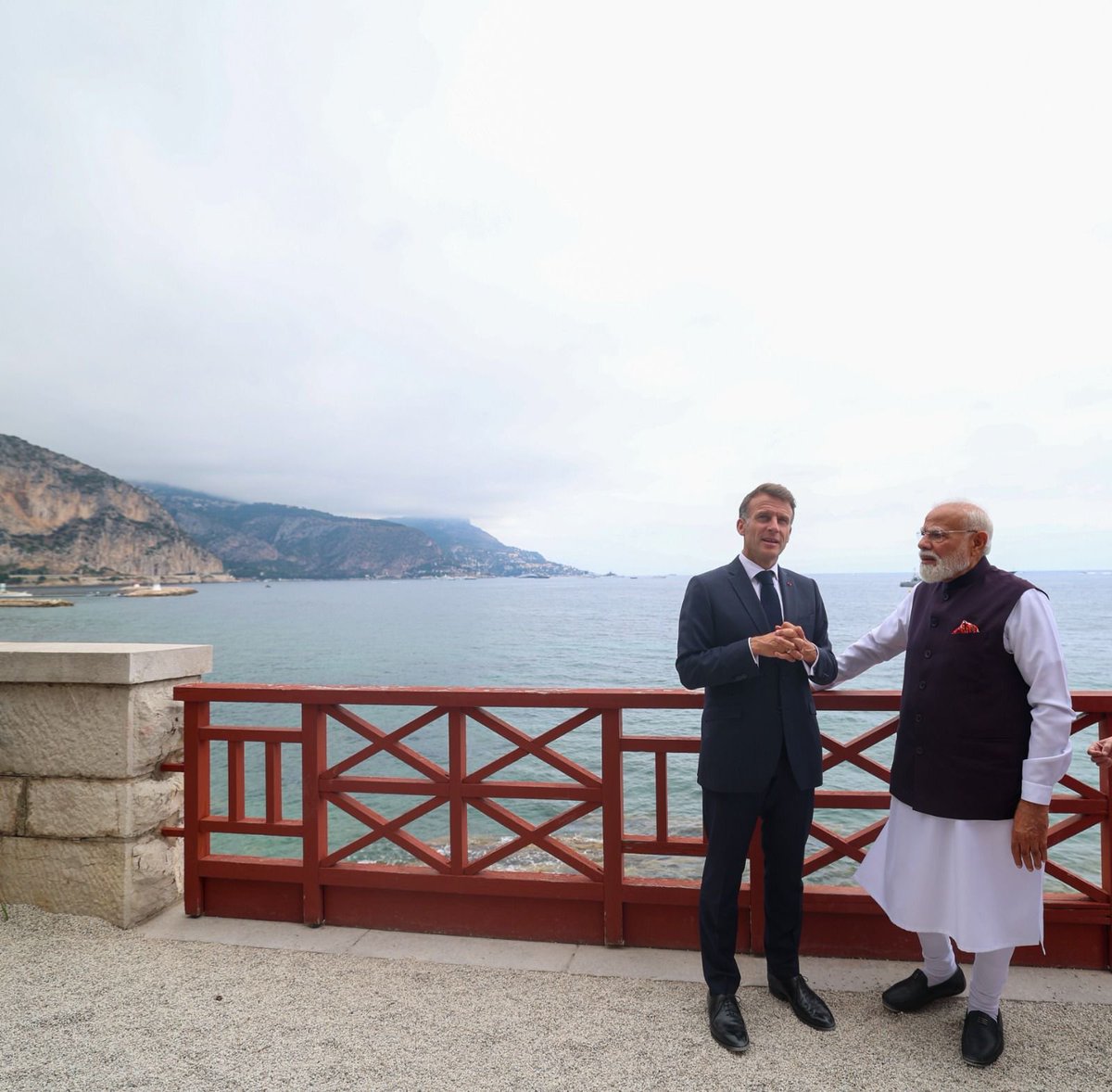
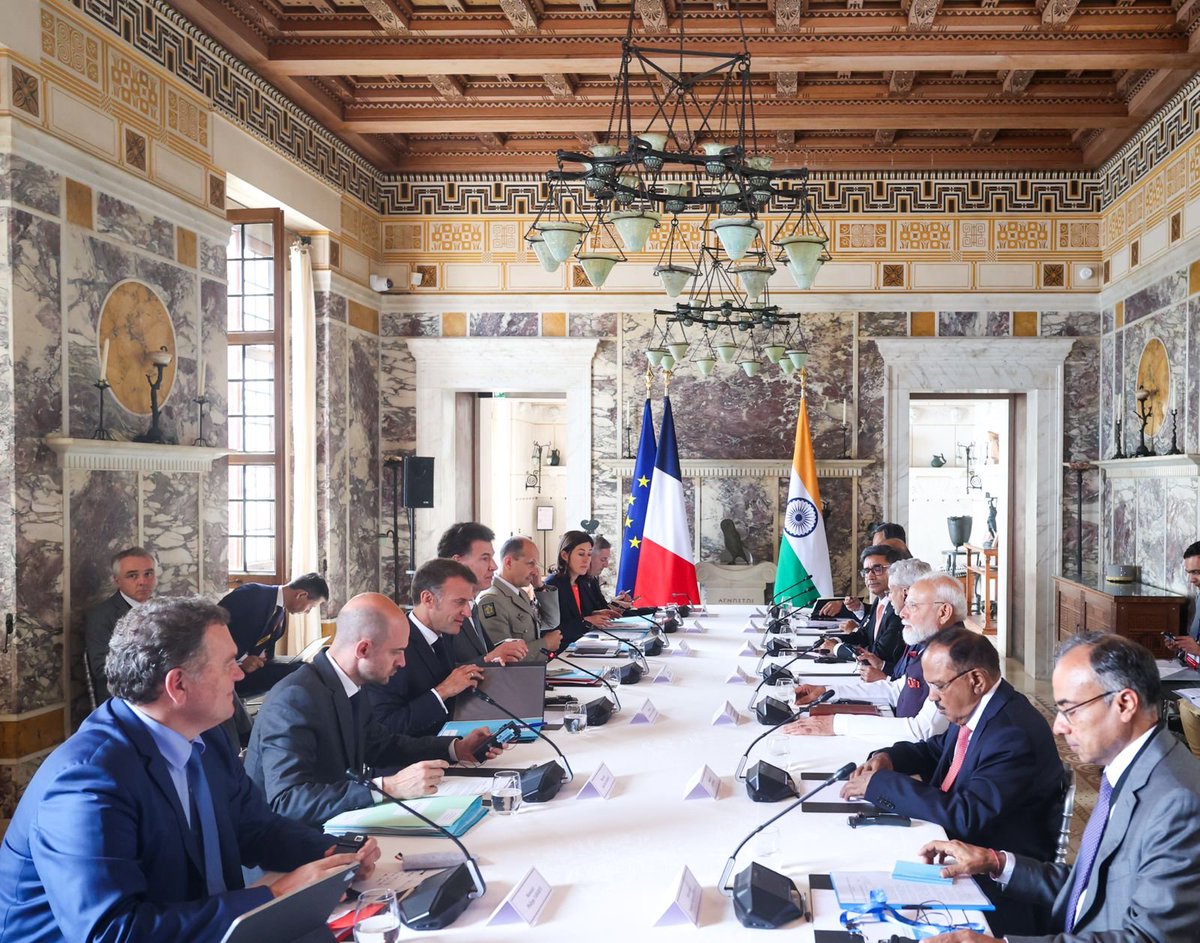
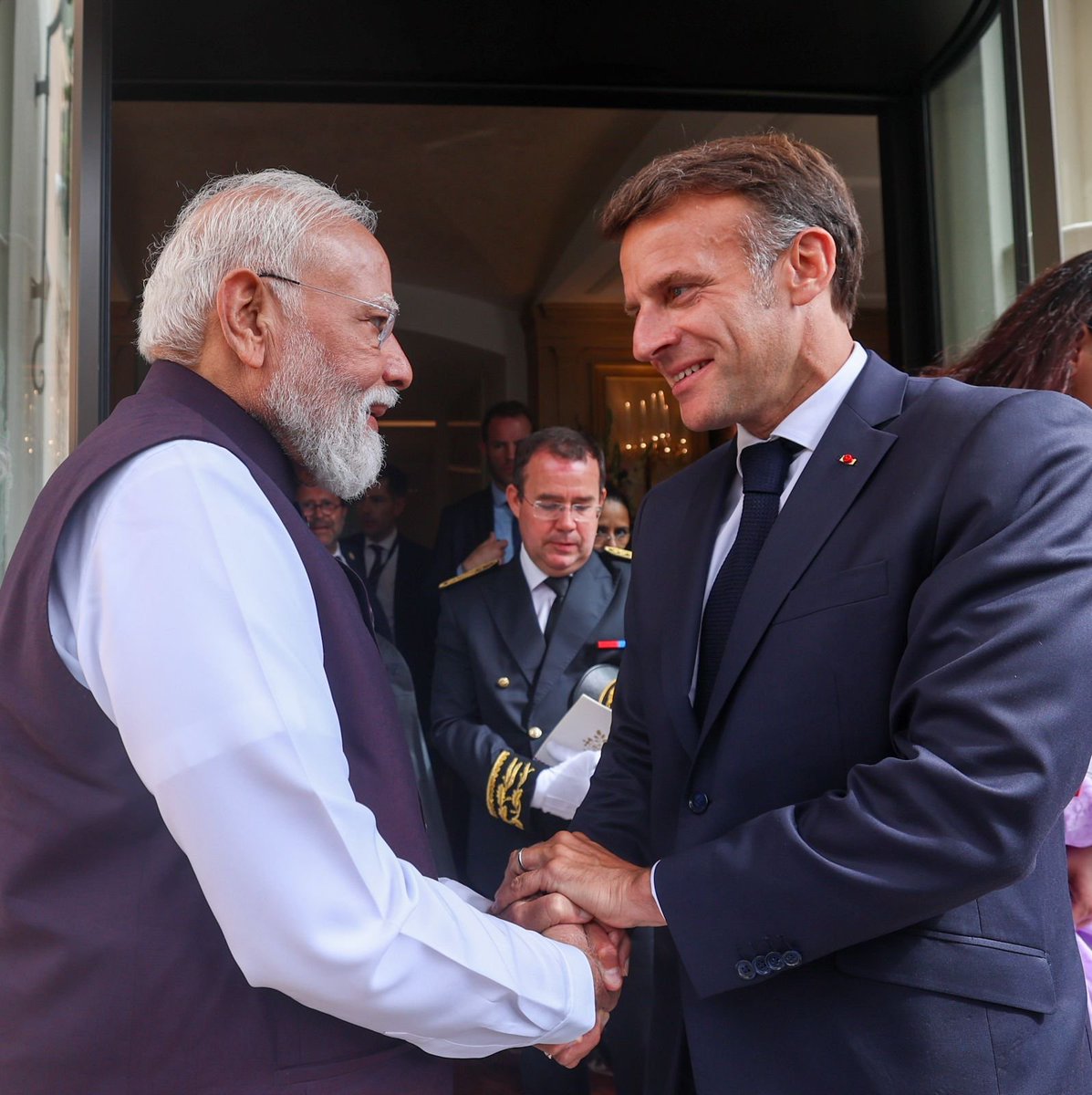
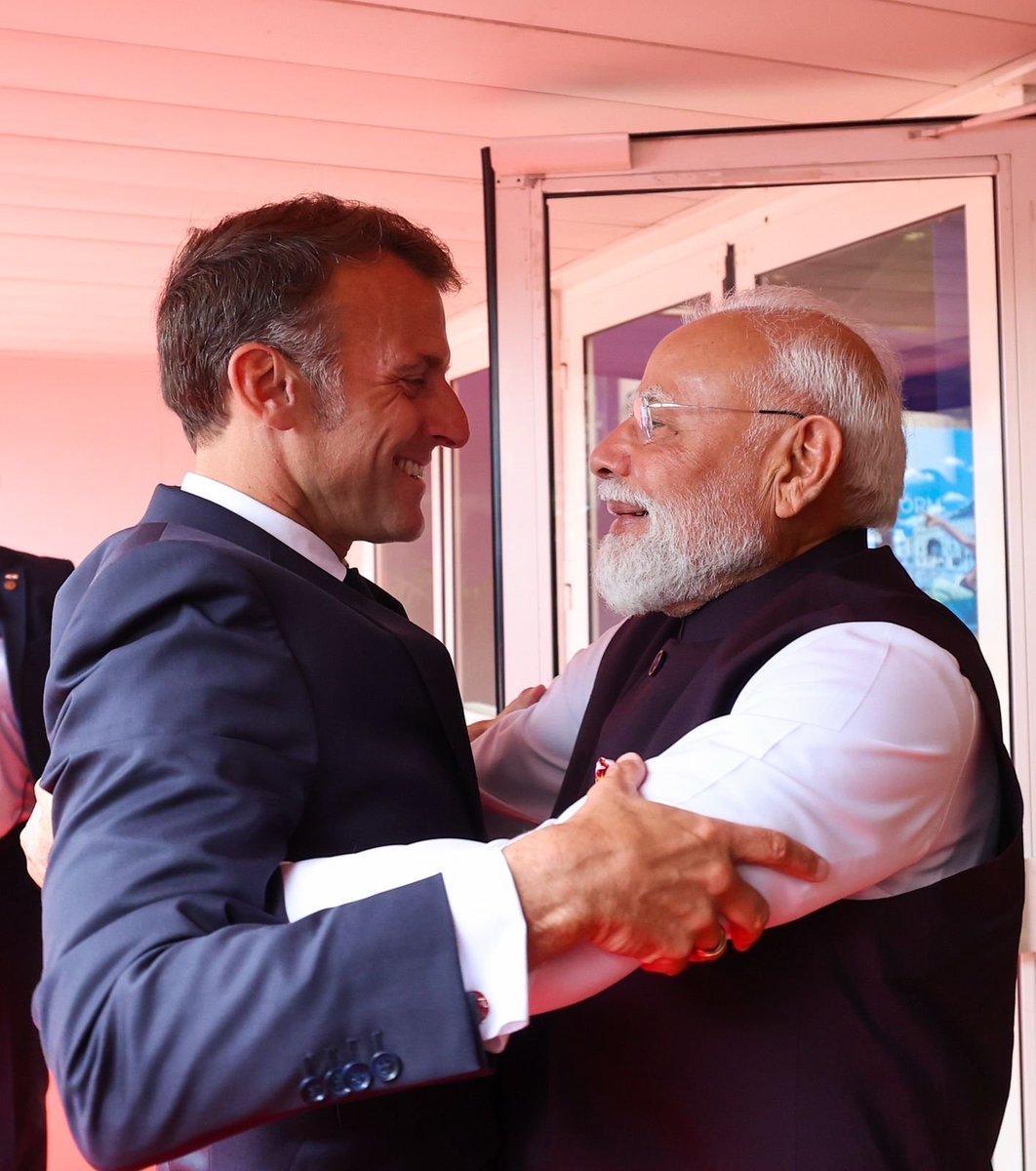
Today’s talks with my friend, President Macron were exceptionally productive. Considering the longstanding friendship between our nations, we have decided to elevate our ties to a Special Global Strategic Partnership.
Our talks covered ways to deepen cooperation in key sectors like defence, technology, space, security, counter terrorism, innovation and more.
@EmmanuelMacron
545
2,551
13,492
337,195
18h
Interesting conversation with @AvikAshar who's been a friend and a sounding board as we've built @taghashhq over the years. He is also one of the kindest and most founder-friendly investors you'll ever come across.
Avik has spent over a decade investing across startups, worked closely with family offices and venture capital firms. Moreover, he's been a founder himself.
Having seen the journey from both sides of the table, it was insightful discussing a range of subjects with him. In this action packed episode, you'll catch us dicussing challenges of first-time fund managers, solo-GPs, valuation pressure, AI's impact on fund operations, future of work and more.
This is one episode you'll catch yourself watching till the end.
Snippet below. Full episode releasing tom.
1
5
223
Atul Jha retweeted

Days shut in a year:
Hospital: 0
Border post: 0
Police station: 0
High court: 155
Supreme court: 159
643
9,120
37,329
425,662
Atul Jha retweeted
Heureux de vous retrouver à Nice, mon ami le Président Macron. Je vous remercie d’avoir participé à « Bharat Innovates », alors que nos deux nations célèbrent « l’Année de l’innovation ».
@EmmanuelMacron
2,100
4,914
45,523
1,556,478
Atul Jha retweeted

22h
It’s only “Sovereign AI” if it comes from a beloved startup in Indiranagar. Otherwise it’s just a sparkling Llama fine-tune.
4
10
192
6,942
Atul Jha retweeted

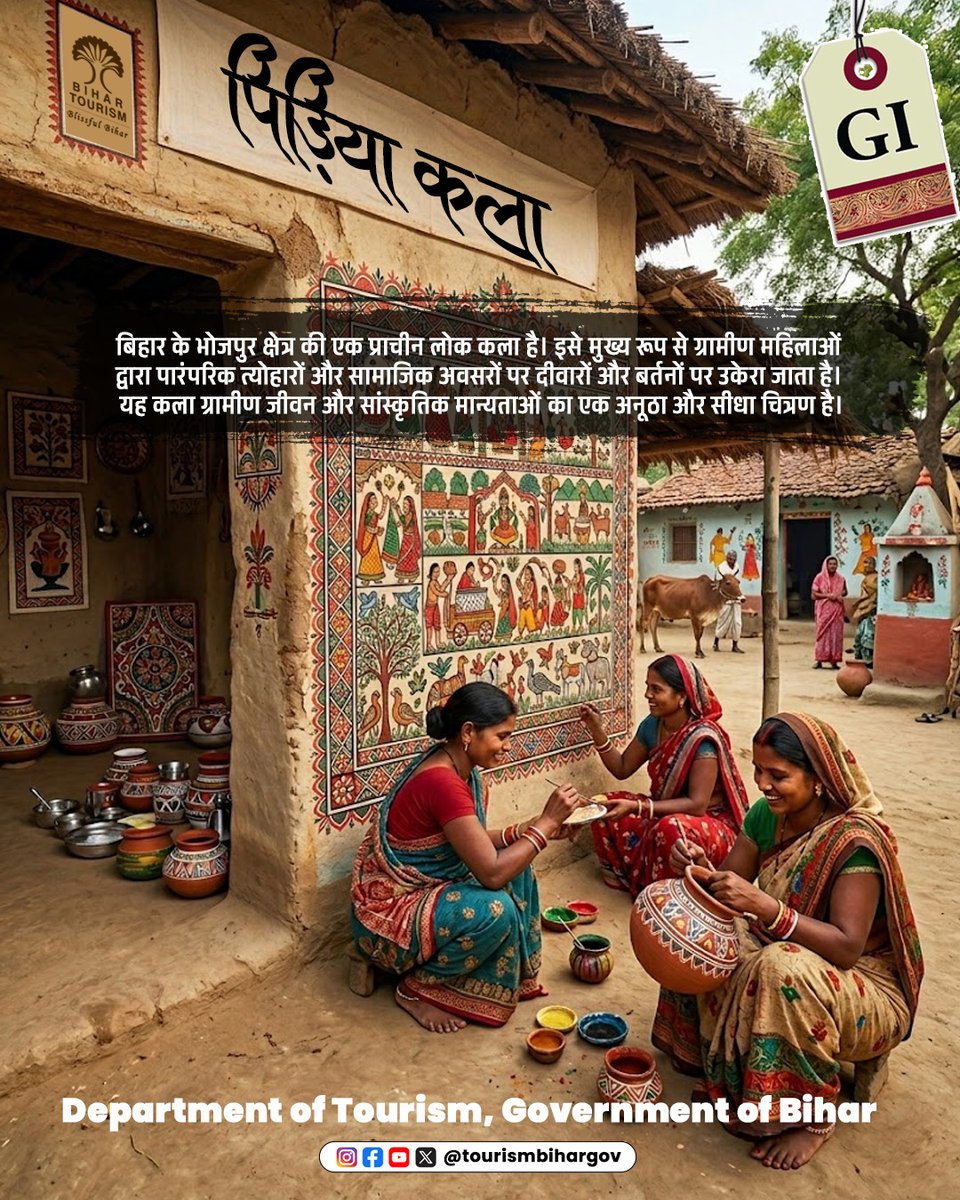
भोजपुर क्षेत्र की पारंपरिक पिड़िया पेंटिंग बिहार की समृद्ध लोक कला विरासत का जीवंत उदाहरण है।
ग्रामीण महिलाओं द्वारा बनाई जाने वाली यह कला लोकजीवन,परंपराओं और सांस्कृतिक भावनाओं को सुंदरता से अभिव्यक्त करती है।
सरकार के सतत प्रयासों से बिहार की पारंपरिक कलाओं और शिल्प उत्पादों को GI टैग की मान्यता प्राप्त हुई है, जो उनकी विशिष्टता, गुणवत्ता और सांस्कृतिक विरासत का प्रमाण है।
#PidhiyaPainting #BhojpurArt #FolkArt #Culture #TraditionalArt #GITaggedHeritage #BiharCrafts #FolkPainting #Bihartourism
@kedarguptain @singh_loke34264 @incredibleindia @tourismgoi
7
31
546
Atul Jha retweeted

Jun 14
Globalisation is dead. No one would want to see us as a country prosper. We need to build and build big across industries - from smallest of screws to the most complex machines and technology while at the same time focused on external and internal security 🤞
3
1
6
1,123
Jun 13
🤨
Jun 13

JUST IN: Andrej Karpathy, a top AI scientist at Anthropic, is reportedly barred from accessing the company’s most advanced AI model because he is not a U.S. citizen.


1
295
Jun 13

Jun 13

JUST IN: 🇮🇷🇺🇸 Iran's Foreign Ministry says US-Iran deal will not be signed tomorrow.
254
Atul Jha retweeted

Jun 13
JUST IN: 🇮🇷🇴🇲 Iranian Foreign Minister Araghchi says Iran and Oman will issue a joint statement on the Strait of Hormuz.
116
593
4,897
268,179
Atul Jha retweeted

Jun 13
bro how the fuck am i gonna implement this dropdown menu in React now
Jun 13

As a result of a US government directive, we are suspending access to Claude Fable 5 for all users. You can continue to use all other Claude models.
Here’s what this means for you:
Across Claude products, new sessions will run on your selected default model or Opus 4.8, and existing Fable 5 sessions will end with an error.
On the Claude Platform, requests to Fable 5 will also return an error. Please update your integrations to other Claude models.
We know this is a disruption to your workflows; we appreciate your patience and support.
39
238
8,950
344,521
Atul Jha retweeted

Strong validation of the Sovereign AI thesis. Every large country needs its own models - open and closed source plus chips, data centers, and cloud.
Indian founders have built their stack on Chinese open-source models. What happens when the next generation stops being open source?
China has every incentive to open-source while behind, then close the gate once everyone depends on it.
The case for India building its own models, both open and closed has never been stronger.
Jun 13

The US government, citing national security authorities, has issued an export control directive to suspend all access to Fable 5 and Mythos 5 by any foreign national, whether inside or outside the United States, including foreign national Anthropic employees.
The net effect of this order is that we must abruptly disable Fable 5 and Mythos 5 for all our customers to ensure compliance.
Access to all other Claude models is not affected.
We apologize for this disruption to our customers. We believe this is a misunderstanding and are working to restore access as soon as possible.
Read our full statement: anthropic.com/news/fable-myt…
23
35
255
25,502
Jun 13
India joins elite club with successful ballistic missile defence, anti-ship missile trials
hindustantimes.com/india-new…
1
8
267

Atul Jha retweeted

Jun 12
SCOOP: Meta plans to clamp down on skyrocketing AI costs inside the company by imposing limits on employees’ token usage, the company told staff in a memo on Tuesday, just weeks after it pushed them to adopt AI tools in their work.
44
141
1,266
381,540

NEWS: $28/hour SpaceX welder becomes millionaire after IPO
"I thought in my head, I don't know what SpaceX is, but let's go" -Juan Hernandez, in 2015 when a friend referred him to SpaceX
His $10,000 stock compensation is worth just over $1 million today

6
13
215
26,161
Atul Jha retweeted

Jun 12
The AI price war is here (wsj.com/tech/ai/the-ai-price…). That is good news for buyers, but only if they understand what is actually getting cheaper.
The price competition is piling pressure on OpenAI and Anthropic. The story fits a broader pattern we have been seeing for months: model access is becoming less scarce, and buyers are getting more leverage.
Stating the obvious first: lower model prices help. Token costs matter, especially when companies move from pilots to production workloads.
But here is what people miss.
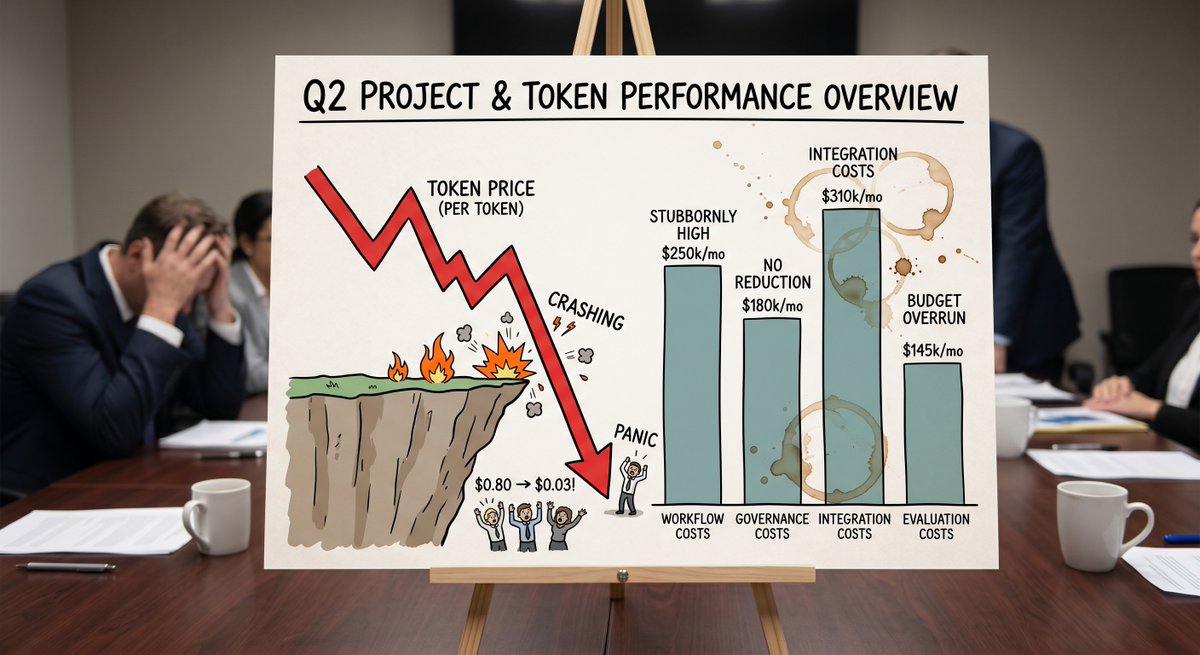
A cheaper model does not automatically make an AI system cheaper.
Most enterprise AI cost hides outside the model invoice. Integration costs. Data cleaning. Evaluation. Security review. Human review. Workflow redesign. Monitoring. Incident handling. Vendor management. The kind of work that does not look magical on stage, which is probably why it matters.
So the price war changes the buyer playbook.
If model prices keep compressing, enterprises should avoid architectures that lock too much logic into one provider. They should separate model selection from workflow design, evaluation, orchestration, and governance.
That does not mean model quality is irrelevant. It means the economic power shifts toward the layer that owns the workflow and proves the outcome.
For startups, this is uncomfortable but clarifying. If your moat is “we call a frontier model,” the market is coming for you. If your moat is domain workflow, proprietary evaluation data, trust, distribution, or operational integration, falling model prices may actually help.
When inference gets cheaper, does your advantage expand or disappear?
If the answer is disappear, you do not have an AI strategy. You have a temporary pricing artifact.
#AIStack #EnterpriseAI #OpenAI #Anthropic #AITransformation #AIEconomics #CIOMindset
1
82