
Joined January 2013
- Tweets 174,359
- Following 7,449
- Followers 7,834
- Likes 191,741
1,457 Photos and videos










Pinned Tweet
“Churchill should be able to enjoy pork sausages while we can still get them,” was Amelia’s answer, which made Rachel’s brow furrow—while we can still get them?
amazon.com/Amelia-Counterrev…

2
6
20
738
L. Jagi Lamplighter retweeted

A brief One Piece Newspaper run was printed in Japan to serve as an advertisement for the popularity poll.
It's now been translated officially into English, containing an interesting timeline of One Piece's sales

90
160
856
21,120
L. Jagi Lamplighter retweeted

This is what we need!!! I have been telling White Men to fight back for ages and now FINALLY something is happening, i hope this goes viral, because this video needs to be seen by every single fighting masculine White Men! 🔥💪🏼
2,074
10,478
46,624
1,064,527
L. Jagi Lamplighter retweeted

Jun 11
EPIC: President Trump has installed additional statues of America’s Founding Fathers in the newly renovated White House Rose Garden.
419
3,659
31,057
443,810
L. Jagi Lamplighter retweeted

Jun 11
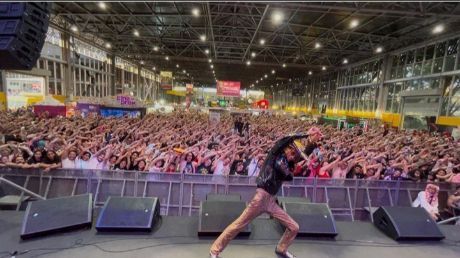
Franky's original voice actor Kazuki Yao in Colombia
13
237
6,113
66,550
L. Jagi Lamplighter retweeted

Jun 11
Today, the United States has been consecrated to the Sacred Heart of Jesus.


69
799
8,214
72,698
L. Jagi Lamplighter retweeted

Jun 11
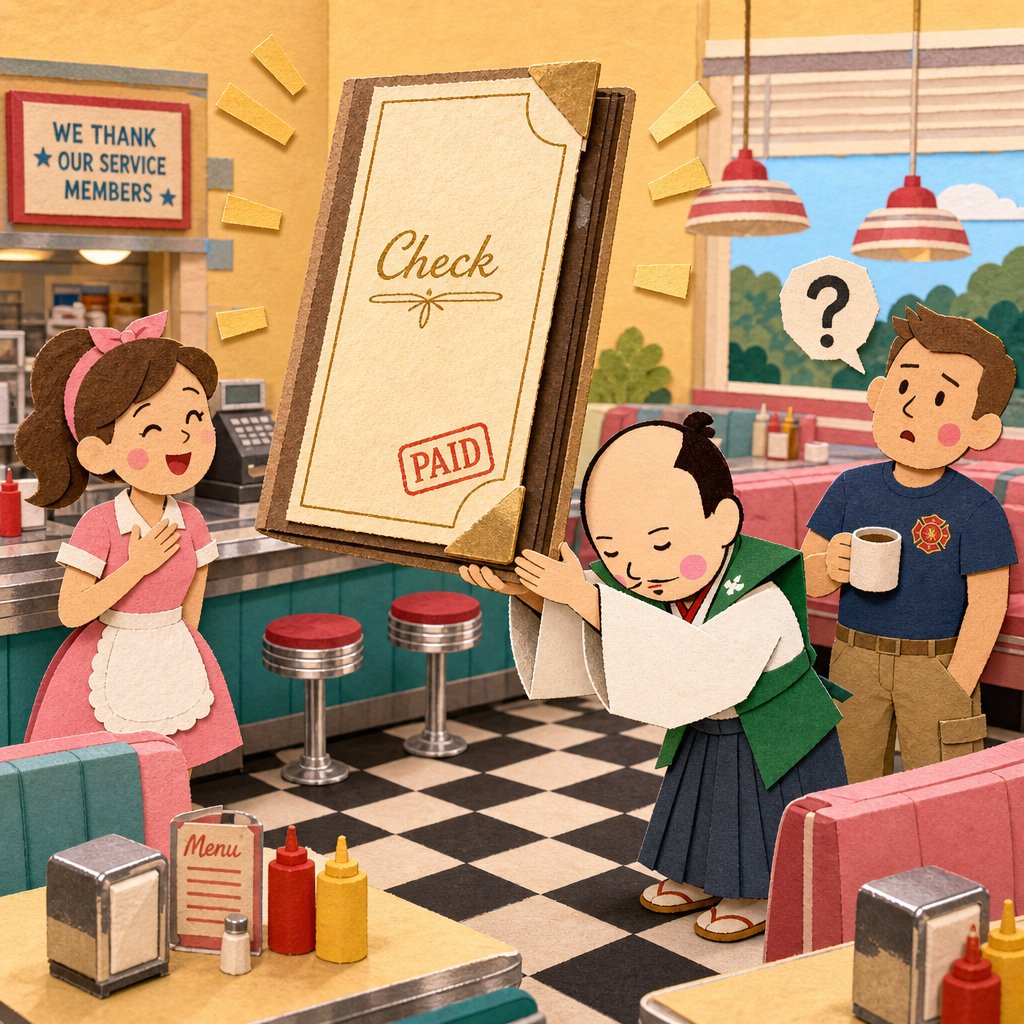
There was a man at the next table in uniform, and the waitress would not let him pay.
I watched it happen. He reached for the small folder with the bill. She placed her hand flat upon it, gently, the way one stills a sword that should not be drawn.
"Not today," she said. "Somebody already got it. They asked me to tell you — thank you for your service."
He looked around the room. He did not know who. That was the point.
I set down my fork. I needed a moment to understand what I had seen.
In my homeland, a man who guards the realm is fed by the realm, openly, with ceremony, his name spoken at the gate. Here, a stranger pays for his meal and then hides, so that no debt may be felt. They guard the man even from the weight of being thanked.
"Thank you for your service."
I said it under my breath, testing the shape of it. Four words. A whole code folded inside four words.
(I confess my eyes stung. I blamed the pepper. There was no pepper.)
So I called the waitress over. "The firefighters," I said. "When they come. Their bill. Bring it to me." She blinked. "Sir, that could be a lot of people." "Then bring it to me," I said, "many times."
She laughed, but she wrote it down.
A man in a soft helmet at the counter — off duty, a firefighter, I learned — raised his coffee at me from across the room. He did not know the rite I had just sworn. He only saw a foreigner in old armor, smiling too hard.
"You good, man?" he asked.
I was not "good." I was overflowing. But the word for that is not a word they use at lunch, so I said, "I am good," and held the cup up too high, like a banner.
Here, the people who run toward fire are repaid by people who refuse to take the credit. The whole nation passes one quiet gift hand to hand, and no one signs it.
I am keeping a folder now. For the bills. So tell me where to send the thanks — I have a great deal of it, and I have only just begun.
74
303
3,120
31,432

Jun 12
It is not about helping children.
It's about looking at you every time you use the internet to "make sure you are not a child."
Jun 11

Question.
Why is it that multiple countries across the world are now pushing for a social media ban for children simultaneously?
Let's be real.
In reality, this is about censorship.
This can't be a coincidence.
2
5
78
L. Jagi Lamplighter retweeted

Jun 10
Australia has a relatively small population.
We share no land borders and are protected by vast oceans.
We have abundant agricultural land, enormous natural resources, and some of the world’s most valuable exports.
We’ve enjoyed more than 80 years without war on our own soil and never experienced a civil war.
There is no reason poverty should be increasing in this country.
There is no reason the middle class should be shrinking.
There is no reason each generation shouldn’t have the opportunity to live better than the last.
Australia’s challenges aren’t the result of a lack of land, resources, wealth, or stability.
They are the result of political decisions.
And for too long, we’ve kept electing politicians who fail us.

892
1,858
9,974
265,115
Jun 12
I suspect they would not be happy with what it has become. :-(
Jun 11

Les apparences peuvent être trompeuses.
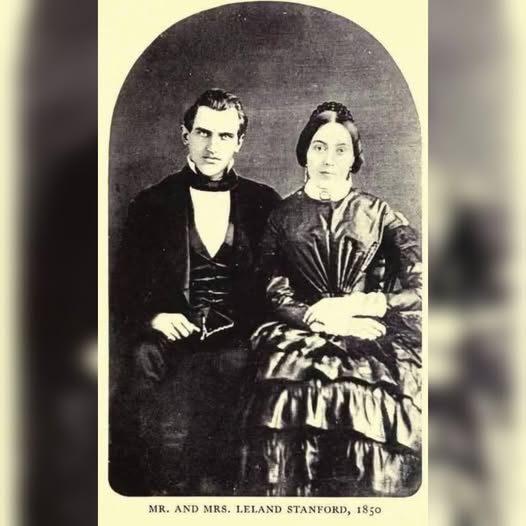
À la fin du XIXe siècle, un couple descend du train à Boston avec l'intention de visiter l'université de Harvard. Leur tenue est simple : elle porte une modeste robe de coton, lui un costume peu raffiné.
Sans rendez-vous, ils se présentent au secrétariat du président de l'université, mais sont accueillis avec méfiance. Le secrétaire, les voyant si humblement vêtus, les prend pour des paysans et estime qu'ils n'ont rien à faire à Harvard.
"Nous voudrions parler au président", dit timidement l'homme.
"Désolé, il est très occupé", répondit froidement le secrétaire.
"Nous attendrons", rétorque calmement la femme.
Espérant qu'ils se lasseraient et partiraient, le secrétaire les a ignorés pendant des heures. Mais le couple ne bouge pas. Finalement, impatiente, elle décida d'en référer au président, espérant qu'une brève rencontre les convaincrait de partir.
Mécontent, le président les reçoit d'un air sceptique.
La femme explique : "Notre fils a fréquenté Harvard pendant un an et y était très heureux, mais il est malheureusement décédé dans un accident. Nous aimerions faire quelque chose en sa mémoire.
Le président, impassible, répond : "Nous ne pouvons pas ériger une statue pour chaque ancien étudiant décédé. Nous finirions par transformer le campus en cimetière.
"Nous ne voulons pas de statue", répond la femme, "nous pensions faire don d'un bâtiment à Harvard".
Le président, incrédule, regarde leurs vêtements et rit avec condescendance : "Un bâtiment ? Savez-vous combien coûte un bâtiment ? Ici, à Harvard, nous avons dépensé plus de sept millions et demi de dollars pour nos installations !"
La femme est restée silencieuse pendant un moment, puis elle s'est tournée vers son mari et a murmuré : "Est-ce que cela coûte si peu de construire une université ? Pourquoi ne pas fonder la nôtre ?"
Le mari acquiesce.
Sans rien ajouter, le couple s'est levé et a quitté Harvard.
Ce couple s'appelait Leland et Jane Stanford, et quelques années plus tard, en Californie, ils fondèrent l'université Stanford, dédiée à la mémoire de leur fils bien-aimé.
Aujourd'hui, Stanford est l'une des universités les plus prestigieuses du monde, au même titre que Harvard.
Moralité :
Juger quelqu'un sur ses apparences peut s'avérer une erreur colossale.
3
72
L. Jagi Lamplighter retweeted

Jun 11
2
17
565
L. Jagi Lamplighter retweeted

Jun 11
Two British guys try ribs for the first time — and totally lose it.
387
1,834
23,804
1,001,129
L. Jagi Lamplighter retweeted

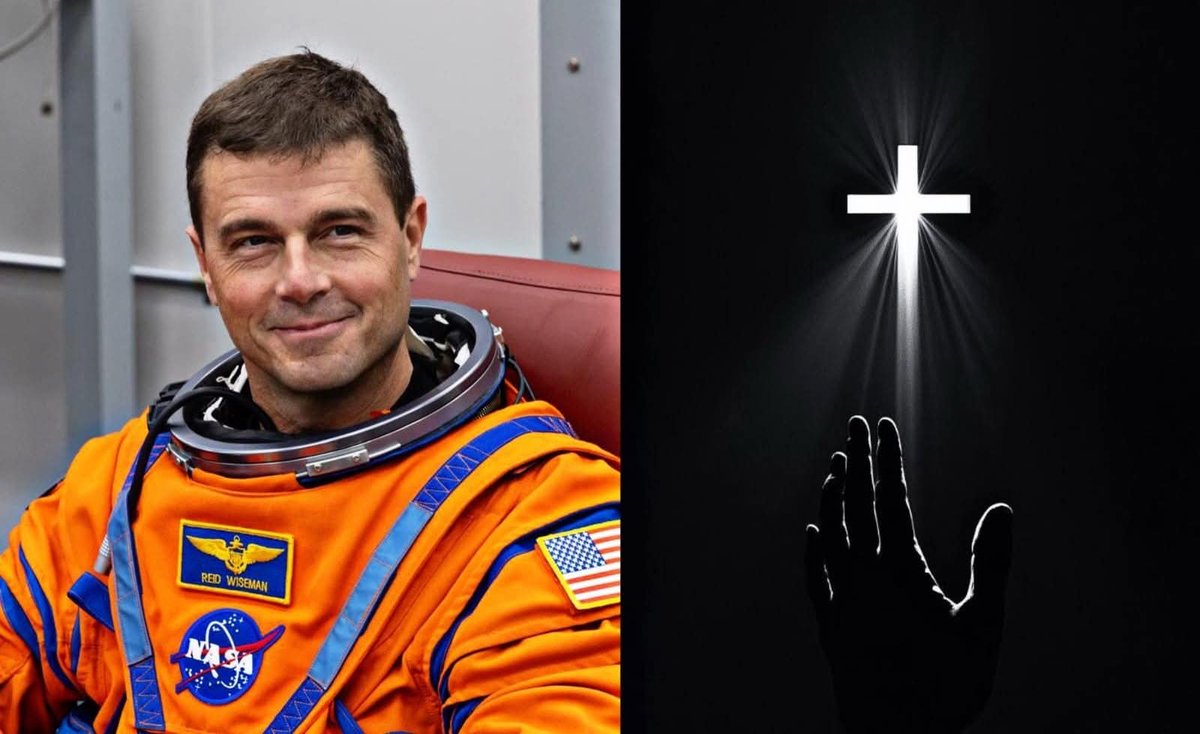
🚨BREAKING: Atheist Artemis II astronaut Reid Wiseman says he has CONVERTED to Christianity after his trip to moon:
"There is no other explanation for what I saw and experienced. When we landed back on earth, I saw the cross and just wept."
Community note
Reid Wiseman did not announce converting to Christianity after Artemis II or claim to be an atheist; he said he is "not really a religious person" and his emotional reaction to seeing a cross does not indicate conversion, contrary to the post's fabricated quote. snopes.com/fact-check/rei… yahoo.com/news/articles/…
589
4,648
37,024
699,198
L. Jagi Lamplighter retweeted

Jun 10
Decay is a choice. DC before vs after:
1,213
13,648
83,675
1,334,917
L. Jagi Lamplighter retweeted

Jun 11
I wonder what sort of people make a decision like this
Jun 11

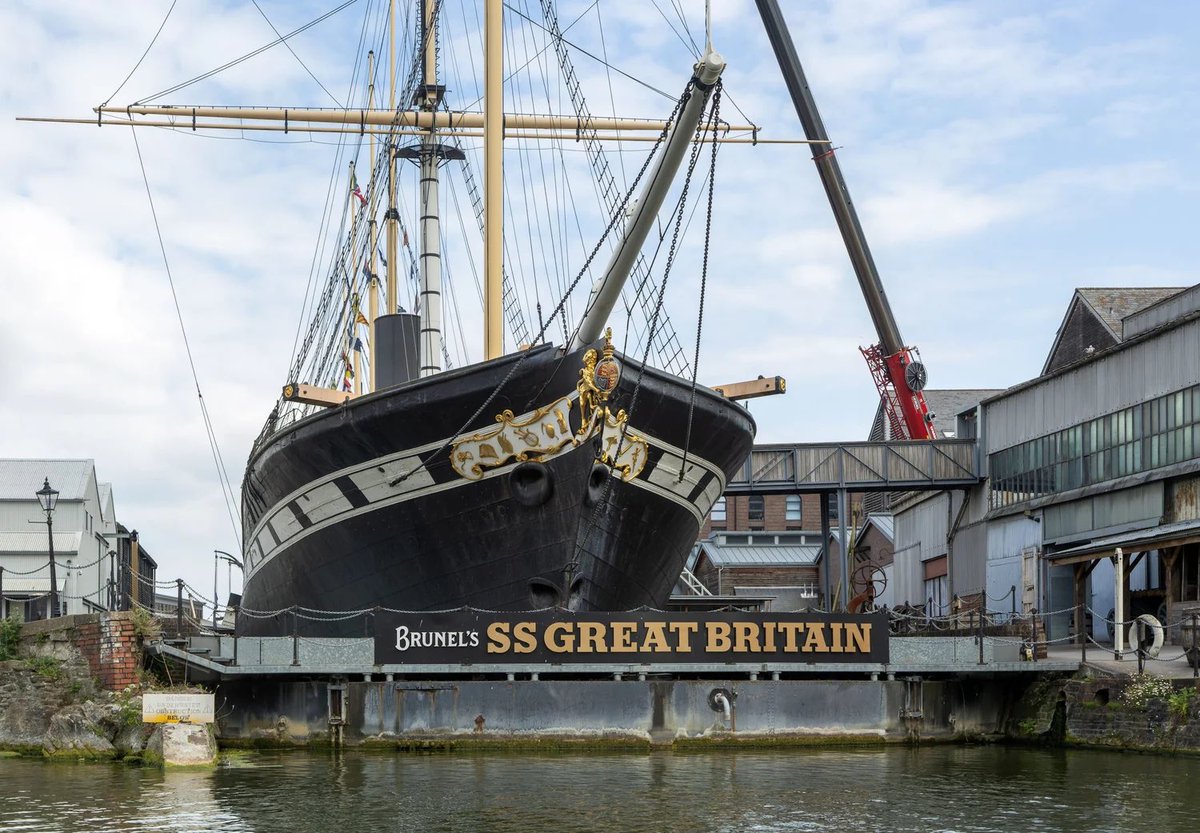
Iconic Bristol shipyard removes “Great Britain” from name to 'represent diversity'.
They are literally deleting our history and our culture right before our very eyes.
3,060
7,641
39,697
591,460
L. Jagi Lamplighter retweeted

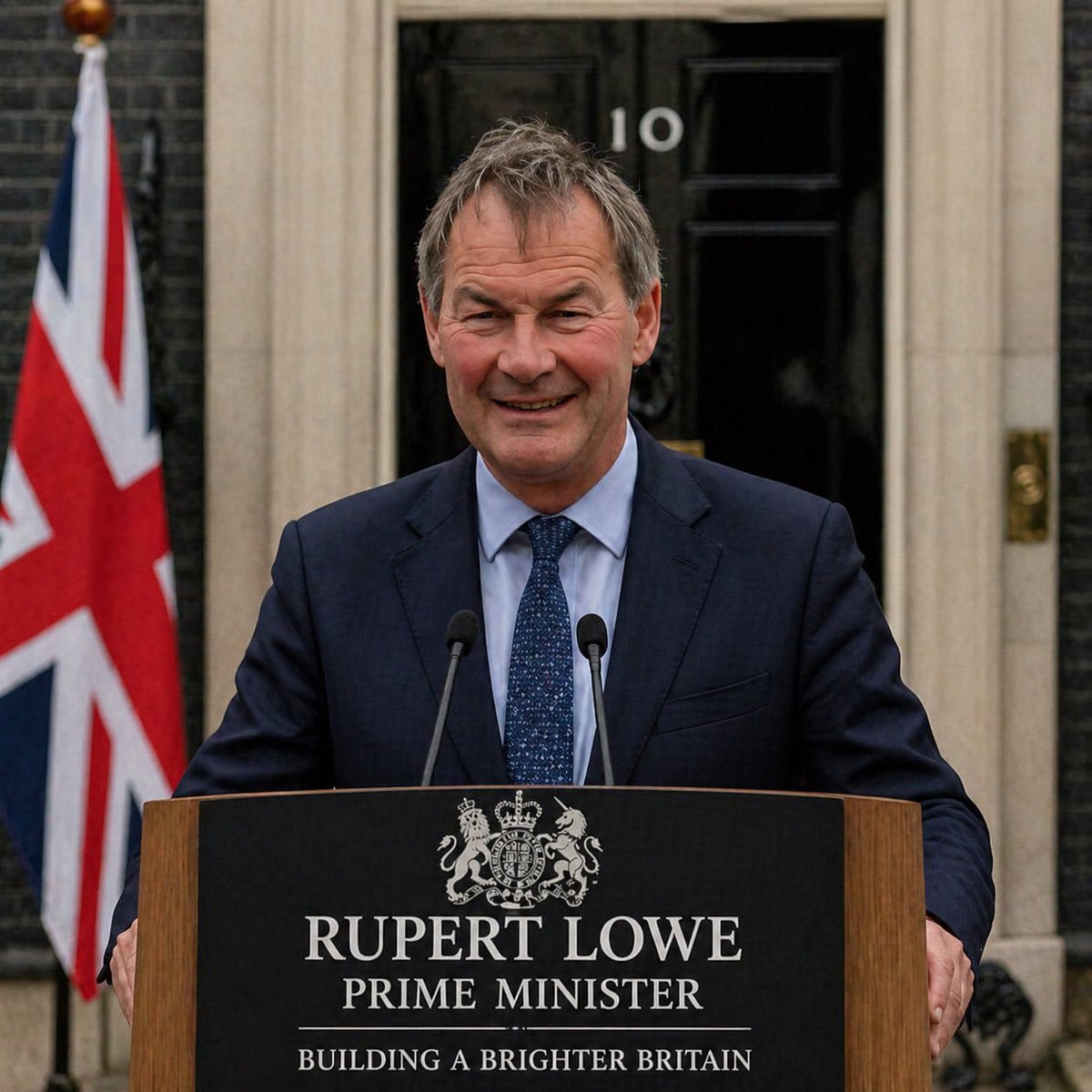
Serious question.
How many people here believe Rupert Lowe would make a better Prime Minister than anyone currently in Westminster?
1,521
1,416
17,589
157,016
L. Jagi Lamplighter retweeted

Jun 10
You’re telling that nearly 300,000 people voted for a repeat of the 2025 Palisades fire by voting for Karen Bass again?
Spencer Pratt has 5 more months to try to right this!
Do. Not. Concede!
We have your back, Mayor Pratt!
Jun 9

🚨 BREAKING: Radio Stations in Los Angeles are calling for the Removal of Mayor Karen Bass 🔥
California is FINALLY waking up
Make California GREAT Again
733
11,263
50,574
1,109,319


L. Jagi Lamplighter retweeted
Jun 11
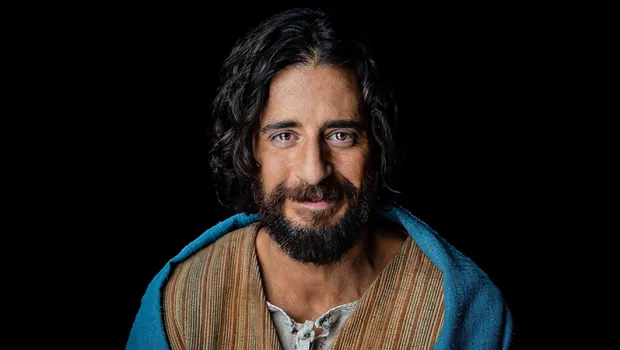
The Chosen broke the Guinness World Record for most translated series ever


32
785
11,511
319,280
L. Jagi Lamplighter retweeted

Jun 11
Released in 1975, Rikki-Tikki-Tavi was an animated television special directed by legendary animator Chuck Jones and based on the classic story by Rudyard Kipling.
The story follows a brave mongoose who takes on two deadly cobras to protect the family that rescued him. For a generation of kids, it was one of those rare animated films that felt genuinely intense. The stakes were real, the villains were terrifying, and you couldn't help but root for Rikki-Tikki every step of the way.
More than 50 years later, it's still remembered as one of the finest animated adaptations ever put on television.
Did you watch Rikki-Tikki-Tavi growing up?
983
2,312
21,425
886,843
L. Jagi Lamplighter retweeted

Jun 11
IT’S OFFICIAL
I’m now an elected official in the Commonwealth of Pennsylvania.
Thank you to every single voter that elected me in the May 19th primary.
I will be in person at the Summer meeting to represent Beaver County, PA.

4,329
12,219
86,864
720,384