Srivatsa Gotra. Professional, political observer and a proud Dharmic Bharatiya. Proud to be followed by KL. धर्मो रक्षति रक्षितः ||जय श्रीराम 🚩|| Jai Hind.
Joined May 2014
- Tweets 43,593
- Following 1,203
- Followers 1,707
- Likes 73,813
3,062 Photos and videos
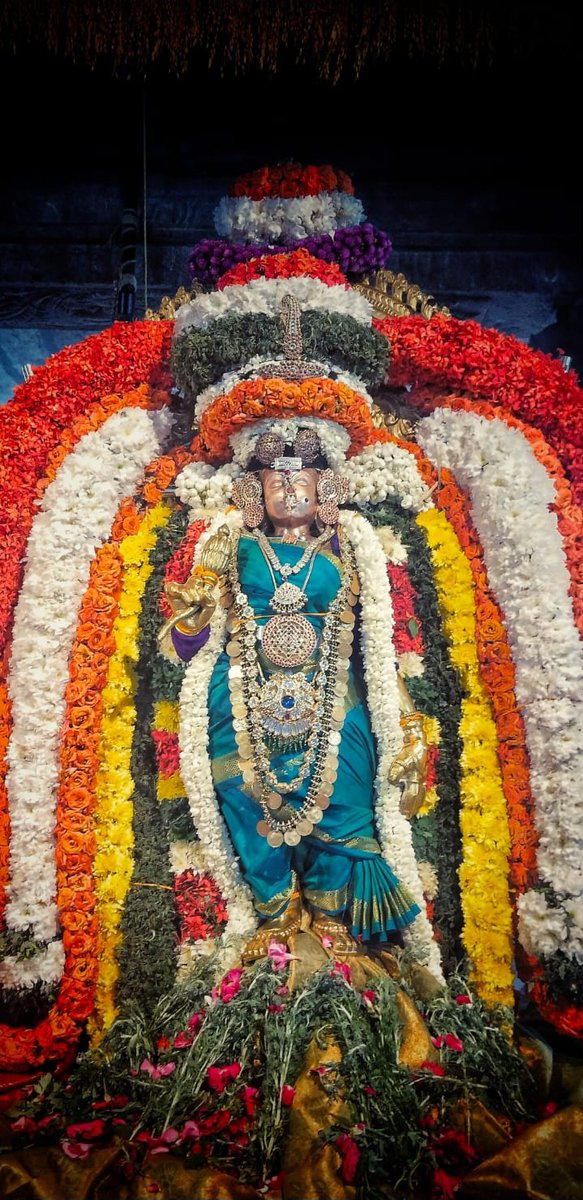
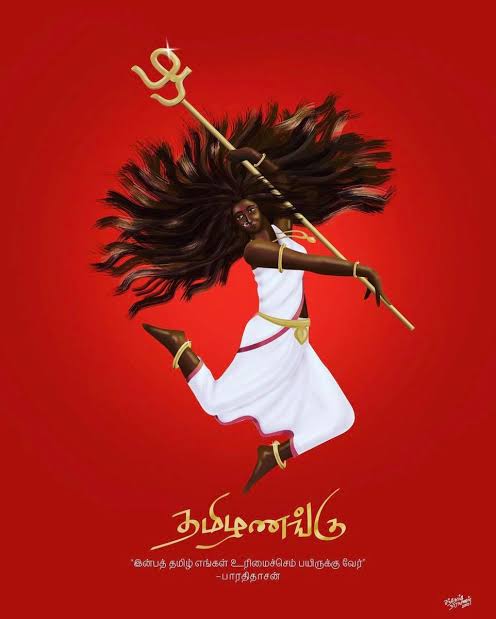
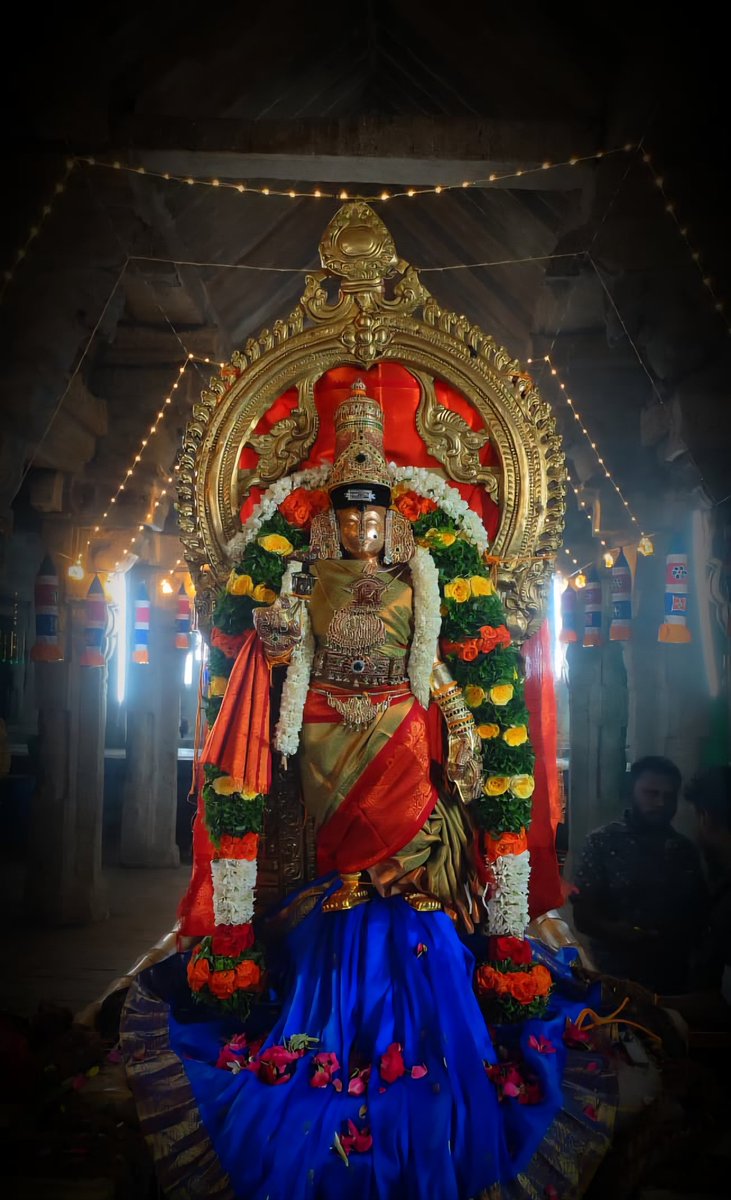
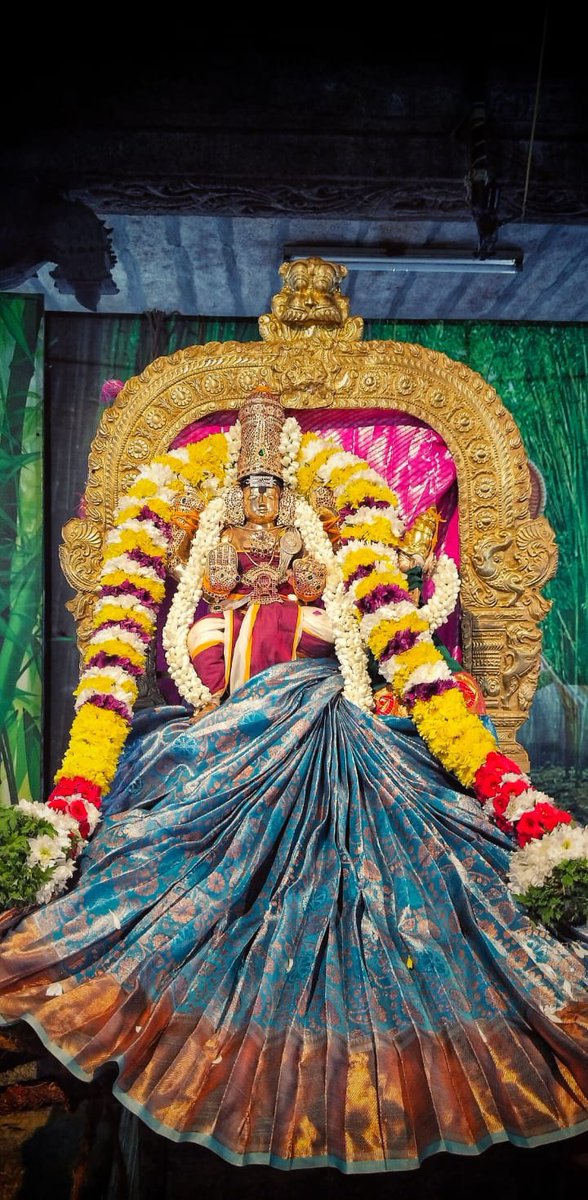

என்னுடைய கடன் சுமையான ₹1,28,034/- சேர்த்து அடைக்க ஒத்துக் கொண்ட @TruthAlone2 அவர்களுக்கு என் மனமார்ந்த நன்றிகள்...
3
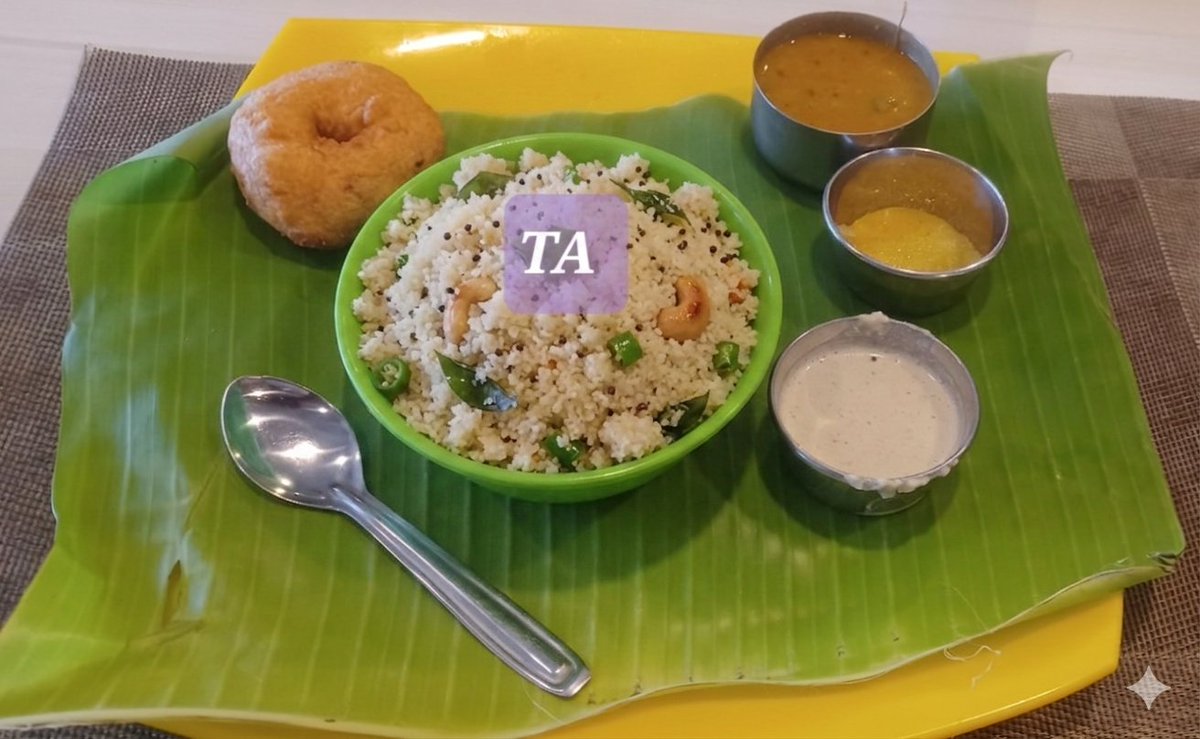
Thank you @TruthAlone2 for the breakfast treat. That #Adai_Aviyal was yummy, among the breakfast items.
Thank you @mregupathy, @actualycitizen1, @iyer_prasanna for taking out time from your busy schedule for the breakfast meetup!
2
9
669
அப்படியே அடுத்து குற்றச் செயல்கள் செய்யும் தமிழர்களையும் வடமாவட்டம் தென்மாவட்டம்னு பிரிச்சிட்டீங்கன்னா சூப்பரா இருக்கும்! அப்படி வடக்குத் தெரு தெற்குத் தெரு ன்னும் தொடரட்டும்!
Jun 15

திருவள்ளூர் மாவட்டம் கும்மிடிப்பூண்டி அருகே, 3 வயது பெண் குழந்தை பாலியல் தாக்குதலுக்குள்ளாகி, சிகிச்சை பலனின்றி உயிரிழந்த செய்தி, மிகுந்த அதிர்ச்சியும், வருத்தமுமளிக்கிறது.
இந்தக் குற்றத்தில் தொடர்புடைய வடமாநிலத்தைச் சேர்ந்த ஒரு நபர் கைது செய்யப்பட்டிருக்கிறார். அதே போல, காஞ்சிபுரம் மாவட்டம் ஆதனூரில், பத்து வயது பெண் குழந்தைக்கு பாலியல் தொல்லை கொடுத்த வடமாநில நபர் கைது செய்யப்பட்டிருக்கிறார்.
கடந்த சில மாதங்களாகவே, தமிழகத்தின் பல்வேறு பகுதிகளில் நடைபெறும் குற்றங்களில், வட மாநிலங்களைச் சேர்ந்தவர்கள் தொடர்பு இருப்பது அதிகரித்துள்ளது.
இந்த ஜூன் மாதத்திலேயே, சென்னையில் மூதாட்டியிடம் சங்கிலி பறிக்க முயன்ற ஒரு வடமாநில இளைஞர் ஒருவர் கைது செய்யப்பட்டார். கடந்த மாதம், தாம்பரம் அருகே இளம்பெண்ணிடம் பாலியல் தொல்லை செய்த வழக்கு, திருவள்ளூர் அருகே வீட்டில் தனியாக இருந்த பெண்ணிடம் அத்துமீறிய வழக்கு, சென்னை வேளச்சேரி பேருந்து நிலையம் அருகே 61 வயது பெண், கூட்டு பாலியல் வன்கொடுமை செய்யப்பட்ட வழக்கு, சென்னை வேளச்சேரியில் மனநலம் பாதிக்கப்பட்ட பெண்ணுக்கு பாலியல் தொல்லை கொடுத்த வழக்கில், 15 வயது சிறுவன் உட்பட மூன்று வடமாநில தொழிலாளர்கள் கைது, சென்னை மதுரவாயல் பகுதியில் அதிகாலையில் வீட்டிற்கு வெளியே கோலம் போட்டுக் கொண்டிருந்த பெண்ணிடம் பாலியல் சீண்டல் செய்த வழக்கு என, தொடர்ந்து பல குற்றங்களில், வட மாநில இளைஞர்கள் கைது செய்யப்படுவது பல கேள்விகளை எழுப்பியுள்ளது.
குற்றங்களில் ஈடுபடுபவர்களை, காவல்துறை உடனடியாகக் கண்டுபிடித்துக் கைது செய்வது பாராட்டத்தக்கது. ஆனால், குற்றங்கள் நடைபெறாமல் தடுப்பதற்கான என்ன நடவடிக்கைகளை மேற்கொள்ளப் போகிறது தமிழக அரசு?
பணி நிமித்தமாக, பல மாநிலங்களைச் சேர்ந்தவர்கள் தமிழகத்துக்கு வருவதும், தமிழகத்தைச் சேர்ந்தவர்கள், பல இடங்களுக்குச் செல்வதும் இயற்கை. ஆனால், பிற மாநிலங்களிலிருந்து தமிழகத்துக்கு வருபவர்கள் குறித்த சரியான விவரங்கள், அவர்களை பணியிலமர்த்தும் ஒப்பந்ததாரர்களிடமோ அல்லது, நிறுவன உரிமையாளர்களிடமோ இருக்கிறதா? இந்த விவரங்கள், தமிழக அரசிடம் வழங்கப்படுகிறதா? இதனை முறைப்படுத்த வேண்டாமா?
தமிழக அரசு உடனடியாக இது குறித்து நடவடிக்கை எடுக்க வேண்டும். தமிழகத்தில் வடமாநிலங்களைச் சேர்ந்த எத்தனை தொழிலாளர்கள், எந்தெந்த நகரங்களில் இருக்கிறார்கள், அவர்கள் சொந்த ஊர் உள்ளிட்ட விவரங்கள், தற்போதைய பணியிடங்கள் மற்றும் தங்குமிடம் என, அனைத்து தகவல்களையும், வடமாநிலத் தொழிலாளர்களைப் பணியமர்த்தும் உரிமையாளர்கள், தமிழக அரசுக்கு வழங்க வேண்டும். இதனை தமிழக அரசும் முறையாகக் கண்காணிக்க வேண்டும் என்று வலியுறுத்துகிறேன்.
5
6
13
1,176
அடுத்த அறிவிப்பு.
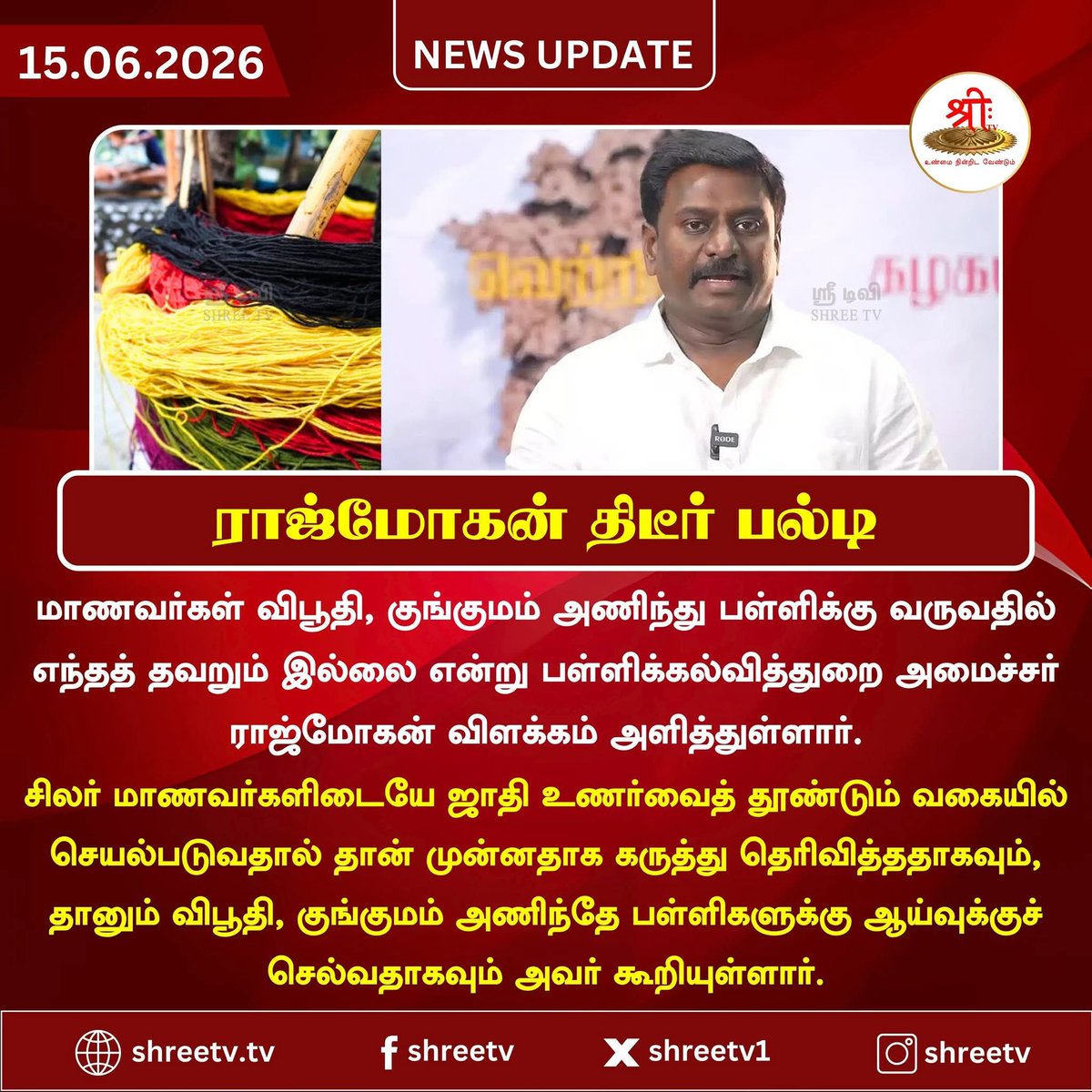
அனைத்து மாணவர்களும் மீசை வைத்துக் கொண்டுதான் பள்ளிக்கு வரவேண்டும். ஏனென்றால் அமைச்சரும் மீசையுடன் தான் ஆய்வுக்கு வருகிறார்! 🤷

82
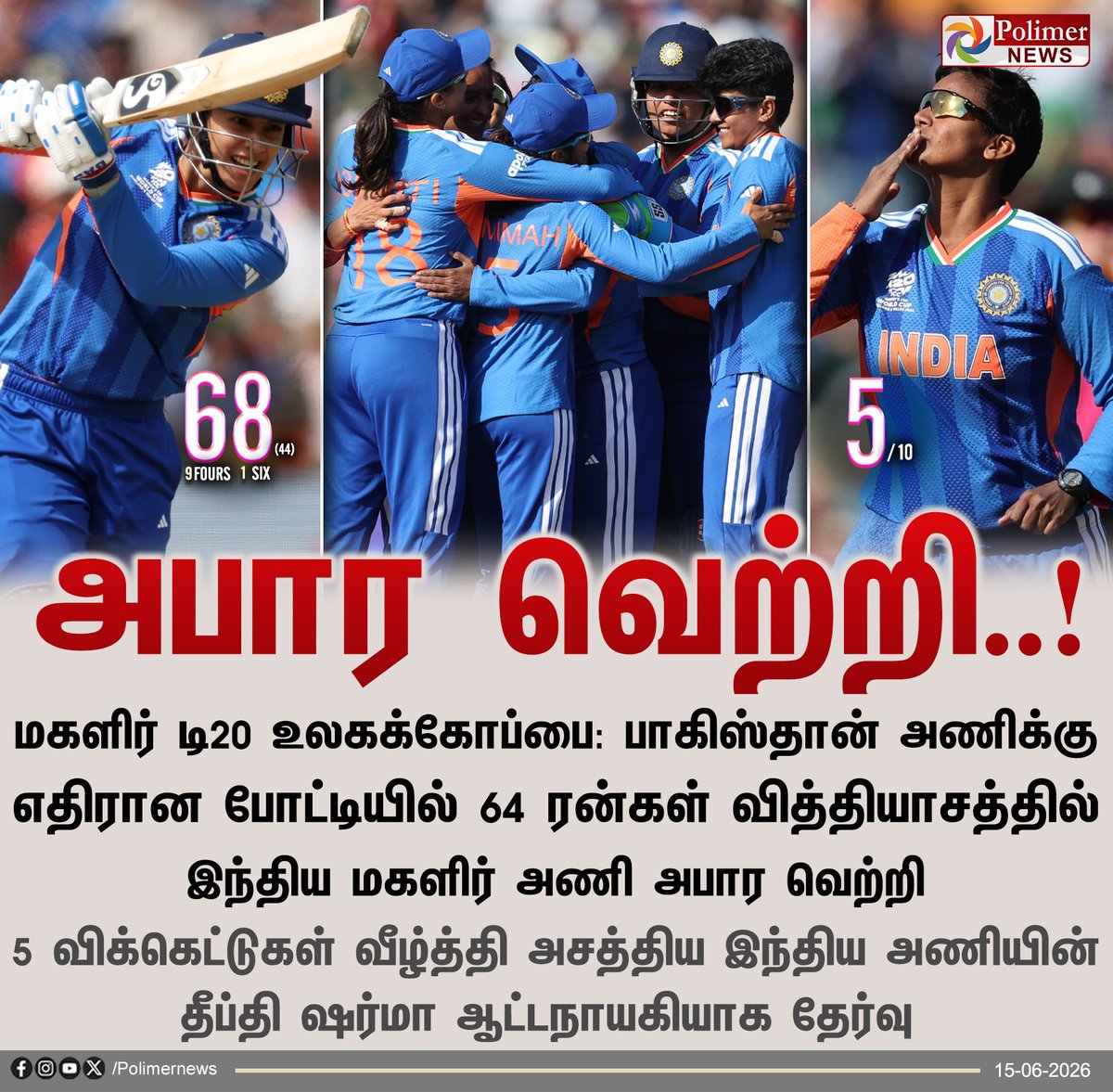
Noeth Indian BJP supporters might celebrate this but we from the new outfit in TN should show some restraint. Our celebrations might affect the other community. Culturally Tamils have always respected all the players, win or loss dont matter. We are not here to win, remember.
Jun 15

31
கேரளாவில் காங்கிரஸ் ஆட்சி...
எதுக்கு சொல்றேன்னா அதுக்குத் தான் சொல்றேன்!
Jun 13

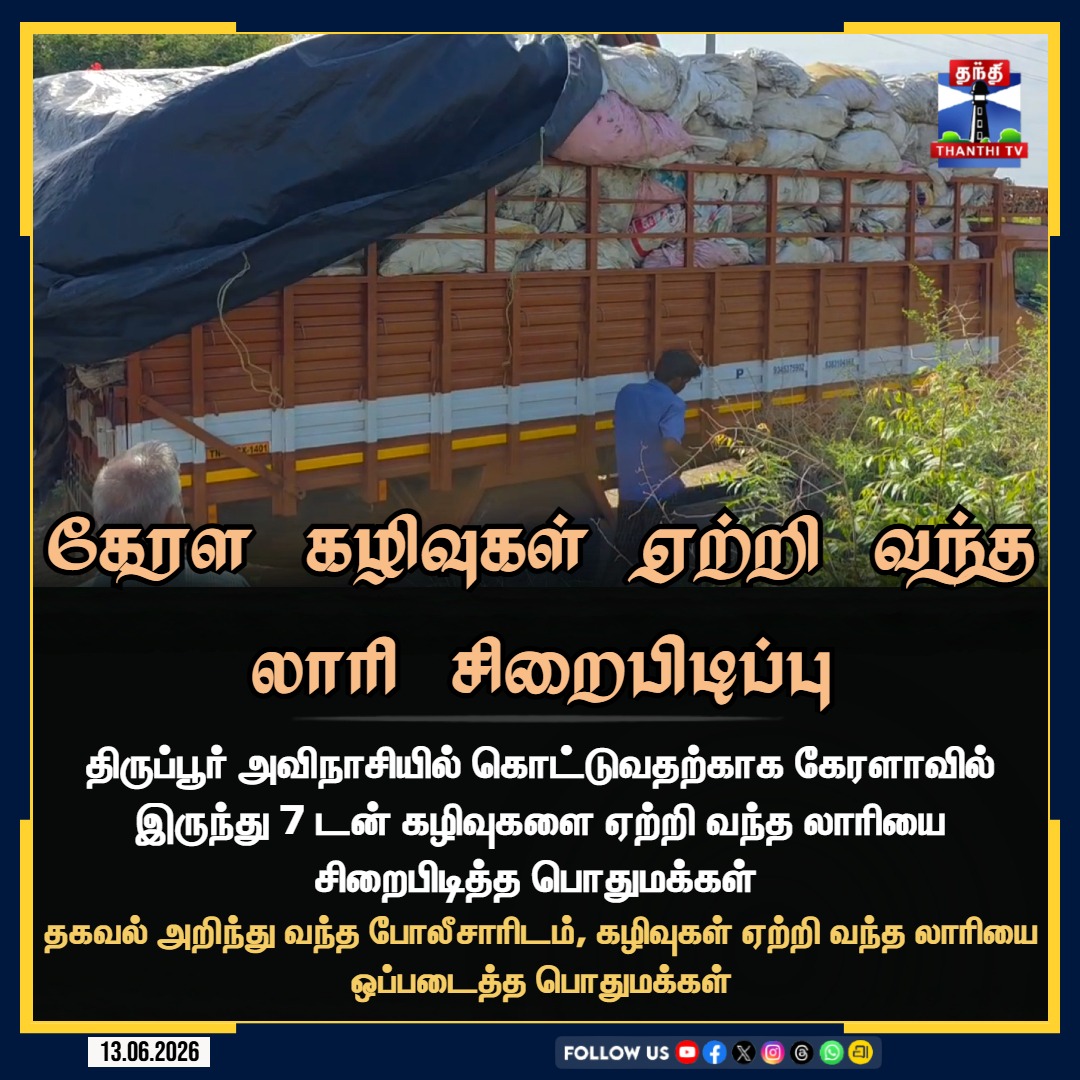
திருப்பூர் அவிநாசியில் கொட்டுவதற்காக கேரளாவில் இருந்து 7 டன் கழிவுகளை ஏற்றி வந்த லாரியை சிறைபிடித்த பொதுமக்கள் , போலீசாரிடம் ஒப்படைத்தனர்.
#Keralawaste #avinashi #Tirupur #TnPolice #Thanthitv
1
1
42
நீங்க ஆட்சிக்கு வந்ததற்கும் திமுகவே காரணம்.. இப்போ என்ன பண்ணலாம்!
Jun 14
முல்லைப் பெரியாறு, மேகதாது அணை பிரச்சனைகளுக்கு திமுகவே காரணம்.. - அமைச்சர் சி.டி.ஆர்.நிர்மல் குமார்
#Mekedatu | #MinisterCTRNirmalKumar | #TVK | #DMK | #PolimerNews
1
45
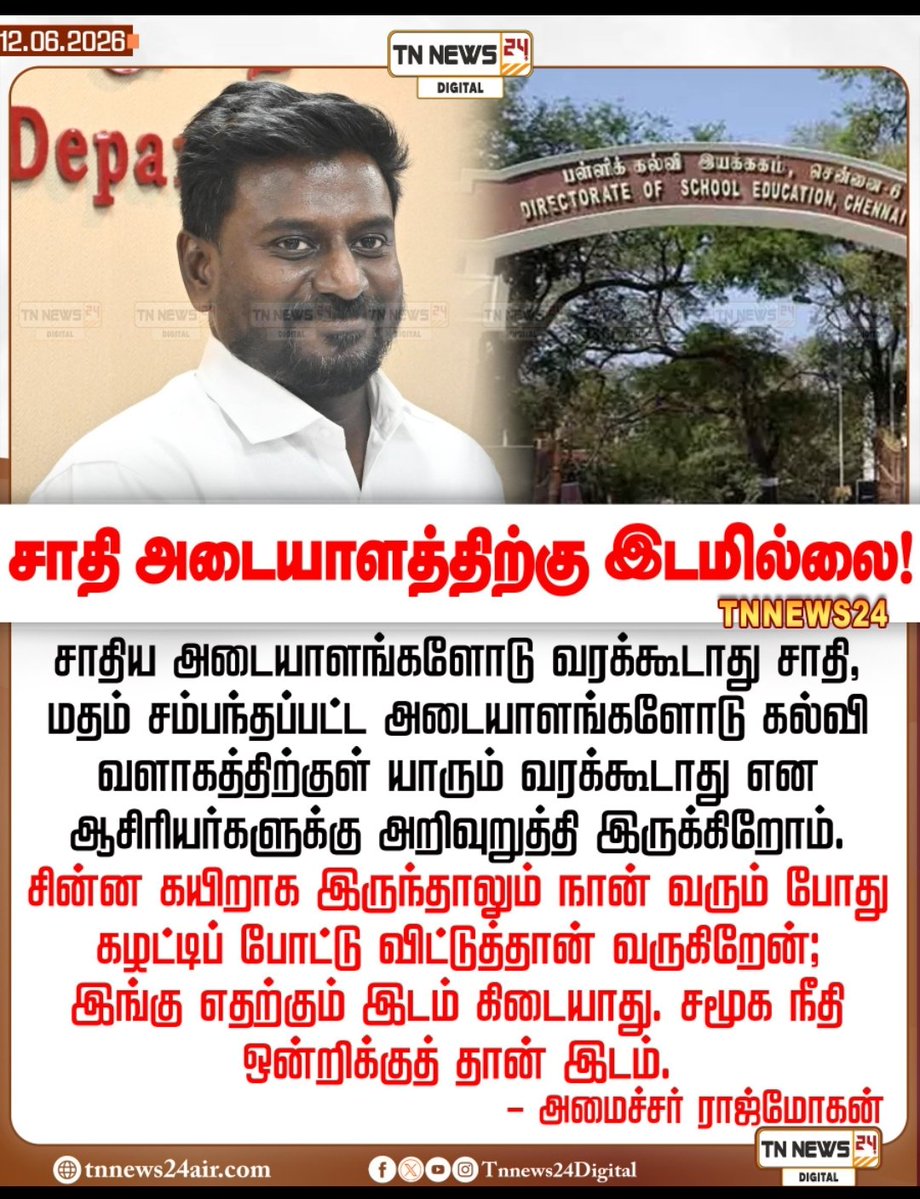
இது சாதிவாரி இட ஒதுக்கீடடுக்கு எதிரான தவெகவின் முயற்சியா?

பள்ளிக்கூடத்தில் மத அடையாளம் கூடாது ஆனா இந்து சமய அறநிலையத்துறை மூலமா கோயில்களை கொள்ளையடிக்கலாம். நல்ல கொள்கை.
2
3
84
Unfortunately two individuals that I know, @CETMoorthy1 and @Vanthi_Off dip this in milk or tea and eat it. Sushruta should take rebirth and talk them out of it! 😔
Jun 13

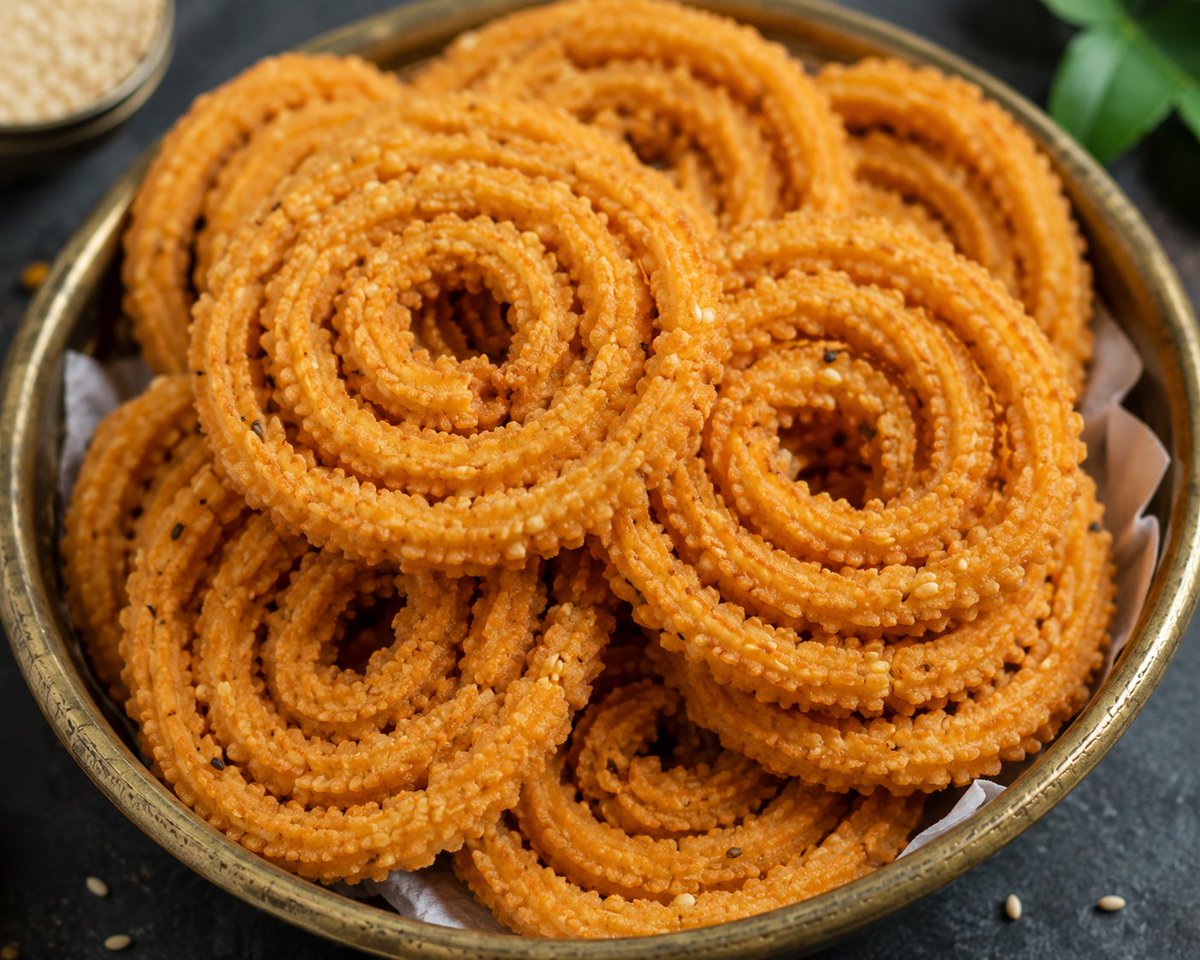
The connection b/w the South Indian Murukku (that crunchy, coiled, savory snack we all love) & the ancient medical treatise of the Sushruta Samhita is 1 of the most brilliant, hidden examples of how ancient Indian snack food was originally engineered as preventative medicine.
When people think of the Sushruta Samhita, they immediately think of plastic surgery, rhinoplasty & complex surgical tools. But Sushruta was a holistic genius. He knew that the ultimate goal of medicine was to ensure a patient never needed surgery in the 1st place.
Volume 1 (Sutra Sthana, Chapter 46) contains an entire, massive section dedicated to Ahara-tattva (the nutritional science of food). And this is where the fascinating origin story of the Murukku begins.
In the Sushruta Samhita, Sushruta categorizes deep-fried pastry items under the broad family of Bhakshyas (cooked, chewable foods). Among them, he singles out a distinct item called Śaṣkulī. Over centuries, as the Sanskrit word Śaṣkulī traveled across different regions of India, it underwent phonetic shifts: In the North & West, the word evolved through Prakrit into Chakli (retaining the circular, coiled meaning).
In the South cultures translated the physical action of making it, twisting the dough giving us the beautiful descriptive name Murukku (which literally means twisted in Tamil).
Sushruta was deeply concerned with the concept of Agni (metabolic digestive fire). He categorized foods based on whether they were Guru (heavy to digest)/Laghu (light to digest). He noted that deep-frying grain dough in ghee makes it highly caloric & strength-giving (Bala-vardhana), but it can be incredibly heavy for the stomach.
To fix this chemical problem, ancient Indian cooks did something brilliant that Sushruta documented: they introduced Masha (Black Gram/Urad Dal) into the rice flour matrix. By mixing rice flour with roasted, ground urad dal, they created a complete amino acid profile (rice is low in lysine but high in methionine, while dal is high in lysine but low in methionine).
A few might think why did Sushruta spend time documenting a fried, coiled snack in a medical text meant for surgeons? Because of shelf-life & thermodynamics.
In ancient India, monks, traders & soldiers traveling across vast empires needed food that met 3 strict scientific conditions:
- It could not contain moisture (water causes bacterial spoilage).
- It had to be compact & physically rigid so it would not crumble into dust in a horse carriage.
- It had to be nutrient-dense to sustain high physical exertion.
By taking the Śaṣkulī dough, piping it into tight, concentric, interlocking coils (which structurally reinforces the snack against breaking) & deep-frying it until 100% of the water content evaporated, ancient Indians invented the ultimate preservative-free, shelf-stable survival ration.
When you hear the crunch of a Murukku today, you are literally tasting a recipe that was vetted, chemically balanced & medically approved by the Father of Surgery himself, Acharya Sushruta, 1000s yrs ago.
So, the next time you serve Murukku/Chakli with tea, you can proudly tell your guests: You are not just eating a snack. You are consuming a highly engineered, ancient Ayurvedic military ration designed to preserve human tissue :))
2
1
3
231
விடுங்க ஜி. பாஜகவை அழிப்போம்னு கிளம்பினவங்க எல்லாம் இப்போ என்ன பண்றாங்கன்னு உங்களுக்குத் தெரியாதா என்ன!

Vanakkam @annamalai anna,
I am not the person either wishing you or reproaching you while you came out of our party. Since we had a great relationship, you had great respect for me and I had a great affection for you.
You know me personally, what hardships I faced, and am even facing now, for my party. I am not able to hear these words that your cadres are speaking against BJP.
I just wanted to know whether you approve of those speeches or not. I know you; you are a person who says anything boldly, whether it is right or wrong.
Answer me, anna. Are these kinds of speeches transpiring with your consent and conscience?
1
82
திரு. L. K. Advani காலத்திலிருந்தே பாஜக வை ஆதரிப்பவன். நரேந்திர மோதி வருவதற்கு முன்பிருந்தே RSS மற்றும் BJP ன் ஆதரவாளன் நான். அதுவே தொடரும். 🙏
2
15
486
தமிழக அரசு விரைவு போக்குவரத்துக் கழக (SETC) பேருந்துகளில் வருகிற ஜூன் 10ம் தேதி முதல் முன்பதிவு செய்து பயணிக்கலாம் என்று தமிழக அரசு அறிவிப்பு.
50
பாராட்ட அழைத்தான்
பாண்டீன் குடுத்தான்..
என்னையா இது... 🤦
Jun 8
கொளத்தூர் தொகுதி தமிழ்நாட்டின் ஒரு தொகுதியா? சிங்கப்பூரின் ஒரு பகுதியா? என்று கேட்கும் அளவிற்கு மாற்றி வைத்தார்..
நான் ஸ்டாலினுக்காக வருந்துவதை விட அந்த தொகுதி மக்களுக்காக அதிகம் வருந்துகிறேன்... ஸ்டாலின் தோல்வி குறித்து வைரமுத்து வேதனை.!
#Chennai | #Vairamuthu | #MKStalin | #DMK | #PolimerNews
1
56
TVK, in their manifesto clearly said that they dont believe in power and they said they will cut it!

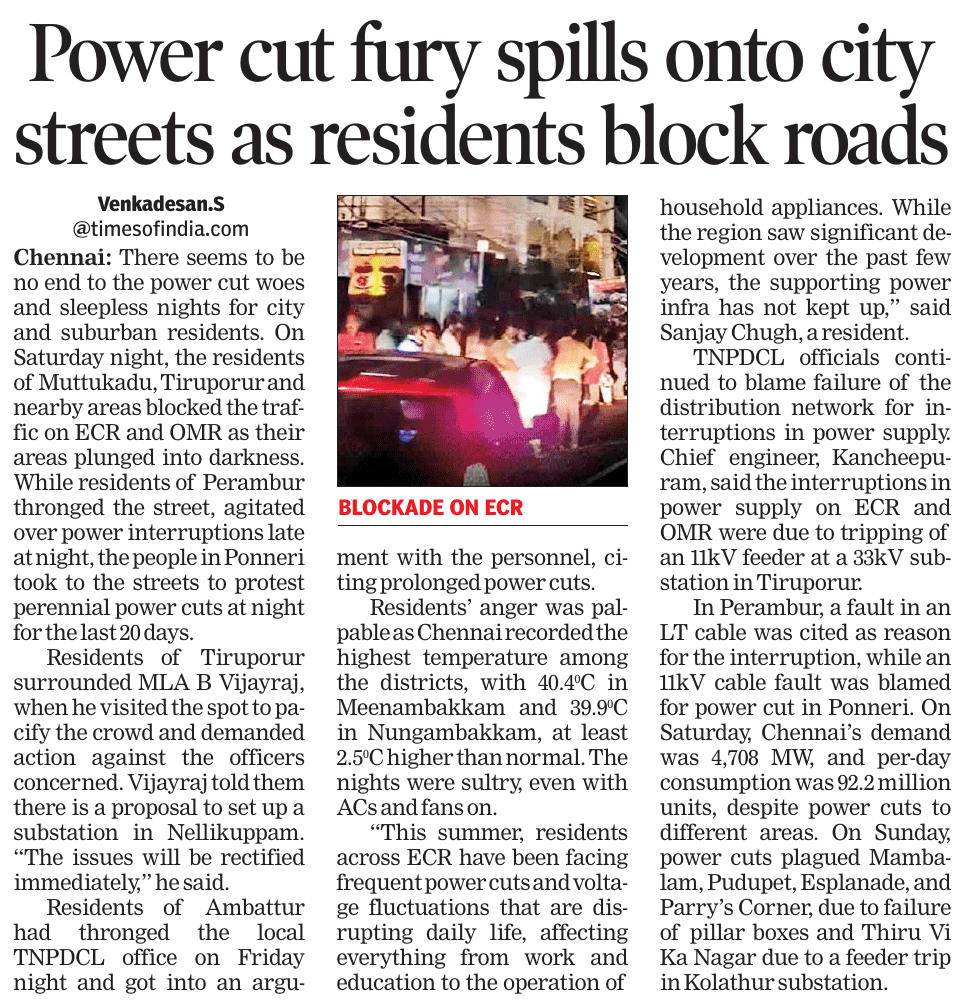
Large parts of Chennai face massive power cuts.
ECR, OMR, Muttukadu, Thiruporur etc. Angry Residents blocked traffic on two of city 's most important arterial roads, Residents of Perambur (CM's constituency) take to the streets over 20 consecutive nights of power interruptions.
Dismal last-mile distribution infrastructure is the main culprit. Ageing substations, feeders, pillar boxes, and cables that may have been installed when Chennai was a city carrying a fraction of today's load.
40
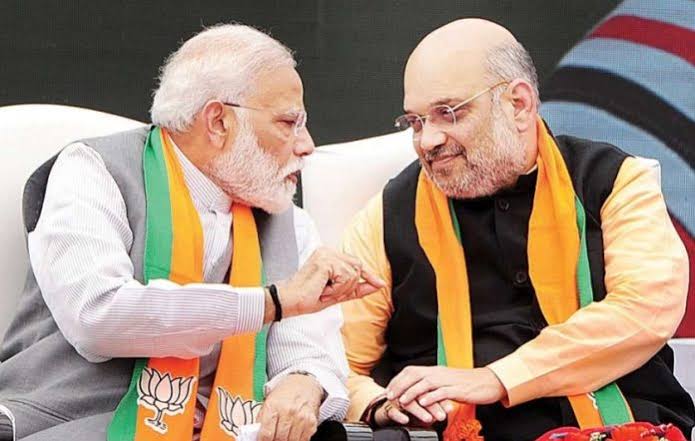
When BJP said they will bring TMC into NDA, I thought they were referring to Tamil Manila Congress in TN. Little I knew that they were referring to Trinamool Congress...
Jun 8

🚨 HUGE BREAKING
NDA 300 PAAR IN LOK SABHA 🔥
20 TMC MPs have written to the Lok Sabha Speaker extending SUPPORT to the NDA.
— They will function as a separate group.
— NDA's strength rises from 293 to 313 MPs in the Lok Sabha.
3
123
Rajesha.... @hsejarsa

1
2
11
431
Humble request - People leaving TN BJP, I understand it's your choice. But please use the correct ன in Tamizh when you post here.
அனைத்து பொறுப்புகள் is different from அணைத்து பொறுப்புகள்... 🙏
4
154
தனக்கு செக் வைக்க விளையாட இழுத்த முதல்வர் திரு. C. ஜோசப் விஜய் அவர்கள் இன்று முதல் 'செக் இழுத்த செம்மல்' என்று எல்லோராலும் அன்புடன் அழைக்கப்படுவார்!
செக் வைத்தவருக்கே செக் குடுத்த முதல்வரை எப்படி பாராட்டுவது என்று இன்ஸ்டா ரீலில் பலர் கேட்டிருப்பது அவரது புகழுக்கு எடுத்துக்காட்டு
Jun 8

#WATCH | நார்வே செஸ் சாம்பியன் பிரக்ஞானந்தா உடன் செஸ் விளையாடிய முதலமைச்சர் விஜய்.
#SunNews | #Vijay | #Praggnanandhaa | #NorwayChess
2
2
8
655
What Tamizh civilization TVK represents and why the TN electorate voted for them?
When I read this it was sounding similar to 'Sanatanam is different and Hinduism is different' statement by DMK and TVK. Great going! We have enough of Dravidian Leaders, please dont build new ones!

You cannot force TN people to embrace “Hindutva” as a political identity at gunpoint, which, in many ways, is where the BJP’s approach in Tamil Nadu has repeatedly failed. Identities imposed from outside rarely take root.
What many describe as Hindutva is, for some, simply the natural feeling of being Hindu and the instinct to preserve and protect a civilizational heritage when it is challenged. That sentiment already exists among most Tamil-speaking Indians. It does not need to be imported, taught, or marketed.
When Annamalai said that the BJP was not speaking the language that resonates with Tamils, this is exactly what he meant.
Take Jallikattu. The Jallikattu movement was perhaps the greatest expression of Tamil pride in recent decades. People came together not because they saw it as a Hindutva issue, but because they saw it as an attack on Tamil identity, Tamil tradition, and Tamil culture.
One may argue, quite correctly, that Jallikattu is a Hindu tradition, a Hindu festival, and part of the broader Sanatana civilizational framework. That is intellectually valid. But politics is not just about being logically correct; it is also about speaking in a language people emotionally connect with.
Tamils understand Tamil pride. They instinctively protect their traditions, temples, culture, and way of life. They do not necessarily frame that protection through the vocabulary of Hindutva. Trying to force that vocabulary upon them is counterproductive.
Tamil Nadu is the land of the Alwars and Nayanmars, of the Cholas, of great temples, saints, poets, and centuries of uninterrupted spiritual tradition. Its people do not need lectures on civilizational pride. They live it every day.
The path to Tamil Nadu is not through imposing a label. It is through understanding the language of the land, respecting its cultural self-expression, and recognizing that Tamil identity and Hindu civilizational identity are not enemies. For most people here, they have always coexisted naturally.
86