
Family | Faith | Freedom | BTC | 允執厥中 | FIGHT✊🏻 | INTP | HK🇭🇰 | MPC Wallet | Physical AI
Joined June 2022
- Tweets 1,216
- Following 390
- Followers 746
- Likes 19,001
75 Photos and videos



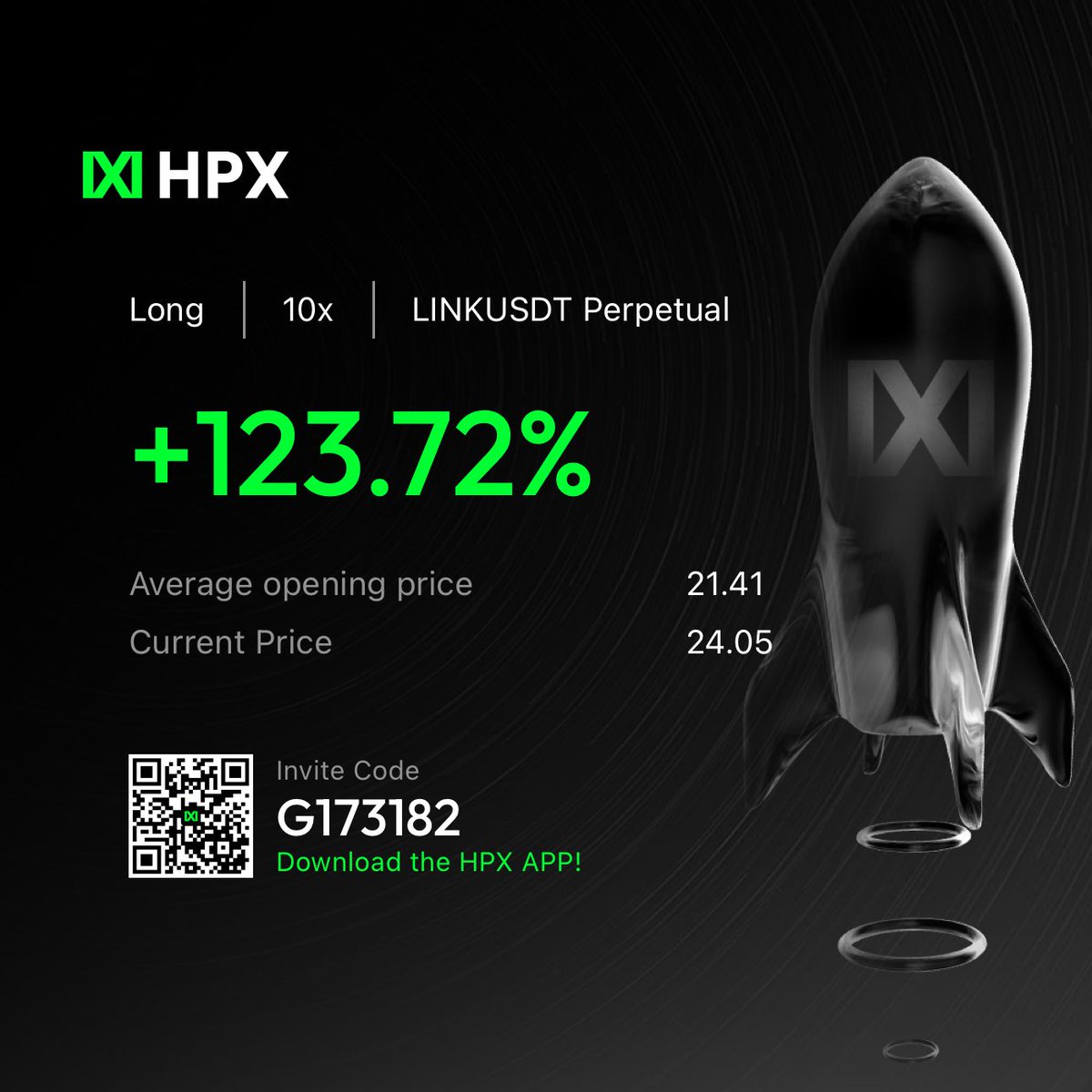
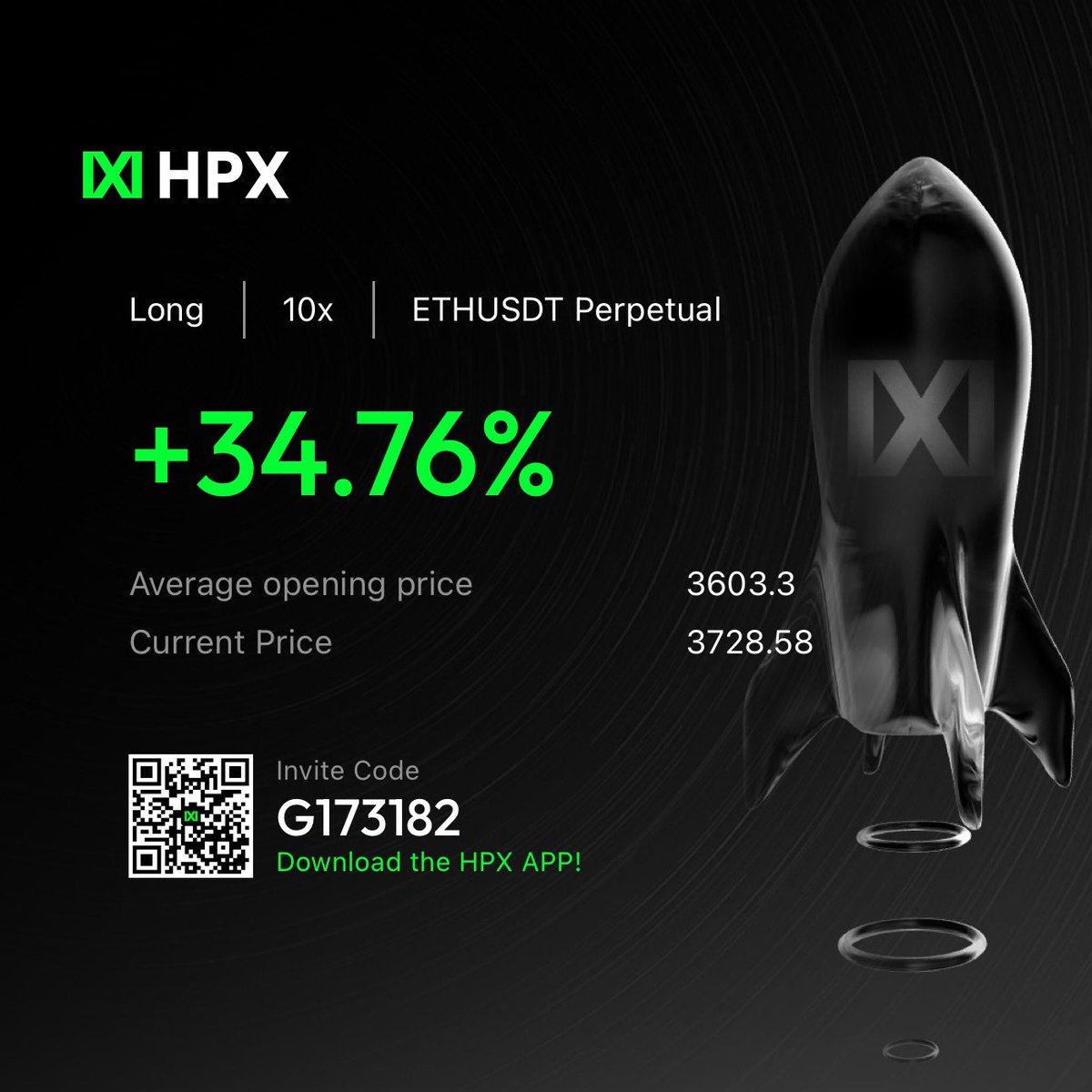
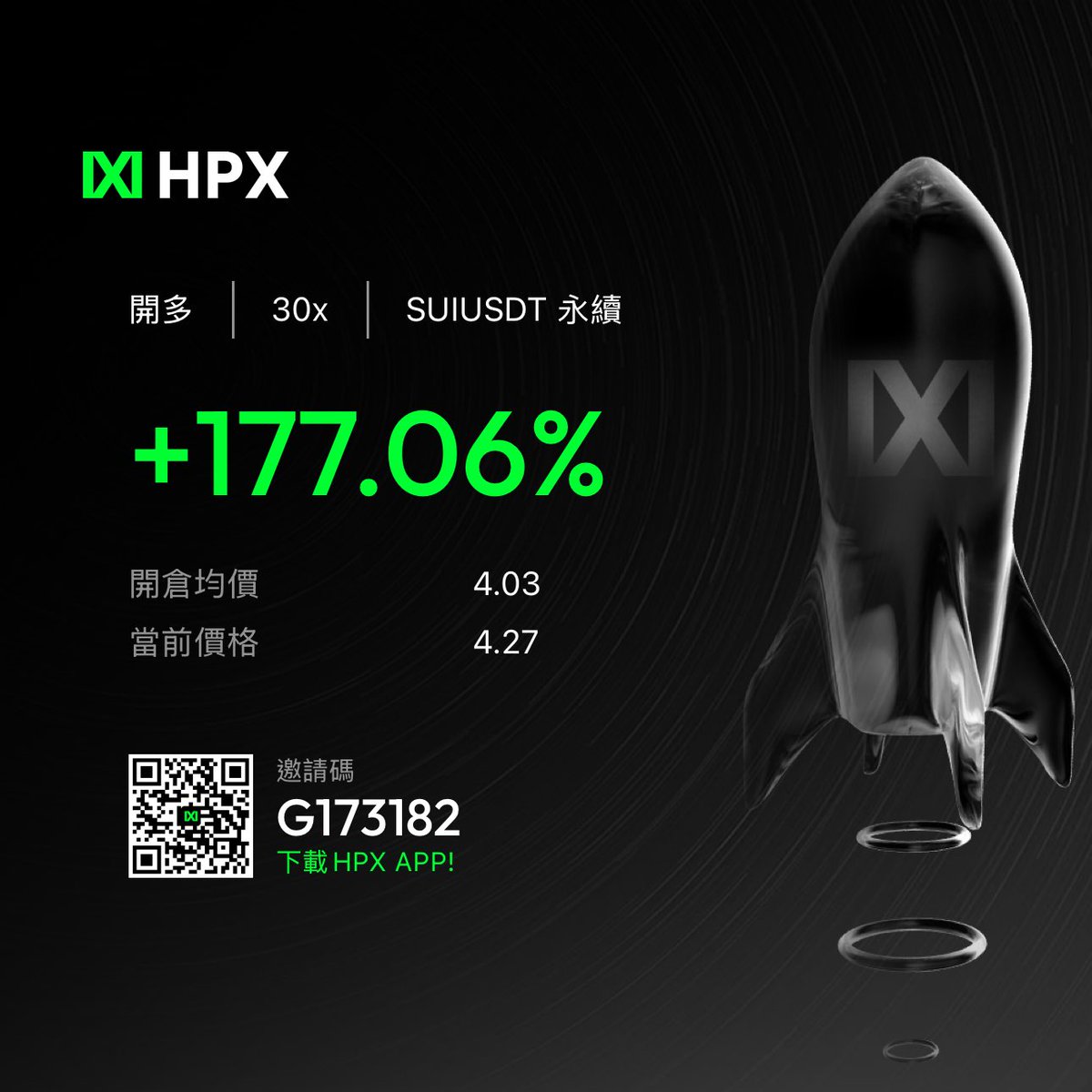
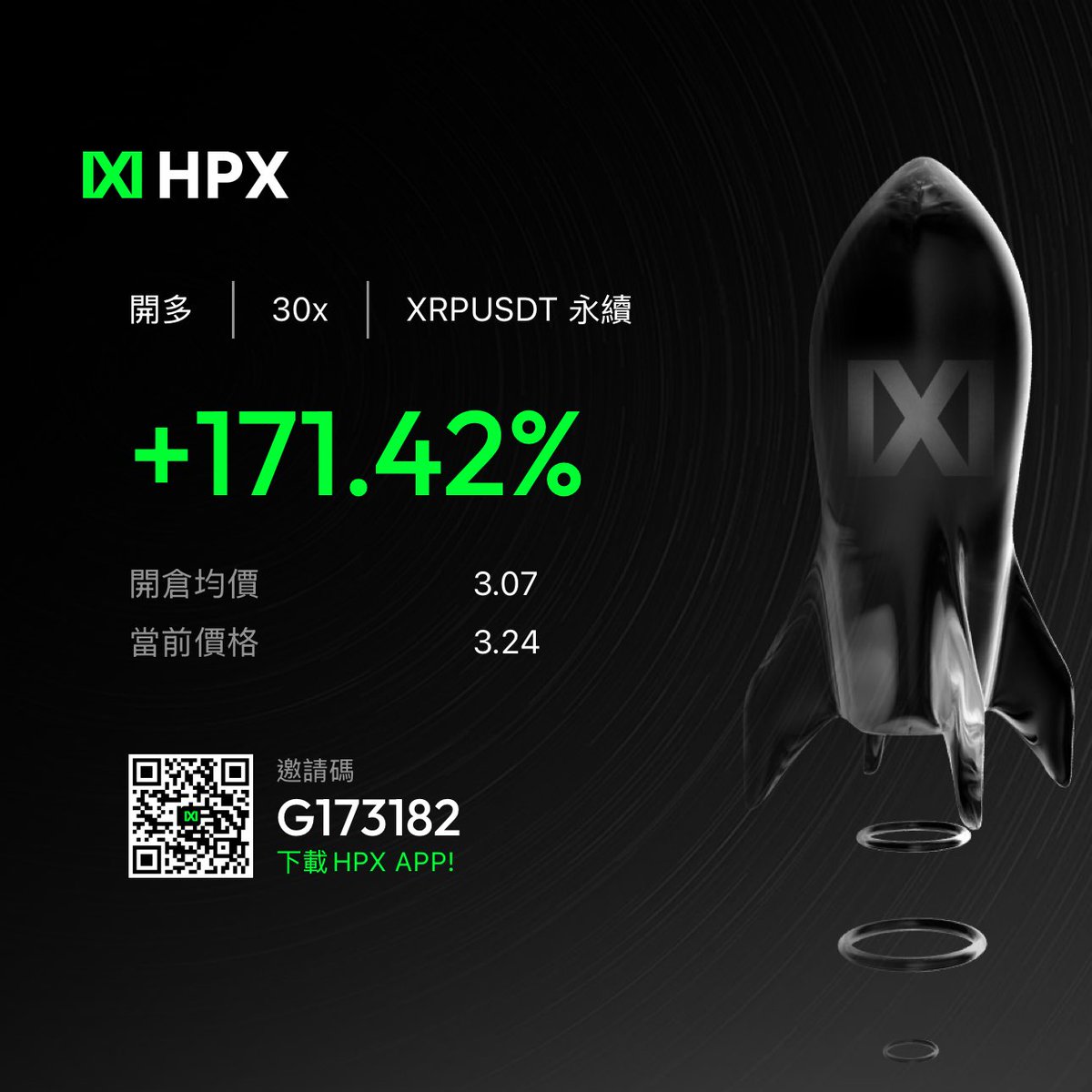


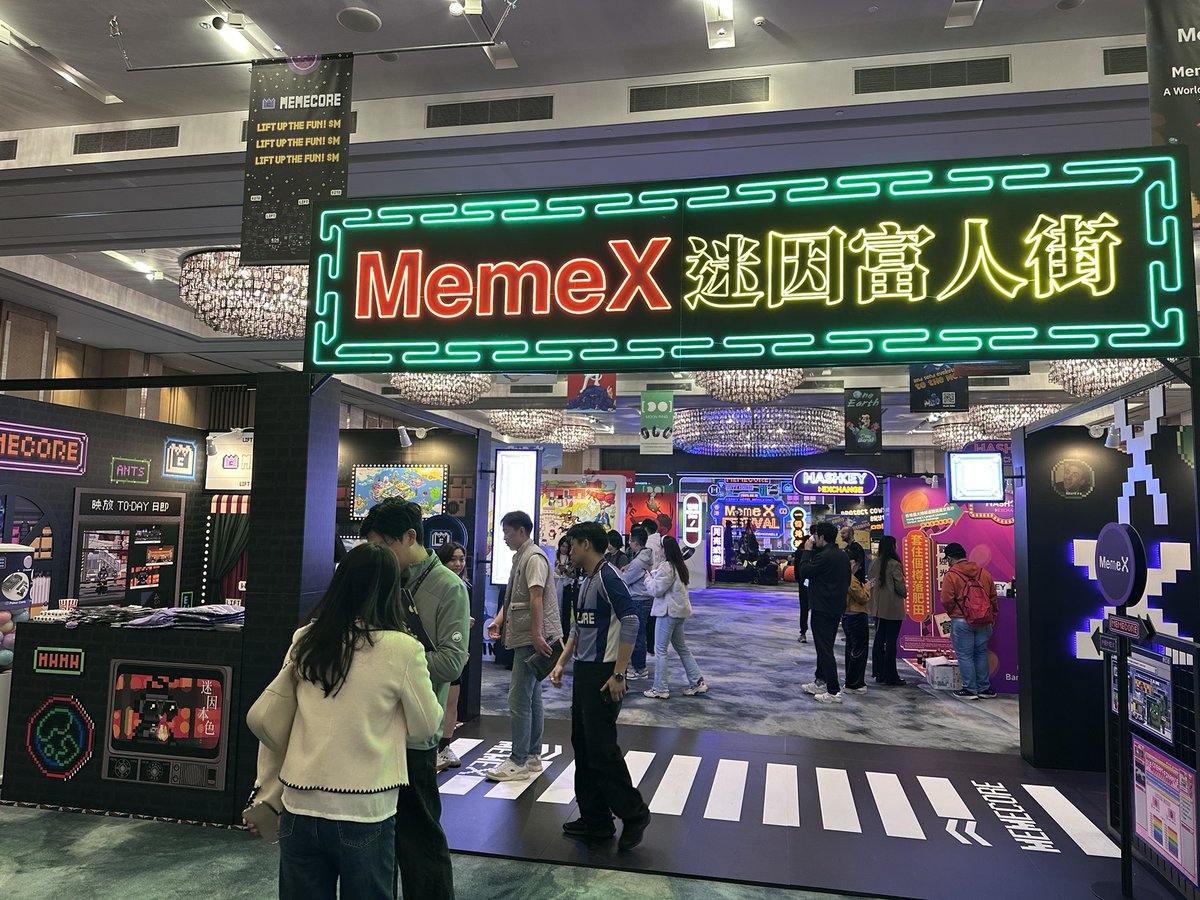

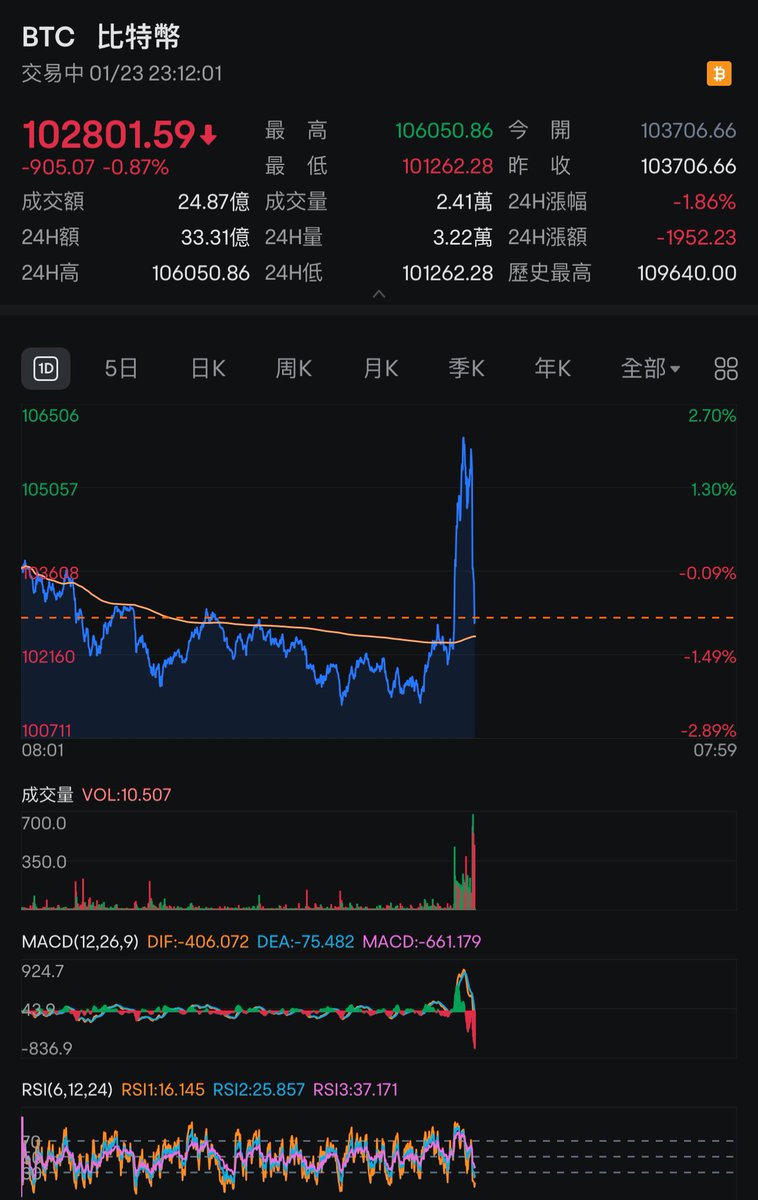
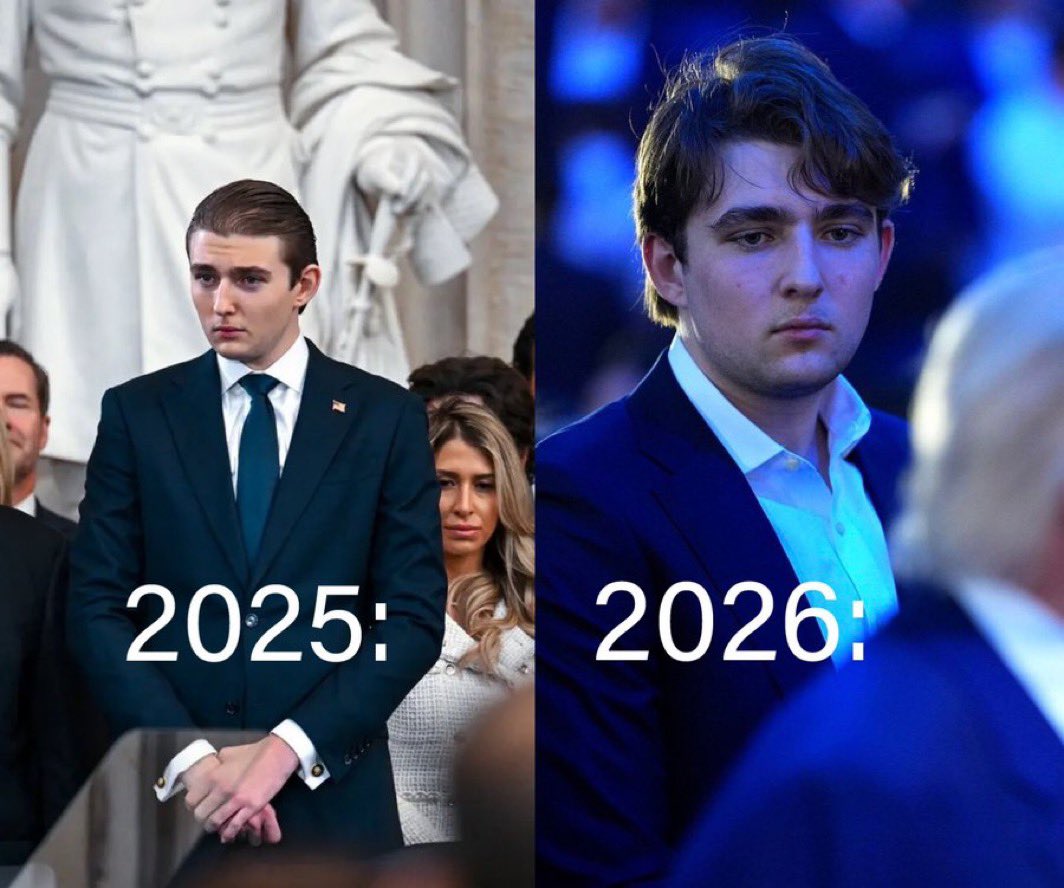
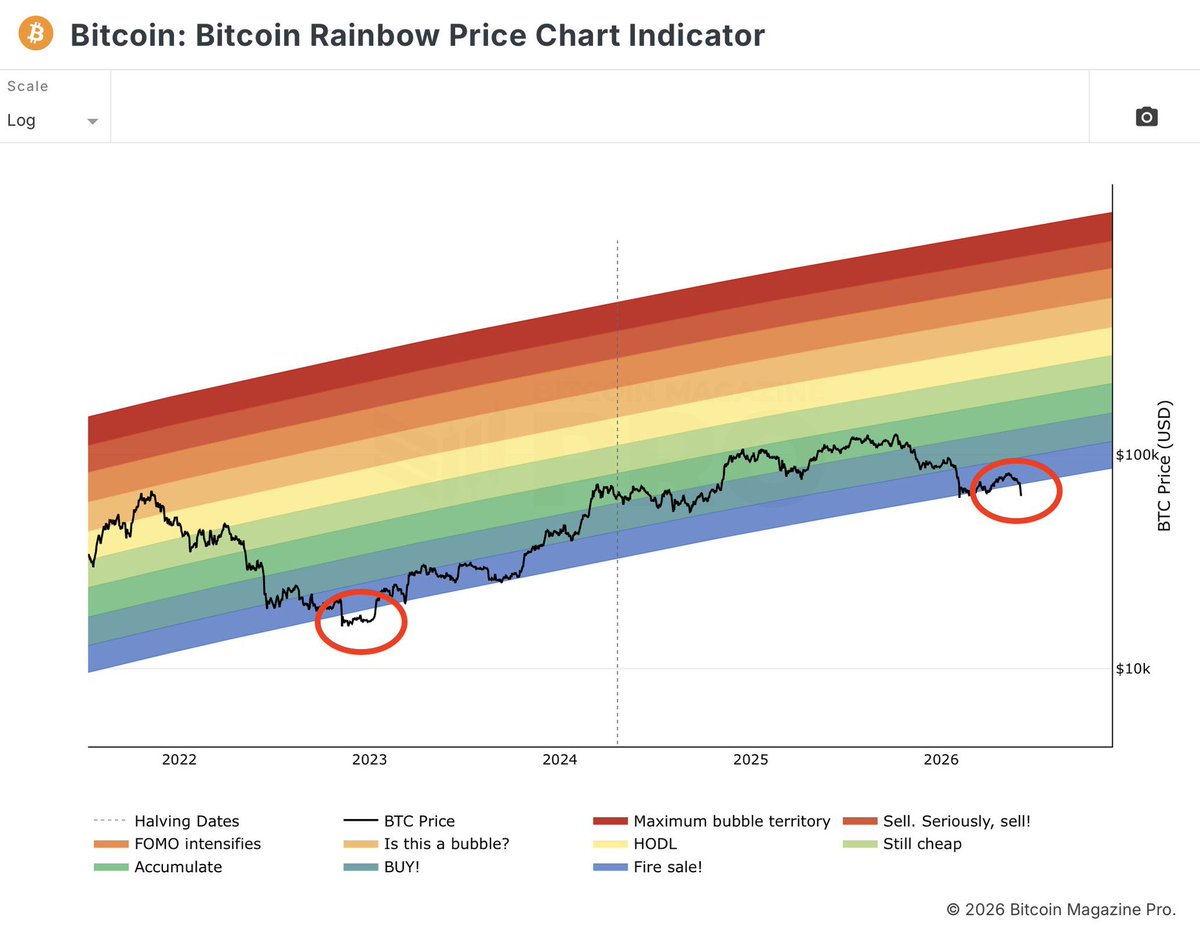
When BTC Price drops by 37.72%.

16
「高息理財局」。
12h

结束了,全都结束了。
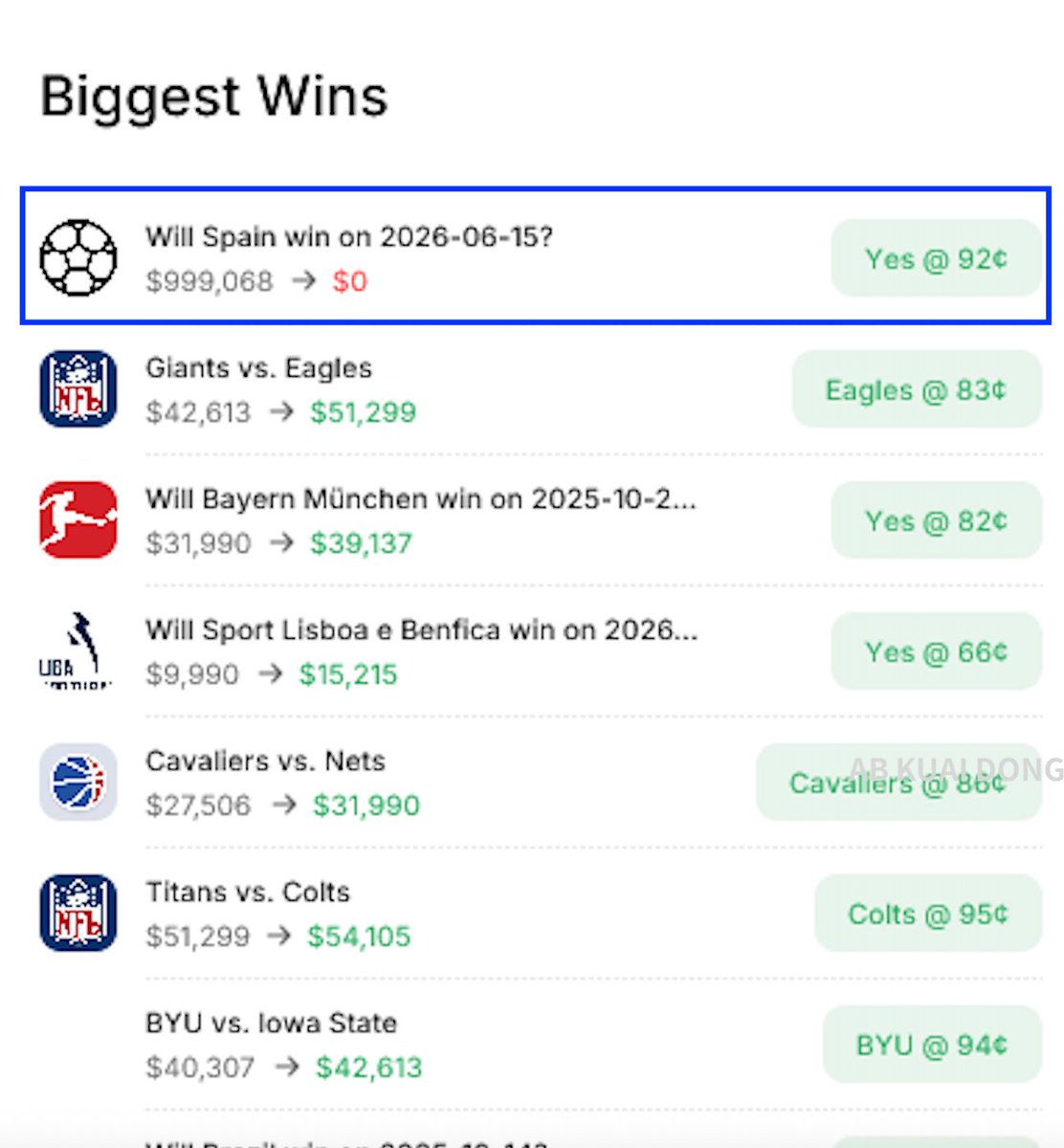
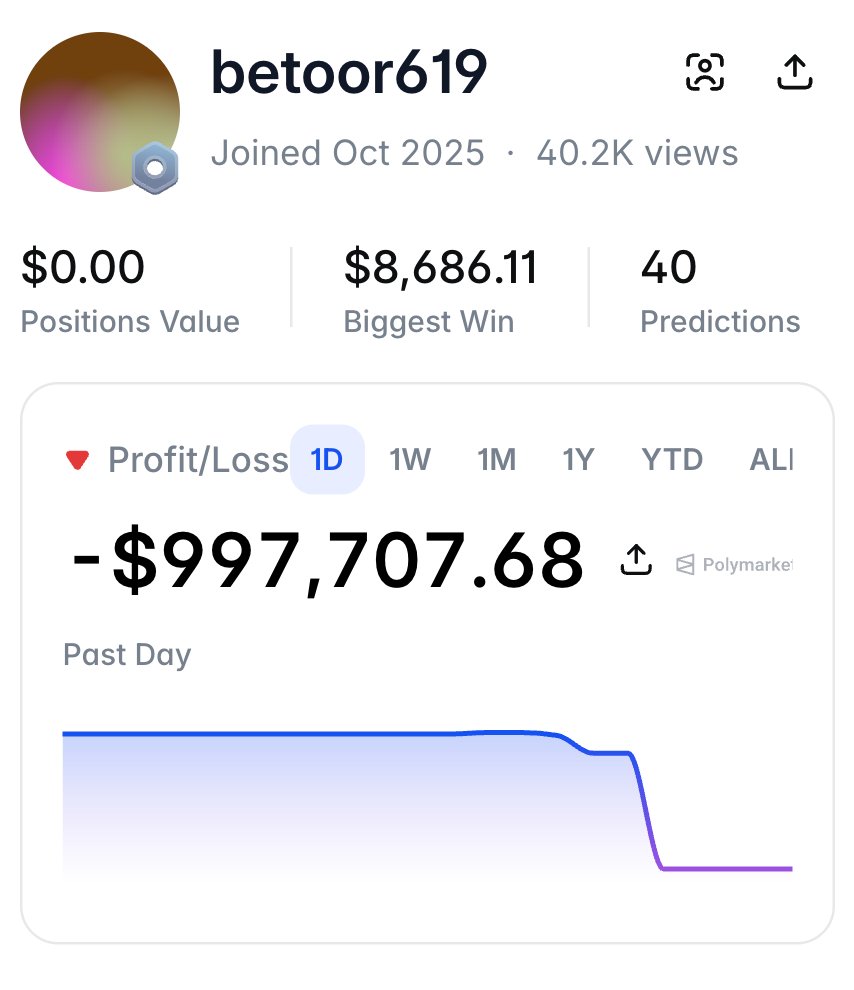
一位名为 betoor619 的老哥,在昨晚拿 100 万美金,押注西班牙会战胜佛得角,当时西班牙获胜概率为 92%,但因为最终爆冷平局,这笔钱蒸发了。
他此前习惯押注,胜率极高的队伍,所以老哥胜率极高。
51

Jun 14
目前在走的股票代幣化是被中國強監管的中國用戶扭曲而成的需求。說穿了就是監管套利。
Jun 12

未来某一天我们回头看今天这次交易所IPO打新
才会大概率意识到:
股票代币化是Crypto里做RWA生意的一段历史弯路
是一种没有问题,创造问题的产品逻辑
38
Jun 13
Jun 12

今天很多人抛弃旧爱追寻新欢,RKLB 直接跌了7%。一度甚至到了99元,记住这个价格,很快会有50%的收益。😂😂
不过我想说的是另一件事,由于SPCX和RKLB之间的巨大市值差异(2.2万亿 vs 600亿),这让我想到了另外两兄弟:MU和SNDK。MU 无论从业务和市值看妥妥的大哥,市值万亿,SNDK 则是小弟,市值约3000亿。今年大哥涨幅259%,小弟涨幅744%,我一直在寻找原因,很多人告诉我那是因为小弟市值小😂,所以…🤔
我今天帮RKLB说了不少好话,但有一点,我不是踩一捧一。看好太空赛道的我,不可能不看好SPCX,如果价格合适我也会买,只不过RKLB今天真的挺惨的。😇😇
Buy the dip,长期持有,Discord在个人资料。
194
Jun 10
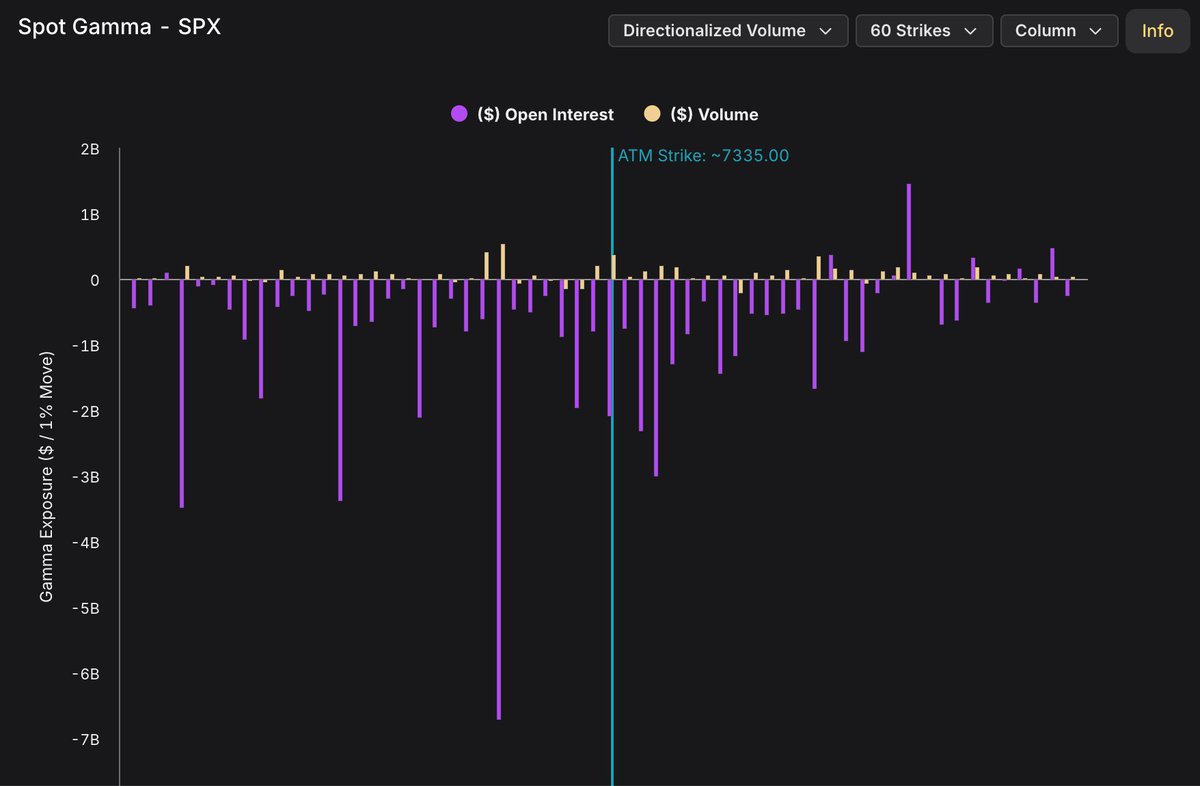
CPI落地了沒爆雷,但回調的風險還沒結束。
數據方面,明後天有PPI、失業金申請人數、通脹預期、消費者信心指數等。
伊朗戰爭方面要關注協議是否能在這幾天內達成。
下週更有Warsh上任美聯儲主席後的首個FOMC會議,市場關注的風險點有 1. 美聯儲內部的分歧 2. 鮑威爾是否會成了美聯儲的影子主席從而影響美聯儲內部決策的一致性 3. Warsh對中性利率的判斷 4. Warsh對後續息率路徑的演繹
基本上下週的FOMC會議會決定在下個財報季來臨前的市場情緒。

2
264
Jun 10
中本聰當年發明比特幣的定位是一種電子貨幣系統,後來 @VitalikButerin 發明了以太坊,說世界計算機及智能合約的故事。
比特幣作為區塊鏈的電子貨幣應用,市場更關注的是它作為價值儲存的純粹性。甚至連其支付屬性都未被大規模應用。而比特幣可編程性的故事到此似乎暫告一段落了。
之前一堆比特幣二層方案,不知道後續發展怎麼了。
聽說部分團隊已soft rug 魔轉AI賽道了。
@BitlayerLabs @Stacks @MerlinLayer2 @build_on_bob @BSquaredNetwork @fractal_bitcoin @BTCLayer2 @Liquid_BTC @alt_layer
Jun 9

It is with a heavy heart that we announce we are winding down the Botanix network.
This decision is the hardest one we have made in four years, and we want to share the reasoning openly because the people who backed us, built with us, and used what we shipped deserve more than a quiet shutdown notice.
First off, an immediate practical consideration for the Botanix community: please withdraw your Bitcoin and other assets before July 9th, 2026.
When we started in 2022, the pitch was simple enough to say in a sentence: bring real utility to Bitcoin. What that actually meant in practice, and what we have spent nearly four years building toward, was more ambitious than that sentence made it sound. We were trying to build a Bitcoin-based blockchain that could find genuine product-market fit as a platform for Bitcoin applications, without using token incentives to drive growth, manufacture users, or simulate utility. Almost every chain that has launched in the last cycle has reached for the same playbook (issue a token without PMF, engineer the incentive surface, point at the resulting metrics), and we did not believe this route is a viable strategy in the long term. We wanted to know whether a Bitcoin chain could earn its users on the strength of what was built on top of it, the value it brings in the market with Bitcoin itself as the only meaningful economic primitive in the system.
And we built it. The Spiderchain went live and stayed live, a year of mainnet operation with one hundred percent uptime and zero security incidents on a genuinely novel cryptographic architecture. We built Dynafed, a dynamic federation that turned the Spiderchain from a static multisig set into a rotating, decentralized one, the technical milestone that most people in this space said could not be built on Bitcoin without compromising trust assumptions. Twenty-five million transactions, two hundred thousand wallets, and tens of millions of dollars in assets moved across the chain, every single number of that earned organically without a token, without airdrops, without points programs, or any of the manufactured-demand machinery. Chainlink, Morpho, GMX, Dolomite, Fireblocks, Alchemy, Galaxy, OKX Wallet, all integrated. We shipped a Bitcoin neobank with BINK on iOS and Android, with self-custodial email login for Bitcoin (something that had never existed before), native Bitcoin yield, and the lowest borrowing rates against Bitcoin anywhere in the world, all of it downstream of owning the infrastructure. The point of saying this is not to argue with our own conclusion. The protocol works, the product works, and our team and ecosystem worked in concert to do exceptional work.
We have run this experiment in earnest, with a working protocol, real applications, and a serious team, for over a year on mainnet and nearly four years in total. The honest answer we have arrived at, after living inside it every day, is that it did not work, at least not in this market and not on this timeline.
We want to share what we think we learned, with the caveat that some of this is conviction and some of this is still suspicion, and we would rather be transparent about the difference than pretend to have clarity we do not have.
The first thing I've had to sit with is timing. Bitcoin utility, making Bitcoin programmable, productive, and integrated into real financial activity, isn't where the real world users sit right now. The conversation is still on Bitcoin as a reserve asset, on its monetary and political positioning, on base-layer conservatism. Those questions are upstream of the ones a Bitcoin L2 needs people to be asking. I still believe Bitcoin gets there, but belief in the destination is not the same as being able to predict when, and nobody can. It's also possible the destination never materialises at all, and that Bitcoin's role as a reserve asset is simply where it settles. If that's true, there will never be a market for what we were building, and no amount of time or capital would change that.
The second is the token question. We intended to eventually launch a token. We saw it, and still see it, as a genuinely new form of equity, something closer to an IPO than an airdrop, to be done when you reach product market fit and the moment is right. That moment never came. What became clear over the last year is that the market largely stopped rewarding even the more considered versions of that playbook. Token launches across the board have broadly underperformed, and those that did go to market with tokens haven't seen the outcomes or PMF that the model is supposed to produce.
The third lesson is about where DeFi demand on Bitcoin actually lives. For most use cases that exist today, lending, yield, leveraged exposure, WBTC on a mature general-purpose L2 is genuinely sufficient. Users have voted with their behaviour, and the verdict is that the trust assumptions of a wrapped representation on Ethereum are acceptable to almost everyone who wants Bitcoin-denominated DeFi. Decentralisation matters to people in principle and in conversation; in practice, when something cheaper and easier is in front of them, they use it. The security case for a dedicated Bitcoin L2 is real, but it only matters for a narrower band of applications than our thesis required, one of the clearer lessons this market has taught us.
The fourth lesson is structural. The on-chain economy is consolidating around venues that own the user relationship: Hyperliquid, Robinhood, the major CEXes, and now TradFi participants absorbing an ever-larger share of attention, flow, and revenue. Convenience and institutional credibility win, every time, as soon as they're available. As retail participation thins, that concentration only deepens. We were, and still are, believers in decentralisation, but the current direction of on-chain growth is running through distribution, and any team building base-layer infrastructure today is rowing upstream against that current. We were no exception.
The fifth lesson is the most concrete. Both of the above played out directly in our economics. The users we attracted were primarily using Bitcoin as a store of value for yield, a legitimate use case, but not the high-frequency transaction volume that drives fee revenue on a network like ours. BINK was our answer to that: a Bitcoin neobank designed to bring daily usage of BTC and stablecoins on-chain, driving the transaction volume the network needed. It was the right strategic instinct, and one we never got the chance to fully test. BINK only landed on both app stores in the last few weeks, a product that by its nature could only be built once the underlying infrastructure was proven and live. When users choose the convenient option and economic gravity pulls toward distribution, what's left on a decentralised infrastructure layer is a user base that costs more to serve than it generates. Infrastructure costs are what they are, and the fee income never came close to covering them.
If you would like to see how we were imagining a Bitcoin future and what we have been working on since September, feel free to download BINK and give it a spin: it’s a full-fledged self-custodial Bitcoin Neobank with email login, one click borrowing, a Lightning integration and more.
App store: apps.apple.com/us/app/bink-b…
Play store: play.google.com/store/apps/d…
This UX is where we think Bitcoin is ultimately heading towards although it feels too early. You can use invite code 1SD31R, but remember to remove your funds by July 9th.
We could keep going. We have chosen not to, however, because continuing past the point where additional time stops producing additional learning is not conviction, it is something that looks like conviction from the outside while corroding into something else on the inside. We would rather stop now, with integrity intact and resources available to take care of the people who took a chance on us, than push the experiment past the point where it still has something to teach us.
Reminder: Please withdraw all your assets by July 9th. After this, the federation will sweep the remaining Bitcoin. Any other assets or tokens on the network from then onwards will unfortunately be unrecoverable.
After this, the federation will sweep the remaining Bitcoin. Any other assets or tokens on the network from then onwards will unfortunately be unrecoverable.
To our investors, who backed a thesis that was harder to defend than it should have been, to our partners who built alongside us and bet pieces of their own roadmaps on ours, to the developers who deployed on Spiderchain, to our users and the BINK community who showed up for something experimental and stayed, and most of all to the Botanix team who shipped a genuinely novel system with rigour and care and who made every hard day worth the difficulty: Thank you, more than the words available here can carry.
1
136
Jun 9
Private Keys Compromised??
Don’t ever invest in projects that are not using MPC wallet to manage their vaults.
@CipherBC @animocabrands @animocaresearch @animocainsights @HashKey_Global @HashKey_Global @HashKey_Capital
#Security #MPCWallet

We've detected a security incident involving the compromise of private keys belonging to a member of the Humanity Foundation. As a precaution, please do not interact with the bridge or any liquidity pools until we confirm it's safe.
We're already working with security experts and our exchange partners on resolution. We're deeply sorry — protecting this community is our responsibility, and we'll keep you updated every step of the way.
61
Jun 5
股神出口了!
美国总统特朗普:刚刚公布的就业报告非常强劲,股市理应上涨,而不是下跌。过去200年来一直都是这样。经济增长并不意味着通胀!
news.futunn.com/t/flash/2038…
2
72
Jun 5
The moment for true believers. 🟠

3
46

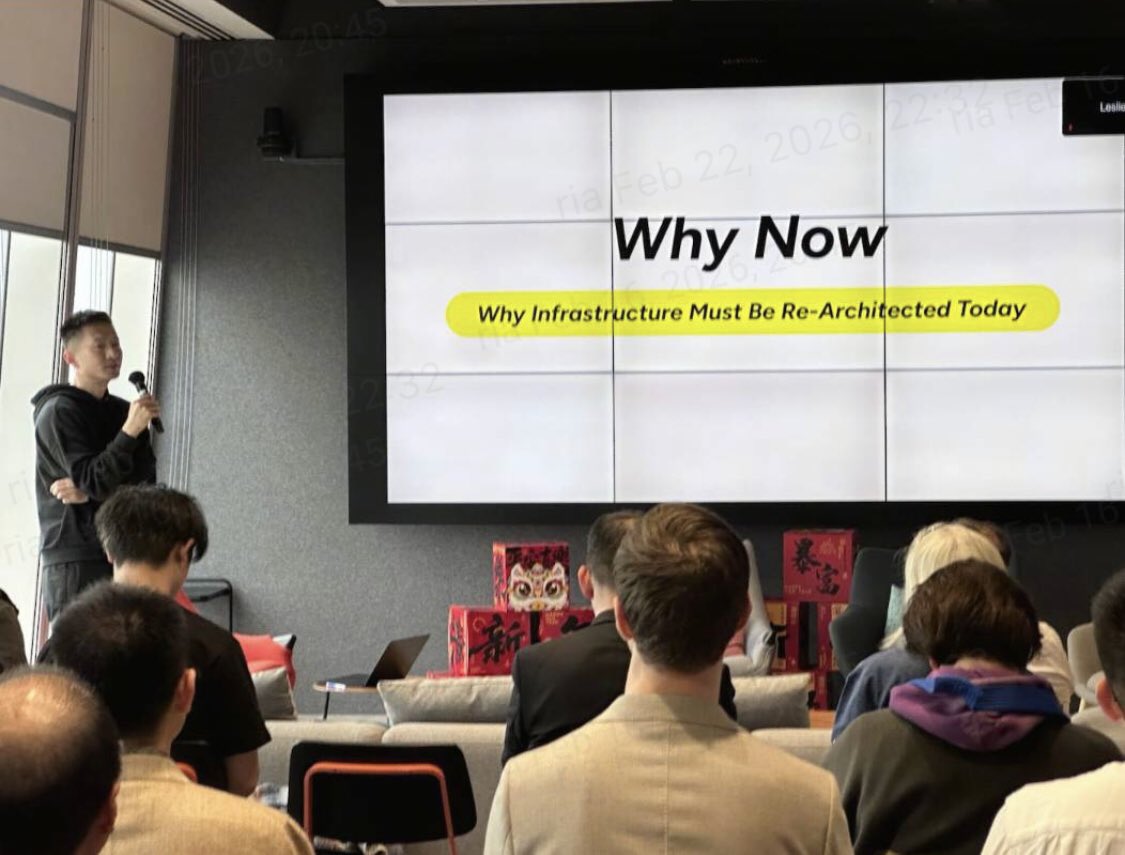
In our recent conversations with founders and finance teams during @consensus_hk, one point kept coming up: companies are turning to digital asset systems because traditional financial infrastructure remains expensive and hard to access.
International transfers move through multiple banks, settlement takes days, fees stack up, and smaller companies often struggle to open or maintain accounts across jurisdictions.
Blockchain-based systems offer an alternative: stablecoins can settle within minutes, payments move 24/7, and funds don’t need to sit idle waiting for banking windows to open.
For growing companies, that changes how quickly they can launch products and serve customers globally.
However, faster rails don’t remove responsibility and institutions still need strong internal controls. They need to define who can approve transactions, how funds are accessed, and what safeguards exist if something goes wrong.
Digital assets require the same discipline as traditional finance, just implemented differently.
CipherBC provides infrastructure that helps companies manage digital assets with shared control, clear approval workflows, and separated storage environments for daily operations and long-term custody.
Digital asset systems lower barriers to financial access, but the foundation still needs to be secure. If you’re building with stablecoins or managing digital treasury, review how control and safeguards are structured before going live.
💻 Book a demo with us ➝ cipherbc.com/custody/schedul…
#DigitalAssets #CipherBC #BuiltToLast #EnterpriseBlockchain #InstitutionalCrypto #CryptoCustody #MPC
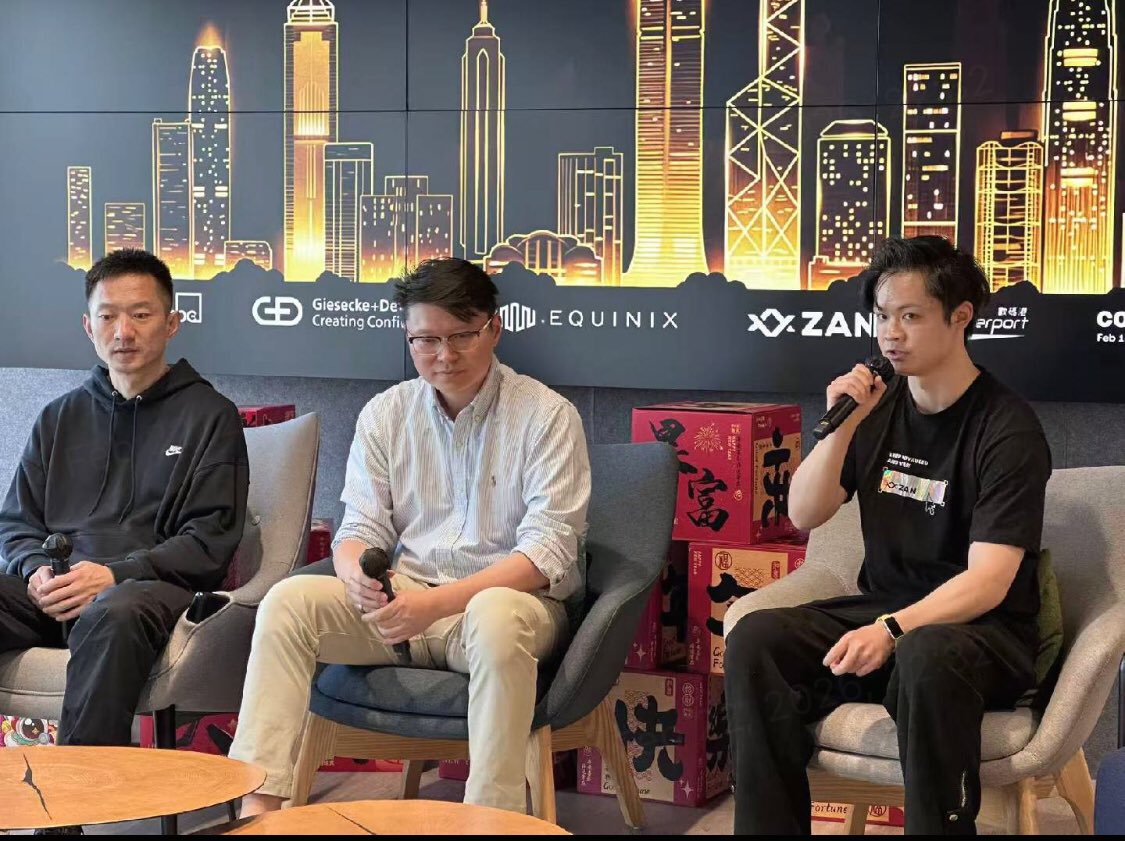
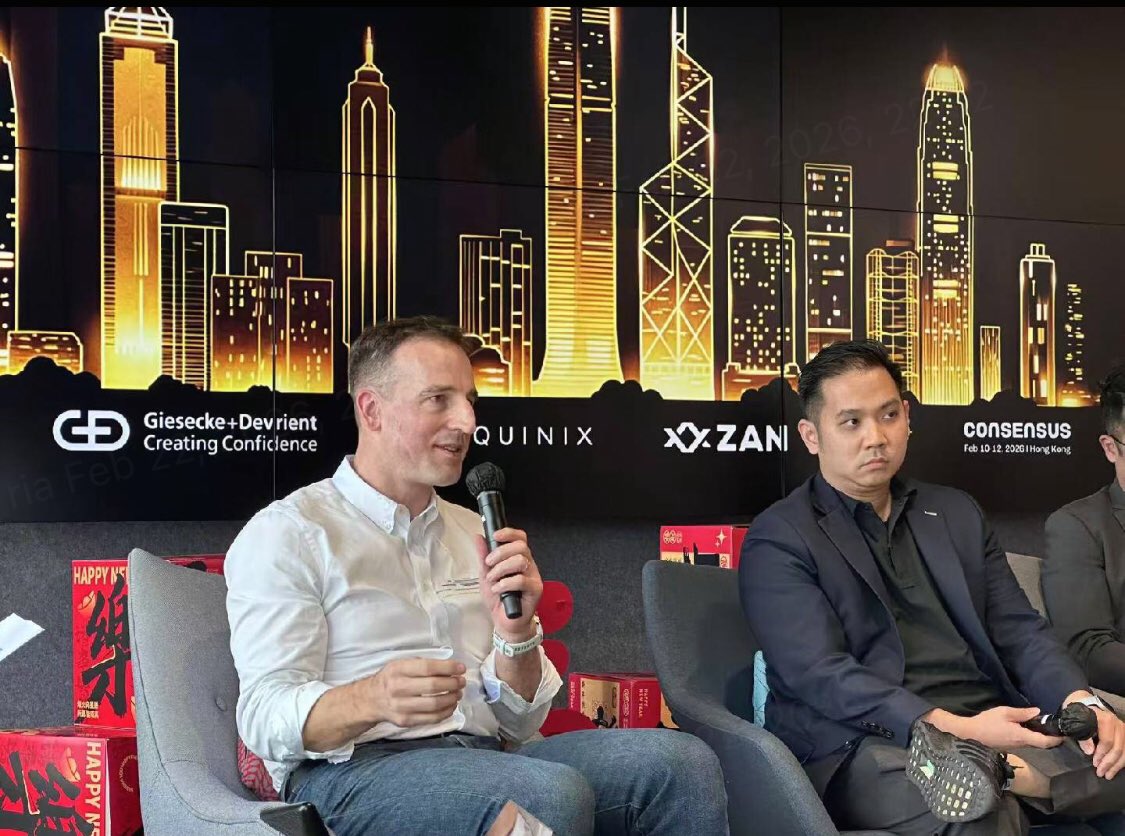
37
80
241
13,930
Distributed custody solves key security issues, but it introduces approval workflow complexity that requires infrastructure-level design.
In our latest article by Chief Product Architect @binguohz, we break down how CipherBC's Asset Operating System (AOS) transforms traditional custody into a distributed, policy-driven infrastructure.
linkedin.com/pulse/how-insti…
Instead of a single custodian holding a complete private key, AOS uses algorithmic key sharding and a Role-Based Approval Flow Protocol (RAFP).
When a finance officer initiates a transaction, it automatically triggers multi-layer approvals across risk, compliance, and management before MPC signing is executed.
The result?
✅ No single point of failure
✅ Threshold-based approvals (e.g., 2-of-4 dynamic authorization)
✅ Real-time compliance intervention
✅ Governance embedded directly into daily workflows
For institutions exploring MPC infrastructure, tokenized treasury management, or distributed governance models, our latest newsletter outlines what operational transformation looks like.
#CryptoSecurity #Web3Infrastructure #CryptoCustody #DigitalAssets #CryptoWallets #CipherBC #Crypto #Blockchain #MPC #AOS
22
4
3
5,241
At @consensus_hk 2026 this week, CipherBC gathered with leaders from banks, payment companies, exchanges, and advisory firms to address a critical challenge: most digital asset infrastructure isn't designed for the complexity institutions actually face.
During our exclusive "Build on Us, Built to Last" C-level side event, the conversation revealed a clear consensus: patchwork solutions create governance gaps, compliance risks, and operational bottlenecks.
What institutions need is a unified approach that brings custody, governance, compliance, and execution together under a single Asset Operating System (AOS).
In our latest newsletter, we break down:
🟡 The AOS approach to digital asset management
🟡 Why hardware security module (HSM), multi-party computation (MPC), and trusted execution environment (TEE) should be architected as a modular stack
🟡 How policy engines and risk frameworks make infrastructure regulator-ready
If you're building institutional-grade digital asset systems, our latest newsletter outlines the architectural considerations that matter most in 2026. Read the full article below 👇🏻
#DigitalAssets #InstitutionalInfrastructure #Consensus2026 #MPC #RegulatoryCompliance #Crypto #Blockchain #CryptoCustody #CipherBC #AOS
linkedin.com/pulse/cipherbc-…
21
3
3
5,231
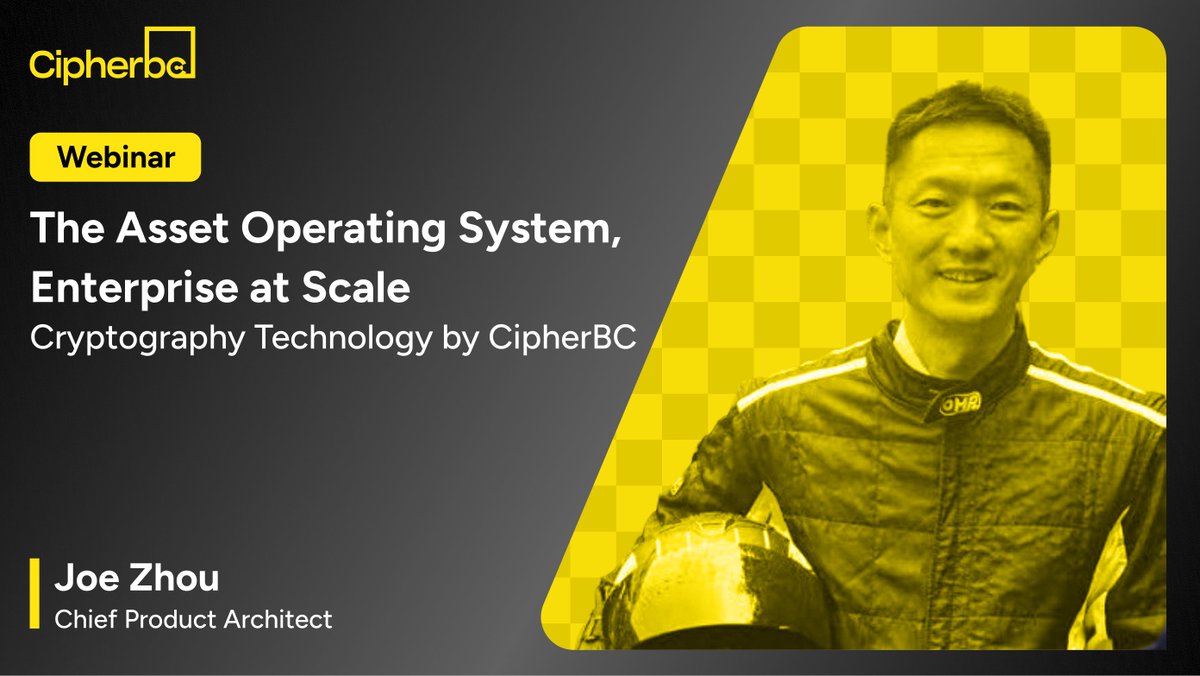
@consensus_hk week reminded us how fast this industry moves. Conversations with financial leaders, payment innovators, and crypto pioneers all pointed to the same truth: asset infrastructure must survive market cycles. It must be Built on Us, Built to Last.
But what does that look like in practice?
📌Live Webinar — UTC 8 2.13 20:00
CipherBC Asset Operating System is the result of years of cryptographic research and product evolution.
From MPC wallet architecture to our
✅hot wallet WaaS,
✅warm wallet Flexify, and
✅cold wallet CipherSafe,
➡️each layer reflects continuous engineering improvements designed for real institutional operations.
Chief Product Architect @binguohz Zhou, Joe known for his adventurous spirit both inside and outside the lab, as he shares insights from his journey, including stories from the pre-MPC days, when decentralized single-key wallets taught the industry hard lessons about security.
Built on Us. Built to Last.
Join us as we continue exploring how secure digital asset infrastructure evolves for institutions worldwide. 🌍
linkedin.com/feed/update/urn…
#CipherBC #BuiltToLast #ConsensusHK #DigitalAssets #AssetManagement #MPC #CustodyInfrastructure #CryptoSecurity #InstitutionalAdoption #Web3Infrastructure #RWA #AssetOperatingSystem #CryptoCustody #BlockchainSecurity
20
5
2
5,123
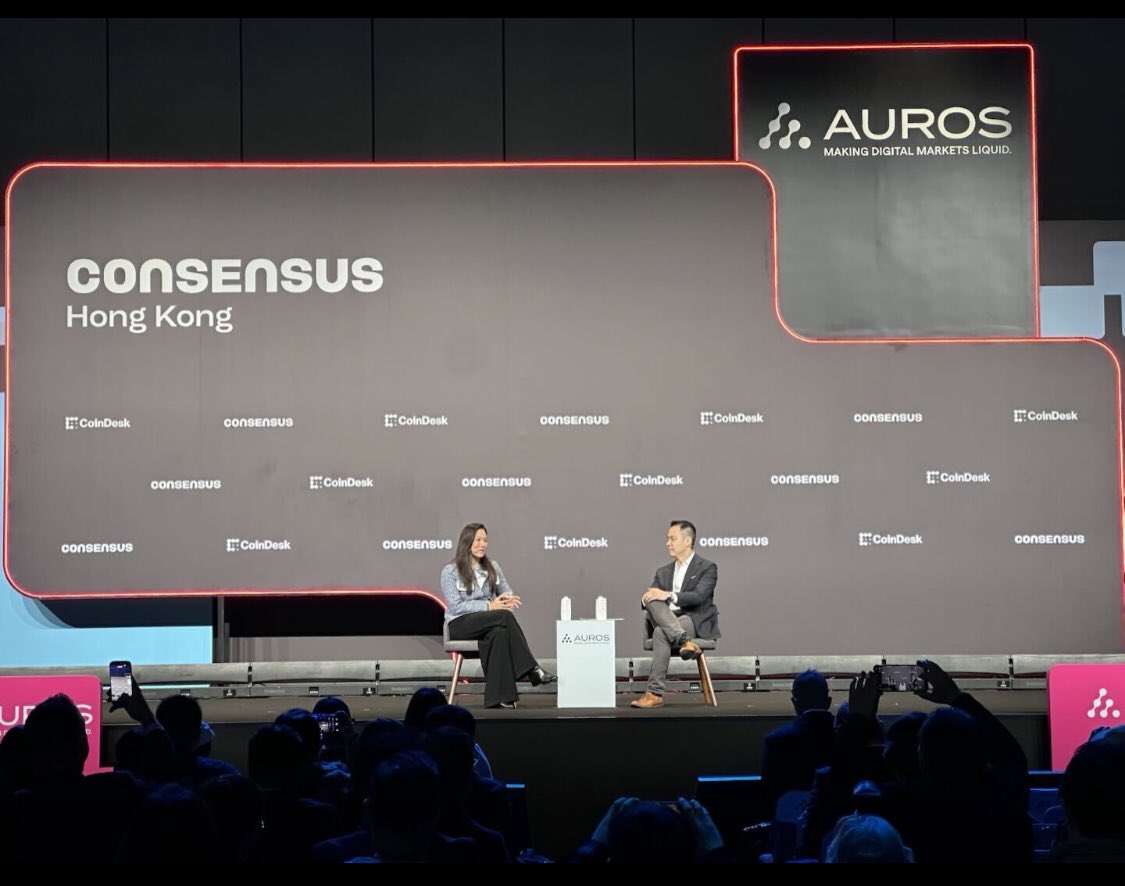
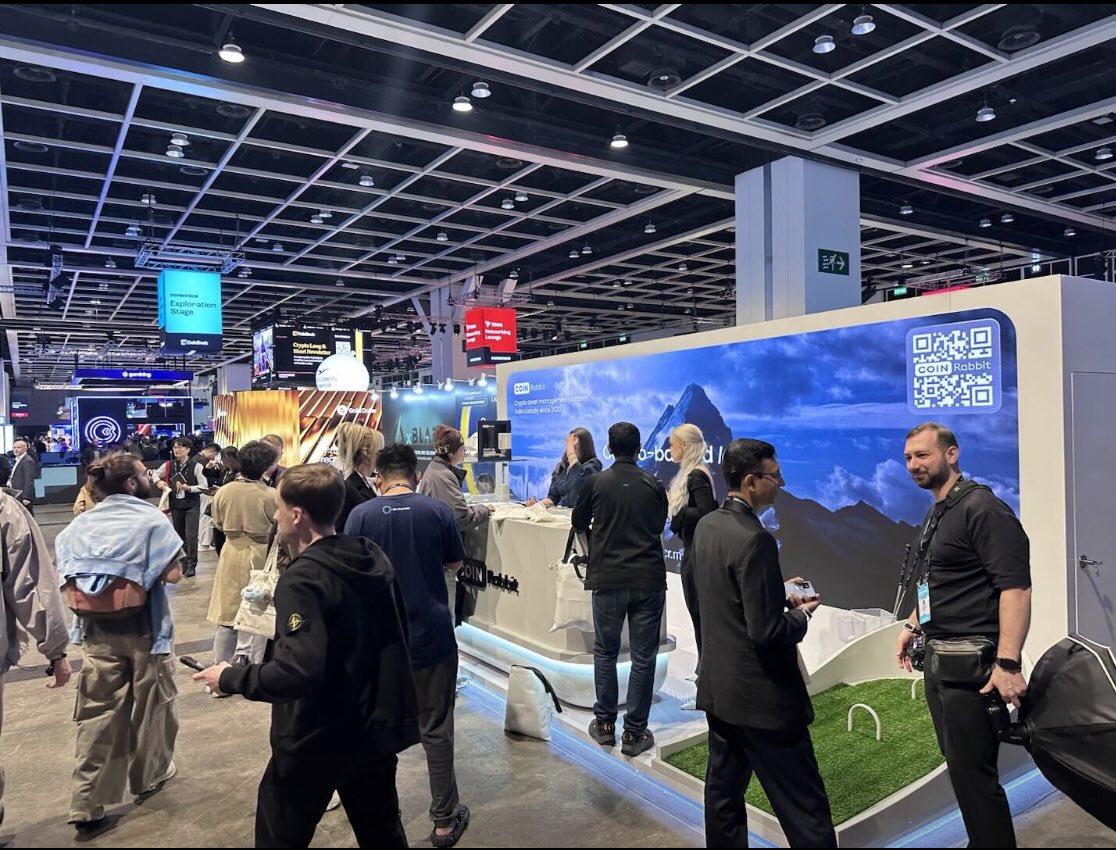
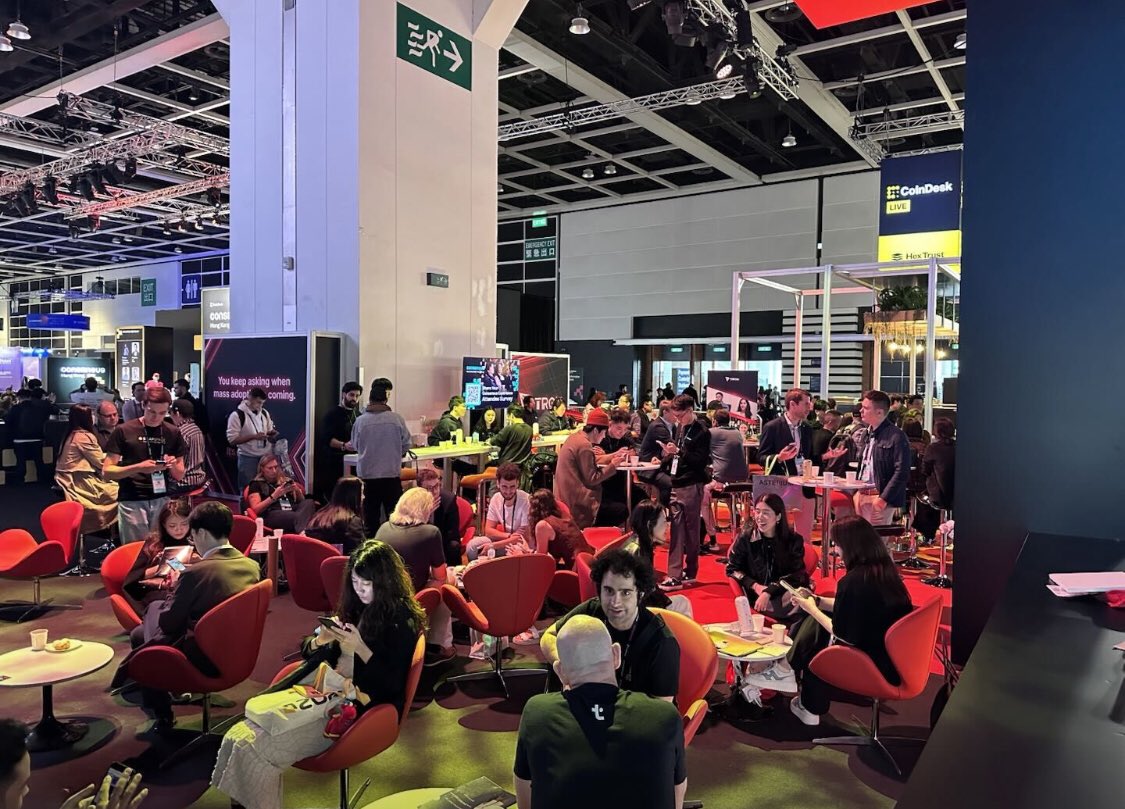
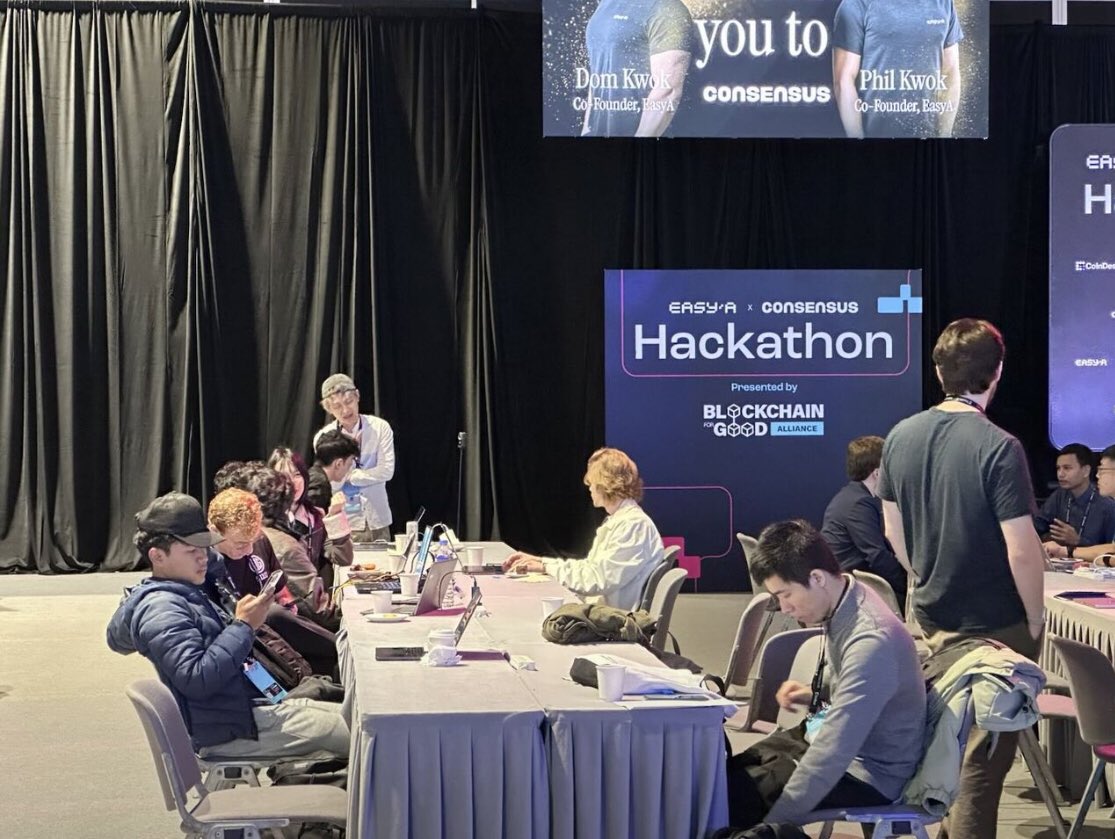
That's a wrap on @consensus_hk here in Hong Kong! 🇭🇰🌍
The conversations this week showed how fast the landscape is shifting, with major discussions circling around tokenization and RWA, AI-enhanced operations, and programmable infrastructure.
Institutions need custody systems that evolve alongside these developments and CipherBC's MPC-based infrastructure is built exactly for this: supporting what institutions need now while staying ready for what comes next.
To everyone who stopped by, joined our Chief Product Architect Bing Zhou's session at the Next Generation Payment Summit, or attended our "Build on Us, Built to Last" C-level event -- thank you. 🤝
The work continues, and we're excited for what we're building next. See you at the next one. 🚀
Book a demo ➡️
cipherbc.com/custody/schedul…
#ConsensusHK #DigitalAssets #InstitutionalCrypto #CipherBC #Web3 #HongKong #ConsensusHK2026 #MPC #AI #RWA
21
2
6
5,361
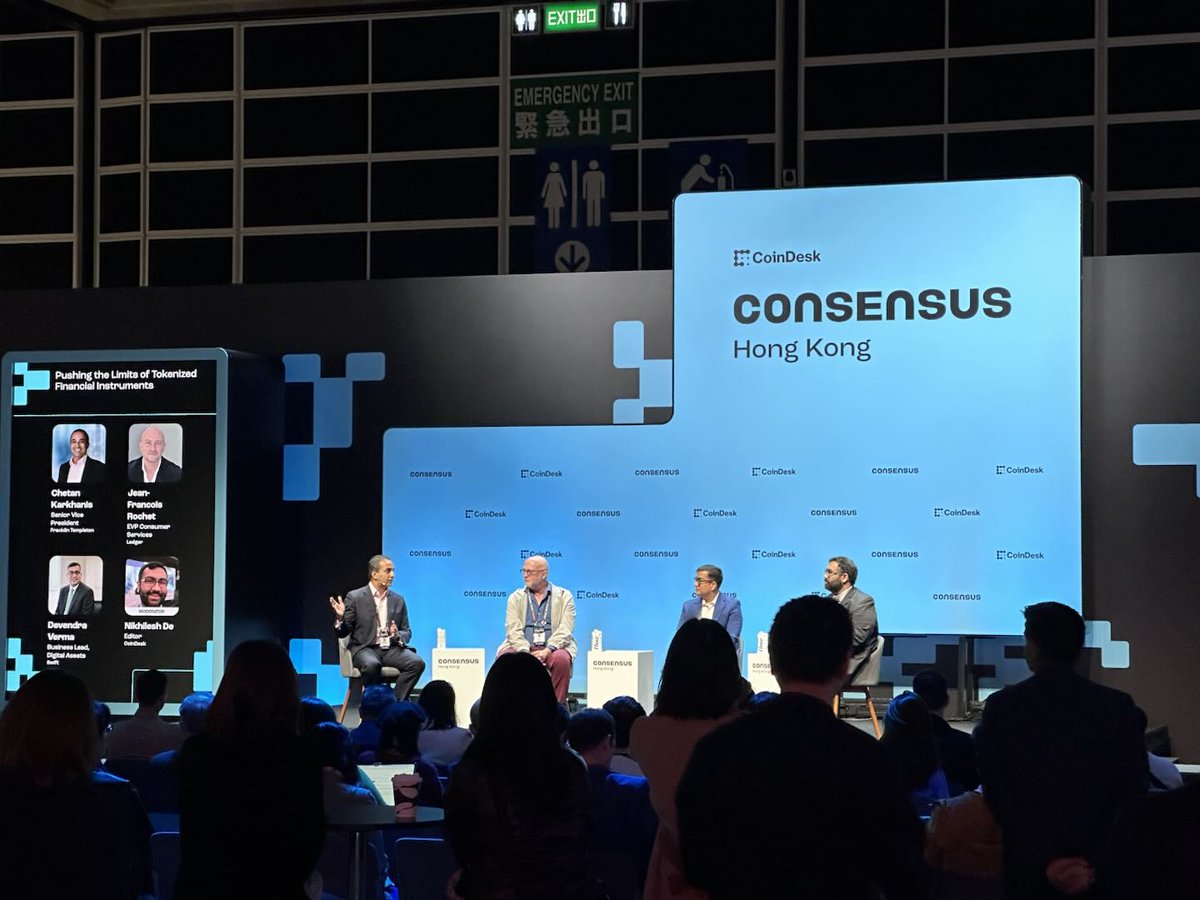
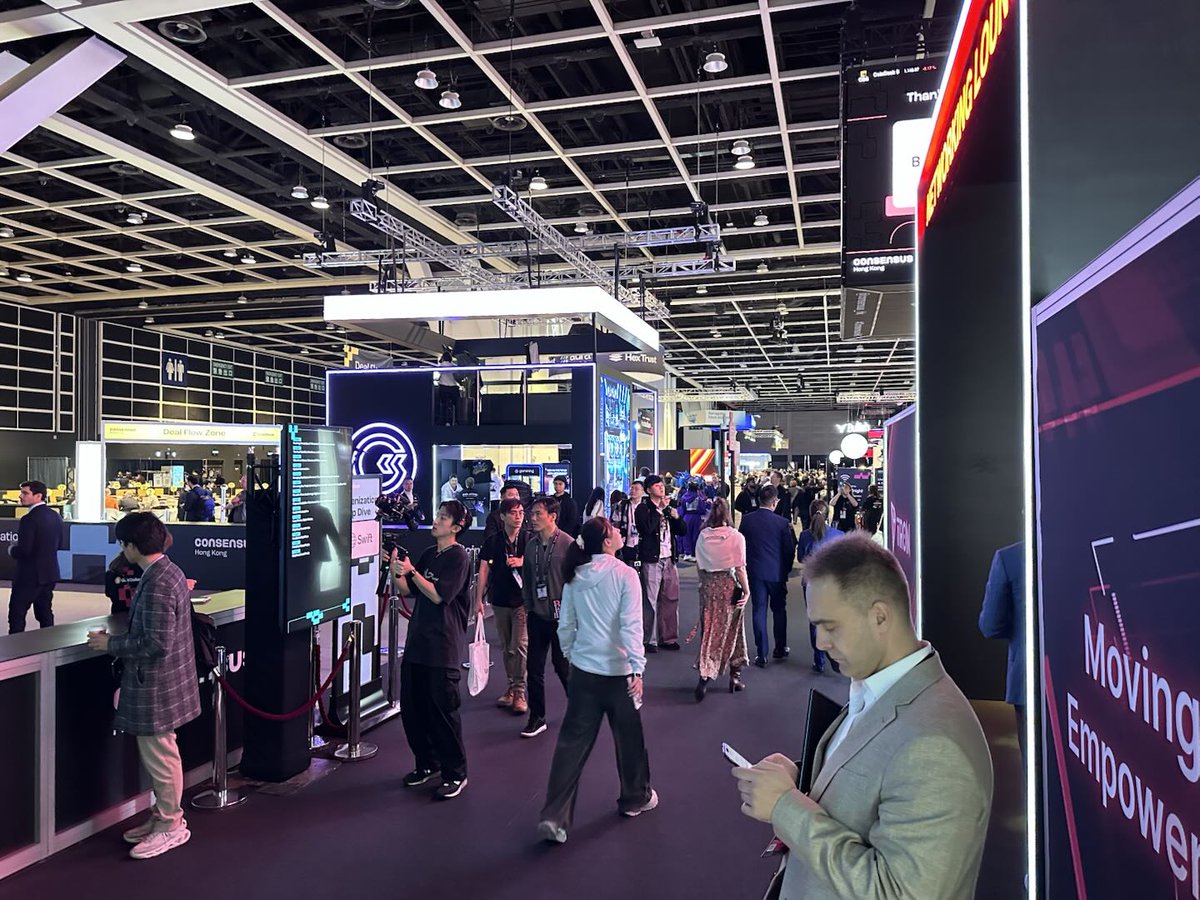
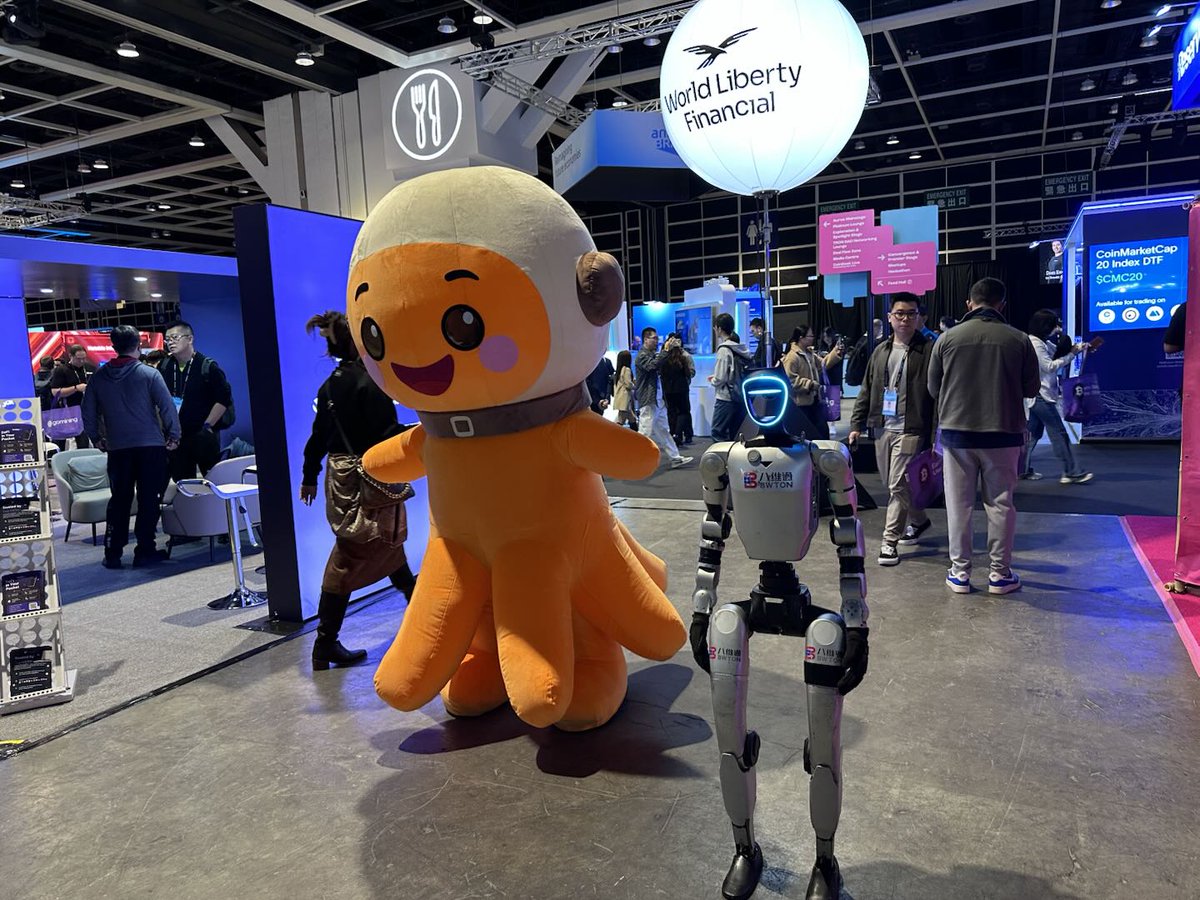
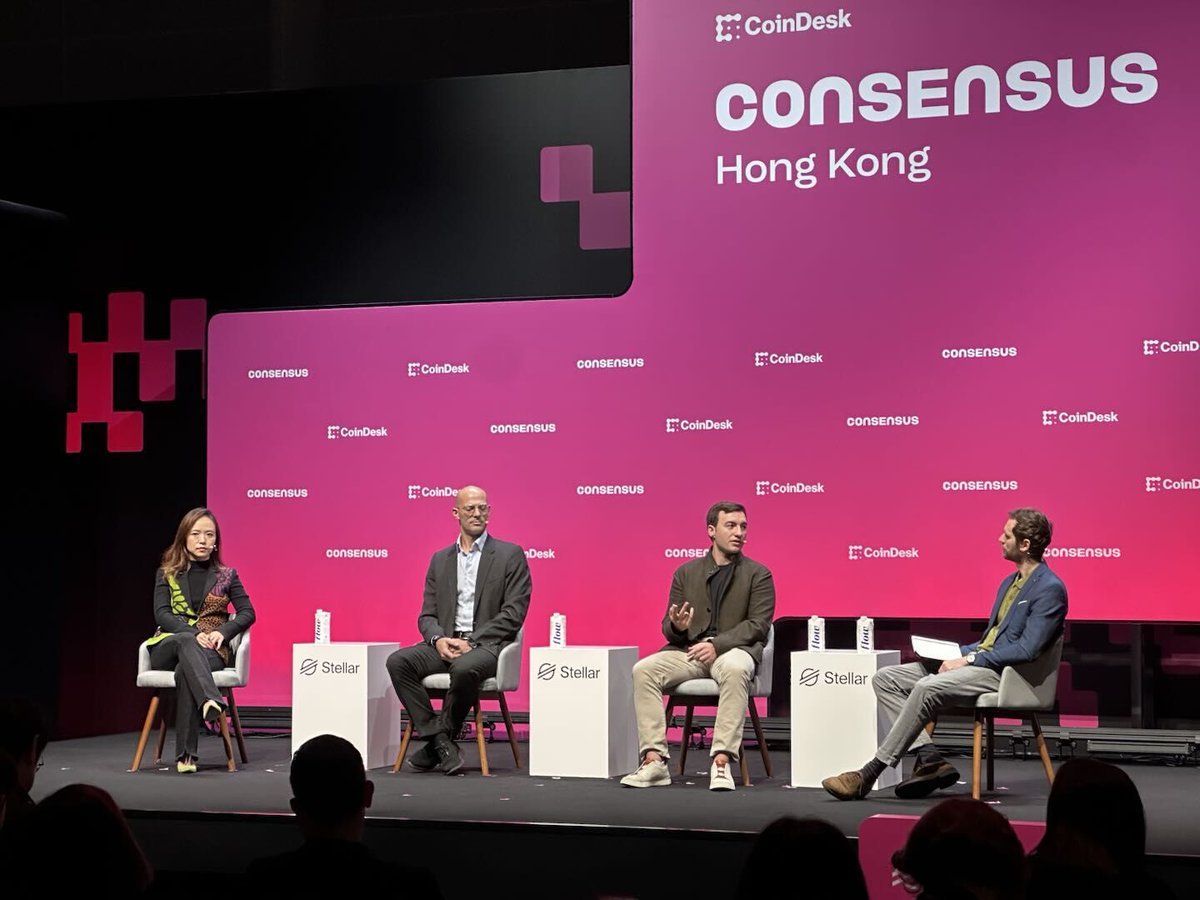
The CipherBC team is on the ground at Consensus 2026 here in Hong Kong, connecting with builders, institutions, and operators. 🇭🇰🤝🏻
If you're working on institutional custody, building digital asset infrastructure, or exploring MPC solutions to scale securely, feel free to reach out or grab us between sessions. See you tomorrow as well. Our strategic partnership director is looking forward to connect with you. @l_lapon
#ConsensusHK #DigitalAssets #InstitutionalCrypto #CipherBC #Web3 #HongKong #ConsensusHK2026 #MPC
22
2
3
5,309
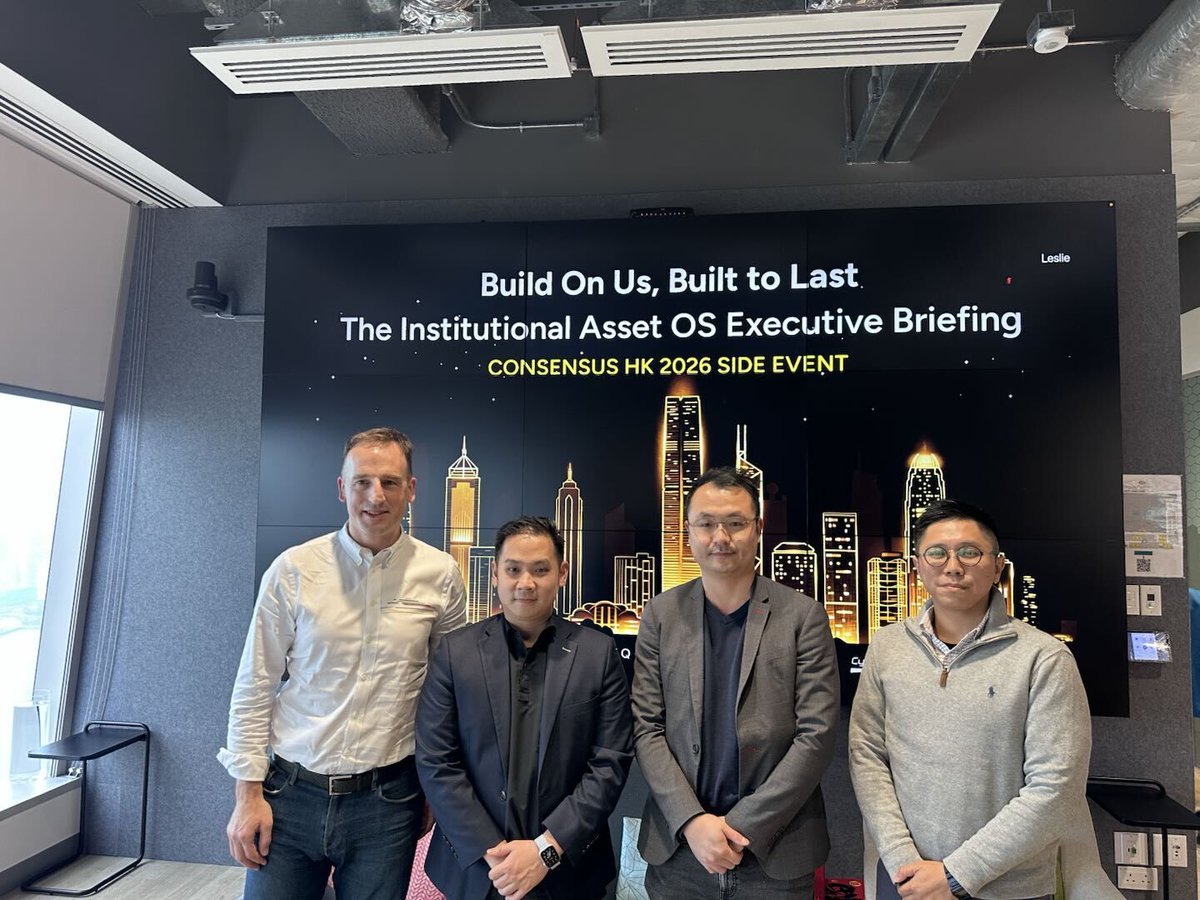
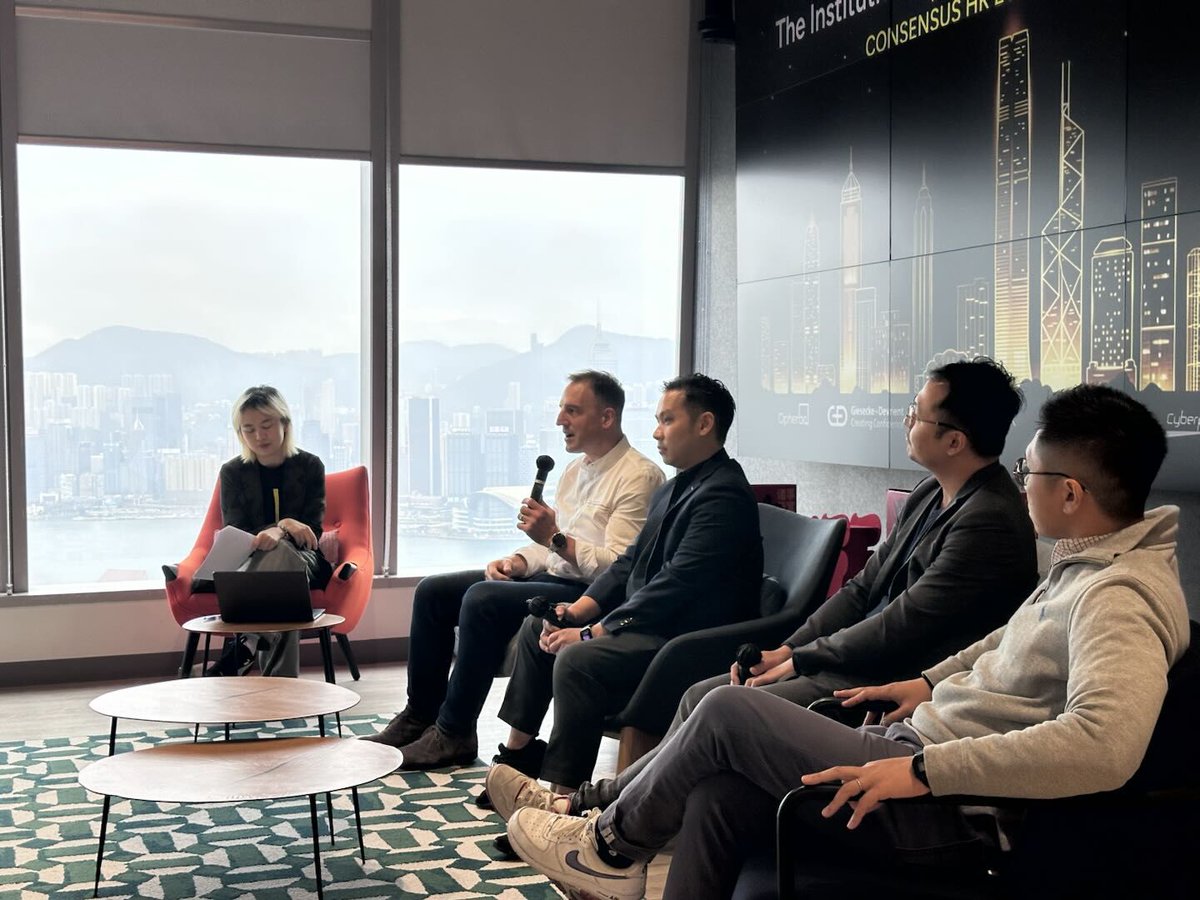
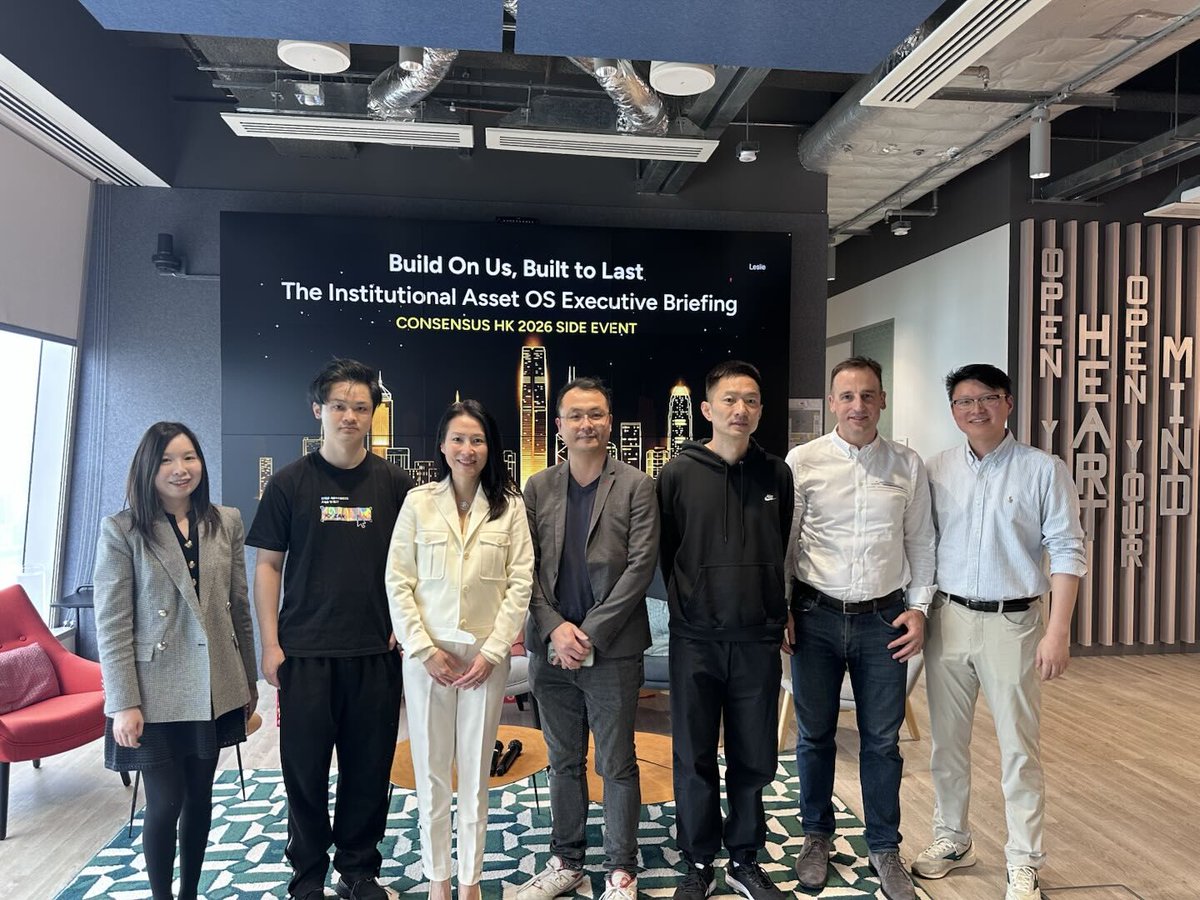
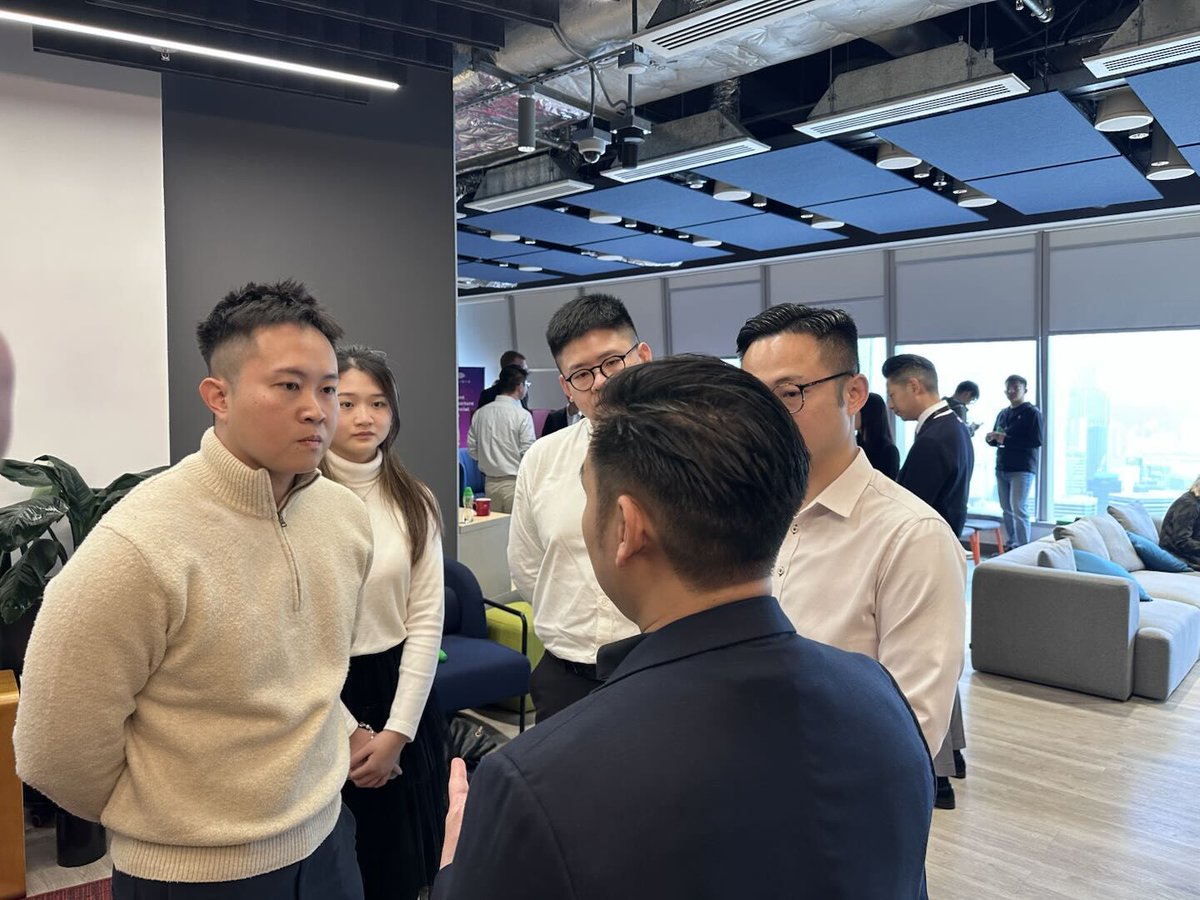
Our "Build On Us, Built to Last" institutional gathering is underway in Hong Kong. 🇭🇰🎙️
Over the past year, we've watched institutional interest in digital assets accelerate. But we've also seen infrastructure strain under real-world demands.
Today's conversation centers on a straightforward question: What does reliable institutional infrastructure actually require?
We're exploring this with government representatives, regulators, and infrastructure providers who've been solving similar challenges across traditional finance for decades.
On the agenda:
✅ Integrated HSM MPC architectures and their practical applications
✅ How regulatory frameworks are evolving to accommodate institutional participation
✅ Security and compliance standards that bridge traditional and digital finance
✅ Operational considerations for institutions managing digital assets
We're fortunate to host this discussion alongside partners who bring deep institutional expertise:
🟡 Giesecke Devrient - serving institutions since 1852 with custom security solutions
🟡 @Equinix - providing the physical infrastructure layer institutions need
🟡 @zan_team (by Ant Group) - building Web3 infrastructure with enterprise requirements in mind
With support from @cyberport_hk Hong Kong and @consensus_hk 2026 by @CoinDesk.
CipherBC's leadership team - @binguohz Bing Zhou (Chief Product Architect), @triplewaterwho Leslie Liu (Marketing Director), and @l_lapon Alvin Liu (Strategic Partnerships Director) - is facilitating conversations between institutional operators facing similar challenges.
The core insight we're working from: Institutional adoption doesn't need better marketing. It needs better infrastructure. Systems designed for compliance from day one. Security architectures that institutions can actually audit. Operational resilience that holds up when it matters most.
If you're working on institutional digital asset infrastructure, we'd welcome your perspective on what you're seeing in the market. Let's connect. 🤝🏻
#CipherBC #InstitutionalCrypto #DigitalAssets #Web3Infrastructure #Compliance #SecurityArchitecture #MPC #Consensus2026
21
4
5
5,702
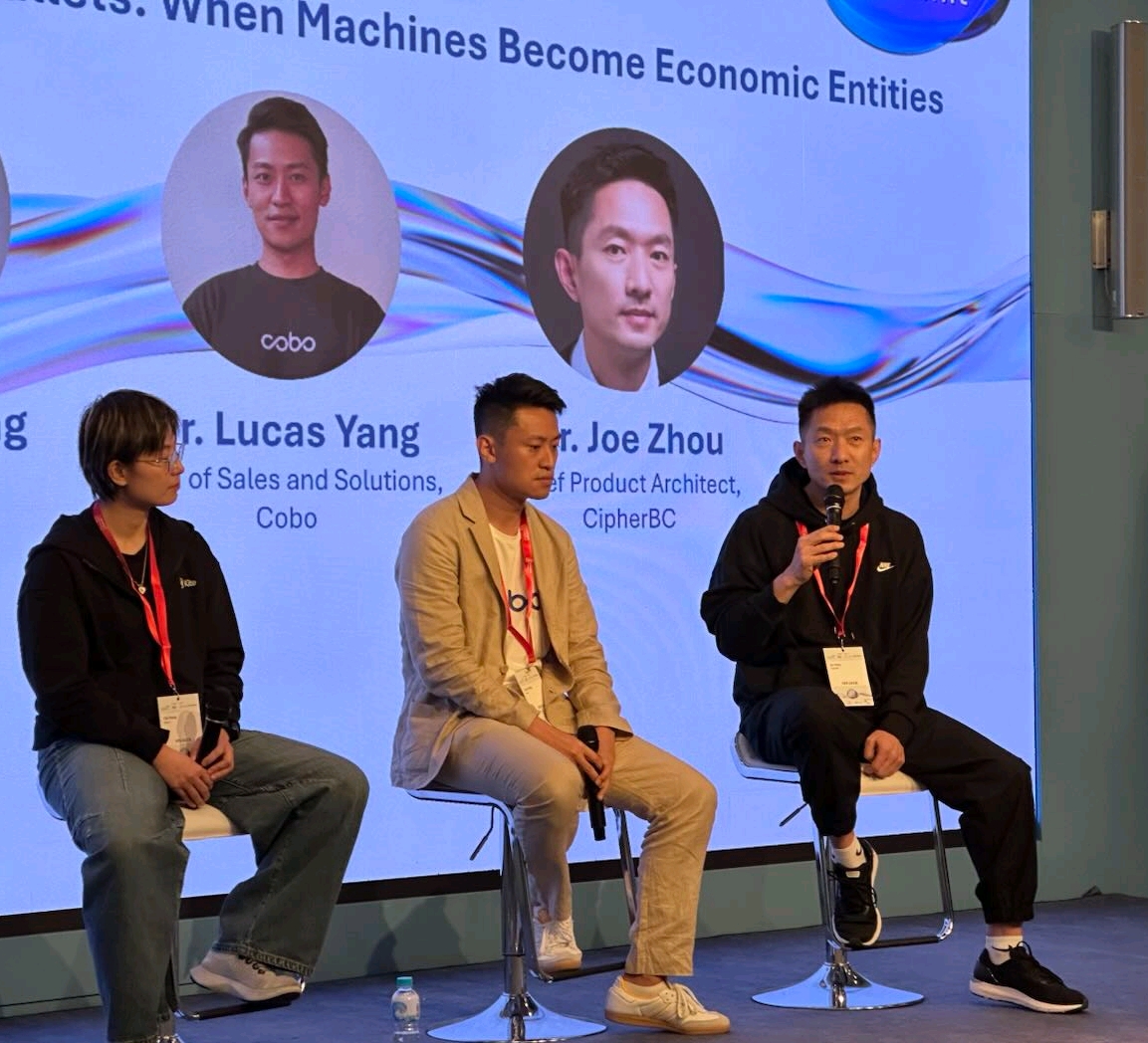
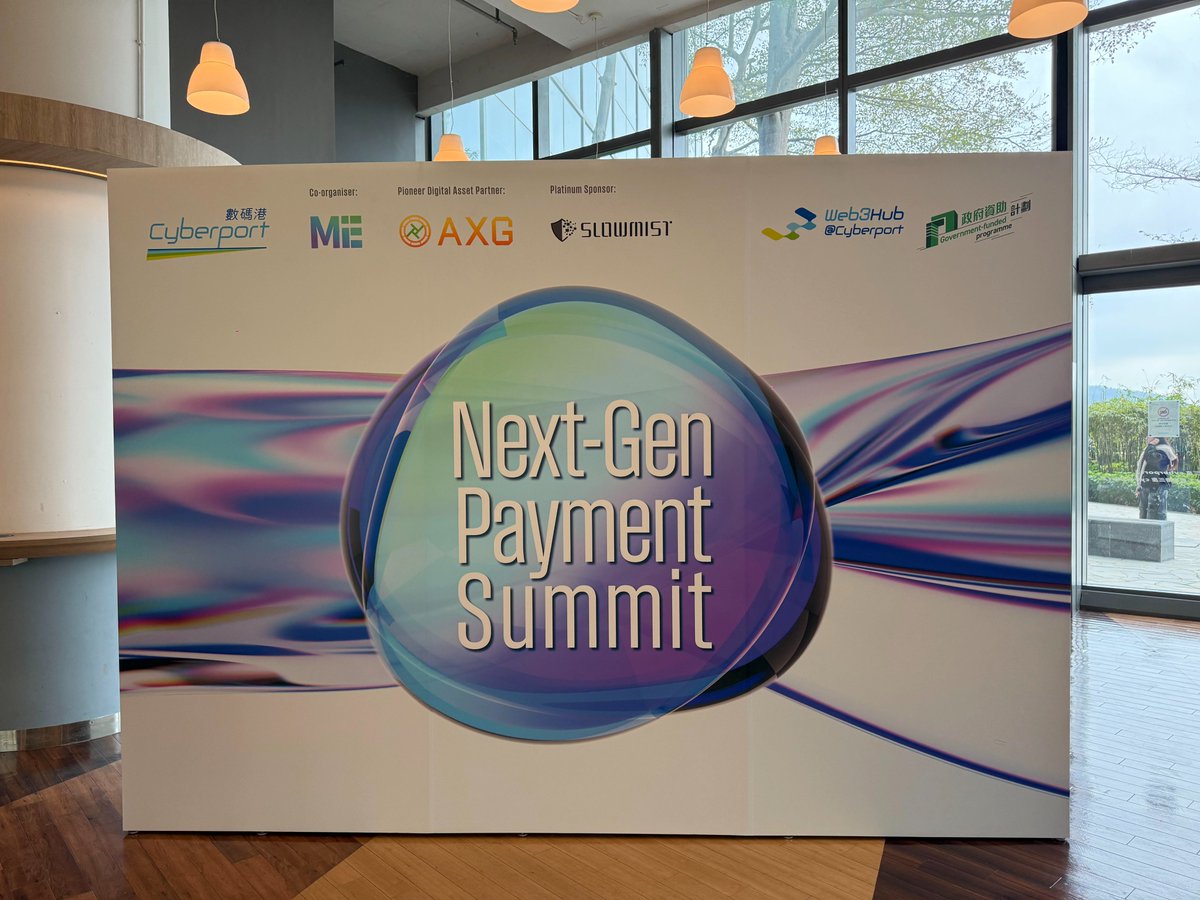
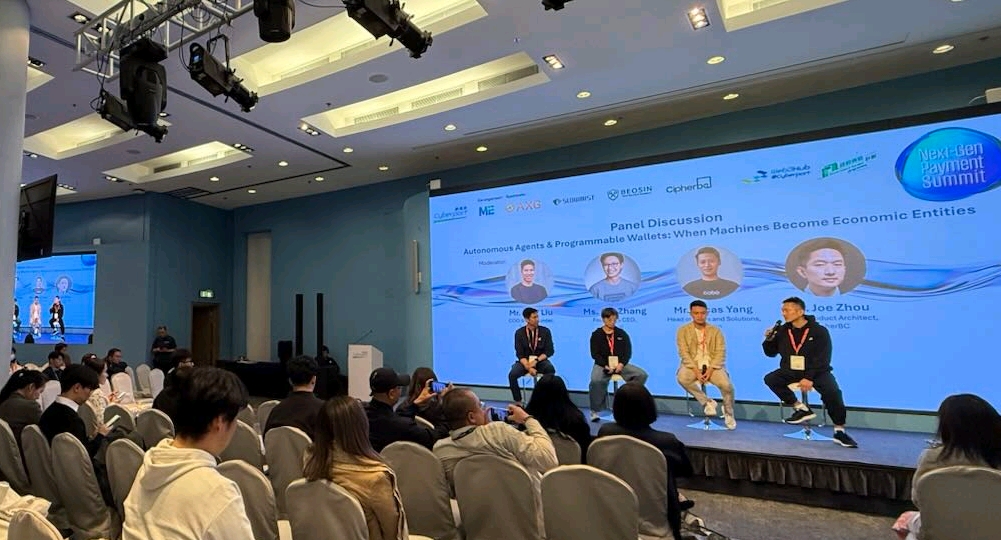
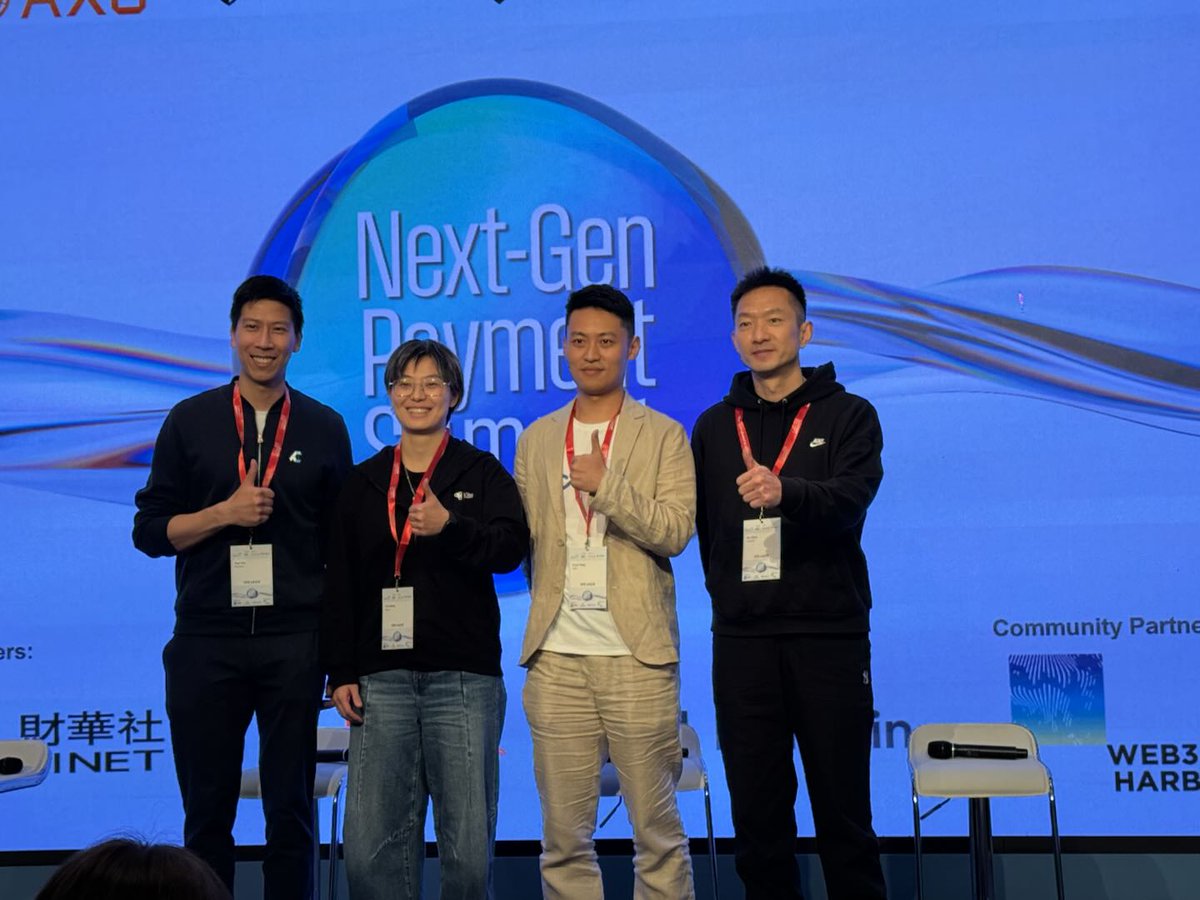
📣 Next Generation Payment Summit is happening now.
🎙️Our Chief Product Architect @binguohz Zhou shared onstage how MPC-based custody architecture enables institutions to maintain secure operations through market volatility and regulatory evolution.
Programmable money. Cross-border settlement. Cybersecurity. Compliance. Web3 payment deployment.
Great conversations happening with regulators, banks, payment innovators, and Web3 builders. all shaping the future of digital finance together.
Hats off to @cyberport_hk Hong Kong for making this possible and to our fellow speakers for a very insightful discussion: Joey Liu of @terminal3io 3, Chi Zhang of @GoKiteAI , and Lu (Lucas) YANG of @Cobo_Global. 🤝🏻
#ConsensusHK #DigitalAssets #InstitutionalCrypto #CipherBC #BuiltToLast #Web3 #HongKong #NextGenPayments
21
2
2
5,225