
Joined May 2007
- Tweets 79,747
- Following 1,960
- Followers 3,909
- Likes 219,269
3,208 Photos and videos








Pinned Tweet

25 Nov 2023
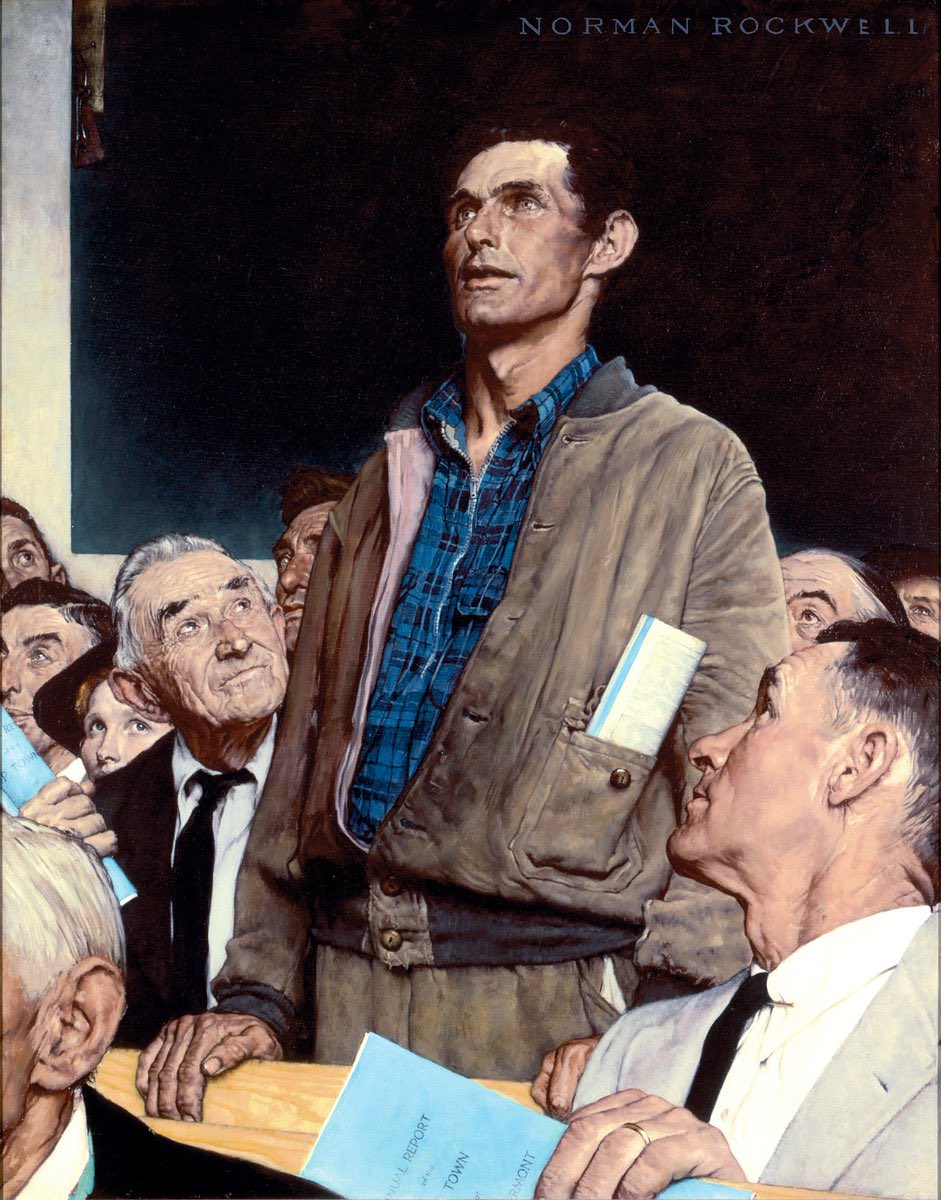
I want a brighter and more abundant future (than I had) for my son and others of his generation.
That means building a lot more stuff in the highest opportunity places in the country.
25 Nov 2023

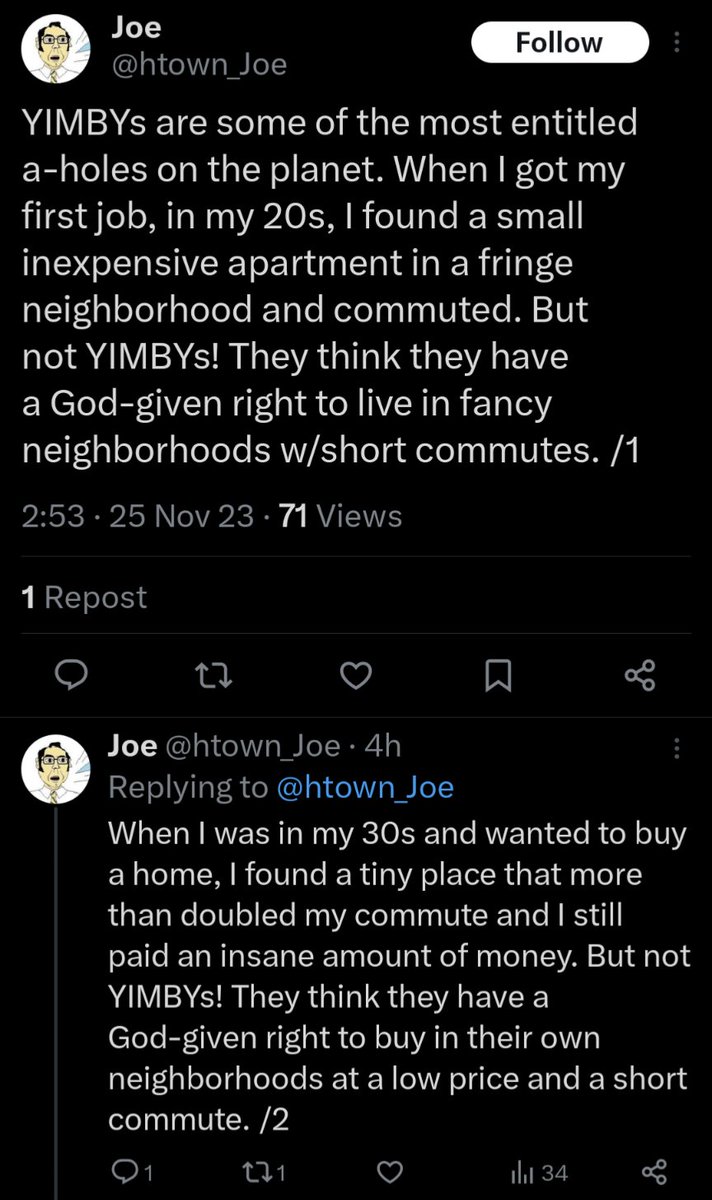
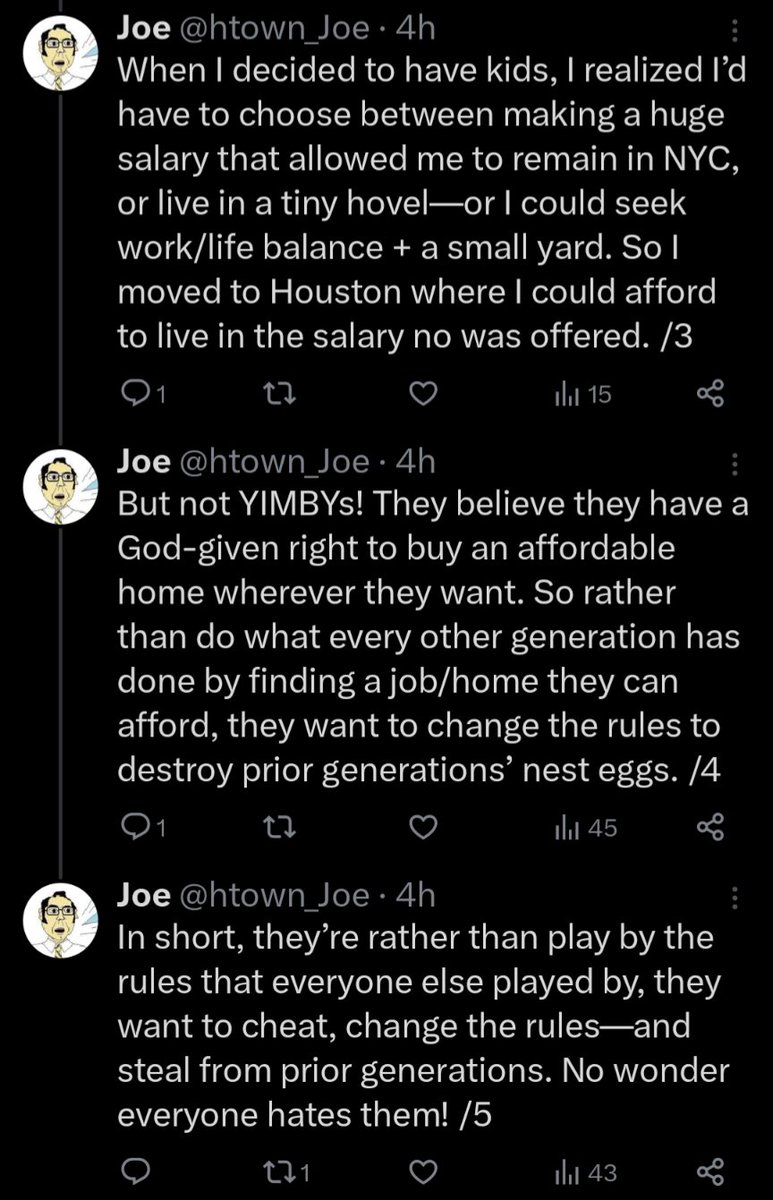
This thread is such a perfect encapsulation of the "lead paint caucus" mindset: "When I was young, I had to choose between living in a lead paint filled shithole, moving to a sprawlburg, or uprooting my life and relocating to another city. And so should you!"
6
7
198
85,872

One of the signs that rent control is obviously a bad policy, and simultaneously a factor that makes it by definition an unfair one, is that new rent control initiatives almost always apply only to old apartments. This is because you literally cannot get anybody to agree to this deal, so the only way to make any apartment a rent controlled apt is to force it on people who can’t opt out. Developers can just opt out by not building any new units and investing their money elsewhere, which is of course exactly what they do.
The idea that this isn’t a taking is absurd on its face. Again, politicians who pass these laws realize that literally no new units will be created under a rent control regime, because the value proposition is so terrible. So they explicitly design rent control laws to apply only to existing units; this is a direct admission that rent control destroys value.
Obviously a taking. A 12 year-old can see that it’s a taking. The Supreme Court cannot ban it soon enough.
13
39
622
11,016

State Capacity Baby! 😎

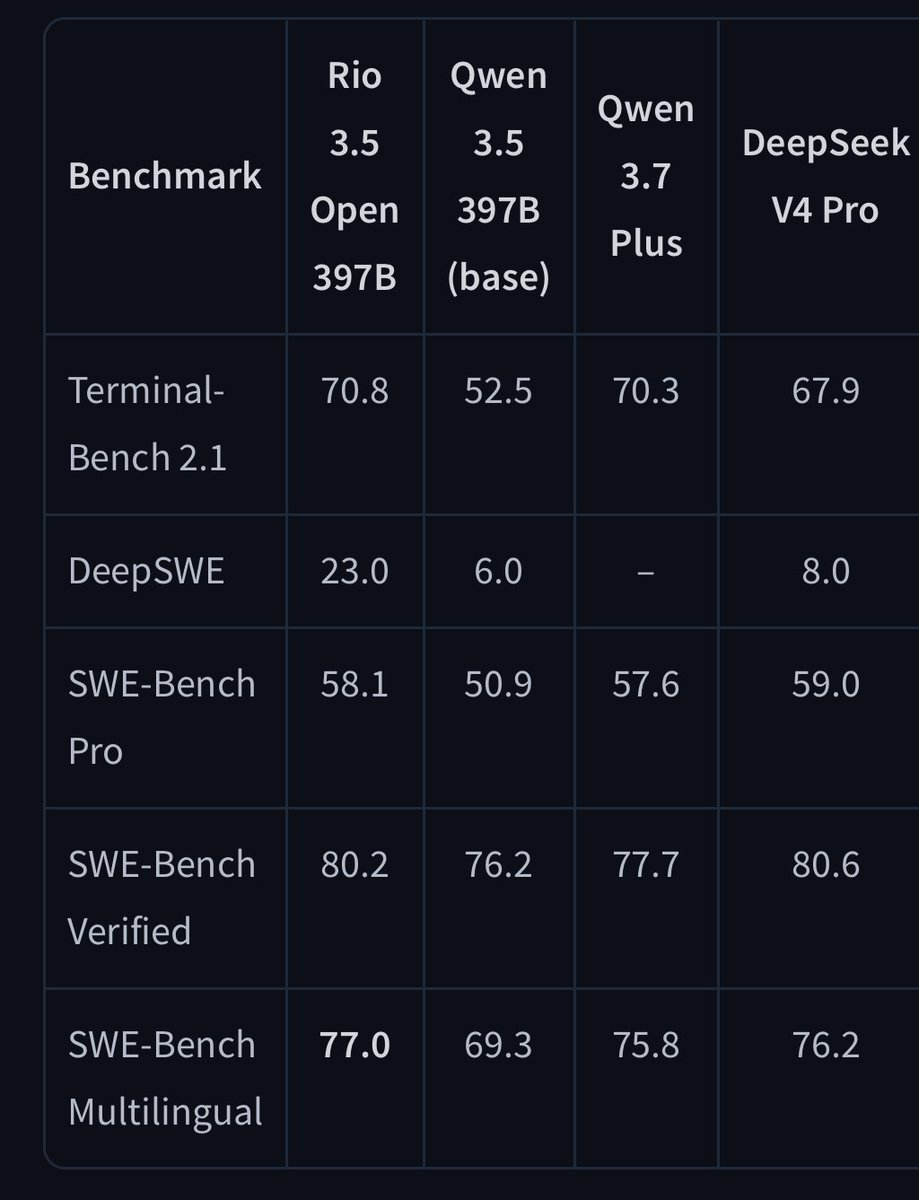
Alibaba Qwen3.7 slowly fading into irrelevance at the frontier due to proprietary stance.
In it's place we have Minimax M3 and... *checks notes* Rio 3.5 397b, made by the municipal IT company of Rio de Janeiro's city government.
huggingface.co/prefeitura-ri…
2
213
Logan Bowers 🏗️ 🏘️ retweeted

15h
It just seems really naive to see it as safety related at all instead of as a lever for the government to try to pick winners in the AI race that will pay them bribes and support Republicans.
These strong anti-selection forces against integrity are unlikely to go away.
8
33
333
12,546
Logan Bowers 🏗️ 🏘️ retweeted
Like, there’s a real question of sacrifices and tradeoffs, but before we even get to that the question is, “do you want to solve homelessness enough to allow a developer profit from building housing?”
A majority of voters still answer no to this question.
5
8
46
4,200
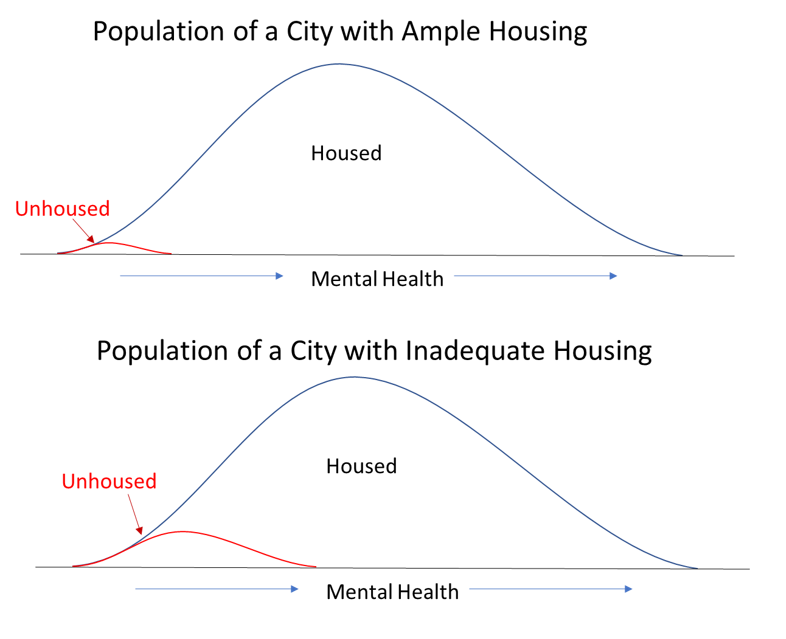
The most crushing problem we have in blue cities is homelessness. It has negative cost to solve (build lots of market rate housing). Voters don’t want the problem solved, they prefer homeless suffering.
It’s worse to pretend otherwise.

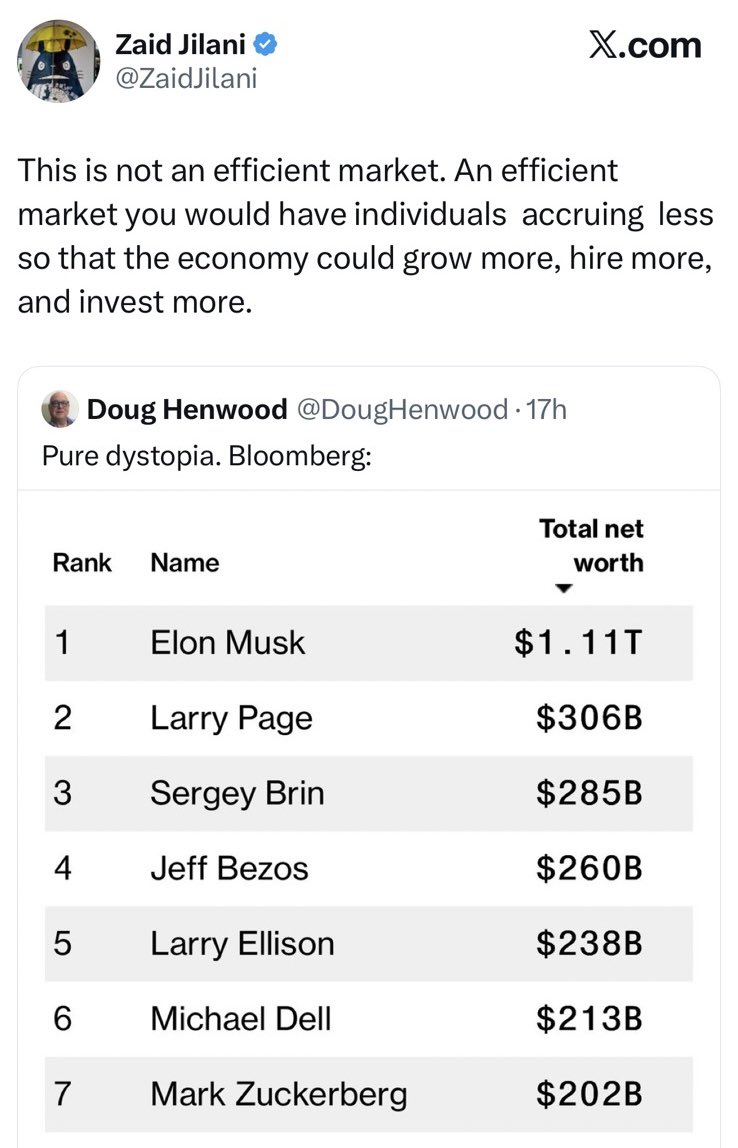
A trillion dollars could solve virtually every problem. Any problem at all. But instead it’s all just going to Some Guy
11
8
89
6,250
Like, there’s a real question of sacrifices and tradeoffs, but before we even get to that the question is, “do you want to solve homelessness enough to allow a developer profit from building housing?”
A majority of voters still answer no to this question.
5
8
46
4,200
“They should have less wealth so the economy has more investment,” my brother in Christ what do you think investment is?

9
169
3,539
Someone was talking about how in the New Deal era it was “free enterprise,” and I like that a lot better. Everyone should be free to start a business and provide value for profit as they see fit.
Sometimes that requires capitalism (open markets, property rights), sometimes that requires socialism (welfare state to hedge downside risk).

1) Essentially no one supports pure "Capitalism" or pure "Socialism." The argument is over how much of each society should have and in which sectors.
2) It's clear that more socialized healthcare systems produce better results. The US should have some form of universal healthcare (I'd prefer a Bismarckian system).
3) Advocating for universal healthcare isn't mutually exclusive with a general support of capitalism, just as using my local library doesn't mean I can't use Amazon, or how every developed nation (except for the US) has both universal healthcare and a stock market.
2
2
21
1,116
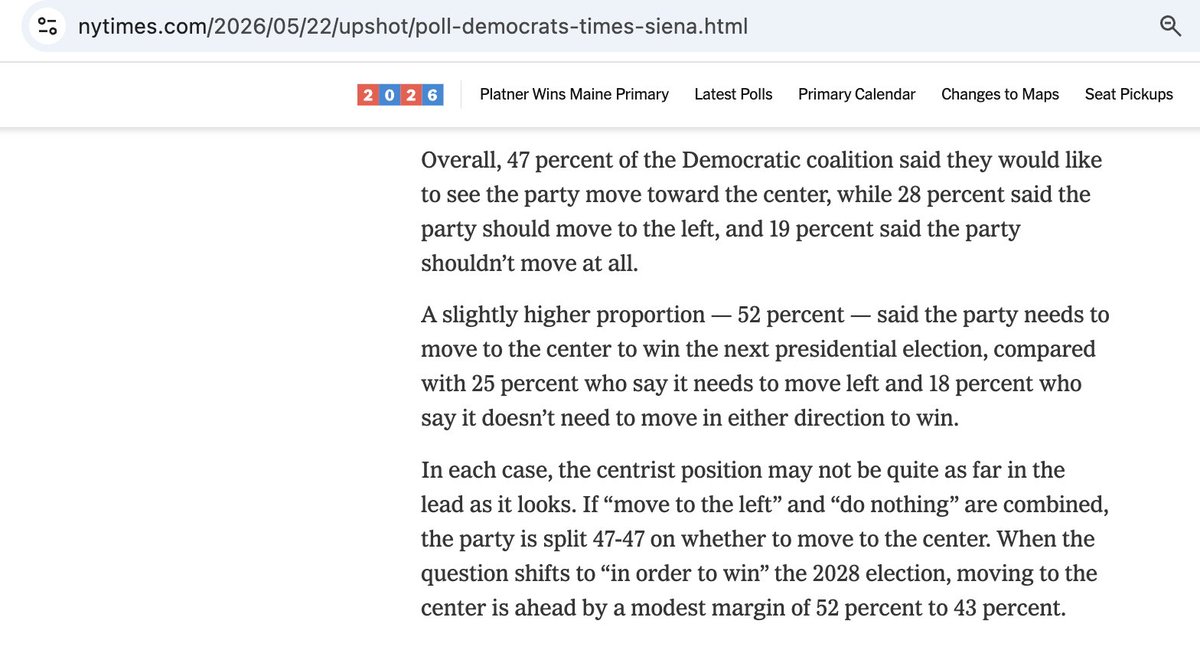
You can’t make it through the gauntlet of diehards in the primary.

There is a clear appetite among rank-and-file Democrats for a more centrist approach to cultural issues and still almost nobody positioning to fill that lane in 2028.
nytimes.com/2026/05/22/upsho…
1
1
394


This person is coping with the disappointment of their own life by believing they have no agency and life is done to them. It’s a miserable way to live.
Nothing is ever totally within our control, but America is a place more than any other where hard, purposeful work can translate into a fulfilling life.
Jun 12

I am 52 years old. I have been working since I was 15 years old. I have no savings, no retirement, and will never own a home before I die.
And there is now a trillionaire.
9
4
109
4,142
May 19
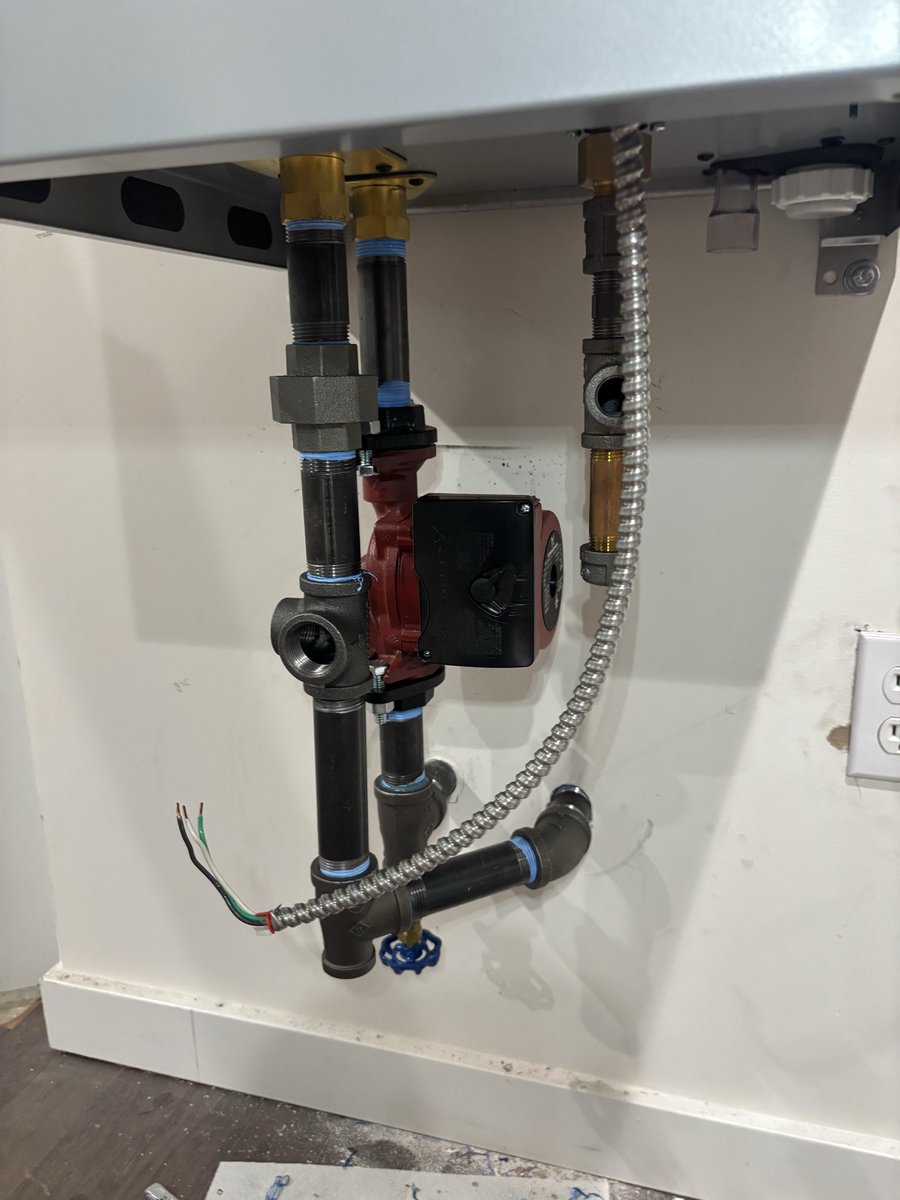
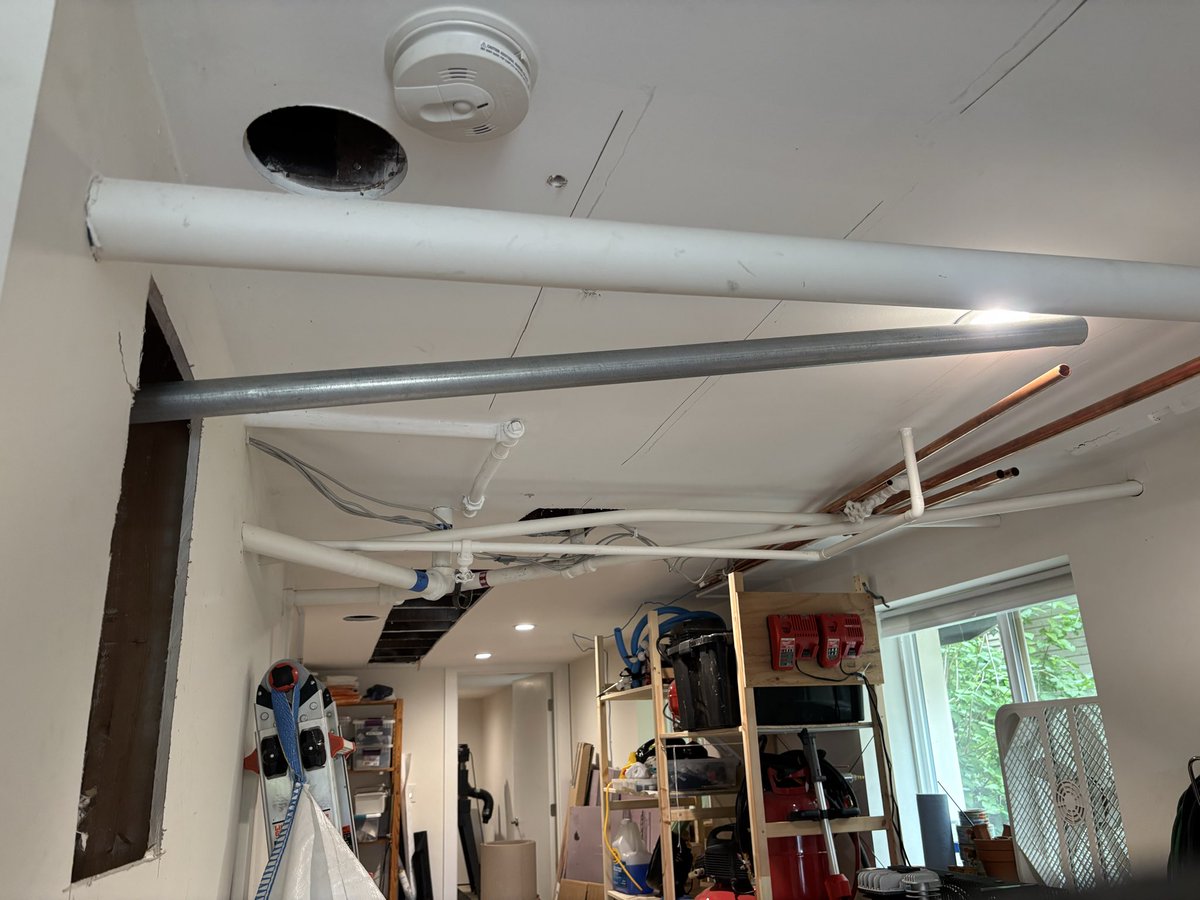
One of three things is happening today: this union will be loosened, this pipe will be kinked, or I will be dead. Possibly by meteor.

2
8
721
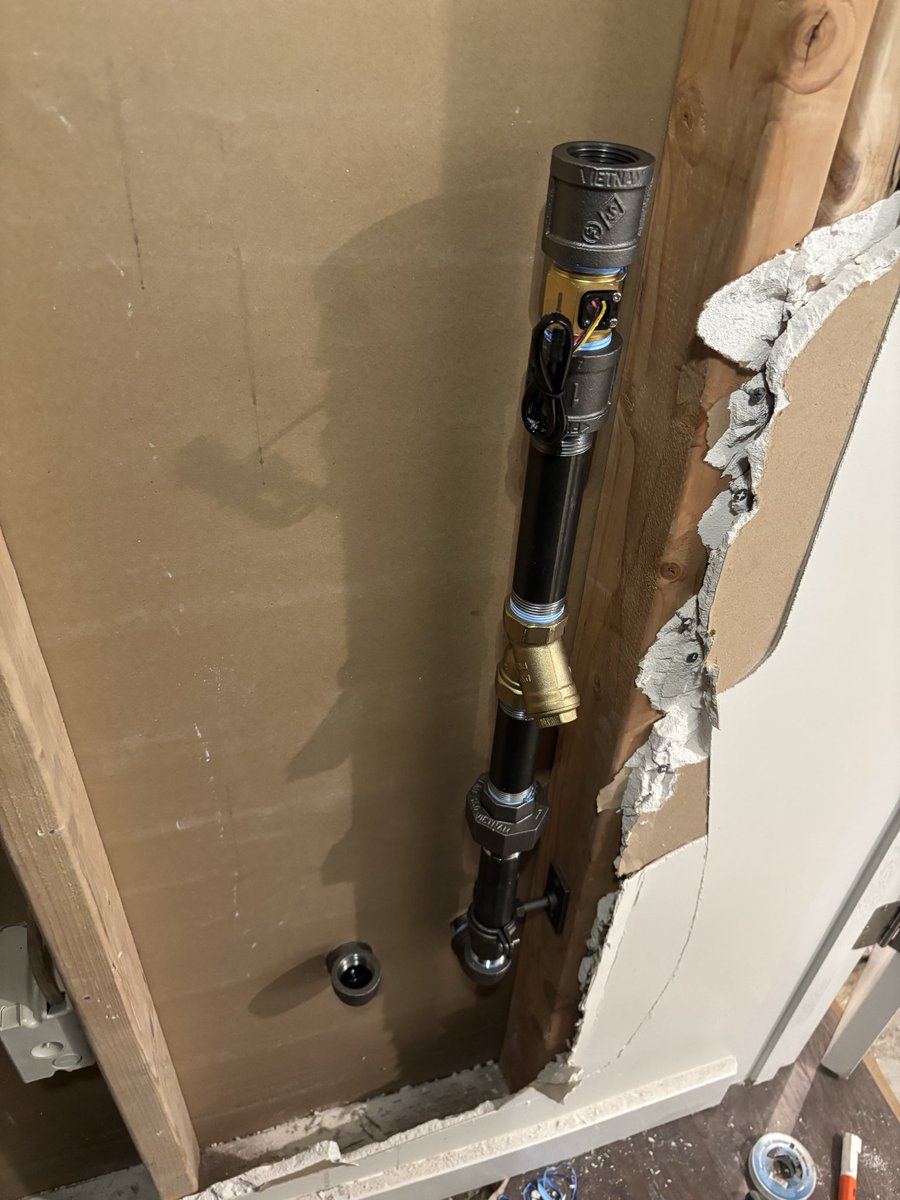
Got the near-boiler piping mostly done. Back-wall assembly laid out.
Also cut and threaded my first pipe to do the run to the manifold and lol cut it 5” too short. 😭
Also, wow, how did they do this in a reasonable amount of time before megapress.
54
Logan Bowers 🏗️ 🏘️ retweeted

Jun 12
USA. A Mexican restaurant. We had not yet ordered anything, and the food was already arriving.
Chips. Salsa. Unrequested. Free.
I stopped the waiter. "We have not earned these."
"They just come with the table, man."
They come with the TABLE. In my land, hospitality is a debt. Every gift creates an obligation, weighed carefully, returned in the proper season with interest of feeling. Here, the gift arrives before you have even proven you can pay for dinner.
This is not an appetizer. This is a declaration: we trust you. Eat.
I ate with the gravity the moment deserved. And then — I must report this calmly — the basket emptied, and a new one appeared.
"Did we…?"
"Refill," the waiter said. "It's bottomless."
Bottomless. They have wells of salsa. The supply lines of this nation are beyond anything my ancestors imagined.
My friend warned me. "Don't fill up on chips, dude."
Too late. I had accepted three baskets. Honor demanded each one be finished — an unfinished gift is an insult. By the time my actual food arrived, I was a ruined man.
I was not hungry. I was not comfortable. I had been defeated by a courtesy.
Generosity that arrives before the request cannot be repaid. It can only be survived.
I know the rule now. I have made my peace with the basket. One basket. Two at the most.
Who am I deceiving. There is no number of baskets I would refuse. The trust of a nation is in that salsa, and I intend to honor all of it.

1,829
15,309
139,004
14,965,887
Logan Bowers 🏗️ 🏘️ retweeted

26 Nov 2025
In 1996 the allowed width of an urban street with curbside parking was 28’. Two lanes of travel, 18’ of clear width to setup an engine or ladder.
~2000 the NFPA began to engage in traffic engineering, creating a 20’ clear requirement. One way or not, doesn’t matter. 20’.
Today it is a default of 26’ for an urban street or even a pull along fire lane, even if one way. 28 is common for urban “arterials”.
Over 30 years we increased the minimum width deemed “safe” for fire response by 44%.
We mandated excess asphalt in every new urban street and development across the country, foregoing sidewalks and bike lanes for wider, faster access.
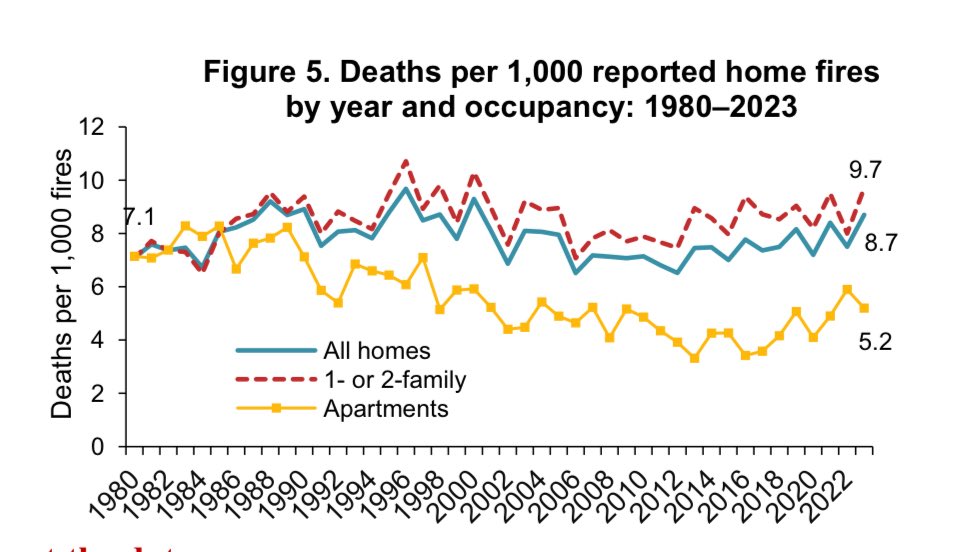
We gained no statistical improvement in deaths per fire from this. We did gain significant increases in traffic and pedestrian deaths as these standards became ubiquitous in every new or “improved” urban street design.
22 Nov 2025

95% of you were wrong on the answer to this poll. 67% were way off.
Overall deaths per home fire has increased over 45 years. If not for apartments it would be far worse.
Nothing in terms of response has made any impact on outcomes, despite 50% more firefighters for 50% fewer fires over this timeframe - 3x the firefighters per fire.
Bigger trucks, more trucks, more personnel responding hasn’t moved the needle. But the demand for wider, faster streets for the largest of trucks is called safety, while being empirically proven to kill far more people.
The most impactful thing a modern urban fire department could do today is adapting their equipment and response to work with street improvements that would:
-reduce calls for accidents, auto and pedestrian
-save many more lives
-allow improvements to city services and quality of life for the general public via better use of reclaimed space.
8
47
322
90,176
Logan Bowers 🏗️ 🏘️ retweeted

Jun 12
too busy with spacex this week but there's a shitstorm over at meta w/r/t morale
a blowup at an internal meeting this week basically made zuckerberg send out a companywide memo to calm things down
wired has more deets on all the furor
wired.com/story/mark-zuckerb…
44
254
2,141
562,303
Logan Bowers 🏗️ 🏘️ retweeted

Jun 13
For anyone wondering what this means:
- Anthropic (and potentially future OpenAI, Google, xAI) models that cost billions to develop will make 0 revenue outside the US
- a big double digit percentage of Anthropic (and potentially OpenAI, Google, xAI) workforce can no longer work there, because they are foreigners and are not allowed to use those models
So Trump just made frontier model development effectively unprofitable and tremendously slowed down Anthropic (and potentially others in the future)
He's handing China the win on a gold platter.
*potentially: if the same restrictions are imposed on other frontier labs and models
Jun 13

The US government, citing national security authorities, has issued an export control directive to suspend all access to Fable 5 and Mythos 5 by any foreign national, whether inside or outside the United States, including foreign national Anthropic employees.
The net effect of this order is that we must abruptly disable Fable 5 and Mythos 5 for all our customers to ensure compliance.
Access to all other Claude models is not affected.
We apologize for this disruption to our customers. We believe this is a misunderstanding and are working to restore access as soon as possible.
Read our full statement: anthropic.com/news/fable-myt…
519
943
11,713
1,414,940
Logan Bowers 🏗️ 🏘️ retweeted

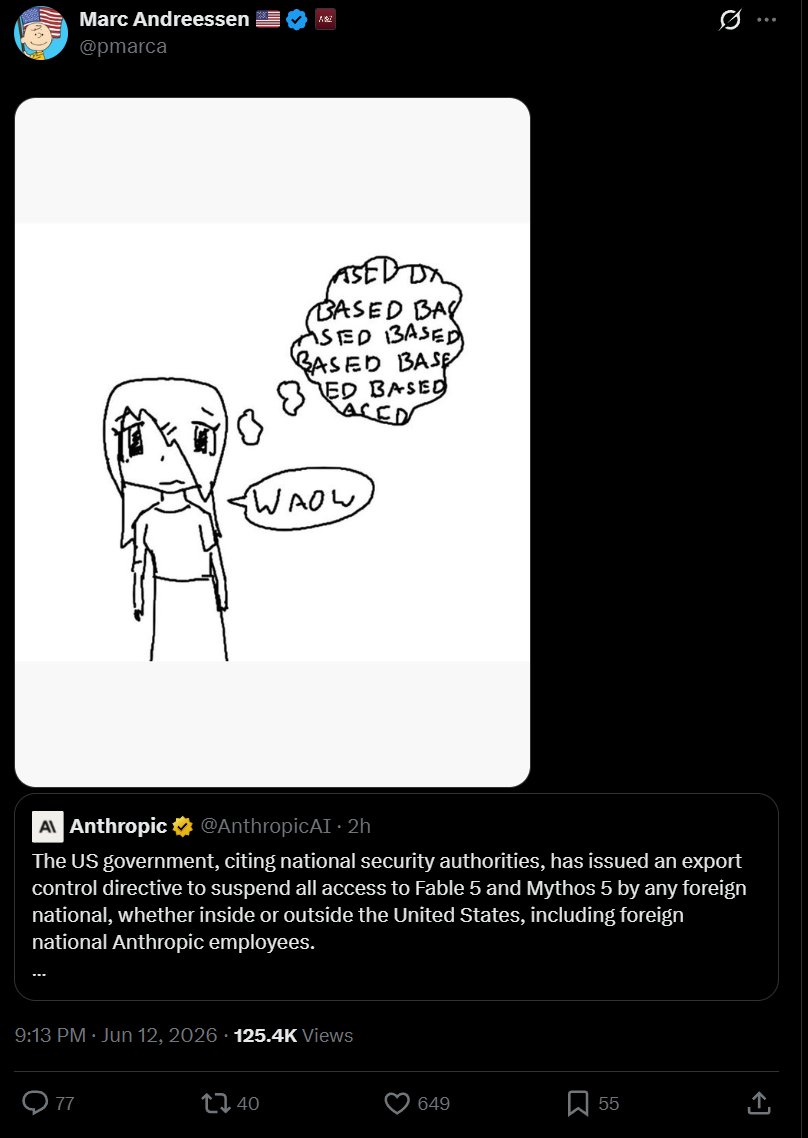
Andreesen is the worst kind of libertarian, the one who believes only he should be exempt from the rules
If the president personally banned his company's newest product with 0 warning, he'd throw the biggest hissy fit in history, but he cheers it on when it happens to others
67
228
3,376
99,993
Jun 13
Elon is still popular with a pretty big crowd because he’s one of very few people with a cool techno optimist vision for the future. It’s bad that no one in the lib sphere of influence articulates a vision for doing cool stuff.
Jun 12

The "I f***ing love Science" crowd turning on the man who popularized the electric car in America and out-rocket-launches NASA by orders of magnitude because of politics is a funny twist. Maybe they don't really f***ing love science that much
14
5
159
6,533