Pediatric Surgeon @ Atrium Health Wake Forest Baptist. Aspiring Researcher/Innovator/Cheerleader of all the great teammates around me. Girl Dad x3
Joined March 2013
- Tweets 716
- Following 690
- Followers 628
- Likes 3,054
61 Photos and videos

Luke Neff, MD FACS retweeted

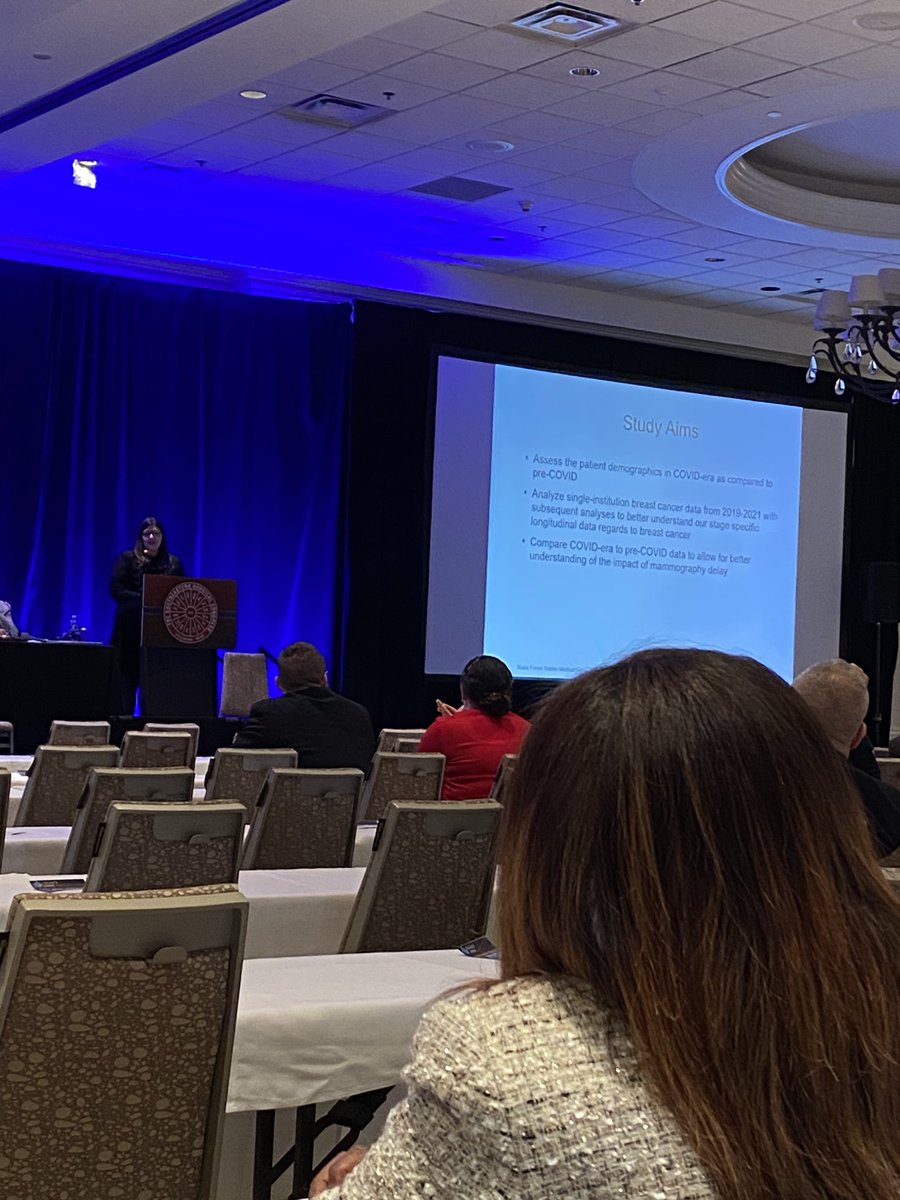
Best Abstract Presentation. SAGES 2026.
Delivered by our chief resident, Dr. Kelly Champlin - calm under pressure, sharp in the data, and unshaken in Q&A.
The message landed: surgery-first isn’t just a procedure - it’s a clinical philosophy.
Proud is an understatement.
5
11
77
8,957
Luke Neff, MD FACS retweeted

High Pediatric Readiness in EDs is linked to lower mortality risk. The National Pediatric Readiness Project Assessment helps your ED identify improvements that matter most for better outcomes.
Talk to your ED leadership about participating at pedsready.org. @ALiEMteam

1
4
4
418
Luke Neff, MD FACS retweeted

Mar 29
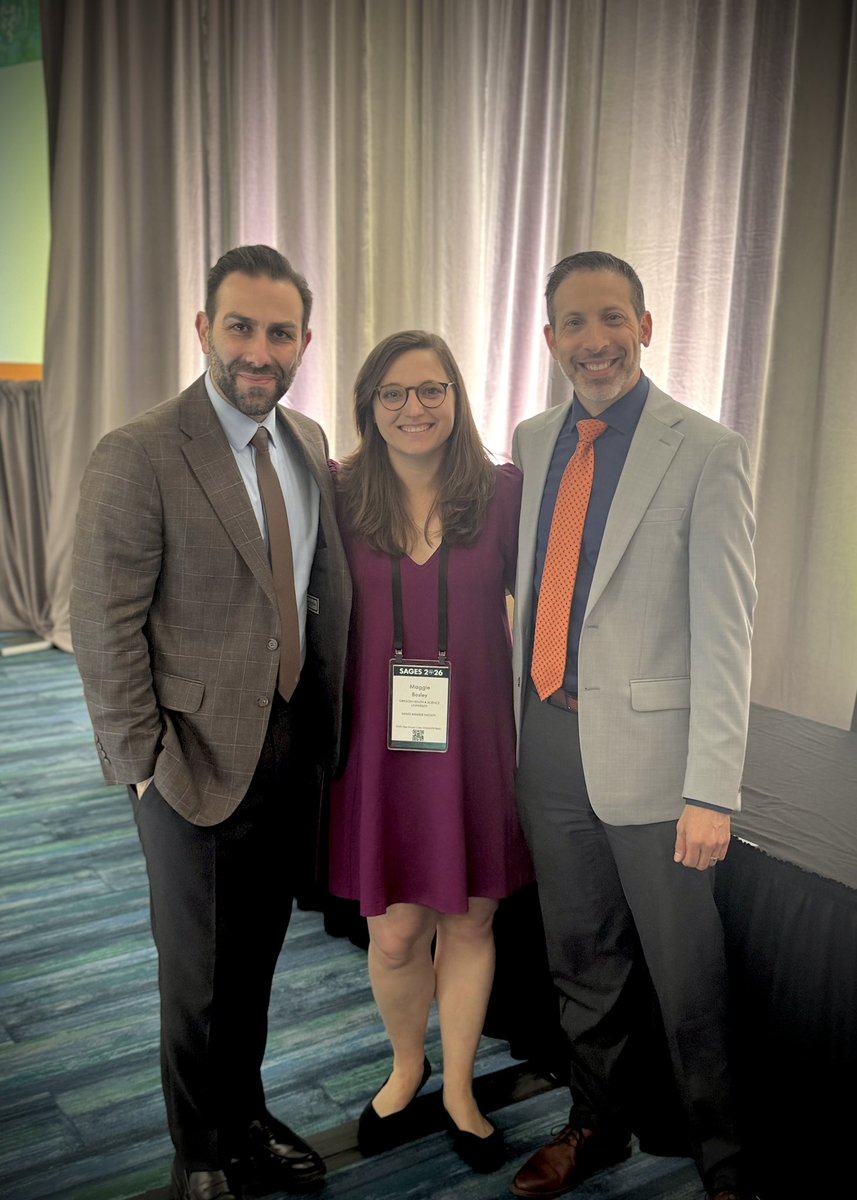
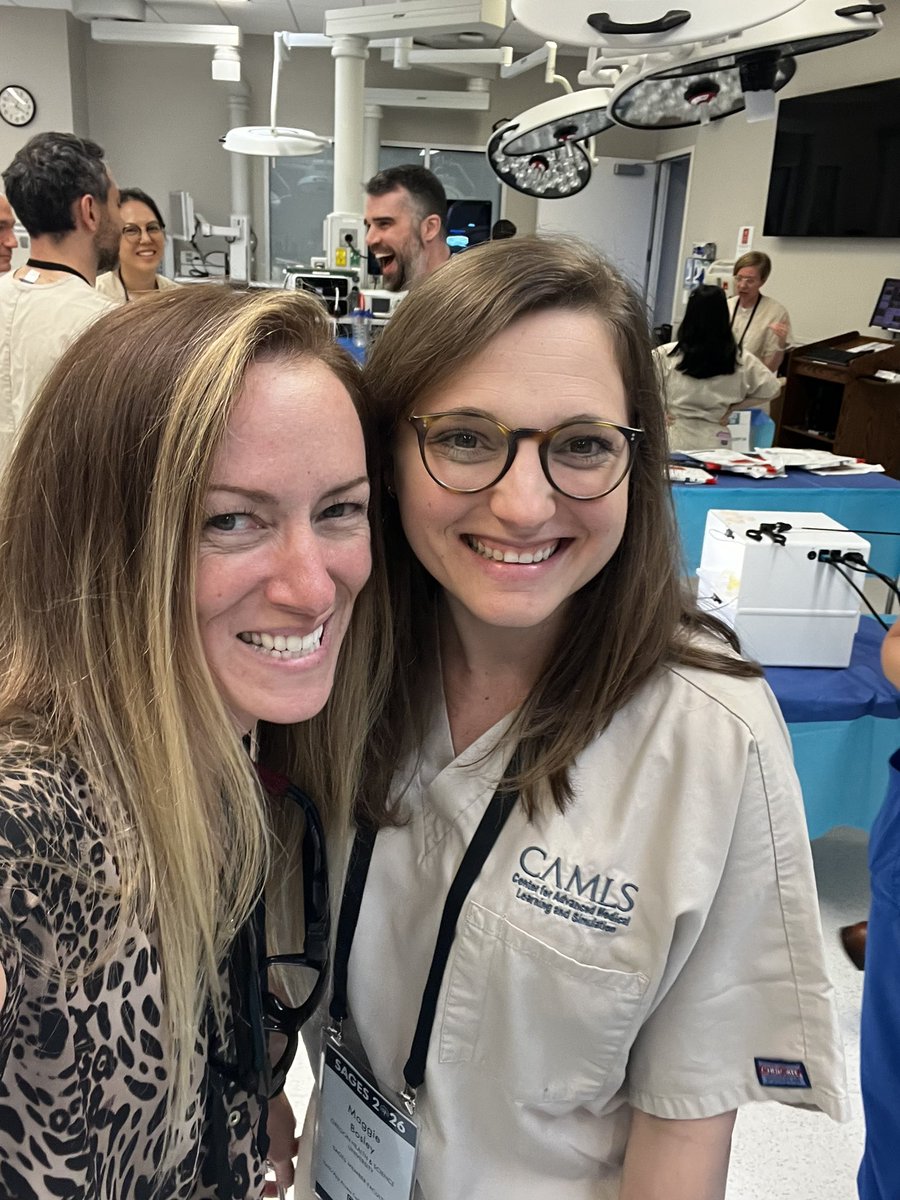
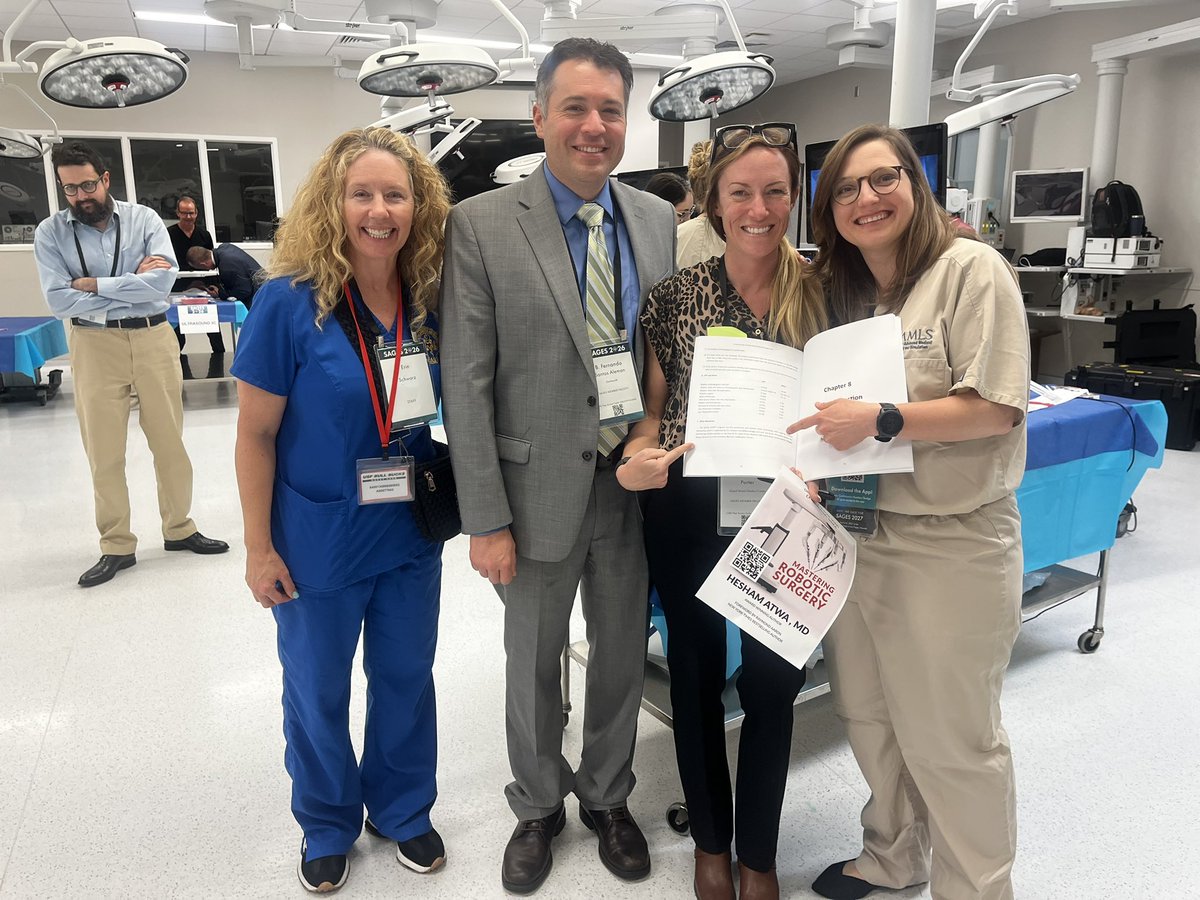
A busy week at @SAGES_Updates with some great hernia sessions and a sold out CBDE course. Already looking forward to SAGES 2027 in Vegas!
5
25
2,408
Luke Neff, MD FACS retweeted

23 Jul 2025
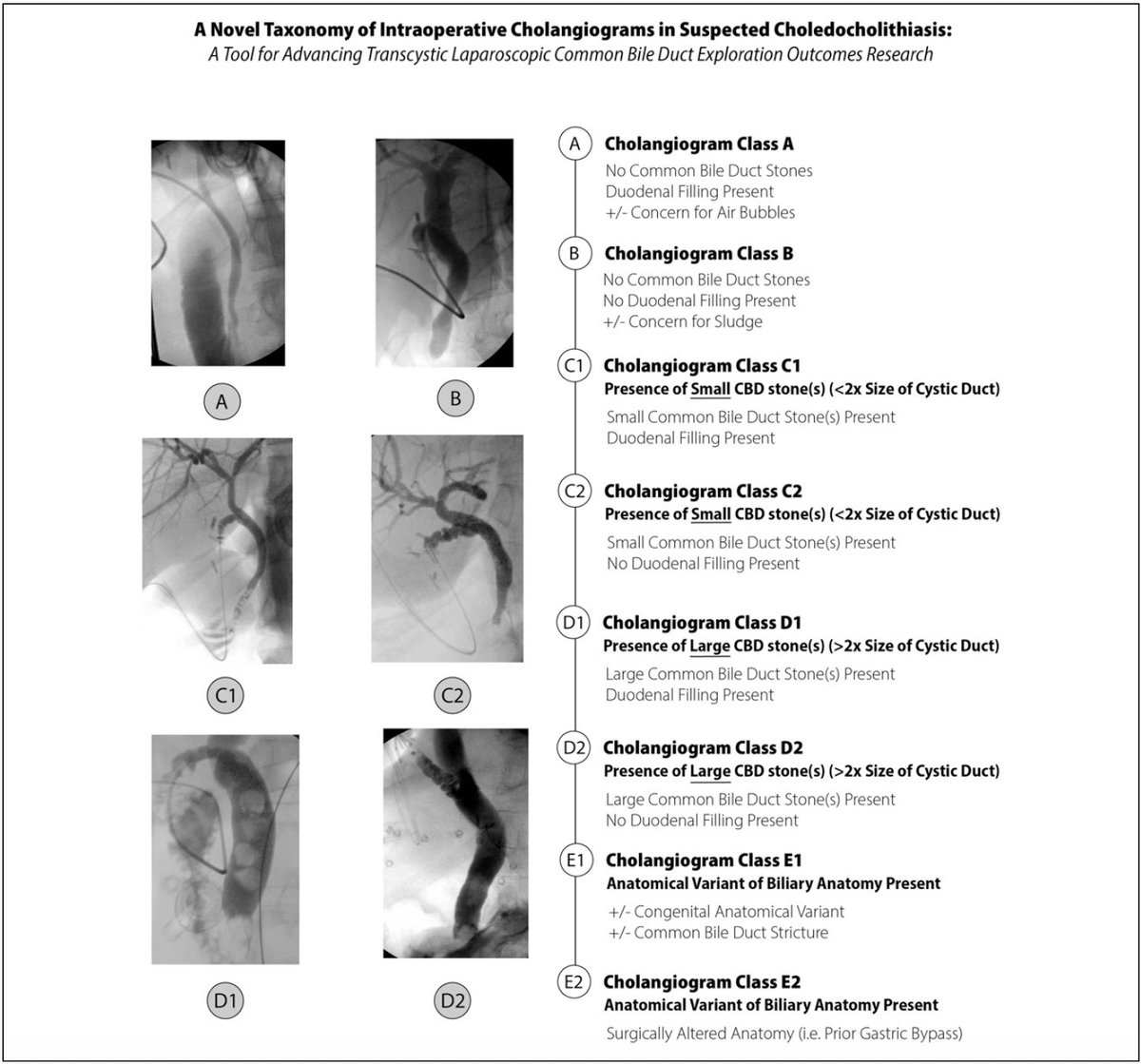
Intraoperative cholangiograms are a valuable tool if correctly interpreted. Synoptic reporting, a highly structured form of documentation, can promote thorough, deliberate intraoperative analysis. Check out the ABCDEF template proposed by @MBosleyMD et al!
doi.org/10.1097/AS9.00000000…
3
5
16
5,410

Luke Neff, MD FACS retweeted

7 Apr 2025
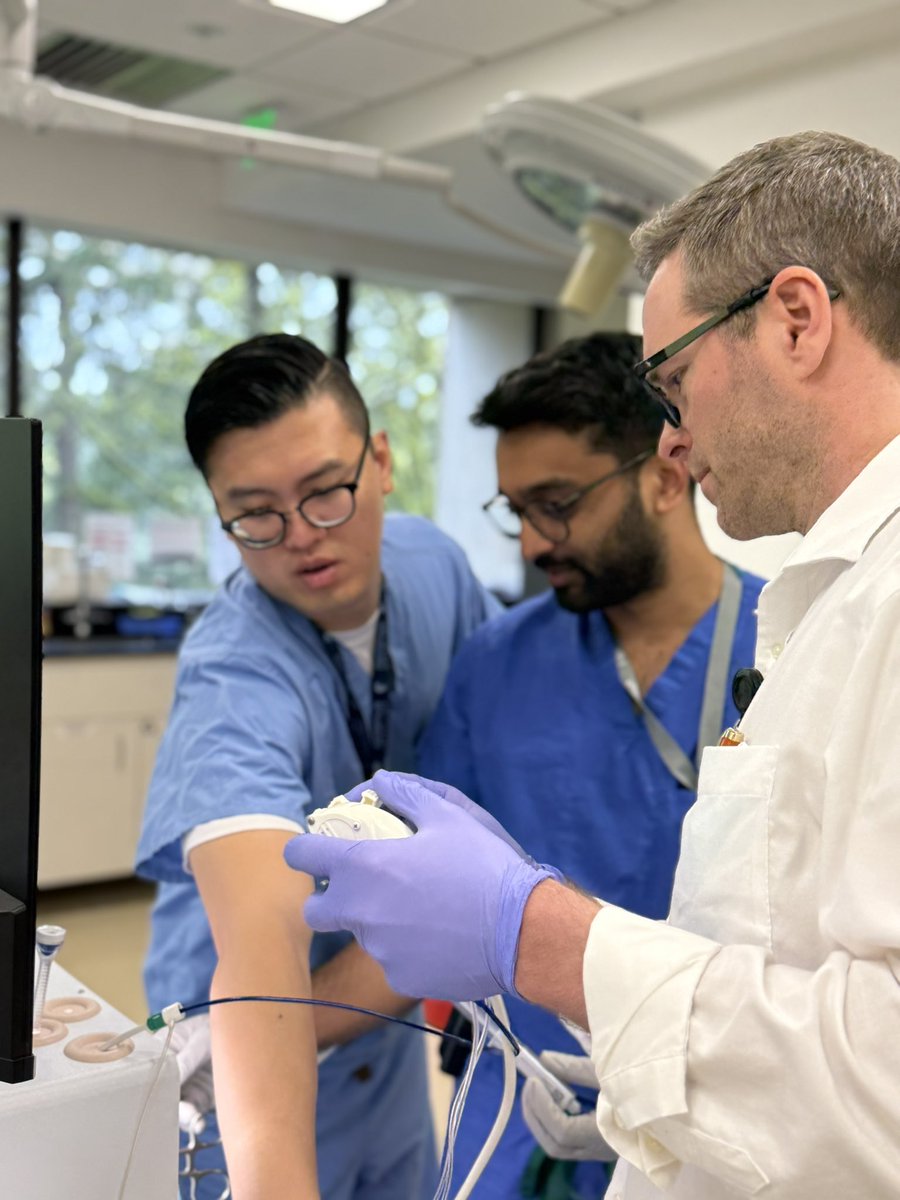
Very few faculty 1 year out of training can teach this course with confidence and experience. Lucky to have @MBosleyMD teaching our trainees how to perform CBDE and interpret IOC. 50 LCBDEs 1 year into practice. @cutitoutPODCAS1 @EricKnauerMD @rbarbosa91
7 Apr 2025

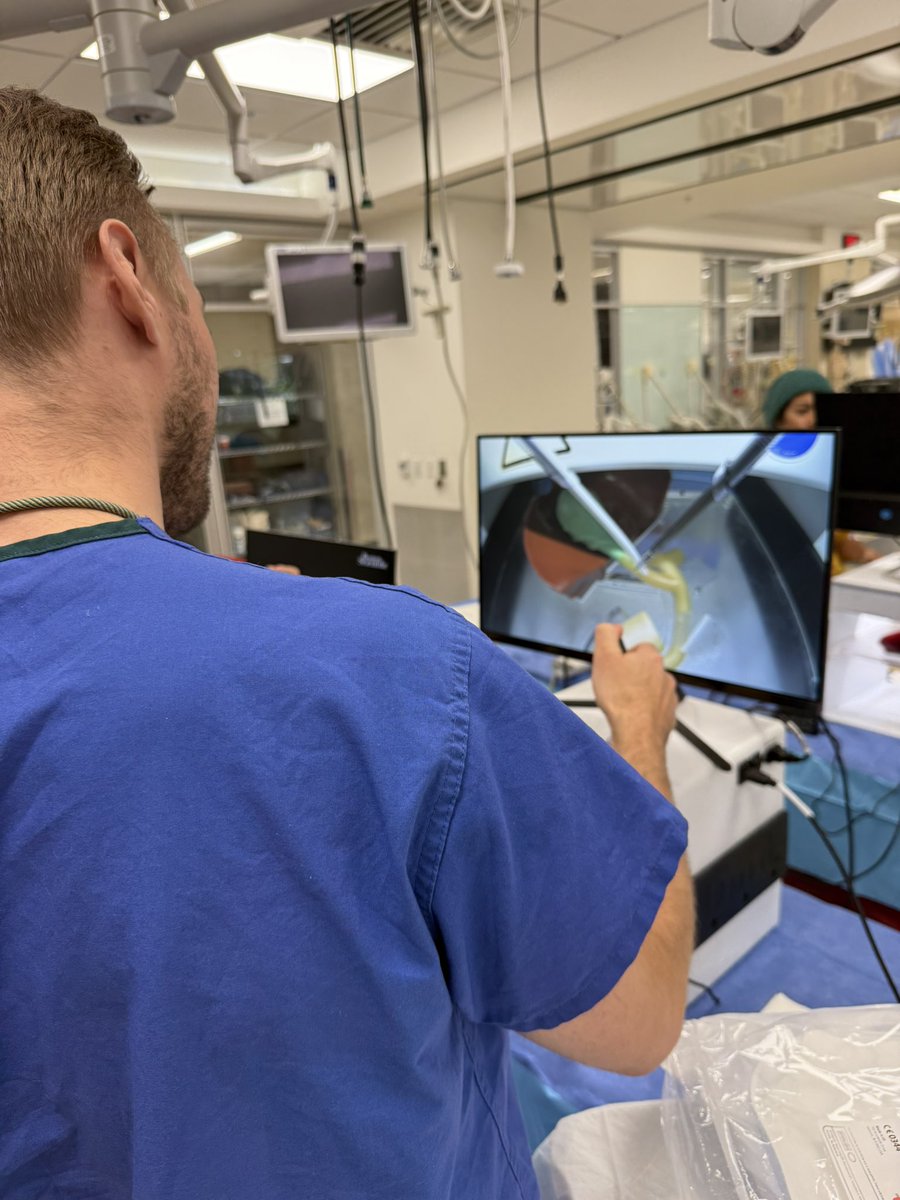
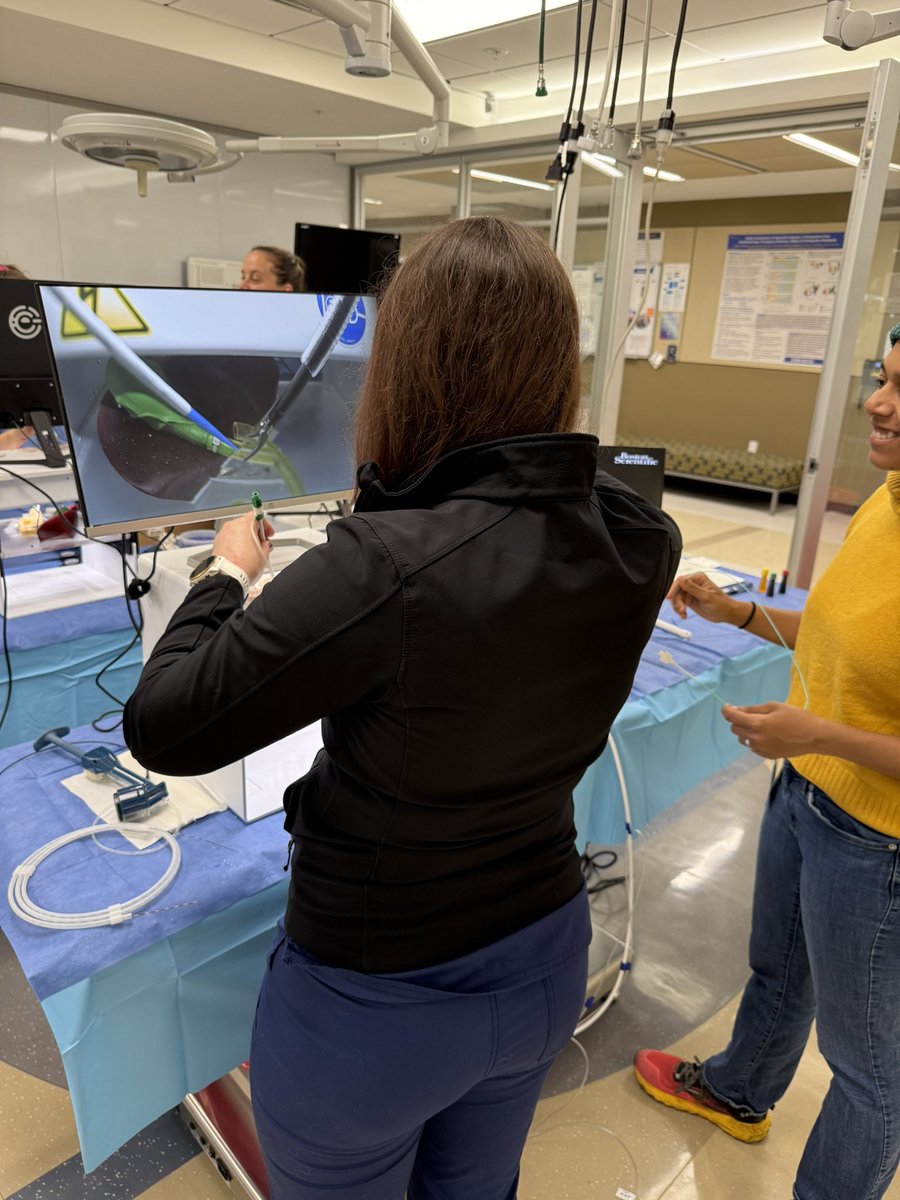
Wire-ready cholangiography, proximal power flush, balloons, scopes, lithotripsy! The residents learned the gamut today in our OSHU LCBDE lab. Watch out CBD stones-these guys are coming for you.
4
4
37
4,860
Luke Neff, MD FACS retweeted

31 Mar 2025
So impressive 🔥🔥
Canadian physician, Dr. Danielle Martin
1,038
11,146
49,260
1,304,493
Luke Neff, MD FACS retweeted

30 Mar 2025
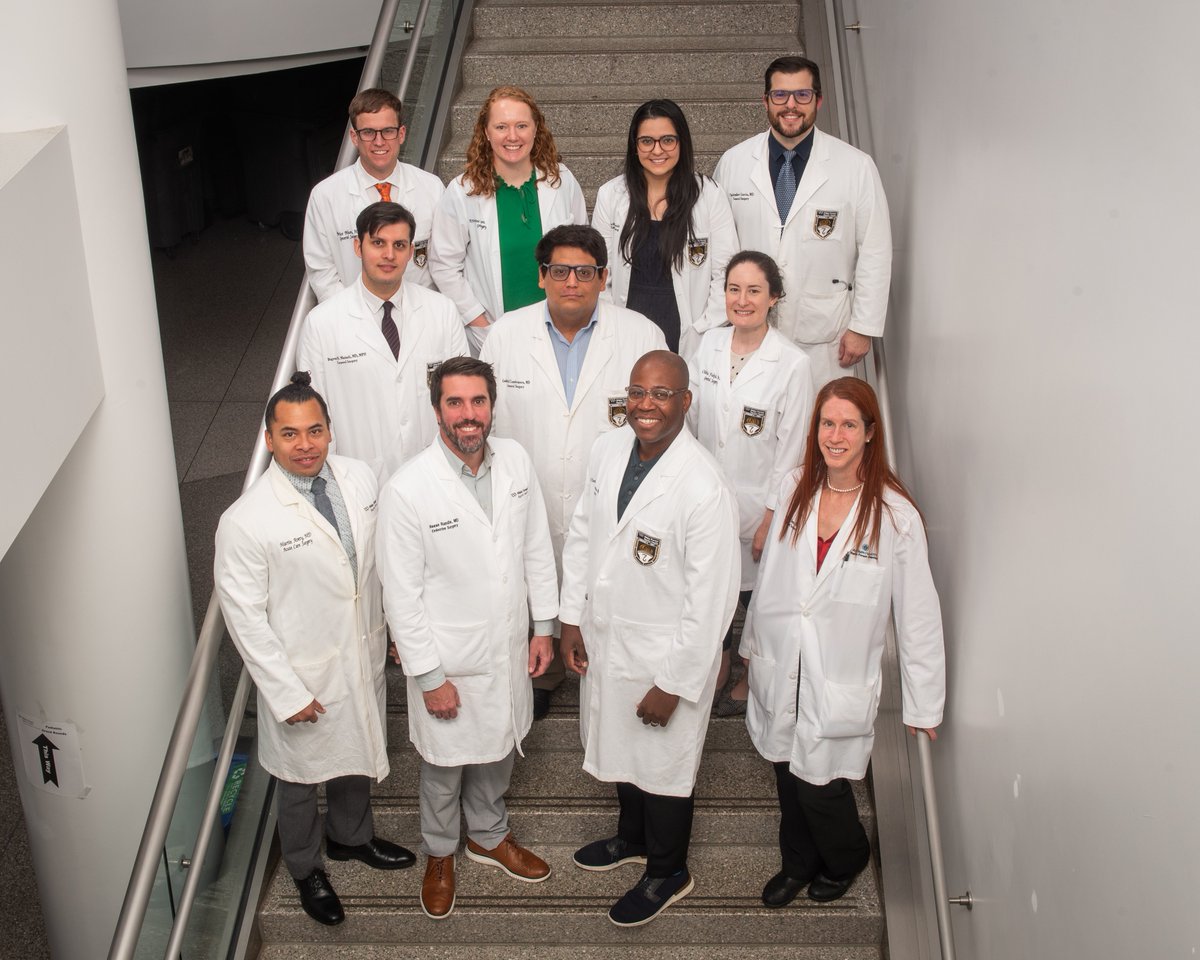
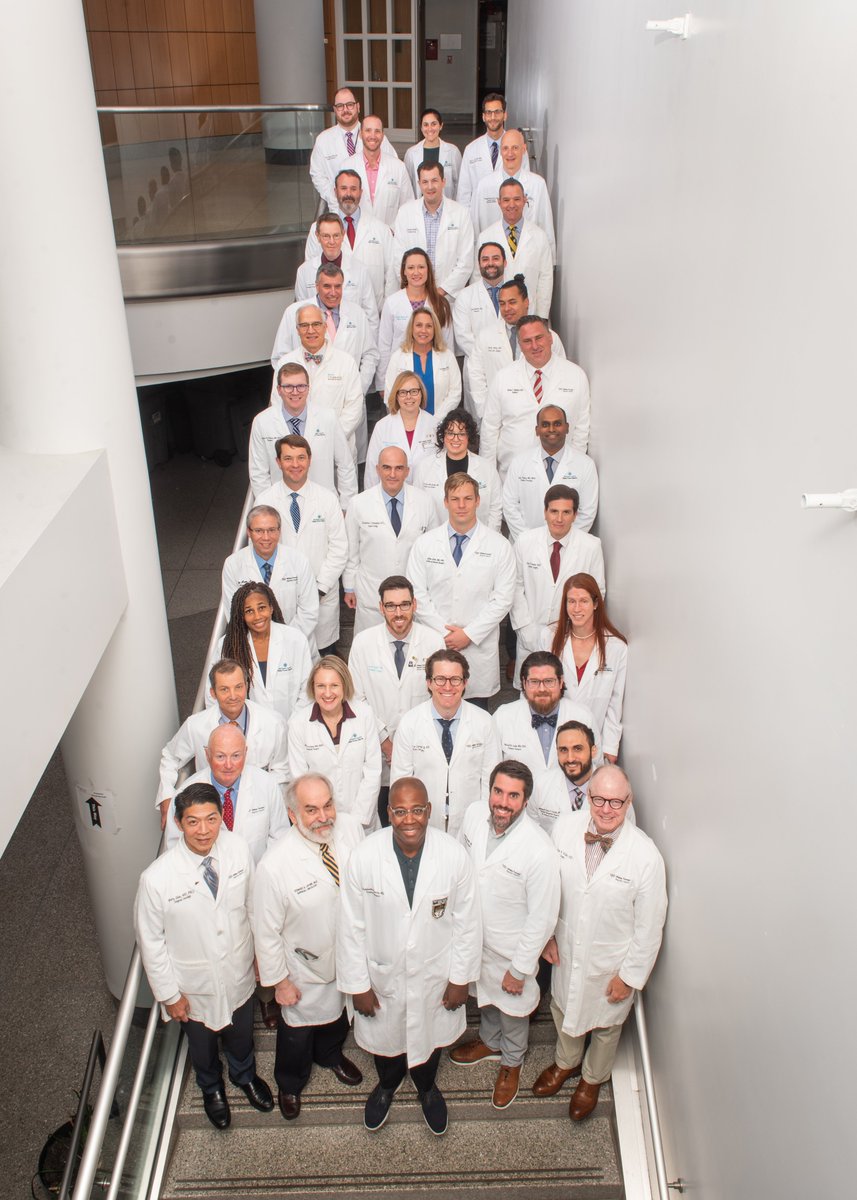
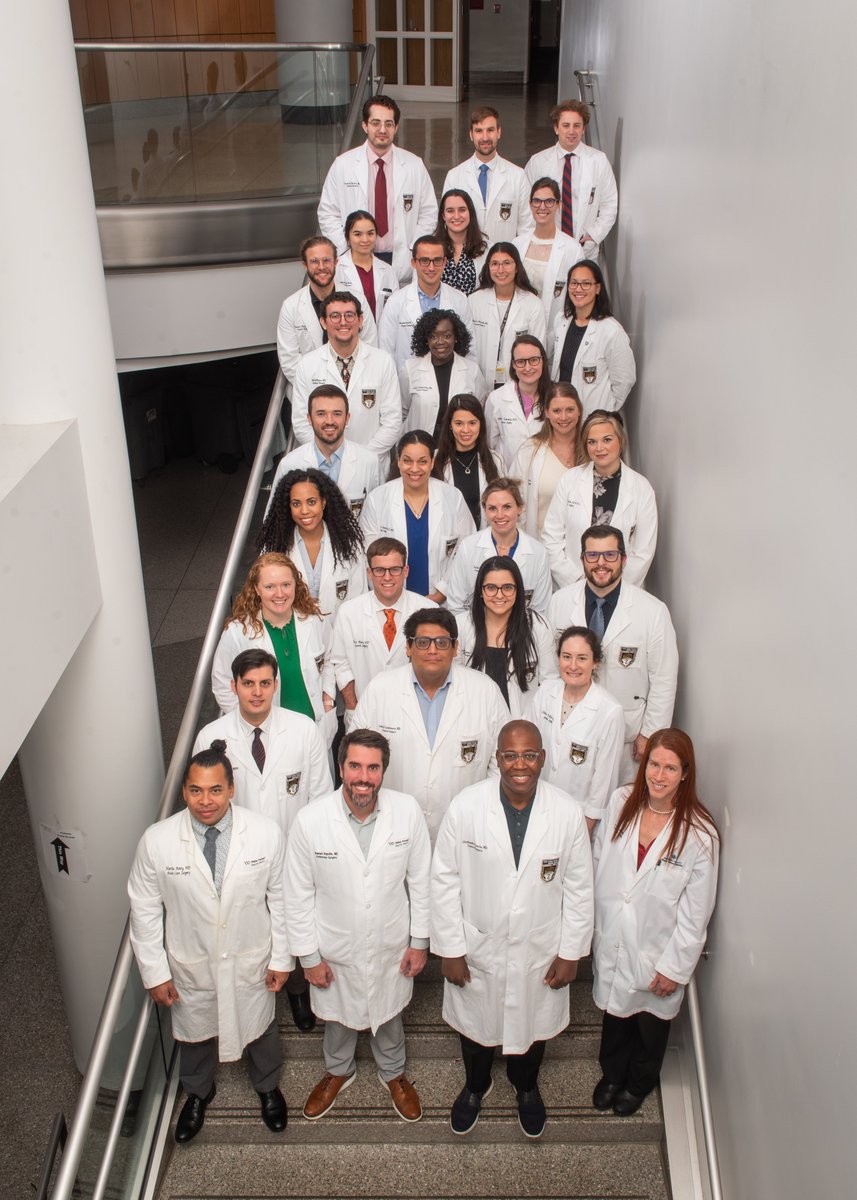
Today is #NationalDoctorsDay ! We are so grateful for the group of doctors in our department! We never say it enough, but Thank You!!! @FabianJohnston
2
9
685
Luke Neff, MD FACS retweeted

30 Mar 2025
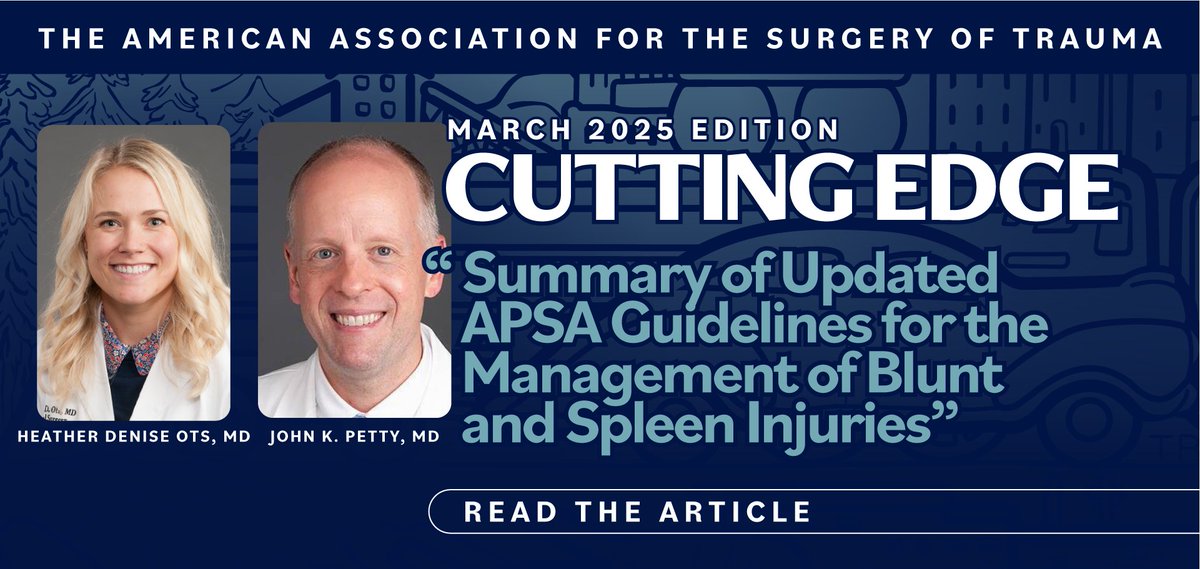
Updated APSA Guidelines for Managing Blunt & Spleen Injuries🩺
This summarizes the updated APSA guidelines for managing blunt liver & spleen injuries (BLSI) in pediatric trauma, focusing on care based on hemodynamics rather than injury grade.
Read more🔗
aast.org/news-letter-detail/…
1
11
974
Luke Neff, MD FACS retweeted

11 Nov 2024
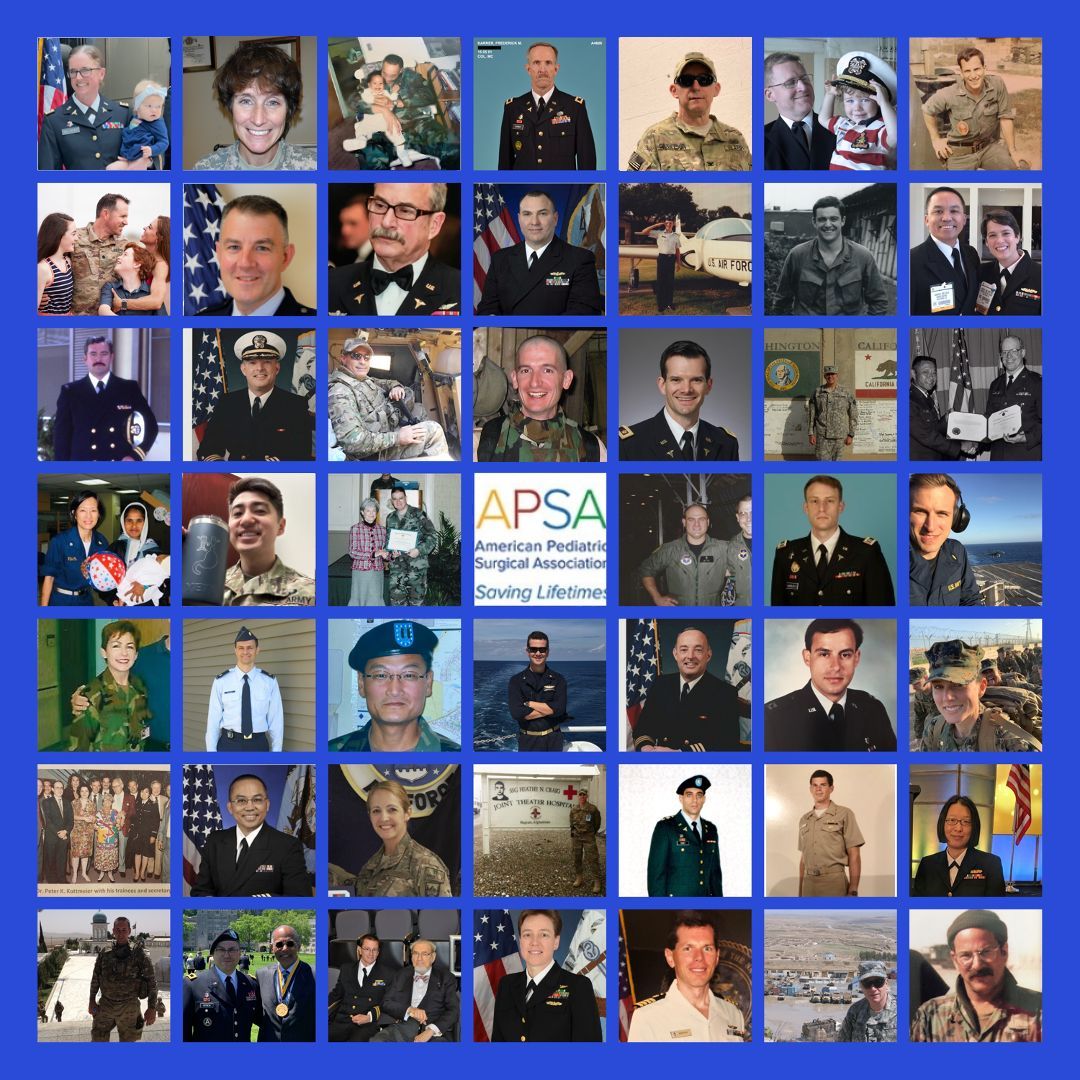
On #VeteransDay2024, we honor the brave and selfless military pediatric surgeons who have not only dedicated their lives to healing and caring for our youngest heroes, but have also answered the call to serve our nation in times of need. Thank you for your service!
6
19
1,223
Luke Neff, MD FACS retweeted

7 Nov 2024
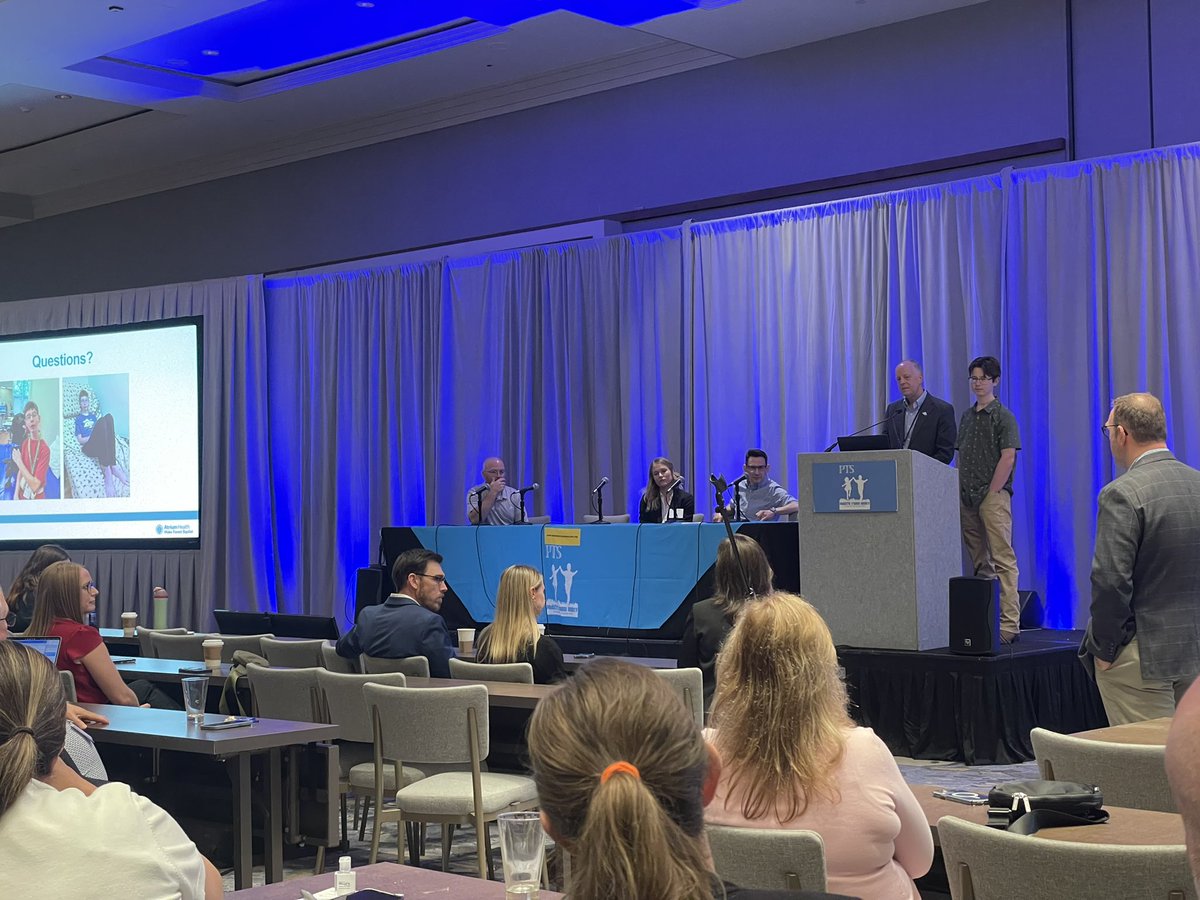
Inviting a trauma patient and their parents back to speak about their experience is such a special moment with trauma conferences. Thank you for including this sweet patient and his family @PediTraumaSoc
3
9
953
Luke Neff, MD FACS retweeted

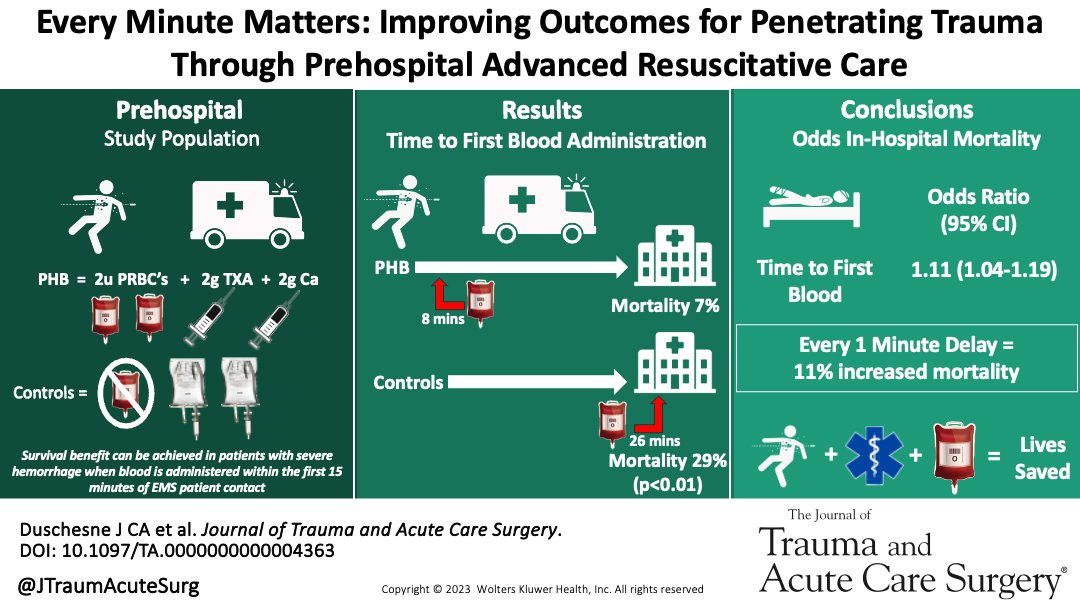
Our data suggest that prioritization of prehospital transfusion improves survivability in patients with severe hemorrhage despite a modest increase in transport time.
@Tulane_Surgery @MarkPiehl @JakeBroome
journals.lww.com/jtrauma/abs…
1
35
80
13,857
Luke Neff, MD FACS retweeted

15 Oct 2024
Doing the Lords work

36
456
16,758
205,251
Luke Neff, MD FACS retweeted

11 Oct 2024
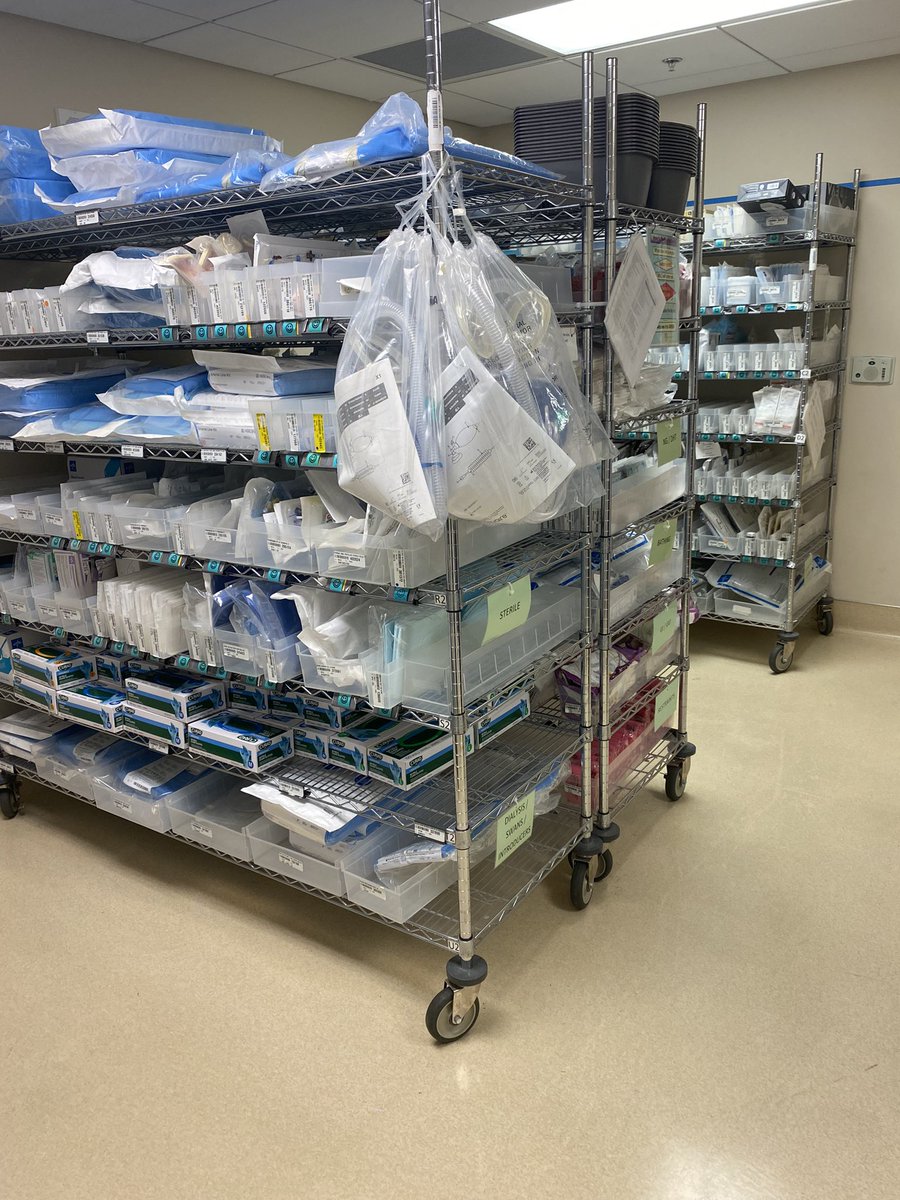
Go to the supply room and *get the supplies yourself*.
And this isn’t just to be nice… it’s also almost always faster. You will save yourself time in the long run by knowing where things are.
23
28
317
44,153
Luke Neff, MD FACS retweeted

30 Sep 2024
More evidence in favor of WB use in resuscitation of injured children! WB was independently associated w reduced mortality and higher WB:TTV increased survival. 🩸huge thanks to @AnderDorken @PhilSpinellaMD @joshua_b_brown @ChristineLeeper journals.lww.com/jtrauma/abs…
5
14
710
Luke Neff, MD FACS retweeted

29 Sep 2024
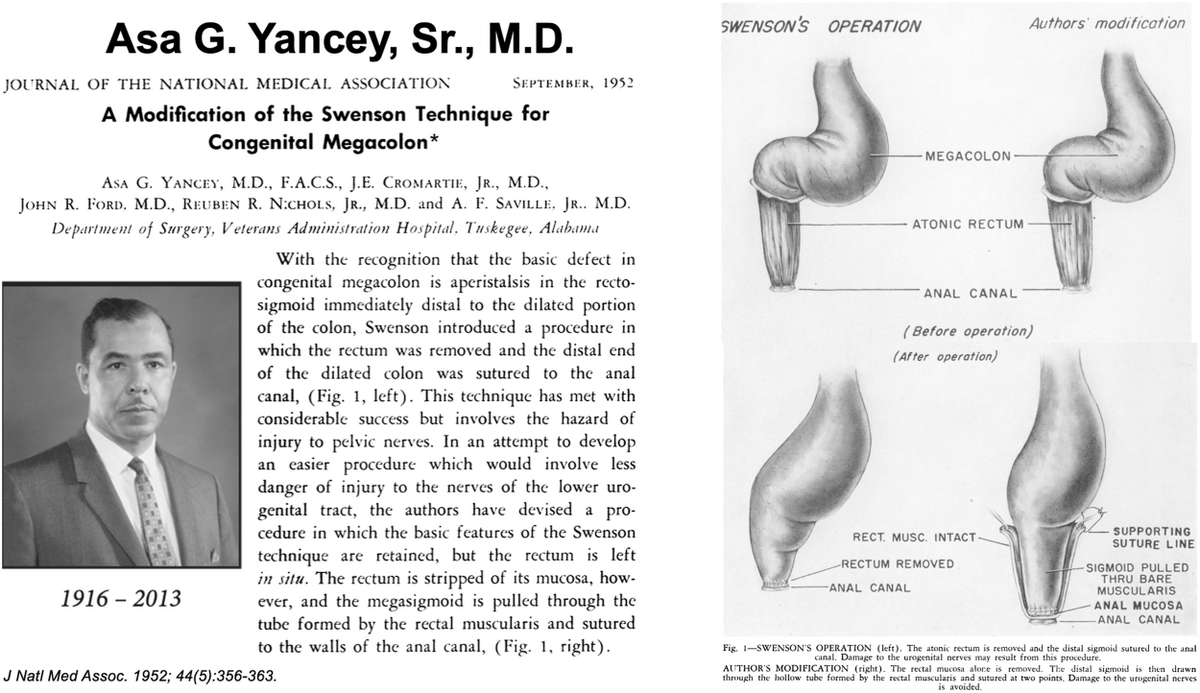
Dr. Yancey's 1952 publication describing the submucosal colonic dissection
6
11
1,140
Luke Neff, MD FACS retweeted

6 Sep 2024
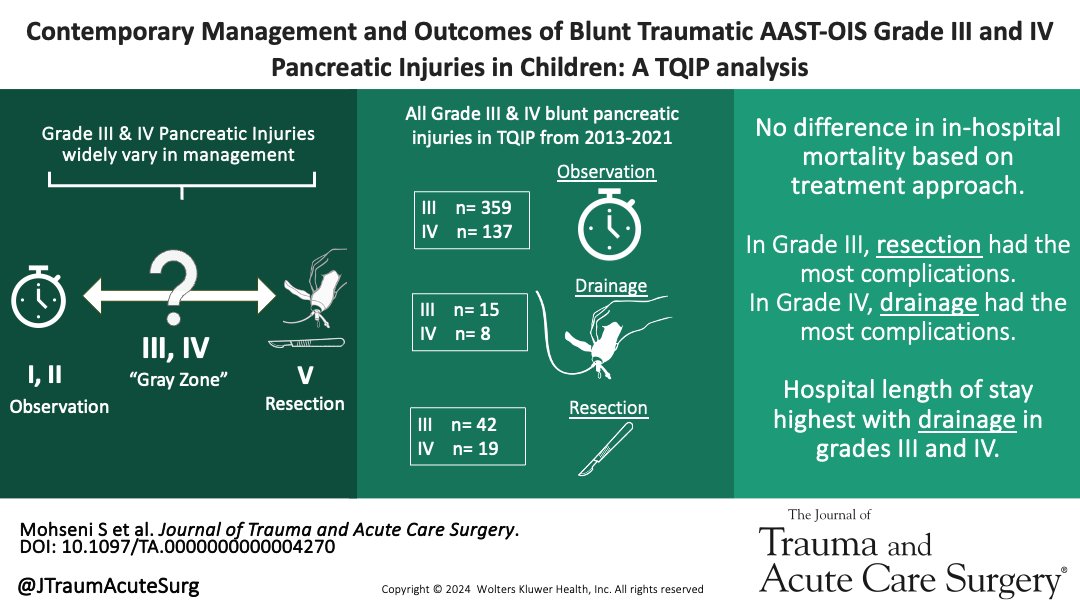
This study was carried by the amazing @jessicarauhmd and @MaxForsstenMD. Once again what guidelines and “experts” advocate is not always how it is carried out in real world practice and surprisingly with same/better outcomes 🤔 @saranimd @lpneff @JTraumAcuteSurg @RaulCoimbraMD

Most children with AAST-OIS Grade III-IV pancreatic injuries are managed nonoperatively. While it is unclear if NOM or OM leads to superior outcomes, NOM does afford a chance to limit an invasive procedure and its attendant risks and time to recovery.
journals.lww.com/jtrauma/abs…
1
6
19
1,931
Luke Neff, MD FACS retweeted
31 Jul 2024
Hard to compare LCBDE techniques and success rates unless we are comparing apples to apples and oranges to oranges. Check out our IOC classification system to help further research efforts in this domain 👇
@lpneff @WakeSurgEd @WashUSurgery @OHSUsurgery
journals.sagepub.com/eprint/…
10
27
1,977
Luke Neff, MD FACS retweeted

6 Jul 2024
Congrats to faculty Dr. Jennifer Check and Dr. Jennifer Helderman @JennHeldermanMD @WakePeds @brennerhospital @wakeforestmed
jamanetwork.com/journals/jam…
@JAMANetworkOpen
1
7
236