
GOP outcast 🇺🇸| Cycle-hardened ex-UST MM – watch JGBs 🇯🇵 rates for coming collision | Finance, health & freedom observer | Europa Consurge! 🇪🇺🇬🇷 | 🇺🇦
Joined July 2011
- Tweets 11,521
- Following 3,600
- Followers 1,383
- Likes 17,336
363 Photos and videos


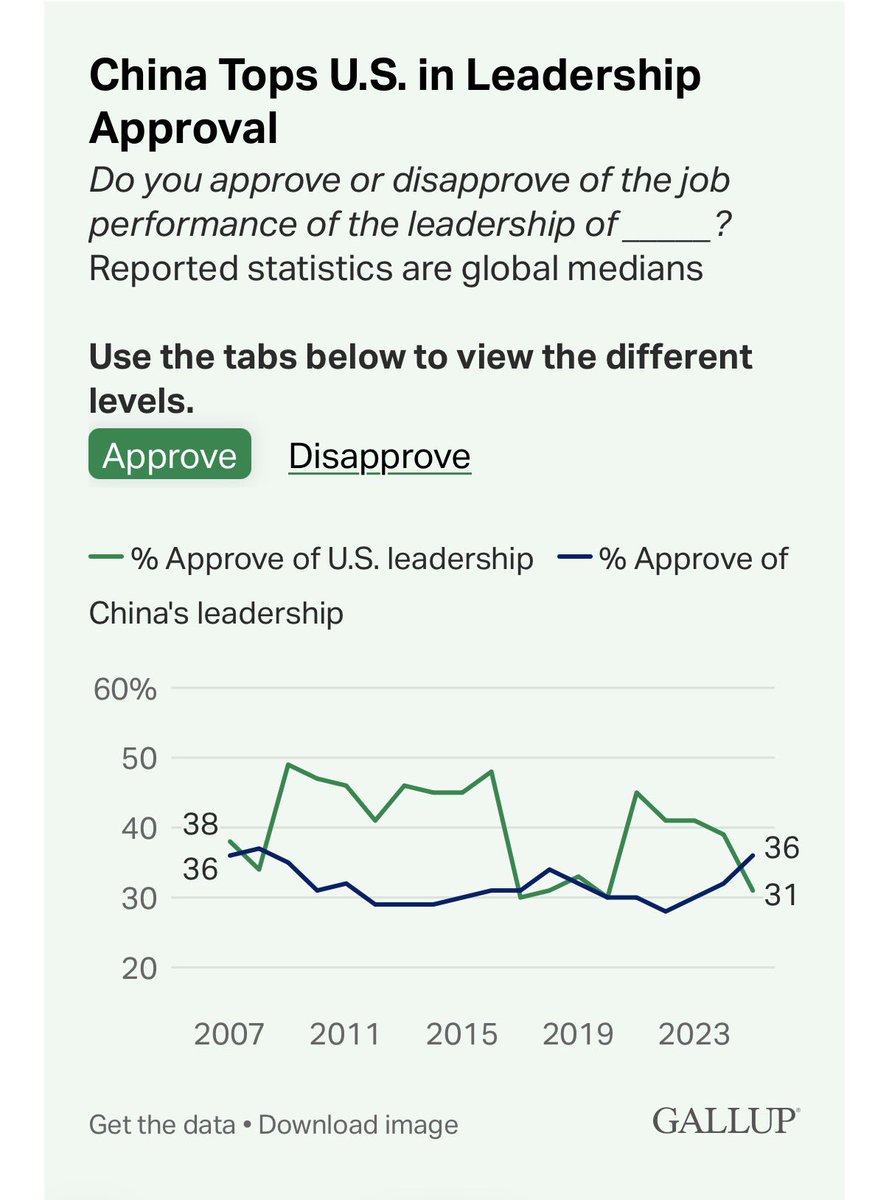


Pinned Tweet

Jun 12
For those who think “ Americans will get tired of winning “ worth reading this so-called MOU. Looks lopsided to me. US agreeing to release frozen accounts and also engage to provide reconstruction funds for Iran! That sounds like reparations. Maybe now someone should ask about American lives lost and the taxpayers financing a war with this kind of outcome?
1
4
19
1,022
Mark Cutis retweeted

Thank God the War is over.
Now Gold can go back to being a Safe Haven asset.

86
67
899
42,390
14h
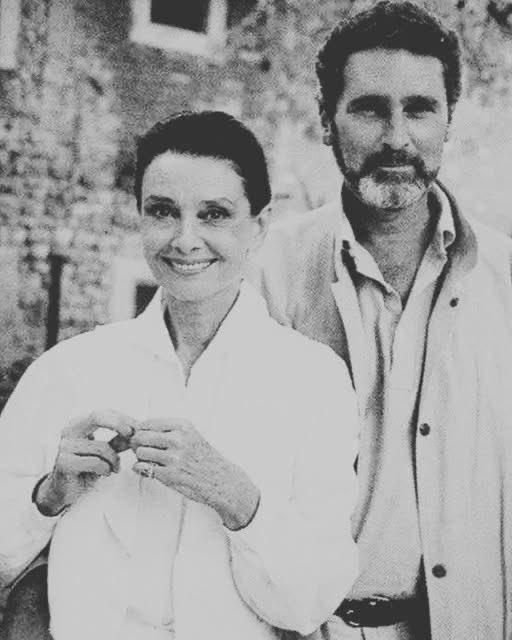
The golden age before social media and the quest to bare all. When dignity mattered, when emotions were private and were not meant to be tweet worthy.
Jun 14

Mit 51 Jahren, zweifach geschieden und völlig mit dem Gedanken an die Ehe abgeschlossen, begegnete Audrey Hepburn Robert Wolders.
Er war 43. Witwer. Und er empfand genauso.
Keine Zeremonie. Keine Gelübde. Keine Ankündigung. Nur zwei Menschen, die beide geliebt und verloren hatten und irgendwie zu demselben stillen Schluss gekommen waren – dass sie einfach einander wollten.
Sie schufen etwas, das die Welt selten feiert, weil es nicht in die übliche Geschichte passt. Keine Hochzeitsfotos. Keine Schlagzeilen zum Jahrestag. Nur 13 Jahre ganz normaler Tage, die durch den Menschen, mit dem man sie teilt, außergewöhnlich werden.
Robert begleitete sie auf ihren UNICEF-Missionen in einige der ärmsten Regionen der Welt – Äthiopien, Sudan, El Salvador – und sah die Frau, die er liebte, im Staub neben hungernden Kindern knien und sie mit denselben Händen halten, die einst Givenchy auf den größten Bühnen der Welt getragen hatten.
Er sah sie in ihrer Gesamtheit. Die Ikone und die Frau dahinter.
Als 1992 der Krebs kam, wich er ihr nicht von der Seite.
Er begleitete sie zu jedem Arzttermin, zu jeder Behandlung, zu jedem Tag, den die Welt mitbekam und zu jedem, den niemand mitbekam. Er bereitete ihr das Essen zu. Er hielt ihre Hand. Er blieb einfach da – mit einer unaufdringlichen, aber unerschütterlichen Beständigkeit.
Audrey Hepburn starb am 20. Januar 1993 in seinen Armen.
Sie war 63 Jahre alt.
Robert heiratete nicht wieder. 25 Jahre lang lebte er zurückgezogen, bewahrte ihr Andenken und sprach mit derselben Wärme von ihr, die er immer hatte. Wenn ihn Interviewer nach ihr fragten, sprach er nicht in der Vergangenheitsform, wie man es tut, wenn etwas abgeschlossen ist.
Er sprach über sie, wie man über jemanden spricht, der noch da ist.
Als Robert Wolders 2018 starb, war sie ihm immer noch nahe.
Ihre Liebe hatte keine Bescheinigung. Sie brauchte keine. Sie bewies sich nicht in einem einzigen öffentlichen Moment, sondern in tausend privaten – in der Geduld, in der Präsenz, in der täglichen Entscheidung zu bleiben.
*Manche Lieben brauchen keine Zeremonie, um echt zu sein.*
Sie beweisen sich in den stillen Entscheidungen, die jeden Tag getroffen werden – da zu sein, zu bleiben, immer wieder denselben Menschen zu wählen, selbst wenn die Welt nicht mehr zuschaut.
Geschichte ClassicCinema legends goldenera hollywood
3
128


17h
One more for Monica Bellucci, a stunning 61 year old.
May 21

In an industry obsessed with the idea of aging
The Italian 🇮🇹 diva Monica Bellucci, 62, enters the room and doesn’t give a s***
She says that, for an actress, aging is actually interesting, both for the physical changes and for the ability to tell one’s story
Kudos, as always!
2
68
17h
Good clear explanation of the five tiers of AI. In the base you start with energy to power the computer , then chips followed by infrastructure (buildings that house data centers), then the fancy models and finally application layer that does the solving via interface. x.com/ihtesham2005/status/20…
15
18h
Well said. Young Frenchman speaks out on how European leaders, en masse, have failed his generation with a series of “ do good” projects that have left Europe sitting uncomfortably between America and China

I am 27, French, and I am tired of living on a continent that treats AI, compute, chips, crypto, datacenters, energy and nuclear power as problems to manage instead of strategic assets to build.
I do not want frontier AI to become another nationality-gated privilege. I want powerful AI models to remain generally available to builders, researchers, engineers and founders. But what happened with Anthropic’s Fable/Mythos models proves that this cannot be taken for granted: once frontier AI becomes a national-security asset, access can be restricted by citizenship or nationality.
The problem is that Europe has failed to build its own equivalent. We are not in the frontier AI race at the level of the U.S. or China. We do not have the same hyperscale cloud stack, the same compute capacity, the same capital depth, the same energy strategy, the same chip ecosystem, or the same frontier-model ecosystem. And because AI progress compounds through compute, talent, chips, energy, data and capital, falling behind is not linear. Once the gap is deep enough, you do not catch up at the same pace.
Europe spent decades regulating, moralizing, delaying and underbuilding the foundations of technological power. Cloud was missed. Crypto was treated primarily as a criminal-risk category before Europe built anything globally dominant in it. Datacenters are slowed by permitting, grid and energy constraints. Nuclear power was politically weakened or delayed across much of the continent just when abundant electricity became essential. AI is now being regulated before Europe has even produced a true top-tier frontier lab/model (no, MistralAI isn't a real competitor, for me, even Kyutai did more innovation/progress in the AI space than MistralAI).
Our leaders now talk about "sovereign AI", "AI factories", "gigafactories", and "strategic autonomy", but this language came far too late. You cannot regulate your way into technological sovereignty. You cannot paperwork your way into compute. You cannot build frontier AI without massive power, massive datacenters, massive capital, elite talent, advanced chips and a political culture that actually wants builders to move fast.
Europe still has talent. France still has engineers, mathematicians, scientists and founders. But the system around them is broken. The incentives are wrong. The mindset is wrong. Every mainstream political camp in France and Europe seems to have the same reflex: regulate first, tax first, restrict first, moralize first, build later.
ASML is the exception that proves the rule. It is one of the only truly strategic European chokepoints in the global compute stack. But one Dutch lithography champion cannot carry an entire continent that failed to build the rest of the stack: frontier AI labs, hyperscale cloud, Nvidia-class accelerators, TSMC-class fabs, massive datacenter capacity, cheap abundant energy and deep capital markets.
I did not vote for 20 years of anti-growth, anti-compute, anti-nuclear, anti-crypto and anti-industrial policy. I was a kid. But my generation is supposed to live with the consequences: less access, less sovereignty, less capital, less compute, less ambition and a future where the most important technologies are built and can only be used somewhere else.
That is the part I cannot accept.
I do not want to spend my adult life asking permission to use technologies my continent was too slow, too afraid or too complacent to build.
I do not want European builders to become tenants in someone else’s technological empire (as it's already the case).
And I do not want "sovereignty" to mean nothing more than regulating foreign systems after failing to create our own like they're doing right now with cloud computing.
Either Europe becomes a builder civilization again, or the next generation of Europeans will inherit a beautifully regulated dependency that slow or even stop us.
For now, Europe still talks like history will wait...
44
18h
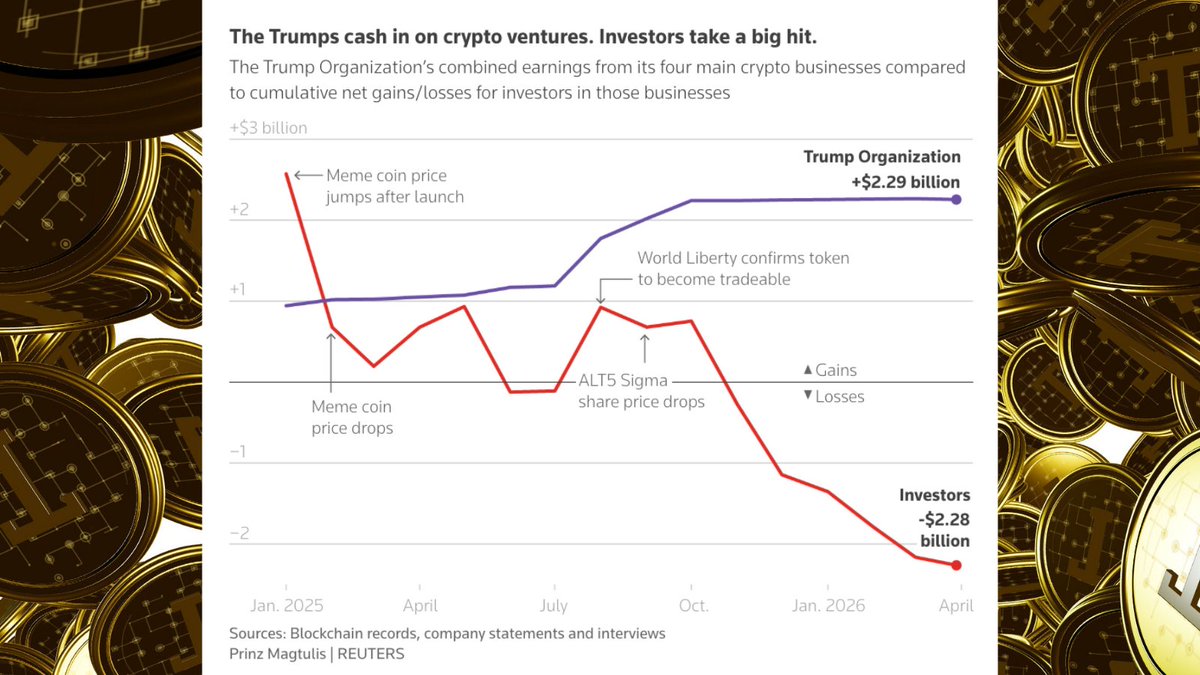
“Arc of the Universe bends toward justice”! Or maybe there is Karma for all the MAGA folks.

The $TRUMP meme coin generated about $616 million for the Trump family, while buyers lost more than $700 million, according to Reuters' estimates. The coin has tumbled 97% from its January 2025 peak reut.rs/4oisC7e @specialreports
13
Jun 14
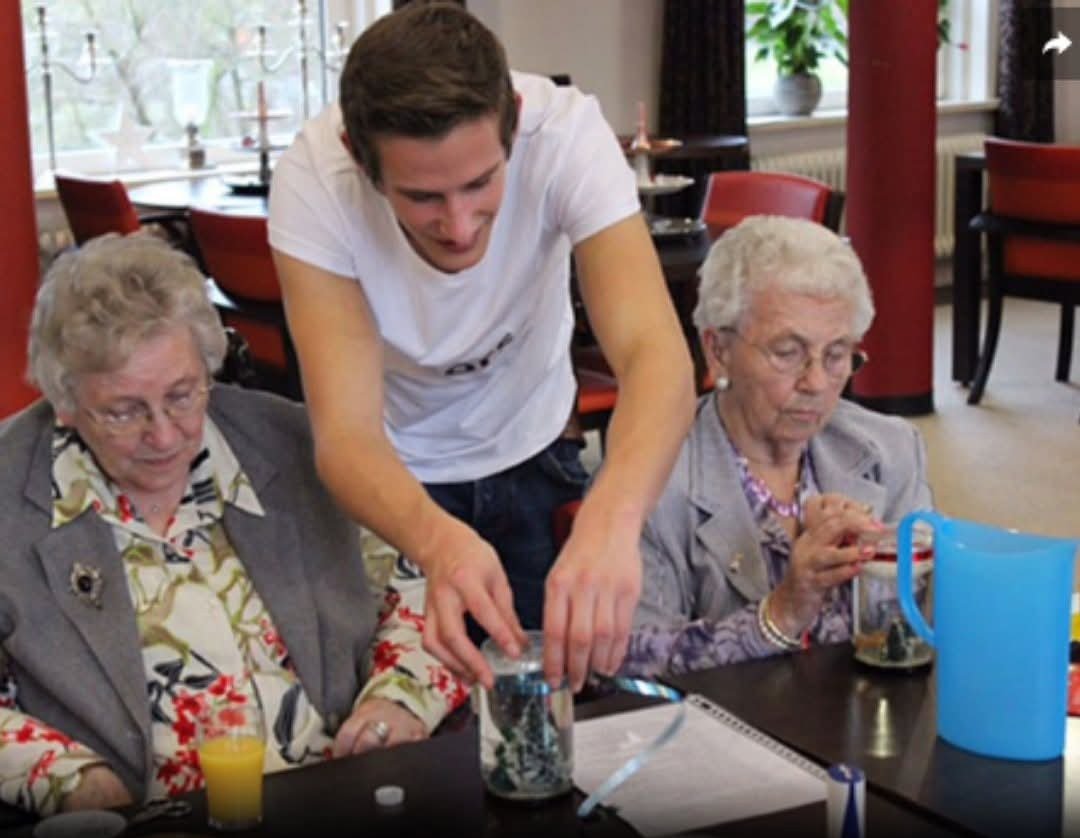
People using their mind can make a massive difference. It’s not just about spending but thinking smart. Here loneliness which can devastate older communities is addressed in a smart way by bringing in univ. students to live in the dorms for free in exchange for paying attention to older people.

Some nursing homes struggle to attract visitors. One in the Netherlands chose to invite roommates instead.
In the Dutch city of Deventer, a retirement home called Humanitas introduced an idea that would eventually gain attention around the world.
Rather than accepting loneliness as a normal part of aging, they approached it as something that could actually be solved.
For over ten years, Humanitas has allowed university students to live inside the nursing home rent free.
In return, the students spend about thirty hours each month connecting with residents. Sometimes that means sharing meals, having conversations, helping with technology, joining activities, or simply keeping someone company during a quiet afternoon.
They are not nurses or employees. They are simply part of the community.
At first, the idea sounded like a smart response to expensive student housing.
But the real impact appeared in the lives of the residents. Reports from outlets such as PBS NewsHour and AARP described seniors becoming more social, more active, and less isolated once younger people became part of everyday life.
What makes the story even more meaningful is that many students chose to spend far more time there than the agreement required.
Some even stayed connected after graduating. Over time, casual interactions turned into genuine friendships.
Humanitas didn’t really create something new. It brought back something many societies once had naturally: different generations living side by side instead of separately.
Maybe the issue was never aging itself. Maybe it was the distance we created between generations.
Sometimes the most powerful ideas are simply old human connections rediscovered.
1
43
Jun 14
Once again we’re reminded that we’re dealing with an administration that is more show and bluster than deep thinking.
Here is an article which highlights the stupidity of this administration. In a nutshell, they export Nvidia chips, but won’t allow a Canadian citizen with a green card to access latest models. So it’s “do something” not think it through first.
Jun 14

Thanks to @anasw, @julianbarnes and @dnvolz for including my thoughts in the @nytimes in their article on the administration’s export controls on Mythos and Fable.

50
Mark Cutis retweeted

Jun 13
Yes @mcuban you’re right that 60% of US adults own stock directly or indirectly but what you omit to mention is that the richest 1% of Americans own nearly 50% of the stock market while the bottom half of Americans own just 1%.
Jun 13

The reason anyone gets insanely rich is almost always because of the stock market. It certainly how @elonmusk did.
And the reason they get rich from the stock market, is because 150m Americans decided they wanted to own shares of stocks directly, or through their retirement plans, or through other approaches as a way of building their net worth and trying to create a better life for themselves.
One Hundred Fifty Million Americans. About 60% of adults.
Effectively believing that @elonmusk and many billionaires could make them wealthier and help them achieve a better life.
If you want @elonmusk , and most billionaires to no longer be that rich, convince those 150m to sell their stocks, funds, ETFs whatever.
Of course you would wipe out the net-worth of most of those people, and everyone else’s savings, as the markets crashed and brought down the economy and created the worst depression we have ever seen.
Alternatively
There are ways to improve healthcare access and eventually make it available to all.
To start -
If you want @elonmusk and all billionaires to improve healthcare for everyone , ask them to stop doing business with the enormous healthcare conglomerates and to work directly with transparently priced care providers.
It’s the behemoth HC conglomerates that make HC so bad for so many. (Check my timeline for more detail)
Removing them would push the cost of healthcare down for everyone. Their corporate decisions impact our healthcare cost and availability.
Of course if they do that, not only would our HC costs go down , and the quality of care for their employees and the entire country go up
But
They would see their corporate cash flow increase dramatically and we would have more millionaires, billionaires and maybe even another trillionaire when that cash flow moved from the big health care conglomerates to their bottom line, so would the net worth of the 150 million American adults that own public stocks
Capitalism is better than socialism because 150m Americans can influence exactly what happens in this country.
878
1,804
13,324
784,440
Jun 13
Treasure trove of Cultural Revolution pics! If era fascinates you, definitely check this out!
Jun 12

I got thousands of rare Cultural Revolution-era photos from a historical archive here in China.
I believe some of these have never been posted online, or only exist behind extremely expensive licenses.
So here they are, for free. Open the thread for more.

56
Mark Cutis retweeted

Jun 11
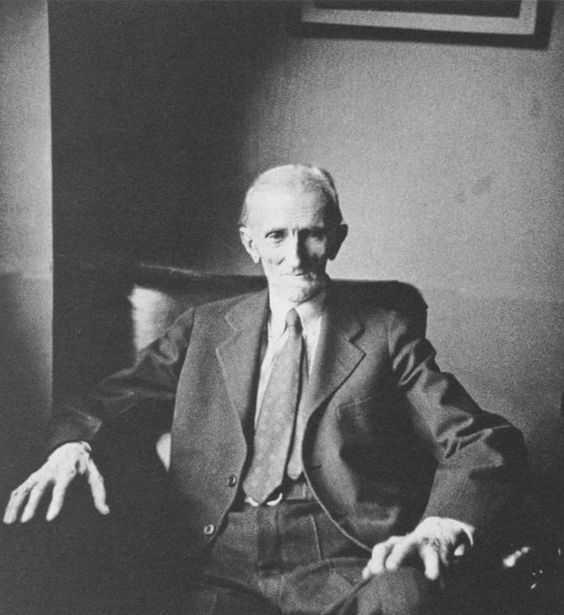
But the female mind has demonstrated a capacity for all the mental acquirements and achievements of men, and as generations ensue that capacity will be expanded; the average woman will be as well educated as the average man, and then better educated, for the dormant faculties of her brain will be stimulated to an activity that will be all the more intense and powerful because of centuries of repose. Woman will ignore precedent and startle civilization with their progress.
-- Nikola Tesla, Colliers Mag (1926)
41
73
290
14,042
Mark Cutis retweeted

Jun 11
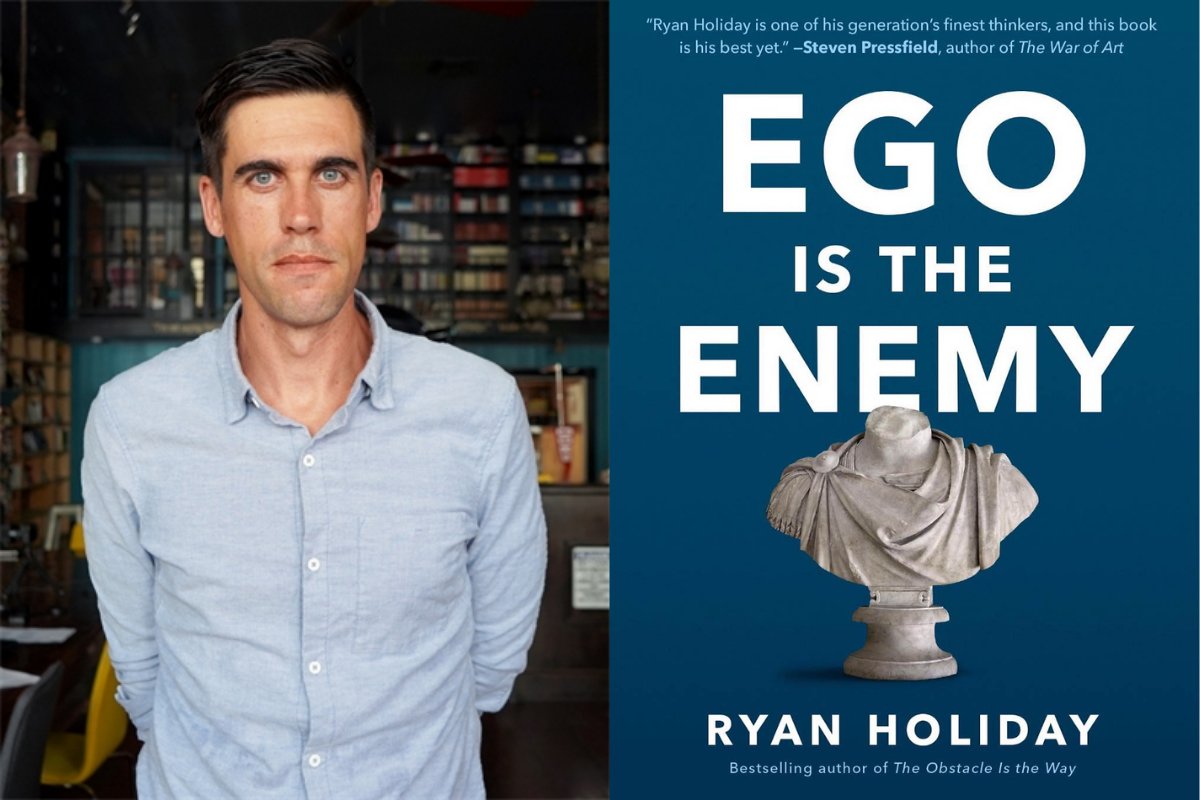
A college dropout who became Robert Greene's research assistant wrote a book in 2016 arguing that the single thing destroying most tech founders is not the market, not the competition, and not bad luck, but the same enemy Marcus Aurelius wrote about in his journal 1,800 years ago.
The book is called Ego is the Enemy and its written by Ryan Holiday.
He dropped out of UC Riverside at 19 to apprentice under Robert Greene, the author of The 48 Laws of Power. He spent years inside the rooms where Greene wrote, reading every old book Greene was citing, watching how a serious researcher actually worked.
By his mid-20s, he was writing his own books. By 29, he had published the one that quietly became required reading inside Silicon Valley, the NFL, and the U.S. military.
The book he wrote came out in 2016. It is built on a 2,000-year-old philosophy called Stoicism, written down by three men who could not have predicted how relevant they would still be in 2026.
Marcus Aurelius was a Roman emperor. He kept a private journal he never intended to publish, writing to himself every night about how to stop being arrogant, how to stop being reactive, how to stop letting power destroy his judgment.
Seneca was an advisor to emperors who ended up rich, famous, and eventually forced to kill himself when the politics turned against him. Epictetus was a Greek slave who became a philosopher and taught his students that almost everything that destroys a person comes from inside, not outside.
The three of them, separated by centuries, all arrived at the same conclusion. The enemy is not the world. The enemy is the part of you that wants the world to confirm how important you are.
Holiday took that conclusion and built a framework specifically for modern builders. Founders. Engineers. Writers. Athletes. Anyone trying to do good work in public.
He says we are always in one of three stages. Aspire. Success. Failure. We cycle between them constantly. And the ego attacks us differently inside each one.
Stage one is aspire.
This is the stage where you are working on something nobody is paying attention to yet. The repo with 12 stars. The startup with no users. The newsletter with 30 subscribers. The book draft sitting on your laptop.
The ego in this stage wants you to talk about the work instead of doing the work. It wants you to post about the launch instead of finishing the launch. It wants you to argue with people on X about your future plans instead of shipping the next commit.
The reason this is so dangerous is that talking about your work produces a small dose of the same satisfaction that finishing your work produces. Your brain cannot quite tell them apart. So you tweet about the project, you feel a little hit of completion, and the actual work gets quietly pushed to tomorrow.
Holiday's prescription is direct. Talk less. Do more. Confidence is silent. Ego is loud.
Stage two is success.
This is the stage where the work starts to land. The repo crosses 1,000 stars. The startup gets the seed round. The post goes viral. The founder finally gets the press coverage they have been chasing for years.
The ego in this stage wants you to believe you have arrived. It wants you to stop learning, stop listening, stop questioning your own assumptions, because you have proof now that you were right all along.
This is the stage Holiday spends the most time on, because this is the stage that destroys the most careers. The founders who survive Series A and die at Series C. The maintainers whose project explodes and then quietly rots because they stop responding to issues. The creators who get one viral hit and chase that exact format for the next five years until nobody is reading anymore.
The line he uses is brutal. Success is intoxicating, yet to sustain it requires sobriety. You have to keep treating yourself like a beginner long after the world has decided you are an expert.
Stage three is failure.
This is the stage every founder and every open-source maintainer eventually lands in. The project no one used. The startup that ran out of money. The launch that fell flat. The github repo that nobody starred. The book that did not sell.
The ego in this stage wants you to blame everyone except yourself. The market was wrong. The investors were stupid. The users did not get it. The competitor cheated. The timing was off.
Holiday calls this the most dangerous response to failure, because it prevents the only thing that can actually pull you out of it, which is honest learning. The Stoic move in failure is to look at the loss with cold clarity, separate what was your fault from what was bad luck, fix what was your fault, and keep walking.
Now here is the specific framework for tech founders and open-source builders. Holiday does not write it this way in the book, but it is the direct application of his three stages to the work most of you are doing.
In the aspire stage of an open-source project or a startup, your enemy is the dopamine of attention.
You will be tempted to share screenshots before the product works. You will be tempted to tweet your roadmap before you have shipped a single feature. You will be tempted to compare your star count to other repos every morning.
The Stoic move is to detach your identity from the metrics. The work is the work. The stars are a byproduct. If you stop checking the stars, the work will not get worse. If you start checking the stars every hour, the work will absolutely get worse. The Romans had a phrase for this. Memento mori. Remember you will die. The point is that no amount of validation is going to follow you out of the room you eventually die in. The work might. The applause will not.
In the success stage, your enemy is the belief that you have figured it out.
If your project explodes, the danger is not that you will fail. The danger is that you will stop being a student. You will stop reading the issues. You will stop talking to your users. You will start giving talks at conferences about your "philosophy" instead of shipping the next version.
The Stoic move is to behave exactly the same after the win as you did before it. Same hours. Same humility. Same willingness to be told you are wrong. Marcus Aurelius wrote to himself, while ruling the entire Roman Empire, that he was just one man among many men, one mortal among other mortals, and that he should never let the throne change how he treated the people who served him. He was emperor. He still wrote this down every night. That is the standard.
In the failure stage, your enemy is the story you tell yourself about why it was not your fault.
The startup that did not work. The launch that fell flat. The project that nobody starred. The instinct will be to blame the algorithm, the timing, the competitor, the funding climate, the platform, the audience. Some of those things will be partially true. The Stoic move is to ignore them anyway.
The Stoics taught that you only have two things in your life that are fully under your control. Your judgments and your actions. Everything else, including how your work is received, is outside the wall. If you spend your time arguing with what is outside the wall, you are wasting the only resource you can actually use, which is the next decision you make.
The deeper insight buried in all of this is the one most readers miss the first time through.
Ego is not the same as ambition. Ego is not the same as confidence. Ego is the specific failure mode where your sense of who you are becomes attached to outcomes you do not control.
The repo getting starred. The startup getting funded. The tweet going viral. The press calling. The job offer arriving. The moment your identity gets attached to any of these, you have handed the steering wheel of your life to a public that does not love you and that has the attention span of a goldfish.
The Stoic move is to take the wheel back.
Do the work because the work is worth doing. Ship the project because shipping is its own reward. Build the company because building is the only part you can actually control. The outcomes will be whatever they are. The applause will arrive or it will not. The press will cover you or it will move on.
None of it is yours. The work is yours.
Marcus Aurelius wrote it down in his journal almost 1,900 years ago, expecting nobody to read it.
The reason every serious founder you admire is quietly reading Ryan Holiday is that the most important sentence in modern startup advice is still a Roman emperor's private note to himself in the year 170.
The enemy is inside the gates. And most days, the enemy is wearing your own face.
6
21
70
5,544
Jun 12
I will take the TV. They can have my currency. So China’s record breaking massive trade surplus will be viewed by some as a show of economic prowess. But think about it. Other people around the world enjoy goods produced by the sweat of Chinese people. What does the Chinese nation receive in exchange? Script, currency basically modern day trinkets.
Jun 11

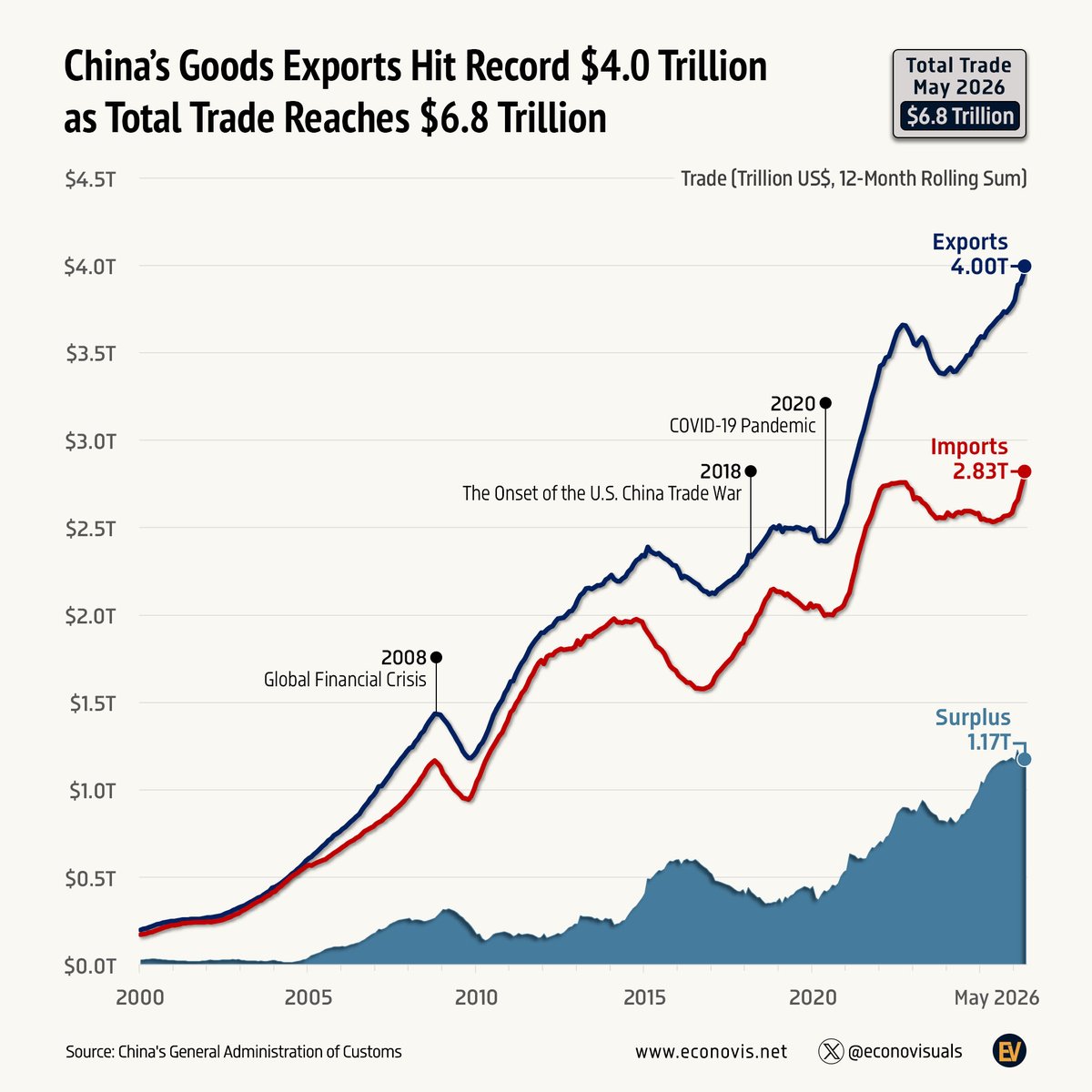
📈 China’s Goods Exports Hit Record $4.0 Trillion as Total Trade Reaches $6.8 Trillion
China’s total goods trade reached a record $6.83 trillion in the twelve months ending May 2026, comprising $4.00 trillion in exports and $2.83 trillion in imports. The resulting $1.17 trillion trade surplus was the largest on record.
Despite escalating trade tensions and successive rounds of tariffs since the onset of the U.S.–China trade war in 2018, China’s exports have continued to expand rapidly. Between May 2018 and May 2026, exports rose 68%, while imports increased 42%. As a result, China’s trade surplus more than tripled, highlighting the widening gap between export and import growth and reinforcing China’s position as the world’s leading manufacturing and exporting nation.
#China #trade #exports #imports #TradeDeficit #deficit #TradeWar #tariffs
1
68
Jun 11
That’s ingenious!
Jun 11

【発明】空飛ぶ浮き輪が誕生した。溺れた人をGPSで追跡し時速50kmで水面すれすれを飛んで駆けつけ手の届く位置に着水する。救助隊が到着するまでの数分間を命綱に変える装置として水難救助の現場で実用化が始まっている。
2
43
Jun 11
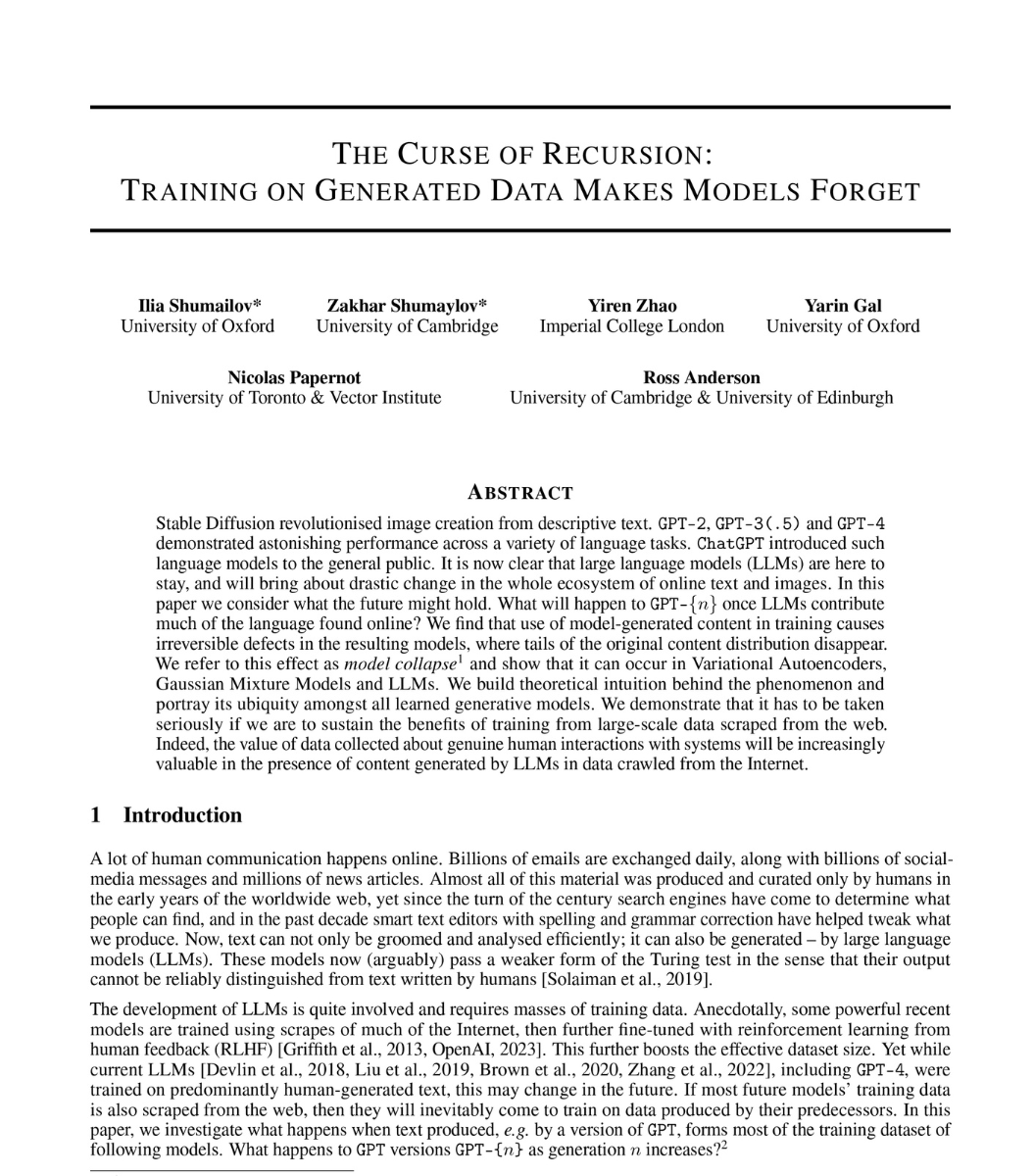
Interesting conundrum. AI revolution is meant to augment the collective intelligence of the world, with models continuously updated by retraining. But there is a problem: newer training data is increasingly scraped from AI-generated content, making outputs progressively blander and less innovative. Thats the ‘model collapse’ argument made in this 2024 paper here.
Hard to believe human knowledge itself is not still expanding, but the paper makes a legitimate point that as AI-generated content floods the internet, future models risk training on their own outputs rather than genuine human thought. Knowledge may still be growing, but we will increasingly have to filter through a rising tide of anodyne, algorithmically homogenised information to get to it.
Jun 10

You have noticed it. ChatGPT feels dumber than it used to. Your prompts that worked six months ago produce worse results now. The writing sounds flatter. The ideas sound safer. The internet itself feels like it is shrinking. Every article reads the same. Every email sounds the same. Every answer sounds like it was written by the same voice.
You thought it was you. It is not you.
Researchers at Oxford and Cambridge published a paper in Nature proving what is happening. They call it Model Collapse.
Here is the mechanism in one sentence. AI trained on AI-generated data gets dumber every generation until it forgets what real human data looked like.
The internet is filling with AI-generated content. Blog posts. Articles. Reviews. Comments. Social media. AI companies scrape the internet to train the next generation of models. Which means the next generation of AI is being trained on the output of the current generation.
Each cycle loses information. Not randomly. It loses the rarest, most unusual, most creative parts first. The researchers call these the "tails of the distribution." The weird ideas. The unexpected perspectives. The things that made the internet feel human. Those disappear first.
What remains is the average. The safe. The expected. The bland.
Then the next generation trains on that. And loses more. And the next generation trains on that. And loses more. The researchers proved this is not a slow decline. Major degradation happens within just a few iterations. Even when some of the original human data is preserved.
They tested it on large language models. On image generators. On statistical models. The pattern was the same every time. The output converges toward a narrow, flattened version of reality that looks nothing like the original data.
The lead researcher put it plainly. "Large language models are like fire. A useful tool. But one that pollutes the environment."
The pollution is invisible. You cannot see which sentence on the internet was written by a human and which was written by AI. Neither can the AI that is about to train on it. And once the tails are gone, they do not come back. The damage is irreversible.
This is not a prediction anymore. It is a diagnosis.
The internet you grew up on was built by humans writing things no algorithm would have written. Strange, personal, imperfect, alive. That internet is being diluted. One generation of AI at a time. And the models trained on what remains are learning a smaller and smaller version of the world.
Model Collapse is not a technical problem. It is a cultural one. The thing that made the internet worth reading is the thing that disappears first.
1
48
Jun 11
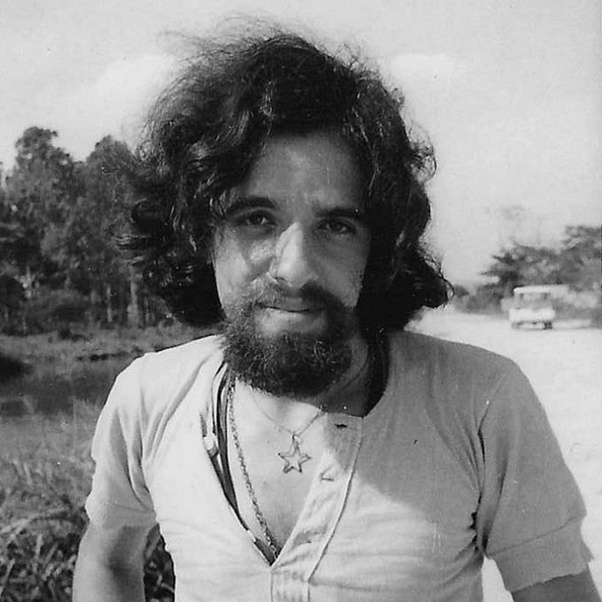
Amazing story on the power of conviction. Paulo Coelho’s parents subjected him to electroconvulsive shock therapy to dissuade him from becoming a writer instead of their chosen profession, which was the law. He persevered, and despite less than helpful editors, he prevailed and has become one of the most red authors on the planet.
Jun 10

Il fut interné trois fois dans un hôpital psychiatrique avant de devenir l'un des auteurs les plus lus au monde. Son livre le plus célèbre s'est vendu à plus de 150 millions d'exemplaires et a été traduit dans plus de 80 langues.
On l'attachait à une table et on lui envoyait des décharges électriques. Il n'était qu'un adolescent dont le seul tort était de vouloir devenir écrivain plutôt qu'avocat. Ses parents, affolés, voyaient dans son esprit créatif un signe de folie et l'ont fait interner à trois reprises dans un établissement psychiatrique.
Pourtant, des décennies plus tard, ce même homme s'est assis et a écrit en seulement quatorze jours un livre qui allait changer le monde.
Il s'appelle Paulo Coelho, et son histoire prouve que ceux qui nous critiquent le plus sévèrement se trompent souvent du tout au tout sur notre avenir.
En 1988, Paulo a mis toute son âme dans une simple fable sur un jeune berger qui poursuit un rêve au cœur du désert. Il l'a intitulée L'Alchimiste. Il savait que ce texte était unique, mais le monde de l'édition s'en moquait.
La première maison d'édition à publier le livre le vit prendre la poussière sur les étagères. Les ventes furent si mauvaises qu'elle décida officiellement de l'abandonner et de lui rendre ses droits.
On lui dit que le livre était un échec total. N'importe qui d'autre aurait renoncé à ce moment-là. Les experts avaient tranché. Mais Paulo avait survécu à de véritables séances d'électroconvulsivothérapie ; une lettre de refus n'allait pas l'arrêter.
Il croyait profondément au message central de son livre, qui affirme que lorsqu'on désire vraiment quelque chose, l'univers entier conspire à nous aider à l'obtenir.
Il refusa d'abandonner. Paulo trouva un second éditeur prêt à lui donner sa chance, et quelque chose de merveilleux se produisit alors. Ce n'est pas une campagne marketing massive et coûteuse qui fit le succès du livre. Il grandit lentement, presque en chuchotant.
Une personne le lut, ressentit quelque chose au fond d'elle-même, et le passa à un ami. Cet ami le passa à un autre.
Peu à peu, ce murmure se transforma en tonnerre.
Le livre voyagea des rues du Brésil jusqu'aux quatre coins du monde. Aujourd'hui, L'Alchimiste est l'un des livres les plus vendus de toute l'histoire de l'humanité. Il s'est écoulé à plus de 150 millions d'exemplaires et a été traduit dans plus de 80 langues.
Il trône sur le bureau des dirigeants les plus puissants du monde et dans le sac à dos d'étudiants sans le sou.
Si Paulo avait écouté ses parents, il aurait passé sa vie comme avocat malheureux. S'il avait écouté son premier éditeur, son chef-d'œuvre aurait été perdu à jamais. À la place, il a choisi de faire confiance à sa voix intérieure.
Il a montré au monde que le seul véritable échec dans la vie, c'est de refuser de commencer le voyage, ou d'abandonner dès que quelqu'un dit non.
Tes difficultés actuelles ne sont pas une punition. Elles sont simplement une préparation aux choses merveilleuses qui t'attendent sur le chemin.
Continue d'avancer, car le monde attend ton histoire.
1
43
Jun 10
Ah ohhhh! Let the games begin
Jun 10

Şam ve Beyrut, İstanbul’un iki kardeş şehridir.
Türkiye’nin güvenliği sadece Hatay’dan değil; Halep’ten başlar, Şam’dan başlar, Beyrut’tan başlar.
Kardeşlerimizin ülkelerinde hiçbir emrivakiye müsamaha göstermeyiz, kardeşlerimize yönelik hiçbir saldırıya göz yummayız.
1
57
Jun 10
Why are we hosting a sport built on international participation and goodwill, only to treat visiting delegations in a manner that falls
well below the basic standard of hospitality the role demands? Sportsmanship is not an aspiration at an event like this. It is the entry condition. The United States has not met it.

Nem uma única bola rolou no gramado até agora e este é o quadro da COPA 2026:
• As equipes do Senegal e do Uzbequistão foram tratadas na chegada como criminosos, com buscas completas em seus orifícios.
• O melhor árbitro da África foi enviado de volta à Somália, apesar de seu passaporte diplomático.
• O Fotógrafo da equipe do Iraque foi impedido de entrar mesmo com visto válido.
• Foi negada a entrada nos EUA de 90% dos fãs marroquinos com ingressos já adquiridos.
• Foram recusados vistos a 14 membros da equipe de apoio do Irã.
• Foi negada a entrada no país do principal atacante da Suíça, o camaronês Breel Embolo. A equipe viajou sem ele. Após a forte repercussão, o visto foi enfim concedido.
• A equipe iraniana, cujos jogos serão todos nos EUA, foi proibida de pernoitar no país. Imediatamente a após cada partida, os atletas voarão de volta ao México, onde se hospedam.
- Qual é o sentido de sediar a Copa do Mundo se não pretendem que o MUNDO faça parte dela???
1
57
Jun 9
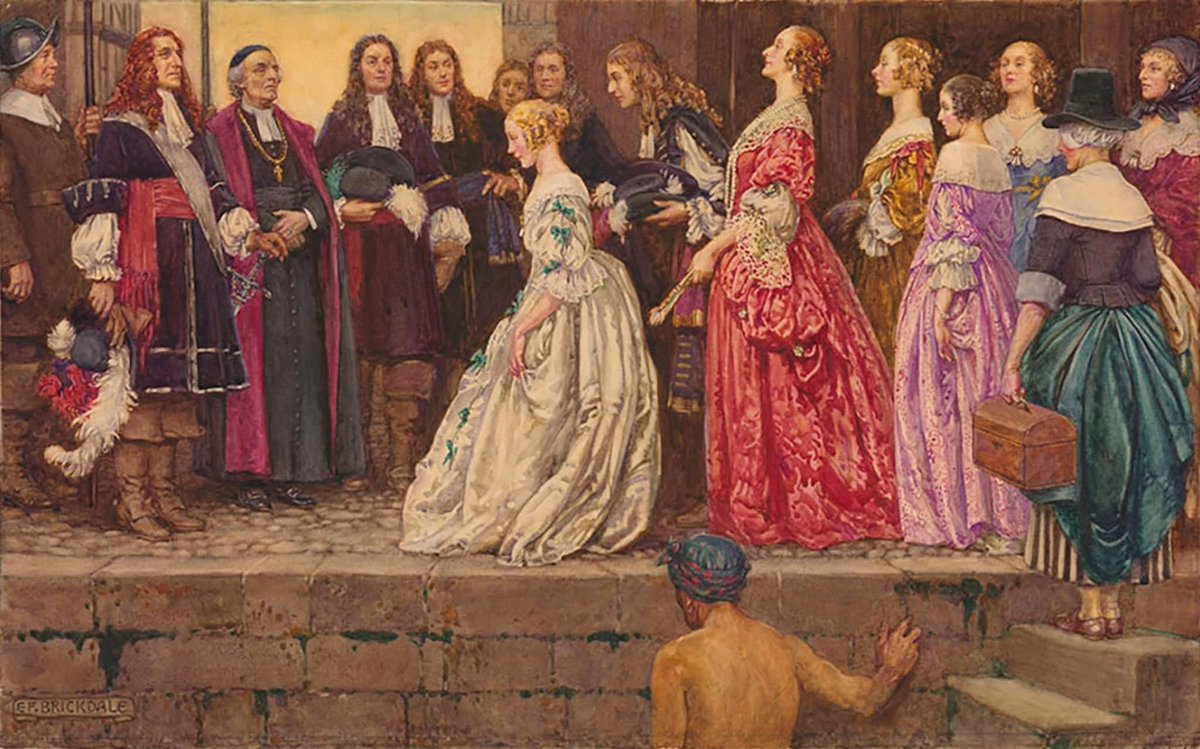
Against all odds the so called “Filles du ROI”, 800 young women sent by Louis XIV from France to New France between 1663 and 1673 to address a severe gender imbalance where men outnumbered women nearly 6 to 1 in the colony of about 2,500 people.
Most were poor, orphaned, or from institutions like Paris’s Hôpital Général; they endured brutal 6-10 week Atlantic voyages with disease, poor food, and storms, arriving malnourished before facing quick arranged marriages and harsh wilderness life in Quebec But there you go despite these high risks, these women drove rapid population growth to over 10,000 by 1681, forming the ancestry for a majority of today’s French Canadians through large families and community building. Another reminder that we have it good!

In the summer of 1663, under the rule of Louis XIV, France faced a quiet crisis across the Atlantic. The colony of New France—especially Quebec City—was collapsing under a dangerous imbalance: too few women. By that year, the population was barely 2,500 people, and men outnumbered women nearly 6 to 1. Without families, the colony would not survive.
So the Crown made a radical decision. Between 1663 and 1673, roughly 770–800 young women were sent to the colony. They would later be known as the Filles du Roi—“King’s Daughters.” But that title softens the reality of who they were.
Most came from institutions like the Hôpital Général of Paris—not a hospital in the modern sense, but a holding place for the poor, the orphaned, and the unwanted. Many were as young as 14 or 15. Some had been abandoned as infants. Others were daughters of soldiers or laborers who had died, leaving them with nothing. They were given a small dowry by the Crown—about 50 livres, sometimes a modest trousseau—and a promise: cross the ocean, marry quickly, and help build a nation.
But first, they had to survive the Atlantic.
Departing from ports like La Rochelle and Dieppe, the journey took 6 to 10 weeks, depending on weather. Conditions were brutal. These were not passenger ships—they were cargo vessels. The women were packed into the lowest decks, often below the waterline, with almost no ventilation. They slept on rough planks or straw that quickly became soaked with seawater, vomit, and human waste.
Food was scarce and often rotten—hardtack crawling with insects, salted meat, and stale water. Disease spread fast. Dysentery tore through passengers first, followed by scurvy, which caused gums to rot and teeth to fall out. Fevers—likely typhus—left bodies covered in sores. According to historical estimates, around 10% of passengers died on some voyages. For teenage girls already weakened by poverty, the odds were worse.
And the danger wasn’t just disease. Storms could last for days, tossing ships so violently that passengers were thrown against the hull. Many had never seen the ocean before. Imagine being 15, unable to swim, trapped in darkness, convinced every wave might be your last.
Those who survived arrived in Quebec in a state few people talk about. Weak. Malnourished. Some unable to walk off the ship without help.
But there was no time to recover.
Within weeks—sometimes days—of arrival, they were expected to marry. Colonial officials arranged meetings where men—farmers, soldiers, laborers—would choose wives. The women had some say, but options were limited, and survival depended on making a decision quickly. If they refused too many offers, they risked losing support from the Crown.
Marriage meant immediate labor. These women were not stepping into comfort—they were stepping into wilderness survival. Winters in Quebec regularly dropped below -20°C (-4°F). Homes were crude wooden structures. Food shortages were common. Childbirth was constant—and dangerous. Many would have 8–12 children, often without medical care, with high risks of death for both mother and child.
And yet—this is where the story turns.
Despite everything stacked against them, these women didn’t just survive—they anchored an entire society. By 1681, the population of New France had grown to over 10,000, largely because of them. Today, historians estimate that a majority of French Canadians can trace ancestry back to at least one Fille du Roi.
They arrived with nothing. No status. No safety net. No guarantee they would live.
And still—they built families, communities, and a future that outlived them by centuries.
History calls them “King’s Daughters.”
But the truth is—they were the backbone of a nation that didn’t exist yet.
© Reddit
#archaeohistories
55