
Catching Microplastics at the #1 Source - Washing Machines, Co-Founder & CEO | CLEANR, CWRU | Class of 2022, Madeira HS | Class of 2018
Joined April 2016
- Tweets 95
- Following 152
- Followers 127
- Likes 500
11 Photos and videos
Max Pennington retweeted

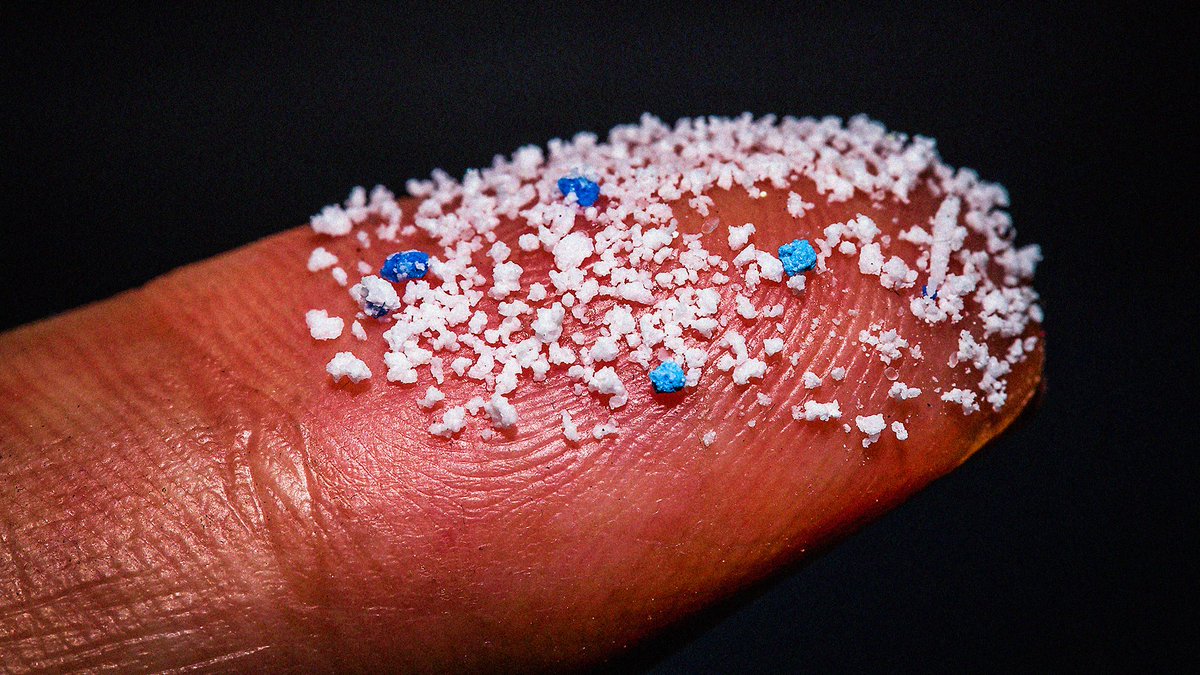
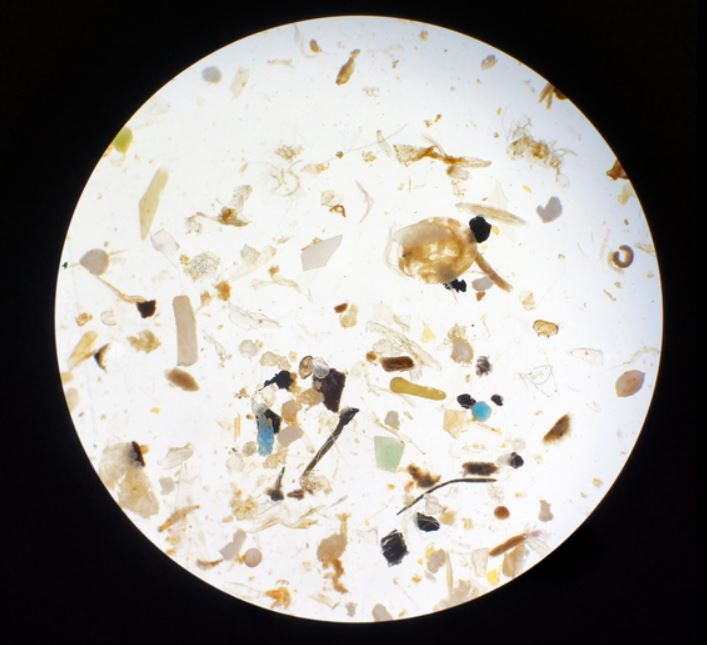
We've all heard about microplastics.
But few know about its more toxic derivative:
Nanoplastics.
Scientists say they can reach human blood, cells, and even unborn babies.
Here are 7 ways to protect yourself (bookmark this): 🧵
128
410
1,359
707,197
Max Pennington retweeted

This is the kind of research we need to better understand microplastic and nanoplastic breakdown rates
7 Mar 2025

Visiting a lab in Lund, Sweden 🇸🇪 . Colegues here produce #nanoplastics and get their size distribution by shooting laser and seeing the Brownian motion.
#microplastics
3
2
372

27 Feb 2025
Great collaboration! Excited to see CLEANR for Washing Machines validated to remove 90% of microplastics emitted from washing machine wastewater down to 50-microns in size.
26 Feb 2025

We are happy to report that we have validated CLEANR's microplastic filter for washing machines and certified it to be over 90% efficient: prnewswire.com/news-releases…
1
3
274
27 Feb 2025
Time to make a change.
27 Feb 2025

Doing laundry shouldn’t cost us our health. 🫀
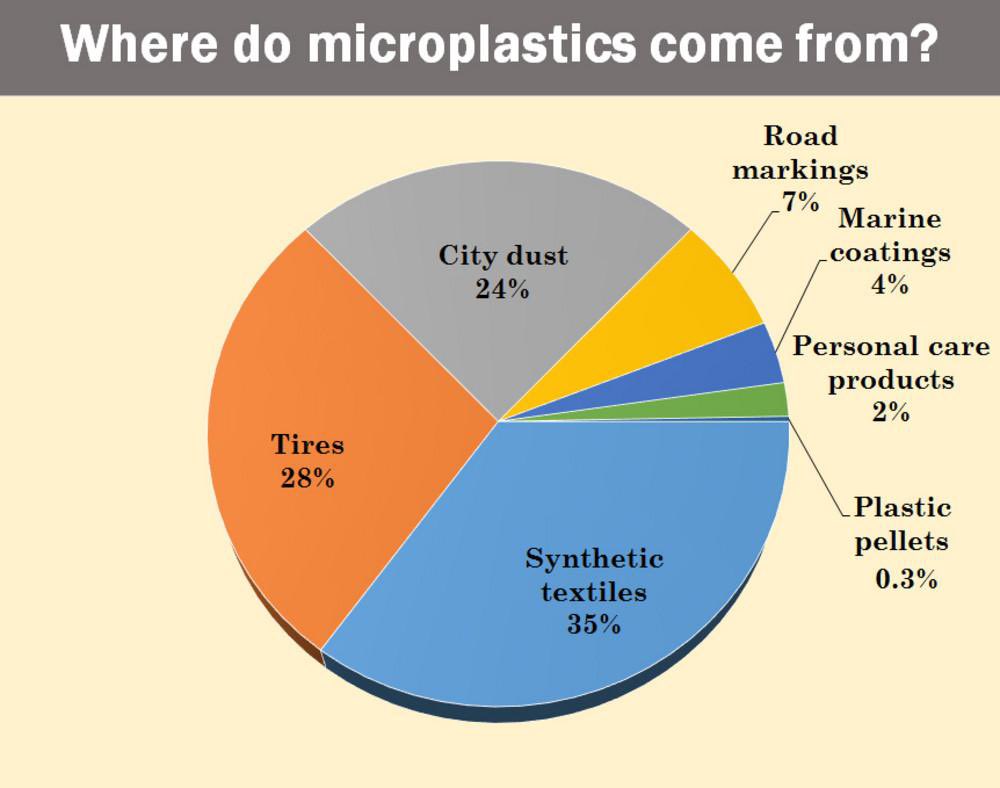
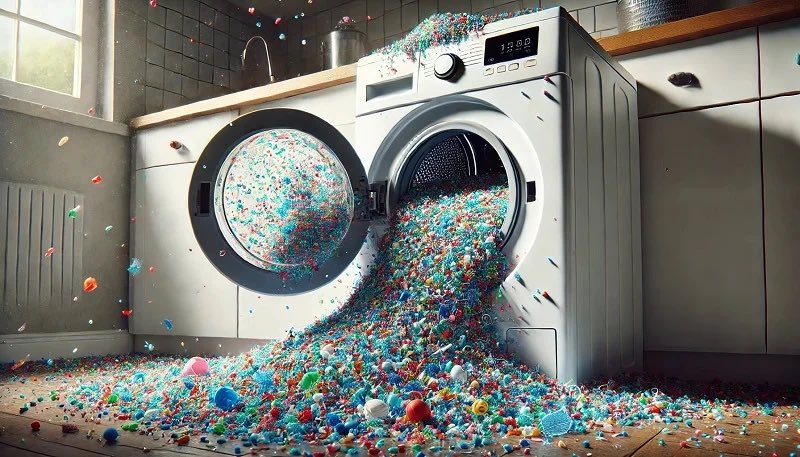
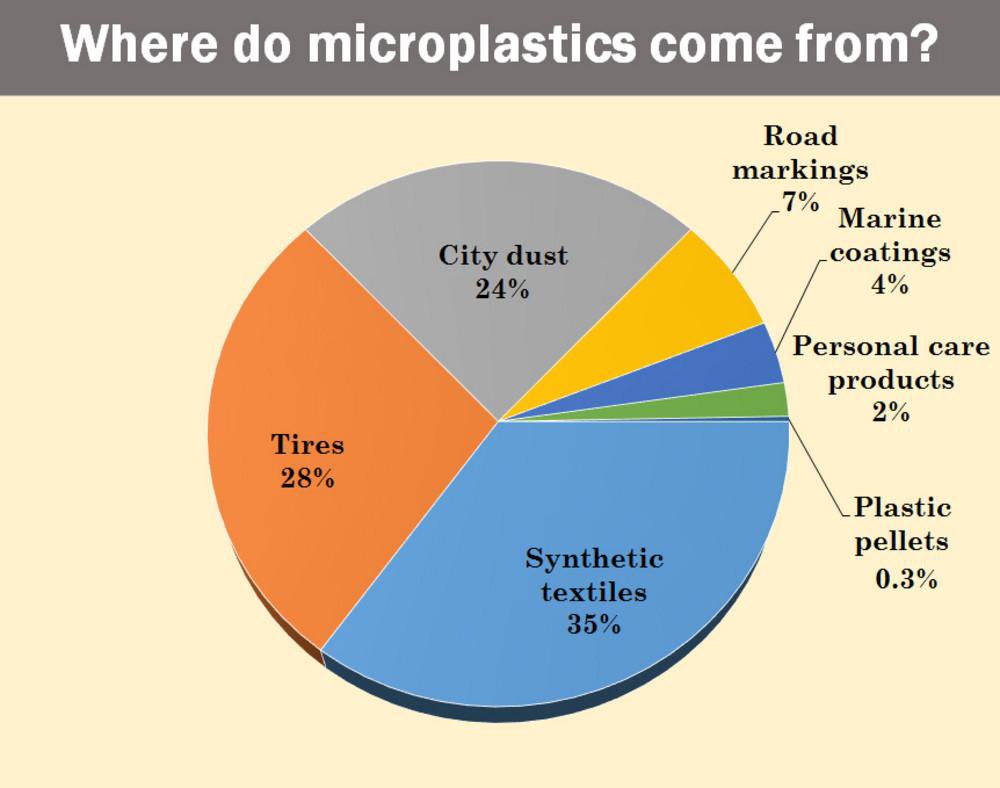
Washing machines are the #1 source of microplastic pollution. 👕
CLEANR is stopping this at the source. The solution is coming. Stay tuned. 🌎
#Microplastics #PlasticPollution #Innovation #Sustainability
1
247
26 Feb 2025
Scary sight
10 Apr 2018

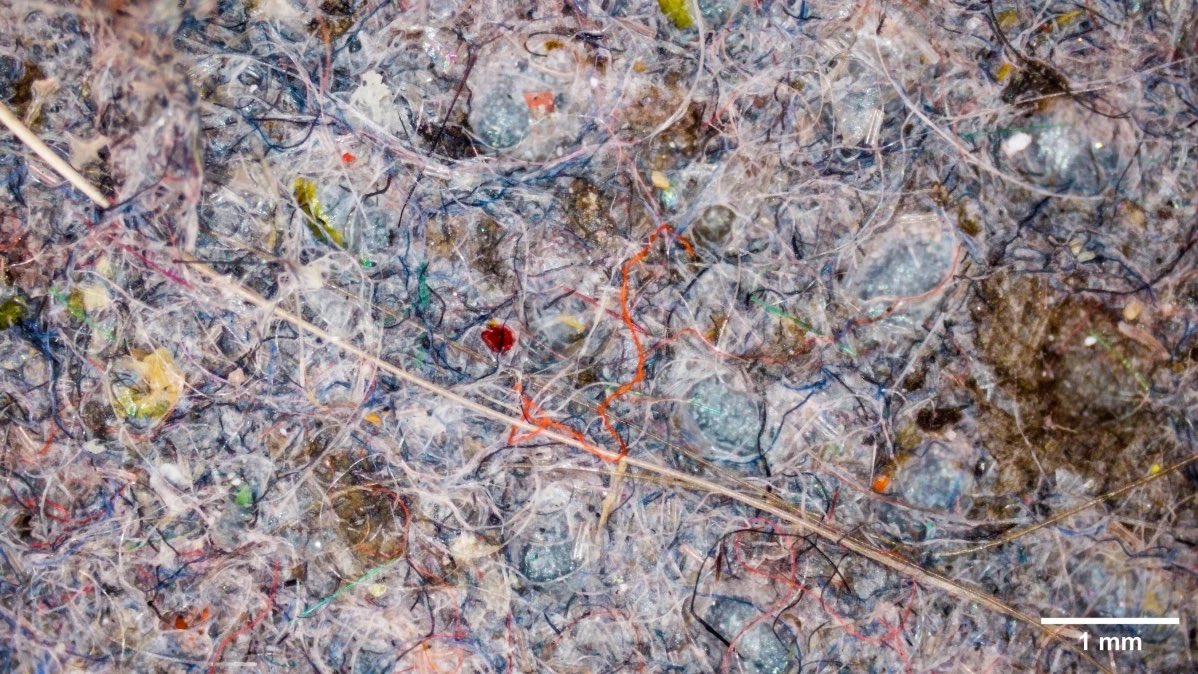
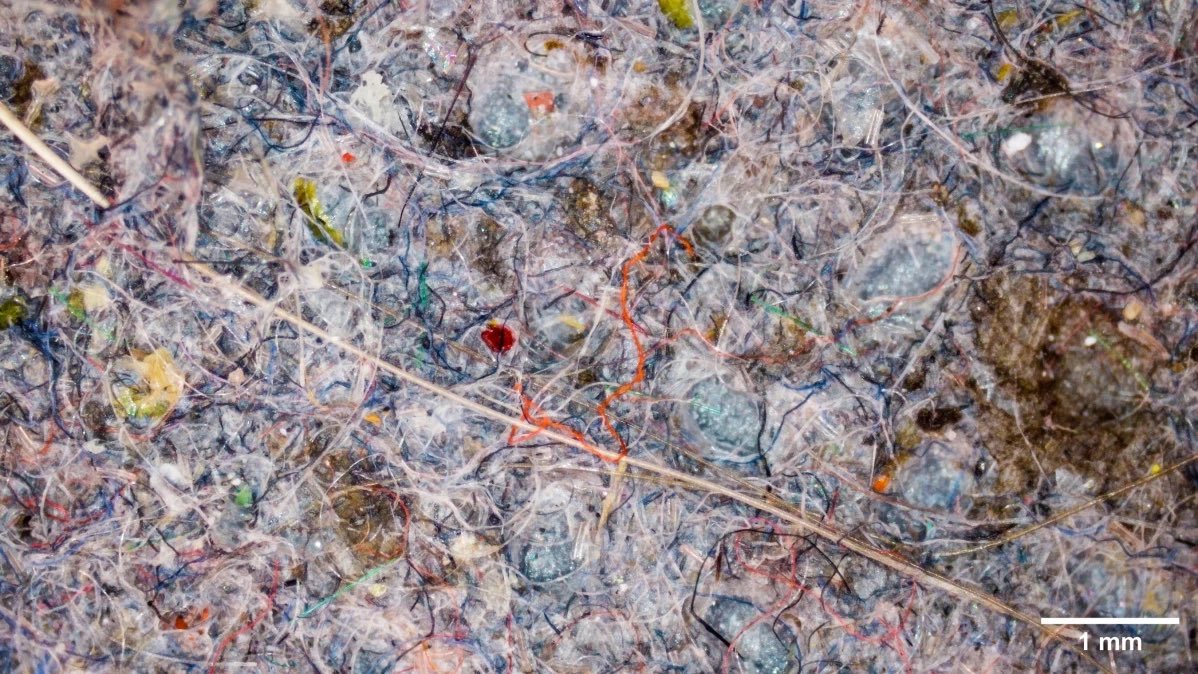
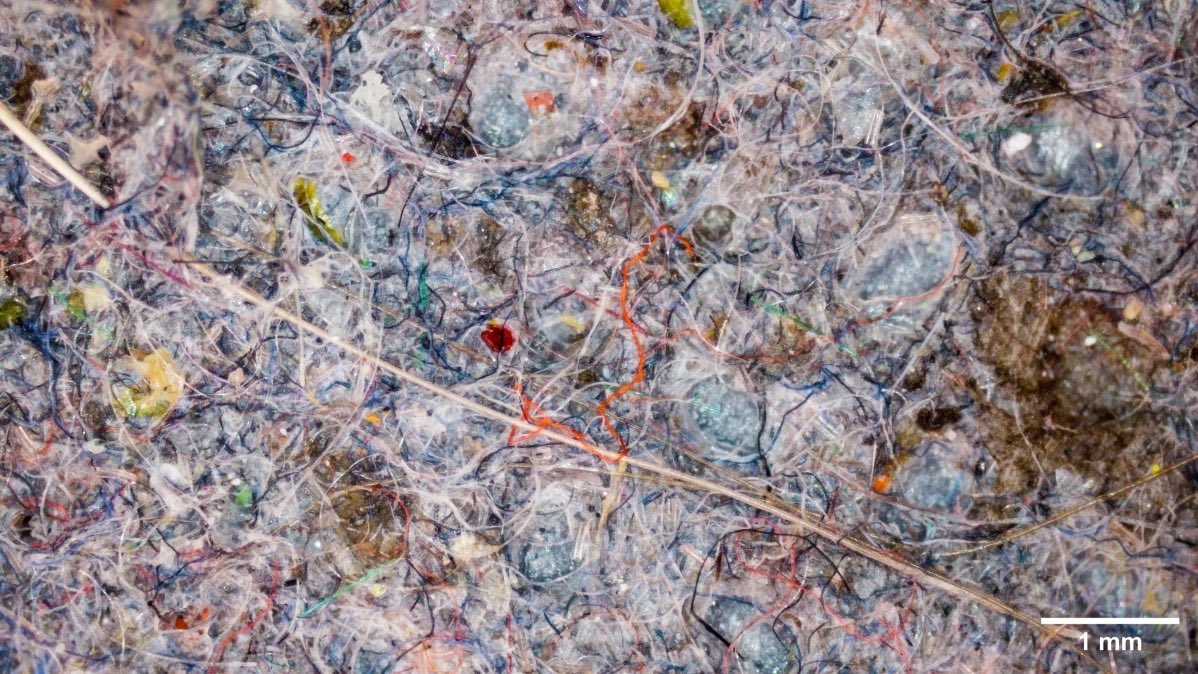
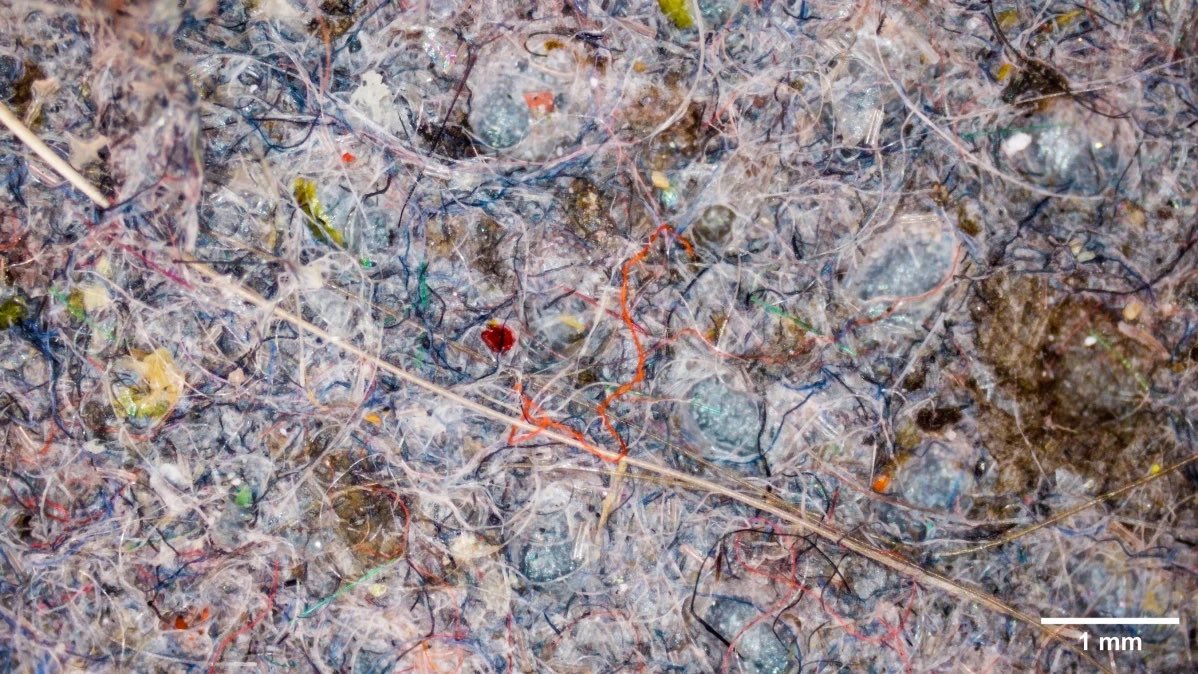
Awful sight of plastic microfibers in my plankton sample today. Just 2mm long, they form a deadly, zooplankton trapping, drift net that is likely to be eaten by fish to enter the food chain. The scale of this problem cannot be underestimated. @zeiss_micro
113
25 Feb 2025
Glad to see the microplastics issue getting exposure. We just announced today that CLEANR for Washing Machines has been 3rd party certified to remove 90% of emitted microplastics!
Read more here: apnews.com/press-release/pr-…
25 Feb 2025

Great advice here from @foundmyfitness that is achievable and yet ought to make a meaningful difference to your health (gauged by what Dr Shanna Swan, expert in endocrine disruptors has shared in her books and on the Huberman Lab podcast.)
1
3
346
25 Feb 2025
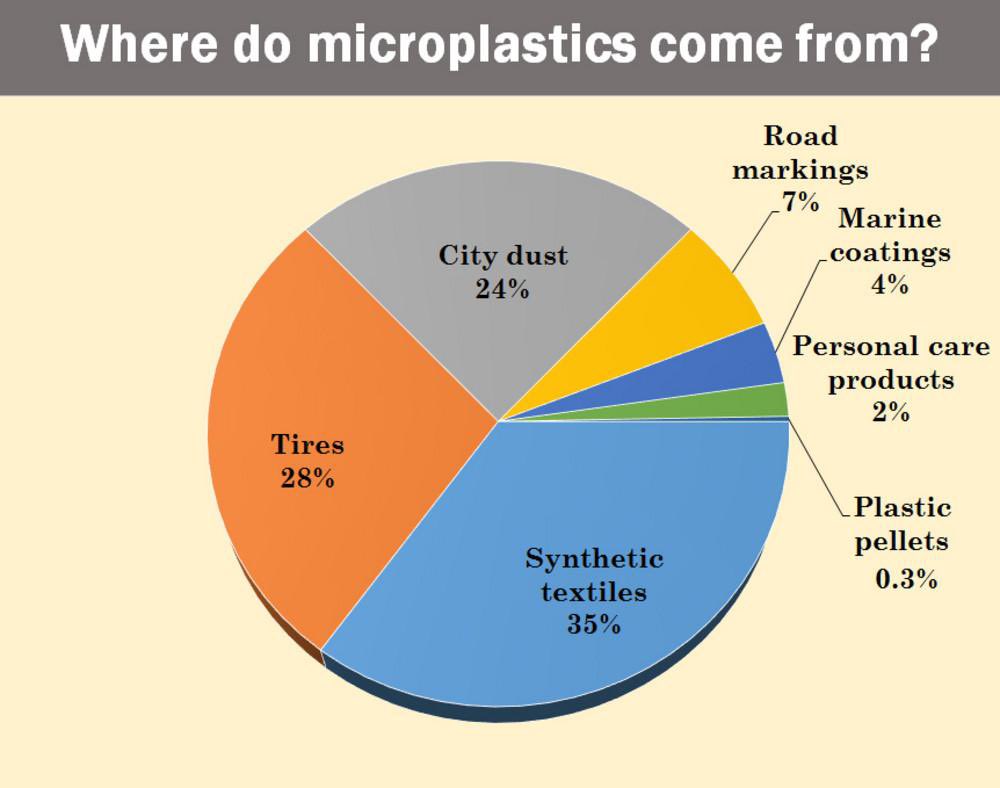
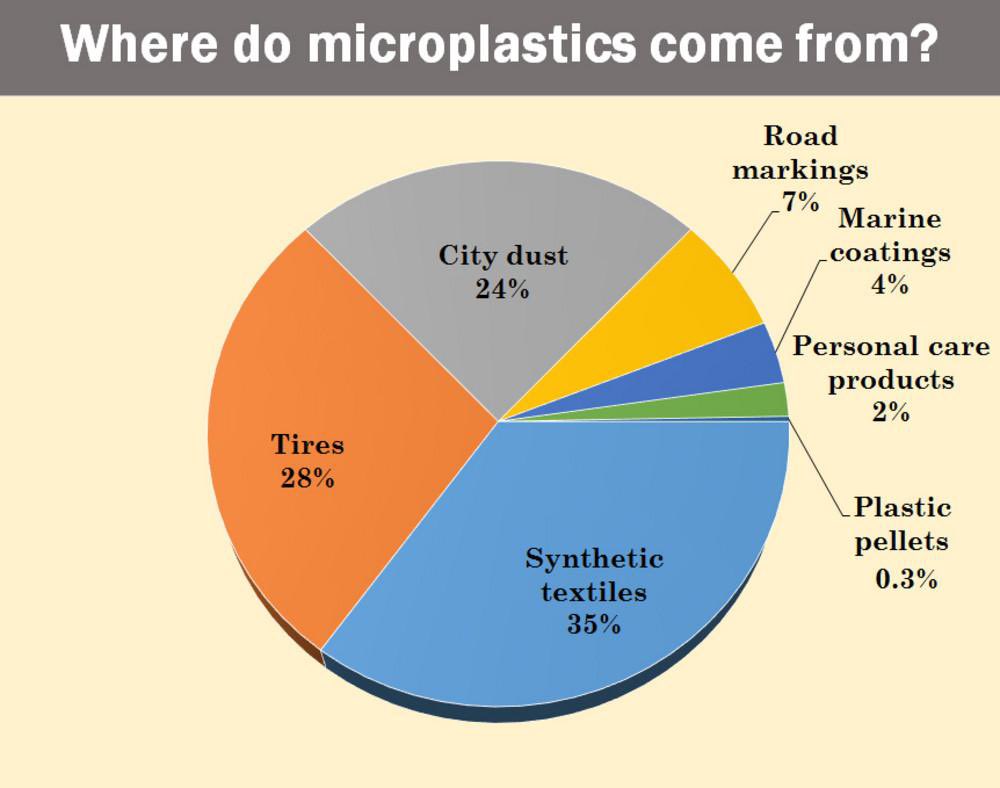
Washing machines are the #1 source of microplastic pollution
1
1
85
25 Feb 2025
Our filter is coming to market later this year: cleanr.life
We need your help in spreading the word 🤝!
@hubermanlab @morellifit @foundmyfitness @PeterAttiaMD @joerogan @DrTanyaAltmann @SBakerMD
#microplastics #innovation #health
1
64
Max Pennington retweeted

24 Feb 2025
Eliminating microplastics entirely is not realistic—they’re everywhere.
Reducing exposure, though? Totally within reach with some evidence-backed strategies. Think of it as imperfect avoidance.
My top tips are:
Try filtering tap water with a reverse osmosis system—studies show it catches 99.9% of microplastics and other chemicals.
Swap plastic bottles and aluminum cans (they have plastic linings too) for glass or stainless steel and skip disposable coffee cups—their plastic coatings leach over time—and grab a reusable mug instead. You should also cut back on canned goods. Research flags a potential 1,000% BPA spike in urine after consumption, so go fresh or BPA-free when possible.
Maybe the biggest tip? Avoid heating plastic: no microwaving in containers or stirring hot food with plastic utensils because heat accelerates chemical release. Upgrade your cookware too. Ditch degrading non-stick pans for stainless steel, cast iron, or ceramic, and pair them with wooden tools.
These tweaks hit the major exposure points.
24 Feb 2025

You can’t escape microplastics—but you can fight back
Everyday habits like drinking from plastic bottles, eating canned soup, or microwaving popcorn can quietly expose you to harmful chemicals like BPA and PFAS
These toxins can linger in your body for years, increasing your cancer risk
The good news? A few strategic changes can dramatically cut your exposure:
• Use a reverse osmosis water filter
• Avoid drinking, as much as possible, out of plastic bottles and aluminum cans
• Avoid heating plastic (this includes drinking out of to-go coffee cups)
• Limit consumption of canned soup
• Think twice about eating microwave popcorn
114
345
2,779
601,703
21 Feb 2025
Time to start rolling out the solutions 🚀
20 Feb 2025

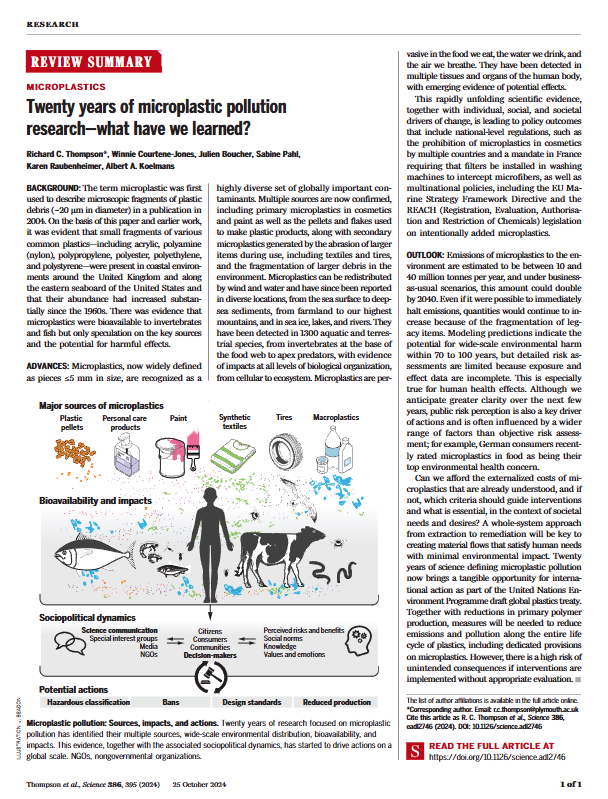
Microplastics are pervasive in food and drink and have been detected throughout the human body, with emerging evidence of negative effects.
science.org/doi/10.1126/scie…
2
193
18 Feb 2025
Agreed 🤝 time to act
18 Feb 2025

Plastic pollution is on the rise, and we need to tackle it - fast.
Nano- and microplastics are accumulating in food chains, water and even the air, and can access the our bodies via our digestive system and our lungs.
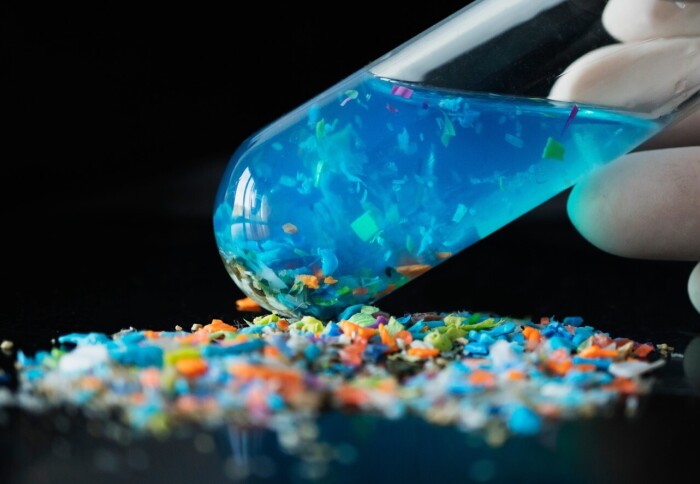
ALT Illustrative demonstration of plastics in a test tube
174
18 Feb 2025
Don’t think it’s going to be good..

Microplastics have been found just about everywhere scientists have looked. Now scientists are trying to determine their effects on your health
go.nature.com/4hT9cS6
156
Max Pennington retweeted

2 Jan 2025
Advice for Food Companies
Since we launched PlasticList, we’ve been heartened to have quite a few food companies reach out and ask for help interpreting their results and tracking down and eliminating their contamination. I’ve had calls with a bunch of these.
I am happy to report that no food company wants this stuff in their food and they are all eager to figure out what’s going on and how to remove it. After a while I noticed the advice we were giving was pretty similar for every company, so I thought it would be useful to write it down and share publicly.
So, here are some notes:
1. To track down the source of your contamination, don’t just test a few samples of your product with varied production processes. Instead, test every single one of your inputs: every ingredient and input in the form you receive it before any processing steps, including water and any other consumables.
2. Then, test the food before and after every step in your production process. If you boil something in tap water, test before and after boiling. If you chop something on a plastic cutting board (because wood cutting boards are outlawed in commercial kitchens, apparently), test before and after chopping.
3. You may have to go deep into your supply chain to figure out the source of your contamination. One food company founder we spoke to said that some of the fruit they include in their product is picked, put into plastic bags, and then steamed in the bags before the bags are cut open and the fruit is transferred into another plastic bag, while still warm, for shipping. Whoops.
4. Run at least three samples of every test due to sample-to-sample variation. You can see in our report and in our data that sample-to-sample and lot-to-lot variation should be expected: plasticlist.org/report
5. You should also test any intermediate or final packaging that your product ships in, as leaching can also occur post-production.
6. There are a lot of steps that you need to carefully follow to prevent contaminating your samples during collection and transportation. It’s really easy to miss one of these and mess up your data. We describe many of these on our methodology page: plasticlist.org/methodology
7. You should consider running longitudinal tests, maybe quarterly, as we have heard that there can be seasonal variation in contamination from suppliers, due to things like summer heat, suppliers switching their processes, and suppliers switching their own backend suppliers for their inputs.
8. And most importantly: PICK A GOOD LAB. Unfortunately not all labs are good, and we think many ISO-certified commercial labs will not give reliable results. We rejected many certified labs because we weren’t confident in their work; all-in-all, we spent about 10 weeks finding a lab that we trust for our tests. You can see our lab’s internal methodology here: docs.google.com/document/d/1…
Our lab has recently permitted us to identify them publicly, and they are IEH: iehinc.com/
We also worked with Light Labs to produce this study and they can be a big help: lightlabs.com
And Million Marker is able to work with food companies to debug their supply chains as well: millionmarker.com/
9. You should consider hiring an analytical chemist as a consultant to validate that the testing methodology is accurate and to double-check the lab’s results. We hired John Brock to do this and it was well worth it; we would not have been confident in our choice of lab or our results without John.
10. We couldn’t find a lot of evidence that the phthalate substitutes are bad; if you have high-percentile detections in phthalates or bisphenols, though, it’s probably worth figuring out how those chemicals are getting into your products.
126
372
3,761
940,099
15 Feb 2025
Time to start filtering…
14 Feb 2025

🧺 Wash laundry in cold water to reduce microfiber pollution.
From 1950 to 2016, 5.6M metric TONS of microfibers were emitted from washing clothes. That's like 28.2B t-shirts entering the environment! 😳
Learn more about ocean-friendly clothing choices:
oceanconservancy.org/blog/20…
1
232

Microplastics have been found just about everywhere scientists have looked. Now scientists are trying to determine their effects on your health
go.nature.com/4hQm2AC
17
178
471
93,906
Max Pennington retweeted

13 Feb 2025
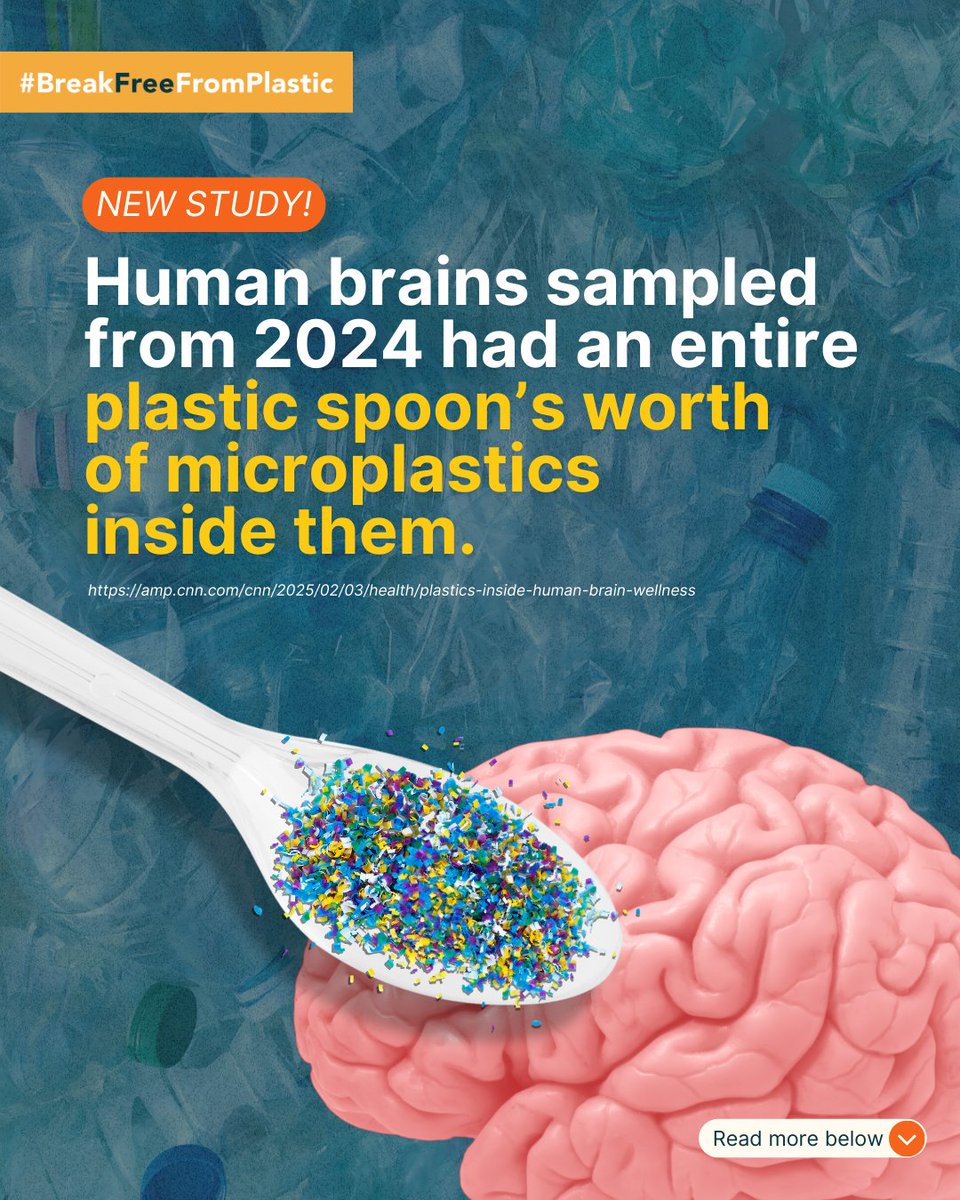
🚨🧠 The average brain sampled in 2024 contained a whopping 7 grams of microplastics -- the equivalent of a plastic spoon. Higher concentrations were noted in those with dementia. 🥄😱
Read more: salon.com/2025/02/07/study-f…
#Microplastics #ToxicPlastics #BreakFreeFromPlastic
3
21
23
924
Max Pennington retweeted

13 Feb 2025
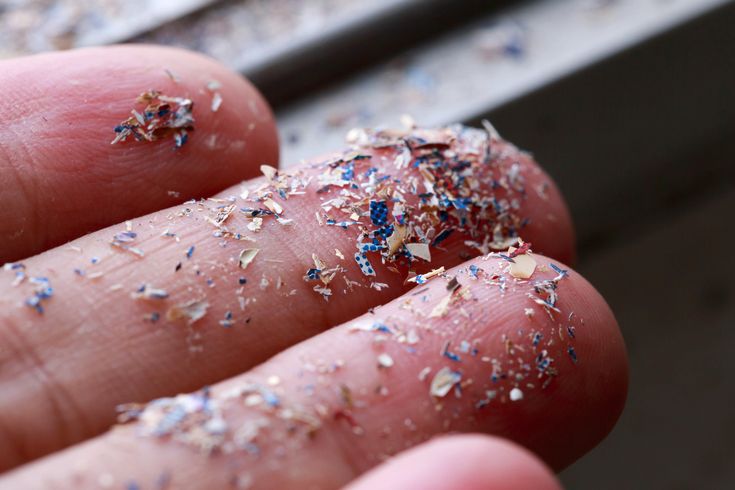
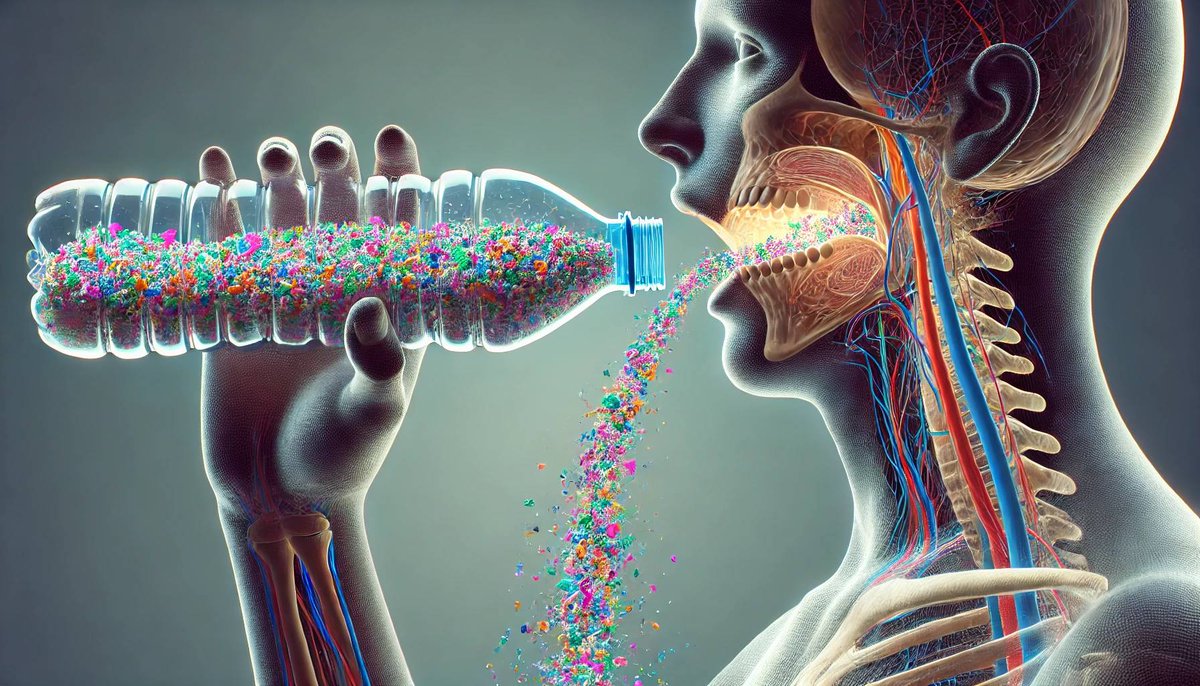
Microplastics are POISONING us—slowly, silently, and PERMANENTLY.
There are TRILLIONS of microplastics everywhere and they’re
the highest they’ve ever been in our bodies—brain, liver, lungs, everywhere.
But don't panic—there are solutions: 🧵
146
2,428
8,744
2,022,560

🚨 A new study finds an alarming number of microplastics and nanoplastics (MNP) in the human brain.
"MNP levels were about three to five times higher in 12 brains from people who had been diagnosed with dementia."
nationalgeographic.com/scien…
8
11
1,520