
@nytcooking GM/ tweets my own. @justworks and @etsy in prior lives
Joined August 2012
- Tweets 2,301
- Following 1,003
- Followers 1,189
- Likes 12,182
86 Photos and videos









Camilla Velasquez retweeted

Apr 6
All I feel is gratitude for this experience.
7 Dec 2016

Dreamt I was in lunar orbit last night. Been in that post-vivid-dream-that-wasn't-real funk all morning.
728
12,072
131,746
4,099,310
Camilla Velasquez retweeted

Mar 17
This piece is remarkable
theparisreview.org/blog/2026…
7
122
1,326
114,259
Camilla Velasquez retweeted

29 Dec 2025
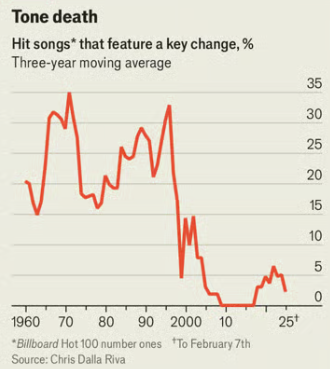
chart of the day
427
1,671
24,831
1,461,618
Camilla Velasquez retweeted

28 Dec 2025
It wasn’t just the price of food that changed in 2025—so, too, did Americans’ taste preferences, Grace Buono writes in The Wonder Reader. She explores stories about how to understand the food we ate this year: theatlantic.com/newsletters/…
3
7
16
13,081
Camilla Velasquez retweeted

12 Dec 2025
Last week we published our “Top of the Charts”, a look back at our most popular charts, articles, data insights, and more in 2025.
→ ourworldindata.org/top-of-th…
Each Friday, we’re sharing more from that list. Today we give you our top 5 most-read articles published in 2025. 🧵
3
7
22
6,111
Camilla Velasquez retweeted

25 Nov 2025
Part of the reason the current moment--global conflict, rise of populism, resentment, etc--has been so surprising to most in the policy space is that they were trained in the standard economic thinking of the time, which emphasized material comfort above all else.
The emphasis on material comfort gave rise to the worldview that if we were all just better connected, if prosperity could be shared through fair trade and economic relationships, then conflicts would melt away and we would approach "the end of history". Friedman's famous "McDonald's" theory is a good example of that--put a McDonald's in every country and we will have no wars and strife.
But this ignores basic human psychology: moral values, need for status, mimetic desires to dominate, need for meaning through sacrifice/religion are all integral to human motivation. These motivations operate all the time, but become even more extreme when material comforts *are* met. This is when people start looking for status and meaning on dimensions that seem self-destructive, fighting "metaphorical wars". You can see this in the divergence of values over time: as economies have become increasingly globalized and overall prosperity has increased, human values have *diverged* (see paper in reply).
These motivations are also why any "utopia" will always be doomed to fail.
Unlike many on here who critique economics, things like status, identity, mimetic forces are not outside the standard economics toolkit. There have been plenty of important papers written on status-seeking, culture, norms, and mimetic forces. But most of this work is either relatively recent or was on the periphery of economic thinking that permeated policy circles.
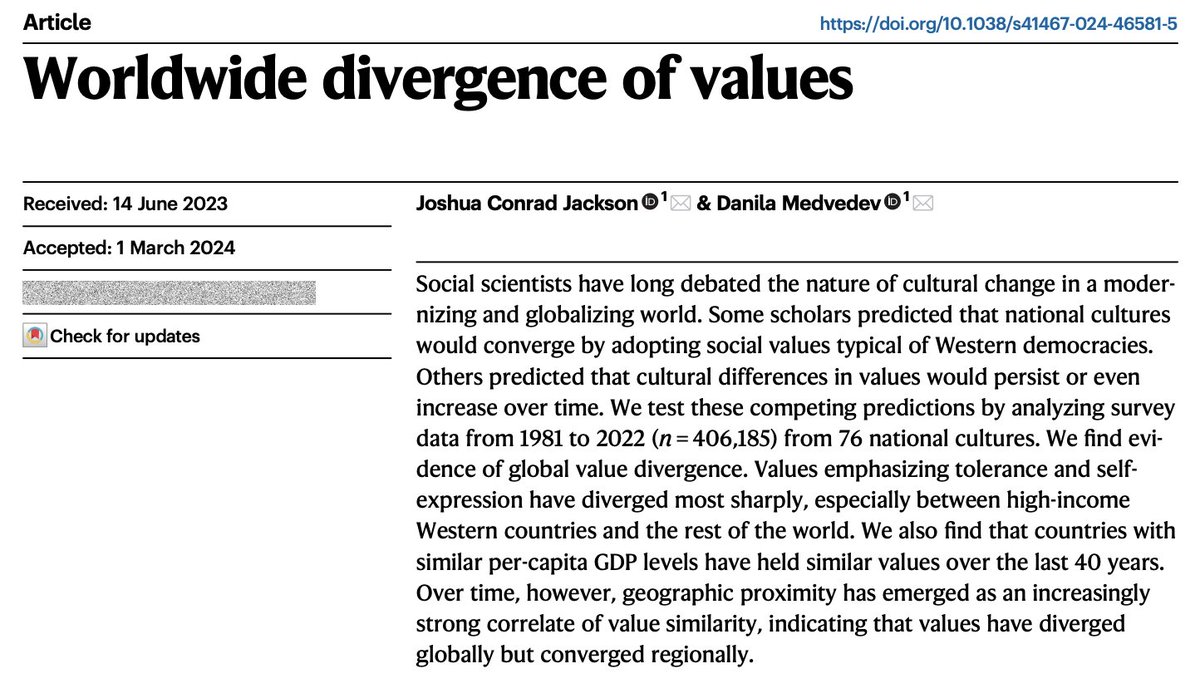

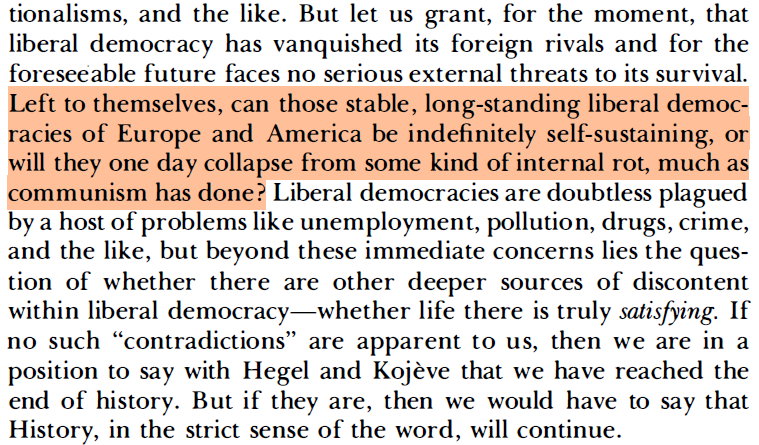
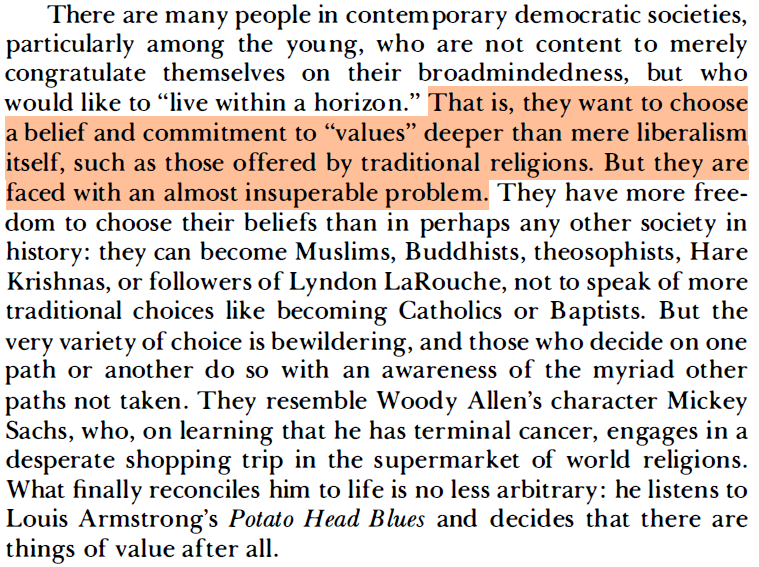
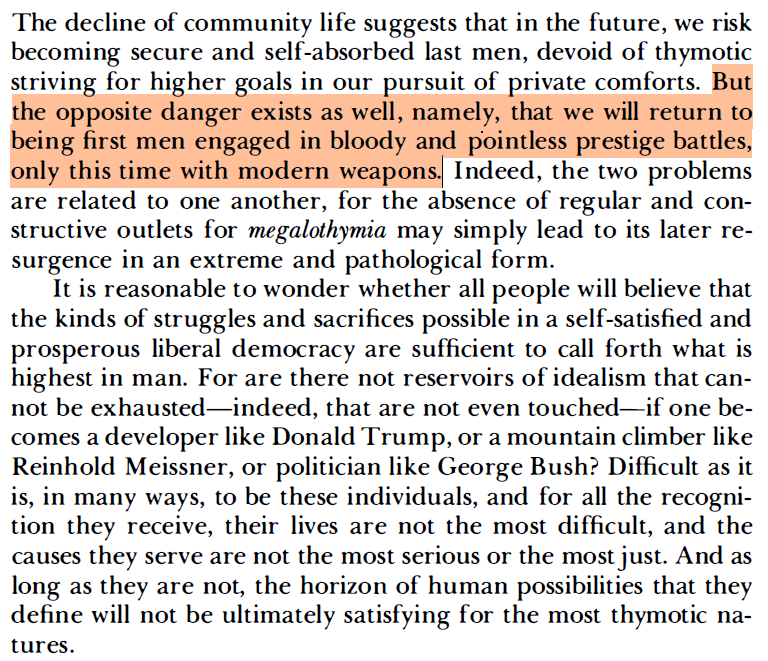
Fukuyama was so prescient. In a society with strong rights and material comfort, but light on demanding shared purposes and some degree of sacrifice, thymotic energies go searching. Some quiet into bourgeois hedonism; other will seek “metaphorical wars” and eventually real ones.

20
65
394
73,331
Camilla Velasquez retweeted

27 Jun 2025
Inside The New York Times' Plan to Double Down on Cooking Videos (Exclusive) hollywoodreporter.com/busine…
1
5
13
14,294
Camilla Velasquez retweeted

18 Apr 2025
The New York Times is looking for a Jr. Video Production Coordinator, NYT Cooking:
- New York, NY, USA
- Full time opportunity
- Junior
Apply via the link or tag a friend who may be interested 👇🏼.
musiccareers.co/job/jr-video…
1
215
Camilla Velasquez retweeted

30 Mar 2025
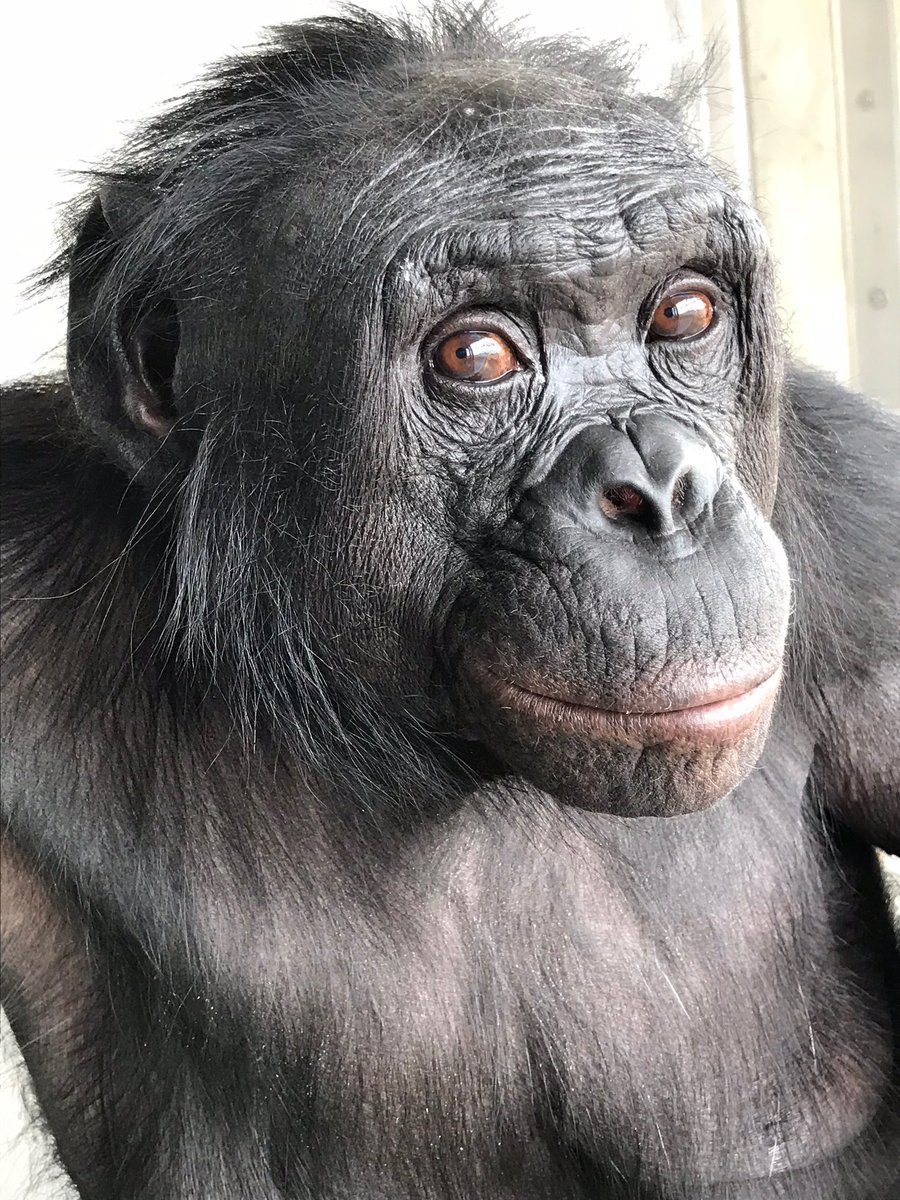
I was very upset to learn of the death of Kanzi, the Bonobo ape last week.
One of the most remarkable experiences of my life was making music with Kanzi and Panbanisha, two extraordinary Bonobo apes - pg
petergabriel.com/news/kanzi/
Photo courtesy of Ape Initiative
21
68
593
17,974
Camilla Velasquez retweeted

29 Jan 2025
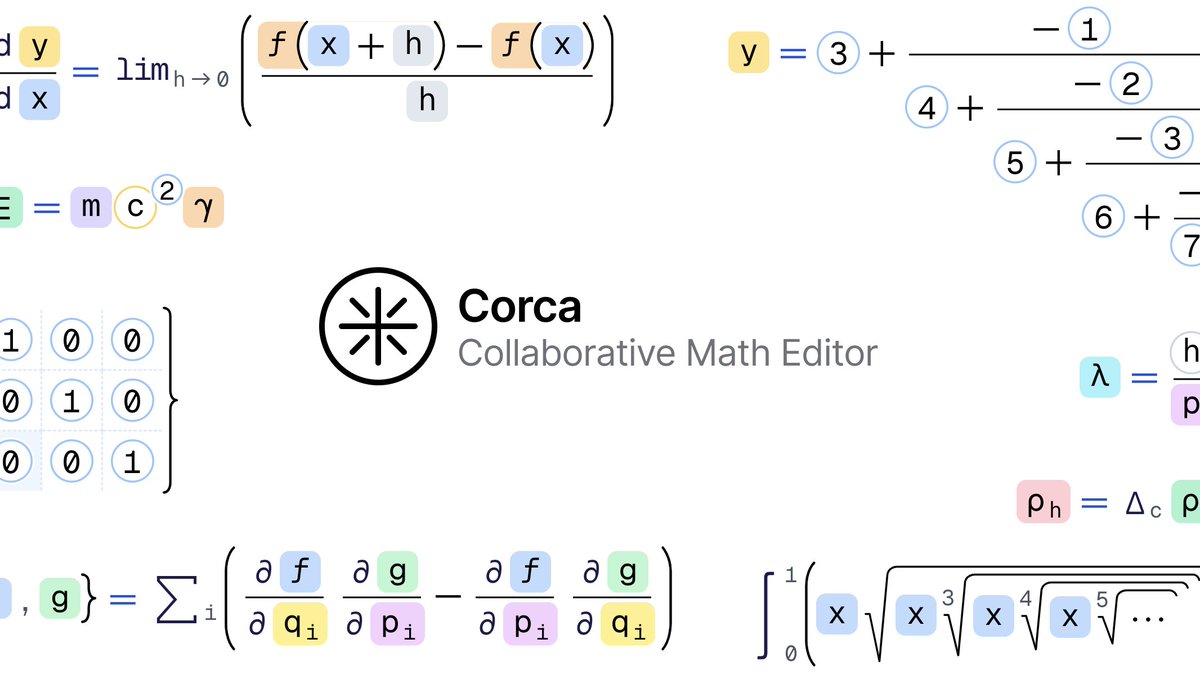
We just launched Corca—a collaborative math editor. The main idea: there’s no 'text editor' for math. If you want to work on equations on a computer, there’s no app designed for that—so the only real option is paper.
↓
169
627
6,453
606,780
Camilla Velasquez retweeted

19 Feb 2025
I've spent the last 8 months traveling to 20 states, talking to young people about how they see their economic futures. I wrote about my findings (link below).
Gen Z faces a double disruption: (1) AI-driven technological change (2) institutional instability. When I talk to young people, they're not just worried about finding jobs, they're worried whether "careers" as we know them will exist in 5 years.
We're seeing a version of the barbell strategy in how young people approach their futures. On one end, people are choosing trades over college debt. On the other, people are betting everything on creator economy/crypto/AI startups etc etc. The middle path exists, but it's increasingly blurry.
This shapes identity. When a single viral TikTok can outperform a year's salary, and traditional credentials lose value faster than you can earn them, young people aren't just changing careers—they're developing fundamentally different relationships with economic reality.
When I talk to people across the country, their concerns are greater than traditional political divisions. They're wrestling with questions of identity, meaning, and community in a world where traditional narratives about success and stability no longer hold.
What looks like a conservative shift among young voters might actually be something more foundational: a generation's attempt to navigate a world where institutions promise stability they can't deliver, where algorithms offer opportunity without security, and where the very nature of work and worth is being redefined. It’s constantly evolving, and it’s not just politics - it’s the very nature of self being called into question. Link in next post.
71
337
2,940
572,467
Camilla Velasquez retweeted

6 Jan 2025
Apparently if you want your kids to learn to ride a bike faster, you're supposed to take the pedals off first.
My mind will never be the same.

51
31
690
706,875
Camilla Velasquez retweeted

9 Oct 2024
I've never heard anyone more graciously and effectively turn an interview with @tylercowen into a conversation, deftly picking his brain even as she shared her perspective. @kylascan on conversationswithtyler.com/e…
4
5
54
9,498
Camilla Velasquez retweeted

9 Oct 2024
When I discussed quitting Google to do a Phd, my manager, Steve Cheng, gave me the advice of "6 shots": Doing something meaningful usually takes about 5 years and we are productive for roughly 30 years. That gives you 6 attempts. So pick each one carefully and give it your best.
132
2,262
21,325
1,373,768




Camilla Velasquez retweeted

19 Jul 2024
Some of the most defining contours of the human condition - qualities that structure and color what it’s like to be you and me - may boil down to an ancient battle with a common foe: SNAKES.
Here’s the argument and evidence for why snakes drove the evolution of the primate brain and visual system. 🧵
9
47
156
44,979
Camilla Velasquez retweeted

14 Jul 2024
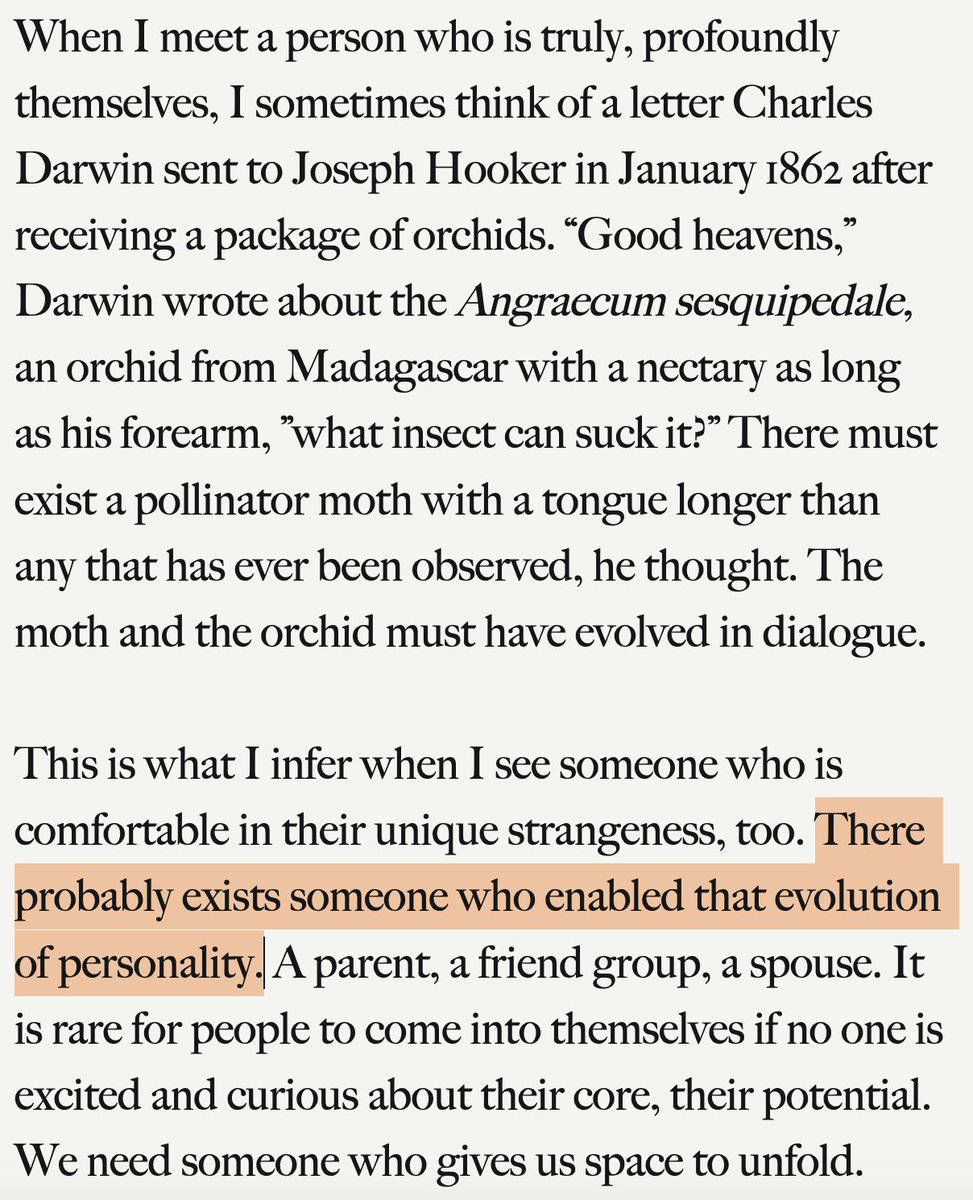
"It is rare for people to come into themselves if no one is excited and curious about their core, their potential."
29
3,160
18,565
781,964

30 Jun 2024
Where oh where is the definitive long read on the sheer addictive power and stranglehold of the Who Would Win series
1
191
30 Jun 2024
Not to be too spreadsheet about it but that’s a franchise with a lot of possibilities
149
Camilla Velasquez retweeted

27 Jun 2024
NYC libraries to get budget funding back — and reopen on Sundays
buff.ly/3W0o20Y
42
1,816
8,503
1,943,262