Head, @JNJInnovation, East North America – A partner to #innovators seeking to change the trajectory of health for humanity. #JNJ
Joined September 2011
- Tweets 492
- Following 191
- Followers 755
- Likes 106
79 Photos and videos




michal preminger retweeted

Jun 9
With these huge IPOs for SpaceX, Anthropic, and OpenAI… I'm thinking about a couple possible implications for biotech investing:
1/ Many of the large AUM long-only asset management firms (Fidelity, Wellington, T Rowe, Cap Re, etc) are likely participating in a big way in these IPOs. Given the size of these offerings, these large funds will likely be investing billions into each of these. Every large investor only has so much capital (from a risk management perspective) allocatable to primary offerings of IPOs in a given period… so will these three suck all the oxygen out of the room for long-only firms' ability to play in biotech IPOs in 2H 2026? Will the sector be even more dependent on specialist healthcare investors for IPOs for the next few quarters? Seems likely to me.
2/ Right now these three positions are very large private marks on many big investor’s books. Most of these firms have limits as to what percentage of their AUM can be invested in private deals… when these three move over to the public side, it immediately changes the “ratio” in a big way… creating significant “space” for private investing in their portfolios. Will that bode well for their participation in late stage private deals in biotech? Maybe... hopefully.
So for the next few quarters... while biotech IPOs may be more reliant on specialists, we might see renewed interest from long-only firms in later stage private biotech deals - helping companies stay private for longer.
5
13
120
19,126
michal preminger retweeted

Jun 4
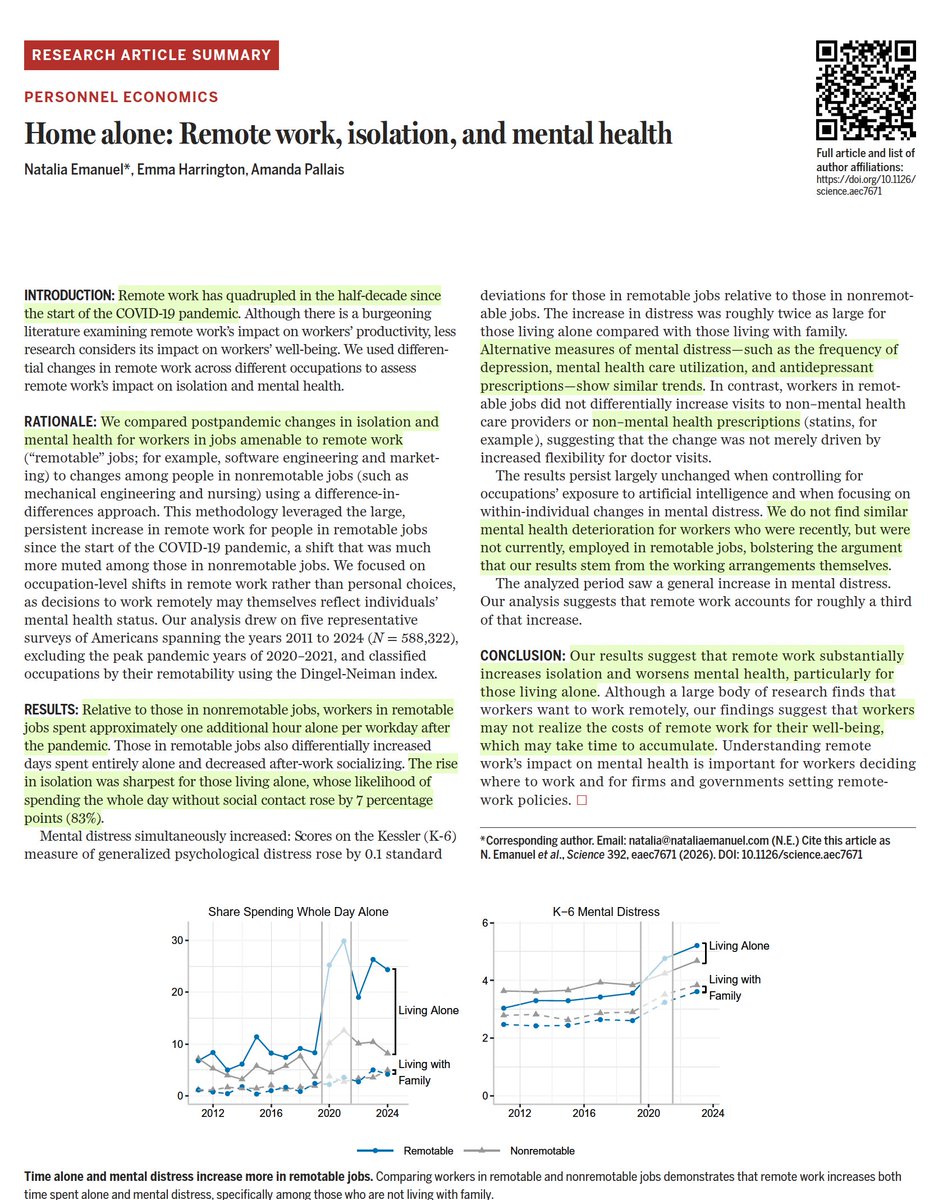
Home alone. Remote work can adversely influence mental health. A new study @ScienceMagazine
science.org/doi/10.1126/scie…
science.org/doi/10.1126/scie…
47
258
985
102,034
michal preminger retweeted

Jun 5
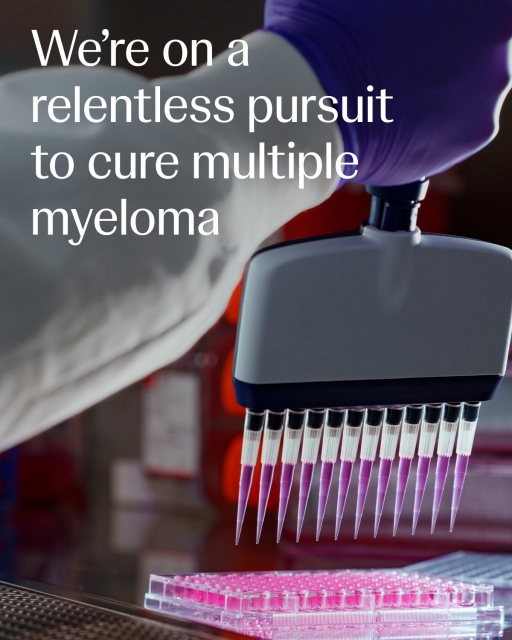
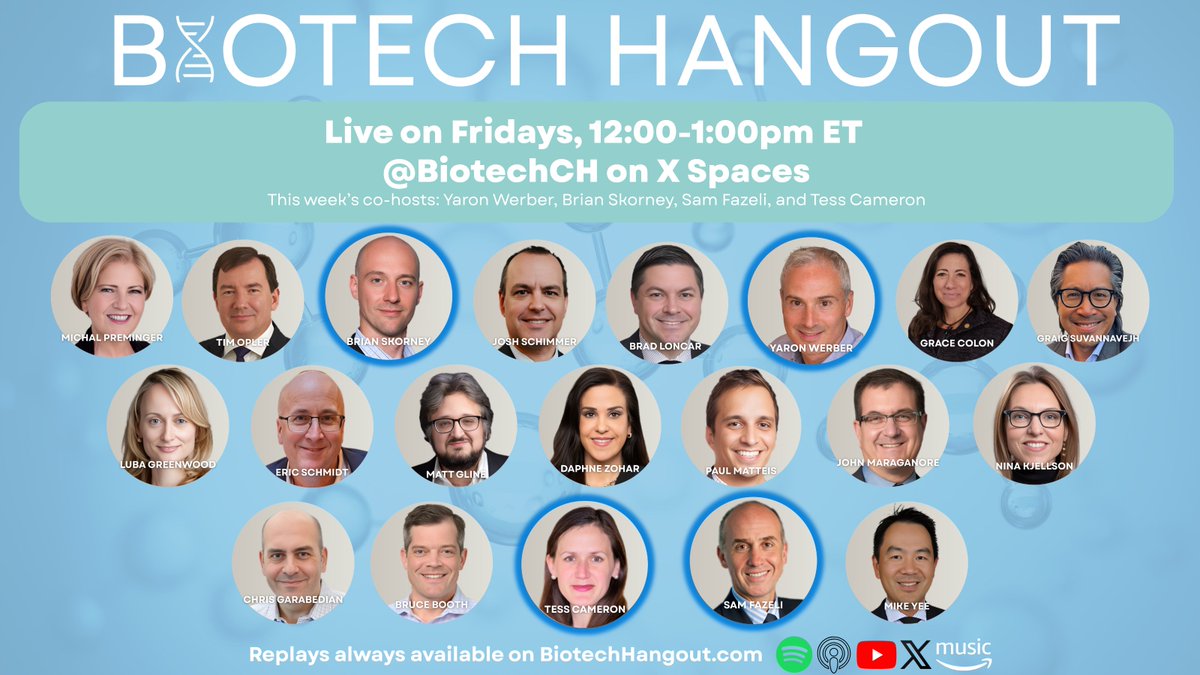
On today’s #BiotechHangout, @YaronWerber, @BrianSkorney, @SamFazeli8, & @t_lorriman will cover macro: AI is hot, biotech is not, industry response to COINS Act, #ASCO2026: $RVMD RAS/PDAC history in the making, PD1xVEGF controversy & $BNTX in #NSCLC, $PFE vs. $ONC in CDK4, SERD wars, $LLY’s in vivo CAR-T for myeloma, head & neck wars ($JNJ, $BCAX, $GMAB), $INCY in 1L DLBCL – can $GMAB’s Epkinly look better?, Grail’s cancer detection test, plus other data: $RLAY comes out well w/o showing at ASCO, $ABVX news – good or bad?, $PRAX epilepsy readout & much more: x.com/i/spaces/1dGYllDLangKX
10
4
8
4,368
michal preminger retweeted
May 15
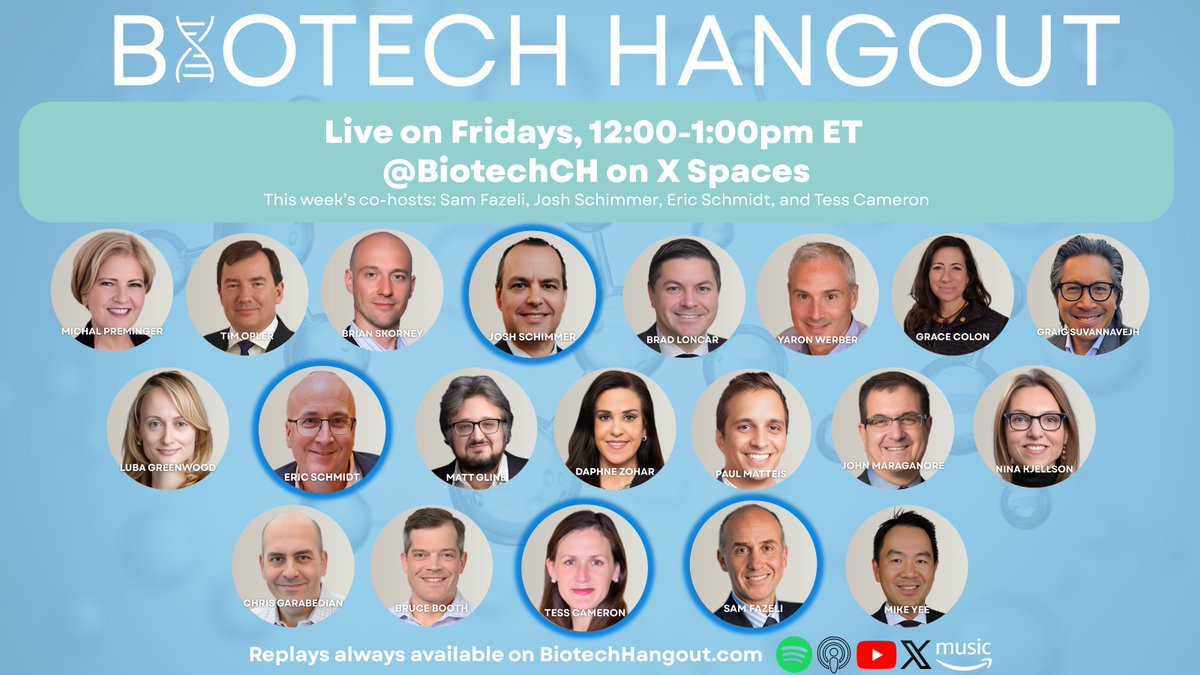
On today’s #BiotechHangout @SamFazeli8, @biotech1 (Josh Schimmer), @EricSchmidt151, & @t_lorriman will cover deals & financings: $BMY/Hengrui up to ~$15B partnership deal, $ARVN/ $PFE $85M upfront licensing deal w/$RIGL for newly approved Veppanu, Isomorphic’s massive $2.1B Series B, policy & regulatory: Makary’s resignation & what this means for biotech, plus company news & data: $BIIB tau data, $INBX interim Phase 2 data & major stock shifts, $MRNA Hantavirus vaccine, & what’s hot at #ASCO2026, #ADA2026, & #EHA2026 & much more: twitter.com/i/spaces/1nJOLEZ…
14
3
9
3,887
michal preminger retweeted
May 14
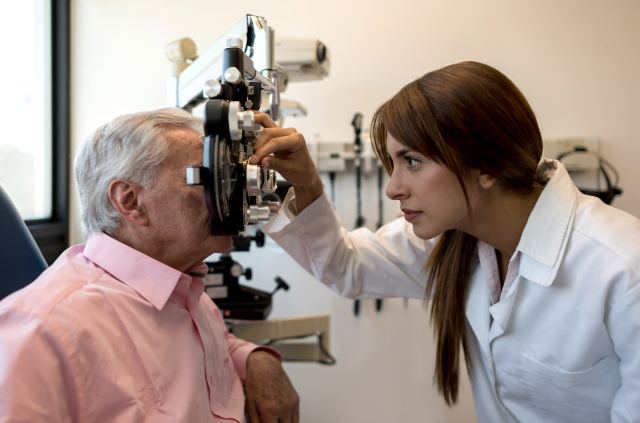
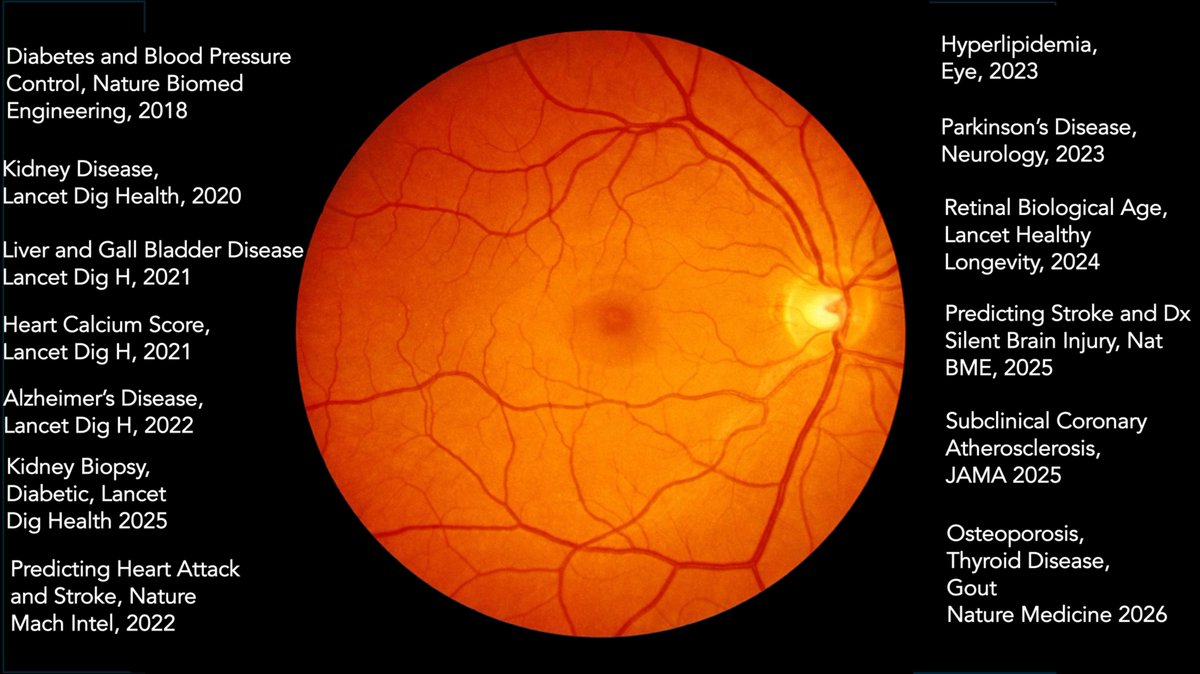
Our retina image is so rich with information, a gateway to the whole body, well beyond the eye. Today add osteoporosis to the list.
journals.plos.org/digitalhea…
This adds to what I recently wrote about at Ground Truths erictopol.substack.com/p/the…
13
103
340
34,113
michal preminger retweeted

May 13
An appeal to @realDonaldTrump from those of us developing potentially life changing medicines. The next @US_FDA commissioner should have: deep regulatory experience, a track record of reform, and the ability to lead a scientific institution under political & competitive pressure without compromising speed or rigor nopatientleftbehind.org/fda-… Rick Pazdur is one exemplary candidate and the industry looks forward to supporting whoever is appointed. Thanks to @NPLB_org & @PeterKolchinsky for initiating - please sign & share.
5
21
85
11,558
michal preminger retweeted
May 5
Looking forward to the implementation of quicker/less bureaucratic path to first in human and only one pivotal study required for approval. Question is when these changes will happen and will all FDA offices/divisions support.
May 5

We’re deeply committed to reforming our IND/Phase 1 process.
We must retain our position as the world leader in biotech.
8
7
30
7,275
RT @EricTopol: If FDA does this, which is highly likely succumbing to pressure from RFK Jr, it crosses a new red line and, as far as I know…
192

Mar 26
34
Mar 25
1
48
michal preminger retweeted
Feb 20
On today’s #BiotechHangout, @EricSchmidt151, @SamFazeli8, @MatteisPaul, @soowannaway (Graig Suvannavejh), & @luba_greenwood will discuss the $XBI: healthy pause or lost momentum?, deals & fundraises: China biotech out licensing deals surge, $LLY / Innovant deal, $IMUX $400M raise, FDA in the news: $MRNA flu vaccine rejection & flip following Trump/Makary meeting, plus rejections - $RGNX, $IRON & implications for $DNLI, FDA defaults to one pivotal trial for new drug approvals, FDA crack down on $HIMS, positives from Prasad/Markay era & what happens if they go, company news: analysis on Keytruda patents & potential industry impact, $JNJ invests $1B in mfg. facility for cell therapies, $SNY CEO out, plus data: Roche Ph3 in kidney, $CMPS Ph3 psilocybin, $OCUL Ph3 eye drug data & stock dip, & much more: x.com/i/spaces/1nxnRYYWWrXxO…
13
2
9
3,657
michal preminger retweeted
Jan 30
On this week’s #BiotechHangout, @biotech1 (Josh Schimmer), @SamFazeli8, @BrianSkorney, @YaronWerber, are joined by @IAmBiotech’s John Crowley to discuss latest perspectives on happenings & tone in D.C.: what’s next with MFN, FDA updates, biotech race w/China ($AZN $15B mfg. investment in China & $1.2B upfront deal w/CSPC), latest IRA list, plus market sentiment: growing number of high-quality private companies, & potential IPO feeding frenzy, $IBB hitting new highs while $XBI lags, investor sentiment survey, Eikon ($EIKN) IPO filing, deals & investments: $MRK ends $RVMD deal talks, $RGNX clinical hold, $MRNA’s upcoming readout, Roche Ph2 obesity data, plus $SRPT 3-year update for Elevidys, & much more: twitter.com/i/spaces/1vAxRQv…
11
1
19
10,630
michal preminger retweeted
21 Oct 2025
Mark your calendars! #BiotechHangout & @BiotechTV are back again for our annual IRL networking event at #JPM26! Join us at Persona on Tuesday, January 13th from 7-10pm for a chance to meet up with biotech friends.
Interested in sponsoring the event? Reach out to team@biotechhangout.com for more information. Additional registration information to come.
6
23
6,149
8 Oct 2025
Jefferson Life Sciences formally launching today under Laura Lande-Diner leadership and with an experienced strategic advisor team. For more see this:
linkedin.com/posts/laura-lan…
114

The 2025 Align Summit, MassBio’s annual early-stage and funder partnering conference, is two weeks away on October 7!
Secure your spot: massbio.org/events/align-sum…
#AlignSummit25 #PatientDriven
3
2
347
michal preminger retweeted

28 Aug 2025
A common pitfall for CEOs in fundraising processes is coming off as “not in the weeds”. This often happens when a CEO is used to deferring to other team members but takes a call on their own. However, it can also be obvious that a CEO isn’t invested in the details if there’s a handoff to someone else on a basic question.
Here are some science topics that a CEO should know cold: 1) for each data set presented, should know the details of the model / experiment, particularly for in vivo work (dose groups; # of animals; duration of dosing; details of model system – e.g., if a targeted tx, # of antigens on the surface); 2) should know what other models have been tested which aren’t shown, including whether other positive controls were used; 3) should have a view on how competing molecules look in same / similar models; 4) should know what additional experiments are planned.
On the clinical / regulatory side: 1) clinical trial design (for studies run to date and pivotal); 2) ITT vs. per protocol results; 3) timeline for regulatory discussions; 4) ex-US strategy.
On commercial / competition: 1) key competitors and their stage; 2) sales of competing drugs in your indication; 3) competitor data; 4) addressable prevalence (or incidence) and peak sales potential; 5) your IP expiry.
CEOs also sometimes flounder around financing topics, especially early in the financing process, including 1) estimated cash balance and runway; 2) planned raise size / scenarios; 3) use of proceeds / key milestones; 4) insider interest. On insiders, you probably won’t have a firm commitment early on but it’s helpful to characterize whatever you DO know.
On all these points, the most uncomfortable part is often not the fact that the CEO doesn’t have the answer, but rather the deer in the headlights look that implies it hasn’t even been considered. To this end, it can help to generate a list of Q&A prior to launching your raise. Ask some smart ppl who aren’t close to the story to look through your deck and give their thoughts – the closer you are to a program, the easier it can be to lose sight of likely points of inquiry.
2
1
41
3,845
michal preminger retweeted

19 May 2025
📣Today we announced that we intend to acquire @23andMe with plans to maintain their consumer genetics business and advance our shared goal of improving human health and wellness. bit.ly/43gI75D
8
28
85
11,423

Calling all oncology innovators! Submit your best ideas with potential to transform the future of precision oncology for a chance to pitch to J&J leadership in Shanghai. Apply before June 6. jji.jnj/aponc25
1
1
819
michal preminger retweeted
21 Feb 2025
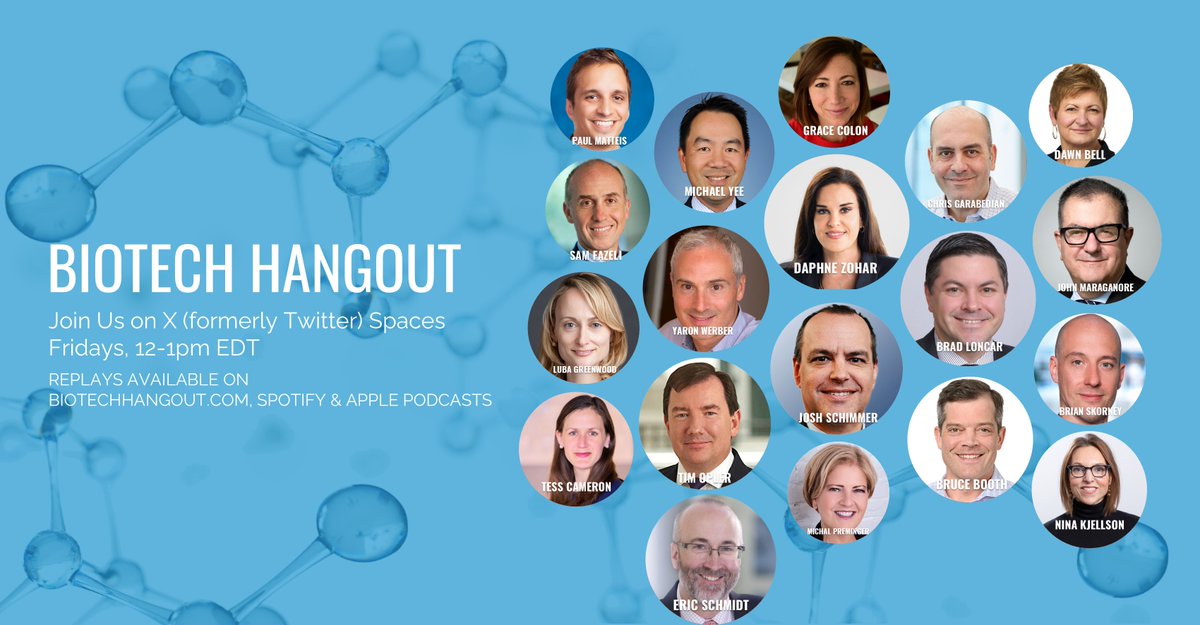
On today’s #BiotechHangout, hosts @bradloncar @EricSchmidt151 @t_lorriman @luba_greenwood @TimOpler are joined by @adamfeuerstein to discuss zombie biotechs & the news of the week: $BIIB / $STOK deal, $SLDB DMD gene therapy data & fundraising dynamics, $SWTX buyout rumors, $BLUE acquisition, $SEPN drops lead asset, $FGEN China deal, $BBIO Attruby launch, Formycon earnings, glp1 compounding, $HIMS soars & why doesn’t Novo sue for patent infringement, plus a look at deal activity, shifts in pharma priorities, cash flow investing, market mood, 13f filings & fund returns, & much more: twitter.com/i/spaces/1YqJDZW…
1
6
23
11,459
michal preminger retweeted

11 Dec 2024
As brothers and business partners, Justin and Colin of @SerotinyBio know the importance of true partnership. See their inspiring story and how J&J has supported their groundbreaking cell therapy platform in our #AllIn series: jji.jnj/498eNAK
2
2
739