Founder of getrest.app and @thepodcastapp, previously founder of @streema.
Joined February 2008
- Tweets 4,349
- Following 617
- Followers 780
- Likes 187
70 Photos and videos


Martin Siniawski retweeted

Mar 16
Tomorrow is @nuvocargo's biggest launch to date. Below is a sneek peak.
What the hell does freight have to do with the Roman empire? Follow me so you can see yourself - tomorrow!
7
14
24
2,004

Mar 10
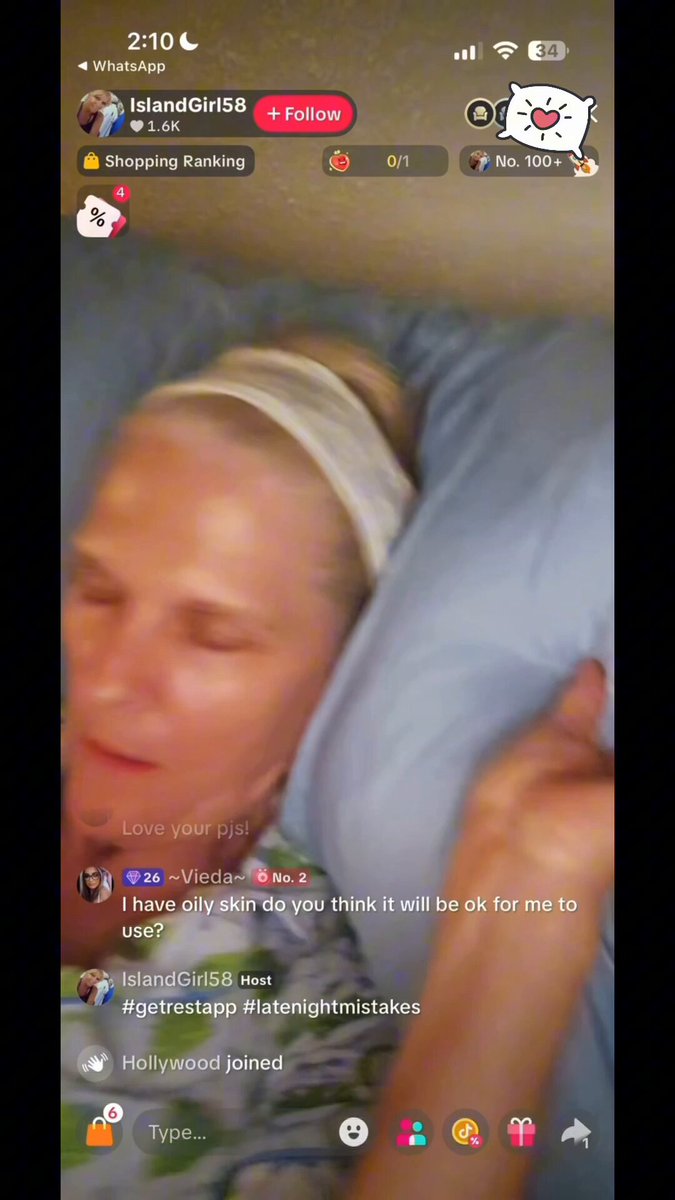
Last night Rest showed up where insomnia actually lives: TikTok Shop at 3am.
This Sleep Awareness Week, we didn't want to talk about sleep during the day. We wanted to find people at the exact moment insomnia has them in its grip — scrolling, making bad decisions ("late night mistakes"), doing anything but sleeping.
Streamers went live teasing sleep "hacks" — cooling pillows, melatonin gummies, panda-eye concealers. All of it a setup to offer something actually backed by science that works: Rest.
In one night, we partnered with creators reaching a combined audience of over 500,000 people. People who were wide awake when they wanted to be sleeping. We met them in their worst moment and offered them a real way out — an AI-powered sleep program built on real clinical science, not another band-aid.
Because this Sleep Awareness Week there's no shortage of awareness that sleep matters. What's missing is awareness that effective solutions actually exist.
If you or someone you know is struggling with sleep, this Sleep Awareness Week we're offering 50% off: sleepl.ly
#SleepAwarenessWeek #LateNightMistakes #RestApp #StartSleepingGetDreaming
2
17
33
1,923
Mar 7
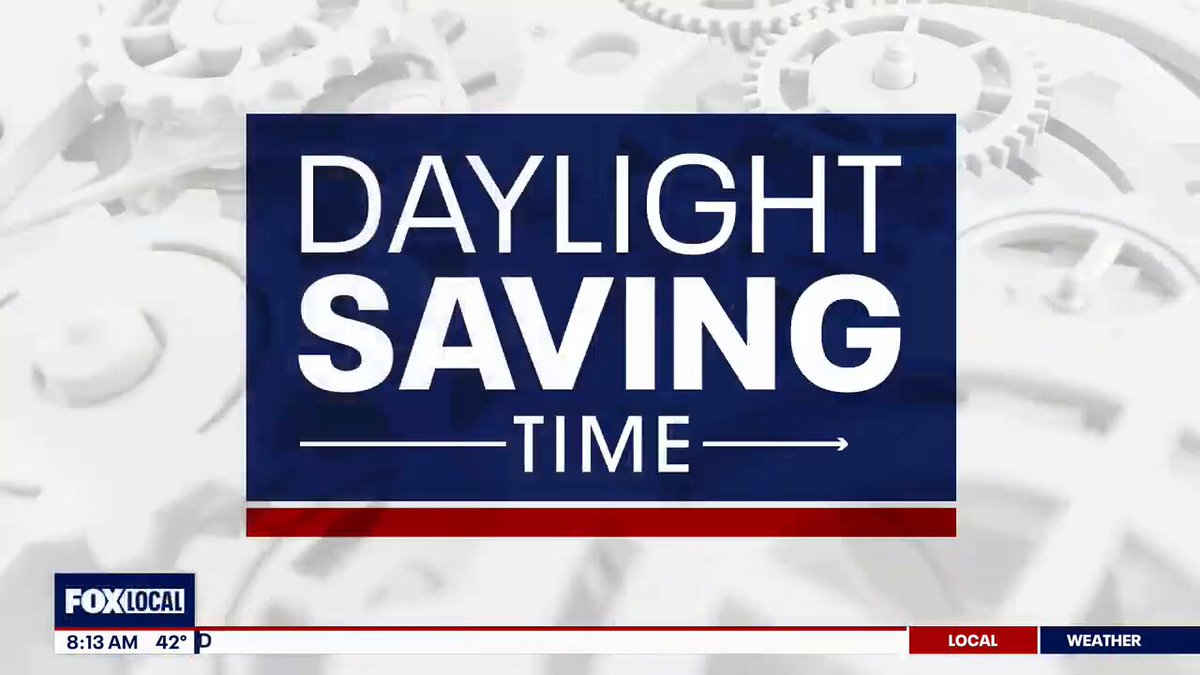
Live TV before coffee hits different ☕
Grateful to have joined Annie Miller, MSW, LCSW-C, LICSW and @MaureenUmehFox5 on FOX 5 DC this morning for Sleep Awareness Week.
For years the advice has been: "just put the phone down." But anyone who's stared at the ceiling at 2am knows it's not that simple. You don't scroll because you want to. You scroll because sleep won't come and you don't know what else to do.
That's exactly why we built Rest, to prevent those nights from happening in the first place and give people the capacity to show up for their lives.
Not a sleep sound. Not a gummy. A program that actually retrains your brain to sleep.
Incredibly proud of what the team has built, and even more excited about what's coming next. If you've ever lost a night to the scroll, this is for you.
🔗 getrest.app
Start Sleeping. Get Dreaming.
2
2
9
335
31 Oct 2025
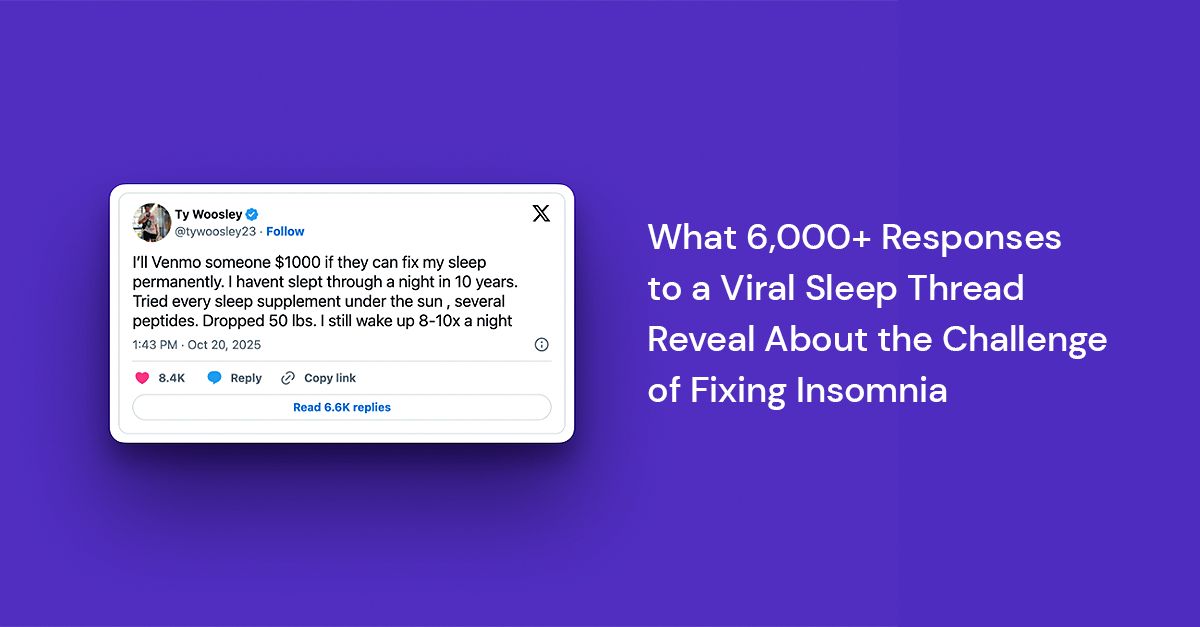
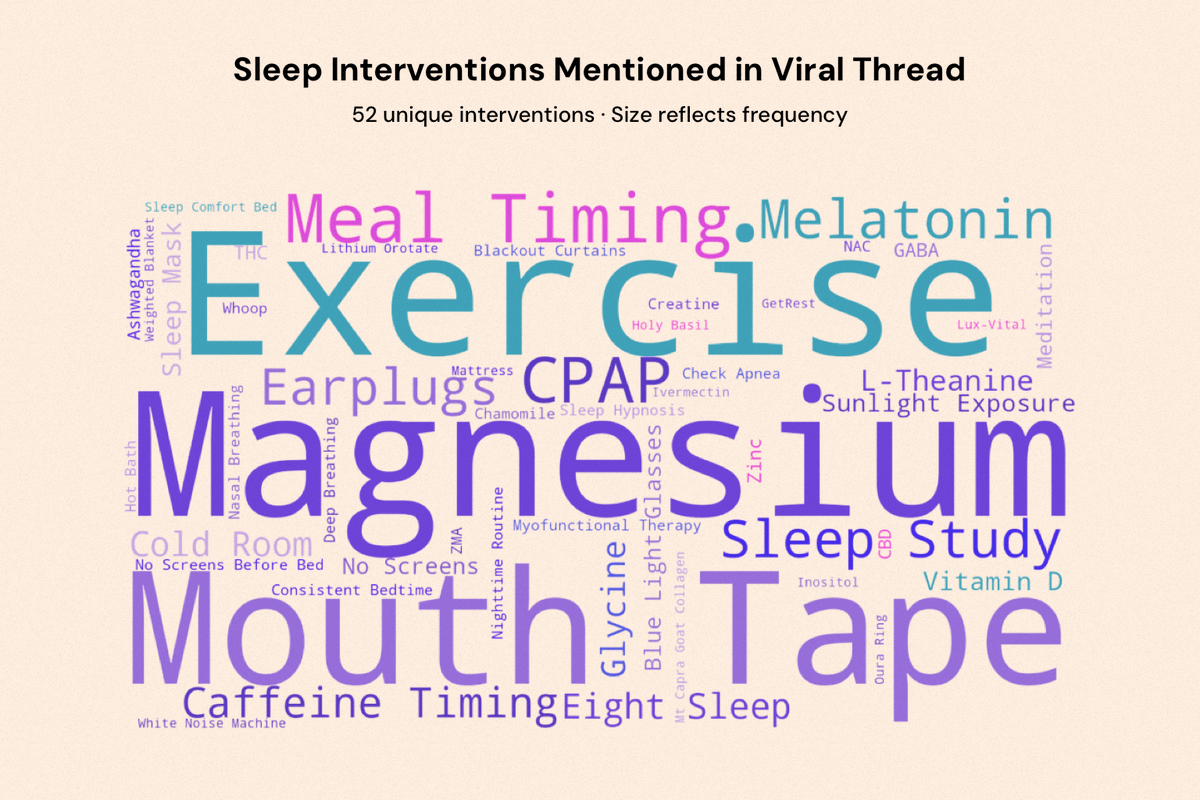
We analyzed over 1,000 messages from a viral sleep thread. What we found changed how I think about online sleep advice.
A fitness coach offered $1,000 to anyone who could fix his 10-year insomnia. The post exploded—6,000 replies, 1.7 million views. Even Matt Walker and Bryan Johnson jumped in.
I clicked through expecting maybe some good advice. What we found was... fascinating.
We decided to analyze it. Over 1,000 messages. Every recommendation categorized, counted, cross-referenced.
I thought we'd find consensus. Maybe a few standout solutions everyone agreed on.
Instead, we found chaos.
52 different interventions with enough traction to matter. Everyone absolutely certain their answer was THE solution.
The #1 recommendation? A supplement—but not the one you'd expect. Even within those mentions, people contradicted each other on which type, how much, and when to take it.
Then the sleep advice got weird:
- Skydiving
- Sleeping on boats
- Eating blocks of cheese before bed
- Shining lights in... unexpected places
All impossible to distinguish from the legitimate medical advice.
What's someone supposed to do with all this?
If you wanted to test things methodically—just 2 weeks per intervention—you'd need 2 years.
But sleep is complex. Many respondents didn't recommend just one thing—they shared specific combinations, sequences, and protocols.
Want to try combinations of 2 interventions? 51 years.
This isn't an outlier. It’s what happens when someone asks for sleep advice online.
When you're awake at 3am, desperate for answers, 1,000 conflicting suggestions aren't helpful—they're paralyzing.
Here's what shocked me most:
The treatment with an 80% success rate, recommended as first-line therapy by the American College of Physicians and American Academy of Sleep Medicine?
3 mentions.
Three.
We broke down all the data: which interventions people swear by, the exact contradictions, the outlandish recommendations, and why the treatment that actually works barely got mentioned.
P.S. Have you ever asked for sleep advice online? Was it helpful or did it just make things worse? I'd love to hear what happened.
1
1
7
302
Martin Siniawski retweeted

22 Oct 2025
QVC for b2b saas - first up: @fondocom x.com/i/broadcasts/1BRJjgRDk…
2
5
27
14,034
Martin Siniawski retweeted
22 Jan 2024
1/x Today, we launched a new version of our internal purpose-built software for US-Mexico freight - Nuvo OS. Nuvo OS is the only purpose-built workflow software to execute US-Mexico cross-border truckload freight shipments. youtu.be/YlyH_ZneLc4
Quick 🧵
4
13
56
8,853
Martin Siniawski retweeted

20 Dec 2023
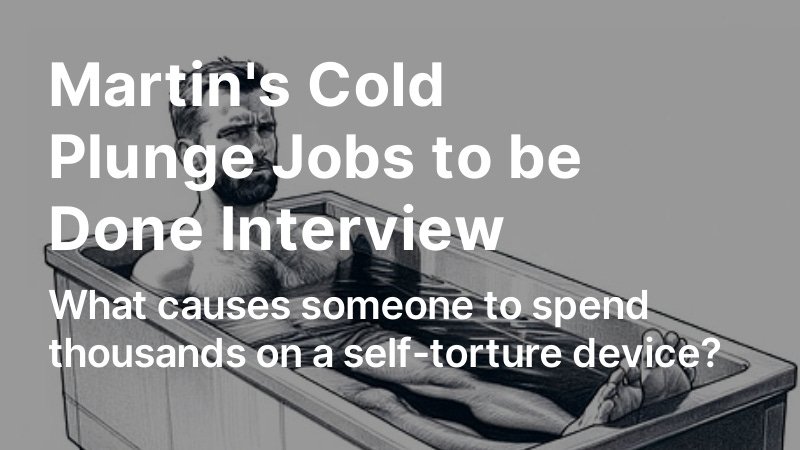
A new jobs to be done interview is live! After the interview we dive into ideas about how product improvements can address anxieties and accelerate sales. chrisspiek.substack.com/p/ma…
1
1
4
225
Martin Siniawski retweeted

4 Oct 2023
What's the best way to fund your app?
@drbarnard & @jeiting chat with @msinia of @thepodcastapp on @SubClubHQ.
They discuss:
💰 VC vs Bootstrapping
🚀 Y Combinator journey
📚 B2B vs B2C
🔄 Product diversification
🌱 Importance of distribution
revenuecat.com/blog/growth/p…
4
14
4,439
Martin Siniawski retweeted

14 Nov 2022
@Jillwillnyc at @CowboyVC articulated the "SaaS fintech" playbook perfectly. LÜK changed to this model in March and has been growing 47% MoM ever since.
medium.com/cowboy-ventures/w…
6
44
85
1 Mar 2022
March is Colon Cancer awareness month. I lost my dear cousin to it a few years ago, which makes the following mission personal. #MissionToUranus #CheckYourColon
1 Mar 2022

Liftoff! #MissionToUranus is underway 🚀. This is the most important mission on earth – get screened. #CheckYourColon #Colonoscopy Learn more here bit.ly/3p7OoNU Join #MissionToUranus with a RT
3
7
20 Jul 2021
I’m proud to announce the release of our original show Breakthrough! We developed it with my longtime coach Ryan Soave, who's been instrumental in my own personal improvement journey as well as in the lives of countless others.
Start listening now: podcast.app/breakthrough
20 Jul 2021

Do you ever find yourself making decisions out of fear? What's holding you back? Share your thoughts in the comments.
Break free of your limiting beliefs in our new original podcast, Breakthrough. Listen to episodes 1 & 2: podcast.app/breakthrough-o1/
4
7
Martin Siniawski retweeted

20 Jul 2021
Do you ever find yourself making decisions out of fear? What's holding you back? Share your thoughts in the comments.
Break free of your limiting beliefs in our new original podcast, Breakthrough. Listen to episodes 1 & 2: podcast.app/breakthrough-o1/
5
6
Martin Siniawski retweeted
4 Sep 2020
Super special thanks to @AppStore 🙌 for featuring us this week on Apps We Love Right Now and on the News Category!
You can catch us there or give us a try at 👉apps.apple.com/us/app/the-po…
6
14
Martin Siniawski retweeted
18 Jun 2020
This week's pick is an episode by @EstherPerel
Step into iconic relationship therapist Esther Perel's office and listen to an anonymous couple in search of insight, through their stories.
podcast.app/couples-under-lo…
3
3
Martin Siniawski retweeted
4 Jun 2020
This week's pick is "How Exercise Helps Us Find Happiness, Hope, Connection, and Courage" by @kevinrose, where the health psychologist @kellymcgonigal talks about physical exercise as a powerful antidote to depression, anxiety, and loneliness.
podcast.app/kelly-mcgonigal-…
4
8
Martin Siniawski retweeted
4 May 2020
This week's quick and easy listen is "Sleep is your Superpower" by Matt Walker @sleepdiplomat on @TEDTalks!
"Sleep is your life-support system and Mother Nature's best effort yet at immortality," says sleep scientist Matt Walker
podcast.app/sle-is-your-supe…
5
7
31 Mar 2020
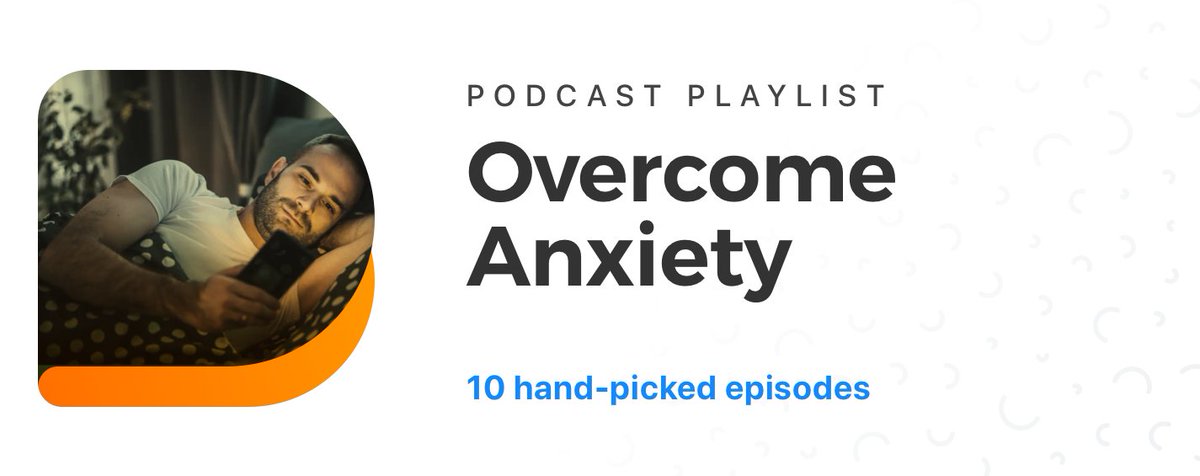
"Overcome Anxiety" is our most popular playlist, and we've just updated it with great episodes that were just released 👇🧘
31 Mar 2020
Don’t forget we’ve curated great podcasts with practical tips to keep anxiety in check and find peace amidst such an uncertain situation.
🧘♀️ podcast.app/overcome-anxiety…
2
4