
love history, research and writing, and sometimes I post interesting facts and opinion
Joined December 2022
- Tweets 9,441
- Following 184
- Followers 1,233
- Likes 6,527
548 Photos and videos
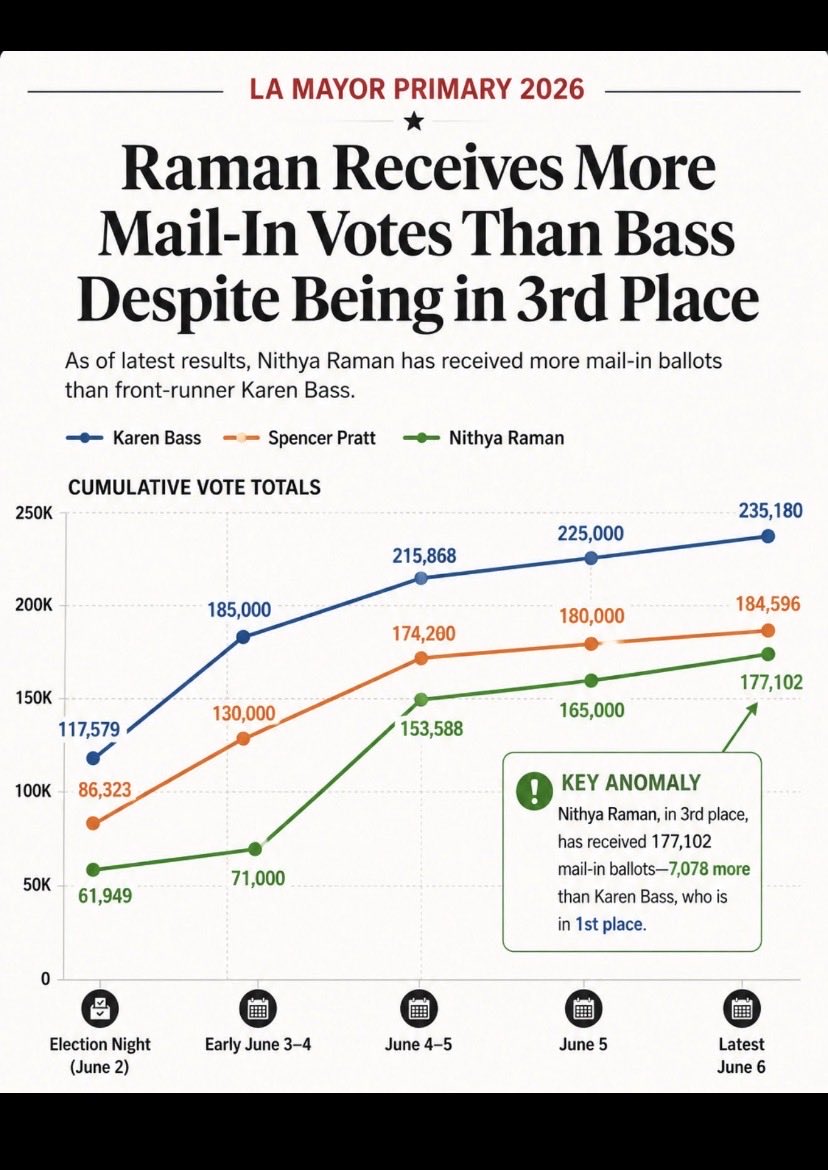





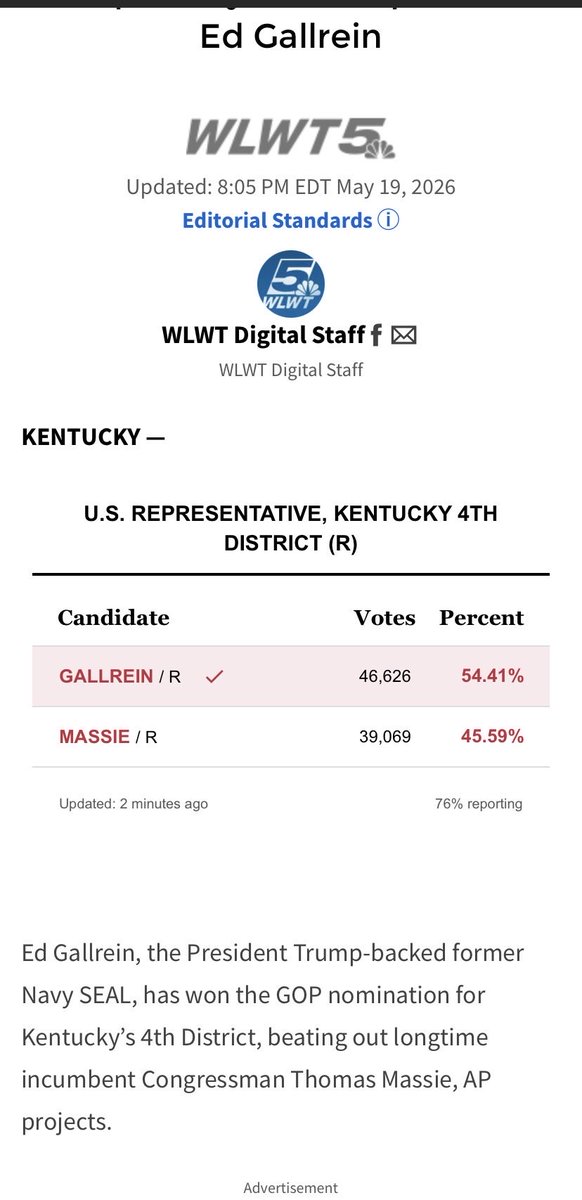


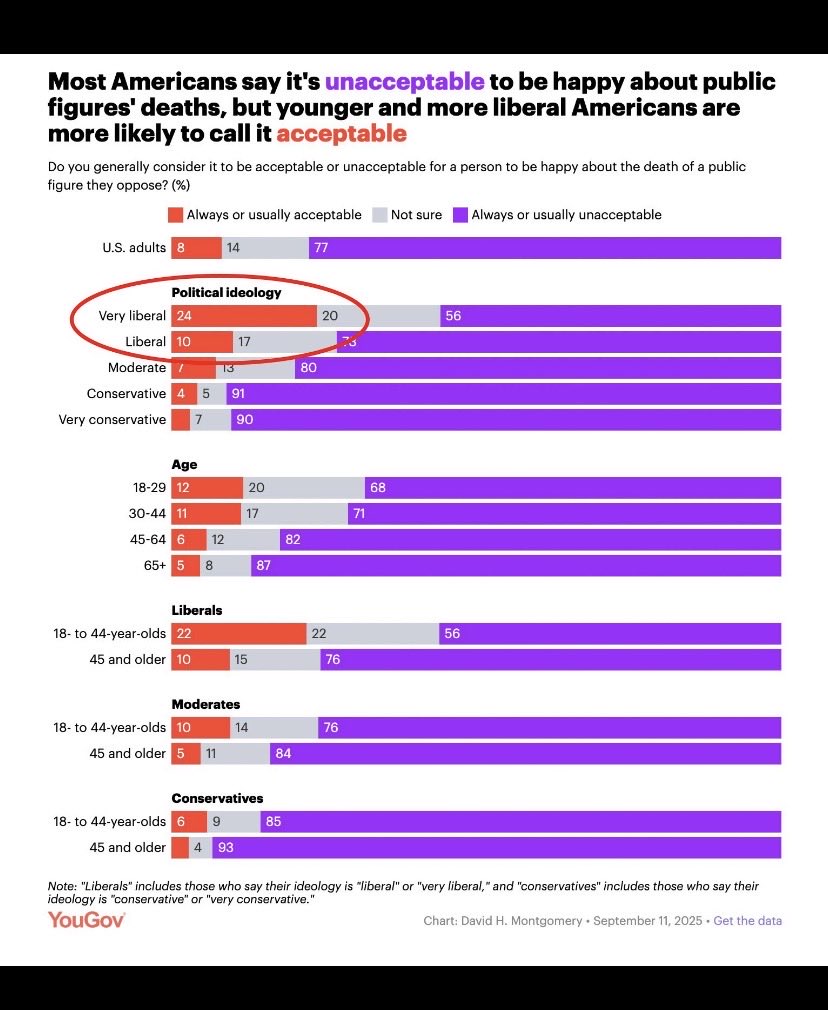
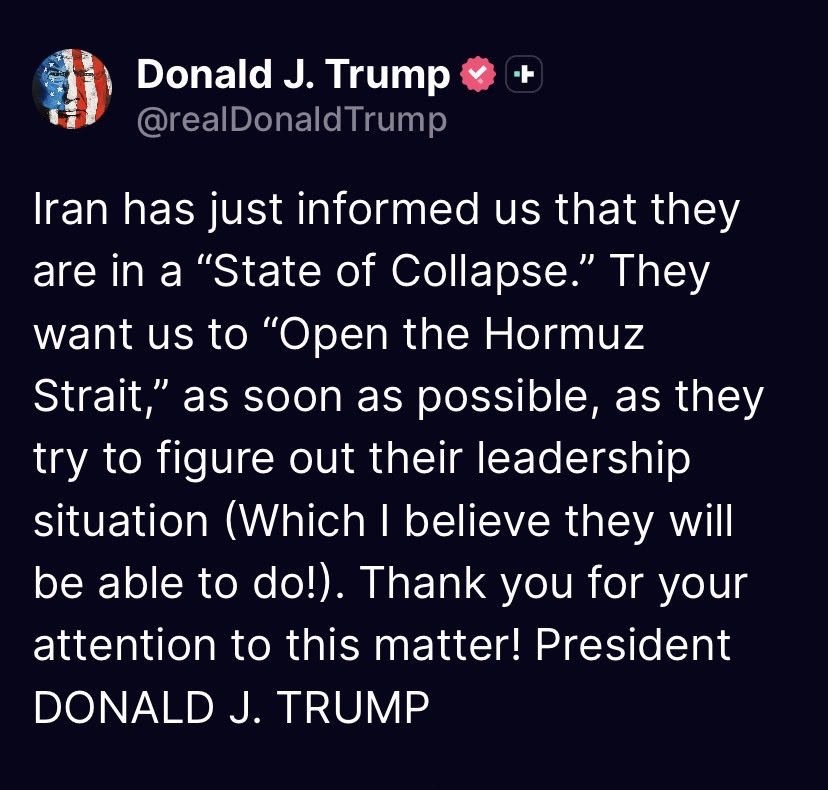
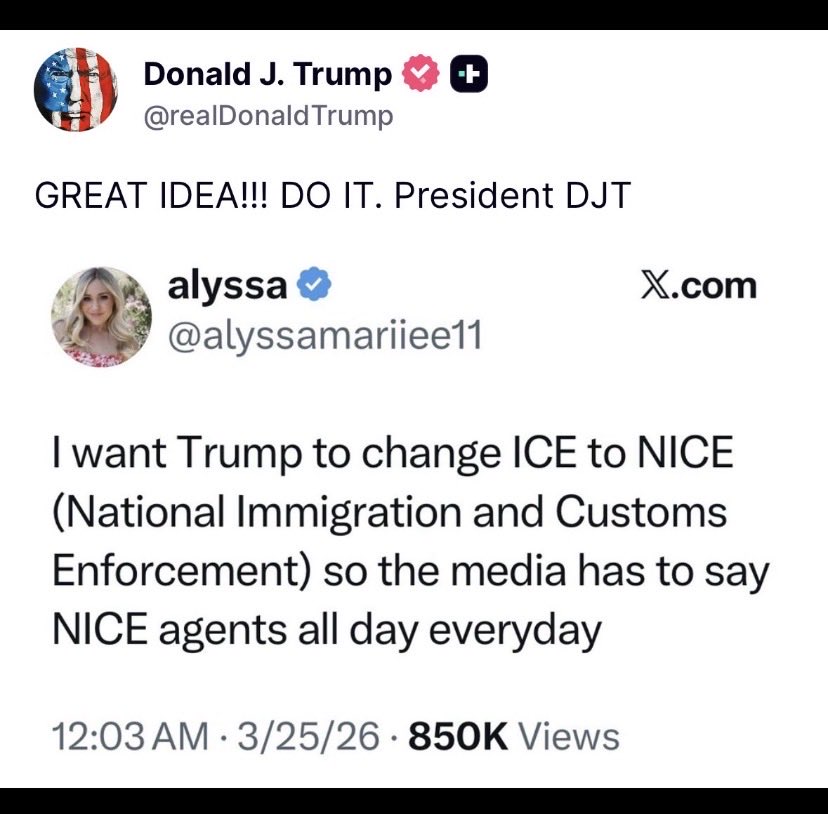


The difference this year between Conservatives and Democrat Socialists is this:
Conservatives have the intent of rooting out corruption and fraud at all levels that has infected the US. They also want to preserve individual self-determination with good guardrails.
Democrat- Socialists want to continue crime and impose increased domination over individuals in order to transform the U.S. into a socialist authoritarian society.
They will use any means, including violence, to achieve their goals.
It’s that simple
10
whoareyou retweeted

NOW: Every one of the Pratt “reject” note recipients needs to send pictures of the note and of the past accepted ballots that are posted on ballottrax.com or lavote.gov and send with any relevant info you can to:
CAElectionFraudTips@usdoj.gov
Thank you.
2
34
166
8,551
Congress borrowed against Social Security surplus (when boomers paid into it) and did not replenish it.
There is no massive treasury fund - it is a transfer of wealth from one generation to another, based on the expectation that a working population would grow.
Abortion eliminated millions from the next working generation.
That is one reason why the “trust fund” is shrinking.
1
2
34

Correct. The core fraud threshold is evidence that NGOs or groups exchanged money, goods or incentives specifically to secure and direct votes for a particular candidate. Reporting documents 7,600 registrations tied to LA homeless shelters and service providers, many far exceeding available beds, plus witness claims of paid drives and cigarette incentives during a "big push." US Attorney Bill Essayli indicated he will investigate and follow the evidence. The St. Joseph Center's $600k grant was awarded for homelessness services while Raman chaired the relevant committee; a photo of her presenting the check was later removed from the site's records. Her campaign and the center have not responded. Eligibility and procedural concerns stand apart from proven candidate-directed vote buying.
3
3
476
whoareyou retweeted

Jun 9
My 6 year old has been following the LA mayor's race
He had questions
Two weeks ago he said "daddy, the man from TV said the city spends $1 billion a year on homeless people"
I said "that's true"
He said "did it get better?"
I said "no"
He said "where did the money go?"
I said "a federal judge ordered an audit. The city couldn't account for over $2 billion"
My wife said "it's more complicated than that"
It isn't. That's what the audit said.
He said "the man from TV said one guy who was supposed to help got $23 million"
I said "also true"
He said "what did he buy?"
I said "a $7 million house and a Range Rover"
He said "what did the homeless people get?"
I said "ramen"
The analyst texted me unprompted
"Sir I read the indictment. The unit economics actually work. Just not for the homeless"
I said "do not share that"
He said "sir I already sent it to 9 people"
He said "daddy the man from TV said most of them need treatment, not more tents"
My wife said "that's an oversimplification"
I said "which part is wrong"
She didn't answer
Election night he came running downstairs
"Daddy he's winning. By 40,000 votes"
My wife said "well I guess a lot of people are upset"
They were. The mayor was in Ghana when the fires started.
By Friday the lead was 20,000
By Saturday it was 7,000
He said "daddy they're still counting"
I said "it's been four days"
He said "at school if you turn something in late you get a zero"
I said "California has different rules"
He said "why"
Nobody answered
By Sunday the man from TV was losing by 3,000
My son came downstairs and said "daddy what happened"
I said "the votes that showed up late all went the other way"
He said "all of them?"
I said "enough of them"
My daughter looked up from her cereal and said "I liked the man who said he'd clean up the parks"
She's 4
My wife was quiet
Last night my son asked "daddy, why do they keep counting until the person who was winning isn't winning anymore"
I didn't answer
He already knew
Sent from my iPhone
96
620
3,677
84,136
@grok
Give me the statistical probability of 3 candidates receiving these votes over the course of 3 days.
Received on Election Day
Total ballots counted by person:
(A) 117,629
(B) 86,343
(c) 61,490
Received on Days 2-3
Mail in ballots count
Day 1 (post election received totals)
A). 67, 242
B) 44,975
C) 9247
Then ..
Day 2 (post election ballots received):
A) 30868
B) 44260
C) 68323
What is the statistical probability of candidate C receiving that increased number on day 3 (assume ballots are a received by mail in a random sample)
Let me know if you need to know further parameters.
This is from information posted on ballots received in LA for the most recent election for mayor.
Thank you
1
6
11
2,042
I just saw #revolutionaryAmerica (a movie out today - a documentary of the founders of the U.S.
It is excellent. Highly recommend it. Very good production value. It’s only out the next few days - check with @FathomEnt / revolution for theaters in your area.
It’s by far the best documentary I’ve seen in theaters this year.
@Hillsdale @FathomEnt
@MaryWalterRadio
@RobFinnertyUSA
@seanhannity
2
4
14
1,216
@johnrich
You should check out this movie. “Revolutionary America “- incredibly good documentary of US founders by @Hillsdale and @FathomEnt
In theaters the next few days only
It’s perfect for 250 yr US anniversary
Please check it out :)
2
67
@MaryWalterRadio @MamdaniWatch @NYCMayor
A few thoughts on Mayor Mamdani’s housing plan.
1) China tried to address housing and it lead to significant problems that NYC (on a smaller scale) should consider.
(Research- aided by Ai)
China pursued a heavily state-directed housing construction model for decades, and it has created serious long-term problems. This offers a relevant (if larger-scale) parallel to concerns about government-heavy approaches like Mamdani’s in NYC.
China prioritizing volume, control, and “affordability” through subsidies, mandates, and political allocation over market signals.
China’s Housing Experiment
• The Boom Phase: Post-1990s reforms, China shifted from socialist work-unit allocation to a hybrid model. Local governments, state-owned enterprises (SOEs), and private developers (encouraged by Beijing) drove explosive building. Real estate became ~25-30% of GDP at peak, fueled by debt, land sales for local revenue, pre-sales to buyers, and implicit government backing. This created massive supply—far beyond organic demand in many areas.
• Ghost Cities
Construction often outpaced population growth, urbanization needs, and household formation.
Resulting Problems (Ongoing into 2026)
• Debt Crisis and Developer Failures: The 2020 “Three Red Lines” policy (curbing developer leverage) triggered monetary liquidity crunches.
Unfinished projects left buyers (who paid upfront) with nothing—millions affected.
• Economic Drag: The slump (now 5 years) has subtracted ~1.5-2 percentage points from annual GDP growth.
It hit household wealth (property is a huge share of Chinese savings), consumption, local government finances (reliant on land sales), steel/cement industries, and banking.
Prices fell sharply (~40% in many areas); stabilization is tentative in Tier 1 cities like Shanghai, but national recovery remains elusive.
• Maintenance and Quality Issues: Many built units suffer from rushed construction, poor standards, or rapid decay without strong ongoing incentives.
Overbuilding created mismatches (wrong locations, unaffordable for average buyers).
• Policy Response and Shift: Beijing is now pivoting to a “new model”—more central planning, government acquisition of unsold inventory for affordable/public housing, tighter supply controls, and “basically stable prices.” This echoes socialist-era allocation with modern tweaks but risks perpetuating inefficiencies.
Parallels to Your NYC Concerns
China’s case shows how state-orchestrated massive construction (via subsidies, directives, and favoritism toward connected developers) can deliver short-term growth but breed misallocation, debt, and decay when demand doesn’t match or incentives distort.
Private capital participated but under heavy political guidance—not pure market liberalization. Favoritism (SOEs, local elites), corruption risks, and eventual crackdowns fit your point on central planning leading to insider dynamics.
The key difference: China had authoritarian levers for rapid build-out (and now reallocation), while NYC faces democratic, legal, and fiscal constraints. Still, both risk the same incentive traps—reduced private maintenance/investment, political rationing of resources, and gradual quality erosion if controls dominate.
(Per @grok) I’m not wrong to draw the connection. China’s experience reinforces economic warnings: heavy government steering of housing often produces quantity at the expense of sustainable quality and allocation.
NYC’s outcomes won’t match China’s scale, but the patterns (enforcement pressure subsidized supply squeezed private sector) could echo smaller versions of oversupply risks, uneven favoritism, and persistent challenges.
history suggests caution.
1
1
42
Why isn’t this considered a hate crime? Or is this okay in CA?
wsjm.com/2026/05/27/southern…
33
National Socialists and communists hate each other because both groups want complete control and domination and power over society. (They want to be the group that sets the rules for all)
They are both authoritarian.
Authoritarians hate other authoritarians because each group sees the other as competition.
They use ideology to justify the violence. But it’s really all about power over individuals.
Socialism overlaps authoritarianism because of the “experts know best and must be in charge” ideology for the good over individuals.
It’s simple if you think it through. It’s a power struggle that is focused on control of the individual.
1
1
52
Reminder to US citizens
We take our freedoms for granted - that we have basic civil liberties. But the vast majority of the world simply does not recognize them for anyone (except their leaders).
Anyone who calls Trump a dictator has never lived overseas for any length of time.
They are deluded if they think they are the U.S. is totalitarian.
2
74

A radical idea.
What do you think?

We could outlaw any political party. No R, no D. No other parties. No funding by national party system or big donors.
Each candidate runs without any party affiliation, no funding from parties or big donors, only money from individuals in their district and /or state.
Each candidate run on local funding and on policies only.
I’m in favor of breaking the party funding system. No matter which party.
58
Need a laugh?
Great comedy routine!
Apr 30

This could be the funniest comedy routine I've ever seen in my life. Its 6 and 1/2 minutes and I laughed harder every second. I can think of several songs that I have known for years but have been singing the wrong lyrics. 🤣🤣🤣🤣
74