
161 Photos and videos
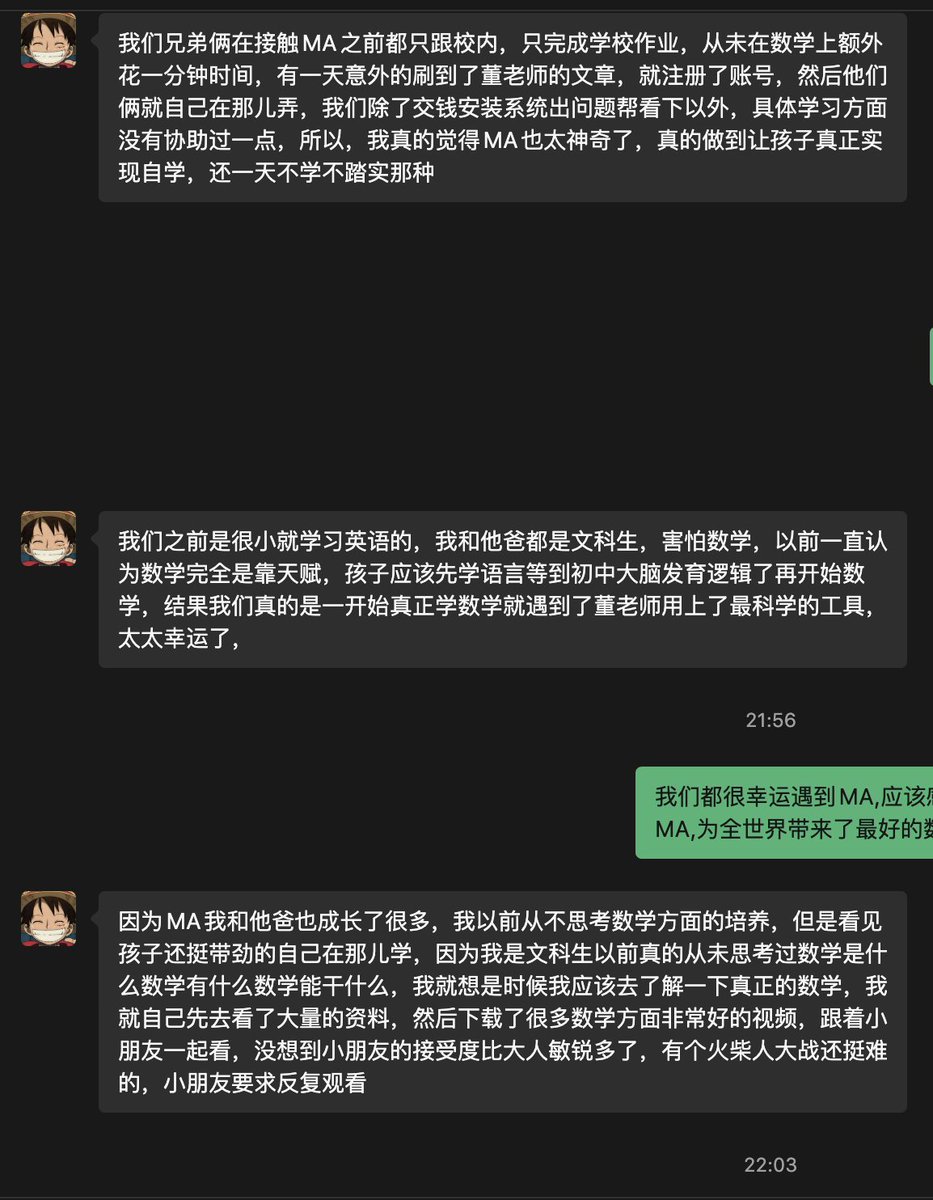
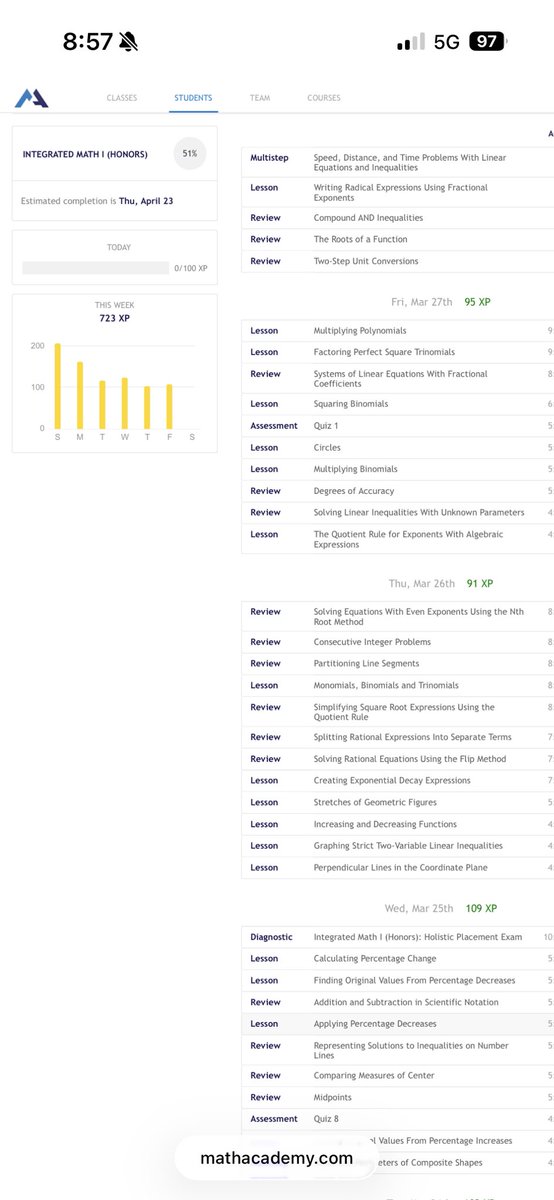
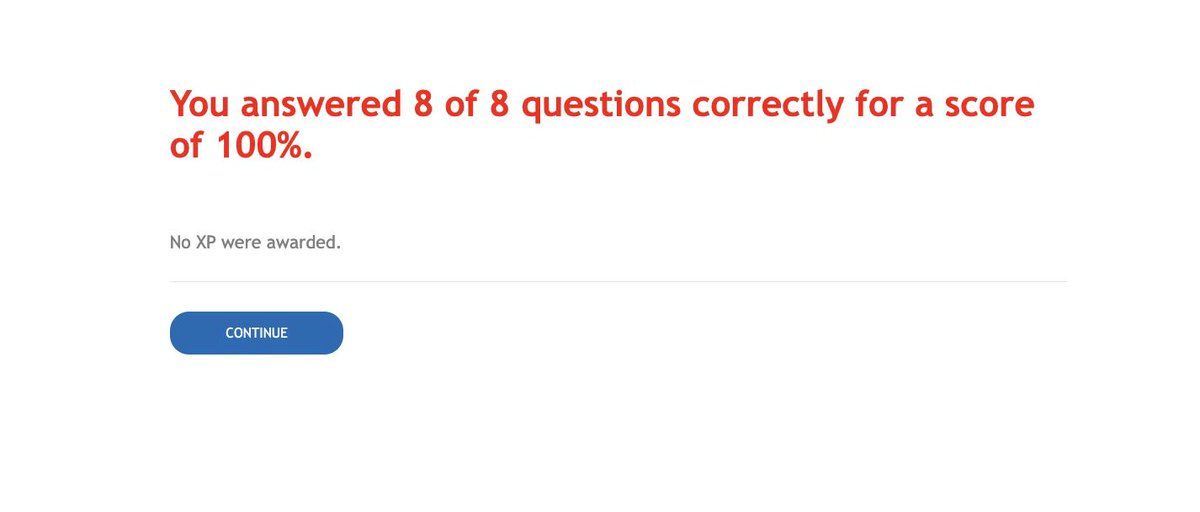
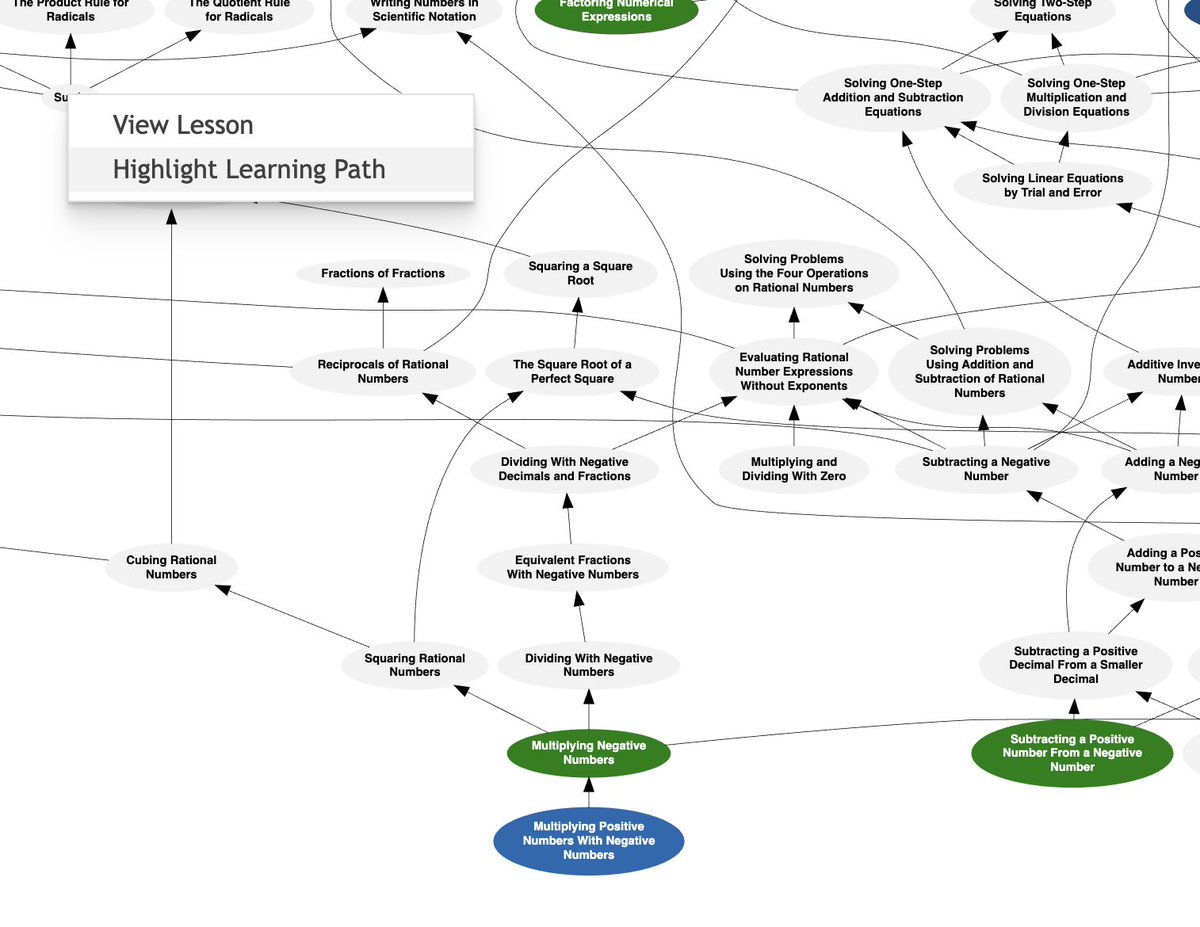
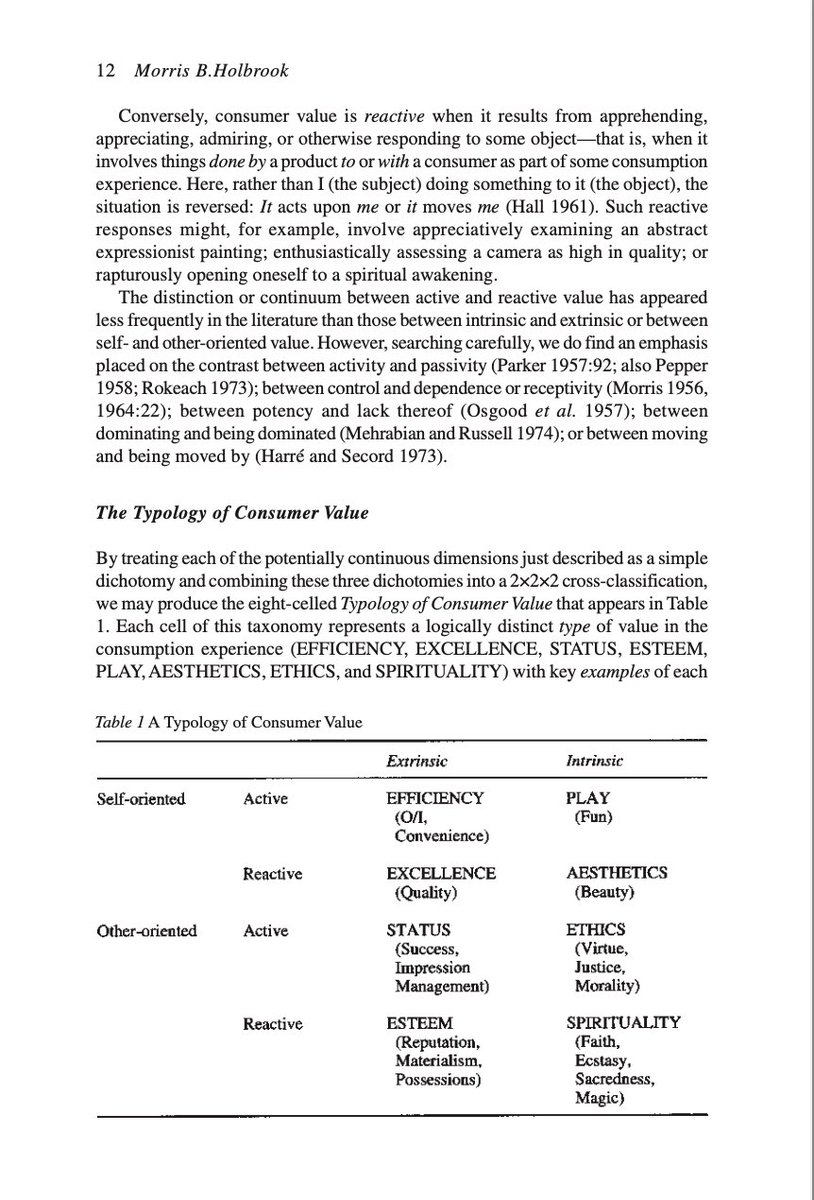
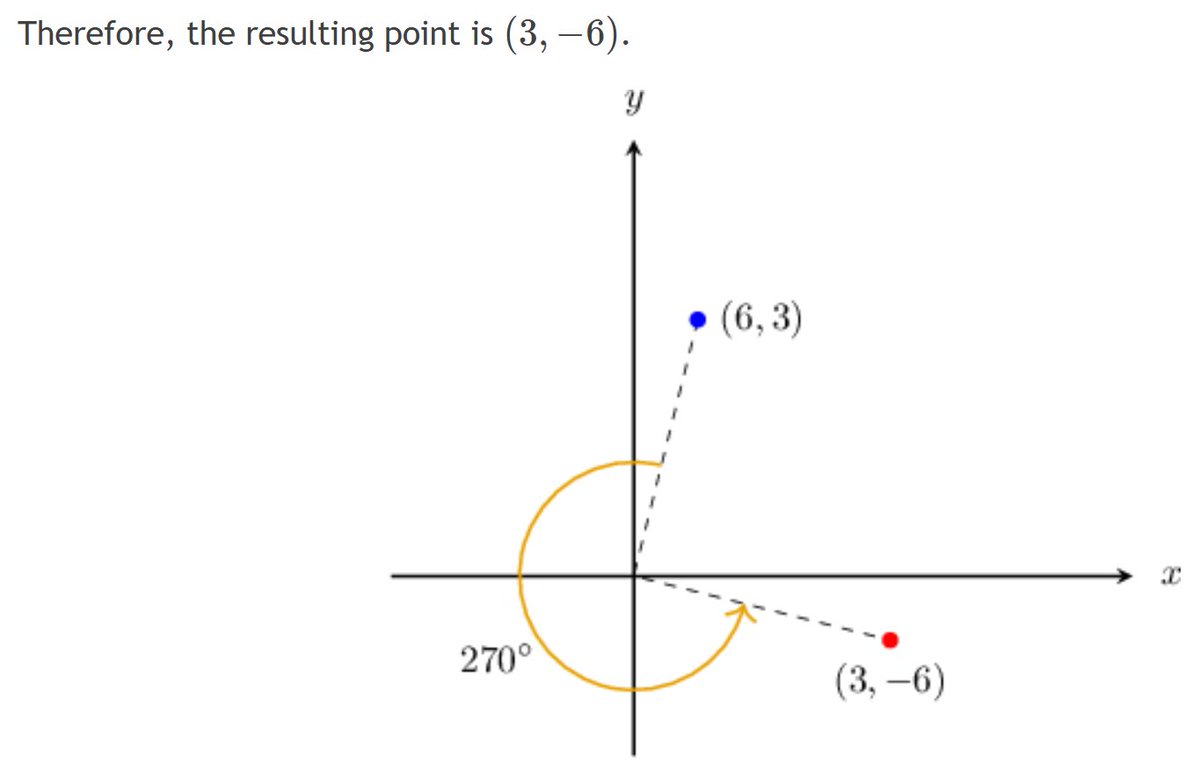
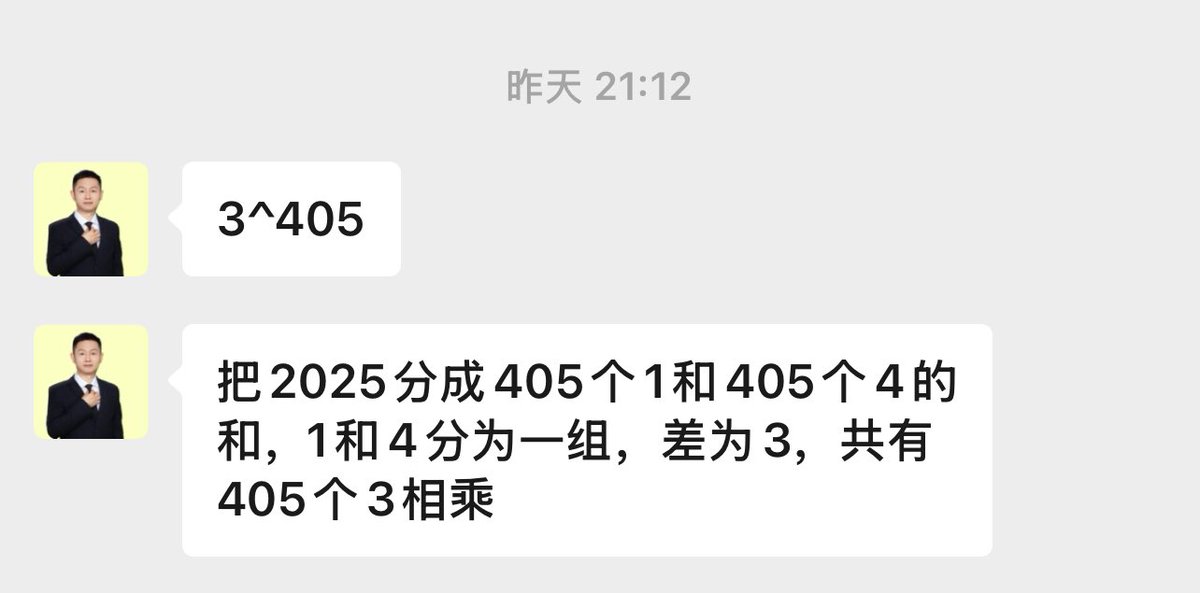
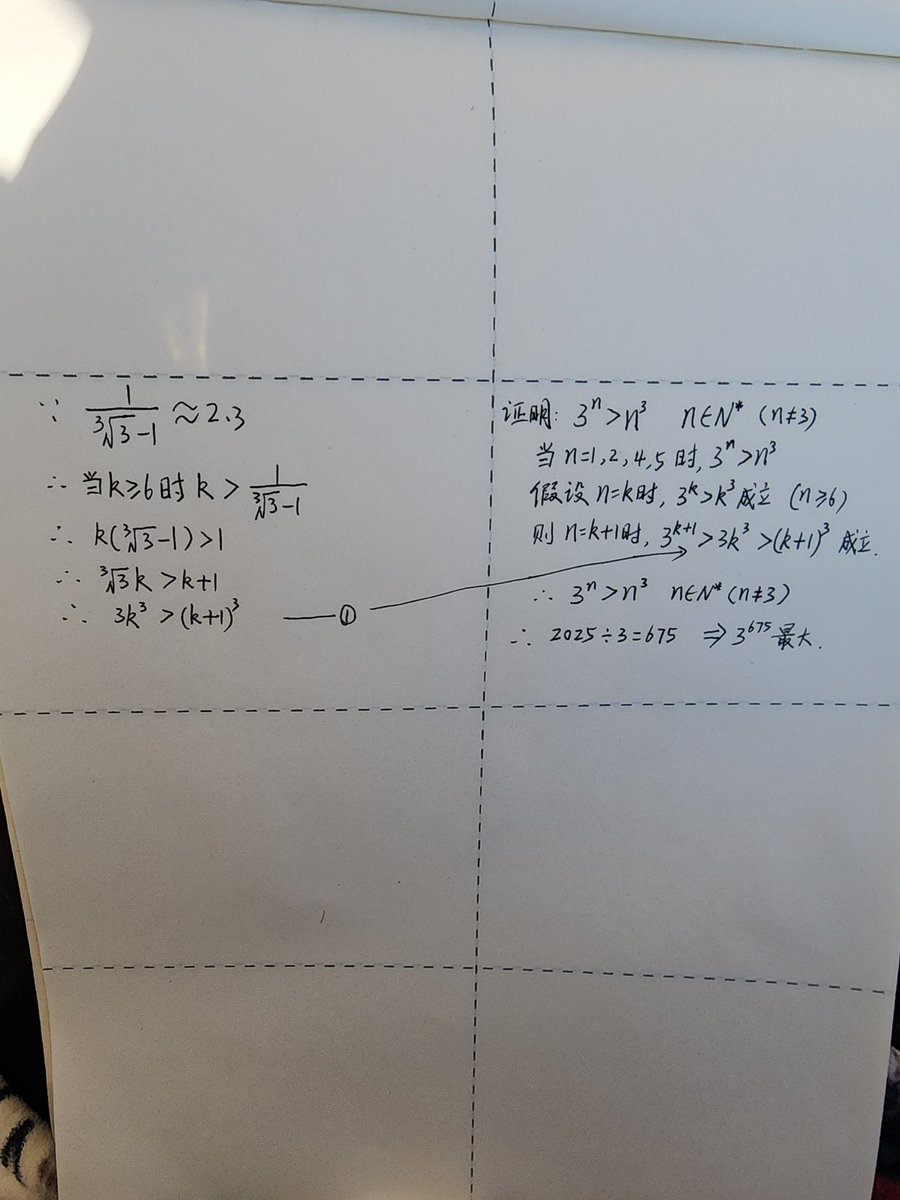

今天是使用Math Academy(@_MathAcademy_ )学习ME(MathEnglish)的第三天. 三天下来我的感受是我在一条正确的道路上前进,通过英语学习数学是中国孩子学习数学最正确的道路,无论孩子的英文水平如何,都可以尝试. 最开始可以使用中英文混合学习,半年到一年后应该就可以使用纯英语学习了.
12
32
121
15,784

Jordan Peterson on why writing is the most powerful skill you can learn:
1. writing and thinking are the same thing. there is no difference between them. when you learn to write clearly you are not learning to express thoughts you already have. you are learning to have the thoughts in the first place.
2. universities never tell students why they are writing. the answer they get is you need the grade. the real answer is you need to learn to think. because thinking is what makes you act effectively in the world and win the battles you choose to fight.
3. if you can think, speak, and write you are absolutely dangerous. people give you money. they give you opportunities. you have influence. peterson says nothing can get in your way. that is what you are at university for.
4. the most articulate person in the room always wins the argument. peterson has watched staggeringly successful people his whole life. the common thread: you do not want to argue with them. not because they are aggressive. because their points are organized and yours probably aren't.
5. someone who cannot write has done almost everything wrong before they start. wrong words, wrong sentences, wrong paragraph order, wrong structure, wrong conclusion. peterson says marking a bad essay is agony because the answer to what did i do wrong is essentially everything.
16
322
1,165
89,372
Newstart retweeted

Jun 11
对终极真实的渴求
那天跟杭州来的一位老朋友聊起为什么越来越喜欢去看古建筑、去看有交响乐团伴奏的芭蕾舞。最近读了C.S.Lewis 路易斯《荣耀之重》,心有所悟。
人去现场,不是因为欲望太多,而是因为欲望太少。不是因为人太爱真实,而是因为人常常只敢要一点真实的替代品。
《荣耀的重量》先纠正了一个很深的误会。现代人以为,属灵就是压低欲望,少要一点,淡一点,清一点。路易斯反过来说,问题不在于人的欲望太强,而在于人的欲望太弱。无限的喜乐已经摆在面前,人却愿意蹲在贫民窟里做泥饼。这个判断若放回“现场和肉身”,意思就变得很清楚:人渴望到现场,不是低级的感官冲动,而是一个被压低、被误会、被替代的属灵信号。
现场为什么重要?因为人并不只想知道一件事。人想进入那件事。看古建筑,不只是知道梁架、斗拱、年代、风格;人还想站在那个坡度、风向、院落、山势里,知道它为什么必须在那里。听芭蕾,不只是知道曲目和动作;人还想感到乐队、指挥、演员在同一口气里改变彼此。进教堂,不只是听见道理;书上也有道理。人去那里,是让自己的身体被一个真实秩序重新摆放。
这正接近路易斯说的那种渴望:我们不只想看见美,还想与美联合,进入其中,成为它的一部分。现场给人的刺痛,正在这里。我们在山林、古建、音乐会、礼拜、面对面谈话中,偶尔碰到一点真实。它向我们打开一点,又立刻关上。我们因此知道,屏幕和文本不是假的,但它们常常太薄。它们像消息,不像进入。它们像回声,不像源头。
所以,“现场和肉身”不是反技术,也不是反文本。文本是必要的。画册是必要的。录音也是必要的。问题只在于,它们不能冒充完成。它们可以指路,却不能替人抵达。人必须带着身体去一次,才会知道自己从前理解得多轻。脚的疲劳、空气的冷暖、别人停顿的半秒、演员手臂的一点抖动、教堂里人与人同在的沉默,这些东西不是装饰,它们是理解的一部分。
从《荣耀的重量》看,肉身也不是灵魂的低级外壳。路易斯提醒我们,“身体原是为主而造的”。它意味着身体不是临时工具,不是需要被甩掉的负担。复活不是幽灵得救,而是得到一副新的身体。若身体将来要承受荣耀,那么今日的感官就不是可疑之物,而是尚未完成的器官。它会误用,会沉迷,会变成泥饼;但它被造出来,并不是为了泥饼。
人对于真实性的渴慕,因此不是病。真正的病,是我们太快用替代品安抚它。刷一段视频,像是到了现场;听一个摘要,像是读完一本书;在社交媒体上被看见,像是被承认;和人连续聊天,像是相交。这些东西不是全无价值,但若它们止住了更深的渴望,就成了小小的泥饼。人以为自己已经够贪,其实只是太容易满足。
比现场更重要的是位格personal,路易斯说,世上没有普通人。你并不是跟一个匆匆过客说话,他是一个不死灵魂。你的邻舍不是信息源,不是工具人,不是可替换的头像。邻舍是呈现在感官面前的神圣对象。真实交流之所以不能完全上传,是因为人不是内容容器。人有重量。人有将来的荣耀或败坏。面对面不是效率低,而是承认对方不是一段可处理的信息。
但要注意,自然、艺术和肉身经验本身并不是终点。它们是象征,是香气,是从未到访之国传来的消息。若把消息当成家,就会心碎。若顺着消息继续走,它就会训练我们渴望得更多。
所以,人对真实性的渴慕不是太多,而是太少;不是太肉身,而是不够相信肉身也要被救赎;不是太想进入世界,而是不敢相信真实世界背后还有更真实的邀请。现场提醒我们,知识不是只被读懂的,关系不是只被维持的,美不是只被观看的。人真正想要的,是被承认,被回应,被欢迎进入万物的核心。
3
7
34
4,305
Newstart retweeted
Jun 11
开源我的一个skill 即 x-made-easy-skill 把一切困难的知识做成一本浅显的书。
1910 年,工程师汤普森(Silvanus P. Thompson)写了一本《微积分入门》(Calculus Made Easy)。开篇第一句话是:“本书旨在把你从预备的恐惧中解救出来。” 他做的事情很简单:先把那两个吓人微分和积分符号翻译成大白话:微分就是“一点点”,积分就是”加起来”。然后说,看,就这么回事。
这个技巧就是把任何一门知识都用同样方法处理,我已经用它制作了《奥数轻松学》、《Skill轻松学》、《概率轻松学》系列书籍。欢迎免费下载。
github.com/baibanbao/x-made-…
7
110
420
27,709

宇宙的形状,可视化服务
几何、流形、拓扑 ...
负维、零维、一维、二维、三维、四维、五维、六维、七维、八维、九维、11维、N维、多维空间、多世界、多元宇宙
弦、基本粒子、原子、分子形状
DNA、RNA、螺旋结构、碱基对 ...
固体、液体、气体、金属、绝缘体、半导体、超导、等离子体 ...
原子的运行轨迹和方式
开放图形形状标准,JSON定义
定义好加载到图形GUI进行展示、操作、旋转等
计算机图形、2D/3D、图形引擎、物理引擎、游戏引擎 ...
计算机图形学的分支:几何、动画、影像拟真/渲染、影像/视频、拓扑结构
...
计算机图形学是可视化关键的基础学科
15
1
20
3,879
Newstart retweeted

Jun 2
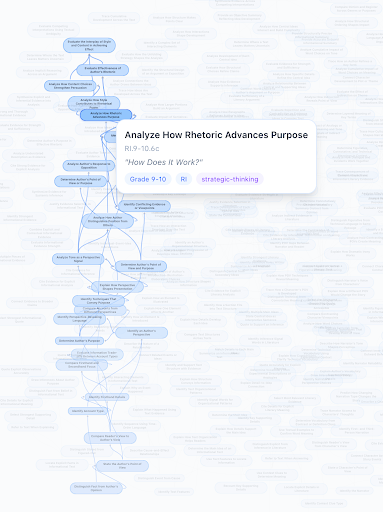
We built our own platform that actually helps our users improve their reading scores.
Math has been "solved" by adaptive edtech because the skill graph is simple. Two-digit multiplication is two-digit multiplication; five problems gives you a confident measurement; deliberate practice produces measurable
gains. The leading math platforms have built tight loops around that fact, and MAP math scores respond well.
Reading is harder for 3 reasons:
🧵 (1/n)
12
14
196
53,758
Newstart retweeted

Jun 1
Over the last 200 years, we've automated away a lot of hard physical labour. But people still go to the gym.
Indeed, many people today are more physically capable than people in the past. We can train systematically for whatever physical goal we want, and it's more fun than hard labour on a pre-modern farm.
@karpathy's hope is that, in the future, the same will be true of learning.
AI tutoring that's tailored to each person will make learning easy, and more people will want to do it. We will be able to go much further than our ancestors.
51
121
1,606
164,594
Newstart retweeted

May 31
A business is clean when the customer’s success and your success are the same mechanism.
4
65
1,830
Newstart retweeted

May 27
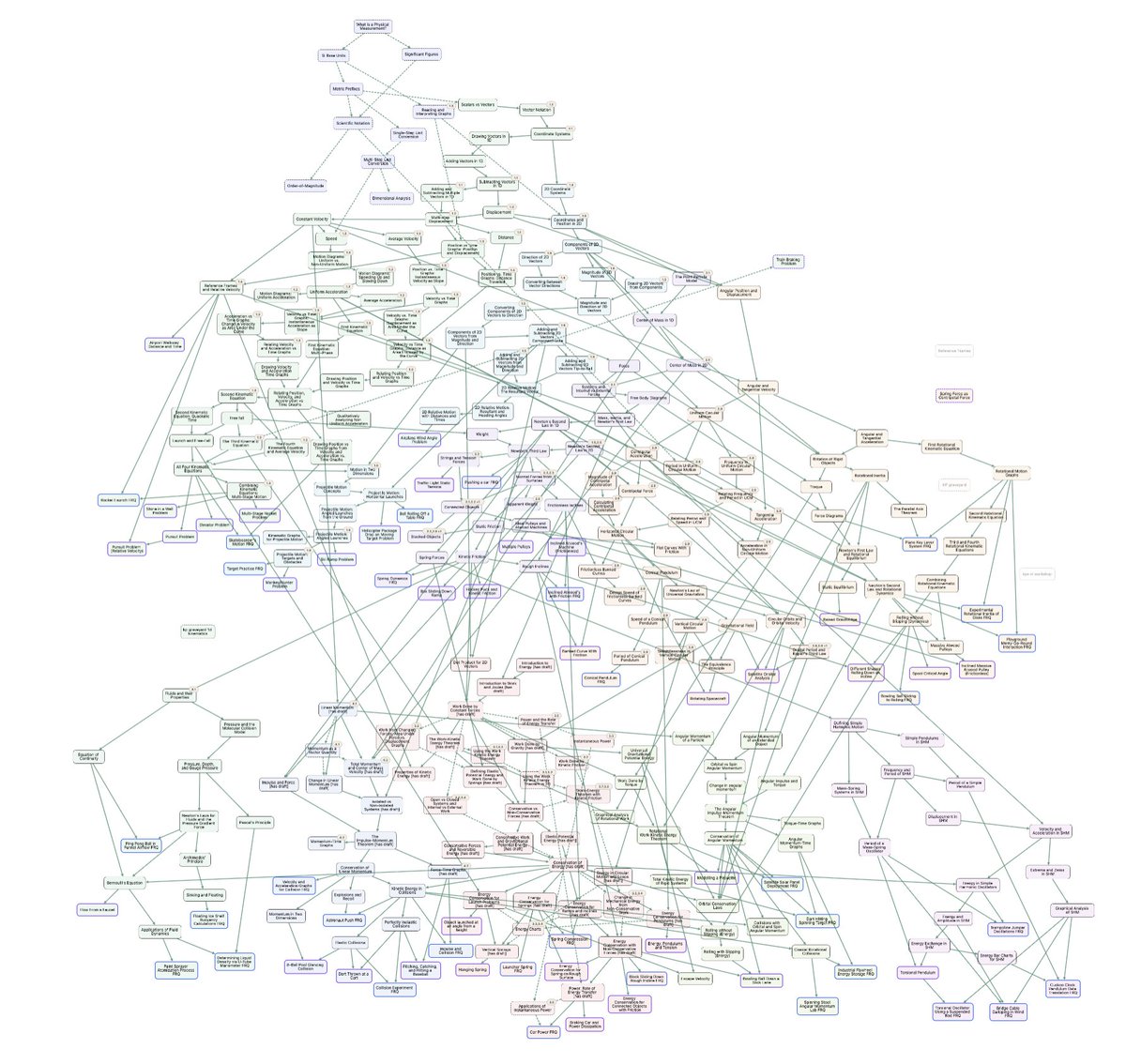
Our map of physics I grows ever more detailed
4
7
83
16,595
Newstart retweeted

May 24
模型再厉害,没有提高效率也是白搭。给孩子报名夏令营。私人系统在附近1000多个夏令营中根据地点,确定好的日程,孩子的兴趣,空缺,预算提供第一候选方案和次级方案。在确认之后自动收集发票,发送财务和税务模块。日程再发送到日程总视图和个人分类视图。全过程10分钟。个人的所有事务都可以这么办。
May 24

建立属于个人的私有AI原生系统,统筹所有个人信息。本地模型用来分类/路由/脱敏再发送云端模型。我已经尝试成功。2.0时代手机上有无数个app,全部可以并入一个大系统。税务,医疗,教育,财务都是私人“模块”,而模块之间可以通过投递的方式互通信息,避免直接调用的混乱。模块内运算,存储,发送一体。
1
1
24
11,661
Has Math Academy a plan to provide Grade 1-3 Math courses ? @_MathAcademy_
1
3
1,574

明天 volunteer 了在 Yang Zhang lab 组会上分享我自己的 AI loop。同一套 OS pattern 最近半年在 automath 和 newmath 跑出 3,400 0-axiom Lean 4 定理、5×/周自动 release,多篇文章在 peer review,还有合作项目在同步推进,也接到了我 PhD 的 TCR / pMHC 上(JSI-Pi,joint scaffold-interface posterior)。
我们 lab 也是个老牌 top-tier research lab —— I-TASSER 在 CASP automated server 赛道长期 top,170k 注册用户、160 个国家。但据我观察,AI 工具的使用密度还远没有到它能到的位置 —— 主流用法还停在把 ChatGPT 当成 search / 助力工具,真正能放大产出的 agent loop、多模型协作、自动化 pipeline 几乎没怎么铺开。这也是我想做这次分享的原因。
slides 做都做了,干脆 share 出来 —— 看看大家能不能从里面收获点什么,也欢迎大家和我交流讨论,多多合作。
里面总结了几条经验:
· 怎么搭一个减少幻觉的自动化 loop:能结构化的全部结构化,能 gate 的全部 gate,AI 只在 bounded task 里跑。很多幻觉不是模型突然变差,而是任务边界、输入 schema、输出 format 和 review gate 没有收紧。
· 怎么用多机器 GitHub 做隔离协作:private repo 也可以,每改一次都 commit,随时回滚,所有人的贡献都可视化;多台机器常开,各自跑各自的 loop,最后通过 branch / PR / merge 汇合。
· 怎么蒸馏自己的"经验库":受 gstack 的 office-hour 启发,我把一位资深研究者公开发表的论文、talk、quote 爬下来,加上自己长期和很多人交流的笔记,一起丢给 AI 蒸馏成一份"私人 PhD office-hour"。它帮我判方向、补盲点 —— 当我在想一个模型时,它会提示我"导师大概会问的下一个问题"、"我现在没考虑到的角度"。这是一种超过自身经验的经验。
我相信科研品味和直觉,在某种程度上是可以被 AI 捕获、被 scale 的。
我做这次分享有两个目的:一是希望大家能更多用上现在的 top AI;二是希望实验室能合作一起产出。个人和单个 agent 的力量都有上限,只有协作起来并行推进,效率才会加倍 —— 每个人都能参与,每个人的参与都在 GitHub 上可视化,方向由我们把控,剩下的让 AI 迭代。未来一定会发生一次范式转移(或许已经发生),做 AI 的 lab 更应该走在时代前面,去善于使用工具。协作跑起来,每个人的产出都会更快、更好,包括我自己。
完整 slides:researchloop.lexaverse.dev/
1
11
65
4,085
Math Academy有一个优势可能被忽视了,就是explicit instruction,这可能是未来最重要的能力,逻辑清晰的表达需求,不仅是writing,还有speech. MA的explanation就是很好的口语练习语料. @_MathAcademy_
2
141
Newstart retweeted
Apr 20
14
45
265
31,560
Newstart retweeted

Apr 18
💯 Every parent should put their kid on @_MathAcademy_ until we open an Alpha School (or one of our sister schools like @TXSportsAcademy ) near them.
7
6
101
7,766
Newstart retweeted

Apr 14
This is the wildest story...
"I introduced Dario to 22 friends up and down Sand Hill Road and we got 21 no's.... it was such a brutal time getting this company going." @AnjneyMidha
This company today is trading at $860BN on secondary markets... ouch.
39
87
1,288
291,729
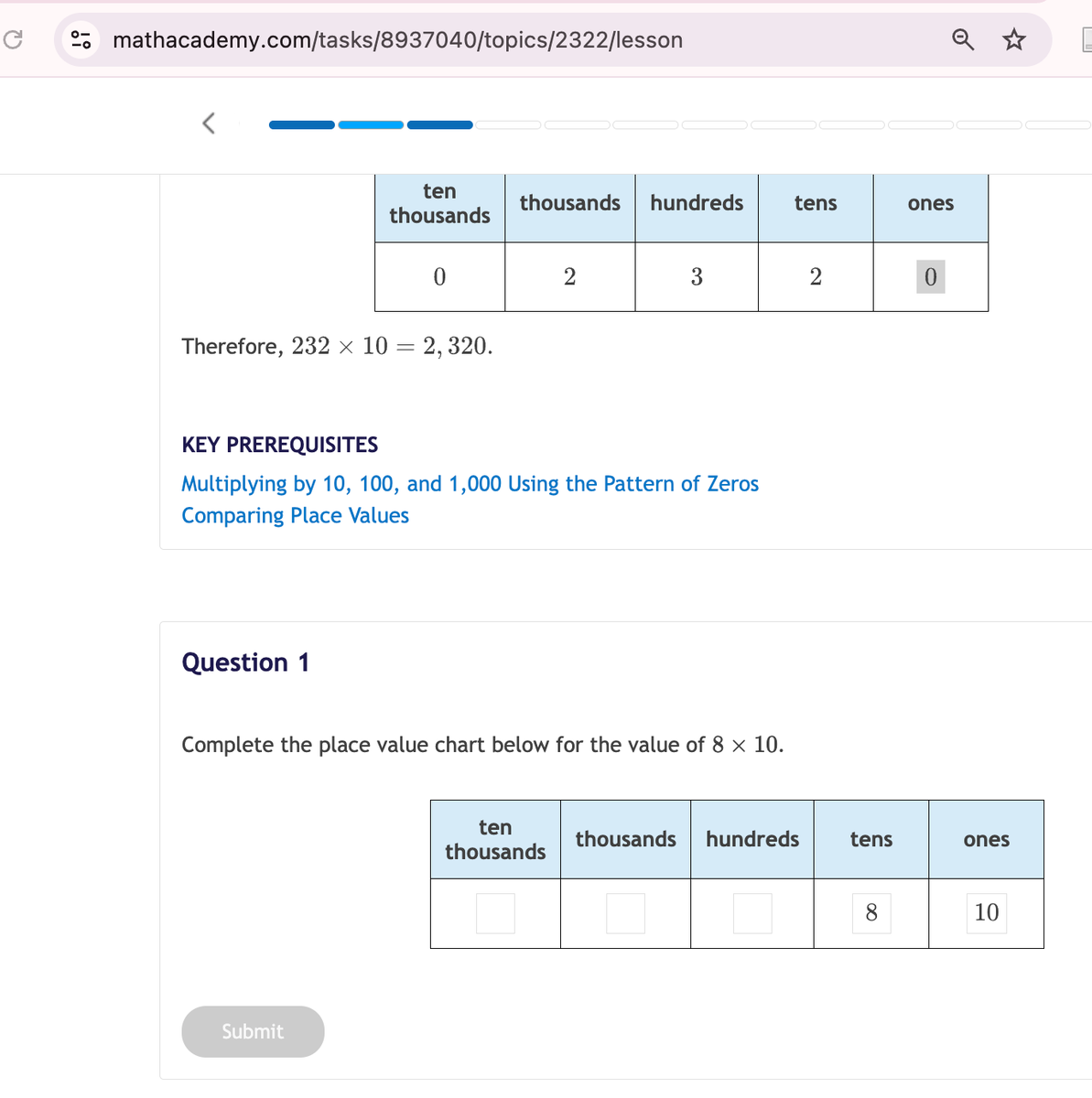
please fix the bug, can't submit answer. topic id is 2322. my student reported to me and i tested it's ture. @_MathAcademy_
1
6
2,384
Newstart retweeted

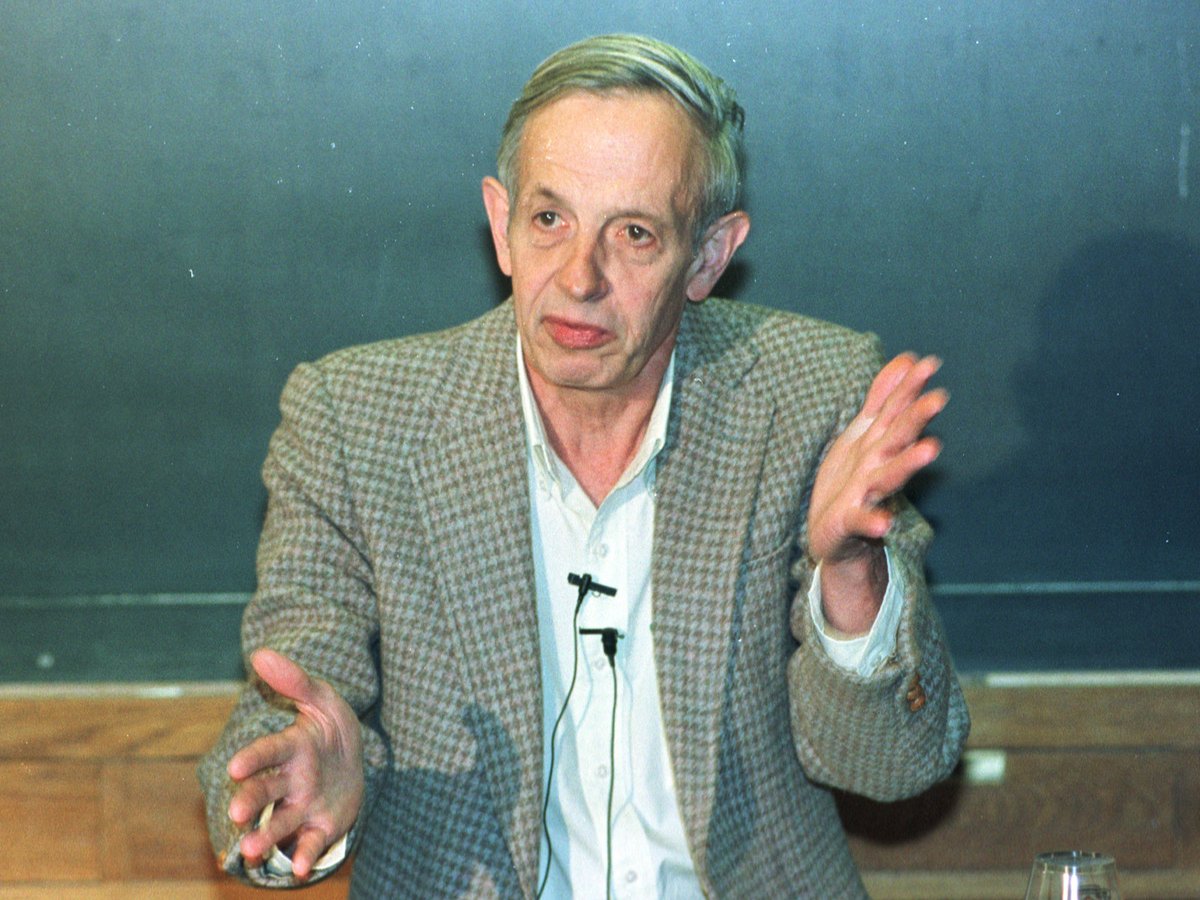
Most people first encounter quantum mechanics through polished textbooks, where the uncertainty principle appears as just another equation to learn.
But John Nash took a different approach. Instead of relying only on later presentations, he went back to the original 1925 work of Werner Heisenberg, where quantum mechanics was first being developed.
Those early papers do not read like modern textbooks. The ideas are not neatly organized. They reflect a moment when physicists were moving away from classical concepts and trying to describe physical systems in an entirely new way. The familiar structure of modern quantum mechanics had not yet been fully established.
Nash later expressed concern that standard textbook treatments can give the impression that the theory was always this clear and structured. In reality, the development of quantum mechanics involved confusion, debate, and major conceptual shifts.
Textbooks are not incorrect, but they often present the final, refined form of the theory. Because of this, it is possible to learn how to apply the mathematics without fully appreciating how radical the original ideas were.
Understanding that historical transition, from classical certainty to quantum uncertainty, can offer a deeper perspective on what the theory really means.
14
49
206
12,080
Newstart retweeted

Apr 7
17 equations that changed the world.
3
147
633
30,126
Thank you Jason, Sandy, Justin, Alex. You are building the best Math courses for all over the world. @_MathAcademy_
1
1
6
662
AI is for the present, but Math is for eternity.
1
95