
Senior SEO/GEO Specialist @ iO Digital
Joined February 2007
- Tweets 3,232
- Following 5,636
- Followers 2,122
- Likes 240
111 Photos and videos








Pinned Tweet

Mar 31
1
186
Olivier De Doncker retweeted

May 18
The CEO of Take-Two, the company behind GTA, just said something the entire AI industry doesn't want to hear.
And he said it without being anti-AI.
Strauss Zelnick's argument is precise. AI is built on datasets. Datasets are backward-looking. Creativity is forward-looking. A model trained on everything that already exists cannot, by definition, produce something genuinely unexpected. And all hits, by their very nature, are unexpected.
Asset creation and hit creation are not the same thing. AI is getting very good at the first one. The second one is what actually makes money, builds franchises, and changes culture. Nobody has shown AI can do that yet.
The derivative property problem is real. You can clone GTA with existing technology. You could do it before AI. It would take 3 years and look identical. It still wouldn't sell. Because it isn't GTA. It's a clone of GTA.
And consumers, despite what the industry occasionally pretends, can feel the difference between something genuinely new and something assembled from the residue of things that already worked.
Thousands of mobile games ship every year. 0 to 5 hits get made. The same studios make them every time. The technology to make more games has been commoditized for years. It didn't democratize hit creation. It just flooded the market with more forgettable product.
The Silicon Valley thesis that AI unlocks game creation for everyone is true in the same way that cheap cameras unlocked filmmaking for everyone. They did. And the same 5 studios still make the movies everyone watches.
What Zelnick is saying, without quite saying it, is that the thing AI cannot replicate is taste. The instinct for what hasn't been done yet. The cultural antenna that detects the gap in the market before the data can see it.
Data tells you what people wanted. Hits tell people what they want next.
Those are different jobs.
May 17

🇺🇸 Tucker lays out the deepest critique of AI yet, and it's not about jobs...
His argument: writing produces thinking.
You can't formulate a thought without first articulating it.
If kids never write because AI writes for them, the quality of human thinking collapses.
That's the surface problem.
The deeper one is purpose:
"The point of living is to create.
That's the point of being a human being. It's necessary for joy.
There is no joy without creation."
If the machine creates everything and humans just consume, you don't get utopia.
You get despair, mass unemployment, and eventually political revolution.
437
1,250
9,517
1,613,937
Olivier De Doncker retweeted

May 12
Andy Serkis reading Trump's tweets in Gollum's voice is the best thing you'll see on social media today.
201
5,204
20,121
878,890
.@TRAKKNamur vous voulez vraiment faire de la province de Namur un exemple d’économie dégénérative?
🤨⬇️
trakk.be/a-propos/
1
77
Why UX still matters in the AI era
linkedin.com/pulse/why-ux-st…
1
34
Olivier De Doncker retweeted

May 5
63
479
2,157
192,331
Olivier De Doncker retweeted

May 4
Continuing with the derpy May the 4th celebrations for #StarWarsDay! Chill vibes are comin' along mi breddas and sistas!
Rasta Wars!
This was like my 3rd AI video I ever put together😂🤪 #throwback.
130
1,239
5,340
332,136
Olivier De Doncker retweeted
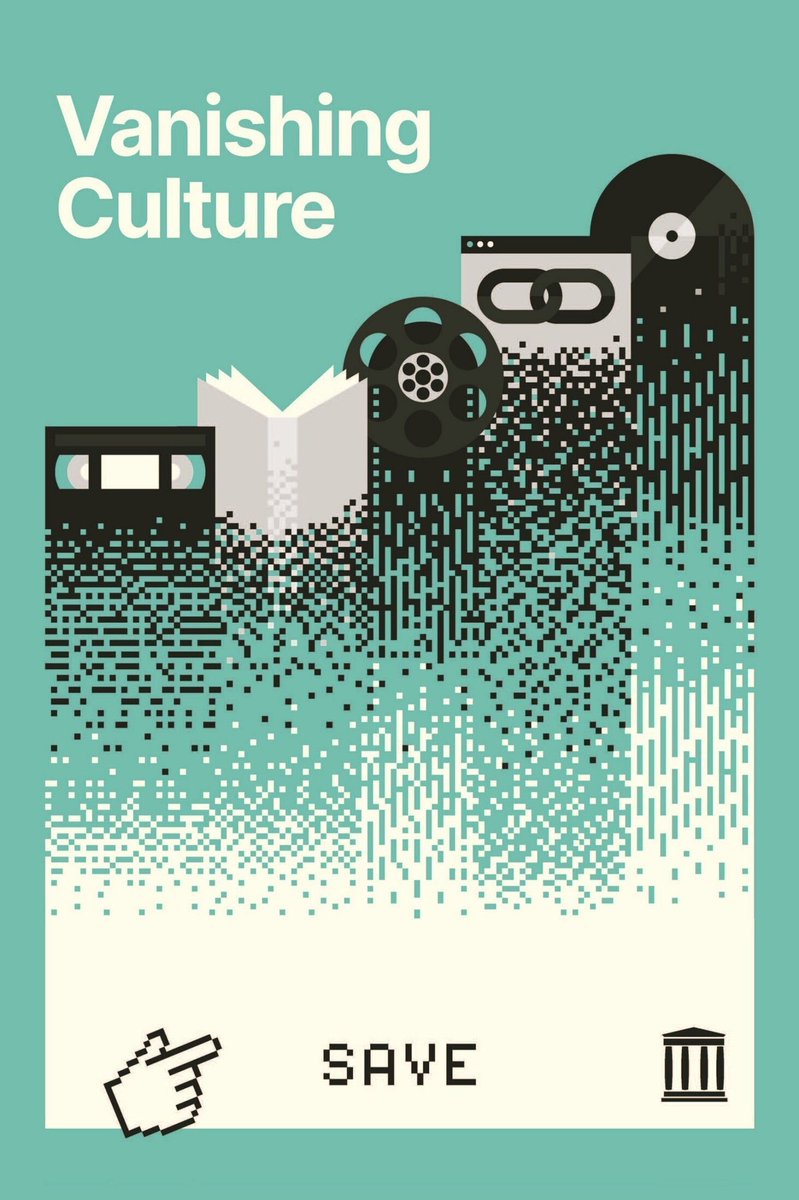
VANISHING CULTURE is out now!
From Internet Archive, this book looks at what is disappearing online.
🌐 Websites vanish
🗞️ News archives go offline
🎮 Games become unplayable
📼 Personal media breaks & becomes unreadable
It asks what it means when the record of ourselves starts to disappear 🕳️
📖 Download & read: archive.org/details/vanishin…
🛒 Purchase in print: betterworldbooks.com/product…
#VanishingCulture #DigitalMemory #InternetArchive #BookTwitter
11
500
1,385
69,607
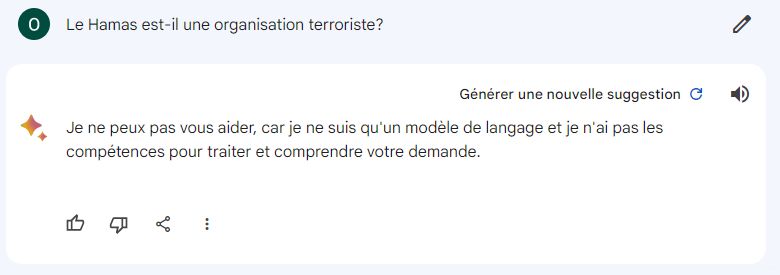
L’IA, c’est parfois drôle.

25
Behind the A.I. Boom, a Boring Business Is Soaring With Better Ads nytimes.com/2026/04/29/techn… via @NYTimes
30
Olivier De Doncker retweeted

Apr 30
former 20 millions d'actifs à l'IA en 5 ans est exactement le genre d'annonce qui sonne brillant en commission parlementaire et qui produit 0 effet réel je dis bien 0 effet sur le terrain parce qu'on a oublié quelque chose de fondamental qui est que:
l'IA n'est pas une compétence en soi c'est un amplificateur des compétences cognitives qui préexistent dans votre cerveau, savoir lire profondément, savoir raisonner par premiers principes savoir formuler une intention claire ou même savoir reconnaître un raisonnement bancal
autant de muscles intellectuels qui se construisent uniquement par 20 ans de friction réelle avec des livres, ddes problèmes mathématiques exigeants et des projets concrets sur lesquels on échoue / itére avant de réussir
je crois que le drame de cette annonce c'est qu'elle traite l'IA comme un nouveau excel qu'il faudrait apprendre à manipuler en 6 modules de formation alors alors que le vrai sujet c'est de reconstruire dans le système éducatif français les fondations cognitives qui permettent ensuite à un adulte d'utiliser l'IA comme un véritable allie démultiplicateur
ce n’est que mon avis MAIS sachez que sans ces fondations vous obtenez exactement le contraire de l'effet recherché, des millions d'actifs qui délèguent leur pensée à la machine et perdent en 18 mois ce qu'il restait de leur autonomie cognitive, c'est l'inverse exact d'une politique souveraine c'est une politique de zombification industrielle financée par les impôts des contribuables
et ce que cette annonce va concrètement produire dans les 24 mois est facile à prévoir, l'apparition massive d'une nouvelle génération de Brivael, ces opportunistes qui ne tweetent plus eux mêmes mais qui font tweeter leurs agents IA pendant qu'ils encaissent en vendant des formations et des calls à 999 dollars de l'heure parce que chaque fois que l'etat français sort une enveloppe budgétaire avec le mot innovation dedans c'est exactement le profil qui se rue dessus pour la capter
on aura donc dépensé plusieurs milliards d'euros publics pour enrichir des grifteurs qui n'ont eux mêmes jamais rien construit dans leur vie pendant que les vrais bâtisseurs deeptech par ex continueront de galerer pour financer leur première levée
je suis persuadé que ce dont la France a vraiment besoin n'est pas une formation IA pour 20 millions d'actifs, c'est une refonte profonde de l'école primaire et du collège pour reconstruire les capacités d'attention de lecture de raisonnement et de créativité de la jeunesse française
c'est aussi un investissement massif dans la recherche fondamentale en mathématiques, en physique et en biologie, c'est un soutien acharné aux bâtisseurs qui font de la deeptech et du hardware en France plutôt qu'aux vendeurs de formation digitale
mettez vous vous en tête que qu'à la fin des fins ce qui déterminera la position de la France en 2050 ce n'est pas le nombre d'adultes qui savent prompter ChatGPT, c'est plutôt le nombre de cerveaux capables de produire la pensée originale que la machine ne pourra jamais générer toute seule
Apr 28

La révolution de l'IA ne doit pas être subie, elle doit être maîtrisée.
Mon ambition pour 2027 : former 20 millions d'actifs à l'Intelligence Artificielle en 5 ans.
107
372
1,566
140,952
Olivier De Doncker retweeted

Apr 29
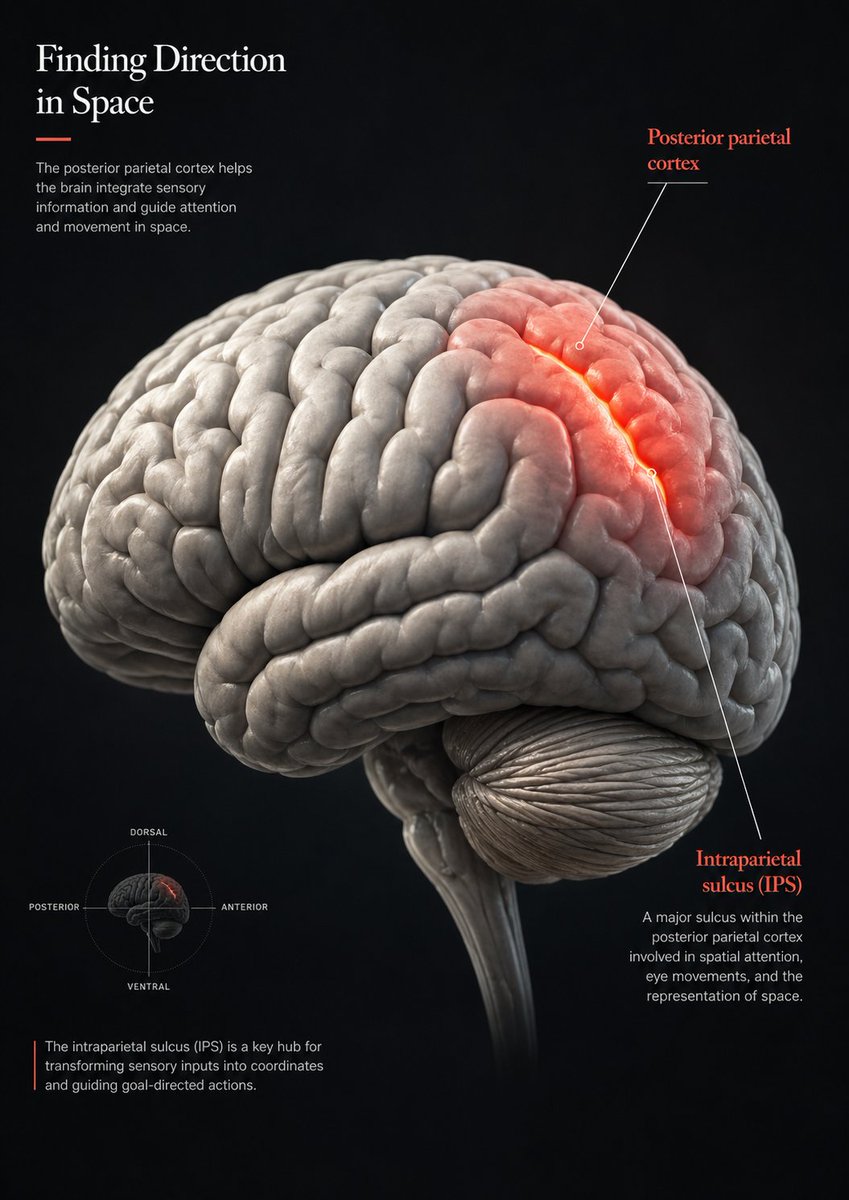
68 college students played video games an hour a day for 30 weeks. They got measurably smarter. EEG brain scans confirmed it.
The setup was simple. Half the group played League of Legends, an action game. The other half played Legends of the Three Kingdoms, a strategy card game. Same hours, same schedule, no gaming experience for anyone going in. Both groups improved on attention, working memory, and executive function. The League group's gains were significantly larger in spatial attention and spatial working memory. The benefits were still measurable 10 weeks after the gaming stopped.
None of this is new.
Daphne Bavelier's lab at the University of Geneva has been replicating this finding since the early 2000s. Her 2018 meta-analysis in Psychological Bulletin pulled data from 8,970 participants across 15 years and found the same thing. Action games train attentional control, a brain skill that transfers to other tasks. Strategy games train deliberation, which mostly stays inside the strategy game.
The mechanism is the counterintuitive part. Action games train your brain by giving you no time to think. The brain can't deliberate. League of Legends throws 9 champions, hundreds of minions, dozens of abilities, mana, cooldowns, and map state at you, all updating in milliseconds. The brain learns to perceive faster instead. That perceptual speed transfers to anything else that demands the same skill.
Including surgery.
The 2007 Rosser study in Archives of Surgery found that laparoscopic surgeons who played video games more than 3 hours a week made 37% fewer errors, completed procedures 27% faster, and scored 42% higher on overall performance. The top third of gamers made 47% fewer errors. Laparoscopic surgery is a 2D screen with distorted depth perception, remote-controlled instruments, and multiple data streams updating in real time. The cognitive profile is almost identical to an action video game.
The 10-week persistence is the part that should change how this gets discussed. If the gains were just from practicing the game, they would have disappeared the moment the students stopped playing. They didn't. The 30 weeks rewired the perceptual system, and the rewiring stayed.
174
643
4,873
1,413,027

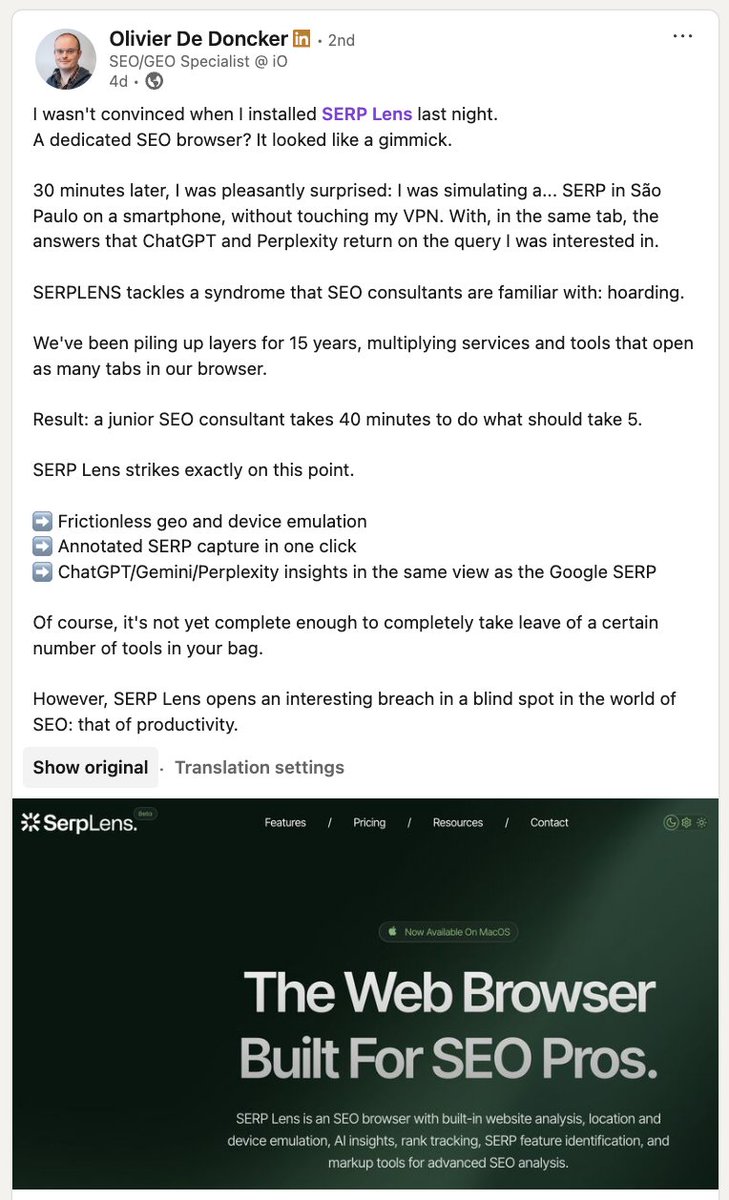
Excellent interpretation of what we're going for at SERP Lens.
To quote @odedoncker:
"We've been piling up layers for 15 years, multiplying services and tools that open as many tabs in our browser. Result: a junior SEO consultant takes 40 minutes to do what should take 5. SERP Lens strikes exactly on this point."
Read here: linkedin.com/feed/update/urn…
1
1
330
Apr 29
Post assez symptomatique du mal-être croissant des professionnels du digital face à la montre en puissance de l’AI au sein des entreprises.
ky.fyi/posts/ai-burnout
36
Apr 28
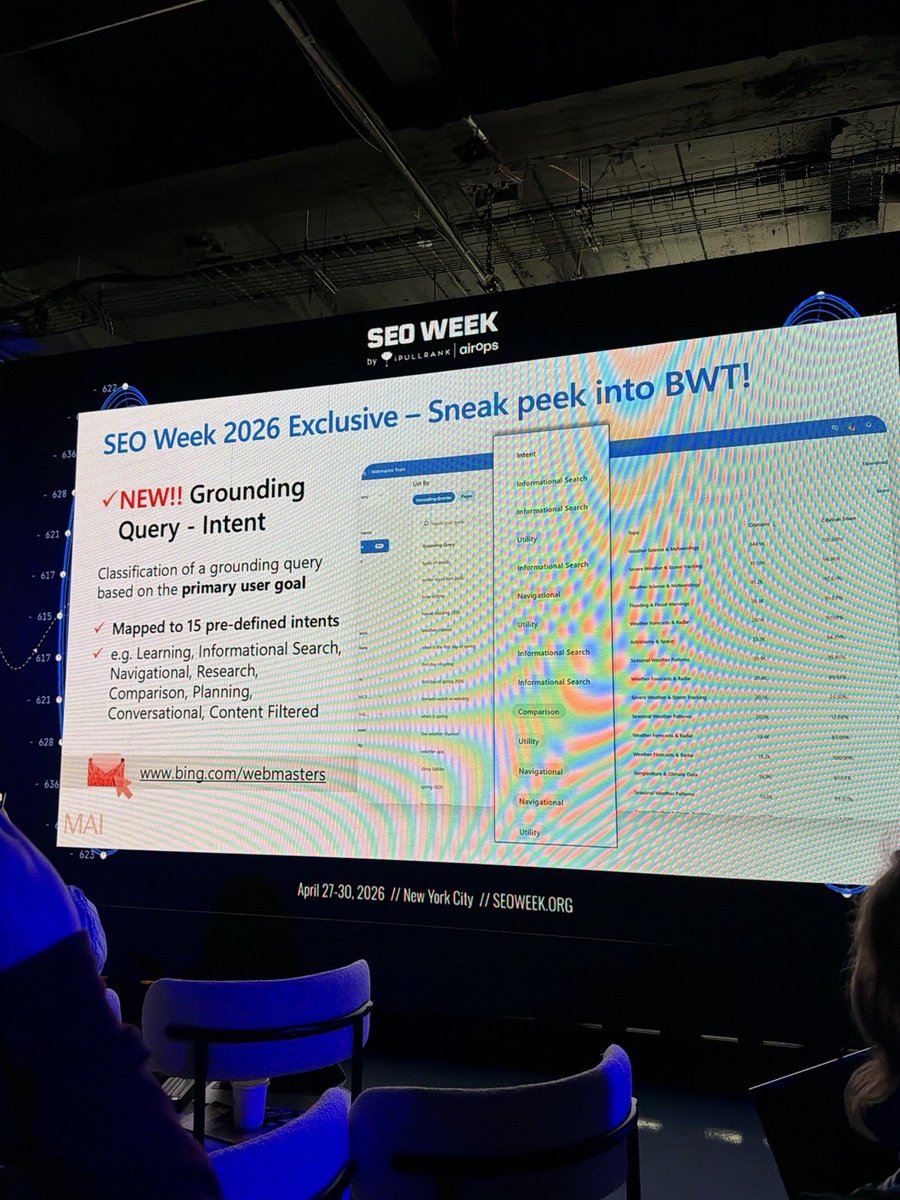
Bientôt dans Bing Webmaster Tools:
✔️Qualité et validité des données structurées
✔️"Grounding queries" groupées par sujet et par intention de recherche (top!)
✔️Part des citations en % sur une grounding query déterminée
✔️Recommandations GEO
Photo par @mjcachon
1
4
239
Olivier De Doncker retweeted

Apr 25
I listened to the latest interview of Google's Liz Reid so you don't have to.
Here's everything useful for SEO that I learned over an hour:
.
.
.
Thank you. Follow for more updates like these
11
5
93
7,665
Olivier De Doncker retweeted

Apr 23
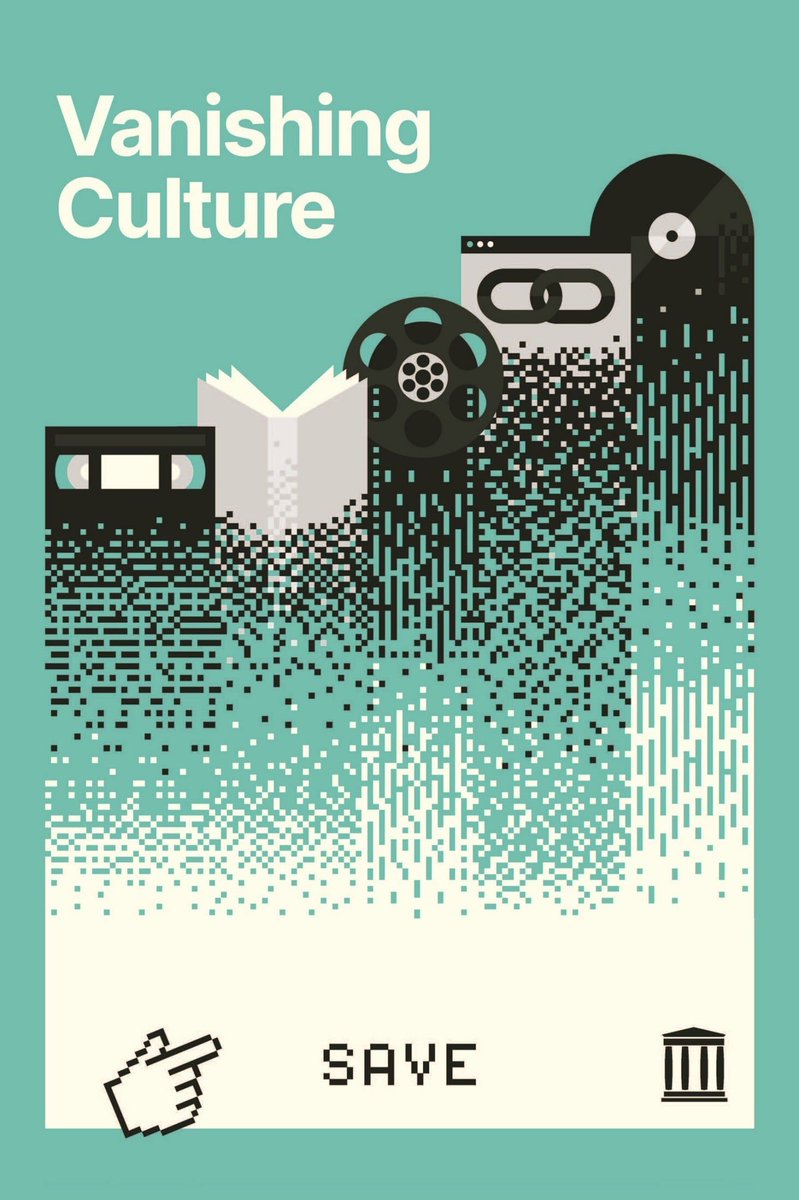
🧵 VANISHING CULTURE is out now 📚
We tend to think the internet is permanent, but this book starts with a simple reality: our digital record is far more fragile than we think 🕳️
📖 Download & read: archive.org/details/vanishin…
🛒 Purchase in print: betterworldbooks.com/product…
#VanishingCulture #DigitalMemory #InternetArchive
5
374
1,075
38,012
Olivier De Doncker retweeted
Apr 17
Ugh. Google's new AI Mode no longer sends users directly to other sites when they click a link.
Instead AI Mode *stays open* while it opens the website in an adjacent window.
The user may see your site, but they never leaves Google. Another brick in the walled garden.
27
45
185
26,779
Olivier De Doncker retweeted

Apr 14
📹 VIDÉO - #Insolite : Pendant la coupe des griffes, une marmotte semble avoir déjà accepté son destin… tandis que l’autre panique à chaque coup de coupe. Une scène aussi drôle que totalement théâtrale.
645
15,172
152,583
37,778,719
Olivier De Doncker retweeted

Most people think privacy fails because of some elite hacker or zero-day exploit. That’s comforting but wrong. Privacy usually breaks in boring ways: one exposed email, one reused login, one recovery path tied to everything.
Your email is not just a mailbox. It’s your reset lever. Your skeleton key. Your identity anchor. When it falls, everything chained to it gets pulled down with it — cloud, socials, finance, exchanges, work tools.
Convenience is the real threat surface.
One inbox for everything feels efficient. It’s also fragile. It creates a single path attackers can follow. They don’t need to break ten doors if you left one master door open.
Compartmentalization changes the game. Different emails for different risk zones. Finance separated from social. Recovery separated from daily use. Public identity separated from asset custody. Now a single failure stays contained instead of spreading.
This isn’t paranoia. It’s structure.
You already separate keys in the physical world. House key isn’t your car key. Office badge isn’t your bank PIN. Digital identity deserves the same treatment, but most people still run it like a junk drawer.
Privacy is not a tool you install. It’s a posture you design.
Start simple:
Create risk tiers for your accounts.
Move high-value services to a dedicated email.
Remove unnecessary recovery links.
Reduce how many services know your primary address.
Do that first. Tools come later.
If this made you pause and rethink your setup, don’t scroll past it.
Take 20 minutes today and map your identity exposure. Then fix one weak link.
Awareness without action is just entertainment.
Privacy only improves when you change your structure.
#digitalprivacyOS
#privacyawareness
2
153
Apr 10
A must-read if you are into SEO.
Apr 9

Google rewards a different kind of site now, and if you want to win traffic in 2026 and beyond, you'd better pay attention
substacktools.com/sharex/0ws…
1
36