
Joined November 2008
- Tweets 1,809
- Following 693
- Followers 570
- Likes 437
68 Photos and videos



Pinned Tweet

Jan 20
🎉 We shipped 1.0 of RegWatch - our API-first, agent-ready regulatory risk intelligence service
Jan 20

[Carver RegWatch]
Dec 19: OFAC sanctions Maduro regime
Dec 31: Treasury targets oil traders
Jan 5: Switzerland freezes assets
Jan 13: Compliance updates
25 days. 3 jurisdictions. 31 regulatory actions.
Most compliance & risk teams found out from from weekly mailers. We tracked it in real-time. Carver Agents RegWatch is live:
carveragents.ai
1
262
I have written about companies becoming hedge funds as the product cycles shrink.

1
39
Venkata Pingali retweeted

Jun 13
The US government, citing national security authorities, has issued an export control directive to suspend all access to Fable 5 and Mythos 5 by any foreign national, whether inside or outside the United States, including foreign national Anthropic employees.
The net effect of this order is that we must abruptly disable Fable 5 and Mythos 5 for all our customers to ensure compliance.
Access to all other Claude models is not affected.
We apologize for this disruption to our customers. We believe this is a misunderstanding and are working to restore access as soon as possible.
Read our full statement: anthropic.com/news/fable-myt…
12,326
25,581
87,042
86,837,786
Venkata Pingali retweeted

Jun 12
1
12
Jun 12
I dont think Finland leadership realizes that the world has changed. The flavor of conversation is still stuck in the 90s when there is generational shift in attitudes around the world including India.
Jun 11

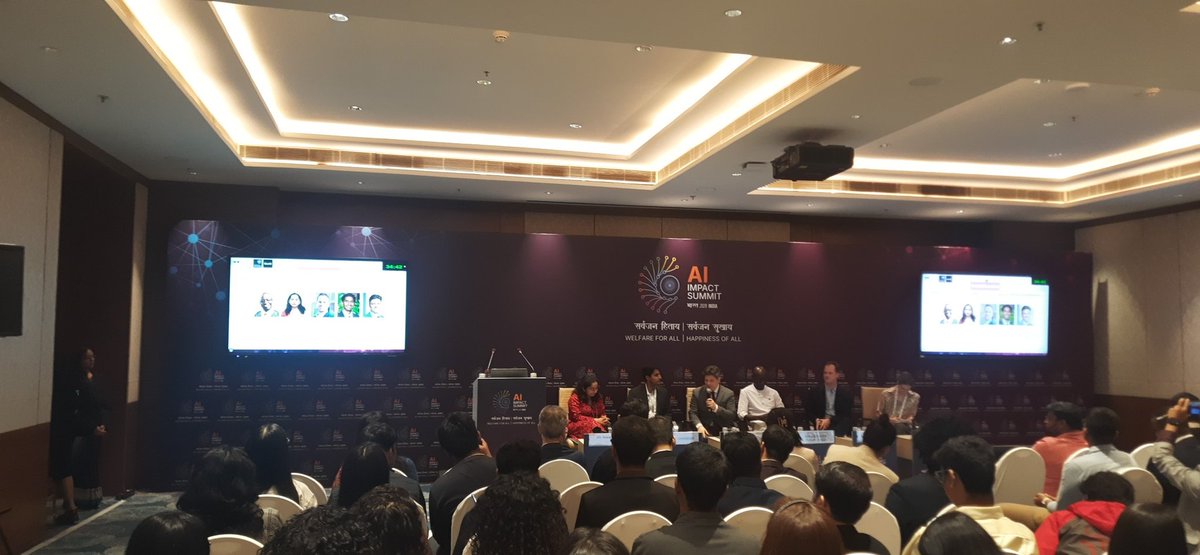
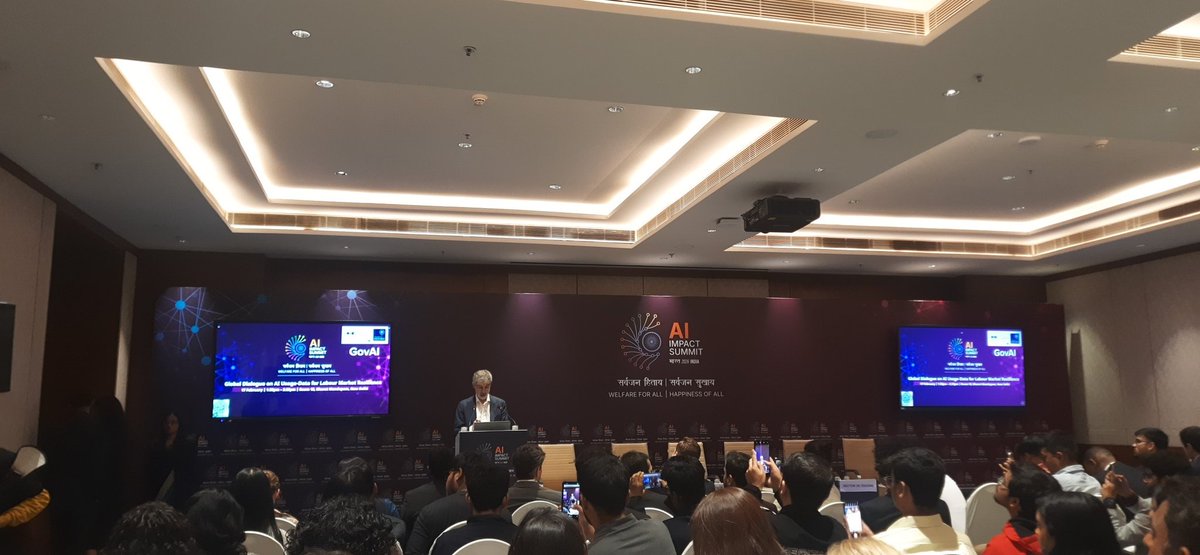
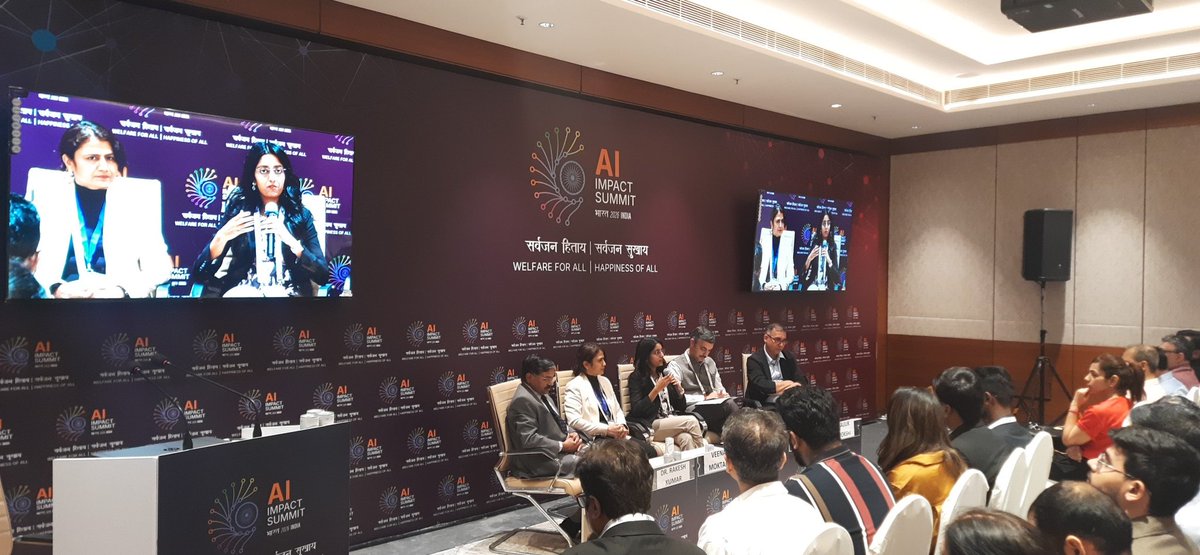
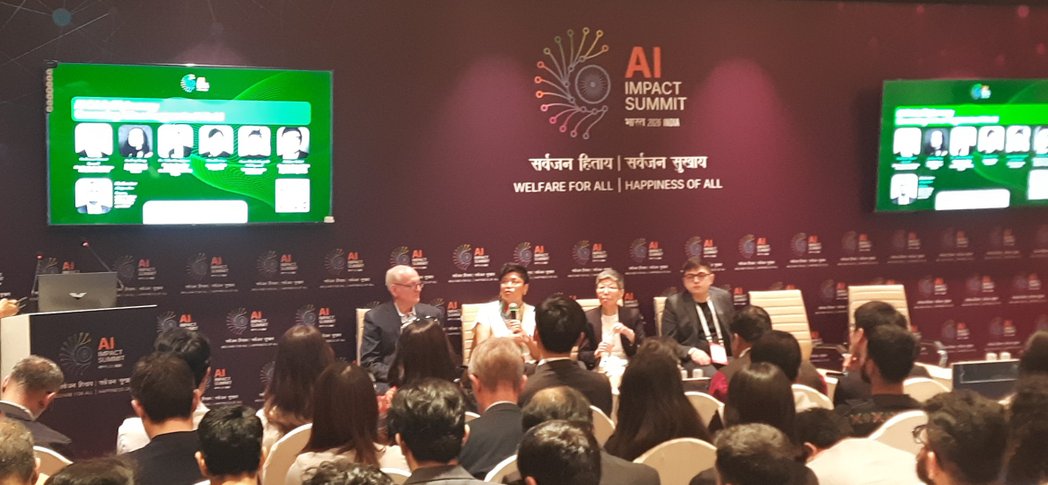
Participated in a Panel discussion at Kultaranta Talks with FM Elina Valtonen of Finland, and Assistant FM Lana Nusseibeh of UAE on ‘Emerging Powers and the New Geopolitical Competition x.com/i/broadcasts/1pKdRRooY…
30
Jun 10
A strong enterprise learning loop across tech, process, and people will the moat in the next phase.

1
54
Jun 8
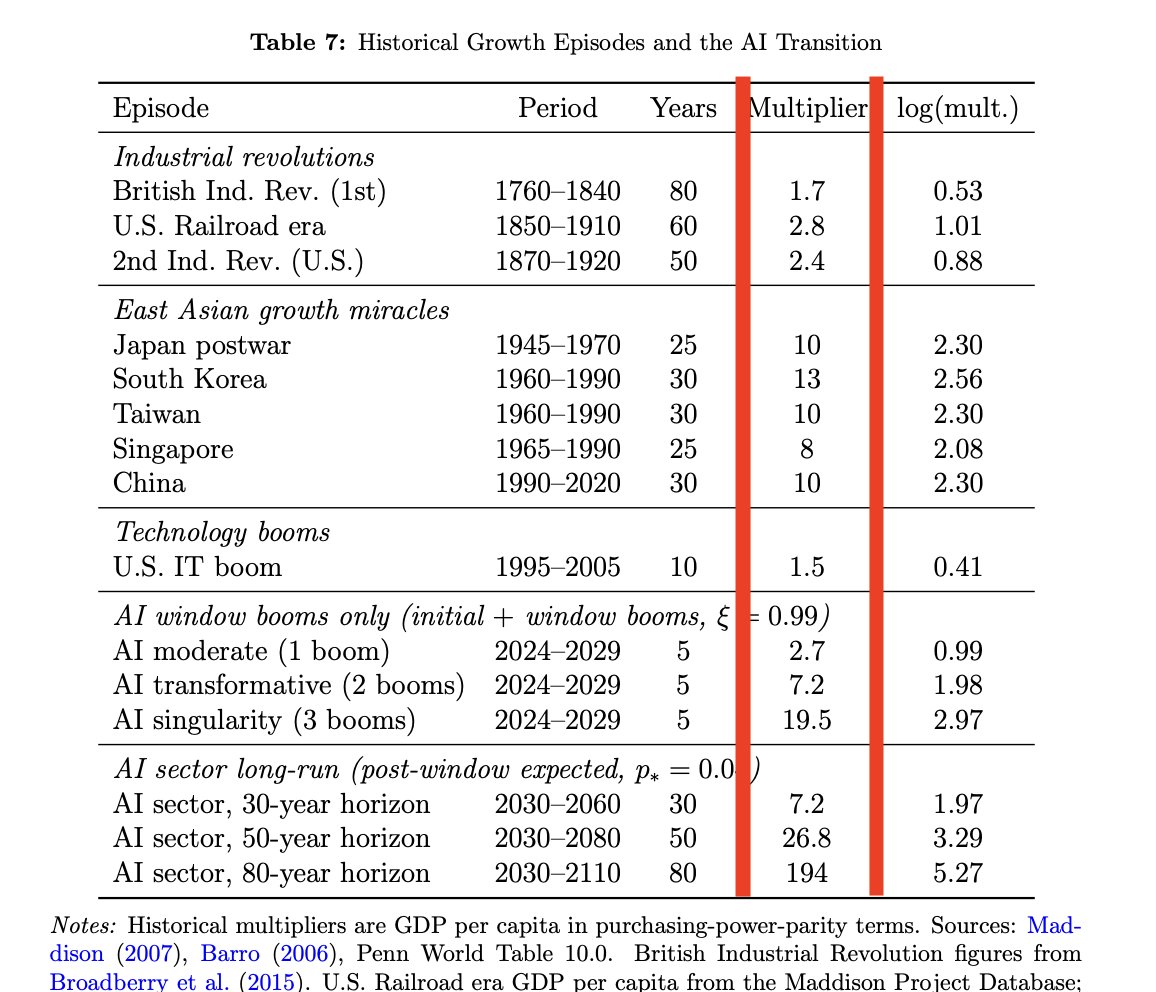
Amazing. @tylercowen estimates AI contribution to GDP growth rate to be 0.5%. We have a long way to go to deliver 2.7x productivity.

Striking paper from Wharton. The big conclusion: AI must increase productivity 2.7x -- and quickly -- or tech companies risk bankruptcy with all that entails for the economy. For context: this is how a quickie 2.7x productivity boom would compare to historical precedent. Paper linked in my daily AI digest. Useful context for OpenAI reportedly talking to the US government about a bailout (ahem, I mean ownership stake).
37
Jun 5
One other implication is that every company becomes hedge fund - placing multiple bets, and learning about where the opportunity is. This is where Carver comes into picture. We will give you that alpha to hedge in the product space.

12
Jun 4
#Wikipedia has governance and transparency issues, and lost sight of its mission. One user mentioned updated other pages such as Sanjeev Sanyal's to obviously drive a certain narrative. @grok summarize the governance issues at wikipedia
Jun 3

🚨NEW INVESTIGATION: A Fortune 500 company reportedly cancelled a @HinduAmerican training session after employees circulated its Wikipedia page.
That page tells readers HAF aligns with Hindu nationalism, threatens academic freedom, and has been accused of acting as a foreign agent.
We traced who built that narrative. The same handful of accounts kept appearing across HAF, its critics, activist groups, and key public figures—building an interconnected narrative that now feeds Google and AI systems.
Full investigation in thread. Receipts 👇
1
1
48
Jun 4
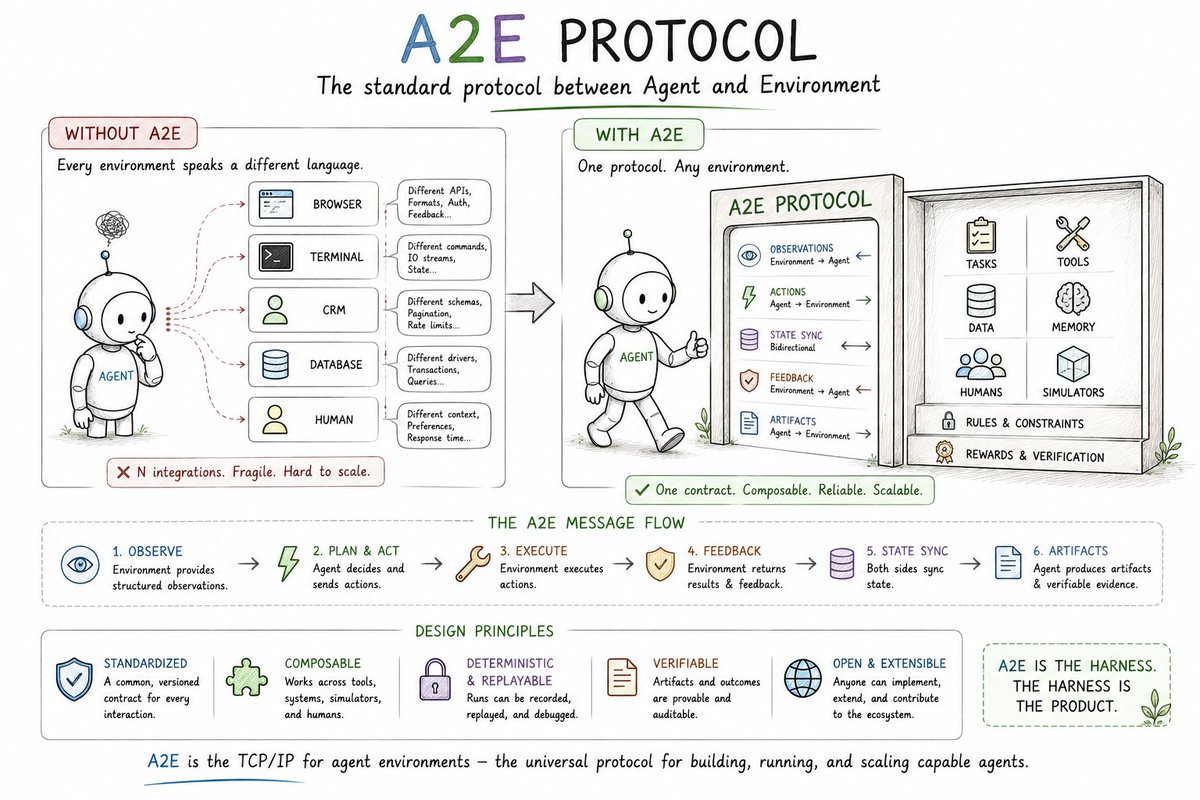
Logical next step to the growth of environments. Standardization will lead to rapid development and deployment of environments, and implicitly powerful agents with realworld impact #agents #devtools
Jun 4
If harness is the product then A2E(Agent-to-Environment) interface turns the harness from a proprietary moat into an enterprise-owned, open standard.
a2eprotocol.github.io/docs/b…
#agents #harness #claudecode #codex #langchain
2
35
May 27
Now that @a16z has officially discovered the regulatory intelligence category. You know what comes next - 100 startups funded by Thursday, launch videos promising one-click compliance by Friday, and a new primitive called "RegAgents" without which your risk team is basically operating by candlelight.
Meanwhile, @carveragents will keep doing its boring old thing: actually working.
We fully expect to be superhot next week and briefly tempted to declare ourselves "the new benchmark for regulated industries on earth, in orbit, and beyond."
Jokes aside - if you're navigating complex markets and want risk and regulatory intelligence that already exists (and ships), let's talk.

Compliance is painful, bureaucratic, and often paper-based, so it has long persisted as being manual and human intensive.
That friction has historically made compliance a graveyard for startups.
But AI may finally go from "good enough to pilot" to "good enough to trust".
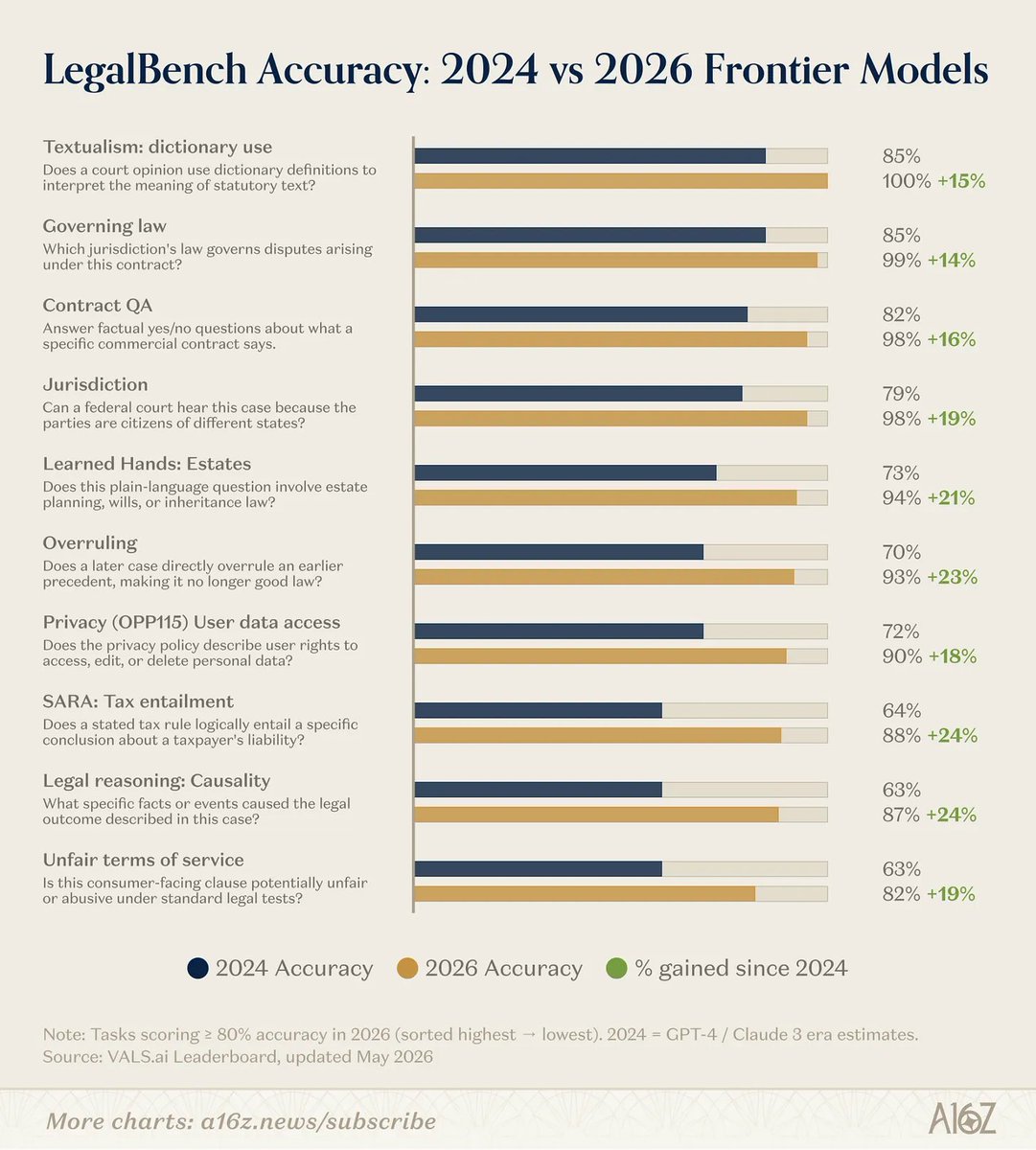
In legal, broad model choice and consistently high accuracy gave teams the confidence to finally embrace AI. Many LLMs now score 80-100% on LegalBench’s 162 legal reasoning tasks.
This matters directly for compliance, because compliance is essentially applied legal reasoning under operational constraints, built on the same core tasks: reading regulatory text, applying rules to fact patterns, identifying exceptions, and flagging ambiguities.
Full piece from a16z's @jamdac and @astrange: a16z.news/p/everything-every…
1
2
339
Venkata Pingali retweeted
May 26
AI Agent To Track Mastercard Rule Changes & Auto-update Policies - A Carver RegWatch Demo
What happens when a card scheme updates its rules — and your internal compliance policies don't keep up?
This demo shows a Carver RegWatch AI agent that monitors how Mastercard's Security Rules and Procedures (SPME) evolved across five releases between 2022 and 2025, then proposes the corresponding updates to a payment processor's internal compliance policies.
The agent works in three stages:
- Detects every section that changed between consecutive SPME releases
- Classifies each change by materiality: breaking, substantive, clarifying, or cosmetic
- Proposes targeted edits to the affected internal policy files
In this walkthrough you'll see:
✅ A timeline view of all five SPME release transitions with severity breakdowns
✅ Per-change cards grouped by materiality, searchable by section, policy, or severity
✅ Side-by-side redlines — original Mastercard text on the left, proposed policy edits on the right
✅ Source PDF links that open at the exact cited page — no hunting through 200-page documents
✅ Track-changes rendering for compliance review workflows
✅ Low-confidence flags where the agent surfaces its own uncertainty for human review
Across five releases: 214 proposed revisions, 15 breaking changes, 8 policy areas affected.
This is what a compliance AI agent looks like when it's transparent about what it knows, what it proposes, and what it might have gotten wrong.
---
Learn more: carveragents.ai
Explore RegWatch: lnkd.in/daedFHRR
Video link in comments
---
*Source documents are public Mastercard publications archived via the Internet Archive. Policy baselines shown are synthetic and do not reflect any real production text.*What happens when a card scheme updates its rules — and your internal compliance policies don't keep up?
1
1
35
Venkata Pingali retweeted
May 22
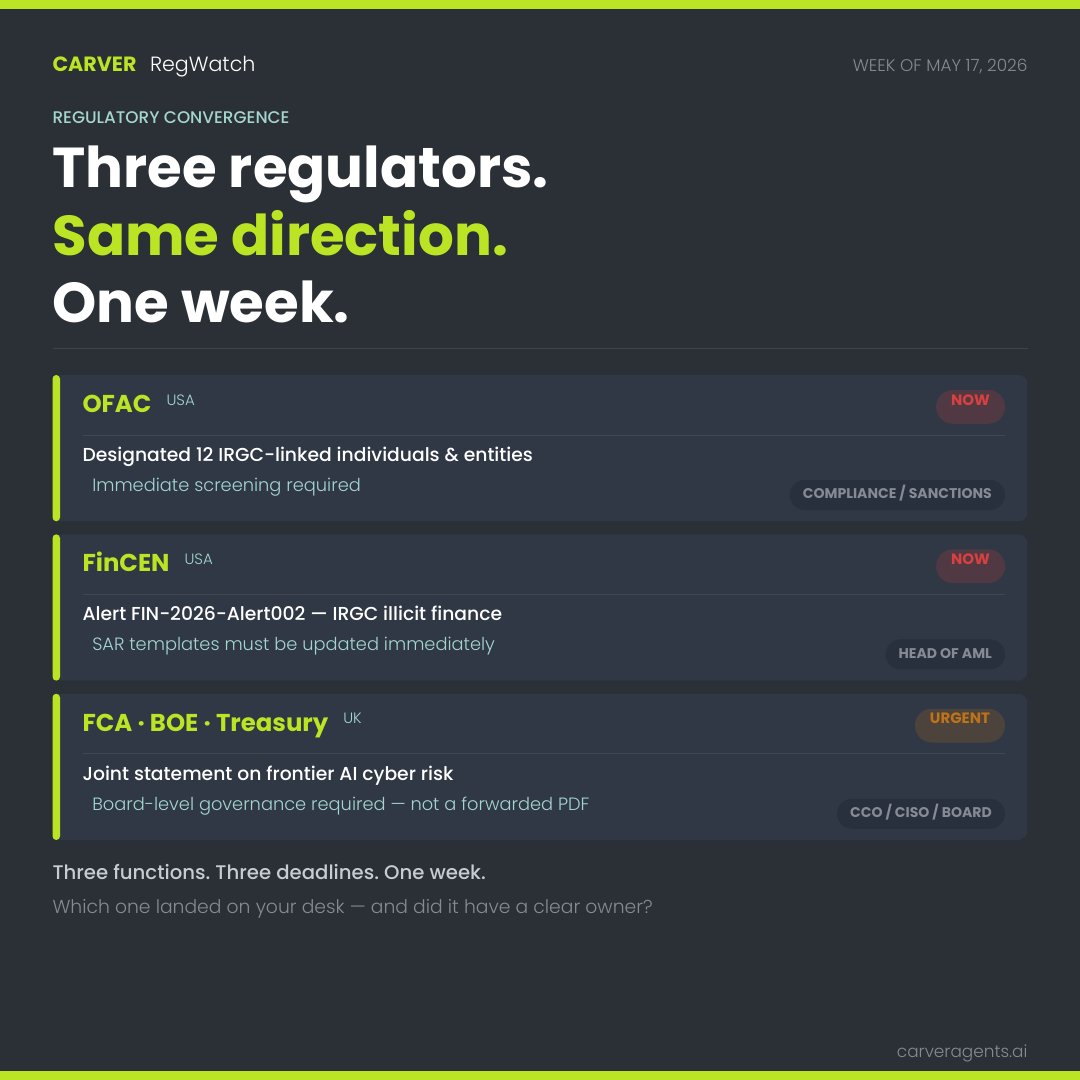
This week, three regulators acted in the same direction simultaneously.
-OFAC designated 12 individuals tied to IRGC oil operations.
-FinCEN issued Alert FIN-2026-Alert002 — mandatory reference in any IRGC-related SAR.
-The FCA, Bank of England, and Treasury issued a joint statement on frontier AI cyber risk.
Each one is an independent action item. Together, they describe a week where sanctions, financial crime, and AI governance converged on the same senior leadership team. Three different functions. Three different deadlines. One week.
>The OFAC designations require immediate screening, not at your next scheduled cycle.
>The FinCEN alert requires SAR template updates and training, now, not at quarter-end.
>The FCA-BOE-Treasury statement requires a board-level conversation, not a forwarded PDF.
This is what regulatory convergence looks like in practice. And why function-by-function monitoring isn't enough anymore.
Which of these three landed on your desk this week. And did it have a clear owner?
#RegulatoryConvergence #Compliance #Sanctions #OFAC #AML #AIGovernance #FinancialServices #RegTech #RiskManagement #CarverRegWatch #CarverAgents
1
43
May 21
Not just slow. They are not delivering. Too much oxbridge, and too little relevance and impact.
May 21

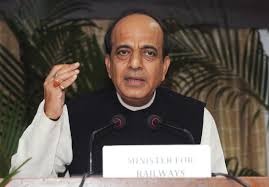
Prime Minister Narendra Modi recently issued a sharp rebuke to the Indian Foreign Service (IFS), expressing dissatisfaction with senior diplomats for their slow, cautious, and narrow approach to international relations. The appointment of Dinesh Trivedi as India’s Ambassador to Bangladesh signaled this shift, highlighting a move toward more strategically calibrated appointments.
The core criticism centers on "diplomatic vectoring" a tendency to reduce diplomacy to routine courtesies, cultural events, and bureaucratic rituals rather than substantive strategic engagement. This inertia, observed in both veteran and younger officers, is seen as a structural fault line that hinders India’s global ambitions and doctrine of strategic autonomy.
To address this, the government is advocating for a transition to "Smart Power Diplomacy." This model demands a "whole of government" approach, where officers move beyond siloed operations to build deep, resilient networks and actively engineer pathways for India’s strategic and economic interests. The message from the top is clear: the era of "photo op diplomacy" is over. The IFS must now replace bureaucratic routine with intellectual sharpness and purposeful urgency to match India’s accelerating rise on the global stage.
48
Venkata Pingali retweeted

May 21
Thought-provoking line of analysis framing AI value capture as determined by scarcity of frontier intelligence vs scarcity of context

3
22
11,320
May 20
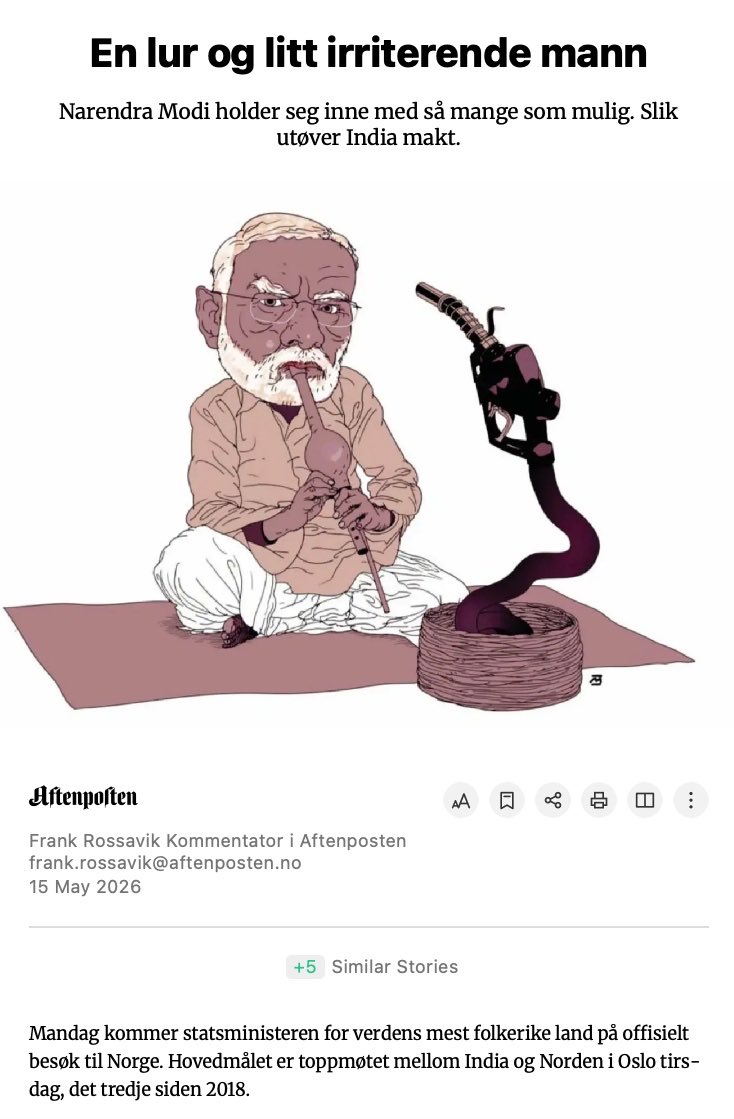
Aftenposten has done a huge disservice to their country. I remember meeting Norwegians in my grad school. They were warm, brilliant, and furthest from the way aftenposten is portraying them to be - entitled, racist, and ignorant.

This is in Norway’s most important newspaper. Indians don’t understand that racism STILL exists in the very nerve and sinew of many in the Western world especially Europe. That’s why paying much attention to them and their lists etc is useless. Learn from the Chinese in this.
64
May 18
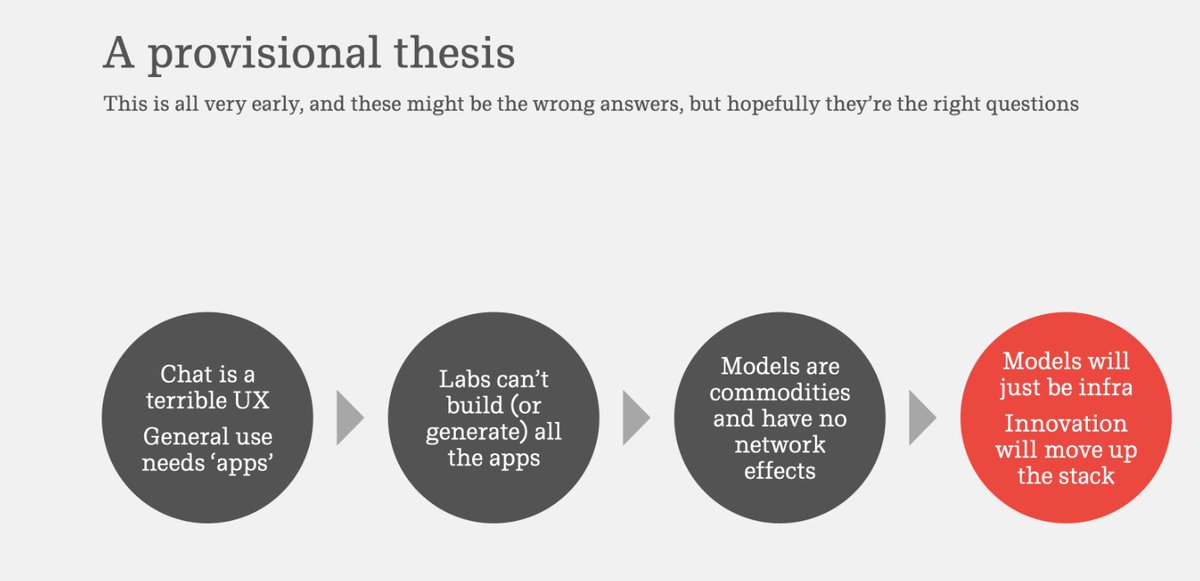
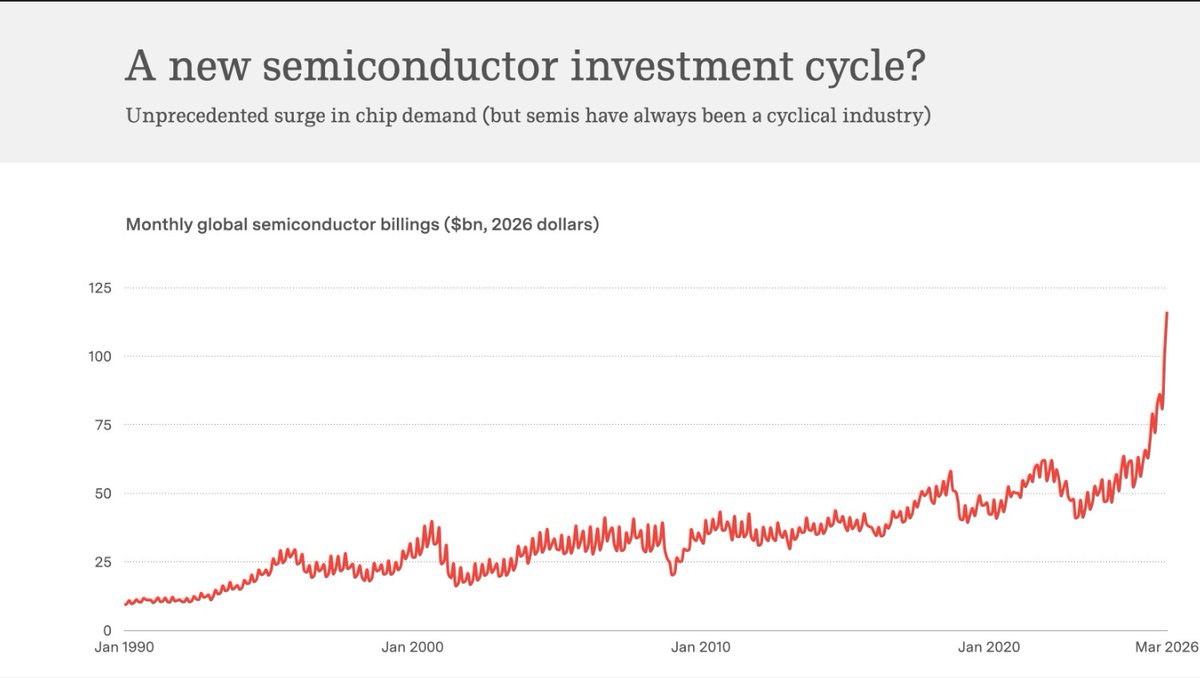
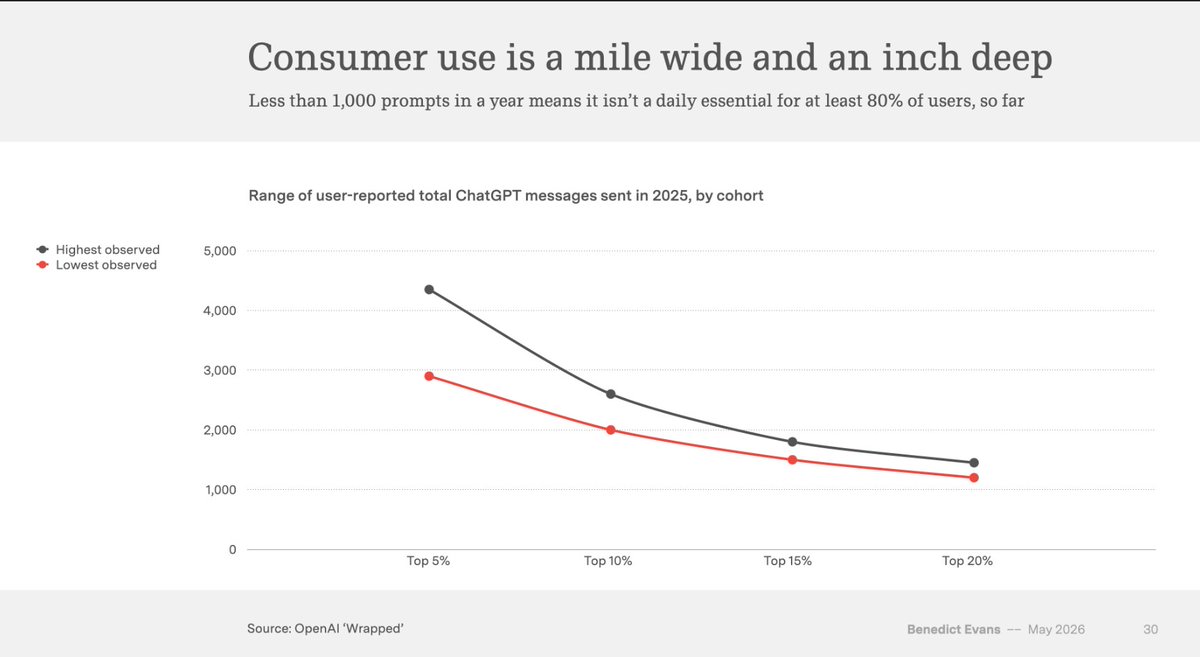
Great presentation on how to think about the AI market.

31
Venkata Pingali retweeted
May 18
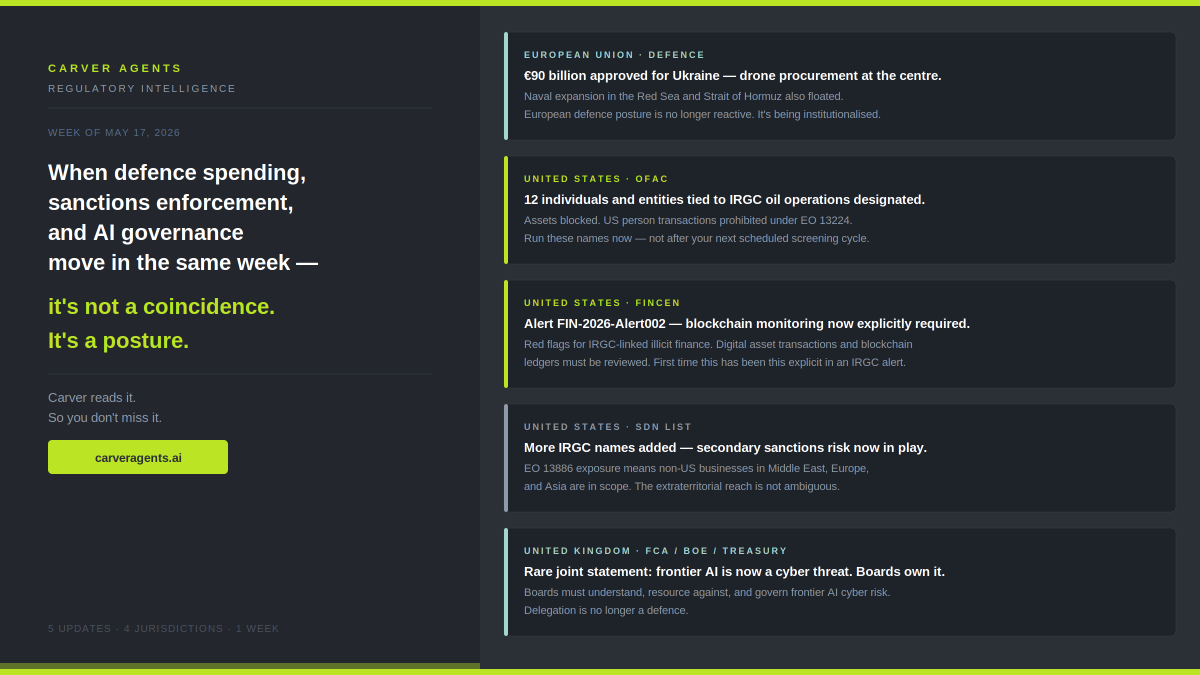
When defence spending, sanctions enforcement, and AI governance move in the same week, it's not a coincidence. It's a posture.
Carver reads it. So you don't miss it - carveragents.ai
→ The EU Foreign Affairs Council greenlit €90 billion for Ukraine with drone procurement at the centre — and separately floated expanding naval operations in the Red Sea and Strait of Hormuz. European defence posture is no longer reactive. It's being institutionalised.
→ OFAC designated 12 individuals and entities tied to IRGC oil operations under Executive Order 13224. Assets blocked, US person transactions prohibited. Run these names now — not after your next scheduled screening cycle.
→ FinCEN issued Alert FIN-2026-Alert002 with explicit red flags for IRGC-linked illicit finance — and specifically mandated review of digital asset transactions and blockchain ledgers. This is the first time blockchain monitoring has been this explicitly required in an IRGC-related alert.
→ Additional IRGC names were added to the SDN List under Executive Order 13886 — carrying secondary sanctions risk. Non-US businesses in the Middle East, Europe, and Asia are in scope. The extraterritorial reach here is not ambiguous.
→ The FCA, Bank of England, and Treasury issued a rare joint statement: frontier AI has fundamentally changed the cyber threat landscape. Boards must understand it, resource against it, and govern it. Delegation is no longer a defence.
#Sanctions #AIGovernance #RegTech #GeopoliticalRisk #CarverAgents
1
18
May 17
Jevons paradox in action
May 17

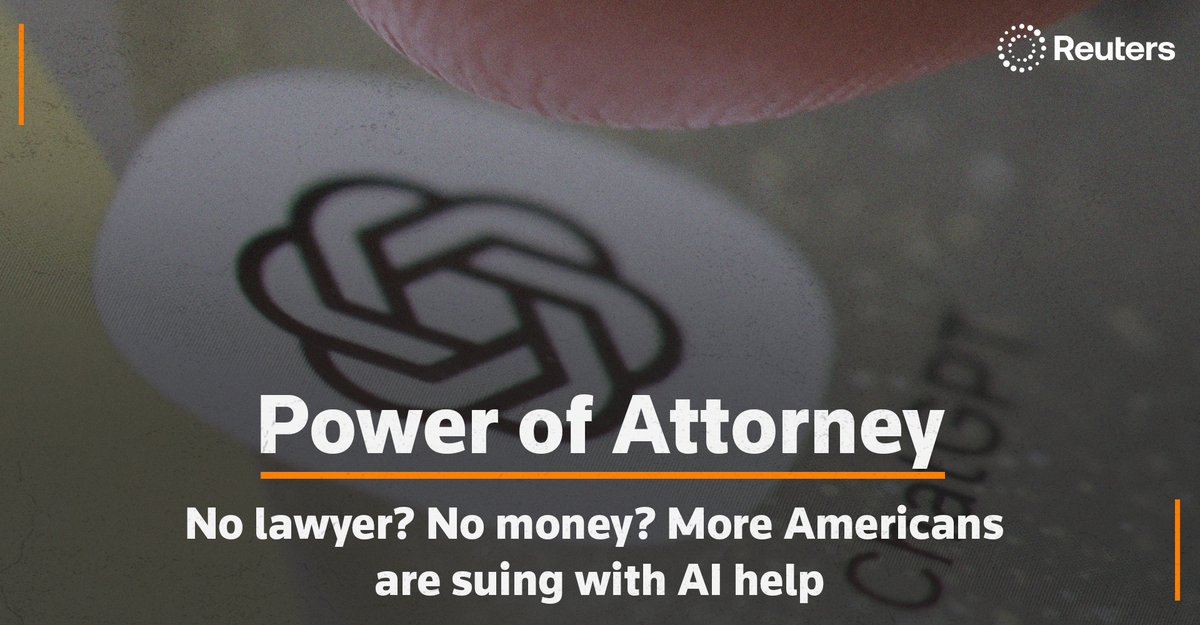
No lawyer? No money? More Americans are suing with AI help. Read more in
Sara Randazzo's column: reut.rs/4ny11Pj
15
May 17
Interesting dynamic developing against the AI companies. Outcomes optimal for the AI companies are being seen as suboptimal for the market and society. That misalignment will result in adversarial actions from the masses. We are are seeing early versions of the same

I attended the University of Arizona commencement ceremony, where Eric Schmidt @ericschmidt faced boos throughout his speech.
If you don’t know how young graduates feel about AI, this post is for you.
The message is clear: it reflects growing skepticism toward AI narratives coming out of Silicon Valley.
I keep coming back to one question for anyone building AI: are you building for humans?
Build responsible and ethical AI. AI governance and compliance matter.
(Speech excerpt.)
27