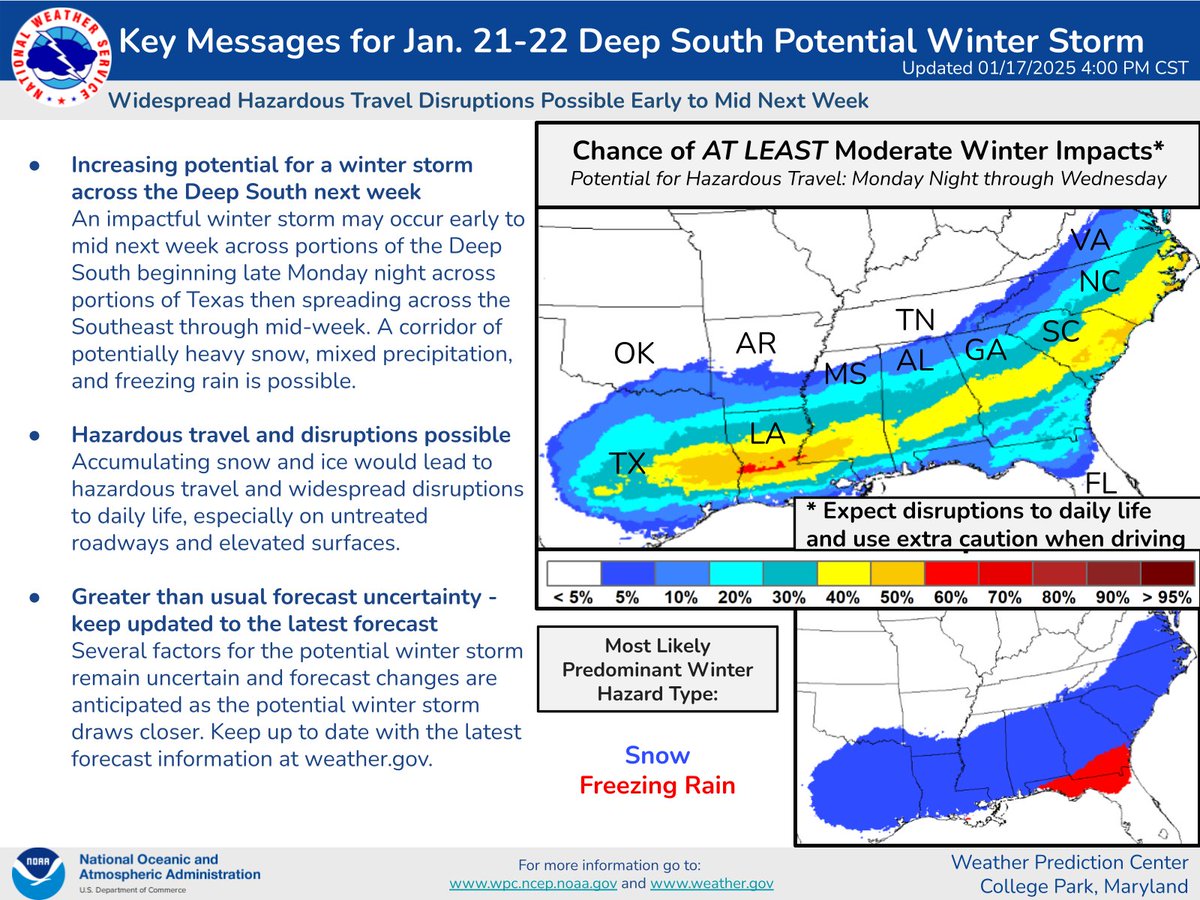
In addition to the winter storm in the Northeast, another winter storm may develop and impact much of the Deep South early next week. Here is our first Key Message about that potential winter storm.
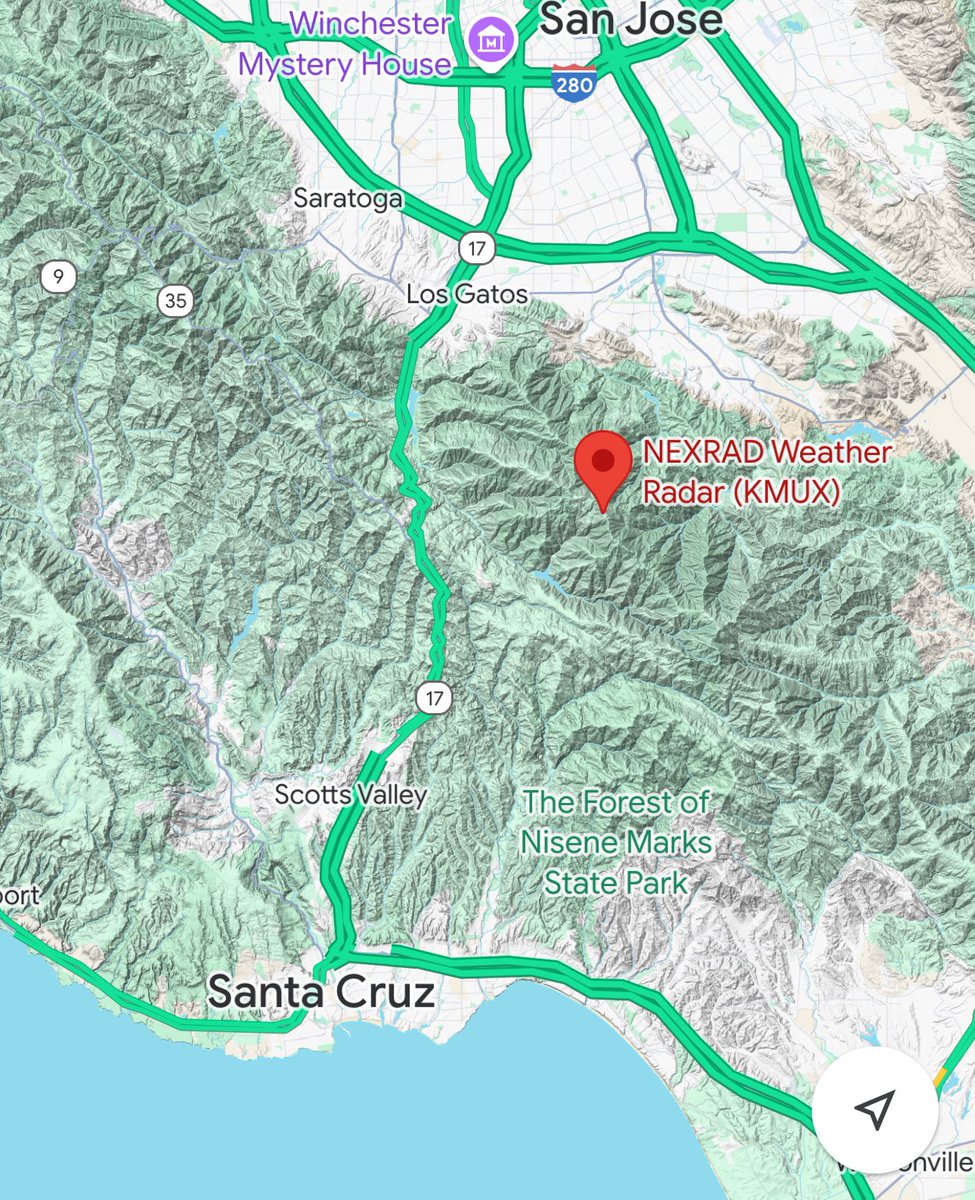
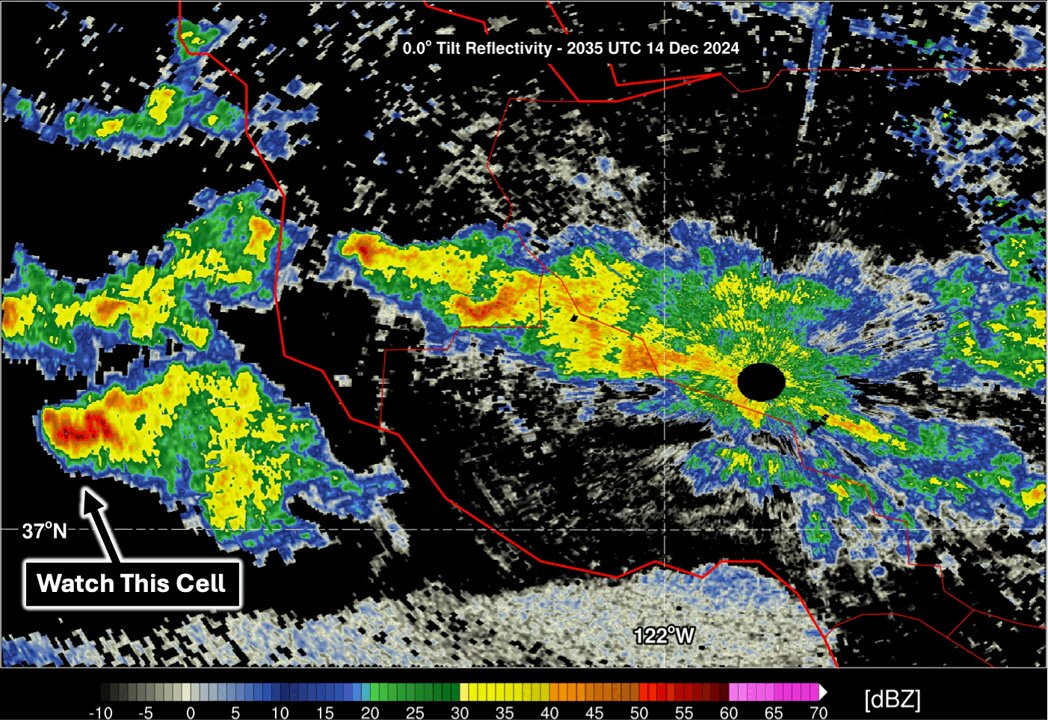
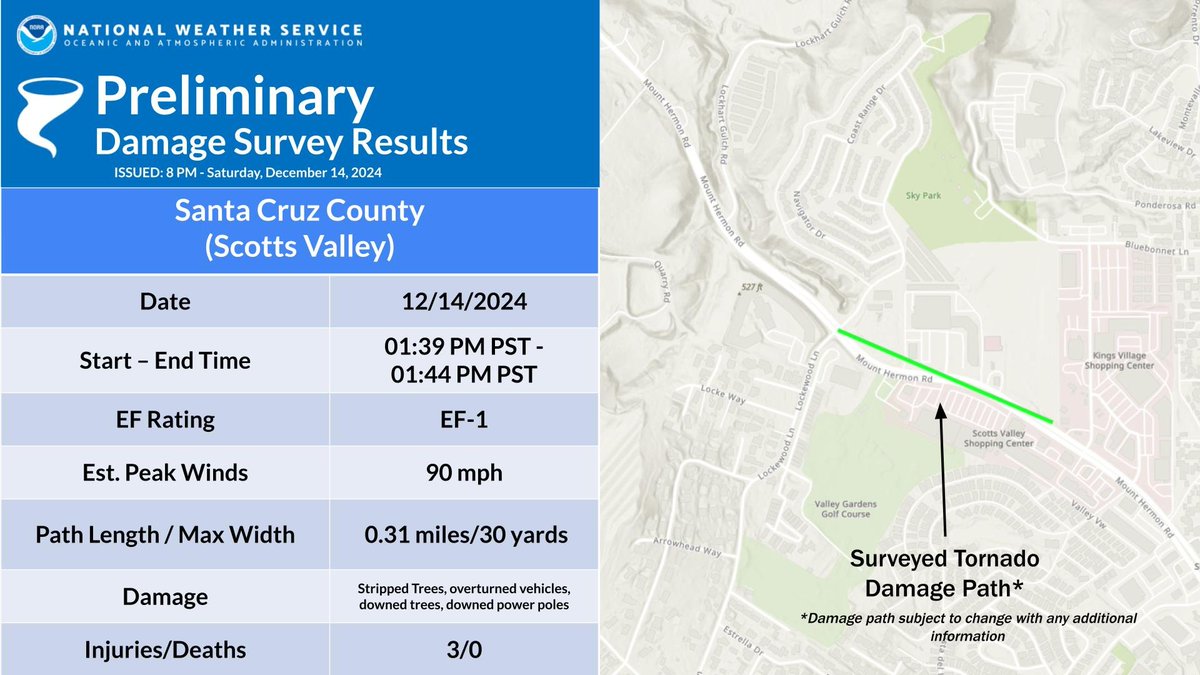
Given relative rarity of tornadoes in Central CA, wanted to share radar loop of cell that produced the Scotts Valley EF1 #tornado yesterday.
As cell moved ashore at 115pm PST, it formed a hook, low CC area, & a BWER near Scotts Valley. Fascinating evolution on #KMUX radar. #CAwx
📃Preliminary Damage Survey Conducted. EF1 tornado observed in Scotts Valley this afternoon, December 14, 2024. The most severe damage was observed along Mt Hermon Rd. Full info: partnerservices.nws.noaa.gov…#cawx#scottsvalley
ALT EF1 tornadic damage observed in Scotts Valley December 14, 2024. Started at 1:39 PM and ended 1:44 PM. Length .31 miles. 3 injuries.
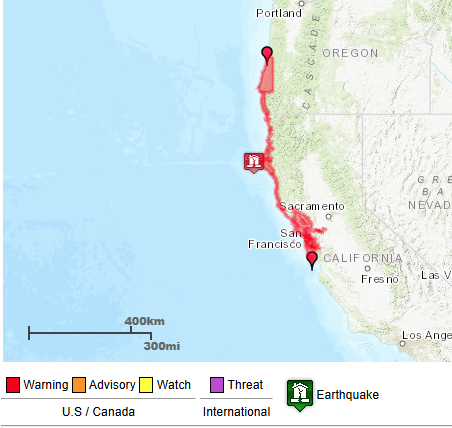
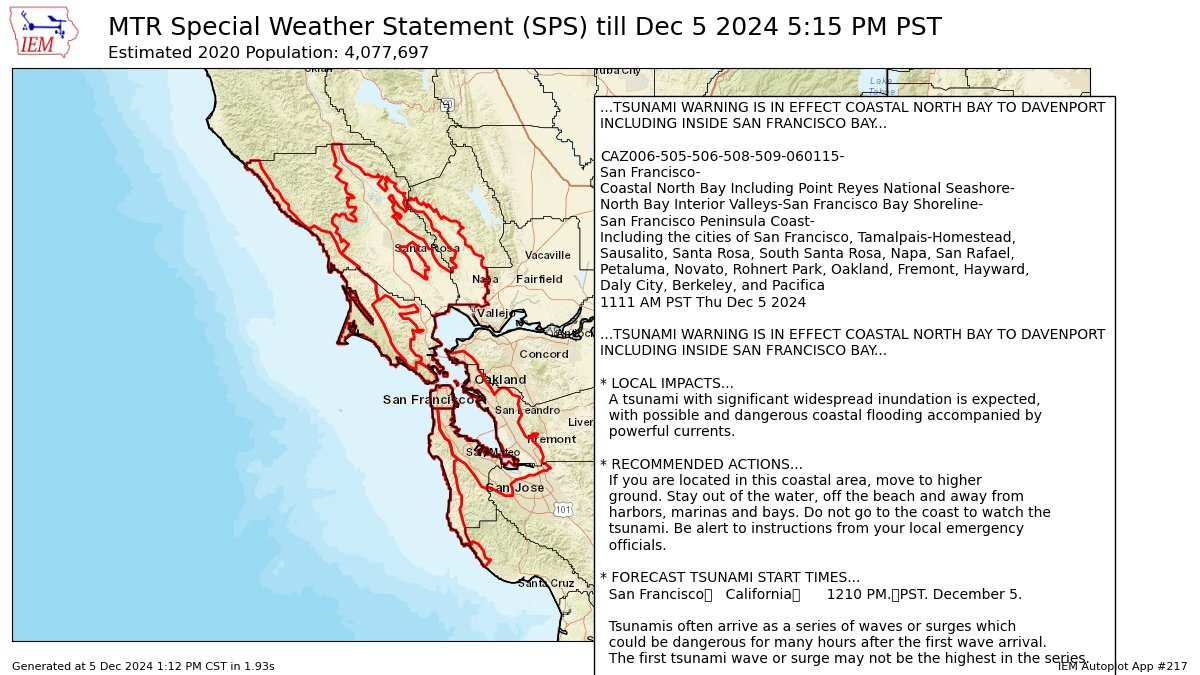
TSUNAMI WARNING IS IN EFFECT COASTAL NORTH BAY TO DAVENPORT INCLUDING INSIDE SAN FRANCISCO BAY for Coastal North Bay Including Point Reyes National Seashore, North Bay Interior Valleys, San Francisco, San Francisco Bay Shoreline, San... till 5:15 PM PST mesonet.agron.iastate.edu/p.…
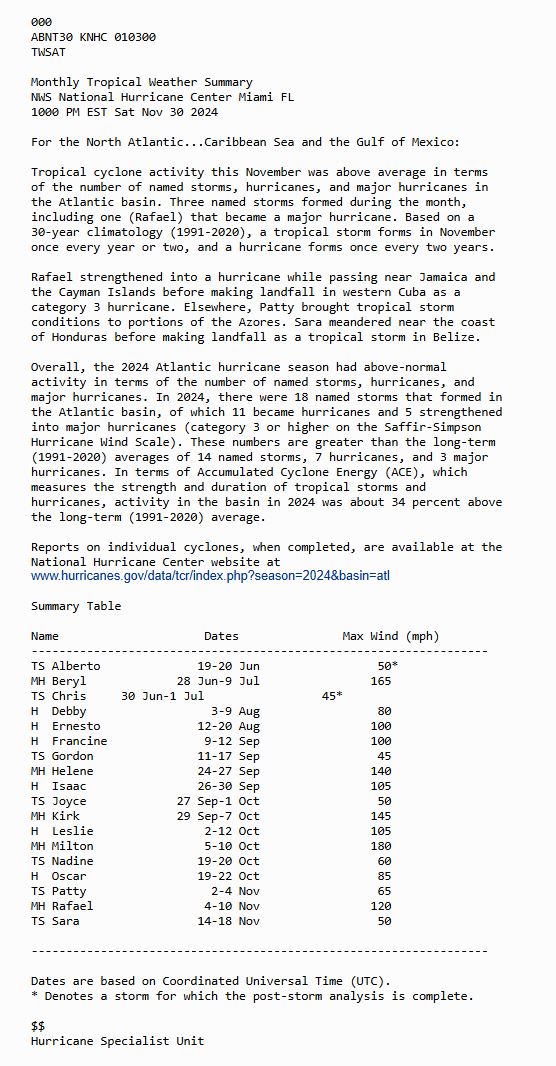
The 2024 Atlantic hurricane season officially ended on Saturday (Nov. 30)! Here are a preliminary summary and track map of the season's tropical cyclones. NHC will be working over the coming months on completing the Tropical Cyclone Reports for all of this year's tropical cyclones.
nhc.noaa.gov/text/MIATWSAT.s…
ALT Monthly Tropical Weather Summary issued by NHC on November 30
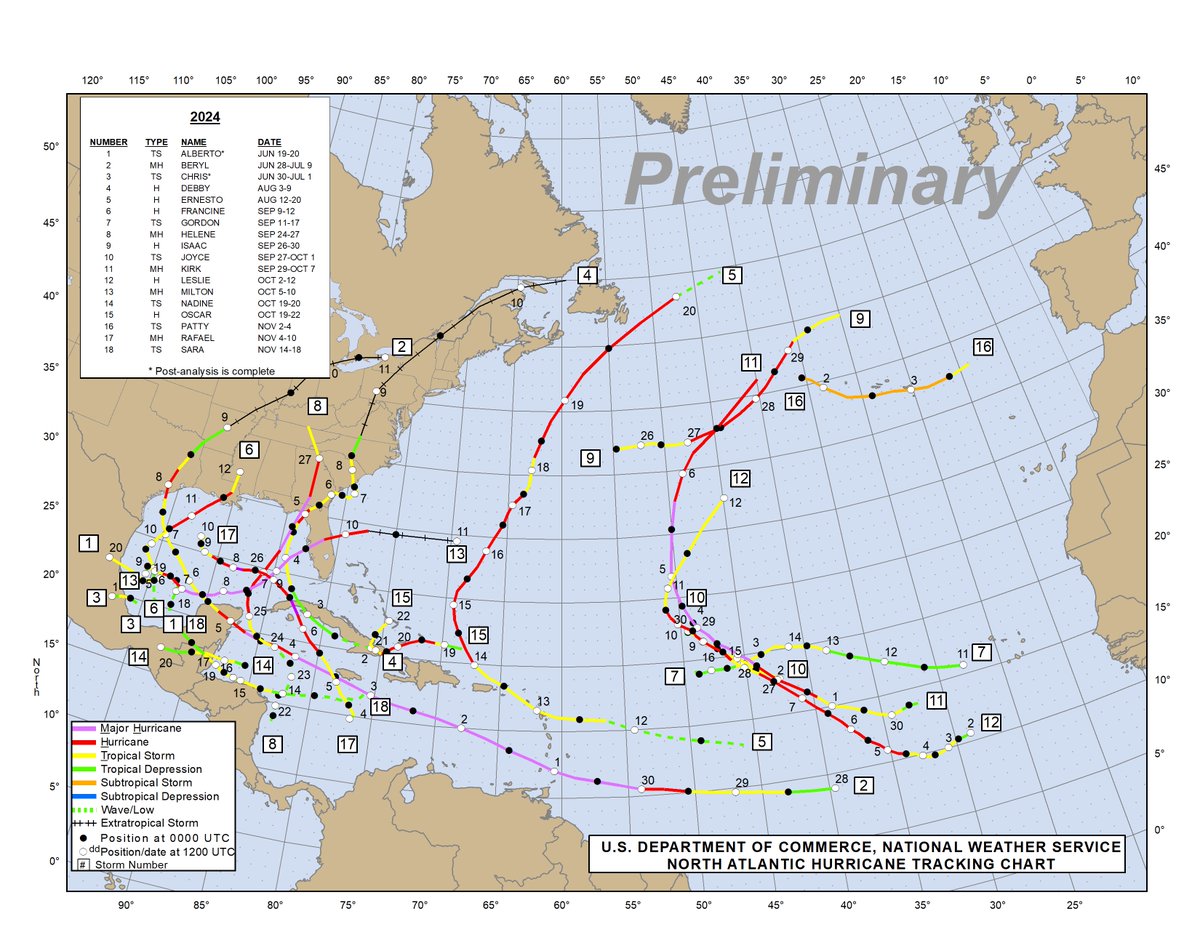
ALT Track map of tropical cyclones that occurred in the Atlantic basin in 2024.
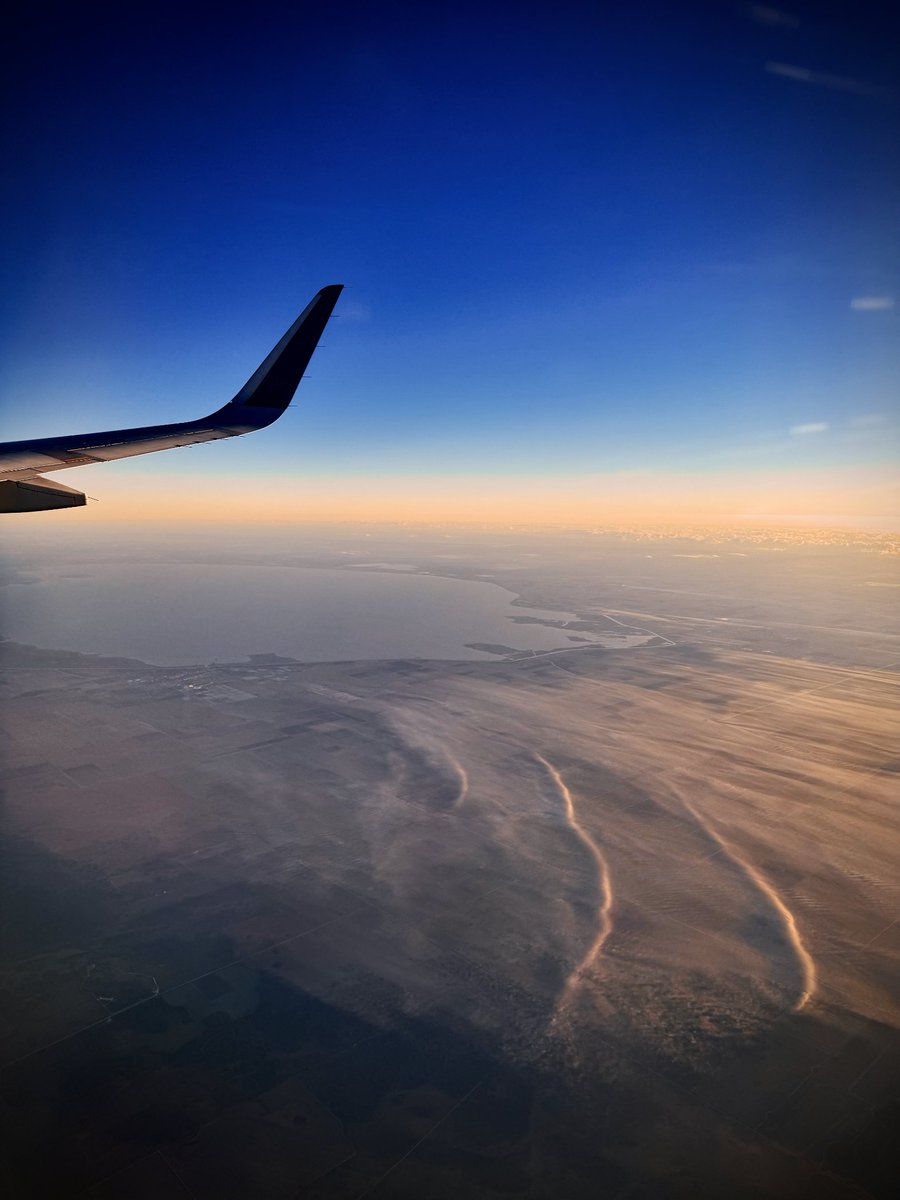
A 1/4th of the way through my @JetBlue flight from FLL➡️SFO, but choosing the window seat has payed off.
Beautiful view of Lake #Okeechobee just after sunrise. Most interesting thing are waves in the shallow fog streaming off the lake. Maybe a weak Undular Bore?
✈️☁️🌊🌅#FLwx
ALT View of Lake Okeechobee from a plane at sunrise, with shallow low level clouds or fog with waves embedded in them.
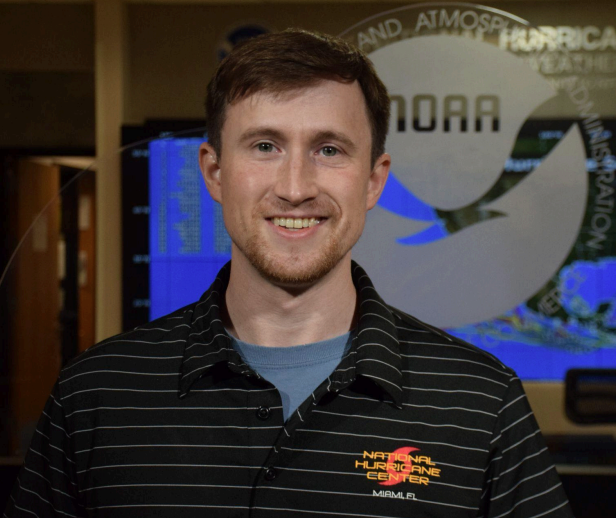
Guess it is as good of a time as any to say it is my 1st week as a Senior Hurricane Specialist @NWSNHC. Last month marked 4 yrs since I started at NHC & it has been an incredibly humbling/fulfilling experience.
An honor to keep doing what I love, to help save lives & property🌀
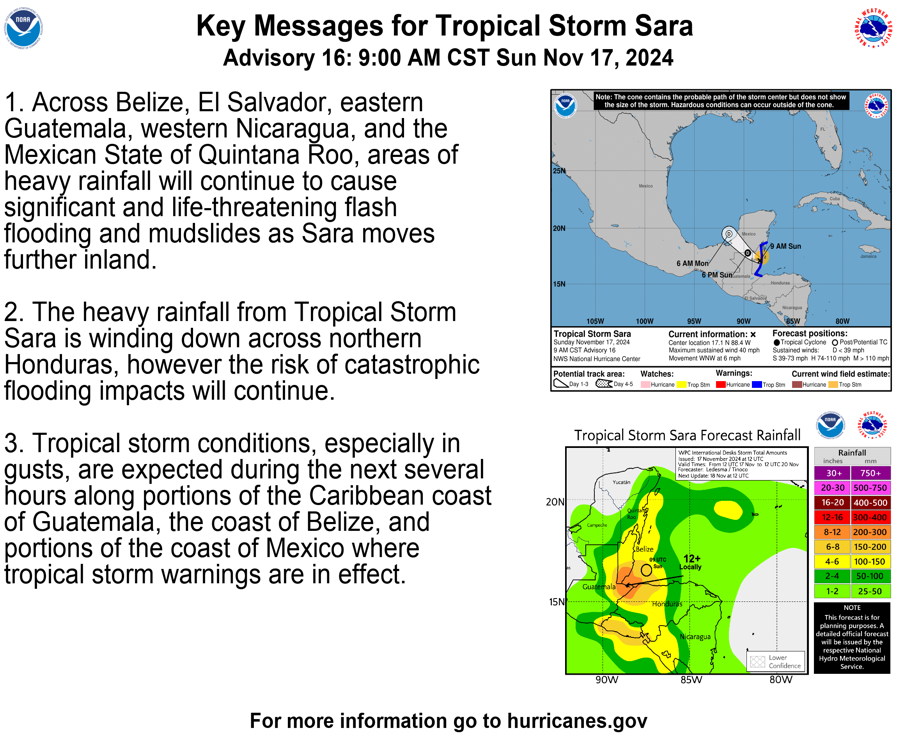
9AM CST Nov 17: #Sara makes landfall along the coast of Belize, near Dangriga. Heavy rainfall is spreading inland over portions of the Yucatan Peninsula. For the latest information visit hurricanes.gov
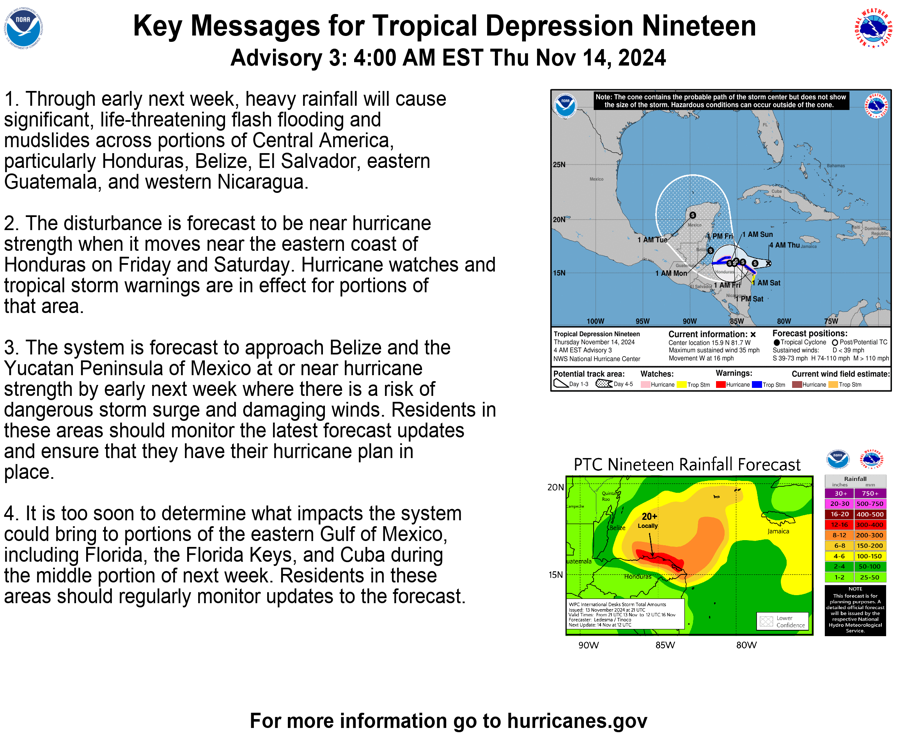
4am EST Thu 11/14 Key Messages on Tropical Depression #Nineteen . Extremely heavy rain will cause life-threatening flash flooding and mudslides across portions of Central America, especially northern Honduras.
More: hurricanes.gov
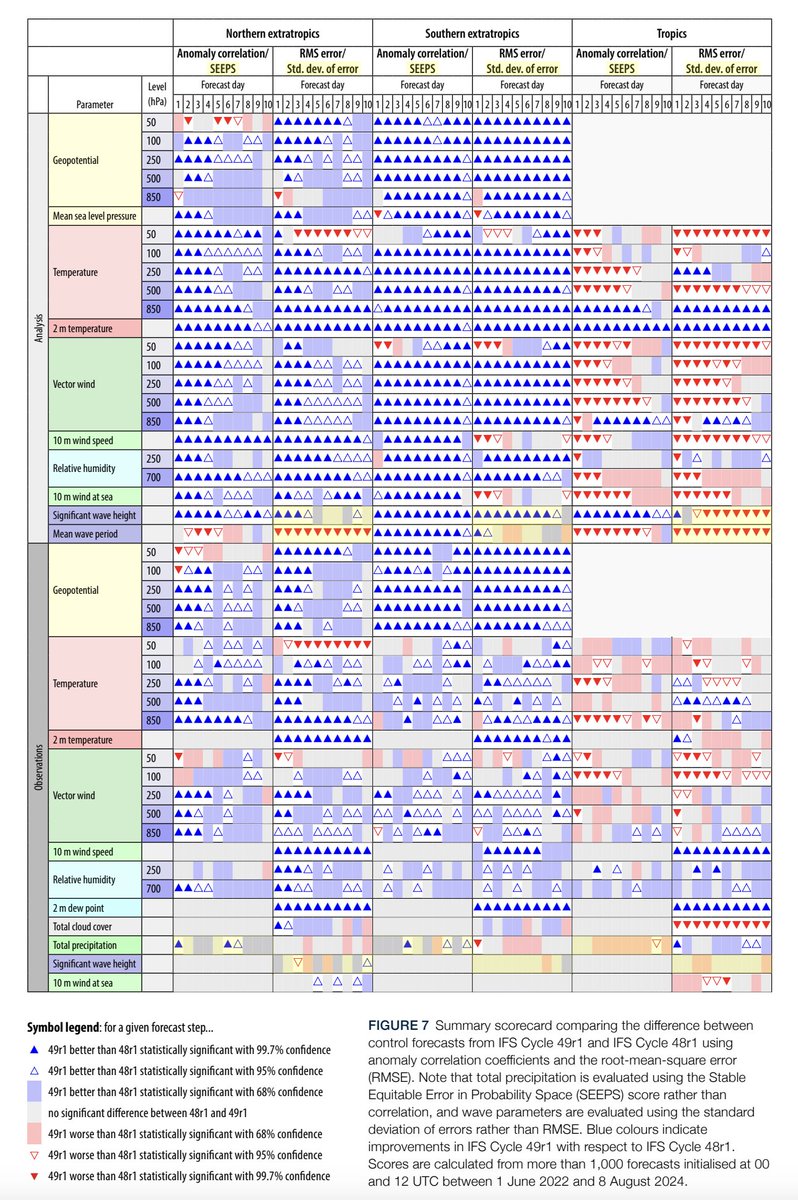
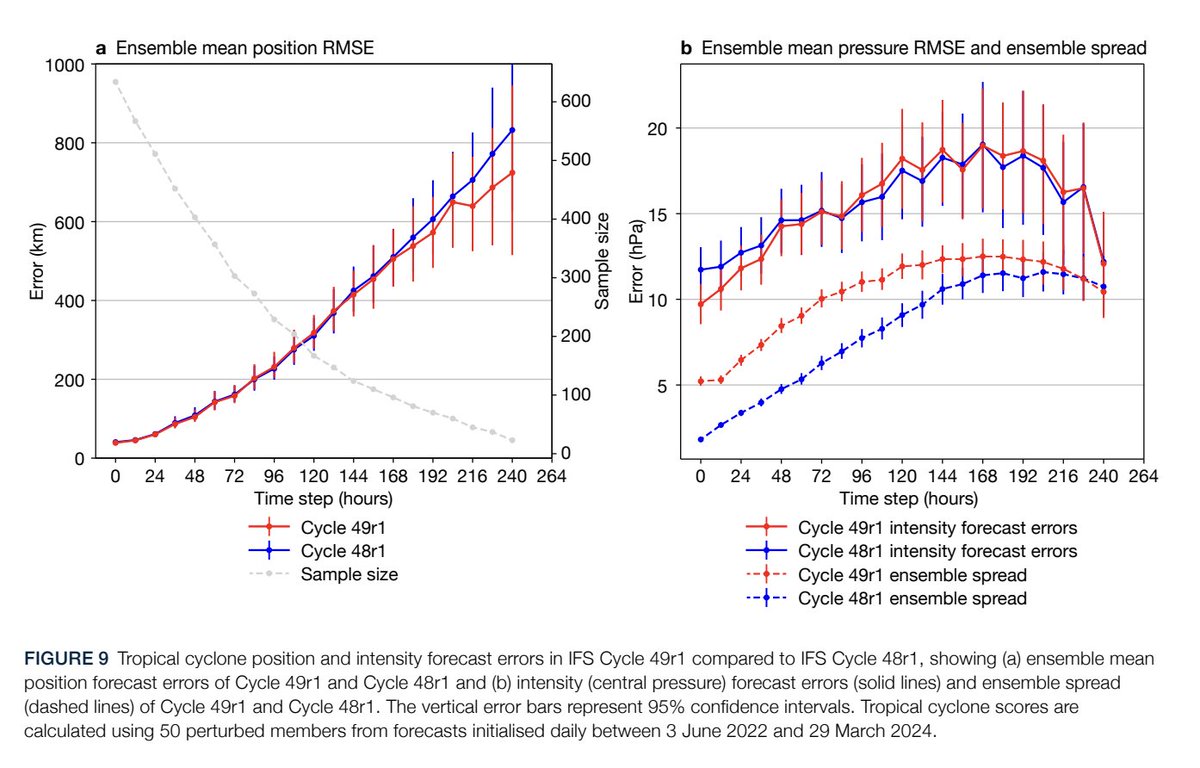
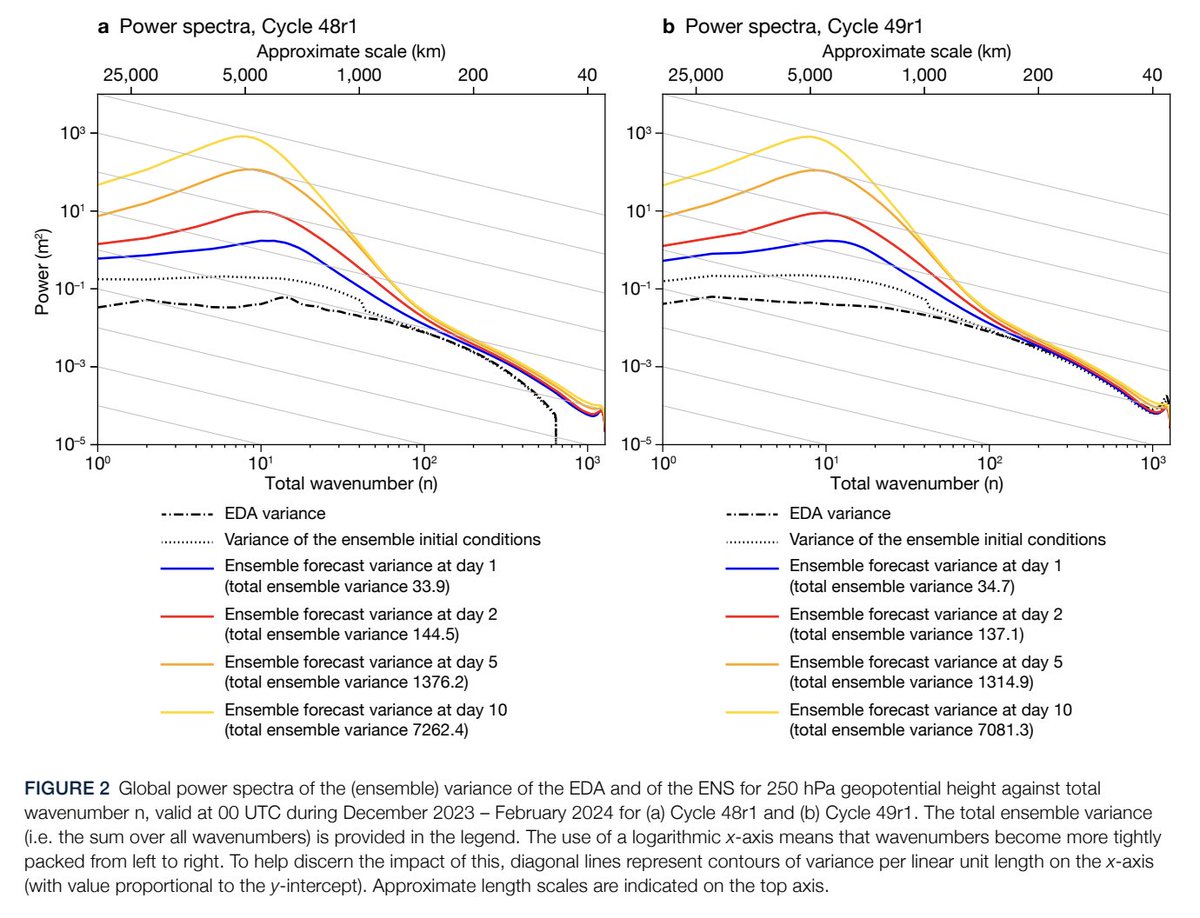
The #ECMWF is getting a significant upgrade today (IFS Cycle 49r1) beginning with the 06 UTC run.
Changes include:
1) Improved Ensemble Data Assimilation (EDA) run at higher horizontal resolution.
2) Ensemble switch from SPPT to SPT.
Details: ecmwf.int/sites/default/file…
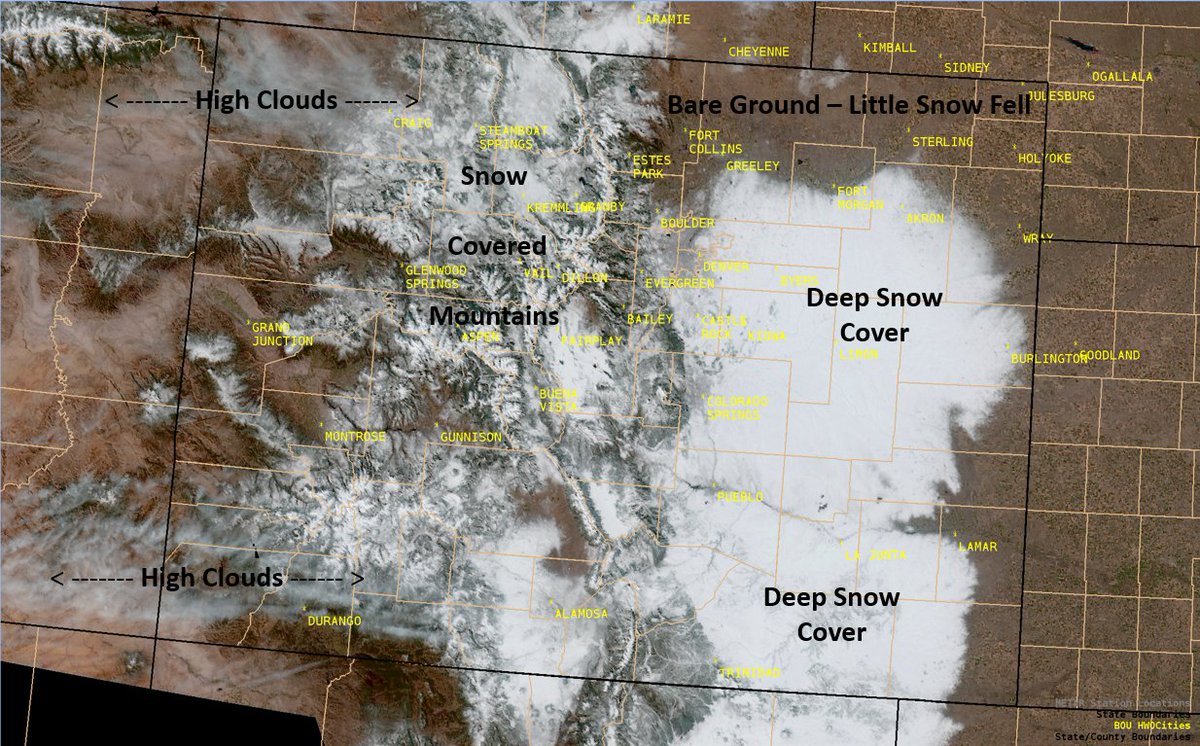
ALT Satellite view of Colorado's recent snow cover, with deep snow noted over much of eastern Colorado, along with snow covered mountains in Central and Western Colorado.
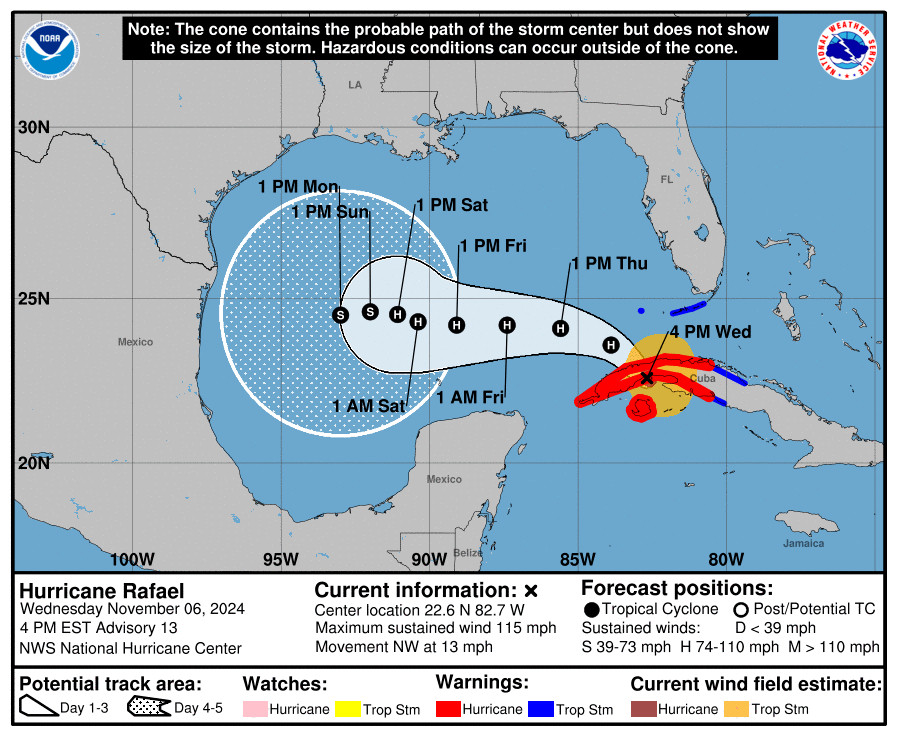
#Rafael is now post-tropical, but not before pushing 2024 Atlantic #hurricane season to NOAA's "extremely active" classification. 2024 is 11th extremely active Atlantic season in satellite era (1966-onwards). Others are: 1995, 1996, 1998, 1999, 2003, 2004, 2005, 2010, 2017, 2020.
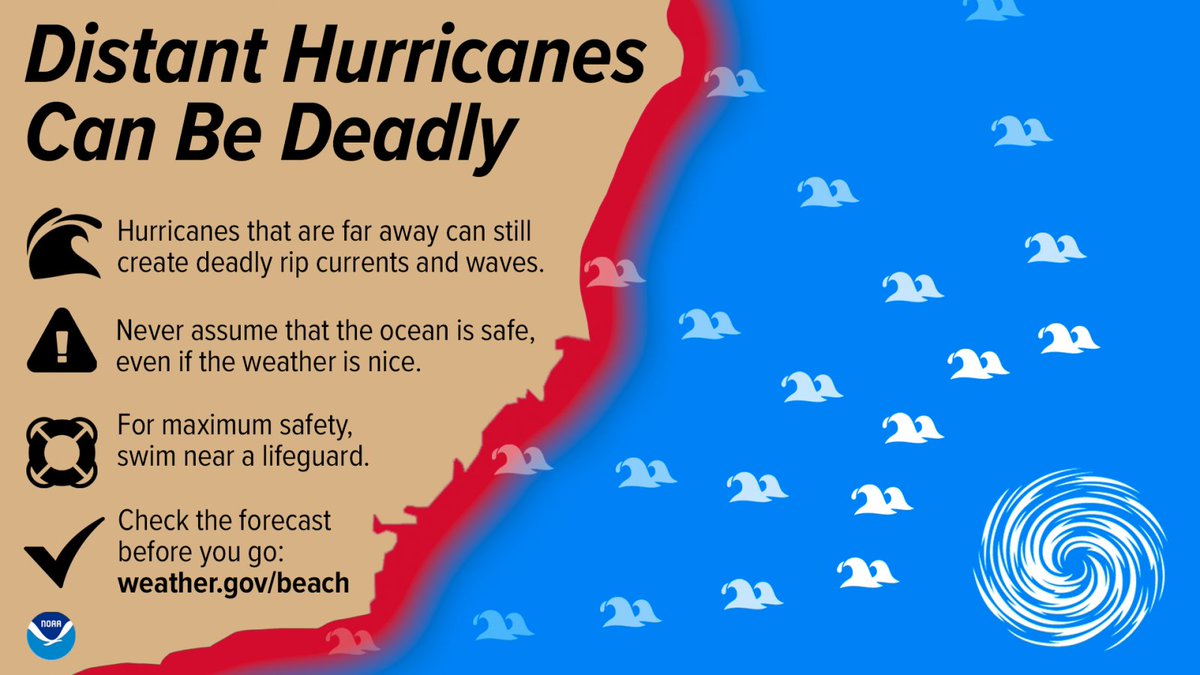
Nov 9: Swells generated by #Rafael are likely to cause life-threatening surf and rip current conditions along the Gulf Coast the next few days. Make sure to check the latest beach forecast at weather.gov/beach
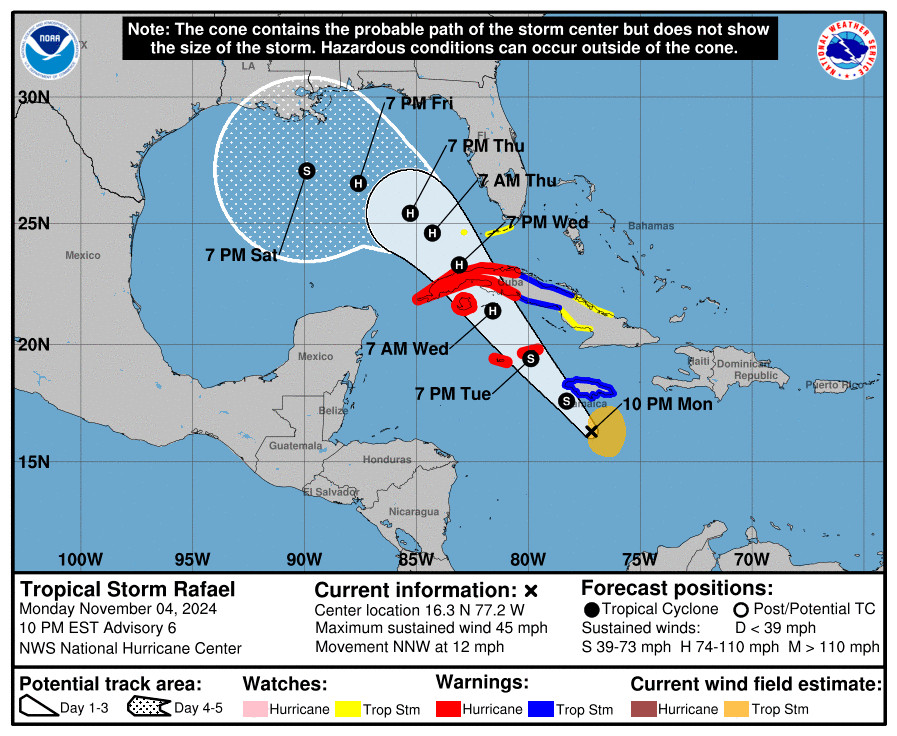
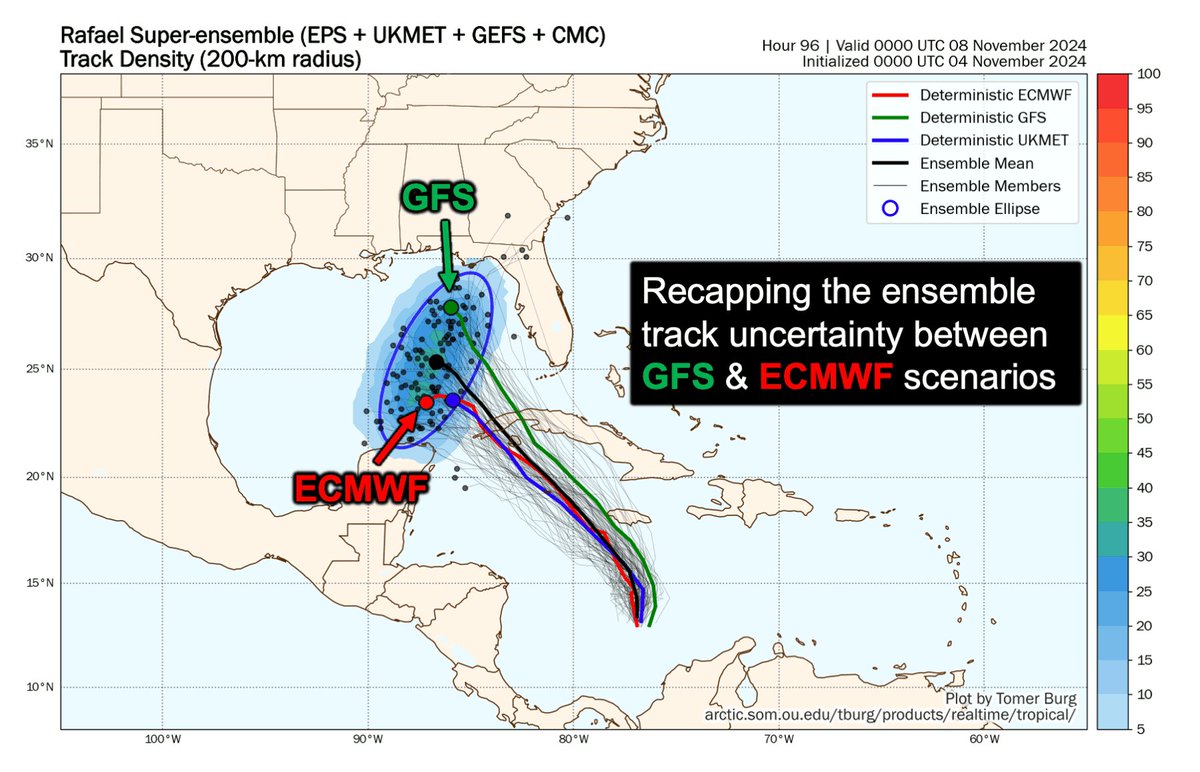
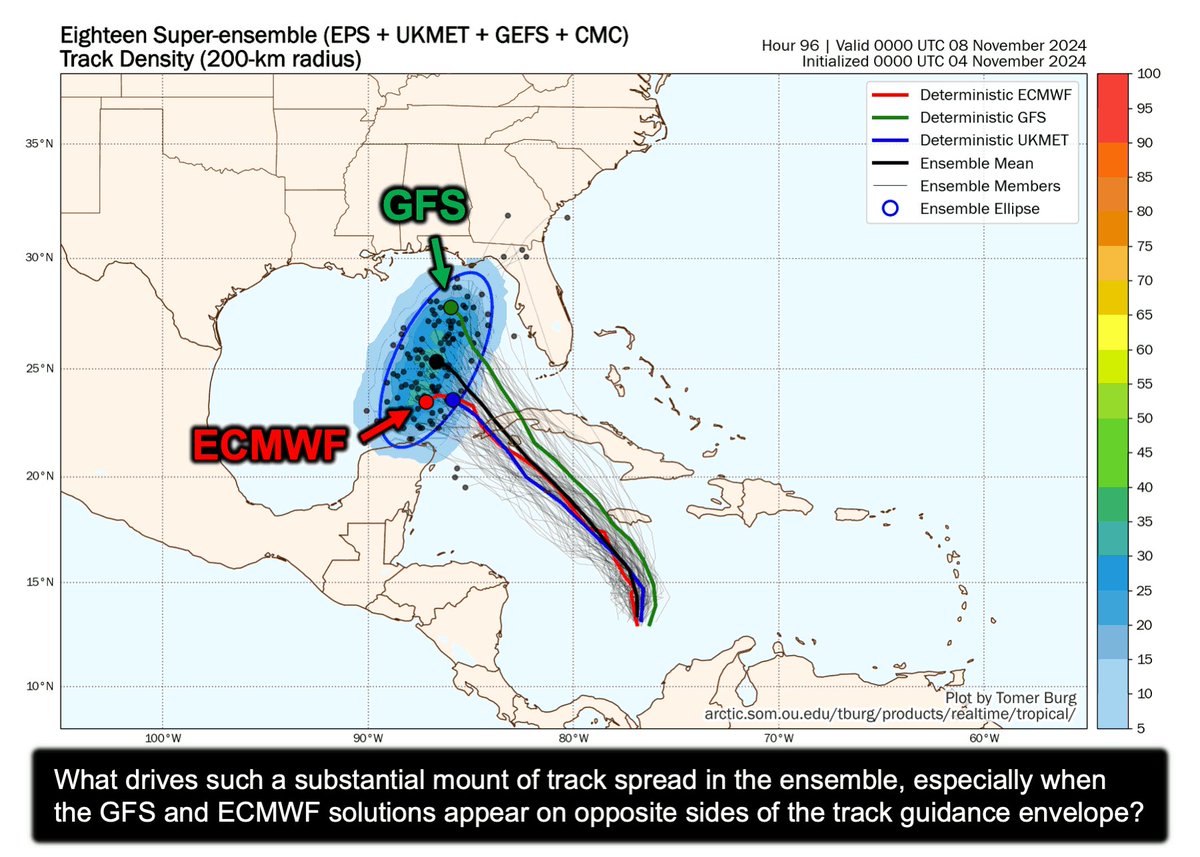
A couple days later, how did the #Rafael track pan out?
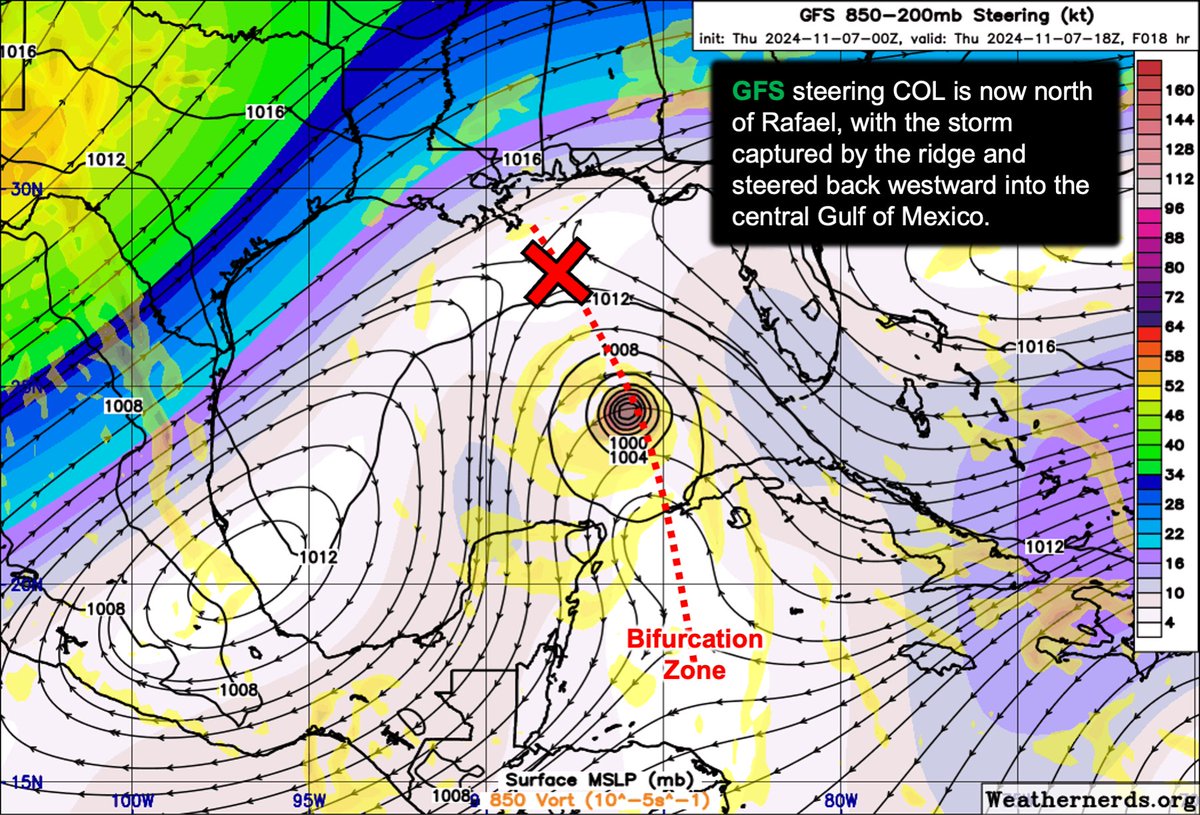
Well, it will end up on S side of the bifurcation zone, & old #ECMWF was close to clustered ens guidance now. #GFS performed poorly.
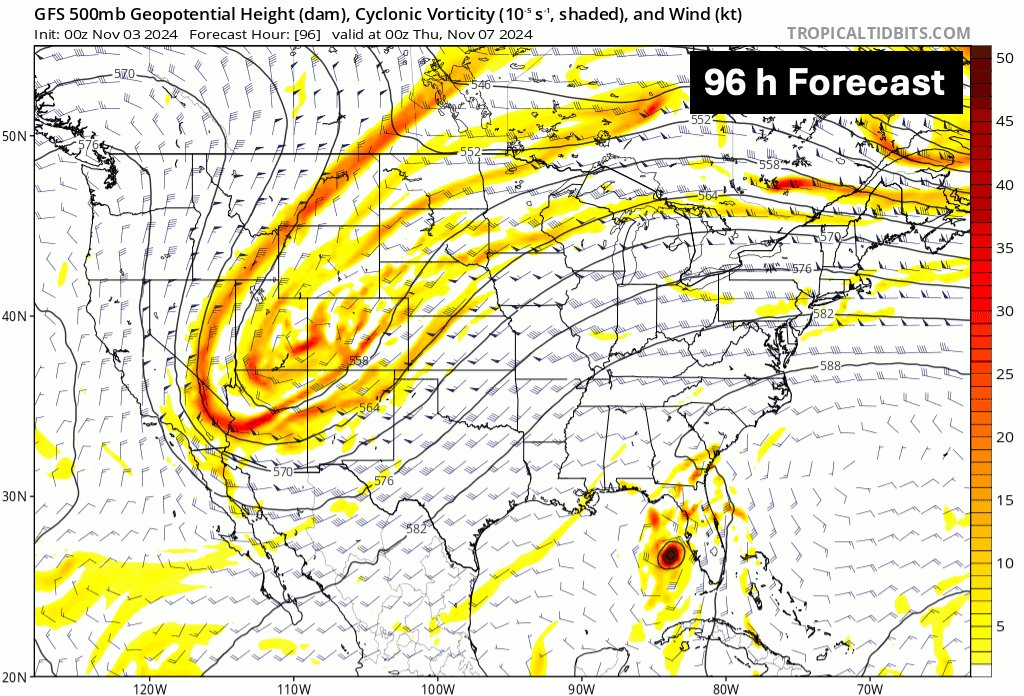
Let's evaluate the hypothesis, did upstream synoptic flow pattern lead to this change?
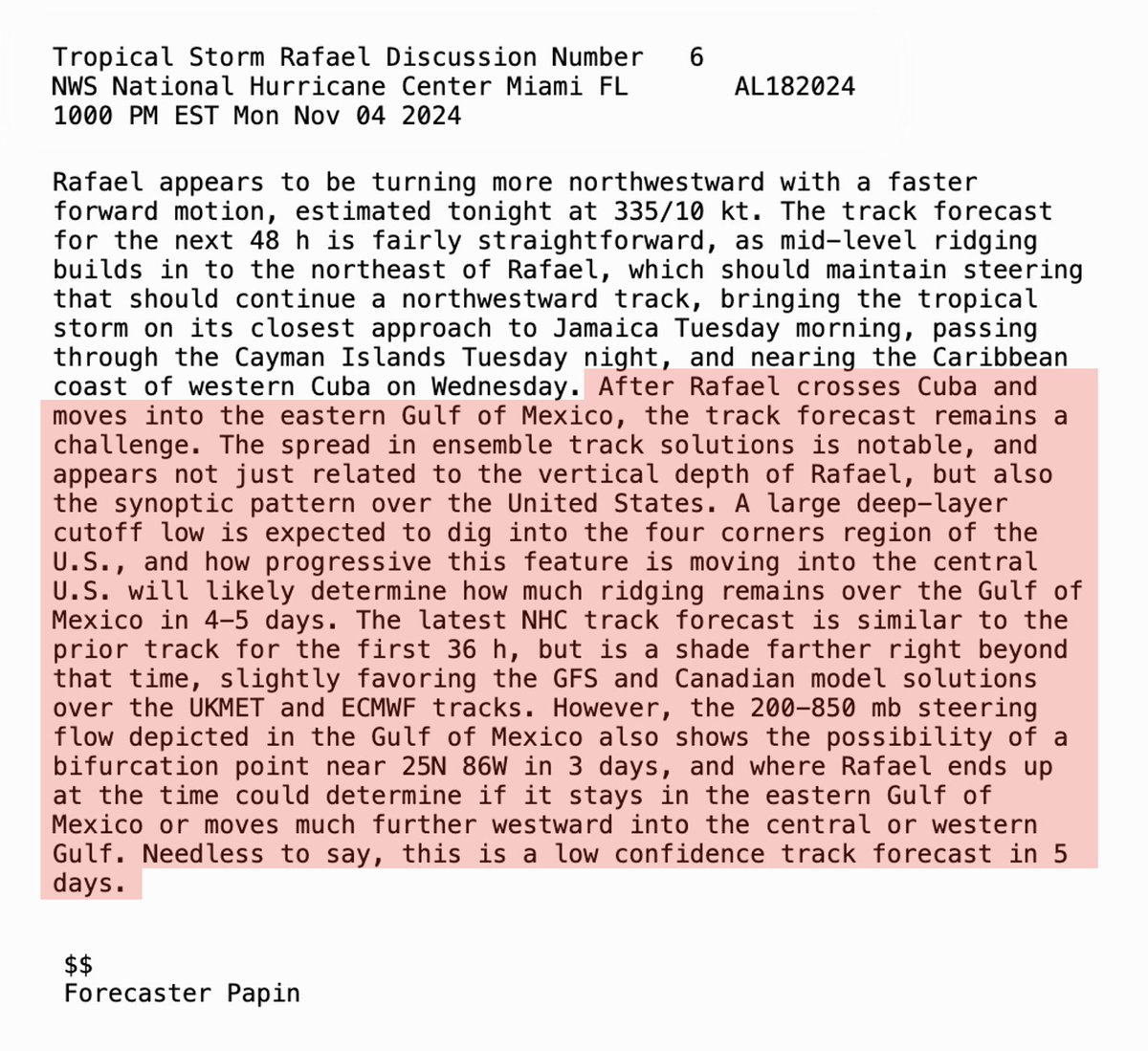
Sometimes when I write up a TC discussion, in this case #Rafael, I wish I could include visual aids to help describe what I am trying to say in the text.
Take for instance the passage below. This wall of text tries to say a lot about track, but is pretty dense for most folks.
The end result is this narrow ridge will capture
#Rafael, causing it to turn slowly westward over the next several days.
The steering COL is N of Rafael, with light westerly mean deep-layer flow over the TC. This GFS pattern is now similar to the ECMWF from several days ago.
And here is how the NHC track forecast evolved for #Rafael over the same time frame.
This is a rather dramatic shift left, but necessary when it became evident the ECMWF solution would be the correct side of the bifurcation point.
End of thread.
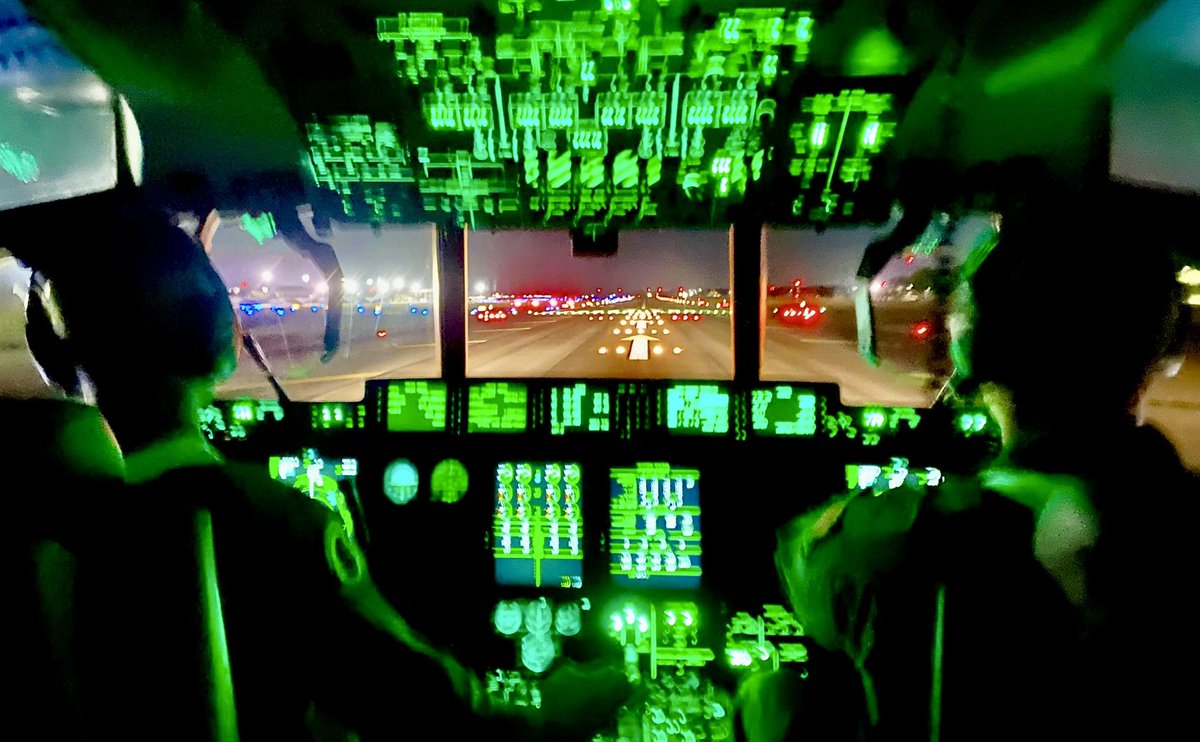
As always, so grateful to have these folks do what they do to provide critical observations in hurricanes. Thanks guys! 🙏
Their data last night in addition to the @NOAA_HurrHunter's were an important component in upgrading #Rafael to a hurricane.
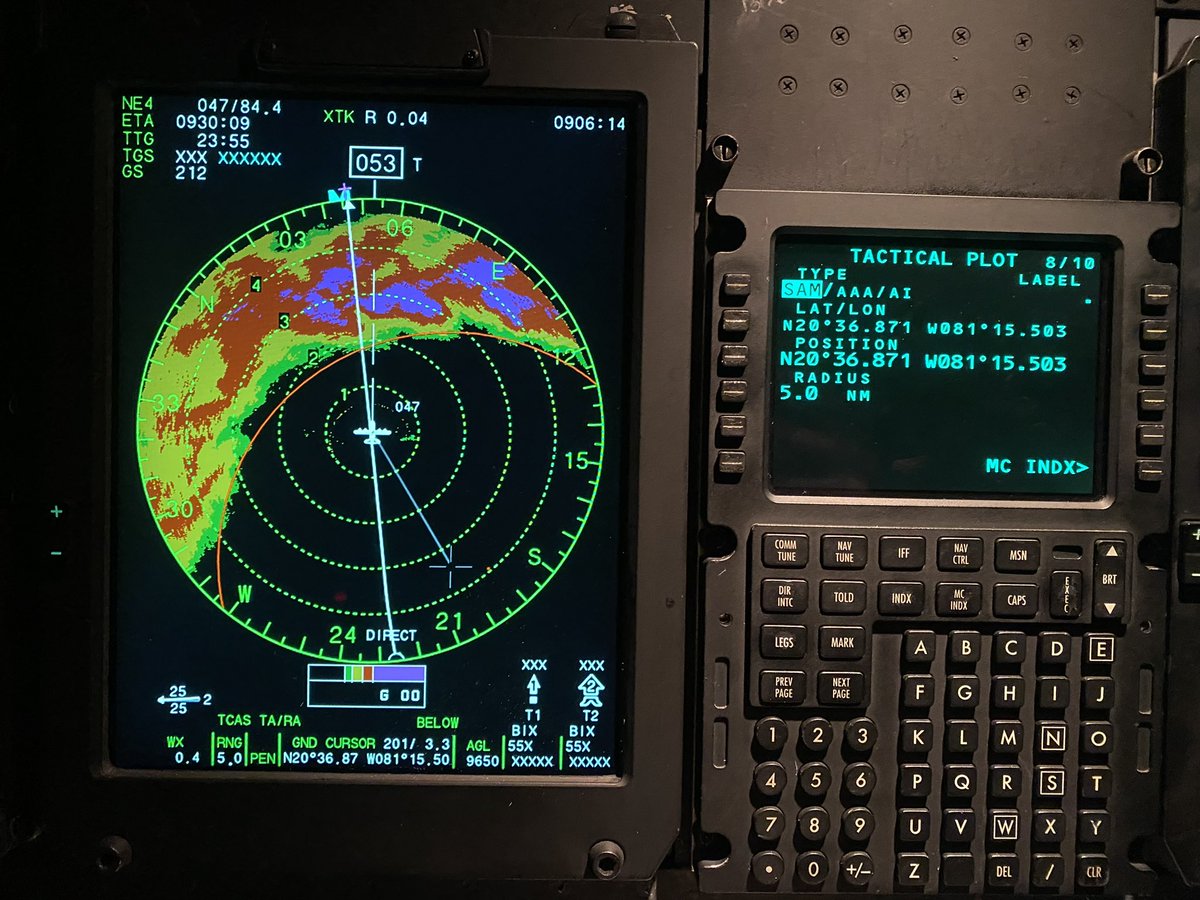
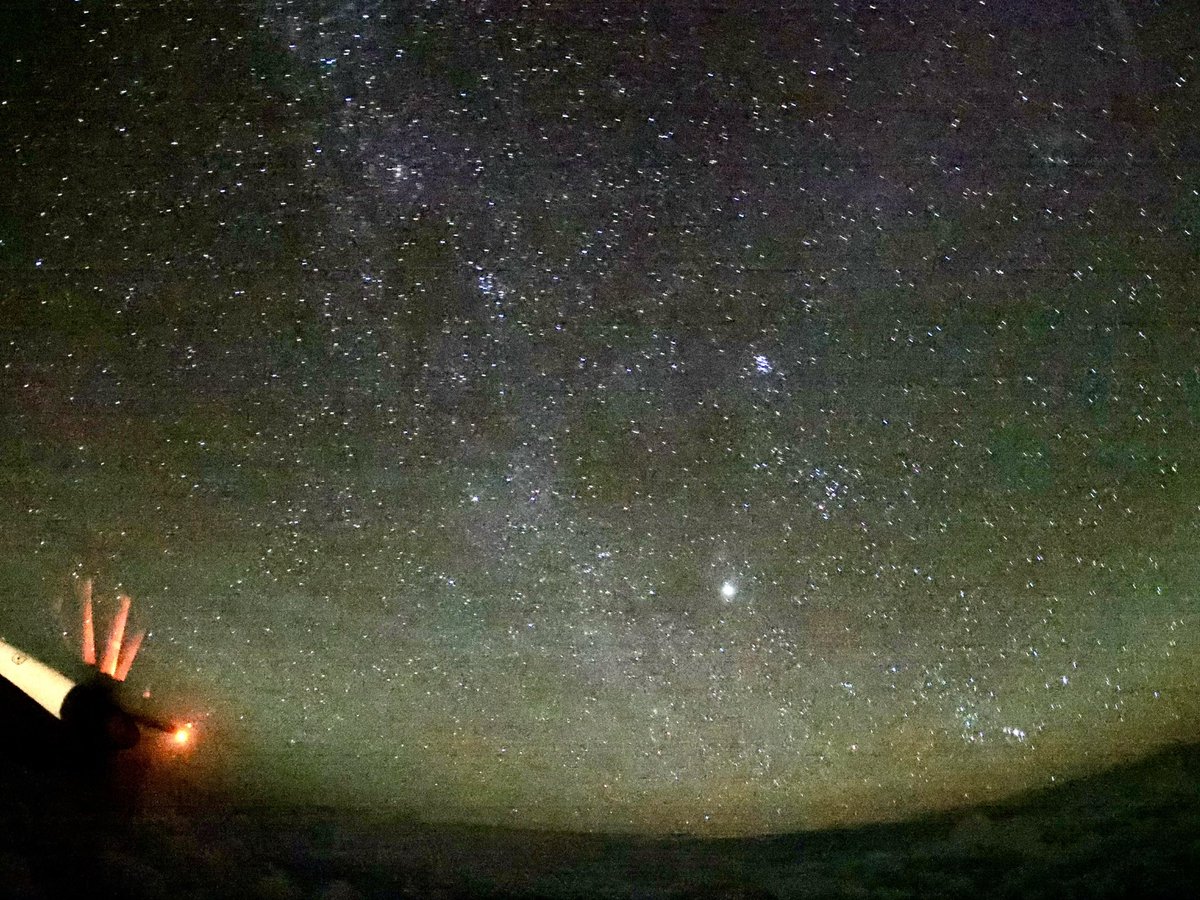
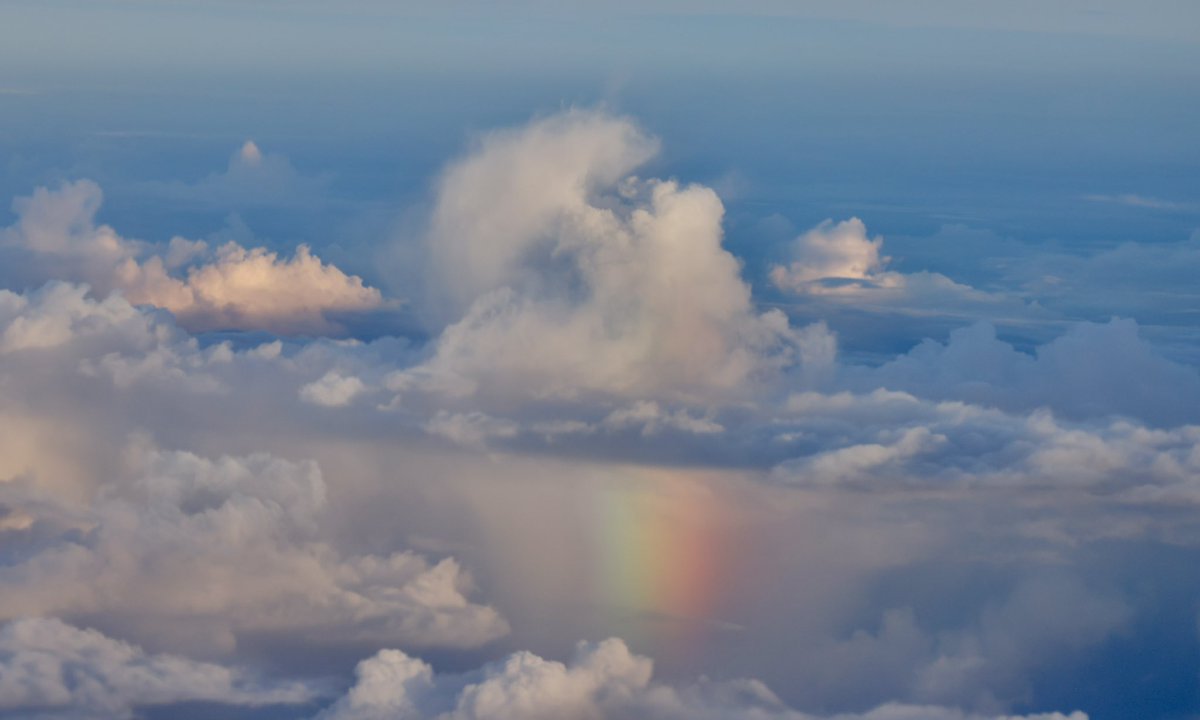
Our crews are working around the clock to gather weather data for NHC forecasts. It took 2.5 hours for last night’s crew to get to the storm, and then they flew a fix mission flying through the storm at 10,000 feet for 6 hours, and it was another 2.5 hours back to Keesler AFB, Miss. The crew experienced an amazing view of the night sky and a morning rainbow on their trip to and from Rafael.
For updated forecast information visit nhc.noaa.gov#readynow#WeatherReady
Sometimes when I write up a TC discussion, in this case #Rafael, I wish I could include visual aids to help describe what I am trying to say in the text.
Take for instance the passage below. This wall of text tries to say a lot about track, but is pretty dense for most folks.
Before I worked at NHC, this was my medium of choice (animated GIFs) to try to explain meteorological concepts / phenomena.
I'm a very visual learner, so I like supplementing graphics -- but is combining text & images to tell a meteorological story more accessible to everyone?
Also just posing this open ended question to see if its still possible to have thoughtful conversations on this social media platform.
End of mini-thread.