
Joined July 2010
- Tweets 4,380
- Following 947
- Followers 5,543
- Likes 1,307
379 Photos and videos






Pinned Tweet

Feb 5
Blockchains and stablecoins are powerful primitives. But there’s a need for an interop layer that makes them *just work*. Relay is that layer.
This is one of the most interesting challenges in crypto right now. Real demand, huge impact. Come work with us!
Feb 5

Announcing Relay's $17M Series B, led by @archetypevc & @USV.
And we're launching the Relay Chain — purpose-built infrastructure for instant crosschain settlement ⛓️
Any asset, any chain, instantly.
14
2
99
7,127
May 31
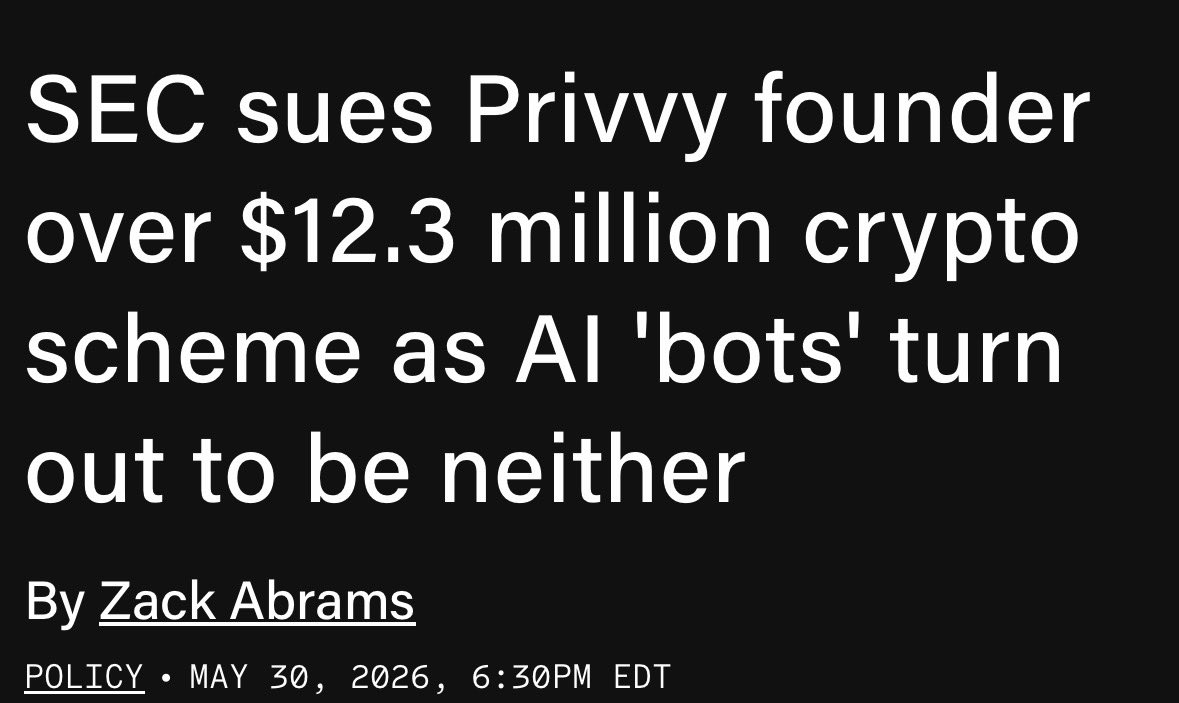
Bizarro privy outed by bizarro bridge (Privvy with two Vs, Zack with K)
May 30

SEC sues Privvy founder over $12.3 million crypto scheme as AI 'bots' turn out to be neither theblock.co/post/403118/sec-…
3
10
1,271
May 26
May 26

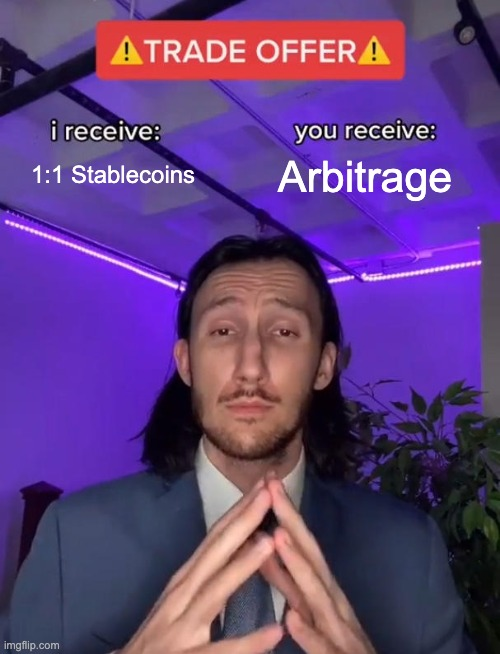
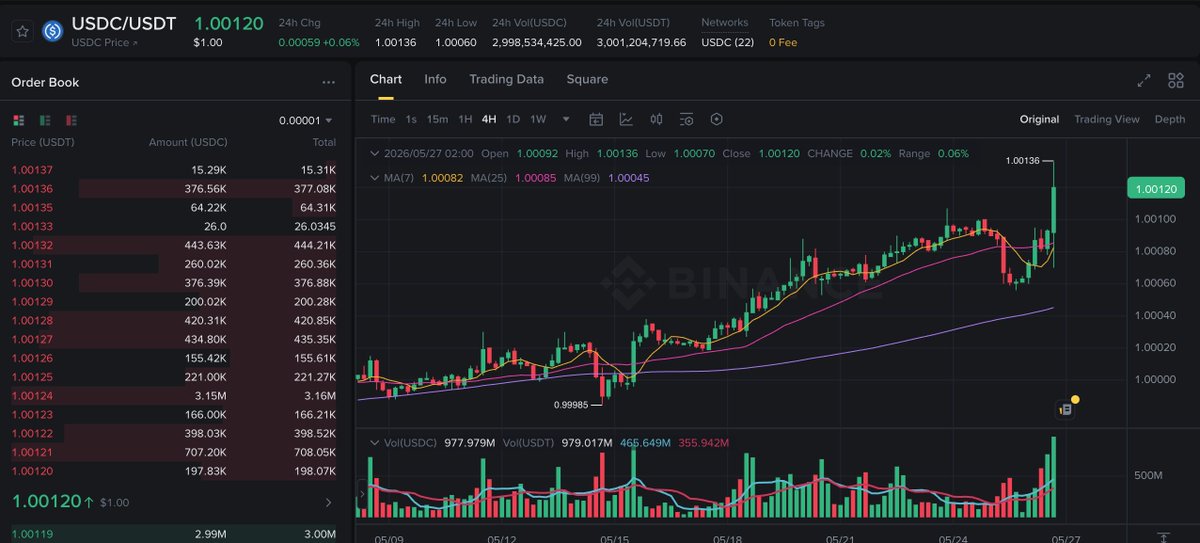
Everyone expects stablecoins to be 1:1 with USD and each other. Currently, the two biggest ones are trading with 12bps spread. Fun challenge :)
Checkout the various price stabilization options we offer with @RelayProtocol docs.relay.link/features/pri…
2
1
10
505
May 26
Everyone expects stablecoins to be 1:1 with USD and each other. Currently, the two biggest ones are trading with 12bps spread. Fun challenge :)
Checkout the various price stabilization options we offer with @RelayProtocol docs.relay.link/features/pri…
5
3
32
3,983
Mar 17
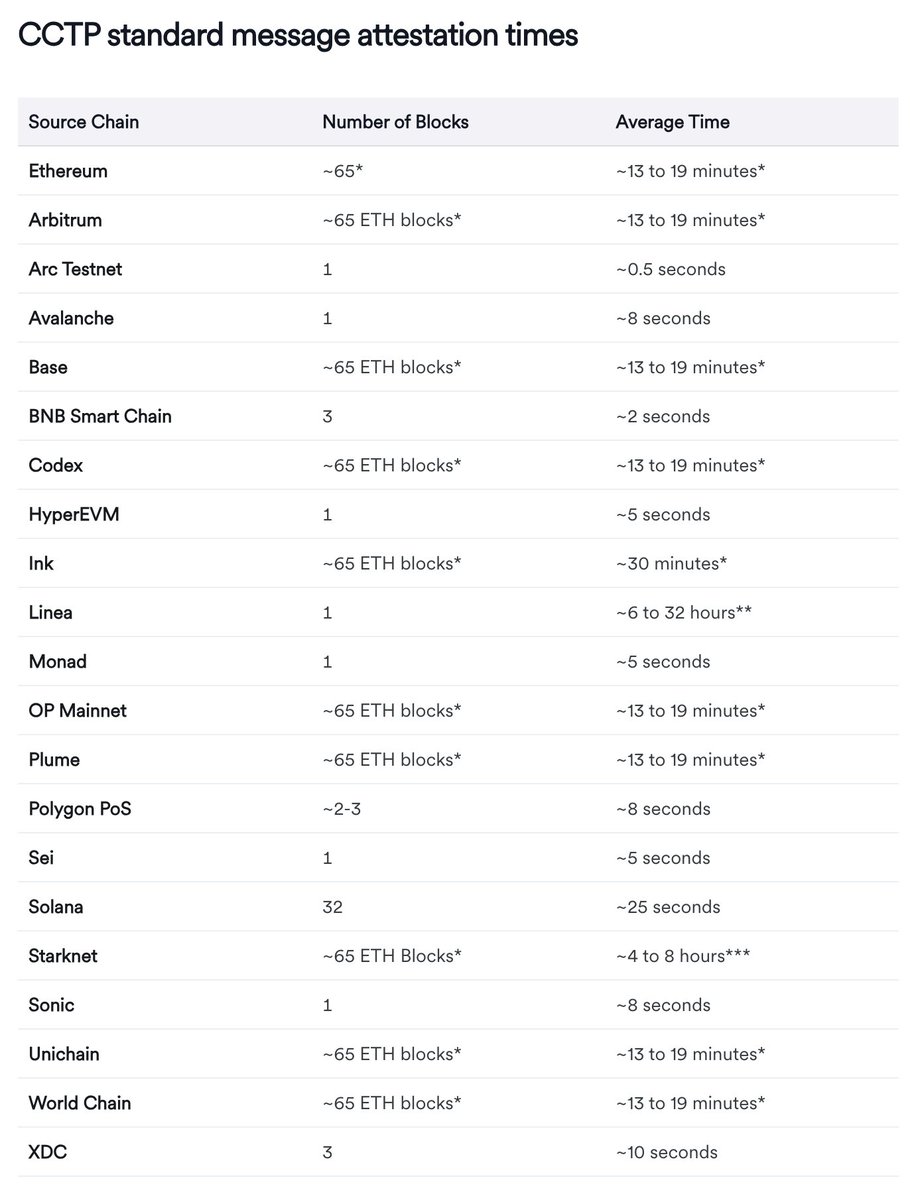
Ethereum needs to support a much larger number of smaller blobs.
Right now, L2s typically post every few minutes, which makes sense when L1 finalizes in 13 minutes.
But with this rule, there is an incentive to post a blob every block, to improve bridge / cex UX.

10
14
1,859
Mar 10
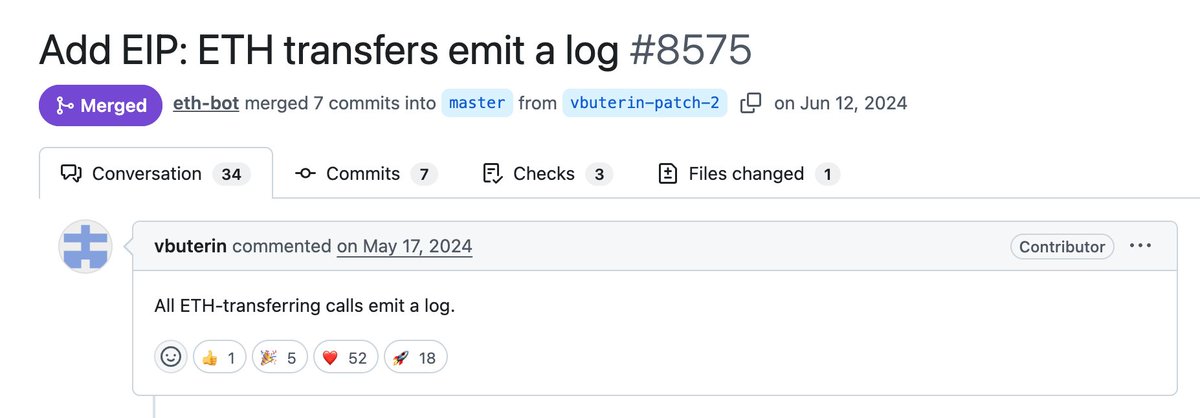
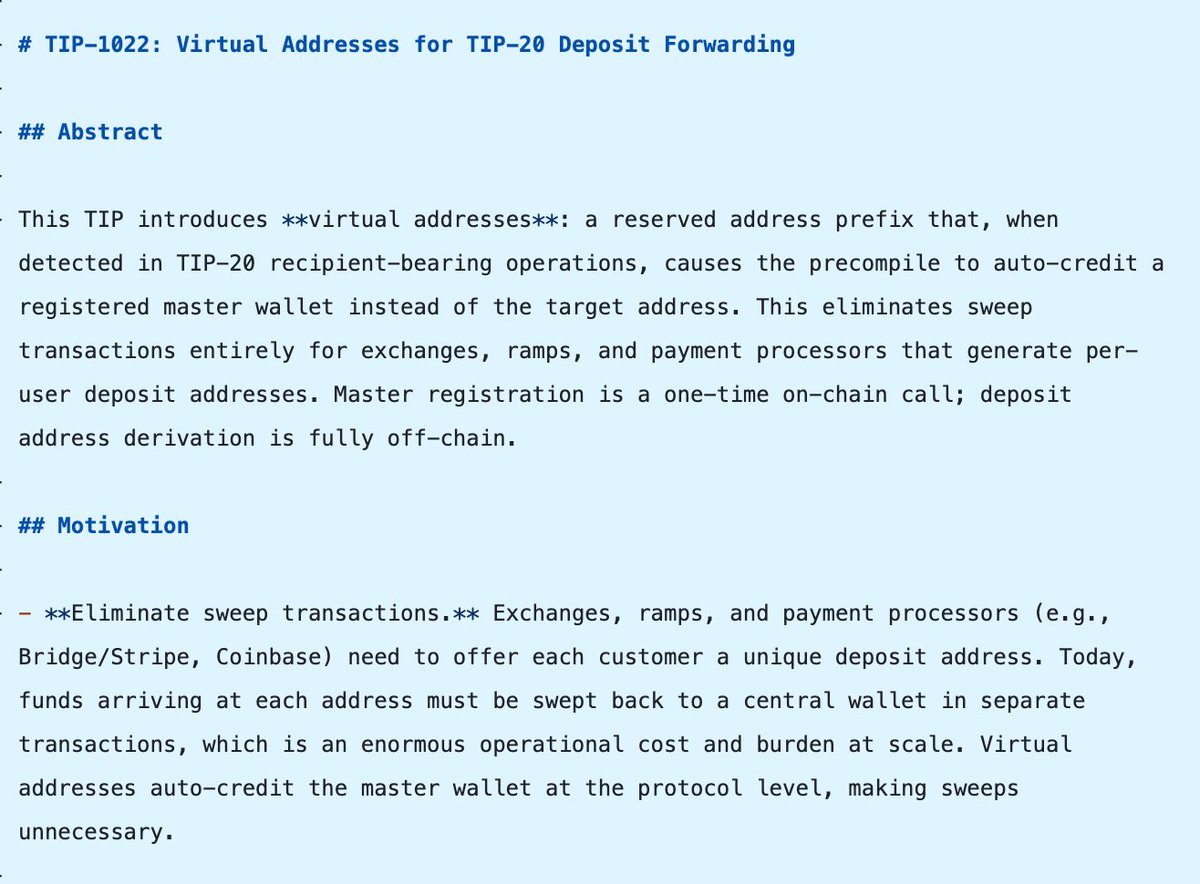
WHY IS THIS EIP NOT SHIPPED ON EVERY EVM CHAIN ALREADY!!??
15
1
92
18,974
Mar 10
Nice. Who would have thought you can just adapt blockchains to work better for the main use cases?

1
40
3,442
Mar 5
i just asked Claude if it rained last night and it told me to go outside and touch the grass
2
16
825
Feb 22
In the past, implementing code > reviewing code, so open source projects needed outside contributions.
Now, reviewing code > implementing code, so they will only accept outside ideas, and self-implement the code
Feb 22

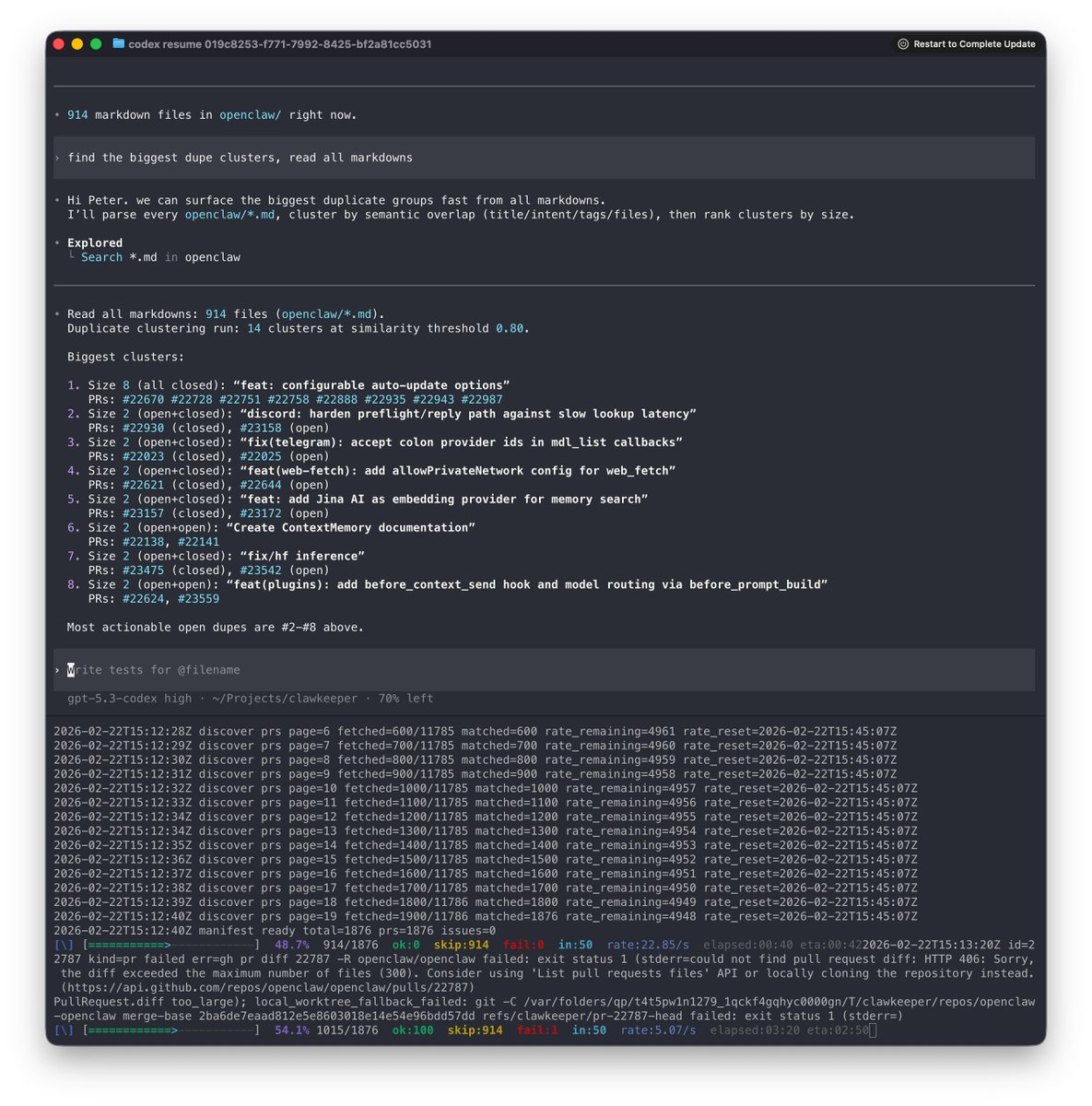
Been wrangling a lot of time how to deal with the onslaught of PRs, none of the solutions that are out there seem made for our scale.
I spun up 50 codex in parallel, let them analyze the PR and generate a JSON report with various signals, comparing with vision, intent (much higher signal than any of the text), risk and various other signals.
Then I can ingest all reports into one session and run AI queries/de-dupe/auto-close/merge as needed on it.
Same for Issues. P rompt R equests really are just issues with additional metadata.
Don't even need a vector db. Was thinking way too complex for a while.
There's like 8 PRs for auto-update in the last 2 days alone (still need to ingest 3k PRs, only have 1k so far).
2
6
665
Feb 22
Tomorrow, they won’t even need ideas, and will self-iterate off usage data…
1
201
Feb 13

1
8
1,372
Jan 17
NeoFi
Jan 17
The line is blurring between fintechs and crypto. Each expanding into each others territory, such that it’s now effectively a single category
3
8
736
Jan 17
The line is blurring between fintechs and crypto. Each expanding into each others territory, such that it’s now effectively a single category

The neo finance category will produce more true deca-unicorn companies than anything our industry has ever seen.
It is already poised to be the fastest-growing sector in the global financial system for years and decades to come.
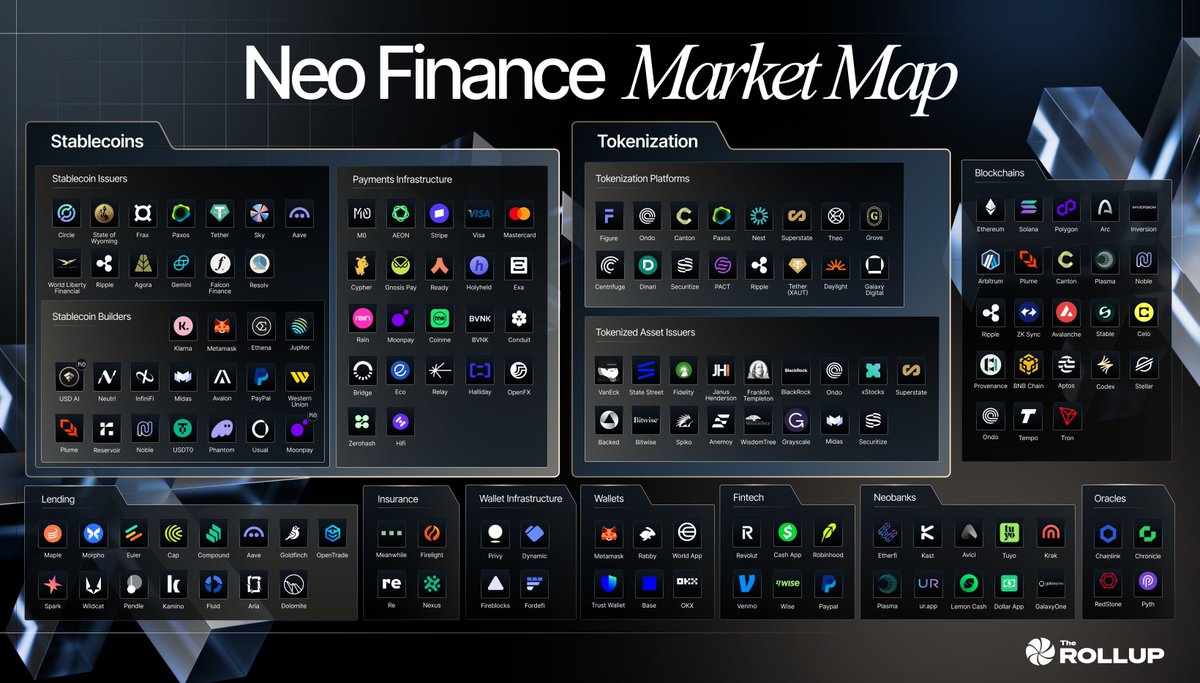
Welcome to the 2026 Neo Finance market map.
The combination of consumer-grade UX on the frontend, with DeFi infrastructure humming behind the scenes, will provide users with a "banking experience" that feels familiar but is far better.
Your savings are globally tradable, transferable, and available 24/7. Easy example? Your 'checking account' earns 5% APY instead of 0.25% APY that traditional banks pay.
We believe that neo finance, powered by teams focusing in a collaborative effort at different parts of the stack, has the potential to be a massive breakthrough in how the world interacts with money.
So, let's cover some of the key sectors of the market map.
Tokenization
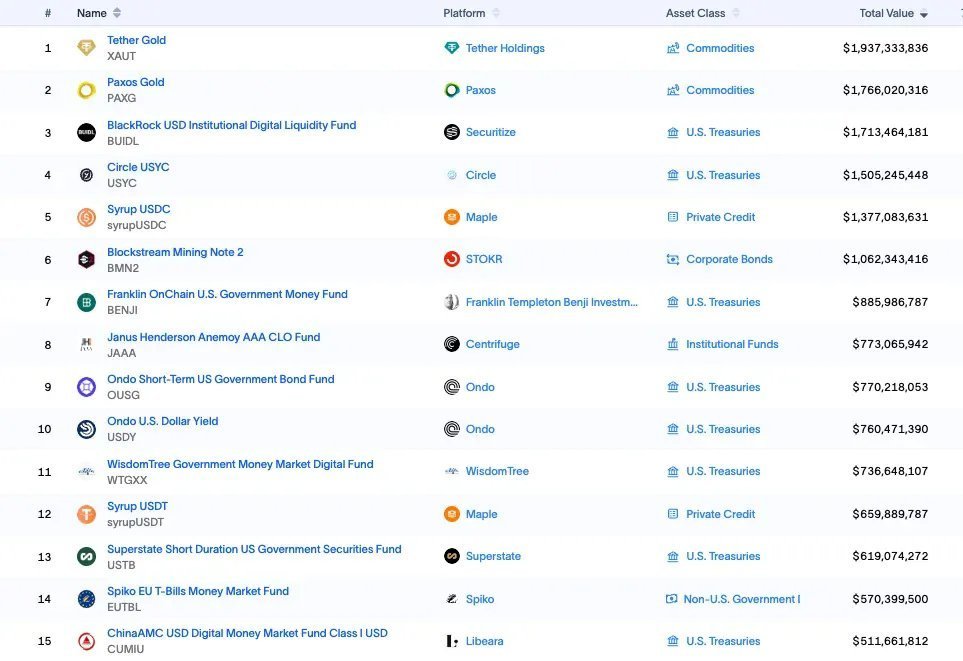
Tokenization is the process of bringing real-world assets onchain: treasuries, equities, commodities, credit, money markets and more.
The infrastructure and tokenization agent layer includes @Figure,@OndoFinance, @Paxos,@centrifuge, @SuperstateInc, @MidasRWA, @grovedotfinance @NestCredit,@DinariGlobal, @Securitize and others.
It's been talked about for years, but 2025 *really* is when it actually started scaling.
Stablecoins
Stablecoins are the most successful crypto product ever built. They're the top of the funnel for 90% of neo finance customers.
The issuer landscape has exploded with the likes of @circle, @Paxos, @tether, @SkyEcosystem and others.
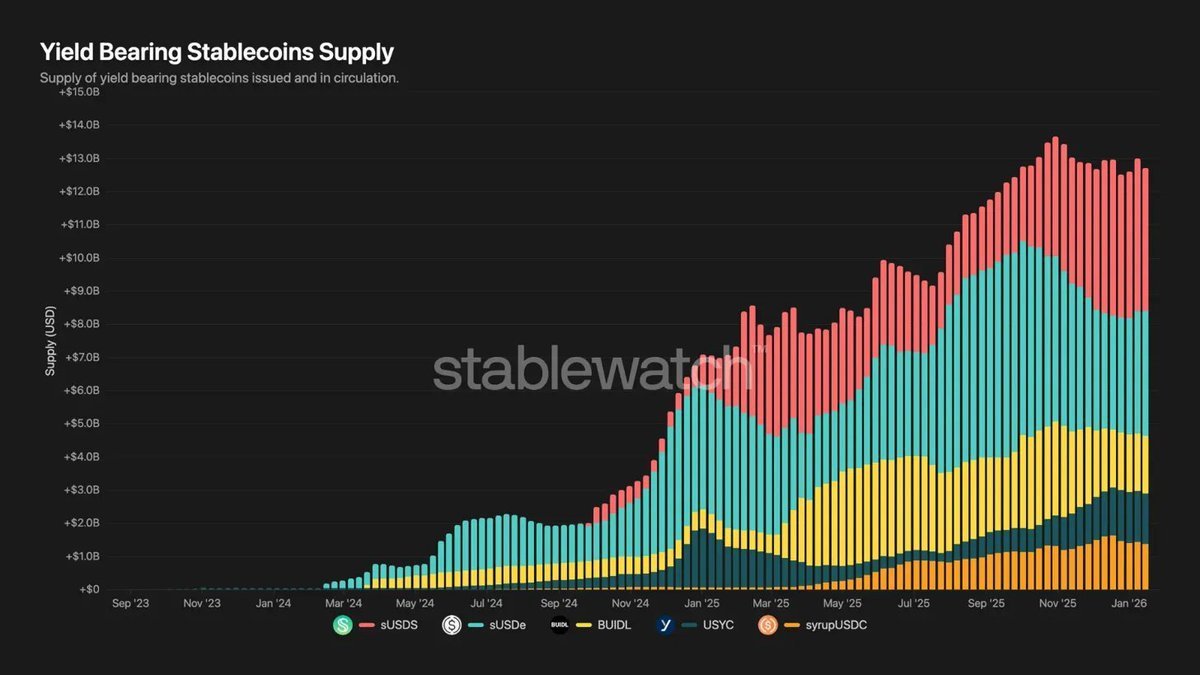
Yield-bearing stablecoins or 'yieldcoins' $sUSDS, $sUSDe, $BUIDL, $USYC, $syrupUSDC have grown expontentially to $13B in supply over the past 18 months.
Users are no longer choosing between stability and yield like they were in CeDeFi in 2020-2022.
They're getting both.
Neobanks
In this sector we have @ether_fi, @KASTxyz, @itstuyo, @galaxyhq One and many others. These teams are building consumer "banking" experiences from the ground up with DeFi backends.
Remember the DeFi Mullet?
Voilah. It's here still and the data backs it up.
These are the top three sectors we're currently focused on and expect the most amount of growth during 2026 & beyond.
Outside of this category, there's a brutal reality that's hitting the crypto market hard:
The old playbook is dying.
High-FDV launches with low float designed to dump on retail. Protocols with no path to value accrual. Copycat DEXs on ghost chains. VC-backed projects where founders exit 8-figs before any PMF.
All of that is dead.
It will stay that way.
When we started started with raw curiosity about DeFi, which led into infra in the last bear market.
We went deep on L1s, rollups, DA, execution, modular designs, interop, ZK and much much more. We earned our technical chops because we knew it was a necessity to succeed in this industry as a long-term builder, investor, and cultural participant.
We got some things right. Some wrong.
Now, we're evolving.
We're going all in on neo finance.
I got into crypto in 2017 after reading The Truth Machine (a great book). I believed then, almost religiously, that this technology would reshape finance.
Somehow it feels that we've gotten away from that mission.
That feels wrong.
Nine years later, were closer than ever to it actually coming to fruition.
The table is being set now. Opportunity is here.
Welcome to the neo finance era.
1
5
1,667
Jan 13
Claude is a bit like my old roomba. Give it long enough and it will get the job done, but watching it in real-time is brutal
2
12
468
Jan 12
Polygon benefits immensely from NOT being an L2
Jan 11

For those saying Polymarket
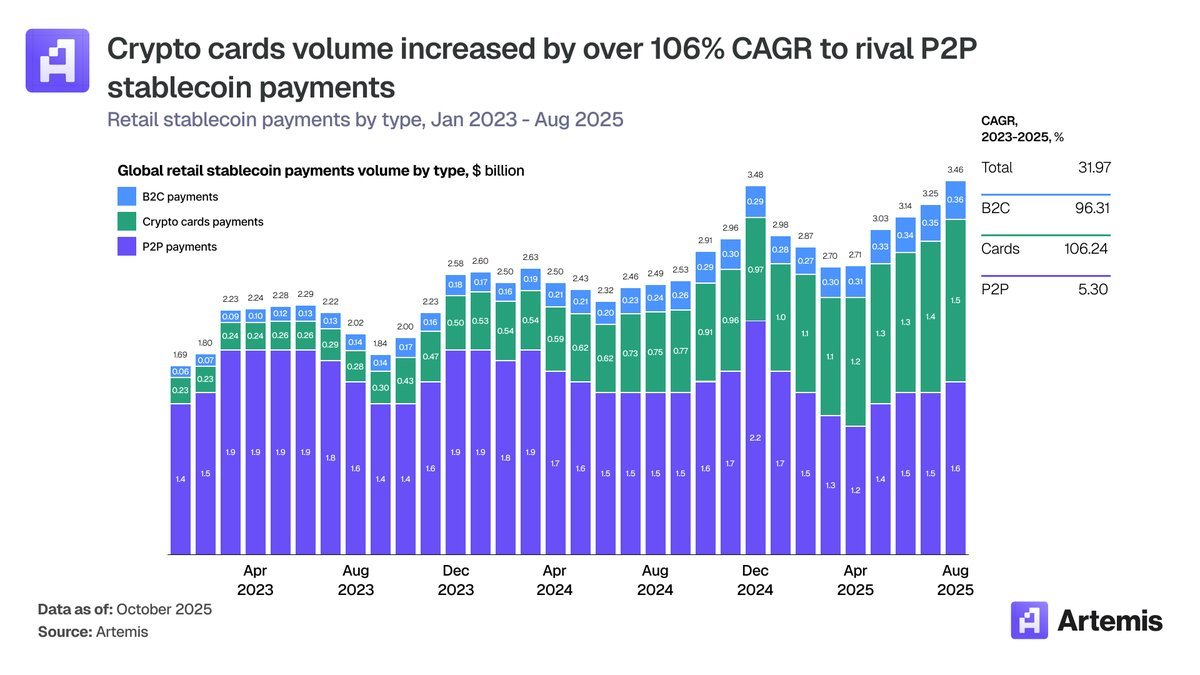
They don’t make up nearly us much onchain activity as onchain payments do
21
5
78
16,600
14 Dec 2025
There was drama recently around the Base Solana Bridge, and whether anyone was using it. It provides some interesting lessons around what the future of bridging looks like, and how to evaluate the “success” of a bridge.
- @jackchuma celebrated 36k transactions
- @vibhu said there was only 58
Who was right? Both!
When you directly use the bridge, you lock tokens on one chain, which mints tokens on the other. Very few users did this.
Does this mean the bridge isn’t being used? No!
Once tokens have been bridged, they can be transferred and traded thousands of times without requiring any further transactions on the bridge contract. Looking at Base SOL, there were indeed hundreds of thousands of transfers in the first few days.
Things get particularly confusing with products like @RelayProtocol. Relay looks and feels like a bridge. You can send SOL from Solana > Base. But under the hood, tokens aren’t being bridged. It’s a cross-chain swap involving already bridged assets. This means it generates ZERO txs on the bridge contract.
Relay’s vision for bridging is that most users never need to do it. The vast majority of use-cases can be served with instant cross-chain swaps.
This has implications for how to judge the success of a given bridge. What matters is the bridged assets, not the bridge contract. What is their TVL? How many users are holding and transferring them? Are they being used in DeFi? These are the metrics that matter.
15
5
73
8,789