
Joined June 2024
- Tweets 6,324
- Following 1,360
- Followers 1,429
- Likes 34,509
624 Photos and videos








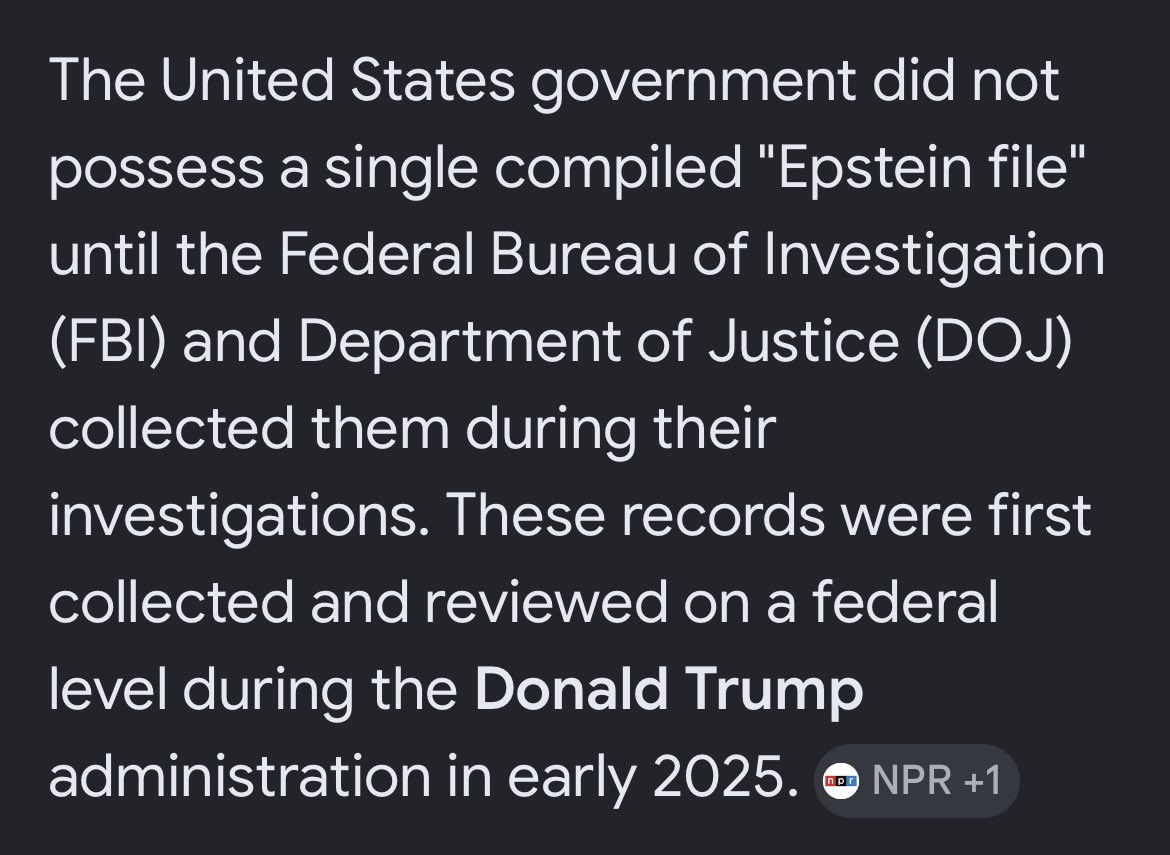
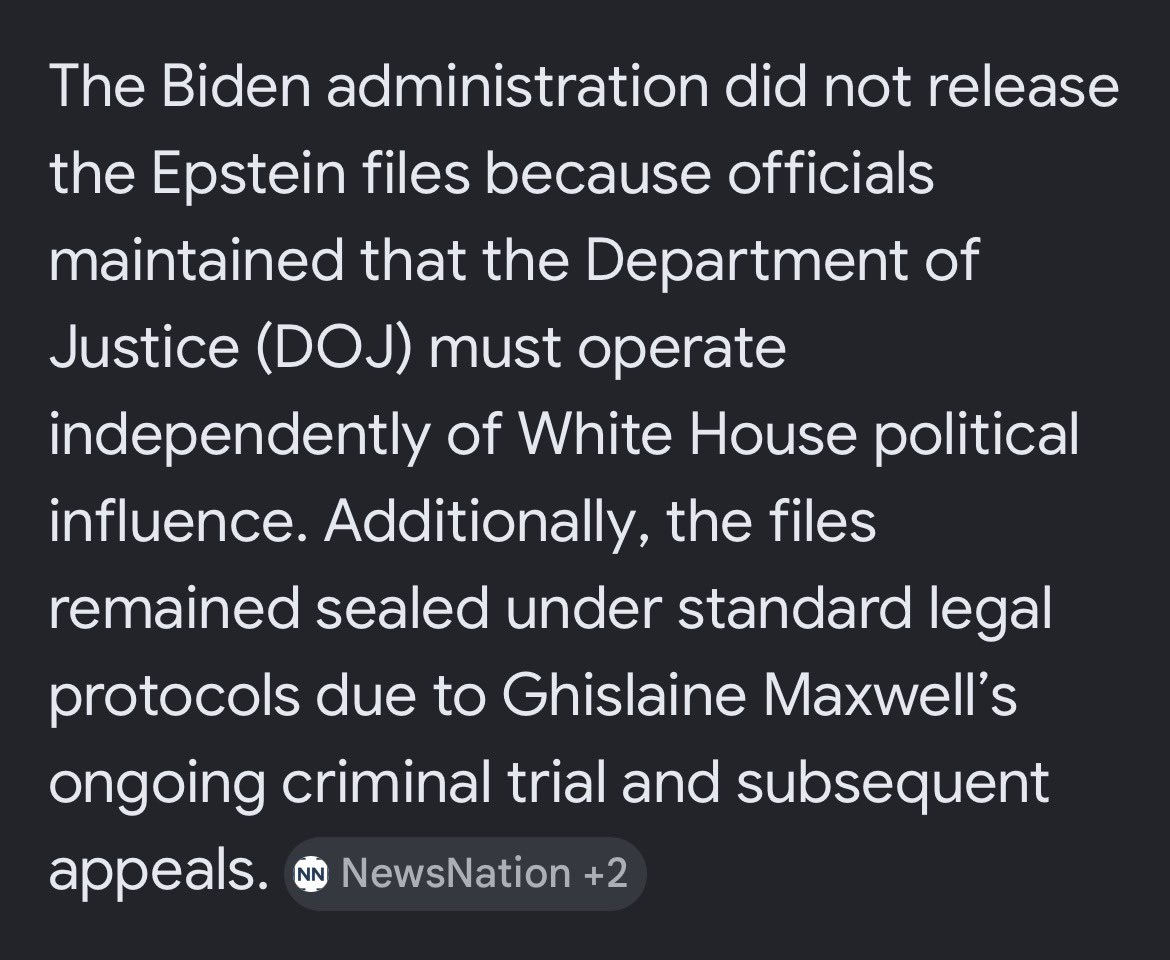
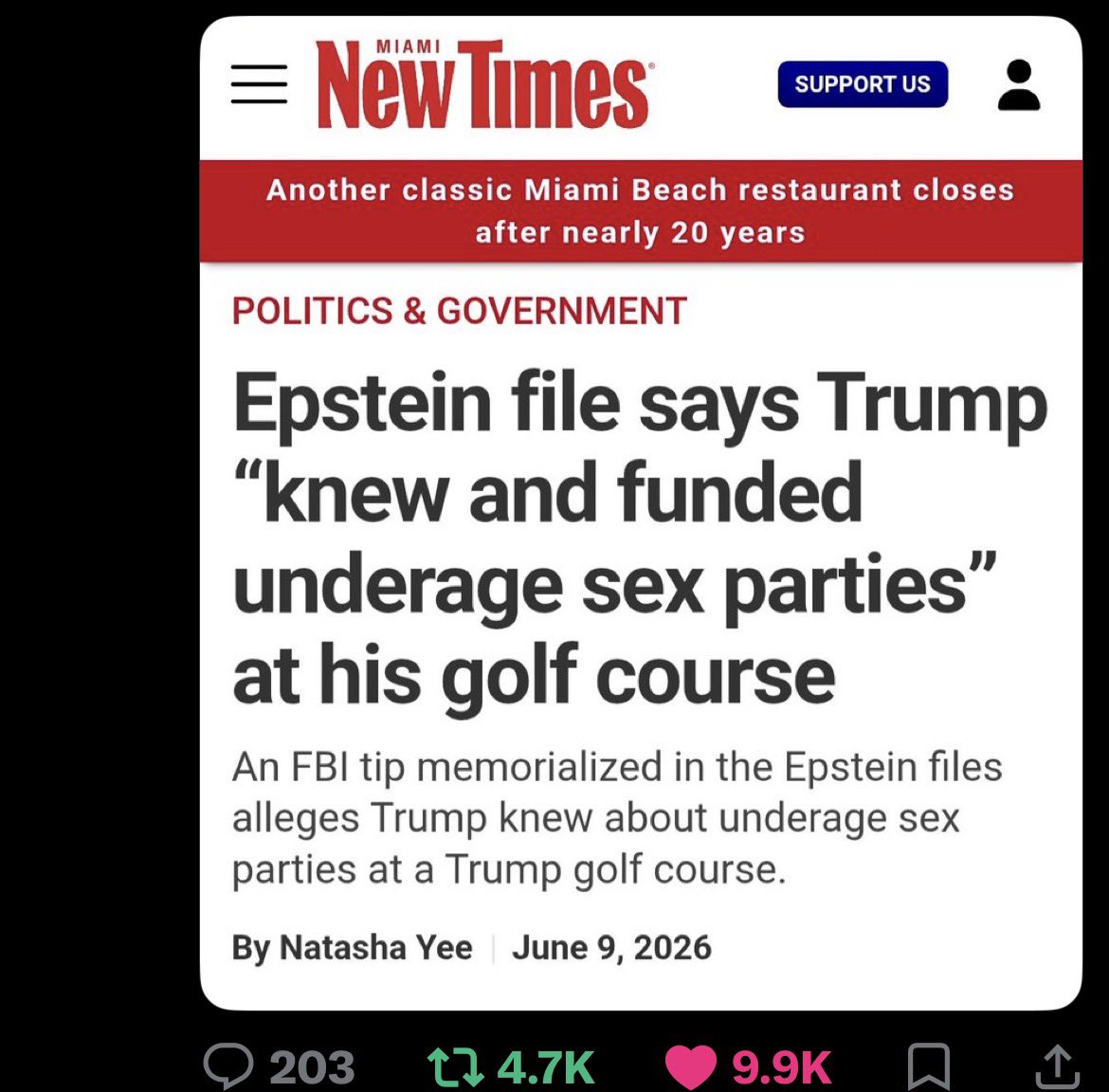



hElViRA™️ Macabre Mobile retweeted
Like he said, nobody thinks about WV anyway. You keep saying “you” voted for this & that. Wrong. I didn’t vote for any of it. Being gay had nothing to do with why anyone here voted red. So just believe all the stereotypes you want. I bet you weren’t complaining while that coal kept your electricity on.
1
1
36
hElViRA™️ Macabre Mobile retweeted

We have a newbie #smokefleet.

Help me #smokefléét this abominable administration. I even have a cool boss named Oscar who is more than happy to pitch in.

13
42
124
2,654
hElViRA™️ Macabre Mobile retweeted

I need to follow more #smokefleet
If I haven't followed you, hit me!
19
8
46
489
hElViRA™️ Macabre Mobile retweeted

holy crap...
y'all are my heroes!!
Following back as fast as I can...
#SmokefleetIsRising
#SmokeRises
10
43
149
1,170
hElViRA™️ Macabre Mobile retweeted

The Fleet is growing, my muchachos; we just landed the ATF. Show the newest #smokefleet member some love!
#CanadianBakin 👇👇👇

5
14
35
600
hElViRA™️ Macabre Mobile retweeted

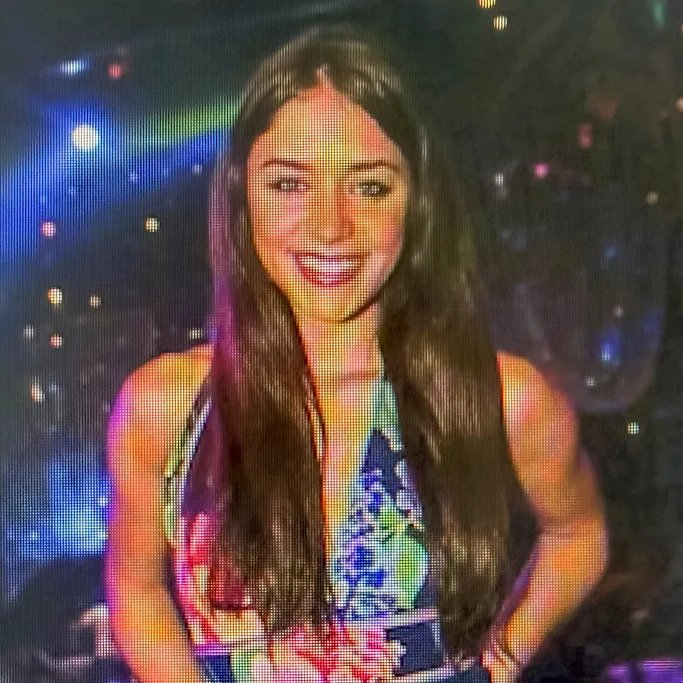
This woman may have been RAPED and MURDERED by Jeffrey Epstein or one of his accomplices.
And NOBODY is talking about it.
31
531
1,511
8,358
hElViRA™️ Macabre Mobile retweeted
BRAKING NEWS 🛑🚦
The #smokefleet convoy continues to become the anti-facist movement, with new divisions forming in countries all over the world.
Ensure you check out @VinDe1sel's pinned tweet to know what we are about!
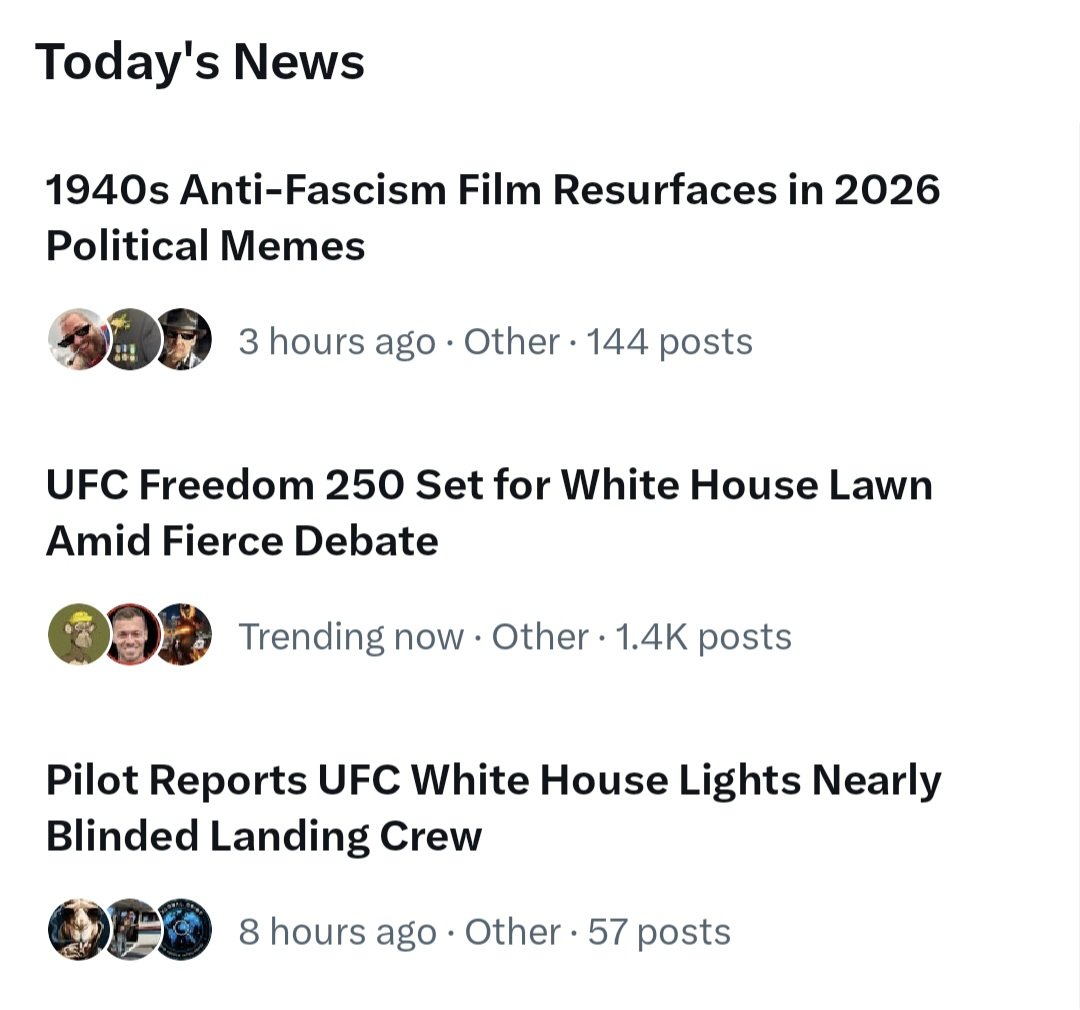
Donald Trump has successfully saved Grindr #FreeDumb250 with his executive order yesterday. When reached for comment, Lindsey Graham said, "He was upset at first to give up all his baby oil and ball gags, but then Trump said he could be bottoms in the first match."
A plane almost crashed at the event. So the White House released a statement saying, "Everything was Okay" and "it was just Lindsey's Graham's oiled up ass shining in those chaps before the first match."
I'm Conner Harley McDavidson and that's BRAKING NEWS🛑🚦
6
22
42
744
hElViRA™️ Macabre Mobile retweeted

Listen MAGAts, either James Talarico is a womanizer who dates his beautiful young staffers or he's a gay feminine homosexual but you dumb fuckers can't have it both ways.
81
332
3,560
35,572
hElViRA™️ Macabre Mobile retweeted
There are REPORTS of dead bodies located in or near Epstein's former properties.
But the Trump administration is BLOCKING efforts to investigate.
Why are people not demanding more from their leaders?
59
784
3,338
19,764
hElViRA™️ Macabre Mobile retweeted

I'm honored to be one of them

2
1
4
77
hElViRA™️ Macabre Mobile retweeted

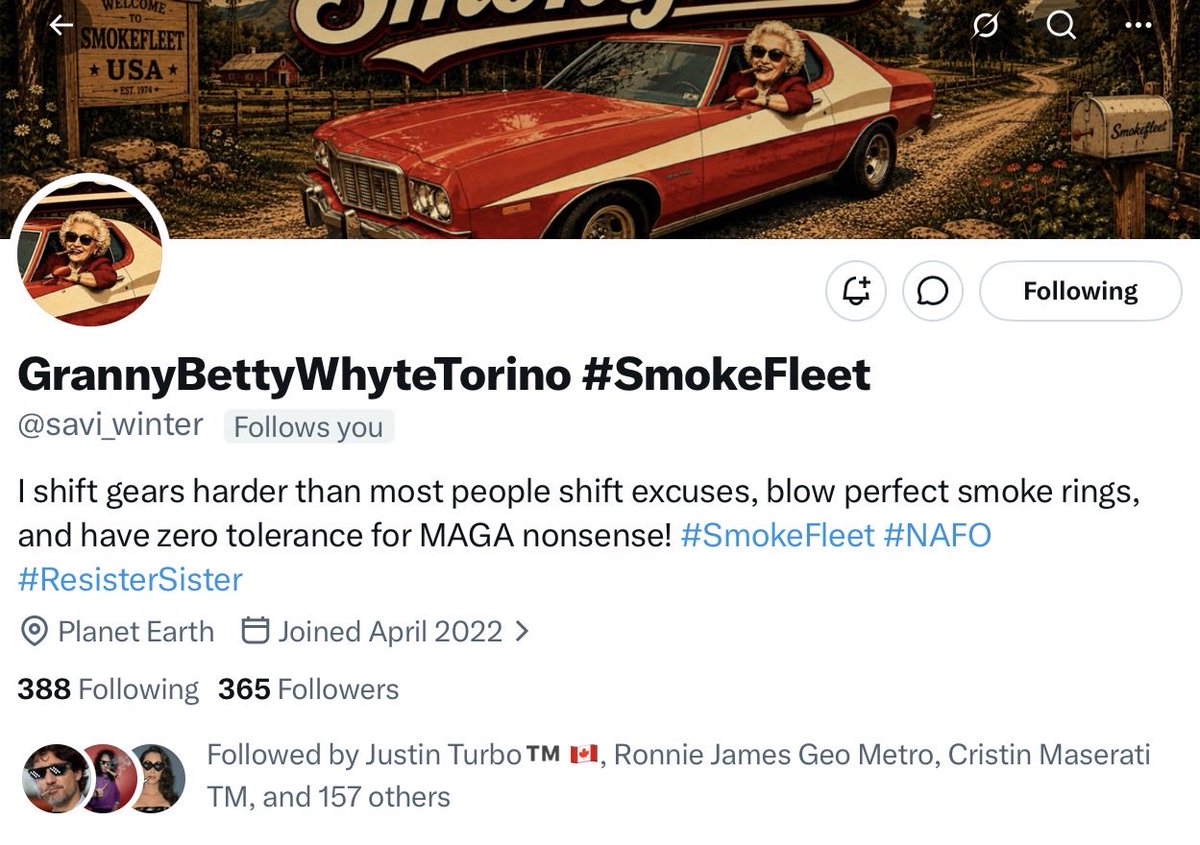
This is the way. #Smokefleet

Guys, it's that simple, if you really want to piss of Elon, just follow #smokefleet accounts, either verified or un-verified, all of them. You see #smokefleet of something similar and click that m_$"#$ follow button.
1
4
11
244
hElViRA™️ Macabre Mobile retweeted

15
25
58
542
hElViRA™️ Macabre Mobile retweeted

Hey muchachos,
If shit ever went down and the Ketamine King banned me then I will come back with a trade-in vehicle and you will know me by my Tweets
20
115
1,560
11,747
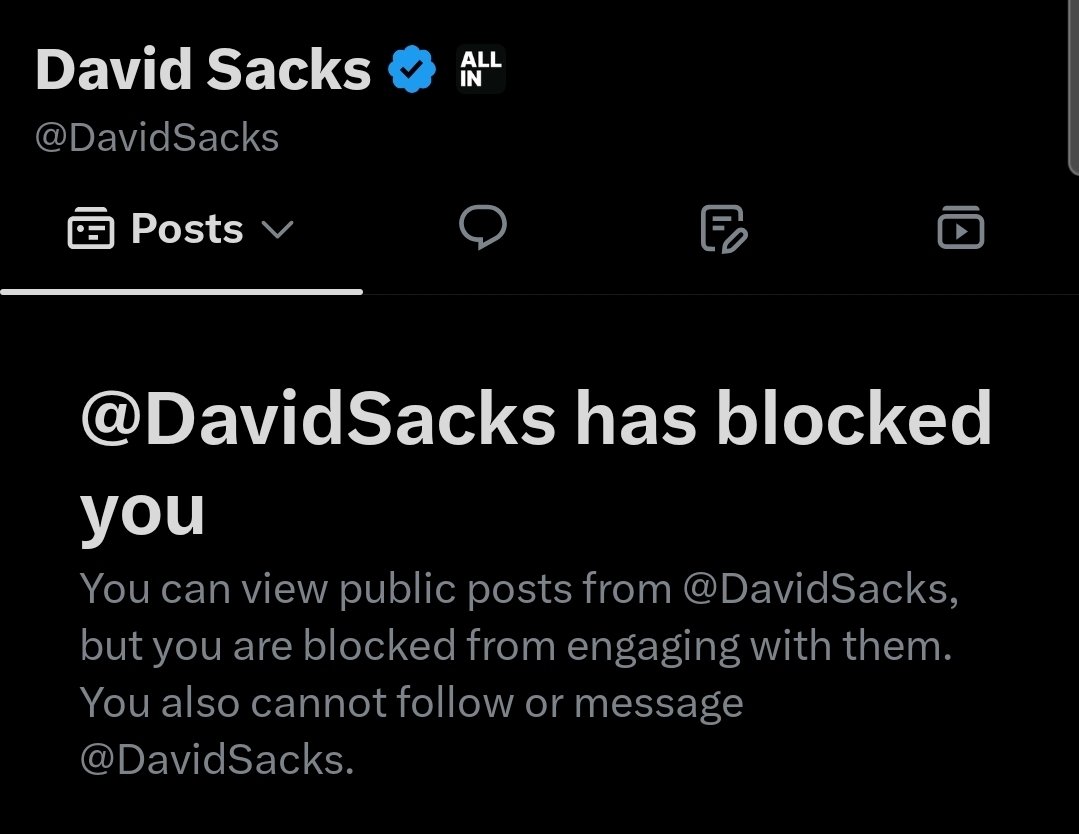
I had be liking & reposting his stuff but to completely dismiss a state, especially my state fuck him and anyone else that thinks like this. 🤬🤬🤬

Trailer trash MAGA is so butthurt at me.
Don’t worry.
I’m from the Upper East Side.
None of us think about you people in West Virginia anyway.
Stick to JD Vance’s cousins.
1
5
130
hElViRA™️ Macabre Mobile retweeted

VIA~~Larry D Singer
I did a quiet social experiment that opened my eyes even more than anything that I've ever written.
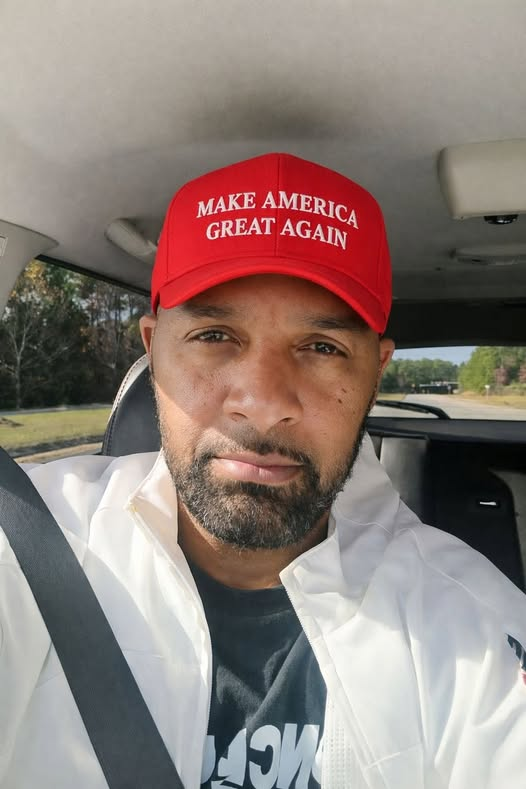
I put on a MAGA hat for seven days straight. Grocery stores. Gas stations. Walmart parking lot. Youth sports. A barbershop. A dinner table. I told nobody what I was doing. I kept a journal of every meaningful exchange.
What I found on both sides shook me to my core.
Let me start with the Red Side. The first thing that surprised me was the warmth. Not hollow, nodding warmth, but immediate, chest-open, you're-one-of-us warmth. Day one, a white man at a gas station off I-40, work boots caked in drywall dust, pointed at the hat and said, "Hell yeah. Don't let 'em break you, brother." He called me brother. I held onto that word all day and tried to figure out what it cost him and what it cost me.
At my friends sons game, two fathers in MAGA gear walked up, introduced themselves by first name, handed me a cold Gatorade from their cooler, and within four minutes were talking about Biden's inflation, the border, and how "nobody talks straight anymore." They never asked my name again after that first handshake. I was categorized as safe, aligned, one of them. The hat was my passport.
But as the week went on, the welcome got more complicated. By day three I noticed the acceptance came pre-loaded with assumptions, that I hated the same people they hated, laughed at the same things, believed the same version of history. One man, educated, articulate, small business owner, told me over barbecue that "Blacks who get it" are the most important people in the movement. He meant it as a compliment. I sat with it like a stone in my chest.
In the barbershop, a man started telling me unprompted that January 6th was "way overblown" and that the "real insurrection" was the 2020 election. When I pushed back gently, just asking questions, his warmth cooled instantly. Not rudely. The door just closed. The hat had opened it. My questions closed it. That told me everything about what the hat actually buys you: entry, not belonging.
Then theres the other side. If the red side surprised me with its warmth, the blue side devastated me with its contempt and what made it devastating was that most of it came from people who look like me.
Same day as the gas station. I walked into a grocery store I've shopped in for years. A Black woman, probably sixty five to seventy, beautiful silver locs, the kind of elder I was raised to respect, looked at the hat and looked at me and shook her head slowly. Not in anger. In grief. Like she was mourning something. I nearly took the hat off right there in the produce section and explained everything.
A deacon I know, a man who has prayed over my family, walked past me without speaking. He saw the hat. He kept walking. I called his name. He turned, nodded once, and kept going. We have greeted each other warmly for four years. The hat ended four years in three seconds.
A young white woman in a coffee shop with a "Protect Democracy" sticker on her laptop stared at me for a full minute. Not subtly. She was running the algorithm of who I was supposed to be against, what I was wearing, and coming up error. Then she looked away with visible disgust. She didn't know me. She didn't ask. She decided.
Black fathers that I have mentored kids alongside, men I respect deeply, were visibly cold. One pulled me aside and said quietly and directly: "What are you doing, man? You know what that hat means to our kids." He wasn't wrong. Not even a little. But he didn't ask me why either. And that assumption, even when it comes from love, from history, from real pain, is still an assumption.
Here's what I have to be honest about: their reaction was rooted in something real. The MAGA hat is not a neutral piece of clothing. It carries the weight of family separations, of "very fine people on both sides," of voter suppression, of January 6th, of Project 2025.
When people reacted with pain and distance and grief, they were reacting to history, not just to me. I understood every single one of them.
What troubled me was the speed. The willingness on BOTH sides to stop seeing a person the moment they saw a symbol. That is not a left problem or a right problem. That is an America problem.
This was the week's most surprising discovery.
A retired military officer, white, conservative, lifelong Republican, asked me almost immediately to take the hat off. "I don't wear that," he said. "I vote Republican because I believe in limited government and a strong military. Trump is neither of those things, really. He's a TV show."
He voted for Trump twice. Would likely do it again. But he had zero illusions about who the man was.
A former Republican state party volunteer told me over dinner that she was privately horrified by January 6th, thought the family separation policy "went too far," and worried about what Project 2025 would do to federal institutions. Then she said: "But I can't vote for someone who wants to raise my taxes and take my guns. So I stay." She paused. "And I hate that I stay. But I do."
This is the piece the left often refuses to see. There is a significant portion of the Republican coalition that is not MAGA, does not worship Trump, cringes at his cruelties, but calculates that their policy interests are better served by staying inside a broken house than building a new one. You can disagree with that calculation. I do. But dismissing those people as fascists means you never understand them and you never get a chance to reach them.
Now, for the receipts, because feelings don't get the final word, facts do.
Donald Trump was found liable for sexual abuse by a federal jury in 2023. He was convicted on 34 felony counts of falsifying business records, the first U.S. president in history convicted of felony crimes. His administration separated over 5,500 children from their parents at the border. Hundreds were never reunited with their families.
The January 6th Select Committee concluded he "summoned the mob, assembled the mob, and lit the flame" of an attack that left 140 police officers injured. Project 2025, written by his own allies at the Heritage Foundation, proposes dismantling the Department of Education, eliminating DEI programs across the federal government, and replacing career civil servants with political loyalists. His 2017 tax cuts sent 83% of their long-term benefits to the top 1% of earners.
These are not opinions. These are not media inventions. These are documented, sourced, on-the-record facts. The receipts exist.
Sunday night I sat in my car in the driveway for twenty minutes before going inside. The hat was on the passenger seat. I looked at it a long time.
I came back to my Democratic values, but I came back changed. More honest about where my own side has failed the communities it claims to champion. More clear-eyed about the real complexity of the people across the line. And more committed than ever to what I know is true.
The Democratic Party is not perfect. It has made promises to Black and working-class communities that it has not kept. I say that out loud and without apology.
But I also see a Republican Party that has been captured by a man with 34 felony convictions and a civil liability finding for sexual abuse, a man whose allies have written a blueprint to reshape American government around personal power. I see voter suppression dressed up as election integrity. I see my children's history being scrubbed from classrooms before they even get a chance to learn it. I see what these policies do to real people in real communities, communities like the one I come from.
So I am back. With both eyes wide open.
I went looking for the enemy. What I found was a country full of people making desperate calculations in a system that has failed too many of them for too long.
The hat is in a box. The lesson is not.
36
53
149
7,639
hElViRA™️ Macabre Mobile retweeted

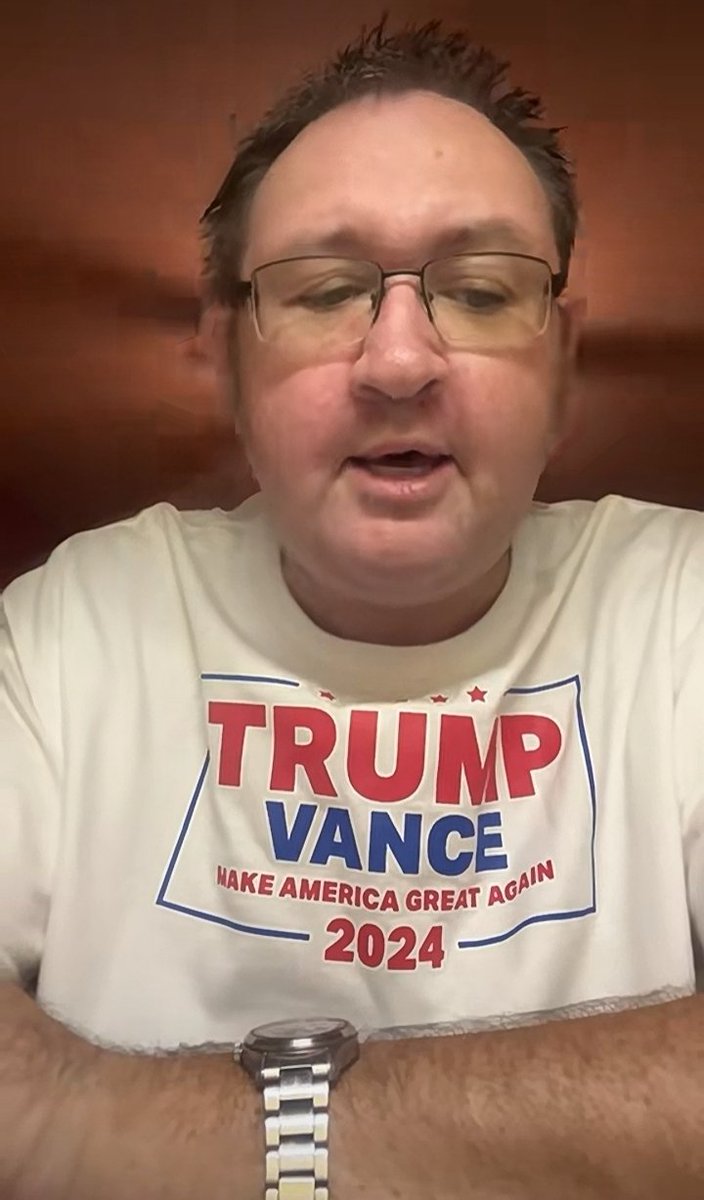
MAGA Influencer Joshua Heffner has been arrested for possession of child p*rn.
⛔️Heffner has nearly half a million followers on TikTok.‼️
701
4,274
7,141
98,763

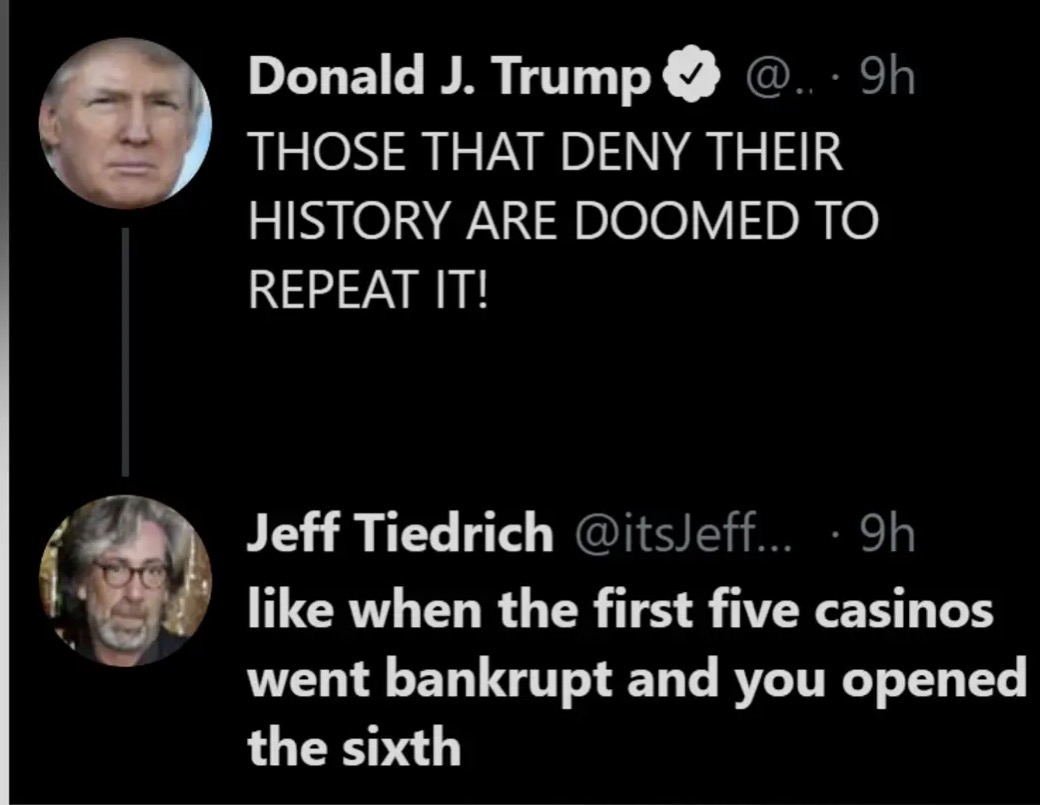
hElViRA™️ Macabre Mobile retweeted

No the photos from my laptop are of consensual sex between me and adult women. Every investigative body in the country has pored through them and you can find them online right now. I’m sure you’ve spent time getting your rocks off yourself. So go fuck yourself and your lies. Trump was Jeffery Epstein’s best friend. He released Maxwell to a minimum security prison. He’s hiding the remaining files. Those are facts.
105
681
4,174
31,489