
@WCLBaseball Commissioner; author of Casey Award-winning POWER BALL and other things
Joined May 2008
- Tweets 135,076
- Following 2,268
- Followers 49,323
- Likes 15,612
3,057 Photos and videos









Rob Neyer retweeted

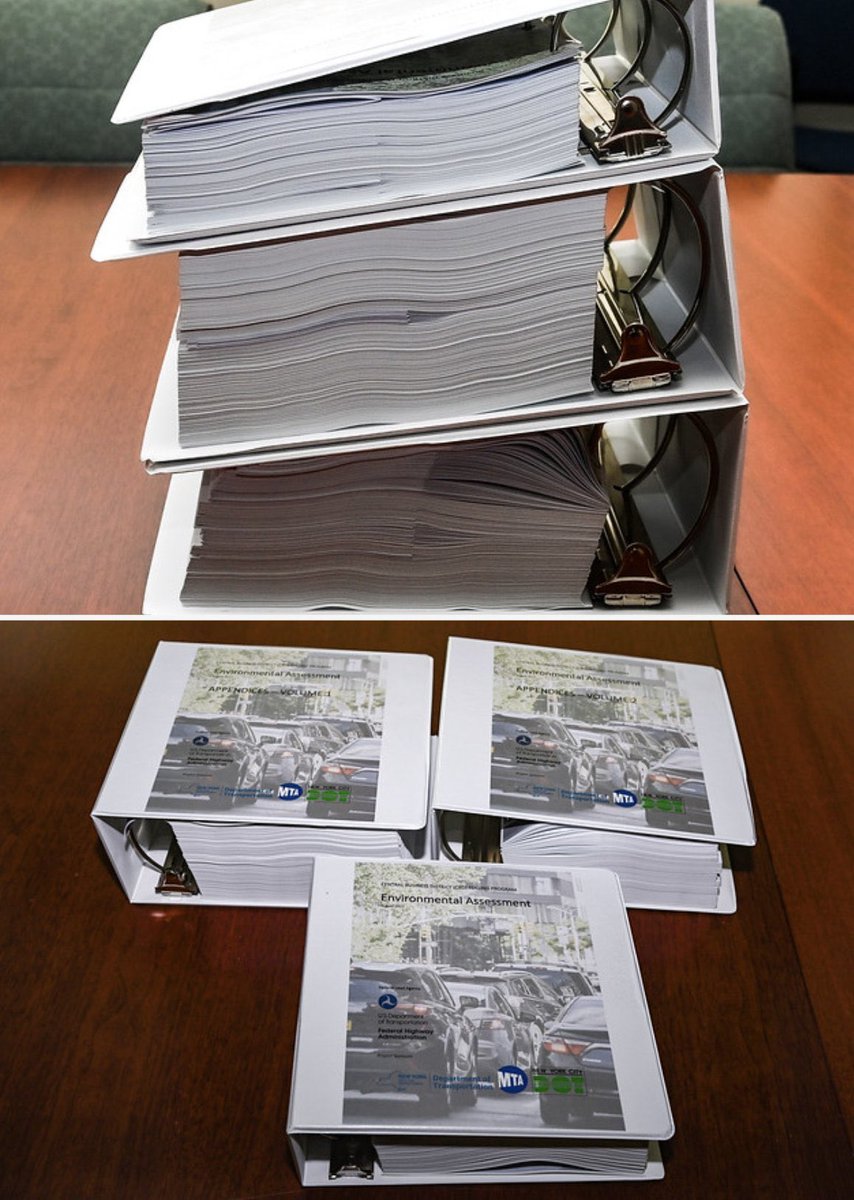
Now that everyone can see firsthand the success of congestion pricing in NYC, looking back on the environmental review process feels even more absurd.
4,000 pages and 3 years of review to study the environmental impact of… using cameras and prices to reduce traffic.
17
47
340
16,996
RT @MKaylaUltra: This episode of It's Always Sunny in Philadelphia aired in 2020 during peak woke
286
Rob Neyer retweeted

The delusion here is incredible. First, there was never anything edgy about The Office, but to say this when the two longest running comedies still being made today are South Park and It’s Always Sunny in Philadelphia lol

Rainn Wilson says "The Office" probably wouldn’t be made today, telling Fox News Digital that media trends have shifted left and that cancel culture makes it difficult for edgy comedies to thrive.
47
243
3,653
61,529
Rob Neyer retweeted

Firstly, I’d like to thank Linn Benton CC for an amazing past three years, It’s been a blessing to play for Coach Peterson and be apart of such a special program. Currently a Redshirt Sophomore RHP/UTL with two years left of eligibility looking for a new home. I finished LB with my AA and a 3.3 GPA. (Redshirted my sophomore year due to elbow surgery)
Accolades while at LB:
- 2024 NWAC Champion
- 2024 NWAC Championship 1st team all tournament Utility
- 2025 NWAC Champion
- 2026 1st team all NWAC south region infielder
- 2026 NWAC Championship 1st team all tournament Utility
So far through 4 appearances with the Corvallis Knights
4.1 IP, 3 SV, 0 ER , 0 BB, 2 H, 4 K, 18 BF
Sinker 90-92
Slider 84-86
Changeup 80-83
Curveball 80-81
Trackman Report is at the end of pitching clips
Ended the year at LB slashing
.305 / .449 / .391 with 22 stolen bases
6
35
7,489
Rob Neyer retweeted

I can’t begin to tell you how much this fires me up
10
35
530
10,271
Rob Neyer retweeted

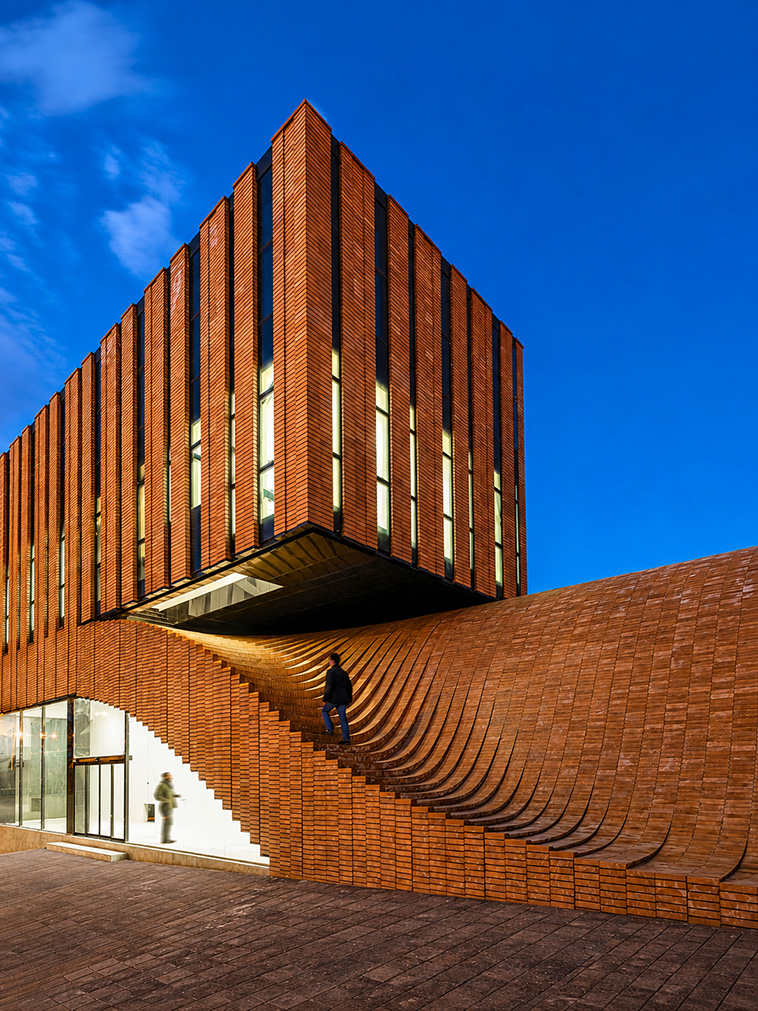
WHEN A BUILDING BECOMES A STAIRCASE.
Termeh Office Commercial Building in Hamedan, Iran.
Designed by Farshad Mehdizadeh Architects Ahmad Bathaei, the building turns a simple office-commercial program into a sculptural public gesture.
The ground floor is used for retail, while the upper floor contains a private office. Instead of treating the two levels as separate boxes, the architects bent the dividing slab into a staircase, connecting the office directly to the street.
Its brick surface continues across the facade and stair, using local brick and traditional bricklaying patterns to connect the contemporary form with its historic urban context.
Architecture here is not just a facade — it becomes a path.
5
64
328
8,070
Rob Neyer retweeted

18h
You have been told to drink 8 glasses of water a day.
A Dartmouth physiologist traced the rule to a single sentence in a 1945 federal report.
The very next sentence said "most of this is already in your food."
Marketers cut that line. You have been hydrating against an invented number for 80 years.
Here is the full story.
The expert is Heinz Valtin. He spent his career as a professor of physiology at Dartmouth Medical School. He wrote two of the standard textbooks on the kidney and water balance. He is one of the most cited water scientists in the country.
In 2002, the American Journal of Physiology asked him to write an invited review. He took the assignment seriously. He read every study on water intake he could find. He went back through the citation chain on the "8 glasses a day" rule, paper by paper.
He could not find the source. There was no study. There was no clinical trial. There was no medical body that had ever set the rule.
So he kept digging.
He traced it back to one document. A 1945 report by the Food and Nutrition Board of the National Research Council, published during the Second World War. The board was writing dietary advice for a rationed country.
Tucked into the report was this line:
"A suitable allowance of water for adults is 2.5 liters daily in most instances."
2.5 liters is about 8 cups. The math was clean. The phrasing was authoritative.
Then came the next sentence.
"An ordinary standard for diverse persons is 1 milliliter for each calorie of food. Most of this quantity is contained in prepared foods."
That second sentence does all the work. It says the 2.5 liter number is a total intake target. Not a drinking target. Every glass of milk, every bowl of soup, every apple, every cup of coffee counts. The water inside your food counts. Once you subtract the food, the actual glass-of-water number is closer to 1 liter. Sometimes less.
The second sentence disappeared. The first one became the rule.
Valtin published his findings in August 2002. The paper is titled "Drink at least eight glasses of water a day. Really? Is there scientific evidence for 8 by 8?"
His conclusion, in his own words: "I have found no scientific proof that absolutely every person must drink at least eight glasses of water a day."
Two years later, the Institute of Medicine, the top US body on nutrition, published its own review. The 2004 report said adult men need about 3.7 liters of total water a day. Adult women need about 2.7 liters.
But here is the key line in the same report, which most people never see.
About 20 percent of that water comes from food. The rest comes from any fluid. Coffee counts. Tea counts. Milk counts. Soup counts. Juice counts.
The Institute also said this: "the vast majority of healthy people adequately meet their daily hydration needs by letting thirst be their guide."
That is the official guidance. From the same body that sets every nutrition rule in America. Trust your thirst.
So why does the 8 glasses rule keep coming back.
Look at who profits when you follow it.
The global bottled water market was worth $364 billion in 2024. It is projected to hit $677 billion by 2035. Every wellness brand, every gym, every influencer with a tracker app has a reason to keep you reaching for one more glass.
Drinking extra water when you are not thirsty is not just unnecessary. In rare cases it is dangerous. Forcing fluids beyond thirst can cause a condition called hyponatremia, where blood sodium drops too low. It has killed marathon runners who drank too much during races. Valtin flagged this risk in his 2002 paper.
So how do you actually hydrate. 3 rules.
Rule 1. Drink when you are thirsty. Your body has a 200,000 year old hydration sensor. It works.
Rule 2. Check your urine color. If it is pale yellow, you are fine. If it is dark, drink more. If it is clear all day, you might be drinking too much.
Rule 3. Count every fluid. Coffee, tea, milk, juice, soup, fruit, and yes, plain water. They all count. The "caffeine dehydrates you" myth has also been debunked by the same Institute of Medicine.
The bigger lesson.
A rule everyone repeats is not the same as a rule that is true. The 8 glasses rule has been printed in school textbooks, on bottled water labels, on doctor's office posters, and in your phone's wellness app. None of those sources went back to check the original.
One physiologist did. He found one sentence. The sentence the marketers dropped.
If you have been forcing down water you did not want, you can stop.
Your thirst is the science. It always was.
28
177
501
37,223
Rob Neyer retweeted

“Admiring the dulcet honks of a BMW stuck behind a flock of Priuses stretched across I-90 is all over now because this train packed with poors is racing past us as fast as the slowest car on the bridge."

Bellevue Homeowners Say Light Rail Noise on I-90 Ruining Area’s Peaceful Freeway Ambience: tinyurl.com/3yjv5fah
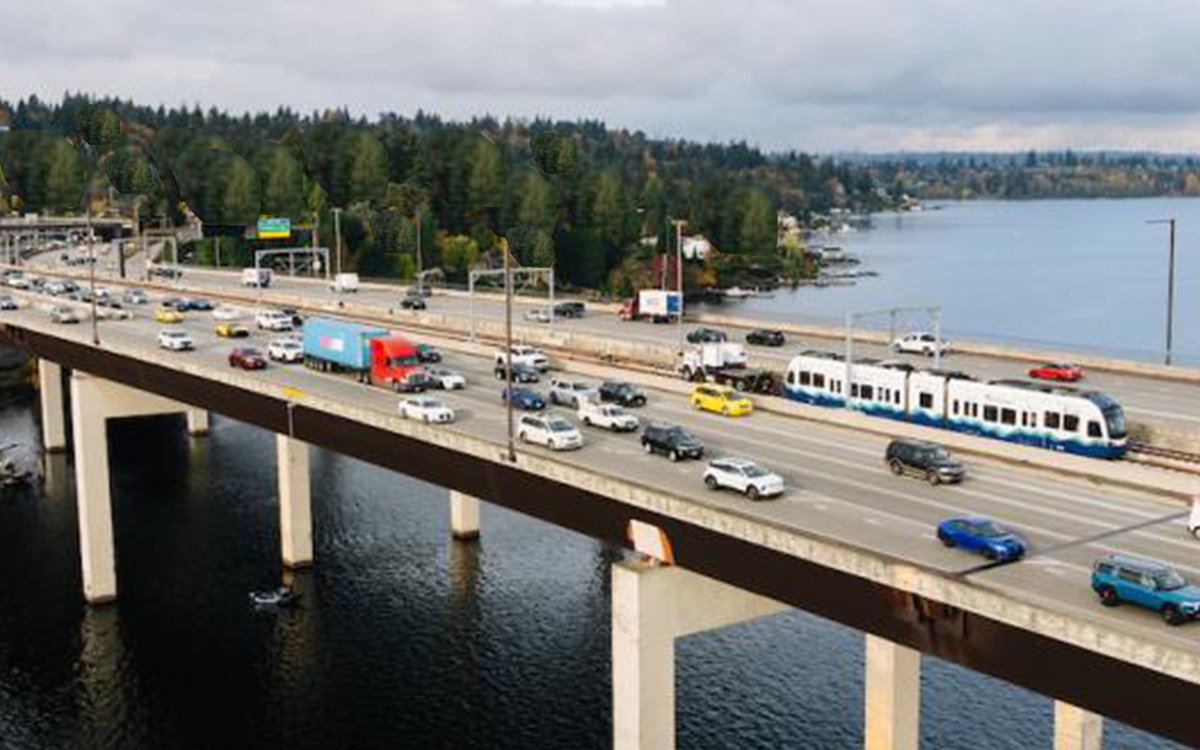
ALT Light rail train crossing I-90 bridge into Bellevue surrounded by I-90 car traffic
10
61
4,902
Rob Neyer retweeted

⚾️Saturday Highlight!👀 Kade Crawford (@LATechBSB) - last week's Player of the Week - blasted this one outta the park for the game's only run as @northpawsbb edged visiting @WWSweets:
2
3
1,843
It’s cultural, and cultures are tremendously resistant to change.

I think it’s rather interesting that despite being far wealthier in absolute terms than a Vanderbilt or Carnegie or Stanford, and being directly positioned in an industry that could benefit from it, no tech elite has ever founded a university, and few have even given endowments
1
3,551
Rob Neyer retweeted

Jun 13
Trains going the same direction on parallel tracks is always hawt.
2 massive steam locomotives in pristine condition doing the same is surface of the sun hawt.
UP 4014 Reading & Northern 2102 today in Pittston, PA today.🤩
Jun 13

Genuinely how do you even top this in steam railroading?
(Media shown belong to their respective authors)
6
41
374
13,485
Rob Neyer retweeted

Boarding back to front feels efficient and it's the reason you're still standing on the jet bridge. It loads an A320 in 31 minutes. The fastest known method does it in 11.
Boarding speed is a luggage problem. A plane fills only as fast as people can lift bags into bins, and just a few can do that at once without standing in each other's swing space. Walking to your seat is a rounding error.
Load the last rows first and twenty people pack into the back of the cabin reaching for the same bins, each one blocking the person behind, while the front half sits empty. Back to front nails the variable that barely matters and wrecks the one that decides everything. That's how the tidiest looking method becomes the slowest.
The fix came from Jason Steffen, an astrophysicist who measures planets orbiting other stars. He got stuck in a jet bridge in Seattle in 2005, went home annoyed, and pointed his exoplanet optimizer at the problem. The answer: seat everyone in line exactly two rows apart. 12A, 10A, 8A, 6A. Now nobody is ever stowing a bag in front of the next person, so the maximum number of bags go up at once and the aisle never clogs. A 2011 test with real volunteers and real carry-ons confirmed it.
Even random boarding (17:59) beats back to front, by pure accident. Scatter people and they spread out, so more bags go up at once.
No airline runs Steffen for the same reason it works. It means splitting up families and boarding strangers one at a time in a fixed order, and a gate full of people won't comply. So the math sits on a shelf and we keep boarding the slowest way because it looks the most organized.

Turns out there's a faster way to board an aircraft!
Someone should tag literally every airline and show them this.
📹: bad_science_jokes
28
34
289
158,482
Which would make more sense if the conspiracy wasn’t utterly nonsensical for a thousand reasons.
Jun 13

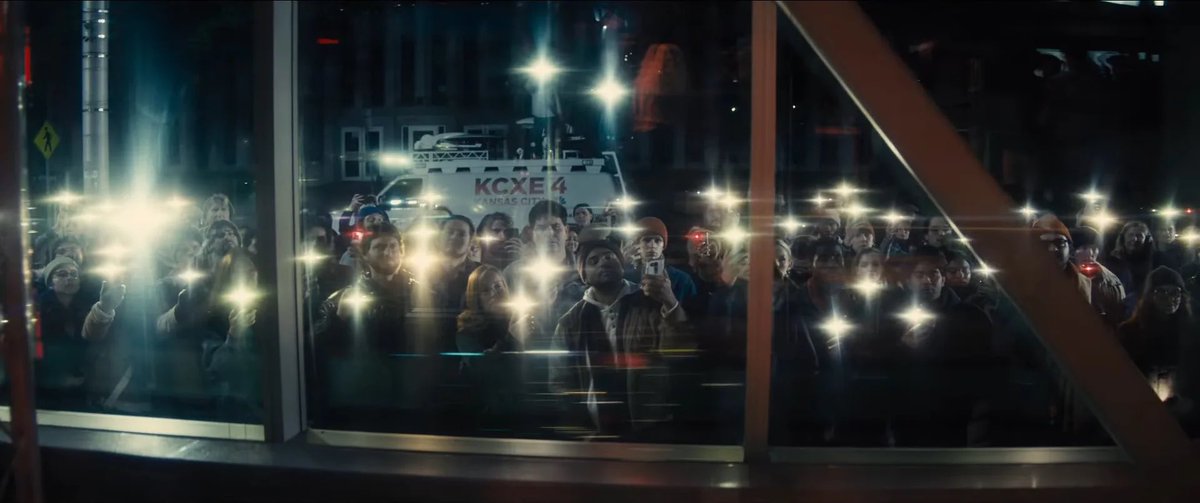
many valid critiques but i feel like a lot of the negative reaction to Disclosure Day stems from ppl wanting a story starting & grappling w/ the consequences of proving aliens exist
when it’s actually a whistleblower cat-and-mouse thriller about the humanity’s right to the truth
1
1
3,393
Rob Neyer retweeted

Jun 13
Rewatched ARRIVAL and its perfection highlighted my issues with DISCLOSURE DAY. The visual representation of the aliens, reasoning behind their arrival, deconstruction of language barriers etc. All of which felt fresh vs the tired tropes of DD’s crop circles and little green men.




76
50
579
46,305
Rob Neyer retweeted

birders and yimbys are the same movement and haven't been introduced. the thing wrecking bird habitat isn't the six-story apartment, it's the cul-de-sac that bulldozed forty acres of forest so eleven families could each keep a lawn that feeds no insects and therefore no birds
8
17
207
7,503
Rob Neyer retweeted

Disclosure Day isn't a Spielberg movie, it's a Weirdberg movie. Weirdberg made Terminal, Hook, 1941, Always, Crystal Skull, War Horse. Weirdberg has all the skills of Spielberg, but is more sentimental and slapstick. I dig Weirdberg and love when he emerges to rile the natives.
45
40
698
39,768
Rob Neyer retweeted
the funniest thing about urban birding: the single best move for local bird diversity is being worse at lawn. stop mowing. let it go feral. plant the weird native bush. the HOA mails three letters, a goldfinch moves in, and you can't explain to anyone why this feels like winning
2
94
3,982
Rob Neyer retweeted

Jun 13
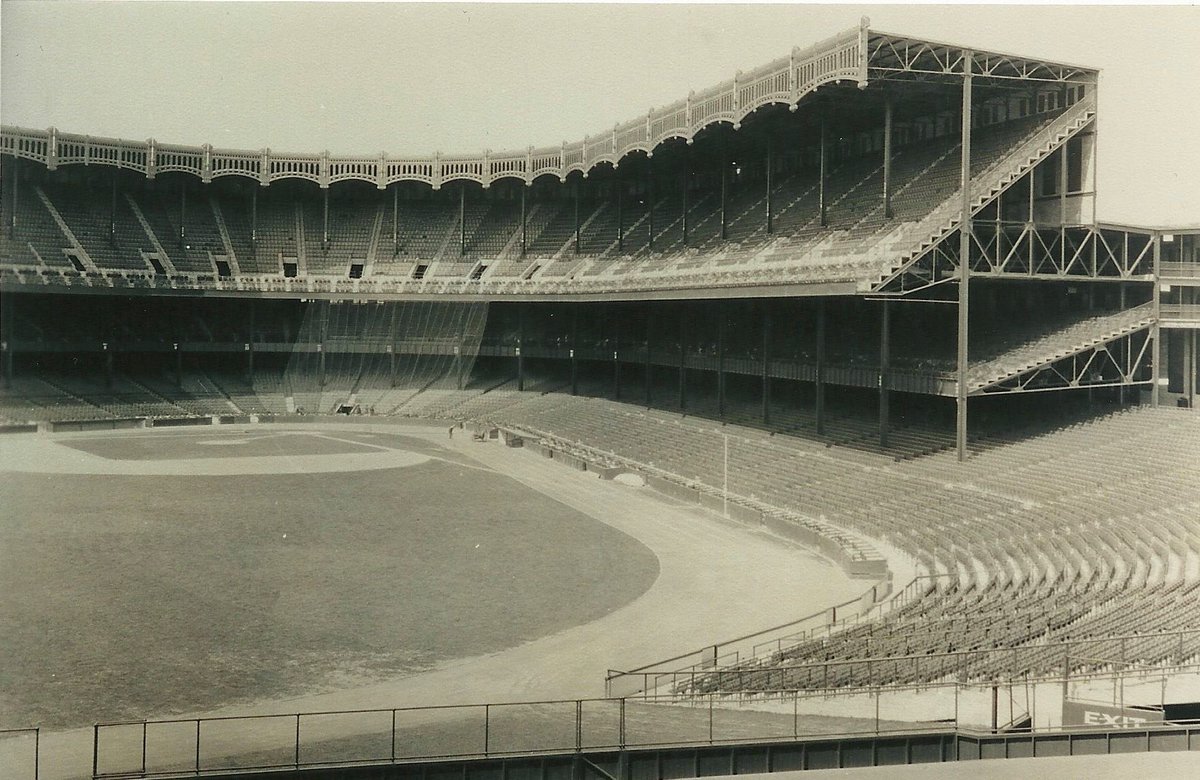
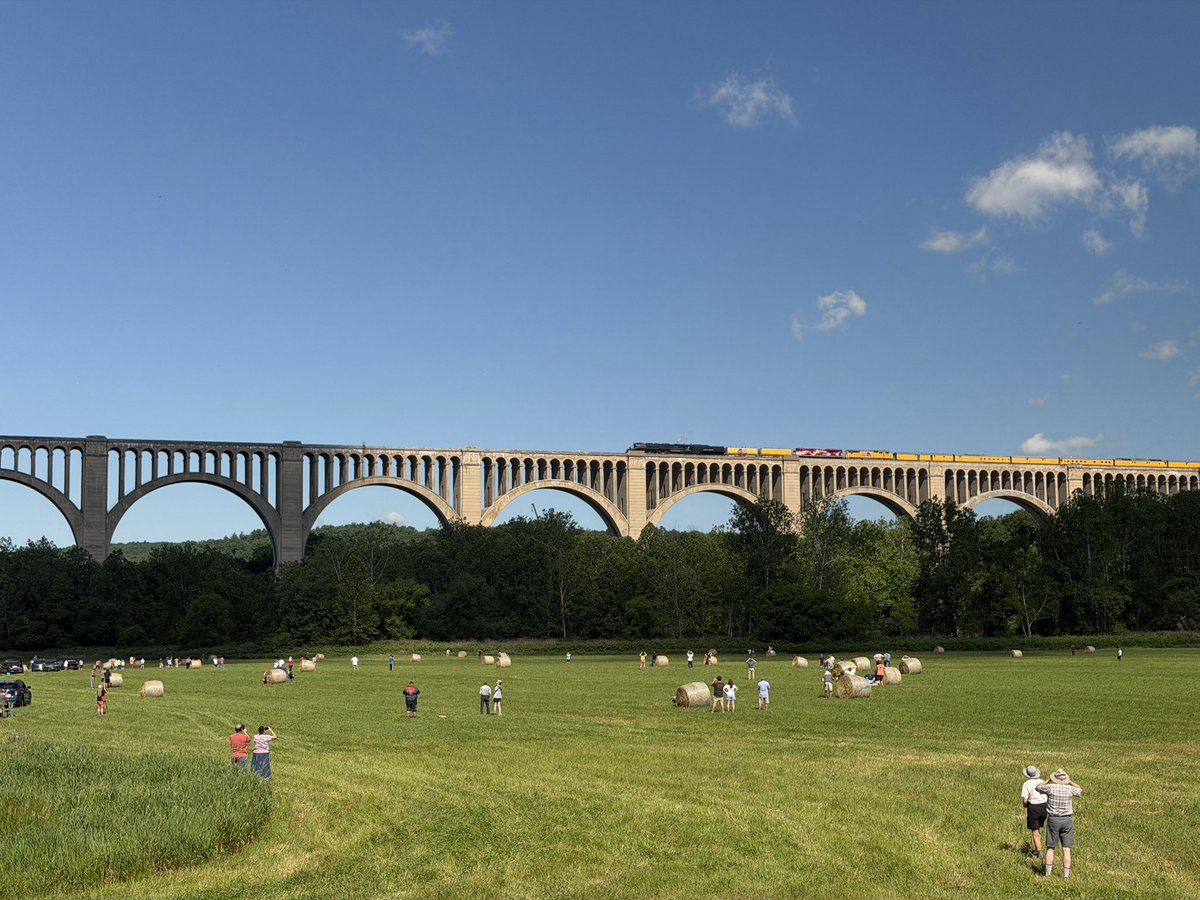
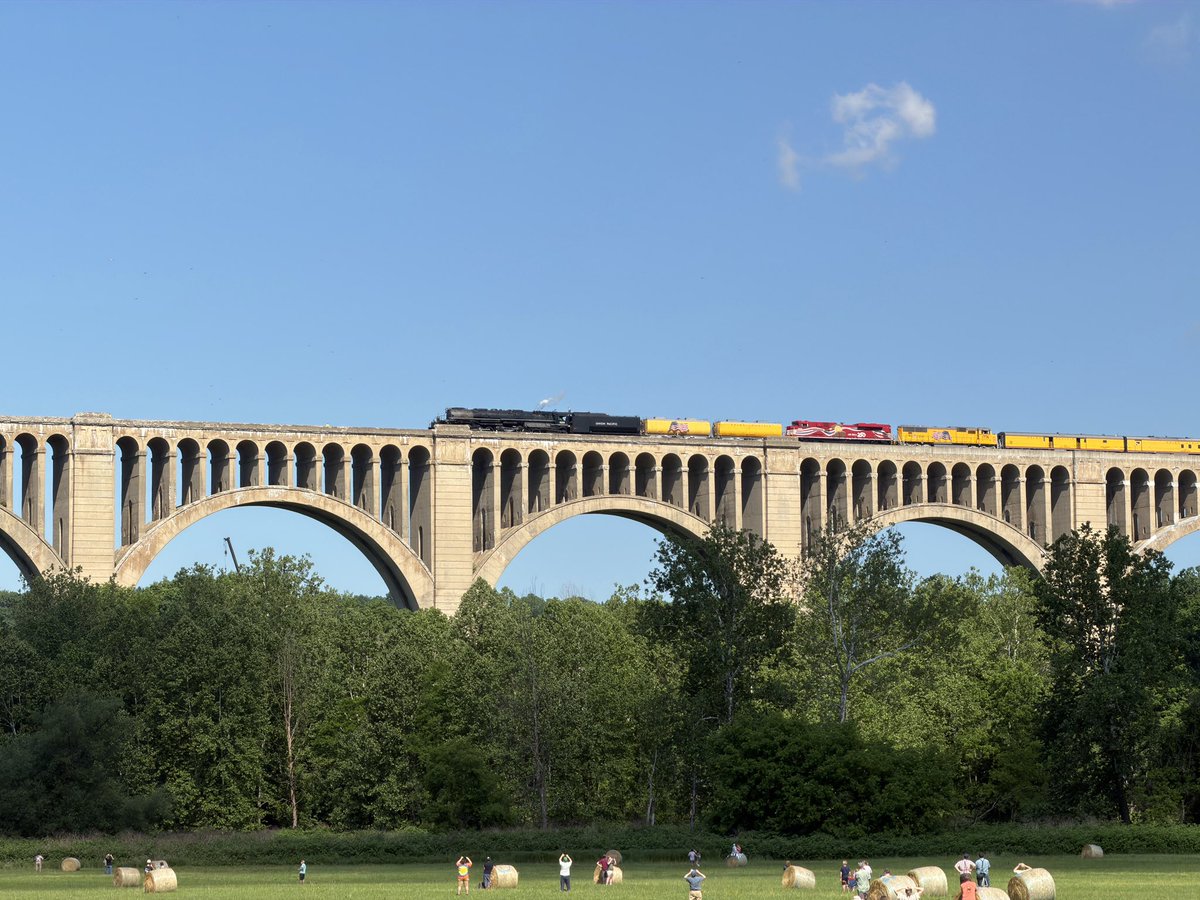
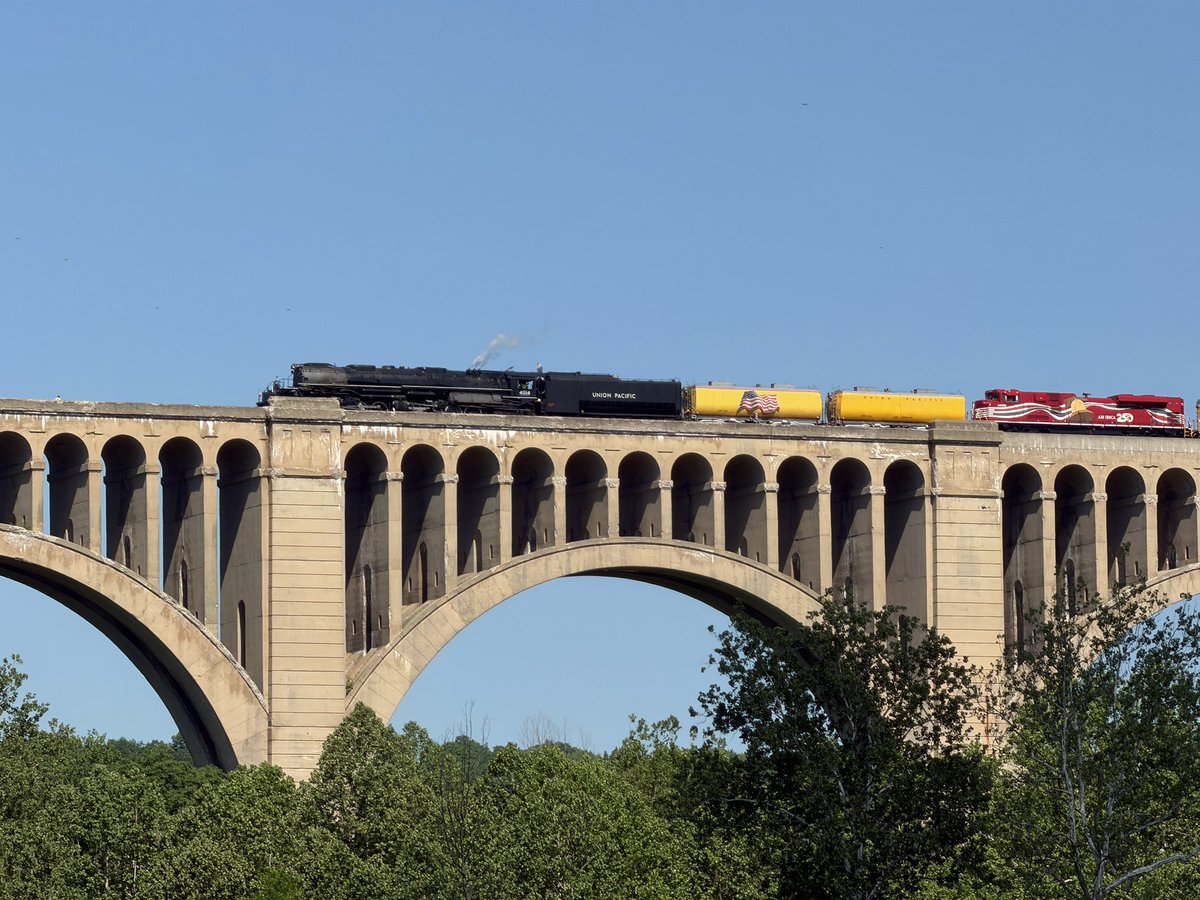
Tunkhannock Viaduc, completed in 1915. Inspiration for the frieze at original Yankee Stadium. Also, Big Boy is awesome.

13
252
37,480
Rob Neyer retweeted

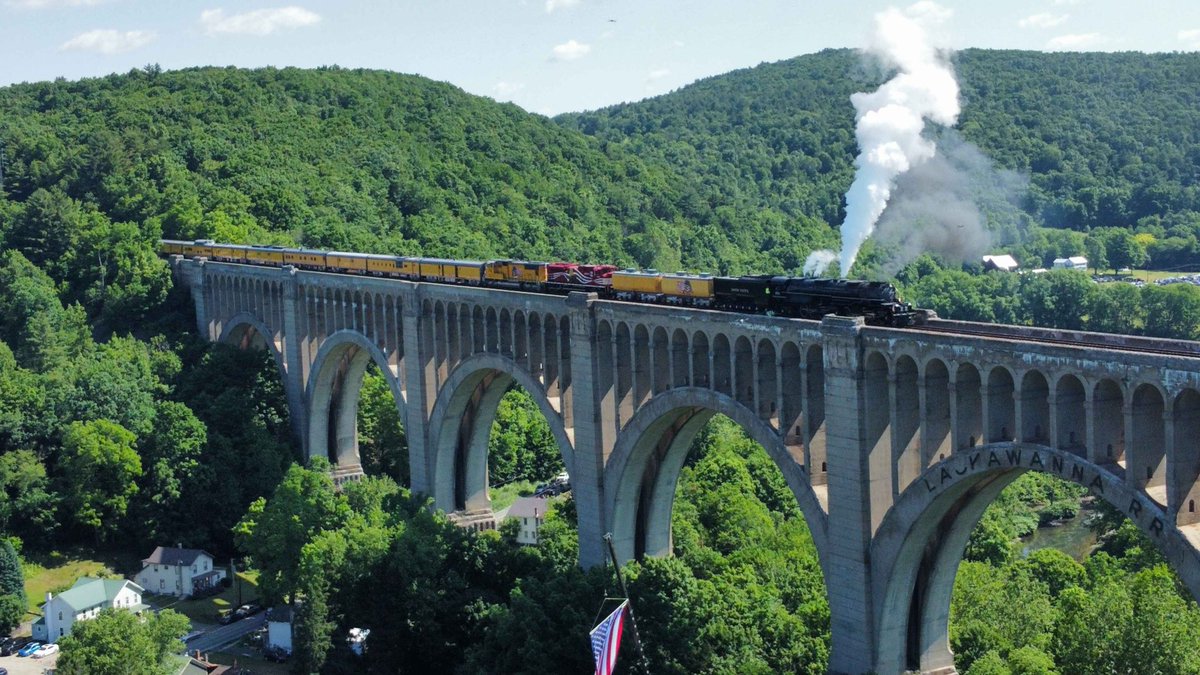
THE VIDEO: Union Pacific Big Boy 4014 passes over the Tunkhannock Viaduct.
A 1.2-million-pound steam legend crossing one of the largest concrete railroad viaducts ever built. Nicholson, Pennsylvania delivered an unforgettable scene today.
95
1,292
11,193
336,585
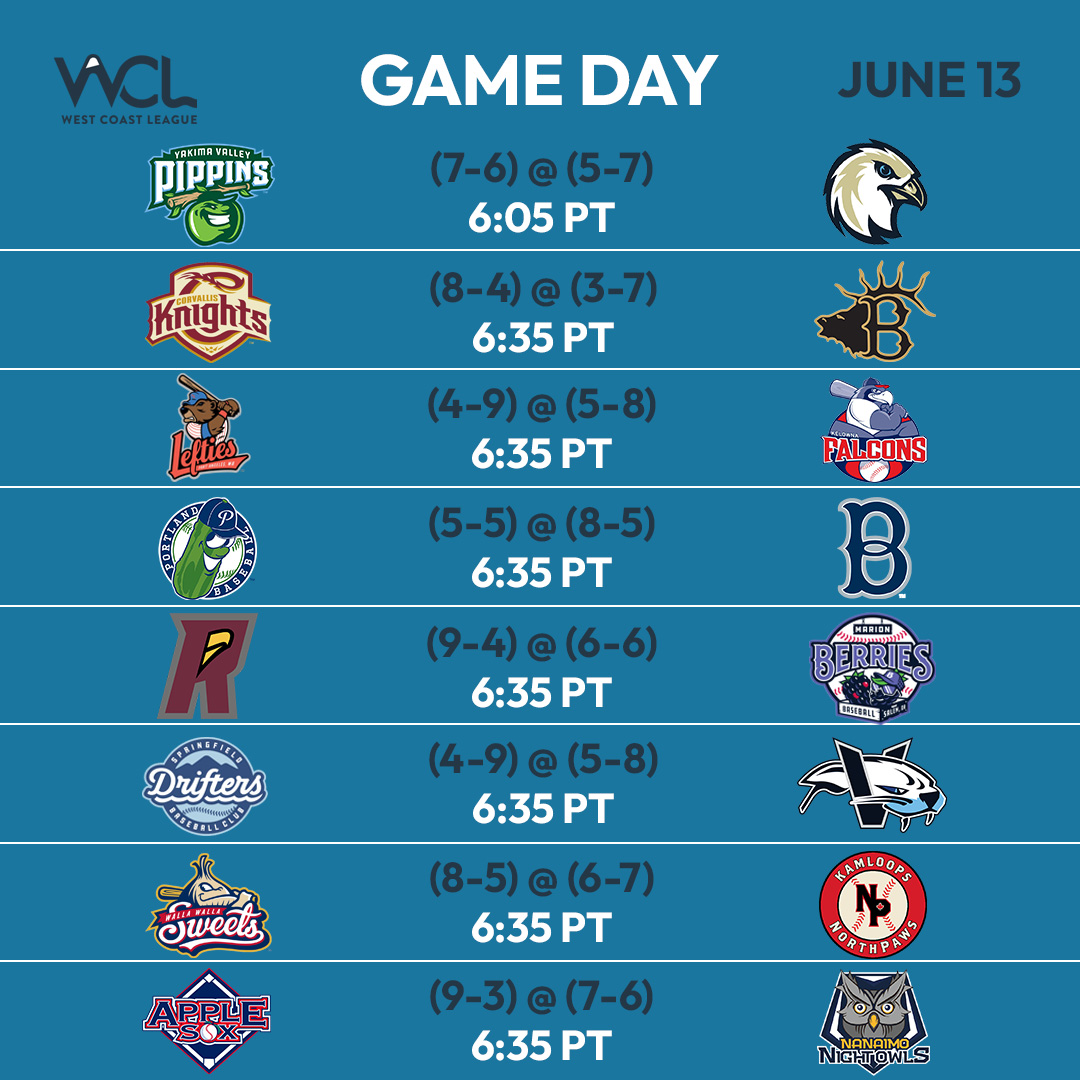
I highly recommend tuning into @PippinsBaseball @EdmRiverhawks game, where you'll see a fantastic broadcast AND some of the sweetest Pride jerseys anyone's ever worn. #PrideMonth

Saturday Night Baseball in the WCL.
🔢 wclstats.com/composite
📺 wcleague.watch.pixellot.tv
1
3,661