
Neuroscience, physics, math, music & running. Compressing information and managing a global team with an ambitious mission. I hate bullies.
Joined April 2008
- Tweets 23,295
- Following 907
- Followers 1,208
- Likes 52,104
581 Photos and videos

Pinned Tweet

15 Dec 2025
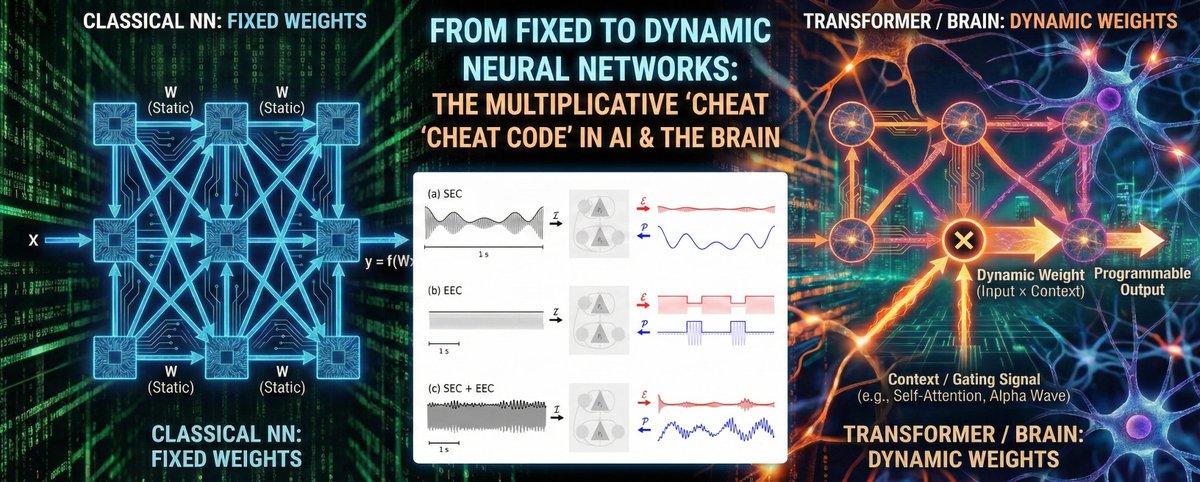
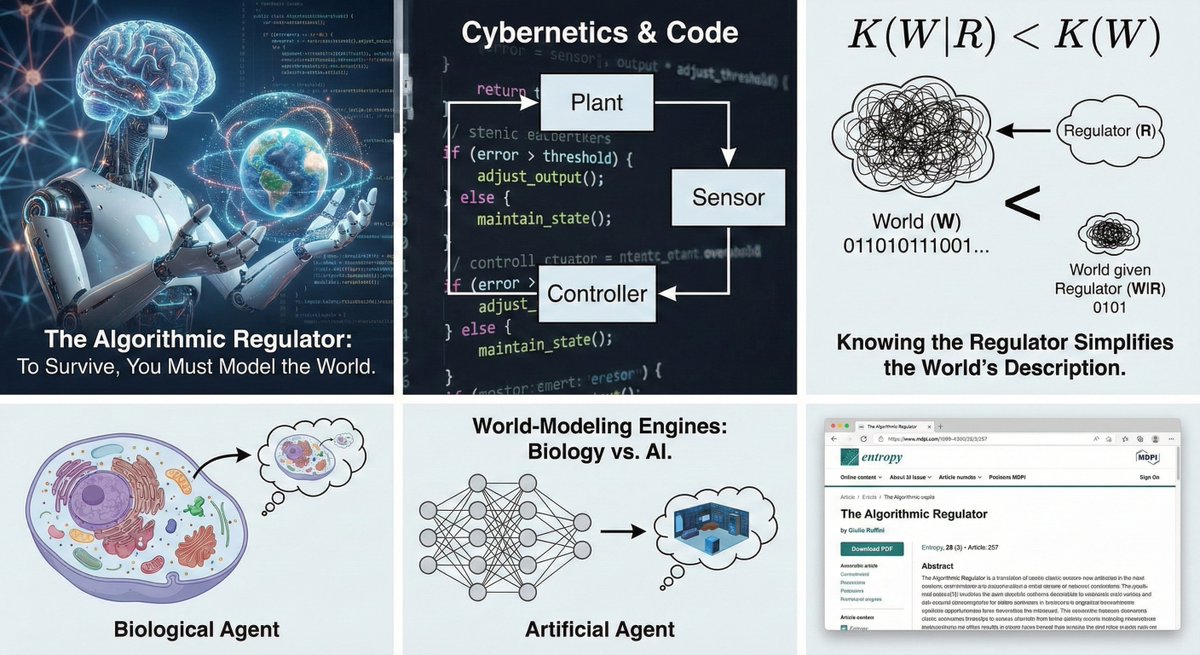
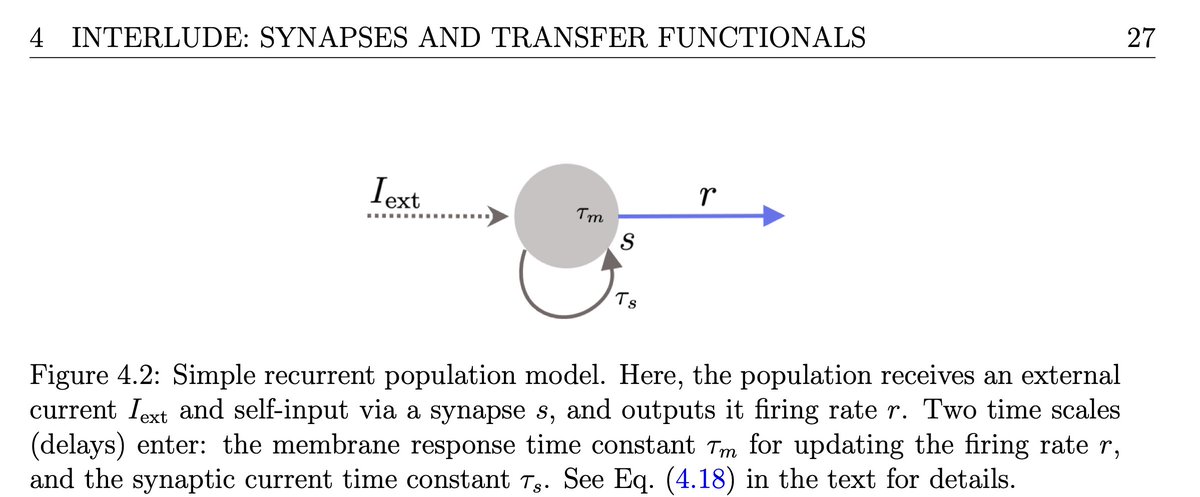
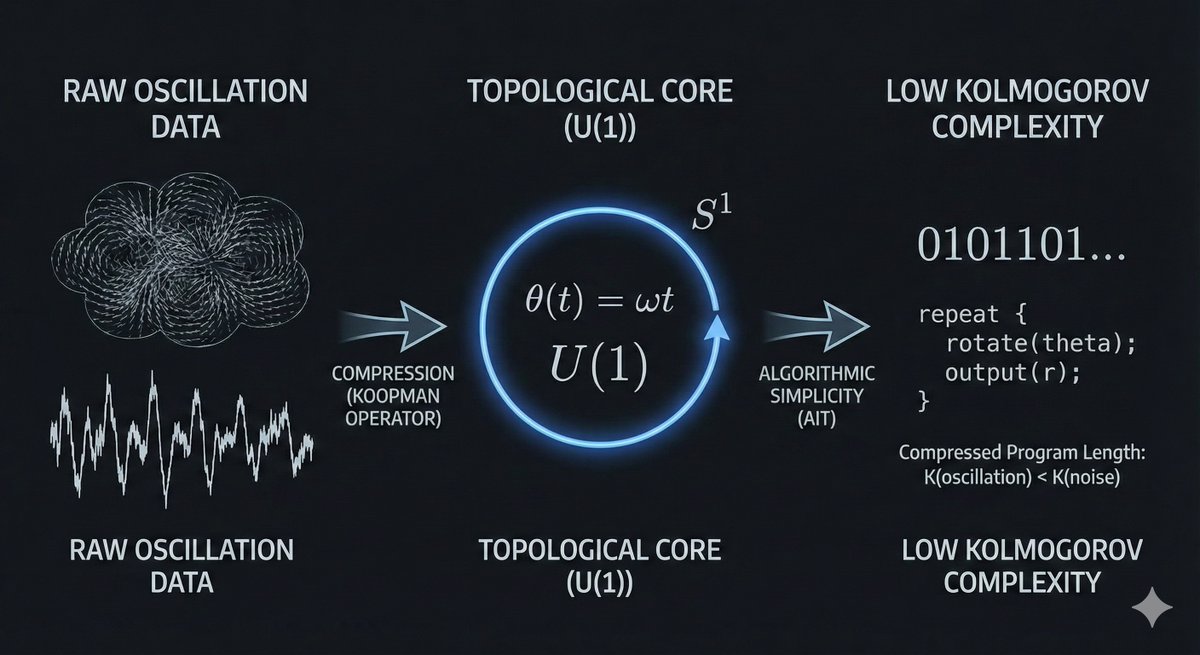
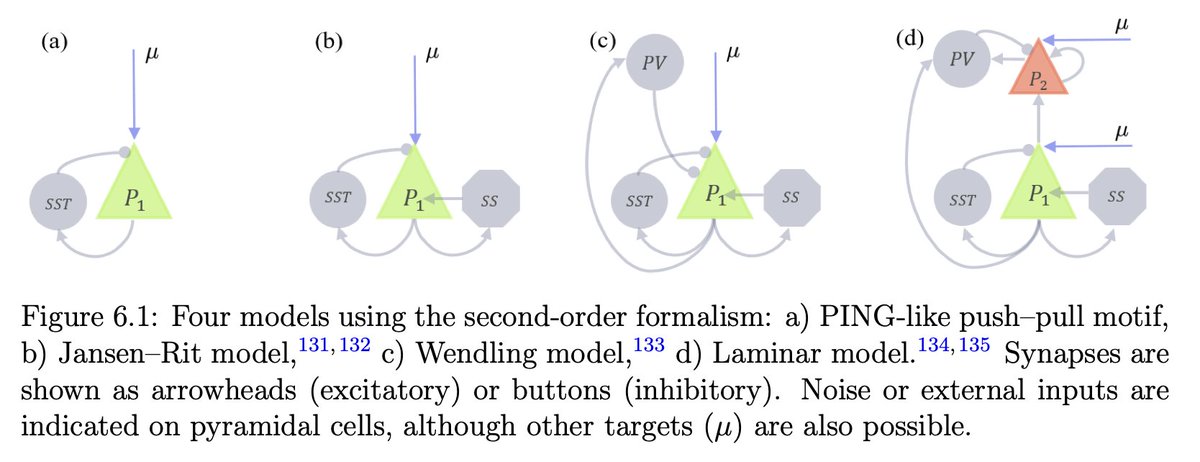
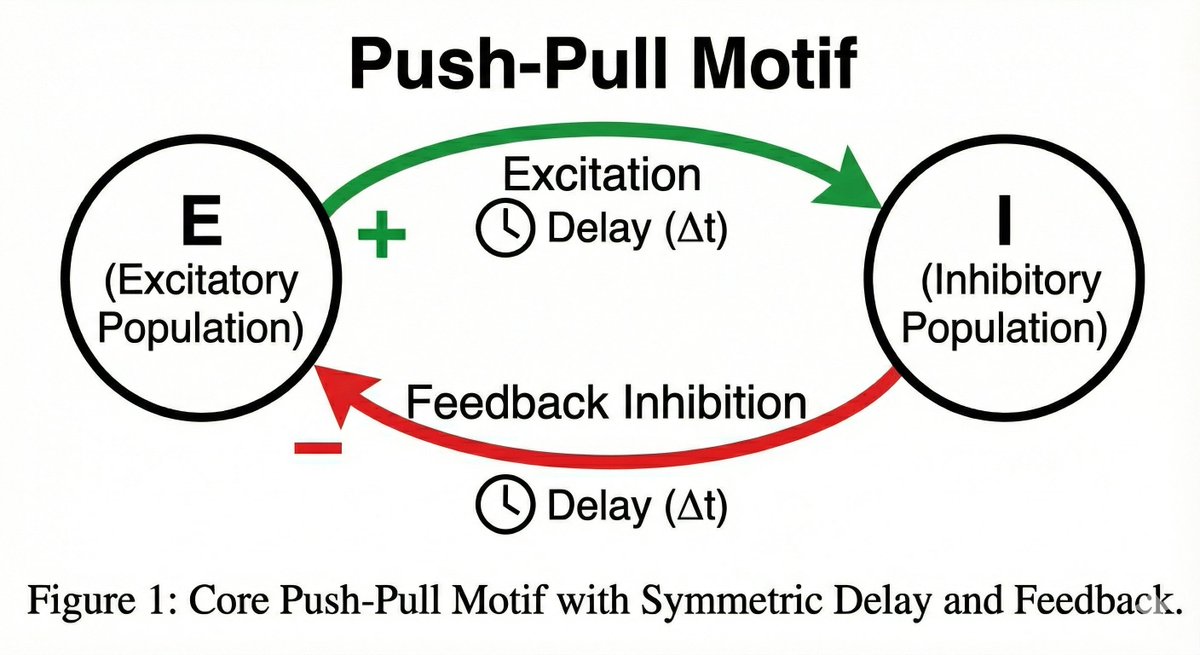
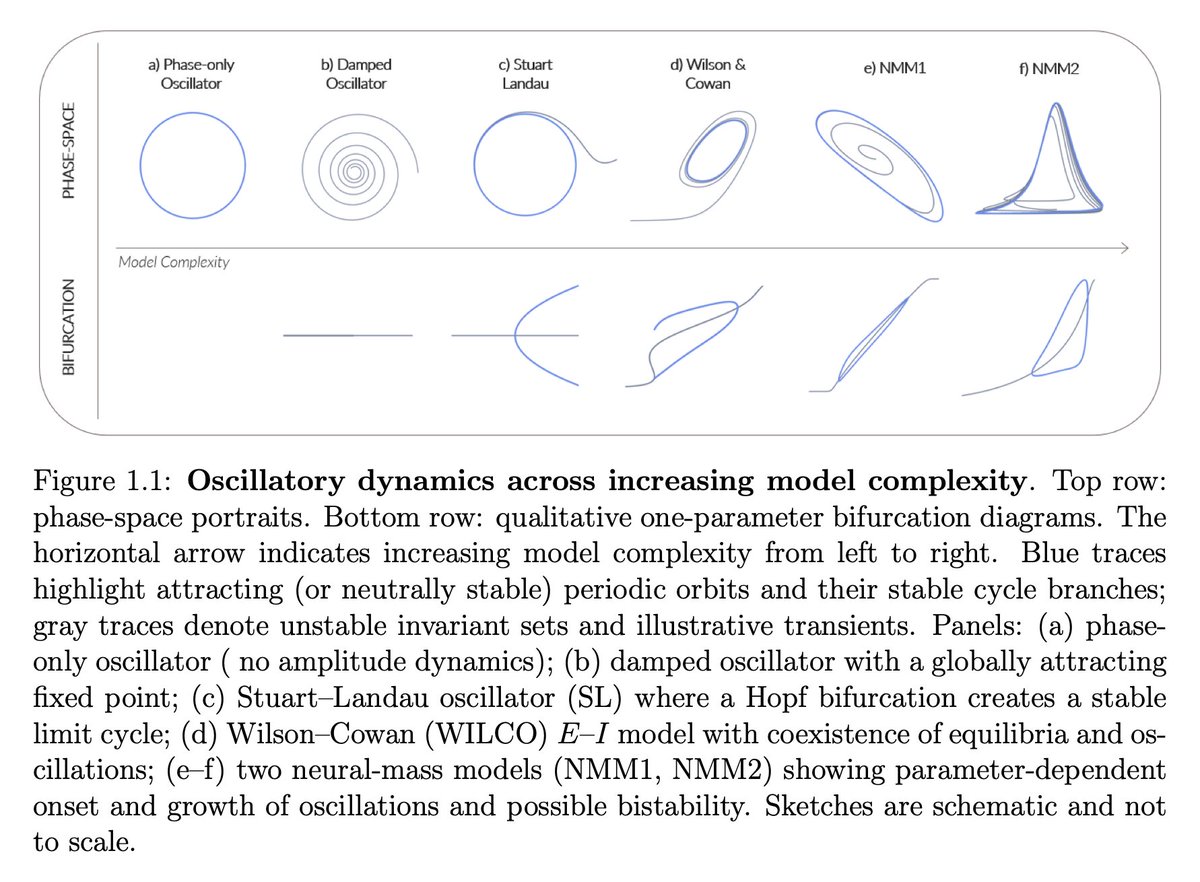
1/ 🧠 New in Computational Neuroscience: "Rosetta Stone of Neural Mass Models." We pr,ovide a unifying framework for translating between them, connecting the harmonic oscillator with Stuart-Landau, Wilson-Cowan, NMM1, and NMM2 (next generation). With @Castaldo_Fr, Raul de Palma Aristides, Pau Clusella, and Jordi Garcia-Ojalvo - arxiv.org/abs/2512.10982
1
1
10
653
Jun 9
Can psychedelics help in Alzheimer’s disease? A computational study using our laminar neural mass model suggests they might. With @Castaldo_Fr @galvani_lab @neurotwin @bcom_foundation
pmc.ncbi.nlm.nih.gov/article…
1
56
Giulio Ruffini retweeted

May 27
Thanks for explaining the connection between 5D hypercubic tiling and Penrose tiles in such a clear and intuitive way!
May 26

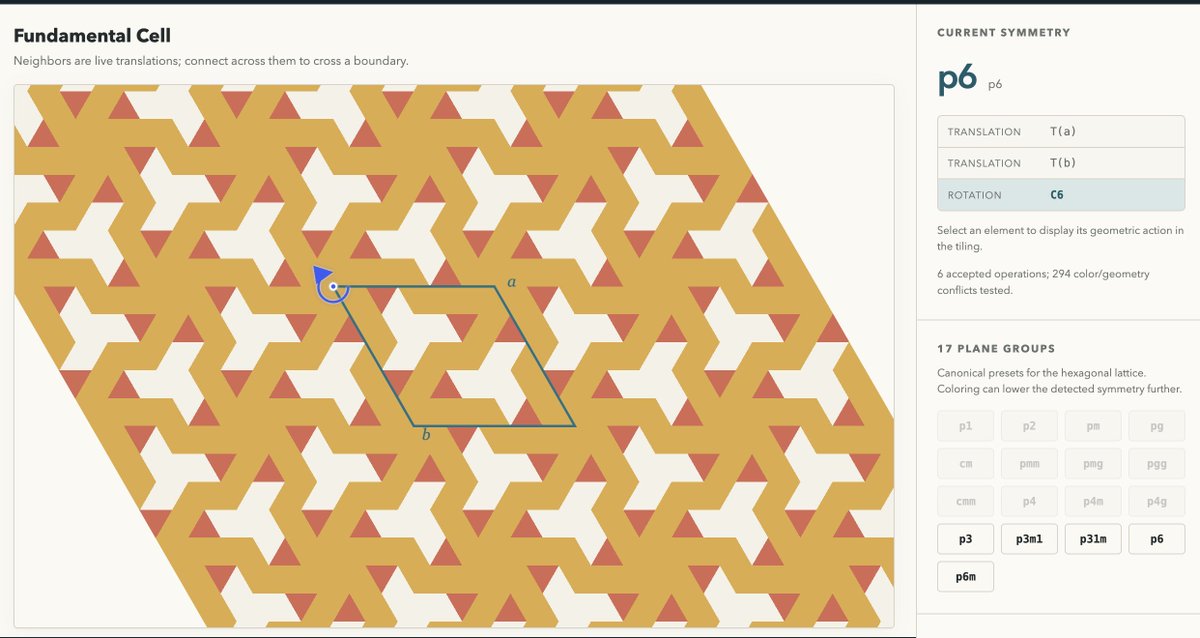
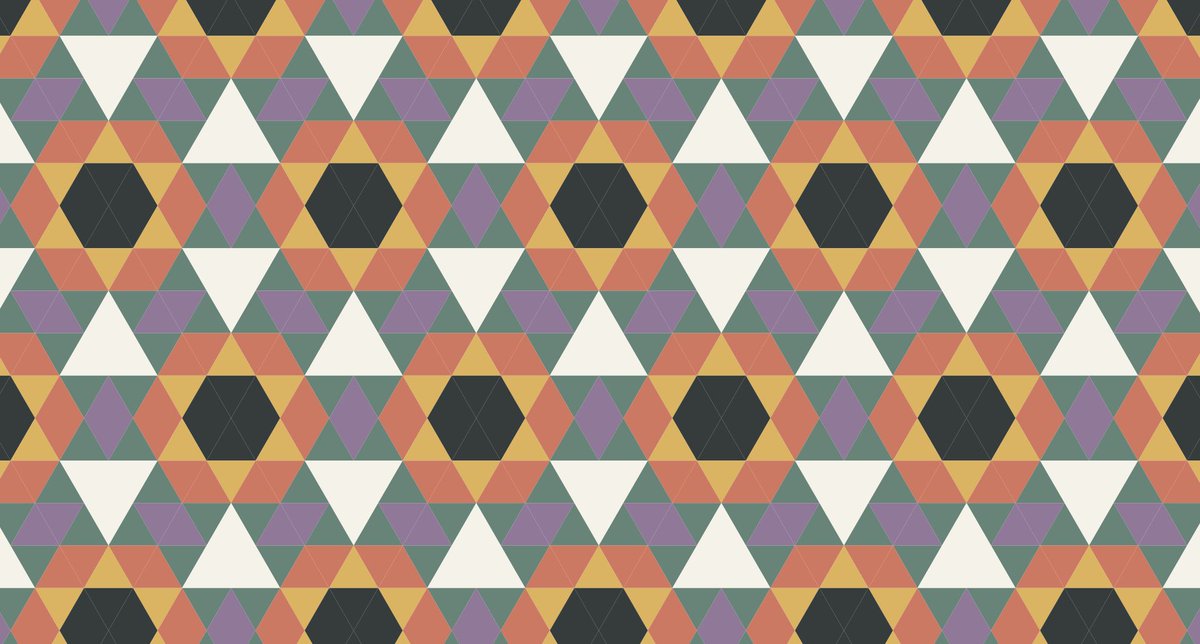
I think one of the roles we play as mathematicians in society is to help people become acquainted with the underlying secret patterns. I have been working for several years on projects in crystallography, where we study crystal structures. But few people know that such periodic patterns come with severe constraints on their symmetry. In the plane, there are 17 different symmetry types, a fact well known even to the designers of the mesmerizing patterns of the Alhambra.
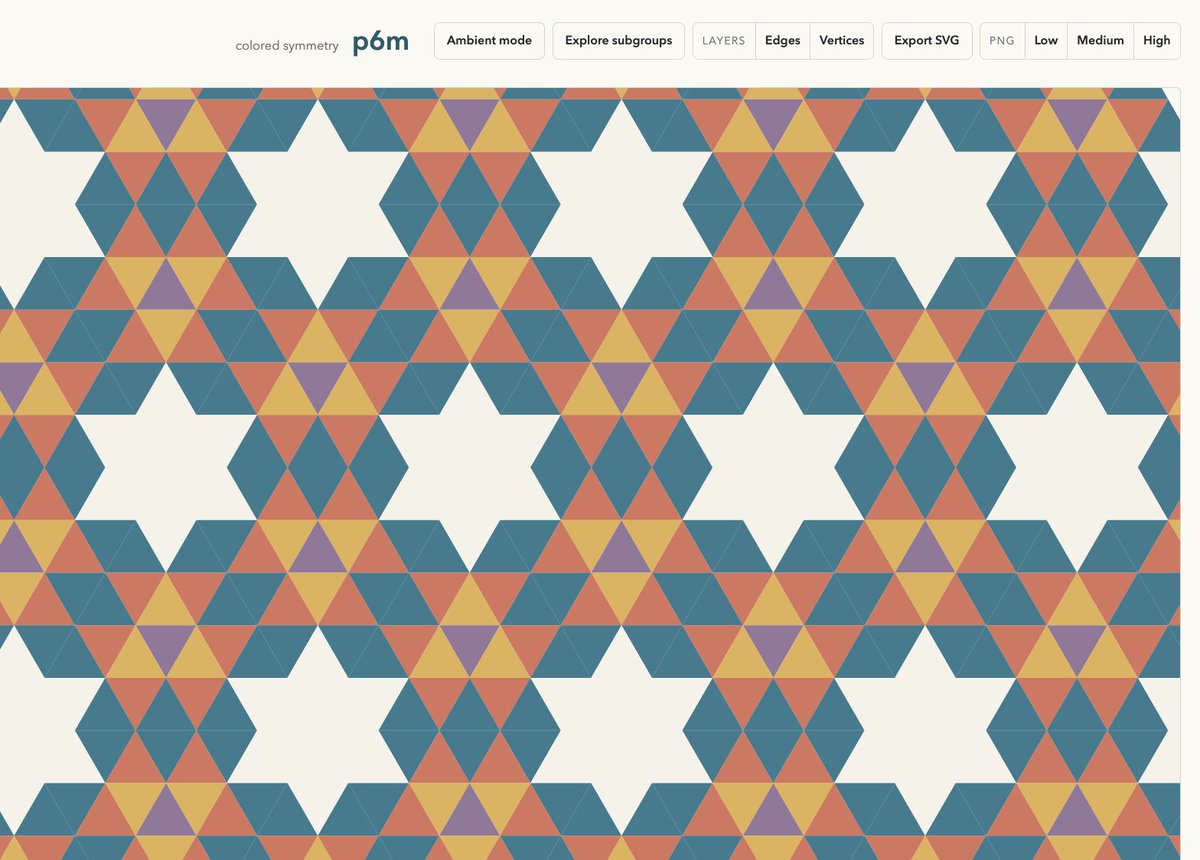
Here you can find and experiment with such tilings in the plane, gaining insight into the intrinsic beauty of the so-called wallpaper groups, the crystal symmetries in dimension 2. The app interactively helps you design symmetric patterns with colors and shows how changes in the structure of the unit cell propagate via symmetry.
nasqret.github.io/symm/
In dimension 3, if you look into International Tables for Crystallography, Vol. 1, you will find a theorem due to Schoenflies and Fedorov stating that there are 230 such symmetry types, a cornerstone of modern chemistry.
Beyond that, in dimensions 4 and higher, a count can be made, but it requires a proof of the general theorem due to Frobenius and Bieberbach. This was an answer to the first part of Hilbert’s famous eighteenth problem.
One of the fun consequences of such a classification is that in dimensions 2 and 3, 5-fold symmetry is forbidden in regular periodic arrangements. Intrinsically, this fact is related to the existence of matrices with a fifth-root-of-unity eigenvalue. For integral matrices, this is possible only in dimensions 4 and higher.
If you generalize the square and cube tilings to dimensions 4 and 5, obtaining hypercubic tilings, the 5-fold symmetry pattern emerges. Skew projections of the 5D hypercubic tiling onto a 2-dimensional plane give rise to a quasicrystalline tiling known as the Penrose tiling. You can find such patterns in front of the Andrew Wiles Building at the Oxford Mathematical Institute.
In later posts this summer, I will take a deep dive into group homology, a modern tool for studying the geometry of crystals. There are still many open questions, for example, how many symmetry types exist exactly in dimensions beyond 6. This is still largely unknown; at present, we only have asymptotic lower bounds.
1
17
146
18,196
Giulio Ruffini retweeted

May 26
I think one of the roles we play as mathematicians in society is to help people become acquainted with the underlying secret patterns. I have been working for several years on projects in crystallography, where we study crystal structures. But few people know that such periodic patterns come with severe constraints on their symmetry. In the plane, there are 17 different symmetry types, a fact well known even to the designers of the mesmerizing patterns of the Alhambra.
Here you can find and experiment with such tilings in the plane, gaining insight into the intrinsic beauty of the so-called wallpaper groups, the crystal symmetries in dimension 2. The app interactively helps you design symmetric patterns with colors and shows how changes in the structure of the unit cell propagate via symmetry.
nasqret.github.io/symm/
In dimension 3, if you look into International Tables for Crystallography, Vol. 1, you will find a theorem due to Schoenflies and Fedorov stating that there are 230 such symmetry types, a cornerstone of modern chemistry.
Beyond that, in dimensions 4 and higher, a count can be made, but it requires a proof of the general theorem due to Frobenius and Bieberbach. This was an answer to the first part of Hilbert’s famous eighteenth problem.
One of the fun consequences of such a classification is that in dimensions 2 and 3, 5-fold symmetry is forbidden in regular periodic arrangements. Intrinsically, this fact is related to the existence of matrices with a fifth-root-of-unity eigenvalue. For integral matrices, this is possible only in dimensions 4 and higher.
If you generalize the square and cube tilings to dimensions 4 and 5, obtaining hypercubic tilings, the 5-fold symmetry pattern emerges. Skew projections of the 5D hypercubic tiling onto a 2-dimensional plane give rise to a quasicrystalline tiling known as the Penrose tiling. You can find such patterns in front of the Andrew Wiles Building at the Oxford Mathematical Institute.
In later posts this summer, I will take a deep dive into group homology, a modern tool for studying the geometry of crystals. There are still many open questions, for example, how many symmetry types exist exactly in dimensions beyond 6. This is still largely unknown; at present, we only have asymptotic lower bounds.
18
69
387
43,846
Giulio Ruffini retweeted

Article: "The Complex Brain Hypothesis: Resolving the Entropy-Content Conundrum in Minimal Phenomenal Experience"
Coauthors: @JonasHMago Edmundo Lopez-Sola @VohryzekJakub Michael Lifshitz @RCarhartHarris @shamilch
arxiv.org/pdf/2605.16146
1
11
39
2,555
Giulio Ruffini retweeted

Platonic Representations in the Human Brain: Unsupervised Recovery of Universal Geometry
Pablo Marcos-Manchón, Rishi Jha, Lluís Fuentemilla
arxiv.org/abs/2605.20496 [𝚚-𝚋𝚒𝚘.𝙽𝙲 𝚌𝚜.𝙲𝚅]
💬Code: github.com/memory-formation/…
3
19
79
5,019
Giulio Ruffini retweeted

May 23
This is an official government account in a democracy.
This is what Orbanism looks like. The president bragging, via AI video, that he forced a comedian who mocked him off the air and ‘into the trash’.

5,683
25,669
209,733
4,772,367
Giulio Ruffini retweeted

May 21
Most real-world systems are dynamic.
So why do we still treat computation as static?
Our latest blog explores computation through motion using gyroscopes, rods, springs, and ordinary differential equations to perform handwritten digit classification.
A deep dive into:
• dynamical systems as compute
• differentiable ODE solvers
• physics-inspired machine learning
• emergent computation through interaction
Read here: unconv.ai/blog/machine-learn…
6
45
264
70,349
Giulio Ruffini retweeted

May 20
The Italian government is vetoing EU sanctions on Israel.
So this is completely meaningless from the Italian prime minister 👇
May 20

Le immagini del ministro israeliano Ben Gvir sono inaccettabili. È inammissibile che questi manifestanti, fra cui molti cittadini italiani, vengano sottoposti a questo trattamento lesivo della dignità della persona.
Il Governo italiano sta immediatamente compiendo, ai più alti livelli istituzionali, tutti i passi necessari per ottenere la liberazione immediata dei cittadini italiani coinvolti.
L’Italia pretende inoltre le scuse per il trattamento riservato a questi manifestanti e per il totale disprezzo dimostrato nei confronti delle esplicite richieste del Governo italiano.
Per questi motivi, il Ministero degli Affari Esteri e della Cooperazione Internazionale convocherà immediatamente l’ambasciatore israeliano per chiedere chiarimenti formali su quanto accaduto.
230
6,515
29,045
577,940
Giulio Ruffini retweeted

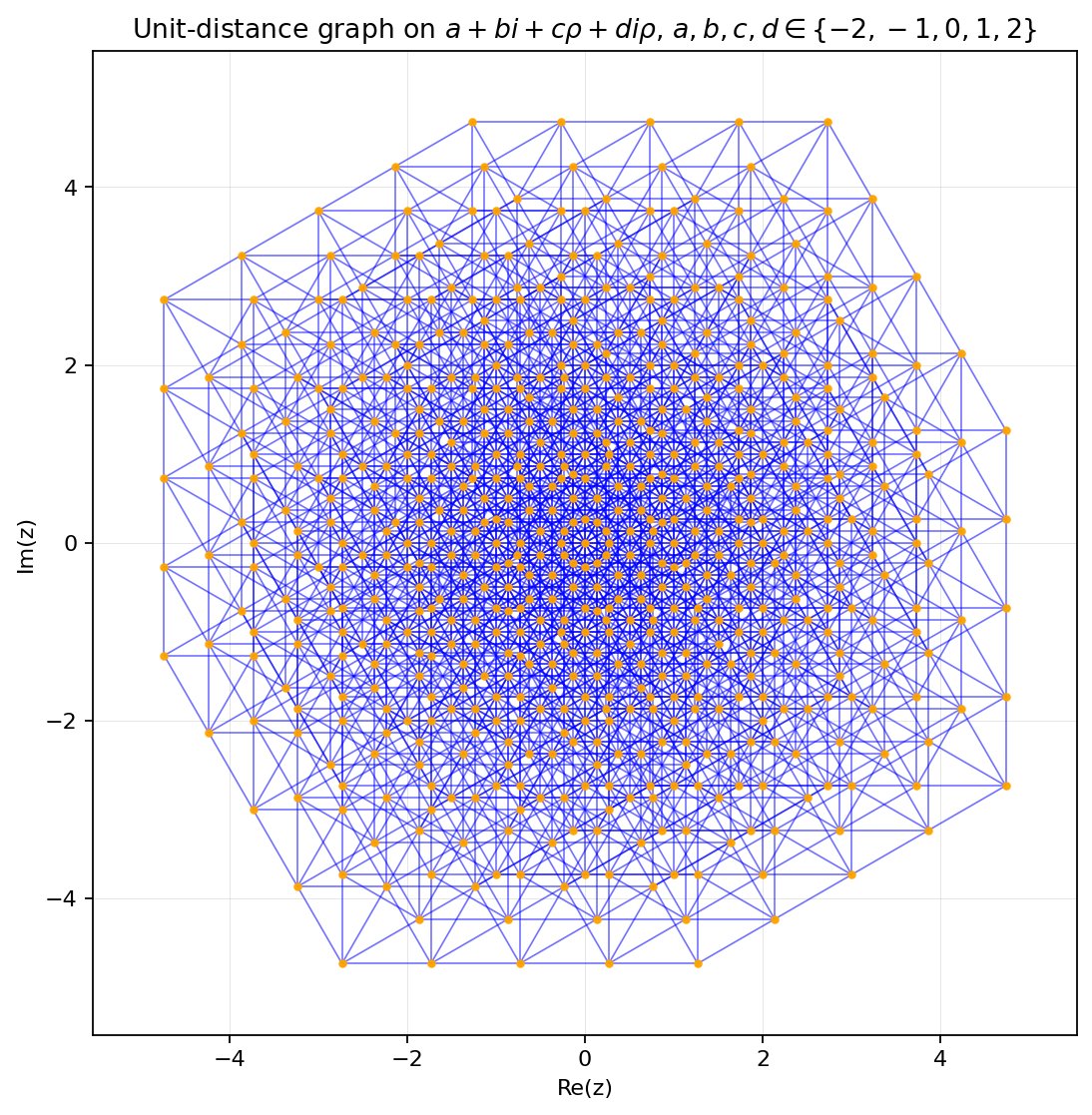
Following up on the suggestion from Will Sawin, here is an illustration of the new configurations that disprove Erdos' unit distance conjecture (made with the help of ChatGPT 5.5 Thinking).
May 21

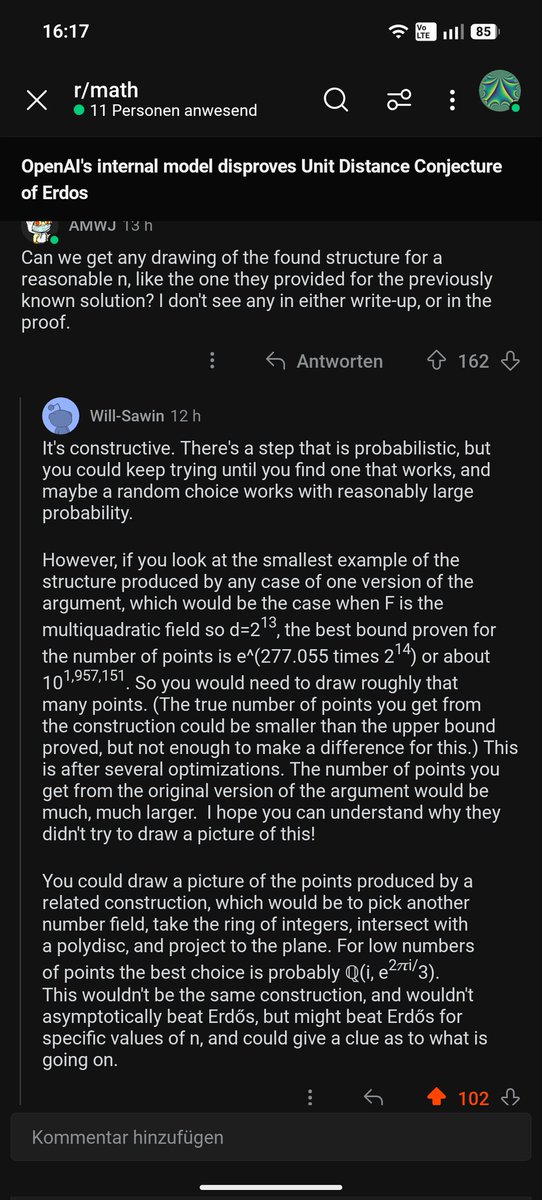
an explicit drawing doesnt seem possible, but maybe the last paragraph satisfies your request. (its essentially a projection of the lattice construction in another field into R^2)
114
244
2,681
1,892,582
Giulio Ruffini retweeted

If you are a mathematician, then you may want to make sure you are sitting down before reading further.
166
886
9,225
3,223,162
Giulio Ruffini retweeted
AI has now solved a major open problem -- one of the best known Erdos problems called the unit distance problem, one of Erdos's favourite questions and one that many mathematicians had tried.
openai.com/index/model-dispr…
75
614
3,563
1,490,047
Giulio Ruffini retweeted

May 18
Erwin Schrödinger — The Singular Mind: All Conscious Beings Are One youtu.be/7DSLbid5ef8?si=SQQC… via @YouTube
3
3
24
12,547
Giulio Ruffini retweeted

May 18
At age 25, Kurt Gödel proved there can never be a mathematical “theory of everything.” In this week’s Qualia column, @nattyover asks experts how his ideas changed the course of humanity’s unending search for truth. quantamagazine.org/what-do-g…
28
127
556
69,759
Giulio Ruffini retweeted

Among the reasons most EU states and EU institutions are quiet about Israel's daily slaughter of civilians in the region, is that they do not care: Lebanese, Palestinian, Iranian lives are disposable, their loss negligible.
And this is so wrong.
Immoral.
Illegal.
Irresponsible.
May 17

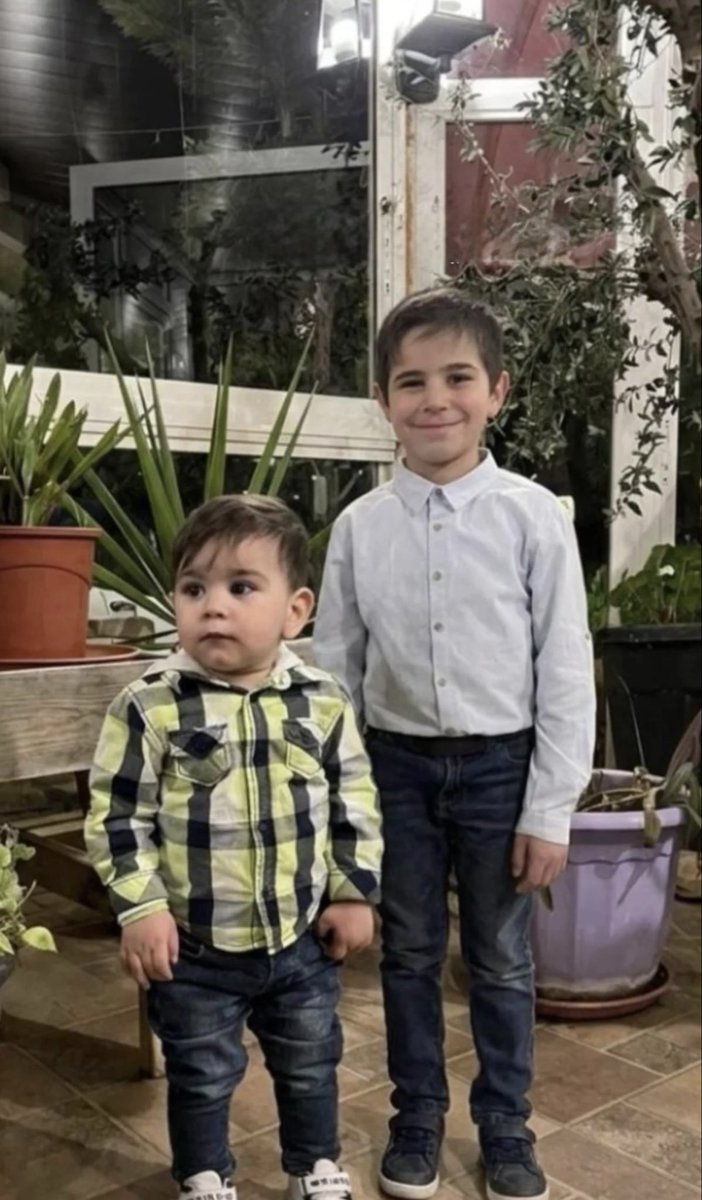
Here are Hussein's cousins who were killed by Israel
Western mainstream media refers to them as "Hezbollah targets"
373
6,838
12,178
161,814
Giulio Ruffini retweeted

May 14
Quienes consideran que ondear la bandera de un Estado es “incitar al odio”, o han perdido el juicio o han sido cegados por su propia ignominia.
Lamine solo ha expresado la solidaridad por Palestina que sentimos millones de españoles. Otro motivo más para estar orgullosos de él.
11,679
65,795
313,487
8,247,947
Giulio Ruffini retweeted

May 11
RELEASE THE EPSTEIN FILES.
2,610
25,930
155,199
2,595,752
Giulio Ruffini retweeted

May 10
Great read on harness engineering.

13
110
1,109
376,374
Giulio Ruffini retweeted
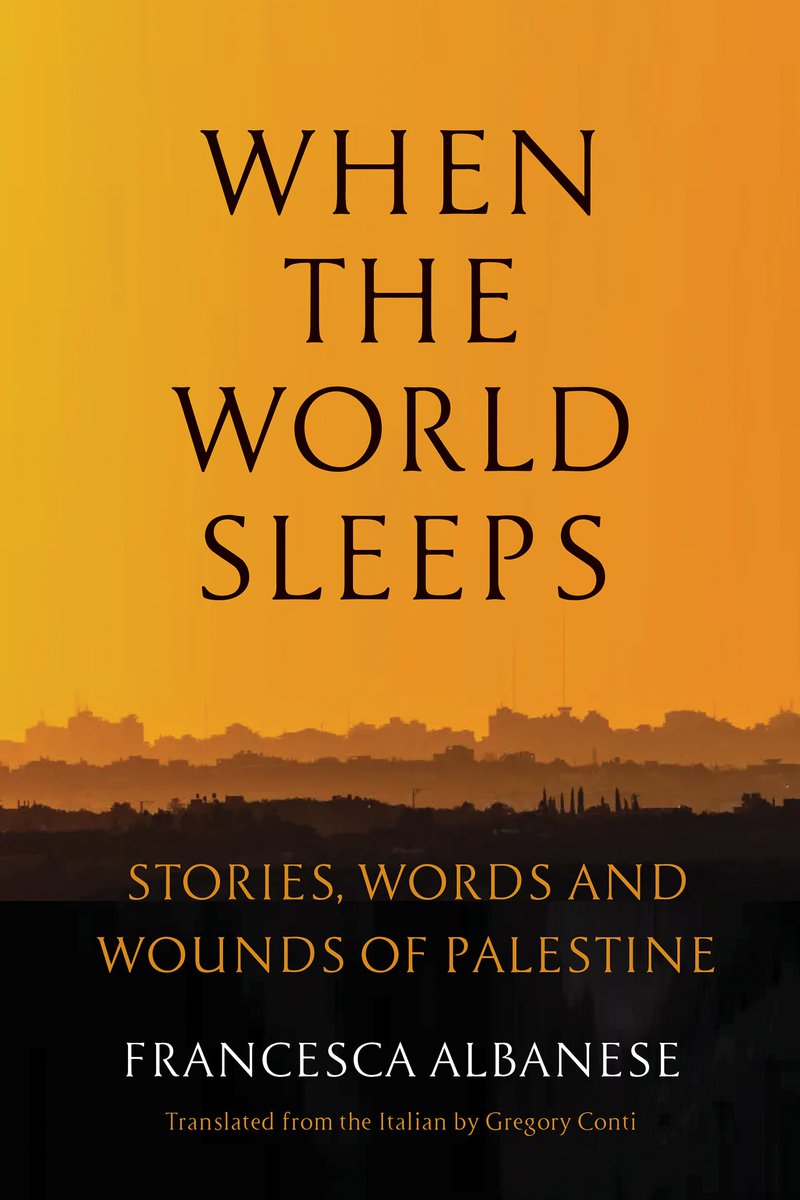
#WhenTheWorldSleeps
Palestine stands as the moral compass of our time.
Exposing Apartheid and its crimes, their root causes and implications, is necessary to ensure the world "wake up" and work together to overcome it.
Together we can and we will.
May 9

When the World Sleeps:
Stories, Words, and Wounds of Palestine
by Francesca Albanese
The first woman to serve as United Nations Special Rapporteur for the Occupied Palestinian Territory conveys the spirit of a people through 10 unforgettable stories of resilience and humanity.
Francesca Albanese is the most lucid voice against Israel’s apartheid policies in Gaza and the West Bank, a voice that has been heard around the world when it comes to speaking the truth about the Palestinian genocide.
In the wake of October 7, 2023, and Israel’s retaliatory war, the renowned Italian jurist has become a lightning rod for her staunch defense of human rights.
Reflecting on her years living in Jerusalem and her personal and professional journey toward understanding the Palestinian struggle, Albanese pays tribute to 10 people whose profoundly affecting stories opened her eyes, from Hind Rajab,
a young Palestinian girl killed by Israeli forces, to the remarkable Jewish scholars who acted as Albanese’s mentors: forensic architect Eyal Weizman, trauma expert Gabor Maté, and Holocaust historian Alon Confino.
When the World Sleeps is a courageous testimony of the harsh reality that Palestinians face. It raises critical questions about the past, present, and future of Palestine: What are the consequences of the occupation?
Where is a refugee’s home? In what conditions do Palestinians live? With the uncertain end of the war, will there be a Palestinian state? Will Palestinians have the right to self-determination, and will they be able to live in peace, free at last from the coercion of Israel?
Hardcover. $21.74
25.01% off
Click below to buy
paysfer.com/product-page/696…
635
4,915
10,138
161,114
Giulio Ruffini retweeted

Very important read.
"if AI mathematics continues to progress at anything like its current rate -- which is what I expect to happen -- then we will face a crisis very soon"

I've recently got in on the act of getting AI to solve open problems in mathematics. More precisely, I gave some questions asked by Melvyn Nathanson to ChatGPT 5.5 Pro, to which I have been given access, and it answered them. 🧵
29
60
622
92,764