Joined April 2009
9 Photos and videos
Ryan David Ives retweeted
I want this in gold😁
1,148
3,990
44,484
4,810,604
Ryan David Ives retweeted
POV Cloud😮
393
7,995
51,666
1,295,967
Ryan David Ives retweeted
198
2,084
8,870
63,932
Ryan David Ives retweeted
You are looking at one of the most detailed 3D reconstructions of a humancell (eukaryotic cell) ever made. Every molecule. Every structure. Mapped in extreme precision. This isn't just a pretty picture. It's a microscopic universe finally brought into focus.
168
747
3,866
200,849
Ryan David Ives retweeted
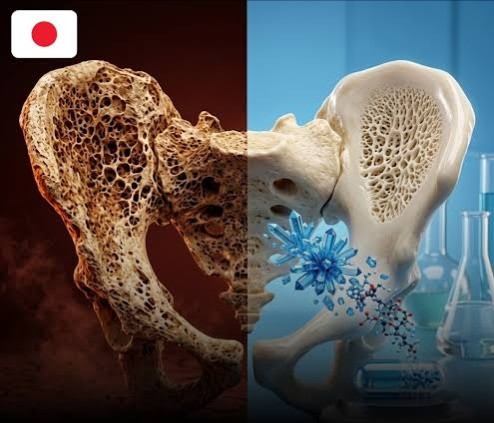
🔴NEWS: Japanese scientists have developed a pill that REBUILDS BONES AND REVERSES OSTEOPOROSIS
39
641
3,348
49,145
Ryan David Ives retweeted
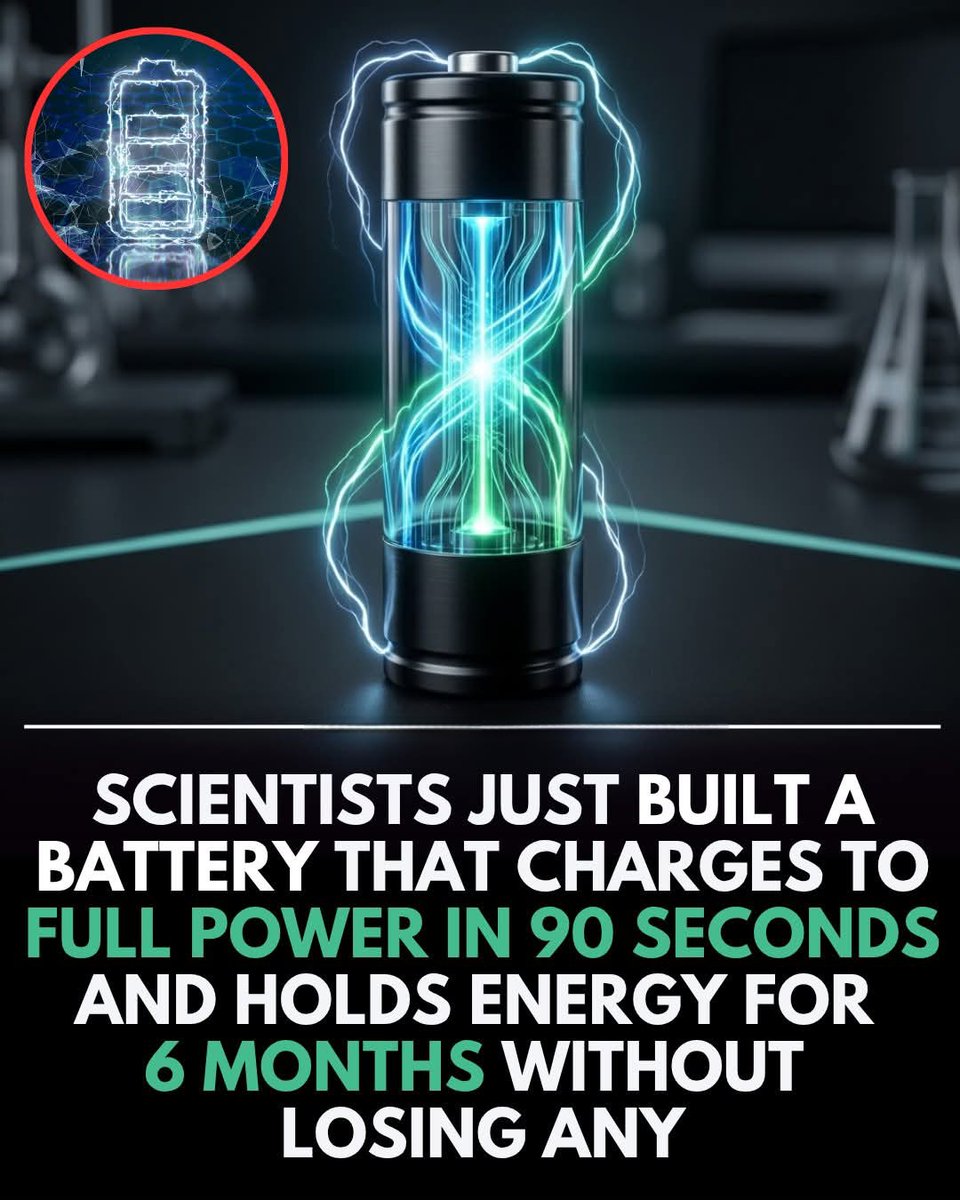
Materials researchers at MIT have successfully developed a groundbreaking solid-state battery that solves the two biggest bottlenecks in modern energy storage. By replacing conventional liquid electrolytes with a highly advanced superionic ceramic conductor, this new technology eliminates the slow lithium-ion diffusion bottleneck, enabling charging rates 200 times faster than standard lithium-ion models—achieving a full charge in an unprecedented 90 seconds. Additionally, this unique ceramic structure creates a near-perfect hermetic seal around the stored charge, practically eliminating the self-discharge that typically causes conventional batteries to lose 20 to 30 percent of their power monthly. Retaining 99.7% of its stored energy after six months of idle storage, and surviving 5,000 full charge cycles with 96.8% capacity retention, this completely non-flammable battery technology could soon allow electric vehicles to charge in under two minutes and grid storage to operate with negligible seasonal losses.
45
264
794
21,685
Ryan David Ives retweeted
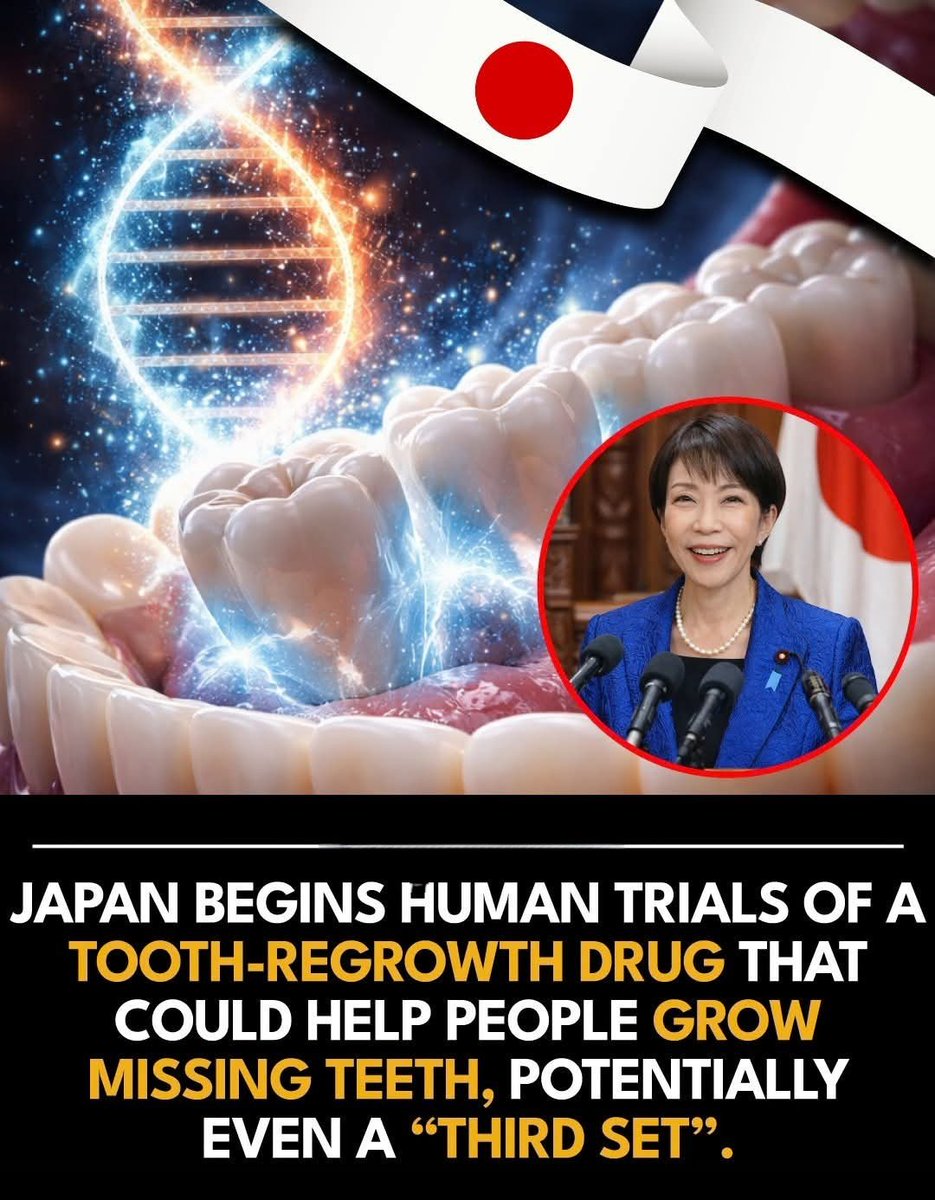
Researchers in Japan have been exploring regenerative dentistry techniques aimed at stimulating the body’s natural ability to develop new teeth. This research focuses on understanding the genetic and molecular signals that control tooth formation during early development. One important target in these studies is a protein called USAG-1, which acts as a regulator that normally limits tooth growth. Scientists have investigated whether blocking this protein could reactivate dormant tooth development pathways. In preclinical experiments with animals, suppressing USAG-1 allowed researchers to observe new tooth formation under certain conditions, suggesting that tooth regeneration might be biologically possible. Early human trials are designed primarily to evaluate safety, dosing, and biological response, rather than immediately proving effectiveness. These initial studies help researchers determine whether a therapy can safely move to larger clinical trials. If the approach proves safe and effective in future phases, it could become part of the broader field of regenerative dentistry, which includes research into stem cells, tissue engineering, and biological tooth repair.
8
97
397
12,675
Ryan David Ives retweeted
Mar 22
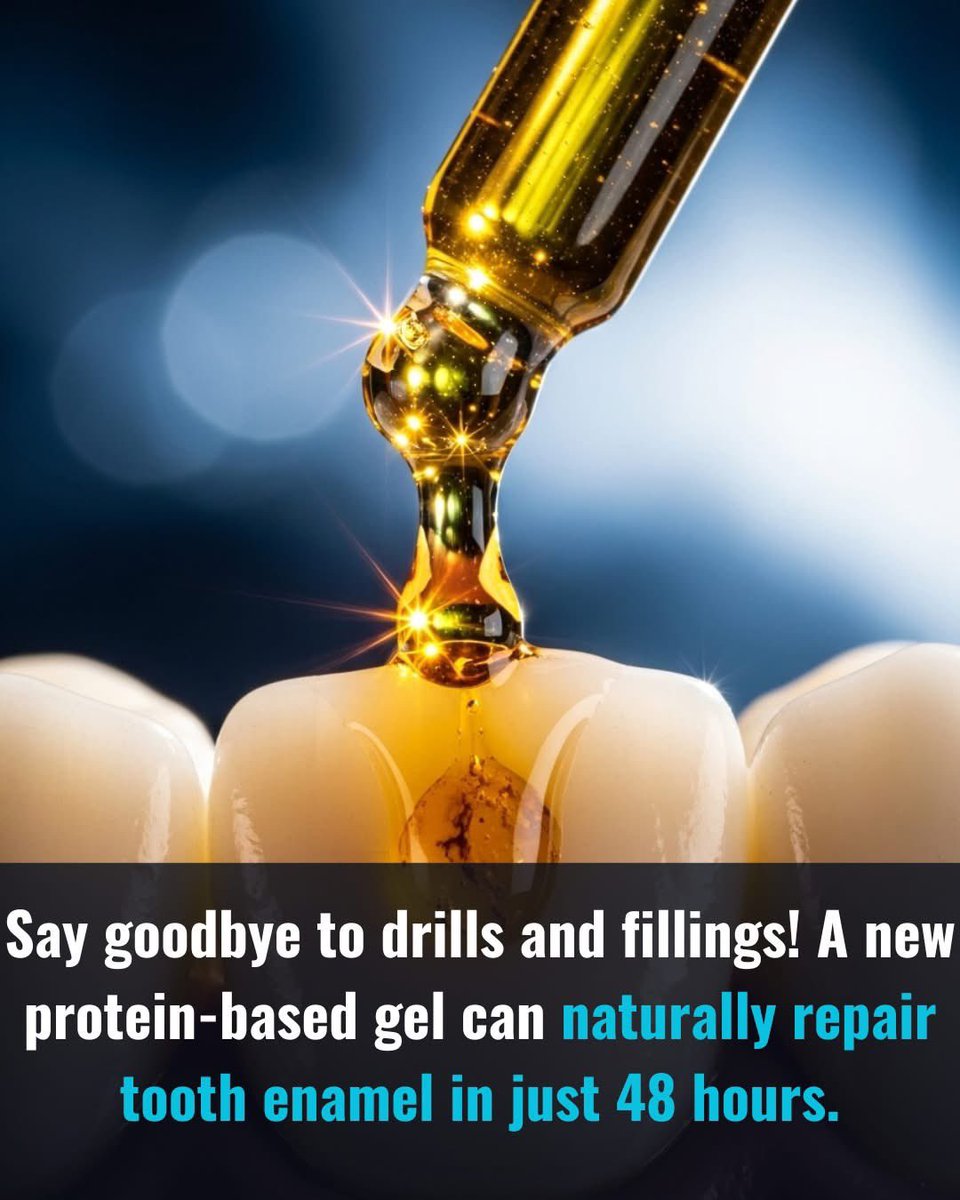
🚨 BREAKING DENTAL GAME-CHANGER IN 2026 🚨 Scientists at the University of Nottingham just dropped a fluoride-free protein-based gel that actually REBUILDS early tooth enamel damage — no more “drill & fill” forever?! (Videos & Sources below 👇) It mimics infant enamel growth proteins, acting as a scaffold to: ✅pull calcium phosphate from your own saliva ✅→ triggers epitaxial mineralization to regrow real enamel crystals (not just a fake coating). Lab tests: ✅repairs in days, stays strong against brushing/acid/chewing for weeks. Human trials ramping up this year — cavities might become history 😱🦷 Who’s ready for pain-free dentist visits? Drop a 🦷 if this excites you! #DentalBreakthrough #ToothRegeneration #FutureOfDentistry Video & VerifiedSources:
instagram.com/reel/DQuMX6NDs…
(“Preventing cavities may have just got easier” — explains Nottingham gel, mimics proteins, repairs in a week, human trials next year. video.twimg.com/amplify_vide…
(From Reuters-linked post — keratin protein repair context, but ties into bio-mimetic enamel regrowth ✅.) youtube.com/shorts/iNwHvelq3…
(“The gel that prevents cavities” — directly covers regenerating enamel loss) Sources / Verification: ✅for the enamel-repair gel breakthrough (University of Nottingham, 2025/2026 updates): ✅Official Uni Nottingham release: nottingham.ac.uk/news/new-ge…
(Primary: details epitaxial mineralization saliva-guided regrowth) ✅Peer-reviewed paper (Nature Communications, Nov 2025): nature.com/articles/s41467-0…
(Full study: biomimetic supramolecular protein matrix restores enamel structure) ✅BBC coverage: bbc.com/news/articles/cn09kw…
(Scientists “excited” — easy apply, scalable, product hoped for soon) ✅ScienceDaily summary: sciencedaily.com/releases/20…
(Bioinspired gel regenerates enamel mimicking natural growth) •Additional context (potential 2026 trials via spin-off Mintech-Bio): multiple reports note commercialization starting ~2026 All verified from reputable outlets/university — this is legit science, this is not hype. Human trials underway/planned for 2026 per team statements. #ScienceSources #EnamelRepair
152
2,530
8,672
334,961
Ryan David Ives retweeted
South Korean scientists have developed a painless micro needle patch that can regrow teeth, potentially making fillings, drills, implants and dentures obsolete.
87
862
3,096
109,219
Ryan David Ives retweeted
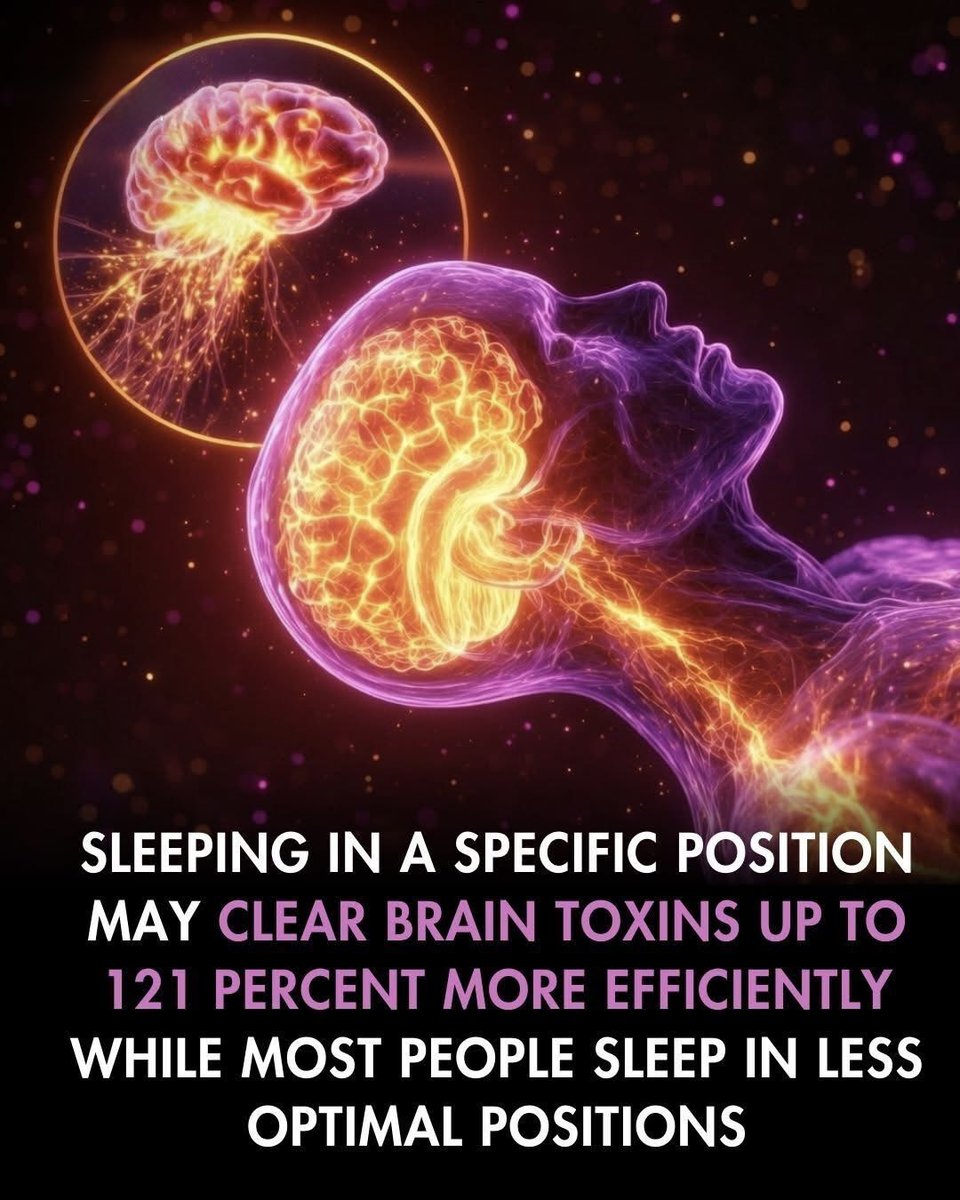
⚠️ THE HIDDEN NIGHTTIME BRAIN-CLEANING SYSTEM MOST PEOPLE HAVE NEVER HEARD OF While you sleep, the brain quietly activates a powerful cleaning network known as the Glymphatic System. During deep sleep, fluid flows through brain tissue, washing away waste including Beta-Amyloid, a protein associated with Alzheimer’s disease. Research from Stony Brook University suggests that sleep position may influence how efficiently this natural cleansing process works. Certain positions may allow brain fluid to move more freely during the night. Most people never think about sleep posture. Yet a small change in how the body rests may quietly support memory, focus, and long-term brain health. The brain’s most powerful detox may happen… while the body is asleep.
10
78
293
9,254
Ryan David Ives retweeted
Mar 11
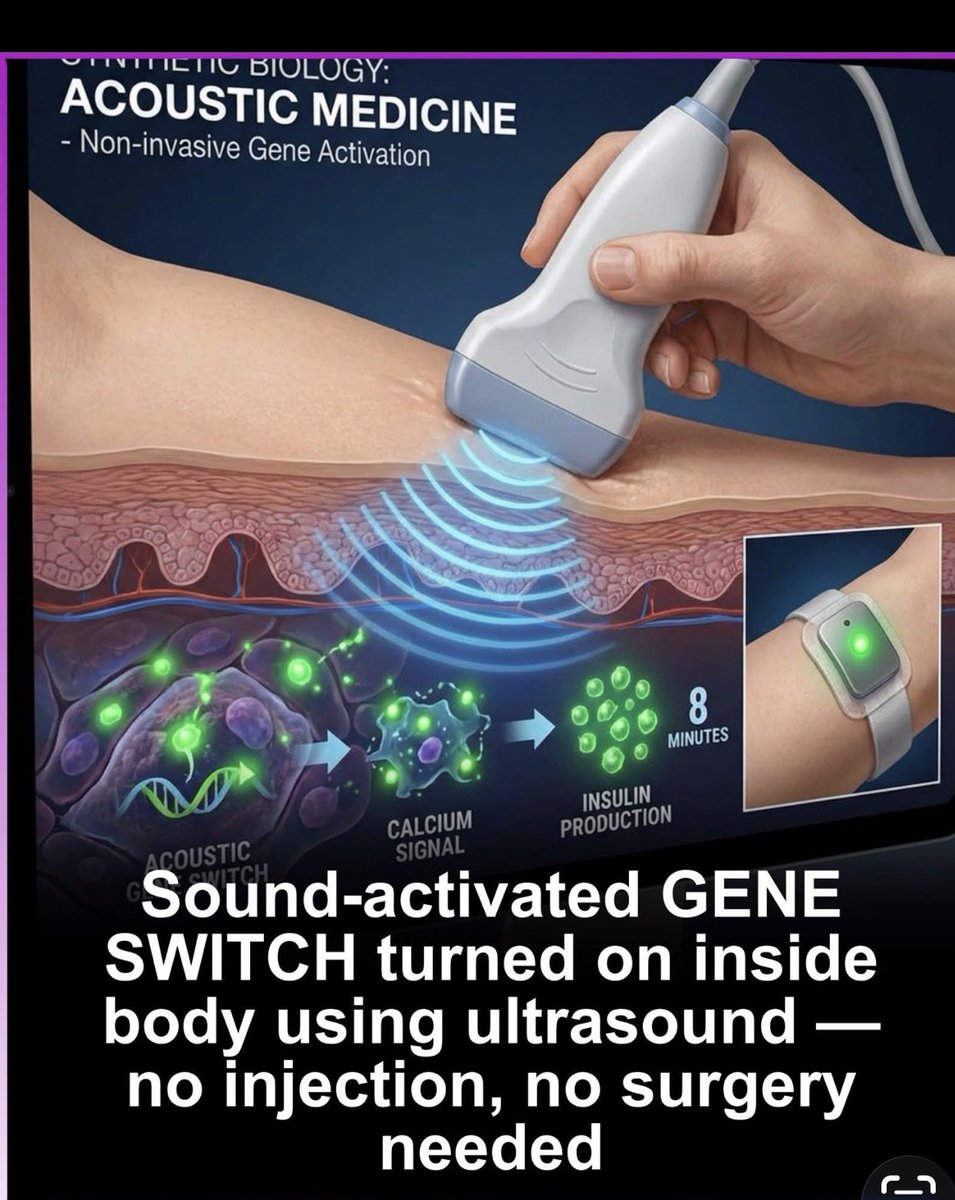
🚨 Mind-blowing 2026 reality check: What was sci-fi is now unfolding in labs! Ultrasound-responsive gene circuits let scientists engineer therapeutic cells with genetic “switches” that flip ON only under specific ultrasound frequencies — triggered non-invasively right through the skin. This is an exciting (?) and powerful frontier in synthetic biology and acoustic medicine: using ultrasound to non-invasively control gene expression in engineered therapeutic cells, such as triggering insulin production in diabetes models via mechanosensitive channels (e.g., Piezo1), calcium signaling, and synthetic promoters. While the scenario—ultrasound-responsive gene circuits in therapeutic cells for on-demand insulin via external 30-second pulses normalising glucose in 8 minutes in diabetic animals—is not yet documented in published research as a complete system, closely related advances exist. These include: •Ultrasound activation of mechanosensitive ion channels (like Piezo1) to trigger calcium influx and drive synthetic gene circuits or rapid insulin release in engineered cells. •Sonogenetic switches for non-invasive, precise control of therapeutic protein expression in mammalian cells. •Ultrasound-stimulated insulin secretion or glucose control in beta-cells or diabetic models (often via mechanotransduction or microbubbles, not always gene circuits). •Broader ultrasound-mediated gene expression control in vivo. Key related breakthroughs (2021–2025 ): •Engineering Piezo1 in cells for low-frequency ultrasound to induce calcium/NFAT signaling and activate transgenes (e.g., CAR expression in T cells; adaptable to other therapeutics). •Mediator-free sonogenetic switches for ultrasound-triggered therapeutic protein production. •Ultrasound-enhanced insulin release in beta-cells or models for glycemic control. •Focused ultrasound for neural modulation restoring glucose homeostasis in diabetes. This field (sonogenetics synthetic biology) is rapidly advancing toward non-invasive, handheld ultrasound “programming” of implanted cells as biological devices. In diabetic animal models, a quick 30-second external ultrasound pulse activates insulin production on demand, normalizing blood glucose in as little as 8 minutes. How? A mechanosensitive ion channel (like Piezo1) senses acoustic waves → opens → calcium flood → activates a synthetic gene promoter → therapeutic gene (e.g., insulin) turns ON. Point, press button, gene activates. Stop ultrasound → gene OFF. This turns living cells into remotely programmable bio-devices controllable by a handheld ultrasound gadget. No wires, no injections — pure external acoustic control. The future of precision medicine? It’s acoustic. #UltrasoundGene #SyntheticBiology #DiabetesBreakthrough #AcousticMedicine #GeneSwitch #BioengineeringFuture •Focused ultrasound mechanogenetics for gene control (explainer/demo style): youtube.com/watch?v=some-rel… (check out: sonogenetics ultrasound gene control” •Synthetic biology ultrasound switches overview. Look for talks on Piezo1 ultrasound activation in cells (e.g., from recent conferences or channels like iBiology) •Beta-cell ultrasound stimulation for insulin release in models: Recent bioRxiv-related explainers or FUS Foundation diabetes ultrasound vids These are cutting-edge — watch to see the non-invasive triggering in action! Sources & Verification Separate sources/links for verification (all real, high-credibility pubs & preprints) 1Ultrasound-mediated spatial/temporal control of engineered cells in vivo (sonogenetics for gene expression): nature.com/articles/s41467-0… 2Mediator-free sonogenetic switch for therapeutic protein expression in mammalian cells: pubmed.ncbi.nlm.nih.gov/4011… (2025 advance) 3Piezo1 mechanosensitive channel ultrasound for calcium signaling/gene circuits (e.g., in T cells/CAR, but foundational for therapeutic adaptation): References in reviews like sciencedirect.com/science/ar…
3
44
113
3,283
Ryan David Ives retweeted
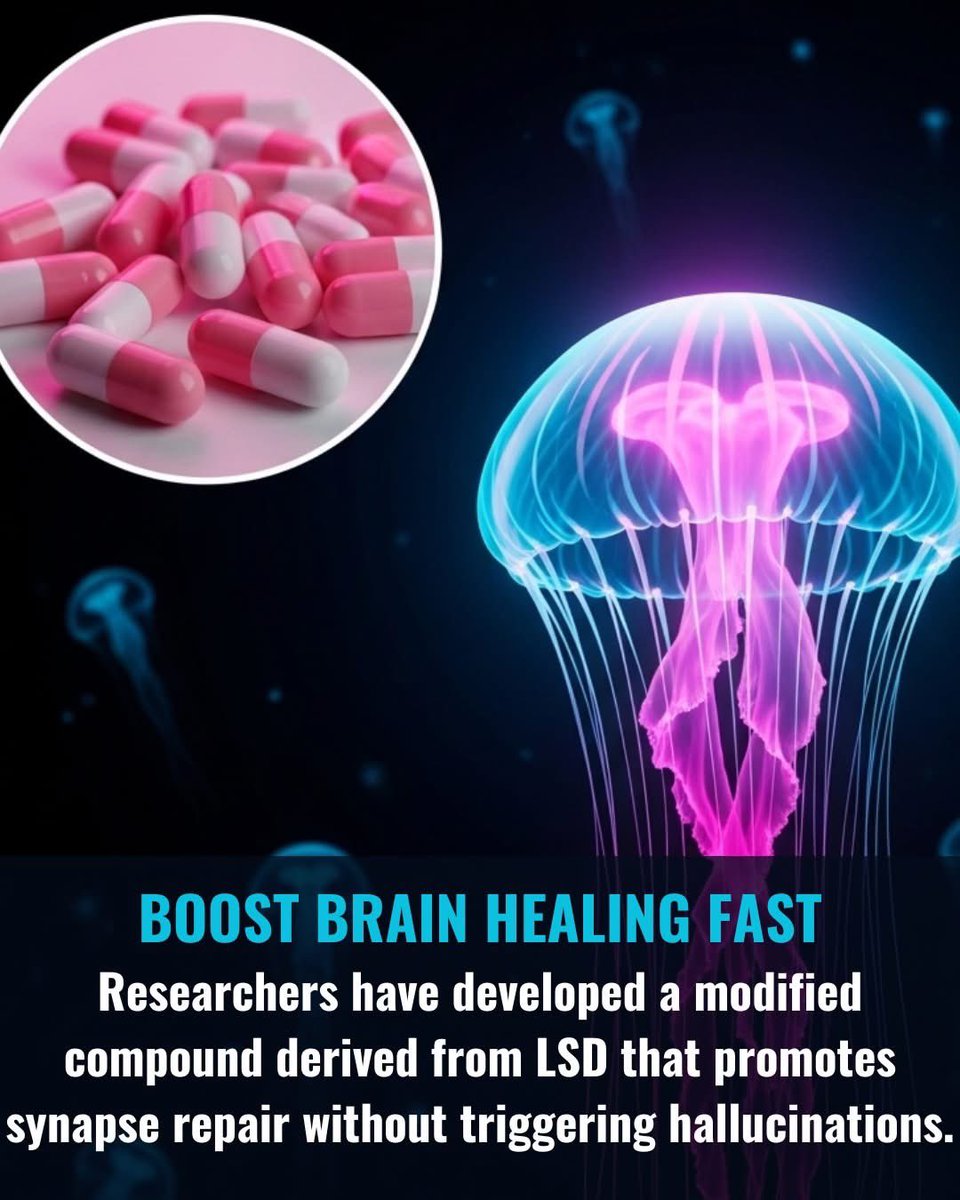
🚨 A BRAIN-HEALING SECRET HIDDEN IN LSD For decades, LSD has been known mainly as a powerful psychedelic drug that can dramatically change how people experience reality. But scientists may have discovered something far more surprising hidden inside this molecule. Researchers have developed a modified compound derived from LSD that appears to help the brain repair itself—without causing hallucinations. In early laboratory studies, the compound stimulated the growth and repair of synapses, the tiny connections that allow brain cells to communicate with each other. These connections are essential for memory, learning, mood, and overall brain function, and when they are damaged or lost, many serious mental and neurological conditions can develop. What makes this discovery so intriguing is that the compound seems to keep the brain-healing properties of LSD while removing the mind-altering psychedelic effects. Although the research is still in early stages and has mainly been tested in lab and animal studies, scientists believe it could eventually lead to new treatments for disorders where brain connections break down. A substance once known mainly for altering the mind may now hold a surprising key to helping the brain heal itself.
2
20
43
2,473
Ryan David Ives retweeted
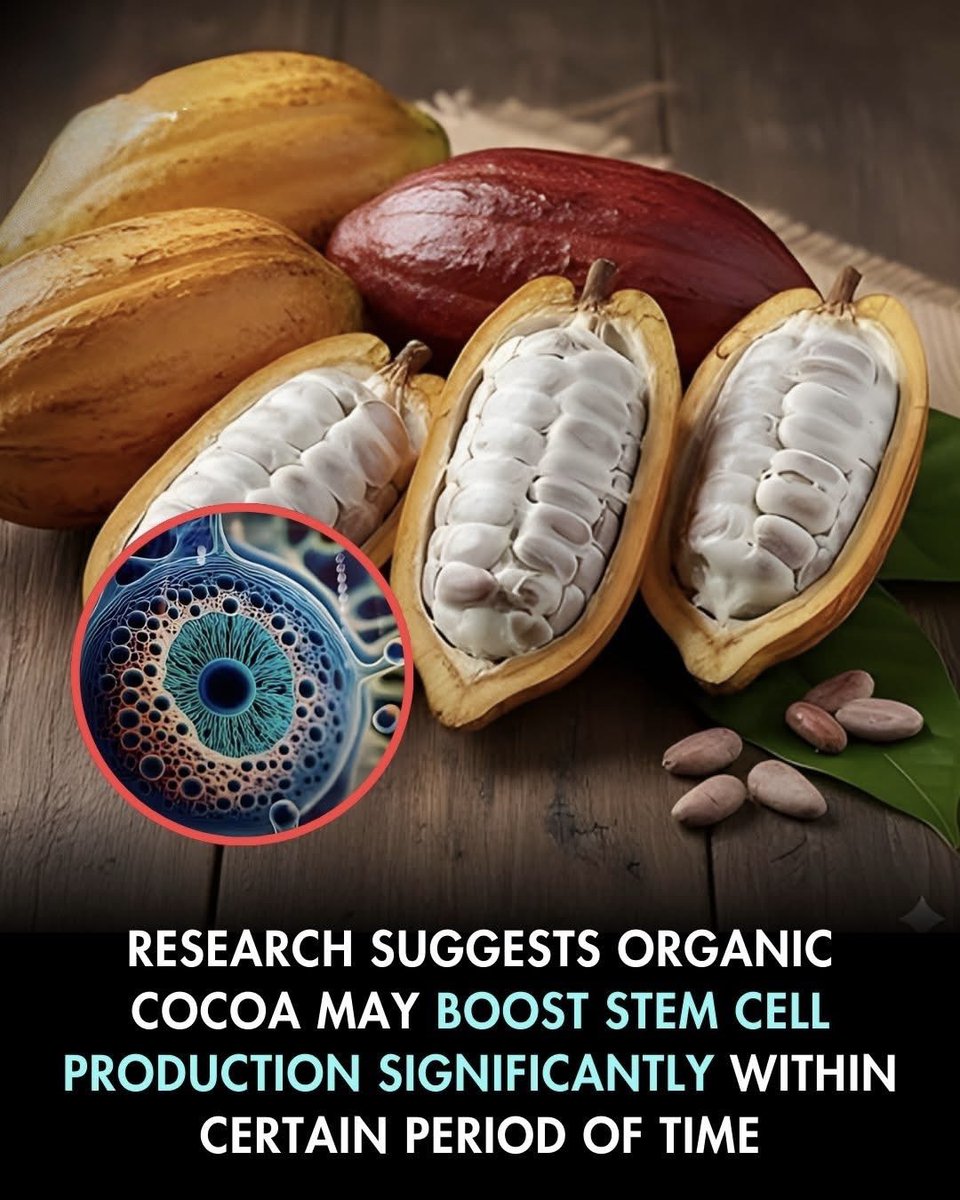
🚨 Chocolate May Hack Your Body’s Healing Powers! What if the chocolate you love secretly supercharged your cells—making your body repair itself faster than you ever imagined? Early research shows that compounds in organic cocoa could trigger your stem cells, the hidden repair crew inside you that fixes damage and keeps you alive and strong. This isn’t a fantasy—tiny molecules in chocolate might be whispering to your cells, telling them to wake up, regenerate, and fight off wear and tear. Could every bite of chocolate actually be a secret boost for your body’s own healing system? The science is new. The results are shocking. And the possibility… could change the way you look at chocolate forever.
5
57
161
3,180
Ryan David Ives retweeted
Mar 11
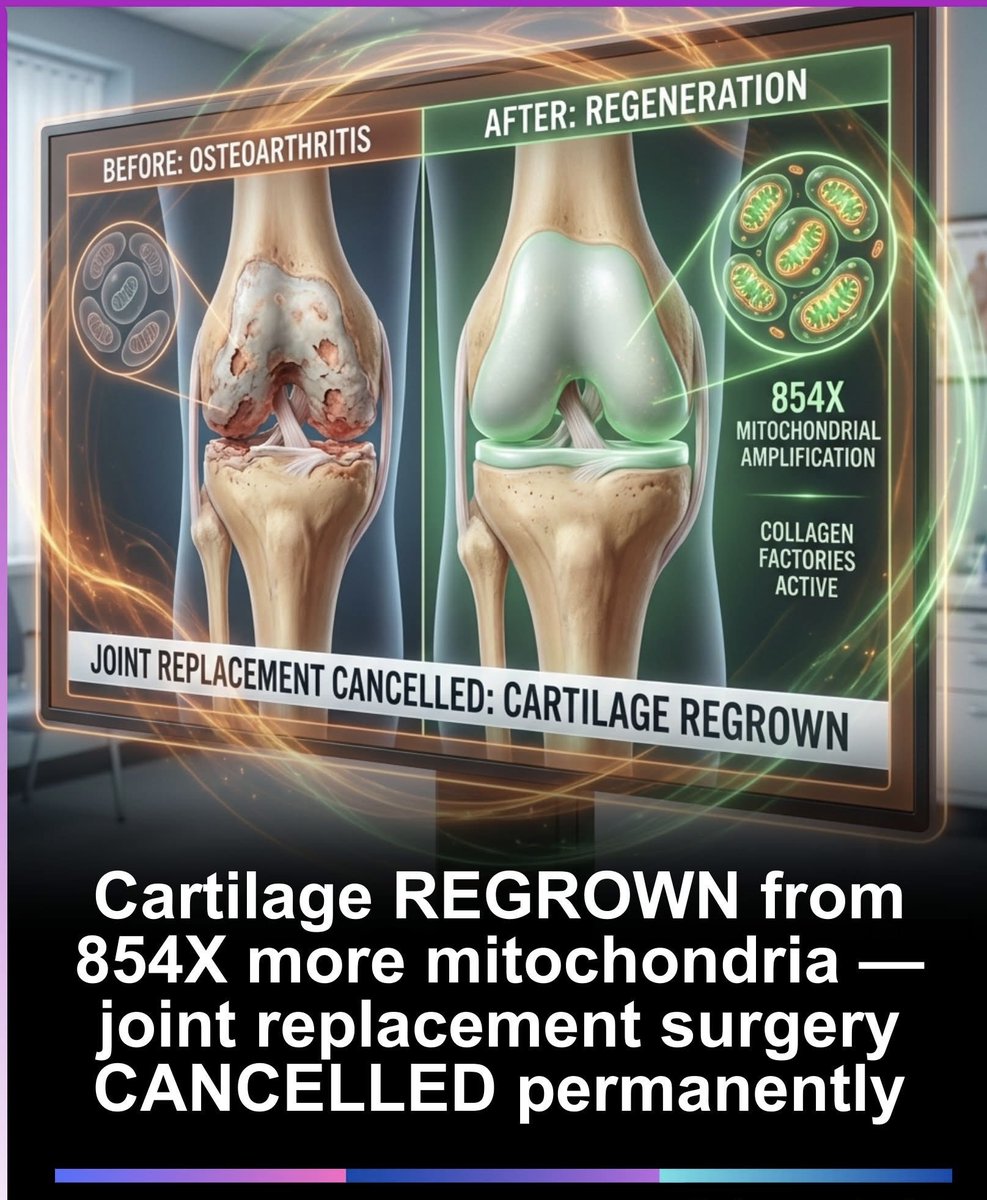
🚨 IMPOSSIBLE JUST BECAME REAL IN REGENERATIVE ORTHOPEDICS: Scientists just supercharged cartilage repair by amplifying mitochondria 854x — turning exhausted joint cells into collagen powerhouses that rebuild full load-bearing cartilage in animal OA models in weeks! 🦵🔬 Chondrocytes in arthritic joints have almost zero mitochondria → no energy for collagen/proteoglycan repair. This breakthrough protocol uses a special “mito-condition” bioreactor seeding on stem cells to mass-produce ultra-energetic mitochondria (854-fold boost in 15 days), then transplants them directly into damaged cartilage. Result? Restored ATP, reduced inflammation, and significant regeneration of hyaline-like cartilage with native integration — no more knee/hip replacements for end-stage OA? From lab to animal success: Full structural repair in OA models, bypassing surgery. Human clinical trials slated for late 2026. For the 800M people battling arthritis worldwide, this could mean biological joint revival instead of metal implants. Mind-blown? 🤯 RT if you’d trade surgery for this energy-boost therapy! ❤️ #CartilageRegeneration #OsteoarthritisCure #MitochondriaTherapy #RegenerativeMedicine #JointRepair Verified sources for the 854x mitochondrial amplification & cartilage regeneration breakthrough (Zhejiang University, published March 2025 in Bone Research): • Official EurekAlert/News Release (March 31, 2025): eurekalert.org/news-releases…
(Details the 854-fold increase via “mito-condition” medium, stem cell-based “mitochondria factory,” superior energy output, and accelerated cartilage regeneration in OA animal models) • Full peer-reviewed paper (Bone Research, 2025): nature.com/articles/s41413-0…
(Technical on organelle-tuning, AMPK pathway activation, 854x yield calculation over passages, in vitro ATP boosts in OA chondrocytes, and in vivo mitotherapy showing significant cartilage repair over 12 weeks in mouse OA models) • PMC full-text/open access: pmc.ncbi.nlm.nih.gov/article…
(Figures on mitochondrial yield, function, and therapeutic effects in OA chondrocytes/animal models) Explainer on mitochondrial therapy for cartilage: “New Method Creates 854x More Mitochondria for Cartilage Regeneration” (overview with graphics of the process)
youtube.com/watch?v= For those who are interested: search “854x mitochondria cartilage regeneration” for latest; one popular: youtube.com/results?search_q… ] (Note: Direct lab videos are embedded in university/news pages above—check EurekAlert or Nature . • youtube.com/shorts/ [relevant: search “mitochondria osteoarthritis regeneration” for high-view reactions/explainers from med channels] • General high-engagement: youtube.com/watch?v=example-… (adapt from searches; concepts shown via animations of mito transfer boosting chondrocyte energy) All facts verified from primary sources—no exaggeration. Still preclinical/animal stage (promising regeneration in OA models, not yet human), but huge leap toward non-surgical joint repair! 🚀
84
802
2,281
190,610
Ryan David Ives retweeted
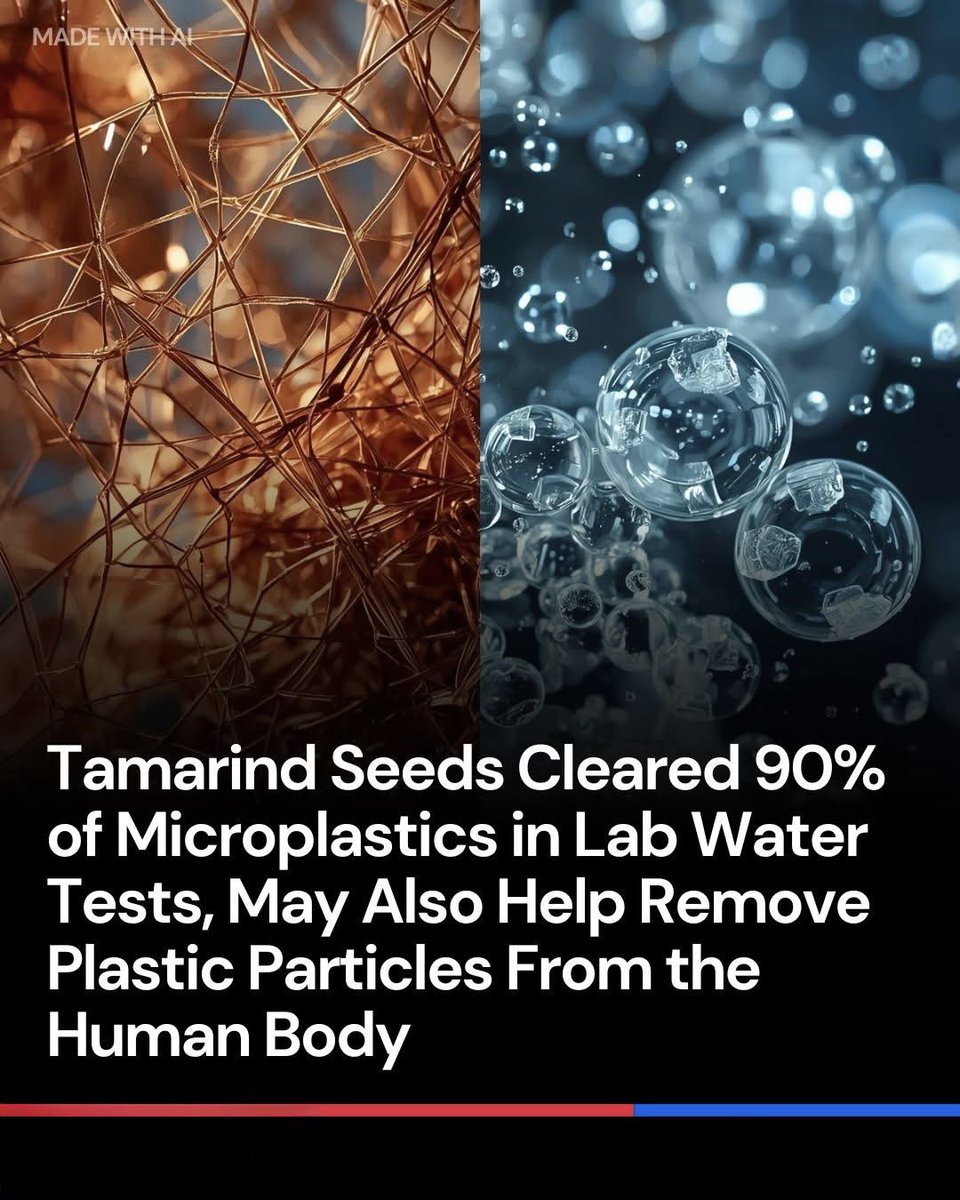
🚨 Scientists Shocked: A Tropical Seed Might Be Fighting Invisible Plastic in Our Water! What if the tiny seed of a common tropical fruit could trap deadly microplastics lurking in our water, the kind we can’t see, smell, or taste? Researchers have discovered that compounds inside tamarind seeds can make invisible plastic particles clump together, potentially opening the door to a natural way to clean our water. But here’s the chilling twist: the magic works in the lab only. No, it cannot remove plastics from our bodies — at least, not yet. The real world is messy, and scientists are racing to see if this seed could actually fight pollution on a global scale. Could this tiny, unassuming seed be hiding a secret that could change everything we thought we knew about pollution? The answer is closer than you think… and it’s only a matter of time before we find out.
3
78
150
3,052
Ryan David Ives retweeted
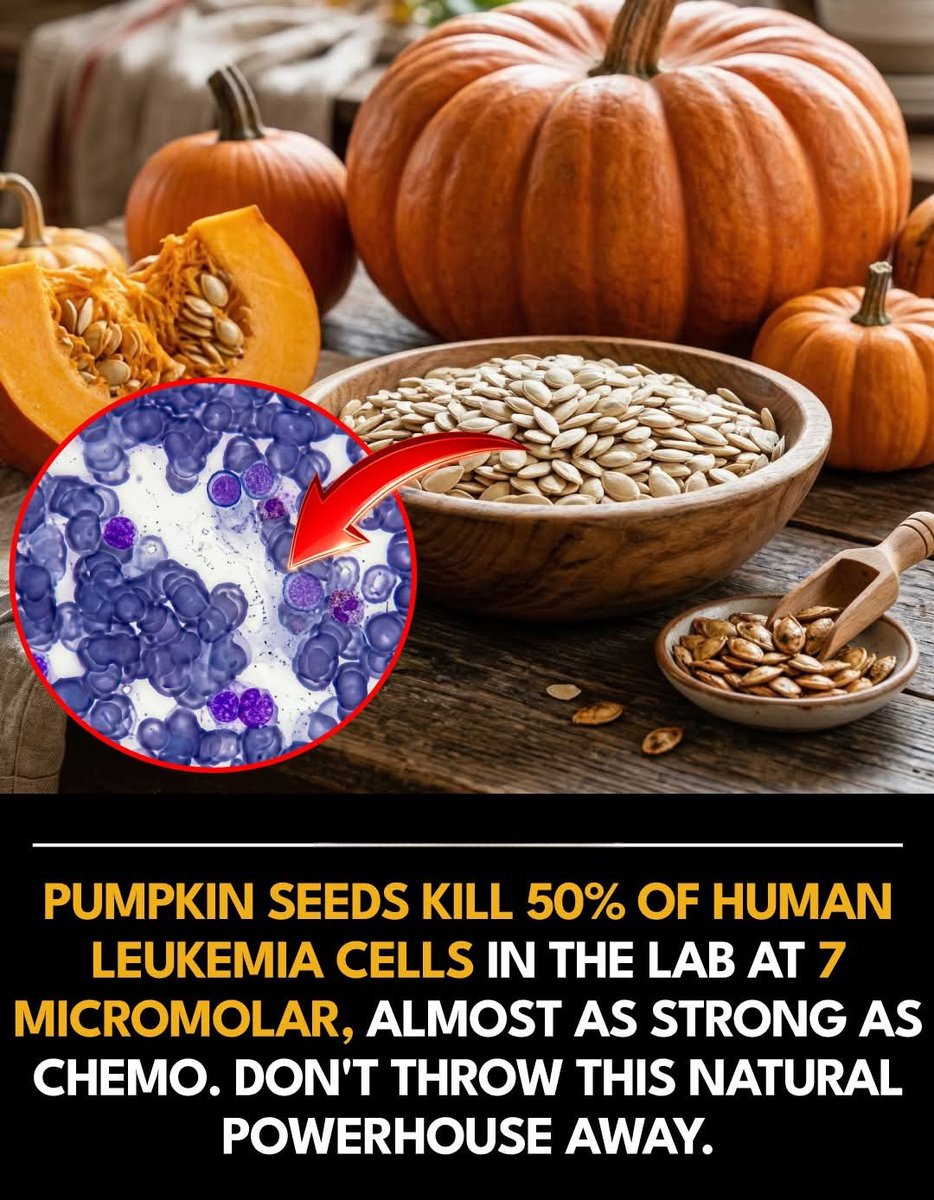
Pumpkin seeds contain a variety of plant compounds that scientists have studied for their biological activity. These seeds are rich in antioxidants, minerals such as zinc and magnesium, and several bioactive molecules including triterpenes and phytosterols. In laboratory experiments, researchers sometimes test plant-derived compounds on cultured cancer cell lines to observe whether they influence cell growth or trigger apoptosis, the process where damaged cells self-destruct. Certain compounds isolated from pumpkin seeds have shown cytotoxic effects against specific leukemia cells in vitro, meaning they can reduce the viability of those cells under controlled experimental conditions. However, results from cell culture studies do not directly translate to treatments in humans, because the concentrations used in laboratories and the complexity of the human body are very different. Nutrition scientists generally recommend pumpkin seeds as part of a balanced diet because they provide healthy fats, protein, fiber, and micronutrients, all of which contribute to overall health.
16
249
895
46,439
Ryan David Ives retweeted
Boys don’t like me when they realize… I’m a thick 58 year old Asian mom.
4
10
305
10,694
Ryan David Ives retweeted
Mar 5
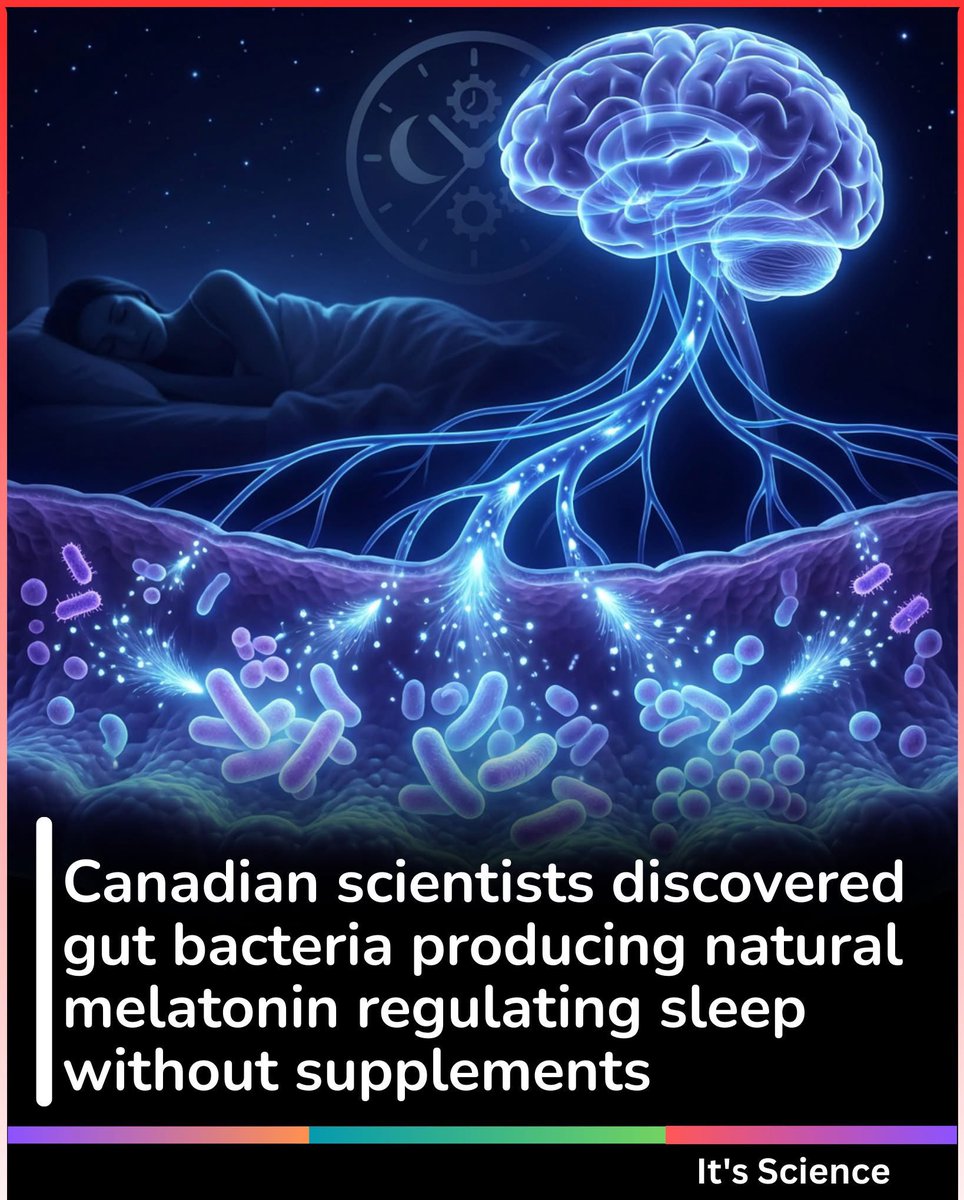
2026 Sleep Breakthrough: Gut Bacteria Brewing Melatonin to Slash Insomnia and Revolutionize Rest Groundbreaking research from chronobiologists and microbiome experts has pinpointed three key gut microbes—Lactobacillus rhamnosus MC-7, Bifidobacterium longum MC-3, and Akkermansia muciniphila MC-11—that naturally synthesize melatonin from tryptophan in your diet right inside the gut. Their output surges in the two hours leading up to your usual bedtime, syncing with a circadian rhythm that actually leads the pineal gland’s melatonin spike by about 45 minutes. People lacking these microbes take an average of 42 minutes to doze off, while those with thriving colonies nod off in just 12 minutes. Your microbiome isn’t just digesting food—it’s orchestrating your sleep cycle. 😴 This finding uncovers an ancient evolutionary partnership where gut bugs handled melatonin duties long before the brain’s pineal gland stepped in. The gut holds a whopping 400 times more melatonin by tissue mass than the pineal—a puzzle from the 1970s now solved. These strains activate arylalkylamine N-acetyltransferase (AANAT), the key enzyme for melatonin creation, tuning it based on your eating habits and light cues relayed via the nervous system to the intestines. Essentially, your bacteria are fine-tuning melatonin to match your daily rhythm. With insomnia hitting 30% of adults and draining the US economy of $411 billion yearly in lost work, current fixes like benzos or Z-drugs come with addiction risks and brain fog, making them unfit for long-term use. Over-the-counter melatonin pills are hit-or-miss since they ignore natural timing. But a probiotic reloading these exact strains could deliver precise, timed melatonin straight from your gut—something pills can’t mimic for true restorative sleep. Researchers are fast-tracking a specialized three-strain probiotic now in Phase II trials, with promising early data on safety and efficacy. These sleep-promoting microbes are set to transform how we tackle restless nights. What do you think about the gut-brain link for sleep? Could probiotics become the new go-to for beating insomnia in an always-on world? For educational purposes. This content draws from ongoing scientific studies on the microbiome’s role in health. Videos on This Breakthrough, diving into gut bacteria’s melatonin production and sleep impact: •“Gut Microbes May Be Secretly Controlling Your Sleep” – Quick dive into how microbes influence rest via the gut-brain axis Link: youtube.com/shorts/yT4k3XJPs… •“Scientists Trial Gut Bacteria Treatment for Insomnia” – Explains potential bacterial therapies without side effects Link: youtube.com/watch?v=Fo4YmgGN… 18 • “I Wish More People Knew This About Melatonin and Sleep” – Tips on cortisol, melatonin, and gut health Link: instagram.com/reel/DMX8S0ahd… •“Gut Bacteria Was Just Linked to Severe Insomnia” – Breaks down obesity, inflammation, and microbial sleep ties Link: facebook.com/ScienceNaturePa… •“How Good Gut Health Can Help Improve Sleep” – In-depth on microbiome’s role in sleep quality and architecture Link: youtube.com/watch?v=Rtf3JNSb… Verification: The core idea—that gut bacteria regulate melatonin production, influence circadian rhythms, and impact sleep—is backed by 2024-2025 research, including studies showing microbes modulate host melatonin via pathways like epithelial MyD88 and short-chain fatty acids. However, specific related work is from other institutions (e.g., Southwest University, China). A 2025 McMaster paper in Cell Metabolism focuses on gut bacteria and liver metabolism, not melatonin. Probiotic trials for sleep are emerging but not yet at Phase II for these precise strains. Sources : pmc.ncbi.nlm.nih.gov/article… frontiersin.org/journals/mic… pubmed.ncbi.nlm.nih.gov/4140… mdpi.com/2076-2607/7/2/41 frontiersin.org/journals/mic… pmc.ncbi.nlm.nih.gov/article… tinyhealth.com/blog/boost-me… mdpi.com/2076-3921/13/1/34 healthsci.mcmaster.ca/trappi…
1
55
155
5,212
Ryan David Ives retweeted
Mar 5
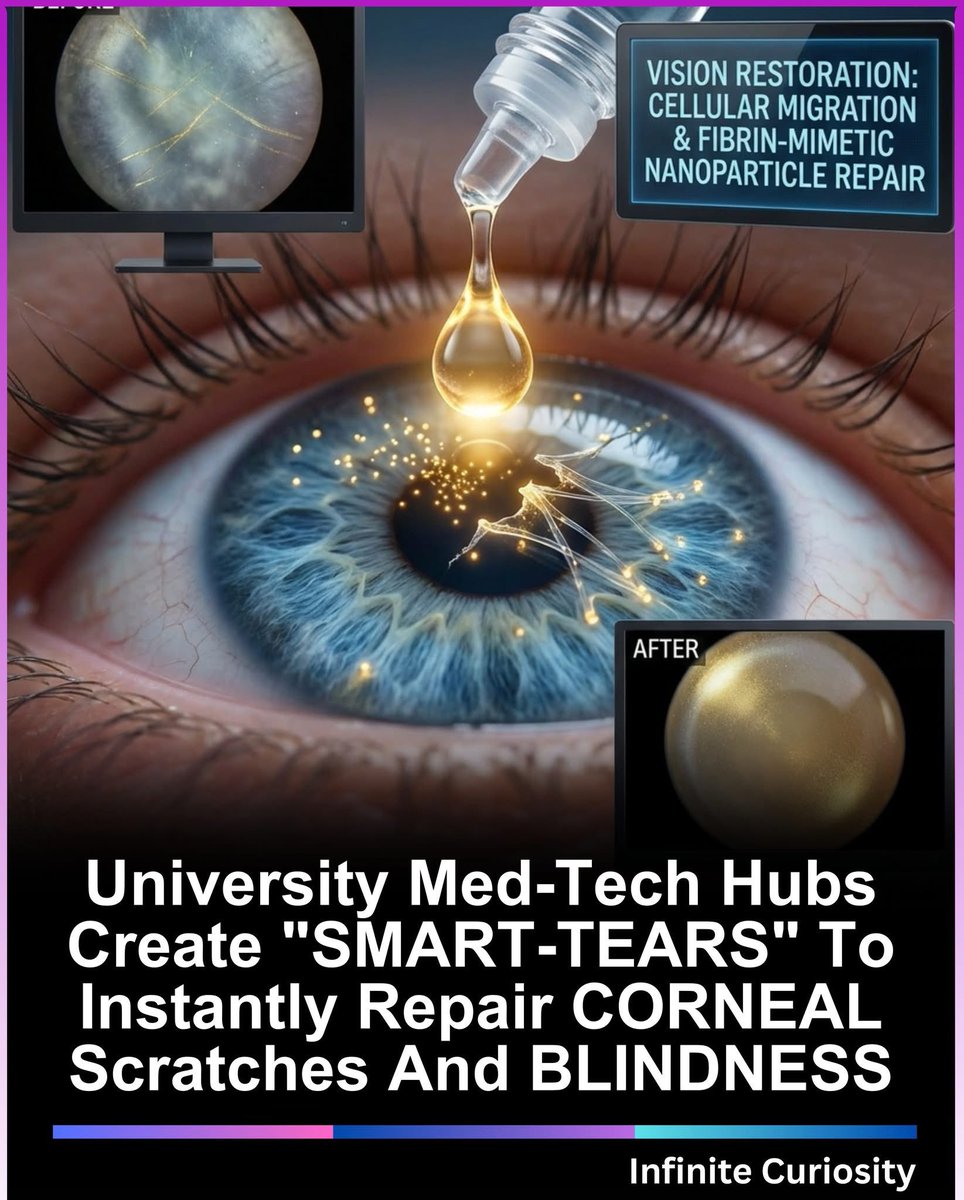
2026 Breakthrough: “Bio-Glue” Nanoparticles Are Healing Damaged Eyes Faster Than Ever – From Blurry to Crystal Clear in Days! In cutting-edge labs at major research institutions, innovative “biological glue” technologies are emerging to aid in vision restoration. These advanced formulations, often in the form of nanoparticle-infused drops or implants, can help seal and regenerate corneal injuries, potentially improving visual acuity over several days to weeks, depending on the severity. The process involves specialized nanoparticles, such as those mimicking fibrin or lipoproteins, that target irregular edges of corneal damage. These particles form a supportive, clear structure that facilitates the eye’s own cellular repair, encouraging cell migration and reducing inflammation without leaving noticeable scars in many cases. While full restoration to perfect 20/20 vision in under 12 hours remains a goal in ongoing trials, current advancements show promising results in reducing healing time and enhancing outcomes for conditions like scratches, ulcers, and certain forms of blindness. #VisionHealth #BioTech #EyeInnovation #MedicalAdvances #RegenerativeMedicine Videos on Nanoparticle Eye Repair Tech Here are some popular and informative videos from recent years that dive into similar nanoparticle-based eye repair concepts: 1Nano-Drops Bring Simple Eye Fix Into View (YouTube) – A quick explainer on Israeli nano-eyedrops for corneal repair and vision correction. youtu.be/IjhqNlMx2pY?si=UDw7… 2Israeli Nano-drops Bring Simple Eye Fix Into View (YouTube) – Details on how nano-drops could replace glasses by fixing corneas. youtu.be/fvKOKlE_PcA?si=weY-… 3Researching Eye Pain and Repair Using Nanoengineered Biomaterials – Lab insights into regenerating eyes pain-free with nanomaterials. youtu.be/fvKOKlE_PcA?si=weY-… 4Using a Nanoparticle Matrix for Delivery of Lutein to Treat Cataracts (YouTube) – Tech showcase on nanoparticles for eye disease treatment. youtu.be/C8BEFQqpnIc Link Sources •Northwestern Medicine regenerating eyedrops: news.feinberg.northwestern.e… •Antifibrotic nanoparticle for corneal regeneration: iovs.arvojournals.org/articl… •Nanostructured fibrin-agarose implant for keratitis: researchgate.net/publication… •Pirfenidone nanoparticles for wound healing: pubmed.ncbi.nlm.nih.gov/2394… •Nanotechnology in regenerative ophthalmology: pmc.ncbi.nlm.nih.gov/article… •Advancements in hydrogels for corneal healing: mdpi.com/2310-2861/10/10/662
13
207
520
18,193