Decolonial Anti-Imperialist Scholar Activist | Award-Winning Public Speaker | Author (DEI-Undone) | DEI Justice | Social/Political Media Commentator.
Joined October 2010
- Tweets 21,766
- Following 1,347
- Followers 42,453
- Likes 28,324
705 Photos and videos



Pinned Tweet

27 May 2024
One day, I’ll be standing in an auditorium full of undergrads teaching them about Nazism and Zionism under the same module.
I’ll show them a documentary about May 26th 2024 - when Israel dropped several 2 thousand ton bombs on sleeping refugees in a tent, the students will lament on how the world could possibly remain silent if we had video footage from months of similar carnage.
We’ll sociologically analyze how global consent and complicity is manufactured through propaganda, and then students will be asked to write a 1000 word essay on the fake beheaded babies story.
And this is how history simply repeats itself, unless the cycle is broken by a few brave souls.
Are you on of them?
2,213
11,914
46,125
2,846,667
Dr. Sabreena Ghaffar-Siddiqui retweeted

Jun 12
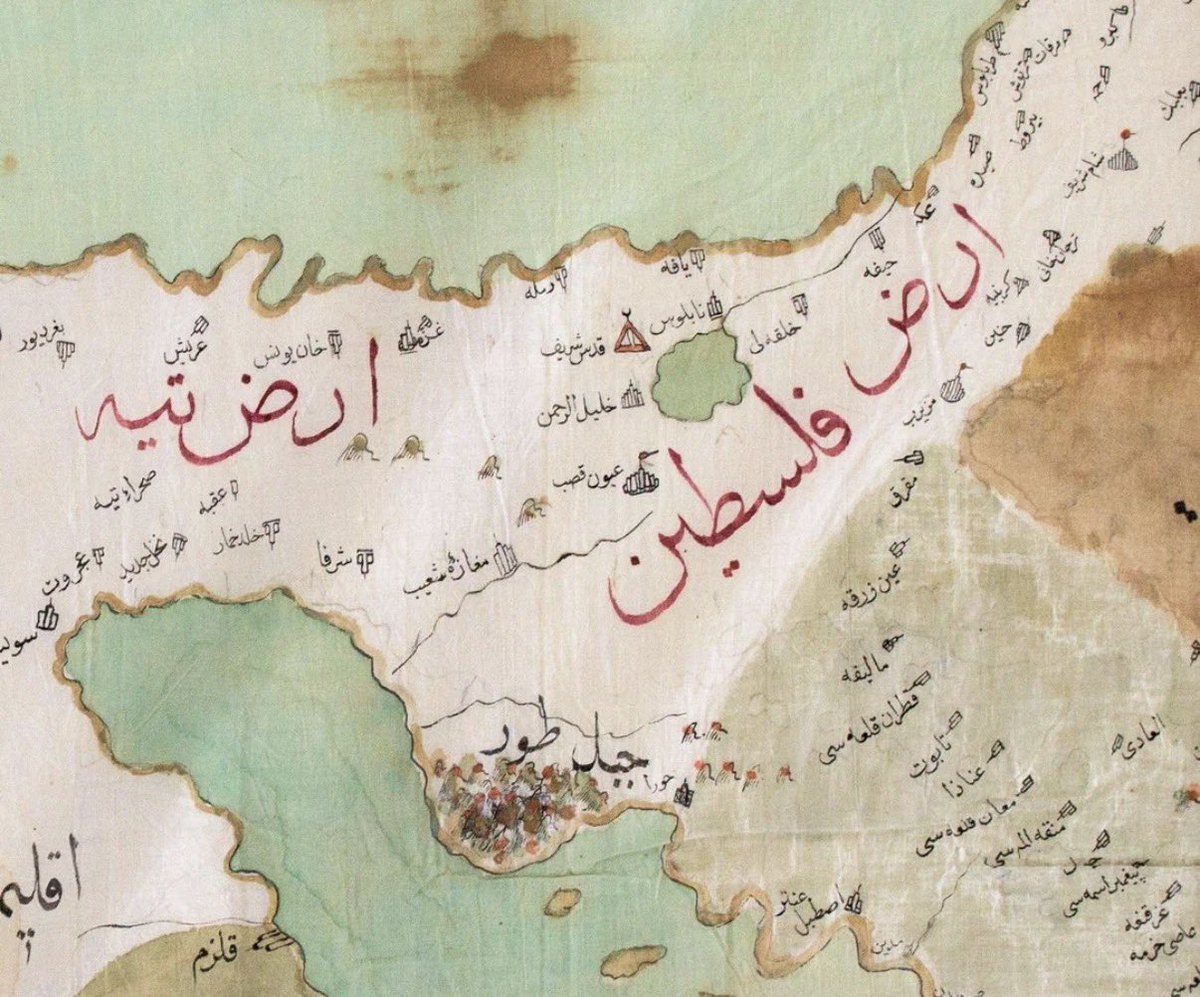
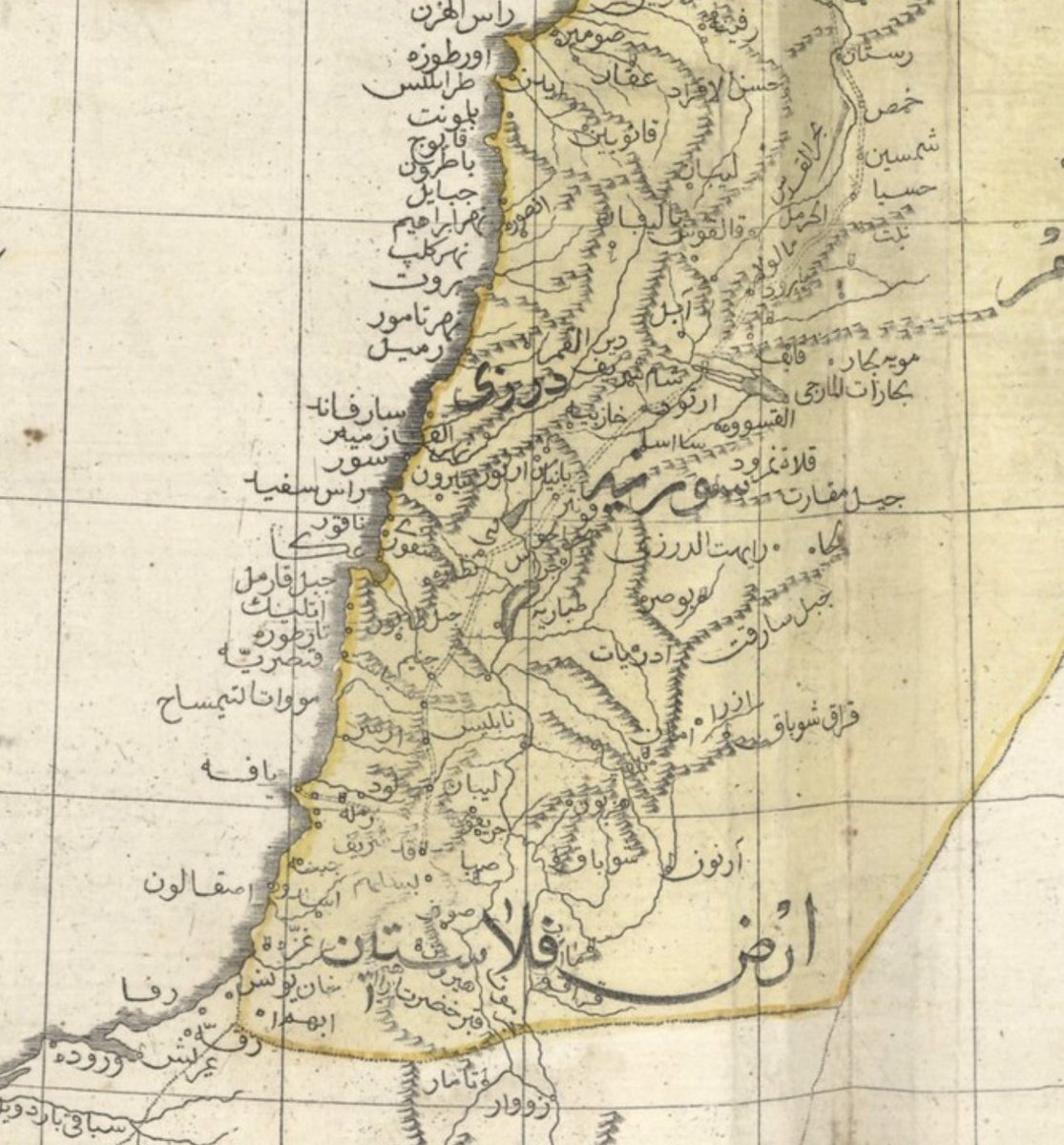
Jerry Seinfeld said Palestine doesn’t exist.
This was actually the subject of my PhD dissertation.
Turns out that Arab, Muslims & Christians have been calling Palestine Palestine continuously for more than a millennium.
Receipts: academia.edu/34686627/The_In…

837
4,873
13,373
461,516
Why did I collaborate with @PennyAppealCa and @OxfamCanada for my book launch?
The Nonprofit Industrial Complex (NPIC), similar to the Military Industrial Complex (MIC), often reinforces systems that manage dissent and sustain global inequality and injustice. By avoiding criticism of imperialism, charity is reduced to a band-aid solution that treats the symptoms of crises - like displacement and poverty, while protecting the root causes of systemic exploitation.
Both systems fundamentally rely on the continuation of crises to sustain themselves:
The MIC requires the constant threat of imperialist wars and foreign intervention to justify record defense spending. Similarly, the NPIC relies on systemic inequality—such as chronic homelessness, underfunded education, and poverty—to justify its existence and maintain the flow of philanthropic capital.
Both complexes thrive when the state retreats from its core responsibilities of citizen welfare and public infrastructure. The MIC outsources public funds to private defense contractors. The NPIC outsources state-provided welfare to private, often bureaucratic, charities.
Theorized by scholars, both complexes create a protective "buffer". The MIC uses intervention abroad to secure capitalist interests, while the NPIC manages poverty just enough domestically to prevent radical uprisings against the status quo.
Just as former generals sit on the boards of weapons manufacturers, wealthy corporate elites and colonial extractors sit on the boards of major charitable foundations, legally writing off taxes while controlling the narrative of social justice.
When the social sector explicitly avoids connecting humanitarian crises to their true drivers (colonialism, resource extraction, and imperialist wars), charity acts as a pacifying force:
1. Masking the Root Causes: Nonprofits and NGOs often provide emergency relief in regions devastated by imperialist interventions. By focusing purely on immediate relief, they frame poverty and displacement as inevitable natural disasters or localized failures, rather than the intended outcomes of global capitalism.
2. Depoliticizing Activism: The bureaucratization of social movements strips them of their radical efficacy. To receive funding, organizations must conform to the very market-driven, Eurocentric systems that caused the underlying suffering, effectively flattening grassroots resistance.
3. Perpetuating the Cycle: When relief is severed from anti-imperialist critique, it allows the state and the owning class to shirk systemic responsibility. The underlying structural violence—whether overseas militarism or domestic displacement—remains intact, ensuring that charities are forever required as superficial band-aids over bullet wounds.
Go to @pennyappealca to book your tickets for my upcoming book launch event featuring a brilliant panel of speakers - @AbbyMartin @aaronjmate @MyriamFrancoisC @strizzzy on Saturday June 20th.
Get your tickets now: eventbrite.ca/e/read-between…
5
15
49
1,984
Dr. Sabreena Ghaffar-Siddiqui retweeted

Jun 11
Hasbara is so gross because it's just Zionists throwing walls of language at you to convince you you're not seeing what you're seeing.
You see raw video footage of the most horrifying thing imaginable in Gaza, and then you see them in the replies going "This is actually fine and normal because words words words words words words words."
You see a news report about Israel doing something astonishingly evil in Lebanon, and there they are underneath it going "There's actually a lot more to the story because words words words words words words words."
You see some far right Israeli minister spouting nakedly genocidal rhetoric, and they're swarming all over it saying "Well this isn't actually what it looks like because words words words words words words words."
You see every major human rights group on earth saying Israel is guilty of genocide and apartheid, and they're running around frantically telling you it's a giant conspiracy to frame Israel and the truth is that words words words words words words words.
You see more and more mainstream news institutions reporting on the mountains of evidence of widespread rape and torture in Israeli prisons, and they saturate the airwaves claiming it's an antisemitic blood libel because words words words words words words words.
The idea is to just pound your intellect with a firehose of verbiage until your inner sensemaker has been shredded and you're too confused to form a coherent picture of what's actually going on. It's a disgusting, abusive, and profoundly unethical thing to do to people.
But the good news is it's not working anymore. Language is immensely powerful, but its power has its limits. Israel's behavior has become so transparently unacceptable that no amount of word magic can manipulate people into seeing anything other than what's happening in front of their face.
91
1,181
3,185
36,456
Dr. Sabreena Ghaffar-Siddiqui retweeted

Jun 11
Israeli firm BlackCore suspected of meddling in NYC, Scotland elections haaretz.com/israel-news/secu…
97
1,734
3,762
632,172
Dr. Sabreena Ghaffar-Siddiqui retweeted

Jun 11
Elon Musk is set to become a trillionaire within the next few months and a Karl Marx quote comes to mind.
"One day there will be trillionaires, but you will still have nothing."
Amazing powers of prediction.
Community note
The quoted statement is not from Karl Marx. en.wikiquote.org/wiki/Karl_Marx marxists.org/archive/marx/w…
576
8,057
44,129
352,221
Dr. Sabreena Ghaffar-Siddiqui retweeted

Jun 11
This Sunday in London, a crime will take place. The UK government has refused to stop it.
The British public is furious. Thousands have prepared to take to the streets. So should you.
248
2,700
5,634
72,666
Dr. Sabreena Ghaffar-Siddiqui retweeted

Jun 11
Jerry Seinfeld volunteered with the IDF. He made fun of babies dying in Gaza. He’s a horrible person.

375
3,854
22,745
285,987
Dr. Sabreena Ghaffar-Siddiqui retweeted

Jun 10
He didn’t leave zionism for all the death and destruction it caused, he’s leaving because he has finally realized that as a dark skinned jew from Iran, he could never be accepted by the racist Ashkenazi jews controlling America and Isreal.
He’s leaving because they’ve been racist towards him. He’s leaving because they didn’t bring him close enough.
This is not a moral decision, it’s a decision made out of self interest and greed.

85
1,638
10,840
328,198
Dr. Sabreena Ghaffar-Siddiqui retweeted

Jun 10
Incorrect. He had a visa. From the US Embassy in Nairobi. It was valid. They vetted him there, and gave him a visa.
Then he landed in Miami, was detained for 11 hours, and deported to Istanbul.
THEN they branded him a terrorist.
A FIFA referee, simply because he’s Somali.

662
26,276
143,735
3,857,467
Dr. Sabreena Ghaffar-Siddiqui retweeted

Jun 10
If you watched US media you might think Hezbollah was invading Lebanon, not Israel. No, whether you like them or not, Hezbollah is defending Lebanon from an invading army - the IDF. Israel is attacking Lebanon and plans to take southern Lebanon. They are clearly the aggressors.
Community note
Context: Hezbollah opened this front on Oct. 8 by firing rockets/artillery at Israeli posts. It is Iran-backed, not Lebanon’s army; its armed presence south of the Litani violates UNSC 1701.
reuters.com/world/middle-e…
938
1,734
7,888
237,693
Dr. Sabreena Ghaffar-Siddiqui retweeted

Jun 10
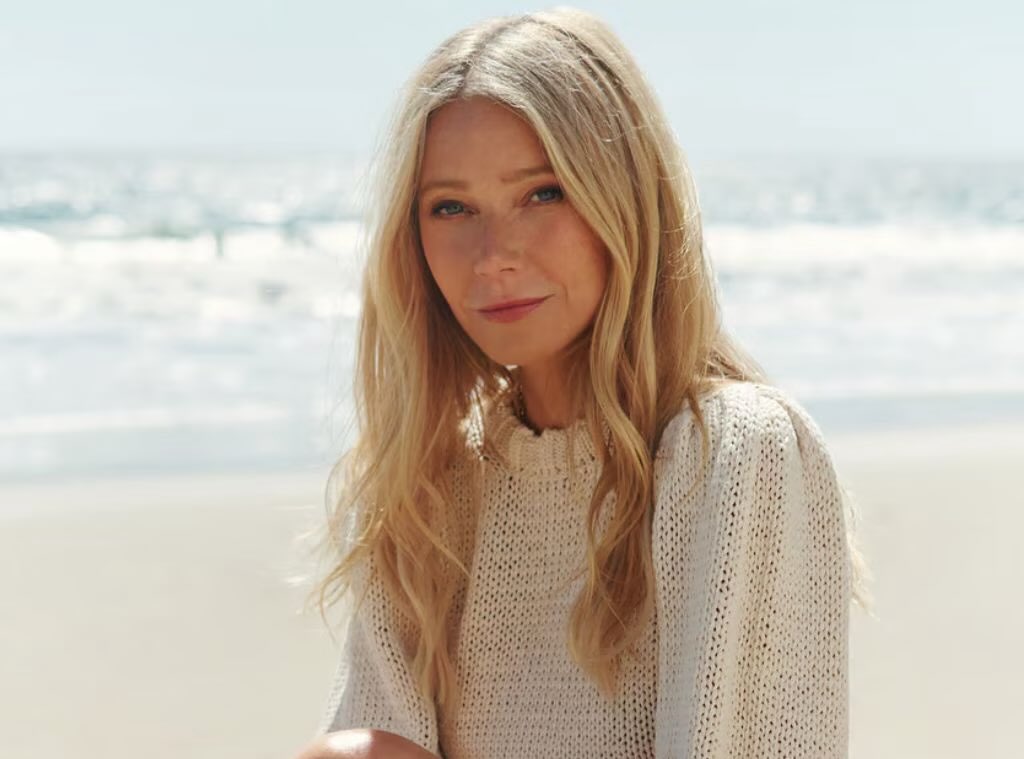
‘From up here, you can barely hear children scream!’

Gwyneth Paltrow stars in new campaign for Israel luxury housing development ‘51PARK’ in Herzliya.
167
3,627
27,152
277,349
Dr. Sabreena Ghaffar-Siddiqui retweeted

Jun 11
90% of them are fucking Zioshits. Celeb culture needs to be cancelled. Y'all are oggling over genocidal assholes.

570
8,651
65,387
830,198
Dr. Sabreena Ghaffar-Siddiqui retweeted

Dr. Hussam Abu Safiya's case, and his lawyer's description of the abuses enacted against him, offer a glimpse into the systemic violence carried out against Palestinian prisoners in zionist prisons.
Jun 10

For the first time in nearly two years since his arrest, Dr. Hussam Abu Safiya appeared via video link during an appeal hearing before the Israeli Supreme Court, his hands and feet shackled.
His lawyer stated that Abu Safiya remains in solitary confinement and is suffering from the effects of physical abuse and health problems, including neck and back pain and vision problems, while being denied medical treatment and medication.
7
101
158
3,816
Dr. Sabreena Ghaffar-Siddiqui retweeted

Jun 10
This is the end of U.S. diplomacy. No country can believe a word they say, ceasefires/agreements are worthless, negotiations can end in assassination and murder. Truly a rogue state, a dying superpower speed-running the process of decline. Will they take us all down with them?
135
1,289
4,795
81,426
Dr. Sabreena Ghaffar-Siddiqui retweeted

Jun 11
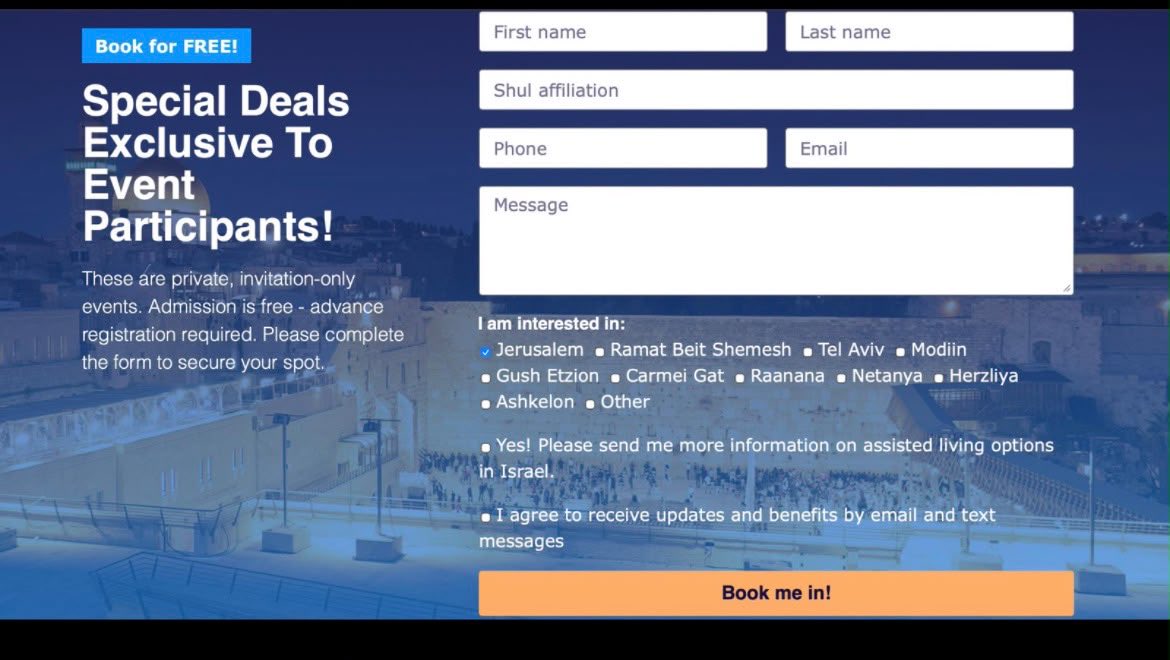
🚨 On June 14, the “Great Israeli Real Estate Event” is set to take place in London, where properties built on stolen Palestinian land will be marketed to Jewish buyers. As shown in the attached screenshot, prospective buyers are required to list a synagogue affiliation.
13
646
1,099
56,304
Dr. Sabreena Ghaffar-Siddiqui retweeted
Jun 10
The claim "Iran is the world's largest state sponsor of terror" only makes sense when you remember that the western empire labels any group which opposes US/Israeli interests as a terrorist organization.
They even designated the IRGC as a terrorist group for fuck's sake. If you define a major part of a country's actual military forces as a terrorist entity, then obviously that country will per your own definition be a major "sponsor of terrorism" just by having a military.
Other Iran-backed groups like Hamas and Hezbollah are counted as "terrorist organizations" by the western empire, even as the rest of the world declines to classify them as such. For the overwhelming majority of the world's governments those organizations are not terrorist entities, they're just armed factions who oppose Israel and its western backers. They only get to define Iran as the top "sponsor of terrorism" because they say anyone who doesn't like them is a terrorist.
It's like if I said anyone who doesn't like Caitlin Johnstone is a Nazi and then went around punching them, and if anyone objected I said "But they're Nazis! Why are you defending Nazis??" Really they're just people who don't like me, but because I've changed the definition of "Nazi" to "someone who dislikes Caitlin Johnstone" I can then use that label to justify physically assaulting them.
That's all the "terrorist" label exists to accomplish these days. It's just a label they affix to any faction which poses an obstacle to the empire's goals of planetary domination.
75
985
2,777
30,793
Dr. Sabreena Ghaffar-Siddiqui retweeted

Apr 23
Gazze'de İsrail askerleri tarafından kaçırılan 6 yaşındaki çocuk darp edildi ve bazı önemli organları israil tarafından çalındı
Çocuk yaralı şekilde ailesine verildi
Kendi çocuğun değil diye mi susuyorsun? Susma. Hemen paylaş
1,319
18,847
36,407
2,387,500
RT @phantom_threadz: Christ, I always knew she was a piece of shit, but I thought it was just in a funny way, not in a soulless monster way.
2,411
Dr. Sabreena Ghaffar-Siddiqui retweeted

Jun 9
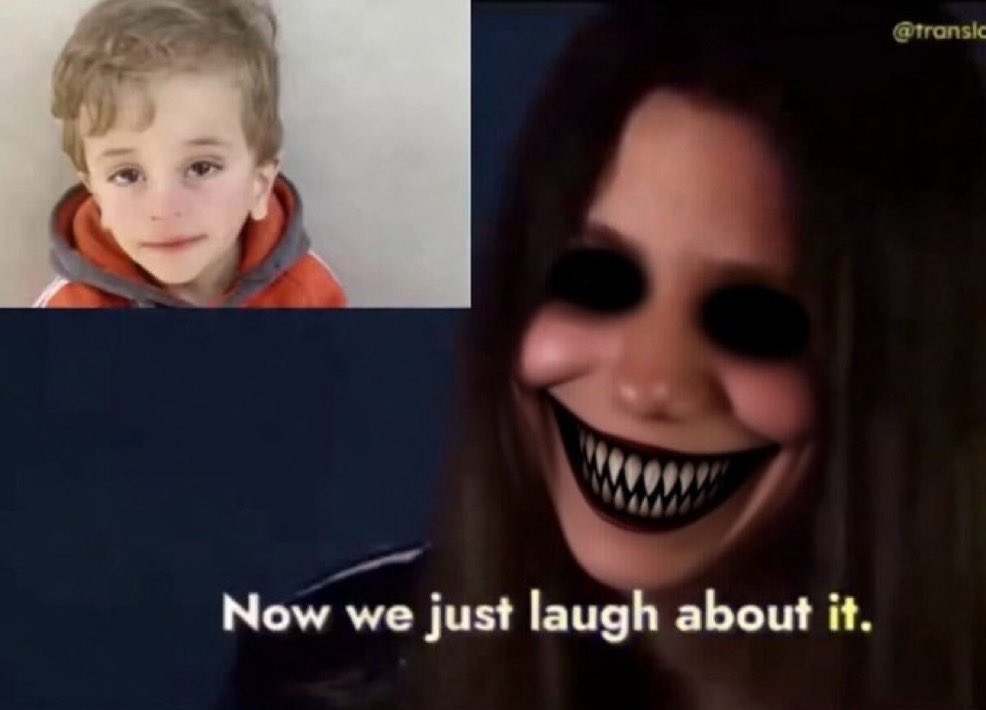
“I killed a boy... At the time I would think about it a lot. Now we just laugh about it", says smirking IDF terrorist.
471
10,445
41,098
1,344,137
RT @yarivop: לא תראו את זה בטלויזיה,
אבל סרטון התיעוד של הירי בתינוק בחברון והדקות המזוויעות שאחריו לא ישאיר אתכם אדישים.
הרכב, בניגוד לטע…
6,898