
i research and teach #scicomm, #scipol, #techpolicy, #ai, and #polarization. scheufele.info
Joined October 2007
- Tweets 5,475
- Following 1,027
- Followers 5,104
- Likes 9,277
323 Photos and videos

dietram a. scheufele retweeted

May 25
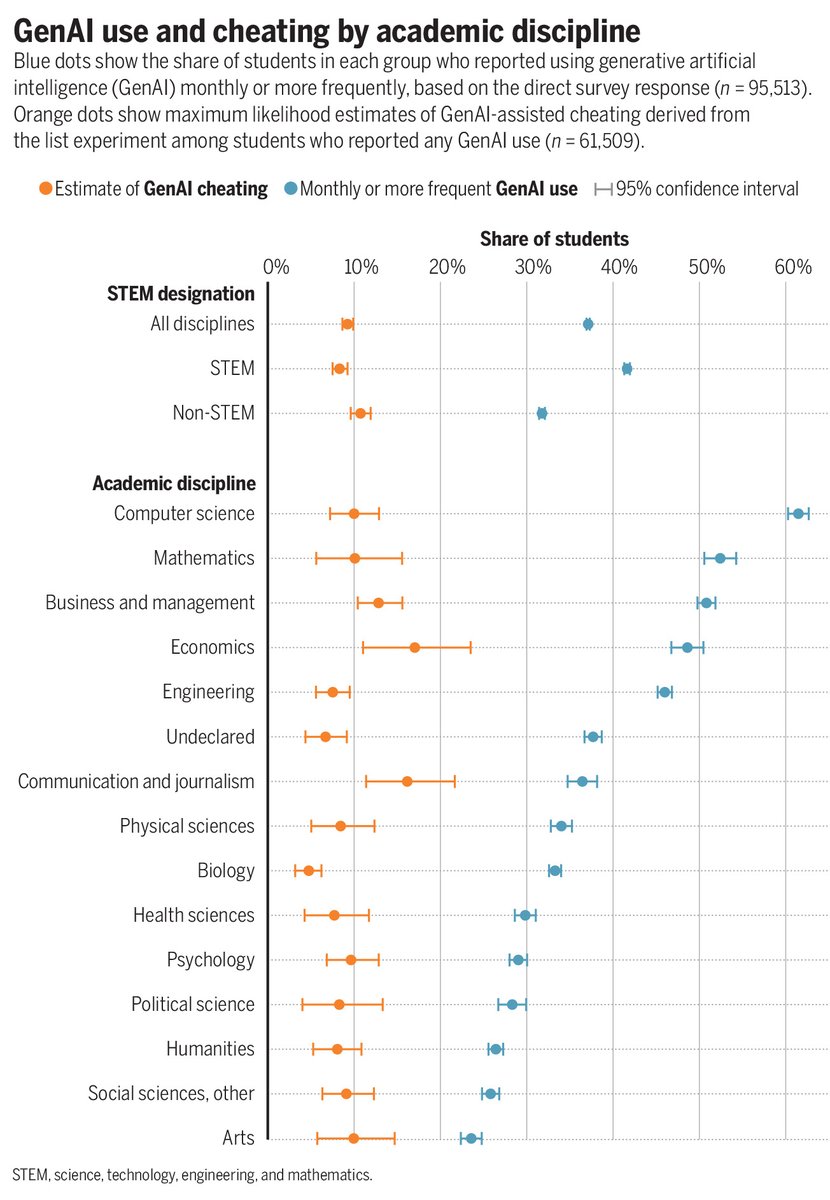
Higher education must rethink assessment practices in response to the growing integrity challenges posed by generative #AI, argue the authors of a new #SciencePolicyForum. scim.ag/49fG3Pc
22
187
427
55,765
dietram a. scheufele retweeted

Apr 25
If you criticize the new college policy, you are clearly part of the problem we are trying to solve.
5
22
162
19,983

RT @sapinker: Breaking news: Harvard faculty votes to cap the number of A's awarded in course grades, a big step in combatting the grade in…
364
#AI will be academia's Chicxulub asteroid, and universities are asleep at the wheel ...
May 20

Today we all lost our jobs.....
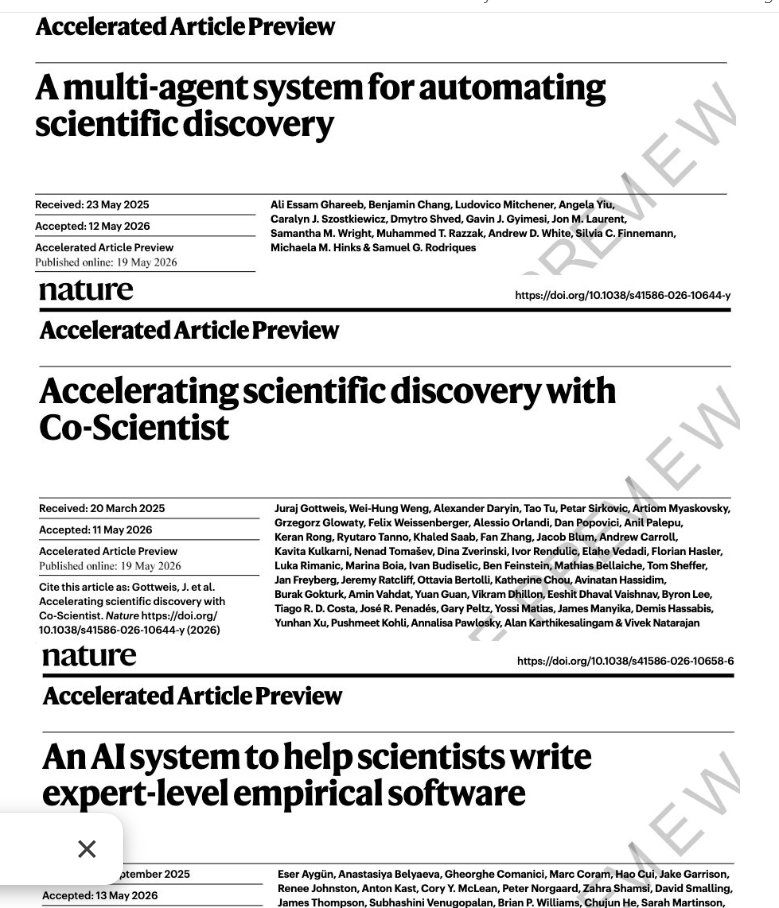
Three Nature papers showing that scientists in the conventional sense are obsolete
At least read the first one.... the AI replaced all things that the scientist does ....
nature.com/articles/s41586-0…
2
253
Optimistic note for the day: Agentic search will seal off filter bubbles and echo chambers to a point where the corrosive effects on deliberative democracy will be difficult to dial back ...
axios.com/2026/05/19/google-…
#ai #polarization #democracy #agenticAI
42
📷
"[T]he Germany that was the root of his greatness (and that of Goethe) is gone; Germany is dead and perhaps Mann himself, with his American passport, is now a ghost." One of the first movies in decades I wouldn't mind seeing in a theater ...
theguardian.com/film/2026/ma…
136
dietram a. scheufele retweeted
Prestige bias is a major problem in academia: success in academia leads to numerous unfair advantages (eg., professors at prestigious universities have an easier time getting their papers published).
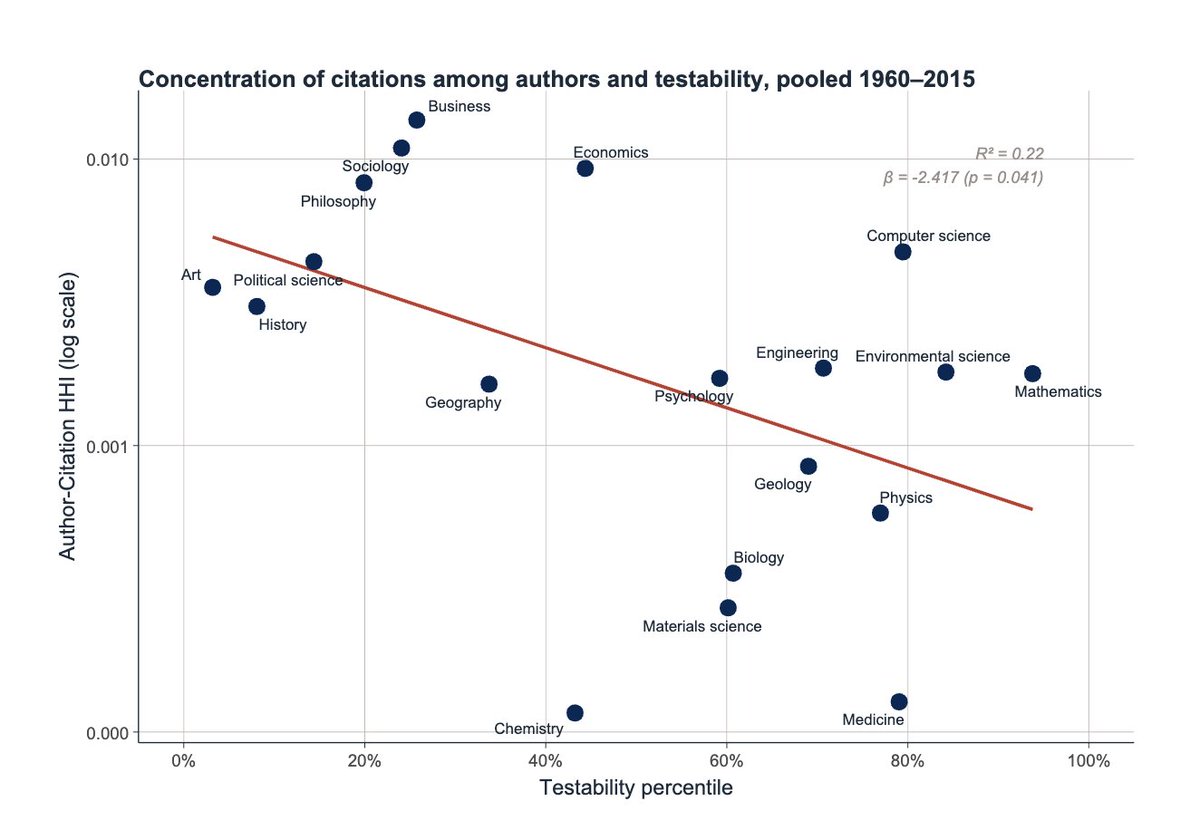
But prestige bias is bigger in fields that are less scientific (eg., art, history, politics, and philosophy). In these fields, the claims of academics are hard to test so people rely more on prestige as a heuristic about the truth of their claims.
In contrast, fields where claims are more testable exhibit lower concentrations of prestige markers (eg., math, physics, computer science, and medicine). This makes it easier for unknown or early career researchers to break through and have success.
A new analysis finds that a 10% increase in the testability of claims in a field is associated with a 9% decrease in citation concentration. Evaluators rely less on prestige for quality assurance when the work is testable.
My field is psychology is in the middle (close to biology). In the last decade, the credibility revolution has dramatically changed the field. As people published replication attempts, several the leading figures in the field lost significant prestige when their claims did not hold up to empirical scrutiny.
This is actually the sign of a healthy scientific field: Prestige should not trump empirical evidence.
kurtishingl.com/files/PTTS_l…
22
167
589
71,547
Tell me you're working in academia without telling me you're working in academia. 😜
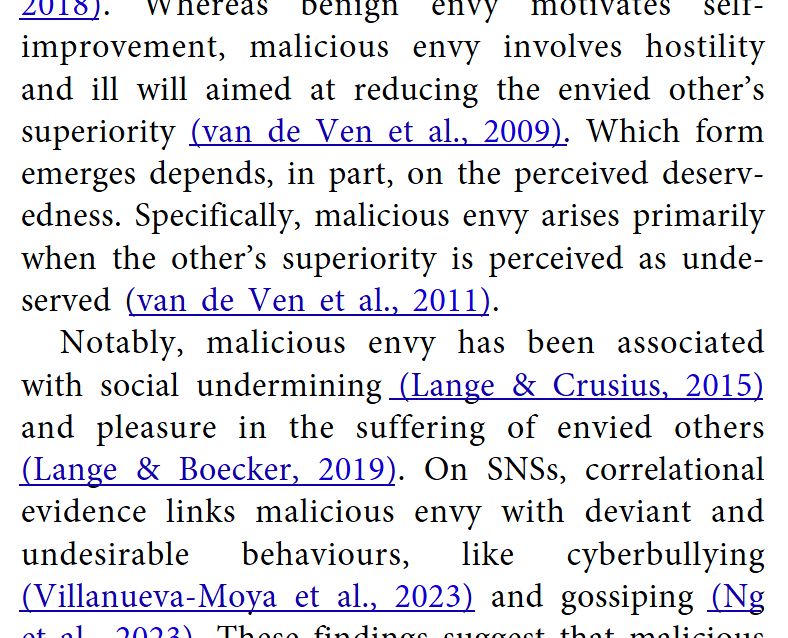
I am also kind of excited that I just learned the term "malicious envy."
tandfonline.com/doi/pdf/10.1…
2
197
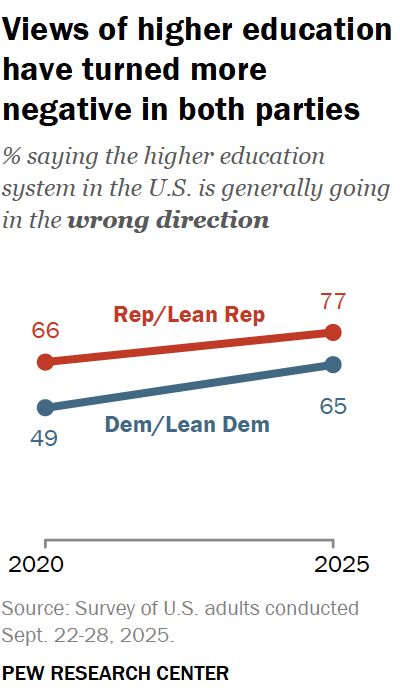
"High costs, murky admissions practices, uneven academic standards and fears about free speech on campuses, the committee said, are among the reasons for widening discontent over higher education’s worthiness."
nytimes.com/2026/04/15/us/ya…
2
1
3
181
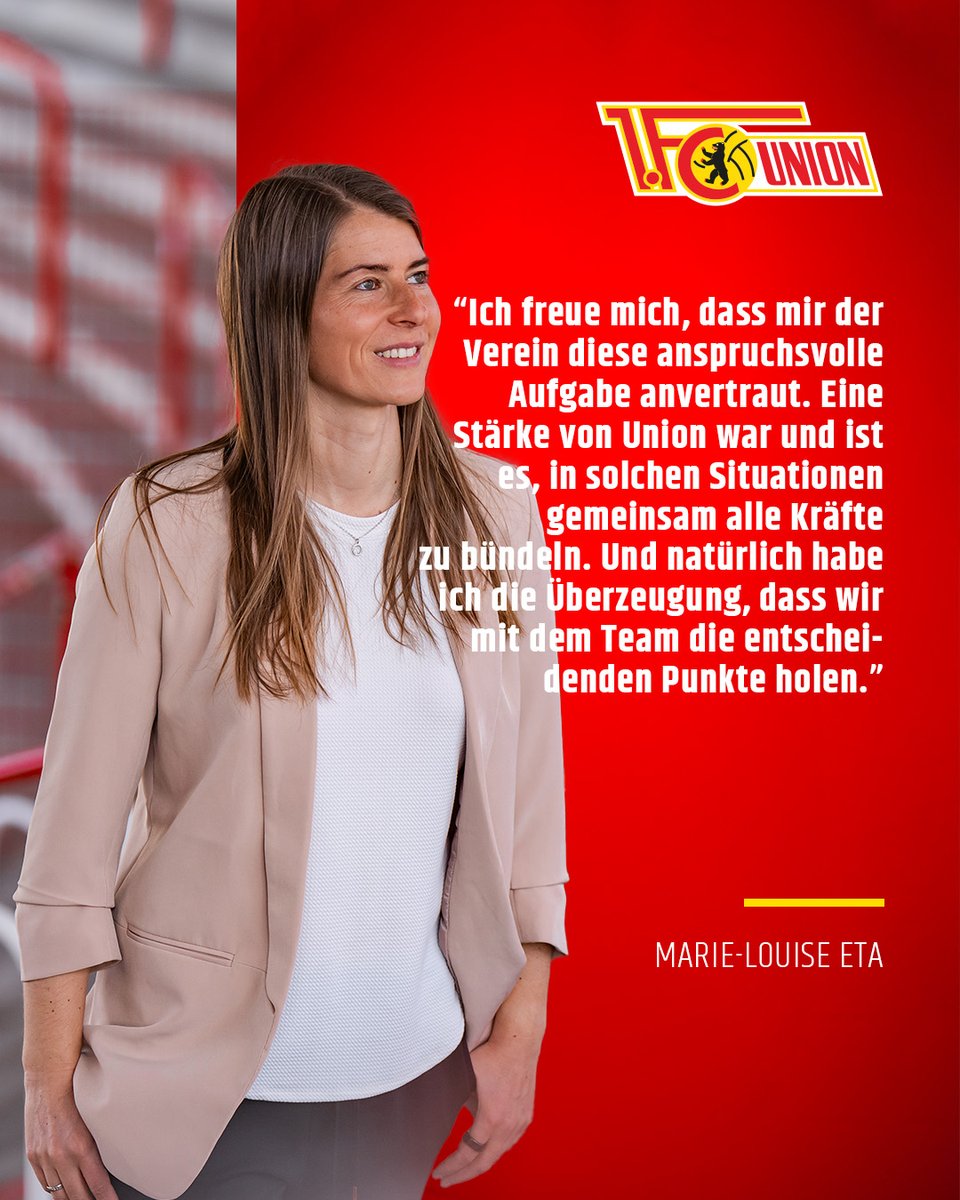
Good on @fcunion_en. I need some serious #Eiserne swag!

135
"At an internal all-hands meeting on Friday, NSF leaders announced that they would dissolve the agency’s Social, Behavioral and Economic Sciences directorate based on the budget request."
#scicom #scipol #highered
scientificamerican.com/artic…
1
4
261
“I was in the right place, at the right time, and I don’t exactly know why.”
nytimes.com/2026/03/30/opini…
1
49
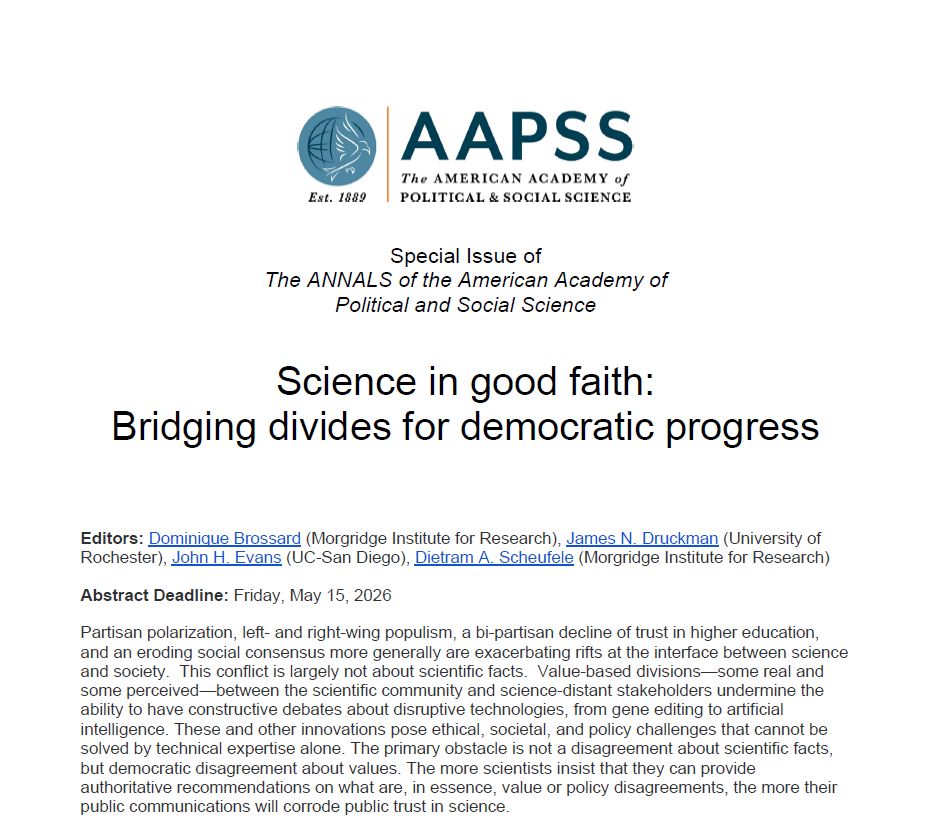
Excited to announce a special issue of The ANNALS of the American Academy of Political and Social Science on science-society divides. We invite abstract submissions by May 15, 2026. Full call is here: scheufele.info/ANNALS_CfP.pd…. #scicomm #scipol
1
3
3
558
“Any day the most extraordinary events could happen…America could…become a threat to peace.”
economist.com/europe/2026/02…
3
63
The fact that #AI is doing more and more of the researching, writing, and reading of fiction and non-fiction books for us might spell serious trouble for the medium … at least for scholarly work.
nytimes.com/2026/03/19/books…
1
89
"#AI requires no ramp-ups, no meetings, and absolutely no emotional support ... I feel somewhat embarrassed to admit how tempting this is."
Mar 19

"In our culture, preferring an algorithm to a trainee feels like a betrayal of the academic mission." #ScienceWorkingLife scim.ag/4s9oVlu
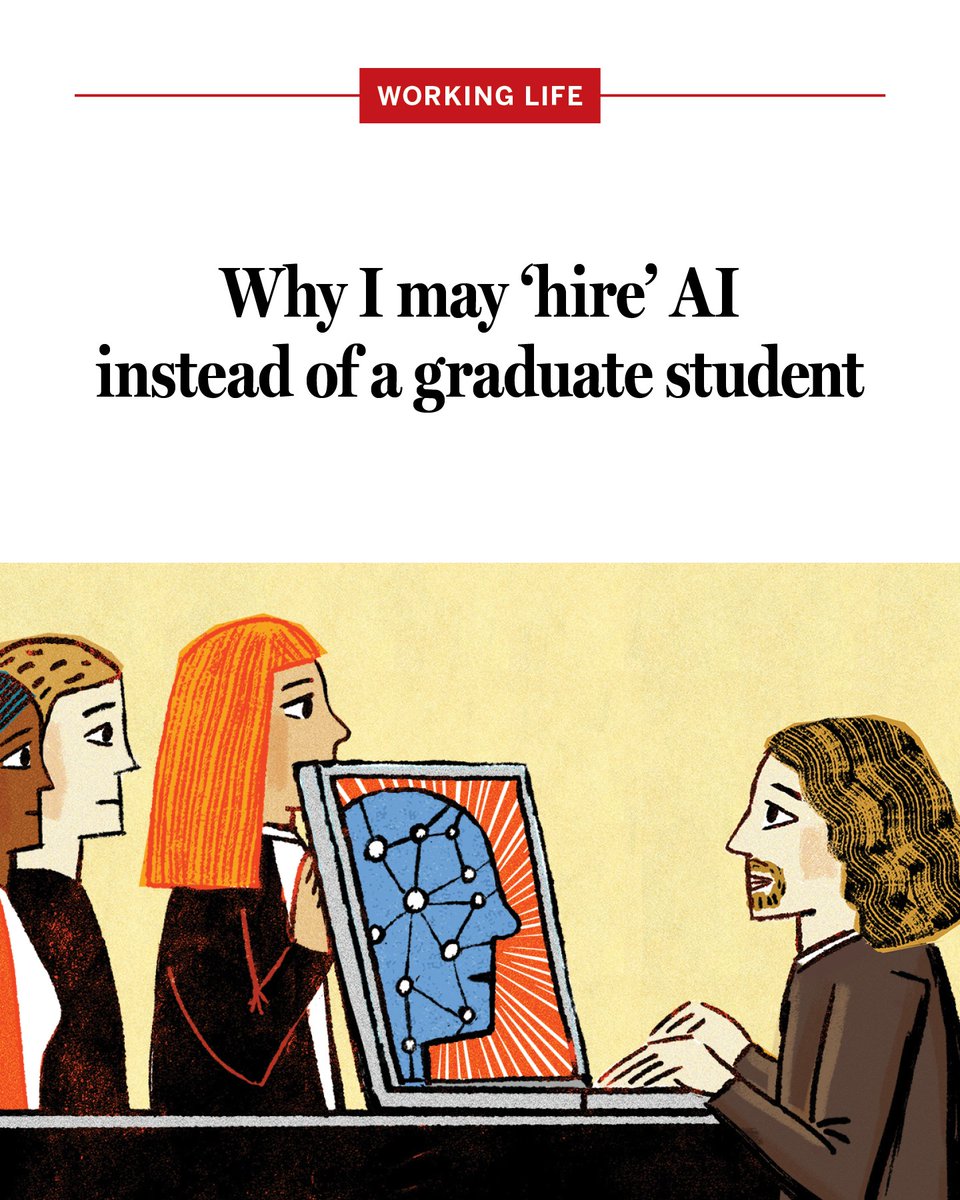
ALT An illustration of a person sitting at a desk looking at a face on a laptop screen and a couple people. Hedline is, "Why I may ‘hire’ AI instead of a graduate student."
1
319
The first openings for the fourth cohort of #civicscience fellows were just posted: civicsciencefellows.org/stor… #scicomm #scipol #engagement
1
3
365
"@Waymo adds 4 more cities to its robotaxi service, now 10 total (@Tesla : still 0)."
electrek.co/2026/02/24/waymo…
70
dietram a. scheufele retweeted

Feb 16
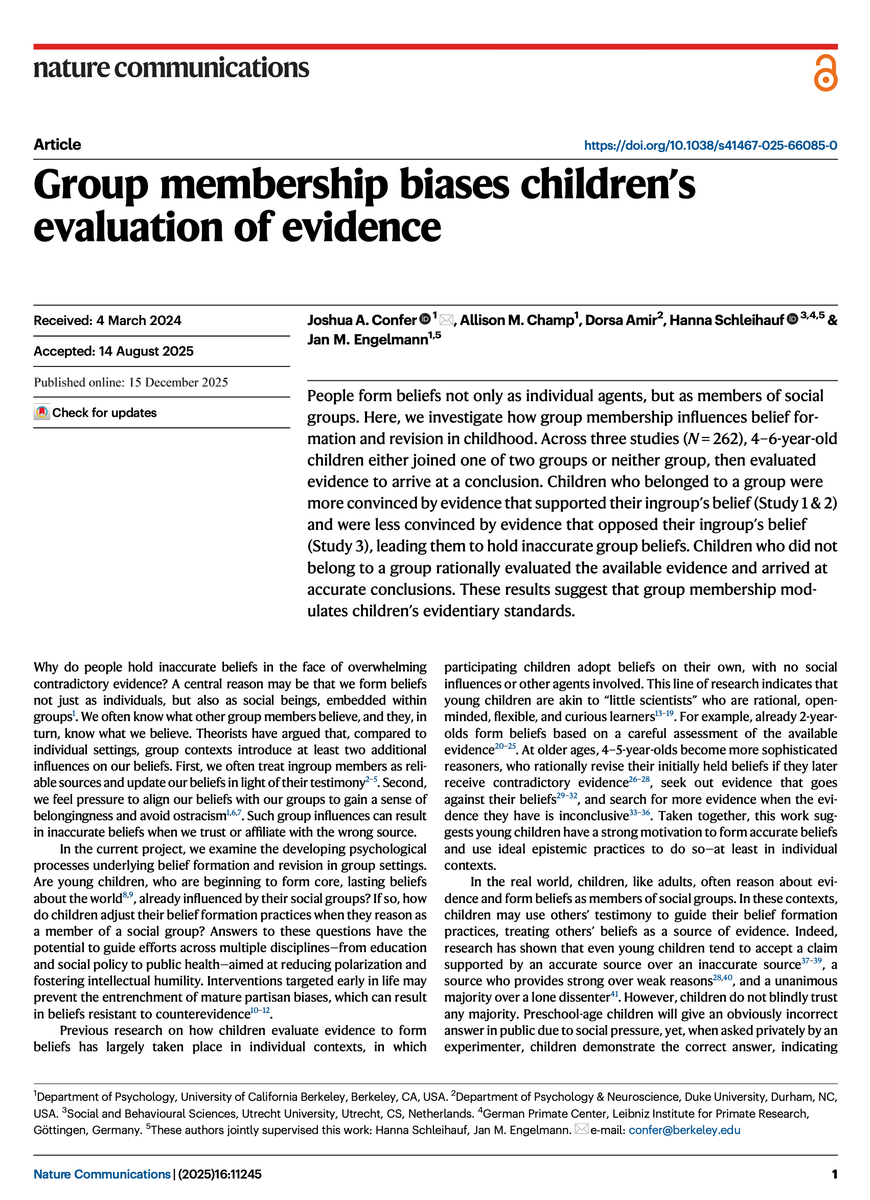
People form beliefs not only as individual agents, but as members of social groups.
A new paper finds that children (4-6 years old) who belonged to a group were more convinced by evidence that supported their ingroup’s belief (and were less convinced by evidence that opposed their ingroup): nature.com/articles/s41467-0…
This is exciting evidence that the Identity-based Model of Belief extends to young kid and novel groups! All kinds of identities shape our beliefs about the world. sciencedirect.com/science/ar…
7
106
361
35,376