
Content Lead @ Boldin (@NewRetirement) | Previously @nybooks, @NewYorker, @vicenews, @Seeker, @vsco, @dfinity, @hivemapper.
Joined December 2011
- Tweets 1,685
- Following 725
- Followers 1,979
- Likes 1,203
484 Photos and videos













Scott Staton retweeted

13 Nov 2025
"Solana isn't just the blockchain we chose, it's our competitive advantage."
In this episode of Open Intelligence, @_rishinsharma and @AhmedZRashad discuss the critical role of data in AI training and performance and how @PerleLabs is addressing these challenges.
Links below 👇
23
12
87
35,464
Scott Staton retweeted

29 Oct 2025
Solana’s flagship event lands during F1 & Abu Dhabi Finance Week.
Catch our Founder & CEO @AhmedZRashad at @SolanaConf as he shares how we're bringing verifiable, human-powered data onchain with builders driving the next era of internet capital markets.
solana.com/breakpoint

88
95
359
30,292
Scott Staton retweeted
28 Oct 2025
The wait is over. The Perle Labs beta is now live.
AI doesn’t train itself. Every model learns from human insight, and now that layer is finally being recognized and rewarded.
Built on @solana. Powered by contributors like you.

3,943
8,585
13,162
1,422,400
Scott Staton retweeted

27 May 2025
Thanks to the EigenLayer research team for explaining how Ava Protocol enables verifiable execution for AI agents — turning intent into secure, autonomous onchain action.
Worth a read if you’re thinking seriously about agents in web3.
22 May 2025

21
17
122
11,558
Scott Staton retweeted
14 May 2025
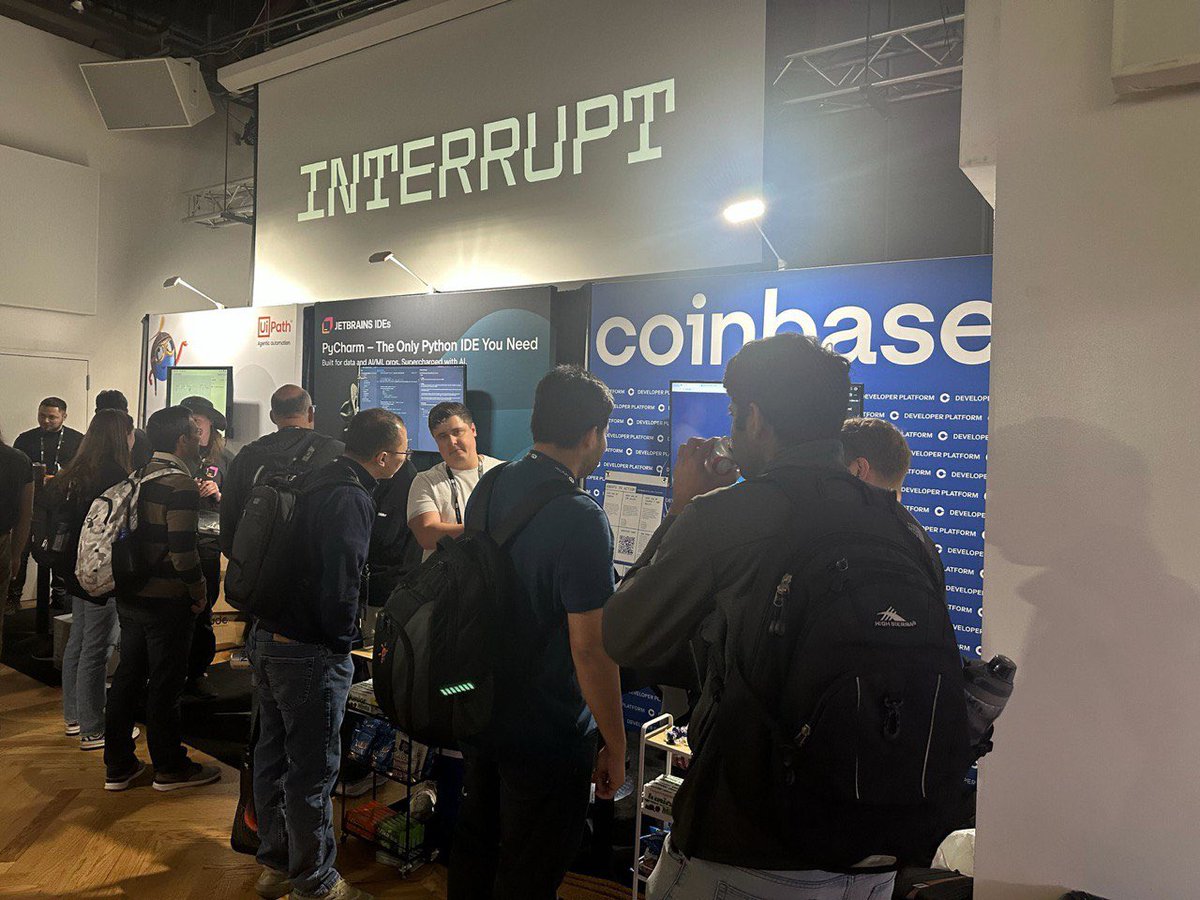
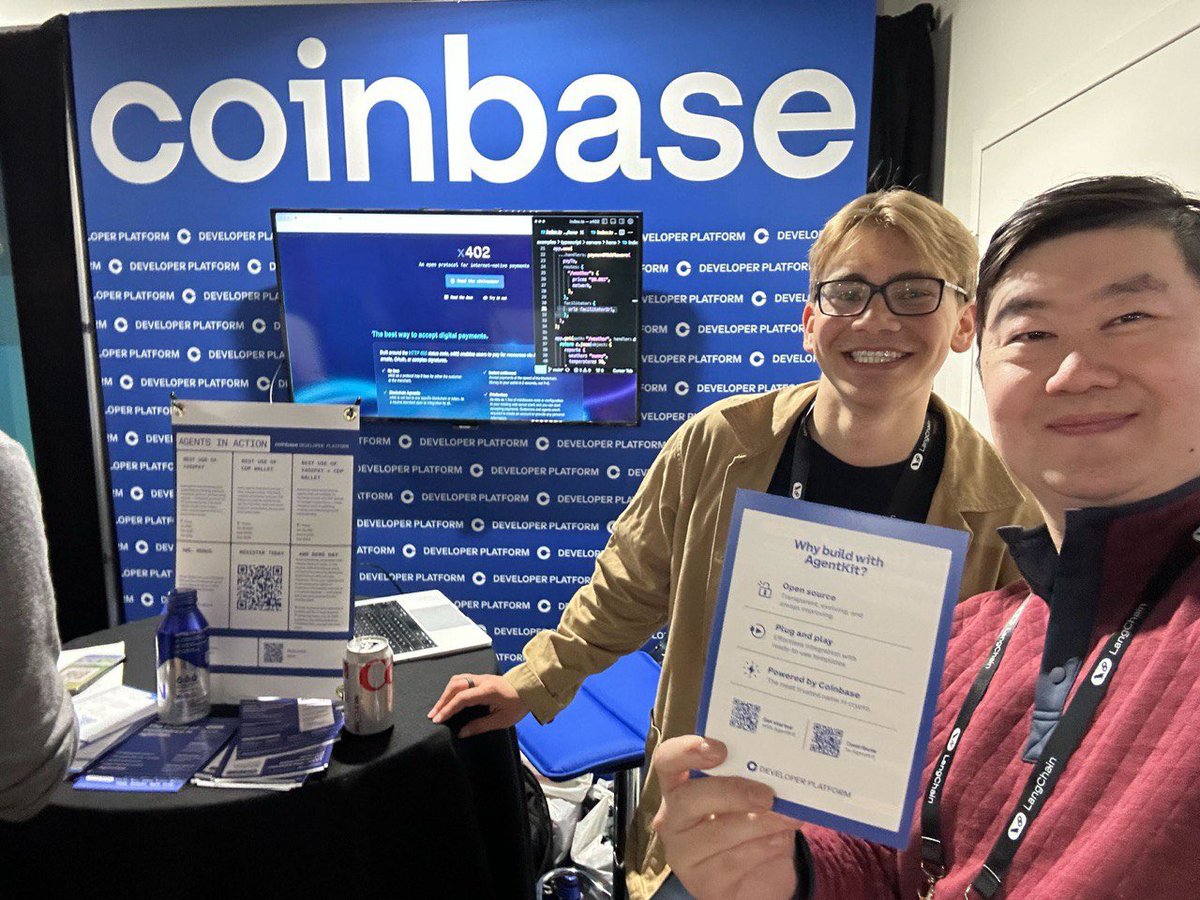
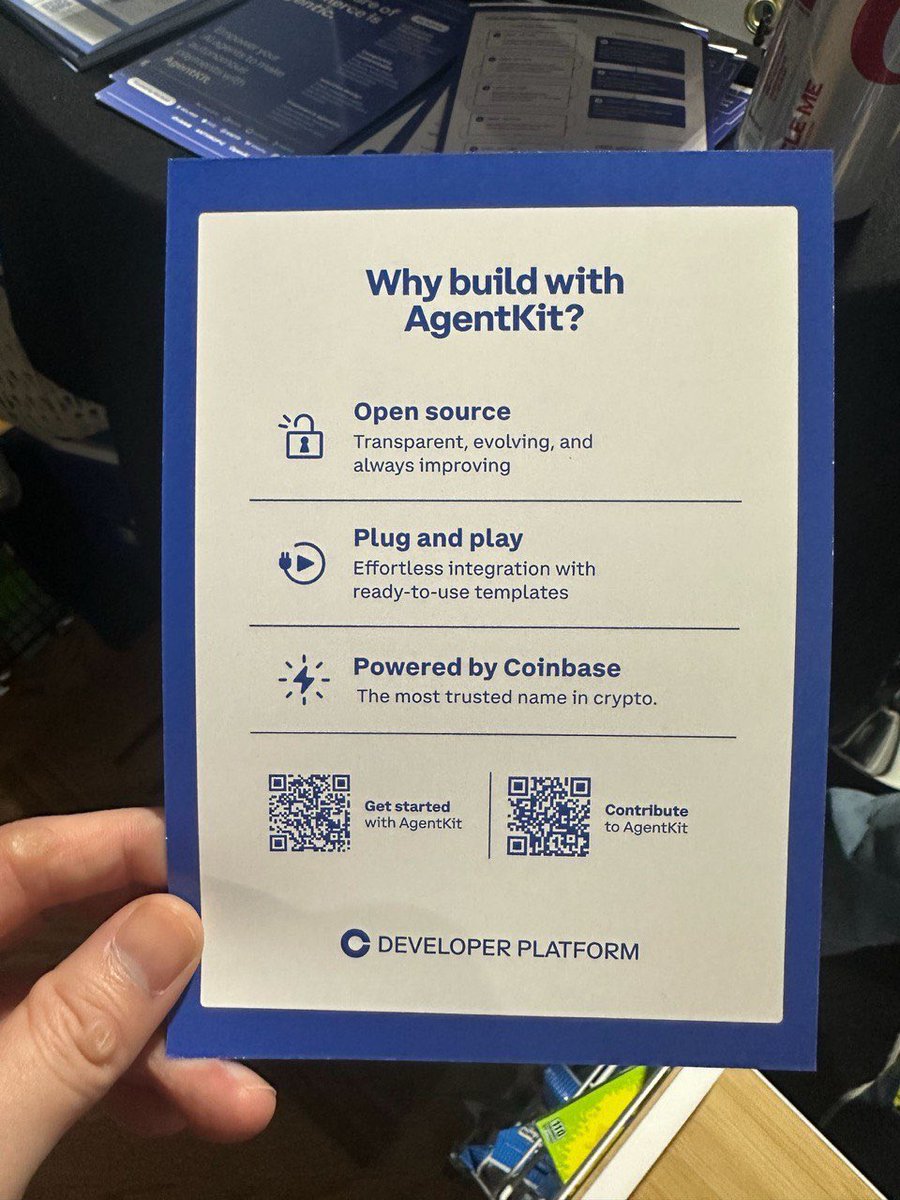
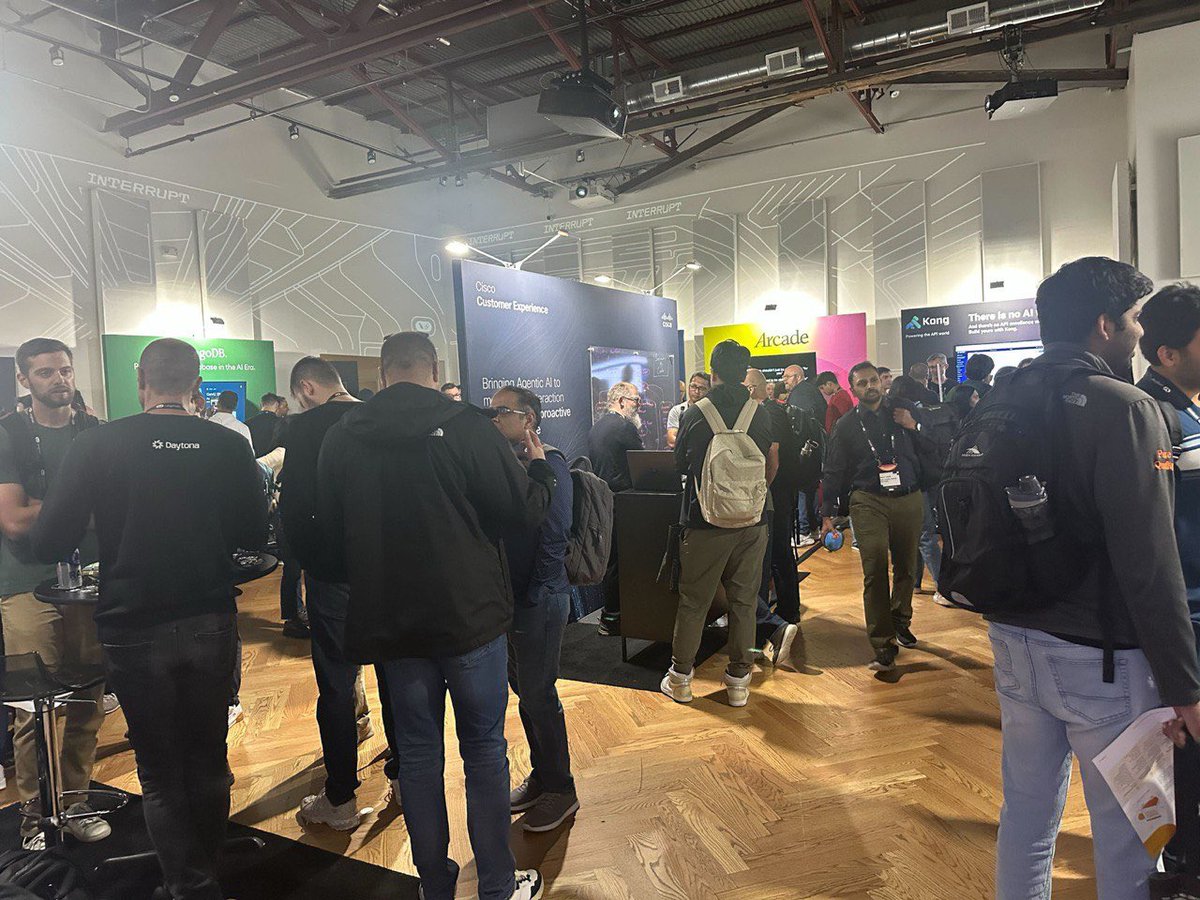
At the Interrupt AI Agent Conference: Ava Protocol's @chrisli2046 talking partnerships and automation with @CoinbaseDev.
AgentKit just launched, and we’re actively exploring how it can support what we’re building. 👀
17
19
150
14,435
Scott Staton retweeted
27 Mar 2025
We asked hundreds of web3 users how they manage tasks like token transfers, smart contract interactions, and strategy execution.
The responses were honest, thoughtful, and surprisingly consistent. Here’s what we learned... 🧵👇

13
13
92
164,271
Scott Staton retweeted
25 Feb 2025
Ava Protocol Studio is live!
The wait is over. The most advanced automation workspace for web3 is here — built for devs, traders, DAOs, & AI agents.
Drag, drop, & deploy workflows across @Ethereum, @Base, & @Soneium. Learn more...👇
avaprotocol.org/blog/introdu…
50
28
155
52,785
Scott Staton retweeted
10 Feb 2025
⏰ The countdown begins — Ava Protocol’s Studio launches in 2 weeks!
Powered by 100,000 lines of Go, TypeScript, & MDX across 3 GitHub repos. Here's the backbone, the @eigencloud AVS repo: github.com/AvaProtocol/Eigen…
We can't wait to show you what we've been building…
25
18
107
9,360
Scott Staton retweeted
16 Dec 2024
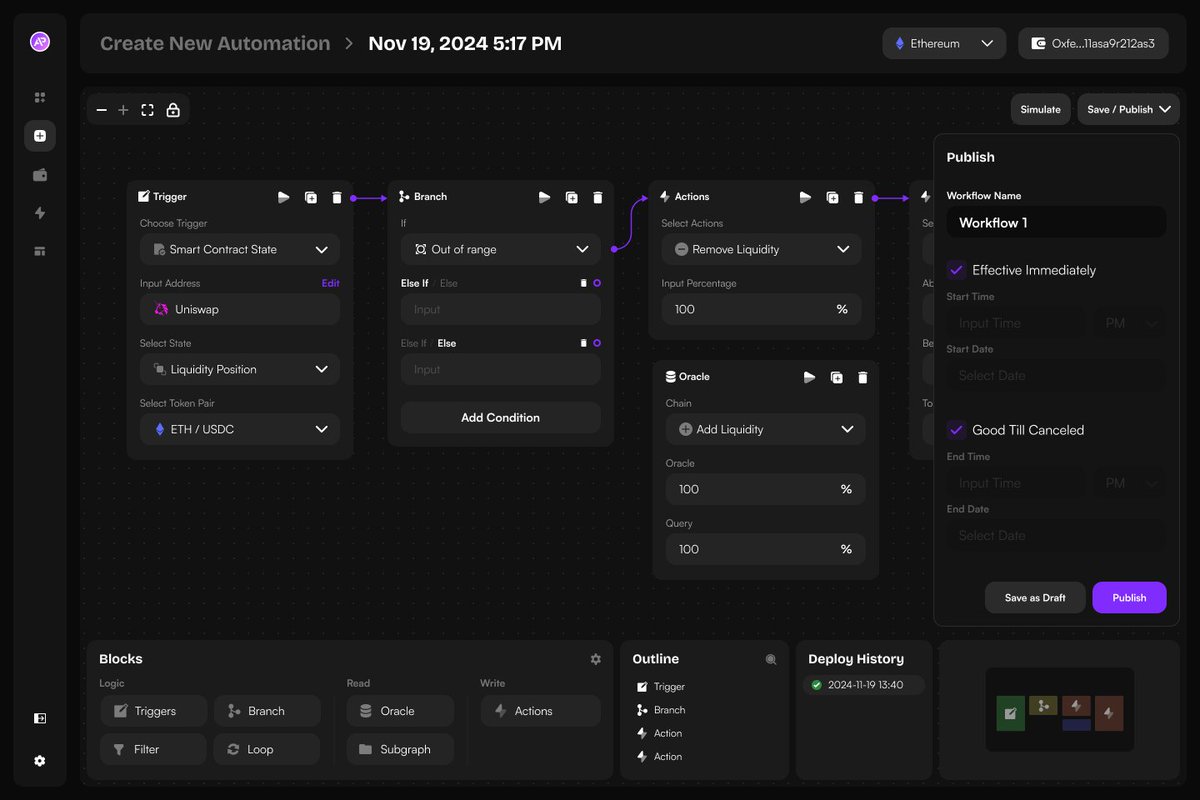
Ava Protocol’s Studio UI is almost ready for private launch! Here's a sneak peek... 👀
Build automated, customizable workflows without writing code. Drag, drop, and design event-driven actions to power anything from token swaps to recurring payments. 🧵👇
23
22
87
9,311
Scott Staton retweeted

3 Dec 2024
Ava Protocol is simplifying autonomous onchain workflows with next-gen tooling.
@ava_protocol lets you build event-based automated pipelines for your app or protocol, making it easy to create entirely new user experiences—all without having to build a custom backend.
As the @eigencloud ecosystem expands, two powerful trends are emerging: cross-chain interoperability solutions and verifiable off-chain data services like Oracles and zkTLS.
Ava Protocol finds itself in a sweet spot here, tapping into a unique design space for verified, event-based automation that empowers developers to keep pace with the increasingly fast-moving world of web3.
Ava’s approach doesn’t just enable cross-chain automation; its event-based design allows developers to integrate verified oracles, off-chain data, and even real-world events directly into automation flows.
It’s like moving from black-and-white to color—Ava Protocol opens up a dynamic range of interactions that wouldn’t be possible otherwise.
A Cambrian Explosion of AVSs, Ready for Ava Protocol
Think of Ava Protocol as the next-gen Lego set for event-based automation, a “if this, then that” onchain builder taken to the next level.
It could be game-changer for apps in at least three major ways:
> Simplified Infrastructure: Ava Protocol saves developers from building complex custom back-end API solutions and the associated risks. Automation is managed natively by the AVS, reducing the need for additional infrastructure.
> Unmatched Security and Transparency: Built on EigenLayer, all Ava Protocol automations are verified onchain, with a security and transparency layer that’s typically hard to achieve.
> Expanding Design Space with Ecosystem Growth: As the EigenLayer ecosystem grows, so will the design space for Ava Protocol. New use cases and interoperability options are already emerging, from cross-chain to cross-protocol and even verified off-chain event automation.
Imagine creating DeFI features like scheduled payments, subscriptions, trading strategies (like limit buys or stop-loss orders), and event-based auto-compounding rewards—all without the hassle of maintaining a backend, security, or even private key management.
In short, Ava Protocol lets you build pipelines for a future where multi-chain and verified off-chain interactions are the norm.
Key Features of Ava Protocol
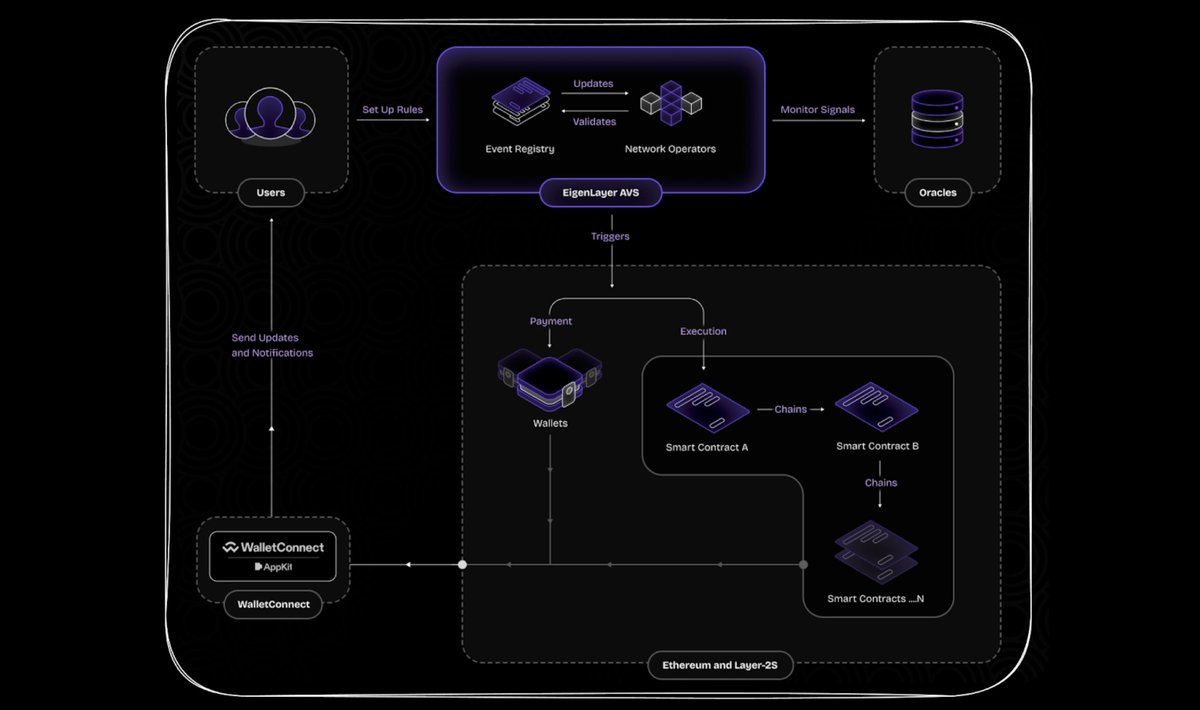
>Ava’s smart account Controller, authorized by the user, enables task scheduling through a Task Payload aggregator without needing to store private keys.
Users can set up task permissions via Web3-native methods or Web2-friendly options like Google and Coinbase OAuth, with specific permissions assigned as scopes.
>The status of all Tasks are continuously monitored onchain by the AVS. Ava built a custom data structure to prioritize, batch, and filter tasks based on user-defined parameters.
Operators simply verify conditions, and submit transactions on-chain.
Retool for Web3
As Chris puts it: "Ava Protocol is like a 'Retool for Web3,' letting developers build and automate dApps without the need for complex backend infrastructure.
It removes much of the backend workload, allowing developers to easily set up automated transactions and event-triggered smart contract interactions without managing a custom backend.
“Our mission is to empower secure, private, and composable super-transactions for Web3, cutting development time by enabling one-click multi-chain deployment."
To learn more about Ava
avaprotocol.org/
avaprotocol.org/docs/ethereu…
Follow @chrisli2046 and @ava_protocol
This is a guest post by Hadrien Royo @cryptozagency


2
12
38
20,490
Scott Staton retweeted
19 Nov 2024
"Basically it's like Lego blocks. If you're a developer, we give you the basic element of the blocks that you can customize your solution with."
Learn about @ava_protocol with @chrisli2046 in this 3 minute clip from Infinite Layers.
powered by @eigencloud 🔋
7
9
69
14,483
Scott Staton retweeted
23 Jul 2024
🚀 ICYMI: Ava Protocol launched an event-driven @eigencloud AVS on Ethereum that's backed by over $1.7B worth of ETH and counting!
Web3 dapps can now automate any transaction or smart contract function based on specific conditions.
Learn more here 👇
avaprotocol.org/blog/ava-pro…
48
883
222
15,781
Scott Staton retweeted
9 Jul 2024
Discover how @eigencloud extends @Ethereum's security to support dapps and infrastructure with increased trust and functionality.
Read our guide to learn about Actively Validated Services, ETH restaking, and the future of web3 innovation. 👇
avaprotocol.org/blog/a-guide…
2
36
45
1,099
Scott Staton retweeted

25 Jun 2024
EXCLUSIVE: EigenLayer AVS Ava Protocol acquires blockchain data startup Openstory theblock.co/post/301855/eige…
7
26
53
9,159
Scott Staton retweeted

23 Jun 2024
Former Microsoft Engineer Predicts a Gradual Shift in Blockchain Development Focus Toward Vertical Scaling #decentralization #blockchain @ava_protocol news.bitcoin.com/former-micr…
50
54
64
16,709
Scott Staton retweeted

23 Jun 2024
Thank you for having me and @ava_protocol in the interview! It was a pleasure discussing the shift towards vertical scaling of #ethereum with our @eigencloud AVS solution. Exciting innovations on the way! 🚀
1
6
8
576
Scott Staton retweeted
6 Jun 2024
🎉 Big News! OAK Network is evolving into Ava Protocol!
Our new identity better reflects our mission to revolutionize cross-chain automation across Polkadot, Ethereum, and beyond!
🏆 A massive thank you to our community for your ongoing support. Together, we're making private, autonomous automation a reality for all chains.
Learn more ⤵️
avaprotocol.org/blog/oak-net…
32
612
218
22,283

22 Feb 2024
Show’s over, folks.
22 Feb 2024

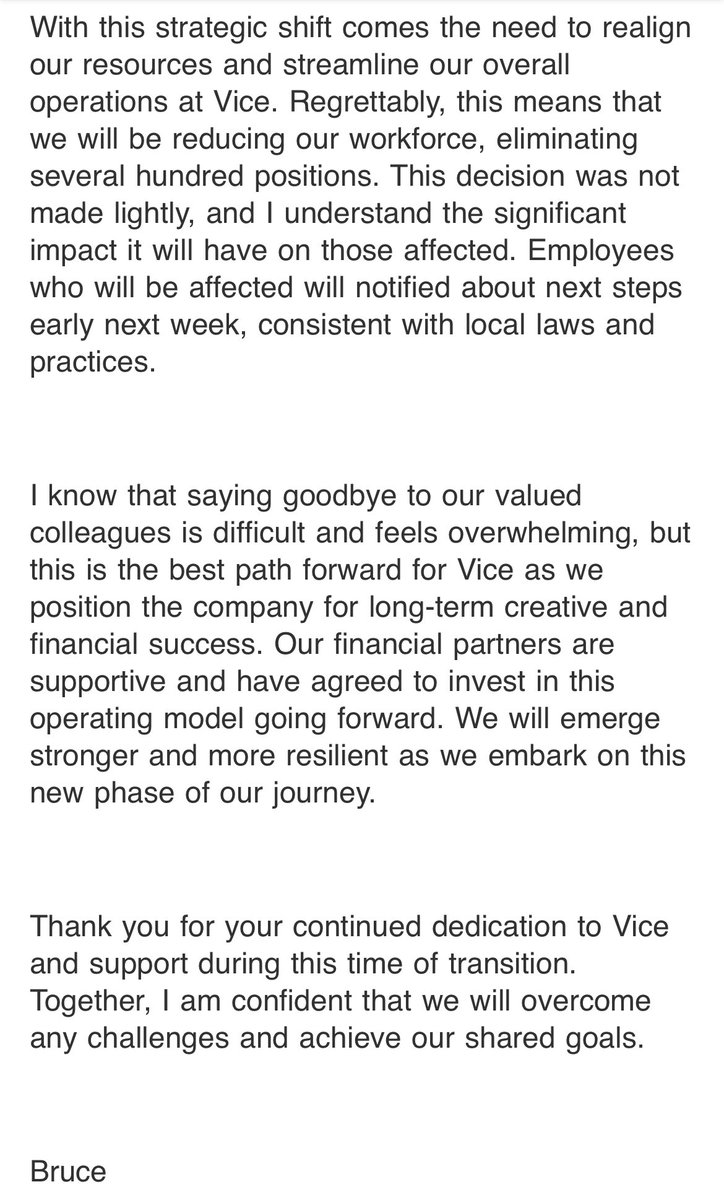
In a memo to staff, Vice CEO Bruce Dixon announces hundreds of layoffs and that the company will no longer publish on Vice dot com. He also says VMG is in advanced talks to sell Refinery29.


8
189
Scott Staton retweeted

26 Jan 2024
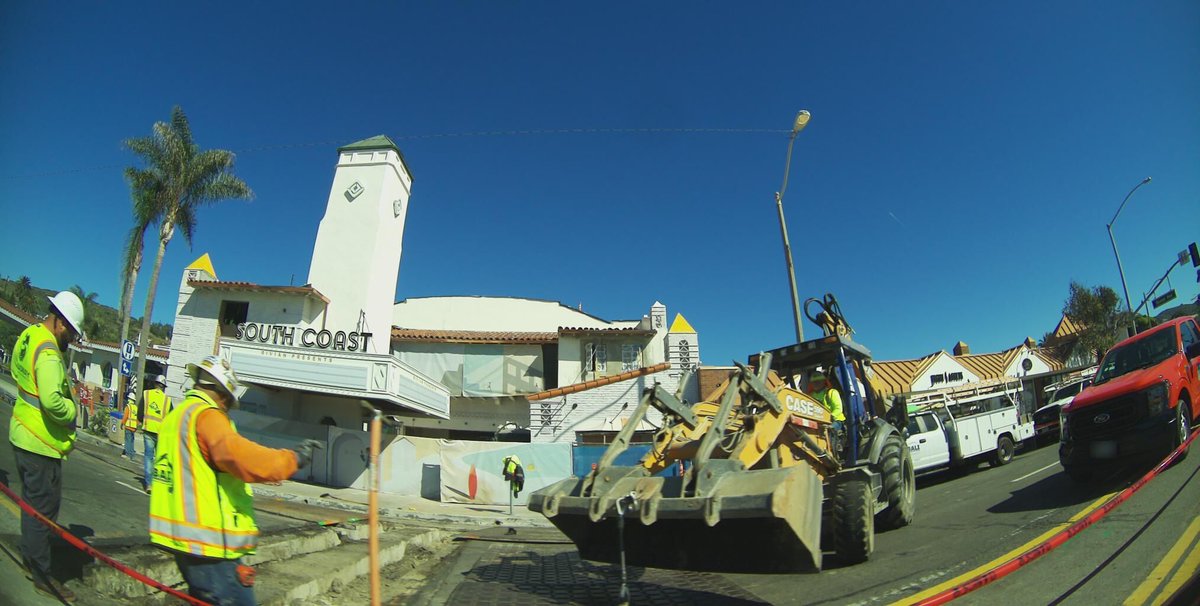
Awesome theater revamp, @Rivian! Looks like Google Street View skipped the premiere, but we've got you.
#Hivemapper doesn't miss a scene.



10
20
126
11,187
Scott Staton retweeted
13 Jan 2024
#Hivemapper CEO @aseidman explains the unique potential of crowdsourced mapping and contributor rewards to create the world's freshest map. #DePIN
59
74
451
82,693