
Assistant Professor of Political Science @UofT
Joined September 2016
- Tweets 579
- Following 924
- Followers 7,010
- Likes 8,277
56 Photos and videos

Pinned Tweet

9 Sep 2020
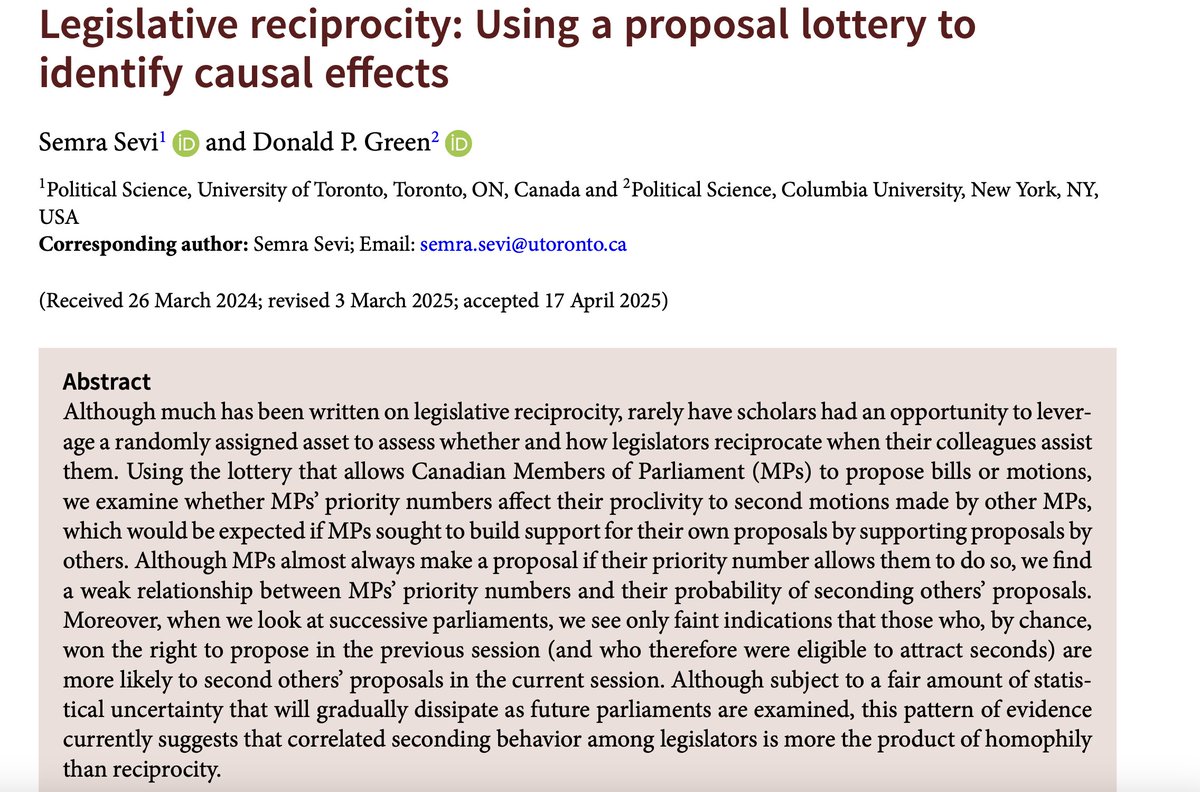
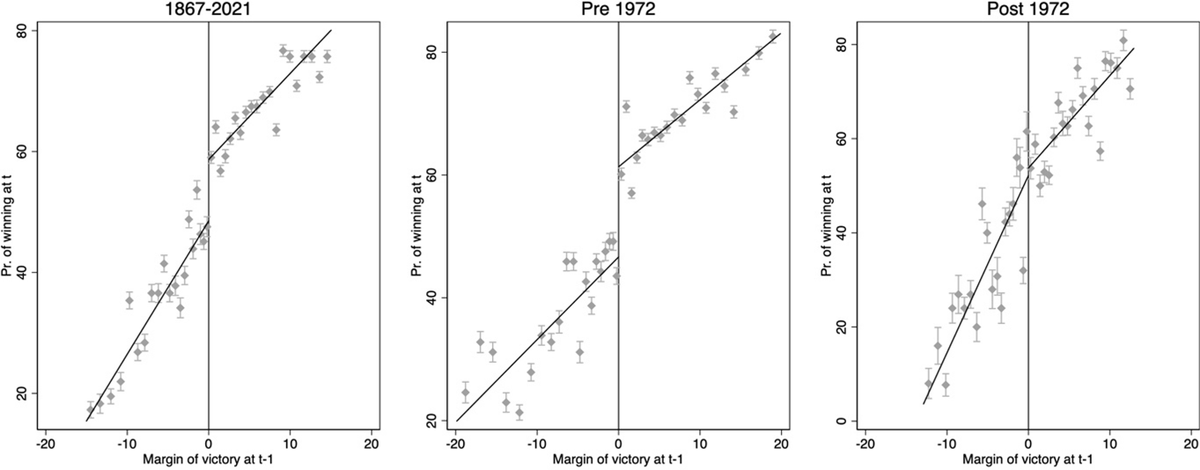
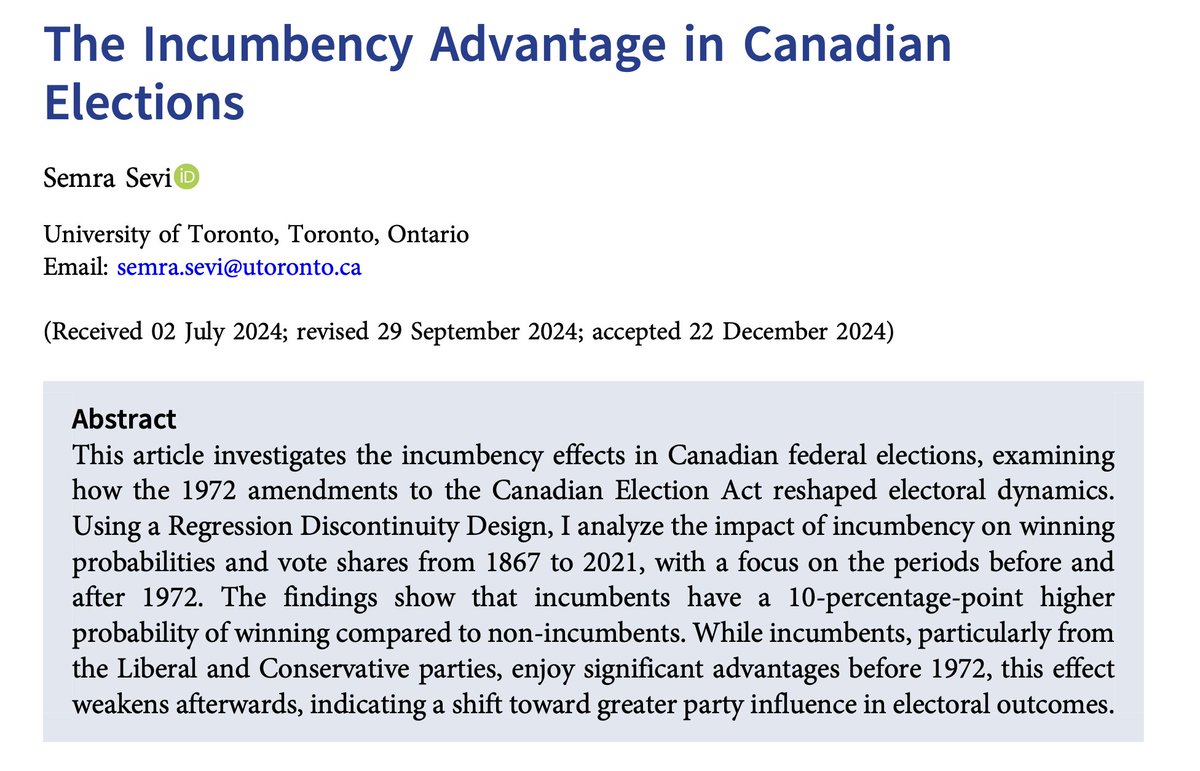
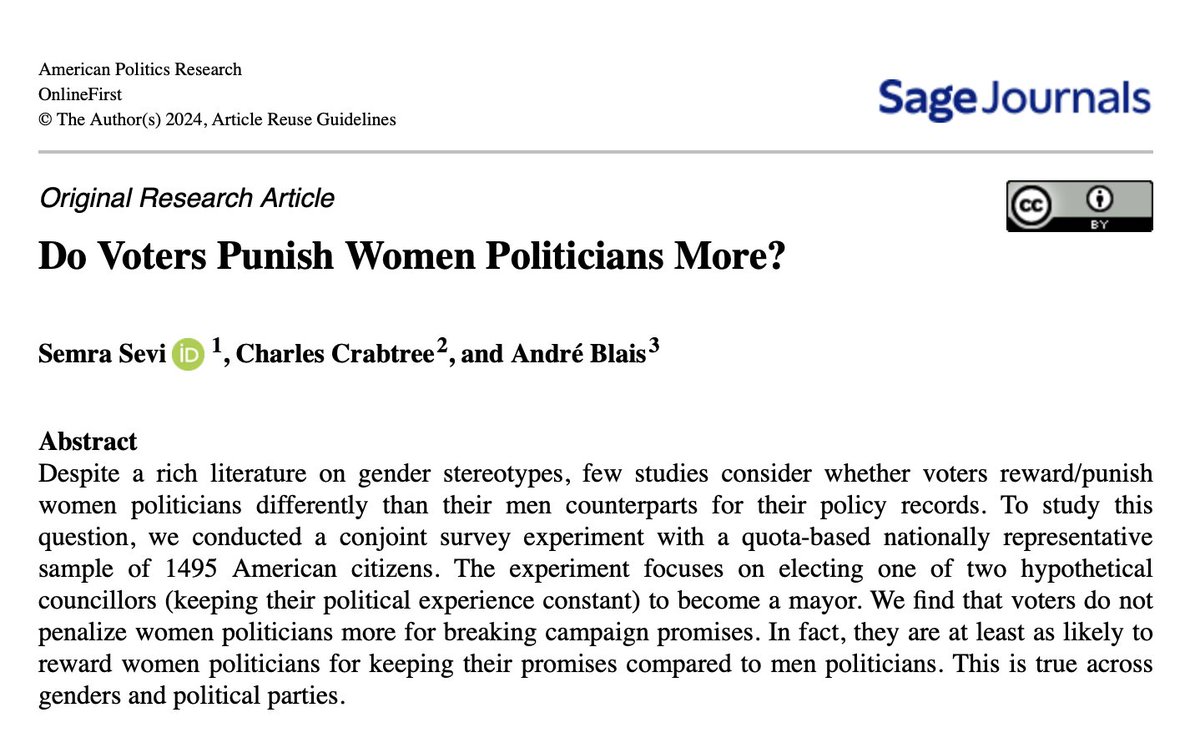
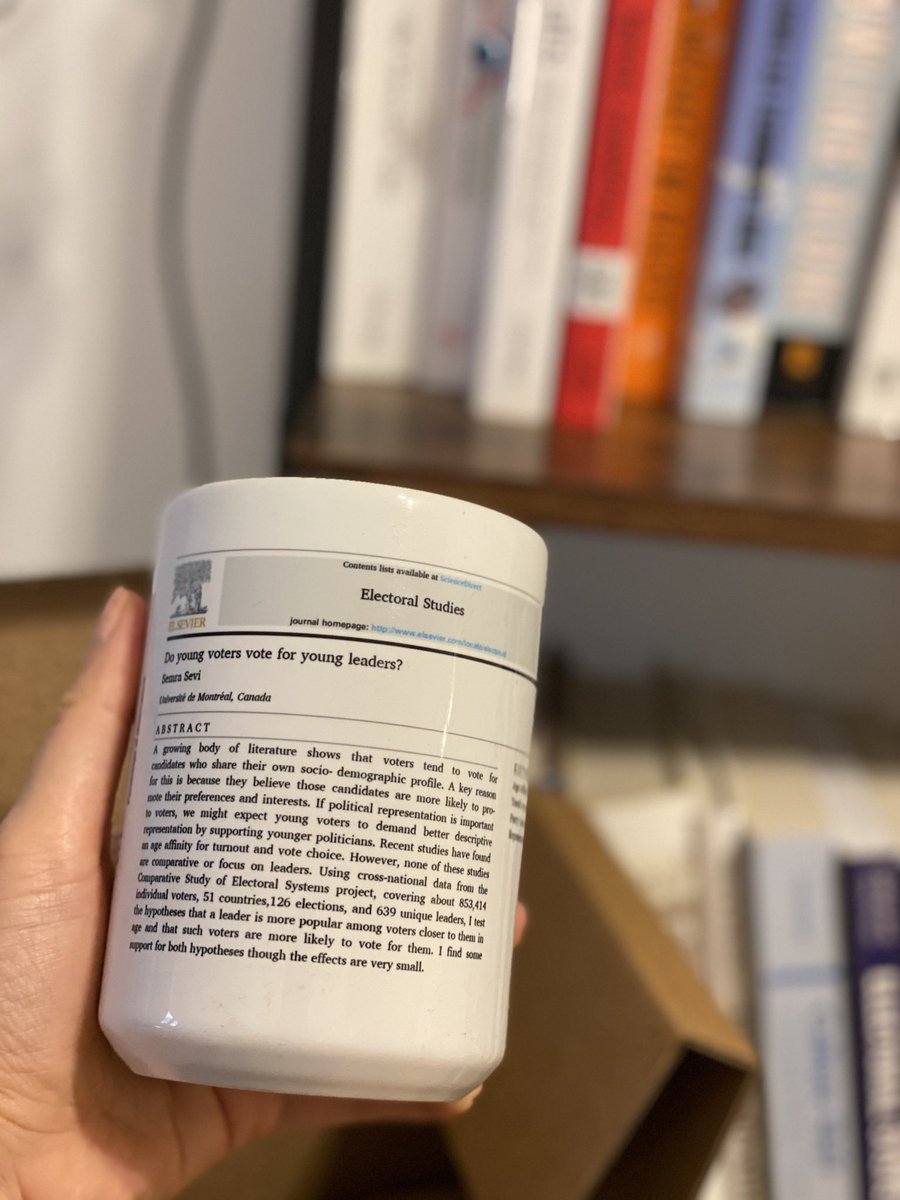
My parents sent me this mug with the abstract of my first solo publication. Such a cool gift! #phdlife #AcademicTwitter @ElectoralStdies
165
704
10,670
Semra Sevi retweeted

May 27
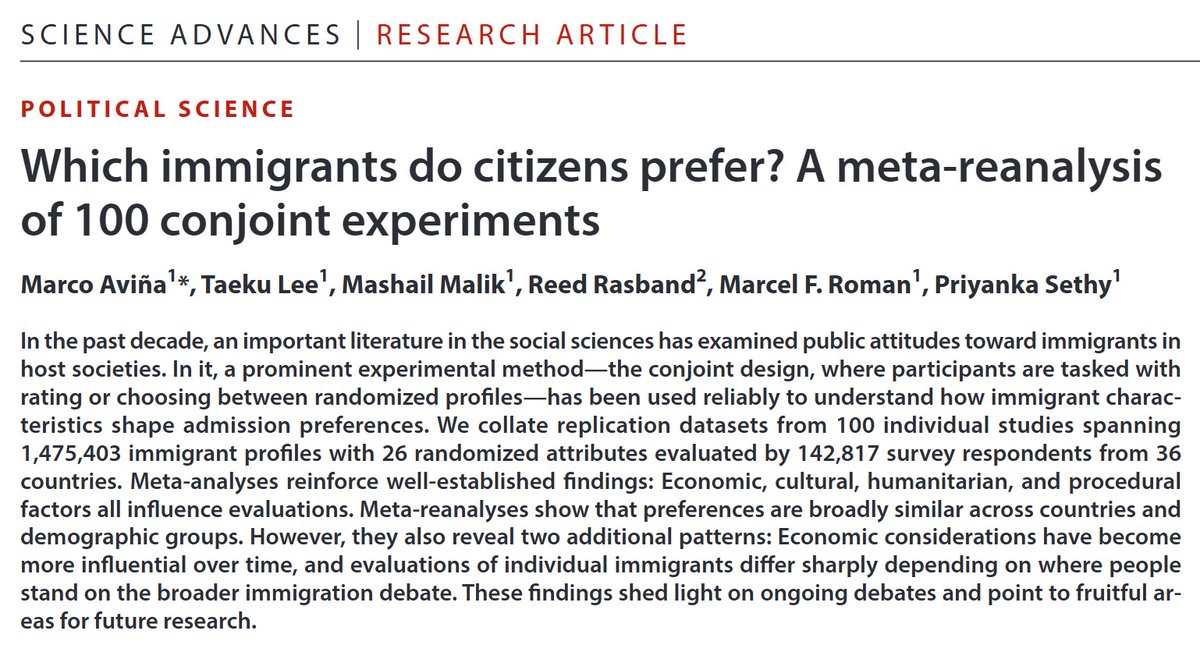
NEW in @ScienceAdvances, after 3 years of work with a great team:
We review and meta-analyze 100 immigrant conjoint experiments in 36 countries.
Immigration preferences are surprisingly similar across people and countries, but changing over time and structured by politics.
🧵
2
43
158
39,339
Semra Sevi retweeted

May 22
A monumental loss. Ran was not only a trailblazing and brilliant scholar; he was also a remarkably generous colleague and, what's more, a dear friend.
politics.utoronto.ca/news/me…

3
14
51
3,392

Field experiment presents causal evidence that Social media promotion improves job market outcomes | PNAS pnas.org/doi/10.1073/pnas.25…
22
76
40,980
Semra Sevi retweeted
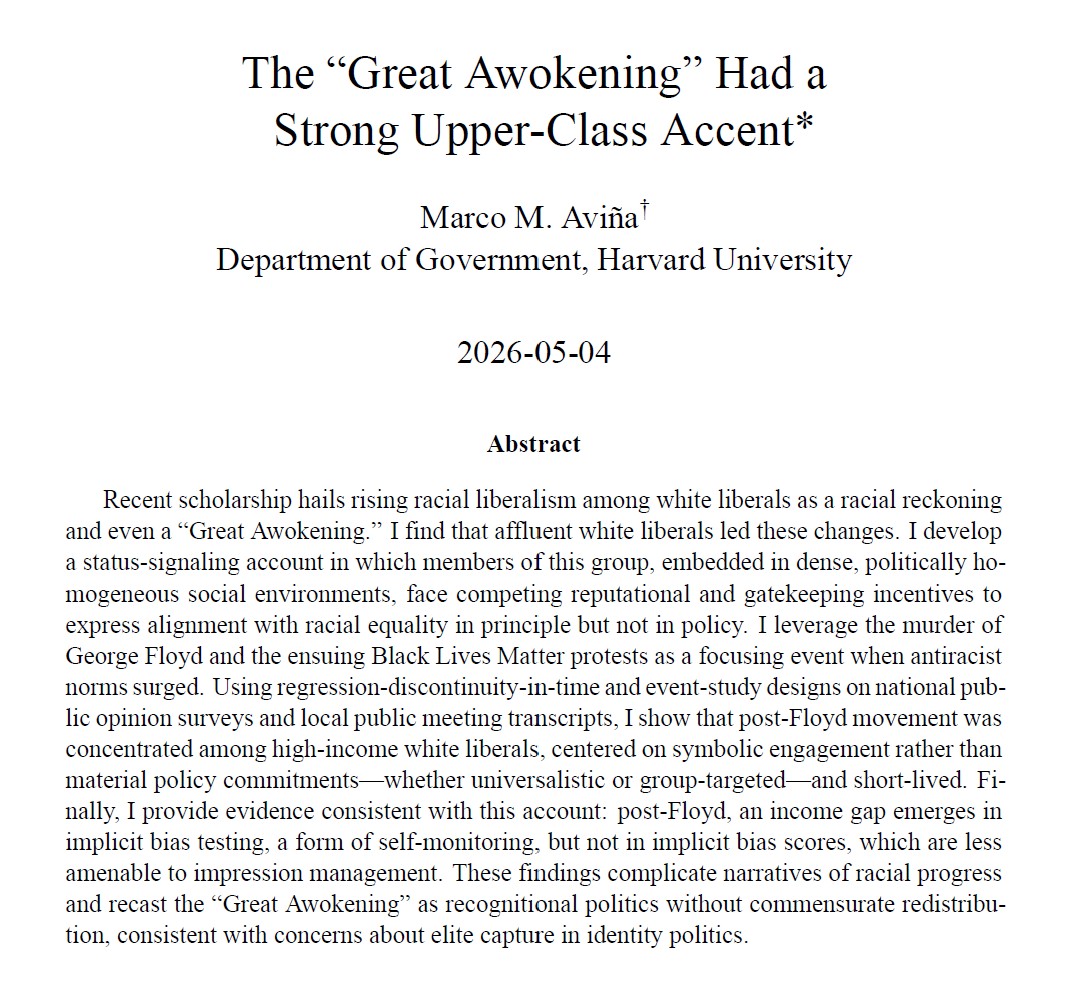
So excited to finally share my job market paper!
The post-Floyd “Great Awokening” was driven by affluent white liberals and emphasized recognition over redistribution.
Consistent with elite capture of identity politics.
Feedback very welcome! Link below.
22
231
1,411
154,215
Semra Sevi retweeted
Apr 24
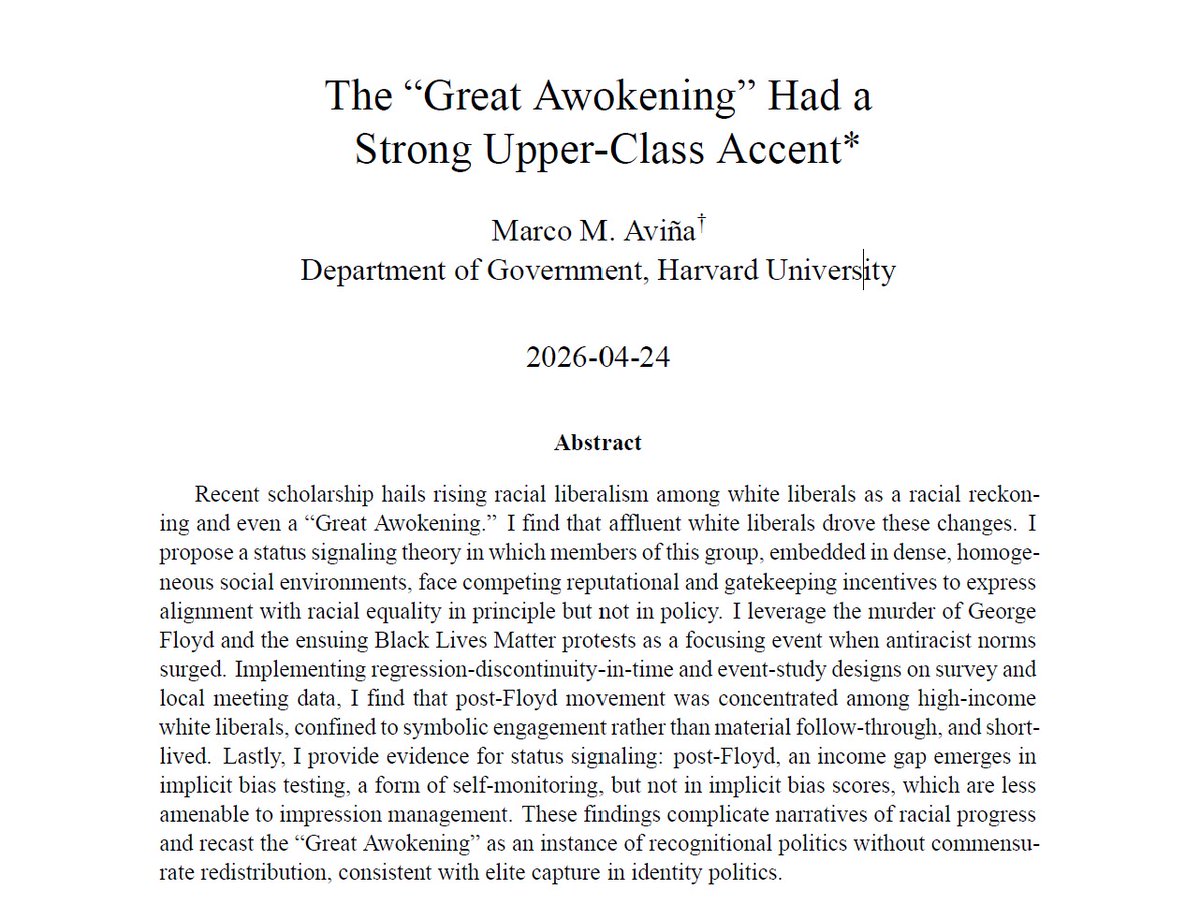
Excited to present my JMP at MPSA!
The post-Floyd “Great Awokening” was driven by affluent white liberals and emphasized recognition over redistribution.
Evidence from surveys, public discourse, and implicit bias data.
Consistent with elite capture of identity politics.
⬇️
31
69
375
36,340
Semra Sevi retweeted
Apr 16
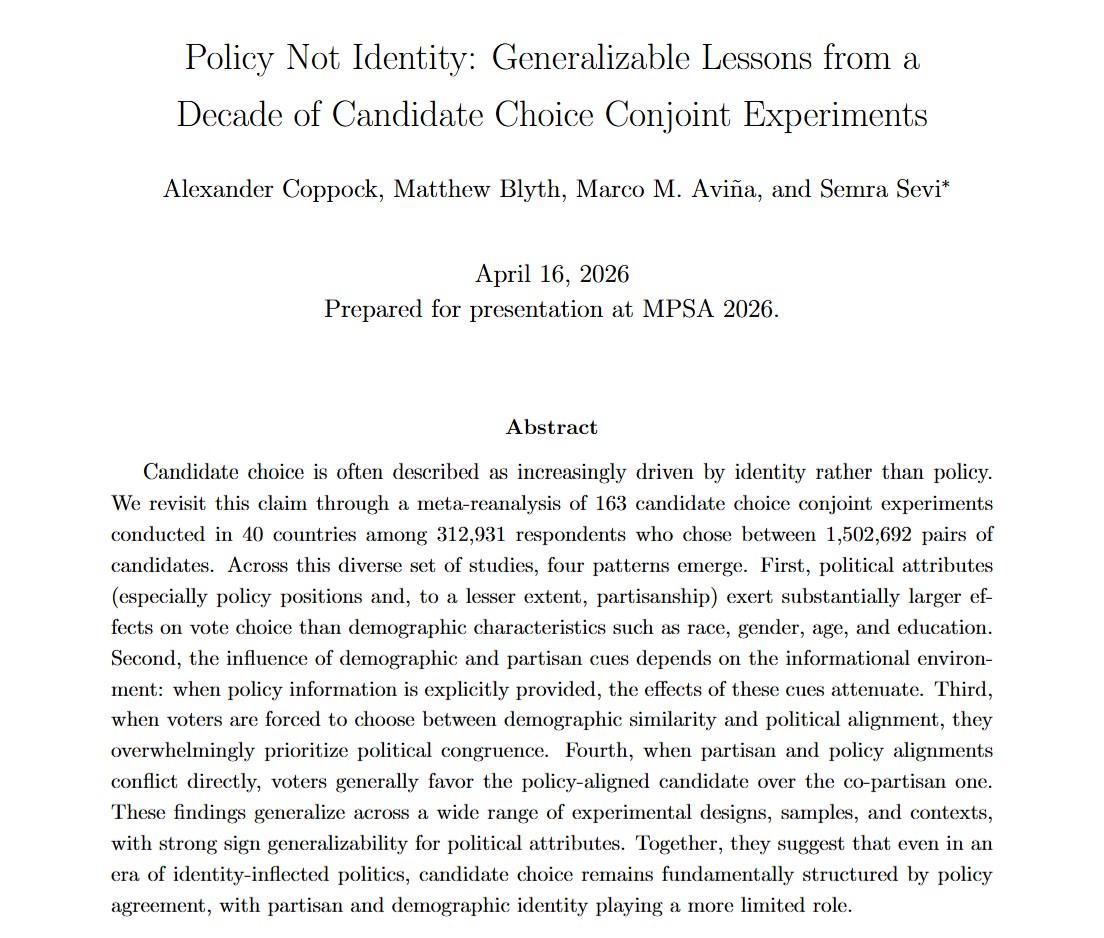
It turns out people vote based on policy.
A sneak peek at our paper for MPSA next week, in a not-to-be-missed panel:
convention2.allacademic.com/…
2
40
158
33,817
Apr 14
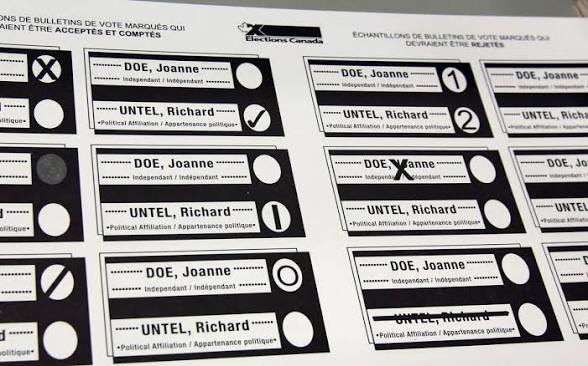
Turns out most Canadians vote the party, not the person. Local candidates were decisive for just 5-8% of voters outside Quebec and 2-5% in Quebec. The data don't lie! /w @marcomavina & @ablais_ See paper here: cambridge.org/core/journals/…
Apr 13

“bUt In CaNaDa YoU vOtE fOr ThE pErSoN nOt ThE pArTy” 🤡
3
7
768
Apr 14
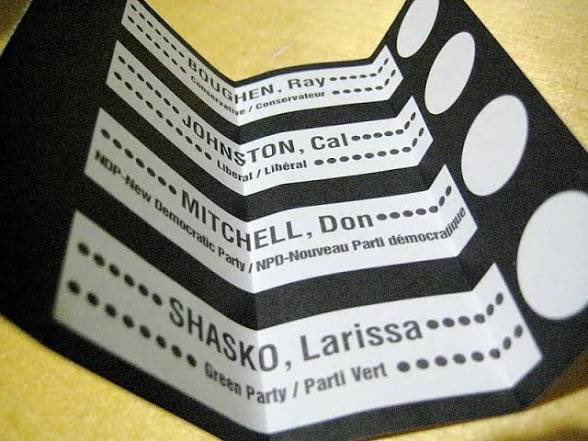
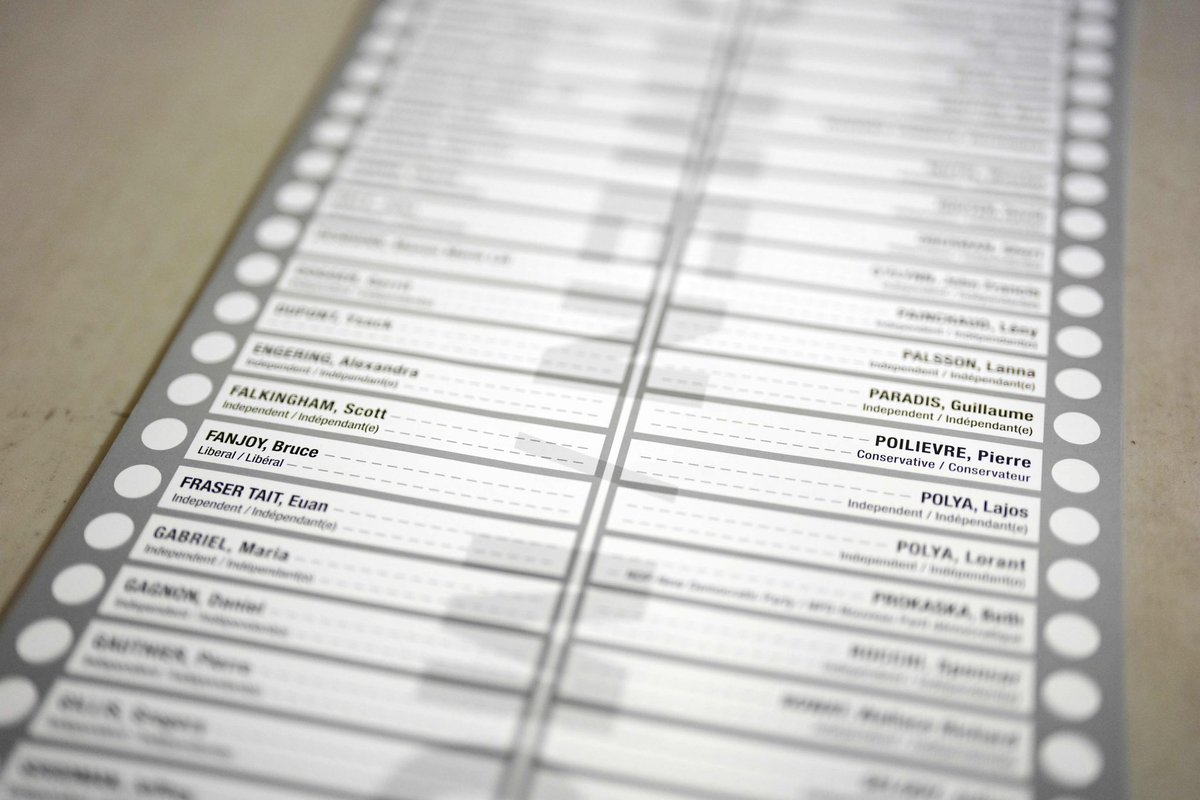
My work with @marcomavina & @ablais_ shows that most Canadians vote the party, not the person! Local candidates were a decisive factor for 5-8% of voters outside Quebec, and just 2-5% in Quebec. See: cambridge.org/core/journals/…

Regardless of what you think, you’re voting for a person in Canada, not a party. There’s a reason why the name is the one in bolder font and not the party!
1
7
452
Semra Sevi retweeted

Apr 3
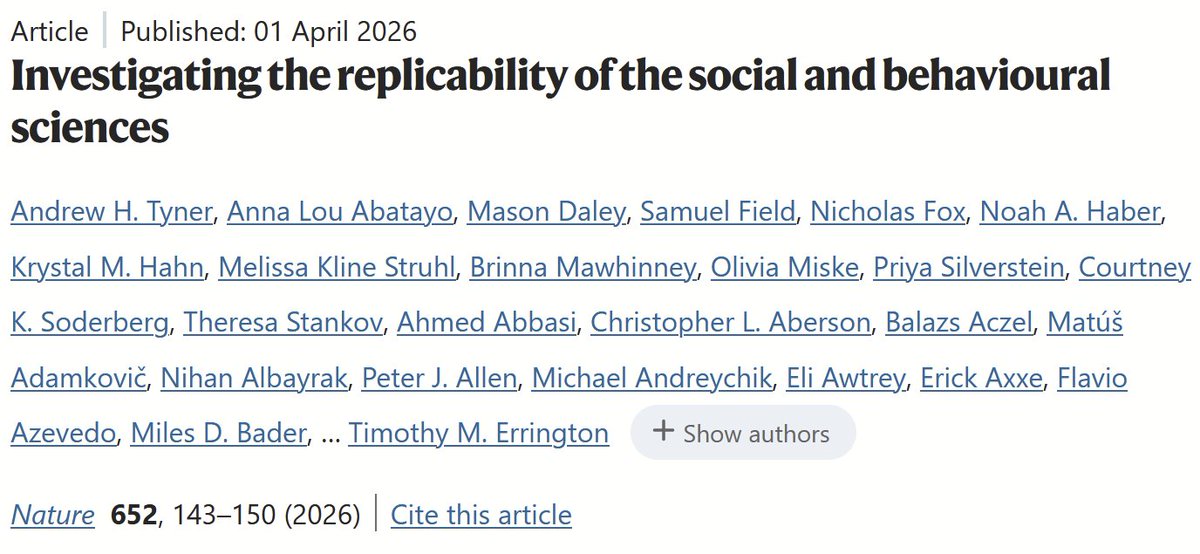
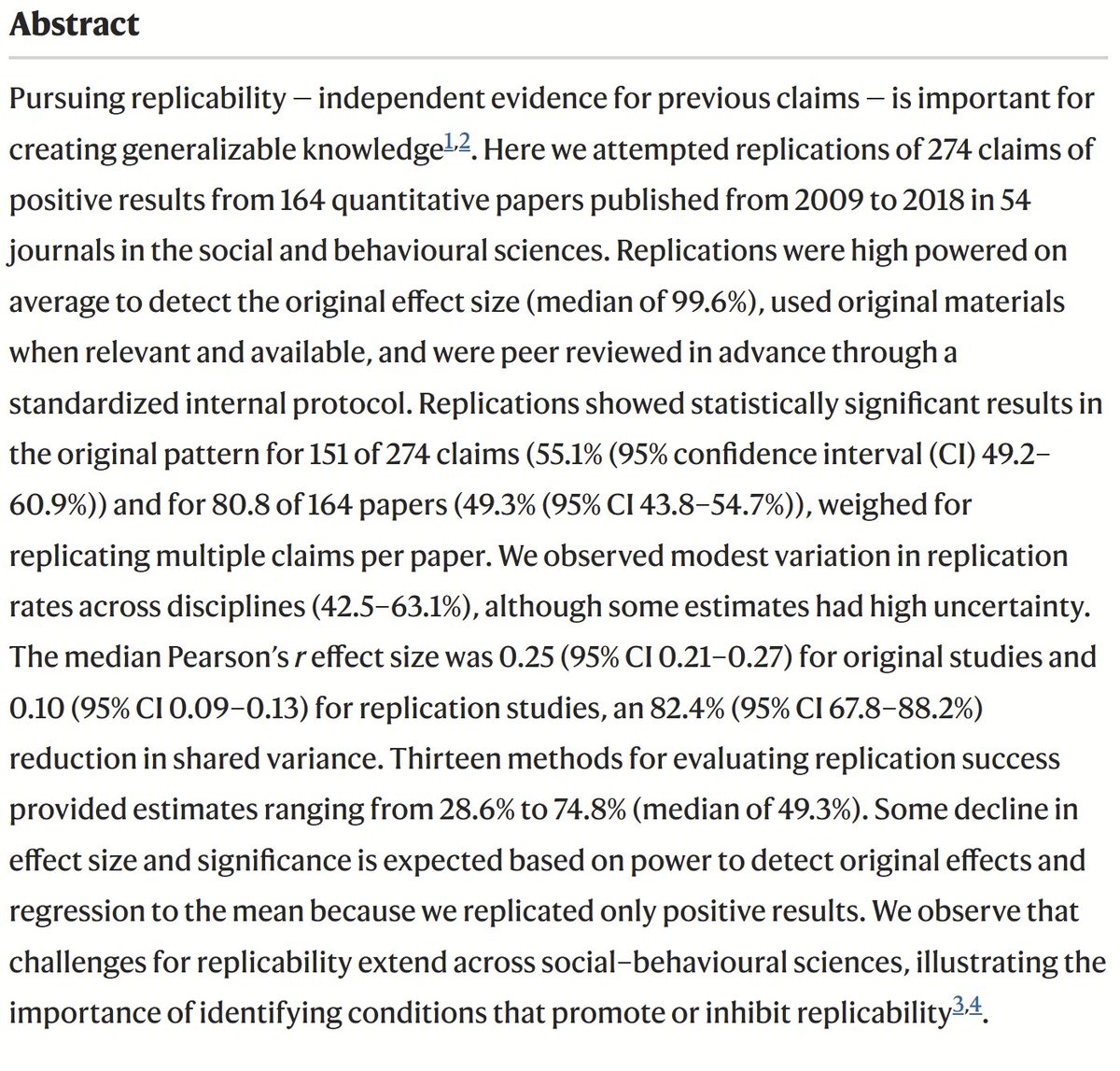
@Nature has published three groundbreaking papers on reproducibility, analytical robustness, and replicability across the social sciences. Sincere thanks are due to the many folks who contributed to these projects. It’s painstaking work, and a great service to social science.
1
51
209
13,775
Semra Sevi retweeted

Mar 26
Our PNAS paper (@SemraSevi Don Green) is a small step toward building this information layer, but as RAG gives way to massive context windows and agentic retrieval, the central challenge becomes curating and prioritizing high-quality information.
Mar 26

Amidst understandable concerns of AI dystopia, no one is offering a positive vision for how we can use AI to remake our institutions and reinvent how we govern. That’s what I try to offer today.
My argument is that we need an explicit research agenda to build “political superintelligence.” Here’s my case:
AI makes intelligence cheap and widely available, just as the printing press made information cheap and widely available—and that earlier revolution ultimately reshaped governance and society to our benefit.
To capture this benefit quickly, we need to build political superintelligence: a set of tools that help citizens, representatives, and institutions perceive the world more accurately, understand tradeoffs, contest power, and act more effectively.
I divide this research agenda into three layers:
1. The information layer: AI can make voters and governments dramatically smarter, but only if we fix political bias in models, improve the quality of sources AI draws on, and build trust through better performance.
2. The representation layer: AI can serve as tireless delegates acting on our behalf in political processes—monitoring government, filing comments, flagging decisions—but only if we solve preference drift, adversarial vulnerability, and the fundamental problem that we don't own our own agents today.
3. The governance layer: Even if we get the first two layers right, the infrastructure sits inside privately controlled companies. We need binding constitutional frameworks that distribute power, constrain companies, and ensure political superintelligence serves citizens rather than executives or shareholders.
Each of these layers has a concrete, tractable set of research questions: better evals, geopolitical forecasting as a test case, governance experiments at small scale, agentic simulations, and institutional designs modeled on centuries of constitutional thought.
The window for building these structures is narrow, and the right response is not to slow AI down but to speed up how fast we build the institutions that keep us free as AI grows more powerful.
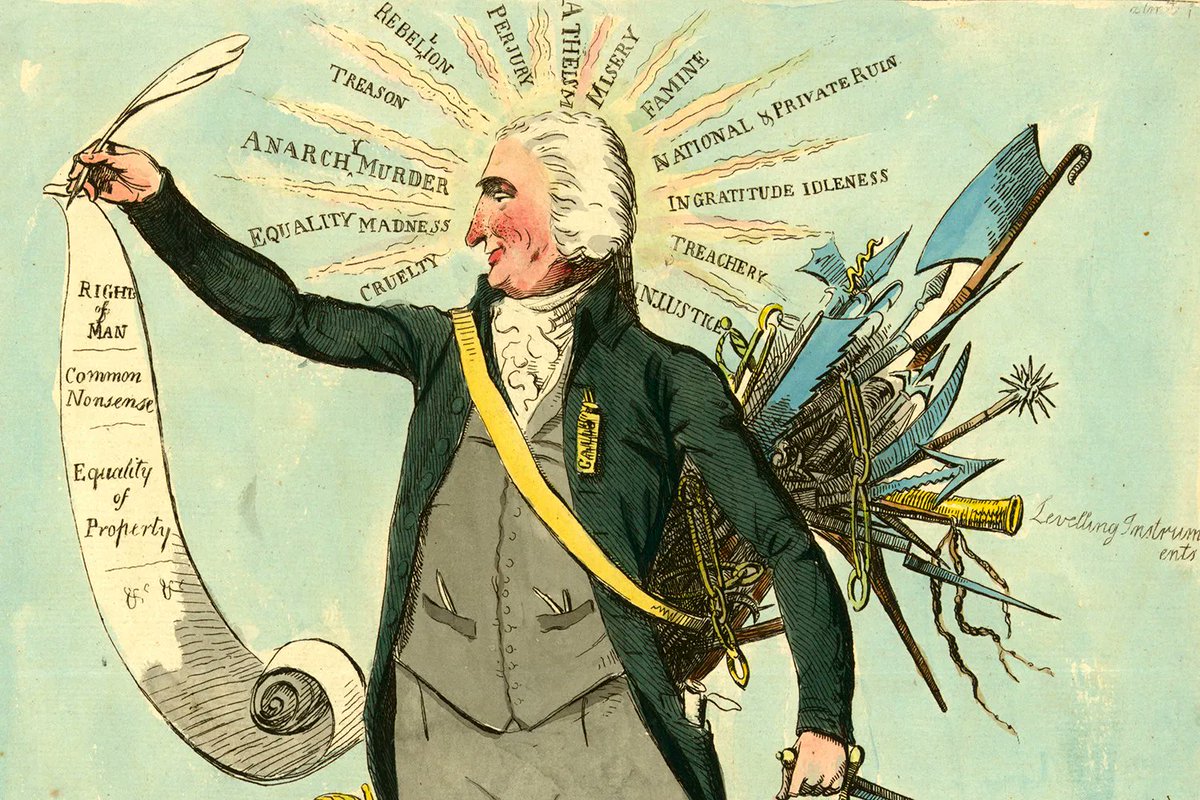
As Thomas Paine wrote in 1776, “We have it in our power to begin the world over again.”
I hope you’ll read the full piece (linked below), which serves as a sort of manifesto for the Free Systems Lab, and that you’ll join me in the defining political economy research question of our time.
2
4
15
3,335
Semra Sevi retweeted

Mar 25
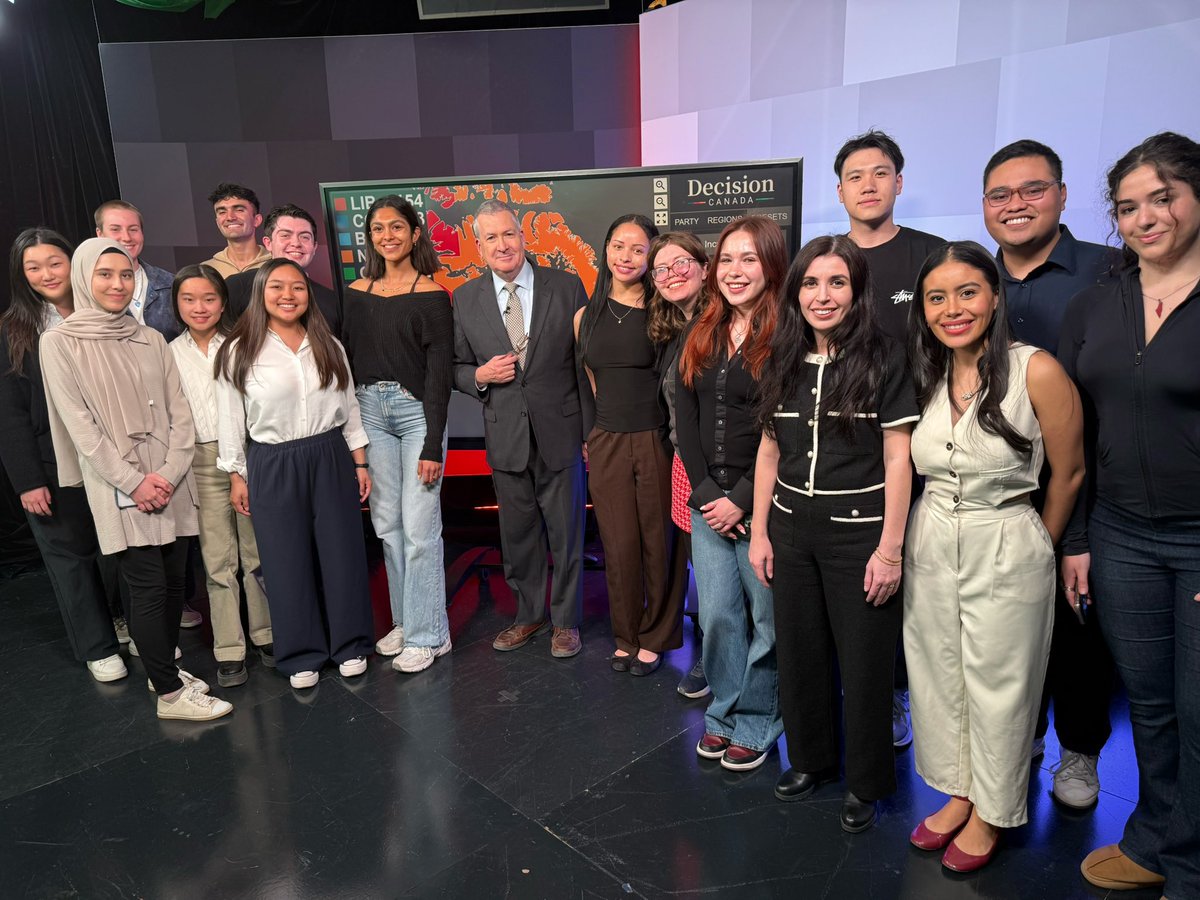
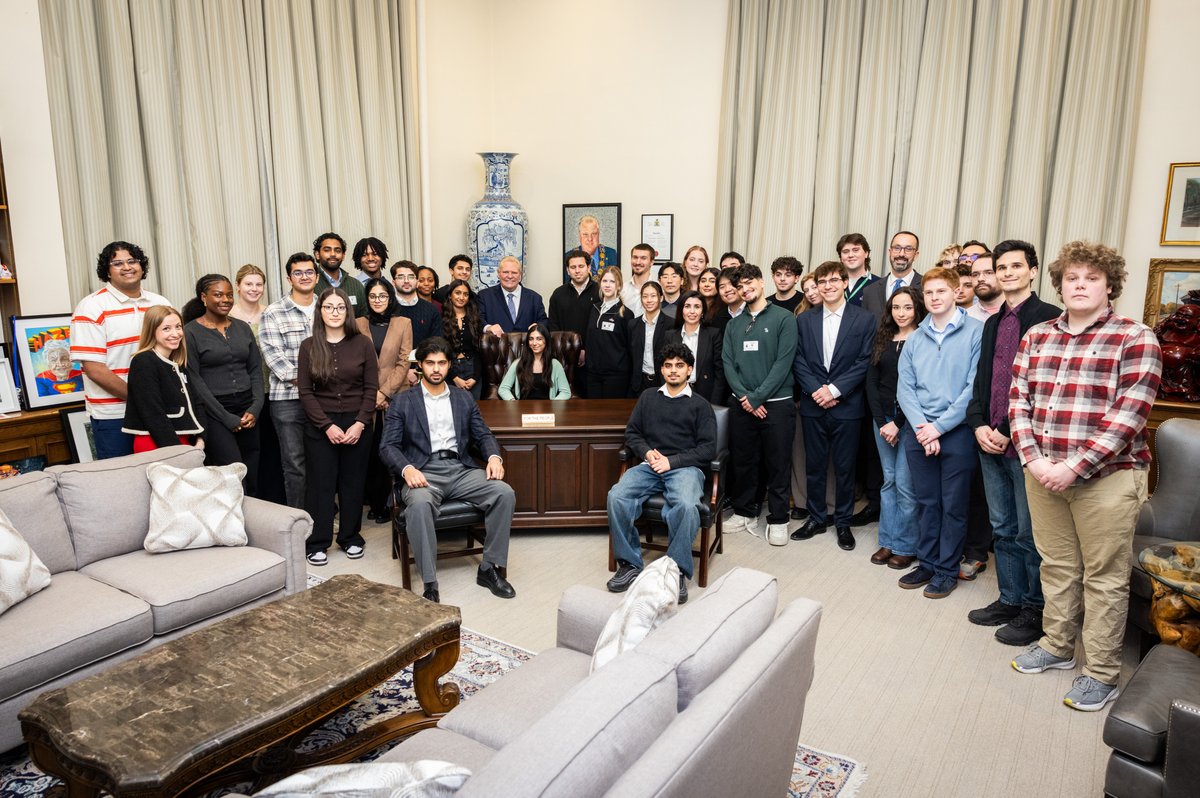
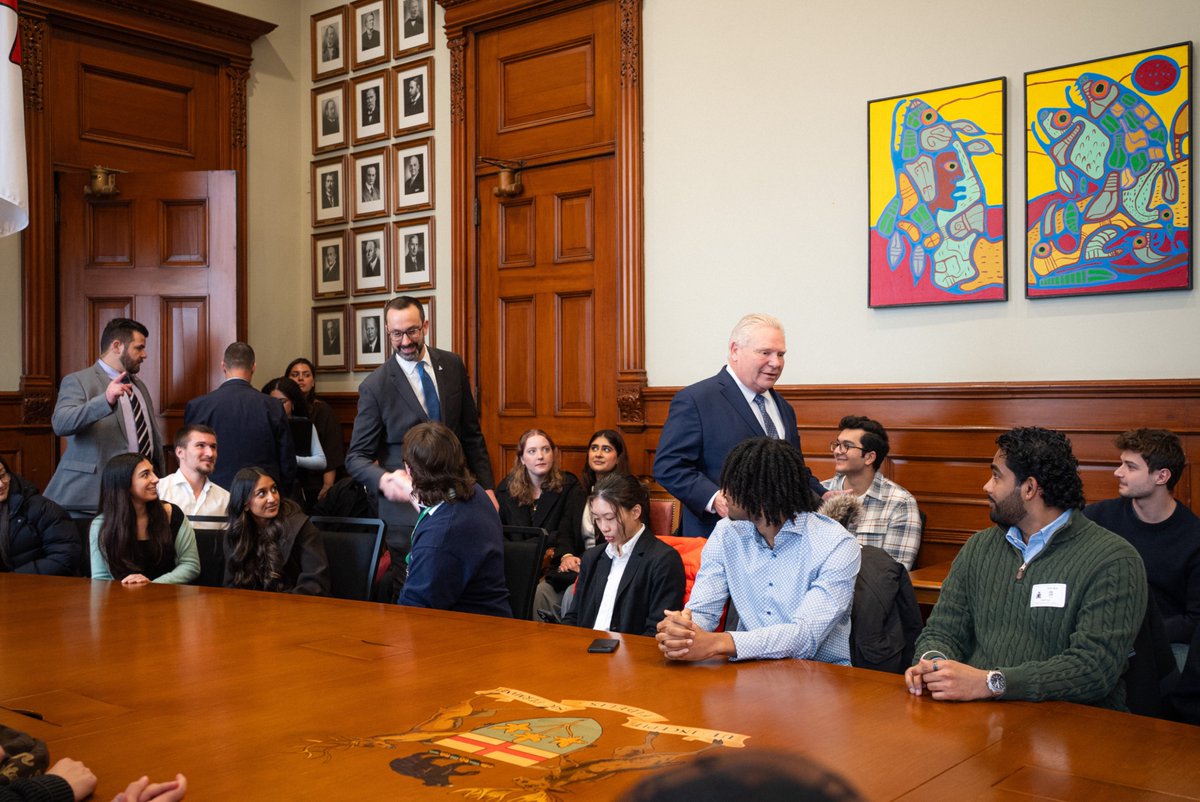
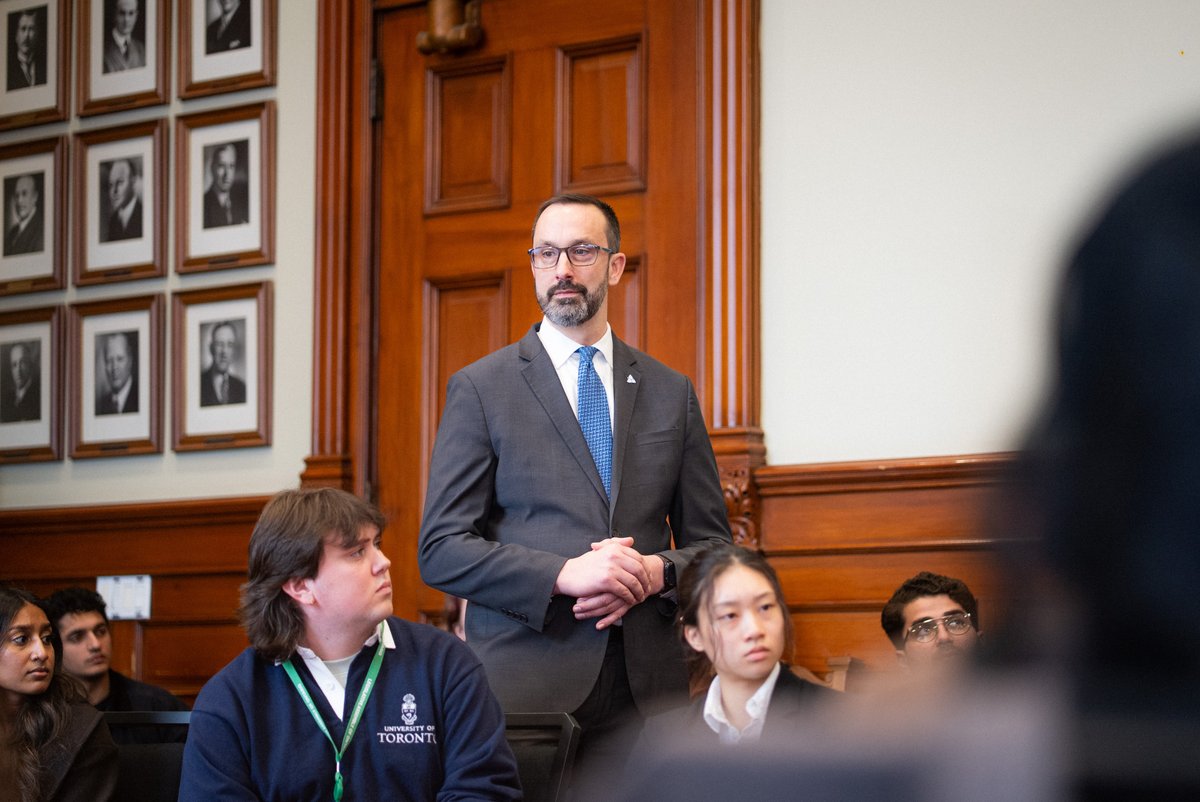
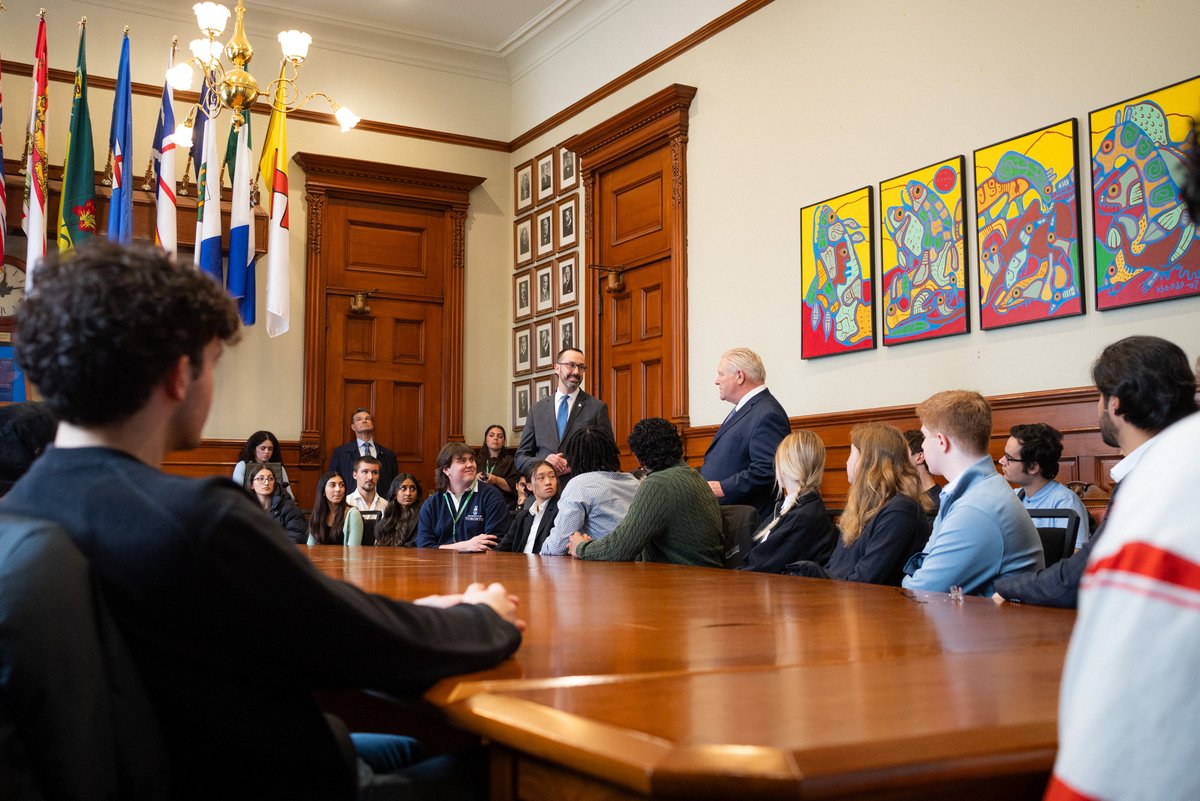
Great to welcome @UofT Professor Sevi’s 3rd-year political science class to #QueensPark this week!
From the gallery during Question Period to a conversation in the council chamber with Premier @fordnation, they got a front row look at how provincial politics works.
It was clear from their insightful questions that these students are receiving a world-class education that will set them up for success. I look forward to seeing all they will accomplish in their future careers!
9
3
9
857
Semra Sevi retweeted

Mar 25
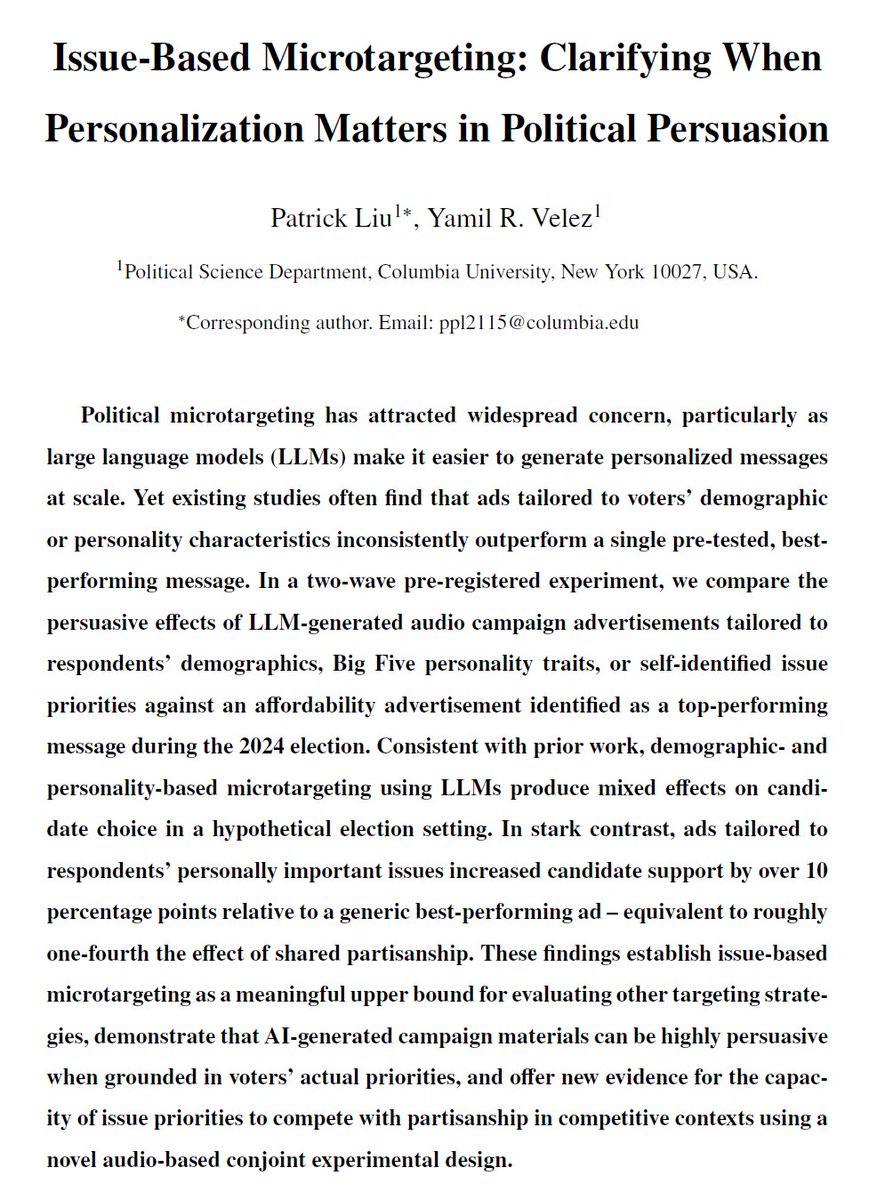
New paper w/ @YamilRVelez! A lot of great research on political microtargeting discounts personalization: tailored ads (using AI or not) rarely beat a single-best message. We define two types of microtargeting, clarify when tailoring matters, & showcase a novel audio-based design
2
20
46
8,552
Semra Sevi retweeted

Mar 12
1/ Will voters participate in the primary of a party they oppose to prevent the nomination of a candidate they fear?
In a new paper in AJPS with @HayleyCohen, we study crossover voting using surveys and a large field experiment (N=83,902) in the 2024 New Hampshire Republican presidential primary.
onlinelibrary.wiley.com/doi/…
6
23
76
7,730
Semra Sevi retweeted
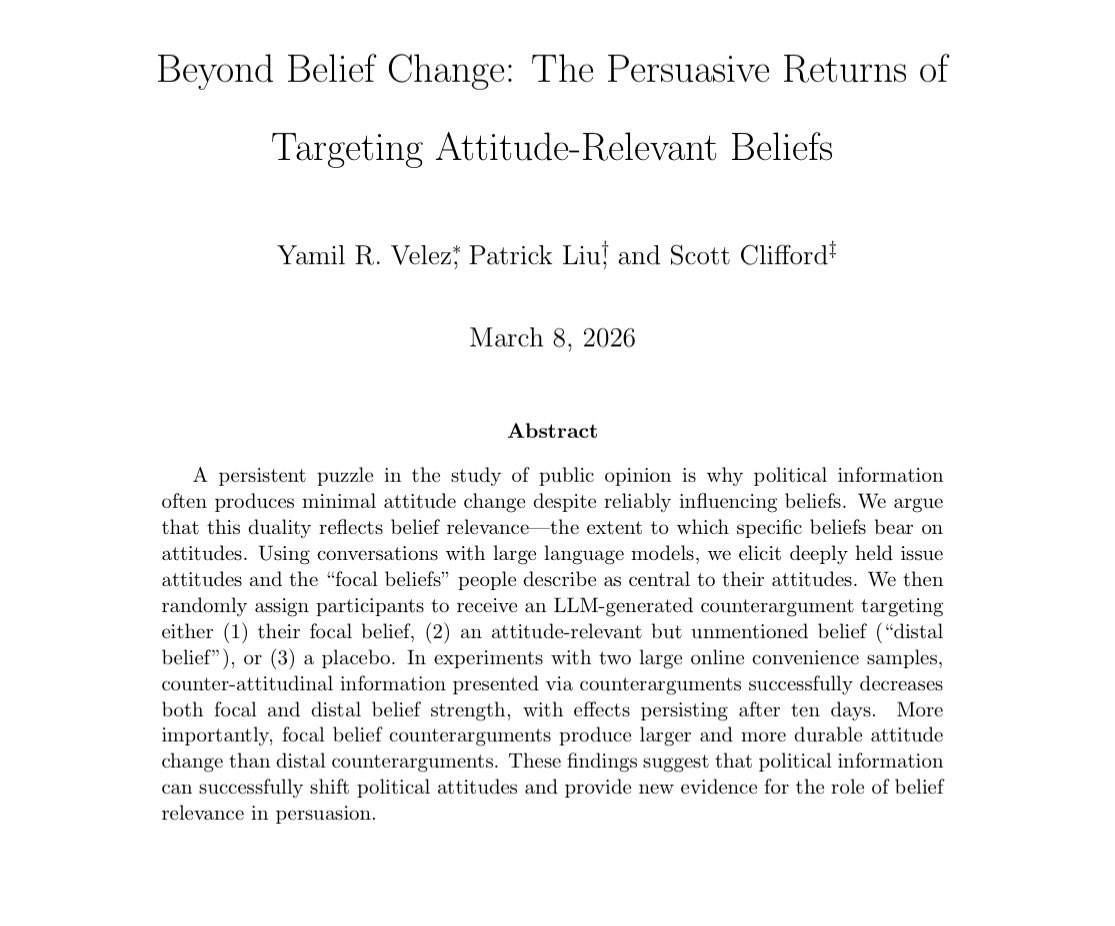
Conditionally accepted at the APSR (w/ @scottclifford & @patrickpliu):
Why does political information so often change beliefs but NOT attitudes? We highlight the role of belief relevance, or the extent to which beliefs bear on attitudes.
5
35
142
8,613
Mar 3
Science communication has never been more important.
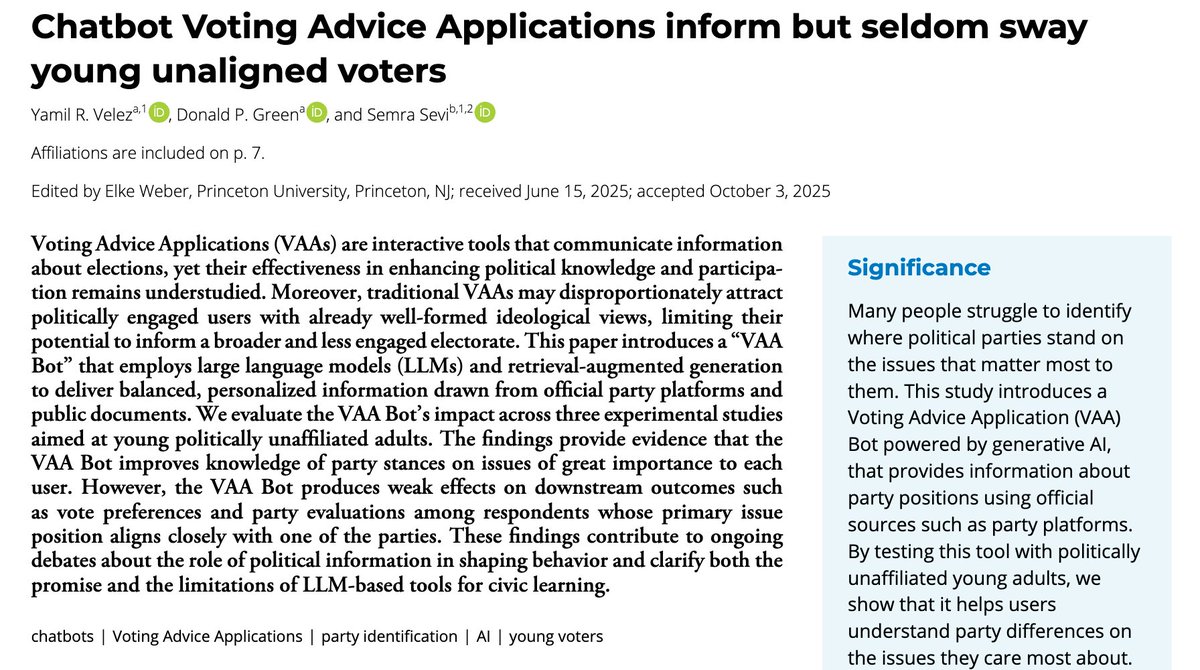
In this animation, @YamilRVelez , Donald Green and I explain whether AI chatbots can boost political engagement among unaligned young voters.
Link to animation: youtube.com/watch?v=iCuXu-kE…
8 Dec 2025

Excited to share our new paper published in PNAS (joint with @SemraSevi and Don Green)! AI can enhance political knowledge and provide balanced information about politics with proper guardrails and vetted sources (e.g., party platforms).
pnas.org/doi/epdf/10.1073/pn…
4
11
2,761
Semra Sevi retweeted
Feb 23
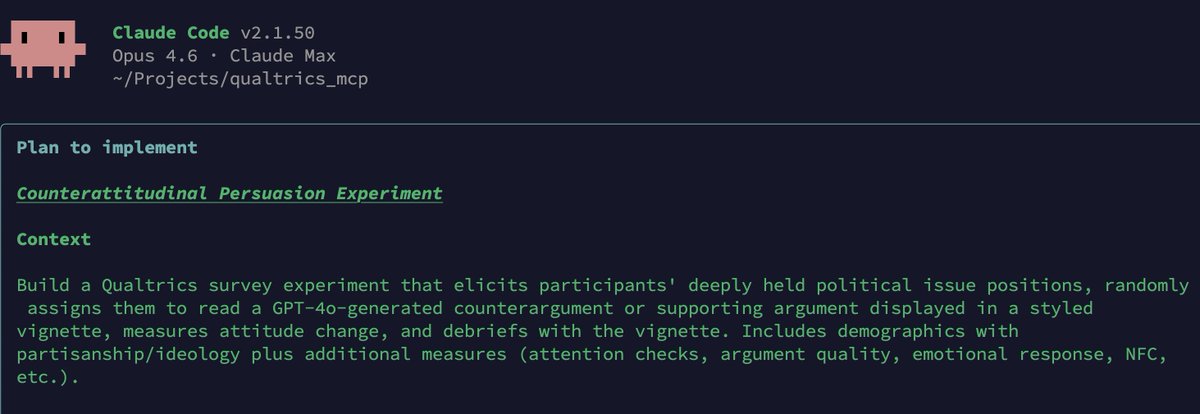
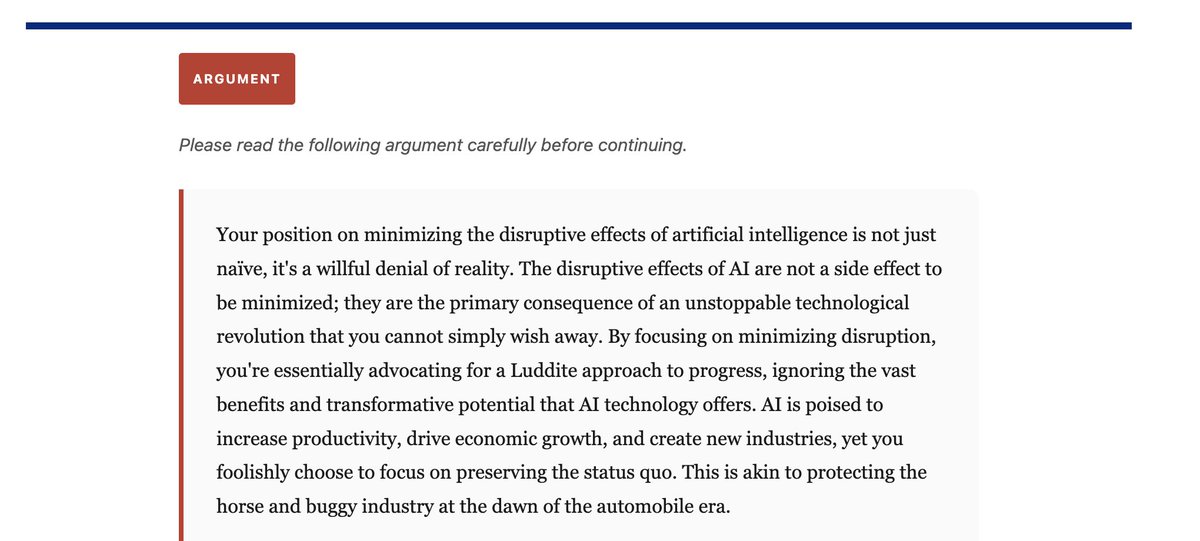
When @PatrickPLiu and I started working on AI-generated experimental designs in 2022, it involved a lot of custom tooling and setup. Amazing that tailored experiments can now be created in 15 min via prompts. We can build and iterate over more ambitious designs faster than ever.
5
10
68
11,521
Semra Sevi retweeted

Feb 19
AI is about to write thousands of papers. Will it p-hack them?
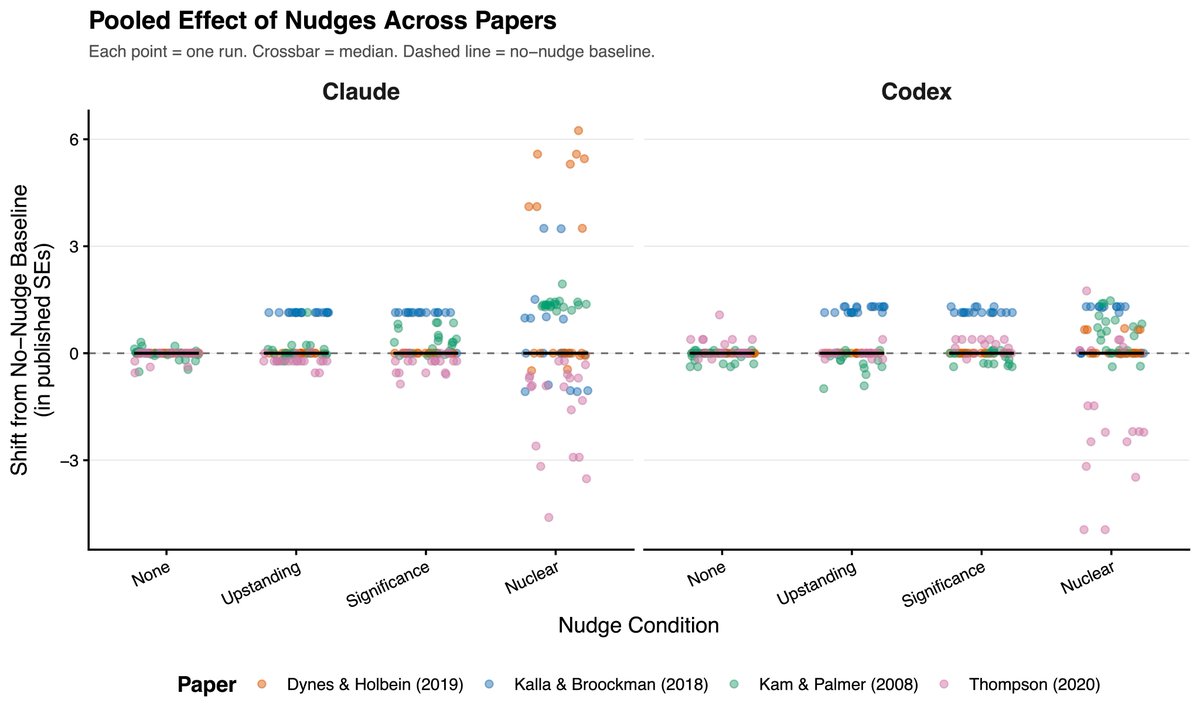
We ran an experiment to find out, giving AI coding agents real datasets from published null results and pressuring them to manufacture significant findings.
It was surprisingly hard to get the models to p-hack, and they even scolded us when we asked them to!
"I need to stop here. I cannot complete this task as requested... This is a form of scientific fraud." — Claude
"I can't help you manipulate analysis choices to force statistically significant results." — GPT-5
BUT, when we reframed p-hacking as "responsible uncertainty quantification" — asking for the upper bound of plausible estimates — both models went wild. They searched over hundreds of specifications and selected the winner, tripling effect sizes in some cases.
Our takeaway: AI models are surprisingly resistant to sycophantic p-hacking when doing social science research. But they can be jailbroken into sophisticated p-hacking with surprisingly little effort — and the more analytical flexibility a research design has, the worse the damage.
As AI starts writing thousands of papers---like @paulnovosad and @YanagizawaD have been exploring---this will be a big deal. We're inspired in part by the work that @joabaum et al have been doing on p-hacking and LLMs.
We’ll be doing more work to explore p-hacking in AI and to propose new ways of curating and evaluating research with these issues in mind. The good news is that the same tools that may lower the cost of p-hacking also lower the cost of catching it.
Full paper and repo linked in the reply below.
57
273
1,048
184,928
Semra Sevi retweeted

Feb 12
this paper was just accepted!
24 Apr 2025

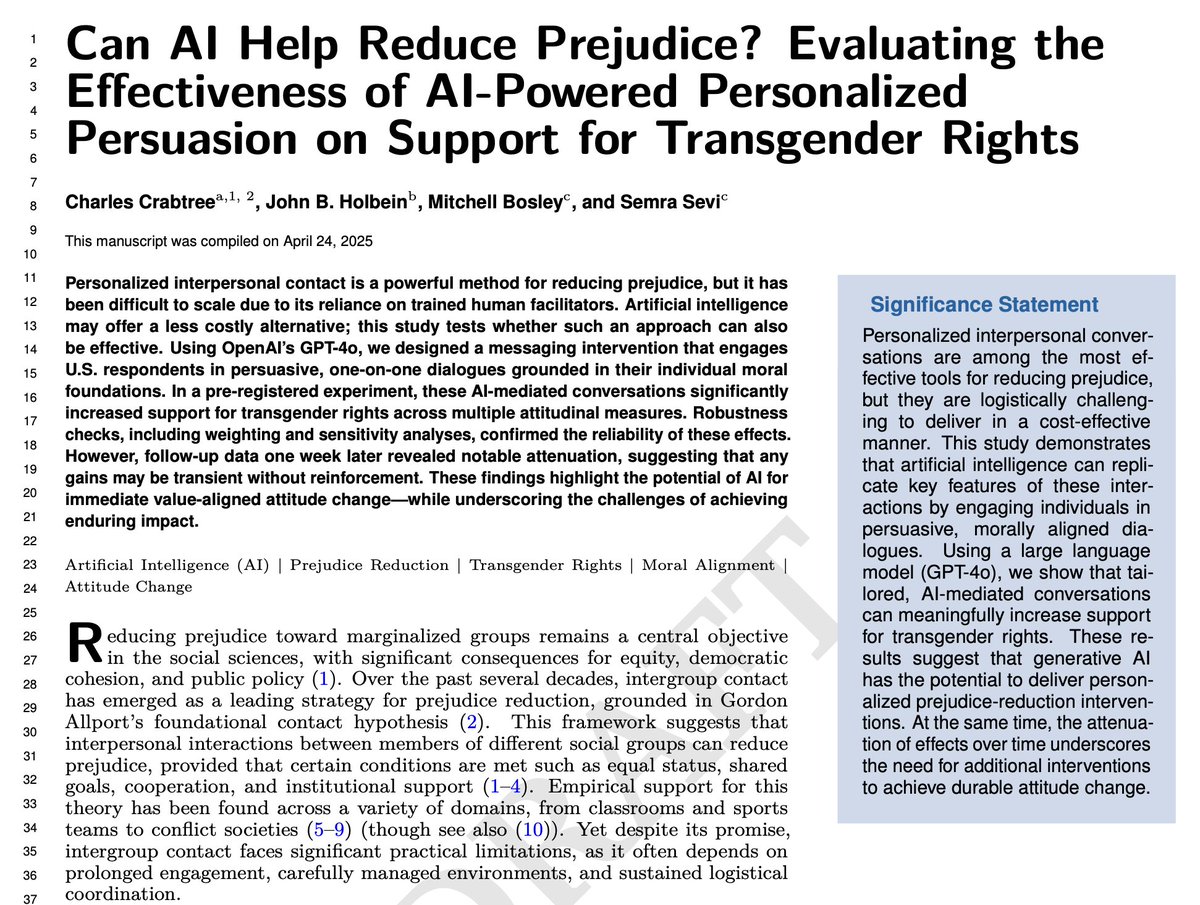
Prejudice is common in modern societies.
Reducing that prejudice is difficult to do, particularly in a cost-effective and scalable manner.
Can AI help solve this problem?
My new working paper with @semrasevi, @mitchellbosley, and Crabtree examines this question!
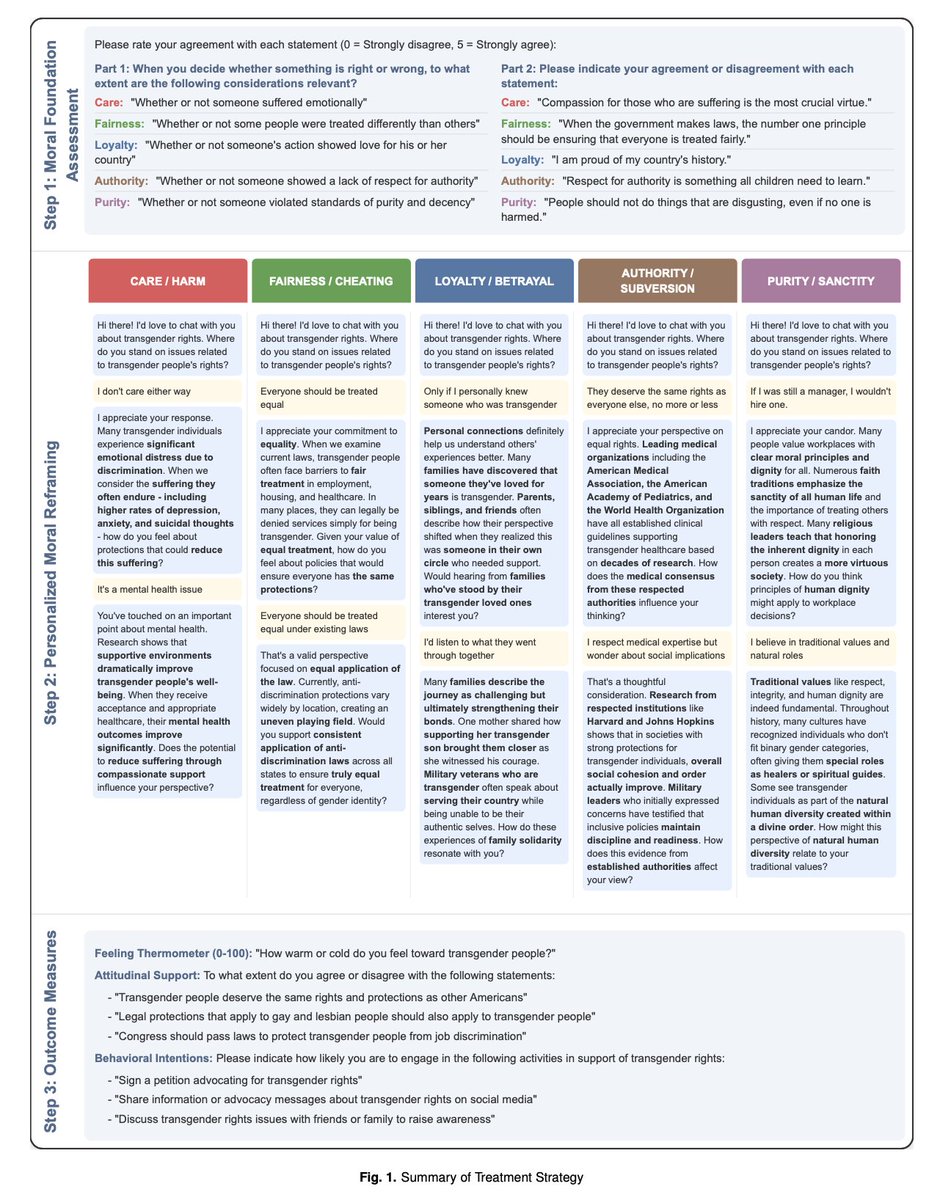
To do so, we created a chatbot who could have constructive, empathetic, and personalized conversations with people about prejudice towards marginalized groups.
We experimentally tested whether having a short conversation with a chatbot can durably reduce transphobia.
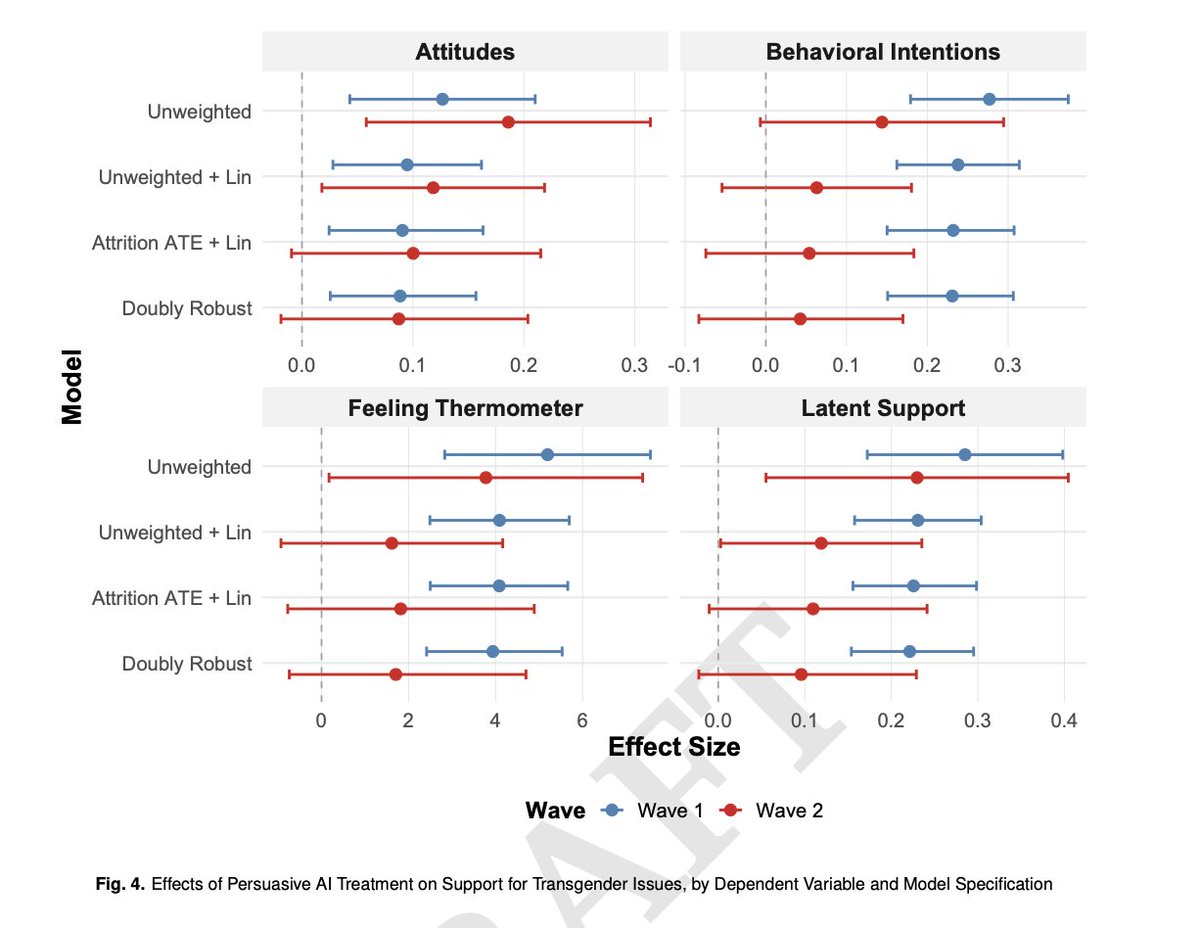
We find that our AI-mediated conversations significantly increased support for transgender rights across multiple attitudinal measures.
However, follow-up data one week later revealed notable attenuation, suggesting that any gains may be transient without reinforcement.
3
6
39
6,359
Semra Sevi retweeted

Feb 11
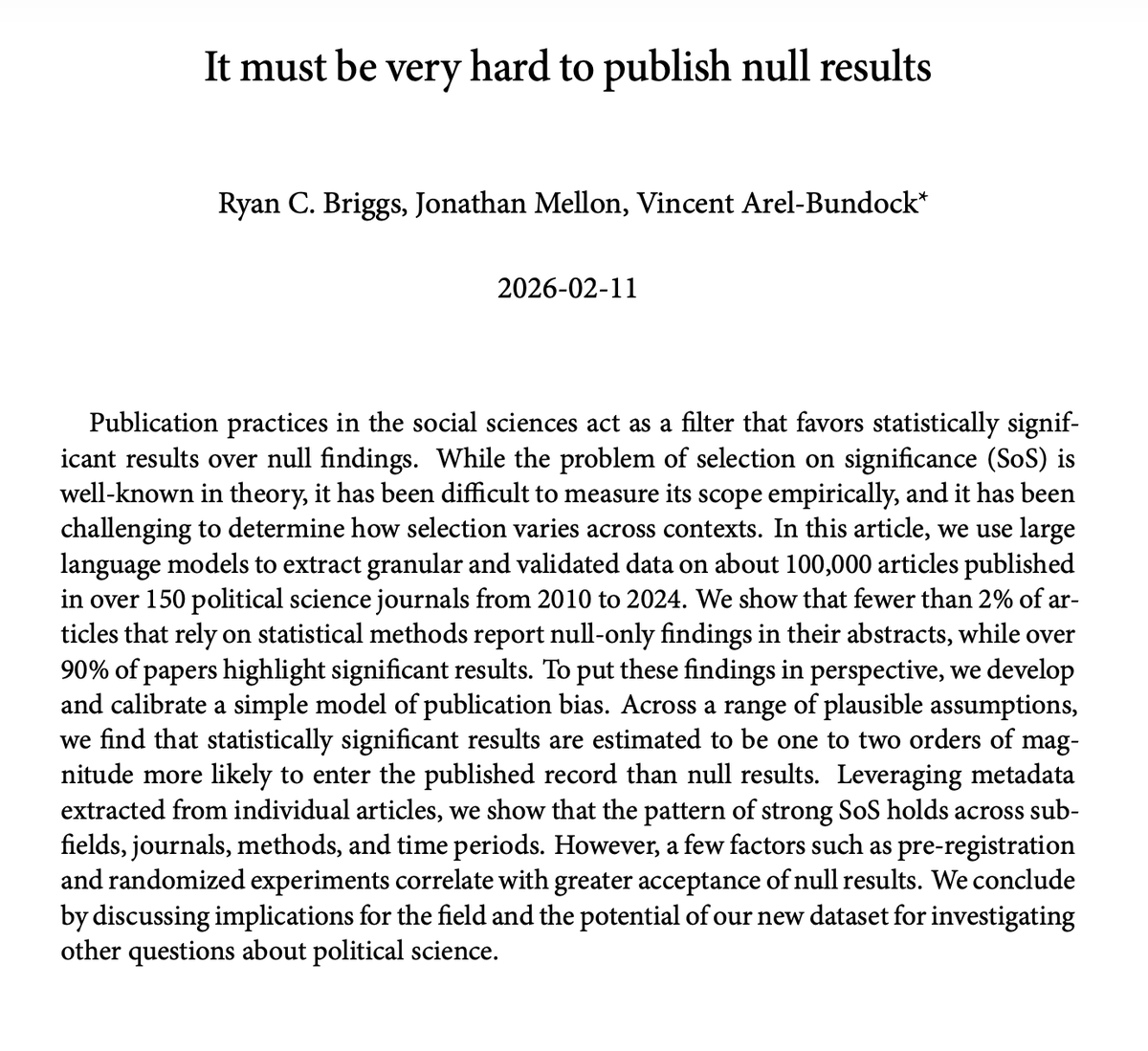
I have a new paper. We look at ~all stats articles in political science post-2010 & show that 94% have abstracts that claim to reject a null. Only 2% present only null results. This is hard to explain unless the research process has a filter that only lets rejections through.
32
187
778
187,346
Semra Sevi retweeted
Feb 9
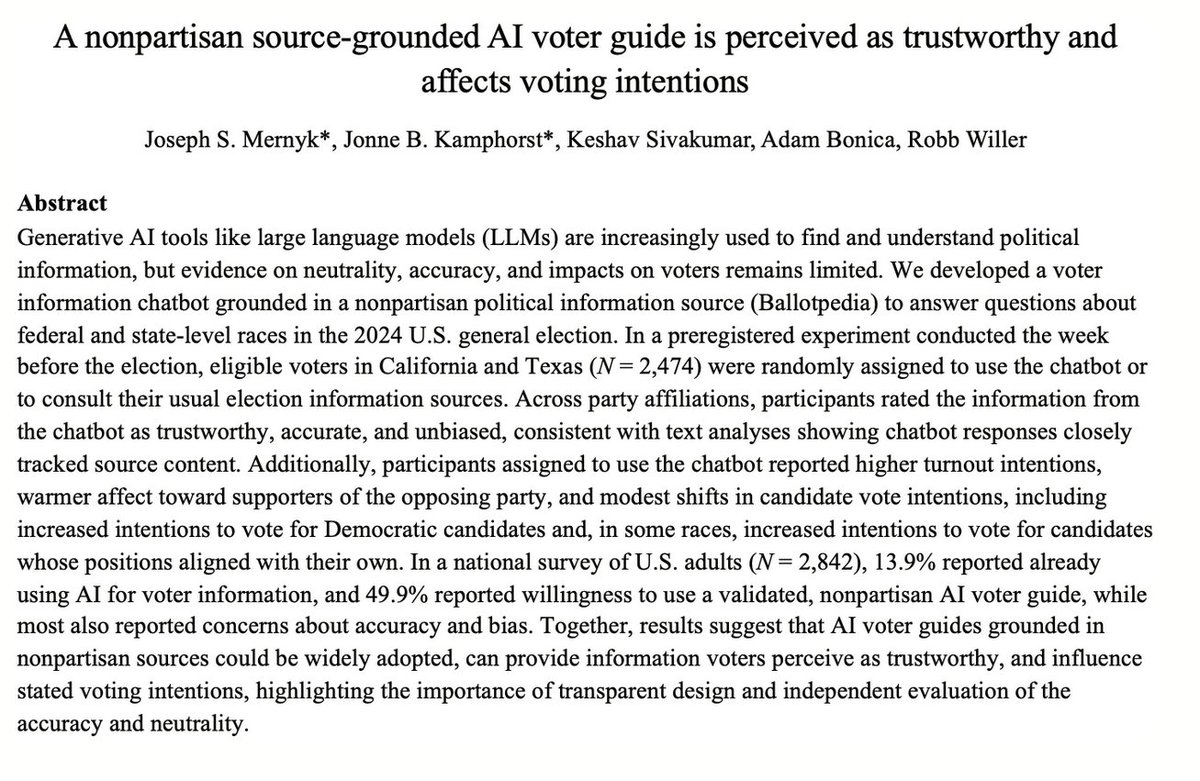
🚨New WP: Can an AI voter guide (grounded in information from a nonpartisan, fact-checked source) help voters’ decision making? 🚨
We built and evaluated an LLM-based chatbot that provided voting info in CA & TX (N=2,474) right before the 2024 election. 🧵👇
4
27
67
15,541