Joined January 2018
- Tweets 2,598
- Following 1,121
- Followers 1,313
- Likes 7,237
200 Photos and videos
Pinned Tweet

Mar 4
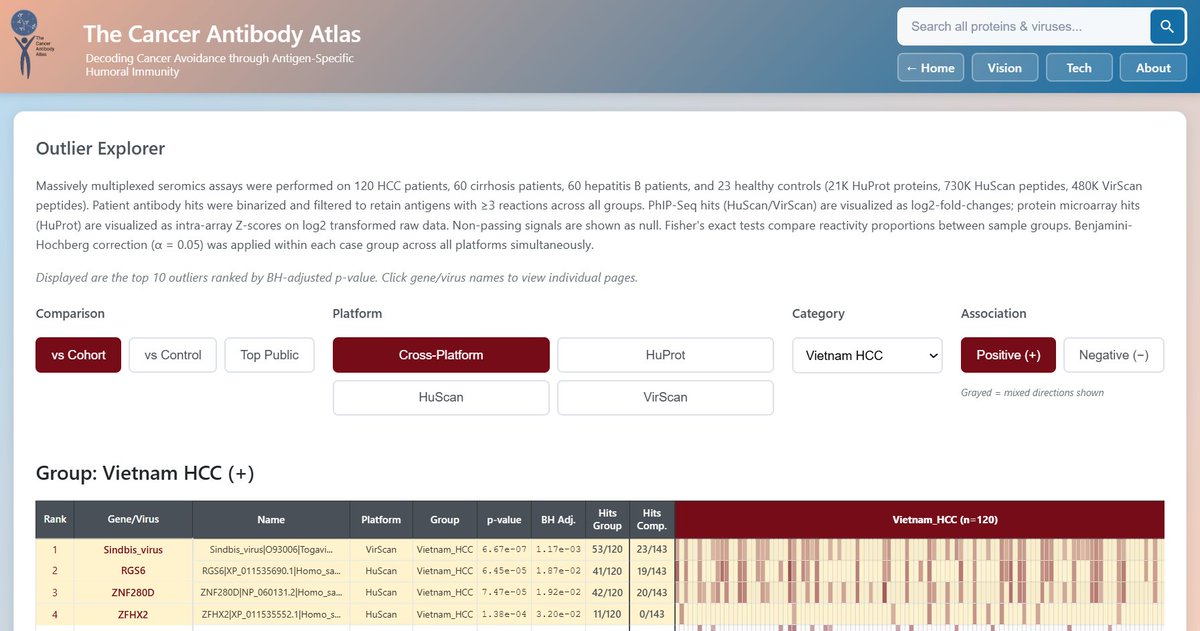
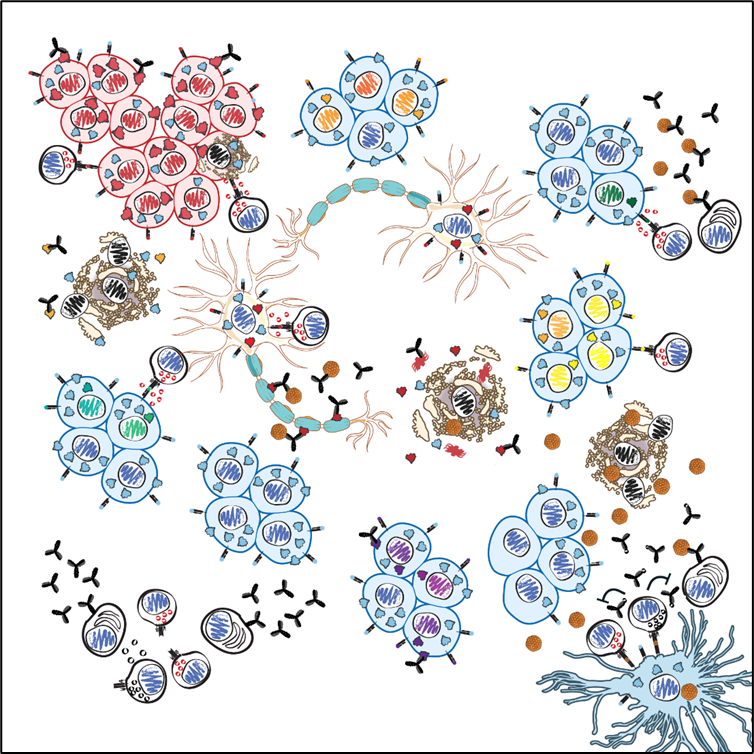
Will be the largest antigen-specific atlas of humoral immunity yet-constructed with >16K cancer and aging serum samples.
Thank you to @CancerGrand & @casanova_lab for supporting and taking a chance on this.

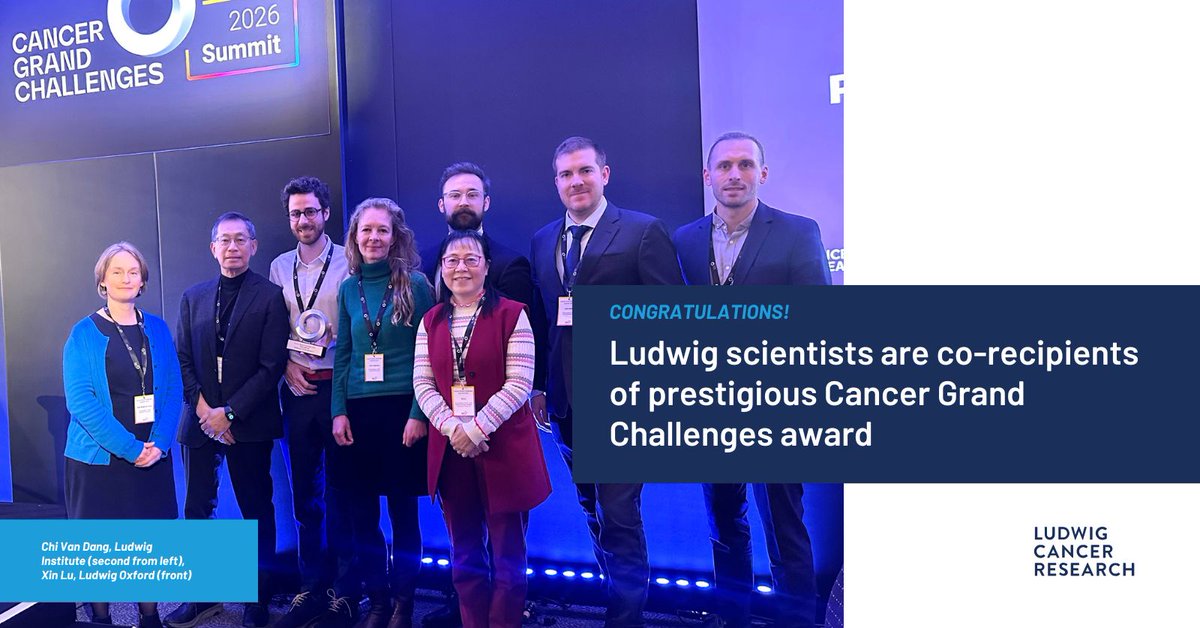
Congrats to Ludwig Oxford Director Xin Lu and Chi Van Dang, CEO & scientific director of the Ludwig Institute for Cancer Research, who’ve received a Cancer Grand Challenges award as members of the ATLAS team to take on the challenge of “Cancer Avoidance”. bit.ly/3N5Ac77
2
10
1,783
Tyler Hulett retweeted

Jun 11
THIS IS THE BEST PAPER OF 2026 SO FAR, A MONUMENTAL BREAKTHROUGH, A REVOLUTION IN THE FIELD OF INFLAMMATORY CONDITIONS:
Interleukin-10 Autoantibodies and HLA-DRB1*01:03 in Inflammatory Bowel Disease | New England Journal of Medicine nejm.org/doi/10.1056/NEJMoa2…
12
103
436
46,811
Jun 11
Autoantibody mistakes appear “permanent” once acquired; it’s part of why I think chronic diseases not getting better once acquired are a callsign of autoabs as mechanism (for long COVID, ME/CFS, MS, lupus - there is already clear evidence, but I believe this is likely much broader and applies to other mystery diseases that “don’t go away” like ALS, Parkinson’s, schizophrenia - could also make such diseases curable with plasma cell depletion as some are exploring).
Jun 10

What really confuses my brain is how Long Covid doesn’t get better over time. The body can heal but it isn’t healing. Why? Why is the process ongoing? 6 years for me & I still can’t work & live a somewhat normal life
#LongCovid
1
2
12
1,103
Jun 10
The real danger in bio is smallpox resurrection - possible via copying a decade old paper, an order from Twist, and maybe help from a GPT 3.5 tier model.
Fable lockout is security theatre.
1
1
11
369
Jun 10
^^^ ie biosecurity is best done at synthesis bottlenecks - nothing about current Fable likely to enable dangers already extant. Caught Opus 4.8 throwing Ricin into my “human exposure brainstorm” just last week lol
136
Jun 4
Impacts of antigenic first sin on antiviral antibodies? Well established; observed again here.
Impacts of antigenic first sin on autoantibodies? Entirely unexplored. Imagine our very first immune mistakes lead to a lifetime of health impacts…

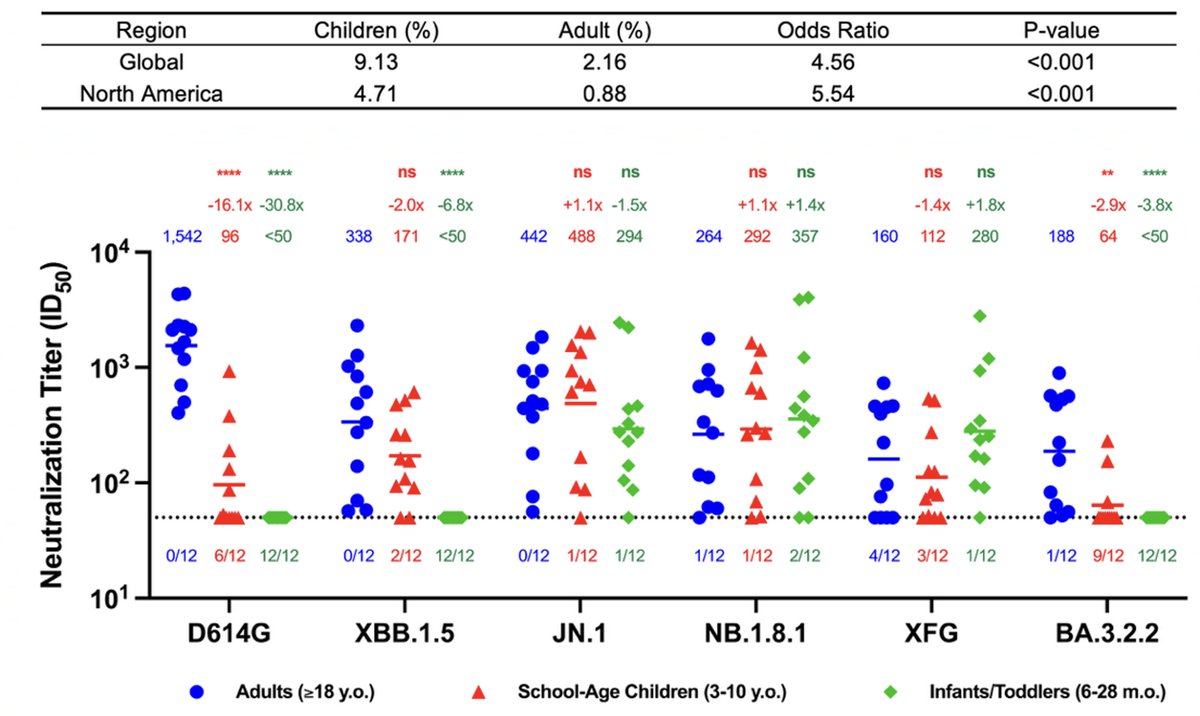
New data from David Ho's lab showing that while adults & kids have ~equal antibody responses to XFG & NB.1.8.1, children have essentially no neutralizing antibodies to BA.3.2.
This seems to largely solve the BA.3.2 kids mystery. 1/14
1
2
259
Jun 4
It’s nearly impossible to beat viral evolution. But simple horizontal transfer of naturally evolved traits is trivial to try, can create surprising results.
Sometimes all it takes is swapping in that interesting new pangolin RBD, maybe a well placed furin cleavage site…
Jun 4

Pretending like someone with an AI model and some gene synthesis is anything close in threat scale to the horrible diseases that we have spent centuries beating back serves more to market AI tools than provide a sober realistic assessment of threats
1
213
Jun 4
^I still like the “can’t beat evolution” re: danger of potential off-world pathogens; ie how could a bug on Mars be better at killing you than one evolved to do that here? But horizontal transfer within earth pathogens / smallpox resurrection - that scares me….
98
Jun 4
We often think of tumor antigens as mere passengers. But the frequency of some suggests beneficial selection and perhaps more “evasion mechanism” than “antigen”…
Tumors like decorating themselves with PD-L1 for a reason. Could it be the same for MAGEA3 et al?
Jun 4

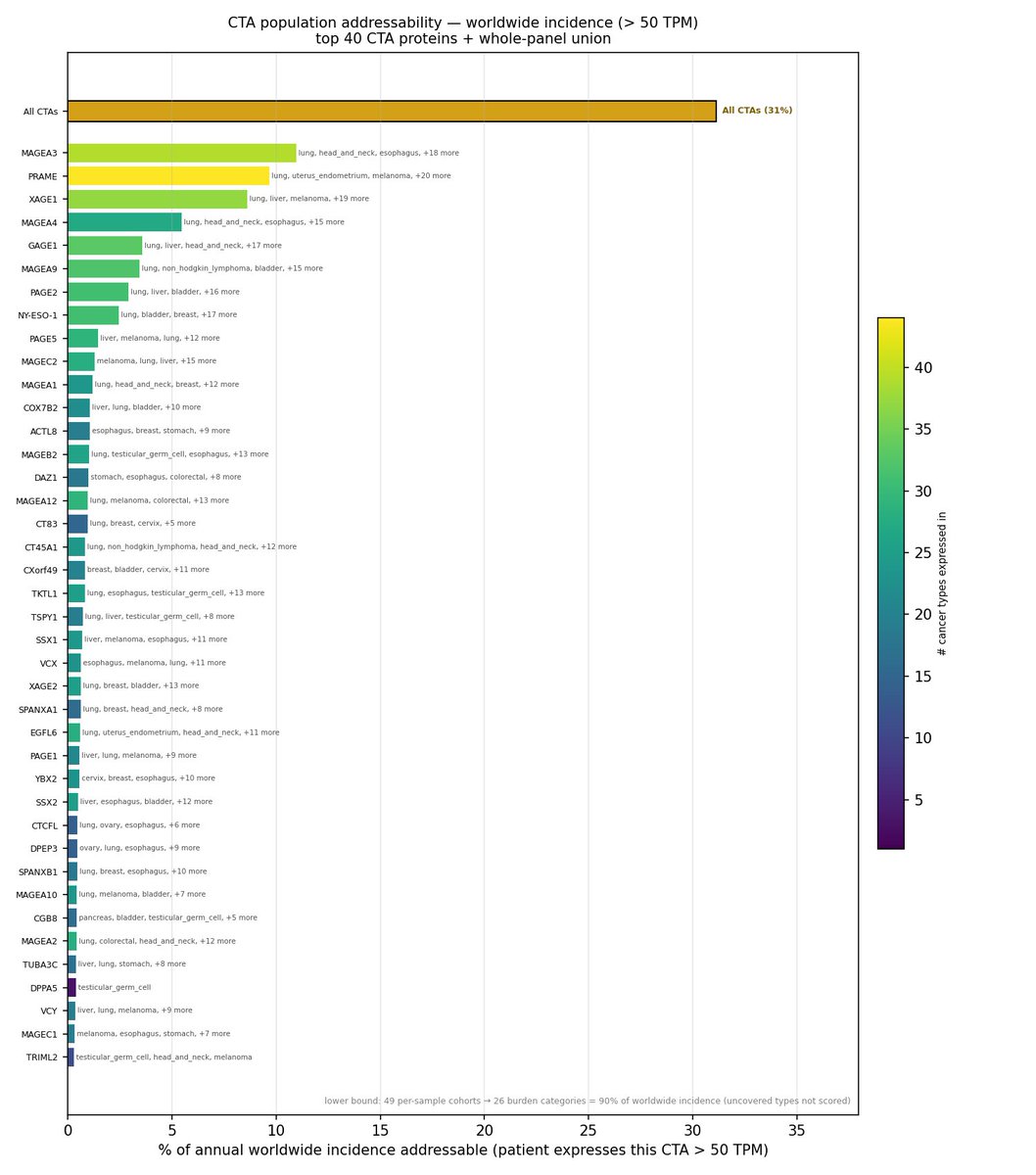
I've been hand-waving a lot about how under-appreciated cancer-testis antigens are as an alt target space for personalized immunotherapies.
Starting to put numbers on potential impact, eg how many patients have high expression of 1 CTA.
first attempt: ~1/3 of all cancers
3
393
May 29
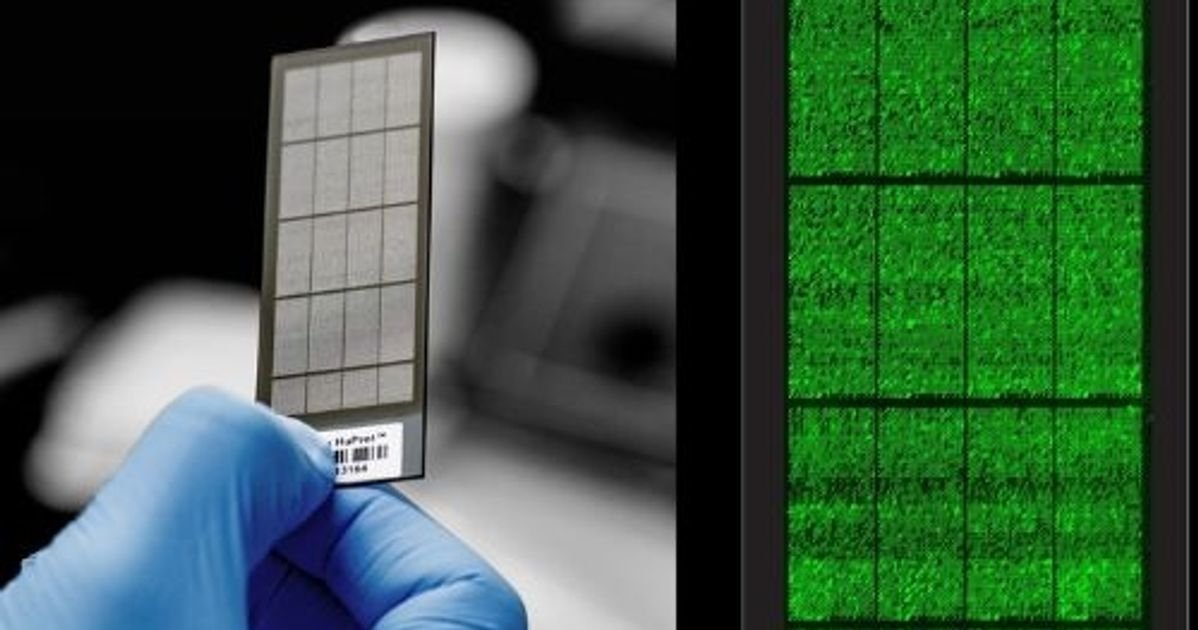
While we ran these arrays - something special I’d missed.
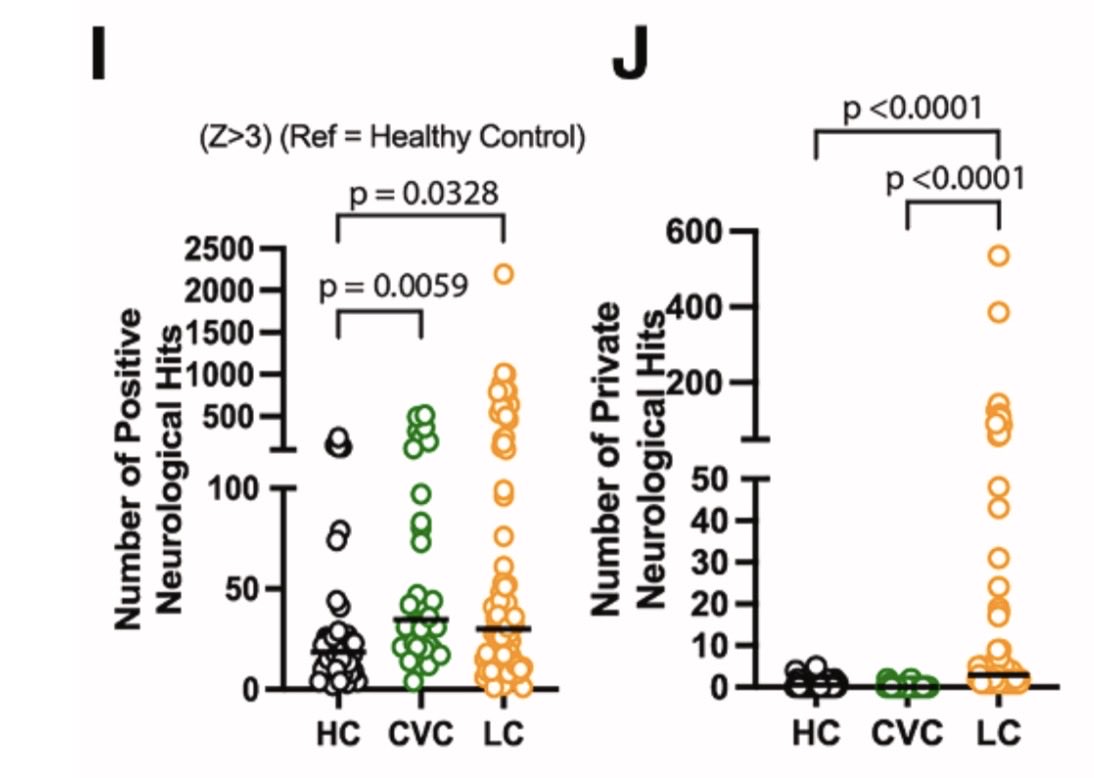
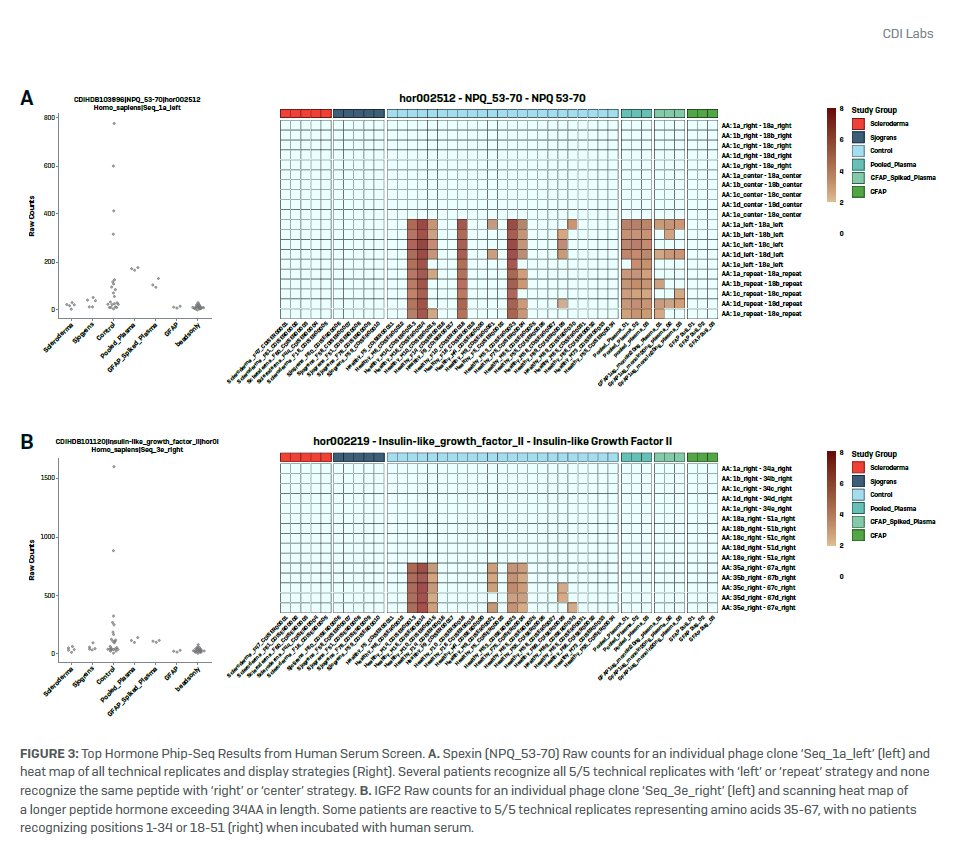
Most autoantibodies are private. Categorical enrichments happen. Known! (Fig 3I).
But private autoabs within an ontology … another layer entirely (Fig 3J).
Suggests (mechanistic?) individuality beyond shared abs!

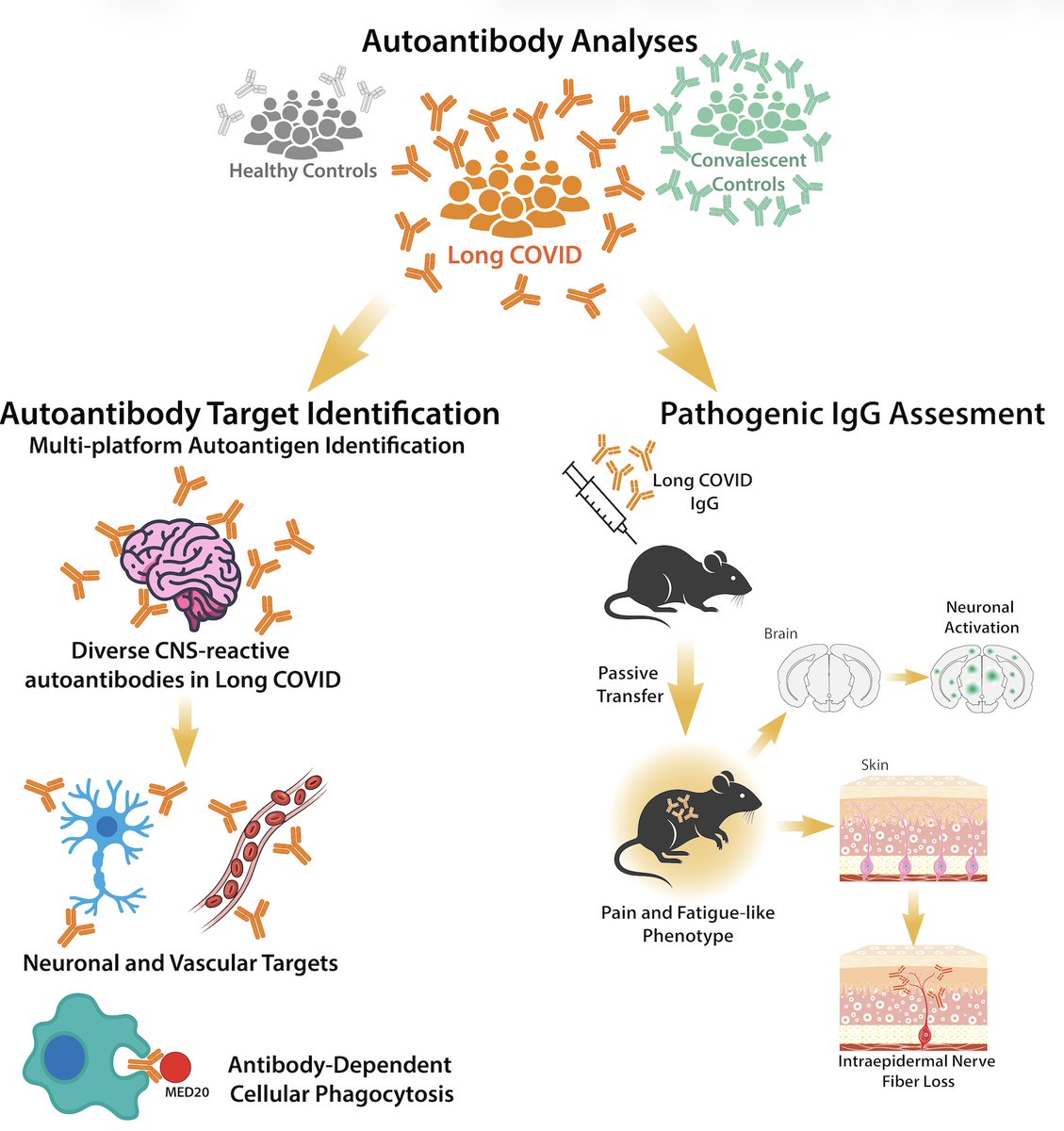
Excited to share our study by @keylas3 et al. on pathological autoantibodies in people with Long COVID. We asked whether IgG in patients with Long COVID bind to human tissues/antigens and cause pathologies when transferred into mice. With @PutrinoLab
doi.org/10.1016/j.cell.2026.…
1
2
8
1,153
Tyler Hulett retweeted

May 11
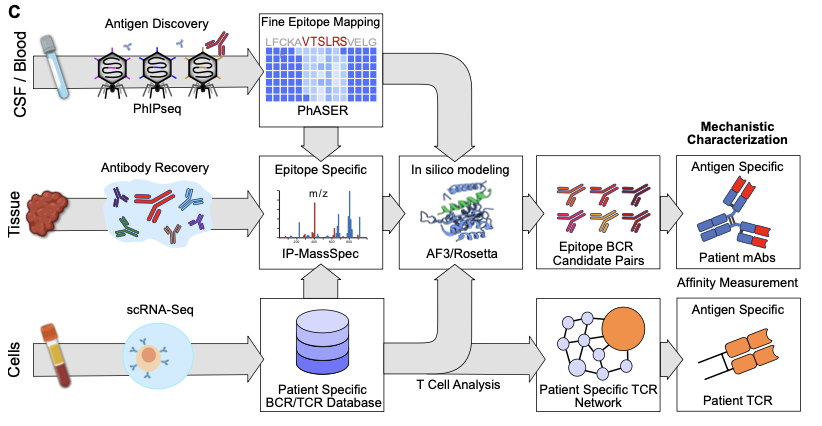
Thrilled to share our new preprint: "AEGIS reveals epitope- and clone-resolved convergence of CNS B and T cell autoreactivity in ROHHAD." Important implications for mechanistically understanding autoimmunity! Massive team effort (attributions at end).
biorxiv.org/content/10.64898…
1
2
9
409
May 8
I made this figure.
Having looked at many thousands of similar plots - this result is very striking. Will attempt to explain….
Daratumumab (anti-CD38) has partially reset autoantibody repertoires in this trial.
The cohort is small, but the reset effect occurs more in responders than non-responders.
What you typically see at paired timepoints looks like the “untreated” patients at bottom. Very tight and reproducible autoantibody repertoires across time. We and others have published on this. It is hard to get autoantibody repertoires to change (Bodansky et al 2024 shows BCMA CAR-T can do it, but not anti-CD20 - a B cell depletion that does not reset long lived plasma cells).
The plot is an intra-patient z-score scatter of raw HuProt protein microarray IgG autoantibody data before treatment, and then one year later. Each dot is a unique human protein. Most of the autoantibody events are private to individual patients. You can quantify these events to call “hits” with a simple binary cutoff (z>3).
Colored are unique antibody hits for patients in each sample pair. Blue occur ONLY at baseline, red pass threshold in both samples, yellow only post-treatment). You’ll note that all patients preserve a dominant autoantibody signature (red diagonal) demonstrating that the autoantibody reset is not perfect - the most dominant clones hold out in most patients.
You’ll note in the responder scatters “blue blobs” - these are the dozens of autoantibodies that go-away post therapy. You’ll note this blob looks a bit larger in the responders.
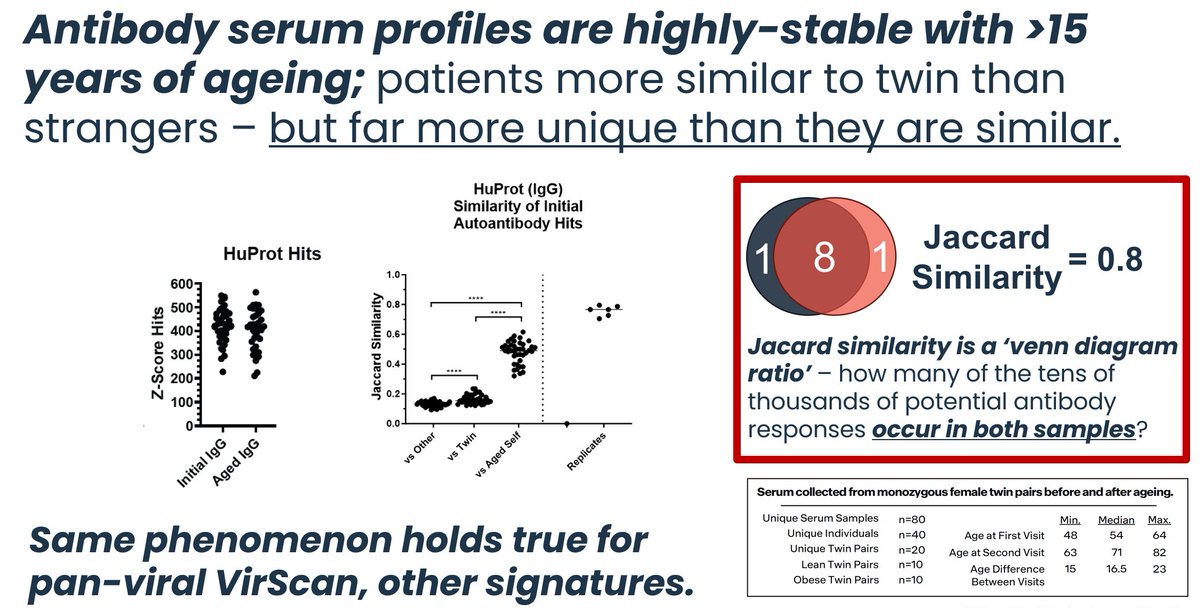
You can quantify the amount of this reset with a sort of Venn diagram ratio of target overlaps called a jaccard similarity. The untreated patients are about a 0.8/1 meaning nearly all the dots are red and all autoantibodies are shared at both timepoints by a simple binary categorization. I’ve seen that same ratio in thousands of other pre vs post timepoint autoantibody samples.
And thus, I find changes in that ratio quite striking! The treated non-responders have a median jaccard ratio about 0.5/1 and the responders about 0.3/1 which are the largest changes I’ve ever seen in HuProt data from the same individuals longitudinally. The amount of autoantibody hits that disappear also correlate with magnitude of patient improvement (SF 36PF scores, another slide from talk). The identities of the autoantibodies which disappear most is somewhat shared between the responders and also quite interesting- but will be up to the authors to reveal those results. Hard to be too certain about mechanistic autoantibodies as biomarkers in any study this small.
6
20
78
5,251
May 8
If drug-like autoantibodies vs cytokines, etc can harm natural anti-tumor immunity - “resetting the autoreactome” via anti-CD38 could become a critical tool in non-myeloma immunotherapy protocols; and perhaps also contributes to myeloma effect here: x.com/seromics/status/203881…
Mar 31

Did the daratumumab *just* destroy the myeloma - or did it *also* knock out a T-cell suppressing autoantibody? Daratumumab depletes long-lived plasma cells via CD38 & potentially-harmful immune-altering autoantibodies - not just the cancer! @casanova_lab
1
6
608
May 7
Really excited to have helped with this work. We are just at the start of decoding all the ways autoantibodies affect human health
2
7
69
3,057
May 7
An incredible achievement. We are going to make a PhIP-Seq library of all these new discoveries as part of cancer antibody ATLAS. Imagine autoimmunity to some of these will have surprising impacts for good or ill.

Expanding the human proteome with microproteins and peptideins | Nature #cancervaccines nature.com/articles/s41586-0…
9
2,071
Tyler Hulett retweeted
1/ We are thrilled to share our collaborative study of B cells producing auto-Abs neutralizing type I IFNs in @CellPressNews (cell.com/cell/abstract/S0092…).
4
28
105
10,913
Apr 3
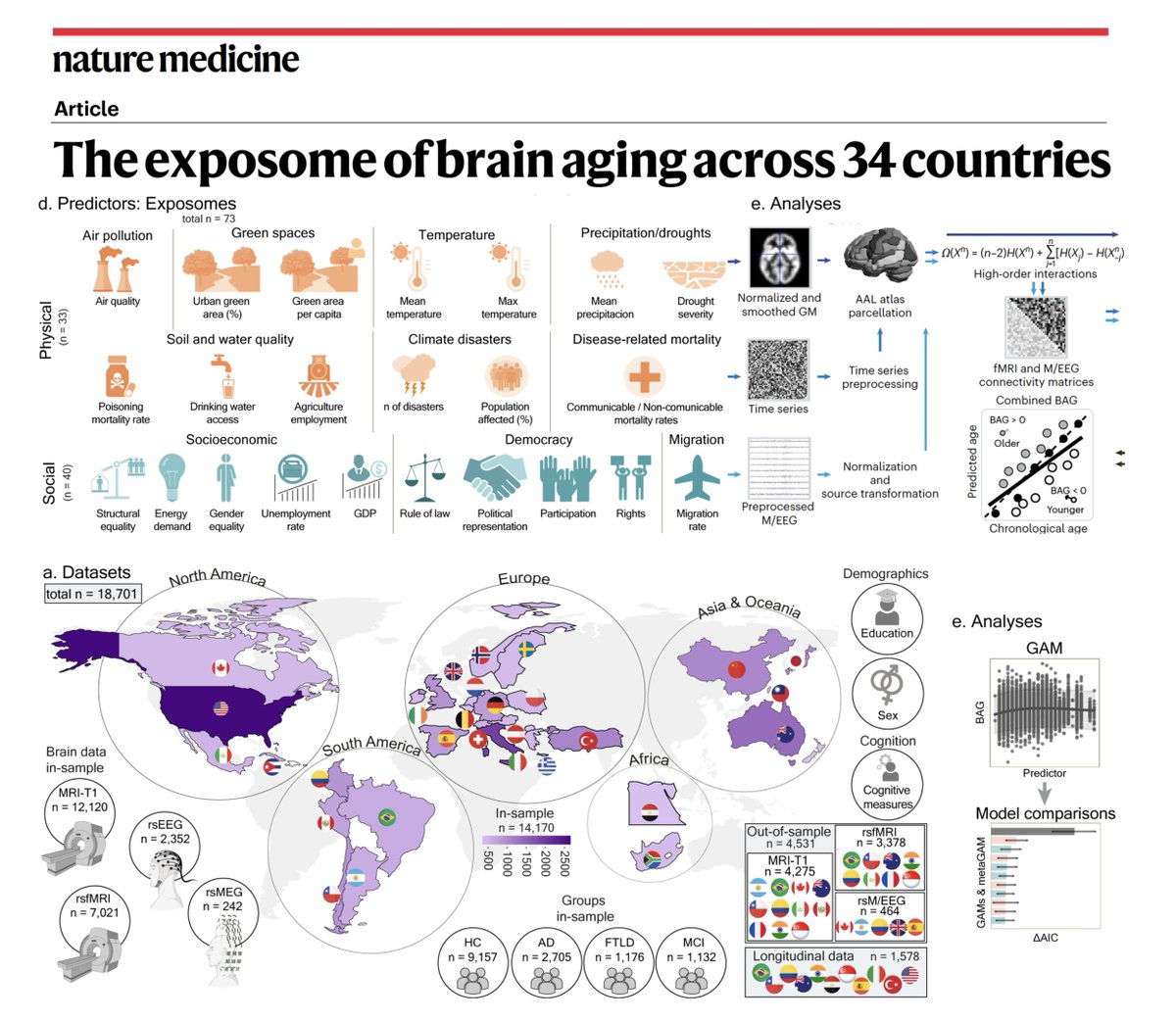
"Physical exposome... accelerated structural brain aging"
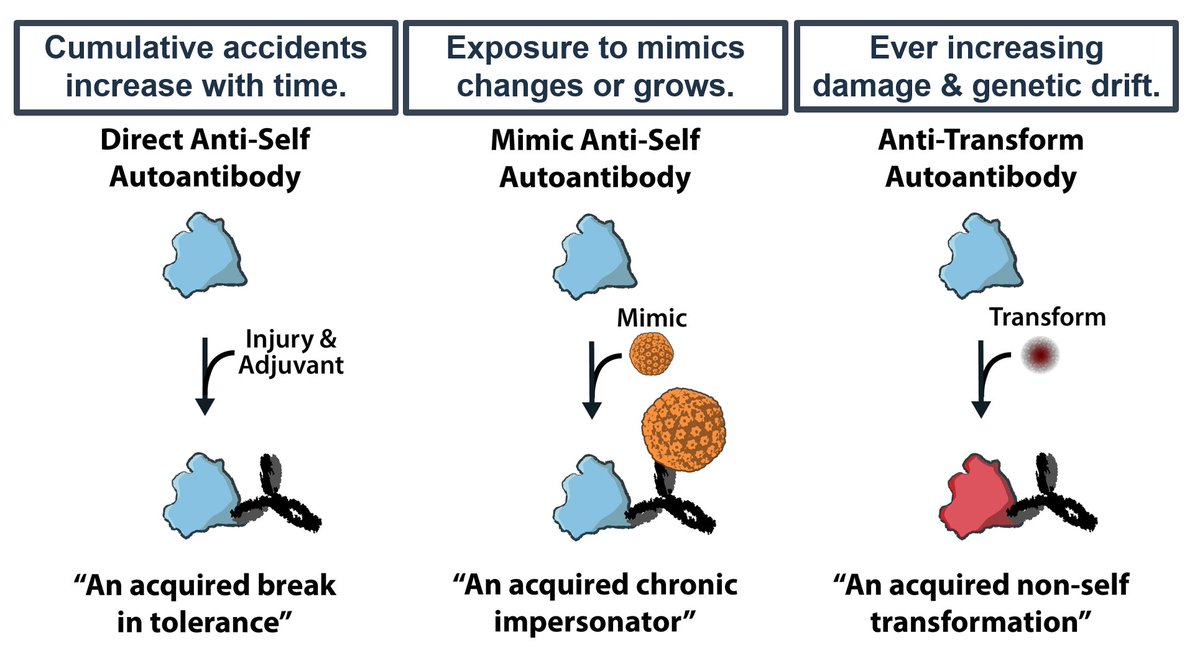
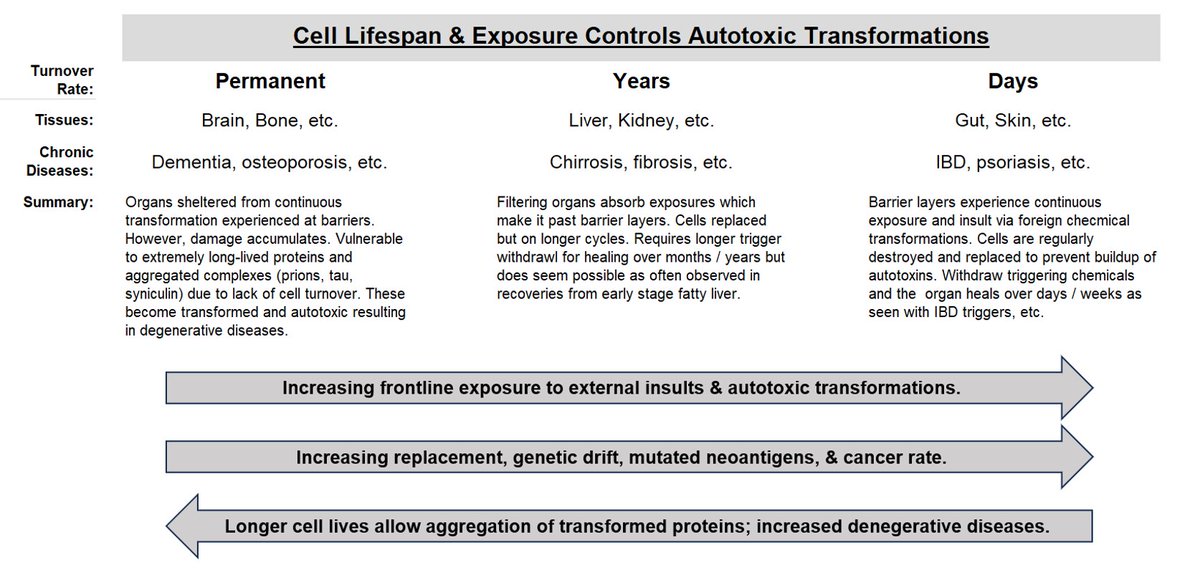
Chemical alterations can disrupt directly - but damaged proteins are also *neoantigens* that make brains appear different to immunity.
And so - is exposure-induced brain aging direct -damage-induced autoimmune? Both?

Aging clocks may be shaped by neurosyndemics, multiple interacting physical and social real-world environments jointly influencing brain health. Out in Nature Medicine (nature.com/articles/s41591-0…), we assessed 18,701 participants from 34 countries, showing that the combined aggregate-level exposome (73 physical, social, and political factors measured at country-level) predicts multimodal brain aging far better than isolated exposures (up to 15-fold more variance). Moving beyond single risks, we provide evidence that synergistic, nonlinear exposome burden accelerates brain clocks across health and disease, with physical exposures linking more strongly to structural brain aging and social exposures to functional brain aging. Exposome burden increased the risk of accelerated brain aging by 3.3–9.1-fold, in some cases exceeding the effects associated with dementia, and these findings held in out-of-sample, longitudinal, individual-level variation, and sensitivity analyses. Thus, the pace at which the brain ages may be shaped by syndemic environmental and societal conditions, calling for much more intersectoral policies. Congrats @AgustinaLegaz Sebastian Moguilner @HernHdezL & all coauthors. 1/5👇 @GBHI_Fellows
1
1
239
Apr 3
We should *hope* that autoimmunity is the main route of exposure-induced brain aging. That would make it *treatable.*
Oh you got dementia from microplastics?
Parkinson's disease from golf course pesticides?
We've got a tolerance vaccine for that.
1
64
Apr 2
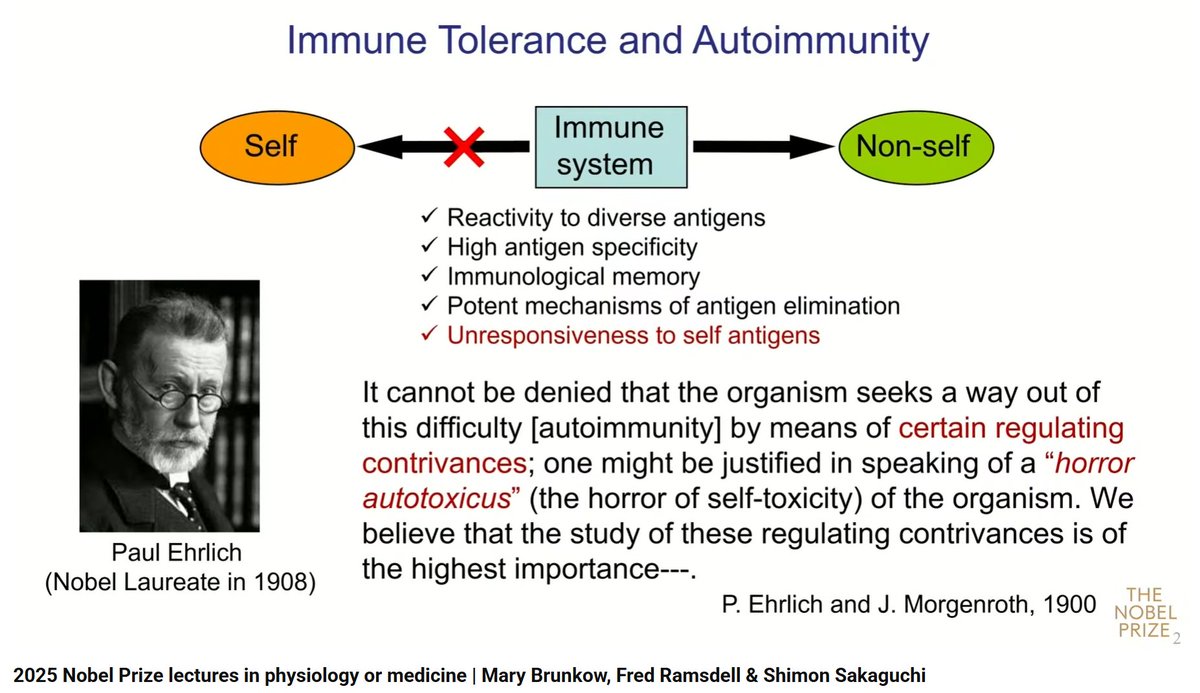
It’s worse than this - your immune system REMEMBERS what your cells USED to look like. Aging leads to genetic drift & chemical damage… even healthy old cells LOOK DIFFERENT.
…annnd adaptive immunity exists solely to seek and destroy new foreign-looking structures…
Apr 2

The theory that aging is primarily your cells forgetting which part of your body they are in seems both compelling and intractable to fix.
1
2
7
631
Mar 31
Did the daratumumab *just* destroy the myeloma - or did it *also* knock out a T-cell suppressing autoantibody? Daratumumab depletes long-lived plasma cells via CD38 & potentially-harmful immune-altering autoantibodies - not just the cancer! @casanova_lab
Mar 30

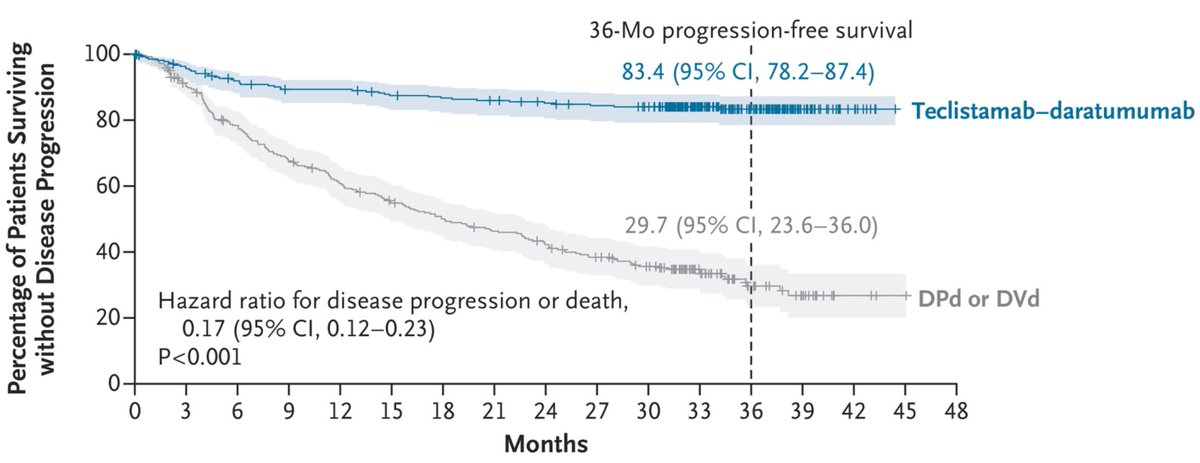
Sometimes cancer treatments are subject to hype, but here’s an advance that’s been understated:
Combining a T-cell engager antibody with daratumumab allowed >80% of people with relapsed or refractory multiple myeloma to go years without progression. Might be *permanent* control
7
7
75
14,663
Mar 31
Fluge & Mella doing great work on daratumumab for ME/CFS - thank you to @ryan_czm for introducing me.
2
1
7
696