
Evolutionary paleobiologist interested in Cenozoic large terrestrial mammals | tenured scientist @mncn_csic @CSIC | head of @Canta_Lab | member @GloCEE_EcoEvo
Joined December 2008
- Tweets 1,975
- Following 561
- Followers 837
- Likes 2,233
182 Photos and videos
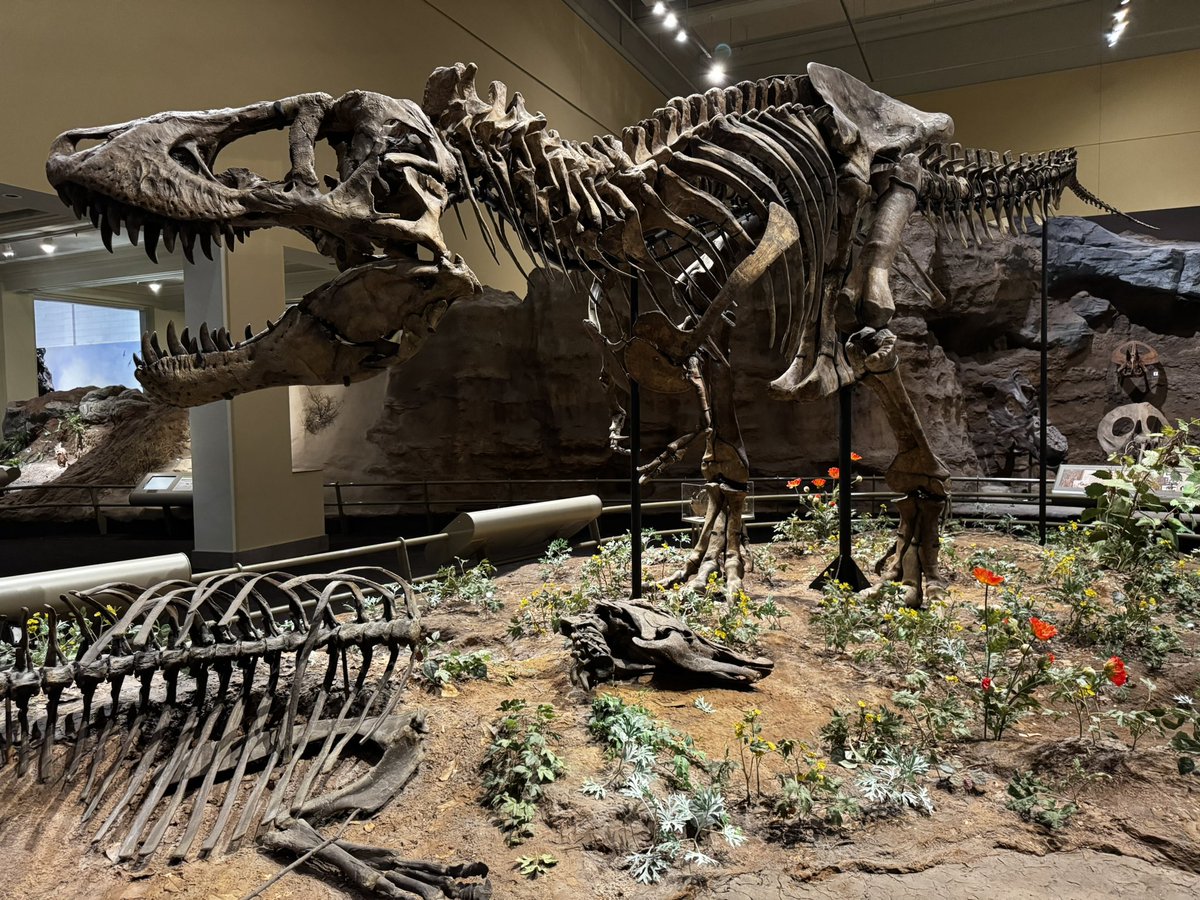
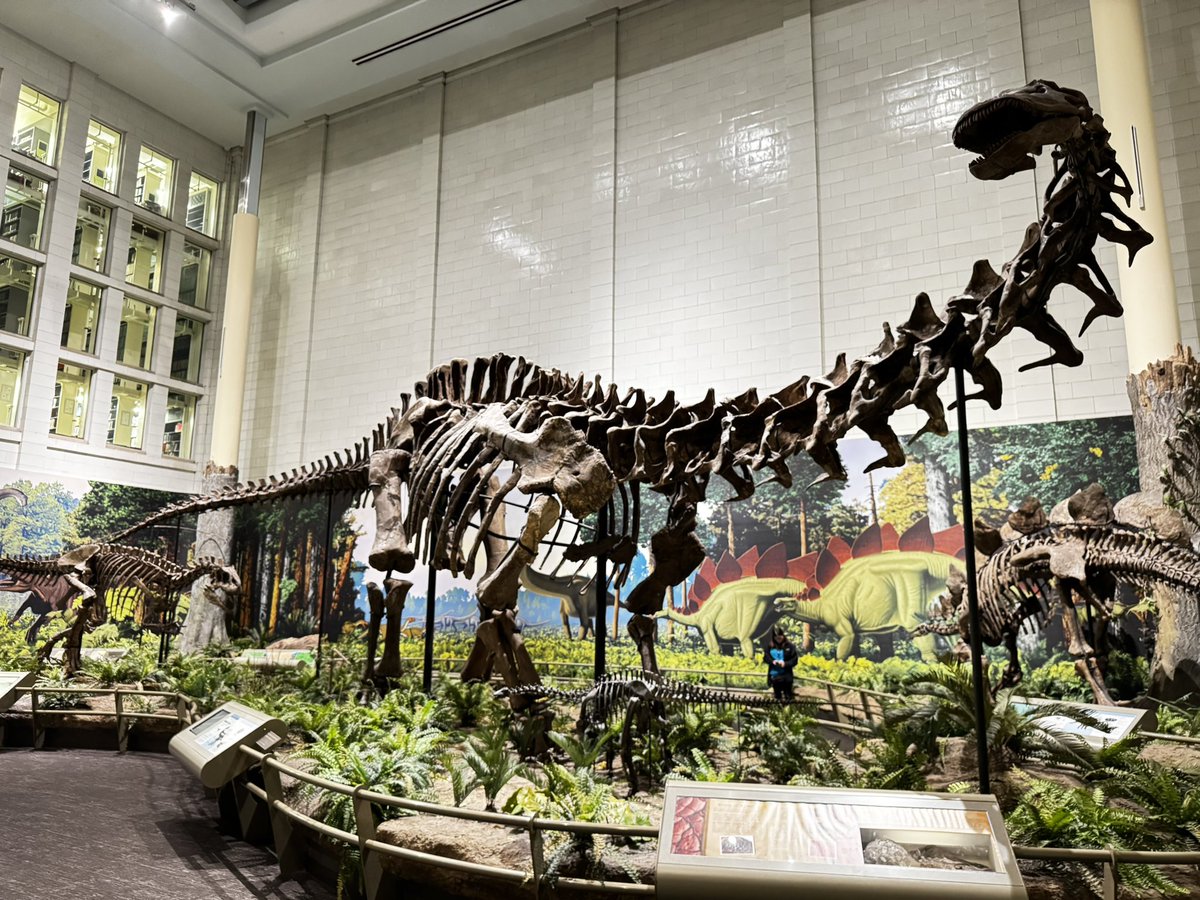
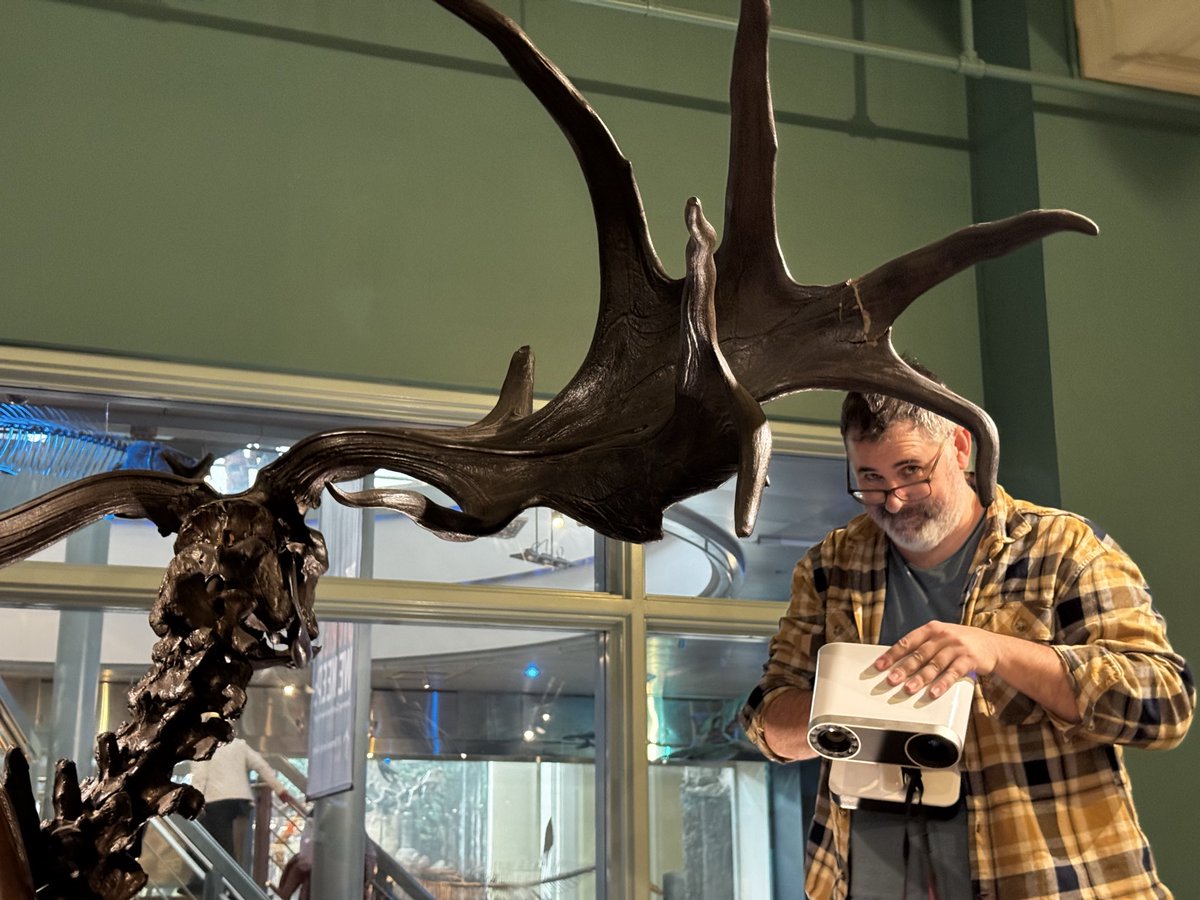




Pinned Tweet

4 Jan 2024
🧵🪸📖
1/ A brief thread to one of the most useful metaphors in evolutionary biology [Galton’s polyhedron] using quotes from chapter 5 of Gould’s “The Structure of Evolutionary Theory”
#evolution

6 May 2022

📖 Currently reading Gould’s extensive revision ‘The Structure of #Evolutionary #Theory’ 🪸, a massive #book packed with interesting reflections. I will be tweeting quotes from it in this 🧵, both from him and others cited therein.
#evolution #paleobiology #Darwin #darwinism
1
18
35
16,165
Juan L. Cantalapiedra retweeted

Wow! Our article on punctuated evolution received enough views to be a Top Viewed Article at Palaeontology! @BlaiVidiella @AndrejSpiridon4 @niles_eldredge @SDuranNebreda @ralexbentley onlinelibrary.wiley.com/doi/… #TopViewedArticle @wileyinresearch
2
15
40
1,853

Juan L. Cantalapiedra retweeted
Functional ecology and survivorship of turtles across the K-Pg boundary 👇
Mar 25

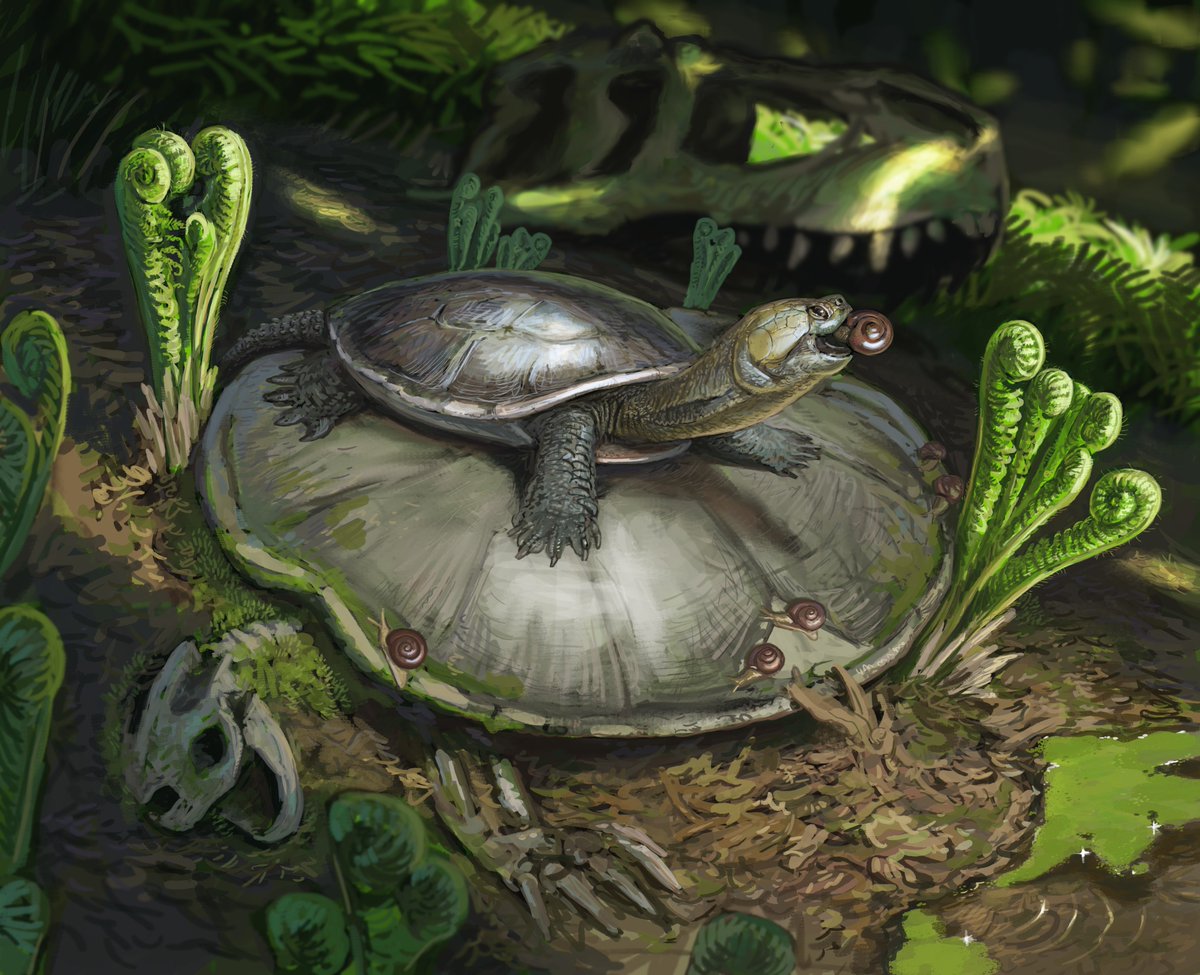
🚨 New paper I had the honor to illustrate! 🚨
Guilherme Hermanson and Serjoscha W. Evers take a look at the survivors of the K-Pg event among the turtles and besides size note that especially diet is something that sets them apart: many of them very shell crusher!
paper below:
4
12
465
Juan L. Cantalapiedra retweeted

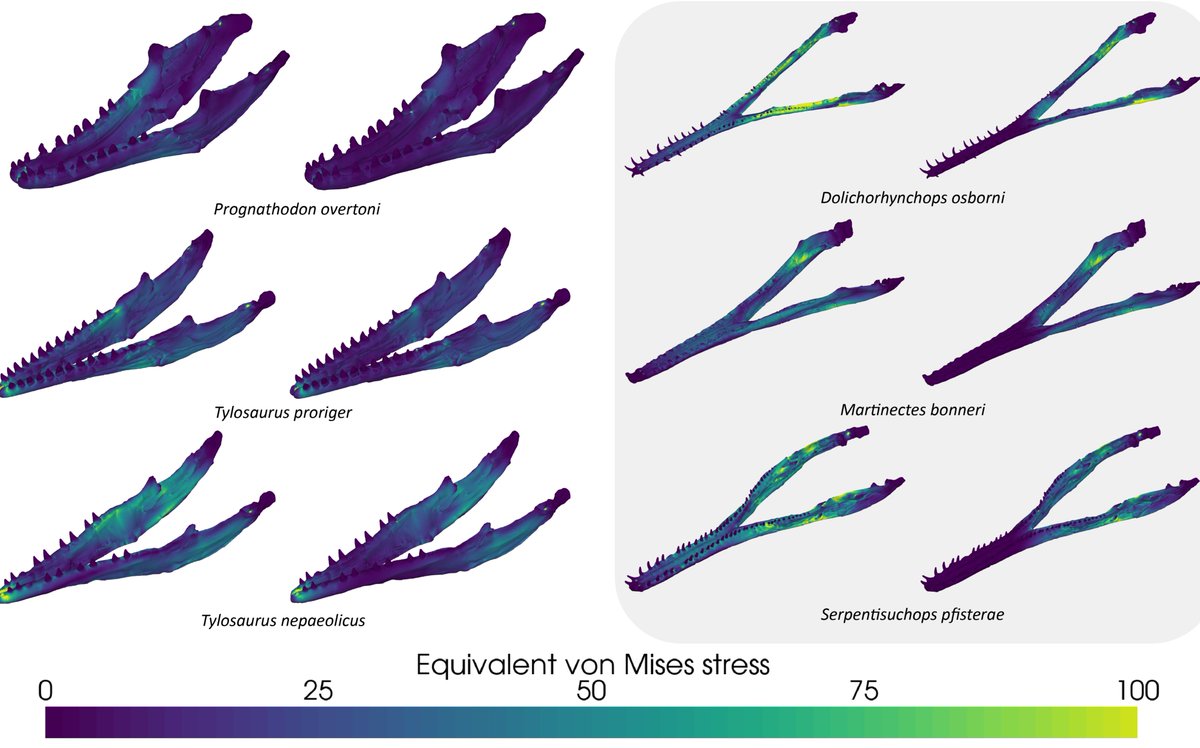
New paper out lead by @_just_Fre 🥳Using FEA, we studied the feeding behavior of 16 species of sympatric marine reptiles from the Western Interior Seaway 🦎 Check this out ➡️
doi.org/10.1111/pala.70051
36
108
2,939
Juan L. Cantalapiedra retweeted

Mar 13
A new mechanism for “RNA memory”! 😱
Thrilled to share another crazy paper from the lab (can’t believe we posted 2 in 2 days!), summarizing >10 years of research:
Work on transgenerational inheritance of small RNAs in the powerful model organism C. elegans changed how we think about what’s possible in inheritance and evolution, because it allows the most heretical thing: inheritance of parental responses to the environment! However, it’s still unclear whether RNAs are inherited across generations in other animals, largely because the RNA-dependent RNA polymerases that amplify heritable small RNAs and prevent their dilution in C. elegans are not conserved in mammals.
In this new work, an amazing collaboration with the Rink and Wurtzel labs, we show that planarians establish long-lasting and heritable small RNA–based gene regulatory states despite lacking canonical RNA-dependent RNA polymerases and nuclear RNAi machinery (that are required in C. elegans).
You might say “they are both worms…” BUT planarians are evolutionarily very distant from C. elegans (flatworms vs. roundworms, diverged more than 500 million years ago), making this particularly surprising. These are totally different animals.
We find that ingestion of double-stranded RNA induces sequence-specific silencing that persists for months and survives repeated cycles of whole-body regeneration. Even more strikingly, RNAi can be transferred between animals, echoing James V. McConnell’s controversial “RNA memory” experiments from the 1970s (his lab was targeted by the Unabomber terrorist Ted Kaczynski, who sent McConnell a bomb. This and other controversies ended this line of experiments…)
Mechanistically, we find that the response transitions from a transient systemic dsRNA-triggered phase to a stable, cell-autonomous post-transcriptional “memory phase” maintained by antisense small RNAs. Using a new luminescence reporter (transgenesis is currently impossible in planarians), we show that silencing spreads along the targeted gene and identify a weird type of planarian small RNAs with untemplated polyA tails.
RNAi inheritance without canonical RdRPs establishes planarians as a powerful system for studying RNA-based regulatory inheritance beyond C. elegans and raises the possibility that RNA-mediated inheritance may be more broadly conserved in animals, potentially even in mammals.
Here’s a video of a planarian that is treated by RNAi against β-catenin and develops multiple heads instead of just one. This is one of the phenotypes that is inherited. Another phenotype is “loss of eyes” (which we show is not only inherited across multiple regeneration cycles, but can also be transmitted between animals in transplantation experiments).
Amazing work led by first authors Prakash Cherian and Idit Aviram (co-supervised by Omri and me).
Please read the preprint, the link is in the next tweet, and share!
57
338
1,412
193,705
Juan L. Cantalapiedra retweeted

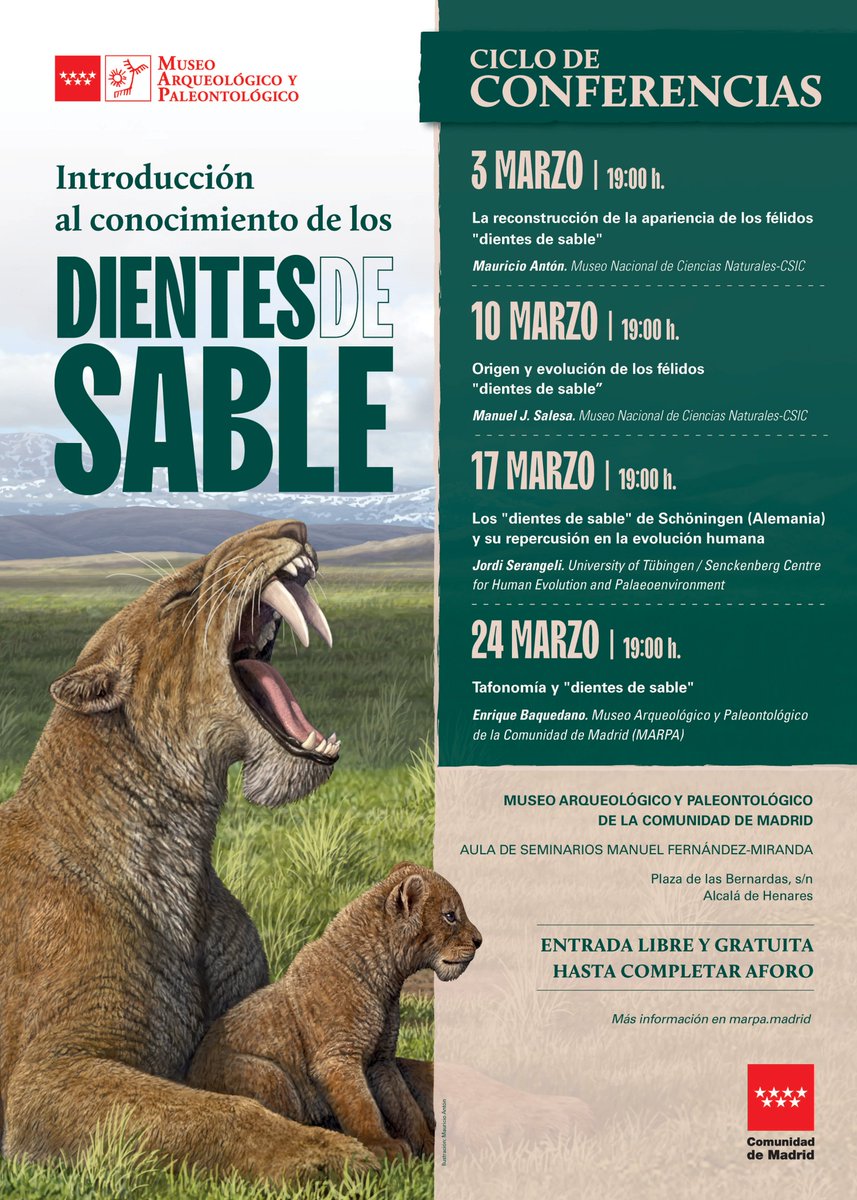
El próximo martes 3 de marzo en el MARPA os cuento mis métodos de reconstrucción y novedades sobre la apariencia y paleobiología de los félidos de dientes de sable. ¡Nos vemos a las 19h en Alcalá de Henares!
9
55
1,345
Juan L. Cantalapiedra retweeted

Feb 24
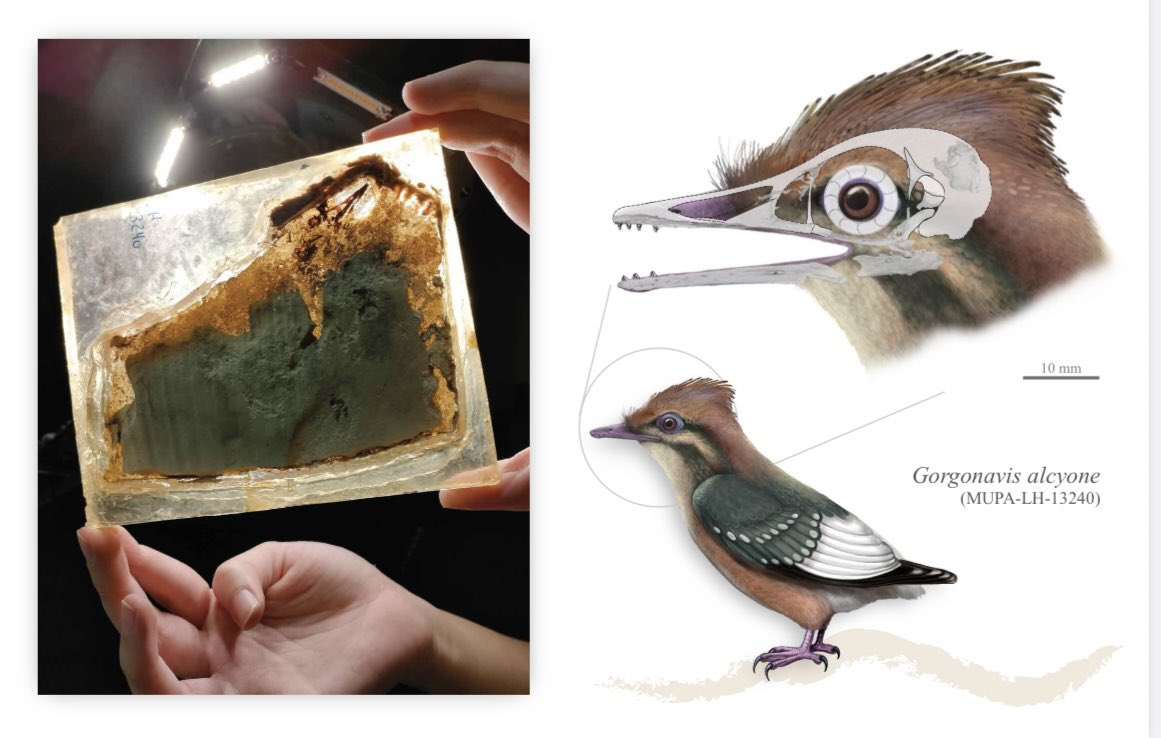
Bienvenido Gorgonavis!!
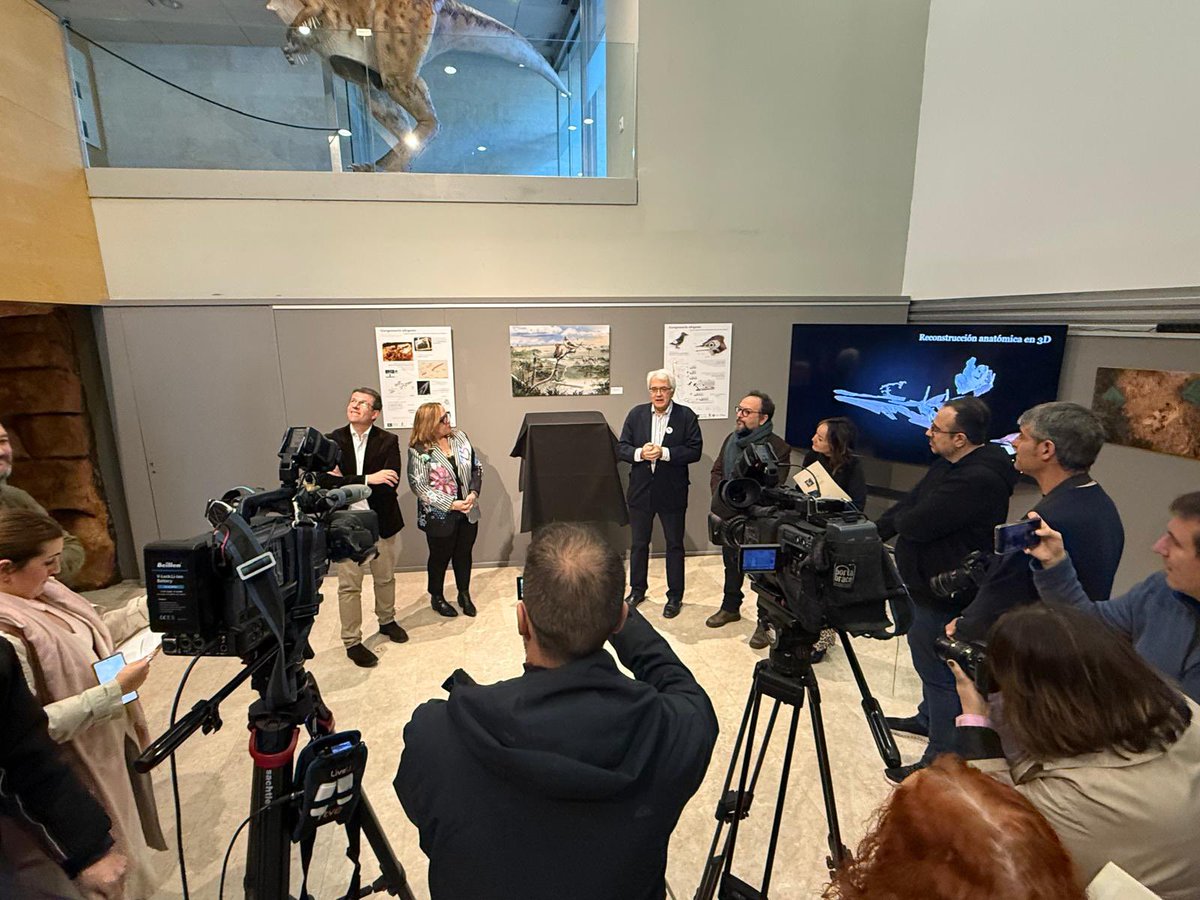
First longirostrine enantiornithine from outside of China.
Paper here: sjp.pensoft.net/article/1828…

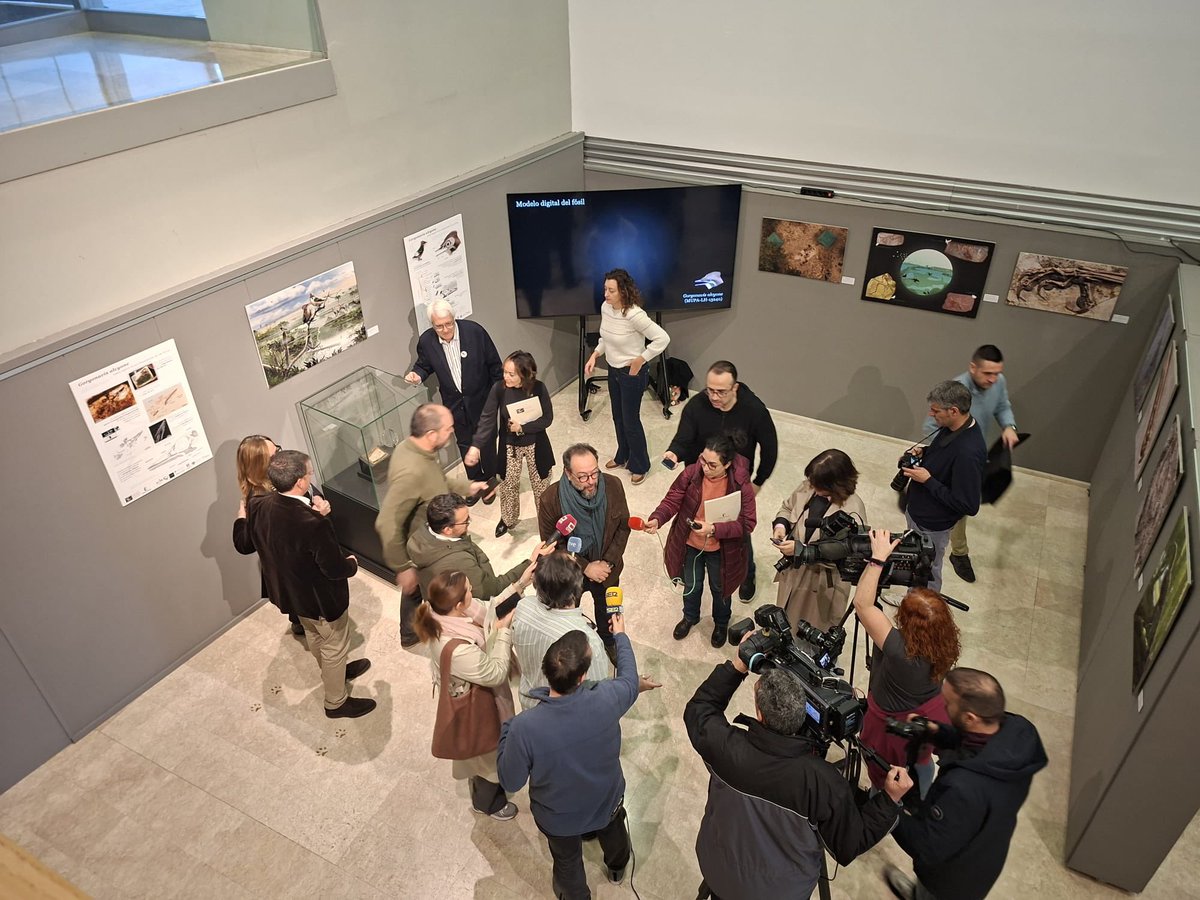
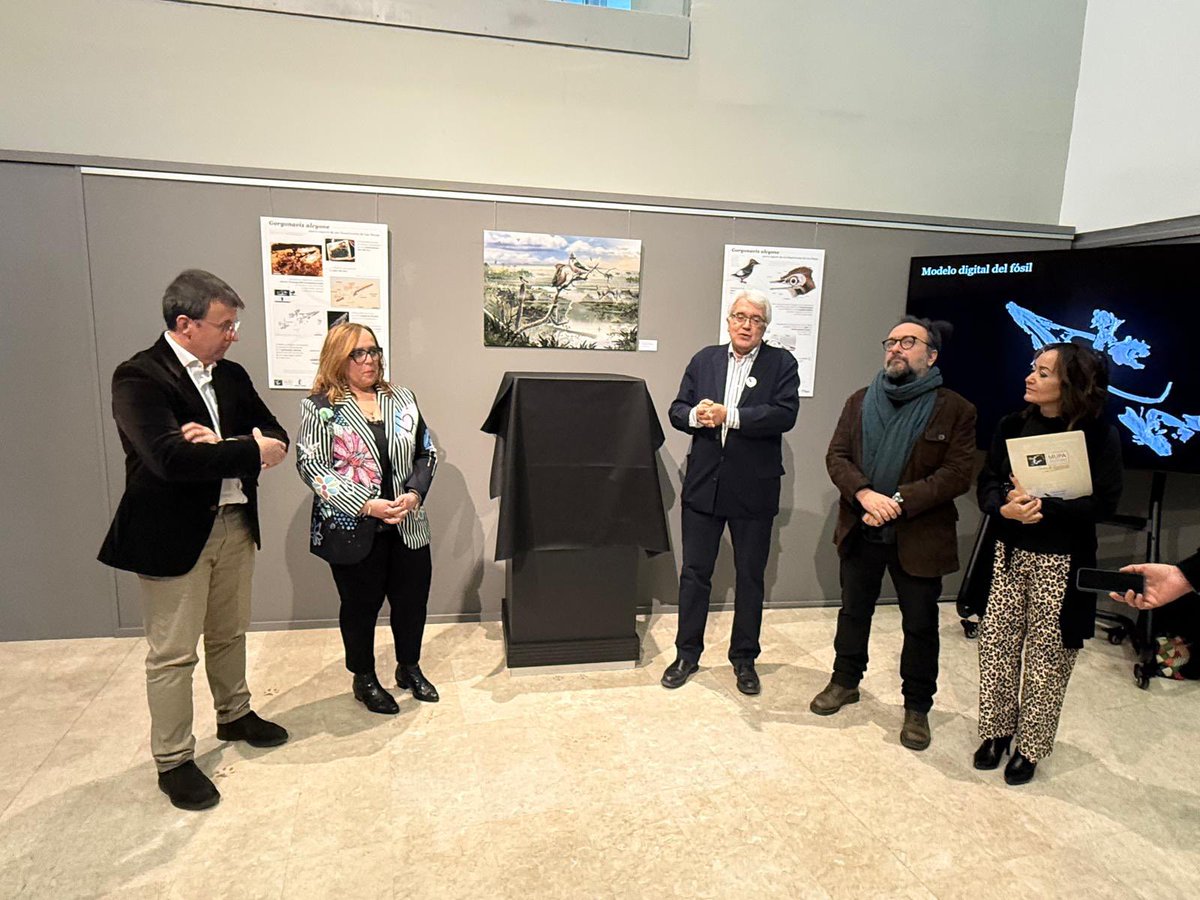
🦴✨ Gorgonavis alcyone, nueva ave del Cretácico hallada en Las Hoyas.
Un cráneo excepcional que refuerza su papel clave entre Asia y Europa. Presentada en el MUPA, consolida el yacimiento como referente internacional.
3
7
18
803
Juan L. Cantalapiedra retweeted

Feb 11
Want to learn the ins and outs of diversification, trait and biogeographic evolution models? I will be giving another edition of "Dive Deep into Probabilistic Phylogenetic Comparative Methods" in Oct! @TransmitScience transmittingscience.com/cour…
1
9
28
1,304
Juan L. Cantalapiedra retweeted

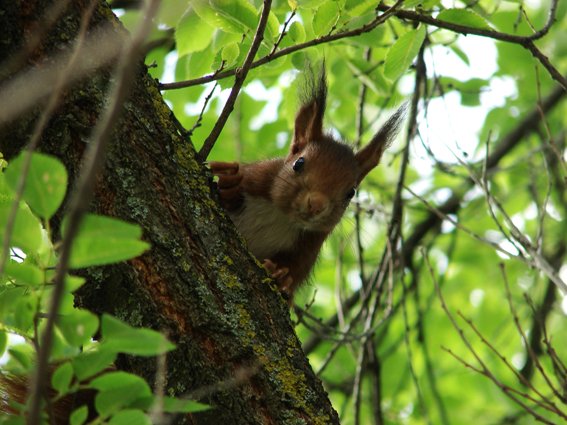
¿Por qué hay tantas especies de ardillas y por qué no están repartidas de forma uniforme por el planeta?
ucm.es/especies-ardillas-pla…
sobre doi.org/10.1111/jbi.70154
5
5
188
Juan L. Cantalapiedra retweeted
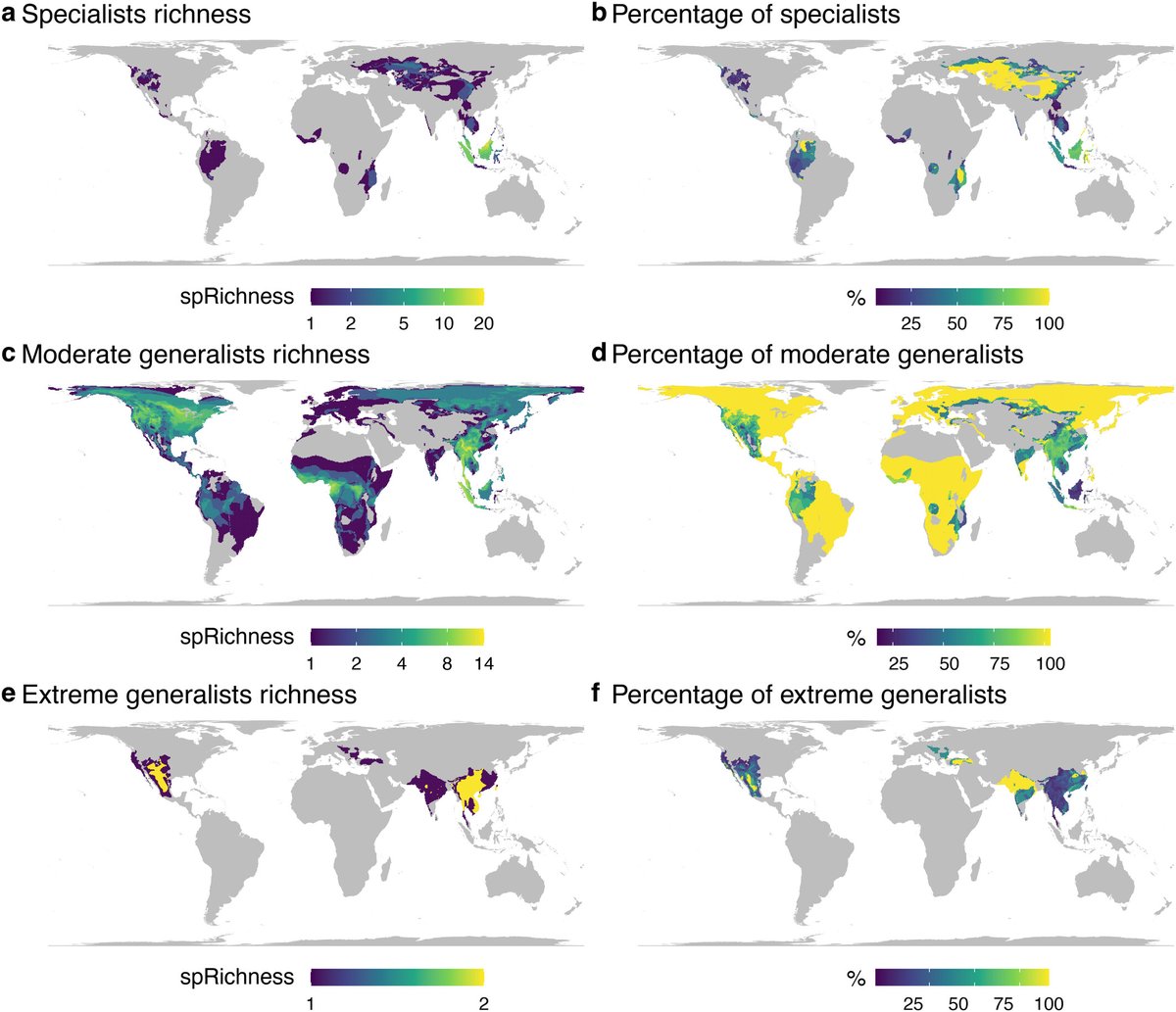
Biome specialisation in squirrels: Phylogenetic and geographic patterns doi.org/10.1111/jbi.70154
by @PALEOiris et al.
9
6
390
Juan L. Cantalapiedra retweeted

Jan 22
Our new paper is online in @CurrentBiology!
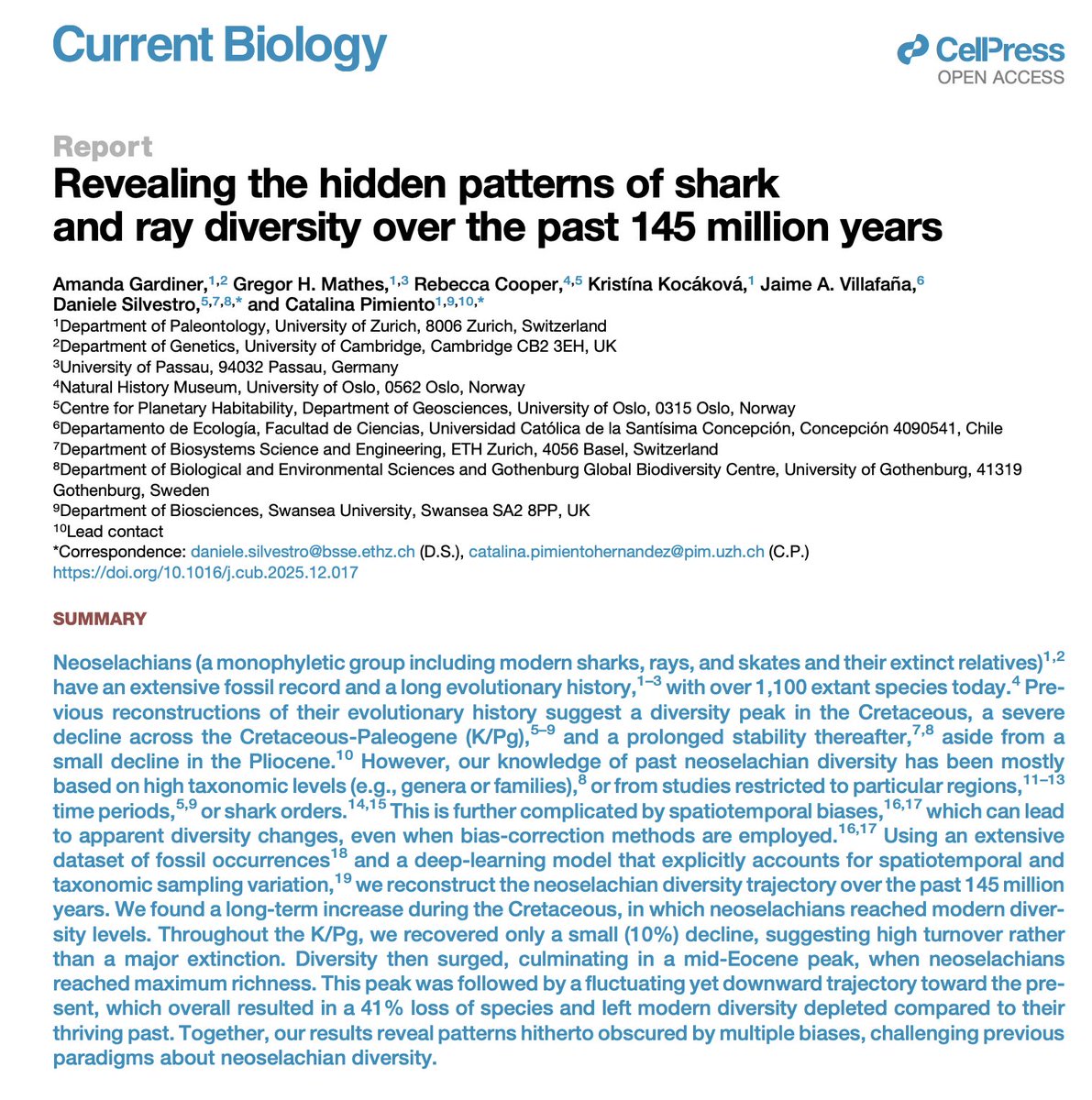
We found that; 1) today's sharks & ray diversity was already reached ~100Ma; 2) that the K/Pg extinction was not catastrophic; 3) that the max diversity was reached ~50Ma; and 4) that today's diversity is depleted compared to the past.

Our new paper is out🔓!
We reconstructed the 145-myr diversity of sharks using deep learning, unveiling hidden patterns:
-modern diversity by the Cretaceous📈
-small decline in the K/Pg🤏
-peak in the Eocene🌄
-long-term decline towards the present📉
cell.com/current-biology/ful…
14
46
3,227
Juan L. Cantalapiedra retweeted

Jan 8
Do not miss this course by @singerstone at @TransmitScience 👇

🚨 Last call! What patterns of diversification emerge when evolutionary questions are examined using phylogenetic methods?
Introduction to macroevolutionary analyses using phylogenies
transmittingscience.com/cour…
1
1
61
22 Dec 2025
Last Thursday I shared some of our recent projects in the Palaeoverse channel, exploring phylogenetic methods and the exciting new wave of Bayesian diversification models.
#paleobiology #paleontology #macroevolution
youtu.be/vd-E4E6iFNg?si=3n2O…
3
8
443
Juan L. Cantalapiedra retweeted

5 Dec 2025
Celebrate #fossilfriday by checking out this profile of @valdosaurus on the BBC. The medical doctor who's now putting his anatomy knowledge to use studying dinosaurs!!
bbc.co.uk/news/articles/c3e0…
2
10
901
Juan L. Cantalapiedra retweeted

13 Nov 2025
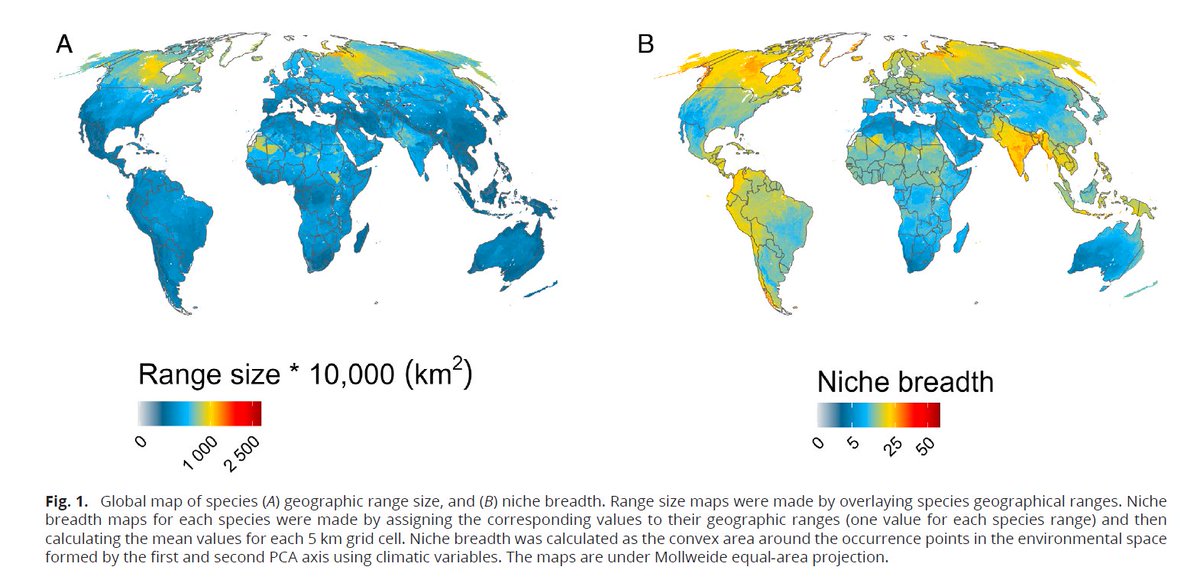
Biological accommodation of climatic variability is a first order factor enabling success of species. An excellent study of temperature niche breadth and geographical ranges of terrestrial plants.
doi.org/10.1073/pnas.2517585…
cc: @svalver @niles_eldredge
16
54
2,255
Juan L. Cantalapiedra retweeted

4 Nov 2025
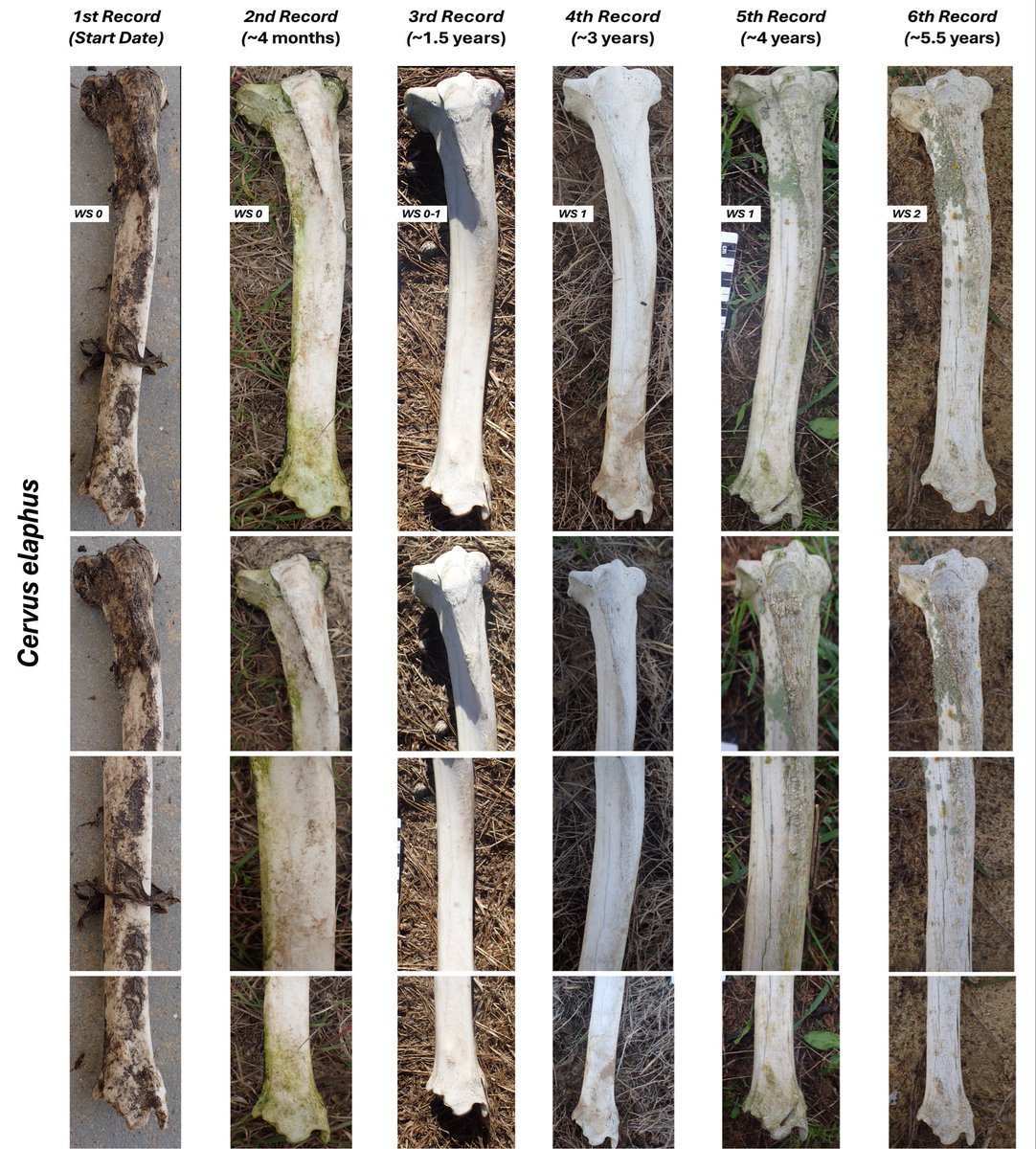
We keep on exploring fossils in the making! This time we analyzed bone weathering at a Mediterranean ecosystem. Where? At Doñana NP, a great natural laboratory for taphonomy!
doi:10.1371/journal.pone.0335508
6
8
3,300
Juan L. Cantalapiedra retweeted

9 Oct 2025
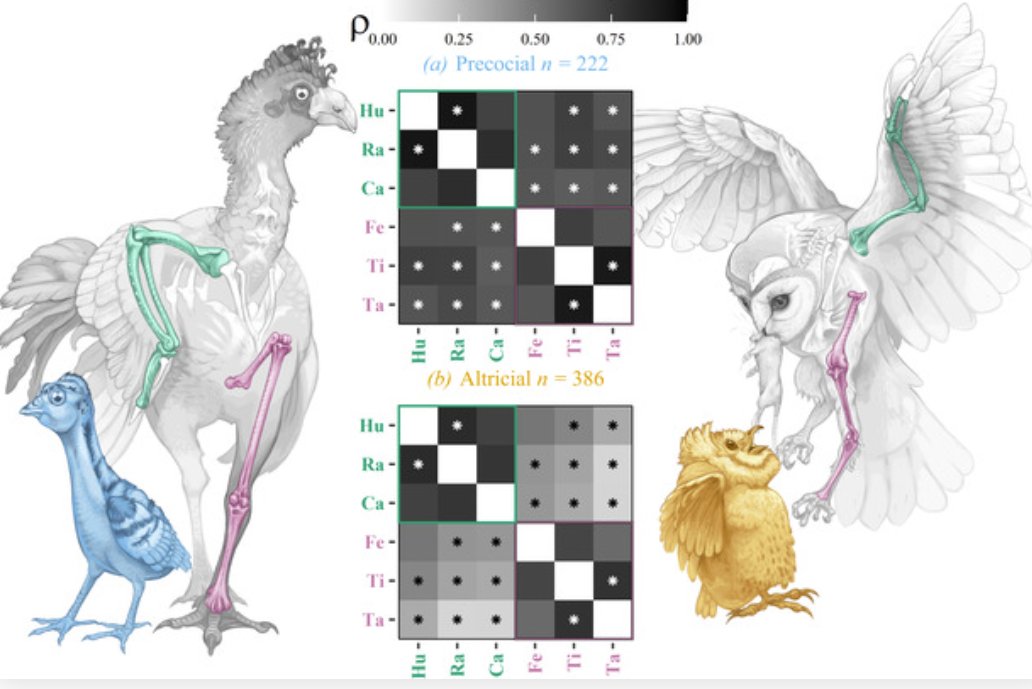
New bird paper led by the brilliant and talented Andrew Orkney! 🦆
We show that more parental care is associated with more evolutionary freedom in how birds fly.🕊️
royalsocietypublishing.org/d…
3
31
173
6,981
Juan L. Cantalapiedra retweeted

Benson, R.B.J., Walsh, S.A., Griffiths, E.F. et al. Mosaic anatomy in an early fossil squamate. Nature (2025). doi.org/10.1038/s41586-025-0…
1
26
85
2,426
Juan L. Cantalapiedra retweeted

25 Sep 2025
Could there be a connection between a squashed million-year-old skull and the Denisovans? I look at whether a provocative new study can be squared with what we already know from ancient genomes. I think there's a way.
johnhawks.net/p/the-problem-…
7
23
82
6,674
Juan L. Cantalapiedra retweeted

17 Sep 2025
Iberian harvester ants are the only known organism that propagates two species by itself, according to new research.
Learn more: scim.ag/463AjWb @NewsfromScience
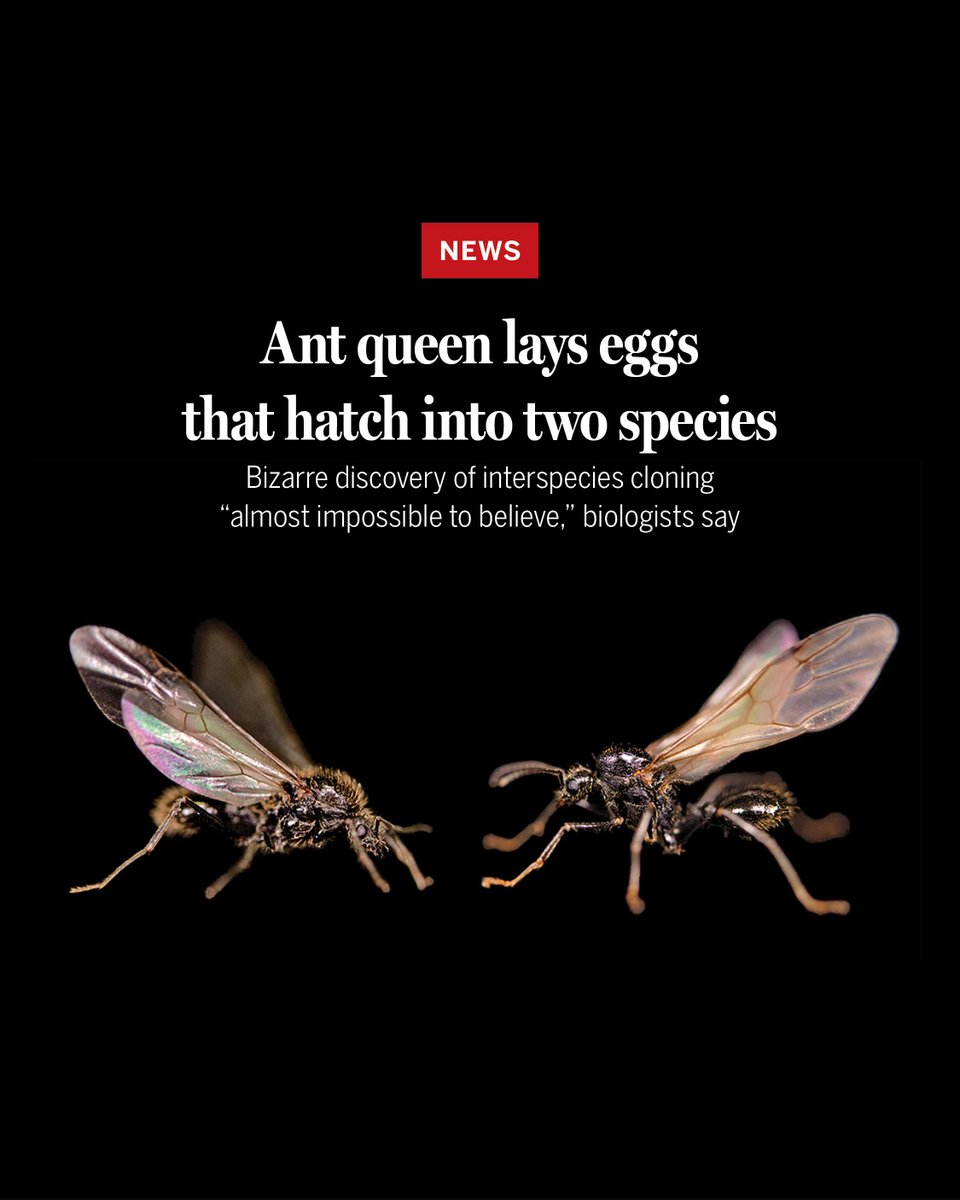
ALT News Ant queen lays eggs that hatch into two species Bizarre discovery of interspecies cloning “almost impossible to believe,” biologists say
4
36
112
28,360