I develop Cell Ranger at 10x Genomics, Homebrew, and developed ABySS for my PhD at UBC. I cook, sing, travel, see theatre, and play boardgames for fun. 🏳️🌈
Joined September 2007
- Tweets 22,627
- Following 502
- Followers 2,753
- Likes 9,298
107 Photos and videos


Pinned Tweet

27 Nov 2019
🧬 10x Genomics is hiring! My first three months at 10x have been fantastic. My colleagues are friendly and helpful. 10x is based in Pleasanton, CA. Remote work may be possible, depending on the position. Check out open positions at grnh.se/c3f537b11
1
24
54
Shaun Jackman retweeted

Jun 10
First, a link to the preprint describing the method (PFlogPF) that produced the amazing results shown above: biorxiv.org/content/10.1101/…
The work was led by @sinabooeshaghi who is first and corresponding author, w/ important contributions by @IngileifBryndis & @agalvezmerchan. 4/
1
10
89
9,492
Shaun Jackman retweeted
Jun 10
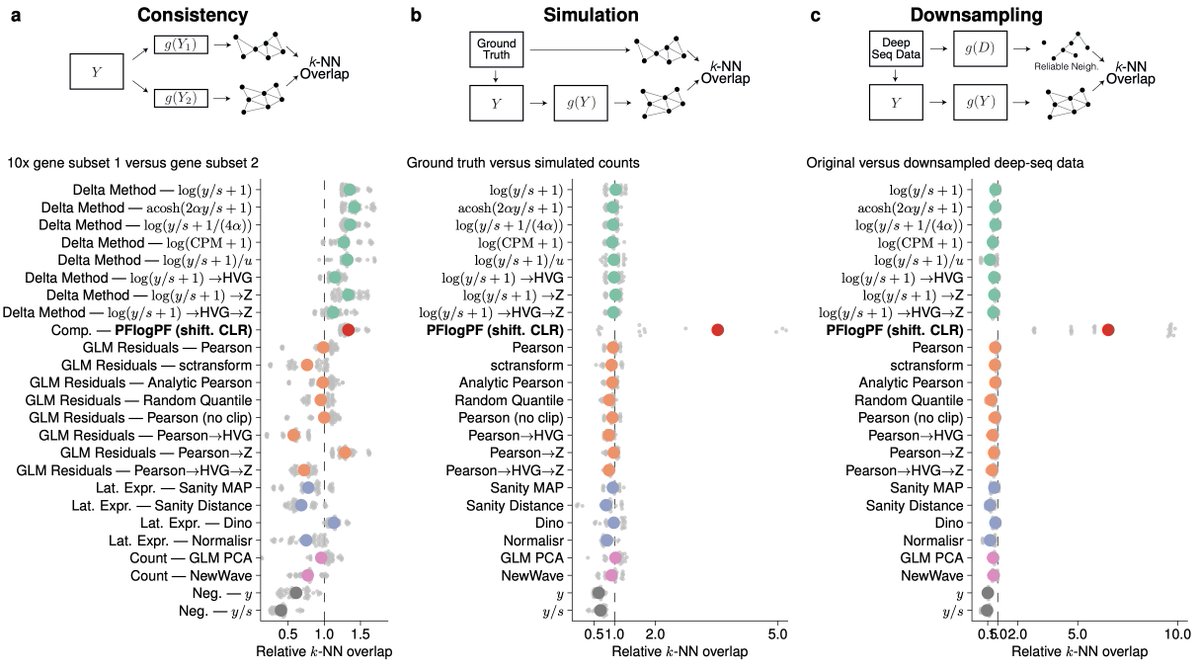
Except it isn't. Not even close. In a project that is four years in the making, we show that another transformation massively outperforms existing methods on the Ahlmann-Eltze & Huber benchmarks (red dots below). Moreover, it's optimal. What is this new method? How can it be? 3/
1
2
46
10,693
Shaun Jackman retweeted
Jun 10
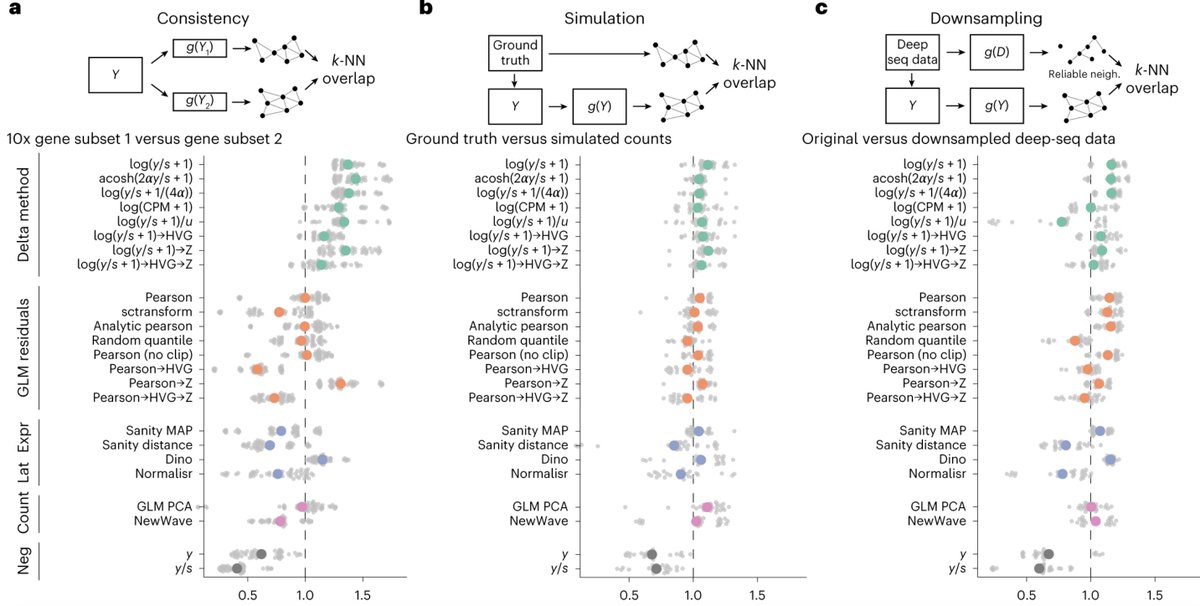
The standard normalization is log(x/s*K 1) w/ K=10,000 in Seurat and Scanpy. It's been used in hundreds of thousands of studies. AI agents nowadays run it routinely.
In an expansive benchmark in @naturemethods, Ahlmann-Eltze & Huber conclude it's pretty much best in class. 2/

1
5
50
12,431
Shaun Jackman retweeted
Jun 10
Arguably the most boring step in genomics is the first one: normalization. Settled science. Scale log. Move on.
Except that here's been a huge blind spot in the field. And it matters for AIxBio. A 🧵about what I think may be one of the most important papers I've written. 1/
18
148
675
114,865
Shaun Jackman retweeted

Apr 19
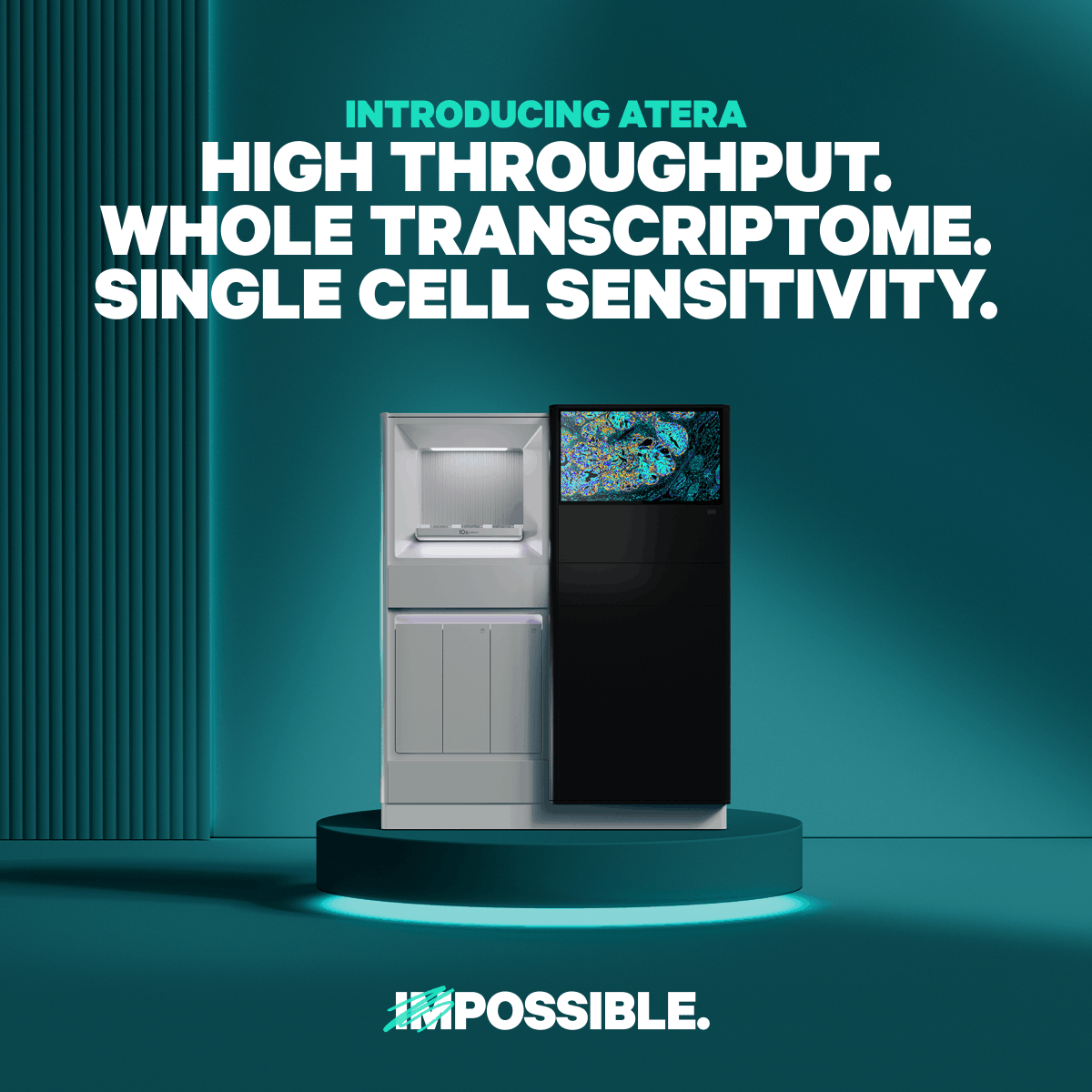
The impossible is here: introducing Atera, uncompromised #spatialbiology that lets you analyze up to 800 1 cm2 whole transcriptome samples/year with #singlecell sensitivity. Register now for an in-depth look at our 4/21 webinar: bit.ly/4leeJ8X
1
22
46
4,194
Shaun Jackman retweeted
Apr 20
Studying biology has long meant working with fragmented tools. With Atera, for the first time ever, biology can be measured as a complete system in its native context, at scale, removing the constraints that have held spatial biology back: bit.ly/48bYvYF
ALT 10x Genomics introduces Atera, a new platform to redefine how biology is measured and understood.
ALT Atera removes the trade-offs that have constrained research, unlocking a new era of insight that will transform our understanding of science and human health.
ALT Atera delivers whole-transcriptome spatial data with single-cell sensitivity at scale.
1
10
22
1,887
Shaun Jackman retweeted
Apr 19
Last night we unveiled the impossible. Now see it yourself! Check out Atera at booth #3217; or, if you're not at #AACR26, register for one of our webinars starting 4/21 to get a deeper look into the future of #spatialbiology: bit.ly/4leeJ8X
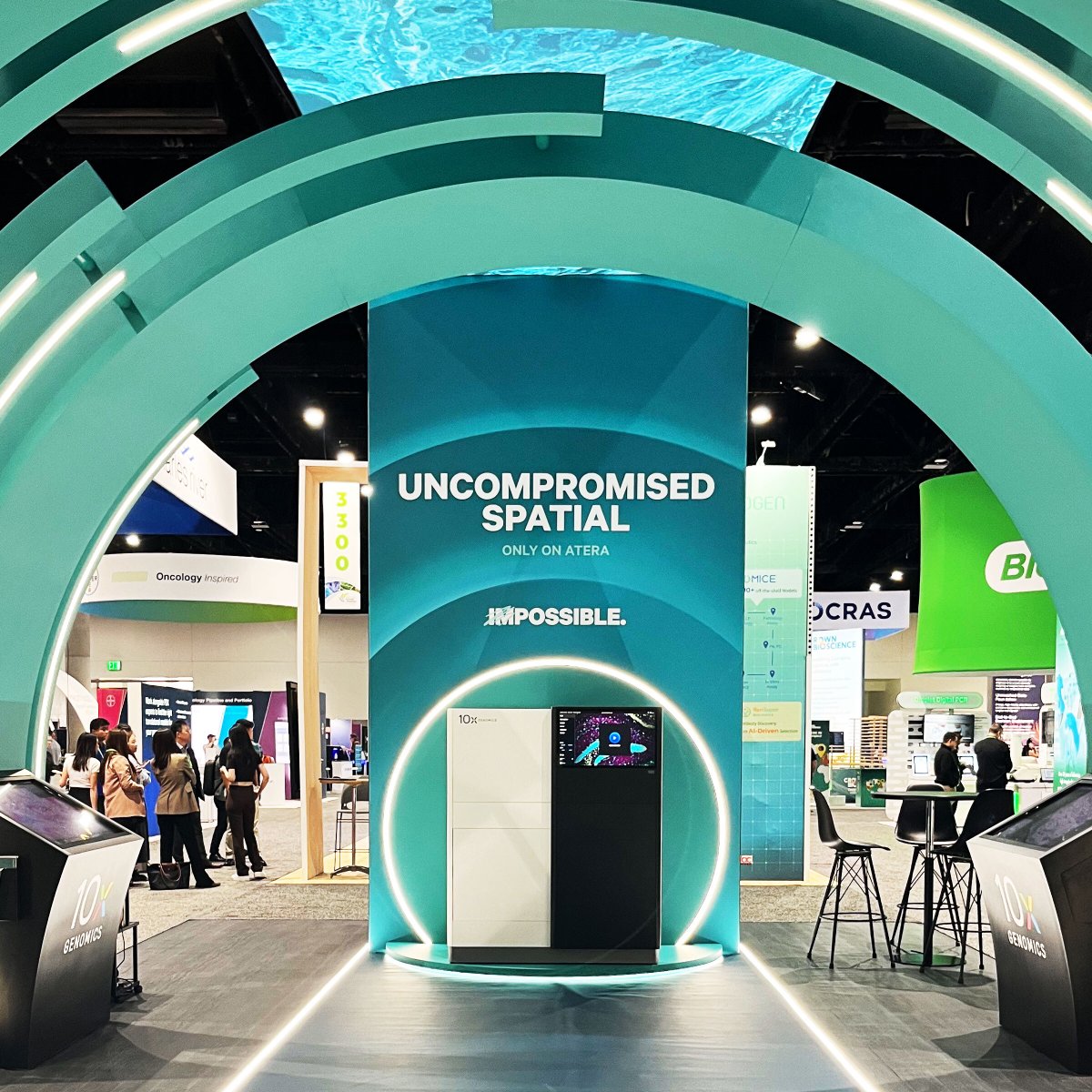
ALT Uncompromised Spatial: Only on Atera
8
25
1,349
Shaun Jackman retweeted

Mar 6
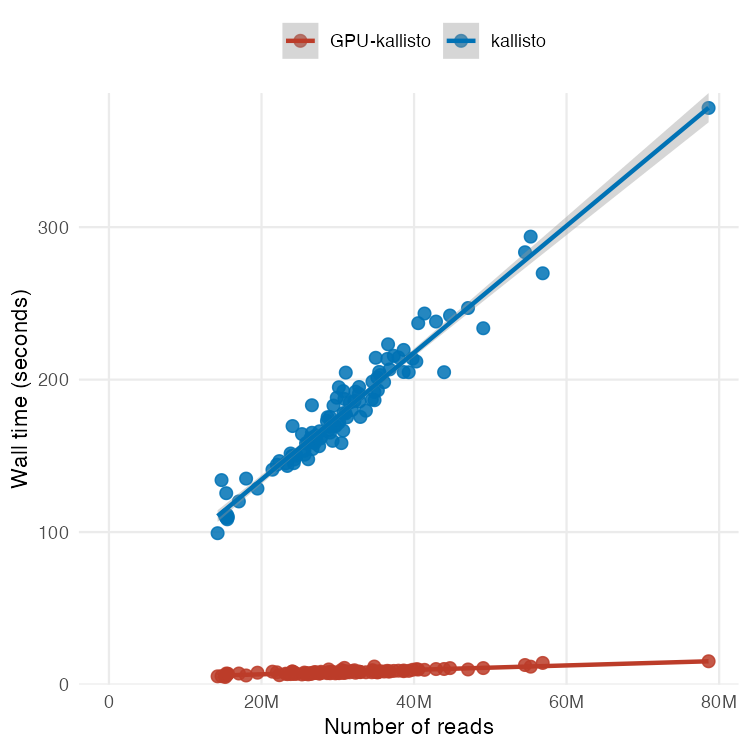
Excited to share this preprint that describes my latest work on using GPUs to accelerate processing of RNA-seq data.
The title says it all: "RNA-seq analysis in seconds using GPUs" now on biorxiv biorxiv.org/content/10.64898…
Figure 1 shows they key result
15
123
489
91,591
Shaun Jackman retweeted

28 Oct 2025
If you haven't heard about this, kudos to the PSF for standing for its values (which are also my values).
27 Oct 2025

TLDR; The PSF has made the decision to put our community and our shared diversity, equity, and inclusion values ahead of seeking $1.5M in new revenue. Please read and share. pyfound.blogspot.com/2025/10…
🧵
pyfound.blogspot.com/2025/10…
84
126
1,203
157,619
Shaun Jackman retweeted

27 Oct 2025
TLDR; The PSF has made the decision to put our community and our shared diversity, equity, and inclusion values ahead of seeking $1.5M in new revenue. Please read and share. pyfound.blogspot.com/2025/10…
🧵
pyfound.blogspot.com/2025/10…
148
190
1,036
480,598
Shaun Jackman retweeted

17 Dec 2024
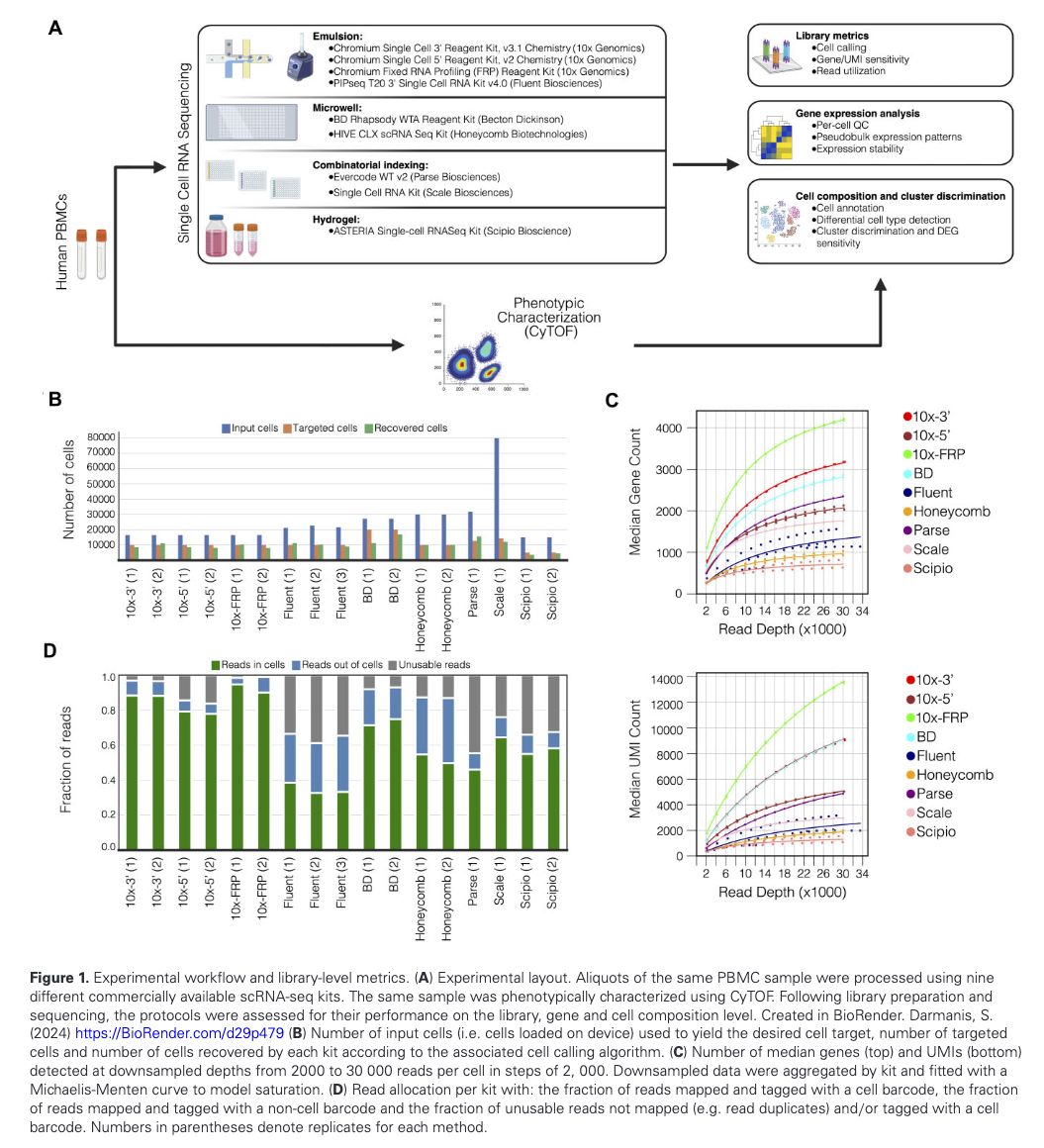
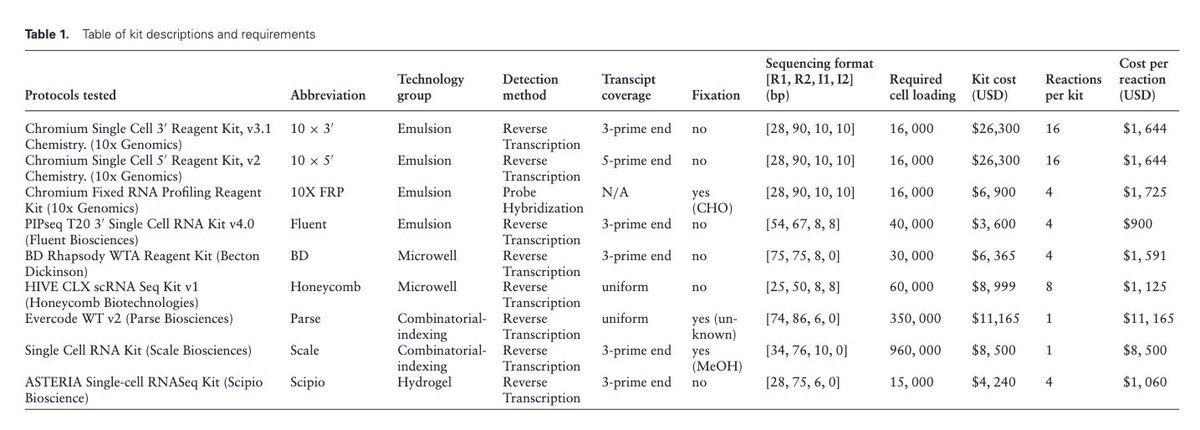
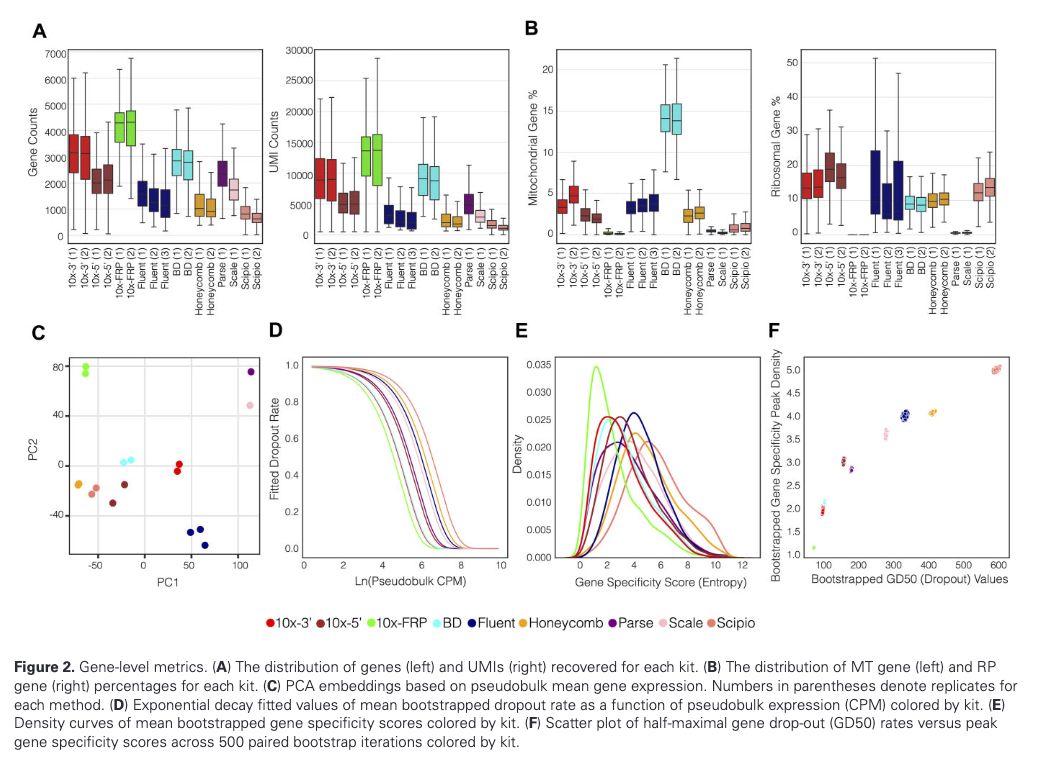
A comprehensive analysis framework for evaluating commercial single-cell RNA sequencing technologies academic.oup.com/nar/advance… 🧬🖥️🧪 github.com/danledinh/scRNAse…

15
62
7,669
Shaun Jackman retweeted
17 Oct 2024
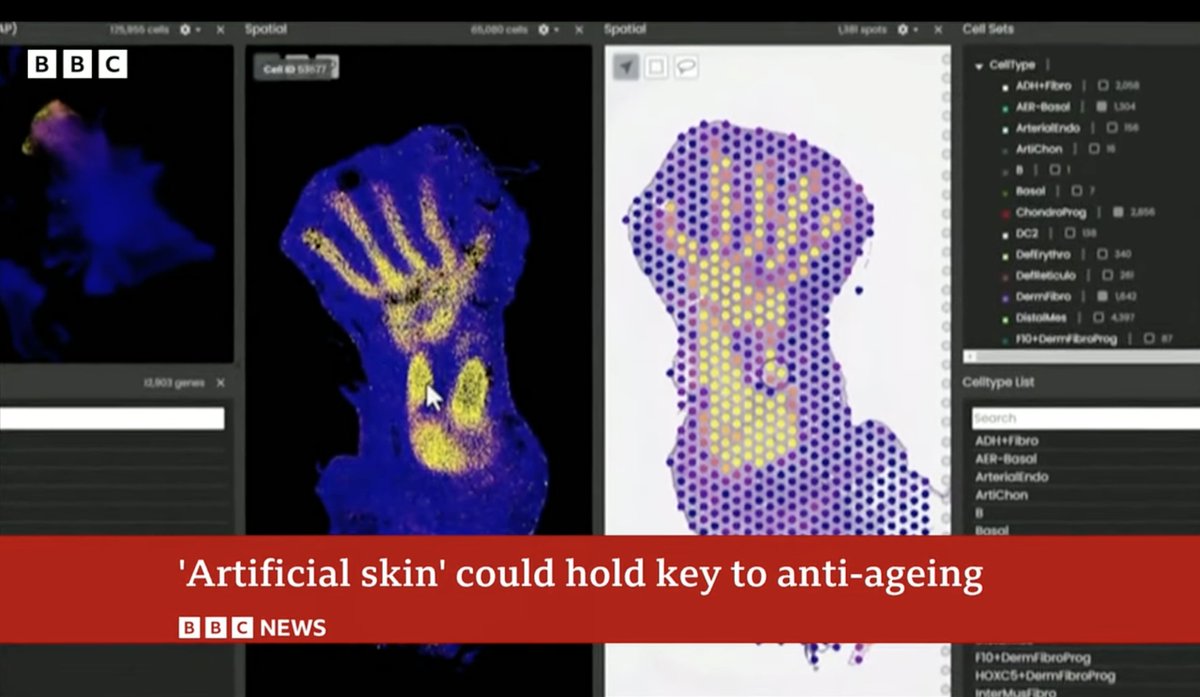
Congrats to @Muzz_Haniffa & team for the @BBCNews feature on how human skin develops from stem cells! 🙌 Using #singlecell & #spatialtranscriptomics, this #HumanCellAtlas study could lead to anti-aging breakthroughs: bit.ly/3UbjK5y (Link to paper in comments)
1
8
22
2,472
Shaun Jackman retweeted
25 Sep 2024
📢 New Feature Alert 🎉 The beta version of Automated Cell Annotation is live in Cloud Analysis! Reduce the burden of manual annotation & visualize cell types instantly to get more accurate #singlecell insights faster. Try it now: bit.ly/3XVOdHe

1
9
18
7,003
Shaun Jackman retweeted

30 Aug 2024
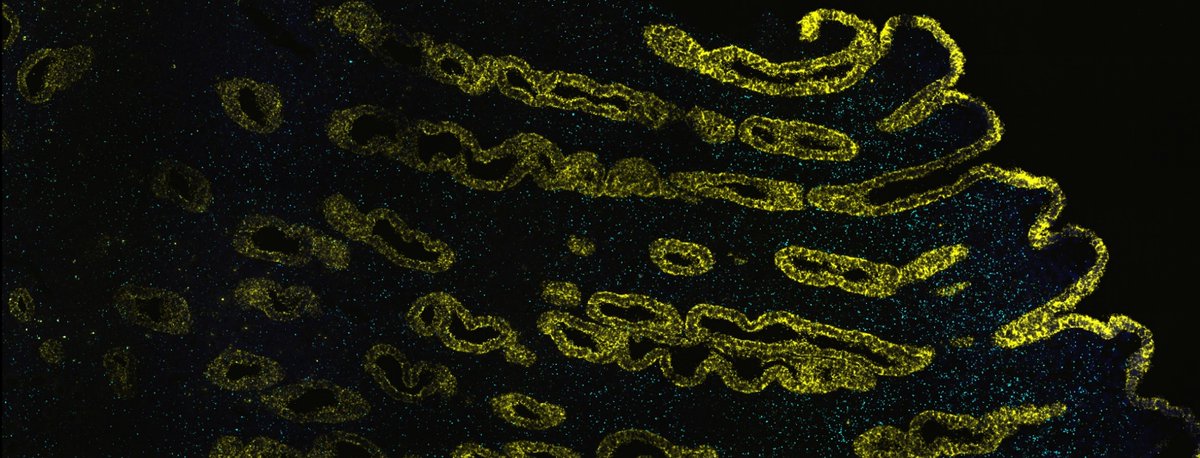
Globally, millions of individuals are affected by endometrial / uterine disorders, yet the #endometrium and the role of its #cellular #heterogeneity in these disorders have been hugely understudied compared with other human tissues and diseases.
3
20
49
13,877
Shaun Jackman retweeted

2 Sep 2024
Congratulations to all involved in creating this cellular map of the endometrium, the inner lining of the uterus, during multiple phases of the menstrual cycle. This work helps advance understanding of the healthy endometrium and conditions such as endometriosis. @NatureGenet
30 Aug 2024

Globally, millions of individuals are affected by endometrial / uterine disorders, yet the #endometrium and the role of its #cellular #heterogeneity in these disorders have been hugely understudied compared with other human tissues and diseases.
2
16
2,386
Shaun Jackman retweeted
27 Jun 2024
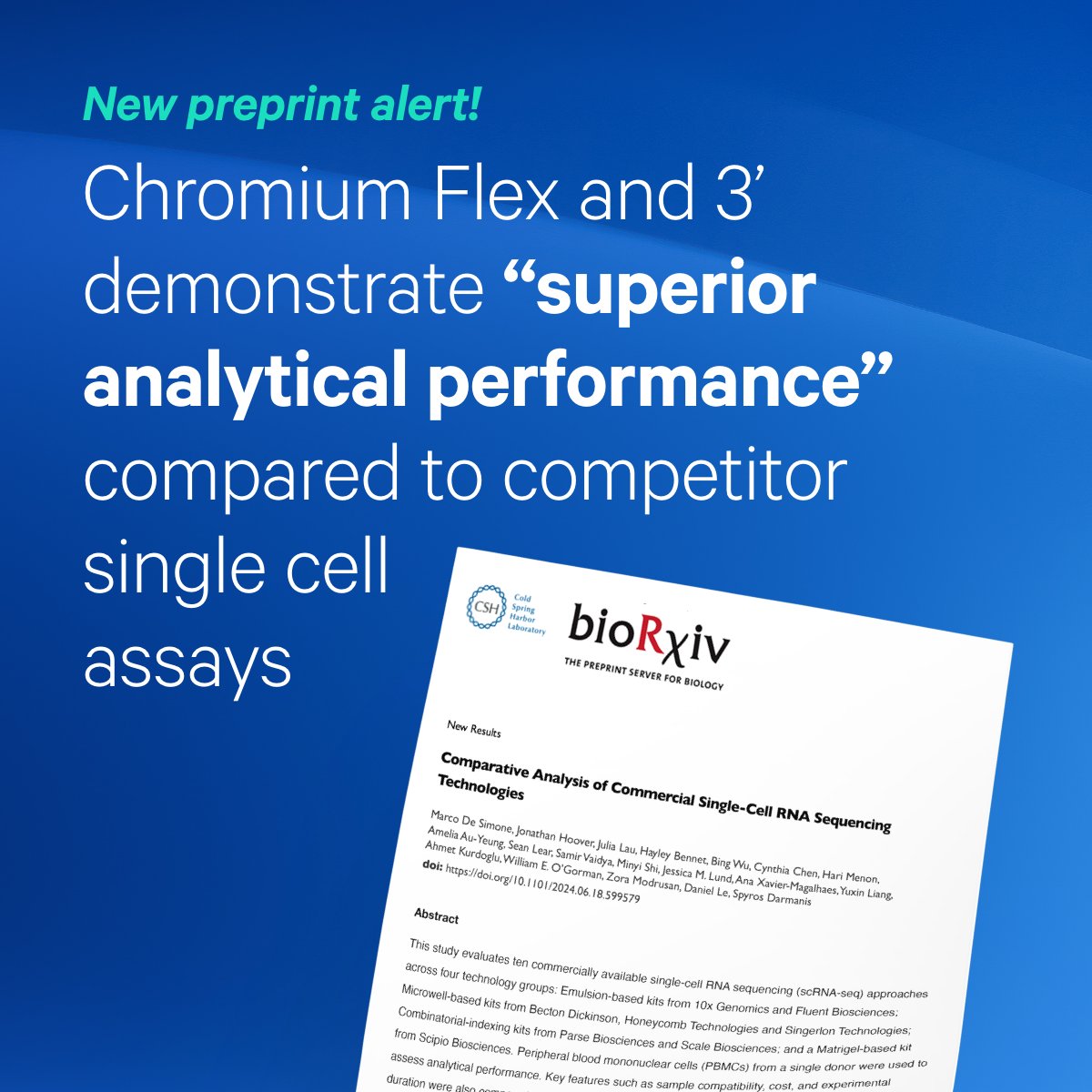
Technology impacts the reliability of your #singlecell data. An independently conducted study reported that our Chromium Flex and 3' assays outperformed other technologies. See how the others stacked up: biorxiv.org/content/10.1101/…
8
14
2,036

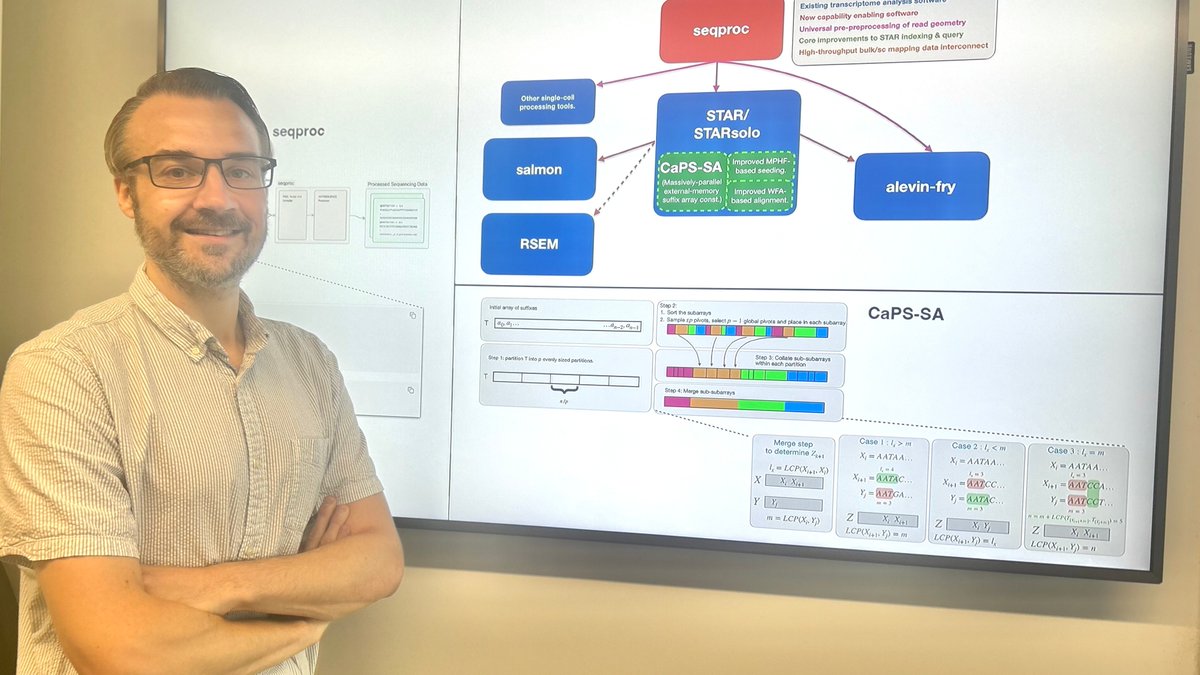
We're honored to have been funded by @cziscience in cycle 6 of their EOSS program & look forward to bringing some recent algorithmic advances to widely-used tools & building some new ones as well! Excited to work with @scarecrow00007, @daniel_c0deb0t, @_NoahCape & others on this!

Rob Patro (@nomad421) is receiving $400K from @ChanZuckerberg to advance open-source transcriptomics tools! This grant will enhance gene expression analysis, improving software performance and interoperability, and fostering open science.
Learn more: go.umd.edu/1p7t
7
7
87
5,701
Shaun Jackman retweeted

8 May 2024
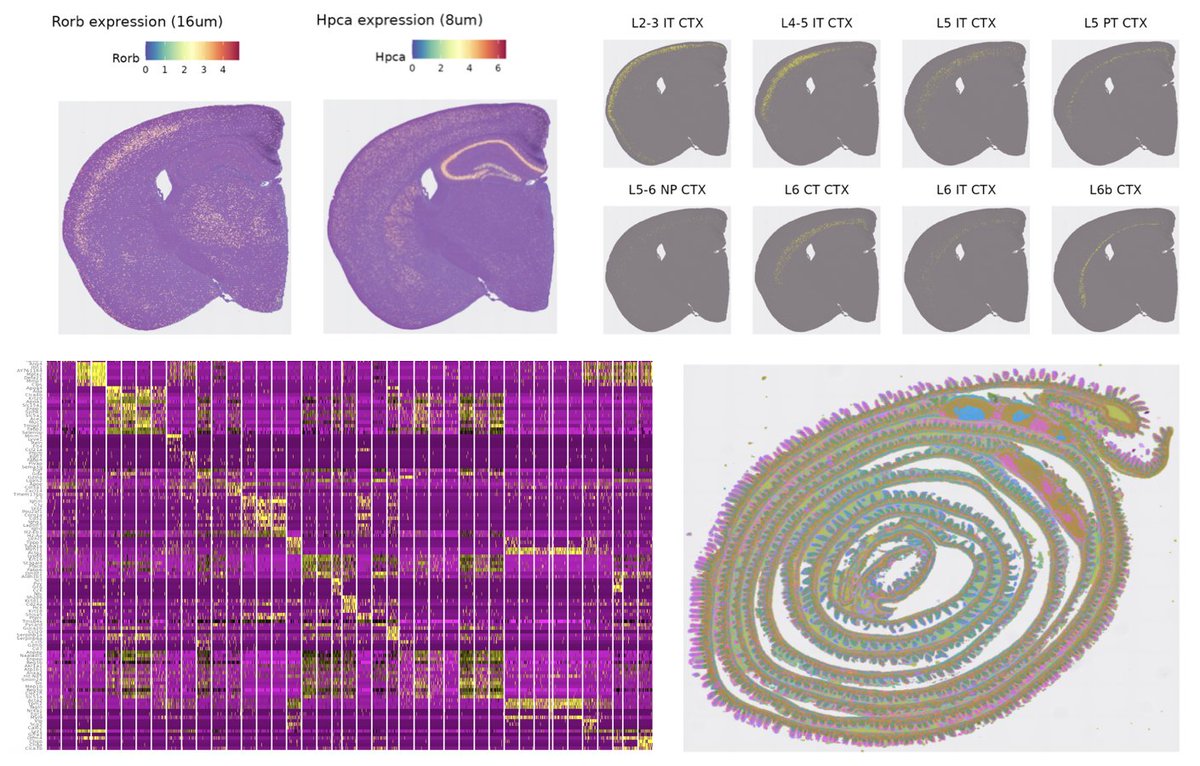
Excited to share our Seurat update supporting VisiumHD data from @10xGenomics. We explore and validate the ability of HD to map the spatial localization of individual cell types:
satijalab.org/seurat/article…
3
86
372
37,502
We had a great meeting & and are moving forward with a GitHub org. for planning & developing foundational building blocks for sequence analysis & related tasks in @rustlang. The org. "rust-seq" can be found here github.com/rust-seq. Reach out if you're interested in joining!

For those interested, our plan is to meet in the lobby of the conference center at ~2PM. For those who wish to participate, but are not attending RECOMB, hopefully we can find some place nearby to migrate. Look for the "cast" of rustaceans.
19
19
81
22,211
Shaun Jackman retweeted

23 Apr 2024
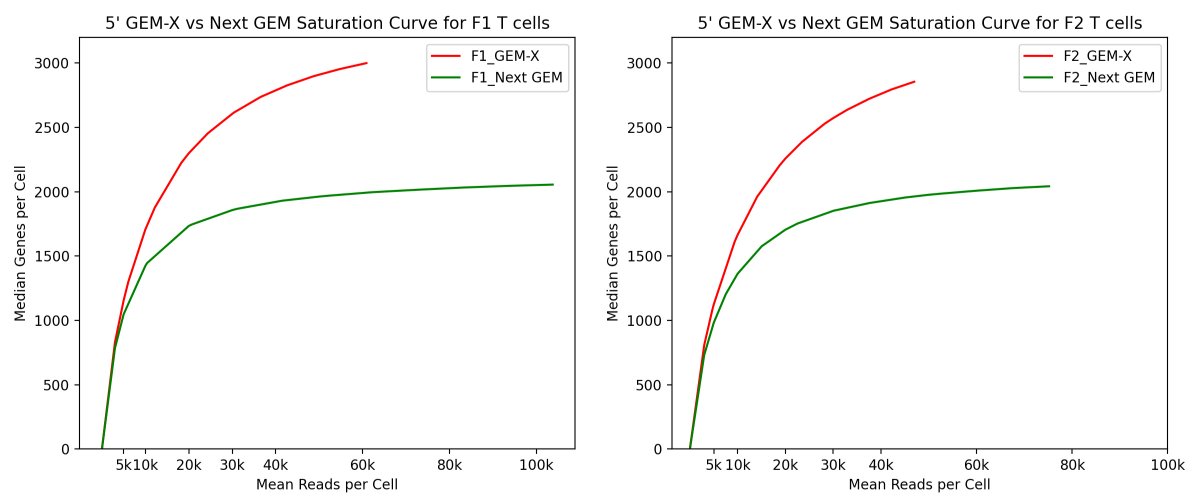
@10xGenomics released new single cell GEM-X assays in March, and we were quick to try it out. FHIL benchmarked 5’ GEM-X against 5’ Next GEM v2 chemistry with sorted T-cells from healthy donor PBMCs and targeted the recommended max for each assay, 20k and 10k respectively.(1/8)
3
27
108
23,887