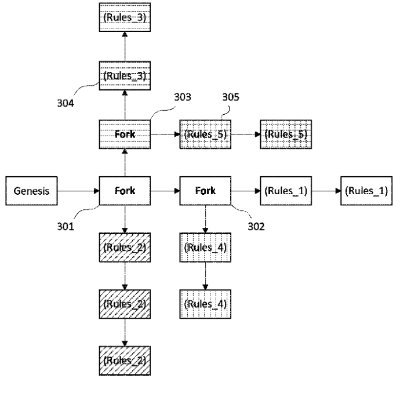
Official Multibranch Modular #Blockchain Architecture Since 2014. Events&data security. License required! Inquire w/ Eric Dixon email Management@Slidechain.net
Joined September 2019
- Tweets 1,081
- Following 85
- Followers 31
- Likes 268
42 Photos and videos




Pinned Tweet

Interested in using our patented #slidechain systems? Our corporate entity Blocktech LLC is organized in Colorado in the United States, and Blocktech has no foreign or U.S. subsidiaries or affiliates. Watch out for fraudsters! #blockchain #bitcoin #crypto
2
1
316
A two-minute primer on the value of #slidechain's patented #blockchain system from the patents' primary author. It's two minutes, right? ⏱️youtube.com/live/B6bGZE7RJmU…
5
Thank you to @wmougayar for a highly informative and incredibly underrated Breakout Stage talk at @EthConf this week in #NYC. Amazing that more people weren't paying attention. Look forward to your new book.
3
35
Slidechain Multilevel Blockchain Patent Solutions retweeted

Some fascinating philosophy here, for those of you with the patience and discipline to read through it all. #blockchains #ethereum

The Society Protocol movement is live and ready for public release. 🚀
The next stage is all about raising awareness. If you want to see Society Protocol built, we need your support.
Web: societyprotocol.io
App: app.societyprotocol.io
Forum: forum.societyprotocol.io
2
4
552
Slidechain Multilevel Blockchain Patent Solutions retweeted
Privacy as a commodity, when it should be a universal value.

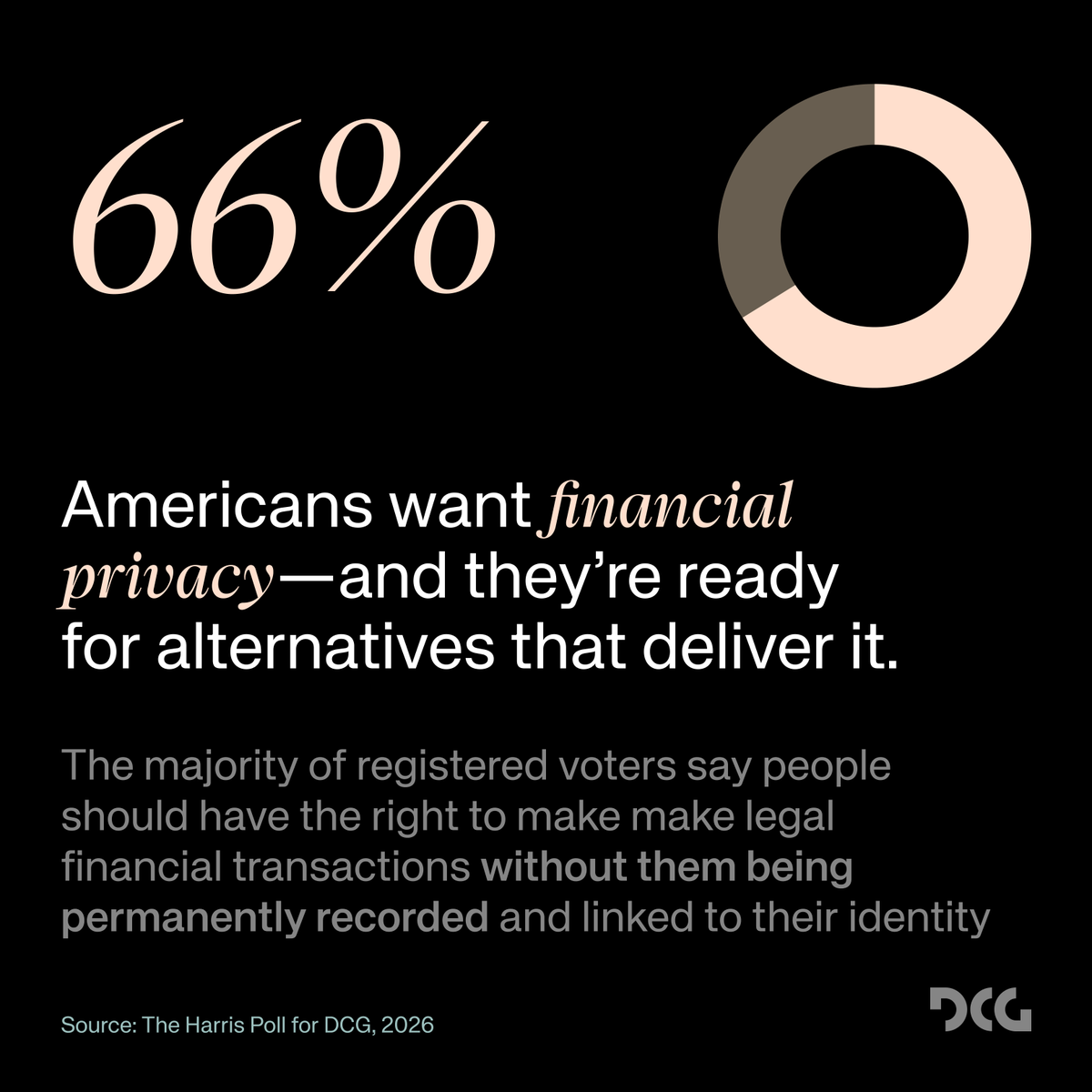
Today, sharing new voter data with @HarrisPoll that shows increased public demand for financial privacy
2/3 say people should have the right to make legal financial transactions without those transactions being permanently recorded and linked to their identity
1
1
59
Slidechain Multilevel Blockchain Patent Solutions retweeted

1
2
37
Slidechain Multilevel Blockchain Patent Solutions retweeted
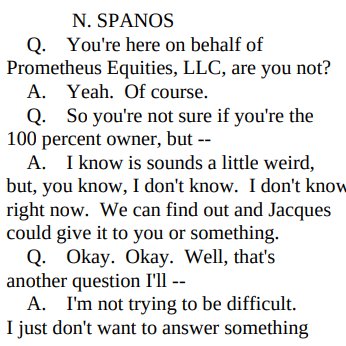
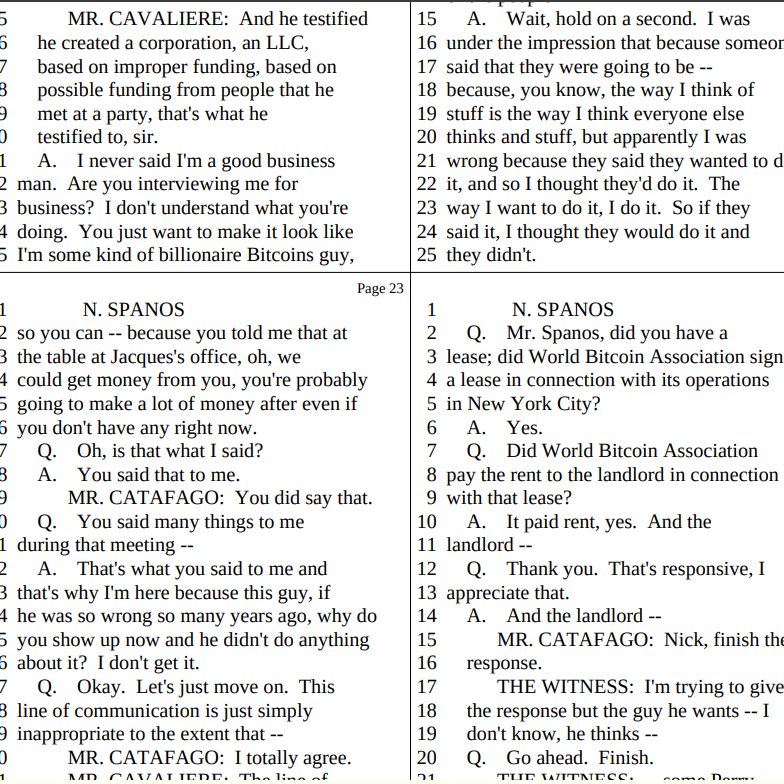
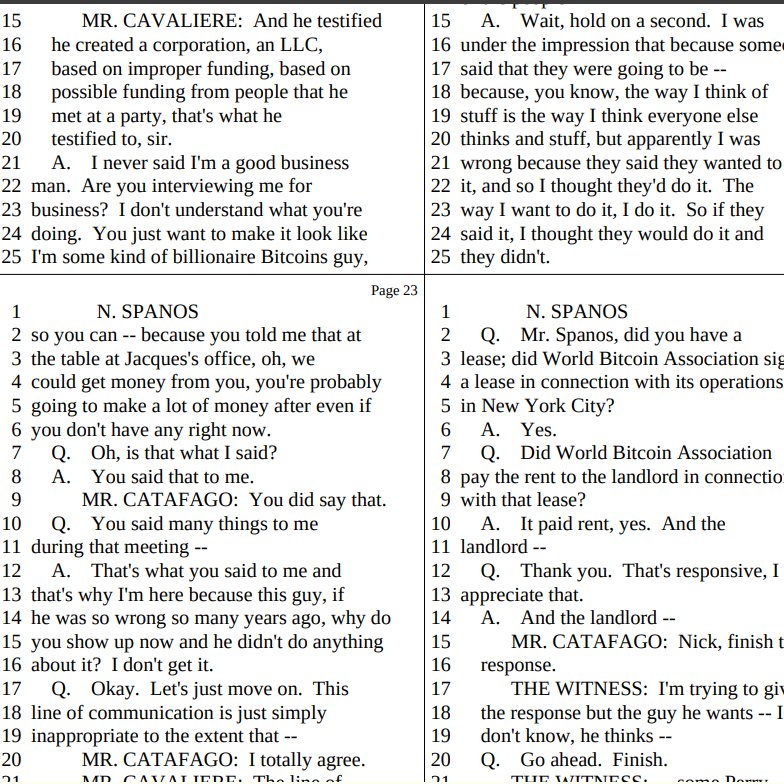
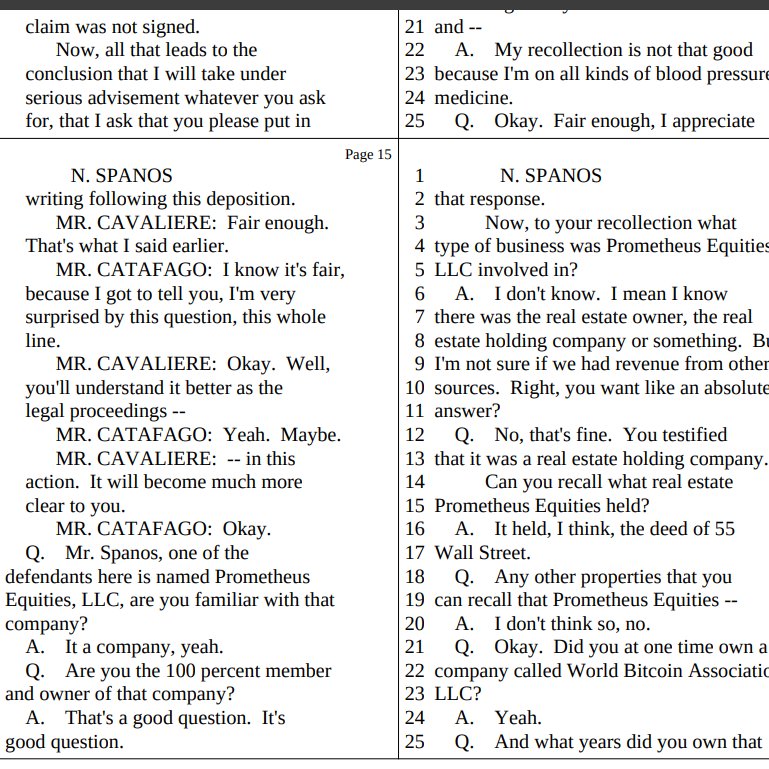
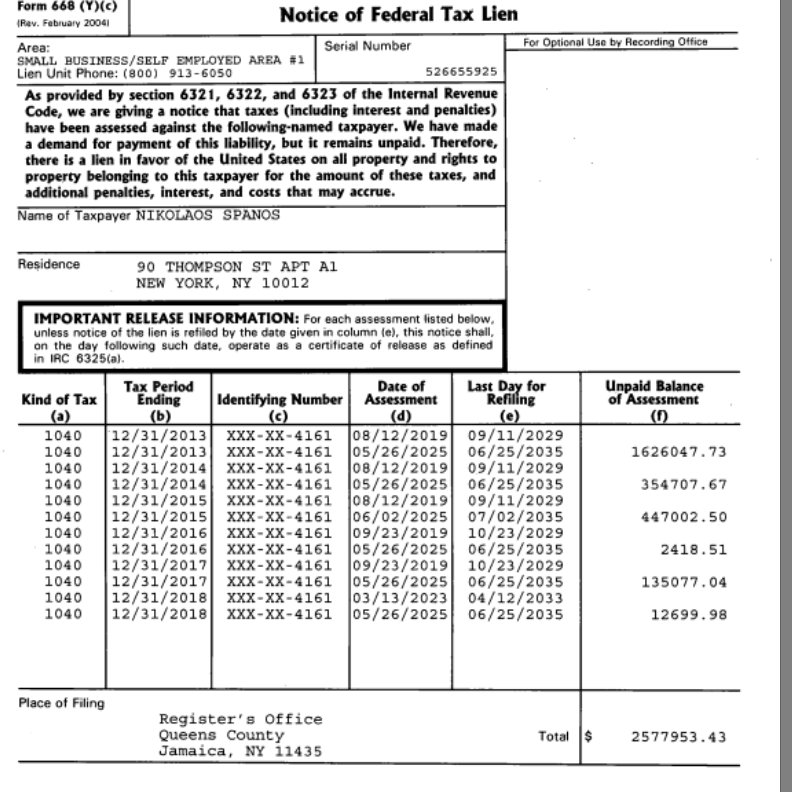
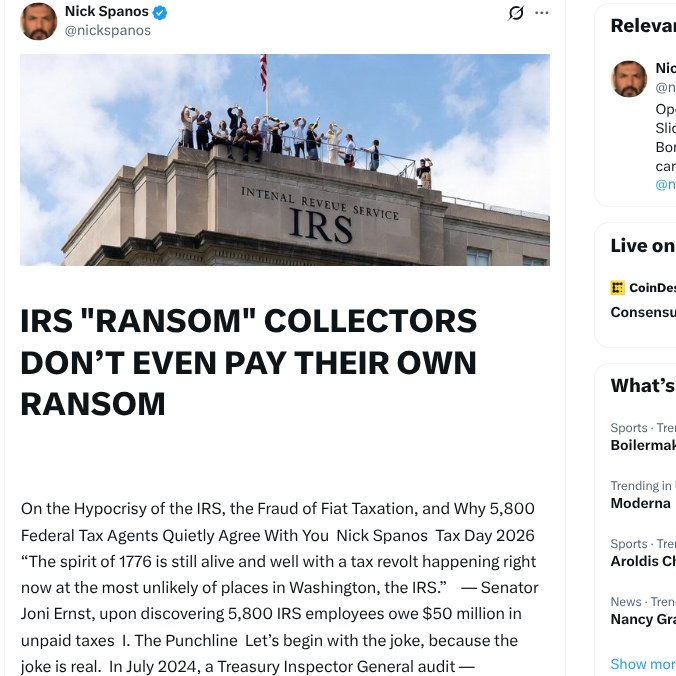
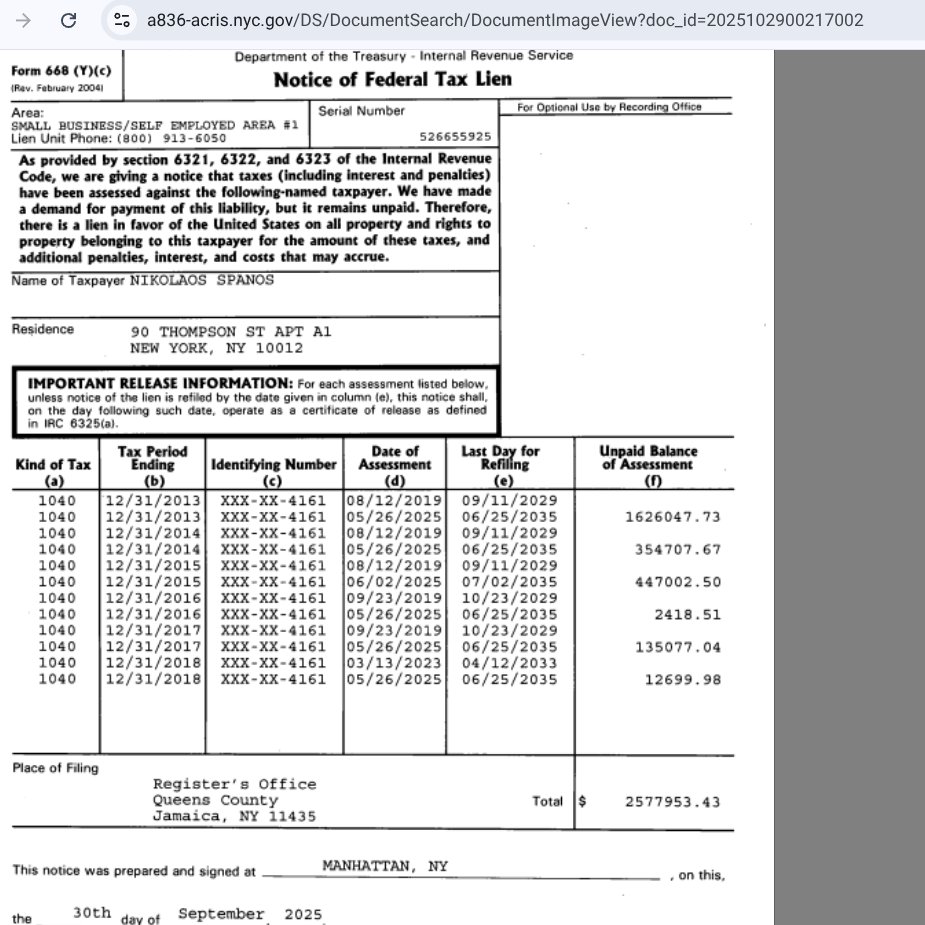
Official advisory: The views, statements, actions and associations of and by Nick Spanos (Nikolaos Spanos) do not reflect the policies, practices or positions of Blocktech LLC, its management, or #slidechain #blockchain inventions. We are and remain issue and viewpoint agnostic.
1
2
2
314
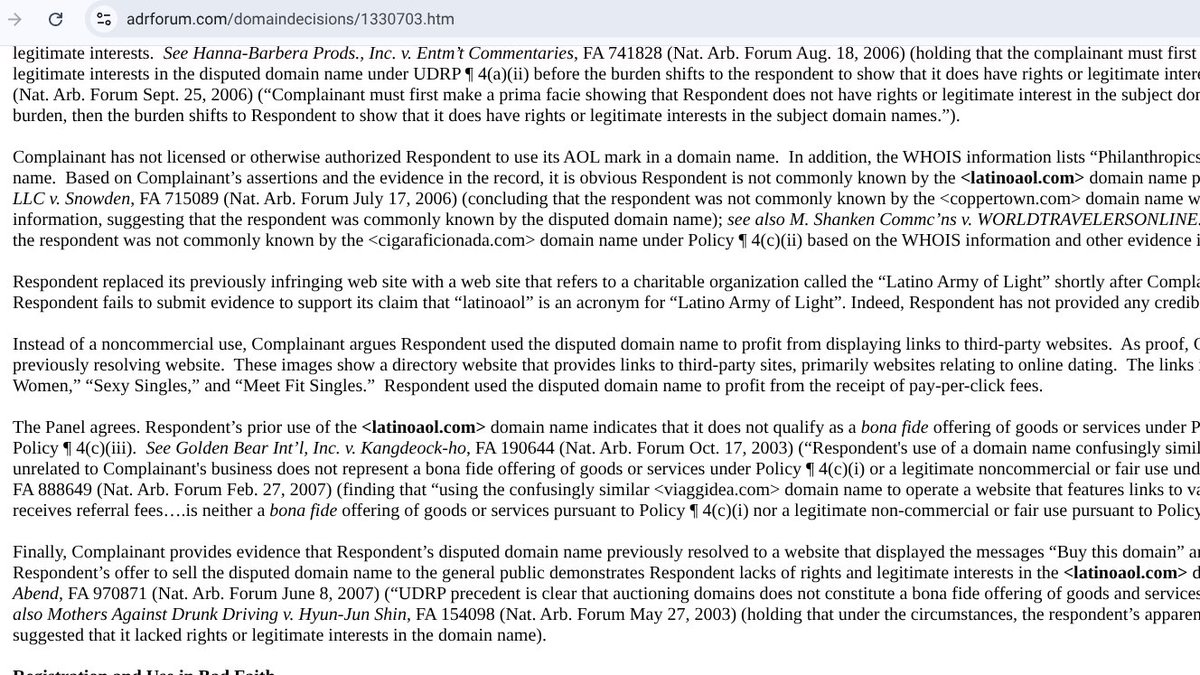
The cybersquatting "Slidechain(dot)com" website is down. We wonder why -- and are looking for the next cybersquatting website. #slidechain #patented #blockchain #crypto #bitcoin

Bro, clarity is key 🫡 Slidechain.com is the legit spot for all official patents and info.
followed you, would be awesome to get a follow back 🙌
8
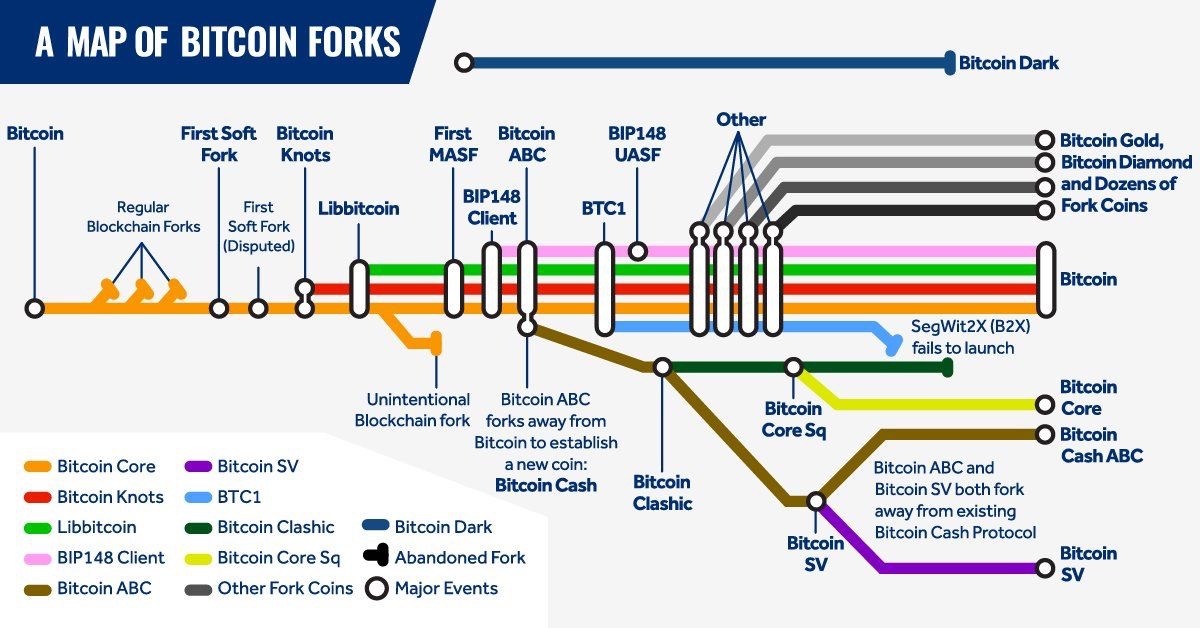
This looks like a #NYC subway map! Which is to say, it's kind of cool.
Mar 11

13 years ago today:
3/11/13: Blockchain fork crisis
A software bug caused a temporary split: two competing chains run in parallel with different transaction histories
Developers and the community coordinated a rapid fix and 24-block rollback within hours, fixing the issue
23
Slidechain Multilevel Blockchain Patent Solutions retweeted
Forget the #crypto crash. The real value is in using #forks or #forking #blockchains for customized systems for clients. This is modular blockchain and it's the next wave in development. youtube.com/live/B6bGZE7RJmU…
1
13
A #blockchain based voter registration and records system could work to prevent fraud in the system, before an election when it's too late. We have a patented system, Pat. No. 9,836,908.

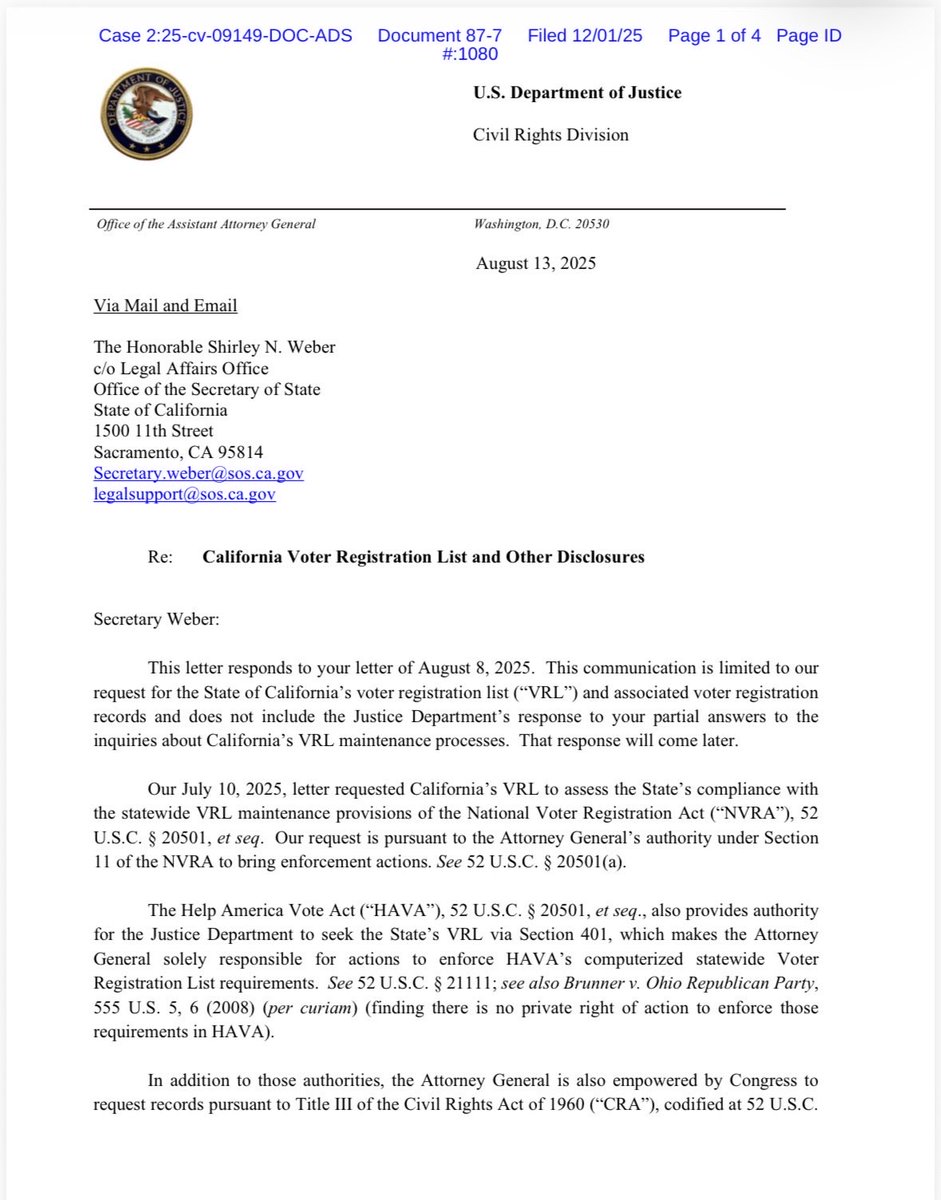
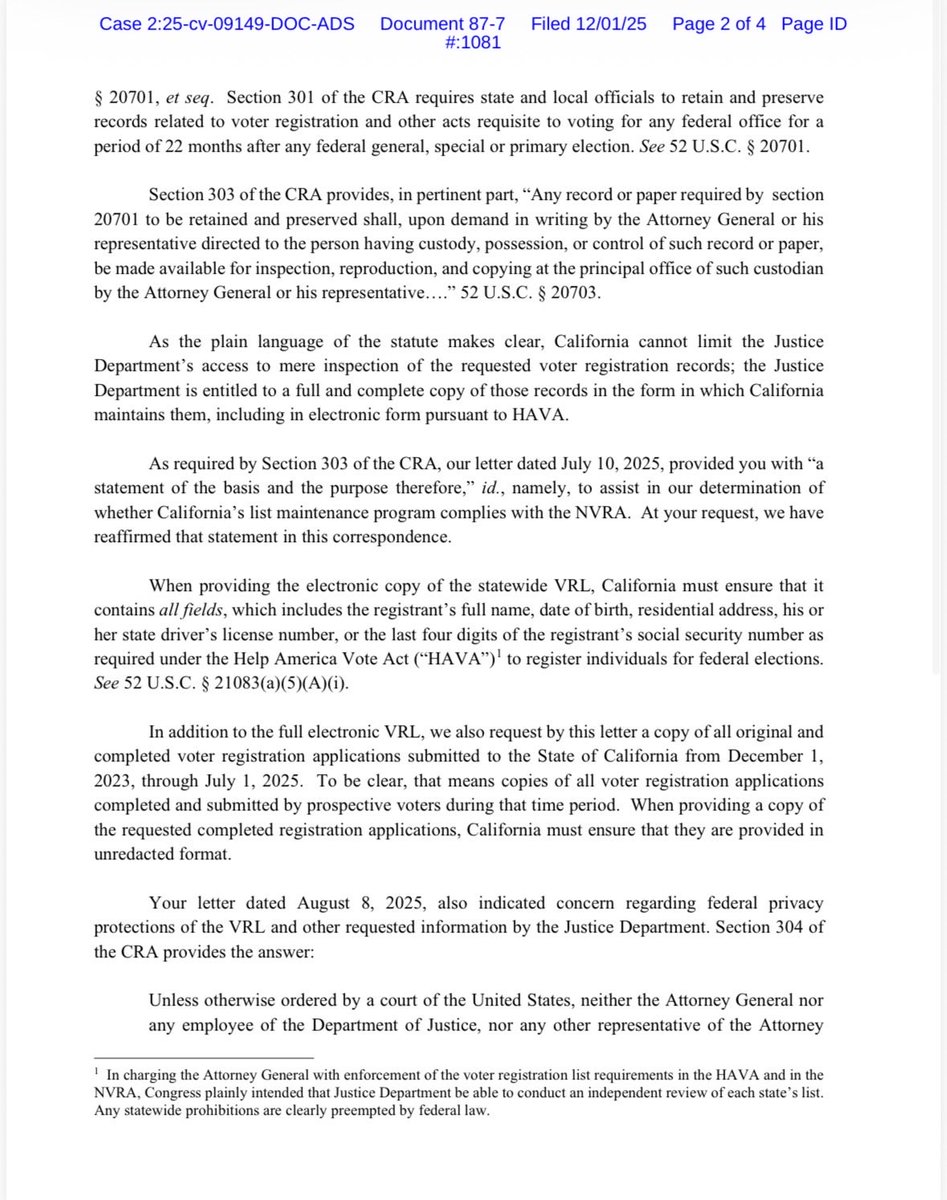
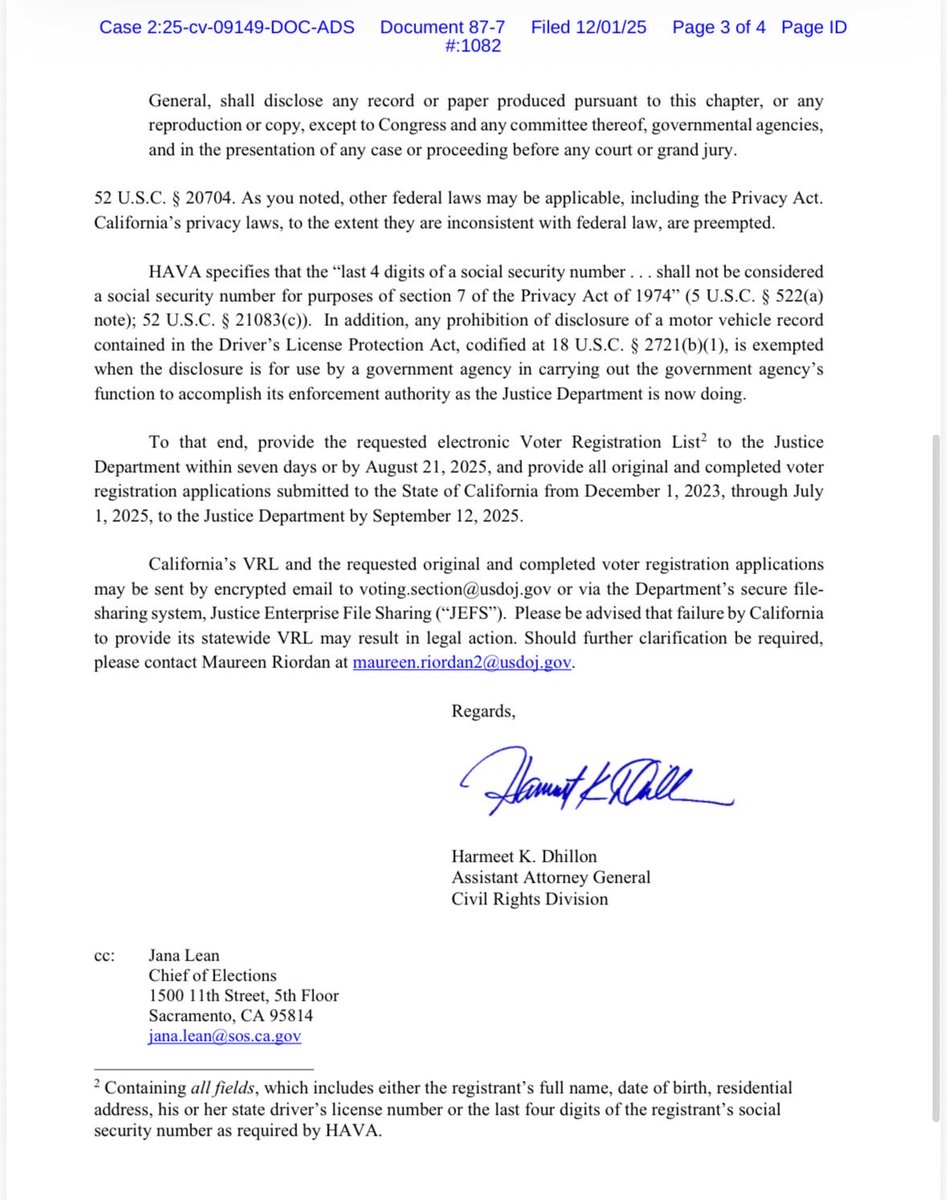
California Is Blocking a Federal Audit of Its Voter Rolls
California allows first-time voters to register using forms of ID that most Americans would find surprising, including:
-Gym membership card
-Employer ID card
-Credit or debit card
-Prescription drug label
-Insurance card (California provides free health coverage to undocumented immigrants)
Full list: sos.ca.gov/elections/hava-id…
This is permitted when a voter fails to provide a Social Security number or driver’s license at registration. Our office believes this policy deserves a closer look.
We also have serious concerns about how California maintains its voter rolls. There are open questions about whether the state is promptly removing deceased voters, people who have moved, and individuals convicted of disqualifying felonies.
On top of that, California allows third parties to collect and turn in ballots on voters’ behalf (a practice known as ballot harvesting) with few restrictions. This makes it difficult to track who actually received, completed, and submitted each ballot.
For over a year, the Department of Justice has been trying to audit California’s voter rolls. Federal law gives the Attorney General the authority to review state voter files and confirm that only eligible U.S. citizens are voting in federal elections.
@AAGDhillon sent California a letter explaining our legal authority. California refused to comply, claiming state privacy laws block the review, an argument that does not hold up because those laws don’t apply to the federal government in this context. We’ve sued California in federal court, and the case is before the Ninth Circuit Court of Appeals.
If California genuinely wants voters to trust its elections, it should open its records, not fight to keep them closed.
What are they afraid of?
11
We have two foundational #blockchain patents and a lot of ideas. If you have a vision and are serious about changing the world, let's meet at @ETHGlobal this week. DMs open or contact us via info in our bio.
8
We will be there at @ETHGlobal this week in the capital of the world.
1
9
Slidechain Multilevel Blockchain Patent Solutions retweeted
Read our new thoughts on the "Clarity Act" that's before the U.S. Senate now. We have a positive, if not unqualified, view of currently written draft. #bitcoin #crypto #ethereum #blockchains slidechain.net/f/the-clarity…
1
2
43
Slidechain Multilevel Blockchain Patent Solutions retweeted
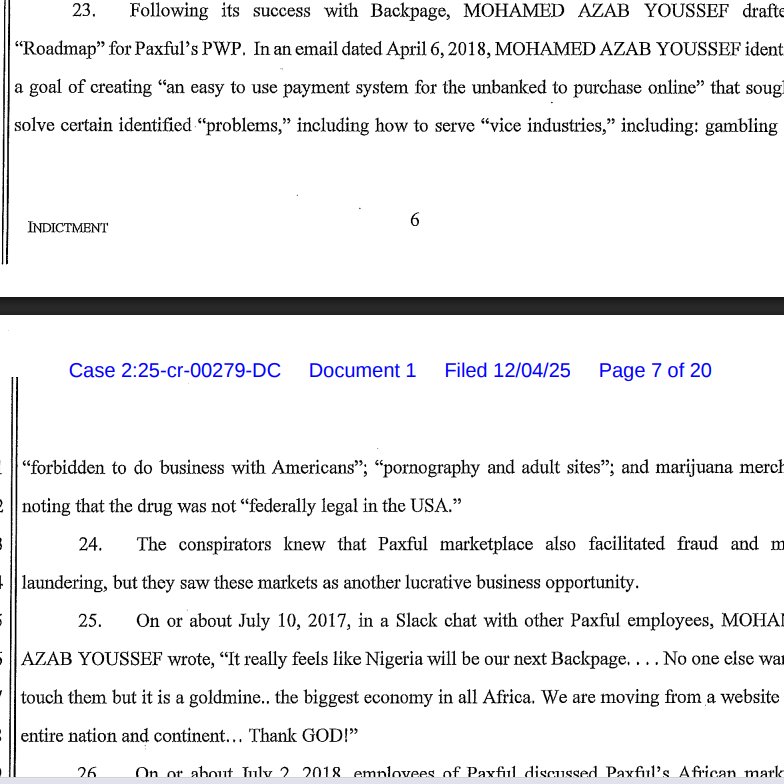
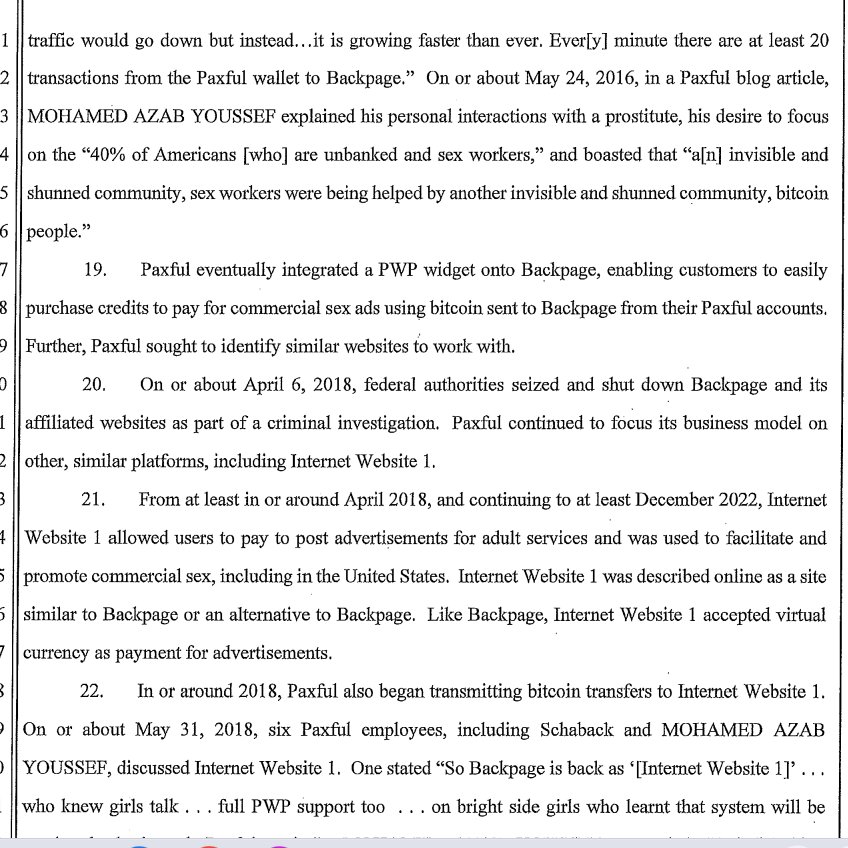
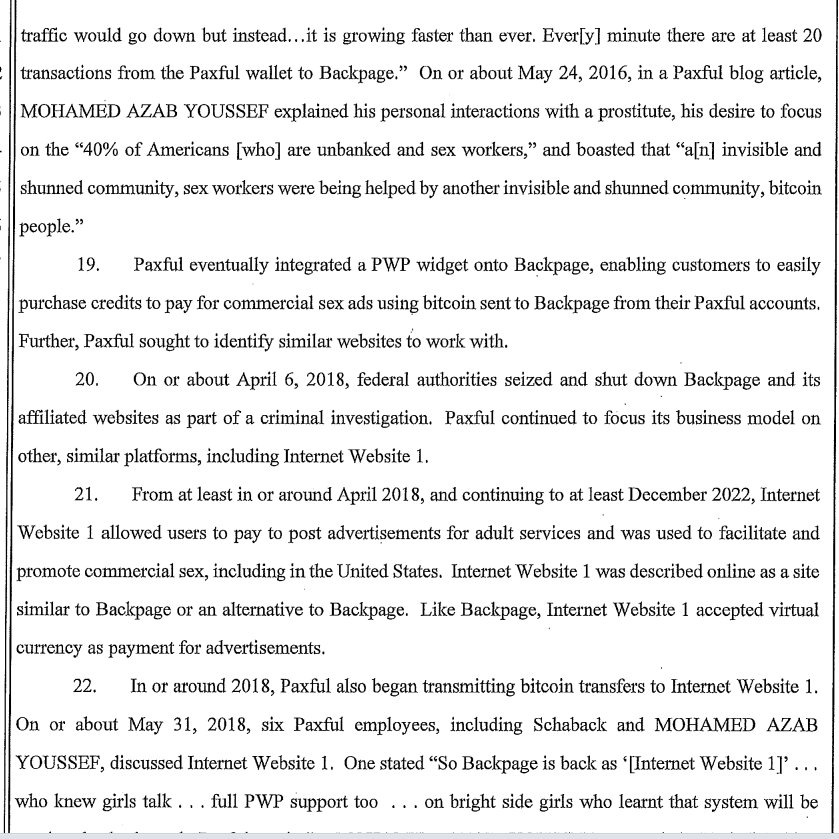
Reputation laundering or trying to affect the jury pool? Indicted #Paxful co-founder/CEO Ray Youssef extols claimed charitable works, no mention of @USDOJ's money laundering indictment in new personal website. Co-founder Artur Schaback and corporation both plead guilty.
1
1
43
This is why our patents are valuable.
Jun 4

Ethereum is one of the most misunderstood assets because it is the most miscategorized. Depending on the day, the market keeps trying to price ETH as a currency, a tech stock, a bet on transaction fees, or a Bitcoin follower, and on every one of those frames, it looks overvalued or underwhelming.
History has a habit of repeating itself whenever a new foundational technology emerges. Before society fully understands its significance, the technology is often dismissed, undervalued, misunderstood, and judged by the wrong metrics. The Internet followed this pattern. Blockchain, and especially Ethereum, is following it today.
In the 1980s and early 1990s, the Internet was widely viewed as an academic curiosity rather than a commercial opportunity. Its users were primarily researchers, government agencies, military institutions, and hobbyists. To the average person, it appeared complicated, slow, and irrelevant. Major newspapers questioned why anyone would want to read news on a computer screen rather than in print. AT&T reportedly passed on opportunities related to ARPANET because it saw little commercial future in the technology.
Even prominent thinkers failed to grasp its potential. In 1995, Clifford Stoll famously argued that online commerce, digital communities, and electronic publishing were largely fantasies. Three years later, economist Paul Krugman predicted that the Internet's economic impact would prove no greater than that of the fax machine.
Their mistake was not a lack of intelligence. It was a failure to recognize that foundational infrastructure creates value indirectly before it creates value directly.
The Internet was initially evaluated as a product. In reality, it was becoming a platform. It was not merely another communications tool; it was a new coordination layer for society. It would eventually become the foundation upon which entirely new industries, business models, and forms of human interaction could emerge.
The same misunderstanding exists today with blockchain networks.
Many observers evaluate blockchains as if they were standalone applications. They ask how much revenue they generate, how many fees users pay, or whether transaction costs are rising or falling. These questions are useful, but they often miss the larger picture.
Ethereum is not primarily an application. It is infrastructure.
Just as the Internet created a global network for the exchange of information, Ethereum creates a global network for the exchange of value, ownership, trust, and programmable agreements. It provides a neutral settlement layer upon which thousands of applications, protocols, financial products, stablecoins, tokenized assets, and digital organizations can operate.
The Internet's most important value did not reside within TCP/IP, HTTP, or email protocols themselves. Its value emerged from what others built on top of those standards. Amazon, Google, Facebook, Netflix, Shopify, and countless other companies captured enormous economic value because the Internet provided an open platform for innovation.
Ethereum operates according to the same principle.
Its value is not limited to transaction fees. It derives from securing trillions of dollars in future economic activity, enabling decentralized financial markets, supporting stablecoin ecosystems, facilitating tokenized real-world assets, and serving as the trust infrastructure for a new digital economy.
The Internet also experienced its own cycle of misunderstanding. The dot-com boom correctly identified the technology's importance but wildly overestimated the short-term value of many companies built upon it. The subsequent crash led critics to declare the Internet overhyped and disappointing.
Yet the crash did not invalidate the technology. It merely removed speculation while leaving behind critical infrastructure. Fiber-optic networks, data centers, software tools, and developer talent continued to improve. The result was the emergence of Web 2.0, cloud computing, social media, and eventually the modern digital economy.
Today, many governments worldwide have officially reclassified broadband internet as a critical public utility, on par with water and electricity. The digital economy now accounts for over 15% of global GDP, driving exponential growth in visual and financial markets. The COVID-19 pandemic permanently proved that the global economy could not function or survive without internet infrastructure.
Blockchain is experiencing a similar phase today. Speculative excesses have obscured genuine innovation. Failed projects have led critics to dismiss the entire sector. Yet beneath the surface, the infrastructure continues to mature. Scalability is improving. Security is strengthening. Stablecoins are growing rapidly. Tokenization is accelerating. Institutional adoption is increasing.
The market's challenge is that infrastructure is difficult to value before its full utility becomes obvious.
Few people in 1995 could imagine that the Internet would become essential to commerce, communication, entertainment, education, and work. Today, global society would struggle to function without it.
Likewise, many people still view Ethereum as a niche technology for traders, speculators, or technologists. But if blockchain becomes the trust layer for global finance, digital identity, asset ownership, and machine-to-machine commerce, then today's valuations may ultimately look as shortsighted as the skepticism once directed toward the Internet.
The lesson of history is simple: transformational infrastructure is rarely understood in real time. The Internet was underestimated because people measured what it was rather than what it could become. Ethereum faces the same challenge today. Its greatest value lies not in the activity we can already see, but in the vast economic and social systems it may eventually support.
7
Slidechain Multilevel Blockchain Patent Solutions retweeted

Jun 1
Smart #journalists and independent economists know that the Labor Department metric that counts the most is the "U-6" rate, which is rarely reported.

The 4.3% unemployment rate is below both the 10-year average of 4.6% and the 50-year average of 6.1%. For the second month in a row, the official government tally of jobs added blew past economists' expectations. And the most recent Job Openings and Labor Turnover Survey showed hiring surged in March. cnn.it/4ajU9iS
1
4
Slidechain Multilevel Blockchain Patent Solutions retweeted
Imagine forking #bitcoin.
youtube.com/live/B6bGZE7RJmU…
2
2
16
Slidechain Multilevel Blockchain Patent Solutions retweeted
Three super ways Donald J. Trump can save #crypto! And they wouldn't cost anyone a dime!
#bitcoin #ethereum #stablecoin #CLARITYAct #Trump
youtube.com/live/ISVomSGmbgI…
3
3
79