BioMethane | CBG | RNG | Energy | Sustainability | Renewables | Biofuels | Photography |
Joined September 2016
- Tweets 645
- Following 258
- Followers 34
- Likes 4,521
66 Photos and videos



Mar 1
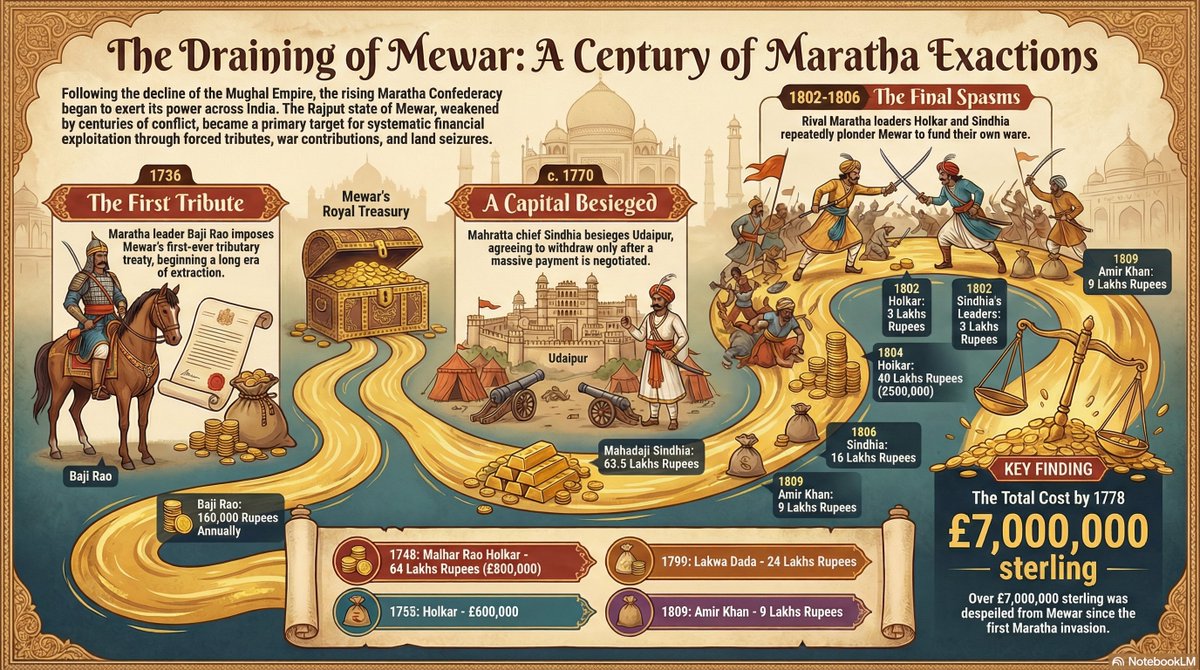
Only Congo:
WW1: Army fought & won in Ethopia, marched upto Egypt and had medical station in Burma
WW2: All Uranium of Manhattan Project came from Katanga. Lots of forced labour for metal, rubber & resources
Cold War: Led to death of P. Lumumba and long military rule.
Feb 28

There is always a reason why Africa is never affected by World wars.
Community note
Africa was directly affected by both World Wars. In WWI, major fighting occurred in East Africa. In WWII, large campaigns took place in North Africa (e.g., El Alamein) and East Africa, with millions of Africans serving or contributing resources.
en.wikipedia.org/wiki/East_Afri…
en.wikipedia.org/wiki/North_Afr…
britannica.com/event/World-Wa…
70
Feb 20
We had a signed copy of 'একদিন হঠাৎ' by Sankar which was one of my first Bangla novels. The various aspects of life and insights of his characters was really deep and profound. A great loss for Indian literature.
Feb 20

Deeply saddened by the passing of Shri Mani Shankar Mukhopadhyay Ji, fondly known as Shankar.
He was a towering figure in Bengali literature whose words portrayed the lives of people with sensitivity and insight. Through his unforgettable works, he impacted generations of readers and enriched India’s literary world.
My heartfelt condolences to his family, friends and countless admirers. Om Shanti.
85
Feb 16
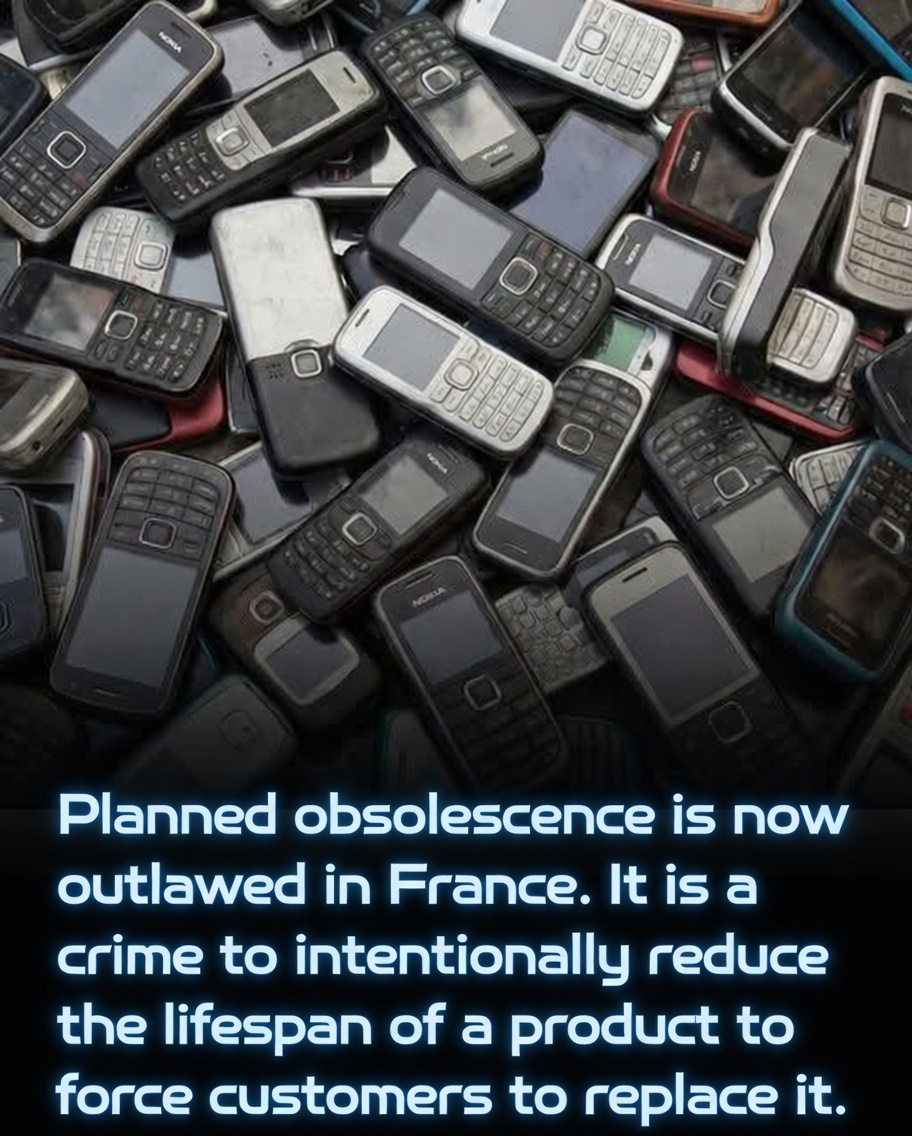
Stopping planned obsolescence shall promote #Sustainability
France leads ... India should also explore
Feb 14

France has made planned obsolescence a criminal offense, becoming one of the first countries in the world to treat deliberate product shortening as a serious crime.
Manufacturers caught intentionally designing electronics, appliances, or other goods to fail prematurely or become unusable—whether through hardware flaws, software updates that slow performance, or other engineered limitations—now face steep penalties: up to 2 years in prison and fines reaching €300,000, or as high as 5% of their average annual turnover in the most serious cases.
This landmark law, building on France’s earlier consumer-protection framework and reinforced by high-profile scandals (such as the 2017–2018 investigations into smartphone “battery-gate” slowdowns), explicitly targets both physical and digital tactics used to push consumers toward frequent replacements.
The legislation is more than just punishment—it’s a cornerstone of France’s broader “right to repair” agenda. By criminalizing practices that drive premature disposal, the government aims to:
- Slash the massive environmental footprint of electronic waste,
- Protect consumers from hidden “forced upgrades,”
- Encourage manufacturers to prioritize durability, repairability, and longer-lasting support.
France’s tough stance sends a clear message to global tech and appliance companies: the era of disposable-by-design products is ending. By leading the charge on sustainability and consumer rights, the country is helping shift the world toward a more circular economy—one where goods are built to last, repaired when needed, and discarded only when truly necessary.
24
Feb 2
For a more realistic picture 1962: The War That Wasn't
is a great book by Shiv Kunal Verma.
@shivkunalverma explains the real '62 war exceptionally well in various videos as well.
It was a 'general' failure of all the 'Generals' in the war and they can't absolve themselves
1
30
Jan 29
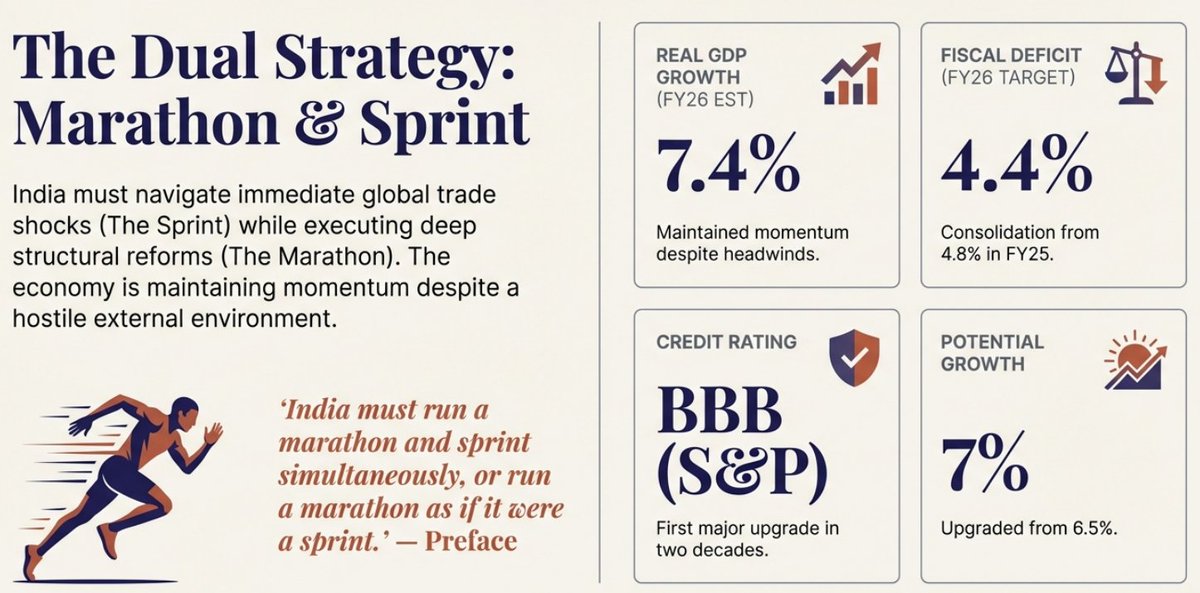
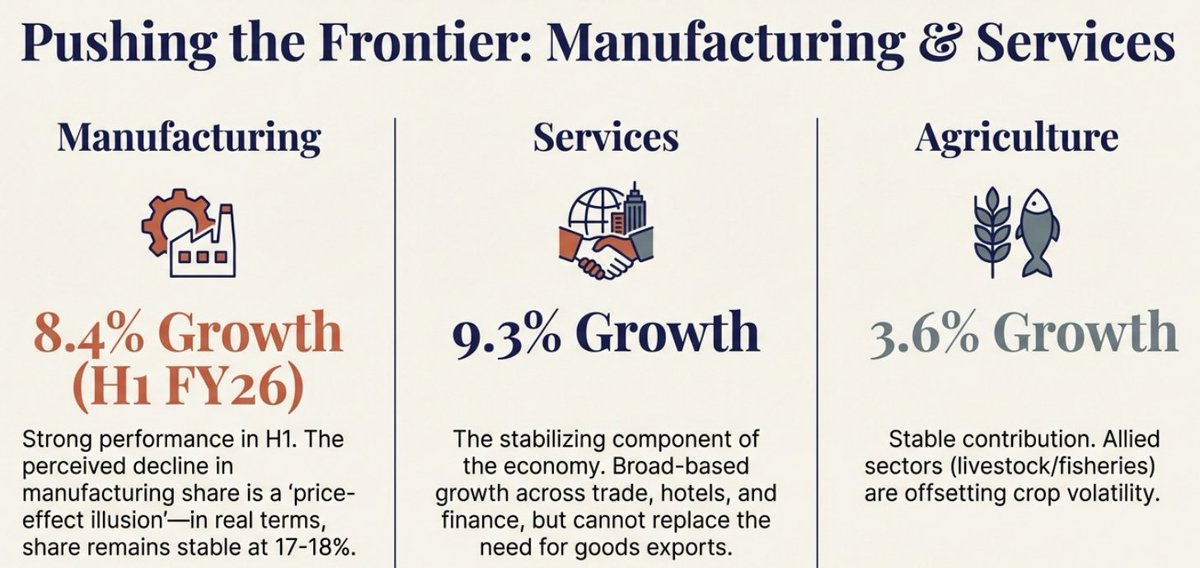
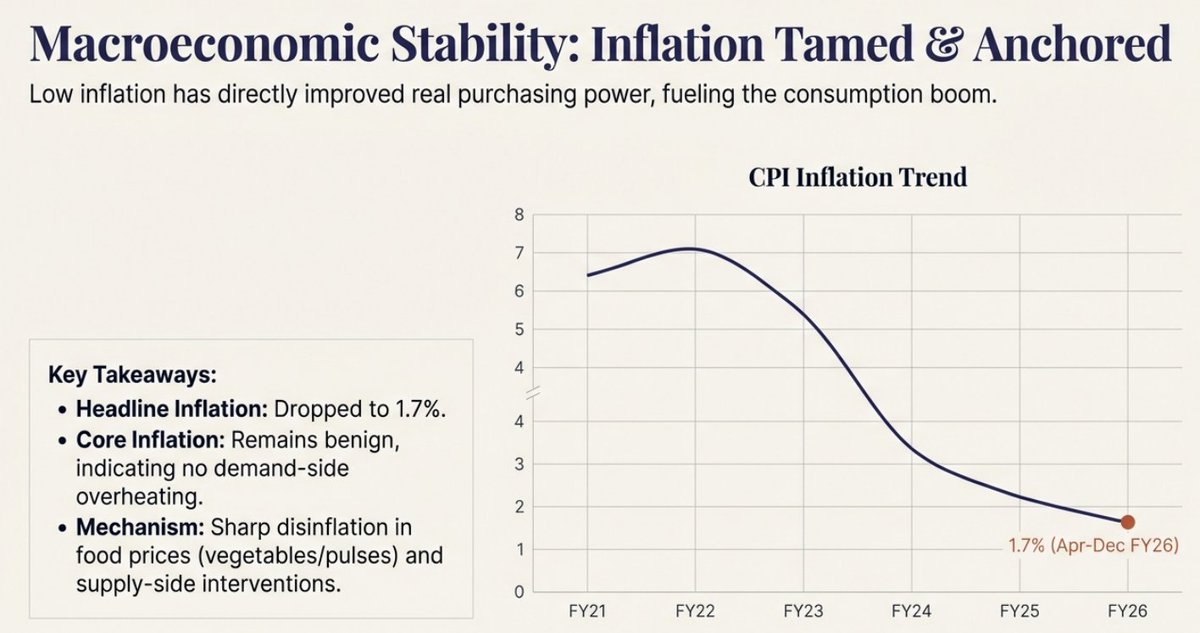
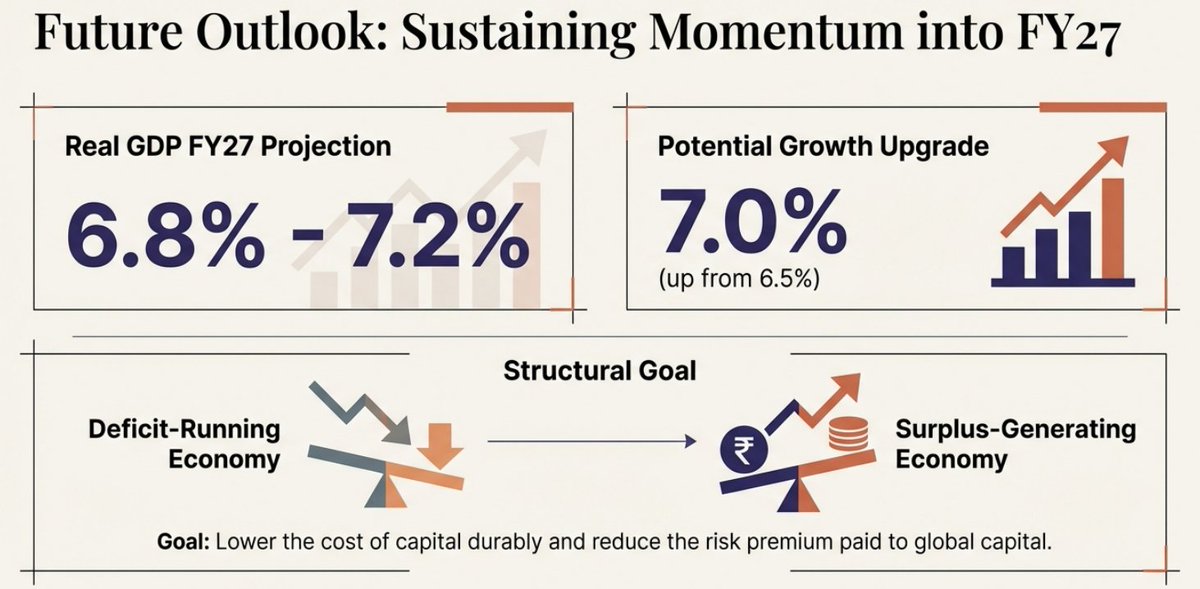
Viksit Bharat Economic Survey 2025-26
India is choosing Shreya - Enduring good, long-term investment.
Embracing the delayed gratification of fiscal consolidation and capex for the enduring power of a Viksit Bharat.
#EconomicSurvey #Economy #Bharat
21
Jan 14
A small step for @sanjeevsanyal but a large step in proving that once Bharat traversed oceans on East & West Coasts
A Civilizational Awakening deserved recognition
Jan 14

Jumping out of INSV Kaundinya on to the Jetty in Muscat
27
7 Dec 2025
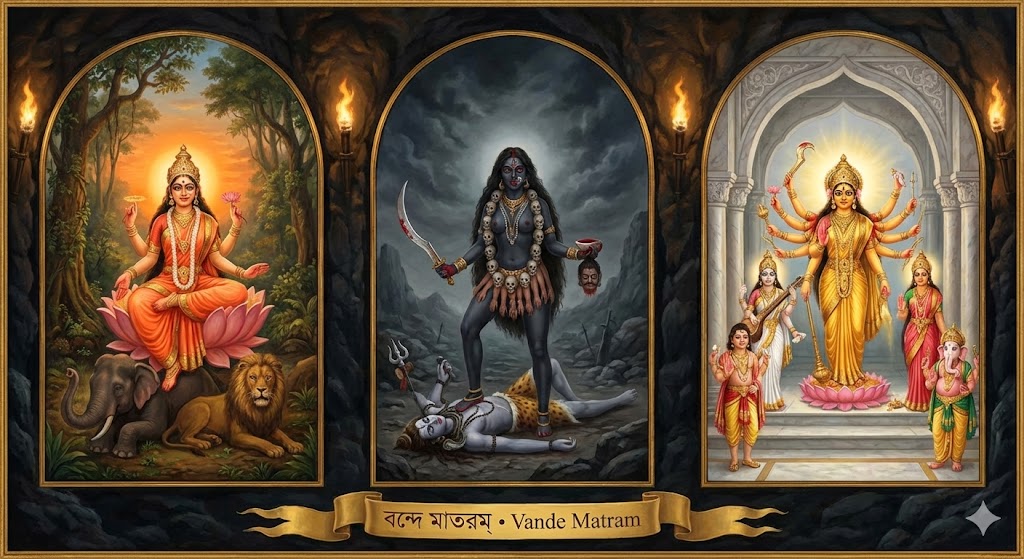
Bankim Chandra Chatterjee's description of the Mother in #Anandamath
The Mother as She was: Jagaddhatri, glorious past
The Mother as She has become: Kali, miserable present
The Mother as She will be: Durga, triumphant future
#VandeMataram150
38
30 Nov 2025
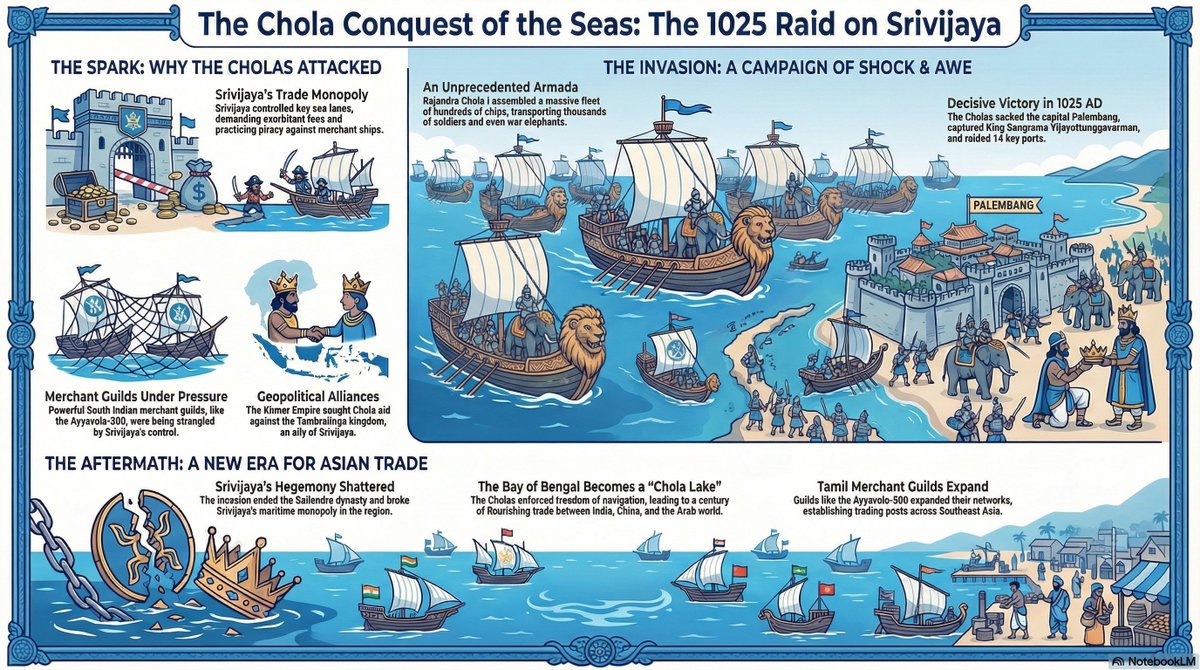
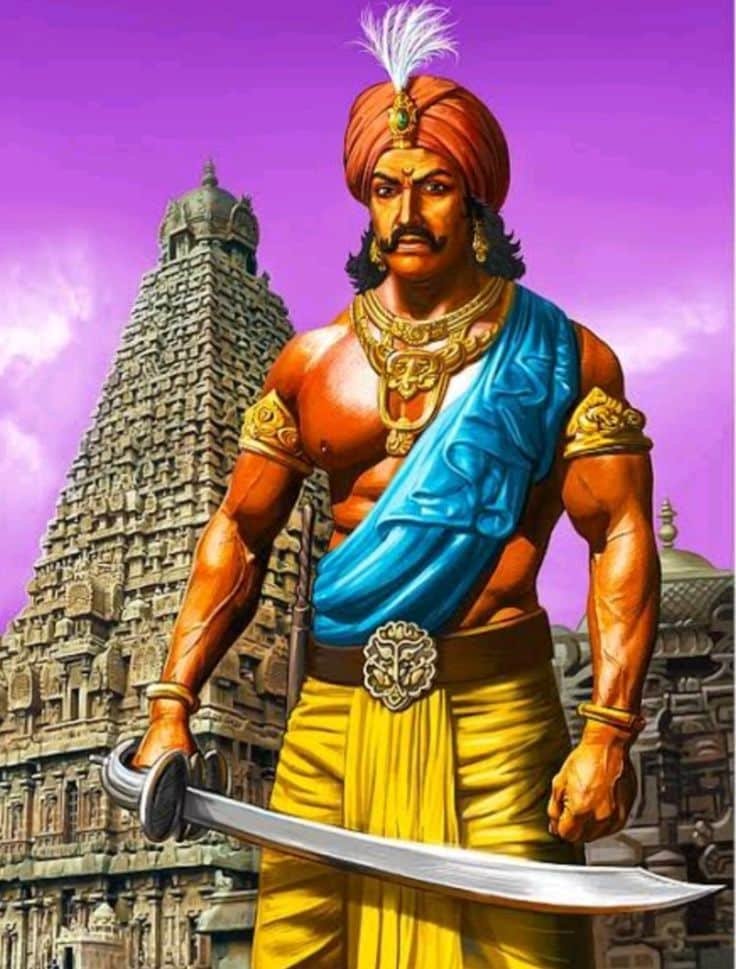
Rajendra Chola conquest of Srivijara
#history_class
30 Nov 2025

The Armada That Unlocked the World
A thousand years ago, an Indian emperor launched a massive naval strike not for territory, but to break a chokehold on global commerce.
If you stood on the Coromandel Coast of India in the final months of 1024 AD, looking east toward the Bay of Bengal, you would have witnessed a mobilization unlike anything the pre-modern world had ever seen. The harbor was not filled with the usual bustle of merchant dhows or fishing catamarans. Instead, it was crowded with a purpose-built armada. There were hundreds of ships, robust vessels constructed from teak and jackfruit wood, bobbing in the surf. On board were tens of thousands of soldiers, armor, supplies, and, perhaps most terrifying of all to the enemies they would soon face, fully trained war elephants.
This was not a fleet of exploration. It was a fleet of correction.
The man who commanded this force, Emperor Rajendra Chola I, was about to launch a campaign that would rewrite the rules of Asian geography. His target was not a neighboring kingdom or a land border. It was an empire of islands across the ocean, the Srivijaya Empire, which controlled the vital chokepoints of Southeast Asia. The subsequent raid of 1025 AD remains one of the most audacious naval operations in history. It was a strike that effectively birthed a medieval version of global free trade, connecting the markets of China, India, and the Arab world by force.
To understand the sheer ambition of Rajendra’s gamble, one must understand the map of the medieval world. In the 11th century, the global economy beat to the rhythm of the monsoon winds. The great maritime Silk Road stretched from the Abbasid Caliphate in Baghdad to the Song Dynasty in China. India sat squarely in the center, the golden fulcrum where Arab merchants offloaded frankincense and horses, and Chinese traders sought spices and textiles.
But there was a problem. To get from the Indian Ocean to the South China Sea, every ship had to pass through the Strait of Malacca. This narrow ribbon of water was the property of the Srivijaya Empire, a thalassocracy based in modern-day Sumatra and the Malay Peninsula. Srivijaya did not produce great goods; it produced great borders. It acted as the world’s most aggressive tollbooth.
For decades, Srivijaya had leveraged its geography to squeeze the life out of the trade routes. They demanded exorbitant transit fees. They forced merchant vessels into their ports to offload cargo at below-market rates. When captains refused, the Srivijayan navy turned to piracy, seizing ships and stifling the flow of goods. For the powerful merchant guilds of southern India, known as the "Five Hundred Lords of Ayyavole," this was an intolerable strangulation of their livelihood. (I have written about Ayyavole. It was the probably first corporation in the world. Check my thread for that.)
Diplomacy had failed. The Srivijayan kings, secure in their distant island fortresses, believed they were untouchable. No Indian power had ever projected force across the open ocean on such a scale. The Bay of Bengal was too wide, the logistics too complex, the risks too high.
Rajendra Chola decided to change the rules.
The logistics of the 1025 campaign stagger the modern imagination. Transporting a medieval army by land is difficult enough; transporting one across 1,500 miles of open ocean is a feat of engineering genius. The Chola shipbuilders adapted their vessels for the high seas, using a technique of stitching planks with coir and sealing them with pitch to withstand the ocean swell. They mastered the science of celestial navigation, using rudimentary sextants to guide this floating city across the featureless blue. (Check my thread on how Cholas perfected latitude sailing which perhaps was used later by Columbus)
The genius of the operation, however, was not just in the engineering. It was in the strategy. Srivijaya expected any attack to come from the north, filtering predictably into the Malacca Strait. Rajendra appears to have done the impossible. His fleet likely swung south, navigating the treacherous currents to penetrate the Sunda Strait.
They emerged from the ocean mist like a thunderclap.
The inscriptions at the Tanjore Temple, carved in granite to immortalize the victory, read like a litany of shock and awe. They describe the Chola forces sweeping through the archipelago with the force of a "burning fire." The attack was not a single battle but a synchronized dismantling of the Srivijayan network. Fourteen key ports were struck. The capital at Palembang was sacked. The Srivijayan king, Sangrama Vijayatunggavarman, was captured, his treasury seized, and his "Vidyadhara-torana," the jeweled war gate of his city, taken as a trophy.
The use of elephants in an amphibious assault highlights the psychological dimension of Chola warfare. For the defenders, seeing armored pachyderms storming off ships onto their beaches must have been an apocalyptic sight, a shattering of the natural order that broke their will to fight.
Yet, what happened next distinguishes Rajendra Chola from a mere conqueror. He did not occupy Srivijaya. He did not station permanent garrisons or attempt to govern the archipelago from India. Once the Srivijayan king surrendered and acknowledged Chola suzerainty, the armada sailed home.
Rajendra was not interested in empire building in the colonial sense. He was interested in market correction.
The result was immediate and profound. The Bay of Bengal became, in effect, a Chola lake. The stranglehold on the Malacca Strait was broken. For the next century, the trade route was open. Chinese chronicles from the Song Dynasty record a sudden spike in tribute missions and trade from India. Arab geographers noted the ease with which goods now flowed from the Persian Gulf to Guangzhou.
The Chola raid of 1025 was the ultimate enforcement of freedom of navigation. It ensured that the triangular trade between the Arab world, India, and China could flourish without the interference of a predatory monopoly. It allowed the merchant guilds of South India to become the first true multinational corporations, setting up trading posts that stretched from Sumatra to southern China.
In our modern era, we often view the concept of "secure sea lanes" as a 20th-century invention, a responsibility of the British Royal Navy or the U.S. Navy. But a millennium ago, a Tamil emperor understood the same fundamental truth. He recognized that a global economy relies on open doors, and he proved that a nation with the will and the technology could reach across the ocean to kick them open.
1
2
9
629
30 Nov 2025
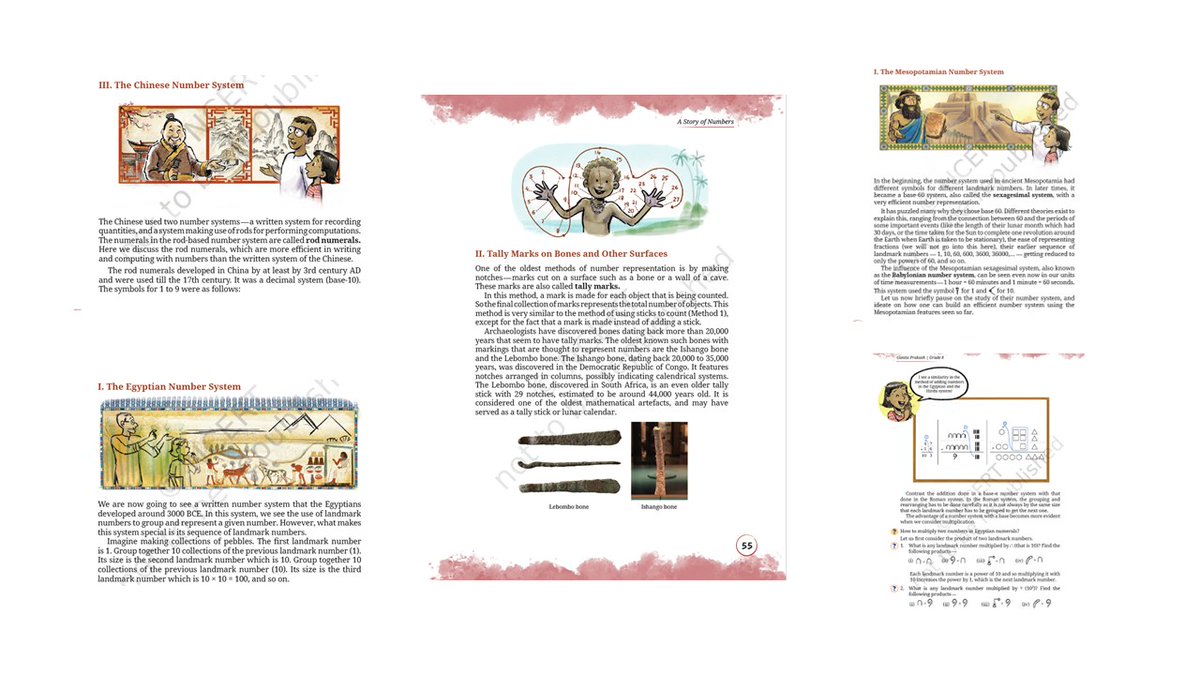
Why do Class 8 #cbseboardexams Maths students need to learn Chinese, Mesopotamian, Egyptian & Mayan number system in a chapter sounding more like a History book.
Only Binary, Hexadecimal... could be taught for bases if required.
@cbseindia29 @ncert @EduMinOfIndia
-A Parent
30
12 Nov 2025
Satyajit Ray made a movie on this in 1989
en.wikipedia.org/wiki/Ganash…
youtube.com/watch?v=g2F1hlSC…
#Ganashatru #SatyajitRay #movies #ReligiousFreedom
12 Nov 2025

Romanian Orthodox Church catches heat for making believers sick with E. Coli after water exposure with a mummified foot relic that they claimed to be of a yet-to-be-identified 'saint'. Many people showered with or drank the 'holy water'.
Community note
The people in this video are not part of the Romanian Orthodox Church, nor the canonical Orthodox Church as a whole.
They're part of the Lipovan, a group of Old Believers who are entirely separated from the Orthodox Church.
More on them: borv.ro/ro/istoriya.ht…
102
9 Nov 2025
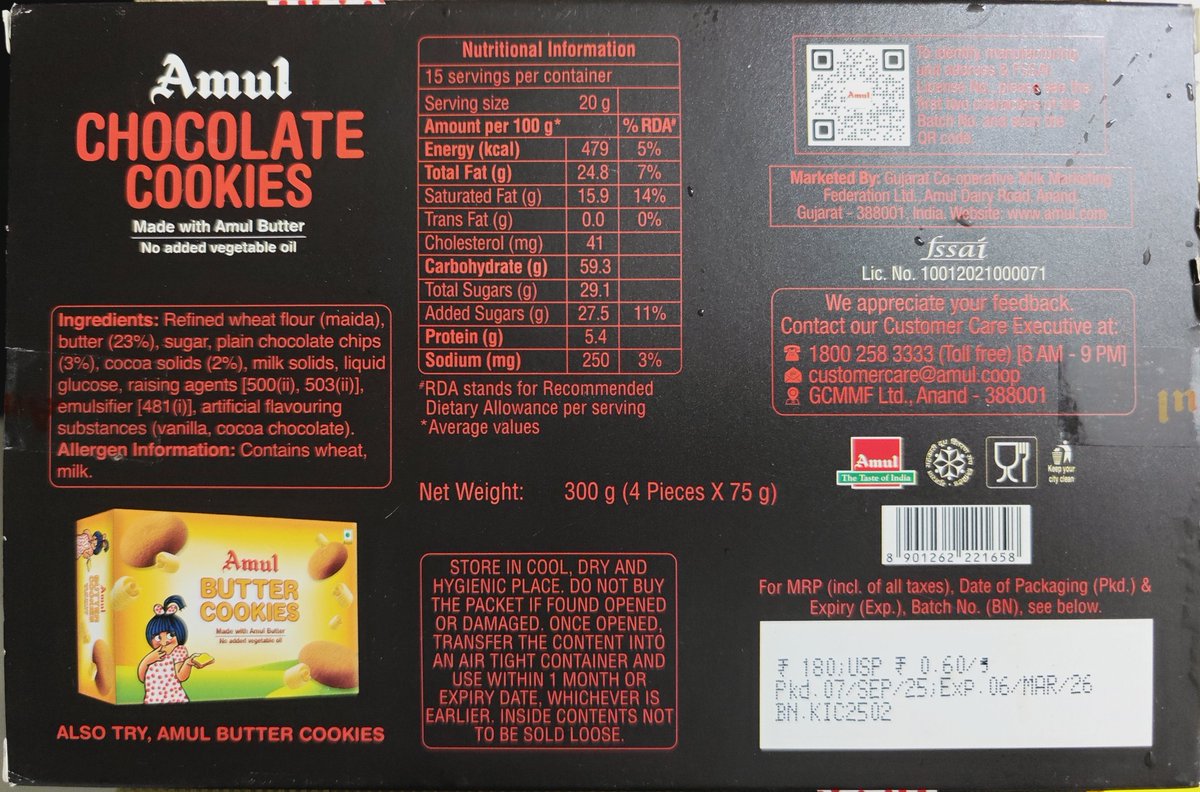
Very rare cookies or biscuit without palm oil. Has 23% butter
@Amul_Coop cookies
#butter #cookies #healthyfood #HealthyHabits
20
Sreejit 🇮🇳 retweeted

7 Nov 2025
Subhas Chandra Bose delivers a speech in German
Berlin, 1943
195
4,390
23,220
968,978
4 Nov 2025
India appears to be much better at conducting elections thanks to the @ECISVEEP
3 Nov 2025

My experience voting in NYC:
1. No ID required
2. Zohran on the ballot twice in the top row
3. Eric Adams, who dropped out to avoid splitting the vote, still on the ballot
4. Cuomo in the bottom right corner, 2nd row
5
21 Oct 2025
Happy Independence Day
On 21st October 1943 the Provisional Government of Free India was established
#independenceday2025 #azadhind #india #netaji
2
20
29 Sep 2025
Great to see 2 states #UttarPradesh and #TamilNadu competing over manufacturing rather than other nonissues.
#ViksitBharat
29 Sep 2025

The propaganda going on since yesterday that Chennai alone contributes around 45% of total smartphone production in India was settled by none other than Prime Minister Modi just couple of days ago.
Noida is the mobile manufacturing capital of India.
33
23 Sep 2025
Amazing #workethics of #Gujarat. People are celebrating Navratri / Garba with full devotion and zest till 2 AM and still all offices and shops are open all day.
#GujaratWorkHardPlayHard
23