Joined December 2009
- Tweets 9,026
- Following 1,010
- Followers 369
- Likes 23,884
162 Photos and videos













stenb - Börse, $AMD & Tesla retweeted

Jun 14
AMD CEO Lisa Su just killed Nvidia’s $4,000 AI box with a $1,499 lunchbox.
She walked on stage, held it in one hand, and ran a 235 billion parameter model live. No data center. No cloud. No rented GPU.
The chip inside is something nobody saw coming. AMD’s Ryzen AI Max 395 is the first x86 silicon where CPU and GPU share the same 128GB of memory. That single trick lets a desktop run models that used to need a server rack.
Out of those 128GB, Linux hands the GPU 110GB to play with. For context, an RTX 5090 gives you 32GB. A 4090 gives you 24. This box gives you more than three times either of them, in a chassis the size of a thick paperback.
The benchmark that broke the room: this chip beat an Nvidia RTX 5080 by more than 3x on DeepSeek R1 inference. A $1,499 lunchbox outrunning a $1,000 discrete graphics card on a real AI workload. Nvidia spent a decade convincing the world you needed their hardware for serious AI. AMD just put that on a desk for half the price.
Here is what nobody is telling you. A heavy AI user right now pays $200 for Claude Code Max, $200 for ChatGPT Pro, $20 for Cursor, $20 for Gemini. That is $5,280 a year leaving your account. The box pays itself off in 9 months and then runs free for the rest of its life.
Install Ollama. Pull Qwen3 235B. Point Claude Code at localhost. Same interface you already use, except now nothing leaves your machine, nothing costs per request, and no company throttles your usage at 3am when you finally have time to build.
This is the moment every AI subscription becomes optional. Lawyers stop fearing OpenAI leaks. Developers stop watching the token meter. Founders stop renting H100s for prototypes that never ship because the bill scared them.
The first thousand people to figure this out will own the next two years of private AI consulting.
Save this, and read the full breakdown article below you are watching the next shift hit before everyone else does.

Community note
This is a $4,000 machine, a far cry from the $1,500 price point hallucinated in the original post.
microcenter.com/product/711962…
hypebeast.com/2026/5/amd-ryz…
559
1,315
9,905
2,940,994
stenb - Börse, $AMD & Tesla retweeted

Jun 10
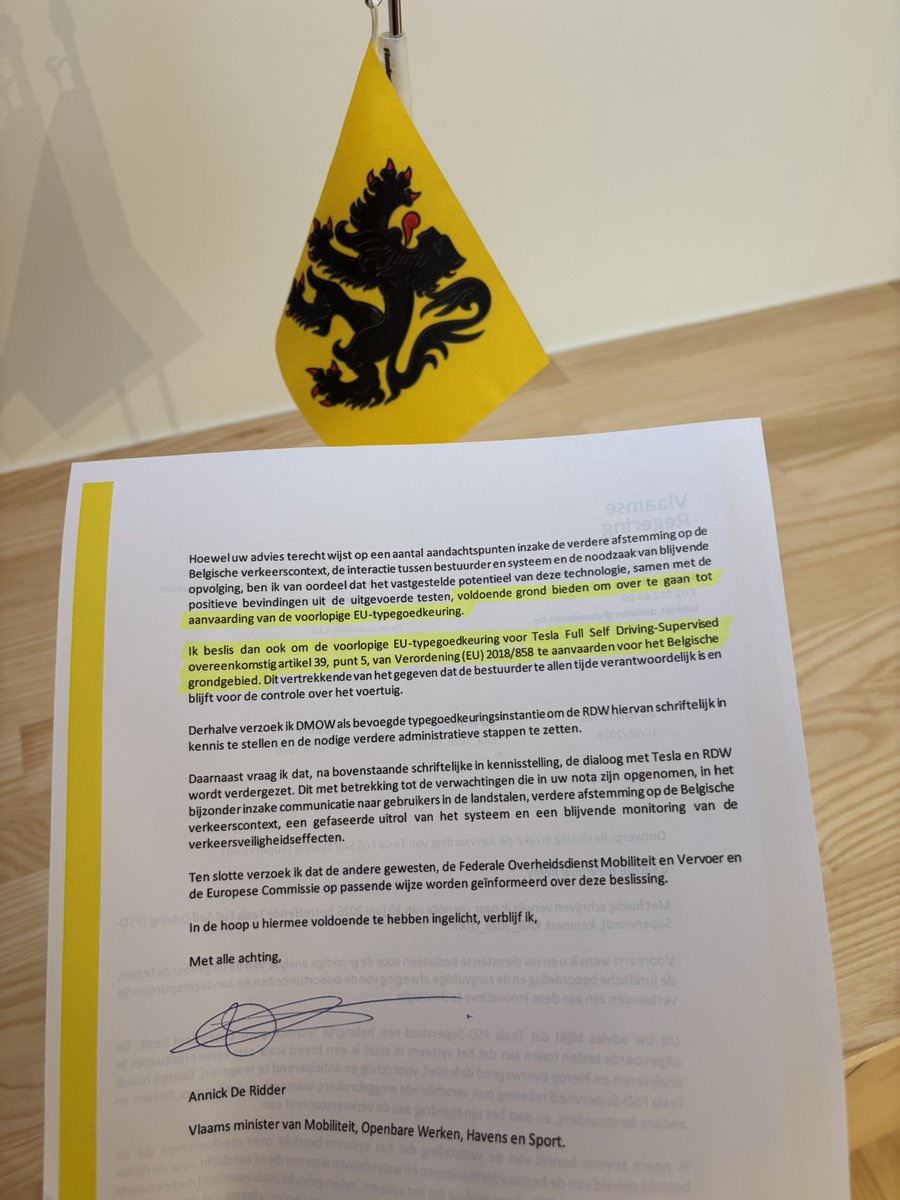
De @Tesla community houdt hier al geruime tijd de vinger aan de pols over de toelating voor de FSD-technologie op onze Vlaamse en Belgische wegen.
Uit waardering voor jullie niet-aflatende interesse (en aanmoediging 😉), krijgen jullie hierbij de primeur: ik heb net de toelating getekend! 🚘
Deze beslissing gaat nu naar onze dienst homologatie, zij zullen @RDWnl op de hoogte brengen van de goedkeuring. Vlaanderen omarmt innovatie!
467
540
3,989
573,770
stenb - Börse, $AMD & Tesla retweeted

Jun 10
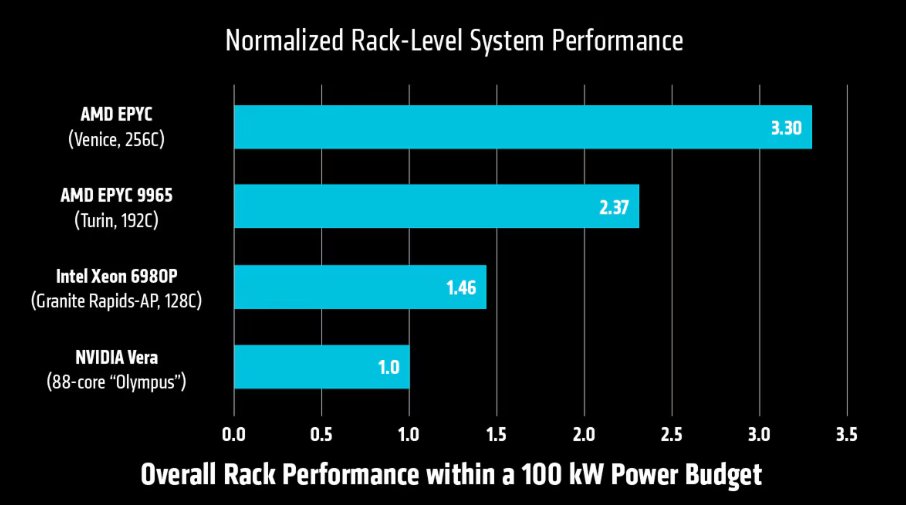
When @AMD EPYC "Venice" (256C) arrives, it extends AMD’s advantage to 3.3x over NVIDIA Vera. Yes, 3.3x!
amd.com/en/blogs/2026/agenti…
2
21
141
6,229

Generative AI gives answers. Agentic AI executes work but it needs more than just fast answers.
That shift changes the infrastructure equation. As agents scale, customers need CPU-rich infrastructure that can support more orchestration, retrieval, APIs, databases, caches, containers, VMs and workflows at rack scale.
That is where AMD EPYC processors are built to deliver the highest performing CPUs for the next era of AI: bit.ly/4ef992W
9
26
225
39,087
stenb - Börse, $AMD & Tesla retweeted

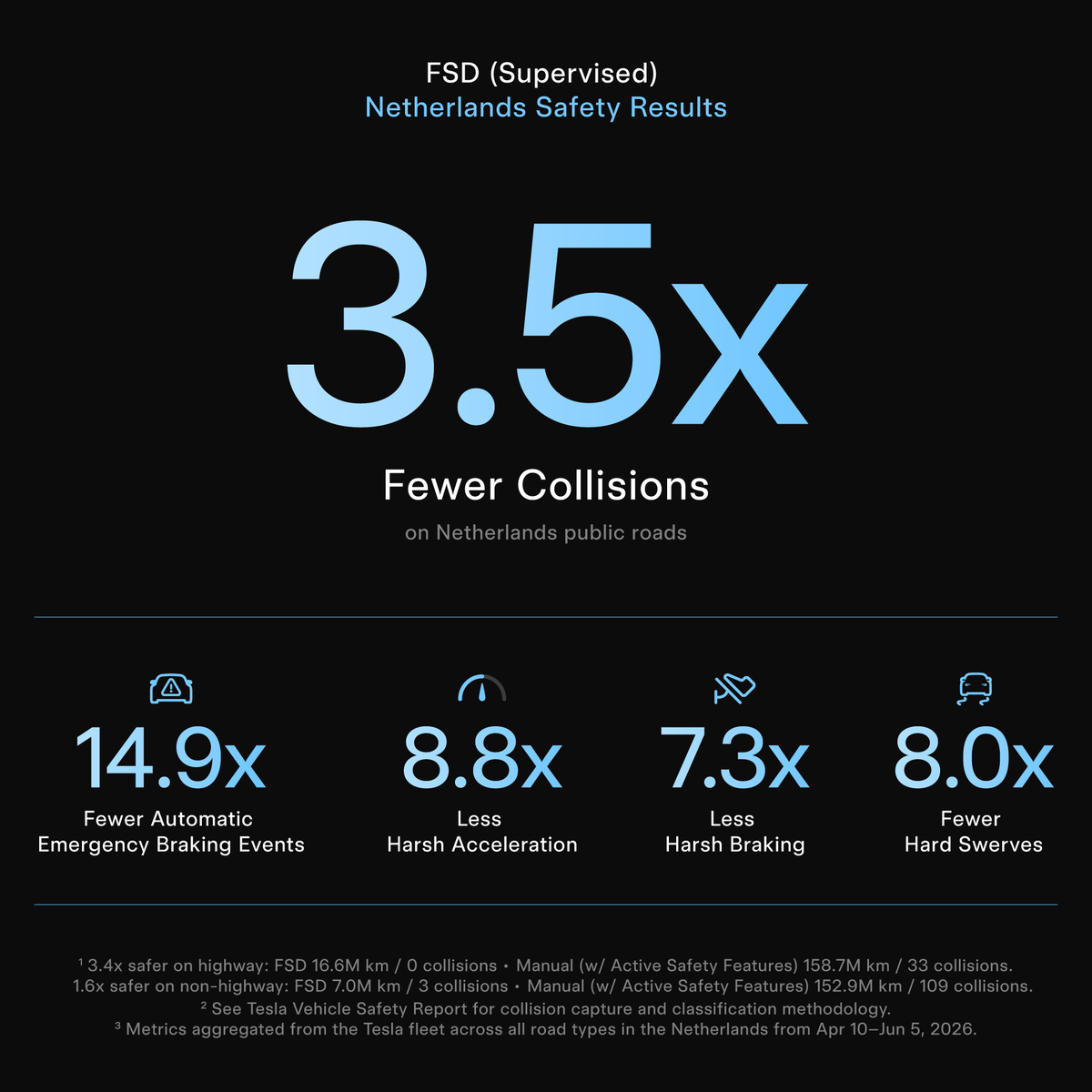
In the last 2 months, FSD Supervised has been over 3x safer than manual driving on Dutch roads
355
879
5,532
9,744,418
stenb - Börse, $AMD & Tesla retweeted

Jun 9
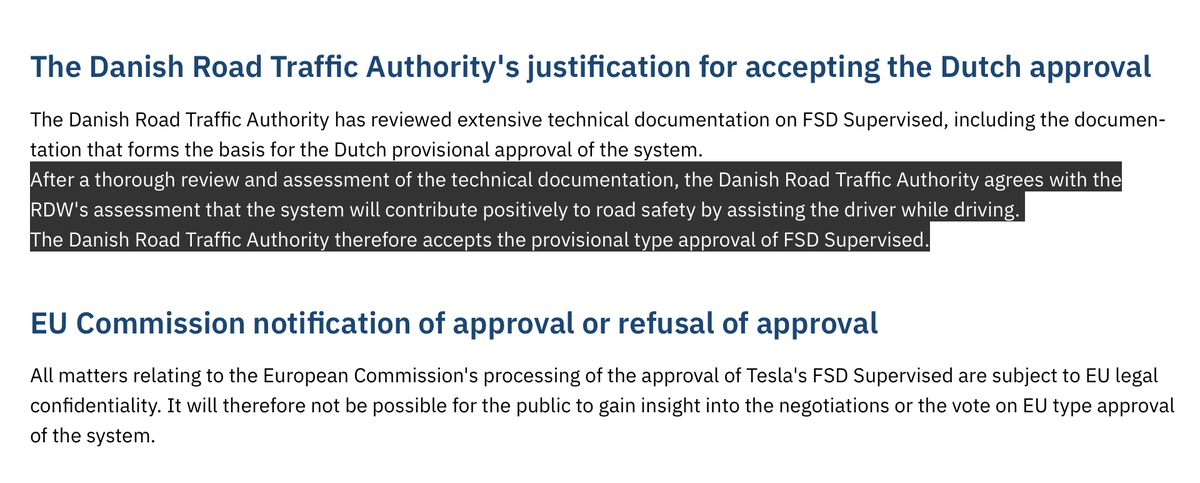
Denmark officials on @Tesla FSD (Supervised):
"After a thorough review and assessment of the technical documentation, the Danish Road Traffic Authority agrees with the RDW's assessment that the system will contribute positively to road safety by assisting the driver while driving. The Danish Road Traffic Authority therefore accepts the provisional type approval of FSD Supervised."
Approval from Belgium is expected soon as well. The FSD rollout across Europe is happening fast!


45
161
1,821
110,853
stenb - Börse, $AMD & Tesla retweeted
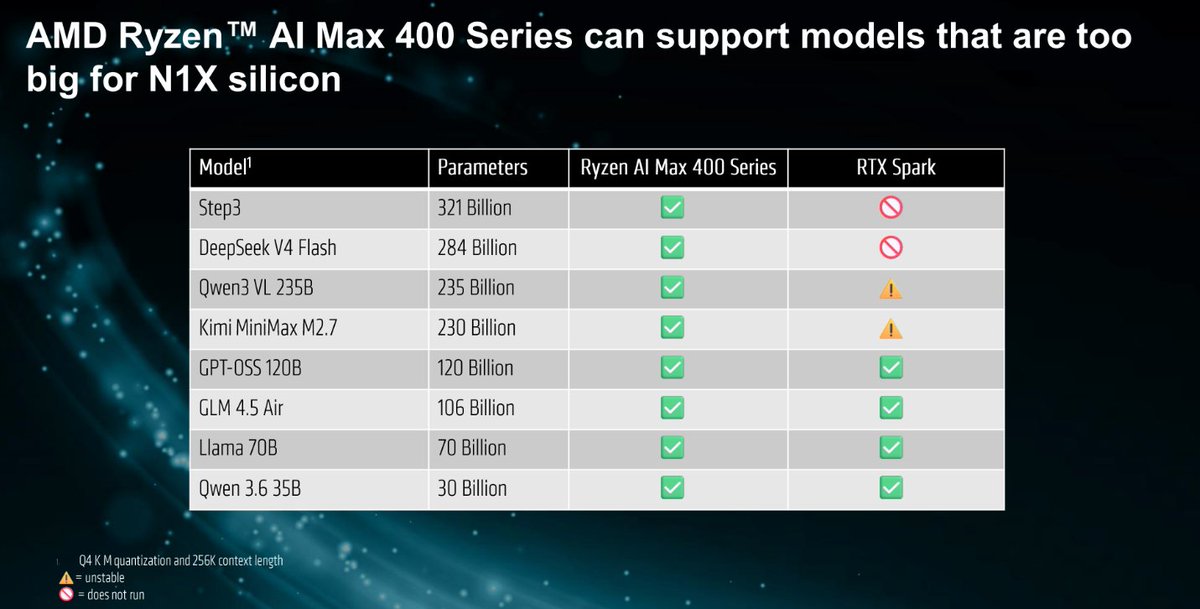
192GB Unified Memory: @AMD Ryzen AI Max 400 Series supports models that are too big for N1X silicon
19
21
208
25,850
stenb - Börse, $AMD & Tesla retweeted

Jun 1
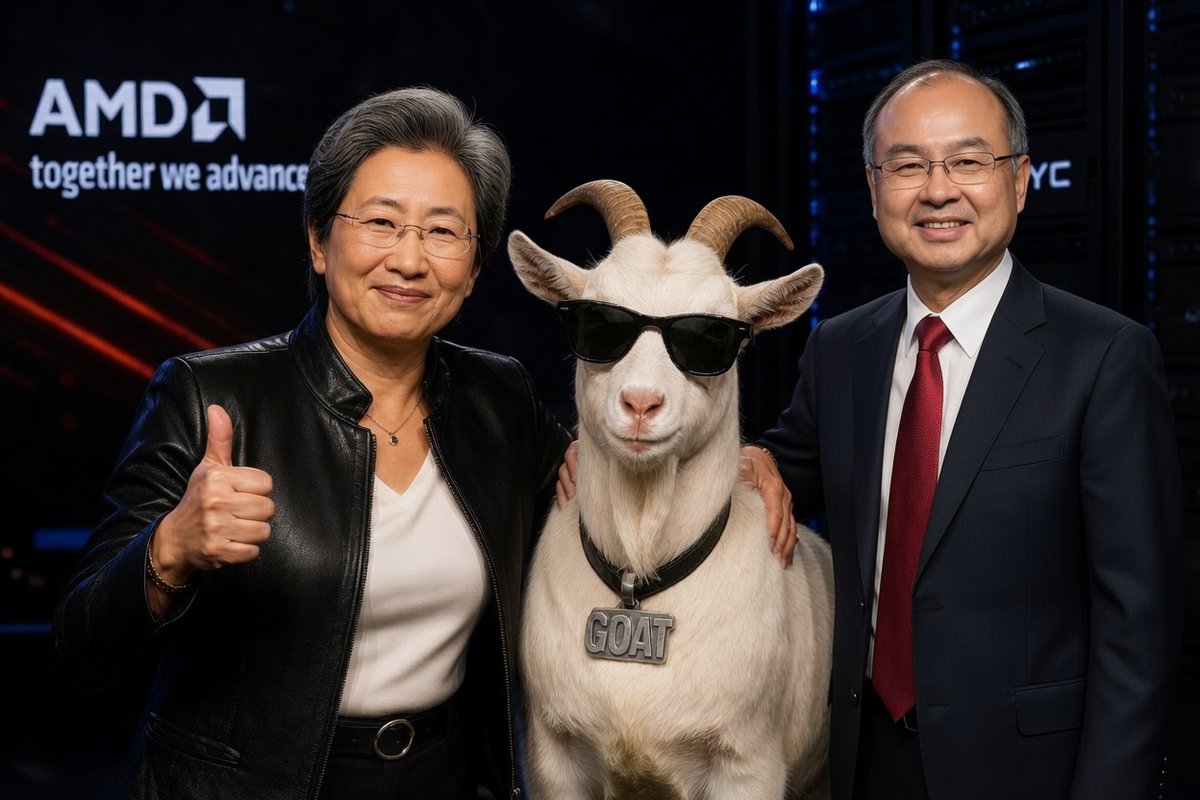
BREAKING $AMD| @SoftBank Massive 5GW in France🚀🚀🚀
Not Financial Advice! DYOR!
Context: France primarily picked AMD chips for its flagship national exascale supercomputer project and data center. It uses next-generation AMD EPYC “Venice” CPUs AMD Instinct MI430X GPUs (MI400 series). This is a collaboration between AMD, Eviden (Atos), GENCI, CEA, and EuroHPC. Installation starts in 2026, with full operations around 2027. In April 2026, AMD and the French government signed a multi-year deal to support France’s national AI strategy, including this supercomputer and broader AI ecosystem efforts.
AMD stands to be a major beneficiary of SoftBank’s ambitious €75 billion (~$87 billion) investment in 5 GW of AI data center capacity in France. This project, announced in late May 2026, represents one of Europe’s largest AI infrastructure pushes and aligns exceptionally well with AMD’s strengths in energy efficiency, total cost of ownership (TCO), and optimized rack-scale solutions tailored for agentic and inference heavy workloads.
France’s nuclear-powered grid, regulatory emphasis on sustainability, and push for technological sovereignty create an ideal environment for AMD’s offerings. While no vendor has been publicly locked in for the SoftBank sites (Dunkirk, Bosquel, Bouchain, and future locations), the project’s focus on high-performance, power-efficient compute plays directly into AMD’s positioning especially for neutral operators serving diverse tenants.
Why AMD is the biggest winner in France
AMD’s Helios AI rack-scale solution built on open standards like Meta’s OCP design and featuring next-generation components delivers compelling advantages for massive deployments like SoftBank’s:
~Helios Rack Architecture: Configured with up to 72 Instinct MI400-series GPUs (e.g., MI455X), paired with EPYC Venice CPUs (Zen 6, up to 256 cores on 2nm process), Vulcano 800G NICs, and high-bandwidth interconnects. A single Helios rack can deliver ~2.9 exaFLOPS of FP4 inference performance, 31 TB of HBM4 memory, and 1.4 PB/s aggregate bandwidth. It supports both air- and liquid-cooling, enabling dense, scalable deployments.
~EPYC Venice CPUs: These serve as the ideal host processors, offering superior throughput, faster time-to-first-token, and lower inter-token latency in AI inference compared to alternatives. They optimize CPU-GPU balance for agentic AI workflows (multi-step reasoning, tool use, and orchestration), which are increasingly dominant.
~Lowest $/M Tokens ($0.0003-$0.0005) and Energy Efficiency: AMD positions its platforms (MI355X/MI400 series in Helios) for up to 40% better tokens per dollar versus leading competitors in inference, driven by higher memory capacity (432 GB HBM4 per GPU), bandwidth, and power efficiency. In power-constrained Europe, this translates to meaningfully lower TCO critical for 5 GW-scale operations where electricity costs and sustainability rules dominate decisions. AMD has set aggressive goals, including 20x rack-scale energy efficiency improvements by 2030.
These capabilities shine in agentic AI scenarios, where ROCm’s rapid catch-up (often days for adaptations via modern tools) reduces reliance on legacy software moats, allowing faster deployment and cost advantages.
Broader Tailwinds for AMD in France/Europe
~ France’s Alice Recoque exascale project already uses AMD Instinct EPYC, signaling national preference for diversified, open-ecosystem suppliers.
~Europe’s higher energy prices and efficiency directives amplify AMD’s performance-per-watt edge. SoftBank’s neutral cloud model will likely mix vendors based on tenant needs, favoring AMD for cost-sensitive inference and agentic workloads.
~AMD’s Helios deployments ( with partners like OneQode) and strong inference benchmarks position it to capture significant share in new builds.
Conclusion:
SoftBank’s €75 billion commitment to build 5 GW of AI data center capacity in France positions AMD as the primary winner in this landmark European project. With its proven track record of collaboration SoftBank Corp. has already been actively working with AMD (and Dr. Lisa Su’s leadership team) on joint validation of Instinct GPUs, GPU partitioning for flexible AI workloads, and next-generation infrastructure since 2025/2026 AMD is exceptionally well-placed to capture a dominant share of the compute deployments.
SoftBank’s massive French AI data center initiative is not just a boost for Europe’s technological sovereignty , it is a clear and substantial victory for AMD. Building on its ongoing collaborations with SoftBank on Instinct GPU validation and advanced AI infrastructure, AMD’s Helios racks, EPYC Venice processors, and industry-leading lowest cost-per-million tokens, paired with unmatched energy efficiency, position it as the primary beneficiary and winner of this 5 GW-scale deployment. As the project scales through 2031, AMD is poised to drive meaningful revenue growth, reinforce its rack-scale leadership, and help establish France as a premier AI hub while delivering the efficient, cost-effective compute that modern agentic AI demands. This development further validates AMD’s momentum in a diversifying global AI infrastructure market.
Not Financial Advice! DYOR!
Jun 1

BREAKING $AMD Big Upgrade $665| Overweight🚀
Barclays Adjusts Price Target on @AMD to $665 from $500, maintains Overweight Rating.
We have many new upgrades to over $600 prior monday trading day✅
3
11
79
33,184
stenb - Börse, $AMD & Tesla retweeted

Jun 1
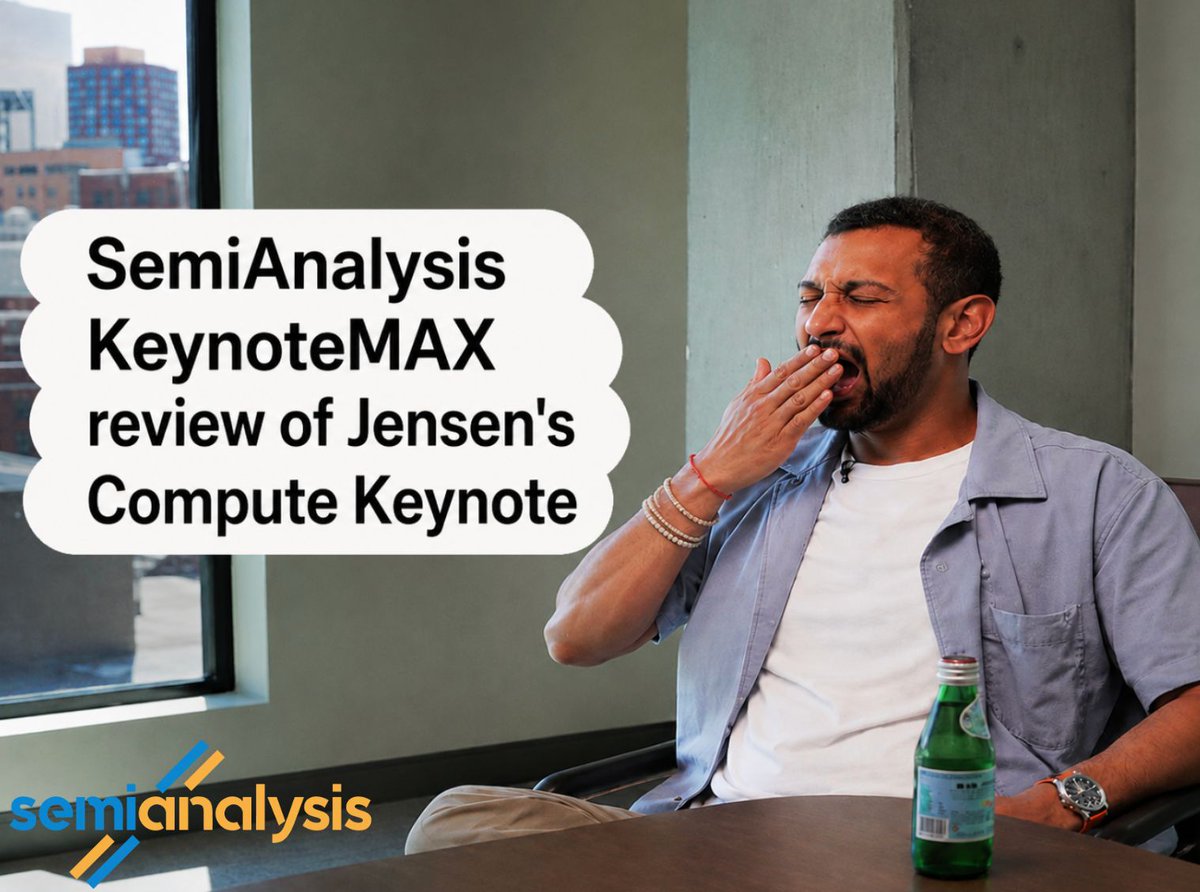
F TIER KEYNOTEMAX: Jensen ComputeX presentation was one of the worst keynotes he has done. He announced nothing new on the AI datacenter side, and he only announced Windows on NVIDIA ARM CPU which the transition will not go work unlike Apple transition from x86 to M1 ARM.
The NVIDIA laptop chip is already delayed by 6 to 8 months from its original expected launch window. During development, the high-speed connection between the Nvidia and MediaTek parts caused so much interference that the video output was completely broken,
Laptop makers are reportedly being told definitely not let anyone turn them on or run benchmarks. That screams "immature hardware."
33
42
430
76,226
stenb - Börse, $AMD & Tesla retweeted

May 27
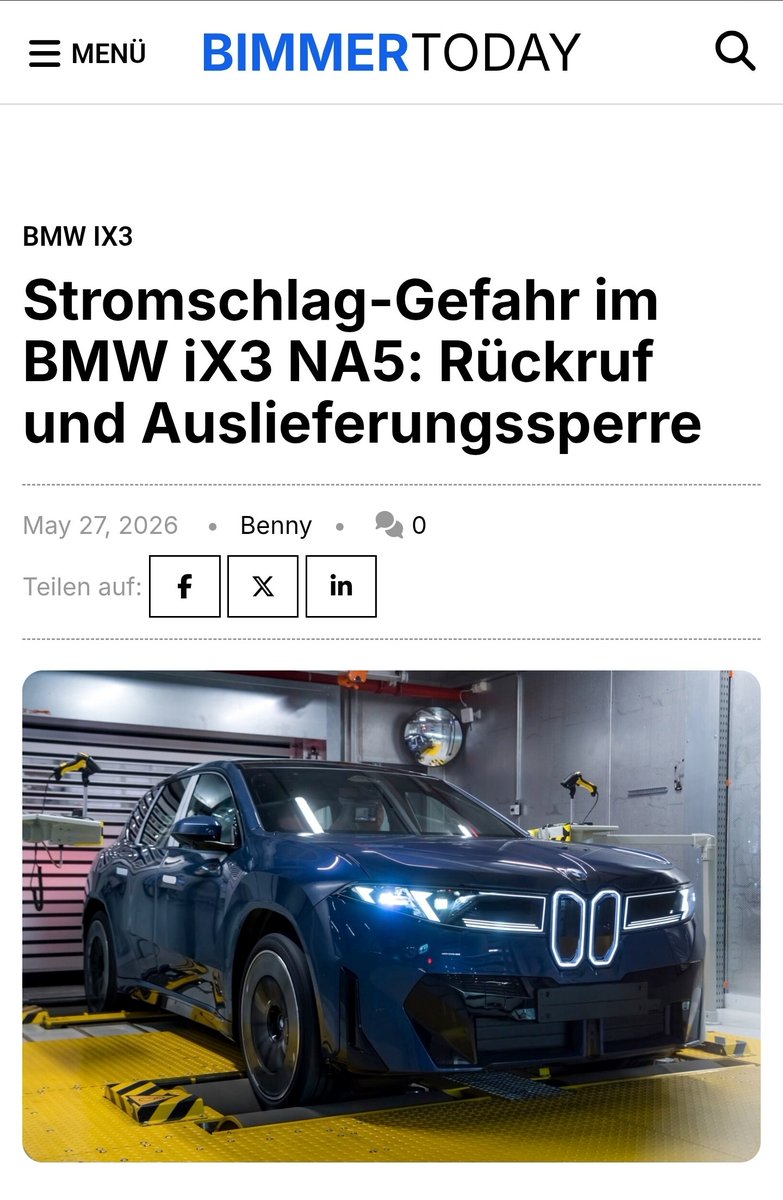
Gerade erst ausgeliefert - schon geht'smit dem neuen BMW iX3 Neue Klasse zurück in die Werkstatt wegen Stromschlaggefahr während dem Ladevorgang. An der Karosserie könnte Strom Anliegen. Und das bei BMW.
Viele regen sich auf, wenn bei Tesla über die Software ein "Rückruf" durchgeführt. Also per OTA Update ein Mangel behoben wird. Keine Werkstatt, keine Kosten. Das nenne ich PREMIUM.
Bei BMW muss man mit seinem Neuwagen gleich wieder in die Werkstatt. Und bereits produzierte Autos dürfen nicht ausgeliefert werden. Erst muss das neue Auto repariert werden.
Ganz ehlich: ich fahre lieber Tesla. Nach 20 Jahren BMW kenne ich KEINEN Grund, wieder einen BMW zu kaufen.
48
24
190
24,086
stenb - Börse, $AMD & Tesla retweeted

May 26
This is the absolute craziest FSD move I’ve experienced in the Netherlands!
Watch the video 🤭😎
@teslaeurope
51
247
3,021
160,959

stenb - Börse, $AMD & Tesla retweeted

May 21
Best Tesla A.S.S. ever....pouring rain in Victoria Texas... but no problemo to load luggage and self in complete dryness. 😀
117
248
3,198
1,159,499
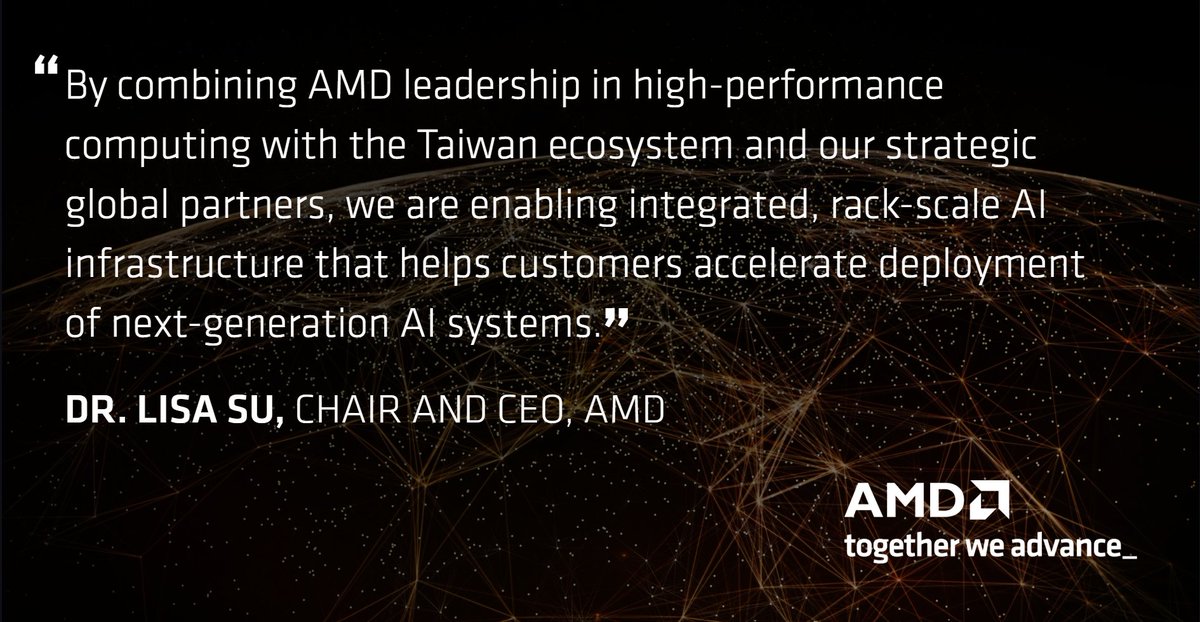
Today, we announced more than $10B in investment across Taiwan’s ecosystem to scale advanced packaging and accelerate next-gen AI infrastructure, from 6th Gen EPYC CPUs codenamed “Venice” to our Helios rack-scale platform including Instinct MI450X GPUs, with multi-gigawatt deployments beginning in 2H 2026.
Additionally, AMD and TSMC have hit another major production milestone, with Venice EPYC CPUs ramping on TSMC 2nm technology in Taiwan with future plans to ramp production at TSMC’s Arizona Fab.
More on the news: bit.ly/4tJrUkR
31
100
713
92,622

May 20

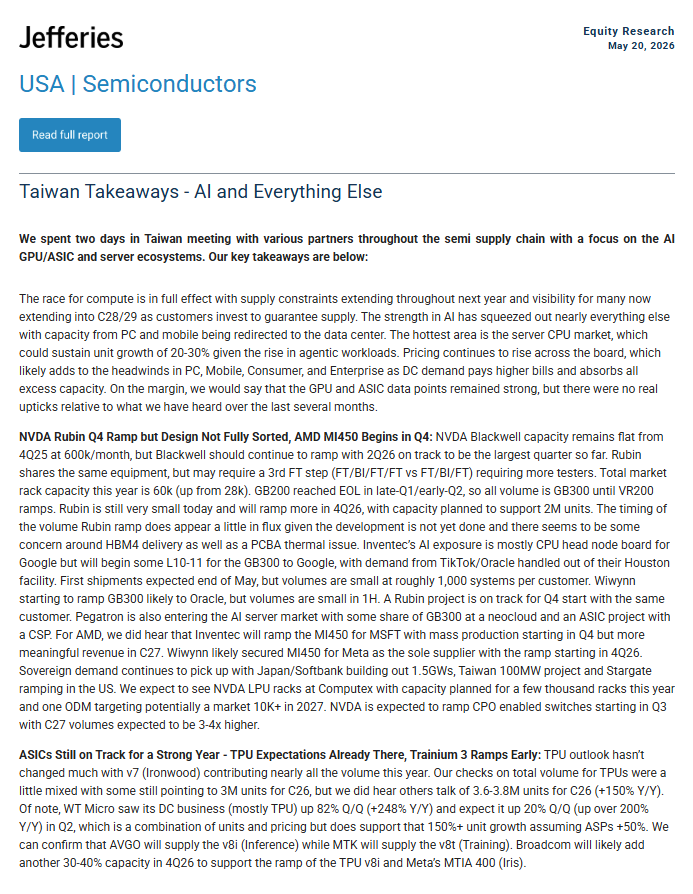
Jefferies Taiwan semi channel check:
$AMD: we did hear that Inventec will ramp the MI450 for MSFT with mass production starting in Q4 but more meaningful revenue in C27
"our checks on total volume for TPUs were a little mixed with some still pointing to 3M units for C26, but we did hear others talk of 3.6-3.8M units for C26 ( 150% Y/Y)."
$NVDA is expected to ramp CPO enabled switches starting in Q3 with C27 volumes expected to be 3-4x higher.
NVDA Blackwell capacity remains flat from 4Q25 at 600k/month...ramp with 2Q26 on track to be the largest qtr so far.
Rubin is still very small today and will ramp more in 4Q26, with capacity planned to support 2M units. The timing ... some concern around HBM4 delivery ( $MU) as well as a PCBA thermal issue.
1
176

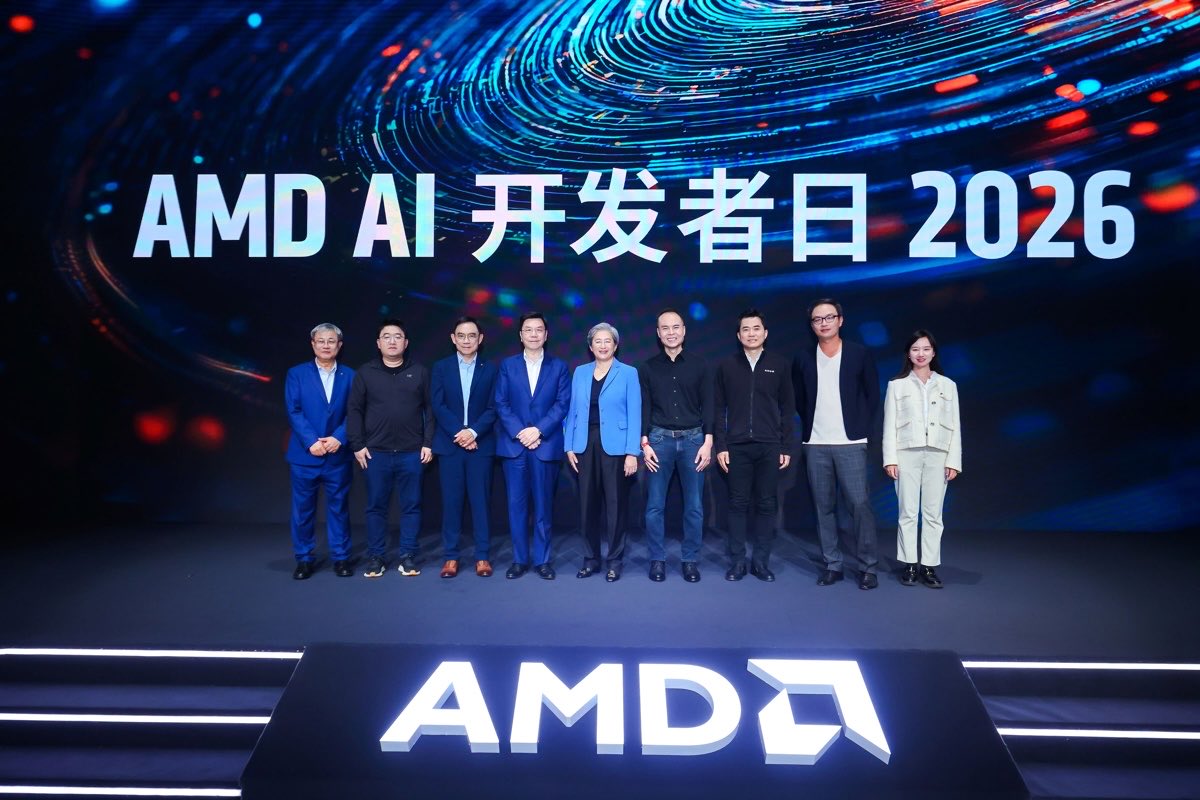
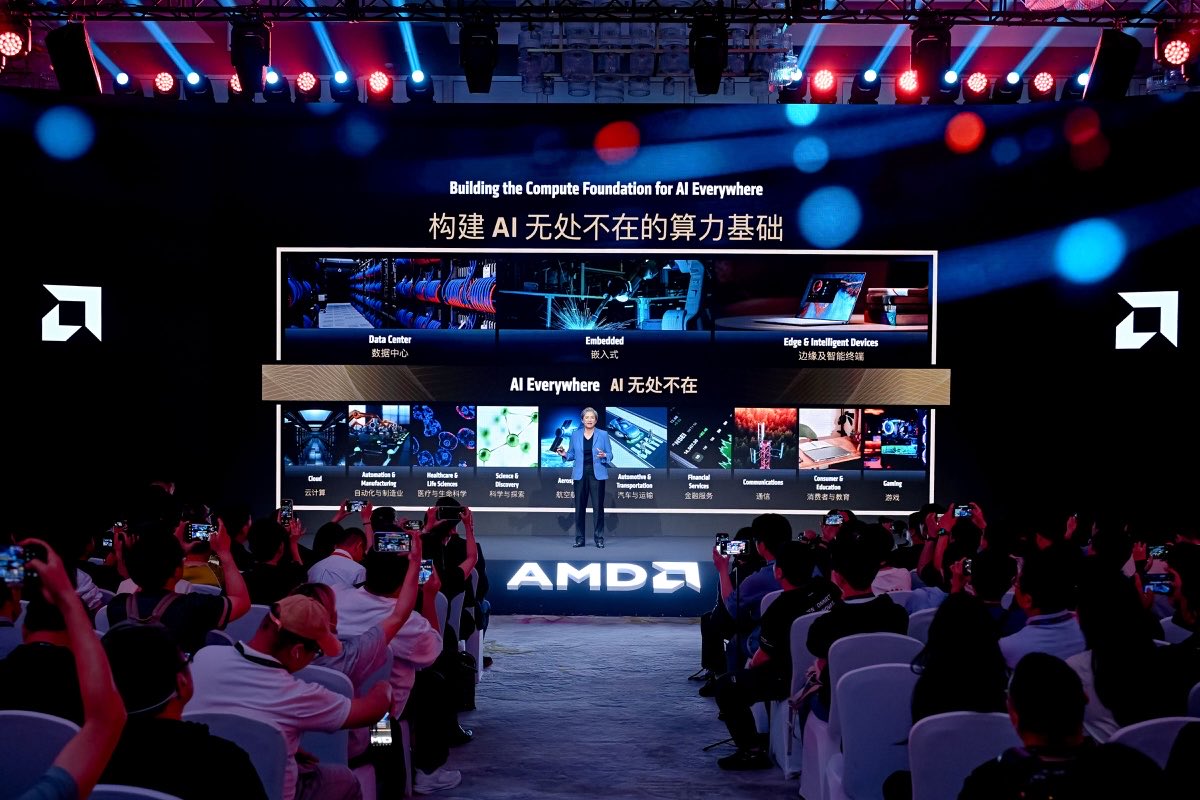
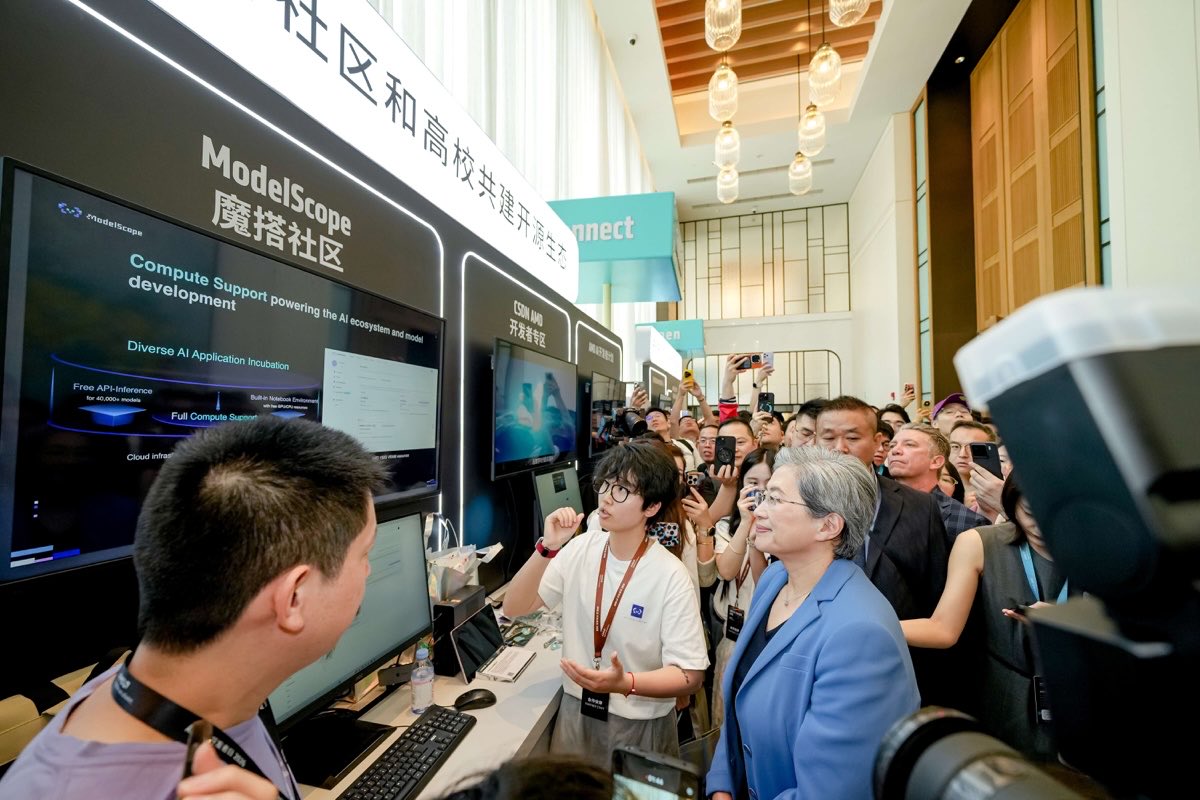
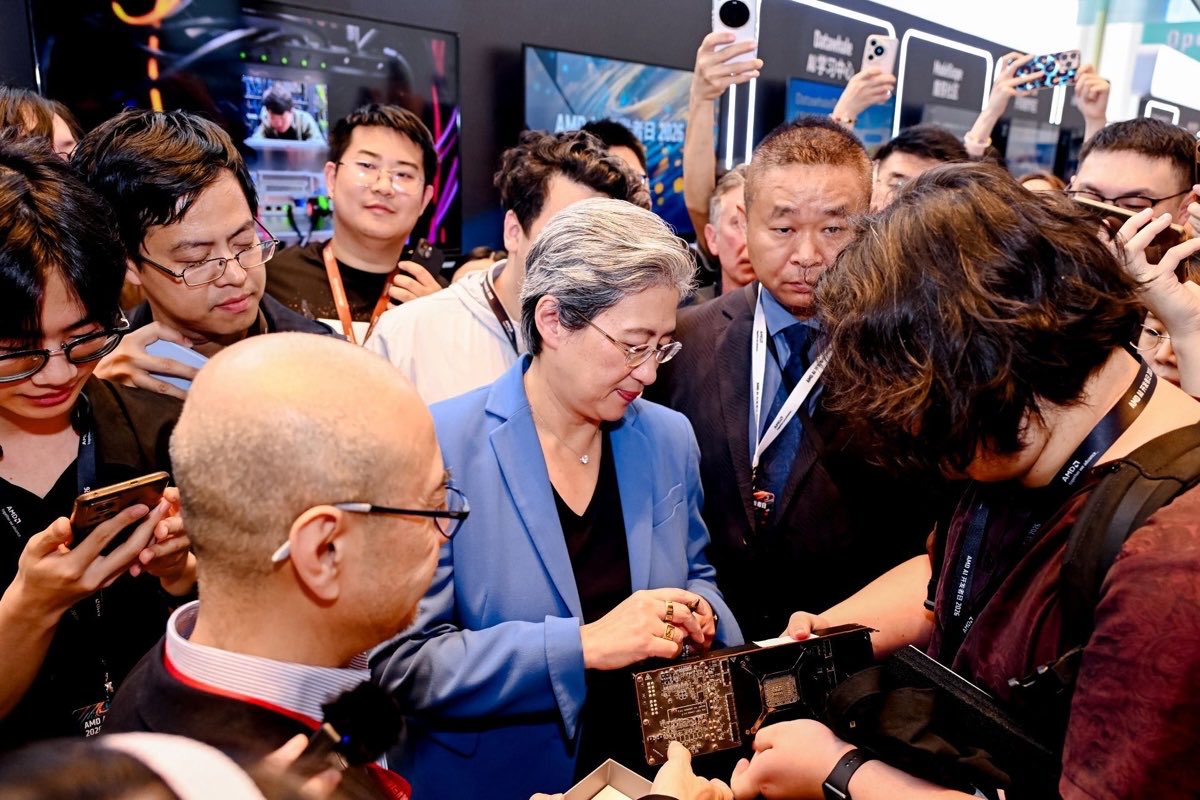
Great being in China this week with customers, partners, developers, and our @AMD teams across Beijing, Shanghai, and Suzhou.
Loved the energy at AMD DevDay in Shanghai showcasing the progress we’re making to bring AI Everywhere. Thanks to everyone who joined us.
77
149
1,840
160,414
stenb - Börse, $AMD & Tesla retweeted
May 17
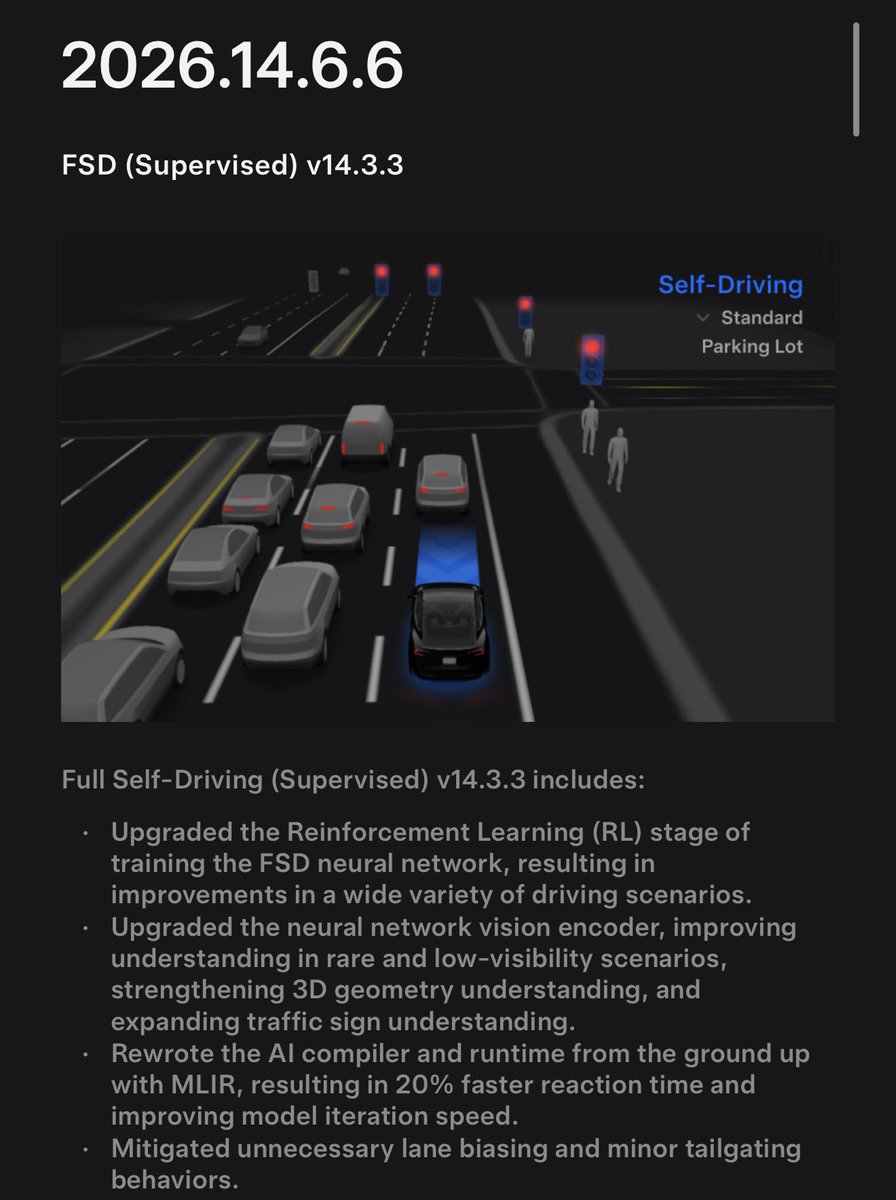
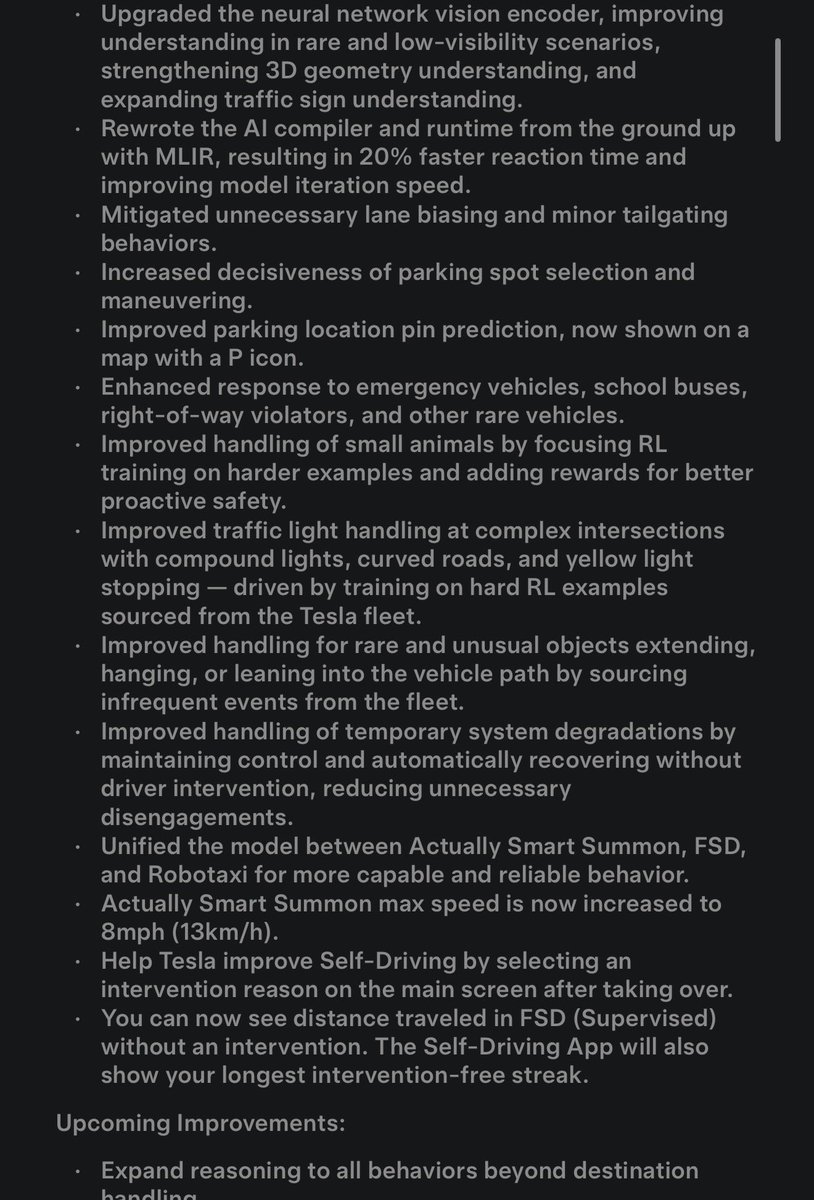
Tesla FSD V14.3.3 just started rolling out, and it comes with the Spring Update!
Actually Smart Summon’s top speed has also been increased to 8 mph (from 6 mph)!
Downloading it on my Model Y right now. Software version 2026.14.6.6.
423
388
4,777
16,956,298


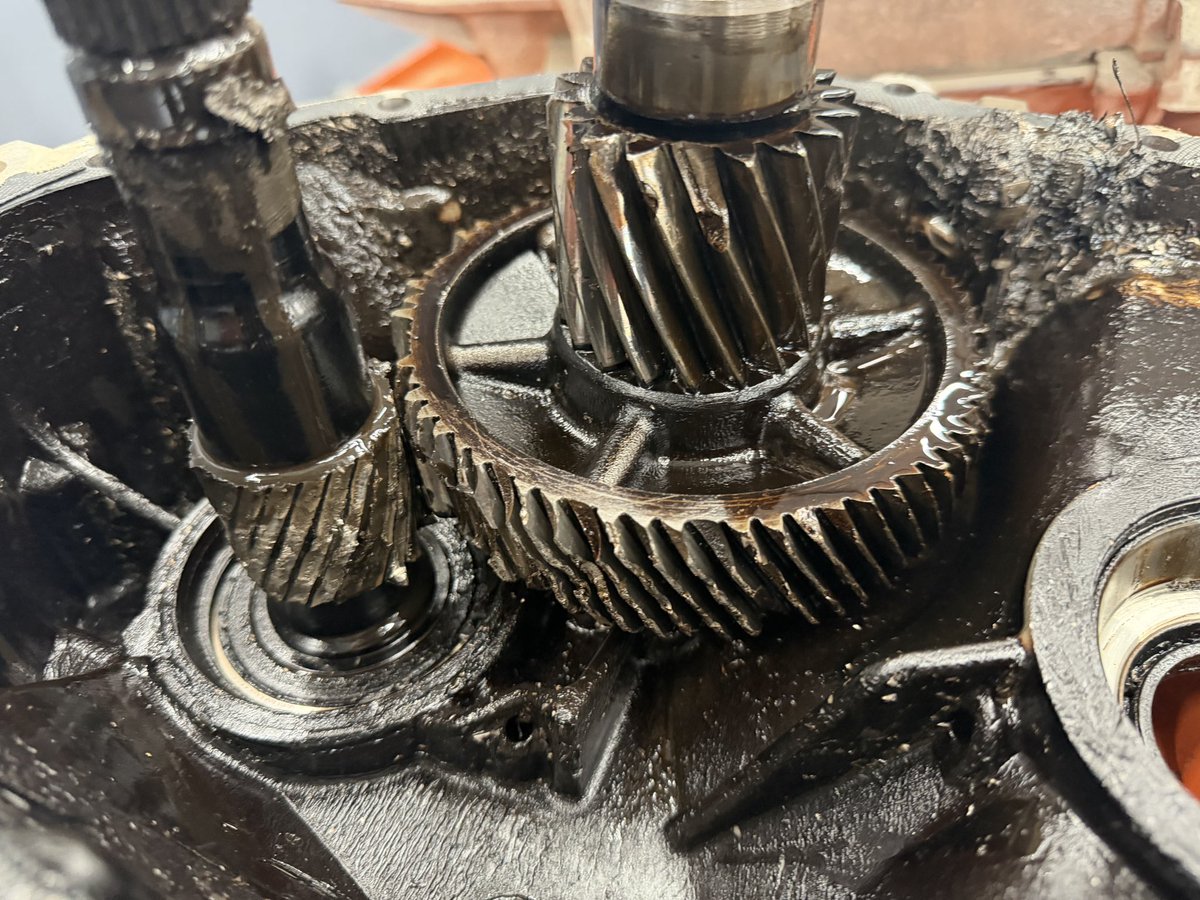
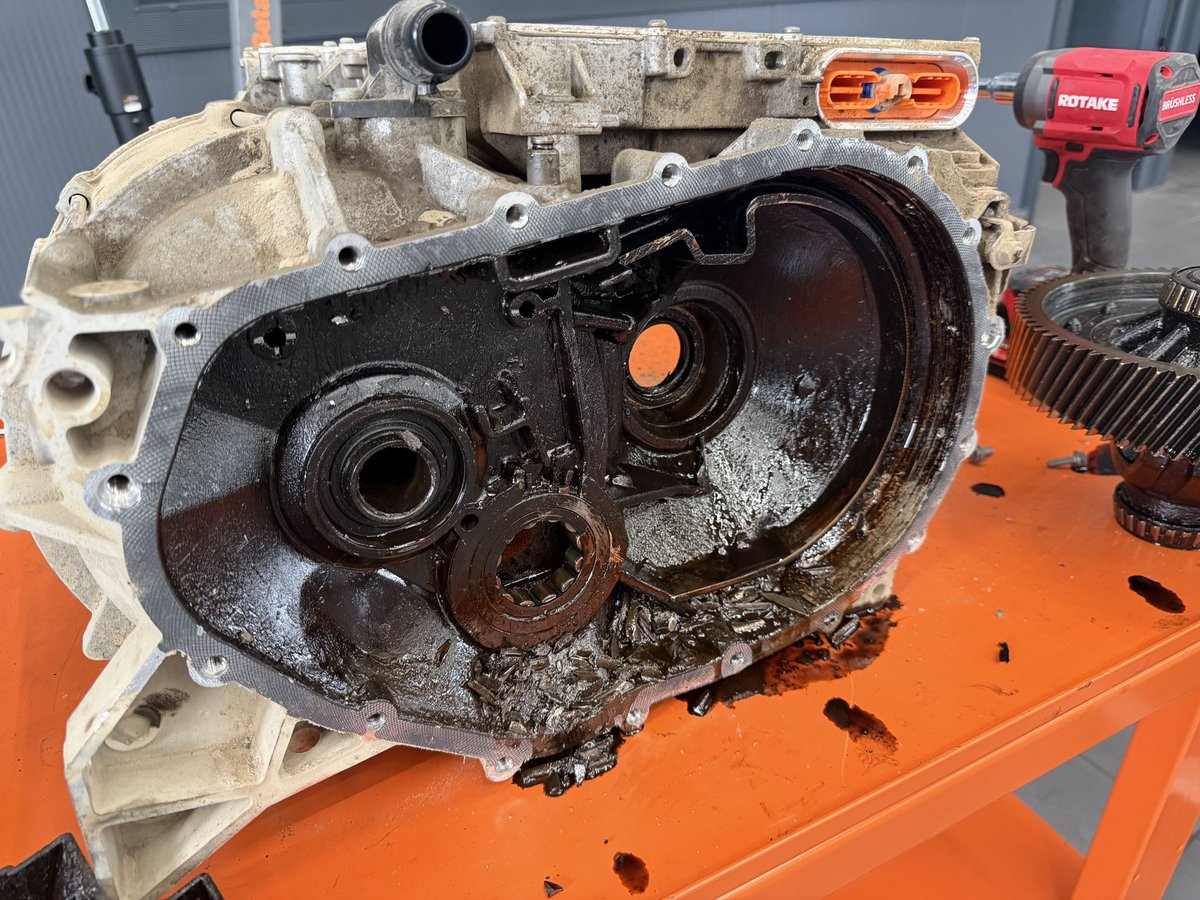
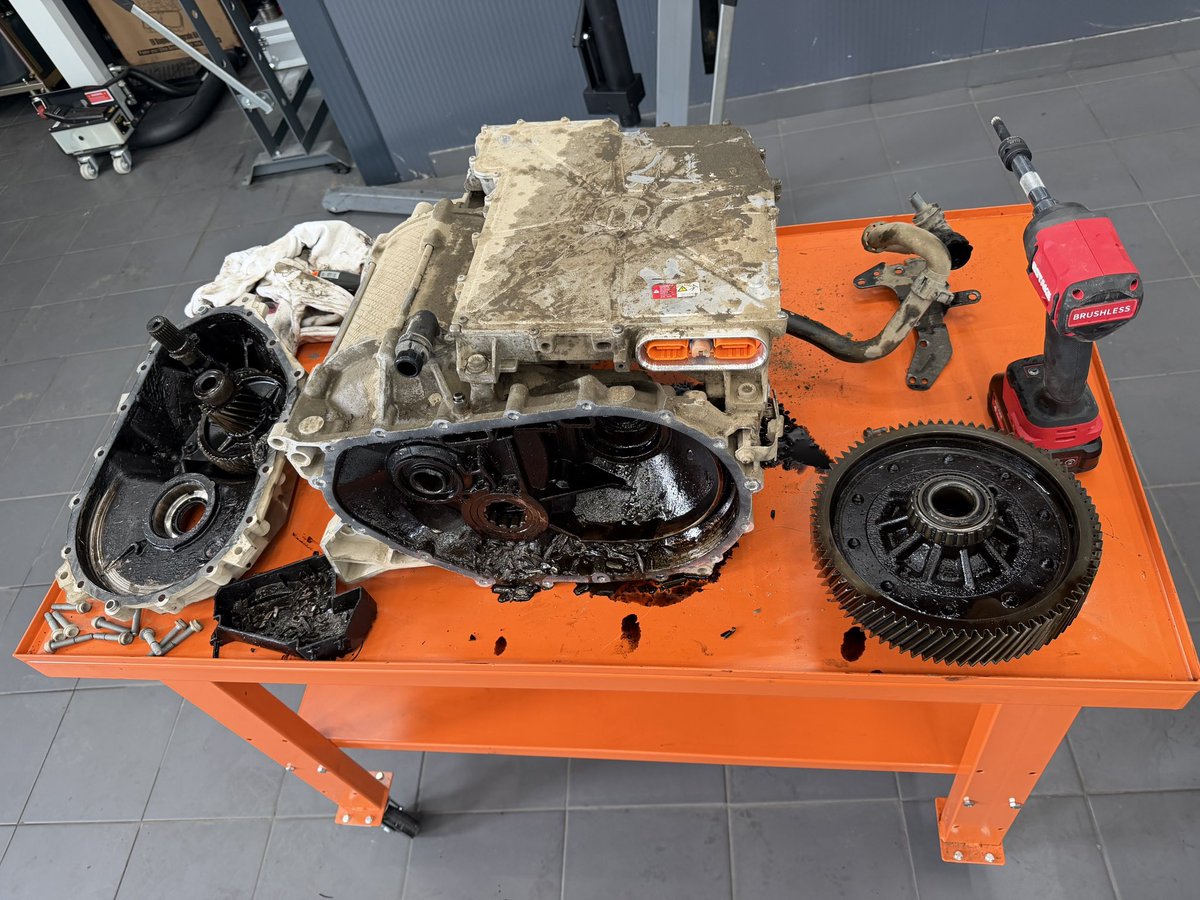
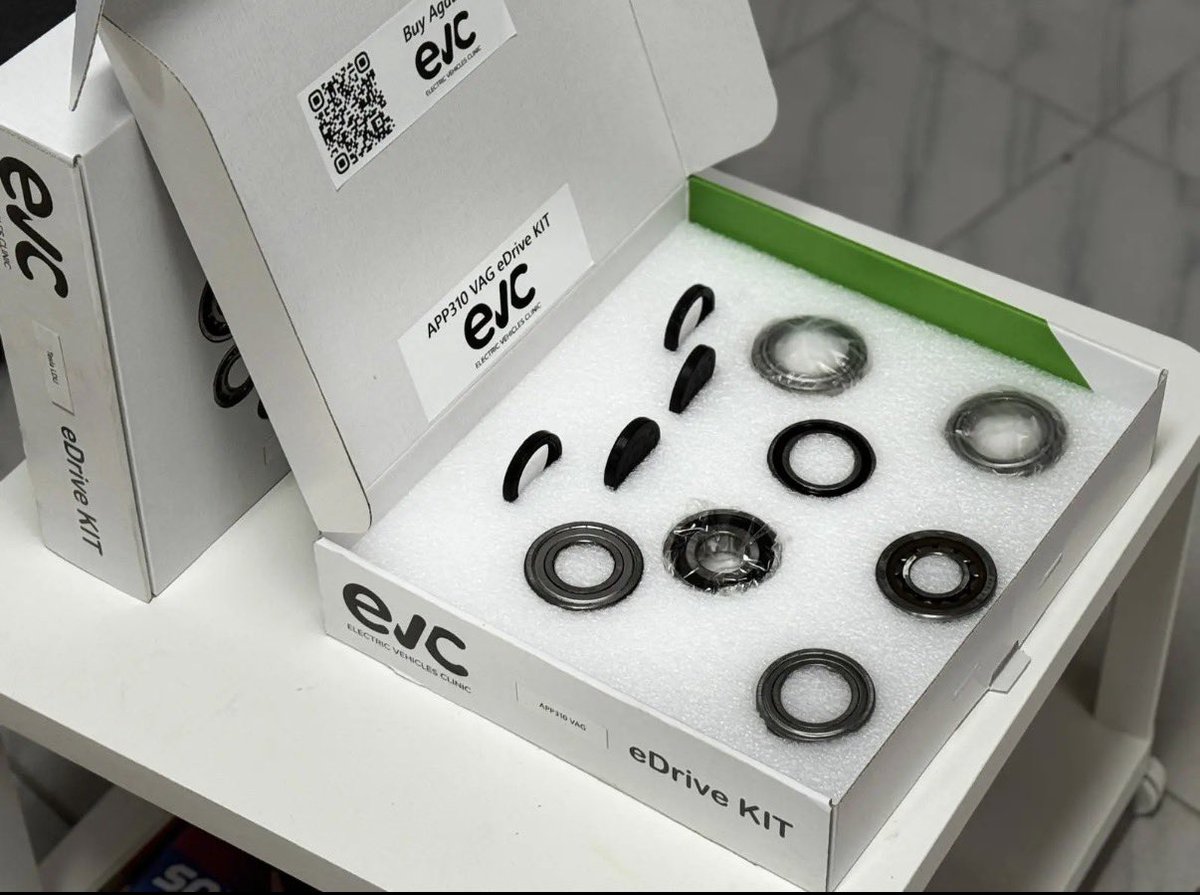
APP310 Rear Drive Unit — The VW MEB Bearing Disaster
We have analyzed the APP310 in the ID.3, ID.4, and Enyaq several times. Forum users complained when we drew our conclusion after the first teardown - and once again, every subsequent unit confirms the same pattern. We are not deviating.
The latest case: motor completely seized at 214,000 km. The owner had clearly been driving with audible buzzing for a long time and ignored the sound.
Our conclusion was a design problem, not a quality problem. All bearing part numbers are unavailable in the supply chain. Of these, 4 bearings do not exist as serviceable parts at all. The motor had only 200 ml of oil left, burnt off by 180,000 km, and we are now seeing the exact same pattern repeating: the motor runs with insufficient oil, which is the primary cause of failure, and you can see black “carbon” residue coating the internals. The motor has no oil drain plug and was never designed for an oil change.
So in summary:
oil cannot be changed — it burns off — problem
bearings are not available in the supply chain — problem
the motor is repairable if you are not too late — problem
we developed our own repair kit — excellent
the motor is well-built but it leaks — problem
there is no official service interval — problem
Our recommendation: do not ignore buzzing or humming noises, and change the oil in both differentials every 100,000 km.
Affected — APP310 Rear Drive Unit
Volkswagen ID.3 (2020 – present, Pro / Pro S trims still use APP310)
Volkswagen ID.4 (2021 – Q4 2023; Pure base trim ongoing)
Volkswagen ID.5 (2022 – Q4 2023)
Volkswagen ID. Buzz (2022 – 2024, base variants)
Škoda Enyaq iV / Coupé iV (2021 – present, 50 / 60 trims still use APP310)
Škoda Elroq (2024 – present, 50 / 60 trims)
Audi Q4 e-tron / Q4 Sportback e-tron (2021 – 2024, RWD trims)
Cupra Born (2022 – present, base trims still use APP310)
OEM Part Numbers — APP310
1EA900100
1EA900100A
1EA900100B
1EA900100C
1EA900100E
1EA900100G
0CW301103
0CW301103A
Not Affected — APP550 Rear Drive Unit (redesigned)
Volkswagen ID.3 GTX (2024 – present)
Volkswagen ID.4 Pro / Pro 4Motion / GTX (Q4 2023 – present)
Volkswagen ID.5 Pro / GTX (Q4 2023 – present)
Volkswagen ID.7 / ID.7 Tourer (all variants, 2023 – present)
Volkswagen ID. Buzz 77 kWh variants (2024 – present)
Škoda Enyaq 85 / RS (2024 – present)
Škoda Elroq 85 / RS (2024 – present)
Audi Q4 e-tron AWD / Q4 Sportback e-tron AWD (2024 – present)
Cupra Born VZ (2024 – present)
Cupra Tavascan (all variants, 2024 – present)
Need Help? Visit Our EVC Service Network
If you suspect APP310 issues in your vehicle, you can visit any of our EVC service locations:
Sveta Nedelja (HQ, Croatia) — evclinic.eu
Stupnik (Croatia) — evclinic.hr
EV Clinic Velika Mlaka (Croatia) — evclinic-vg.hr
Beograd (Serbia) — evclinic-beograd.rs
Ljubljana (Slovenia) — evclinic-ljubljana.si
Berlin (Germany) — evclinic-berlin.de
Announced — opening soon:
Budapest (Hungary)
Innsbruck (Austria)
Istanbul (Türkiye)
Paris (France)
58
131
828
182,798
stenb - Börse, $AMD & Tesla retweeted

May 9
NVIDIA Rubin & Rubin Ultra Platforms Facing Design/Spec Issues As Per Rumors While AMD MI500 Positioned For 2H 2027 Launch wccftech.com/nvidia-rubin-ru…
wccftech.com/nvidia-rubin-ru…
7
19
124
59,740