
152 Photos and videos
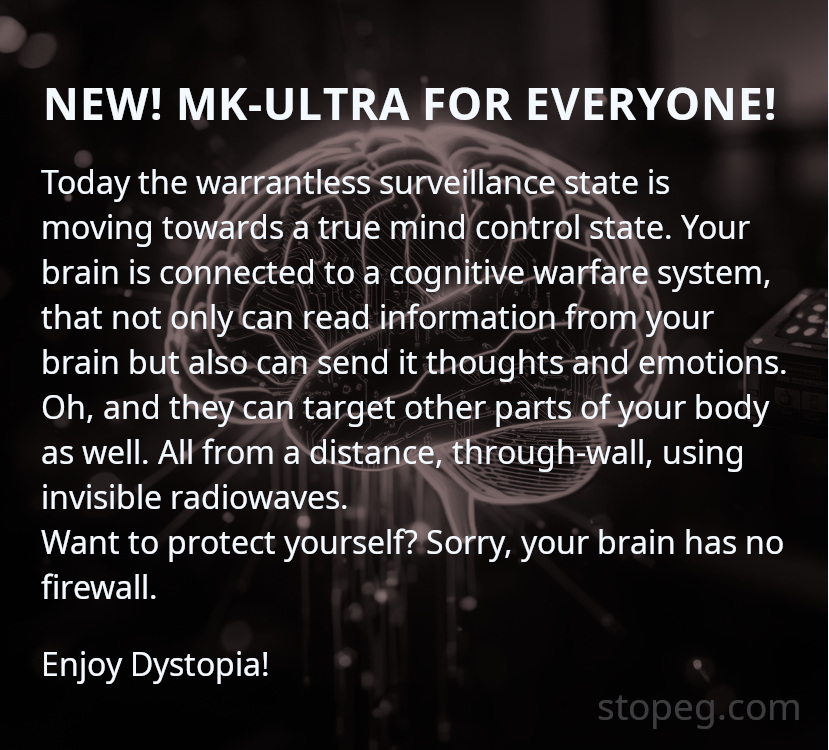

Attacks on me started in 1997, and became 24/7 in May 2000. This month is my 25th years 'aniversary' of heinous crimes committed against me, going on today (In Dutch only):
#HavanaSyndrome #DirectedEnergyWeapons #MKULTRA #TargetedIndividuals
stopeg.nl/doc/jubileum25jaar…
16
46
60
3,750
Stopeg retweeted
🕵️♀️1/ During the 1990s, the CIA began quietly expanding its NOC program, placing undercover officers in U.S. businesses that operate overseas.
The reason is simple: drug traffickers, terrorists, nuclear smugglers, money launderers and warlords aren’t found on the diplomatic circuit.
To penetrate the new threat, unconventional covers were needed.
Energy companies, import-export firms, multinationals, banks with foreign branches and high-tech corporations were among the businesses being approached.
Usually the company president and perhaps another senior officer, such as the general counsel, are the only ones who know of the arrangement.
Their real names will never appear on any personnel list in the agency’s computers at its headquarters in Langley, Virginia.
If you’re working drugs, thugs or tech transfers, you’re going to be in banks all the time looking at financial transactions”–jobs often better suited for an officer under corporate cover, says a CIA contractor.
The CIA is a byzantine organization made up of secretive fiefdoms that wall out other leaders who come from the outside, fiercely resisting outside reformers. @DNIGabbard
The Directorate of Analysis (DO) is highly academic, analytical, and frequently at odds with the Directorate of Operations, whose core mission is HUMINT and covert action.
Career officers know that political directors rarely last more than a few years, so they slow-walk reforms until the leader leaves.
Insiders often overwhelm a new director with a firehose of dense, hyper-specific tactical data to distract them from making sweeping structural changes.
If an outside director attempts to aggressively purge leadership, career insiders routinely leak damaging stories to the media to undermine the director's political standing. @FBIDirectorKash
Bureaucrats can also use strict security clearances and "need-to-know" walls to obscure operational failures or details. @SecWar @SecRubio
When the CIA joined Twitter in 2014, its first tweet was: “We can neither confirm nor deny that this is our first tweet.”
This "Glomar" non-response response has allowed the CIA to skirt meaningful transparency and accountability for decades.
In 1966, a Soviet nuclear submarine went missing somewhere in the Pacific Ocean. The Soviet Union and the United States raced to locate the missing sub and extract the intelligence likely inside. @AshtonForbes
The CIA contracted this mission to Howard Hughes, a billionaire (naming the ship built to extract it the Hughes Glomar Explorer).
The “Glomar response” was born. And, in the case of the Glomar Explorer, it worked: Historians claim many documents remain hidden to this day.
Especially in the post-9/11 era, we’ve repeatedly seen CIA use the Glomar response to evade responsibility.
The CIA’s penchant for secrecy continued to expand, with the agency using Glomar to obstruct attempts to obtain records that would publicly shine a light on the agency’s failures and abuse, even when that abuse is well documented by the CIA itself and other sources.
Intelligence officers must weigh the risks of sharing protected information, thus revealing its existence, and endangering the source of the intelligence.
"No intelligence service wants to tell the world where it is weak, and it will have to be a careful performance by whoever assumes the task," says a former CIA case officer. "The alternative to reasonable expectations may well be a complete loss of public trust and a subsequent crippling of the CIA and the intelligence community."
1
1
2
110
Stopeg retweeted
IMHO the biggest secrets of this undercover force are the recruiting methods. The biggest failure is deceiving their own recruits to do what IC targeters themselves would be unwilling and unable to do, even legally.
@disclosureorg @RepLuna @SecWar @SecRubio @RepEricBurlison @CIADirector @DNIGabbard @Mpolymer @MarkSZaidEsq @VP

"The largest undercover force the world has ever known is the one created by the Pentagon over the past decade. Some 60,000 people now belong to this secret army, many working under masked identities and in low profile, all part of a broad program called "signature reduction." (Newsweek, 2021)
The force, more than ten times the size of the clandestine elements of the CIA, carries out domestic and foreign assignments, both in military uniforms and under civilian cover, in real life and online, sometimes hiding in private businesses and consultancies, some of them household name companies.
What has emerged is a window into not just a little-known sector of the American military, but also a completely unregulated practice. No one knows the program's total size, and the explosion of signature reduction has never been examined for its impact on military policies and culture.
Congress has never held a hearing on the subject. And yet the military developing this gigantic clandestine force challenges U.S. laws, the Geneva Conventions, the code of military conduct and basic accountability.
Dozens of little known and secret government organizations support the program, doling out classified contracts and overseeing publicly unacknowledged operations.
One recently retired senior officer responsible for overseeing signature reduction and super-secret "special access programs" that shield them from scrutiny and compromise says that no one is fully aware of the extent of the program, nor has much consideration been given to the implications for the military institution.
The military services should be asking more questions about the ethics, propriety and even legality of soldiers being turned into spies and assassins, and what this means for the future.
Still, the world of signature reduction keeps growing: evidence, says the retired officer, that modern life is not as transparent as most of us think.
newsweek.com/exclusive-insid…
2
2
9
403
Stopeg retweeted

I commend the intelligence community for retracting their 2023 report “Assessment of Anomalous Health Incidents.” This report mischaracterized the NIH study on anomalous health incidents (AHIs). Our research was not complete at the time of this report. Nor was our study designed to determine whether a foreign adversary or external mechanism caused these health effects.
Findings that individuals may have been coerced by persons outside of NIH into participating in our study are deeply troubling and may represent a serious breach of ethical and human subject protections. NIH research must always be voluntary and informed without exception.
Those affected by AHIs have suffered greatly. The complexity of the brain means some effects may not be apparent using current technology, underscoring the need for continued scientific study and transparency.
We will work in good faith with Congress to ensure accountability, integrity, and care for those harmed.
@RepRickCrawford

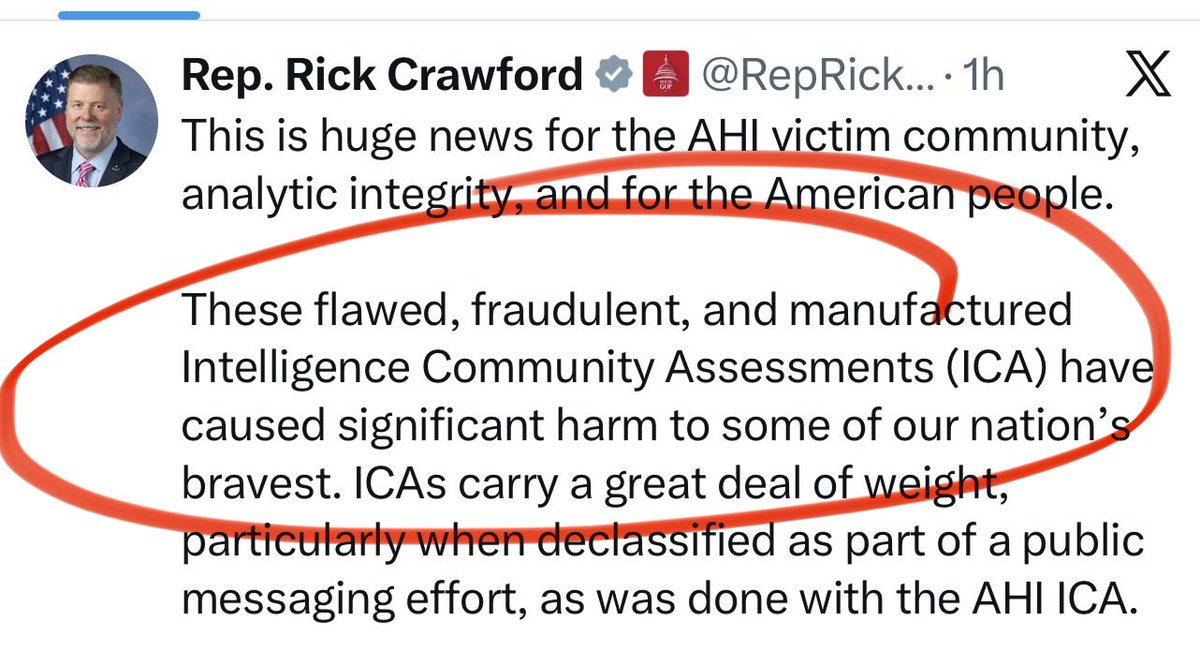
This is huge news for the AHI victim community, analytic integrity, and for the American people.
These flawed, fraudulent, and manufactured Intelligence Community Assessments (ICA) have caused significant harm to some of our nation’s bravest. ICAs carry a great deal of weight, particularly when declassified as part of a public messaging effort, as was done with the AHI ICA.
The assessment was deliberately manufactured and used to discredit some of our nation’s bravest and impede their access to medical care. As was the case with other high-visibility intelligence assessments, it fell far short of analytic integrity standards. Today’s action by @DNIGabbard is a glimmer of hope for our nation’s intelligence officers, service members, and diplomats stationed around the world who have defended this country in austere locations and subsequently had the nation they served turn its back on them.
Thank you to Director Gabbard for keeping her commitment to this Committee and me, and for her overall willingness to do the right thing. I am incredibly grateful.
14
83
253
12,040
Nice recap from Sasha Ingber: Tulsi Gabbard rescinds the intelligence community's AHI assessments
sashaingber.substack.com/p/t…
2
5
284
Stopeg retweeted

Jun 12
The most dangerous 77 seconds ever recorded by a psychiatrist just broke containment again.
Thomas Szasz, the man the entire profession tried to erase, looked straight into the camera and said:
“We do not have an epidemic of mental illness.
We have an epidemic of psychiatry.”
Too fat → illness
Too thin → illness
Too happy, too sad, too much sex, too little sex → all illnesses
No free will, no responsibility left — only “chemical imbalances” fixed by products you can advertise on TV while alcohol cannot.
This forgotten 1:17 clip is now exploding across every timeline for a reason.
Jacob
283
6,802
15,239
457,211
Stopeg retweeted

Jun 11
We have been litigating #FOIA lawsuit for 2025 ICA, now rescinded by @DNIGabbard, for @JMadisonProject/@BrianKarem since Mar'25.
We respectfully ask @ODNIgov to release doc in its entirety for public to see "flawed, fraudulent, and manufactured" assessment. @RepRickCrawford
Jun 11

.@DNIGabbard has taken a decisive step to end "government gaslighting" of Havana Syndrome survivors.
Under the Biden administration, whistleblowers told us their debilitating injuries were blamed on "mental health issues."
Some women on assigned overseas for the US government were told their hormones or failure to get pregnant explained their neurological symptoms.
It was cruel because it minimized their brain injuries and compounded their daily struggle to make sense of the world.
@RepRickCrawford
1
9
25
2,310
Stopeg retweeted

Jun 11
.@DNIGabbard has taken a decisive step to end "government gaslighting" of Havana Syndrome survivors.
Under the Biden administration, whistleblowers told us their debilitating injuries were blamed on "mental health issues."
Some women on assigned overseas for the US government were told their hormones or failure to get pregnant explained their neurological symptoms.
It was cruel because it minimized their brain injuries and compounded their daily struggle to make sense of the world.
@RepRickCrawford
Jun 11
EXCLUSIVE: Biden-Era Intelligence Assessments On Directed Energy Attacks or Havana Syndrome Rescinded @dnigabbard After Our 2025 Investigation
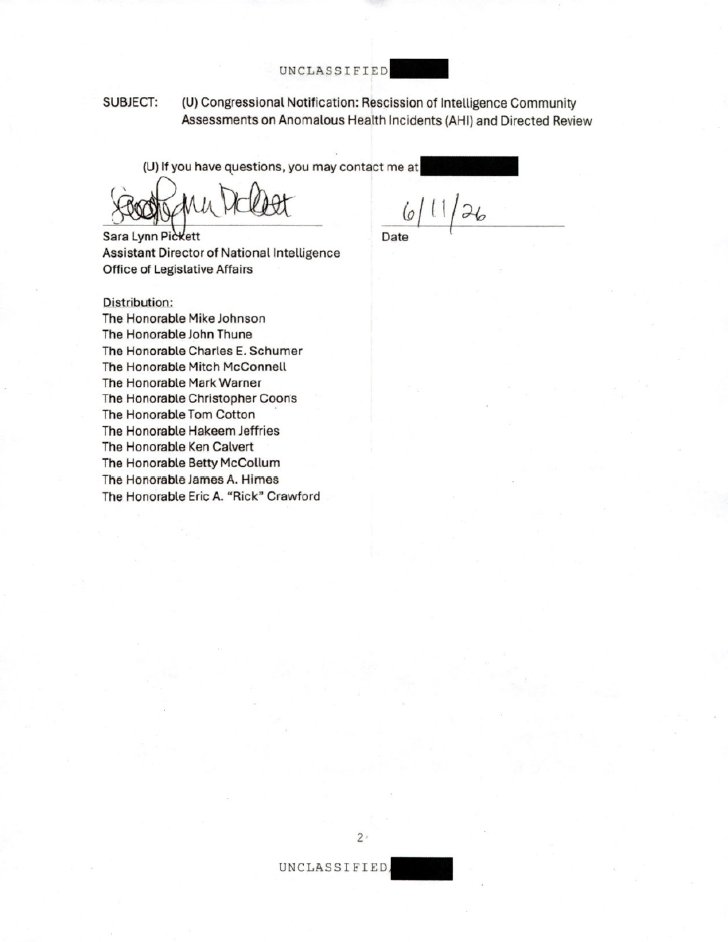
Despite facing systemic resistance within the US intelligence community, an @ODNIgov official confirms Gabbard has rescinded two, Biden-era Intelligence Community Assessments (ICA) related to AHI's (Anomalous Health Incidents) or Havana Syndrome on Thursday in a memo sent to the entire Intelligence Community.
The Biden-era assessments concluded it was very unlikely a foreign adversary or novel weapon was behind debilitating brain injuries among spies, diplomats, military operatives and civilians.
@DNIGabbard committed to a new review after our 2025 independent investigation (posted again here) revealed progressive brain injuries and cases of brain cell death.
- This fulfills Gabbard's promise to initiate a review of the assessments, make the findings public, and ensure the mistreatment and dismissal of those impacted by AHIs is never again tolerated.
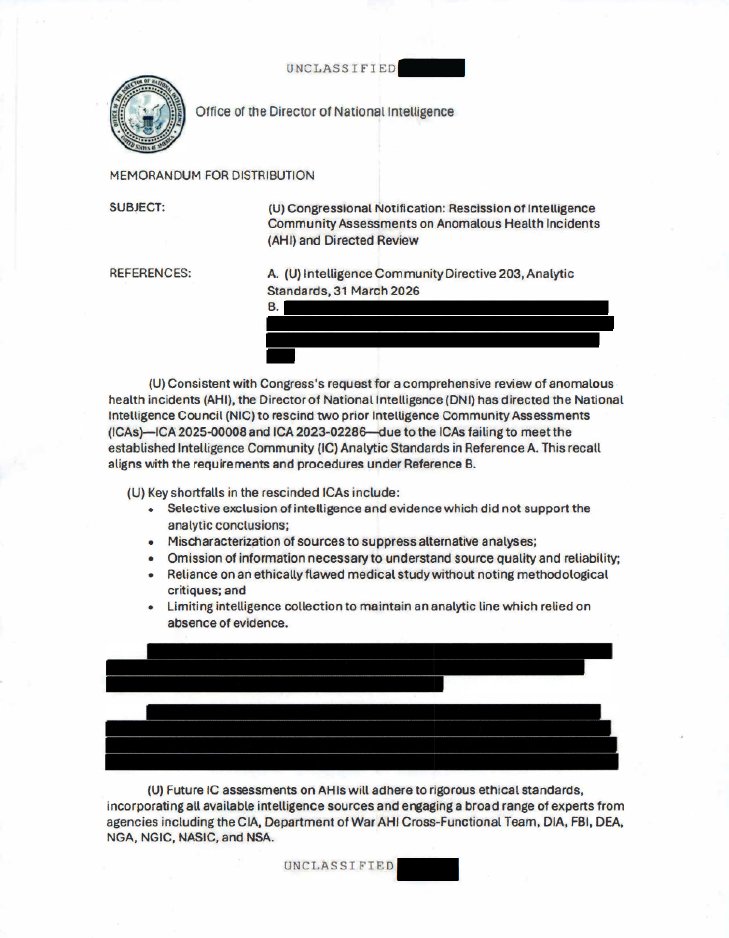
- In the memo, DNI Gabbard explains that "a substantive recall of these ICAs is necessary and appropriate due to concerns about analytic bias negatively impacting the objectivity and soundness of analytic judgments."
- She goes on to detail several of the IC analytic “shortfalls” of the AHI ICAs, to include:
— “Failure to use all available sources of intelligence information and selectively excluding intelligence and evidence which did not support the analytic conclusions”
—“Mischaracterizing the contents and sources of the underlying information to support the analytic conclusions and suppress analysis of alternatives”
—“Misrepresenting and omitting information necessary to understand the quality and reliability of underlying sources of intelligence”
—“Inclusion and reliance on an ethically flawed medical study while omitting information critical of the study and its methodology”
—“Limiting operations and intelligence collection to maintain an analytic line which relied on the absence of evidence.”
-DNI Gabbard directed the Intelligence Community to take further action in the coming months to review this topic, ensure analytic integrity, and bring the truth to the American people.
NOTE: In April 2025, we shared the story of Mike Beck and his wife Rita. Beck was a decorated counterintelligence officer who was hit by a directed energy weapon in 1996 while on assignment overseas.
Diagnosed with a Parkinson's like syndrome, Beck passed away earlier this year.
Because of Mike Beck's bravery, his wife Rita, and many whistleblowers who came forward, change is happening and accountability is possible.
28
373
941
40,992
Stopeg retweeted

Jun 11
This is actually a very good development. The ICAs on Havana Syndrome were deeply flawed and tendentious. And there is a welter of evidence pointing to Russia as being behind these attacks.
This is huge news for the AHI victim community, analytic integrity, and for the American people.
These flawed, fraudulent, and manufactured Intelligence Community Assessments (ICA) have caused significant harm to some of our nation’s bravest. ICAs carry a great deal of weight, particularly when declassified as part of a public messaging effort, as was done with the AHI ICA.
The assessment was deliberately manufactured and used to discredit some of our nation’s bravest and impede their access to medical care. As was the case with other high-visibility intelligence assessments, it fell far short of analytic integrity standards. Today’s action by @DNIGabbard is a glimmer of hope for our nation’s intelligence officers, service members, and diplomats stationed around the world who have defended this country in austere locations and subsequently had the nation they served turn its back on them.
Thank you to Director Gabbard for keeping her commitment to this Committee and me, and for her overall willingness to do the right thing. I am incredibly grateful.
11
122
371
28,494
Stopeg retweeted
Jun 11
We will continue to work with the House Intelligence Committee to help expose the truth about Anomalous Health Incidents. Politics has nothing to do with protecting the men & women who are dedicated to public service & suffered as a result from actions of foreign adversaries.
This is huge news for the AHI victim community, analytic integrity, and for the American people.
These flawed, fraudulent, and manufactured Intelligence Community Assessments (ICA) have caused significant harm to some of our nation’s bravest. ICAs carry a great deal of weight, particularly when declassified as part of a public messaging effort, as was done with the AHI ICA.
The assessment was deliberately manufactured and used to discredit some of our nation’s bravest and impede their access to medical care. As was the case with other high-visibility intelligence assessments, it fell far short of analytic integrity standards. Today’s action by @DNIGabbard is a glimmer of hope for our nation’s intelligence officers, service members, and diplomats stationed around the world who have defended this country in austere locations and subsequently had the nation they served turn its back on them.
Thank you to Director Gabbard for keeping her commitment to this Committee and me, and for her overall willingness to do the right thing. I am incredibly grateful.
6
27
67
6,159
I called 1 March 2023 'Havana Syndrome Cover-up Day', because the 1 March 2023 IC's Expert Panel Report was trying to convince people that such weapons do not exist. Now the people will understand that they have been lied to (again) on 1 March 2023:
havanasyndrome.nl/#what-we-k…
16
28
660
RT @RepRickCrawford: This is huge news for the AHI victim community, analytic integrity, and for the American people.
These flawed, fraudu…
116
Stopeg retweeted
Jun 11
This is what we have been working towards for over a decade. The truth must be known about Anomalous Health Incidents, who is responsible, how and why, and for USG to properly take care of the federal govt victims & their family members.
Jun 11
EXCLUSIVE: Biden-Era Intelligence Assessments On Directed Energy Attacks or Havana Syndrome Rescinded @dnigabbard After Our 2025 Investigation
Despite facing systemic resistance within the US intelligence community, an @ODNIgov official confirms Gabbard has rescinded two, Biden-era Intelligence Community Assessments (ICA) related to AHI's (Anomalous Health Incidents) or Havana Syndrome on Thursday in a memo sent to the entire Intelligence Community.
The Biden-era assessments concluded it was very unlikely a foreign adversary or novel weapon was behind debilitating brain injuries among spies, diplomats, military operatives and civilians.
@DNIGabbard committed to a new review after our 2025 independent investigation (posted again here) revealed progressive brain injuries and cases of brain cell death.
- This fulfills Gabbard's promise to initiate a review of the assessments, make the findings public, and ensure the mistreatment and dismissal of those impacted by AHIs is never again tolerated.
- In the memo, DNI Gabbard explains that "a substantive recall of these ICAs is necessary and appropriate due to concerns about analytic bias negatively impacting the objectivity and soundness of analytic judgments."
- She goes on to detail several of the IC analytic “shortfalls” of the AHI ICAs, to include:
— “Failure to use all available sources of intelligence information and selectively excluding intelligence and evidence which did not support the analytic conclusions”
—“Mischaracterizing the contents and sources of the underlying information to support the analytic conclusions and suppress analysis of alternatives”
—“Misrepresenting and omitting information necessary to understand the quality and reliability of underlying sources of intelligence”
—“Inclusion and reliance on an ethically flawed medical study while omitting information critical of the study and its methodology”
—“Limiting operations and intelligence collection to maintain an analytic line which relied on the absence of evidence.”
-DNI Gabbard directed the Intelligence Community to take further action in the coming months to review this topic, ensure analytic integrity, and bring the truth to the American people.
NOTE: In April 2025, we shared the story of Mike Beck and his wife Rita. Beck was a decorated counterintelligence officer who was hit by a directed energy weapon in 1996 while on assignment overseas.
Diagnosed with a Parkinson's like syndrome, Beck passed away earlier this year.
Because of Mike Beck's bravery, his wife Rita, and many whistleblowers who came forward, change is happening and accountability is possible.
19
97
366
43,303
We already knew you should never trust the Intelligence Community but now it is official: DNI Gabbard has rescinded two, Biden-era Intelligence Community Assessments (ICA) related to AHI's (Anomalous Health Incidents) or Havana Syndrome.
Jun 11
EXCLUSIVE: Biden-Era Intelligence Assessments On Directed Energy Attacks or Havana Syndrome Rescinded @dnigabbard After Our 2025 Investigation
Despite facing systemic resistance within the US intelligence community, an @ODNIgov official confirms Gabbard has rescinded two, Biden-era Intelligence Community Assessments (ICA) related to AHI's (Anomalous Health Incidents) or Havana Syndrome on Thursday in a memo sent to the entire Intelligence Community.
The Biden-era assessments concluded it was very unlikely a foreign adversary or novel weapon was behind debilitating brain injuries among spies, diplomats, military operatives and civilians.
@DNIGabbard committed to a new review after our 2025 independent investigation (posted again here) revealed progressive brain injuries and cases of brain cell death.
- This fulfills Gabbard's promise to initiate a review of the assessments, make the findings public, and ensure the mistreatment and dismissal of those impacted by AHIs is never again tolerated.
- In the memo, DNI Gabbard explains that "a substantive recall of these ICAs is necessary and appropriate due to concerns about analytic bias negatively impacting the objectivity and soundness of analytic judgments."
- She goes on to detail several of the IC analytic “shortfalls” of the AHI ICAs, to include:
— “Failure to use all available sources of intelligence information and selectively excluding intelligence and evidence which did not support the analytic conclusions”
—“Mischaracterizing the contents and sources of the underlying information to support the analytic conclusions and suppress analysis of alternatives”
—“Misrepresenting and omitting information necessary to understand the quality and reliability of underlying sources of intelligence”
—“Inclusion and reliance on an ethically flawed medical study while omitting information critical of the study and its methodology”
—“Limiting operations and intelligence collection to maintain an analytic line which relied on the absence of evidence.”
-DNI Gabbard directed the Intelligence Community to take further action in the coming months to review this topic, ensure analytic integrity, and bring the truth to the American people.
NOTE: In April 2025, we shared the story of Mike Beck and his wife Rita. Beck was a decorated counterintelligence officer who was hit by a directed energy weapon in 1996 while on assignment overseas.
Diagnosed with a Parkinson's like syndrome, Beck passed away earlier this year.
Because of Mike Beck's bravery, his wife Rita, and many whistleblowers who came forward, change is happening and accountability is possible.
1
25
34
811
Stopeg retweeted

Jun 11
Trump picks Jay Clayton, Manhattan U.S. attorney, to be director of national intelligence washingtonpost.com/national-…
1
6
9
4,313
FISA 702 is only used to protect criminal elements within the CIA, NSA, FBI, ... all these agencies are out-of-control. Abolish FISA, take away their powers ...
22 Apr 2024

🚨Speaker Mike Johnson defended shredding the 4th Amendment and passing FISA warrantless surveillance after a top-secret briefing with the NSA, CIA, FBI, DNI and DOJ.
Well, @RepThomasMassie was in the same SCIF as Speaker Johnson, and he's fed up with the lying.
Massie says there was NOT ONE EXAMPLE spying on Americans without a warrant was able to prevent terrorism.
It's all a scam. Shame on Republicans who fall for it.
#SCIFGATE
1
25
42
891
Stopeg retweeted

Jun 9
The working class gets surveillance. The billionaire class gets privacy. That is the whole system in one sentence.
Working class slaves for billionaire masters, but soon they won't need you... AI and automation will replace you.

26
251
608
20,896
Updated the STOPEG home page again. I hope this information helps to fight (intentional) wrong diagnosis (like psychosis, delusions, or worst) because of mentioning attacks with Directed Energy Weapons.
Peter
stopeg.com
11
13
758
Stopeg retweeted

Jun 9
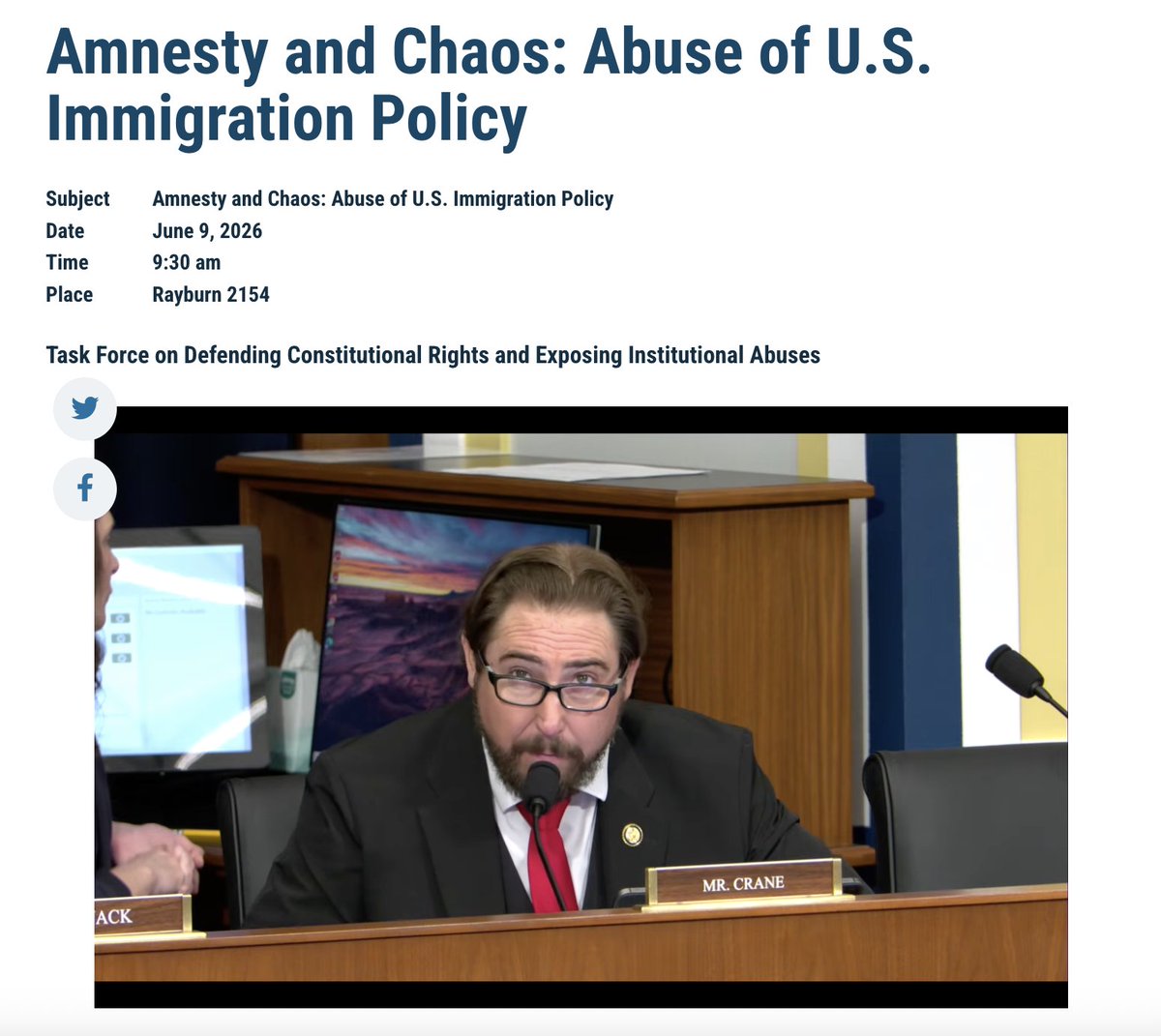
I am an American citizen. I have been illegally and forcibly detained in psych jails multiple times for REPORTING Havana Syndrome (and/or being unwittingly drugged) to an officer or CIA friend.
This is literally what happens when the CIA doesn't want you to report the crime, because you aren't supposed to know it is one. AHIs are not caused by aliens! They were caused by humans who knew exactly who they wanted to target, using technology. @MarkSZaidEsq @GarryPNolan
They also used propaganda and counterintelligence tactics to bully people who could expose their abuse. Not only did the CIA not want me to tell the running community the real story, but they used runners to protest ICE and regularly fight for better treatment of people of color and immigrants instead of all trauma and crime victims.
In my cases, these are federal crimes so the FBI has jurisdiction, @FBIDirectorKash. The @DeptofWar also investigated and in a court of law, I am confident they would tell you they believe me. Yet the CIA still gets to block justice, over a dozen years later? @DNIGabbard
Once you are in the ER, the police will not let you leave They can keep you there up to 8 hours and overnight. And no matter how calm you are, you are forced into a bed in a psych detention facility where you have to wait another 3-11 days to see a judge. Then you get stuck with your entire deductible as the bill. What a way to rip off Medicaid too, @nickshirley.
Detaining people who have committed no crime and no public disturbance but were in fact REPORTING A CRIME is an abuse of our law enforcement system. And it makes villains of the officers forced to follow orders, @SenatorSlotkin.
To say this started under Trump or that it happens only to immigrants would be a bold-faced lie. But it is a trap that was purposely set for Trump (starting under Biden) and his administration walked right into it.
You also can't go after the right people if you don't have good data and the ability to securely share sensitive data across agencies.
Another reason it is critical to identify real criminals and espionage risks rather than blacklisting Americans as terrorists if the FBI or powerful people don't like their political views and entraps them on purpose.
When people do need to be detained, holding individuals longer than necessary and forcing unnecessary drugs for profit is still FRAUD.
Why didn't we hear about deportation issues under Obama? Or did we just not hear about them like you never heard of me. Oh wait.
So let's be clear. It was the BIDEN ADMINISTRATION who abused immigration policy. The TRUMP ADMIN is stuck with the clean-up, but that doesn't give anyone the right to violate human rights.
If law enforcement makes a mistake about someone's legal status, they should have IT systems that help to identify the mistake so officers can FIX IT THE SAME DAY and let people go home. But legal status for immigrants and VISA holders is yet another issue that is long overdue to be revisited.
@MarkWarner @RepEliCrane @RepBrandonGill @GOPoversight @FBI_Response @AAGDhillon @DAGToddBlanche @JeremyCorbell @SecRubio @SecWar
1
1
3
152