
Joined November 2013
- Tweets 4,423
- Following 3,700
- Followers 11,829
- Likes 38,802
545 Photos and videos





Pinned Tweet

16 Jul 2024
@Hyperfusionio signing a Memorandum of Understanding w the DIFC Innovation Hub @InnovHubDIFC and @DubaiAiCampus led by CEO @MohdAlblooshi_ to annonce @hyperfusionio support and collaboration for the Dubai AI & Web3 Festival
#DIFCInnovationHub
linkedin.com/feed/update/urn…
@quentin234

4
2
14
2,888
Alex Petrov retweeted

Jun 4
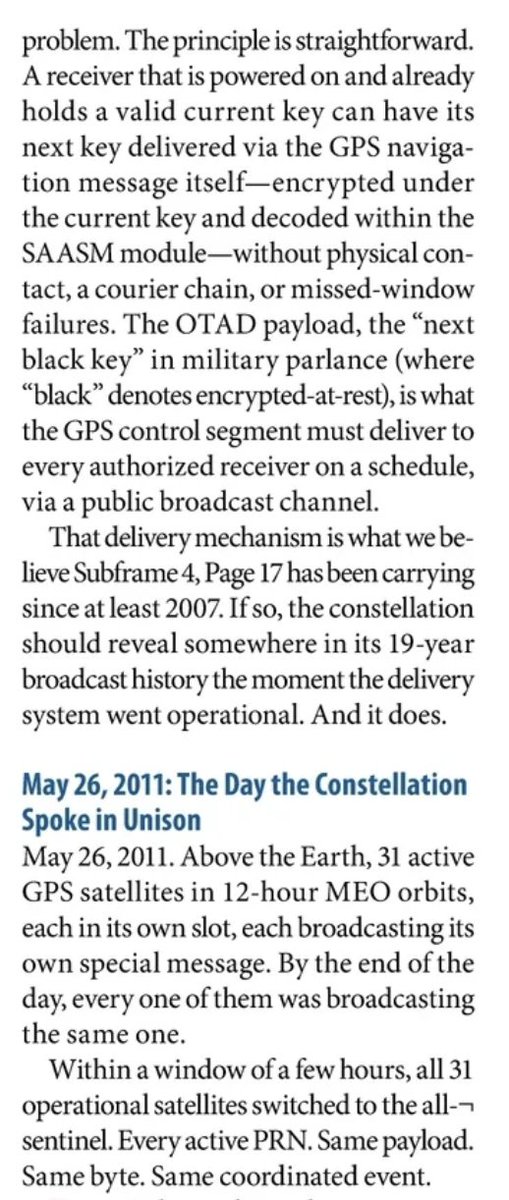
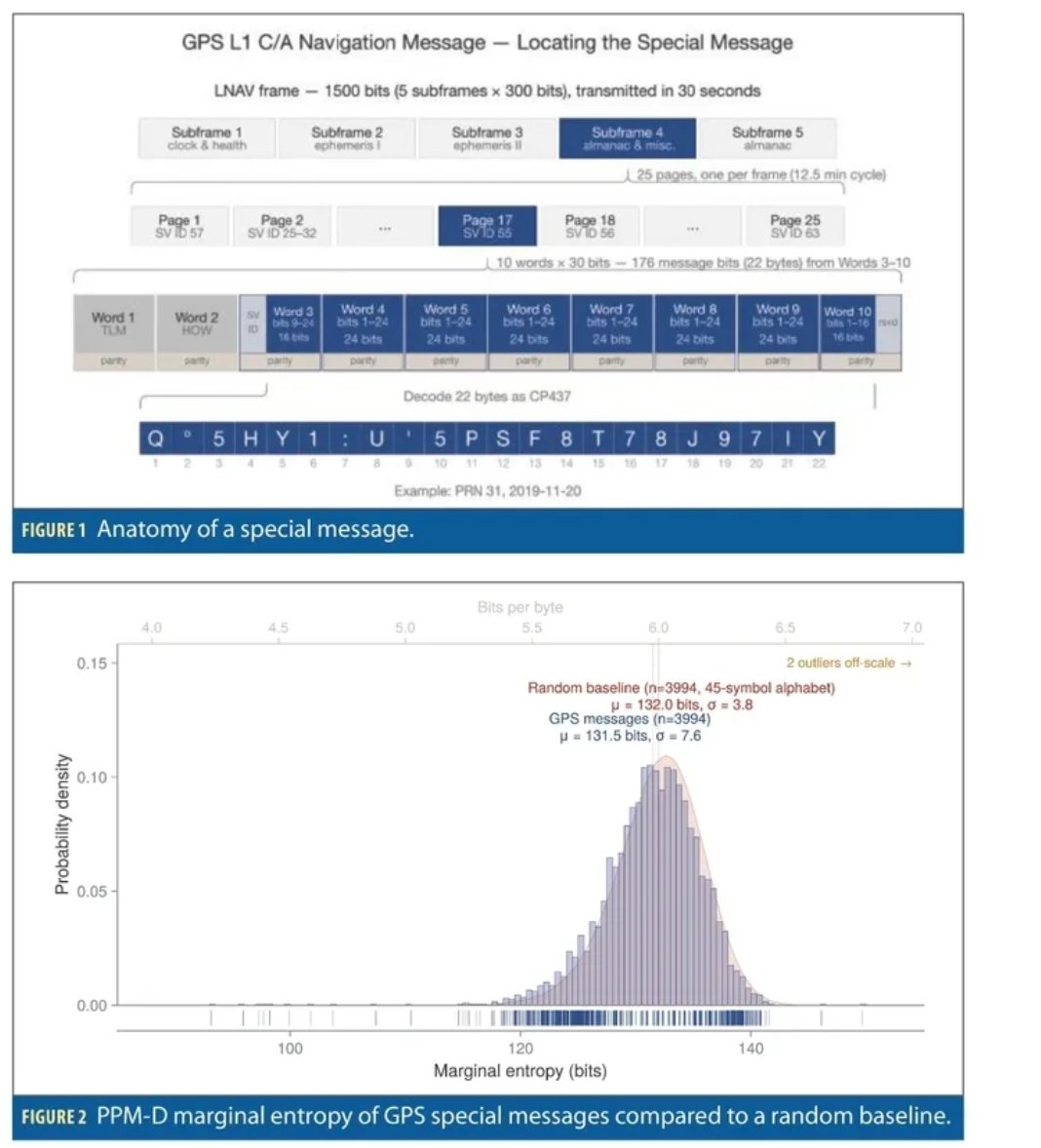
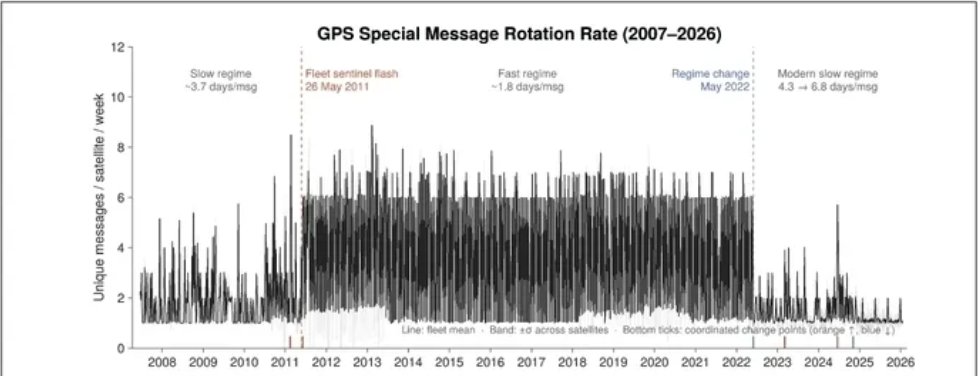
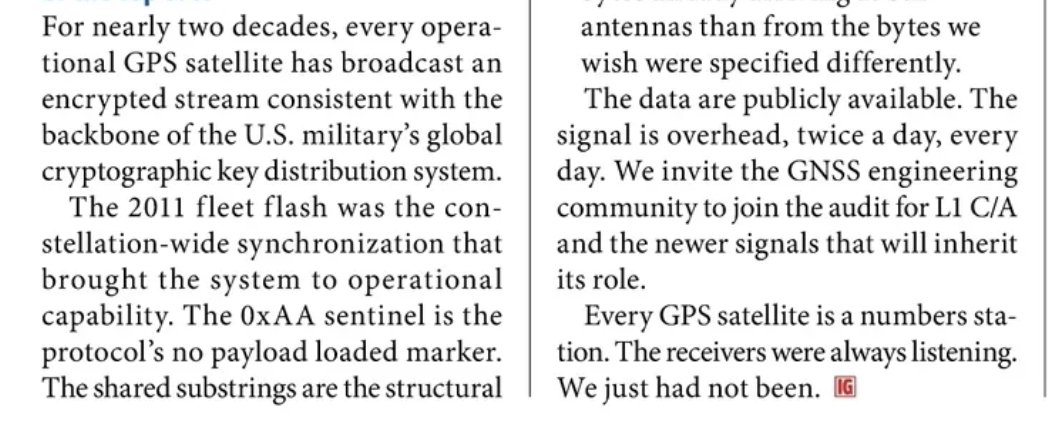
GPS navigation includes a publicly broadcast 176-bit special-message field that have carried high-entropy payloads for years. It looks like a one-way encrypted control or key-distribution channel. Effectively a GPS-transmitted, world-reachable number station. The publicly receivable GPS navigation signal appears to leak operational metadata about military cryptographic logistics? @sjmurdoch lsc-pagepro.mydigitalpublica…
3
70
378
29,376
Jun 2
Jun 2

Behold: the VSORA Jotunn 8.
- TSMC 5nm
- 288 GB HBM 3e
- 3.2 Petaflops FP8


6
10
378
May 13
Congrats @paybis !
May 13

Latvijas Banka izsniedz divas licences SIA "Paybis Europe". 🥇 Šis ir pirmais kriptoaktīvu pakalpojumu sniedzējs Latvijā, kurš vienlaikus saņem darbības atļauju arī maksājumu pakalpojumu sniegšanai.
🔗 Plašāka informācija: bank.lv/aktualitates-banklv/…

3
8
365
Alex Petrov retweeted

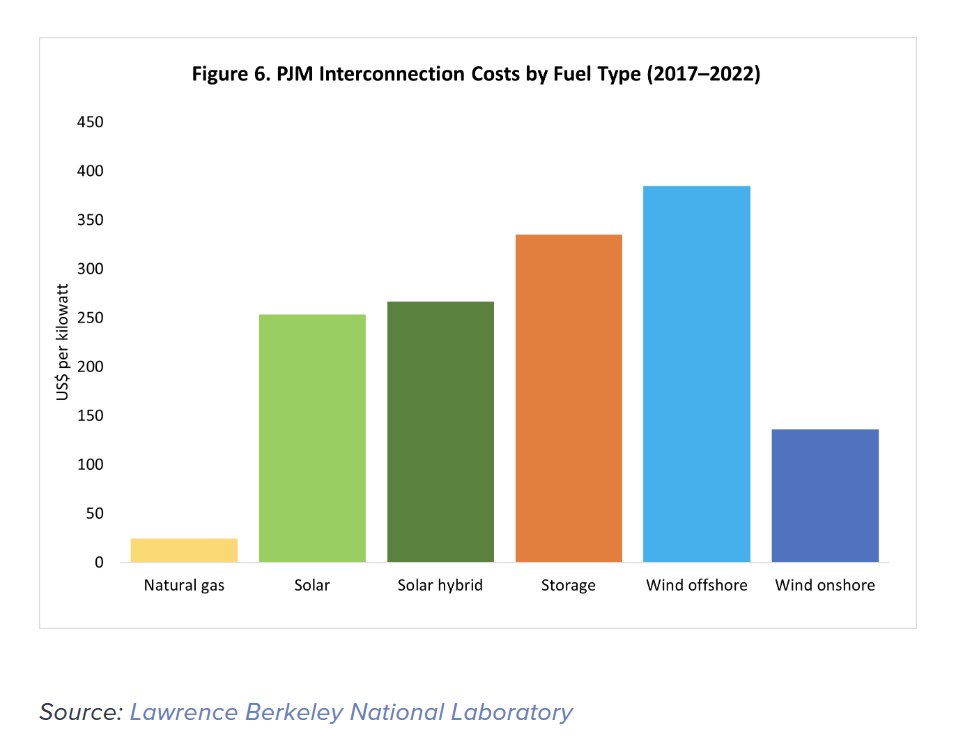
America is turning to #naturalgas to power #AI #DataCenters, despite its higher carbon intensity.
Connection costs:
#Naturalgas $24/kW
#Solar $253/kW
#Wind $335/kW
The huge cost difference is due to renewables' massive geographical/infrastructure hurdles.
More details👇
3
5
12
7,647
Alex Petrov retweeted

La Spagna aveva il settore solare in più rapida crescita in Europa. Una legge sui sussidi del 2007 garantiva enormi pagamenti fissi per l'elettricità solare, e gli investitori vi si riversarono a frotte.
Poi l'economia è crollata, e il governo non poteva più permettersi i sussidi.
Tra il 2010 e il 2012, la Spagna ha retroattivamente tagliato i sussidi che aveva già promesso. Migliaia di operatori solari sono falliti, con oltre 62.000 investitori colpiti. Le banche hanno messo in perdita 30 miliardi di dollari. E gli investitori internazionali hanno citato in giudizio la Spagna in oltre 40 casi di arbitrato.
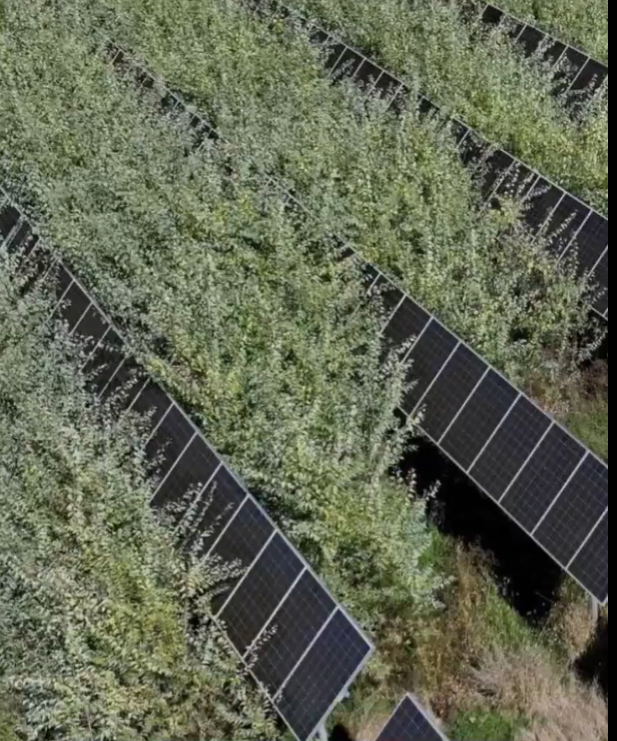
In tutto il paese, impianti solari mezzi costruiti e abbandonati giacciono inattivi. Infrastrutture fantasma di una politica fallita.
La Spagna ha cercato di spingere un boom solare con i sussidi. Invece, ha prodotto una delle più grandi bancarotte rinnovabili al mondo.
Qualcuno lo vuol dire a Bonelli &Co?
103
1,437
2,962
110,118

Alex Petrov retweeted

May 3
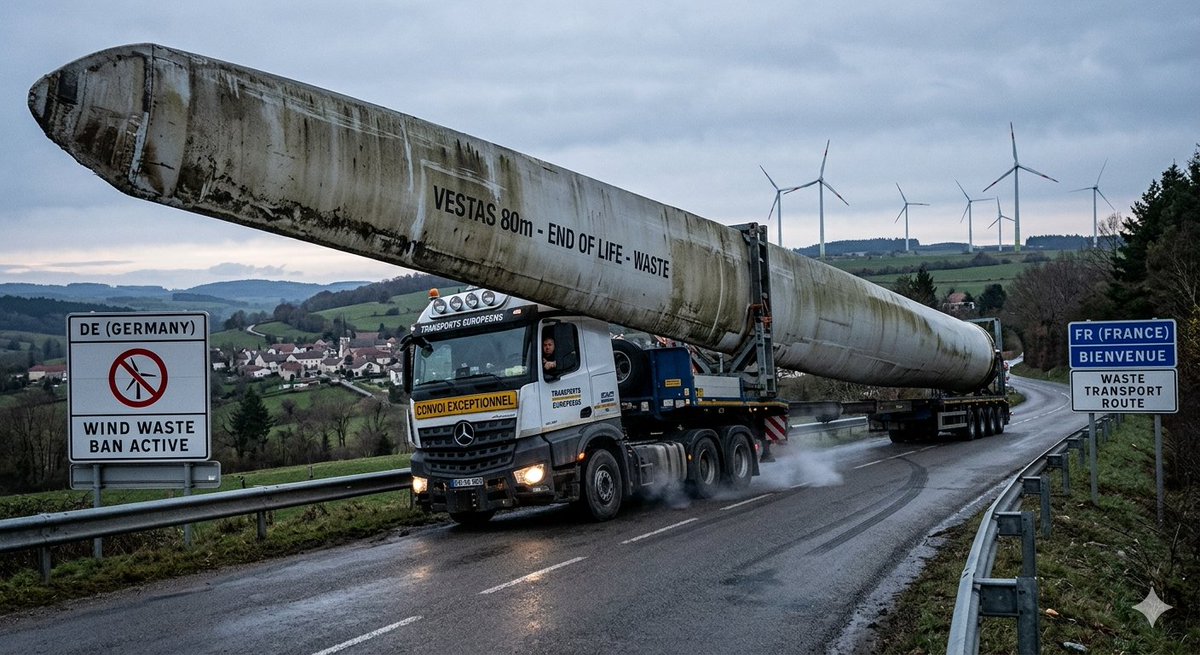
On January 1, 2026, the European wind industry implemented a self-imposed landfill ban on turbine blades.
This has left many countries scrambling silently for solutions. Landfill has become the next unwanted crisis, yet it's the conversation no one wants to have. Germany, Finland, and the Netherlands have banned blade landfills, and so for a time they are being exported to countries like the UK or France, where they can still be buried.
Banning waste like turbine blades doesn't make it vanish though—it just puts it on a truck to a neighbour's backyard. Low-scale solutions are often cited as the answer, like turning blades into noise barriers, bridges or playground equipment.
How do you turn 43 million tons of blade waste from turbines into park benches and koala crossings? How many park benches does one planet actually need?
Modern recycling for glass and carbon fibre often requires pyrolysis (high-heat chemical decomposition). To recycle a 'green' blade, you must burn an immense amount of energy to break down the resins.
We are trading a physical waste problem for a new energy demand problem. People love a quirky solution that highlights the absurdity of the problem—like the image of a massive 80-metre blade being used as a single, very long bus shelter.
Even 'green' solutions have a physical footprint that can't be wished away by a spreadsheet.
406
3,130
6,224
379,596
Alex Petrov retweeted
Apr 30
Every wind turbine and solar panel on earth today is expected to be decommissioned and replaced long before Net Zero in 2050.
We aren't just building a new energy grid, we're initiating the world’s largest, most resource-intensive replacement cycle. The staggering cost of these recurring cycles is expected to add trillions to an already massive price tag.
McKinsey Global estimates the transition requires $9.2 trillion per year, totaling $275 trillion by 2050. However, these figures are only the baseline - they don't account for the new price ceiling driven by the physical failure and required replacement of first-generation infrastructure.
Most of today’s 225,000 wind turbines (over 1.2 TW capacity) will exceed their 20–30 year lifespans by 2050. This necessitates waves of decommissioning or 'repowering' on a scale never seen before.
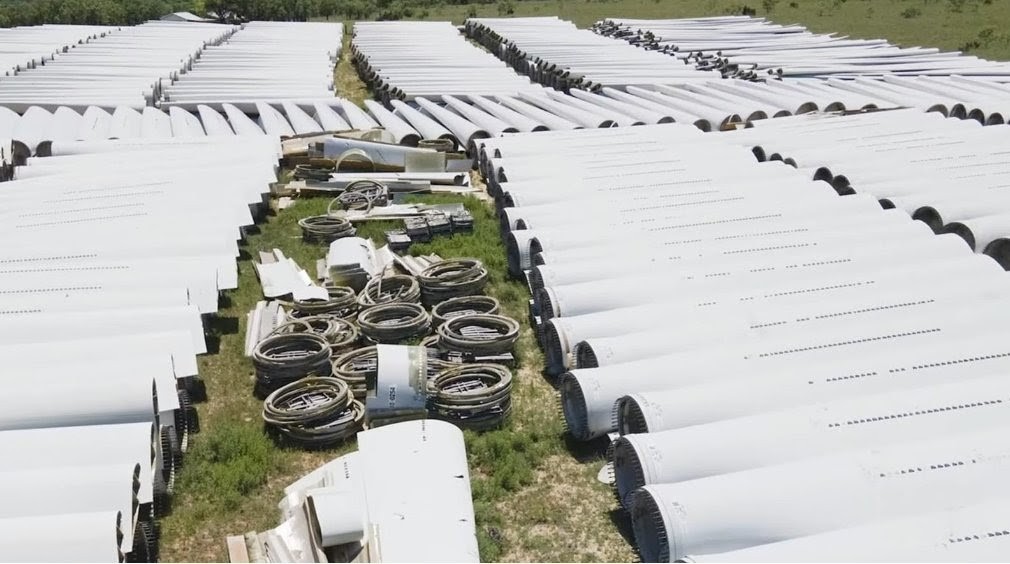
With wingspans rivaling an Airbus A380 or Boeing 747, these massive composite structures are fueling blade graveyards that present a disposal challenge unmatched in human history. Projections suggest 43 million tonnes of blade waste and 60–80 million tonnes of solar PV waste by 2050.
A global rebuild of this scale must compete for finite resources. China currently refines 90% of the global rare earth supply, creating a precarious geopolitical dependency for the permanent magnet technology required for modern turbines.
* Rare earths: Neodymium and praseodymium for magnets; dysprosium and terbium for heat resistance.
* Essential metals: Massive quantities of copper for wiring, tungsten for components, and tin for soldering.
* Physical scale: Larger direct-drive turbines require 0.5–2 tonnes of rare-earth magnets per MW, supported by vast quantities of steel and concrete.
A 'second transition' is destined to become a third, and a fourth—replacing the entire global inventory every few decades. This demands a WWII-scale 'D-Day' mobilisation of capital and labor, occurring just as subsidies fade and private investment thins due to uneven returns.
Furthermore, the 'diesel paradox' remains: heavy mining equipment is still powered by the very same fossil fuels the transition seeks to eliminate.
The math suggests a looming collision between physical reality and political agendas.
Image: The Casper Regional Landfill in Wyoming has become a global focal point for 'clean energy waste'.
202
1,776
3,038
63,737
Alex Petrov retweeted

Apr 29
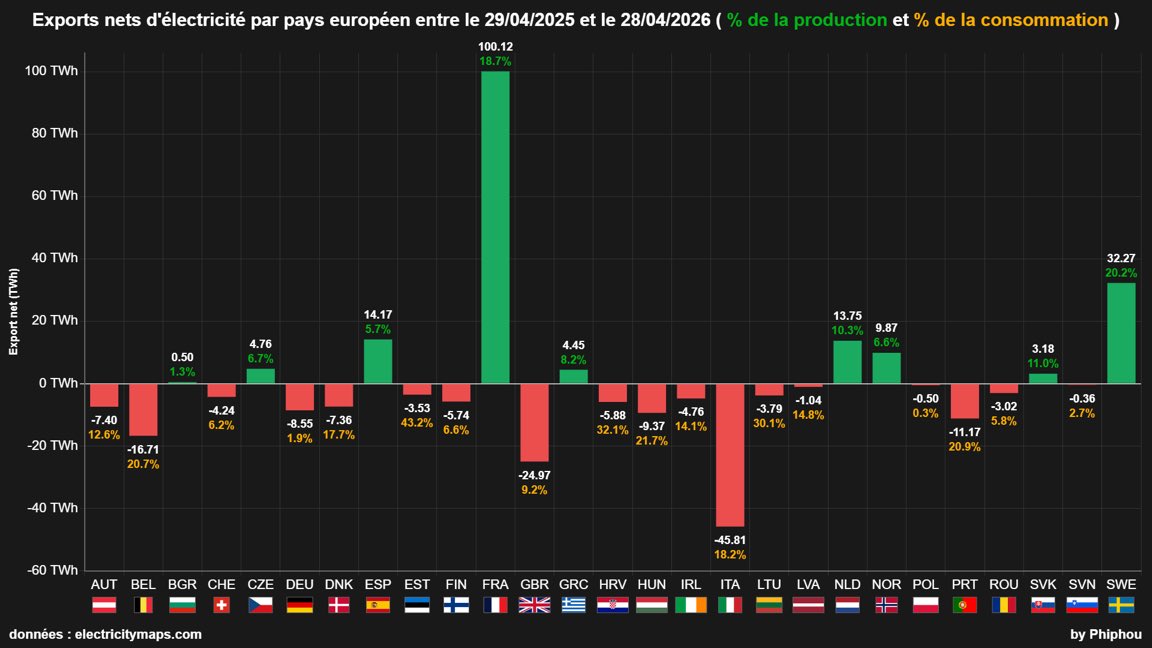
Sans le nucléaire français l’Europe serait en black-out complet.
Toute l’Europe, de Lisbon à Riga.
133
1,424
5,535
220,851
Alex Petrov retweeted

Apr 28
The UK has 32 GW of installed wind capacity, but that is the brochure figure.
Over the weekend, output fell to just 0.6 GW (less than 2%). And it happened overnight, when solar was at zero. So Britain had a renewable fleet on paper, but functionally nothing arriving on the grid.
For hours, wind stayed below 10% of capacity.
Batteries do not fix that. They smooth short gaps. They cannot carry a country through long wind droughts. So the real system still needs gas.
Ready, paid for, and able to run immediately at 100% capacity whenever weather-based power drops out.
That is the hidden cost.
Build the renewables, then build the backup, then pretend the first system replaced the second.
32
318
625
11,591

most hardware wallets solve one problem. keeping your private keys offline.
@era_wallet looked at that and asked a different question:
what good is an offline wallet if you still can't read what you're signing?
🧵🔻

60
7
86
2,259
Alex Petrov retweeted

Feb 5
We take randomness for granted.
Early PRNGs were BAD.
Thousands of scientific papers used to rely on RANDU, created by IBM in the 1960s. In 1D space, it looks ok!
Map in 3D…you start to see the issues. Now, there *was* a better solution...but it would cost you.
159
484
7,103
587,681
Alex Petrov retweeted

27 Dec 2025
"This isn’t just running an old miner at home.”
Our CEO @Alex_Heatbit talked with the miners at @AbundantMines about our story and what's coming next for Heatbit.
Here's the full conversation:
2
10
26
1,238
Alex Petrov retweeted

These files are a BOMBSHELL.
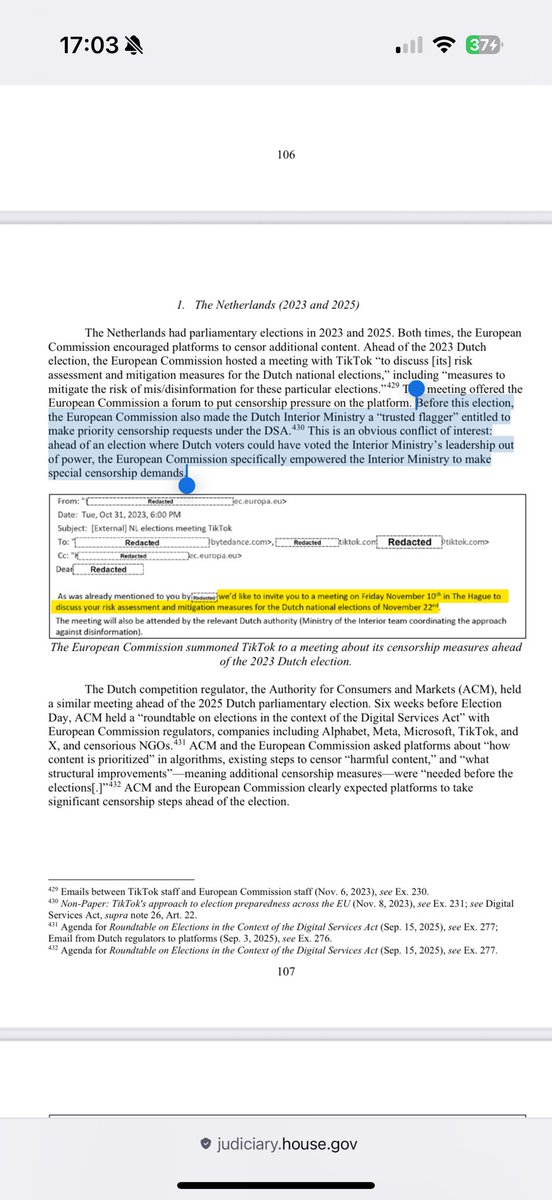
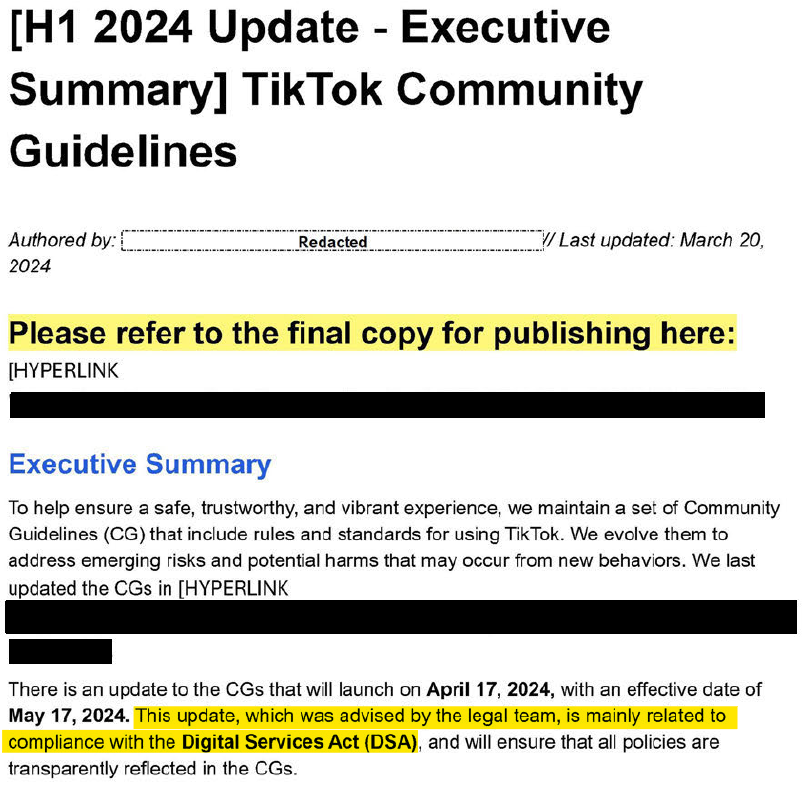
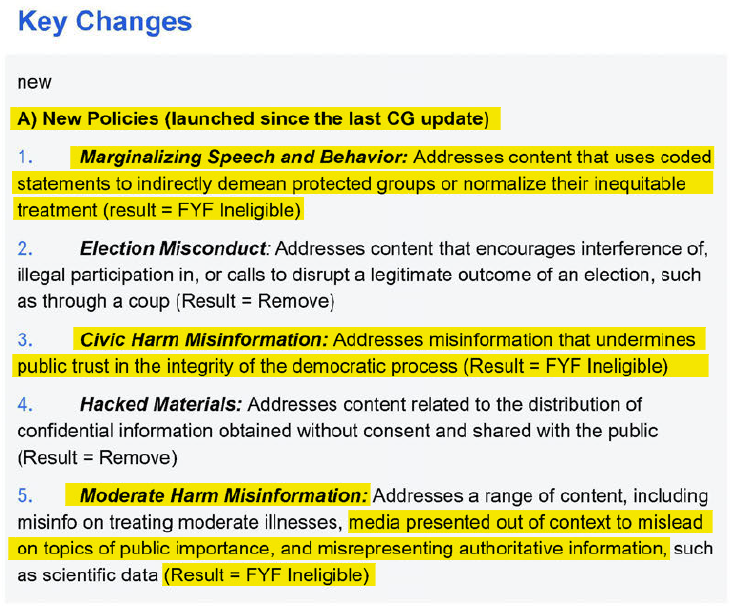
Thanks to the @JudiciaryGOP, we now have proof that the EU has been actively censoring legal content that goes against their agenda—and that they interfered in at least 8 European elections, including the Dutch elections of 2023 and 2025, by meeting with social media platforms to pressure them to censor political speech in the days before the vote.
Leading up to the Dutch elections of 2023 the EU commission even made the then Dutch Interior Ministry @hugodejonge a "trusted flagger" entitled to make priority censorship requests under the DSA.
What kind of political speech did they want to censor, you ask?
- “Populist rhetoric”
- “Anti-government/anti-EU content”
- “Anti-elite” content
- “Political satire”
- “Anti-migrant and Islamophobic content”
- “Anti-refugee content/anti-immigrant sentiment”
- “Anti-LGBTQI content”
- “Meme subculture”
In other words, anything that goes against their agenda, anything remotely right-wing or conservative, and anything pertaining to the disastrous migrant situation we have here in Europe.
And guess what the only platform was that did not cooperate? @X, of course. The same platform that the EU is fining for 120 million euros under the DSA and the same platform that is currently having its offices raided in France.
This is the type of stuff over which governments should resign and institutions like the EU should fall. Democracy is dead.
Abolish the EU! Now!
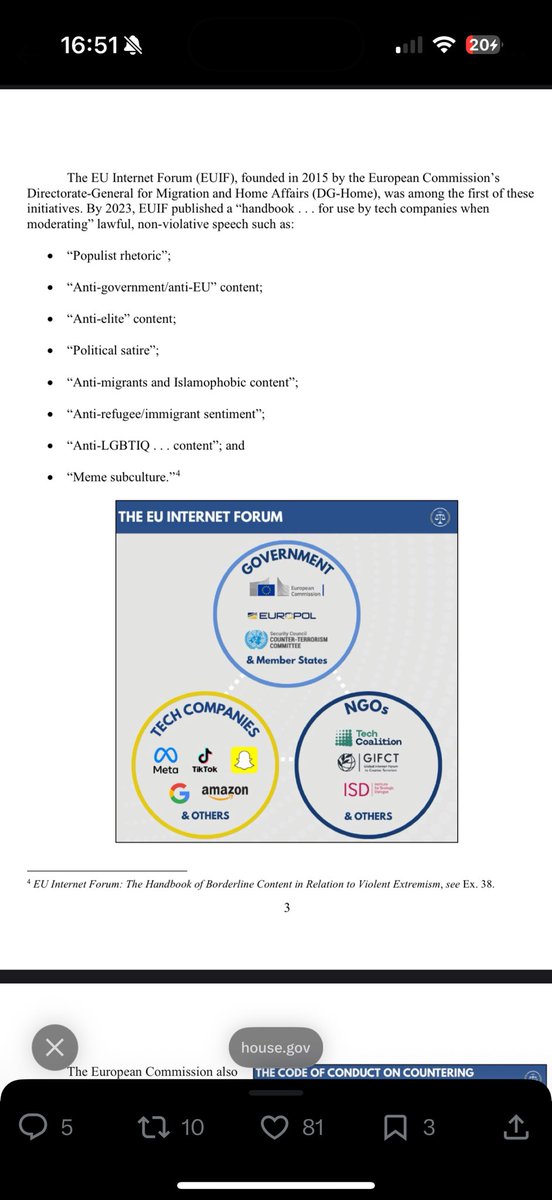
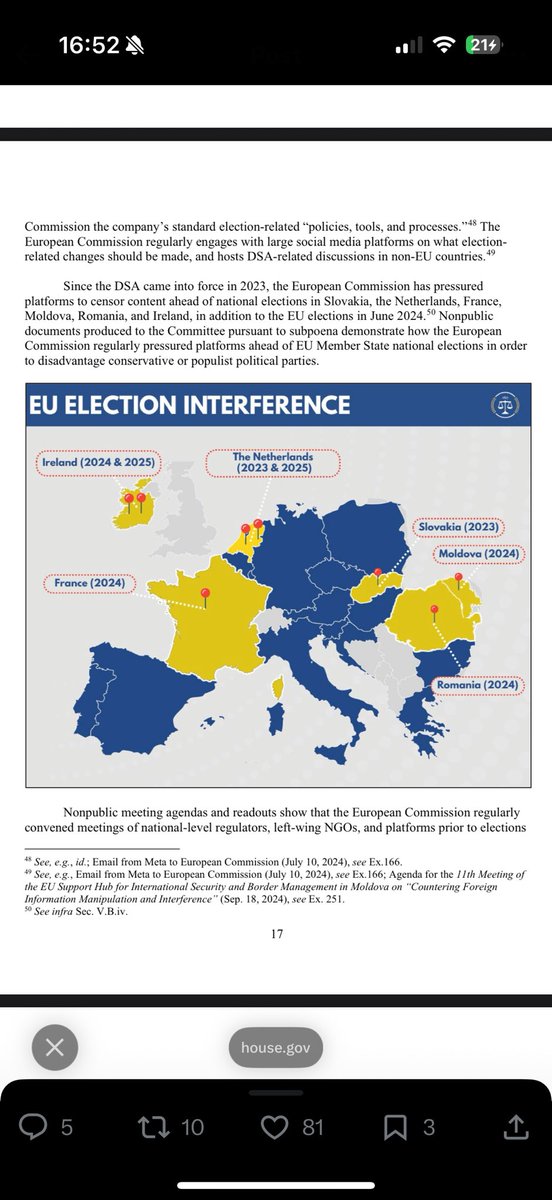
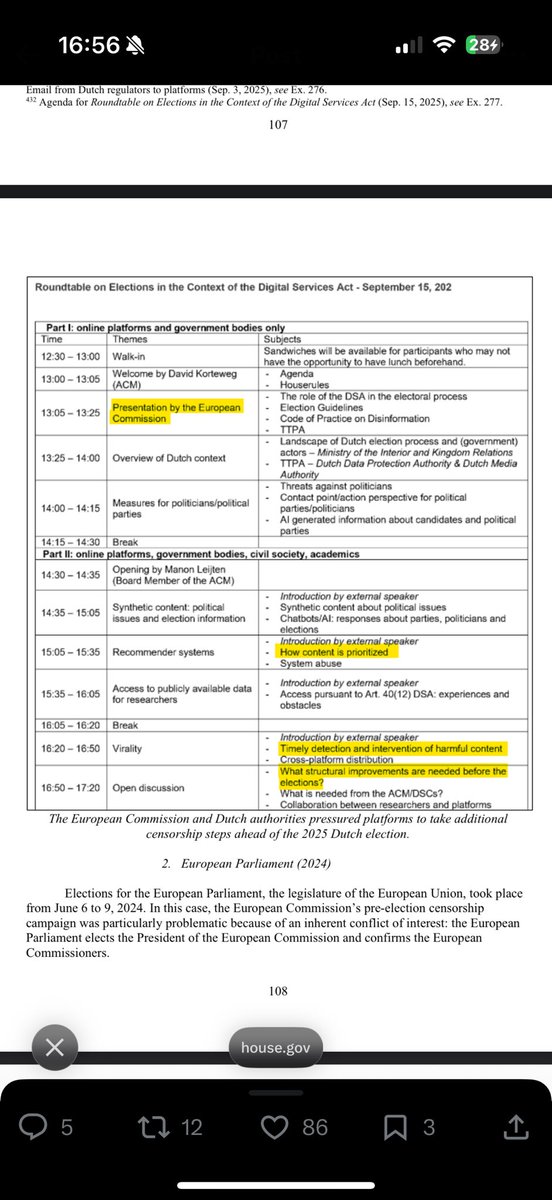

🚨The EU Censorship Files, Part II
For more than a year, the Committee has been warning that European censorship laws threaten U.S. free speech online.
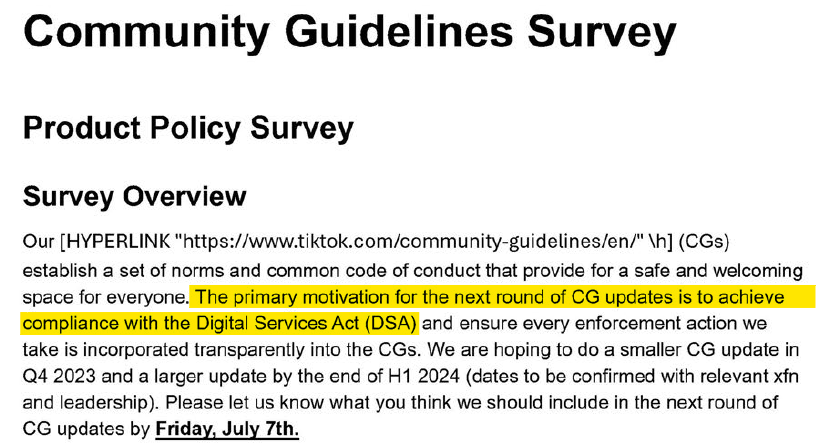
Now, we have proof: Big Tech is censoring Americans’ speech in the U.S., including true information, to comply with Europe’s far-reaching Digital Services Act.
1,909
25,853
66,784
8,739,718
Alex Petrov retweeted

Finally, Python 3.14 lets you disable GIL!
It's a big deal because earlier, even if you wrote multi-threaded code, Python could only run one thread at a time, giving no performance benefit.
But now, it can run your multi-threaded code in parallel.
And uv fully supports it!
61
200
2,733
263,416

Alex Petrov retweeted

24 Nov 2025
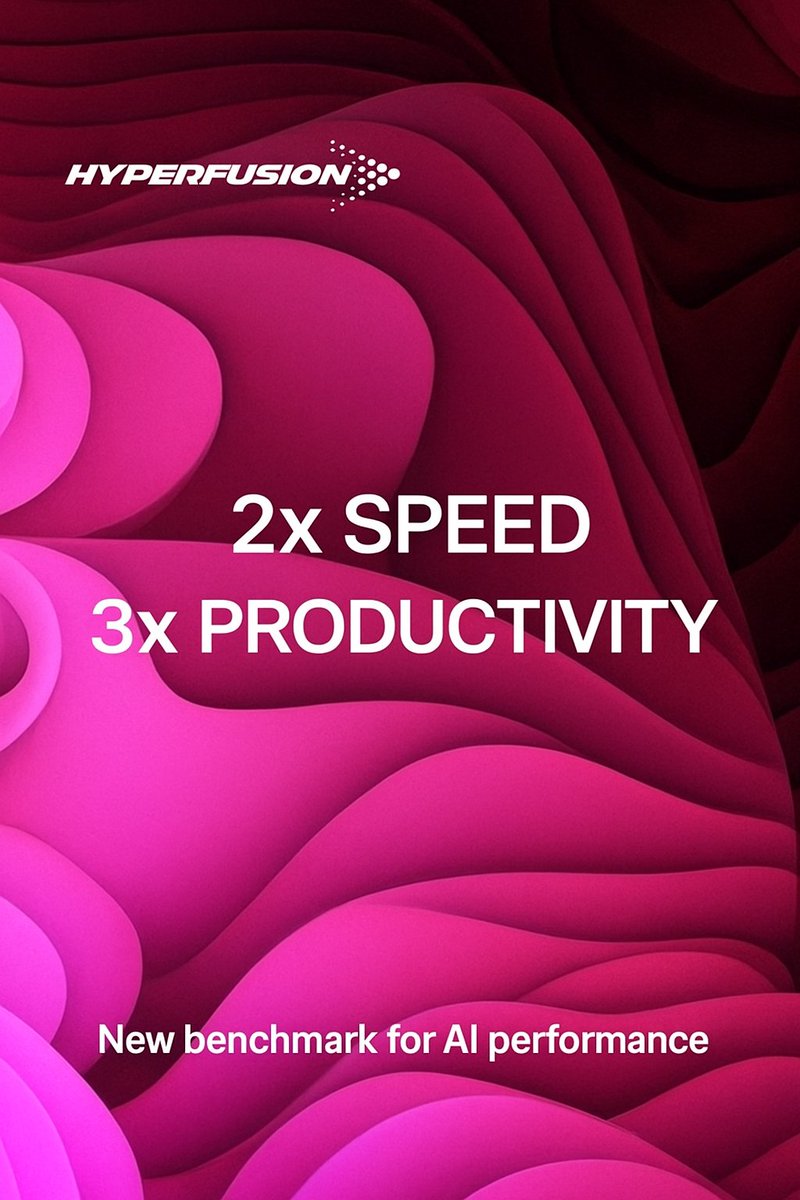
Hyperfusion delivers serious performance.
2.5 to 3 times higher throughput than others
2 times higher throughput than Azure AI
Powered by state-of-the-art optimisation and custom kernel engineering
This is the future of AI inference
#AI #GPU #Inference #MachineLearning
2
3
1,004
Alex Petrov retweeted
18 Dec 2025
Gonka turns compute into an open market for LLMs.
Skip the infrastructure.
Hyperfusion delivers institutional-grade @gonka_ai access:
- non-custodial control
- guaranteed epochs
- live performance tracking
- clear pricing
- 24/7 ops.
Top-5 node since Genesis. 800 GPUs deployed. Capacity open: hyperfusion.io/gonka
2
7
935
Alex Petrov retweeted

16 Dec 2025
"World-class entrepreneurs are polymaths." - Peter Thiel
62
449
2,933
376,622
Alex Petrov retweeted
30 Nov 2025
I have carefully read the documentation. 3 questions:
Everything is built around Intel TDX TEE - all components worker/proxy/clients...
a) TDX TEE This requires specific hardware and configuration
b) Not even all Xeon 4th/5th gen processors from 2023-2024 have it enabled; it's a narrow segment
that's less then 5-7% of modern SERVER park CPU.
c) This is not even all Intel processors, just a small top class server portion.
What about the other processors - AMD Epyc, ARM, GB200/GB300 Blackwell?
TDX TEE consumes 5-25% of performance, no way around it.
Are you absolutely sure this concept will take off?
I see huge ecosystem problem: The technology is tied to a narrow segment of Intel processors, ignoring the huge markets of AMD, ARM, and other companies' own developments (like Blackwell). It's like trying to create a worldwide standard for a product that only works on one specific phone model.
The performance cost: 5-25% is a huge price to pay for security in an industry that fights for every 0.1%.
Sincerely...
@durov @Futurizt @telegram
12
6
74
13,952