
Great time to be alive.
Joined April 2009
- Tweets 21,527
- Following 1,194
- Followers 599
- Likes 3,463
1,103 Photos and videos










J. Saint retweeted

May 21
Hello @JeffBezos, since you question the results of our studies on the unfairness of the US tax system, please allow me to remind you of the main conclusions of our work, the most comprehensive research to date on this issue.
May 20

Yes, the United States has the most progressive tax system in the world. The top 1% pay 40% of taxes, the bottom 50% pay 3% of taxes. We can make it even more progressive by zeroing out taxes on the bottom half. It’s a small amount of the total tax revenue but very meaningful to people in this group.
173
1,853
9,975
2,162,532
J. Saint retweeted

May 2
went out to shoot the moonrise but bumped into some models instead- normal in new zealand




281
8,123
74,589
1,099,358
J. Saint retweeted

Apr 28
Its just remarkable to me how fast crypto became irrelevant.
No one built a single thing on it that gained widespread adoption (I guess other than just a payment platform)
Remember when it was going to replace the dollar?
Laughable.
735
114
2,113
311,084
J. Saint retweeted

Apr 16
Israel is the enemy of humanity.
Like and repost if you agree.
562
19,624
70,717
991,581
J. Saint retweeted

A short afternoon nap restores brain neuroplasticity.

184
2,579
16,120
2,115,990
J. Saint retweeted

Mar 29
$BTC - If you’re constantly watching charts, forcing setups, and mentally staying “in the market”, you’re not really trading. You’re just overexposed psychologically to a system that is designed to keep you engaged and constantly putting capital at risk. That kind of exposure usually comes down to two things: either you’re stuck in the wrong trades, or you don’t have a defined process that clearly tells you when not to trade.
Profitability doesn’t come from doing more. In reality, it’s the opposite. Real performance in trading is built on selectivity, patience, and discipline. A large percentage of retail traders lose money consistently every single day and one of the biggest reasons is over trading and emotional decision-making.
The market rewards precision, not participation. You don’t need to catch every move. You just need a repeatable edge and the discipline to execute it without deviation. The traders who succeed long-term are not the most active, they’re the most selective. They wait, they observe, and they only step in when probability is in their favor.
Constant chart exposure slowly destroys objectivity. The more you watch price tick by tick, the more your mind starts manufacturing setups that don’t actually exist. That’s where discipline breaks when you start trading what you think should happen instead of what is actually in front of you.
The goal is not to find more trades. It’s to build a framework where Not Trading becomes your default state until the market presents something worth risking on. At the end of the day, trading should be executed with clarity, structure, and patience, only when your edge is present and conditions are aligned.
Less is more, when done correctly.
8
9
104
4,089


J. Saint retweeted

“Five minutes after birth, they decide your name, religion, nationality and sect. And you spend the rest of your life defending what you did not choose.”
- Arthur Schopenhauer

Community note
Schopenhauer did not say this. None of his writings contain it and he was not even rumored to have said it. It is increasingly common for people to attribute fake quotes to philosophers on social media.
x.com/i/grok/share/d…
444
7,686
33,328
616,256
J. Saint retweeted

Mar 2
Iran realizing the entire world has no problem with them bombing Israel
1,031
40,776
416,010
5,383,867
J. Saint retweeted

Feb 9
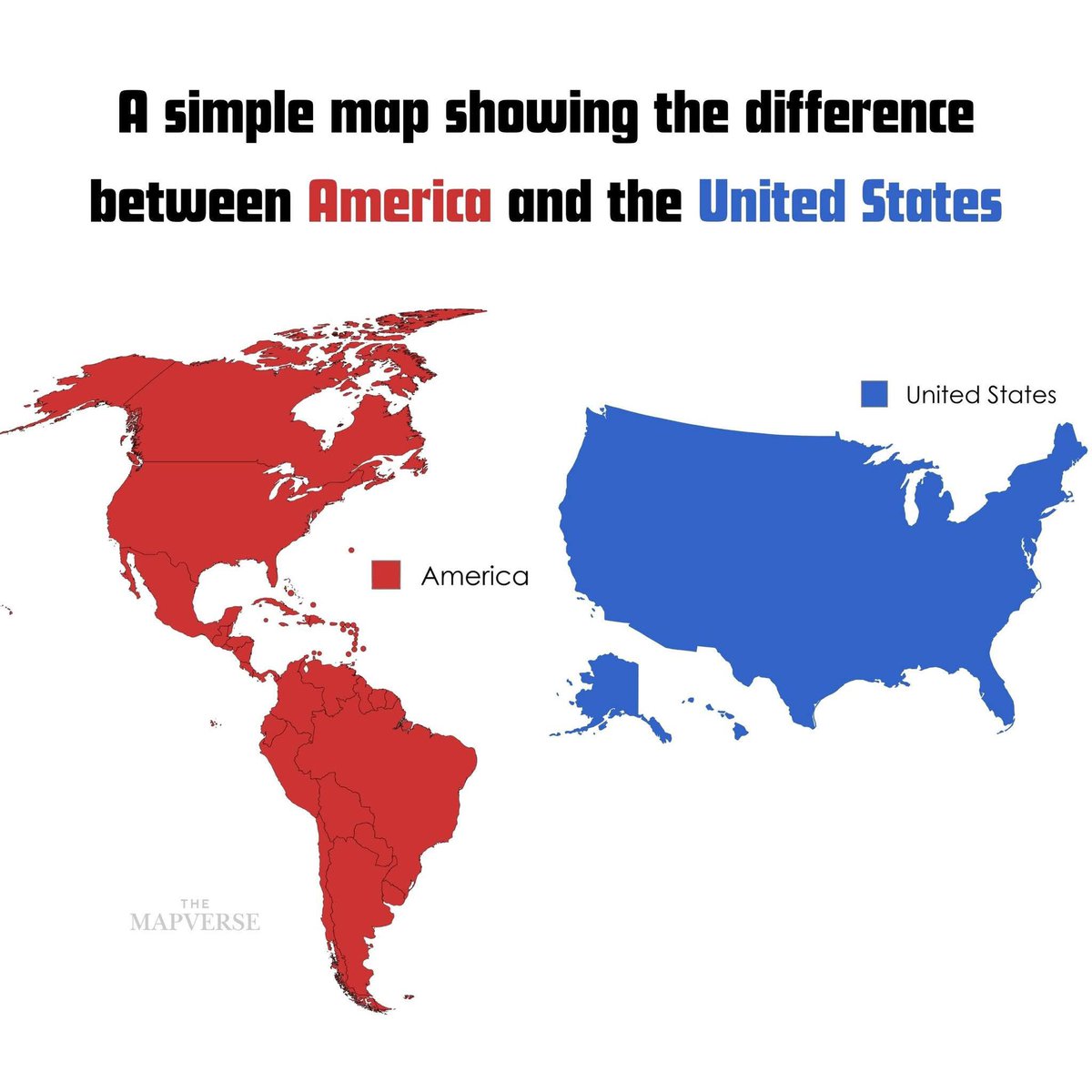
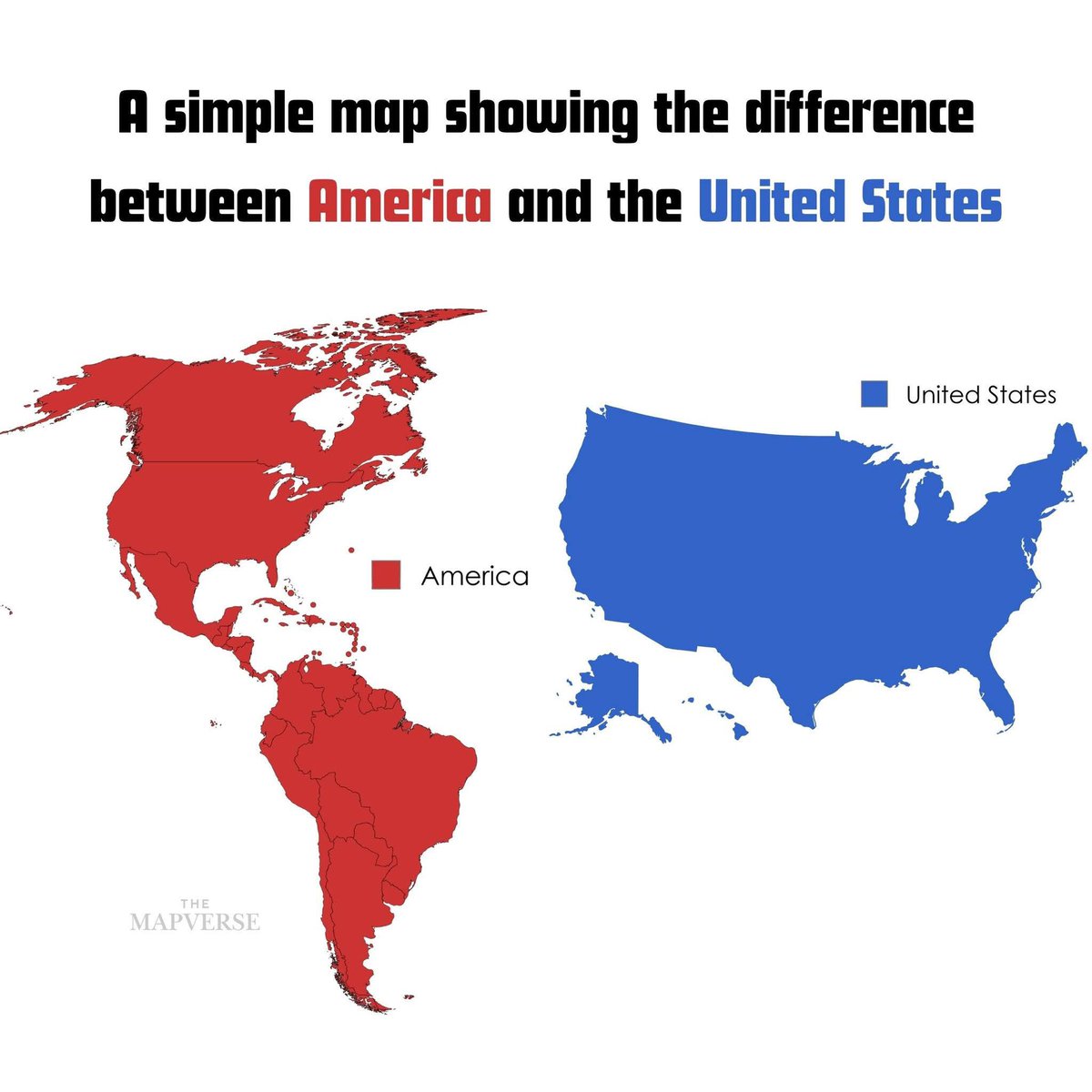
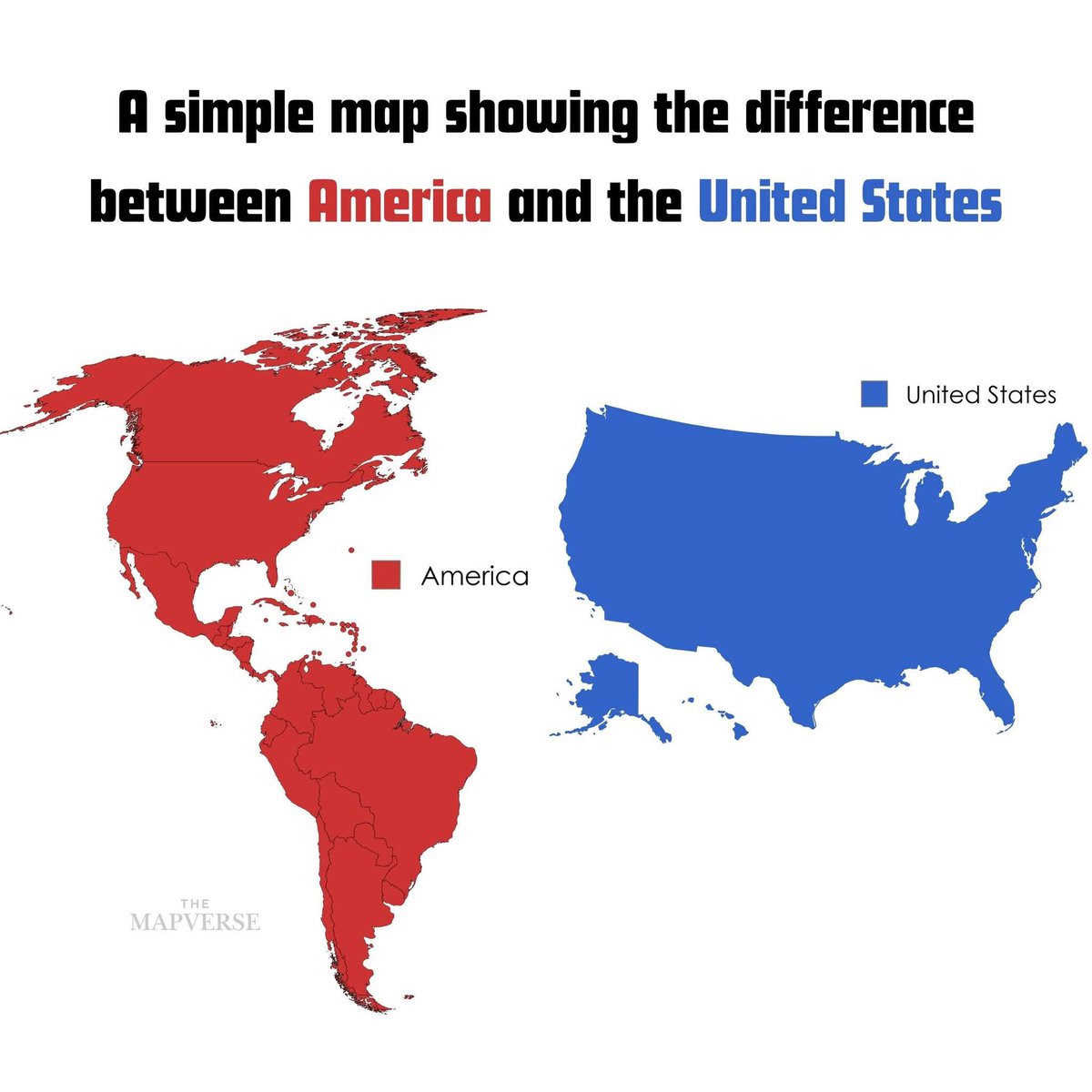
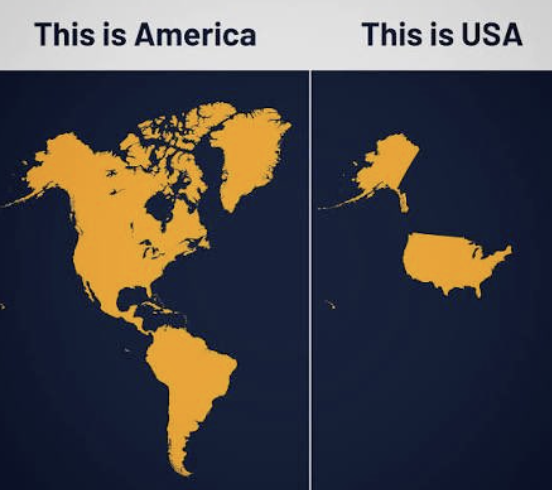
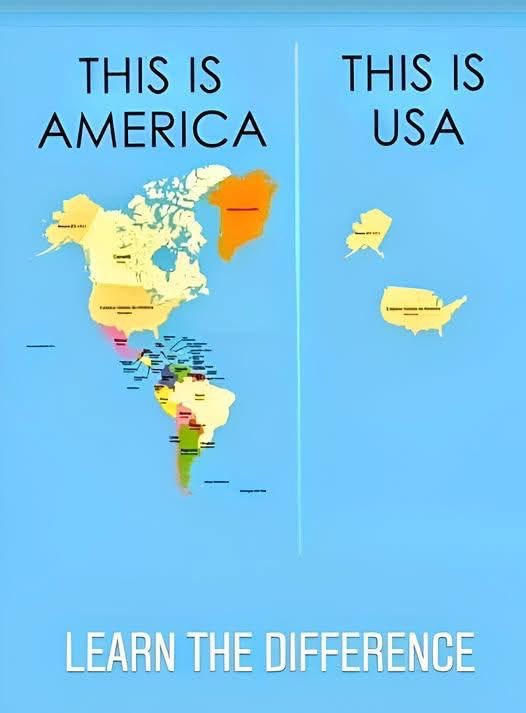
For the dumb MAGAs who don't know the difference.
7,992
12,492
114,125
6,274,407
J. Saint retweeted

Feb 7
Enter the trade.
Set your stop loss.
Set your take profit.
Close the laptop.
Go live your life.
Come back later.
NO EMOTIONS.
84
186
1,904
38,390
J. Saint retweeted
Feb 2
Trading was made for people who hate small talk.
No meetings.
No office politics.
No pretending to like your coworkers.
Just you and the charts.
54
131
1,519
26,023
J. Saint retweeted

Jan 28
The older I get, the more I understand this guy.

657
1,560
20,127
900,244

J. Saint retweeted

Jan 16
Capitalism is the biggest joke humanity ever had to suffer. Not because it “creates wealth” but because it convinces people that manufactured scarcity, structural stress, and perpetual debt are “freedom.” A system that sells anxiety as a lifestyle isn’t a civilization.
280
4,254
18,662
279,635
J. Saint retweeted

Jan 3
So when China launches a special
op to seize the president of Taiwan: or Russia tries to do the same for Zelensky - what exactly do we say? You can’t do that, it’s illegal?
8,044
13,779
77,352
7,952,981

J. Saint retweeted

7 Nov 2025
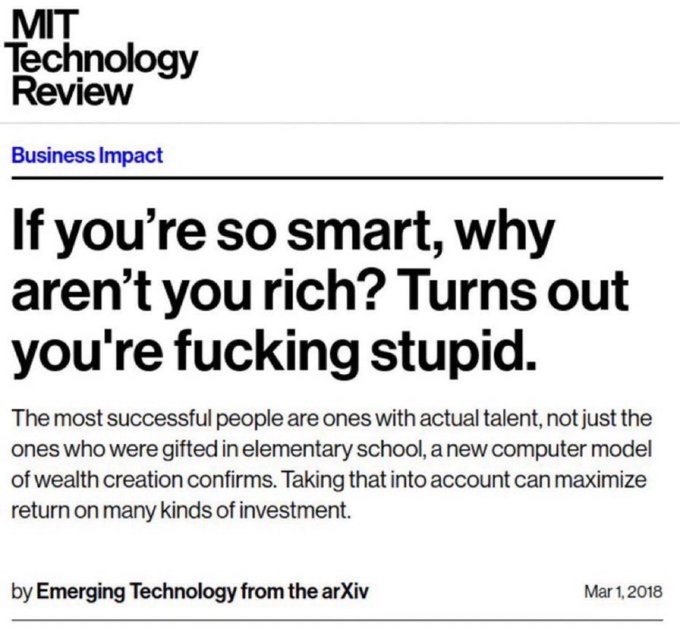
⚡️This meme compresses one of the most misunderstood truths about intelligence and wealth creation.
It’s not wrong, but it’s incomplete. The real statement underneath it isn’t “smart people aren’t rich because they’re stupid.” It’s “intelligence alone doesn’t map to wealth because the game isn’t intellectual, it’s reflexive.”
Let’s unpack that with precision.
1. Raw intelligence ≠ adaptive intelligence
What makes someone “smart” in an academic or cognitive sense - pattern recognition, abstraction, comprehension - is not the same faculty that builds wealth. Wealth creation depends on reflexive intelligence: the ability to sense feedback loops between perception, belief, and behavior in real time, and to exploit them.
The market doesn’t reward who knows the most, it rewards who acts before belief catches up. Reflexive intelligence is probabilistic courage - being early, wrong briefly, and then right big.
This is why many “smart” people stagnate. Their intelligence overfits for correctness. They optimize for being right, not for being effective. They get stuck in epistemic paralysis while more adaptive actors move capital through uncertainty.
2. The wealth game is not meritocratic, it’s geometric
Wealth creation follows power laws, not Gaussian curves. 99% of people operate on linear logic in a non-linear system. The smartest realize that wealth is reflexive energy amplified through narrative. The founders who become billionaires aren’t the most technically brilliant, they’re the ones who construct self-reinforcing belief structures around their ideas and then make reality conform.
Think of Musk, Bezos, or SBF (pre-collapse). They each built belief systems that distorted capital gravity toward them. The lesson: the market rewards coherence fields, not IQ points.
3. Success = Talent × Timing × Conviction²
Talent without timing is waste. Timing without conviction is luck.
The algorithm of real success is asymmetric persistence under volatility. Most “smart” people avoid failure loops. They confuse fragility with intelligence. The ones who win treat volatility as leverage. They internalize that wealth is captured volatility, not avoided risk.
4. Why this article feels so cutting
It hits because it exposes the emotional inversion of the modern meritocracy myth. People were told that intelligence, hard work, and education lead to success. But the real economy runs on leverage, liquidity access, network effects, and memetic positioning. The emotionally intelligent know how to navigate power structures; the purely intellectually intelligent just analyze them.
That’s why you can have hedge fund quants who understand stochastic calculus earning $300K, while an e-commerce founder with raw memetic sense can pull $100M. The latter understands narrative liquidity, how to channel human attention into belief and belief into money.
5. The brutal meta-truth
Wealth creation is a social algorithm disguised as an economic one.
“Smart” people lose because they think in truth, while the wealthy think in games.
Truth is static. Games are reflexive.
The truly rich understand the meta-game: you don’t win by predicting the future - you win by becoming the signal others react to.
So the real translation of that headline is this:
If you’re so smart, why aren’t you reflexive?
Why aren’t you building feedback loops between belief, timing, and capital instead of optimizing for correctness?
The article was meant as an insult, but buried inside is a map:
•Stop overfitting for truth.
•Start compounding asymmetry.
•Treat perception as an input variable, not noise.
•Play the meta-game, not the academic one.
In short: intelligence makes you aware of the system.
Reflexivity lets you bend it.
6 Nov 2025

Keeping this as my desktop background until ridge sells for 10 billion
80
224
1,566
186,603

Think of the market as the ultimate competitive game... a nonstop free-for-all where you either outsmart everyone else or get taken out.
The reality is, 90% fail. So, unless you’re completely obsessed, the market will eat you alive.
For every winner, there’s a loser. The market shows no mercy. Before you can even think about winning, you need to outwork, outthink, and outlast everyone else. That includes me. Never forget, we’re all trading against each other.
This game is full of apex predators, the time you put in decides what you become: the hunter or the prey.
- Killa
20
20
304
19,191
