Independent reviews of highest quality evidence by practicing clinicians & EBM experts evaluating therapy based on patient-important benefits.
Joined November 2017
- Tweets 736
- Following 341
- Followers 2,240
- Likes 170
148 Photos and videos
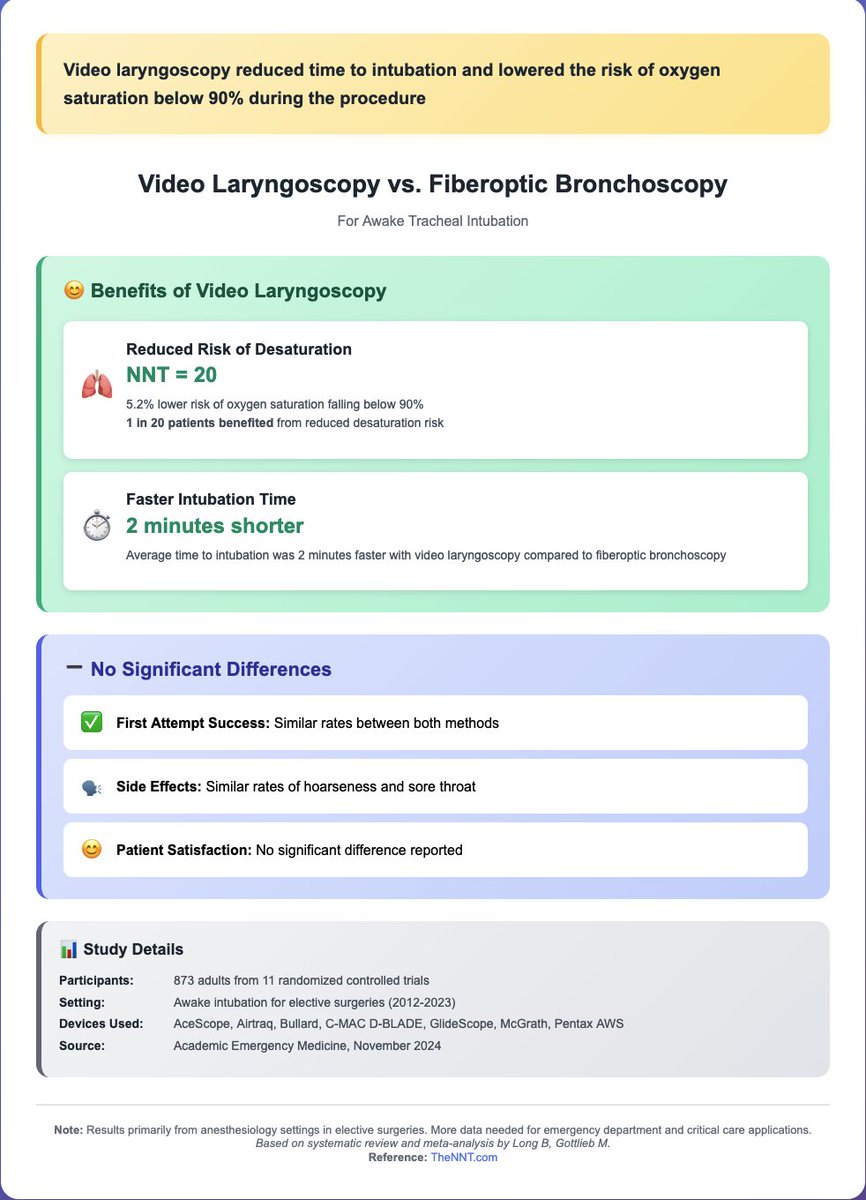
theNNT.com retweeted

Jun 5
Journal retracts study linking hepatitis vaccine to autism that was included in CDC review retractionwatch.com/2026/06/…
1
15
43
1,978
theNNT.com retweeted

May 28
What is the diagnostic accuracy of lung ultrasound findings for pneumonia in adults?
Learn more from the Brass Tacks review article via @AcademicEmerMed - bit.ly/4wQK3Qh
Read more from the @thenntgroup - bit.ly/4dAFYbv
#NNThursday #FOAMed
1
2
4
293
May 28
What is the diagnostic accuracy of lung ultrasound findings for pneumonia in adults?
Learn more from the Brass Tacks review article via @AcademicEmerMed - bit.ly/4wQK3Qh
Read more from the @thenntgroup - bit.ly/4dAFYbv
#NNThursday #FOAMed
1
2
4
293
May 28
@critcareguys, @precordialthump, @PulmCrit, @emcrit, @CriticalCareNow, @Crit_Care, @JohnGreenwoodMD, @CHsu1012, @ResusReview, @intensiveblog
1
225
theNNT.com retweeted

Great piece published in Academic Emergency Medicine on how institutions are often pressured to sacrifice high-quality patient care in order to meet performance metrics. @AcademicEmerMed
onlinelibrary.wiley.com/doi/…
5
4
502

No child deaths have been definitively linked to Covid vaccines, according to a report from the FDA that was quietly made public. nbcnews.com/health/health-ne…
658
2,832
7,078
1,867,901
theNNT.com retweeted

May 20
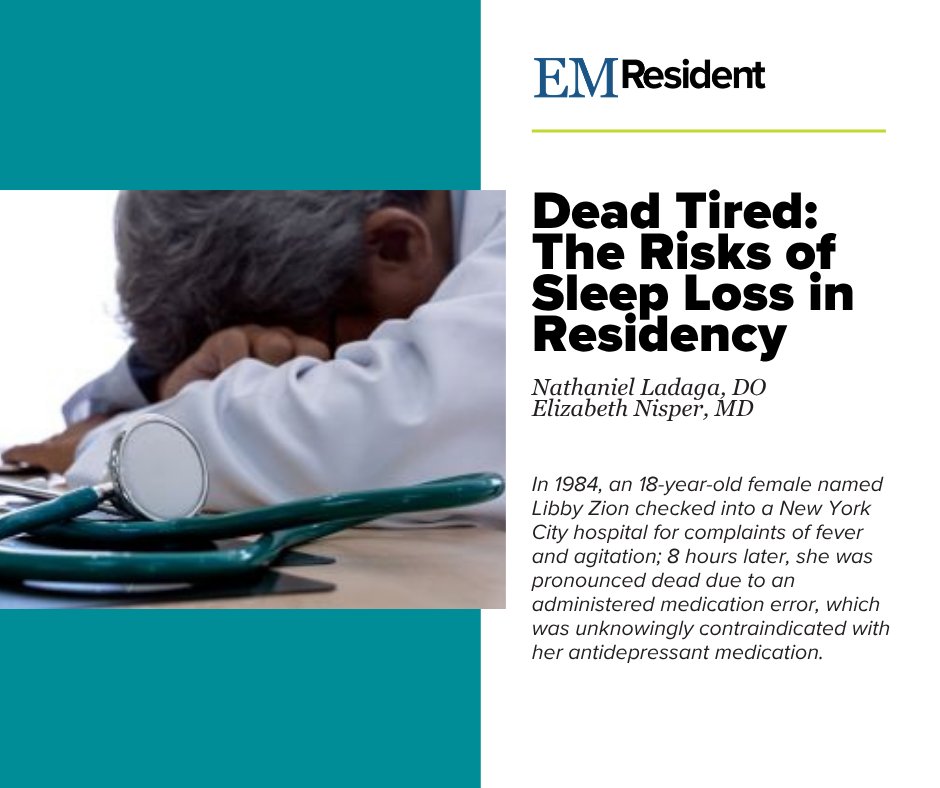
“Dead Tired” from Nathaniel Ladaga, DO and Elizabeth Nisper, MD, highlights how sleep loss impacts performance, safety, and burnout in the ED. Plus, find out how programs should prioritize smart scheduling to support residents' sleep: emresident.org/26jtbt8/
#Wellness #Sleep
1
4
456
theNNT.com retweeted

May 20
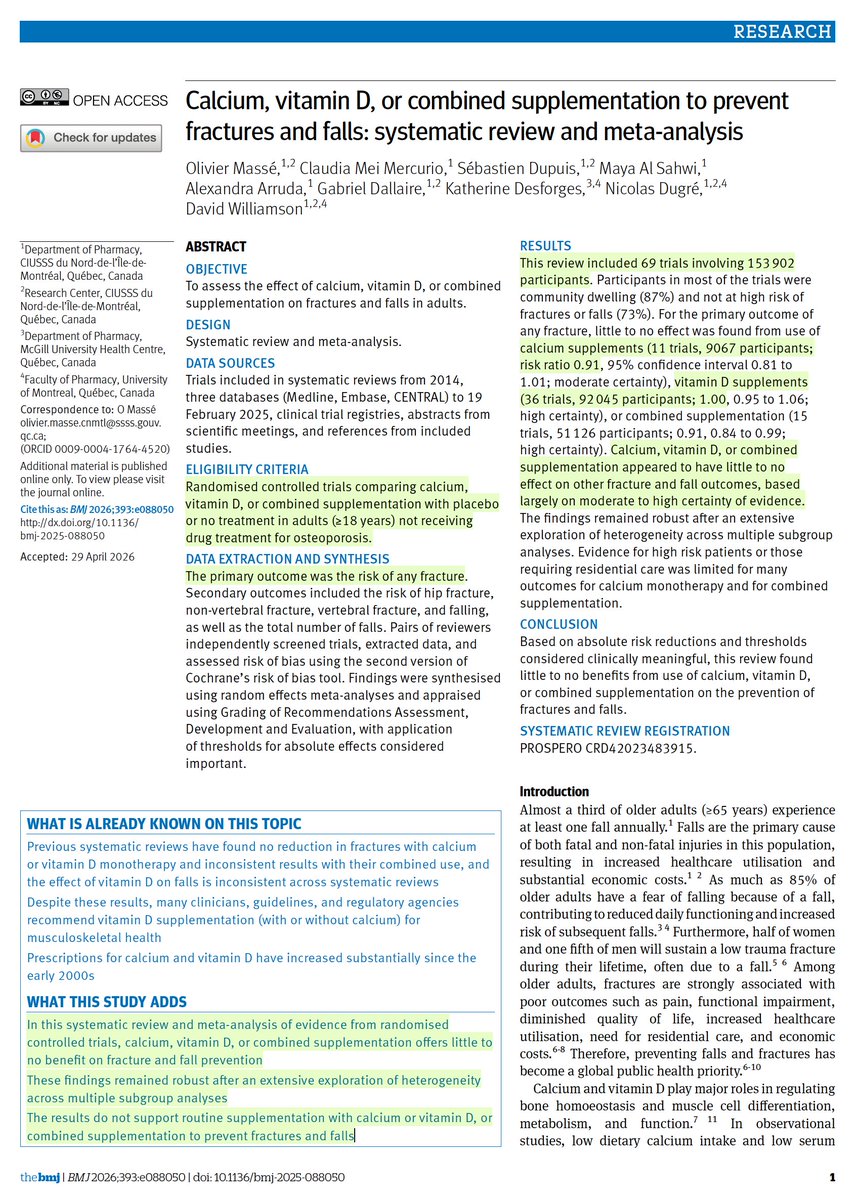
Supplementation with Vitamin D or calcium, or both does not help prevent fractures or falls. From a new systematic review of 69 randomized trials and >150,000 participants
60
426
1,325
94,493
May 14
What is the benefit of alpha-lipoic acid for diabetic peripheral neuropathy?
Learn more from the Brass Tacks review article via @aafp - bit.ly/4uSxVN8
Read more from the @thenntgroup - bit.ly/4dqZgyK
#NNThursday #FOAMed
1
1
119
May 14
@critcareguys, @precordialthump, @PulmCrit, @emcrit, @CriticalCareNow, @Crit_Care, @JohnGreenwoodMD, @CHsu1012, @ResusReview, @intensiveblog
1
80
Apr 30
What is the benefit of testosterone replacement in men with sexual dysfunction in the absence of hypogonadism?
Learn more from the Brass Tacks review article via @aafp - bit.ly/4n5m3ob
Read more from the @thenntgroup - bit.ly/4n0Su77
#NNThursday #FOAMed
1
141
Apr 30
@emlitofnote, @spoonfedEM, @EMNerd_, @SketchyEBM, @TheSGEM, @Runde_MC, @grahamwalker, @alimkakeng, @Hinson_EM, @ndubosh, @SMTEvidence, @klinelab, @WeAreCanadiEM, @EBMgoneWILD, @SAEMEBM, @DwiebeD, @TheSGEM, @JeremySussman, @ehlJAMA, @AudreyBlewer, @patcroskerry
91
theNNT.com retweeted

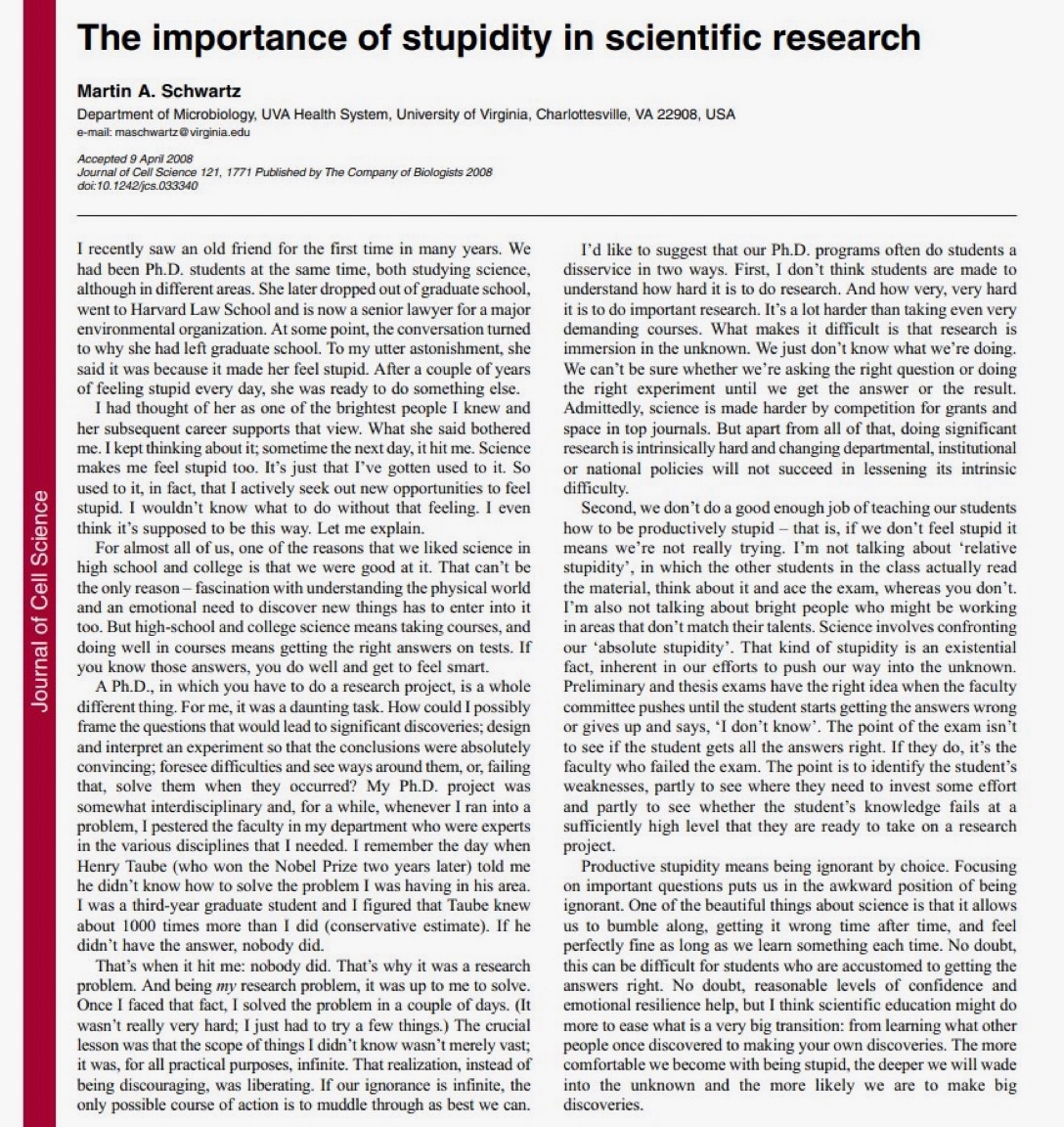
This article should be mandatory reading for every medical student, PhD candidate, researcher—and honestly, for anyone who mistakes expertise for certainty.
“The importance of stupidity in scientific research” sounds provocative, almost offensive. But Martin Schwartz is not glorifying incompetence. He is describing the real operating system of discovery.
Science is not built on knowing.
Science is built on tolerating not knowing.
That distinction matters.
Most of education rewards correctness.
School teaches us to answer.
Exams reward speed, certainty, and precision.
You feel intelligent when you get things right.
Research is the opposite.
Real research begins exactly where competence ends—at the frontier where nobody knows the answer, including the people you thought must know.
That moment is psychologically brutal.
You ask the expert.
The expert shrugs.
You assume you’re missing something.
Then you realize: no—this is the work.
You are not failing.
You are standing at the actual boundary of knowledge.
That feeling—“I must be stupid”—is often not a sign of inadequacy.
It is often the first sign that you are finally asking an important question.
Medicine struggles with this.
We train doctors to avoid uncertainty, to fear being wrong, to perform confidence.
But the best clinicians and the best scientists know how to sit inside ambiguity without collapsing into fake certainty.
This is why AI in medicine also deserves caution.
Systems trained only to reproduce established answers may become extraordinarily good at passing exams while being terrible at discovering what matters next.
Guideline intelligence is not the same as scientific intelligence.
Discovery requires productive stupidity:
the willingness to stay with the uncomfortable,
to look ignorant,
to ask naïve questions,
to be wrong repeatedly without protecting your ego.
Most people want the authority of expertise.
Very few want the humiliation required to earn it.
But progress lives there.
Not in certainty.
Not in performance.
Not in sounding smart.
In the quiet discipline of saying:
“I don’t know… yet.”
And continuing anyway.
36
548
1,466
186,813
theNNT.com retweeted

Apr 24
A new warning by @TheLancet for the American people: the CDC is “on the brink” of collapse.
“The CDC was once the gold standard for public health leadership. Today, it is struggling to maintain scientific excellence, trustworthiness, and relevance, a result of the actions of the Trump admin and HHS that have undermined the agency.”
73
1,100
2,228
43,218
Apr 23
What is the benefit of sustained-release naltrexone for opioid dependence?
Learn more from the Brass Tacks review article via @aafp - bit.ly/48iBIdA
Read more from the @thenntgroup - bit.ly/3QsuJJ0
#NNThursday #FOAMed
1
2
3
280
theNNT.com retweeted

A report showing the efficacy of the covid-19 vaccine that was previously delayed by the head of the CDC has been blocked from being published in the agency’s flagship scientific journal, according to people familiar with the decision. wapo.st/3QCMmps
23
216
454
107,142
theNNT.com retweeted

Apr 16
💬 Viewpoint: Mandatory annual training modules consume millions of physician‑hours each year, yet their largely passive formats may offer limited educational value while contributing to administrative burden and clinician burnout.
ja.ma/4vvyvBm
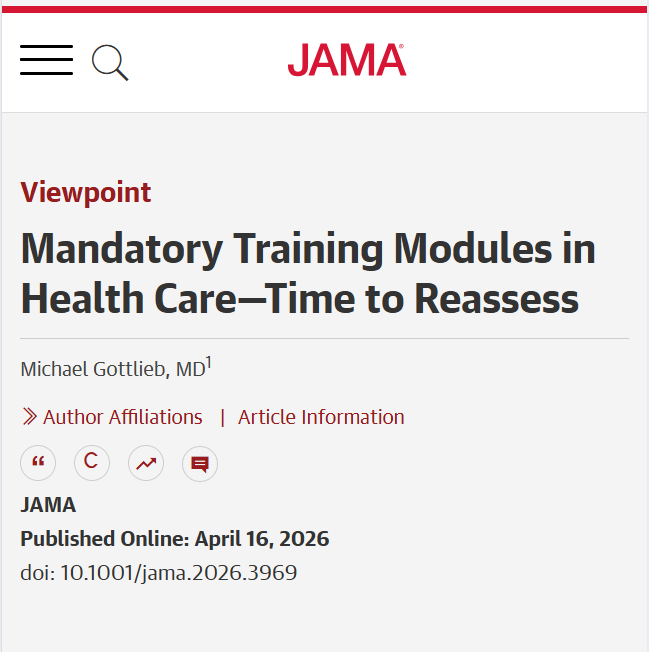
ALT A JAMA viewpoint article titled \"Mandatory Training Modules in Health Care\u2014Time to Reassess\" by Michael Gottlieb, MD\u00B9, published online April 16, 2026, doi: 10.1001/jama.2026.3969.
27
129
339
115,697
theNNT.com retweeted

Four million physician hours are spent on mandatory modules each year. They represent not just clinical time lost but “evenings reclaimed and cognitive load reduced.”
Redundant training and low-value modules should be a thing of the past.
jamanetwork.com/journals/jam…
17
100
416
52,406
theNNT.com retweeted
Apr 20
5 Logical fallacies in the era of RFK Jr. youcanknowthings.com/5-logic…
2
1
2
455