
Joined December 2008
- Tweets 44,186
- Following 991
- Followers 540
- Likes 28,951
1,152 Photos and videos









Pinned Tweet

1 Apr 2022
Its hard to grasp just how grotesque and socially destructive corporate owned data driven tech is. Finish BigTechMonopolies. #DecentaliseEverything.
5
7
33
DecentraliseEverything 🇵🇸 retweeted

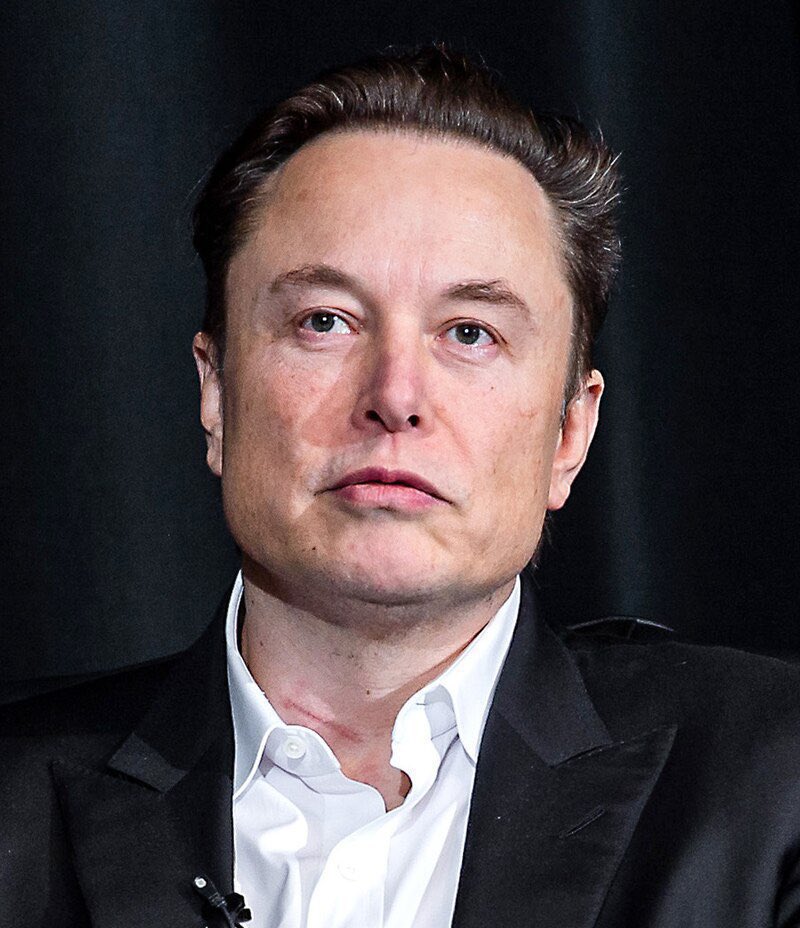
In my lifetime, China lifted 850 million people out of poverty, while the US created one trillionaire. It is clear as day that socialism is the key to our future.


4,359
11,852
68,560
2,341,630
It's the govnt job to regulate corporations who exploit children for profit. Make algorithms for clicks illegal. The new proposal means they won't be regulating social media companies one iota. They will be chuffed to bits to see the left & right both blame bad parenting instead!
2
DecentraliseEverything 🇵🇸 retweeted

Jun 13
NEW: U.K. advances proposal to force Apple, Google, Signal, & other platforms to scan private content on users’ devices — executives could face prison if they refuse.
603
719
4,293
1,490,749

x.com/polymarket/status/2065…
It’s also the banality of the tyranny and the constant push of civil service, govt and NGOs to make life incrementally worse and more difficult for normal people
Jun 13

NEW: U.K. advances proposal to force Apple, Google, Signal, & other platforms to scan private content on users’ devices — executives could face prison if they refuse.
3
8
385
DecentraliseEverything 🇵🇸 retweeted

Jun 12
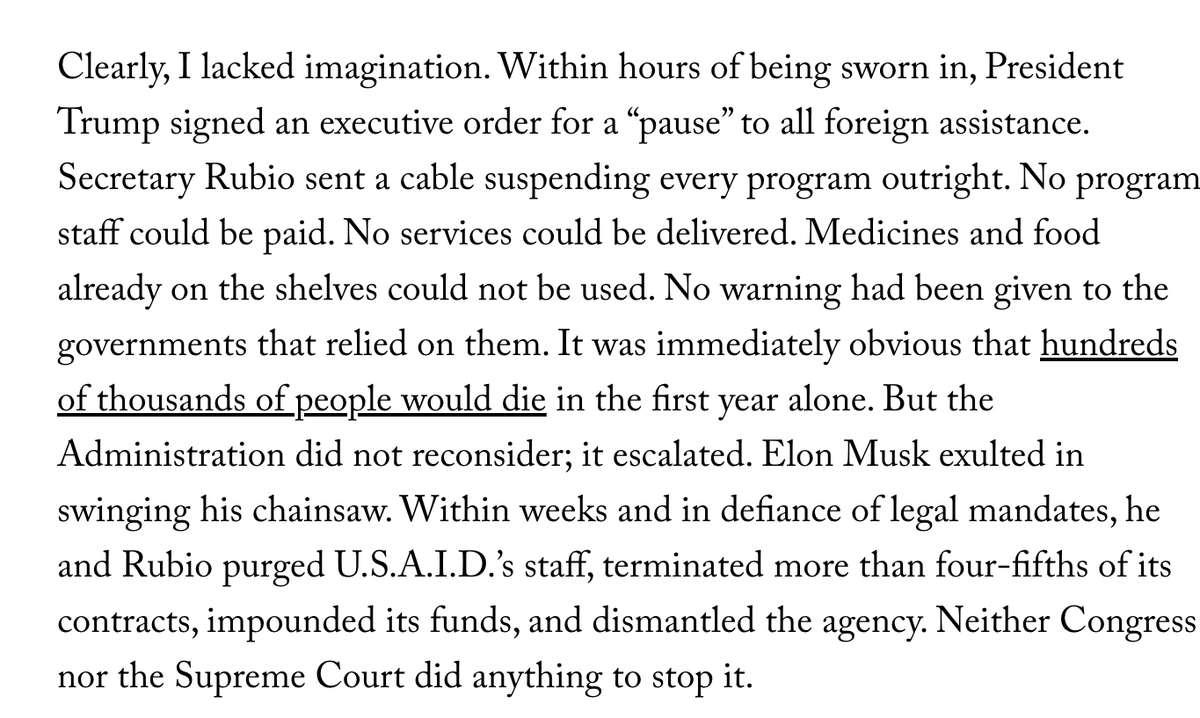
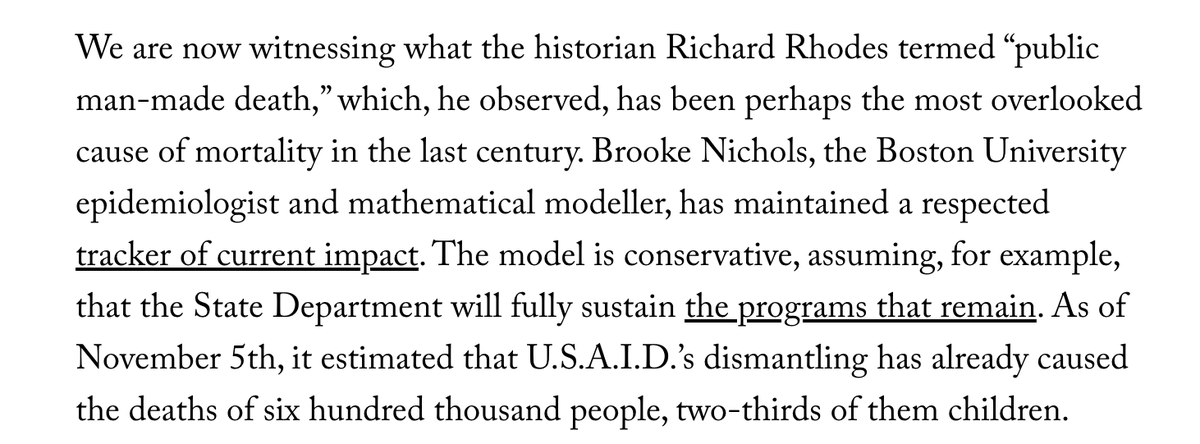
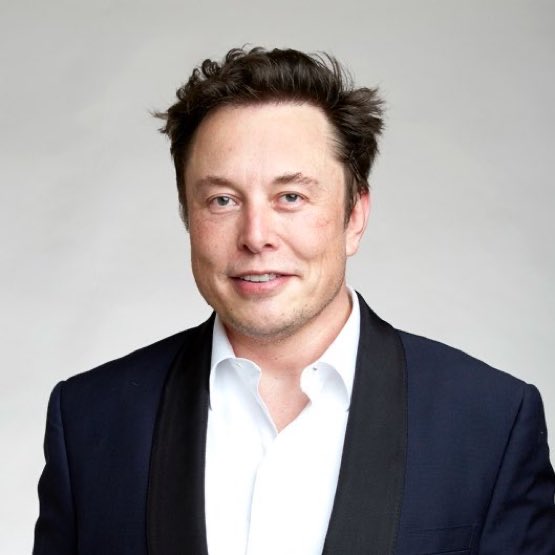
Elon Musk held up a chainsaw, fed USAID into the wood chipper, and at least 600,00 people have already died as a result - two-thirds of them children.
History's first trillionaire.

6,425
10,705
36,294
1,674,132
DecentraliseEverything 🇵🇸 retweeted

Jun 13
There’s a clear pattern here: removing trial by jury for a whole layer of cases; blocking Cenk Uyghur and Hasan Piker from entering the country; the Filton 4 being sentenced as terrorists but not charged as terrorists (yes, really); a British citizen in Russia having his citizenship removed without being charged with anything; stuff like this - constantly.
It’s becoming so normal now. There’s a great phrase ‘turnkey tyranny’: you might like the people doing this today, or despise those on the receiving end, but tomorrow it WILL be different. The end point is very obvious. And these tools, and this trajectory, in the wrong hands, is quite a terrifying thought.
Jun 13

🚨BREAKING: Tommy Robinson has been detained at Heathrow Airport under Section 3 of the Counter-Terrorism and Border Security Act 2019, with his phone seized
146
628
3,982
360,517
DecentraliseEverything 🇵🇸 retweeted

Jun 12
I am 52 years old. I have been working since I was 15 years old. I have no savings, no retirement, and will never own a home before I die.
And there is now a trillionaire.
31,711
12,303
149,281
9,750,874
DecentraliseEverything 🇵🇸 retweeted

May 30
Nigel Farage - the leader of Reform UK - is under investigation for failing to declare a £5 million 'gift'.
Please RT this until the BBC gives this story the same level of blanket coverage - as it would for the leader of any other UK political Party.

106
6,300
7,487
122,178
DecentraliseEverything 🇵🇸 retweeted

Jun 13
Austerity is a necessary condition for #capitalism to exist. Without it, the economy cannot be financialized, and without financialization, there is no hope for oligarchs; they can't survive. This is why financial, industrial, and fiscal austerities have been baked into the economic theory itself.
6
15
34
2,371
DecentraliseEverything 🇵🇸 retweeted

Jun 13
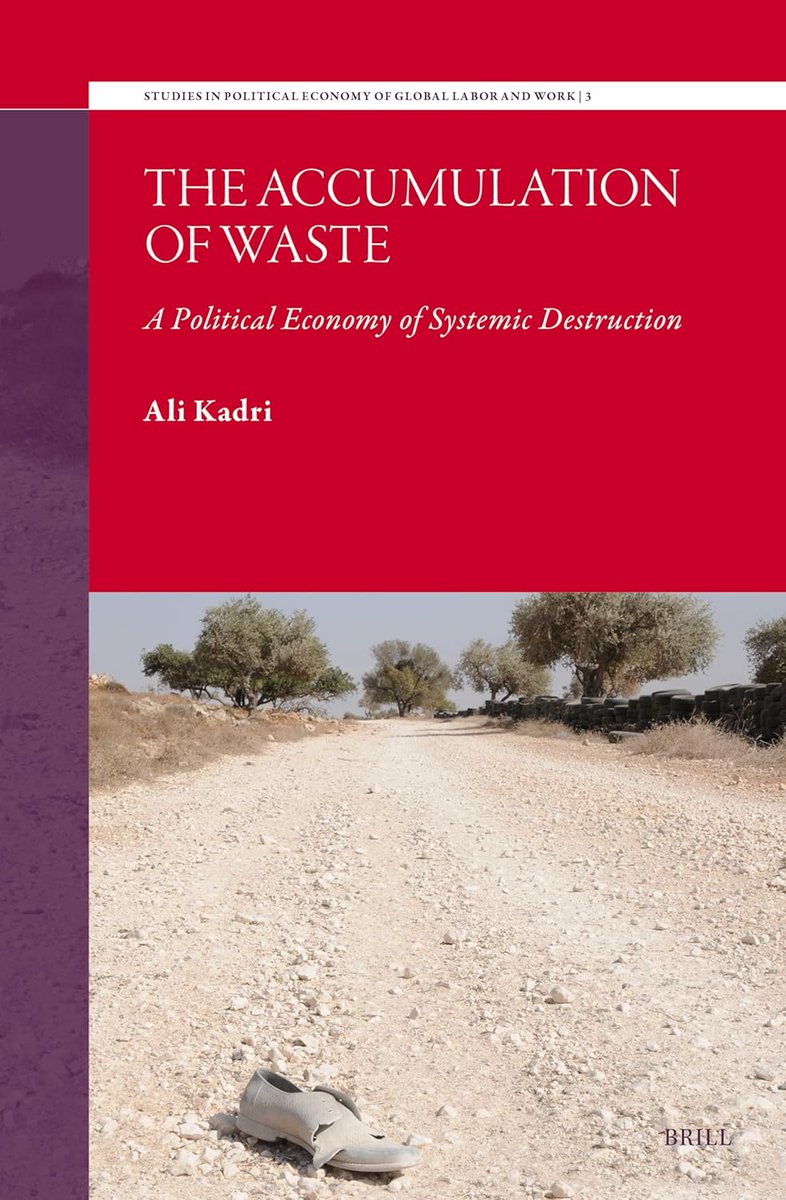
I’ve only read the description so far, but I’m planning to read it properly. It would be great to invite the author to speak about it at the @Graeber_social .
Ali Kadri argues that contemporary capitalism increasingly produces not goods, but “surplus people,” wars, and destruction — and that this has become a new form of accumulation.

I think that book you wish for already exists. It's The Accumulation of Waste by Ali Kadri. It needs to be read more widely to understand our predicament
3
22
154
14,288

DecentraliseEverything 🇵🇸 retweeted

Nature is the ultimate recycler. Capitalism is linear: take, use, discard. Marx saw this in agriculture and soil degradation. The rift between humanity and nature is built into capitalism.
#Marx #FoodWaste #agriculture
realprogressives.org/macro-n…
7
9
137
DecentraliseEverything 🇵🇸 retweeted
Jun 11
Galbraith's The Affluent Society (1958) surprised people by explaining the idiotic world they were living in, where bloated private consumption of things they often absolutely don't need goes hand in hand with the destruction of public space, from schools to hospitals. Galbraith explained how advertising teaches people to buy endlessly, and corporations make them work so they can buy again — consumption as the engine of the social system.
But someone should soon write a book about how The Affluent Society ended — and a new era began. An era where most people no longer have to work, because there's no work, and the elite doesn't need buyers. The main theme is no longer production and consumption but access to resources: those who have capital, infrastructure, data, and protection — and those who never will.
Roughly like in the colonies: the overseas masters make sure local groups fight each other enough not to interfere with the guards around the cobalt mine, where a few lucky ones dig up resources with their bare hands for a dollar a day.
Oh wait — no digging needed. Robots will dig.
The population is seen by the power only as a politically dangerous element of the system.
That world might look like one of those strange civilizations the Star Trek crew encountered on its voyages: a small techno-elite amid wonders and abundance, the majority somewhere below — in degrading spaces, in despair and horror.
Who'd want to live in a world like that? Well, maybe the Star Trek crew will fly over and sort it all out for us?

17
123
497
19,411
DecentraliseEverything 🇵🇸 retweeted

Thousands of people have been arrested in the UK for holding up signs opposing genocide while white supremacists try to burn families alive in their own homes

Far right pogroms targeting black and brown people and burning families out of their homes.
96
4,977
20,982
227,521
DecentraliseEverything 🇵🇸 retweeted

Jun 11
Elon Musk is set to become a trillionaire within the next few months and a Karl Marx quote comes to mind.
"One day there will be trillionaires, but you will still have nothing."
Amazing powers of prediction.
Community note
The quoted statement is not from Karl Marx. en.wikiquote.org/wiki/Karl_Marx marxists.org/archive/marx/w…
576
8,046
44,123
355,975
DecentraliseEverything 🇵🇸 retweeted

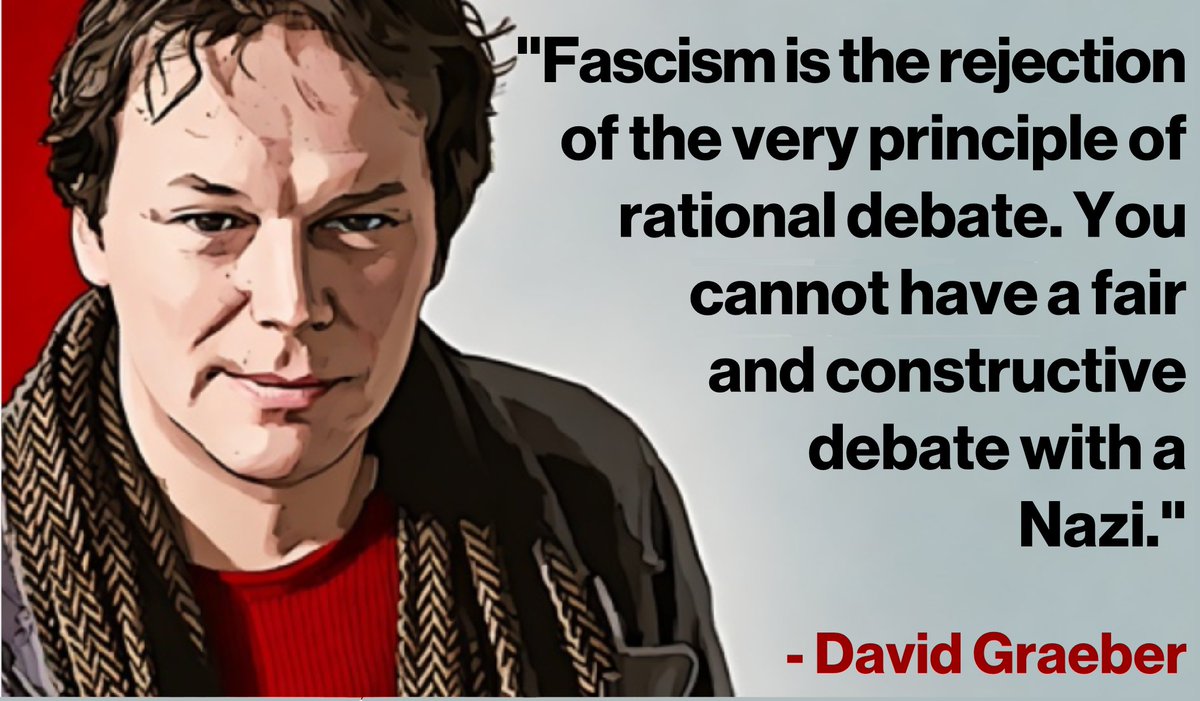
When logging onto this app, keep this quote in mind.
44
162
482
8,915
DecentraliseEverything 🇵🇸 retweeted

Jun 11
.@JohnHealey_MP is one of world’s most heinous war criminals
He ordered UK spy flights over Gaza for over a year
The intel gathered was handed to genocidal Israeli military in real-time
@IntlCrimCourt cannot let him escape accountability for his crimes
192
3,363
7,014
85,375
Lately I've been on several over priced British train journeys where the toilets are either locked (out of service) or the water is out , and on multiple toilets in different carriages on multiple trains. Its disgusting. The train operator scum CEOs shld be hounded out of job.
1
1
1
20
It is the rich and powerful who have wrecked this country and run it into the ground, plain to see. British people need to wake the feck up and deal with the fat cat outsourced private CEOs that have robbed this country & turned it into a shithole. Why do rioters target poor?
1
1
13
DecentraliseEverything 🇵🇸 retweeted

Let's be honest with ourselves but the BBC did much of the heavy lifting to normalise Nigel Farage and his racism.
157
1,888
12,192
125,148